
South Korea recipes
Recipes from South Korea: home cooking with cultural background, ingredient substitutes and step-by-step instructions.
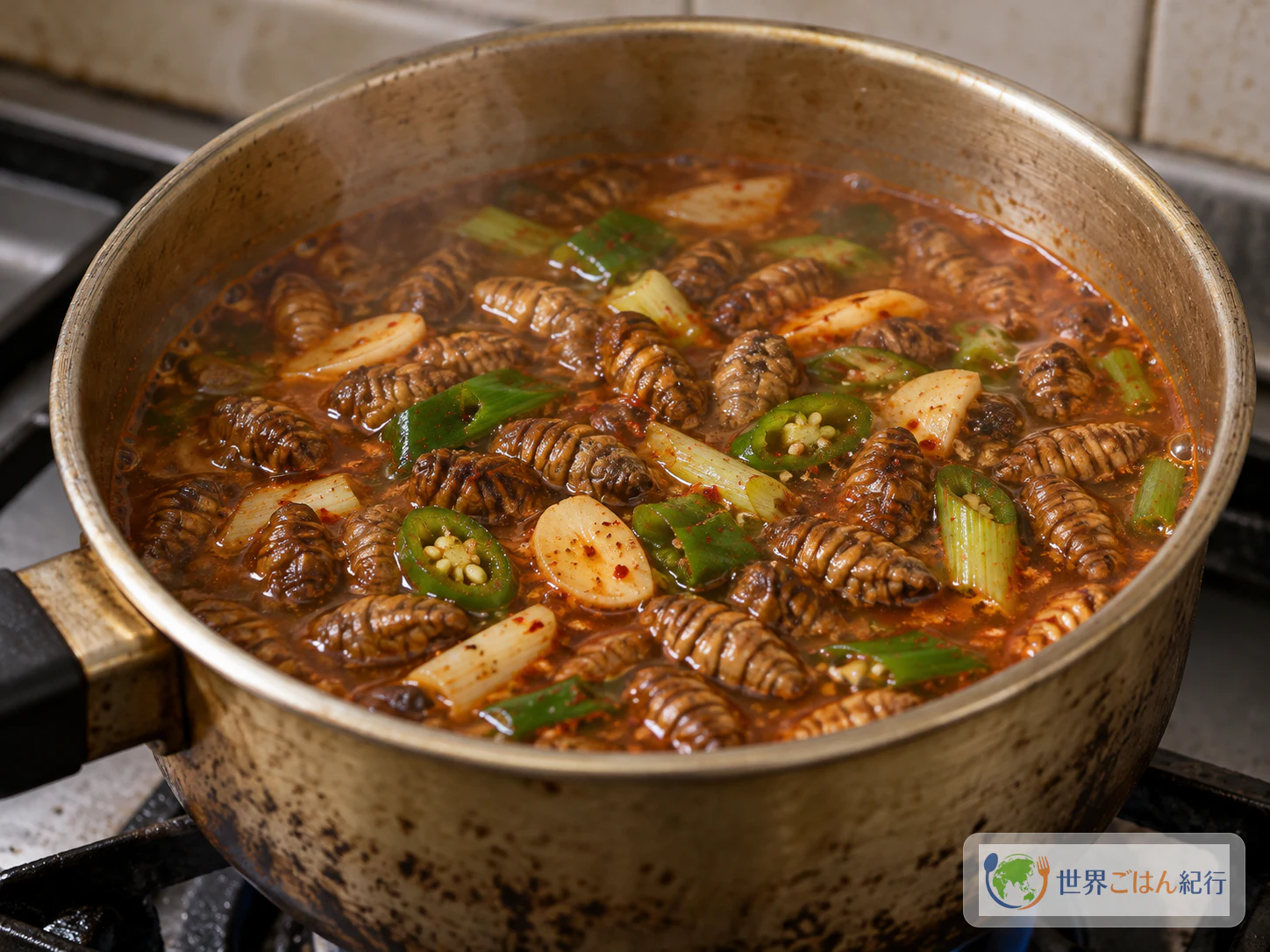
Beondegi-tang: Spicy Korean Silkworm Pupa Soup Made from a Can (번데기탕)
How to make beondegi-tang (번데기탕), a quick, spicy Korean soup of canned silkworm pupae with sliced garlic, gochugaru, scallion and Cheongyang chili. Follows one home cook's written recipe for 2, with the exact order of additions, how much can liquid goes back in, what the 150g on the can means, and allergy notes to read before you eat.
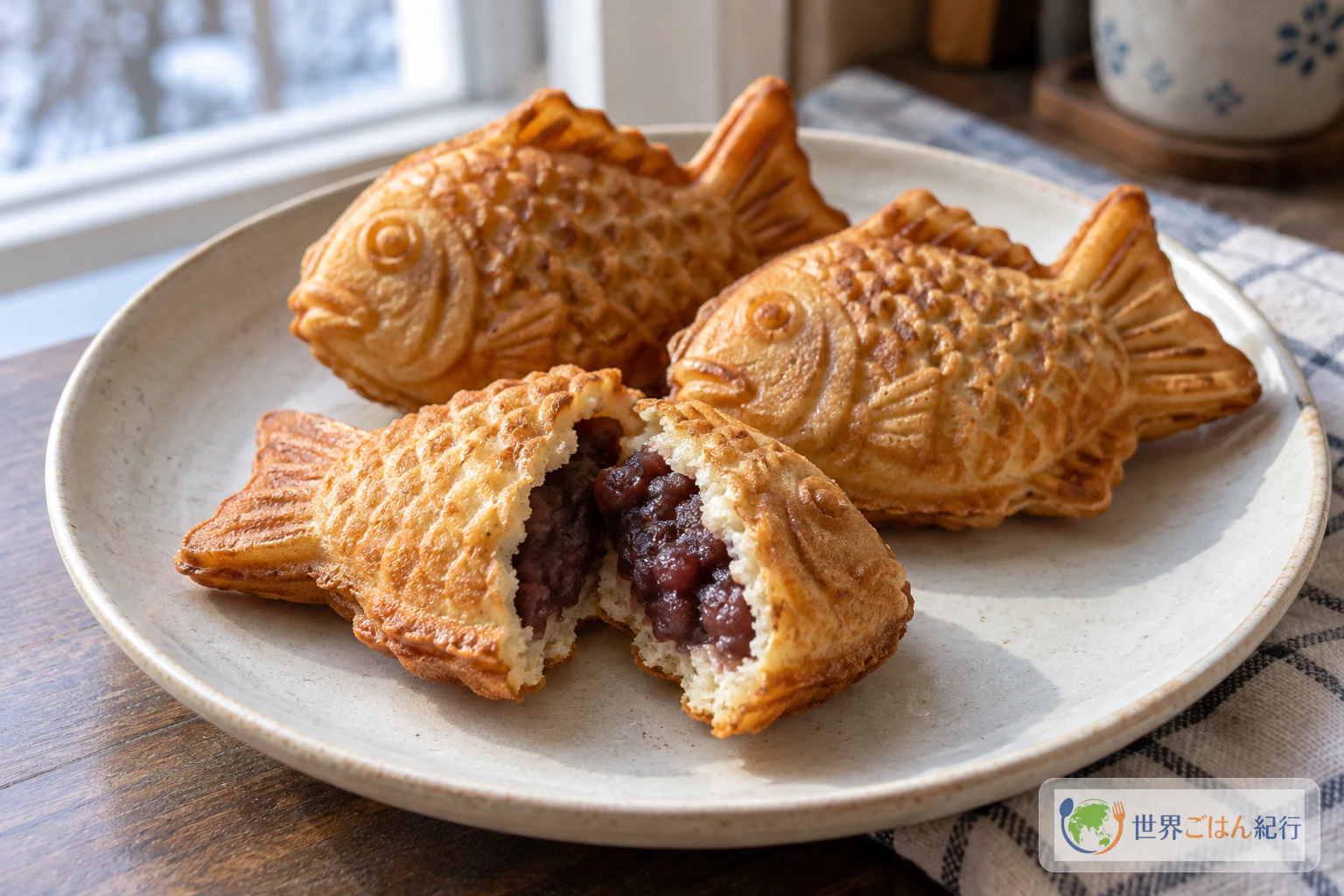
Bungeoppang: Korean Fish-Shaped Pastry with Sweet Red Bean Filling (붕어빵)
How to make bungeoppang (붕어빵), the Korean fish-shaped pastry filled with sweet red beans, using a six-piece batter of flour, water, sugar, salt and baking soda. Covers straining the batter, greasing the mold, placing the filling, turning the pan over low heat, troubleshooting, newer fillings, and how it compares with Japanese taiyaki.
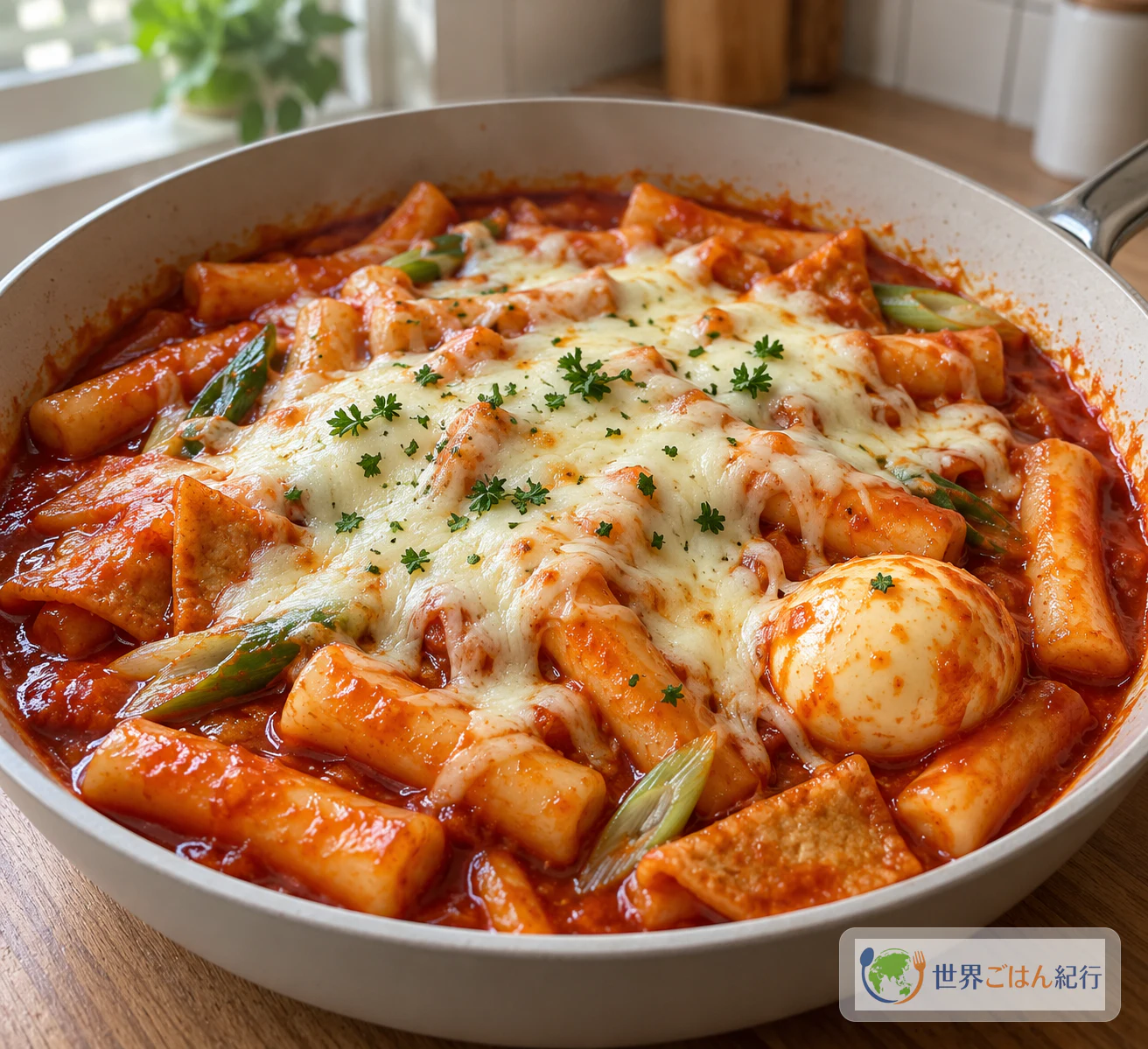
Cheese Tteokbokki: Korean Rice Cakes in Red Sauce Under Melted Mozzarella (치즈 떡볶이)
How to make cheese tteokbokki (치즈 떡볶이), the Korean dish of chewy rice cakes simmered in a sweet-spicy gochujang sauce and finished with mozzarella melted under a lid. Follows one published recipe step by step, from the cold-water soak to the parsley garnish. Also covers how to judge each stage by the state of the sauce and cheese, what to look for when shopping, and where the cheese version sits in Korean street-food culture.
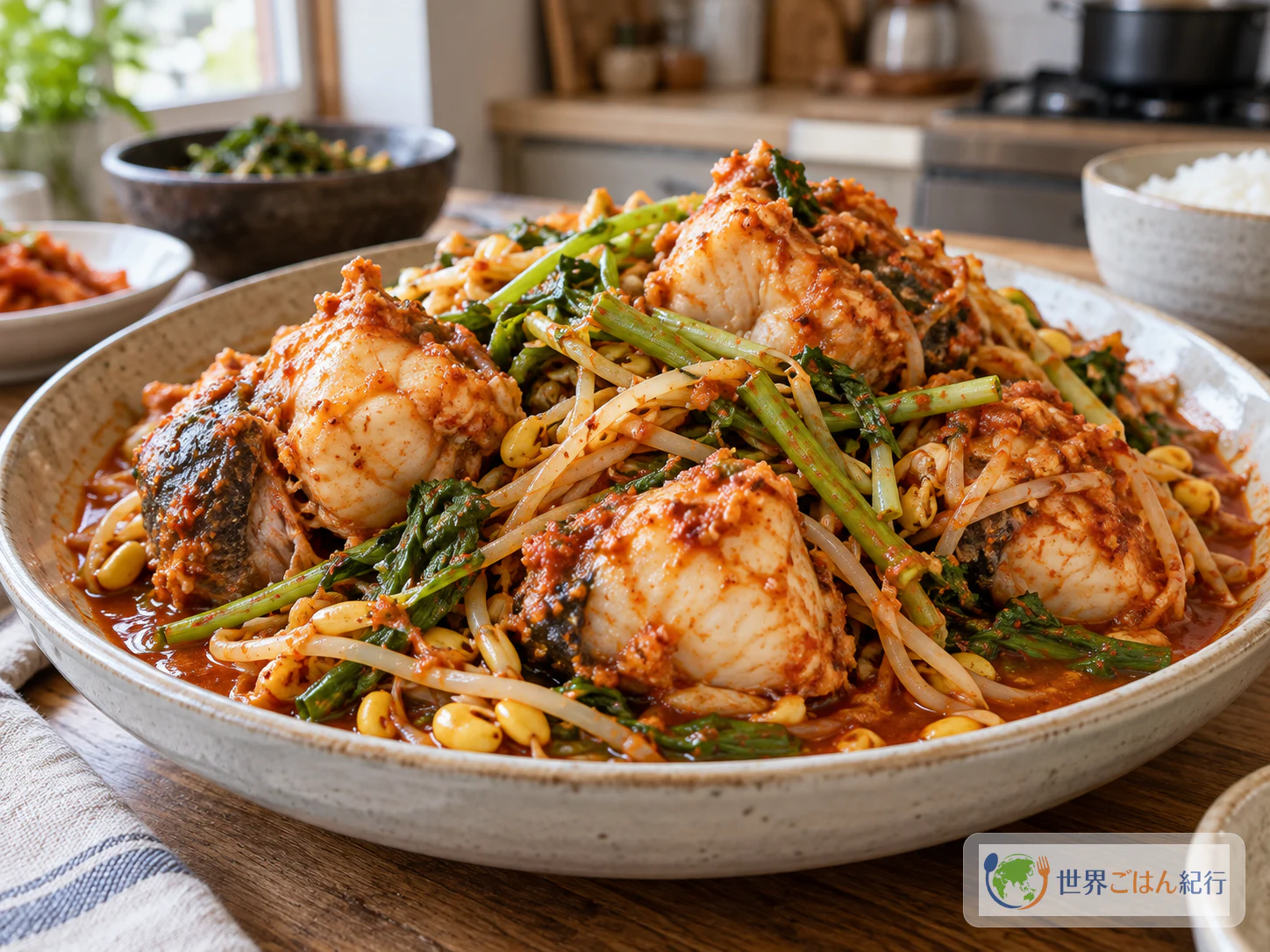
Agujjim: Korean Spicy Braised Monkfish with Soybean Sprouts (아귀찜 / 아구찜)
How to make agujjim (agwijjim), the Korean spicy braised monkfish tied to Masan in South Gyeongsang Province. A four-serving home recipe with a gochugaru sauce, crisp soybean sprouts, minari and a light starch glaze, plus how the dish's two spellings came about, honest substitutions for minari and gochugaru, a seafood safety check, and fixes for soft sprouts, broken fish and thin sauce.
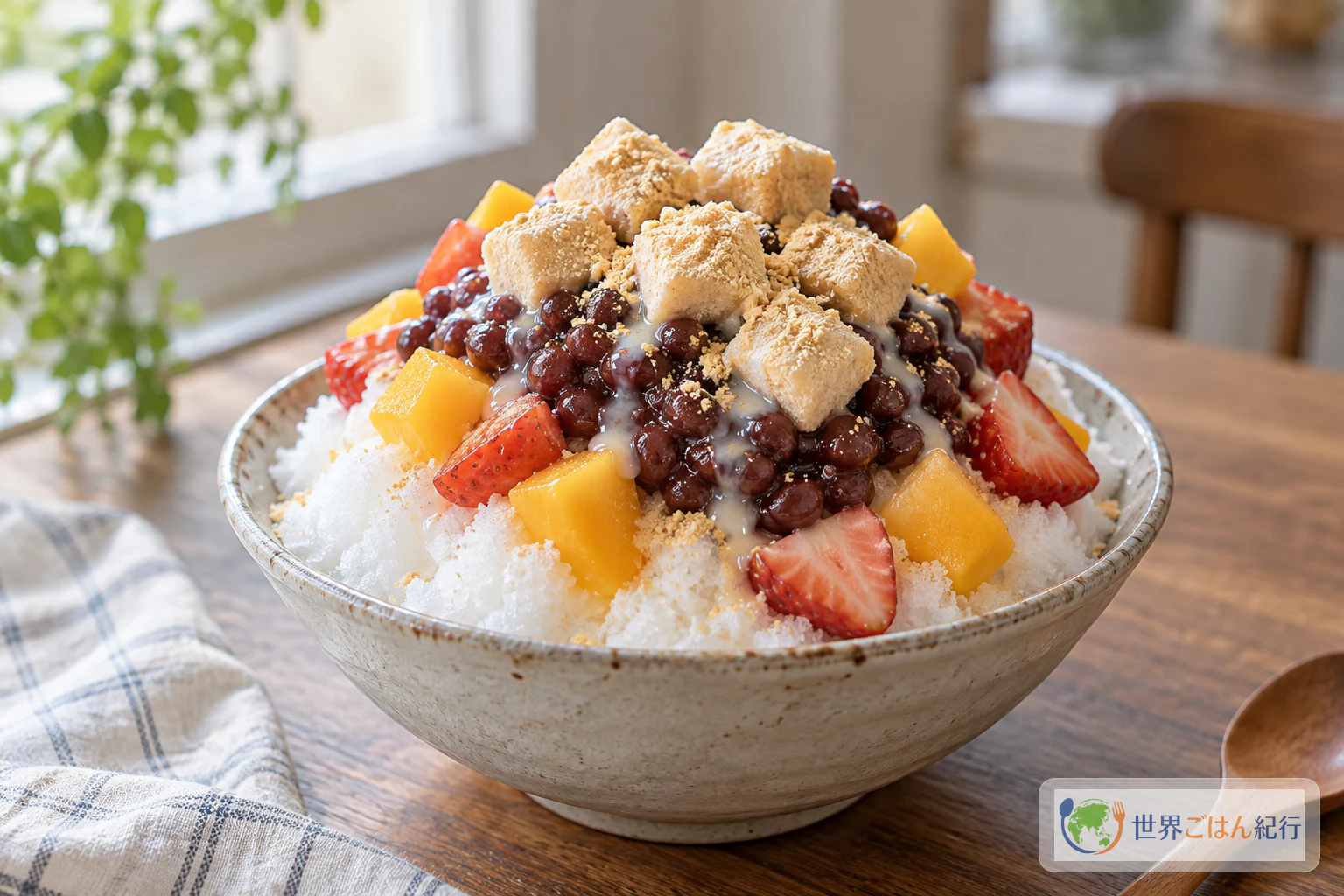
Patbingsu: Korean Shaved Ice with Sweet Red Beans, Fruit and Injeolmi (팥빙수)
How to make patbingsu (팥빙수), the Korean shaved-ice dessert built on sweet red beans, at home for one to two people. Covers layering ice, beans, milk, fruit, injeolmi and condensed milk in a chilled bowl, optional homemade red beans and microwave injeolmi, honest substitutions, allergens, and how bingsu has changed in Korea.
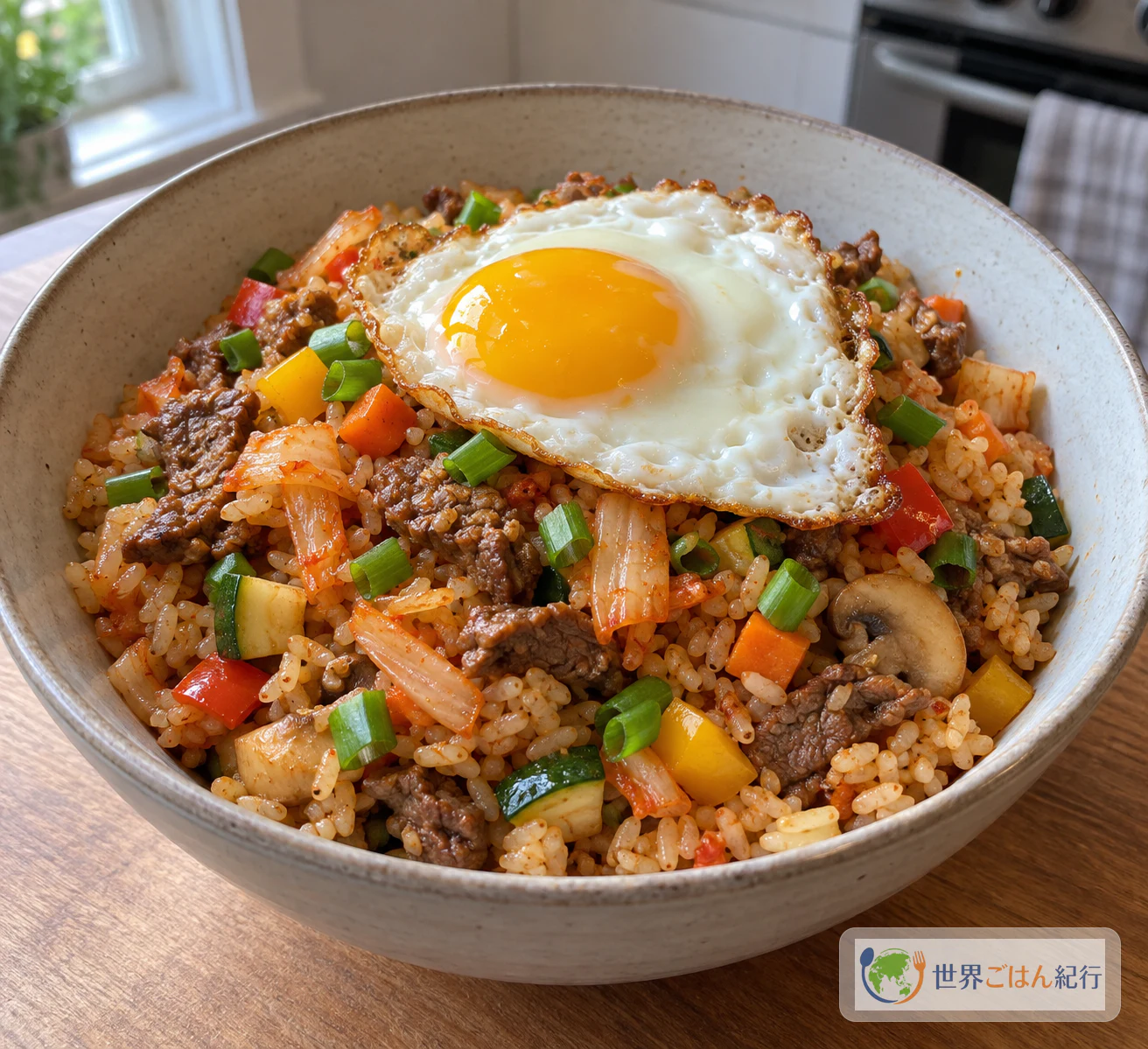
Bokkeumbap: Korean Fried Rice with Beef, Kimchi and Vegetables (볶음밥)
How to make Korean bokkeumbap (볶음밥) with beef, a little kimchi, colorful diced vegetables and oyster sauce, following Maangchi's home recipe for 2–3 servings. Covers the order of stir-frying over high heat, handling cold or freshly cooked rice, how it differs from kimchi fried rice, optional additions, and safe handling of leftover rice.
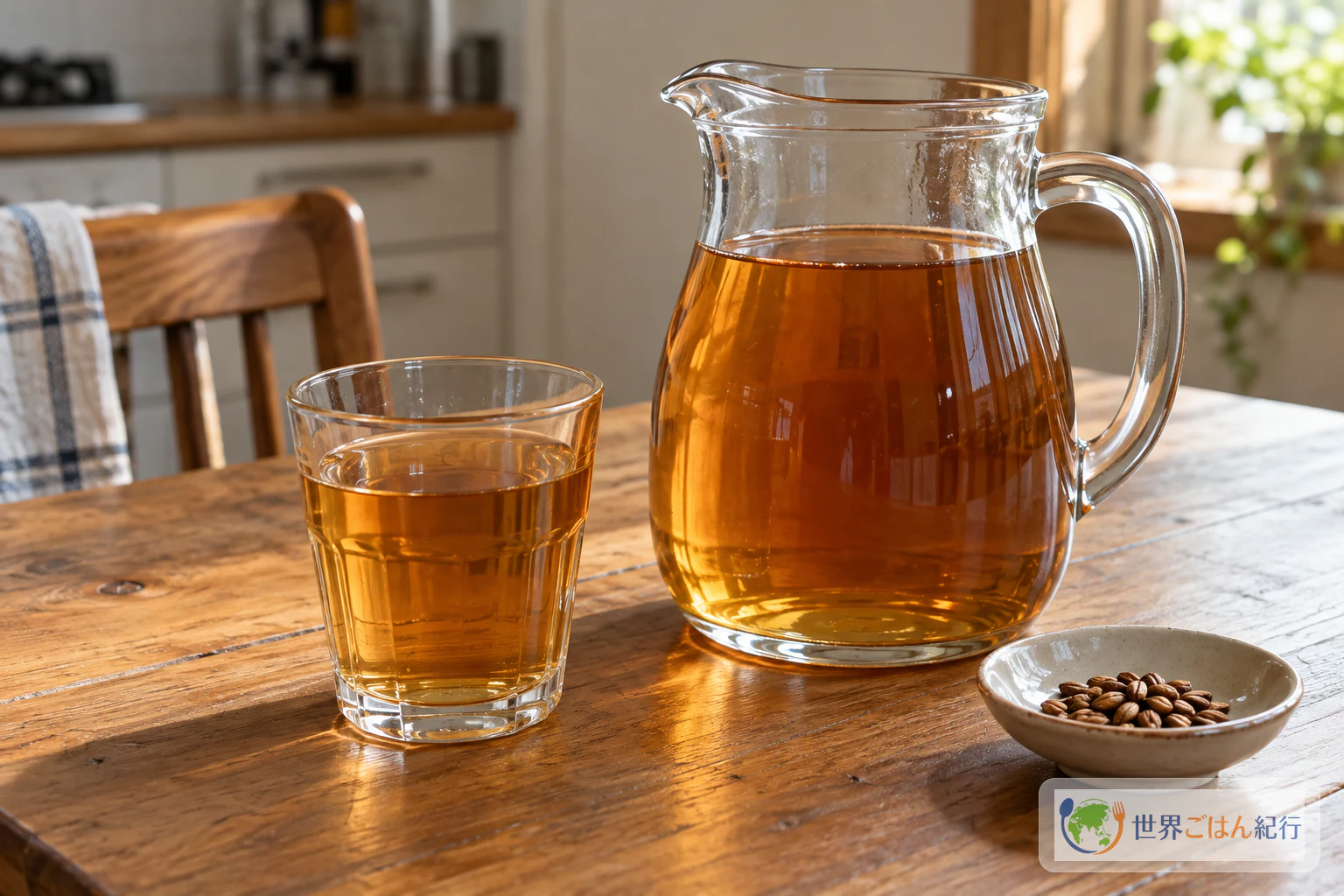
Bori-cha: Korean Roasted Barley Tea (보리차)
How to make bori-cha (보리차), the Korean drink brewed from roasted barley grains and water. A loose-grain method with 2 liters of water and 3 Tbsp of roasted barley simmered for 5 minutes, then strained and served warm or chilled. Covers choosing roasted barley, straining, fixing common problems, other brewing ratios, and how it relates to Japanese mugicha.
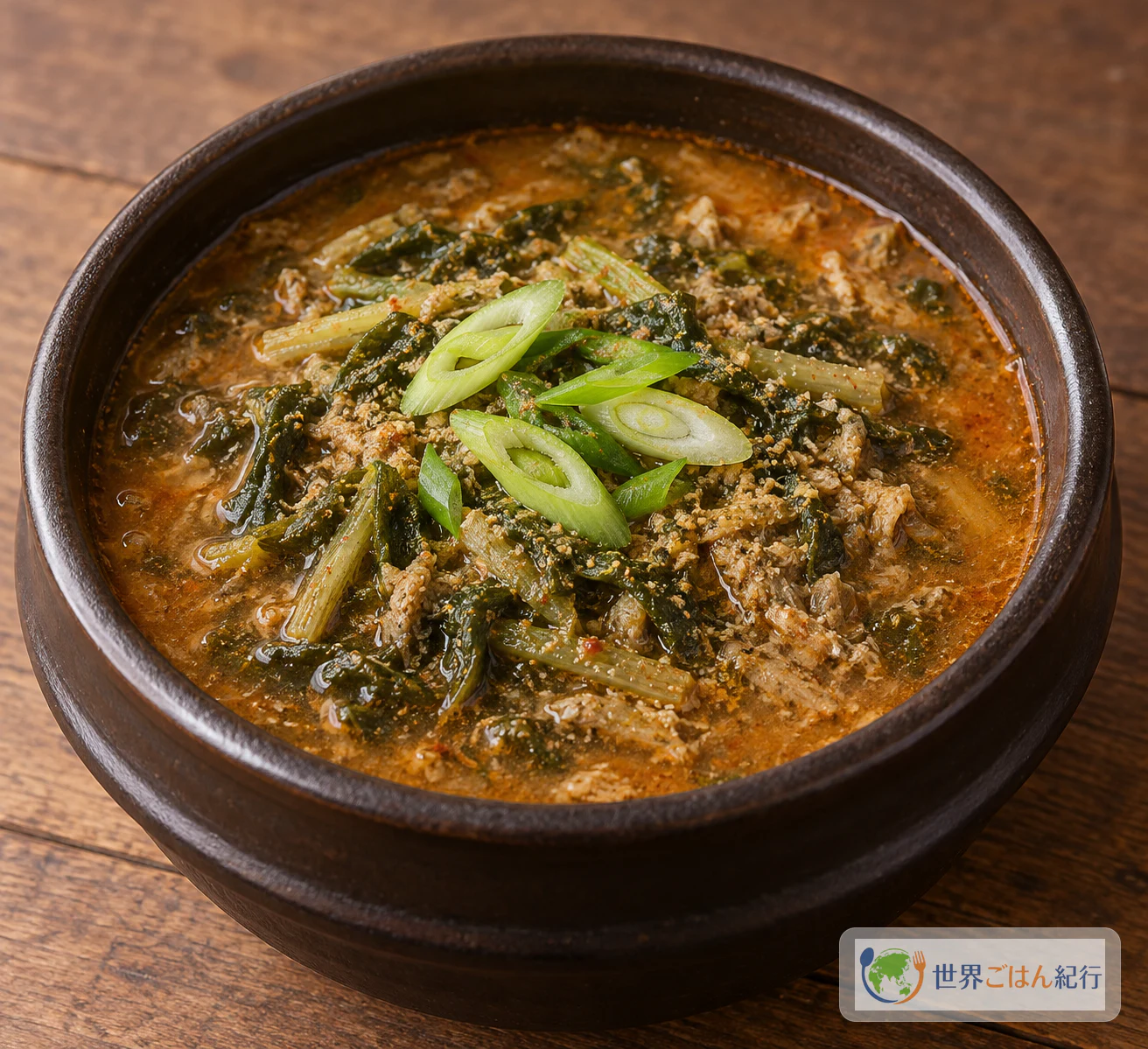
Chueotang: Korean Loach Soup with Dried Radish Greens (추어탕)
How to make chueotang (추어탕), the Korean soup of loach and dried radish greens, following one written recipe from Korea's Rural Development Administration. Covers simmering the loach with onion and ginger, rubbing the cooked fish through a sieve to separate the flesh, seasoning the radish greens with doenjang, gochujang and garlic, finishing with ground perilla, and serving sansho powder and chopped chili seasoning on the side. Also explains what the source does not specify and where substitutions stop working.