Fagota: Looking for Clams on the Reef at Low Tide
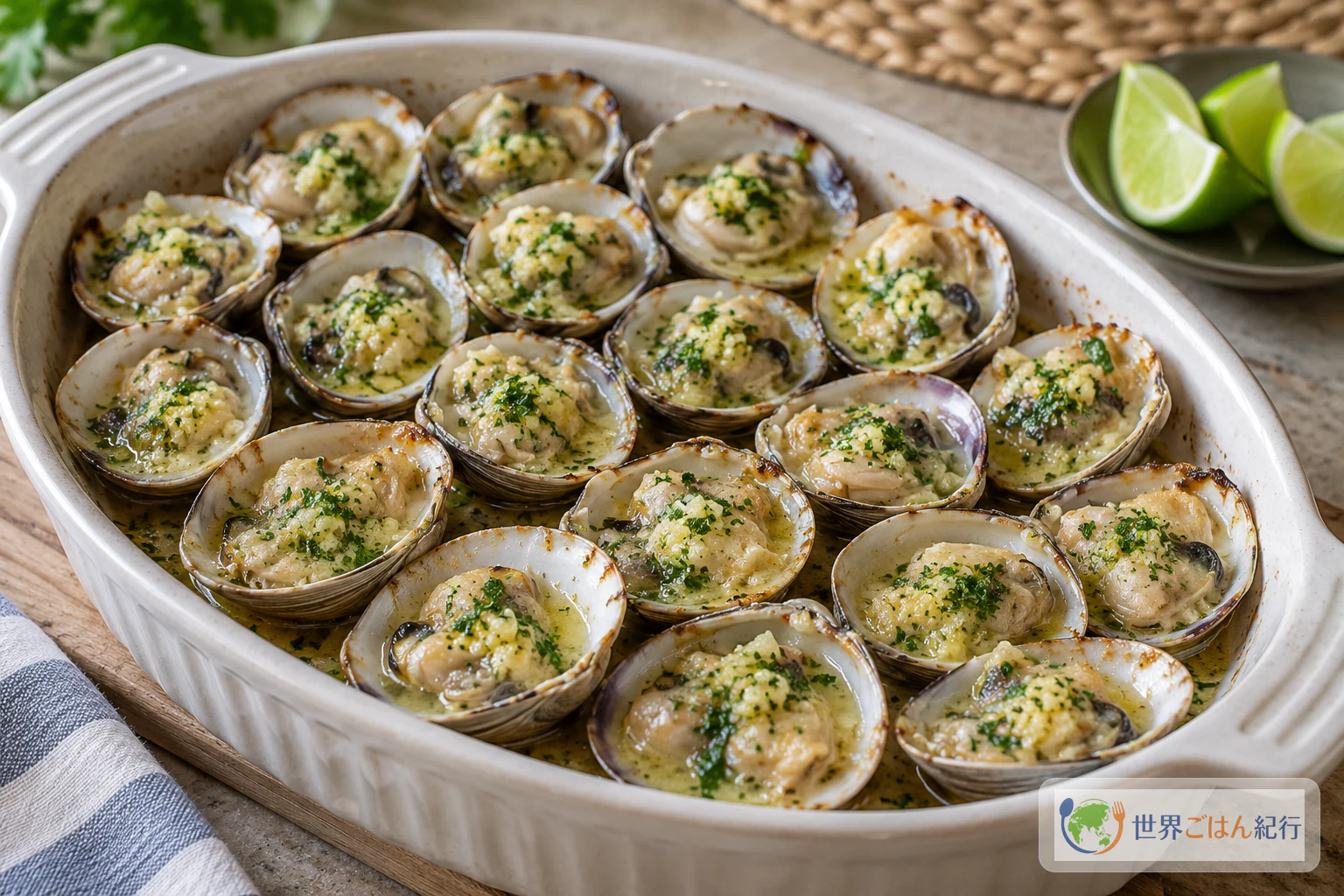
Let the clam's own salt and savor lead. The butter, garlic and parsley are there to support it, so keep the topping modest and stop baking as soon as everything is hot and bubbling.
When the tide goes out around the islands of Wallis and Futuna, the reef flats are left shallow and open. This is when people go out for fagota, the gathering of shellfish at low tide. The official tourism site of Wallis and Futuna describes it as work done on the reef flats, often by women together with children, searching for shellfish such as palourdes (clams) and grisettes, and it is a task that can take hours.
What happens to those shellfish once they reach the table? The same tourism site names stuffed clams, palourdes farcies, as a well-loved local food, alongside grisettes cooked in coconut milk. What it does not give is the recipe: no filling, no amounts and no way of cooking. We could not confirm the stuffing used in Wallis and Futuna homes, or a name for the dish in Wallisian or Futunan, so this article does not invent one.
Where This Recipe Comes From
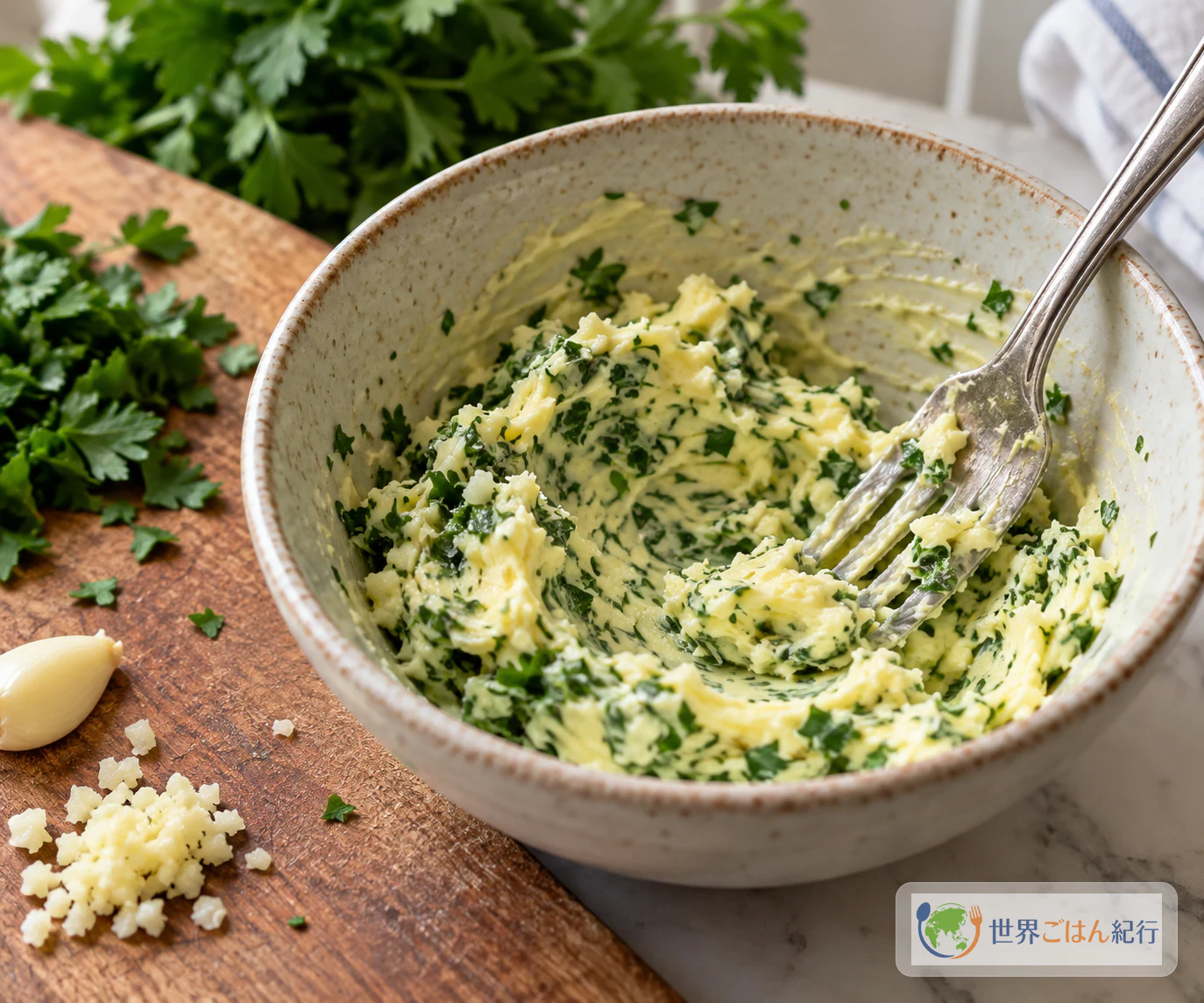
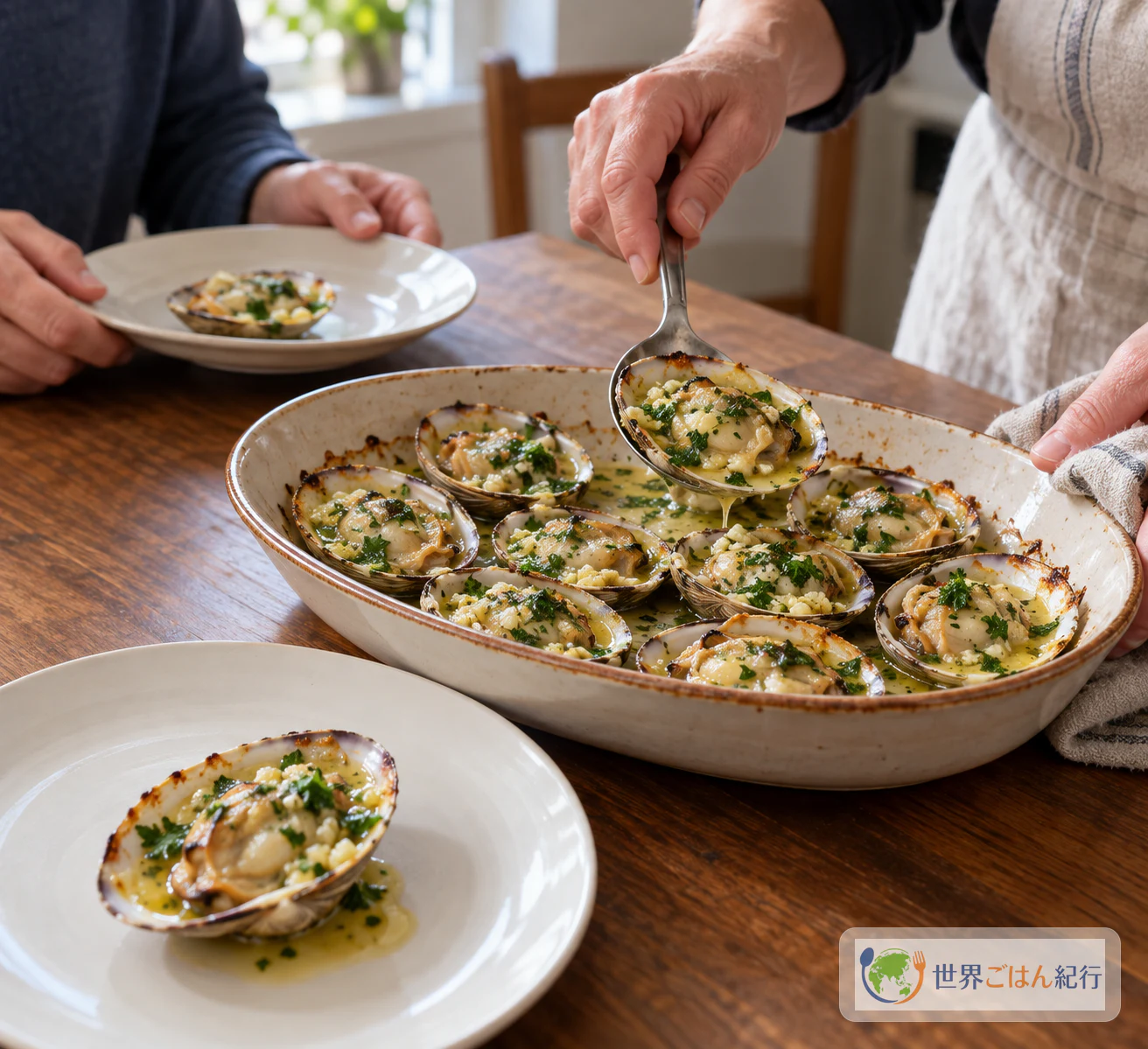
The recipe here is an editorial version for home kitchens, not a household recipe from Wallis and Futuna. Its ingredients come from the "traditional version" of palourdes farcies published by Le Monde: clams filled with soft butter, garlic and fresh parsley, for 4 people. That article itself is mainly about a Thai-style variation by Muriel Tallandier, and it presents the butter-garlic-herb filling as the classic preparation it departs from.
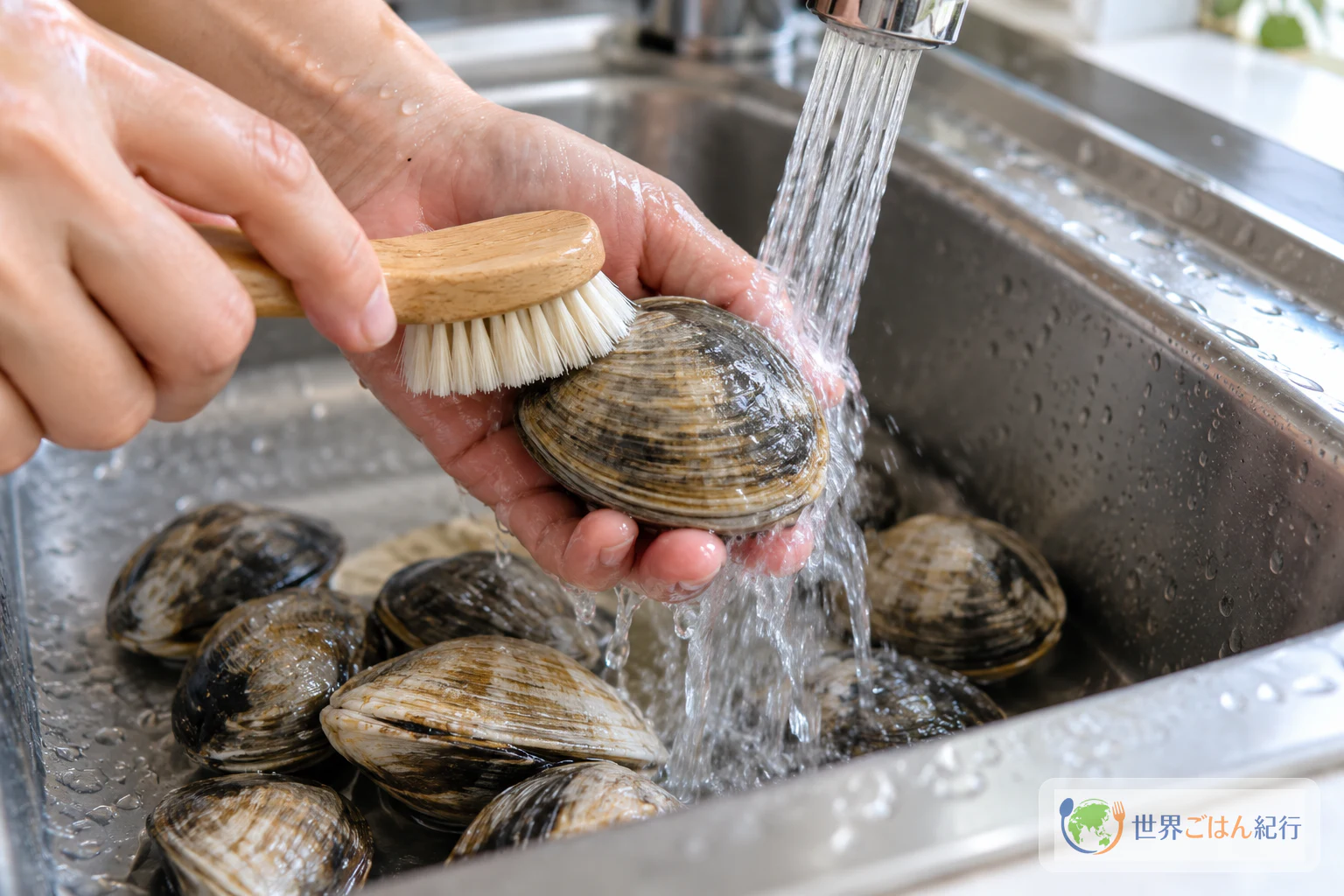
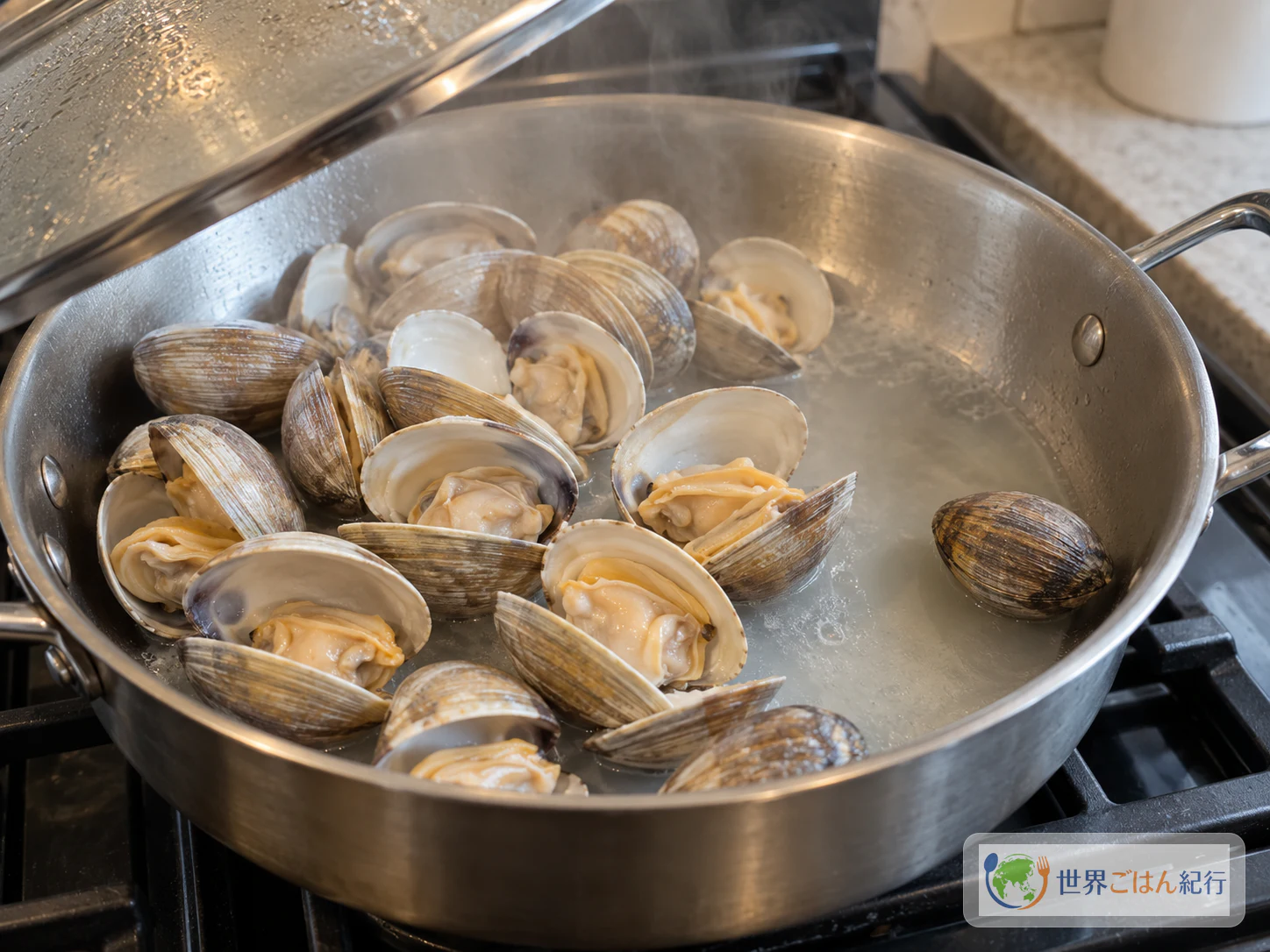
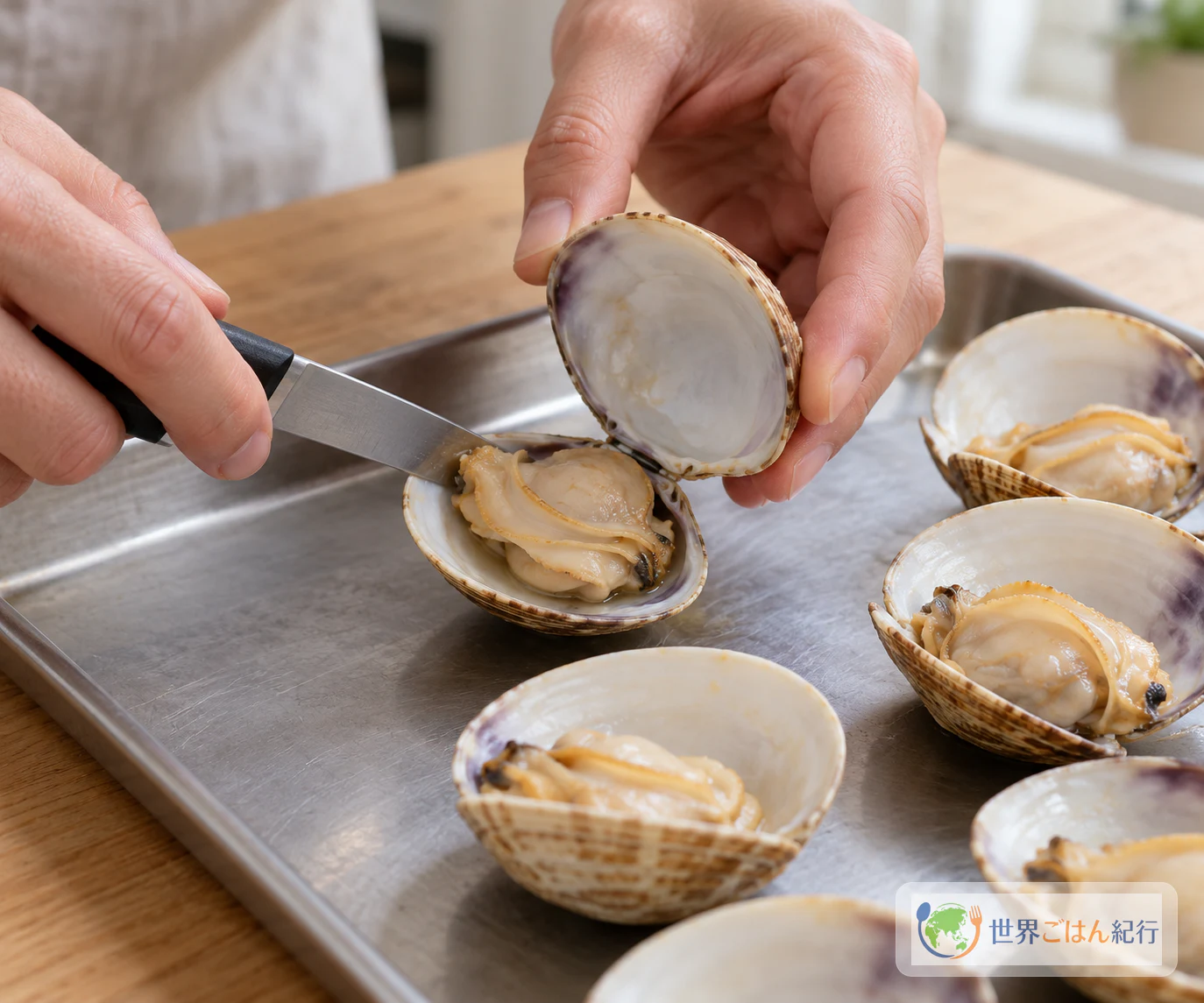
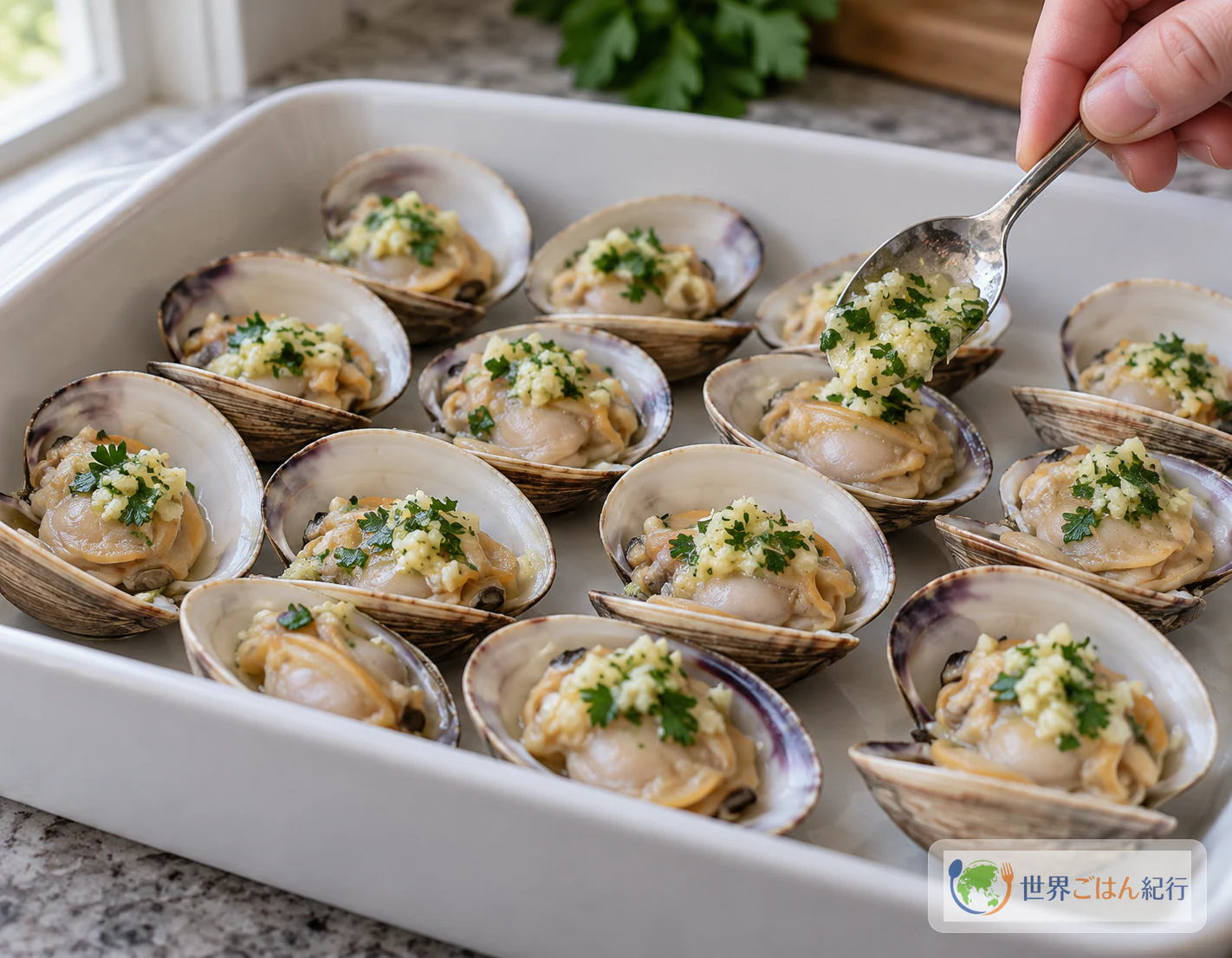
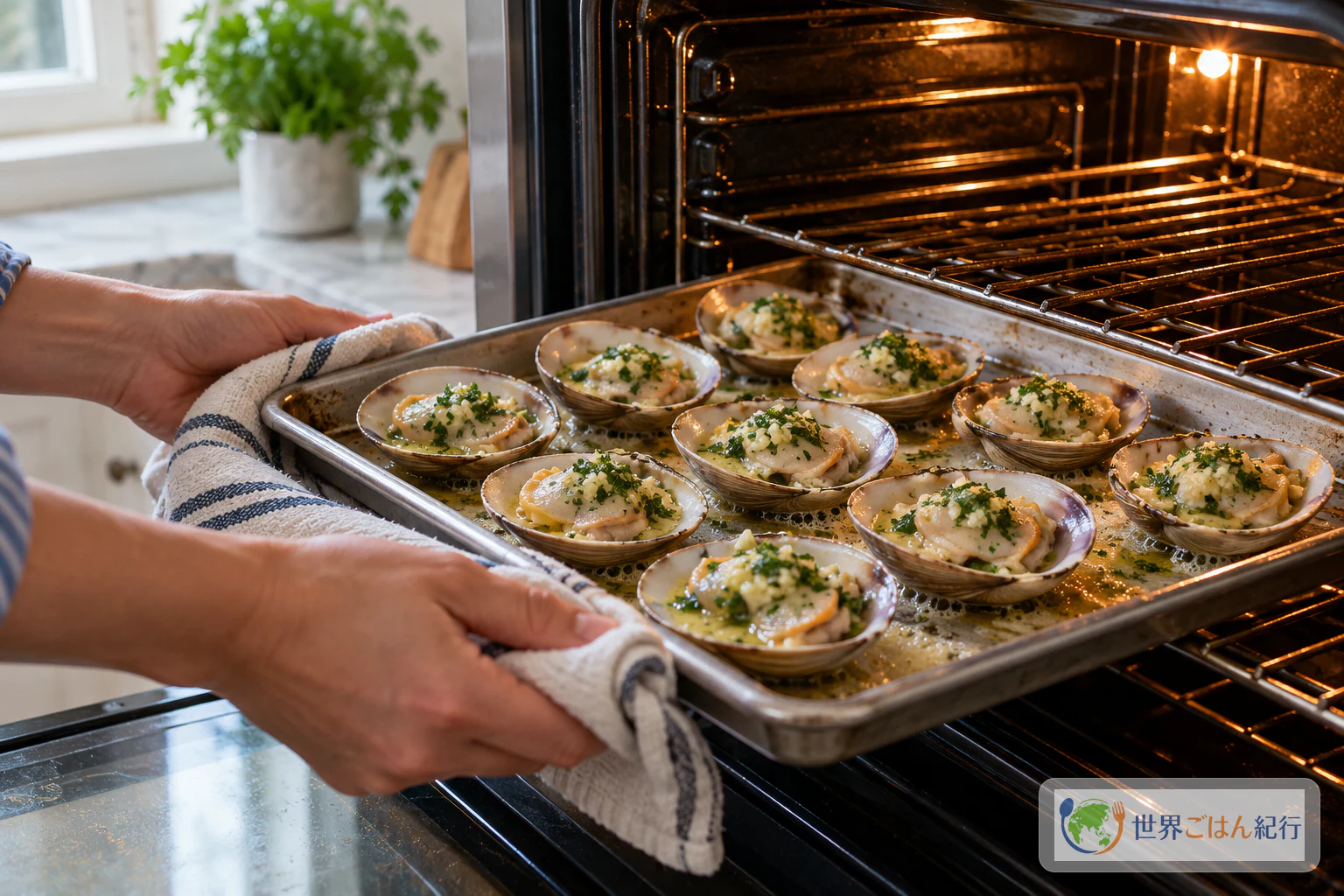
The shared method in that article is simple: rinse the clams, open them in a pan with a little water or white wine, remove one shell, loosen the clam, fill it and bake. The oven setting it gives, 200°C convection for 10 minutes, is stated for the Thai version. Here it is used only as a starting point for the classic ingredients, and the clams are judged by how they look rather than by the timer. It is not a tested safety standard for stuffed clams.
So please read this as a faithful, simple French-style garlic-parsley butter clam, made in honor of a dish the islands are known for, rather than as the island formula itself.
This recipe as a whole has not been kitchen-tested by Sekai Gohan.
Ingredients: Serves 4
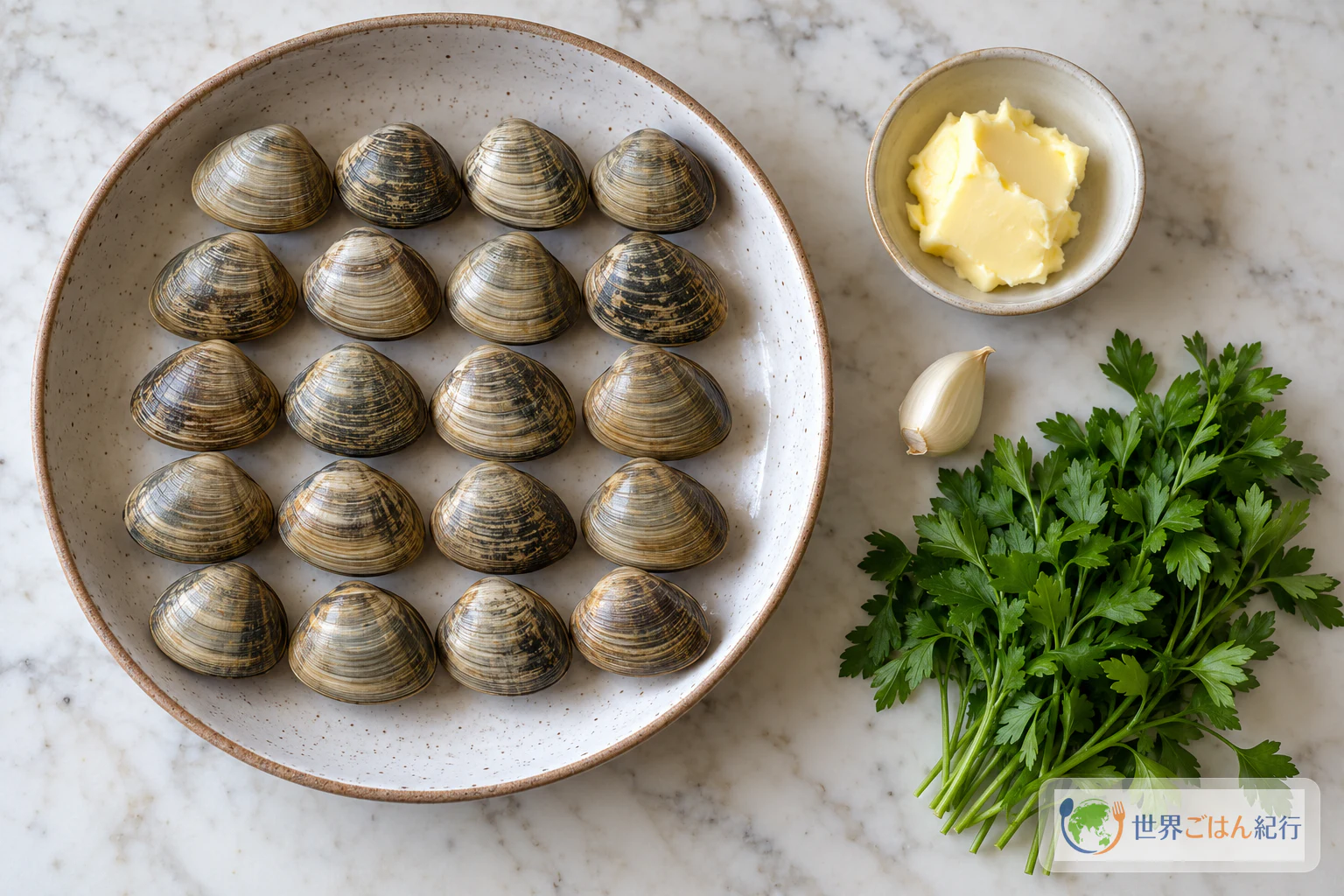
This dish contains shellfish (clams) and milk (butter). Check product labels and any cross-contact statements. Buy live clams sold for cooking, with clear handling and purging information. Do not use clams with cracked shells, or clams that are open and do not close before cooking. Discard any clam that stays closed after cooking.
Equipment
- Small kitchen brush for scrubbing shells
- Wide skillet or pan with a lid
- Small knife for loosening the clams
- Ovenproof dish or baking tray that holds the shells level
- Small bowl and fork for mixing the butter
- Oven
These are ordinary kitchen tools; there is no need to buy anything special if you already have a lidded pan and an ovenproof dish.
Choosing Clams and Substitutes
The French word palourdes does not map neatly onto one species you can buy everywhere, and this article does not claim an exact match. Live hard-shell clams such as hamaguri, or larger Manila clams (asari), are reasonable substitutes. They differ in size, saltiness and texture, so expect a related result rather than the same one.
Because shell sizes vary, the 20 clams are the count for 4 people, not a fixed weight. Match the amount of butter in each shell to how much that shell can hold. Small clams take less; the goal is a filling that melts over the clam without running off.
Follow the label on the pack for purging sand. Do not use clams you have gathered yourself unless you know the local harvesting rules, shellfish toxin advisories and hygiene information for that place.
The butter, garlic and parsley are everyday supermarket ingredients. White wine for opening the clams is optional; water works, and neither goes into the filling. Pepper, chili, breadcrumbs, cheese, egg and coconut milk are not part of this version.
Fixing Common Problems
| Problem | Likely cause | What to do |
|---|---|---|
| Sand in the clams | Not enough purging or scrubbing | Next time, follow the pack's purging instructions and scrub each shell well. If you bite into sand, don't force yourself to swallow it |
| Butter runs off into the dish | Shells tilted, or too much butter for the shell size | Nest the shells so they sit level, and match the butter to each shell's size |
| Clams dry and tough | Baked too long | Stop as soon as the butter bubbles and the clams are hot through; the 10 minutes is a starting point, not a target |
| Edges scorched | Butter or parsley too close to the heat for too long | Take the dish out earlier, and keep the butter layer thin |
| A clam won't open in the pan | It may not have been alive | Discard it. Never pry it open to use |
| Too salty | Salty clams plus added salt | Skip the salt; the clams usually season the dish on their own |
Variations
These are options outside the base recipe. Try them once you know how the plain version tastes.
- Lighter butter. Use less butter on each clam to put the clam's flavor further forward.
- Lime on the side. Serve lime wedges at the table for a few drops of acidity, rather than squeezing it over the whole dish.
- Different clam sizes. With smaller or larger clams, keep the same butter mixture and change only how much goes into each shell.
- Pepper at the table. A little black pepper can be offered separately for those who want it; it is not part of the filling.
Coconut milk is not suggested as a variation here: although the islands cook shellfish in coconut milk, no source confirms it as part of a stuffed-clam filling.
The Island Table: Umu and Coconut Milk
The official tourism site describes the umu as a traditional way of cooking: food wrapped in banana leaves and cooked in a pit oven over heated stones. Its general description of an umu meal includes shellfish cooked in coconut milk. That is a separate preparation from the stuffed clams in this article, and the site does not say that the stuffing contains coconut milk. The two are kept apart here so that the coconut dish of the umu and the stuffed clams can each be what they are.
The garlic-parsley butter version above, baked in a home oven, belongs to a different kitchen tradition again. What links them is the shellfish itself: gathered from the reef at low tide, and named by the islands' own tourism site as something people enjoy.
Frequently Asked Questions
What are palourdes?
Palourdes is the French name used for clams in dishes such as palourdes farcies. This article does not pin it to one exact species, since the clams gathered in Wallis and Futuna and those sold elsewhere may differ.
Can I use Manila clams (asari) or hamaguri?
Yes, as a substitute. Choose live clams in the shell, preferably larger ones, and adjust the amount of butter to each shell. The size, saltiness and texture will differ from palourdes, so the result will be close rather than identical.
Do people in Wallis and Futuna use coconut milk in the filling?
That could not be confirmed. The official tourism site describes shellfish cooked in coconut milk as part of an umu meal, and separately names stuffed clams as a favorite, but it does not give the filling. The recipe here uses butter, garlic and parsley only, following a published French-style recipe.
Is this the traditional Wallis and Futuna recipe?
No. It is an editorial version based on the classic garlic-parsley butter recipe published by Le Monde. The local filling, seasoning and cooking method were not found in published sources.
Where does the 200°C, 10-minute bake come from?
The Le Monde article gives 200°C convection for 10 minutes for its Thai variation. Here it serves as a starting point for the classic ingredients, with doneness judged by melted, bubbling butter and clams hot all the way through. It is not a validated safety time for stuffed clams; the safety cue is the opening of the shells during the first cooking.
What should I do with clams that didn't open?
Discard any clam that stays closed after cooking. Do not force it open.
Can I make these ahead?
No storage or reheating guidance is given for this dish. Make them to eat right away, while hot.
Sources
- Tourisme à Wallis et Futuna (official tourism site), "Les savoir-faire." Fagota, the gathering of shellfish such as palourdes and grisettes on reef flats at low tide, often by women and children; grisettes in coconut milk and stuffed clams as foods people enjoy. Gives no stuffing ingredients, amounts or cooking method. https://wallis-futuna.travel/decouvrir-wallis-et-futuna/les-savoir-faire
- Tourisme à Wallis et Futuna (official tourism site), "Les saveurs." Stuffed clams as a local favorite; shellfish cooked with coconut milk as part of an umu meal; umu food wrapped in banana leaves and cooked in a pit oven with heated stones. Does not say the stuffed-clam filling contains coconut milk. https://wallis-futuna.travel/decouvrir-wallis-et-futuna/les-saveurs
- Le Monde, "Palourdes farcies : la recette thaïe de Muriel Tallandier," 2018. The "traditional version" ingredient list (20 clams, 40 g soft butter, 1 garlic clove, a large handful of fresh parsley, for 4); the shared method of rinsing, opening in a pan with a little water or white wine, removing one shell, filling and baking; the 200°C convection, 10-minute setting given for the Thai version. A French/Thai editorial recipe, not a Wallis and Futuna household recipe. https://www.lemonde.fr/les-recettes-du-monde/article/2018/07/04/palourdes-farcies-la-recette-thaie-de-muriel-tallandier_5325834_5324493.html
- FoodSafety.gov / U.S. Department of Health and Human Services, "Cook to a Safe Minimum Internal Temperature." Clams, oysters and mussels should be cooked until their shells open during cooking. Does not set a baking time for stuffed, pre-opened clams. https://www.foodsafety.gov/food-safety-charts/safe-minimum-internal-temperatures
Back to the Reef
Somewhere on the reef flats of Wallis and Futuna, someone is still bending over the shallow water at low tide, looking for the next clam. The filling those clams receive at home remains their own; what this kitchen version offers is a simple way to honor them with butter, garlic and parsley, cooked until the shells open and served hot.