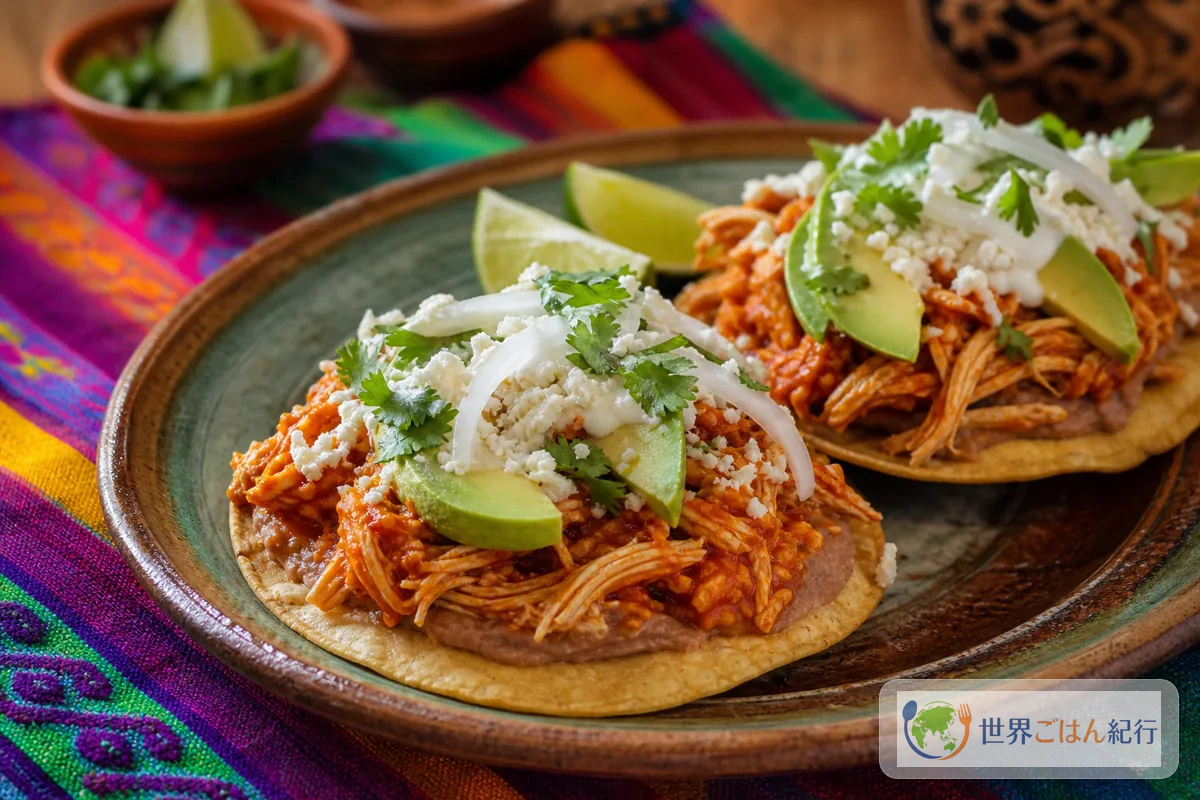
The story of birria de res: carrying red chile aroma into the meat
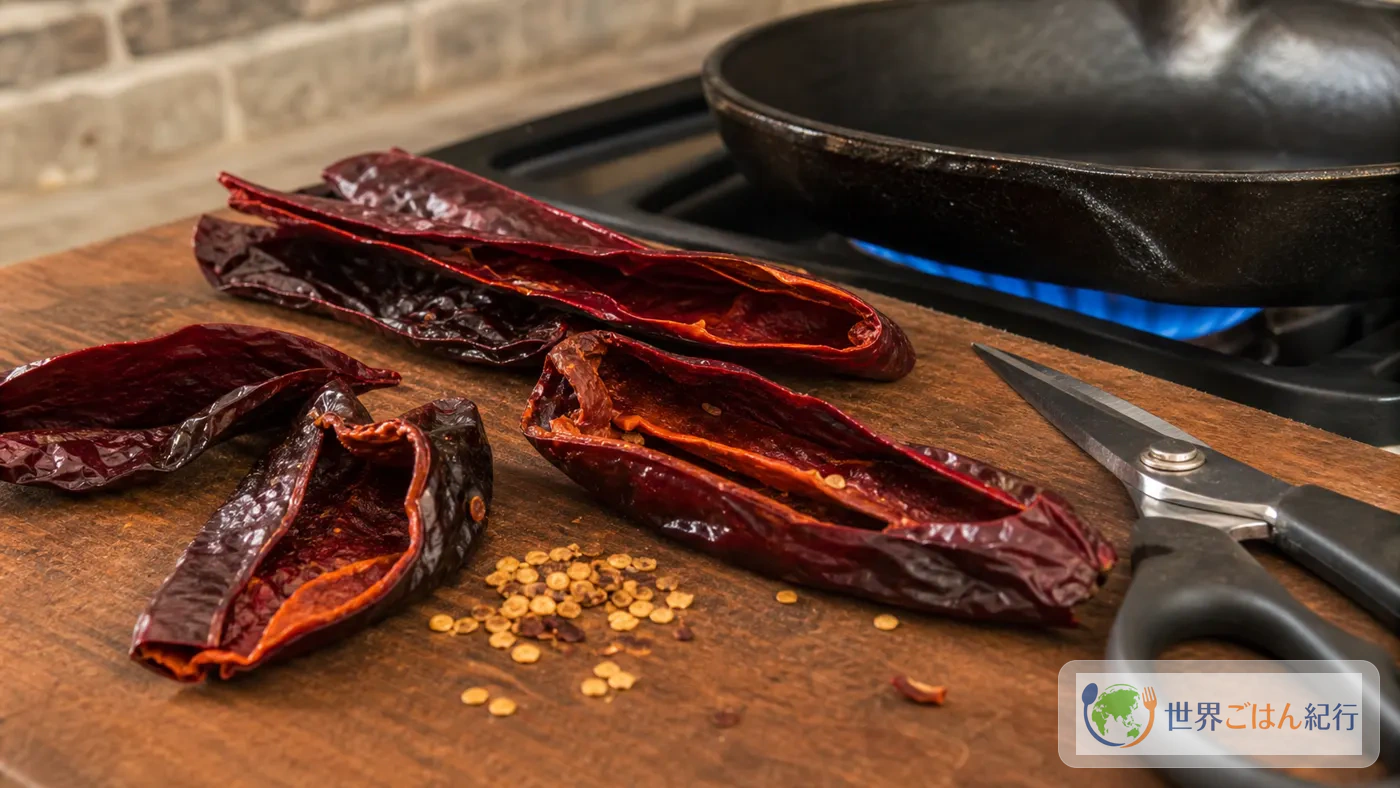
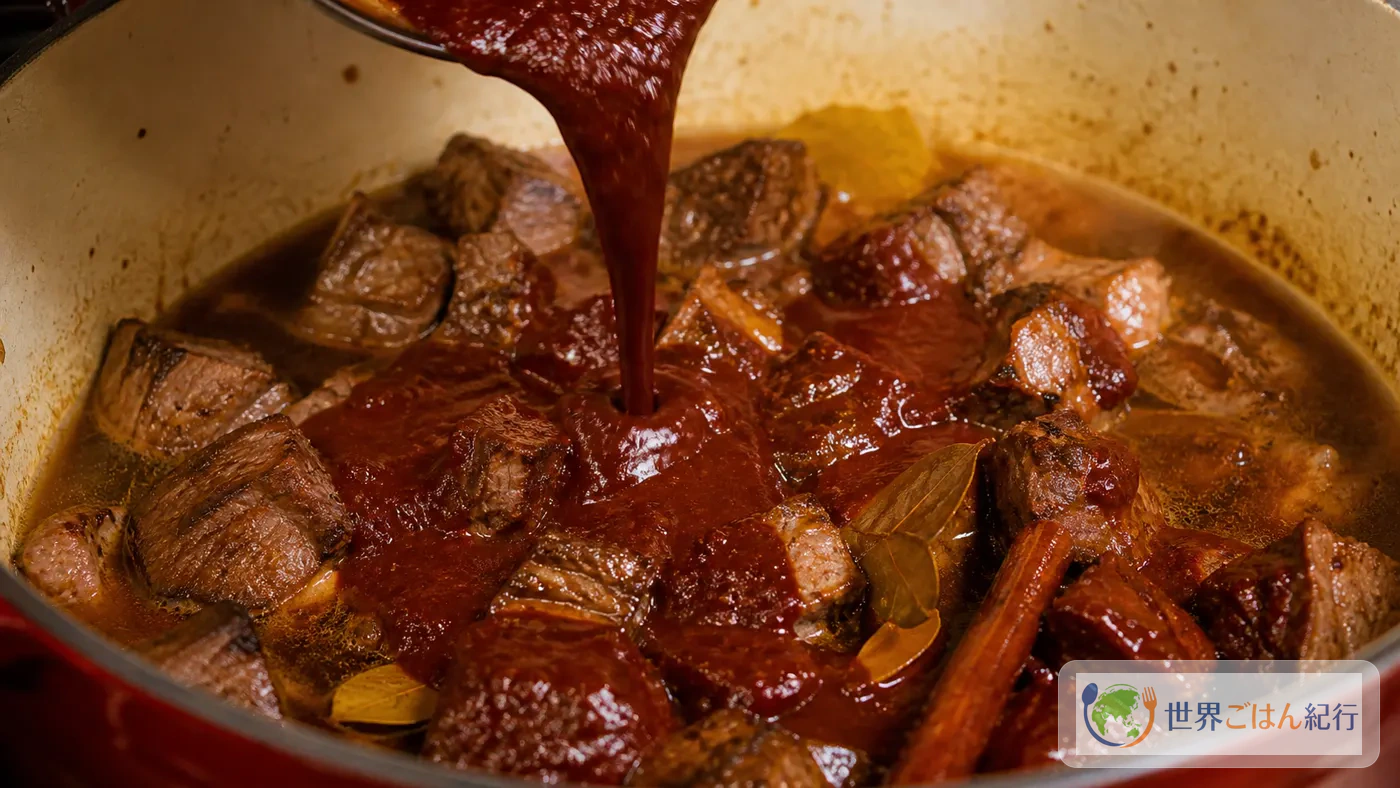
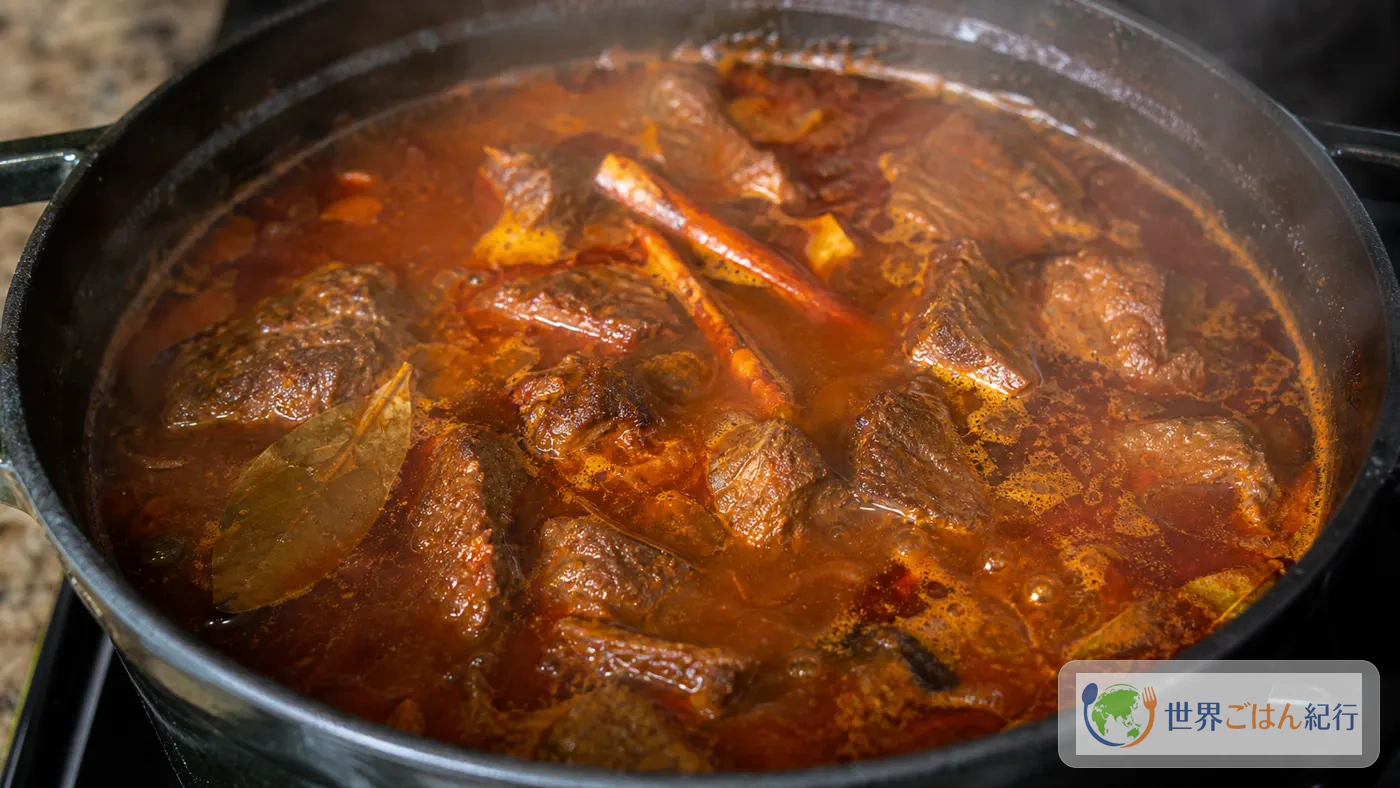
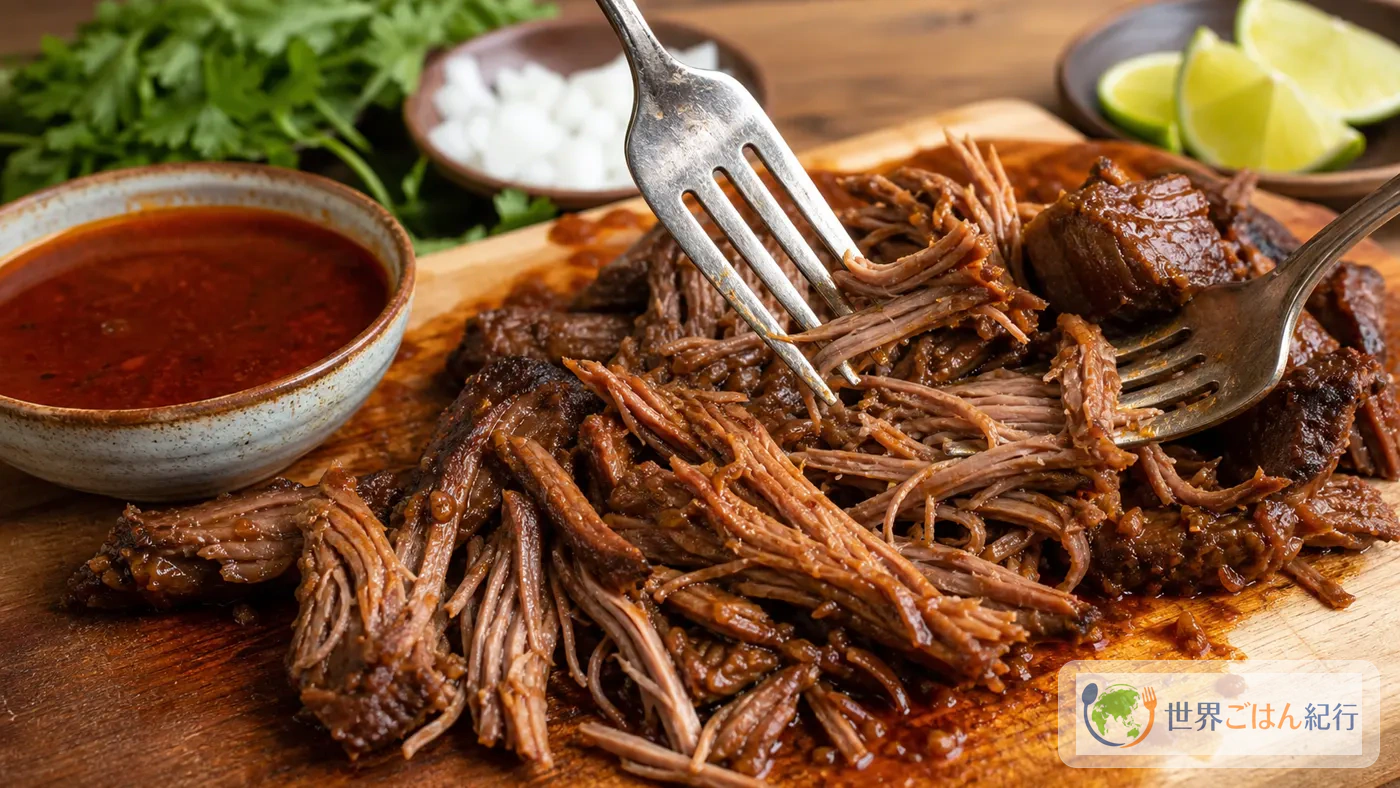
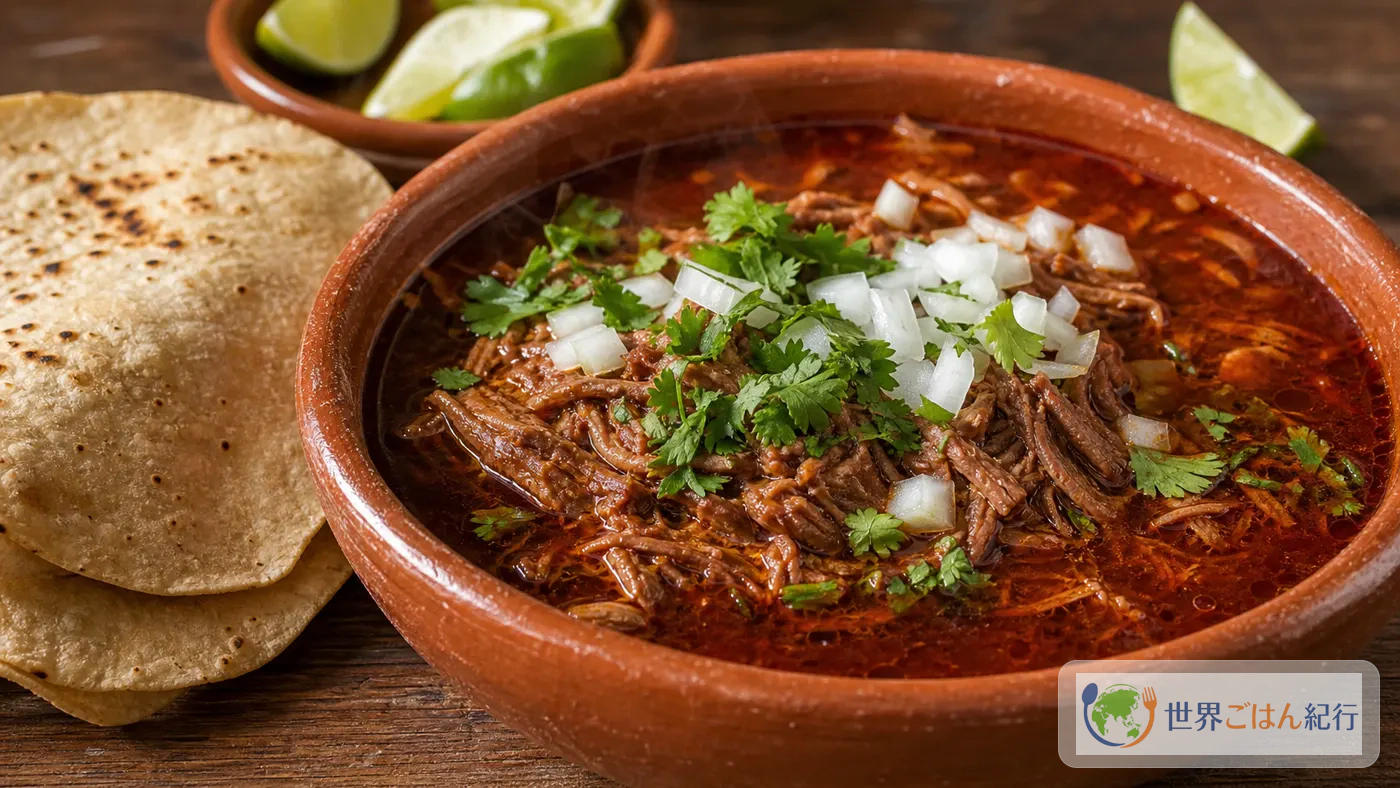
Split open a dried chile and the kitchen fills with a sweet smell, almost like raisins. It isn't a hot smell; it's deep and red. Combine that with tomato, garlic, vinegar and spices, then braise beef in it slowly. The red fat that floats up when you lift the lid, and the steam rising from meat that falls apart at a touch, are the best moments of birria de res.
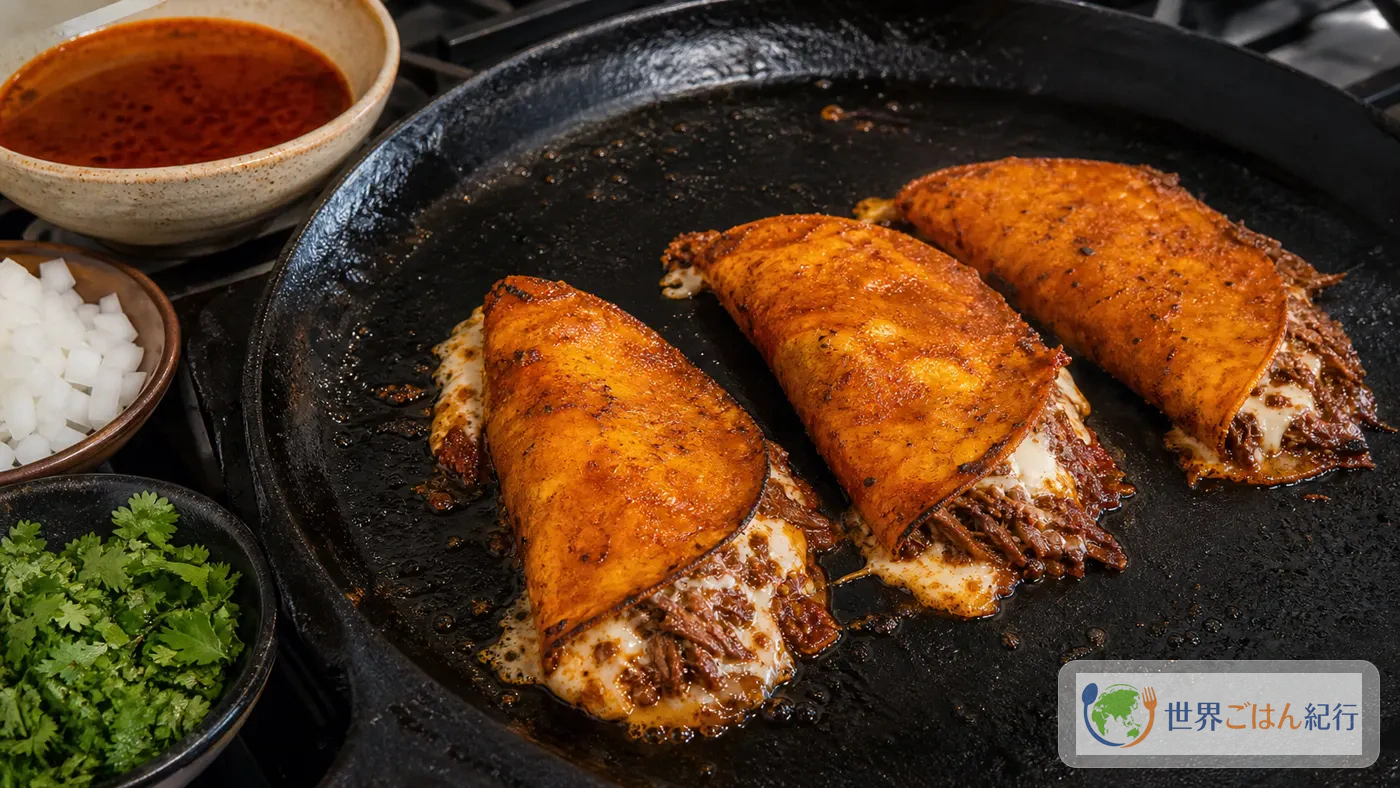
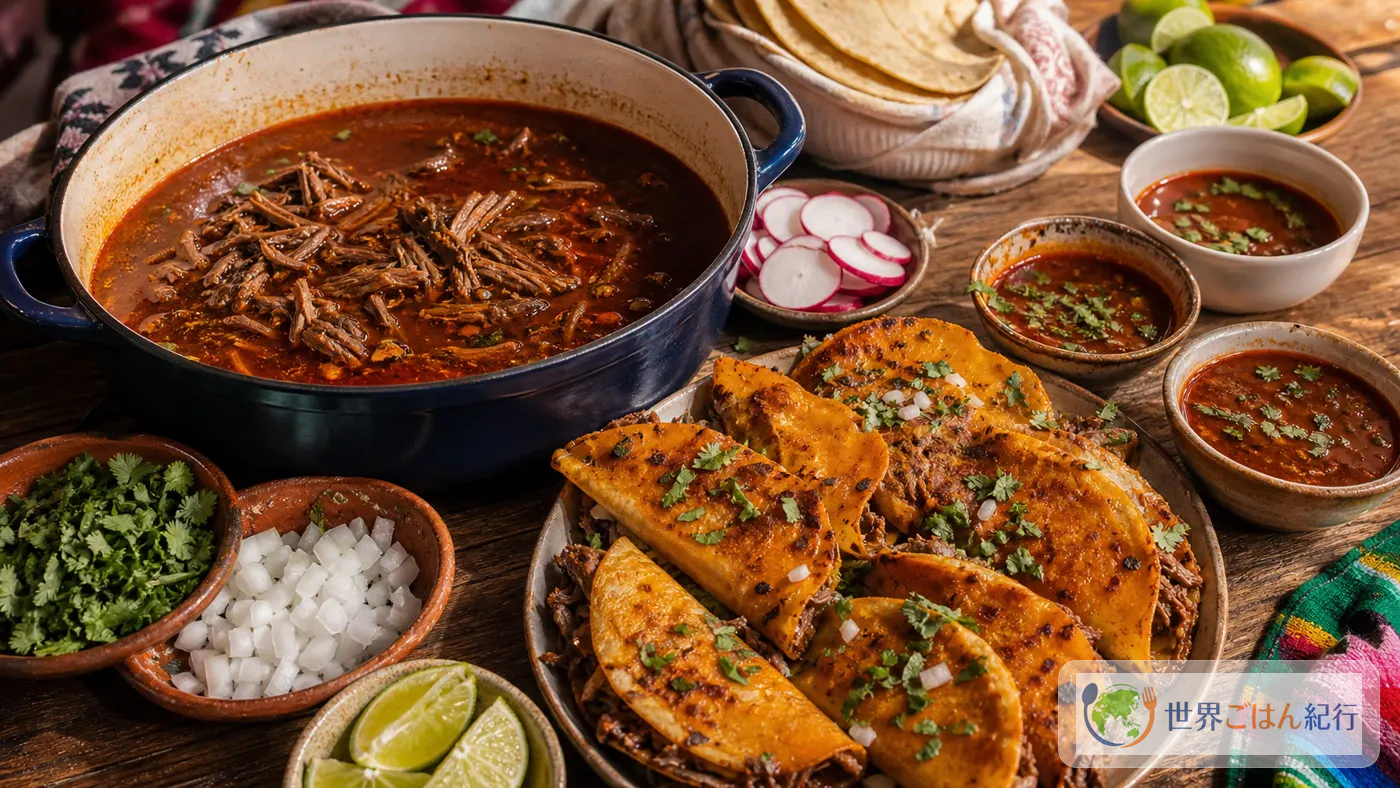
Birria de res is a Mexican red stew: beef marinated in an adobo made from dried chiles and simmered until it is meltingly tender. Its origins are usually traced to goat dishes from in and around the state of Jalisco, and today home and street-stand versions made with beef are eaten widely. You can serve it in a bowl and sip the consomé, and in recent years another way has become hugely popular: quesabirria, cheese-filled tortillas dipped in the red fat and griddled.
The two things that trip people up at home are the dried chiles and the cut of beef. With guajillo, ancho and chile de árbol on hand you get the aroma quickly, but you won't always have all three. This recipe gives both the blend for when you have the chiles and realistic substitutes for days when you don't. Among Mexico's red dishes, pozole rojo (in Japanese) is a big pot of hominy soup, tinga de pollo is chicken stewed with chipotle, and mole poblano (in Japanese) is a rich sauce for celebrations. Birria is different from all of them: you eat the beef's fat together with a red consomé built on dried chiles.
In Spanish it is written birria de res; res means beef. In Japanese the name is spelled several ways, and this article uses birria de res throughout. The cheese-filled, griddled taco version is called quesabirria or quesatacos de birria.
Choosing dried chiles and beef: what to keep and what to swap
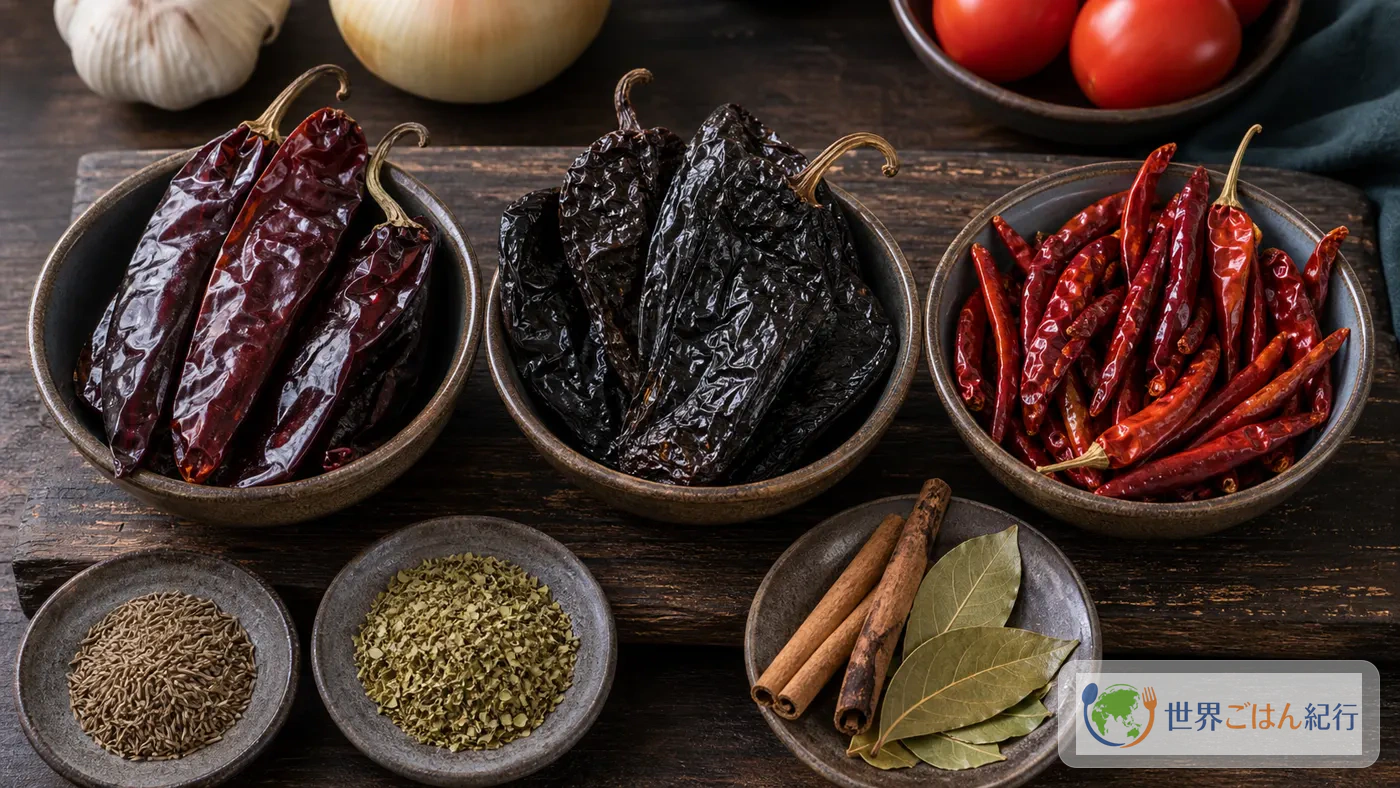
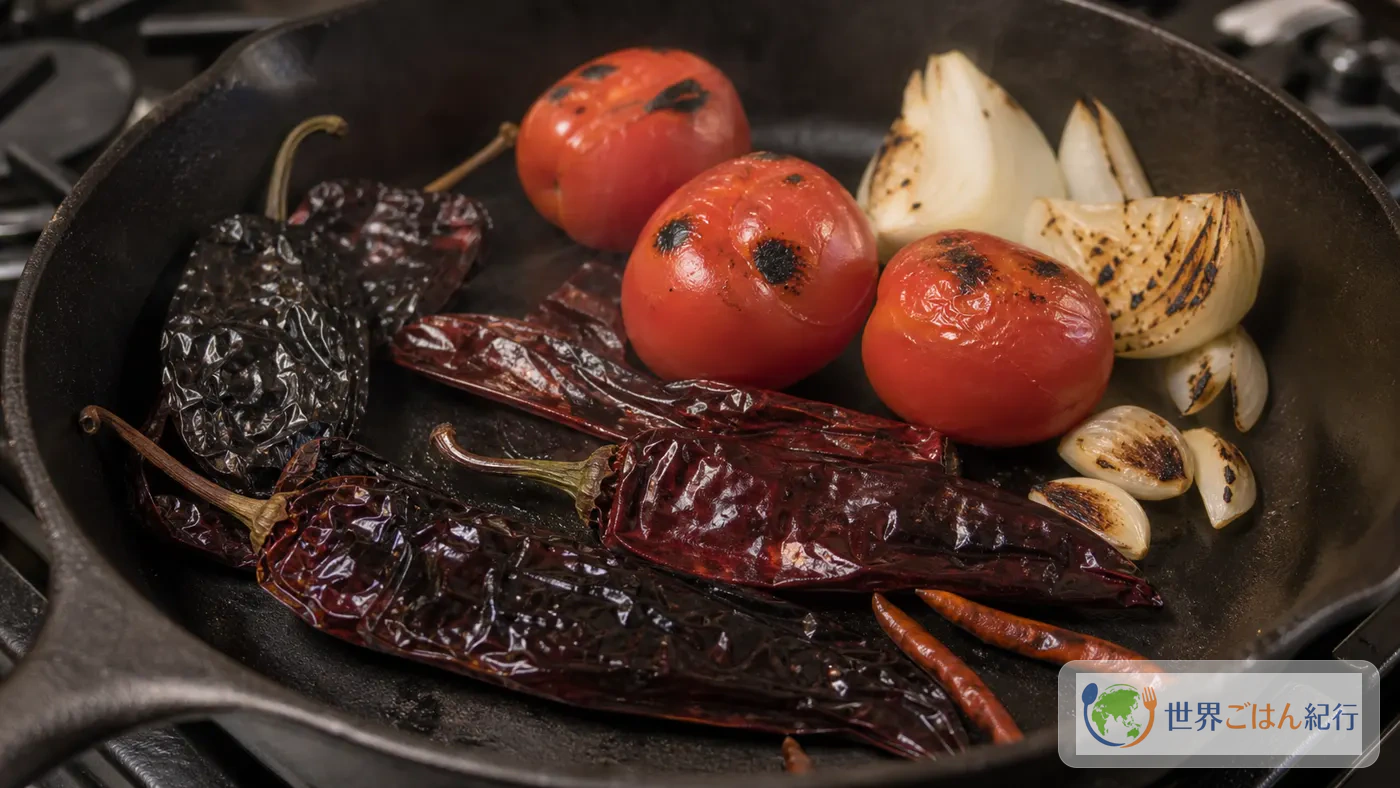
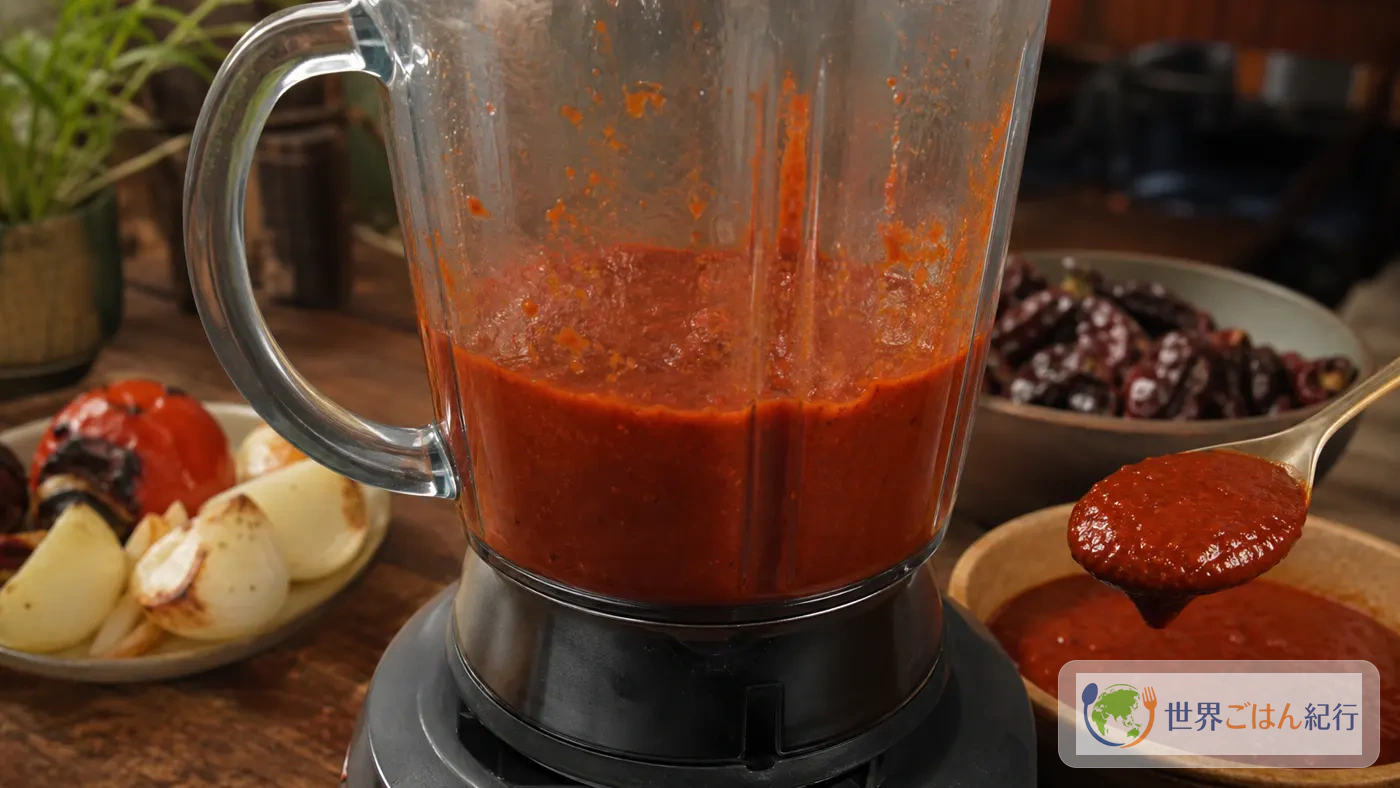
Tomato alone won't make birria red. Lightly toasting the dried chiles, soaking them in hot water and blending them into a smooth adobo is what carries the red aroma through the whole pot. Scorched chiles leave bitterness behind, so the key is to stop once you've "woken up" the aroma rather than toasting them hard.
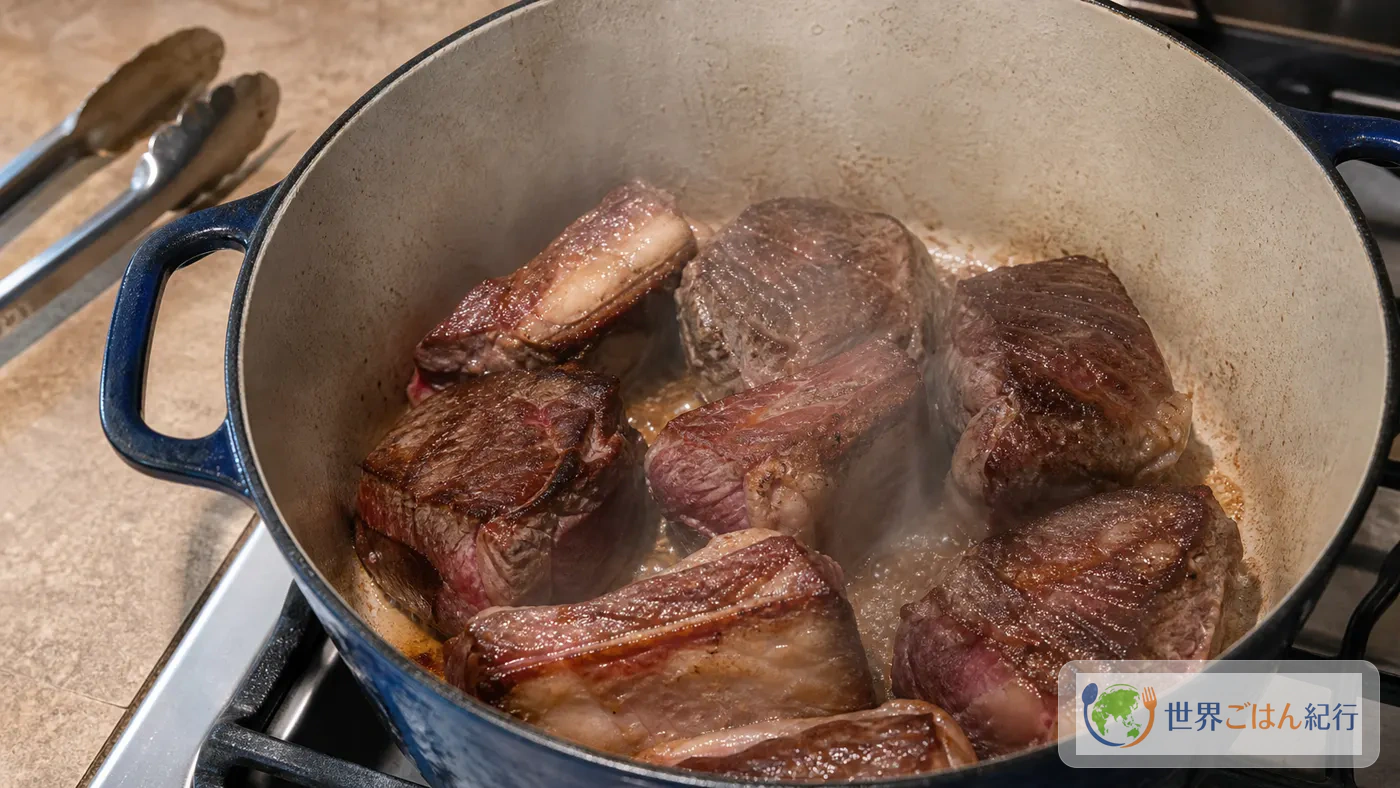
A mix of shank, chuck and short rib (or plate) is the easiest way to go. Shank alone gives strong flavor but little fat; chuck alone is easy to eat but makes a thinner consomé. Adding a little short rib brings red fat to the surface and makes the tortillas toasty when you griddle them. If you don't like it fatty, skim the surface after cooking and keep only 2 tablespoons of fat.
| Core element | Role in Mexico | Practical option | Notes on substituting |
|---|---|---|---|
| Guajillo | Red color, light acidity, fruitiness | Latin American grocers, online | Without it, increase the paprika, but the aroma will be weaker |
| Ancho | Dried-fruit sweetness and depth | Latin American grocers, online | If you leave it out, add a few raisins for sweetness |
| Chile de árbol | Sharp heat | A little ground red chile | Too much makes the whole stew painfully hot |
| Mexican oregano | Herbal aroma close to citrus | Mediterranean oregano works too | Thyme or basil takes it in a different direction |
| Beef shank and chuck | Meat that shreds after a long braise | Combine shank, chuck and short rib | Thinly sliced beef gives a thin consomé and doesn't shred the same way |
| Corn tortillas | Hold the meat and consomé | Store-bought corn tortillas, or flour tortillas | Bread or rice are fine as a home meal, but the dish changes shape |
On days without dried chiles, get close with paprika, a little ground red chile, raisins and vinegar. You won't get the aroma of guajillo or ancho skins, though. Rather than aiming for a perfect replica the first time, using even one kind of dried chile makes it much easier to capture what birria is about.
Ingredients: 4 servings of red stew, plus tacos
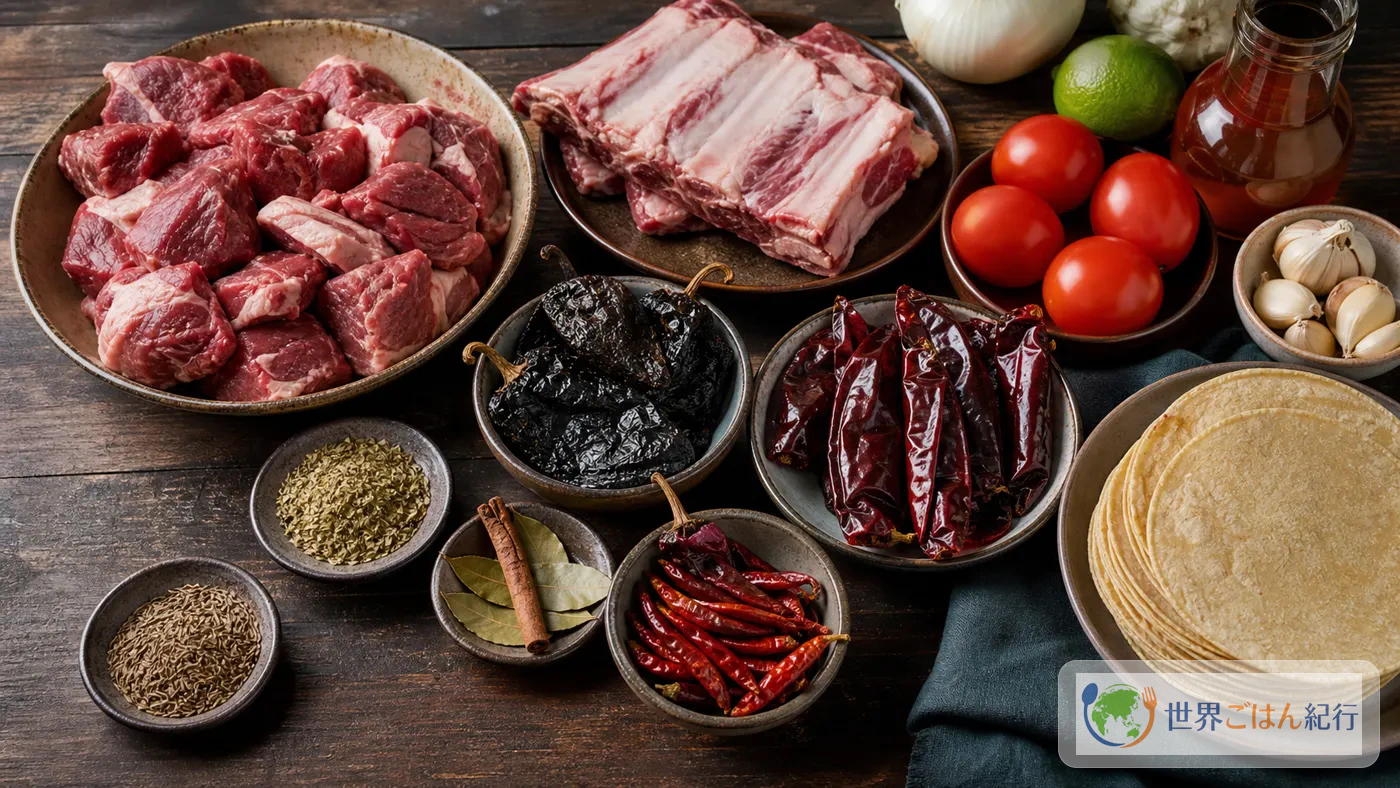
This makes 4 servings as a stew, or about 8 small quesabirria tacos. If you're saving some for the next day, store the meat and consomé separately; they're easier to use that way.
Beef and seasoning
| Ingredient | Amount | Substitutes & notes |
|---|---|---|
| Beef shank | 500 g | 4 cm (1 1/2 in) cubes. Brings flavor to the braise |
| Beef chuck | 400 g | 4 cm cubes. Gives tender, shreddable meat |
| Beef short rib or plate (boneless) | 200 g | 4 cm cubes. If you don't like fat, use more chuck instead |
| Salt | 1 1/2 tsp | Rub directly onto the meat |
| Black pepper | 1/2 tsp | Coarsely ground |
| Vegetable oil | 1 tbsp | For searing |
Chile adobo
| Ingredient | Amount | Substitutes & notes |
|---|---|---|
| Guajillo chiles | 5 | If unavailable, add 2 tbsp paprika |
| Ancho chiles | 2 | If unavailable, add 1 tbsp raisins |
| Chile de árbol | 1 | Leave out if you don't like heat. A pinch of ground red chile also works |
| Tomatoes | 2 (about 300 g) | 200 g canned diced tomatoes also works |
| Onion | 1 (about 200 g) | Half is charred, half goes into the braise |
| Garlic | 5 cloves | Peeled |
| Apple cider vinegar | 2 tbsp | Or 1 1/2 tbsp rice vinegar |
| Ground cumin | 1 tsp | Too much makes it taste like taco meat |
| Dried oregano | 1 tsp | Mexican oregano is ideal |
| Cinnamon stick | 1/2 | Or 1/6 tsp ground cinnamon |
| Cloves | 2 | If ground, just a tiny amount |
| Bay leaves | 2 | Can be left out |
| Beef stock or water | 900 ml | About 3 3/4 cups. If using beef bouillon granules, reduce the salt |
| Chile soaking liquid | 150 ml | About 2/3 cup. Don't use it if it smells burnt |
Finishing and quesabirria
| Ingredient | Amount | Substitutes & notes |
|---|---|---|
| Corn tortillas | 8 | Flour tortillas also work. About 15 cm (6 in) across |
| Melting cheese | 160 g | Instead of Oaxaca cheese. Mozzarella-style cheese works well |
| White onion | 1/2 | Diced into 5 mm (1/4 in) pieces |
| Cilantro | 20 g | Scallions if you don't like cilantro |
| Limes | 2 | Lemon also works |
| Salt | About 1/2 tsp | To adjust at the end |
This dish contains beef and dairy (cheese), and some store-bought tortillas may contain wheat. Wash any tools that touched raw meat with detergent and keep them away from cooked meat and tortillas. The beef is cooked until it shreds, but if you taste the cooking liquid partway through, make sure it has come to a full boil first.
Method: don't scorch the chiles, and braise until the meat falls apart
Spend the first 30 minutes focused on the dried chiles and searing the beef. Once that's done, it's a dish of waiting over low heat. Burnt chiles can't be rescued, but a thin consomé or too much fat can be fixed later.