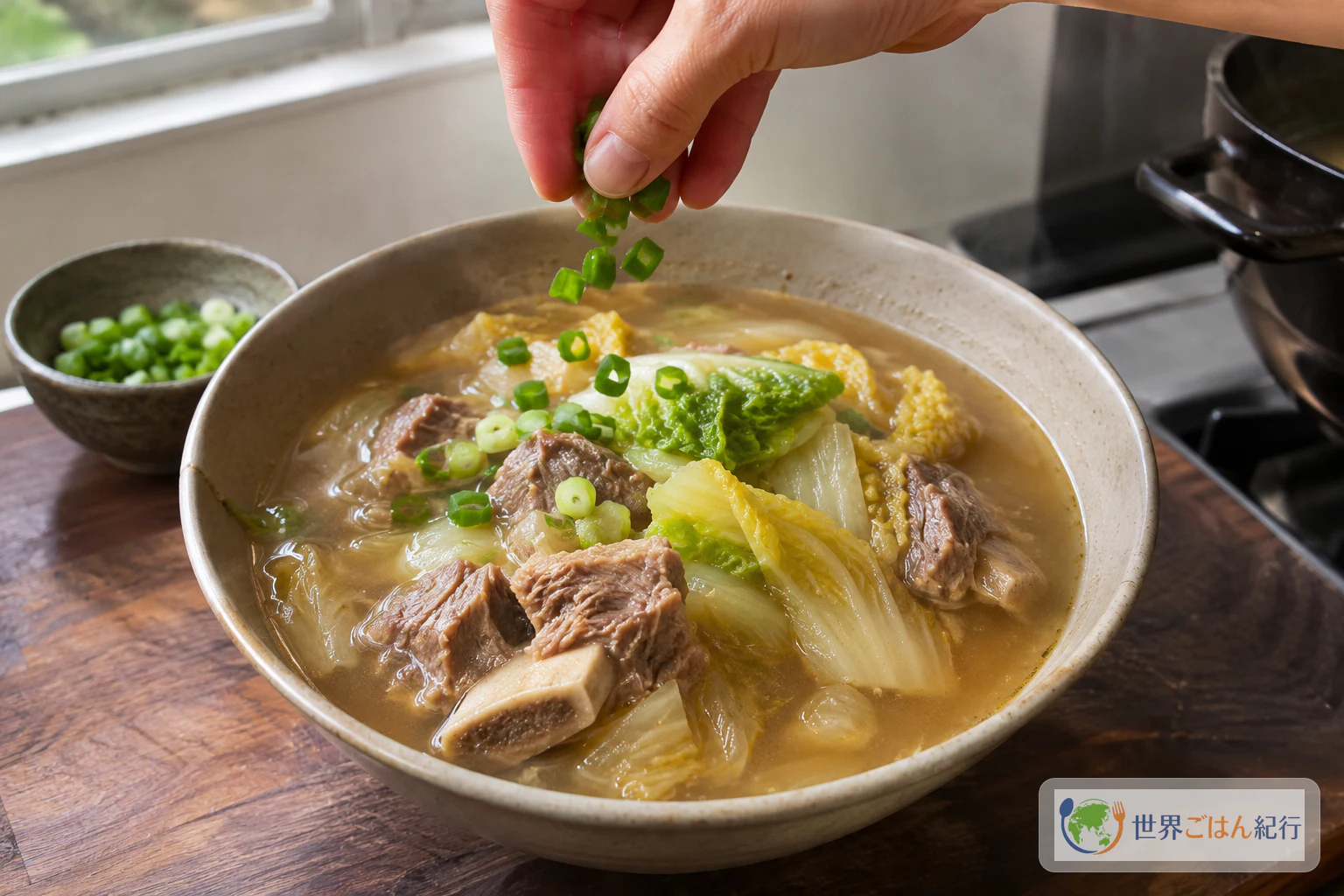
Haejang-guk: A Milky Bone Broth and Soft Cabbage Seasoned with Doenjang
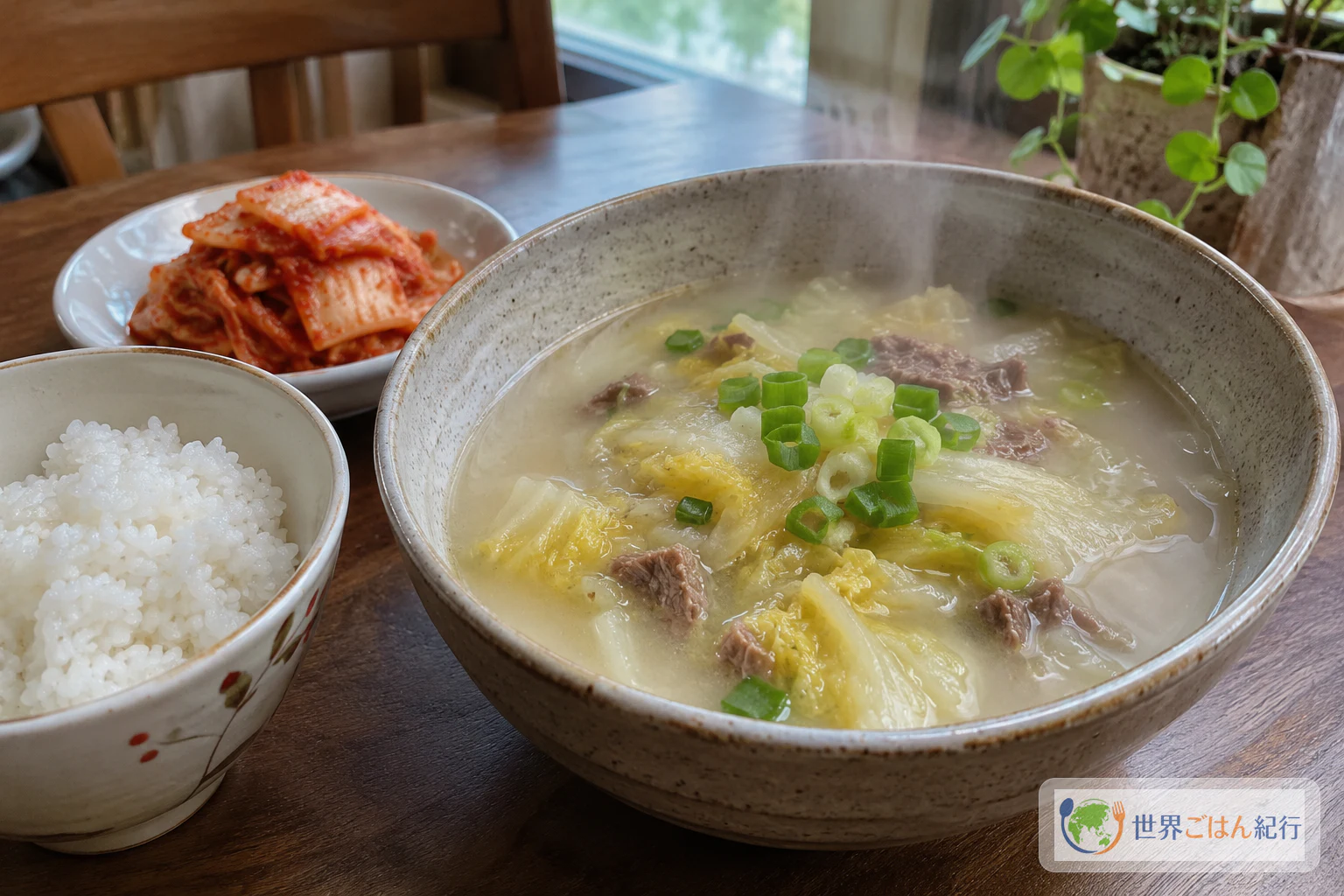
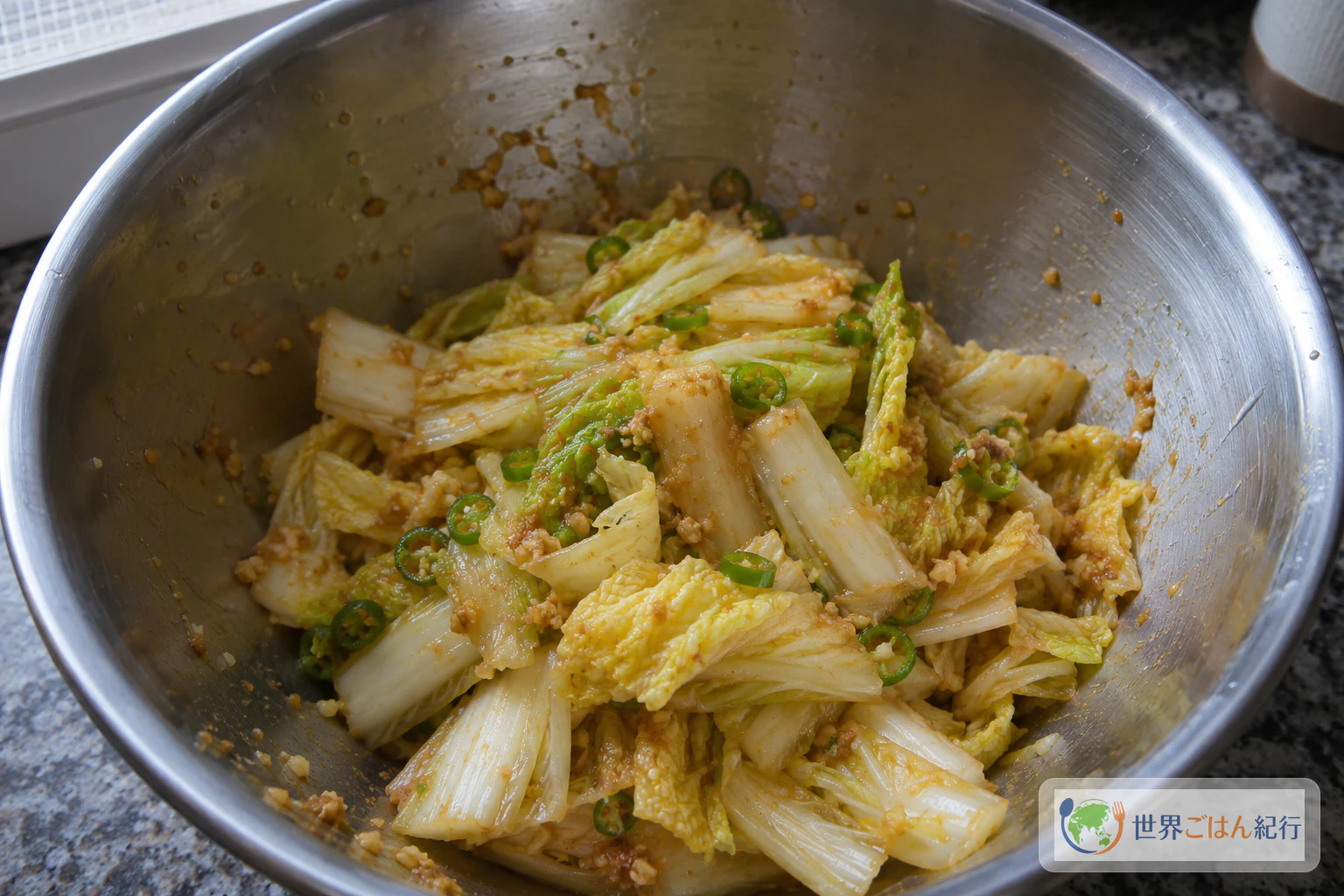
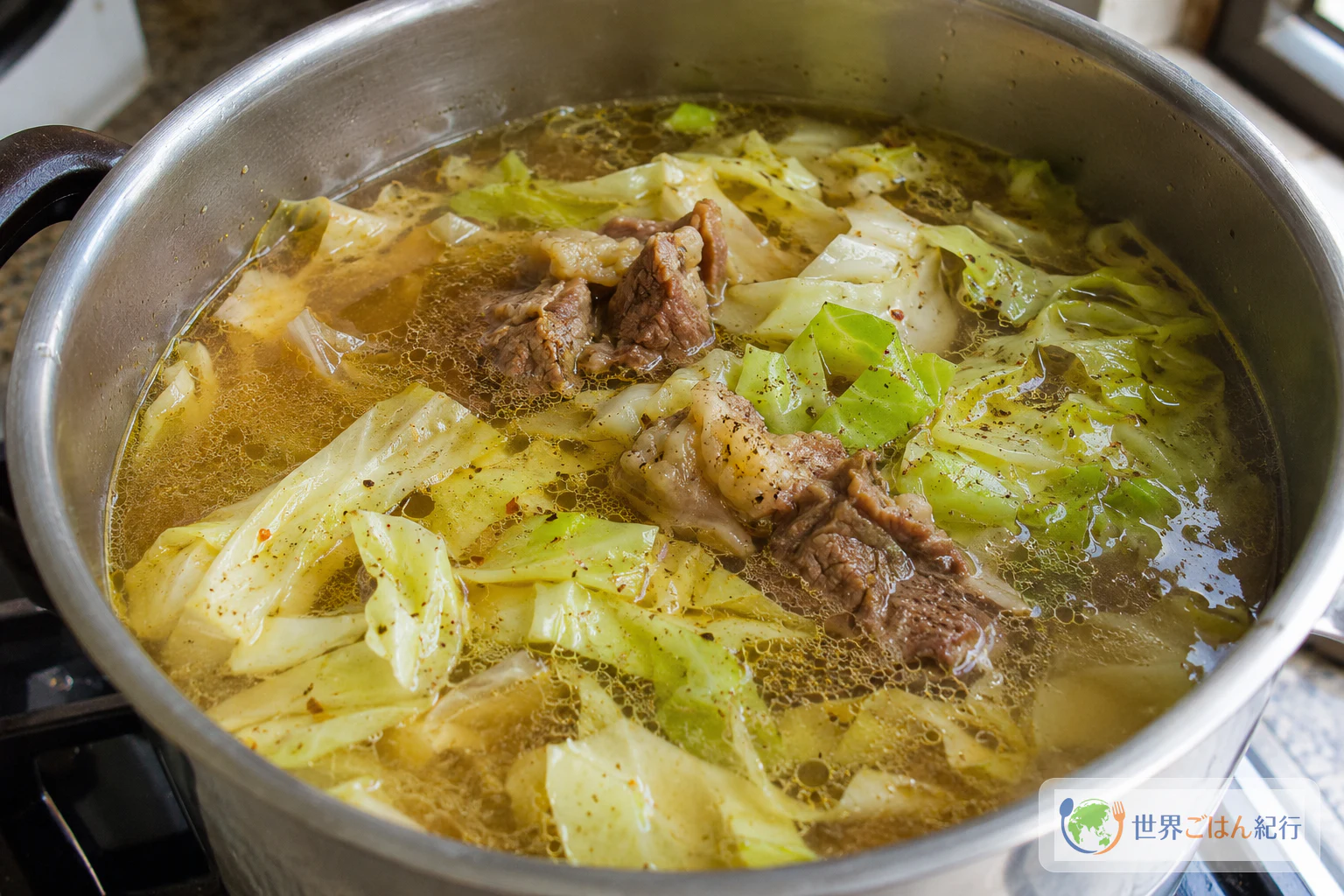
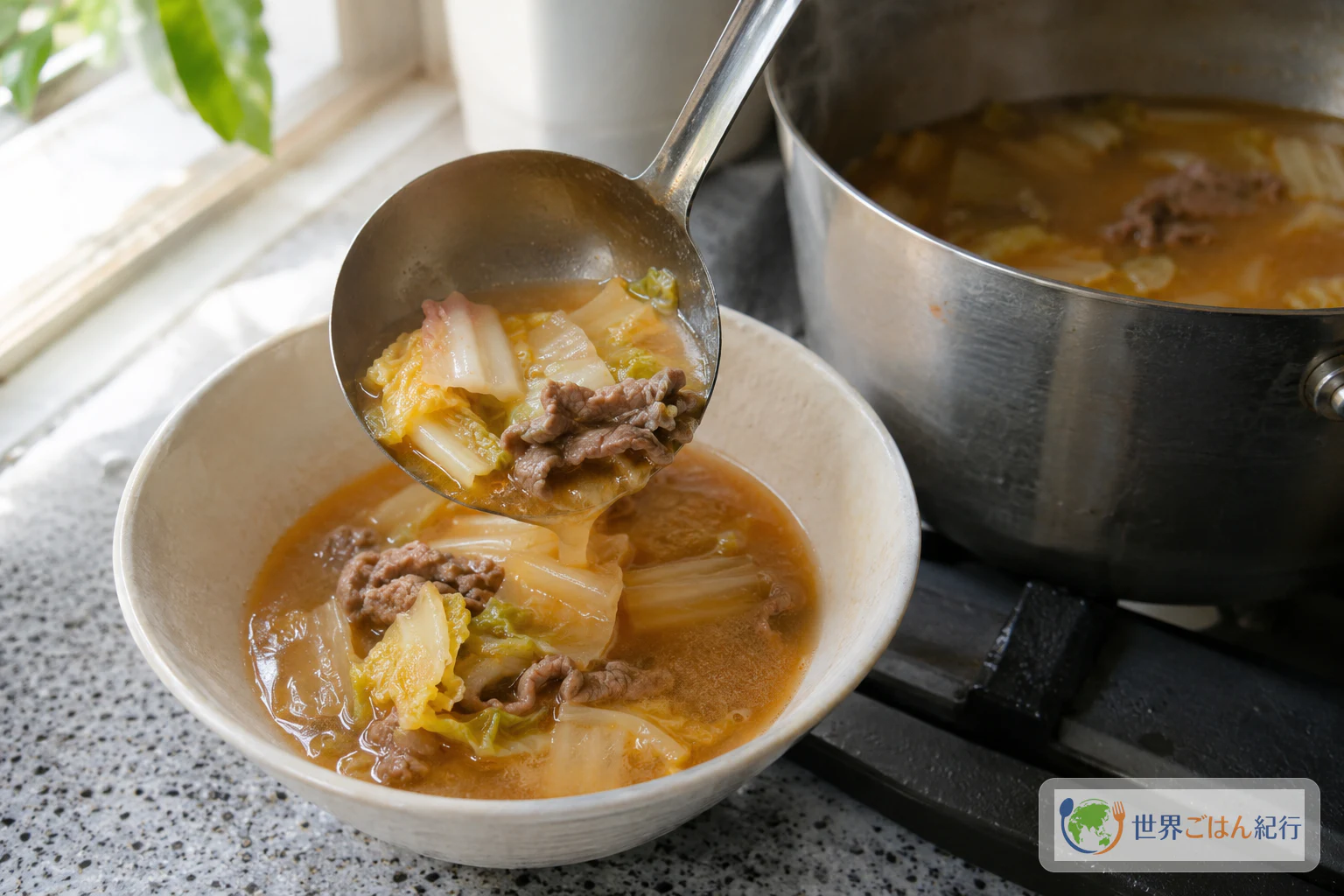
A milky broth from ox bones simmered for hours, napa cabbage softened and coated in doenjang, garlic and green chili, and a scatter of fresh green onion at the very end. Any extra heat goes in at the table, not into the pot.
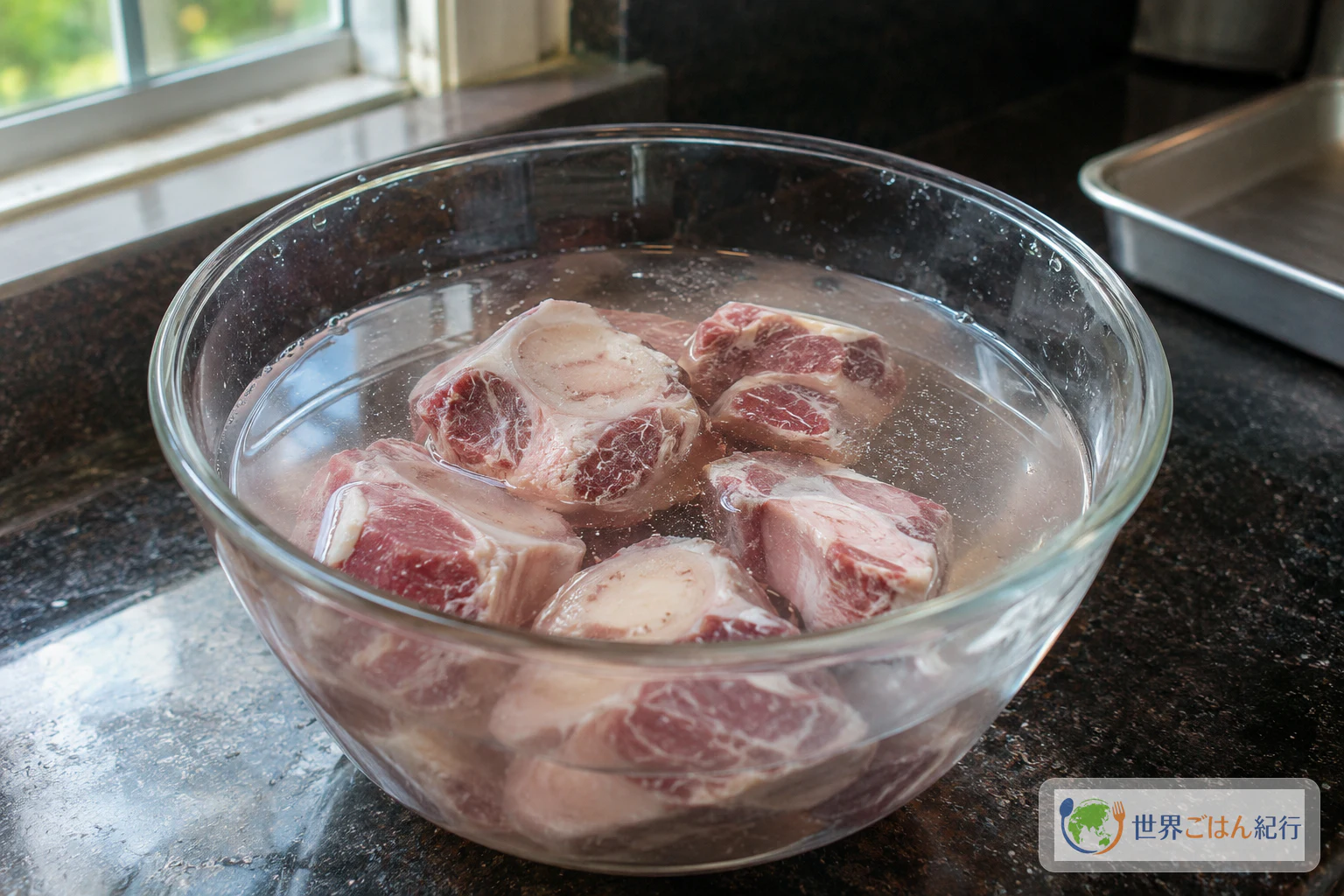
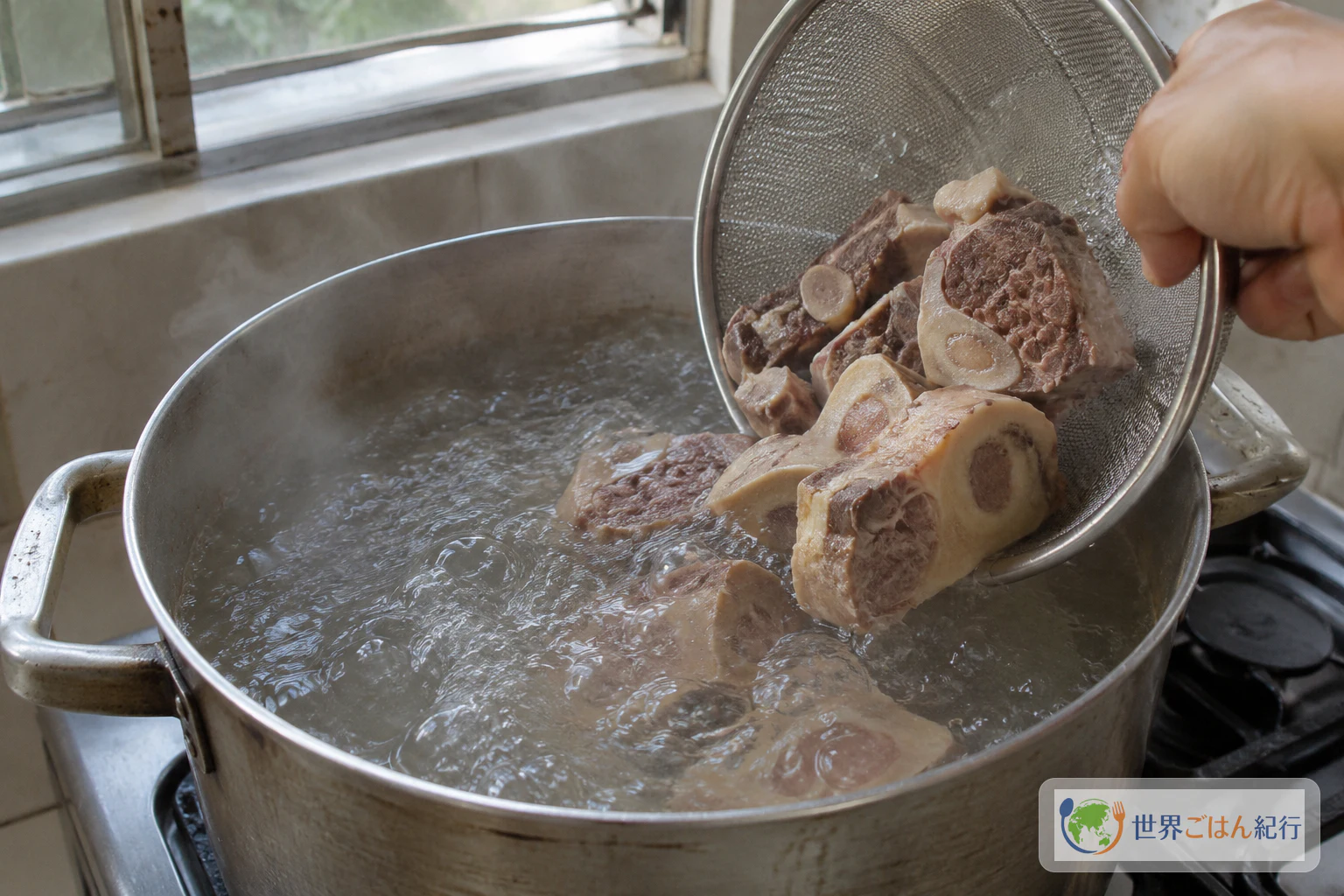
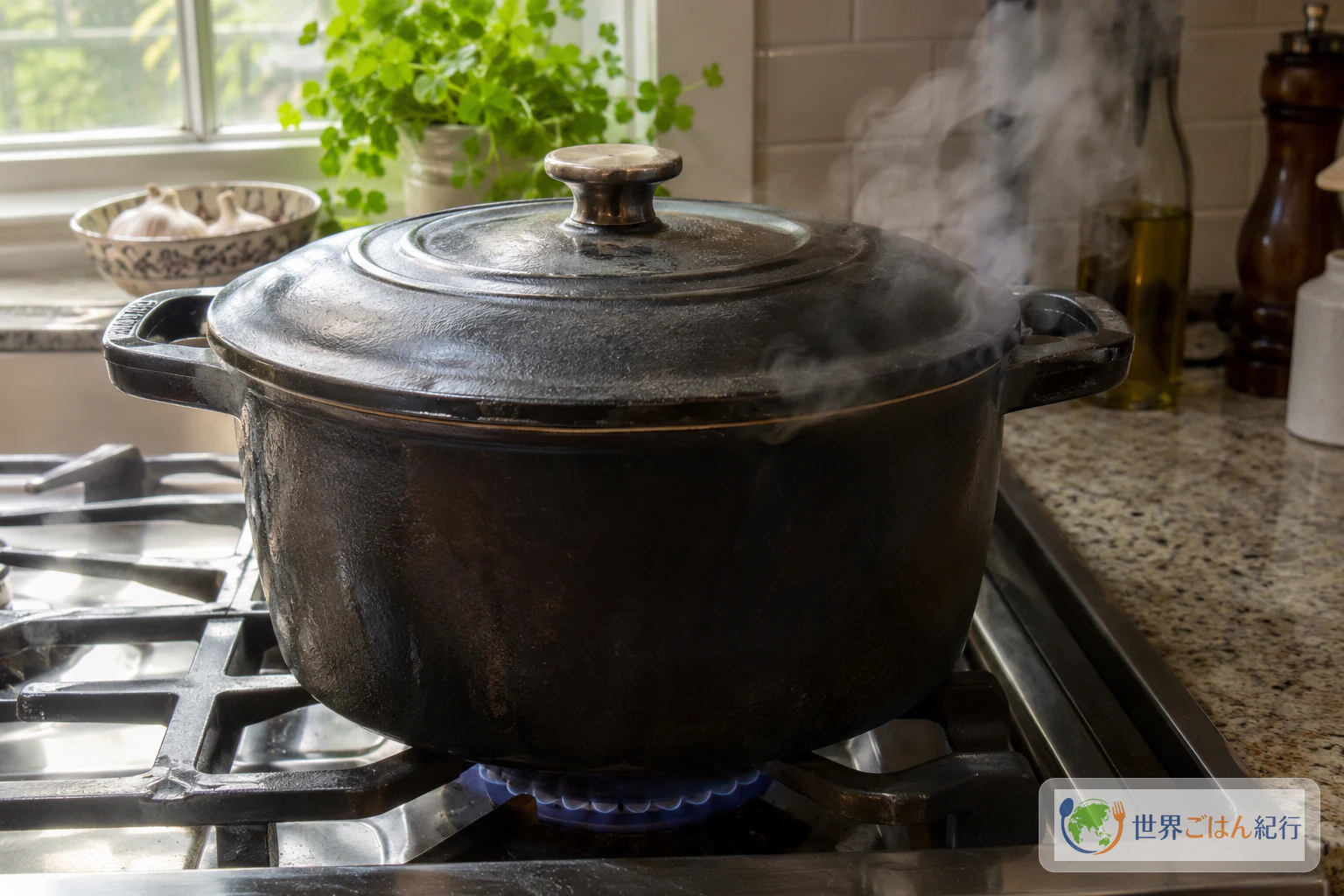
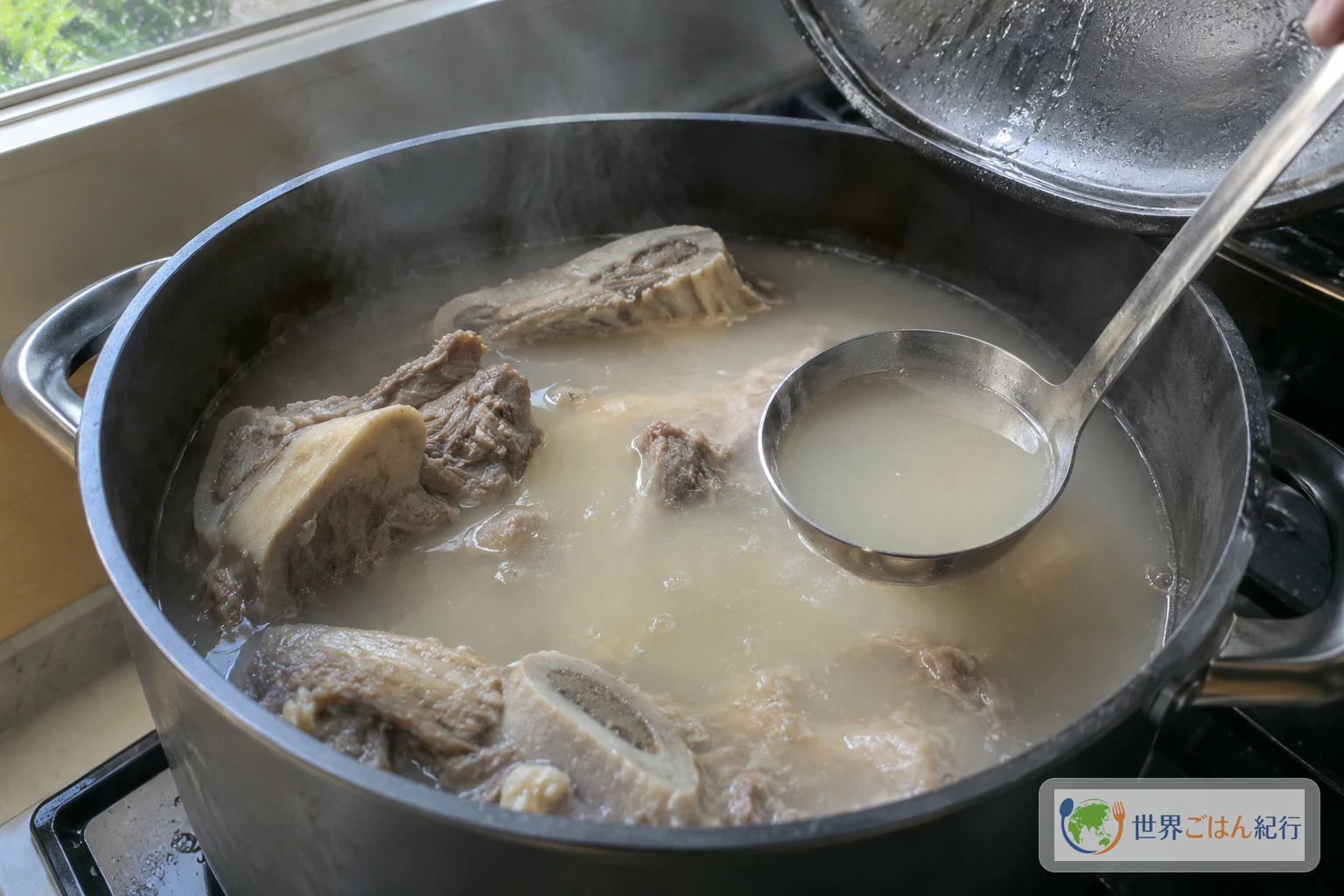
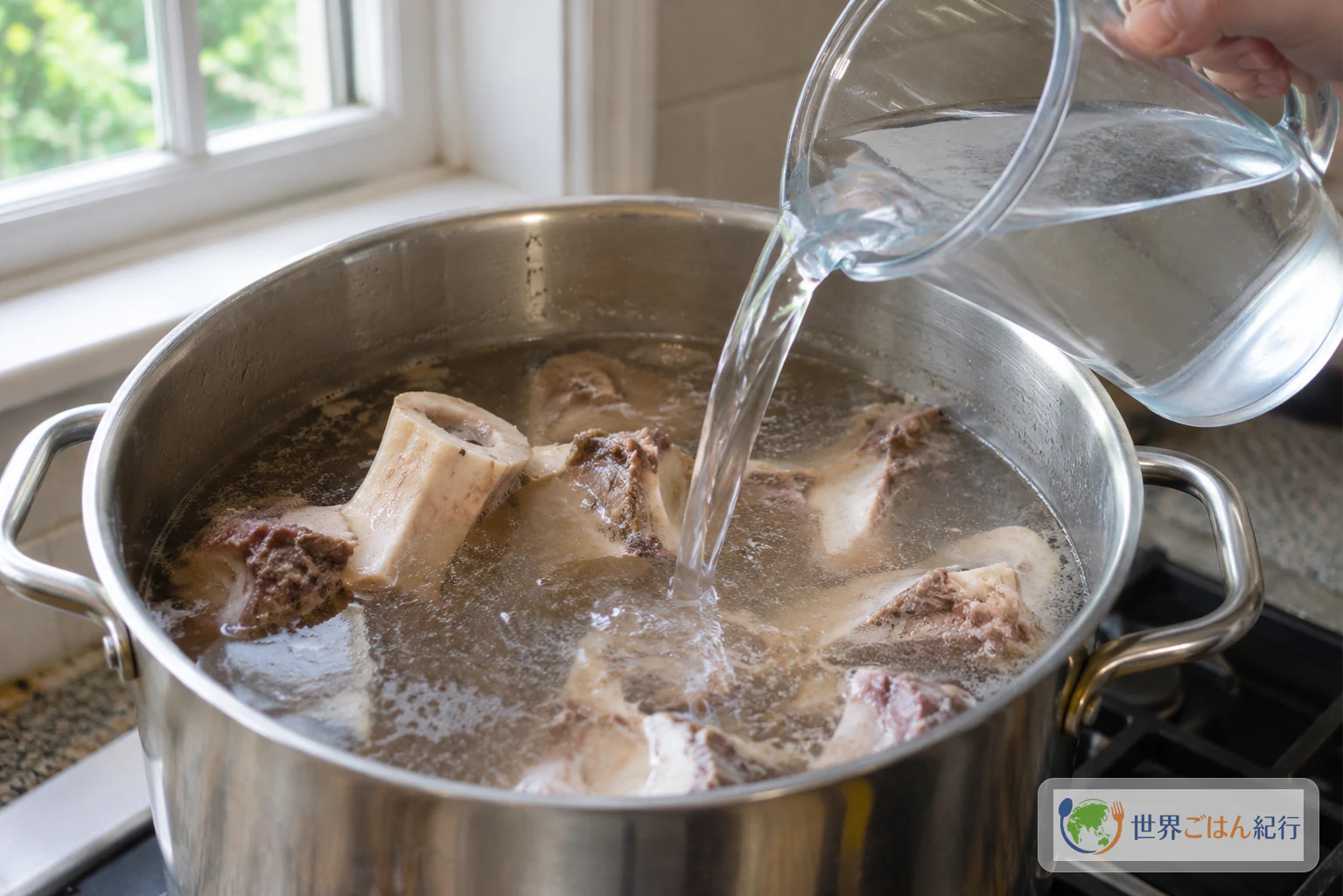
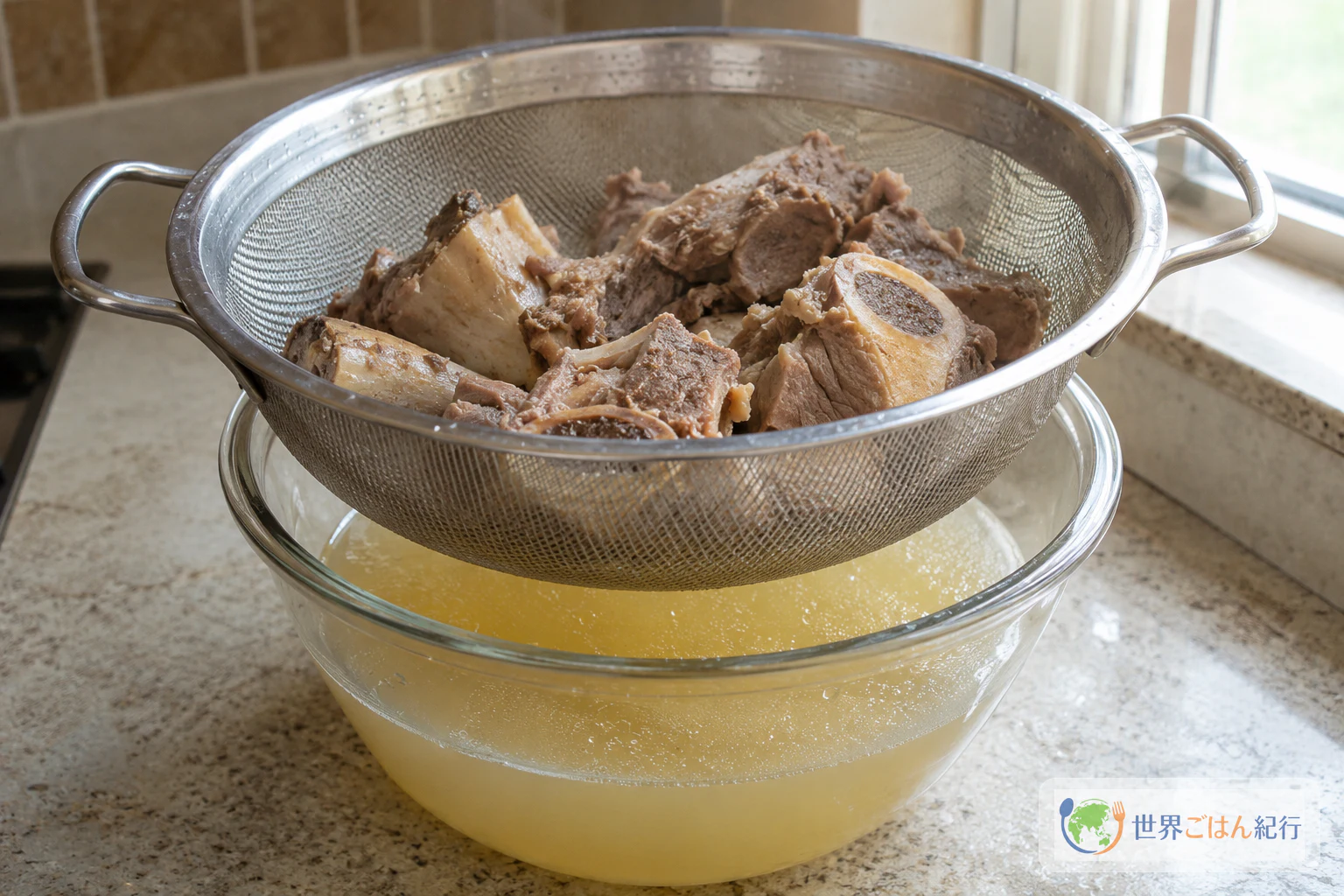
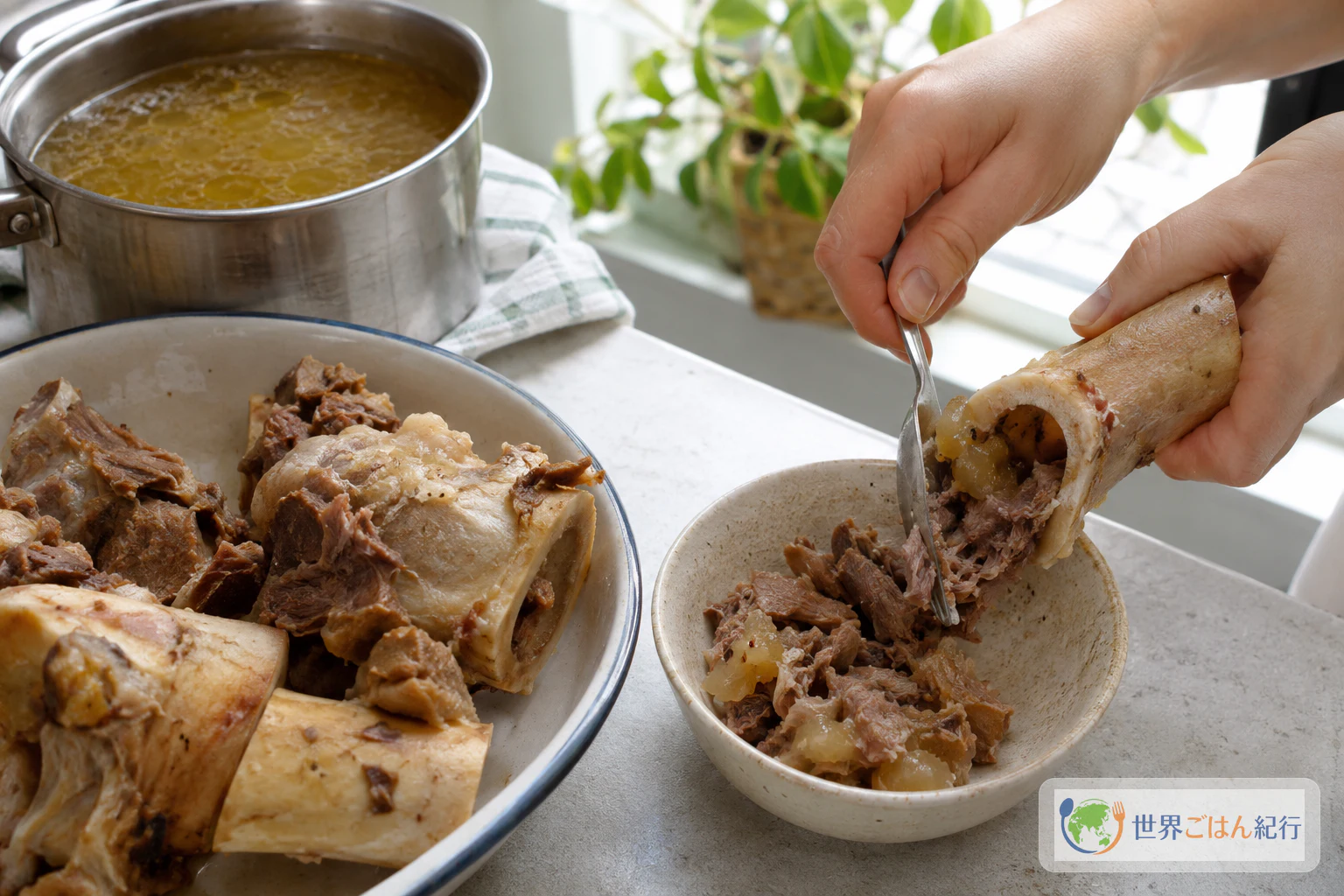
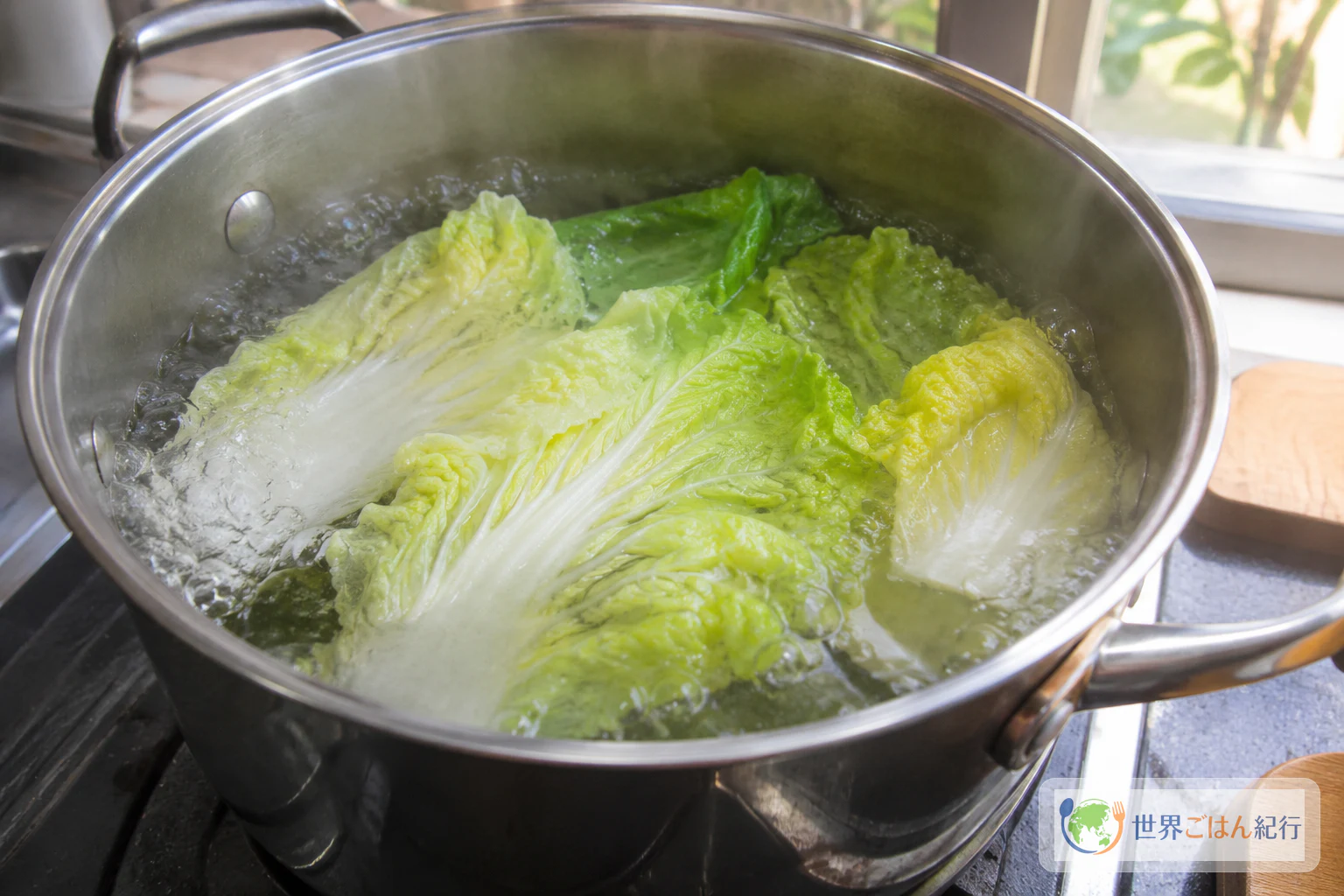
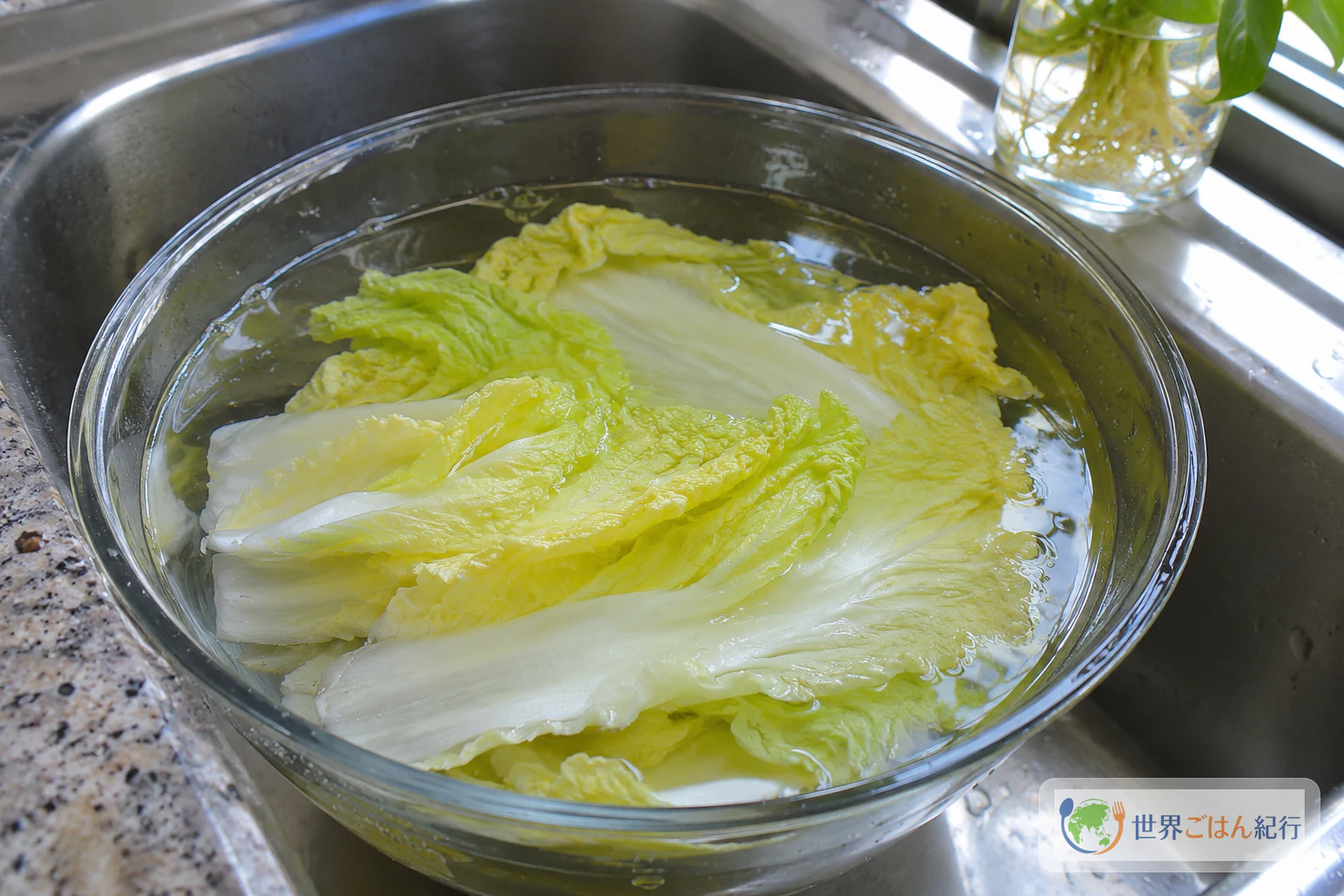
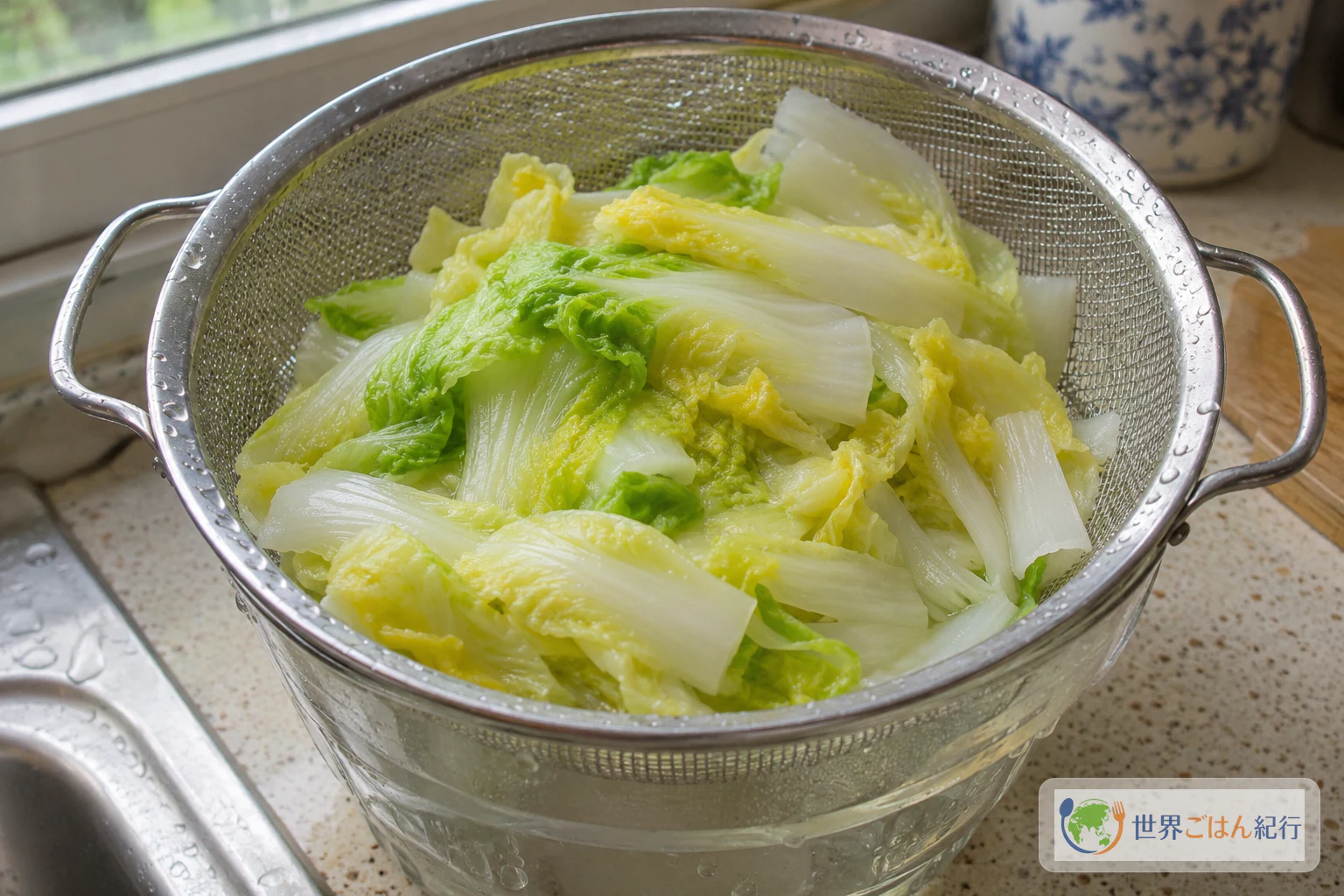
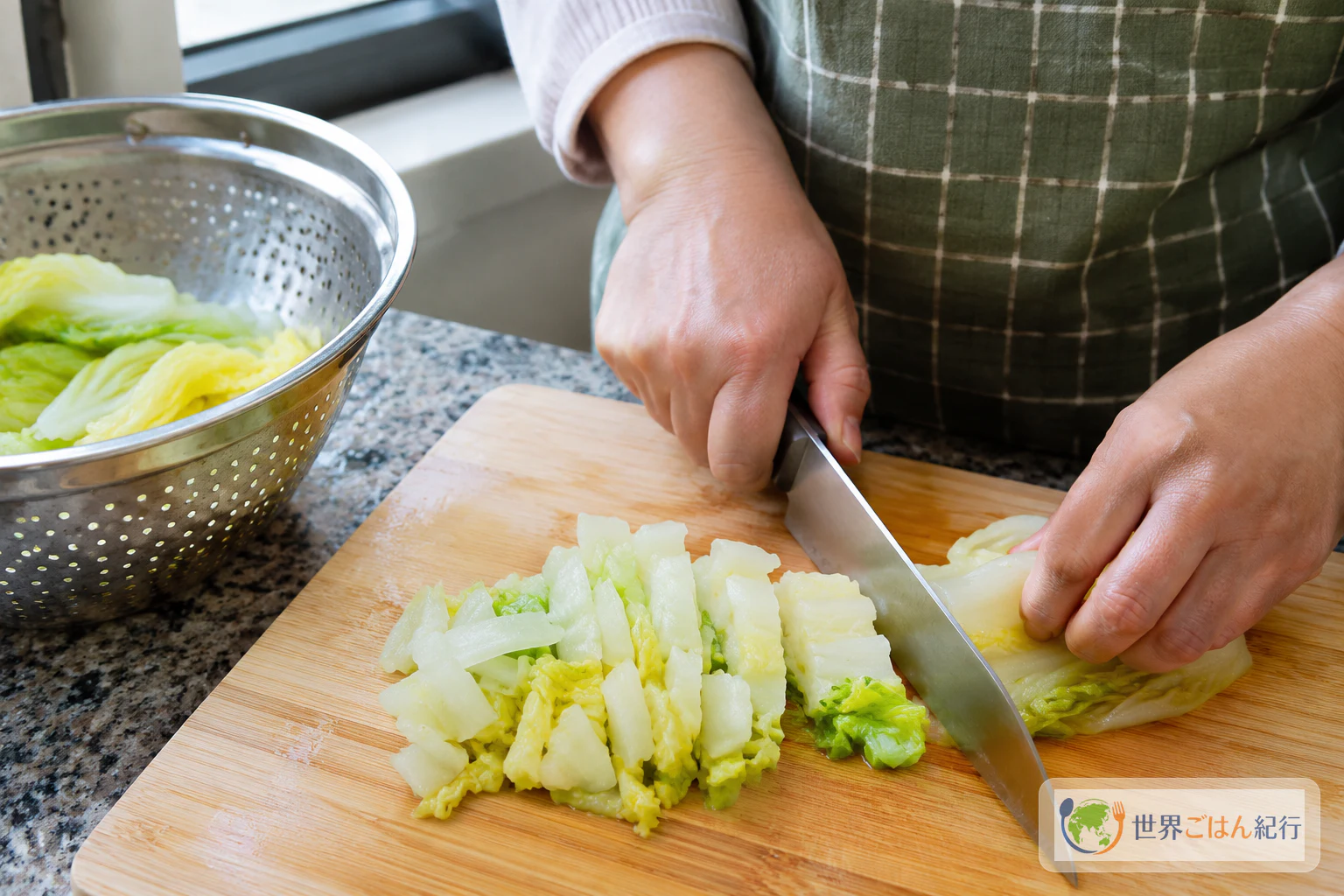
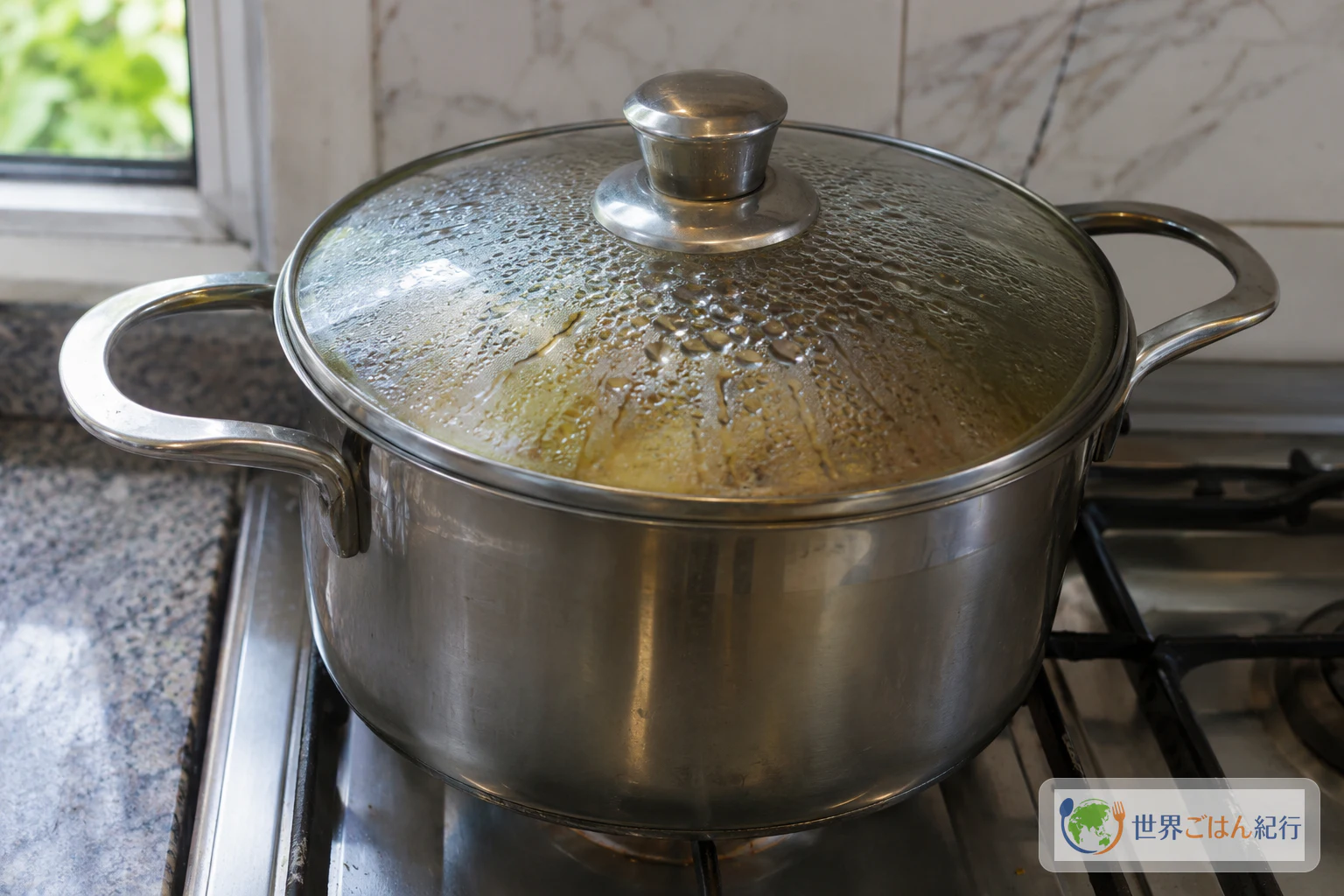
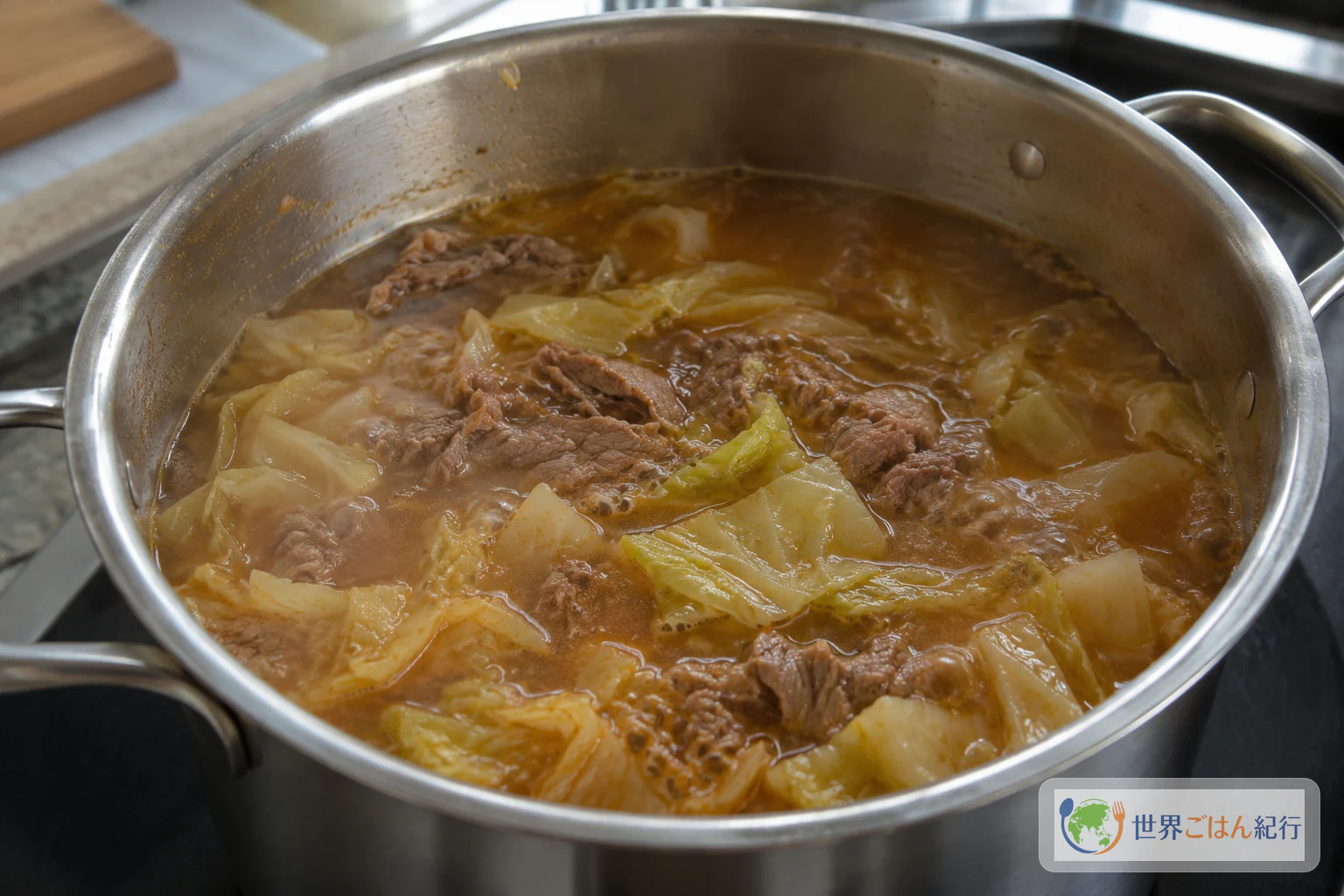
A large pot of sliced ox bones sits covered on the stove for four hours, until the water turns milky. Later, blanched napa cabbage that has been tossed with doenjang (Korean soybean paste), garlic, green chili and fish sauce goes into that broth with the bits of meat and ligament picked from the bones. The soup is ladled into bowls, topped with chopped green onion, and set down with rice and kimchi.
In Korea, haejangguk (해장국) is not one fixed recipe. The Korea Tourism Organization (VisitKorea) describes it as a family of soups associated with eating after a night of drinking, which is why it is often called "hangover soup" in English. One type it describes uses beef bone broth, kimchi cabbage, bean sprouts and doenjang; other versions are made with blood or with pork backbone, and spicy versions are common. The name describes when people tend to eat it, not a proven remedy. This article does not claim that the soup treats a hangover or has any medical effect.
This article focuses on one specific pot from that family: ppyeo-haejangguk (뼈해장국) as published by the Korean home-cooking author Maangchi, made with ox bones, napa cabbage and doenjang. The amounts and times below follow that single recipe in its US units, cooked in an ordinary pot. This recipe has not been kitchen-tested by Sekai Gohan. Food-safety steps for cooling the large batch of broth have been added from public food-safety guidance, so the broth goes into shallow containers and the refrigerator quickly rather than cooling overnight in the pot. For more dishes from the same country, see our South Korea page.
Bean sprouts, blood and pork backbone each make a different haejangguk. They are described in the variations section below, but none of them is added to this beef bone and cabbage pot.
Ingredients for Ox Bone and Napa Cabbage Haejang-guk
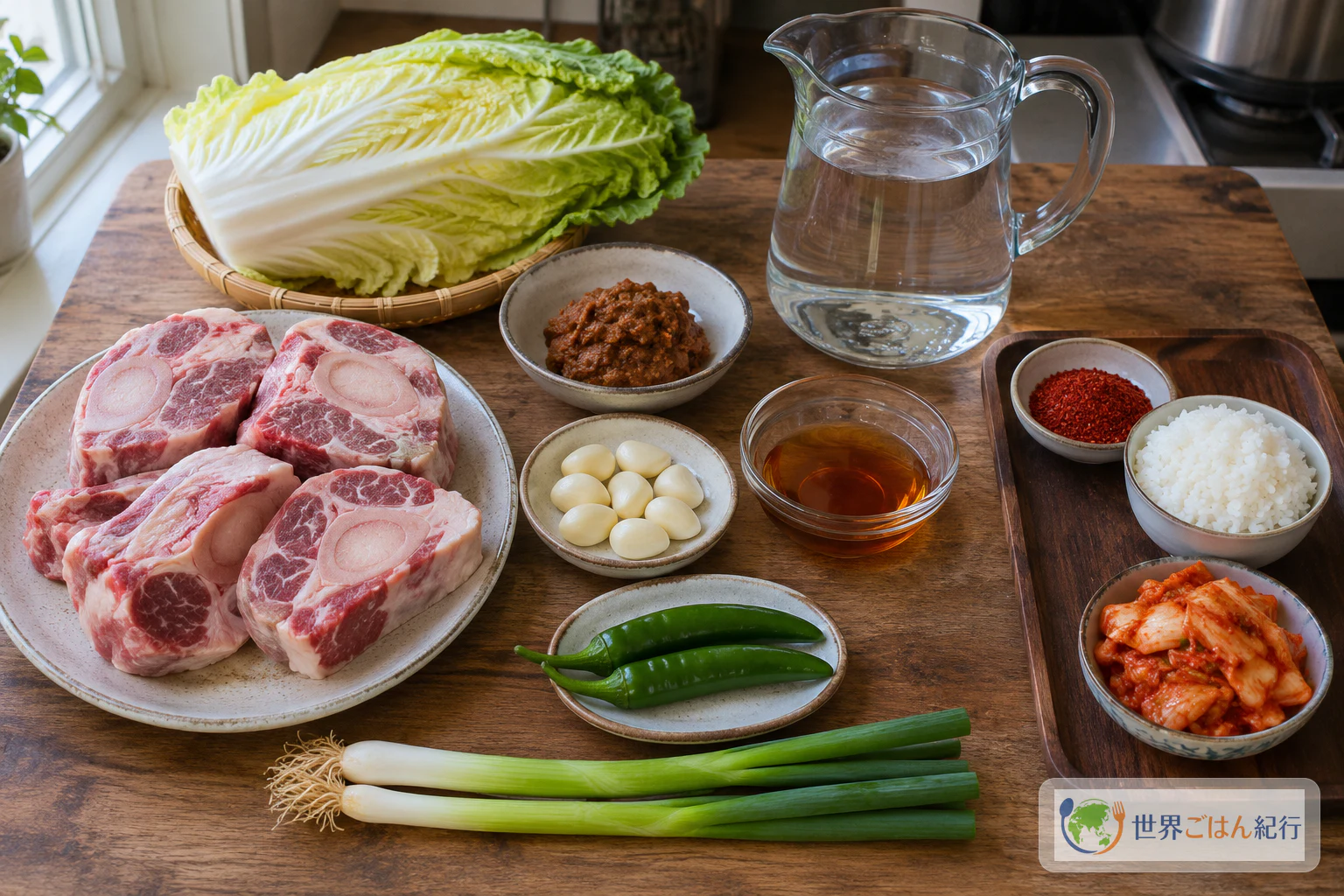
The broth is made first and needs at least 6 cups for the soup. Rice, kimchi and gochugaru are served at the table and are not cooked in the pot.
Fish sauce is made from fish, and doenjang is made from soybeans. Check the labels of the products you buy for these and any other allergens.
Equipment
- Large heavy pot with a fitted lid, for the four-hour bone boil
- Separate pot for blanching the cabbage
- Heat-safe colander or strainer and a heat-safe bowl
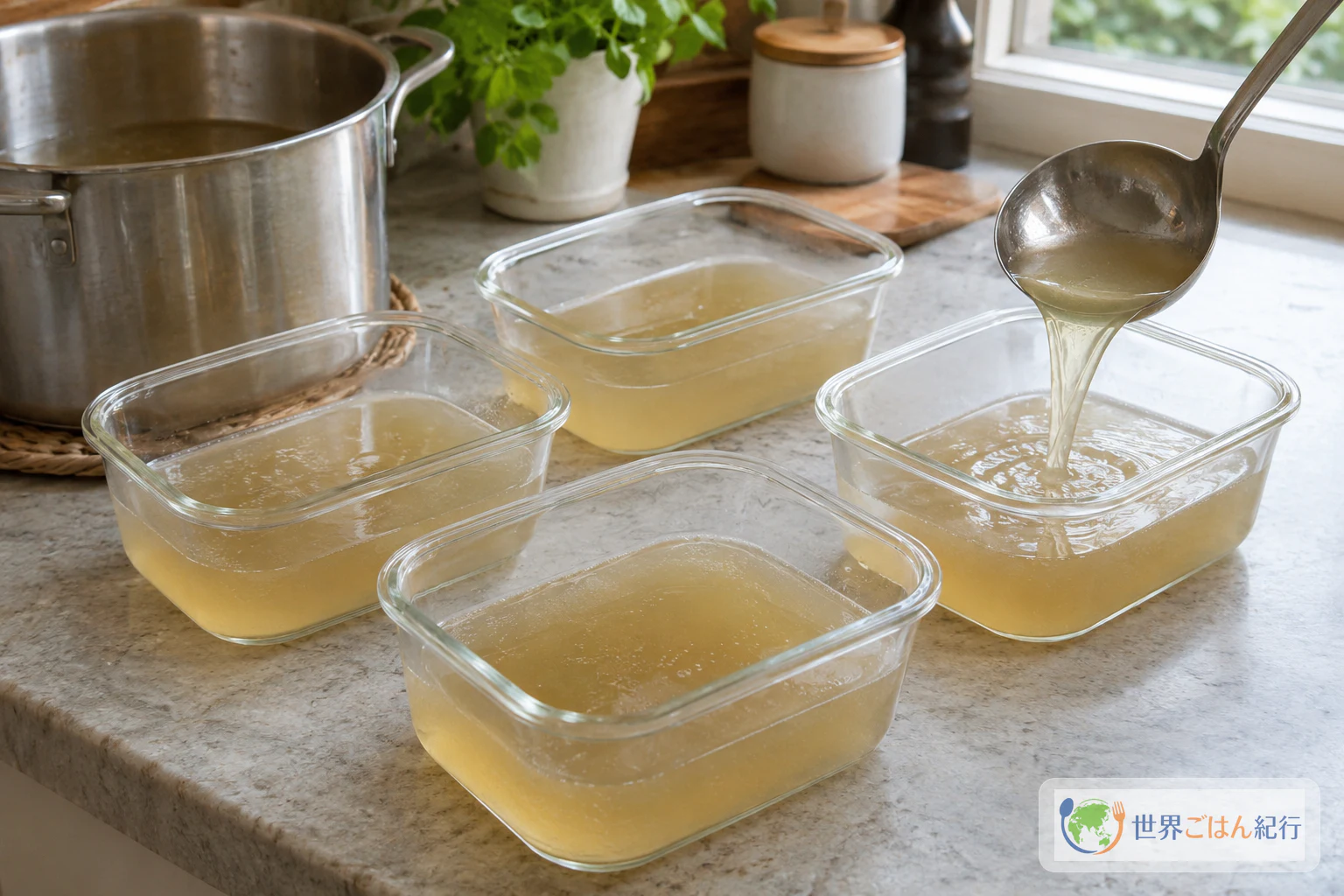
- Several shallow food-safe containers for cooling the broth and meat
- Large mixing bowl
- Ladle and spoon
- Clean cutting board for vegetables, kept apart from raw bones
Choosing and Substituting
Bones. Look for sliced beef bones sold for making broth.
Cabbage. Napa cabbage is the main choice here; chard can be used instead. Chard changes the flavor and texture of the soup, so expect a different result rather than an identical one.
Doenjang. Doenjang is a Korean fermented soybean paste. Saltiness differs between products, which also affects how salty the finished soup tastes.
Heat. Green chilies vary in strength. If you want more heat, add gochugaru to your own bowl at the table instead of increasing it in the pot.
Method: From Bone Broth to a Finished Bowl
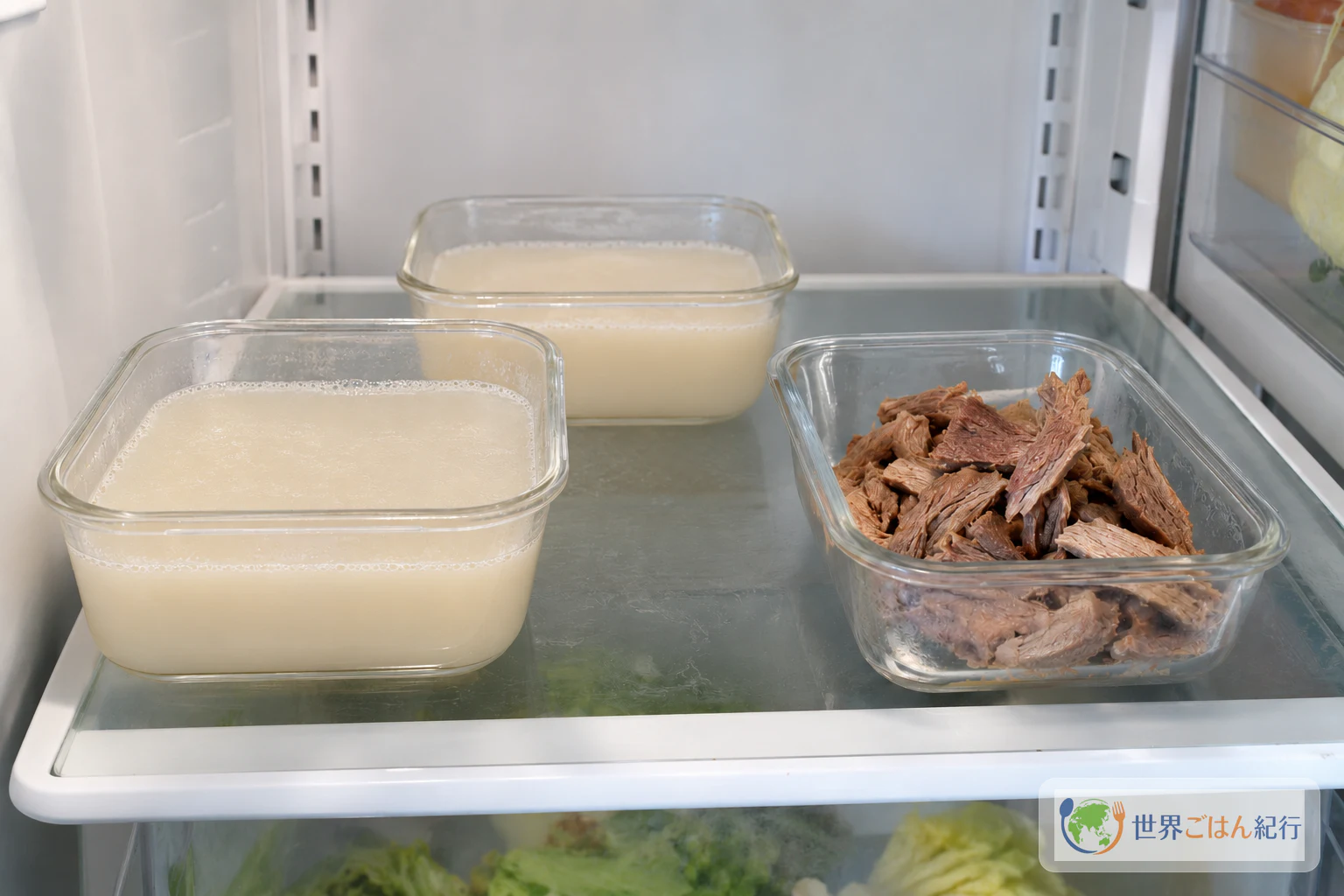
The bones boil for four hours, then the broth is chilled until the fat sets on top. The cabbage and the final simmer come after that. Keep raw bones, the water they soaked in, and the tools that touched them away from vegetables and cooked food the whole way through.
Food Safety: Cooling the Broth and Handling Leftovers
Four hours of boiling produces a lot of hot liquid. Never leave the pot on the counter overnight. Divide the broth and recovered meat into shallow food-safe containers and get them into the refrigerator within 2 hours (within 1 hour if the room is above 32°C), with the refrigerator at 4°C or below.
- Keep raw and cooked apart. Use separate tools, bowls and boards for the raw bones and for vegetables and cooked food. Avoid splashing the bone-soaking water, and clean surfaces after handling raw bones.
- Cook times are not thermometer readings. The 4-hour boil and the 30-minute final simmer are cooking times, not a guarantee of safety. Heat soups and stews to 70°C; check with a food thermometer.
- Keeping it hot. If the soup is held hot before serving, keep it at 60°C or above. Do not leave cooked soup at room temperature for 2 hours or more.
- Leftover soup. Divide it into shallow food-safe containers and refrigerate within 2 hours (within 1 hour above 32°C) at 4°C or below. Reheat it thoroughly before eating.
Troubleshooting
| Problem | Likely cause | What to do |
|---|---|---|
| The broth is running low during the boil | Evaporation over 4 hours | Add cold water so you finish with at least 6 cups. Keep the lid on |
| The broth is not milky | — | The milky look is only a visual cue. Keep to the 4-hour covered boil; color does not show nutrition or safety |
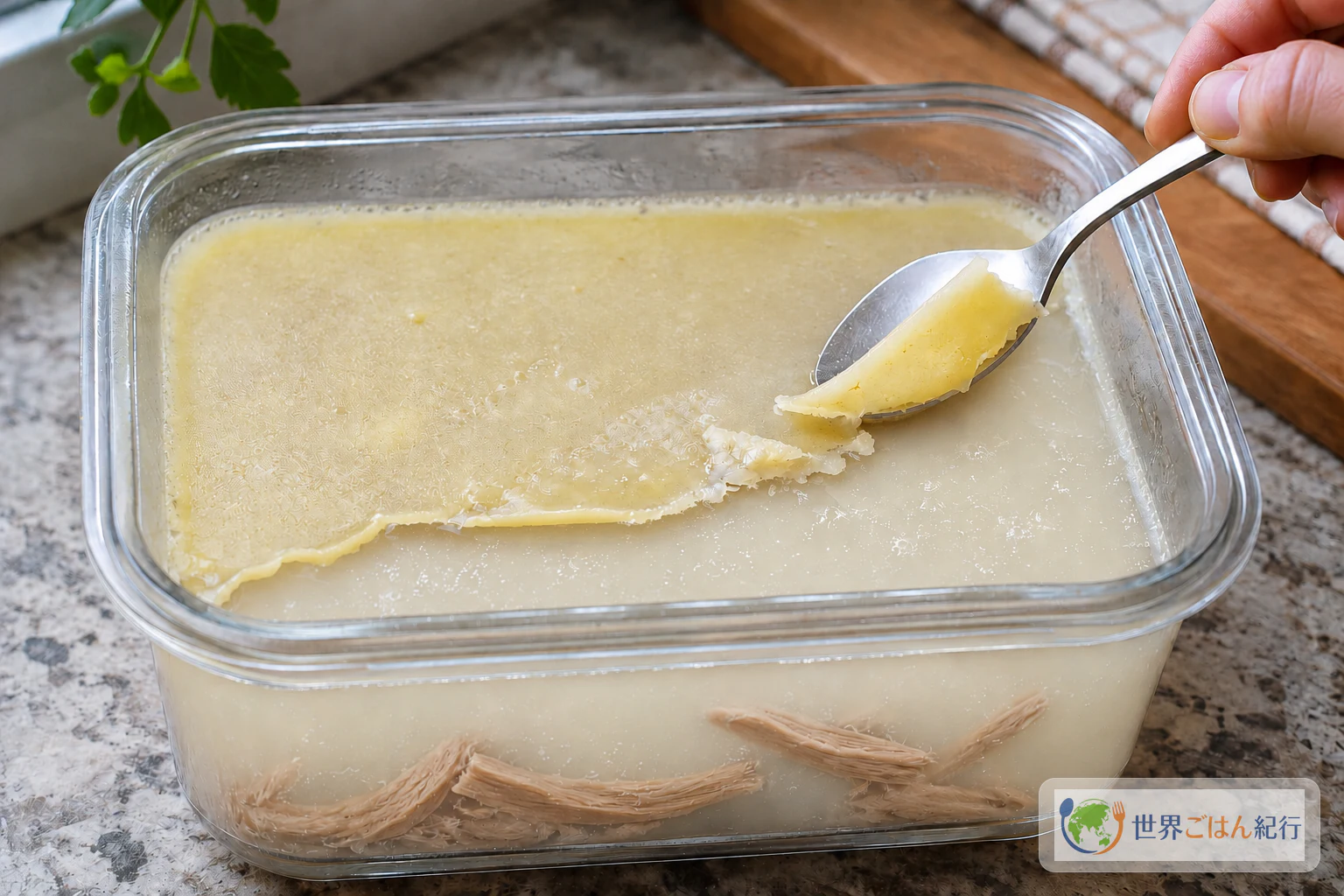
| The fat will not lift off | Not chilled long enough | Leave the containers in the refrigerator until the fat forms a solid layer, then skim |
| Too salty | Doenjang and fish sauce vary by product | Choose the doenjang carefully next time; saltiness differs between brands |
| Not spicy enough | Mild chilies | Add gochugaru in your own bowl at the table |
Serving at the Table
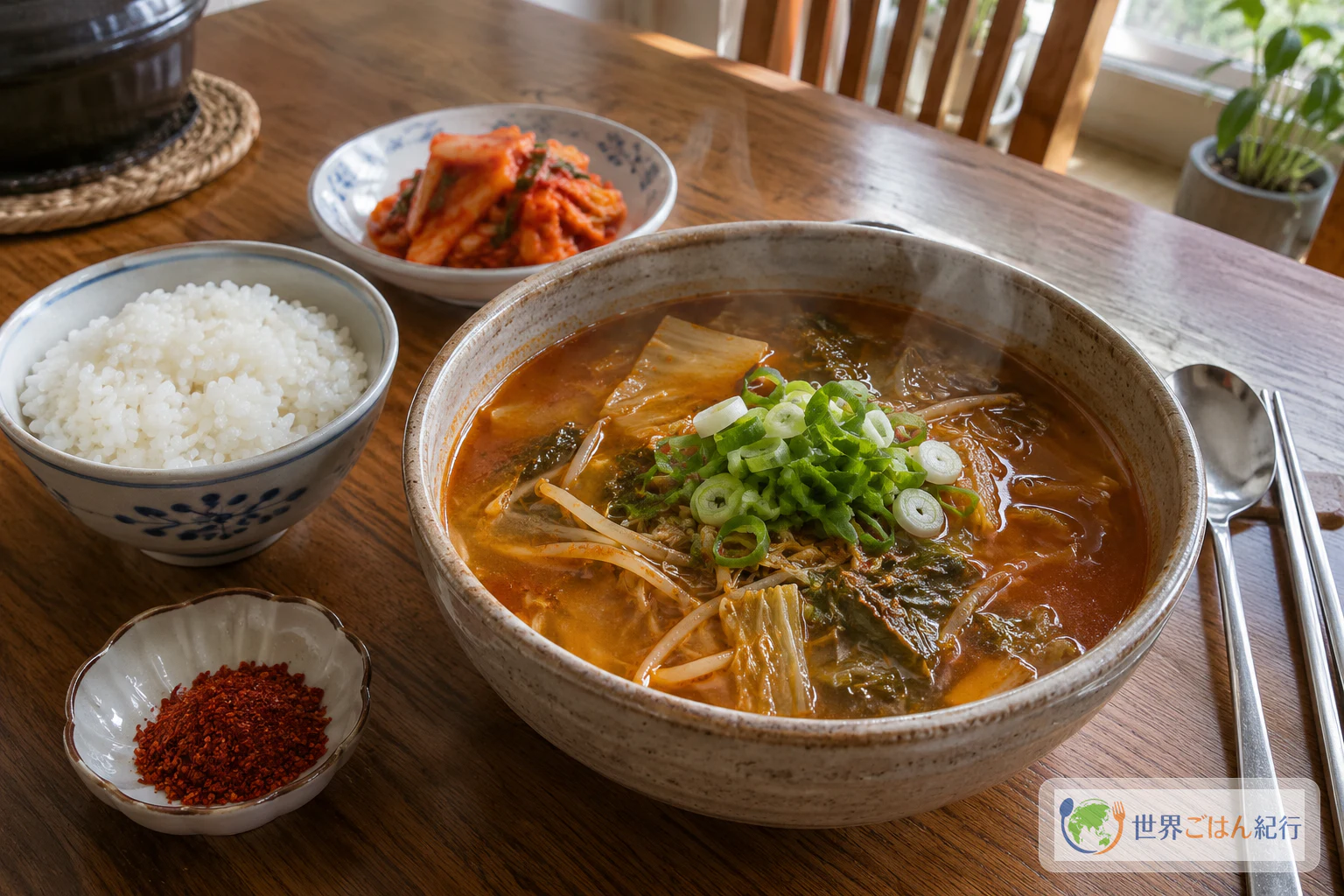
Serve each bowl with rice and kimchi on the side. Gochugaru goes in its own small dish so each diner can decide how spicy their bowl should be.
Variations Within the Haejangguk Family
Haejangguk covers several distinct soups. These are separate dishes, not additions to this recipe.
| Style | What sets it apart | How it relates to this pot |
|---|---|---|
| Beef bone, cabbage and doenjang (this recipe) | Ox bone broth, napa cabbage, doenjang | The version made here |
| With bean sprouts | Beef bone broth, cabbage and doenjang with bean sprouts | A related type; bean sprouts are not part of this recipe |
| With blood | Includes blood | A separate type; not added here |
| Pork backbone | Built on pork backbone | A different broth and method; not mixed in |
| Spicy versions | More chili heat | Here the heat is added at the table with gochugaru |
Chard can stand in for napa cabbage in this recipe, with a different taste and texture. Korean pork gukbap, a rice soup made with pork and pork bones, is a different dish and not a form of this recipe.
Background: Why "Hangover Soup" Is a Family Name
VisitKorea's overview treats haejangguk as a group of soups associated with meals after drinking, and lists several types: beef bone broth with kimchi cabbage, bean sprouts and doenjang; versions with blood; versions with pork backbone; and spicy styles. It is a tourism overview rather than a recipe, and it does not name one canonical regional style.
Maangchi's recipe separates the broad category from the specific soup, calling this one ppyeo-haejangguk (뼈해장국), a bone soup made with ox bones, napa cabbage, doenjang, garlic, green chili, fish sauce and green onion, served with rice, kimchi and optional gochugaru. This article follows that single recipe so the amounts and steps stay consistent. The recipe's descriptions of health benefits and its own longer storage habits are not repeated here as advice; storage and cooling follow public food-safety guidance instead.
Frequently Asked Questions
Is haejang-guk a single soup?
No. VisitKorea describes haejangguk as a family of soups, including beef bone and cabbage styles, versions with blood, pork backbone versions and spicy ones. This article makes one example: Maangchi's beef bone, napa cabbage and doenjang ppyeo-haejangguk.
Does it cure a hangover?
"Hangover soup" describes when the soup is traditionally eaten. None of the sources used here establishes that it treats a hangover, and this article makes no health or medical claim.
How many servings does it make?
Maangchi's recipe says 2 lb of bones feeds about four people. Separately, the broth section describes making 6 to 8 cups of broth, and the soup uses 6 cups. We have not measured the finished soup, so treat four servings as the author's estimate.
Can I use chard instead of napa cabbage?
Yes. Chard is listed as the alternative in Maangchi's recipe. The flavor and texture will differ from napa cabbage.
How long does the broth or soup keep in the refrigerator?
The food-safety references used here do not give a number of days for this soup, so this article does not state one. Cool the broth and leftovers in shallow containers, refrigerate within 2 hours (1 hour above 32°C) at 4°C or below, and reheat thoroughly.
Can I make the broth in a pressure cooker?
This article covers only the ordinary-pot method with the 4-hour covered boil. No pressure-cooker times are given.
Why chill the broth before making the soup?
Chilling lets the fat set on the surface so it can be lifted off. Dividing the broth into shallow containers before refrigerating helps it cool quickly instead of sitting warm in a deep pot.
Sources
- Korea Tourism Organization (VisitKorea), "Hangover Soup (해장국 / Haejangguk)." Used for haejangguk as a family of soups associated with meals after drinking, and for the types described (beef bone broth with kimchi cabbage, bean sprouts and doenjang; blood and pork backbone versions; spicy versions). A tourism overview, not a recipe or evidence of any hangover remedy. https://english.visitkorea.or.kr/svc/thingsToDo/foodTrip/special_view.do?vcontsId=178218
- Maangchi, "Ox bone hangover soup (Ppyeo-haejangguk: 뼈해장국)." The recipe followed in this article: ingredients and amounts in US units, the 4-hour bone broth keeping at least 6 cups, chilling and skimming the fat, the 5-minute cabbage blanch, seasoning, the 20-minute medium-high and 10-minute low simmer, and serving with green onion, rice, kimchi and optional gochugaru. https://www.maangchi.com/recipe/ppyeo-haejangguk
- Ministry of Food and Drug Safety, Korea (Food Safety Korea), "스페인, 식품안전을 위해 음식조리시 지켜야 할 네 가지 원칙." Used for separating raw and cooked foods and utensils, cooking meat thoroughly, refrigerating cooked food quickly in small containers, and not leaving it at room temperature over 2 hours. https://www.foodsafetykorea.go.kr/portal/board/boardDetail.do?bbs_no=bbs077&menu_grp=MENU_NEW05&menu_no=2869&ntctxt_no=1080691
- Ministry of Food and Drug Safety, Korea (Food Safety Korea), "식중독 예방 수칙 / WHO Five Keys to Safer Food." Used for cooking soups and stews to 70°C, holding hot food at 60°C or above, not leaving cooked food at room temperature for 2 hours or more, and reheating cooked food thoroughly. https://www.foodsafetykorea.go.kr/portal/board/boardDetail.do?bbs_no=bbs401&menu_grp=MENU_NEW02&menu_no=4419&ntctxt_no=1068743
- FoodSafety.gov, "4 Steps to Food Safety." Used for separating raw and cooked food and utensils, dividing food into shallow containers, refrigerating within 2 hours (1 hour above 32°C), and keeping the refrigerator at 4°C or below. https://www.foodsafety.gov/keep-food-safe/4-steps-to-food-safety