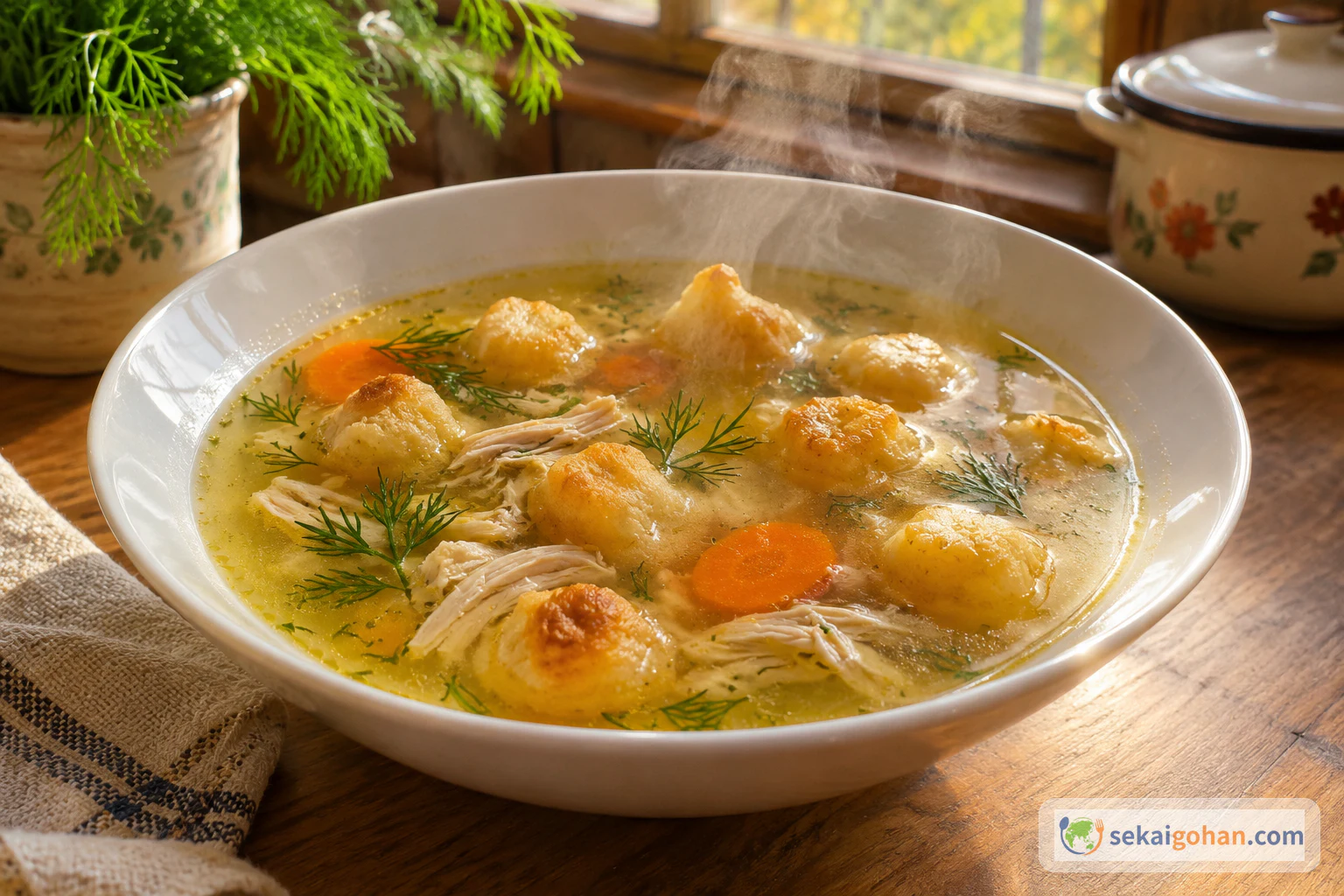
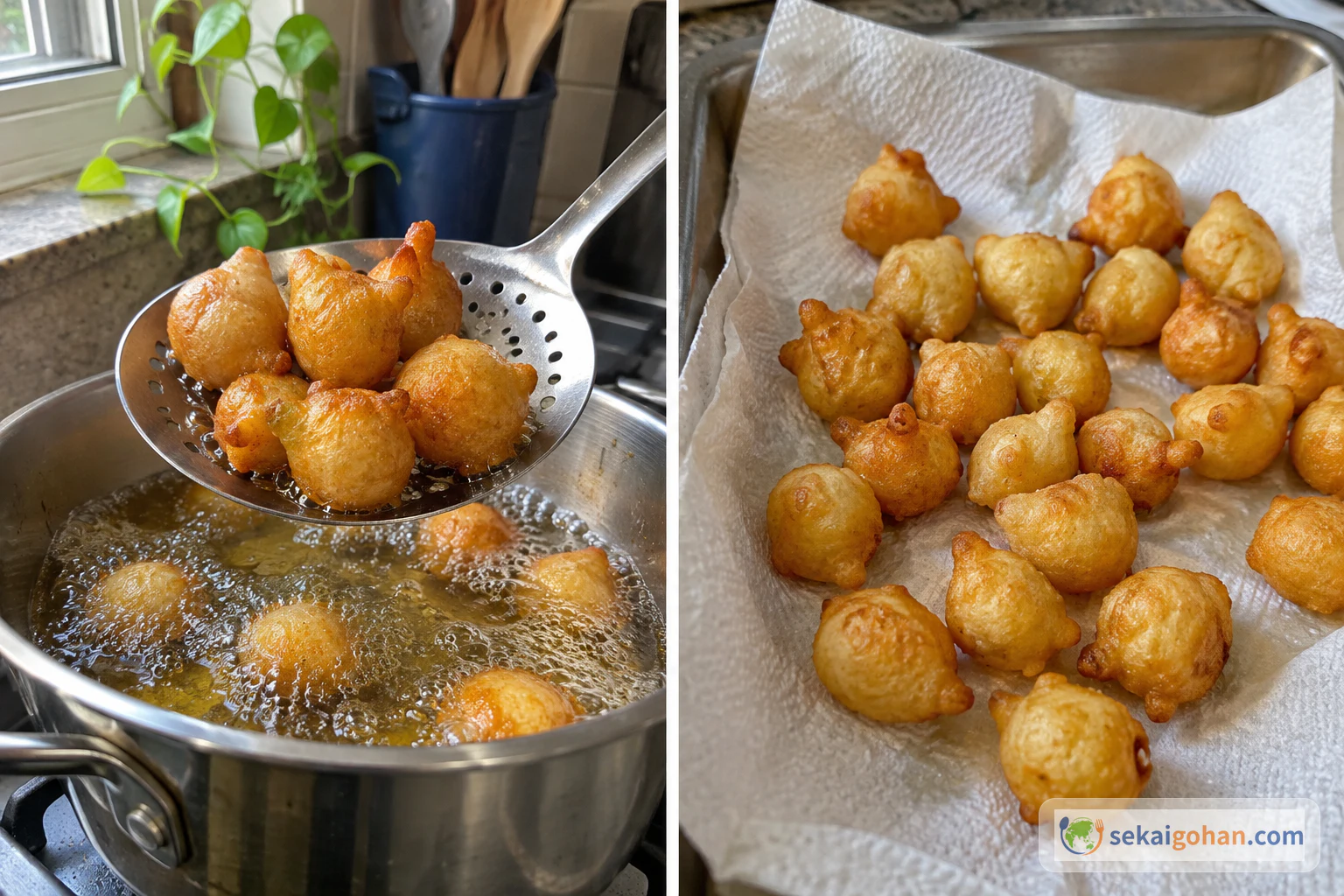
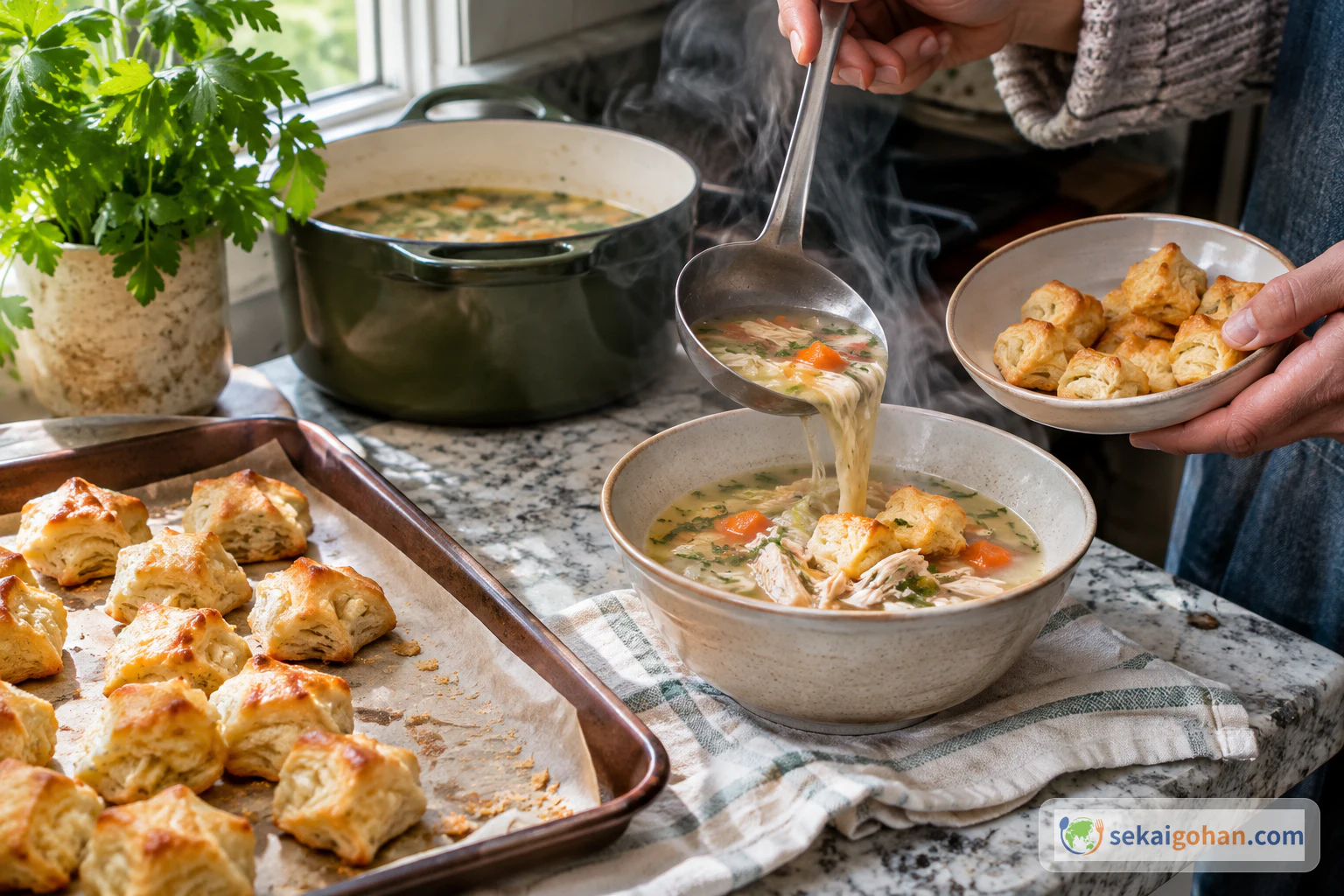
Hot chicken soup goes into the bowl first, and a handful of small golden puffs goes on top. They float and tap against the spoon. For the first few mouthfuls they are crisp, salty and toasty from the fryer, and then they soak up broth and turn soft. This is shkedei marak, "soup almonds," Israel's everyday soup topping, and it has no almonds in it. In shops it comes as tiny yellow squares in a bag. At home you make the older form, mandlen, from egg batter dropped by the teaspoon into hot oil.
Soup Almonds Without a Single Almond
In Hebrew, shkedei means almonds and marak means soup: שקדי מרק, soup almonds. The Yiddish names are mandlach or mandlen, from the Yiddish word for almond. In English they are called soup nuts.
The dish started in Ashkenazi Jewish home kitchens. Cooks fried small pieces of egg dough, the mandlach, and served them in chicken soup. Where the idea first came from is not settled. They are thought to have begun as a way to have unleavened starch with soup at Passover, and they are still strongly tied to that holiday. Over time they became a year-round staple, at home on any day a pot of chicken soup is on the stove.
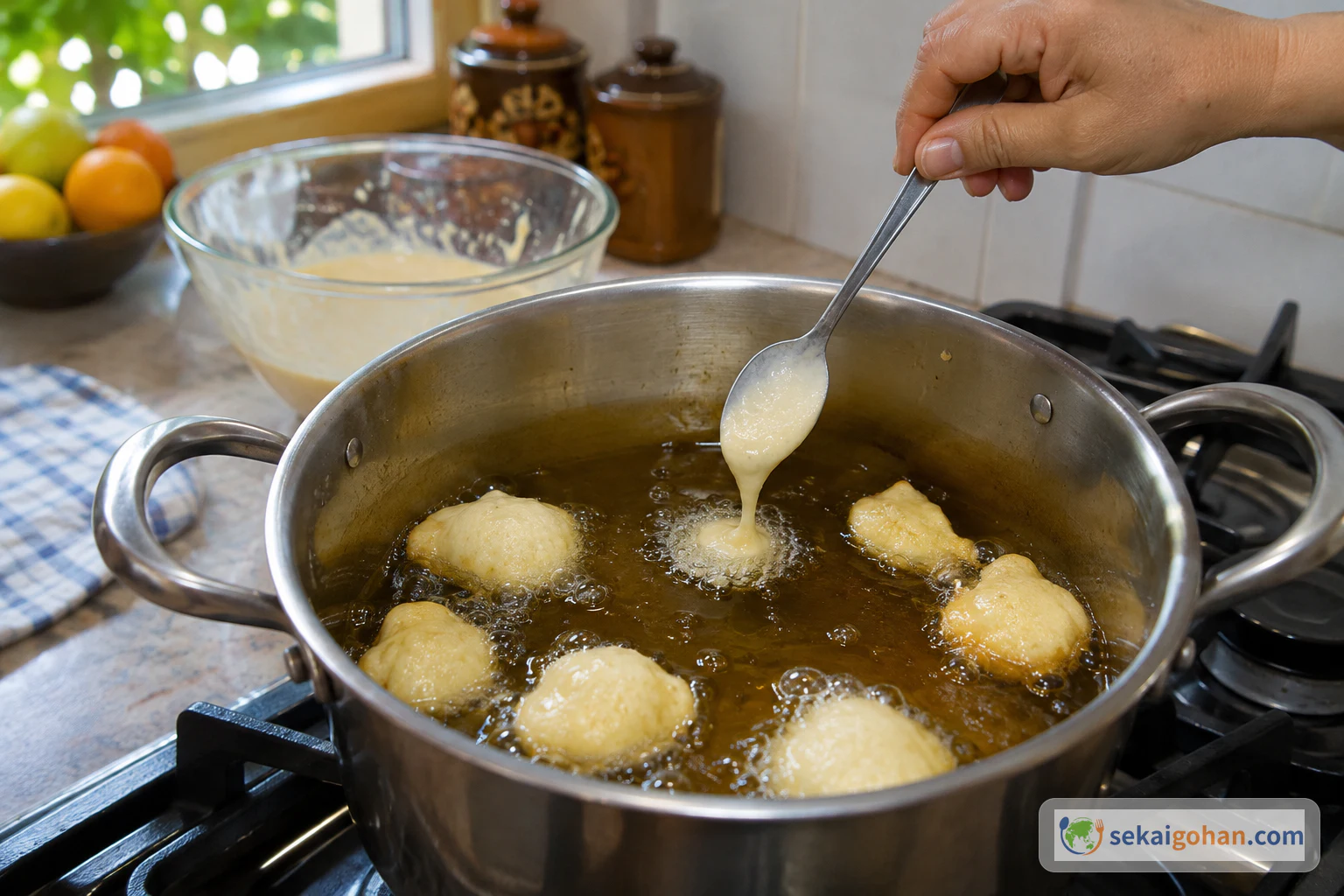
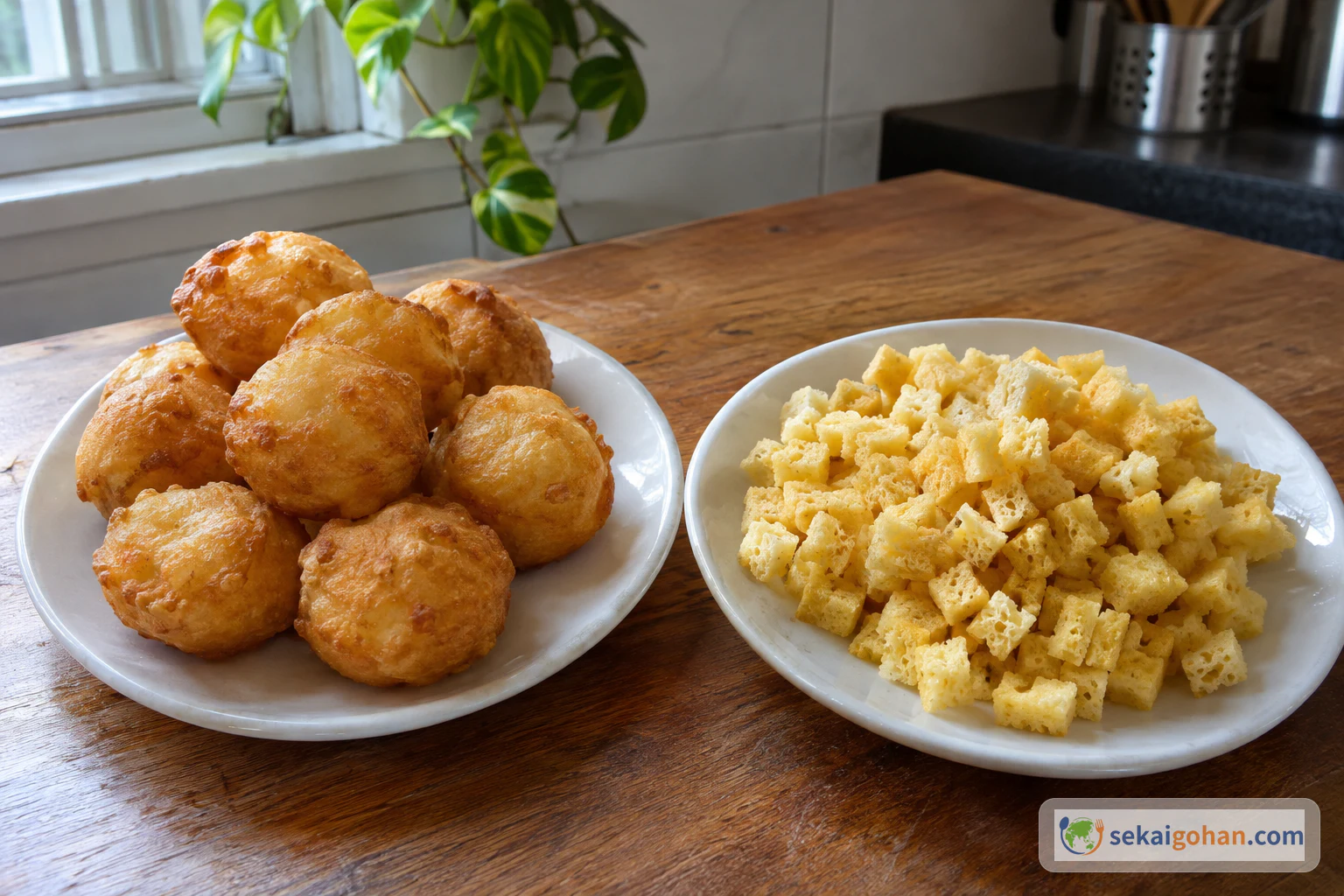
Home cooks made them in more than one way. Some used matzah meal and some used wheat flour. Some rolled the dough into balls by hand and baked them, and others deep-fried spoonfuls of batter. Fried ones stay crunchy in hot broth, and frying is the method used here. A finished mandel is a golden, crunchy dumpling about 1 inch (2.5 cm) across. It floats on the soup until it soaks up the broth.
From the home pot to a bag on every shelf
In Israel, the home-fried pieces turned into a factory product. For decades Osem was the only maker of shkedei marak. Today Vita and Knorr sell them too, and the Davidovich Bakery near Haifa also makes them. The classic store shape is a tiny yellow square that looks like a crouton. Stars, rings and fish shapes sit next to them on the shelf.
The bagged ones are also eaten plain, as a snack, poured straight from the bag into a hand. The squares you buy and the round puffs you fry at home are the same idea in two forms. The homemade ones are bigger, uneven and puffier, with a deeper fried flavor.
Ingredients (serves 6–8)
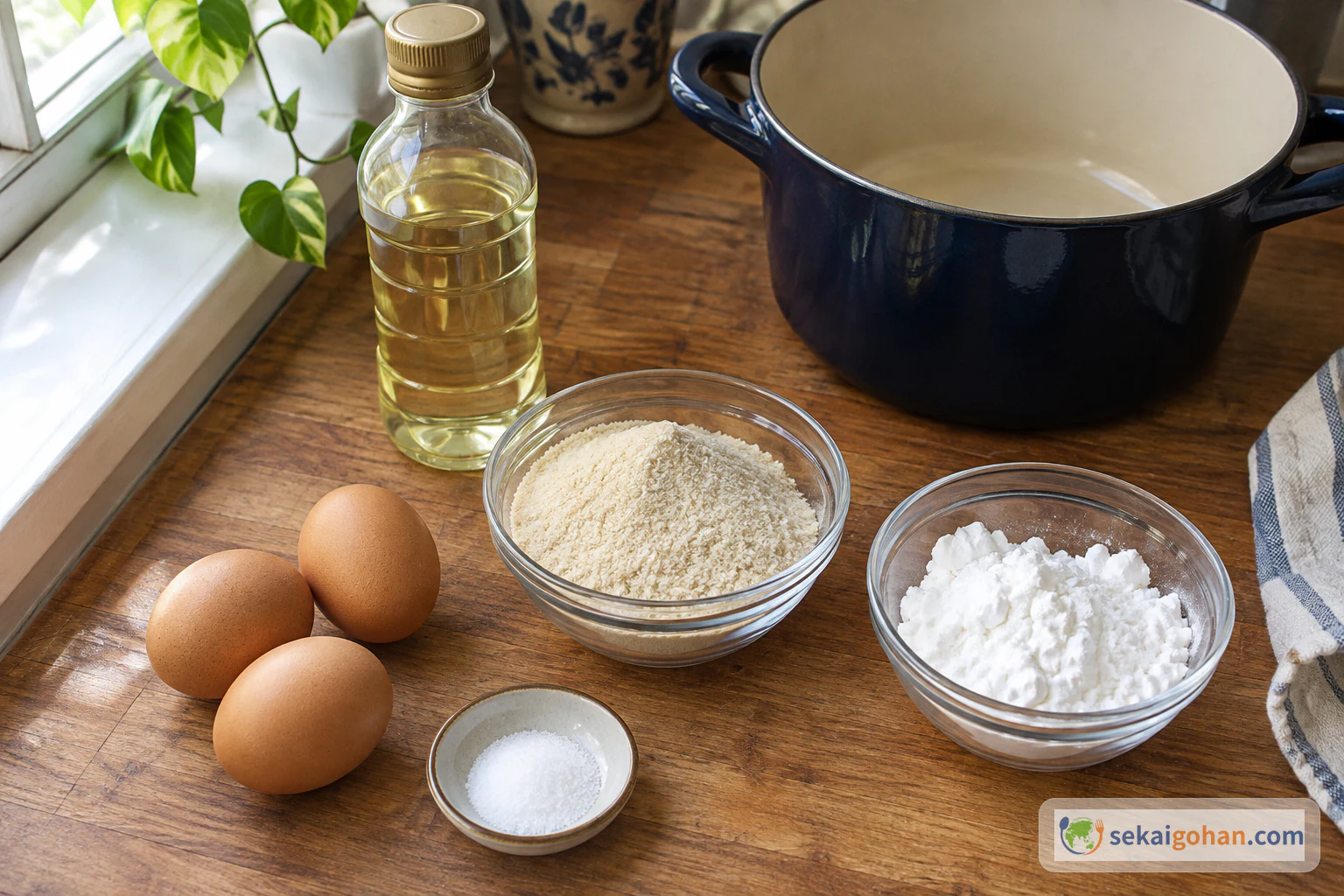
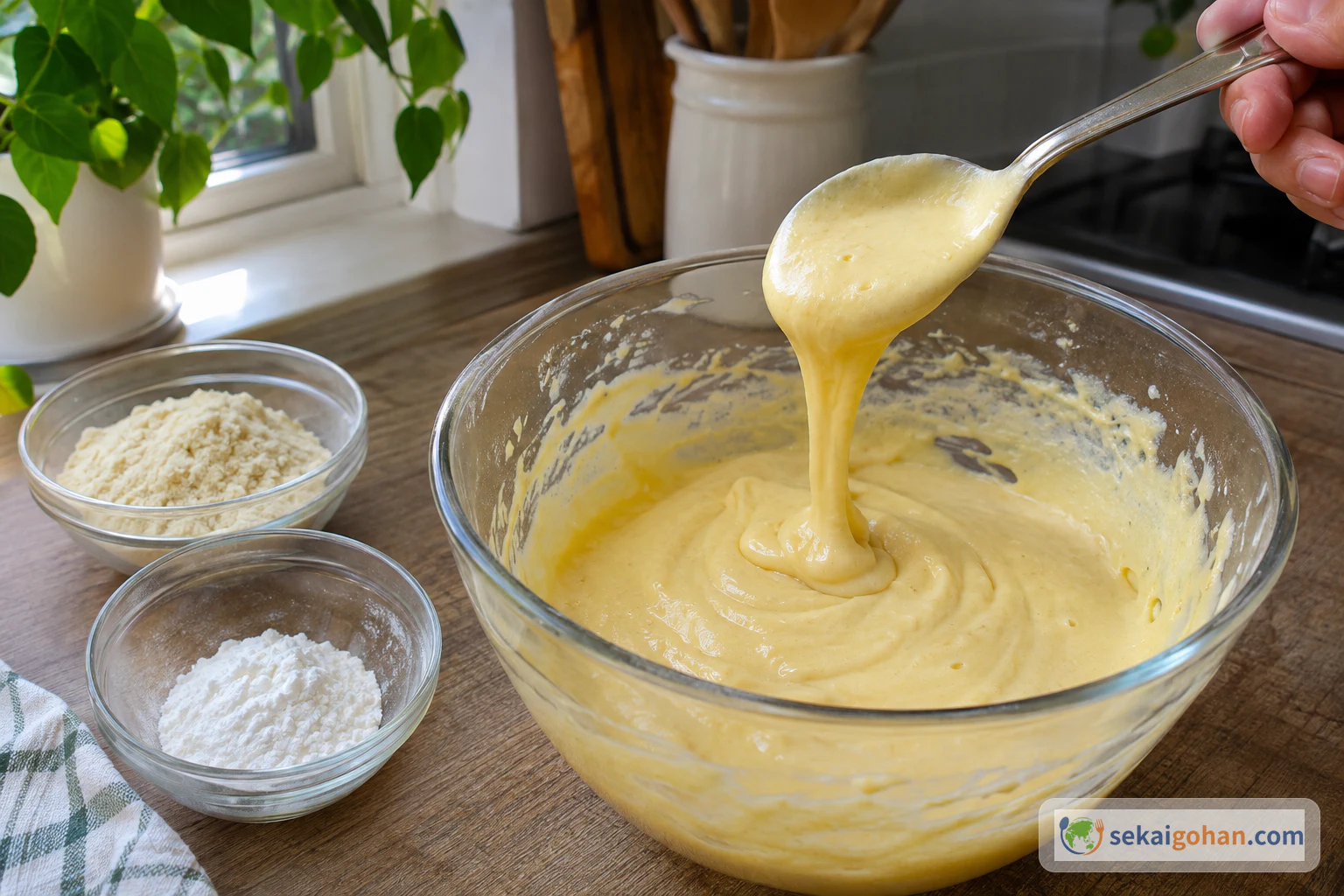
These amounts make enough puffs to top soup for six to eight people. The batter uses cake meal, and nothing in it leavens.
This batter contains egg and wheat. Cake meal is ground matzah, which is a wheat product. Store-bought shkedei marak vary by brand, so read the package label for its ingredients and allergen statements.
Equipment
- Deep, heavy pot
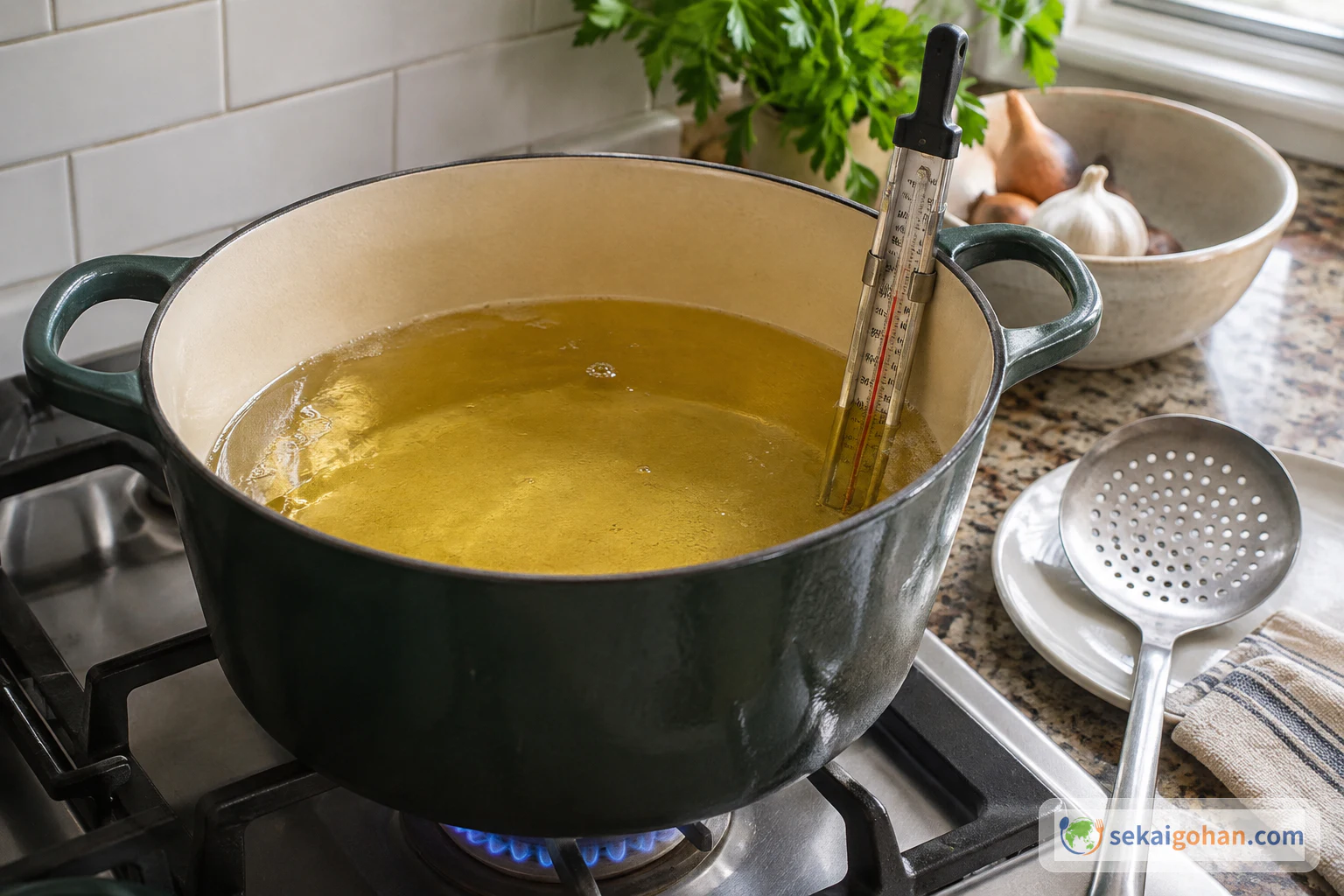
- Deep-fry thermometer that clips to the pot
- Slotted spoon or spider
- Mixing bowl and a fork or whisk
- Two teaspoons
- Tray lined with paper towels
- Baking tray, for crisping a make-ahead batch
Choosing and Substituting
Cake meal is matzah ground very fine. It is sold for Passover baking, so look for it at kosher grocers, import shops or online. Plain wheat flour is used in some homemade soup nuts, but that is a separate mix. Swapping it in for cake meal in this recipe is untested.
Potato flour is made from whole potatoes, dried and ground. It is not the same product as potato starch, the fine white powder sold for thickening (the Japanese katakuriko is potato starch). Using starch in its place is untested, so check the label for "potato flour."
For the oil, use whatever you normally deep-fry with. If you want the store-bought kind instead of frying your own, see the FAQ below.
Method
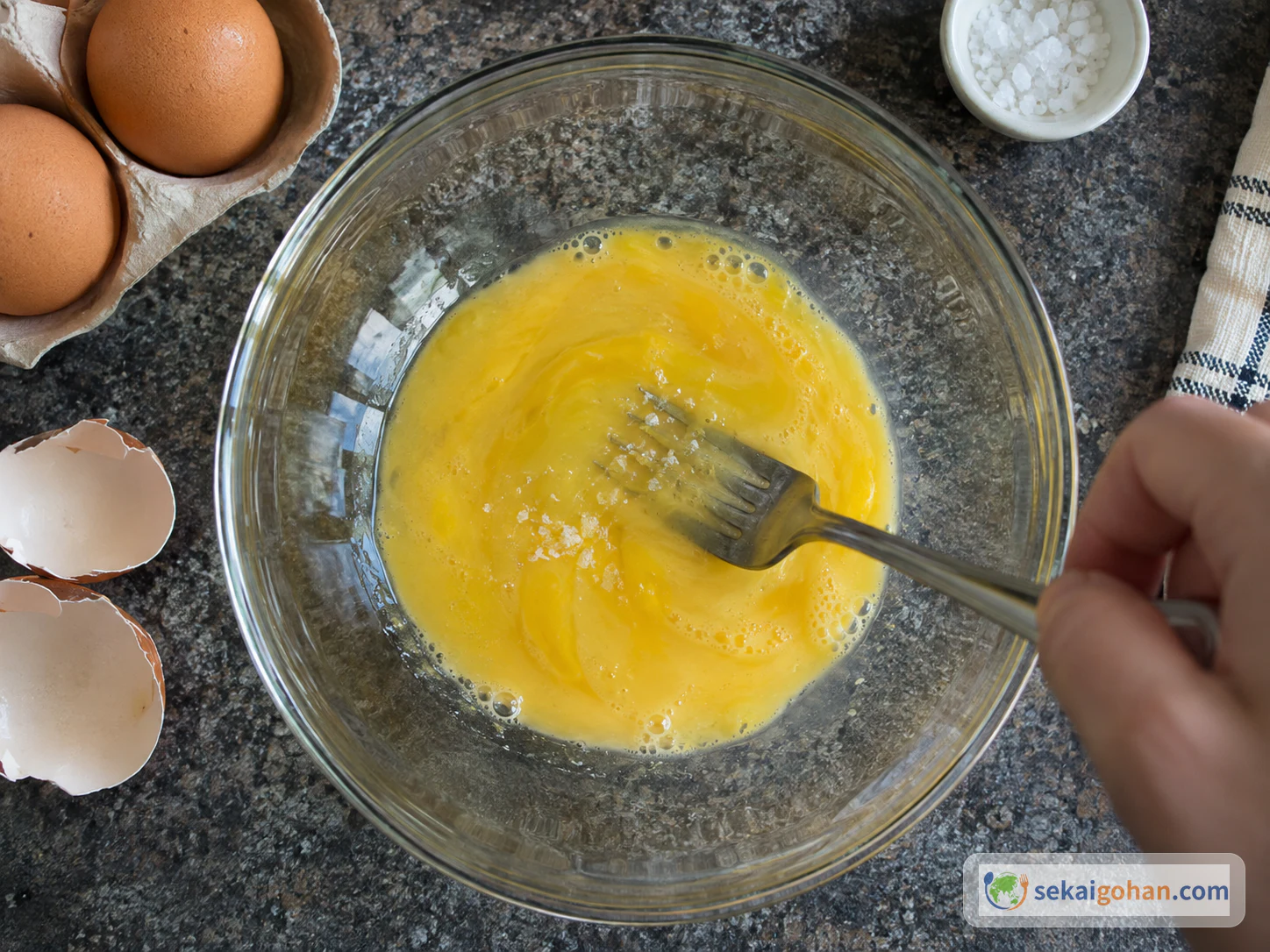
Get the soup hot before you start, because these are best eaten straight from the fryer. The frying happens in small batches, and you need to stay at the pot the whole time. There is no hands-off stretch once the oil is hot.
Use a deep, heavy pot with plenty of room above the oil, and set it on a back burner with the handle turned inward. Keep water, wet spoons and children away from it, and never leave hot oil unattended. If the oil smokes, turn off the heat. If it catches fire, cover the pot with a lid, turn off the heat, and never pour water on it.
When It Goes Wrong
| What you see | Why | What to do |
|---|---|---|
| Pale, greasy puffs | The oil fell below 380°F, usually because too many went in at once | Fry fewer per batch and wait until the thermometer reads 380°F again |
| Dark outside, doughy inside | The oil ran too hot, or the spoonfuls were too big | Lower the heat slightly and keep to a level teaspoon |
| Flat, spread-out pieces | The batter is too loose to hold a mound | Measure the eggs, cake meal and potato flour exactly as listed next time |
| Oil spits hard when batter goes in | Water on the spoons or near the pot | Dry everything that goes near the oil, and slide the batter in close to the surface |
Serving and Variations
At the table
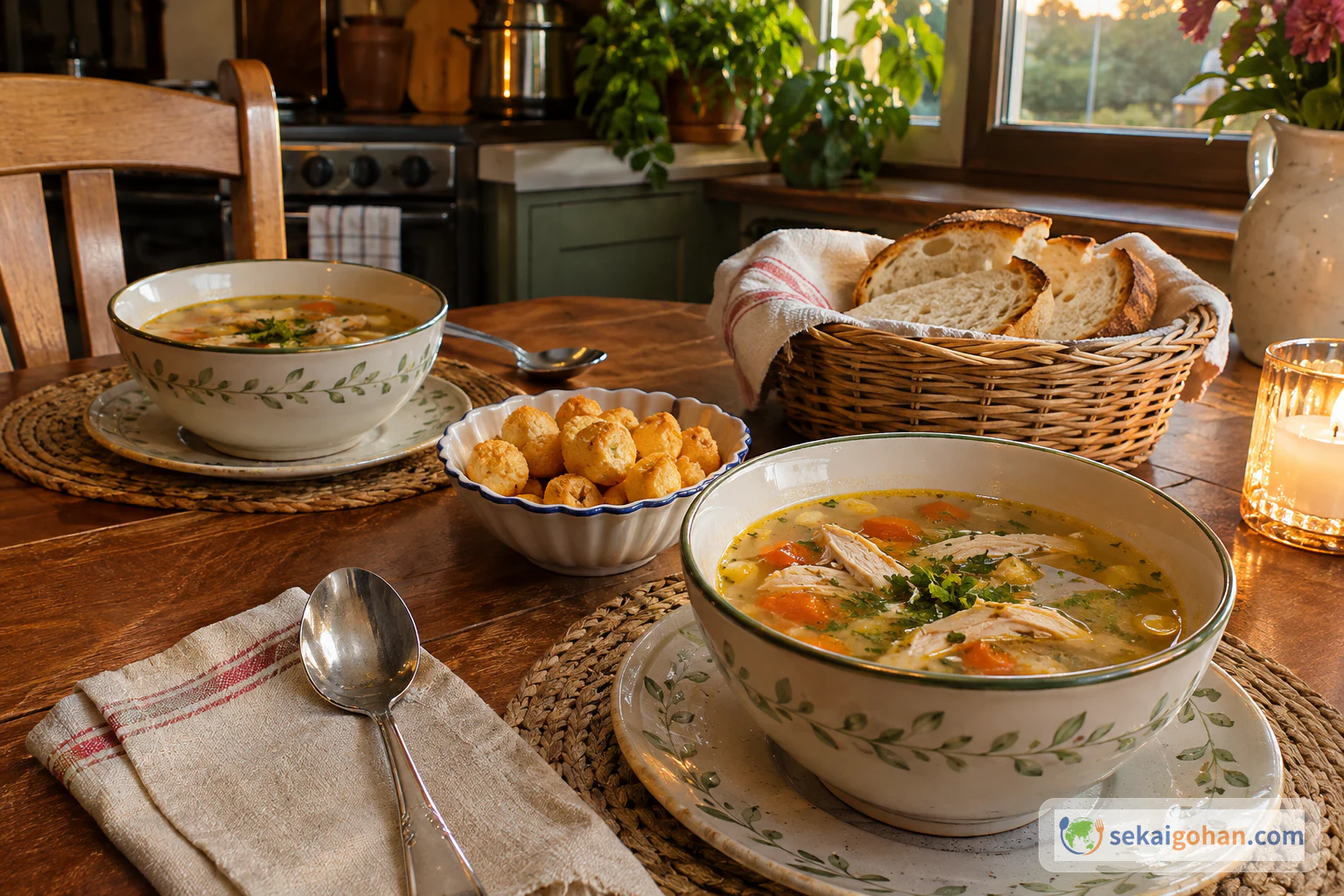
Chicken soup is the classic match: a clear, golden broth with the puffs scattered on top. They belong on the table around Passover, but they go just as well on an ordinary weeknight. Set a small dish of them in the middle so everyone can sprinkle their own. The bagged kind also gets eaten straight from the bag as a snack.
Variations
- Seasoned batter. Beat black pepper, to taste, into the eggs along with the salt, and dried garlic or rosemary too if you like. The puffs come out more savory and taste good on their own as a snack.
- Baked mandlen. Some home cooks roll a different dough into small balls by hand, set them on a parchment-lined tray and bake at high heat until brown. The drop batter above is made for frying, not for rolling. Fried ones are the ones that stay crunchy in broth.
- Store-bought shapes. The bagged squares, stars, rings and fish are smaller and more even than homemade puffs. Their crunch is lighter and more like a crouton.
Frequently asked questions
Can I just buy shkedei marak?
Yes. Israeli brands sell them in bags, and you can find them at kosher grocers and import shops or online. Pour them straight onto hot soup, with no frying or oven needed. Check the package label for ingredients and allergens before you serve them.
Is this batter fit for Passover?
The cake-meal batter with no leavening is the Passover-style way of making mandlen. Whether a batch is kosher for Passover depends on the ingredients you buy, so check the labels yourself.
Do I really need a thermometer?
The recipe gives the oil temperature as 380 without naming a scale, and it is read here as degrees Fahrenheit. At that heat the batter browns quickly, and every batch pulls the temperature down. A thermometer clipped to the pot shows you exactly when to add the next batch. Judging by eye, it is easy to end up with greasy or scorched puffs.
Why do they go soft in the bowl?
They float on the soup and soak up broth as they sit, so the crunch only lasts a short time. To make it last longer, add a few at a time as you eat instead of all at once.