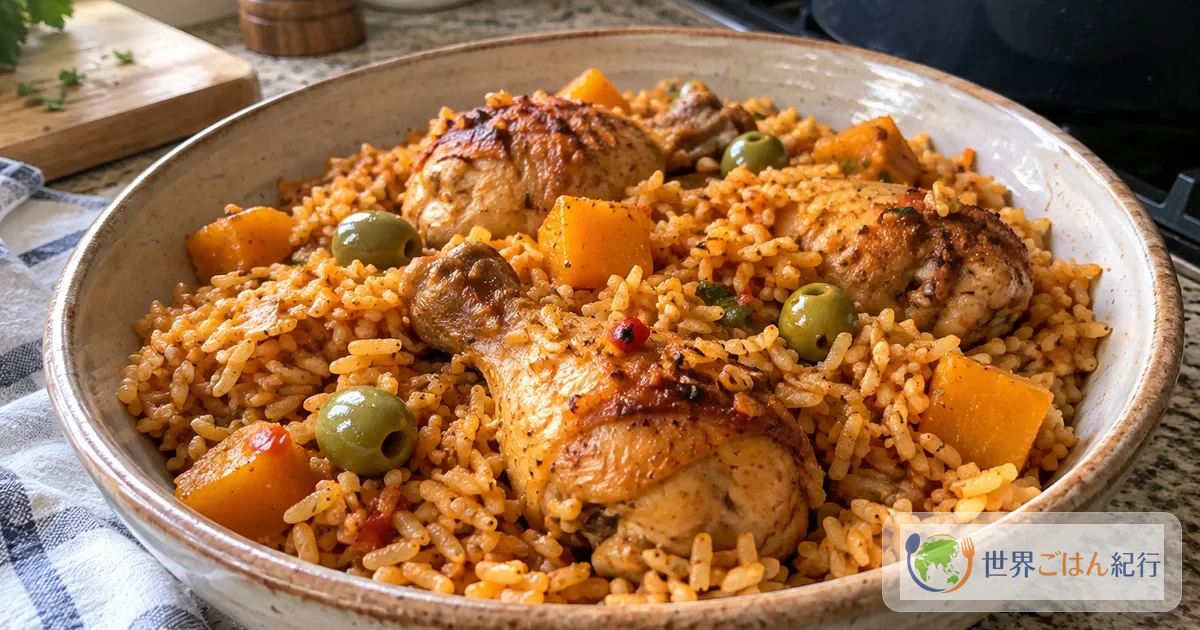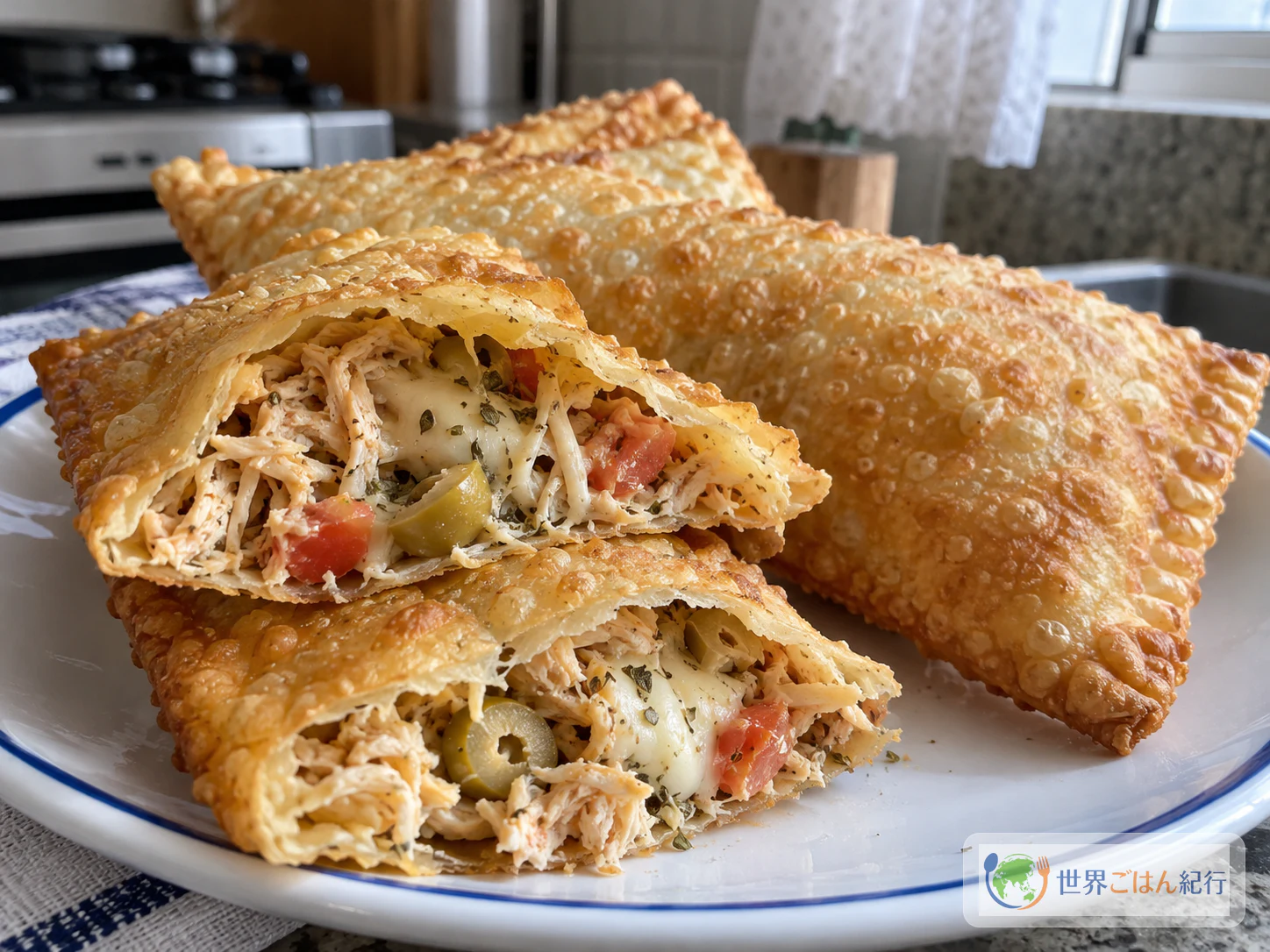
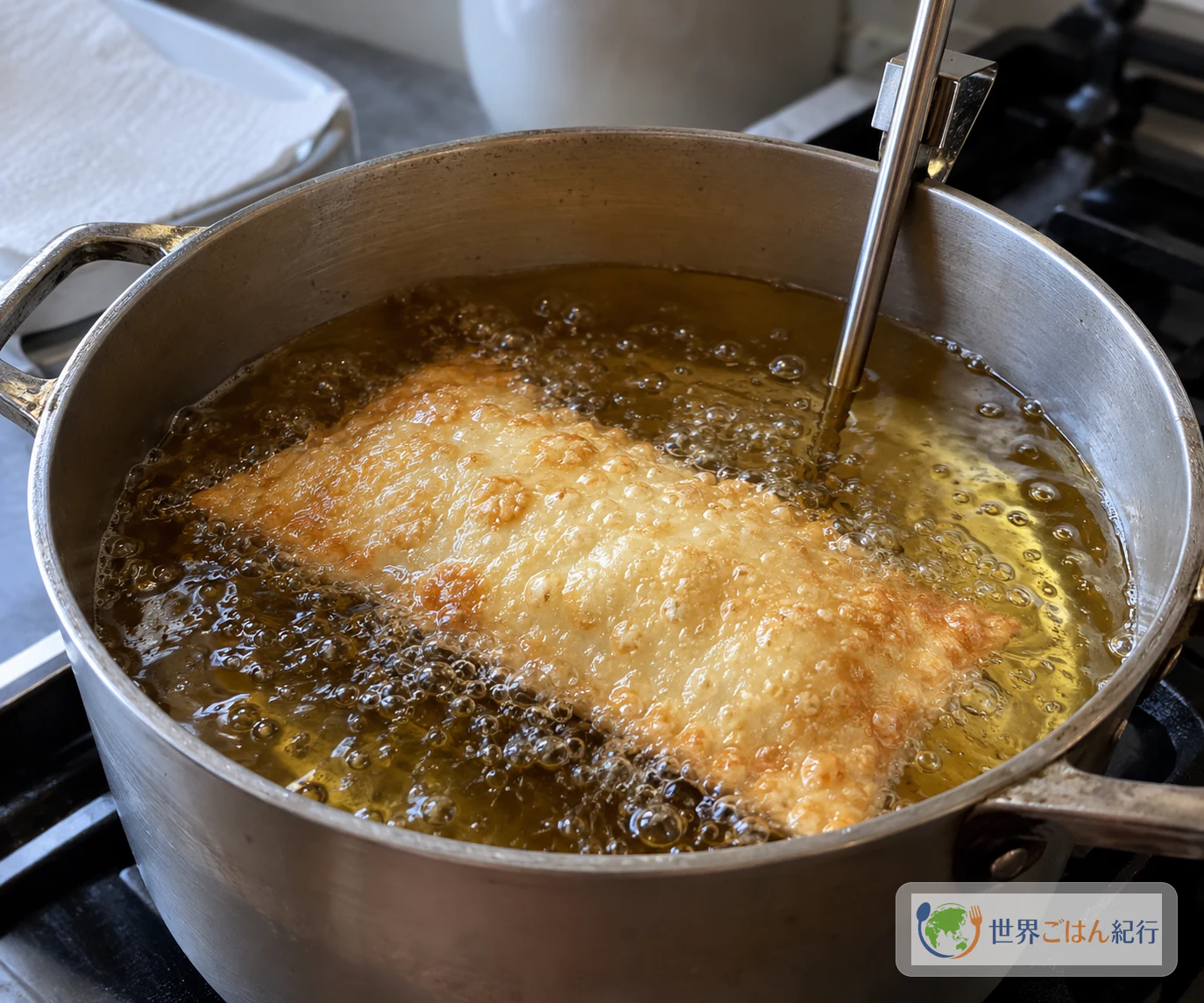
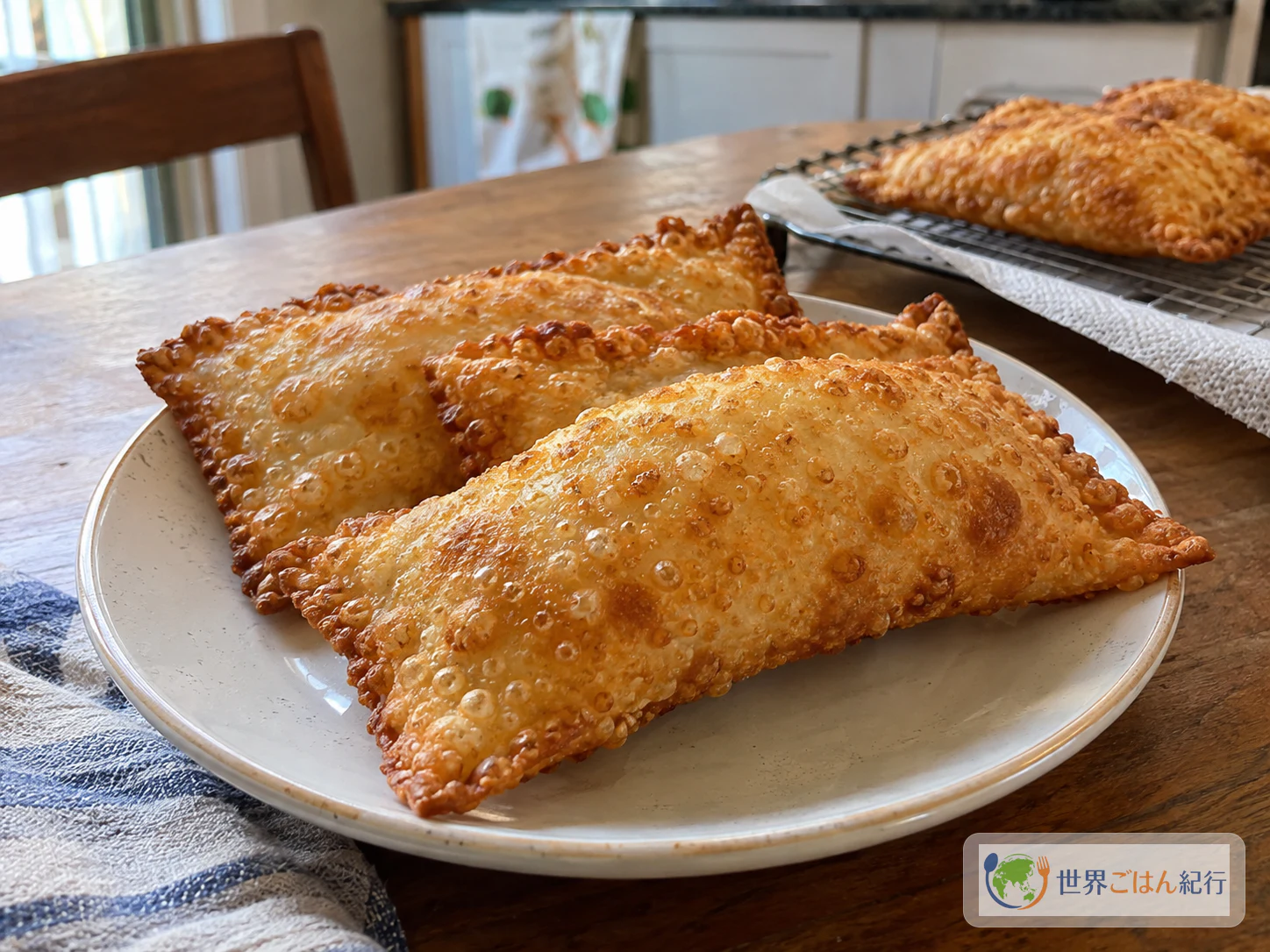
At a São Paulo street market, at a pastry stall called Kinjo Yamato, the pastel goes into the oil only after you order it. It comes to you hot and crackling, with a glass of caldo de cana, fresh sugarcane juice, on the side. Pastel de feira ("market pastel") is one of Brazil's favorite fried snacks. A thin wheat dough is folded around a savory or sweet filling and fried until the crust blisters and turns golden.
Pastel de Feira and the Brazilian Street Market
The name comes from the feira, the open-air street market. In São Paulo these markets are where people shop for fruit and vegetables, and where they go for traditional pastel fried to order.
Nobody knows for sure where pastel came from. Some theories link it to Chinese and Japanese food culture, but the question is still open and the inventor is unknown. If you're cooking your way through Brazil, churrasco and coxinha make good companions.
Ingredients: One Formula for the Dough and the Filling
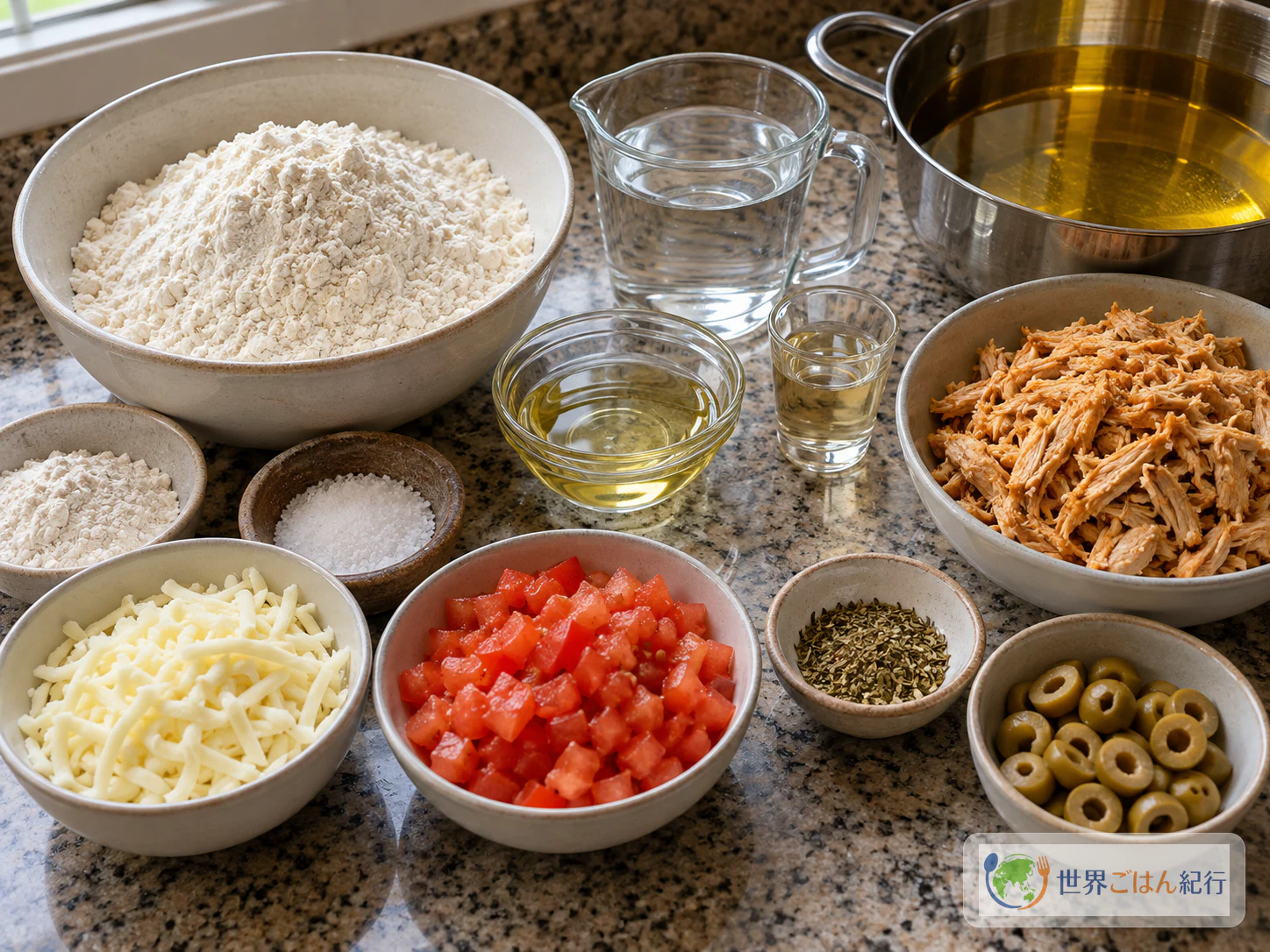
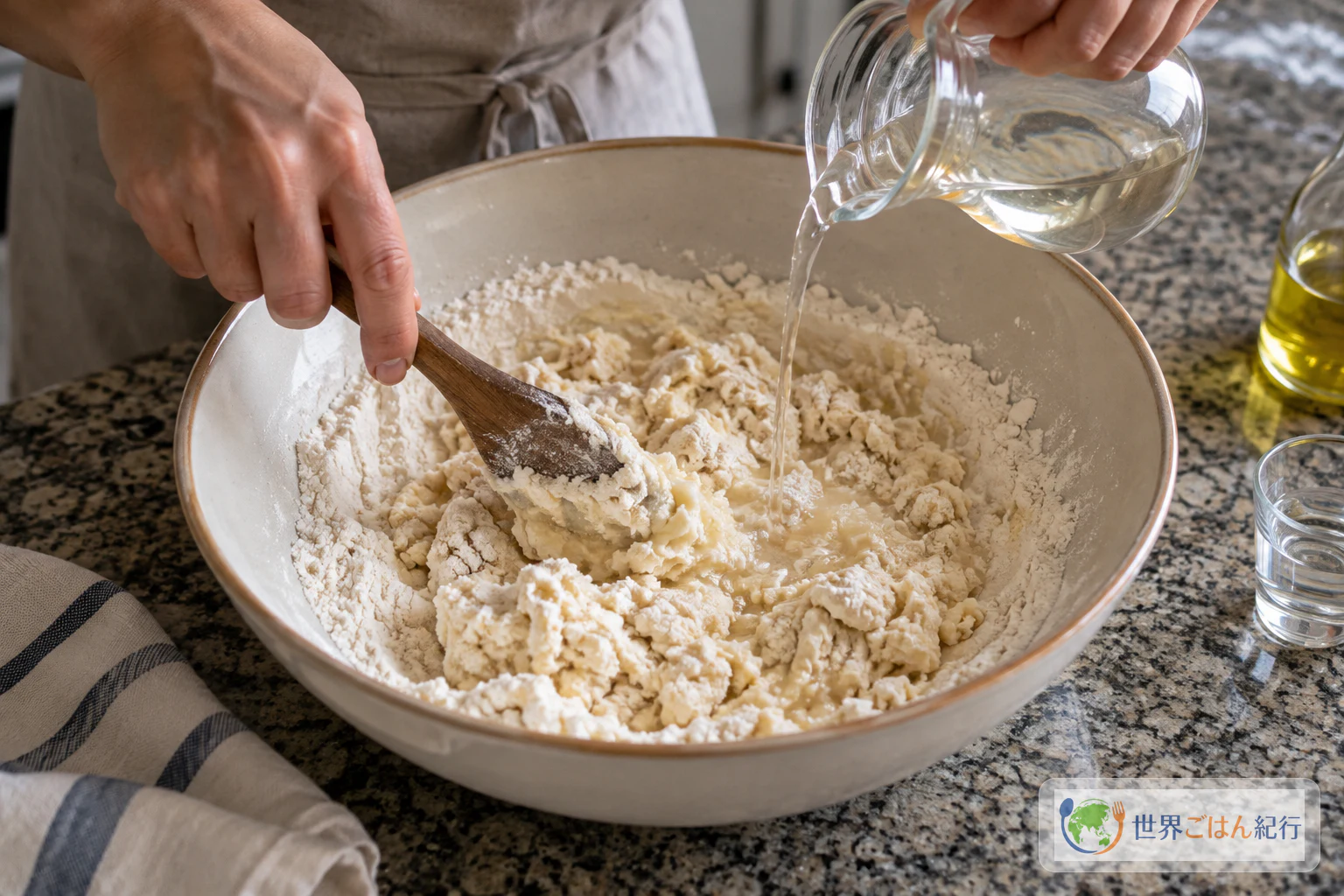
Keep the dough oil and the frying oil separate, and keep the warm water for the dough separate from the small amount of water used to seal the edges.
The chicken in this formula is already seasoned, shredded and cooked. Keep it refrigerated and handled cleanly until you fill the dough, and do not swap in raw chicken wrapped directly in the dough. For general home cooking, Japan's Ministry of Health, Labour and Welfare advises heating food until the center reaches 167°F (75°C) for at least 1 minute, using separate utensils for raw and cooked foods, and cooling leftovers in shallow containers before reheating. The 350°F (170°C) in this recipe is the oil temperature, not the temperature inside the pastel. Do not taste the raw dough. This recipe contains wheat and milk; also check the labels of pre-seasoned chicken, olives and other packaged ingredients. Because the dough contains cachaça, do not present the finished pastel as alcohol-free.
Equipment
- Large mixing bowl and a separate small bowl for the reserved flour
- Spoon for the first mixing
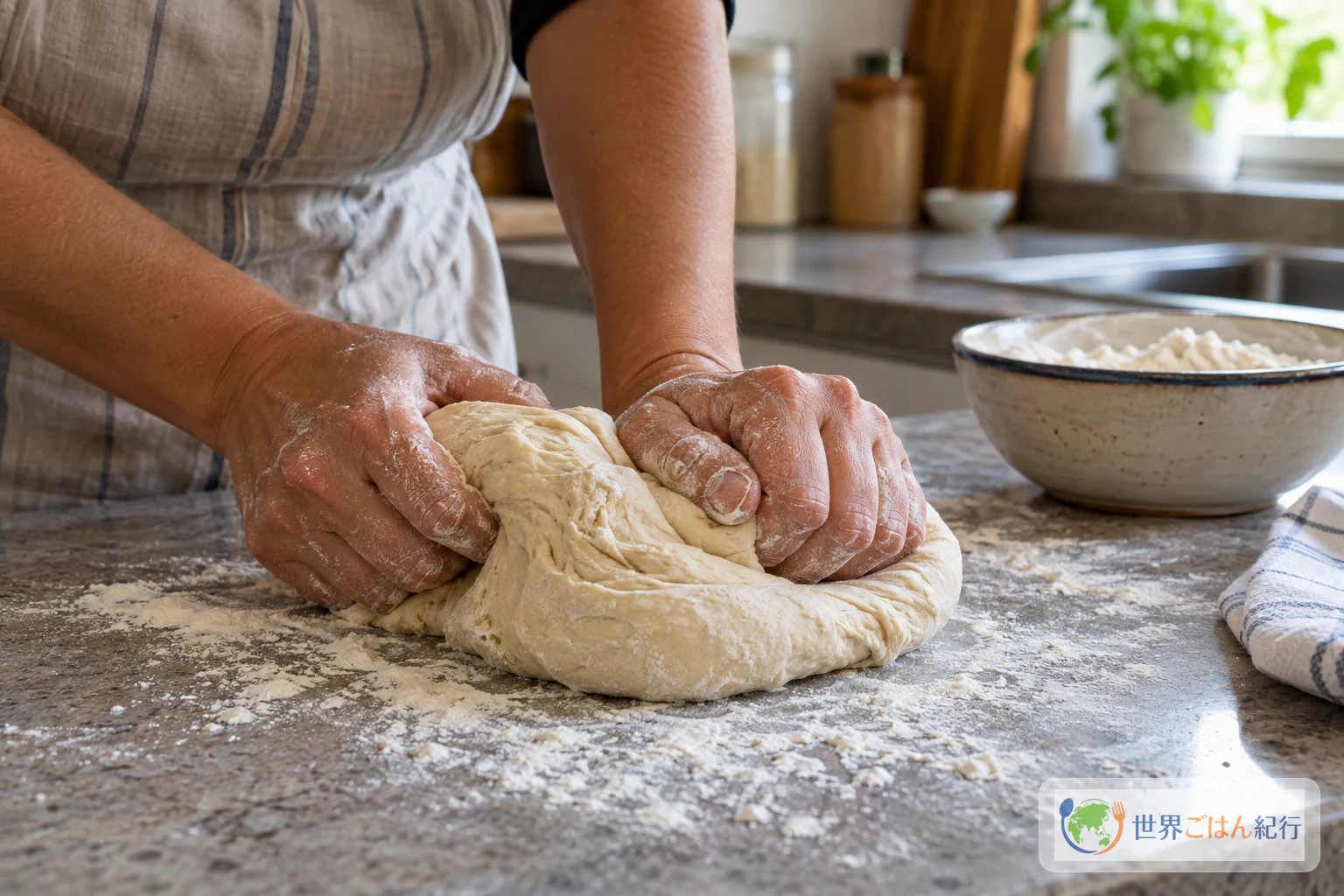
- Clean work surface for kneading and rolling
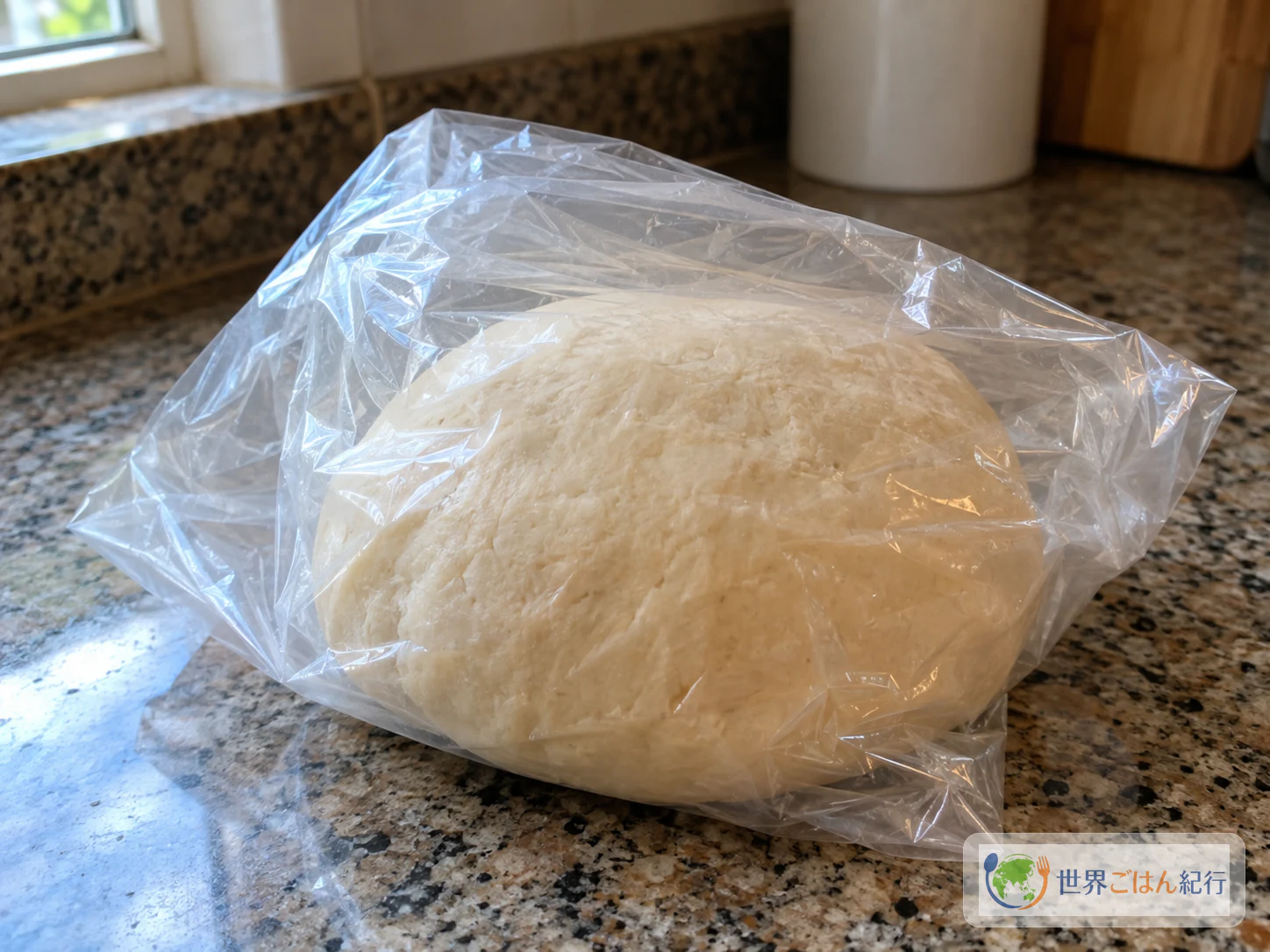
- Food-safe bag for resting the dough
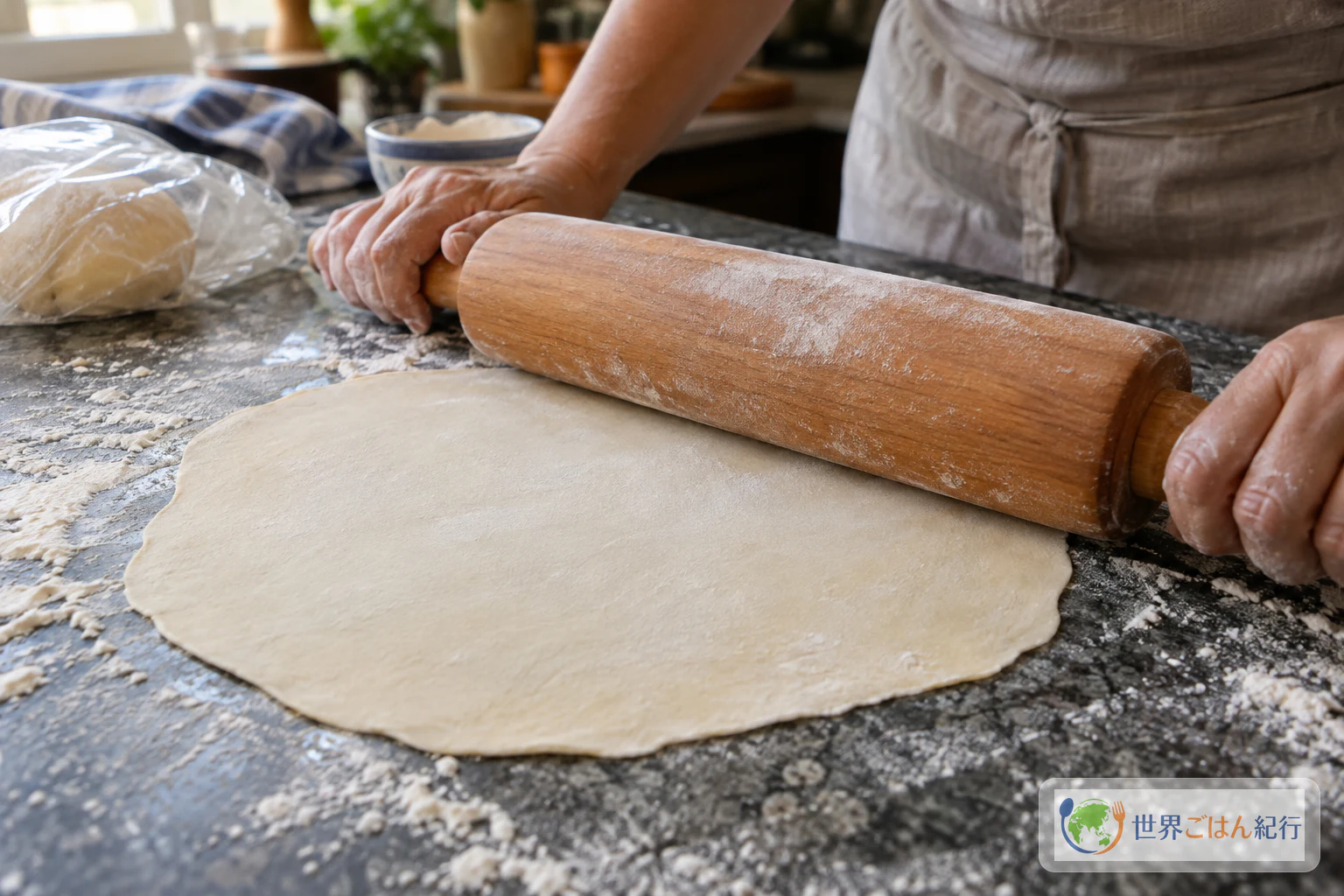
- Rolling pin
- Knife or cutter
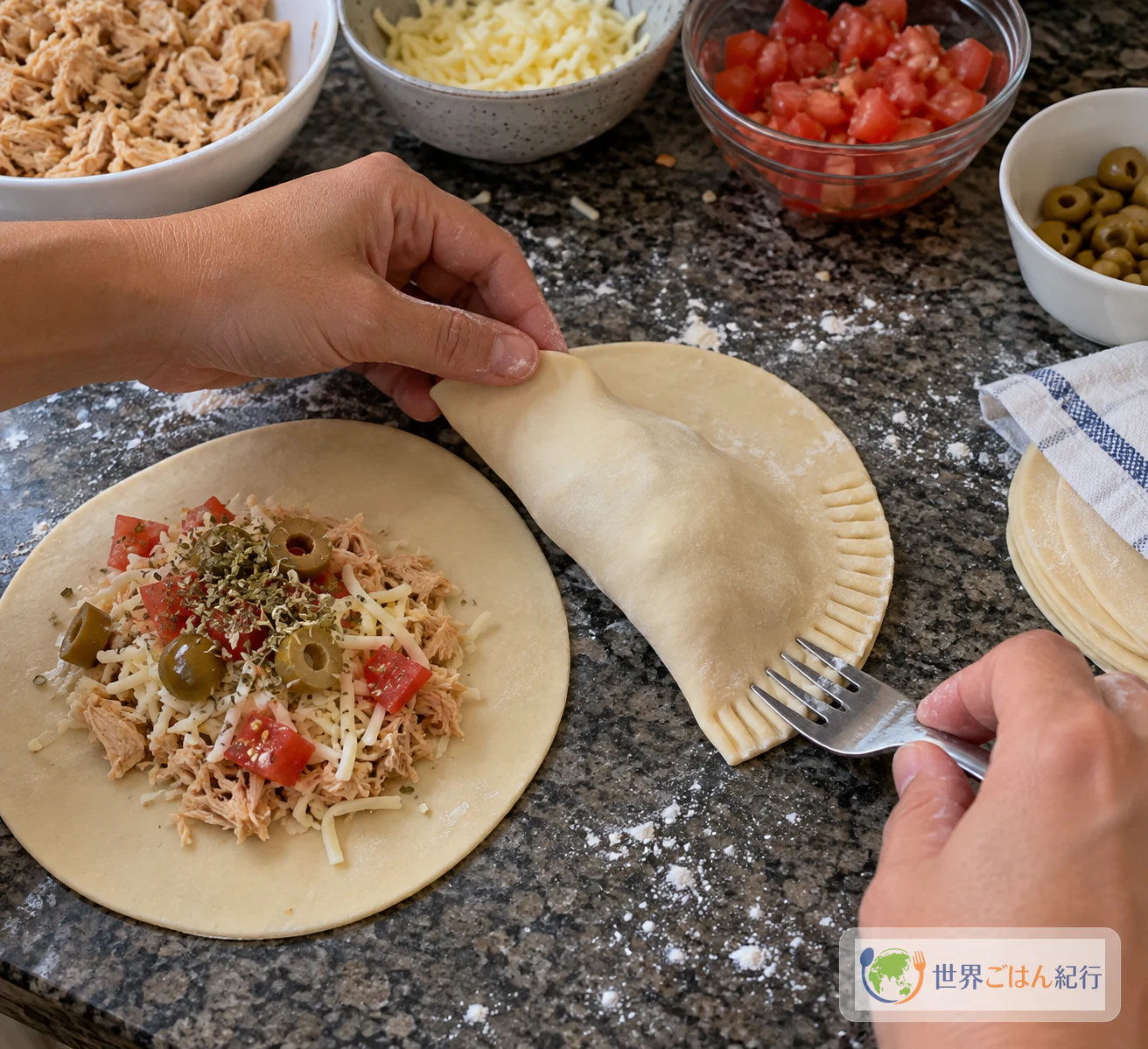
- Fork for sealing
- Deep pot for frying
- Oil thermometer
- Food thermometer, if you want to check the center temperature
- Rack or tray for draining
Choosing Flour, Cachaça and Fillings for Pastel
Salt goes in once. Add the 5g of salt a single time, and don't add more with the liquids.
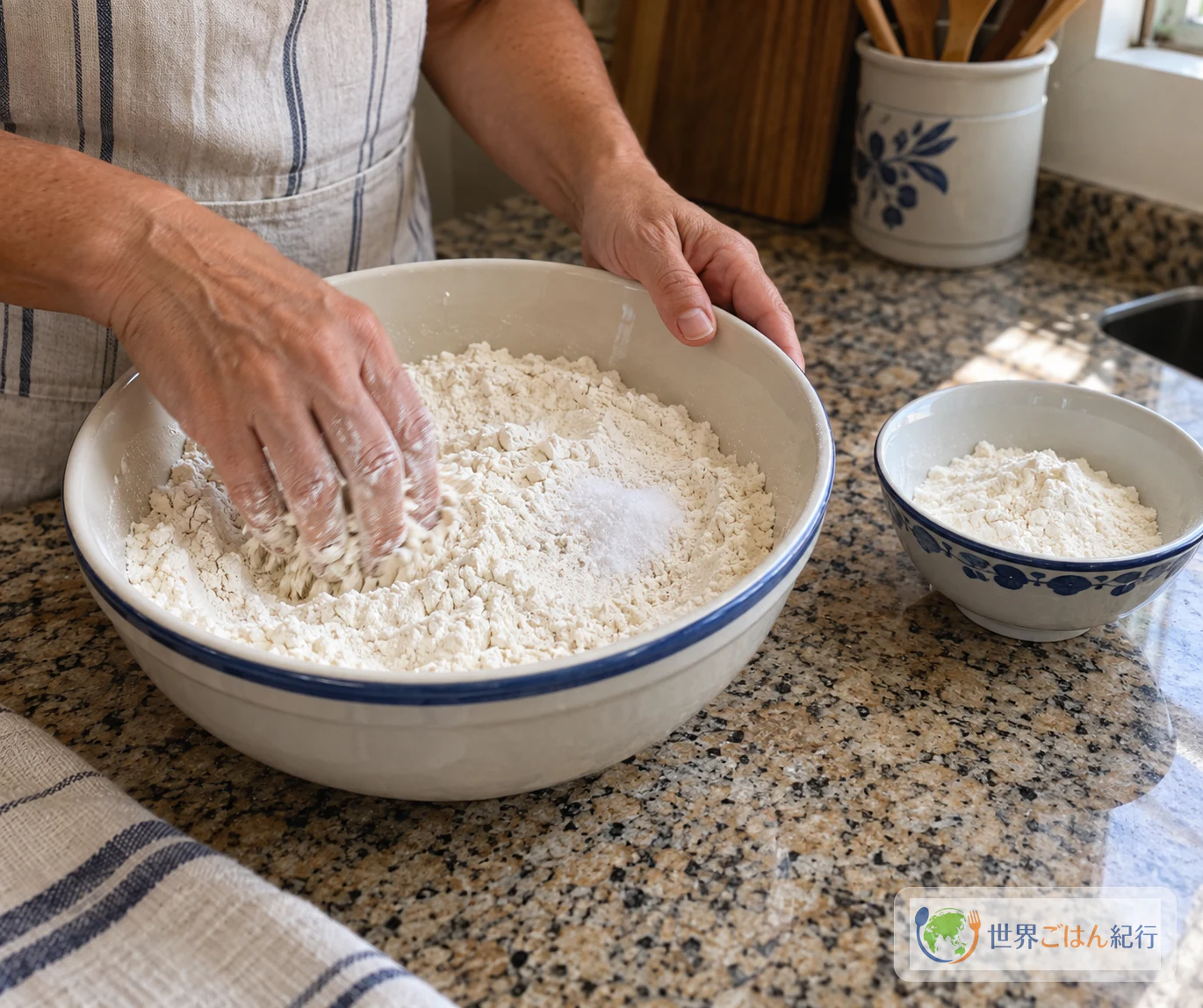
Flour. Use wheat flour. Brands absorb liquid differently, so hold back about 1 cup at the start and knead it in a little at a time. Don't go beyond the 520g.
Cachaça. The cachaça is part of the dough, so keep it in. Frying doesn't guarantee that all the alcohol cooks off, so don't serve these as alcohol-free.
Chicken. Use chicken that is already seasoned, cooked and shredded, with no broth, so nothing raw goes inside the dough. You can cook and season it your usual way or use a ready-cooked product. Either way, drain it well.
Using all five fillings. Divide the chicken, mozzarella, tomato, oregano and olives among the pastels. If you have filling left over, don't force it into the dough.
Method: Thin Dough, Dry Filling, a Tight Seal
Decide when the dough is thin enough, when the seal is secure and when the pastel is done by looking at it and checking the filling.
Pastel Problems and Fixes
Roll the dough thin, use only a modest amount of dry, already-cooked filling, and seal the edge firmly with a fork. Fry in oil at about 350°F (170°C) until the crust bubbles and turns golden and the filling is hot all the way through.
| Problem | Likely cause | What to do |
|---|---|---|
| The pastel opens while frying | Too much filling, wet filling, or filling caught in the seam | Use less filling, drain the chicken, seed the tomato, keep the edges clean, and press the moistened edge firmly with a fork |
| The crust is doughy inside | Dough rolled too thick | Roll the next sheets thinner before filling |
| The dough is sticky while kneading | Flour absorbs liquid differently by brand | Work in the reserved flour a little at a time rather than adding flour beyond the 1.25 lb (520g) |
| The dough dries out or cracks while rolling | Pieces left uncovered | Keep the pieces you aren't using in the bag |
| The crust is golden but the filling is not hot | Color alone doesn't show the inside temperature | Check the filling; for home cooking, aim for a center of 167°F (75°C) for at least 1 minute |
Pastel Fillings and Variations
At the market, pastel fillings cover a lot of ground: beef, heart of palm (palmito), chicken, shrimp, vegetables, and sweet fillings too. Raw meat and seafood need a different cooking method from the one in this recipe. For any other filling, cook it separately first, keep it dry and the portions modest, and check the temperature inside after frying.
Frequently Asked Questions
Can I make this with just a rolling pin?
Yes. Roll the dough out on a floured surface, as thin as you can get it without tearing.
How many pastels does this make?
That depends on how thin you roll the dough and what size you cut it.
Is this the same as pastel de nata or Indonesian pastel?
No. Brazilian pastel is a thin wheat dough folded around a filling and fried. Portugal's pastel de nata, a custard tart, and Indonesia's pastel are different dishes that share the name.