A sweet fried bread that holds up spicy food
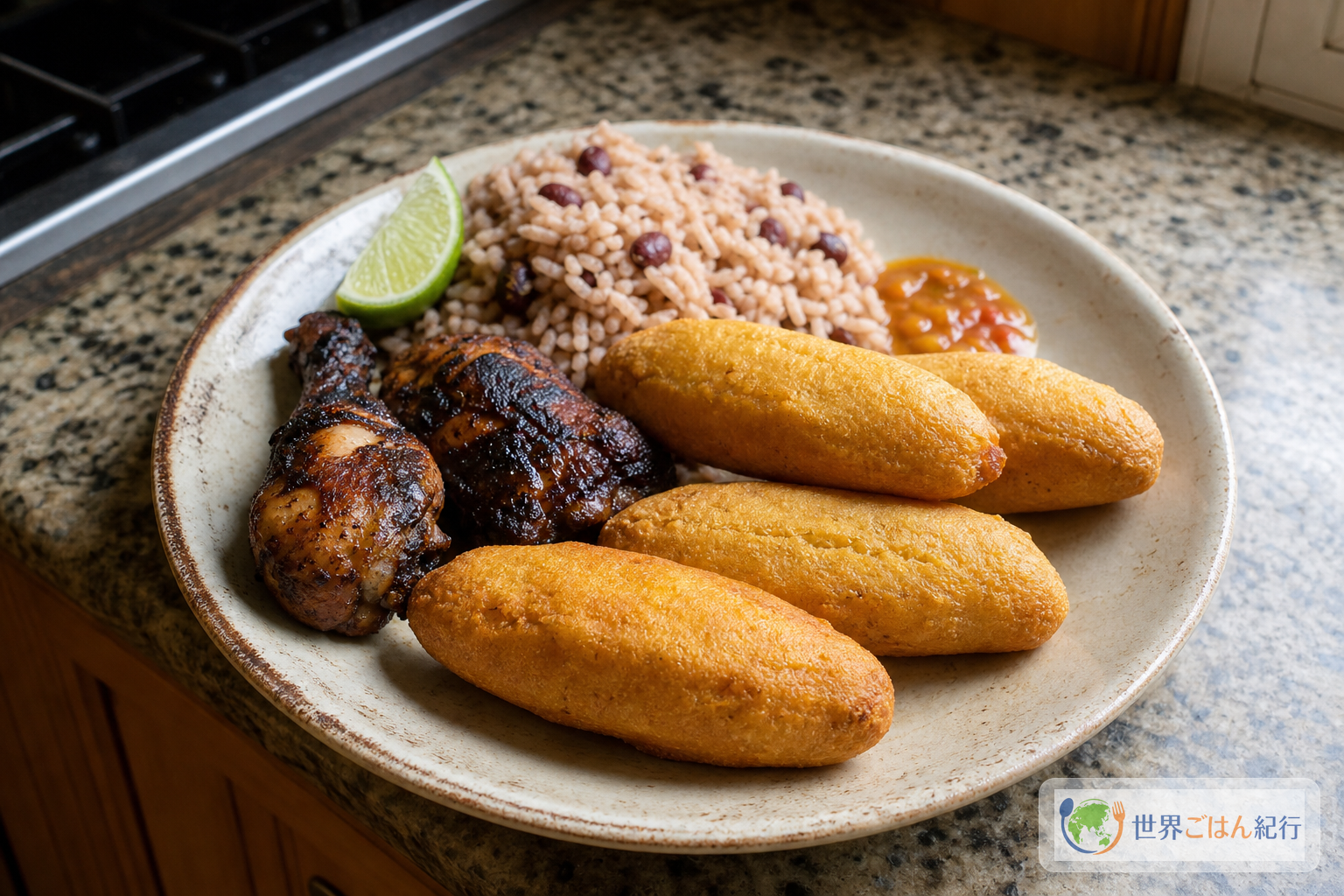
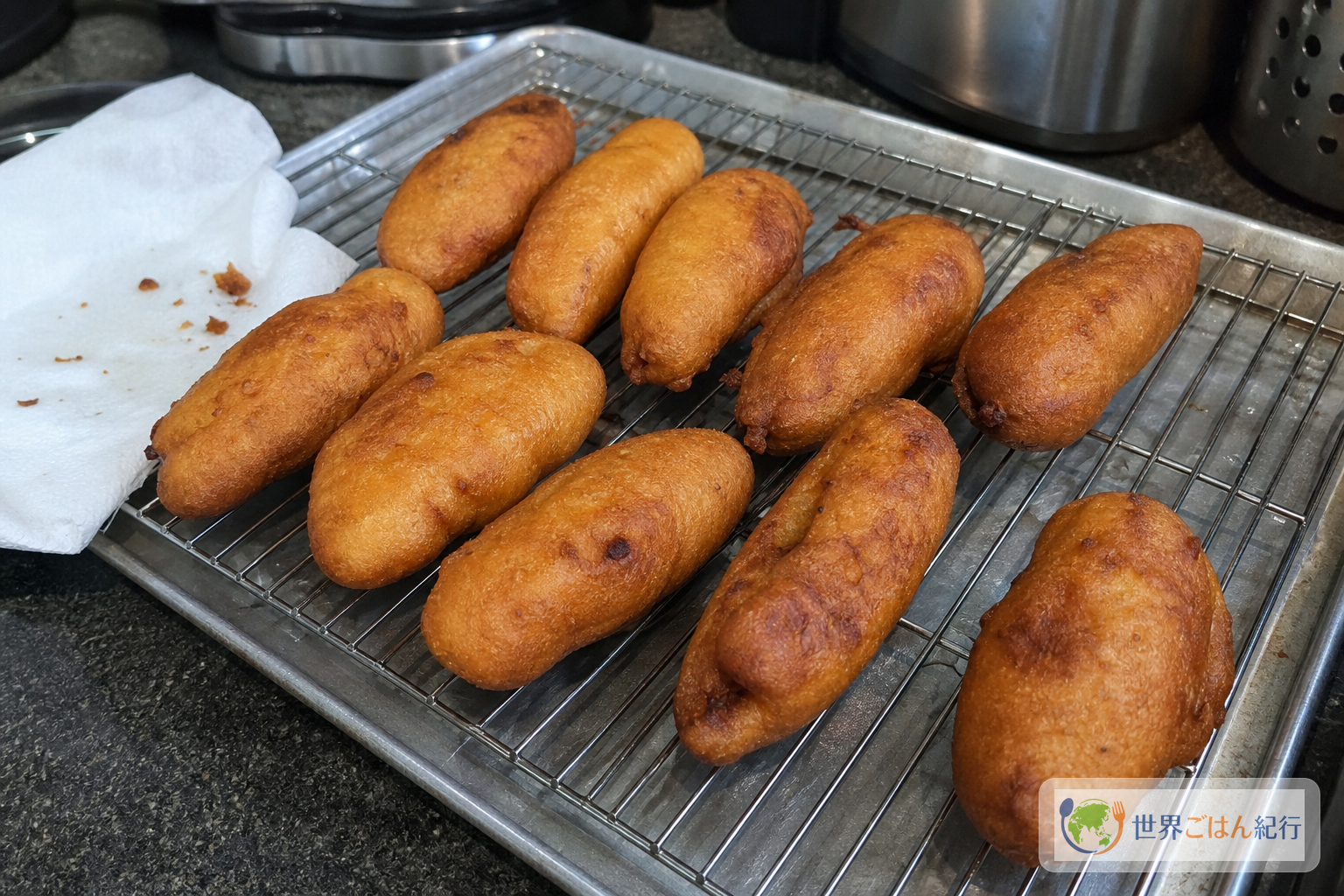
On a plate of jerk chicken lie two long, golden fried breads. Break one open with your fingers and the outside is thin and crisp while the inside releases a soft smell of corn. After a tongue chasing hot sauce, a bite of slightly sweet dough relaxes the whole table.
Jamaican festival is the name of a dish, not an event. It is a sweet Jamaican fried dumpling, made from flour and cornmeal with sugar, formed into a long oval or finger shape and fried. It is often set beside fried fish, escovitch fish, jerk chicken and ackee and saltfish, and Visit Jamaica also presents fried fish and festival at Hellshire as an authentic way to eat it locally.
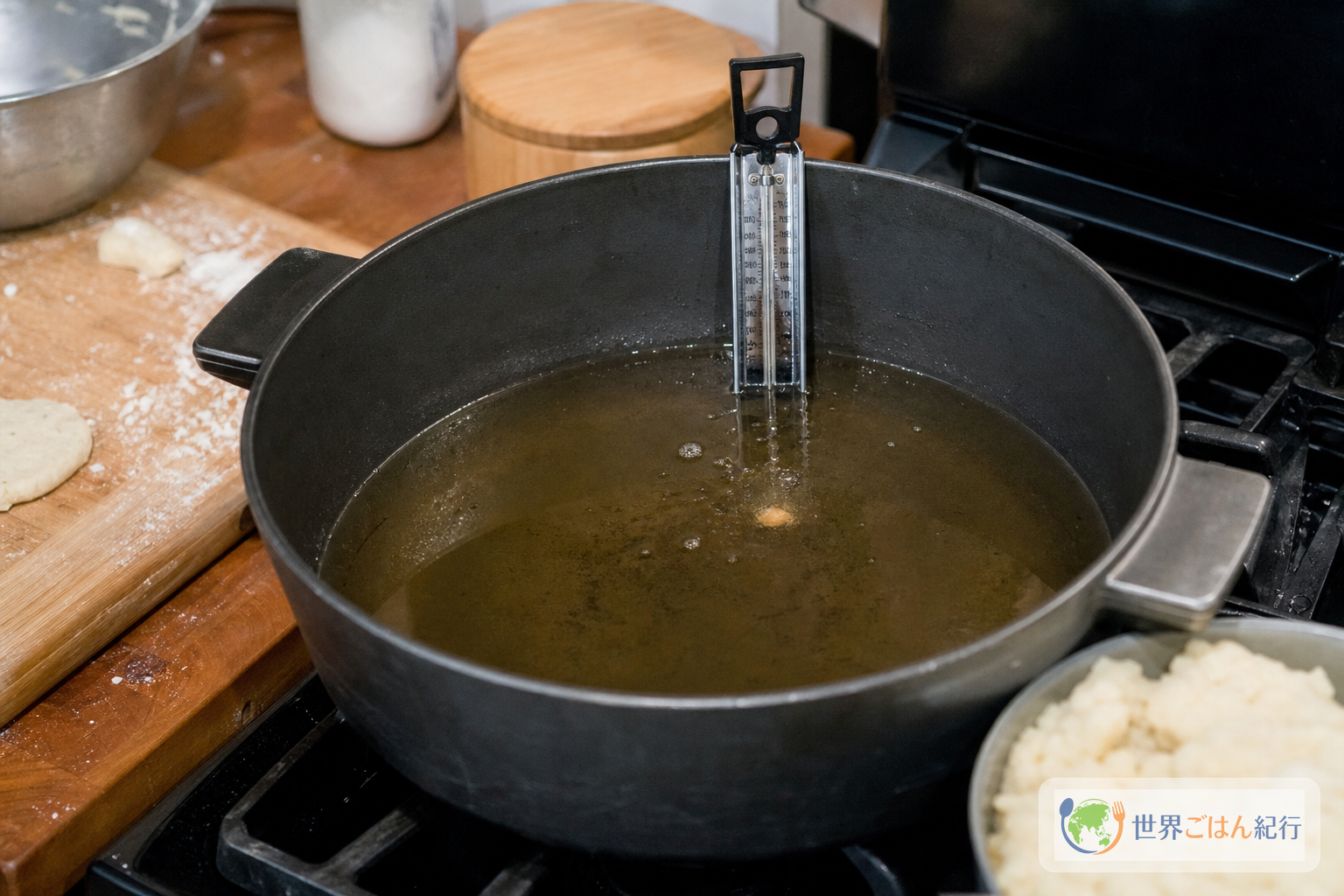
What's hard in a home kitchen is not the unfamiliar ingredients but the dough's water absorption and the oil temperature. If the cornmeal is too coarse, the inside turns gritty; if the oil is too cool, it comes out heavy; if there is too much sugar, the outside darkens before the inside is done. This article uses a home version that combines fine cornmeal with cake flour and colors slowly at around 170°C (340°F).
The name, and where festival sits at the table
Festival is easiest to remember as a Jamaican "starchy side." It is less sweet than a Japanese fried bread, and it doesn't put forward onion or egg flavor the way a Southern US hush puppy does. Because the dough includes cornmeal as well as wheat flour, the surface keeps the toasty flavor of tiny grains.
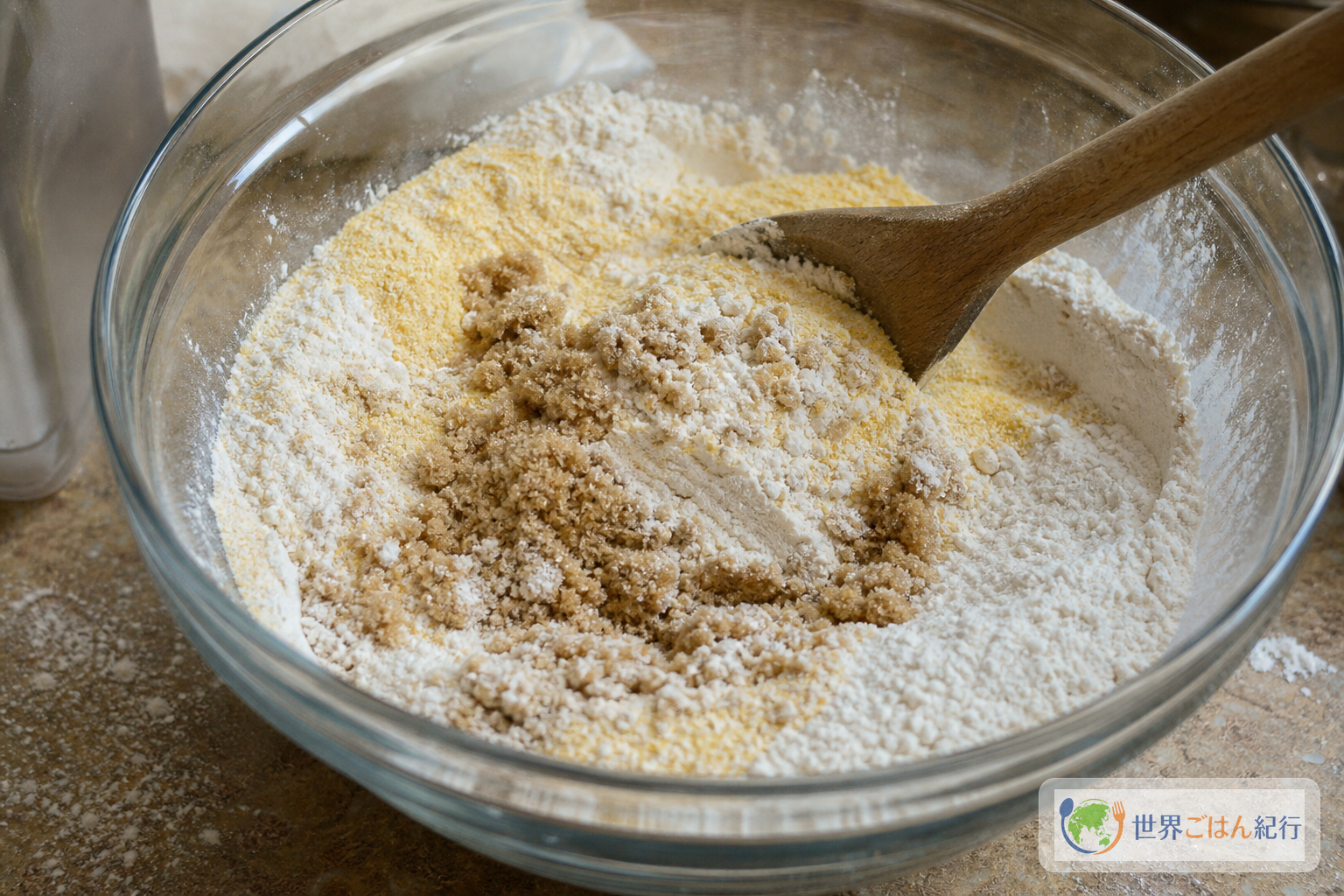
In Grace Foods' Jamaican Festival recipe, the basic outline is to combine flour, cornmeal, baking powder, sugar, nutmeg, salt, fat and water, shape it into fingers and fry to golden. Jamaicans.com also describes it as a slightly sweet, crisp cornmeal fritter eaten with fish.
The origin of the name "festival" isn't clear. In Jamaica it is a familiar fried bread served beside spicy dishes at fried fish, escovitch fish and jerk chicken stands and at home. How sweet or thick it is, and whether nutmeg or vanilla goes in, differ from shop to shop and household to household, and at seaside stands it is often served freshly fried with fish. In a home kitchen, getting the fine cornmeal and the oil temperature right is enough to start.
Three things are worth keeping as in the original:
| What to keep | Why | How to apply it at home |
|---|---|---|
| Include cornmeal | With wheat flour alone it's just fried bread | Make fine cornmeal about 30% of the weight of the cake flour |
| A gentle sweetness | To answer spicy jerk and tangy fish | Put the sugar in the dough, not on afterward |
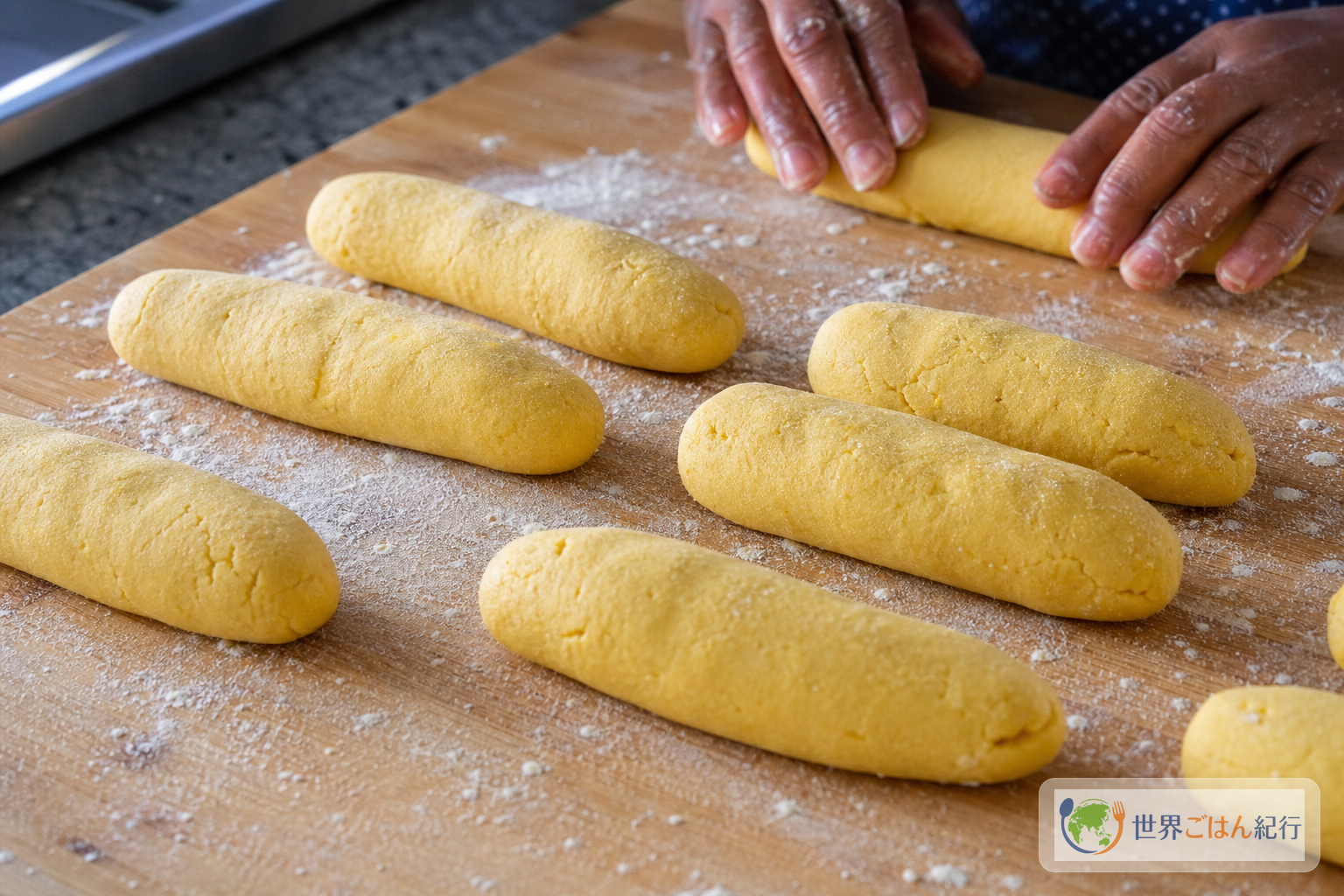
| A long, narrow shape | Cooks through and is easy to eat by hand | Make them about 9 cm (3 1/2 in) long and 2.5 cm (1 in) thick |
On the other hand, the fat and the liquid can be adjusted at home. Some local recipes use margarine and water, but a little unsalted butter and milk gives aroma and a dough that is easier to handle. If you avoid dairy, replace the milk with water or coconut milk and use a neutral oil such as rice bran oil.
Ingredients (serves 4)
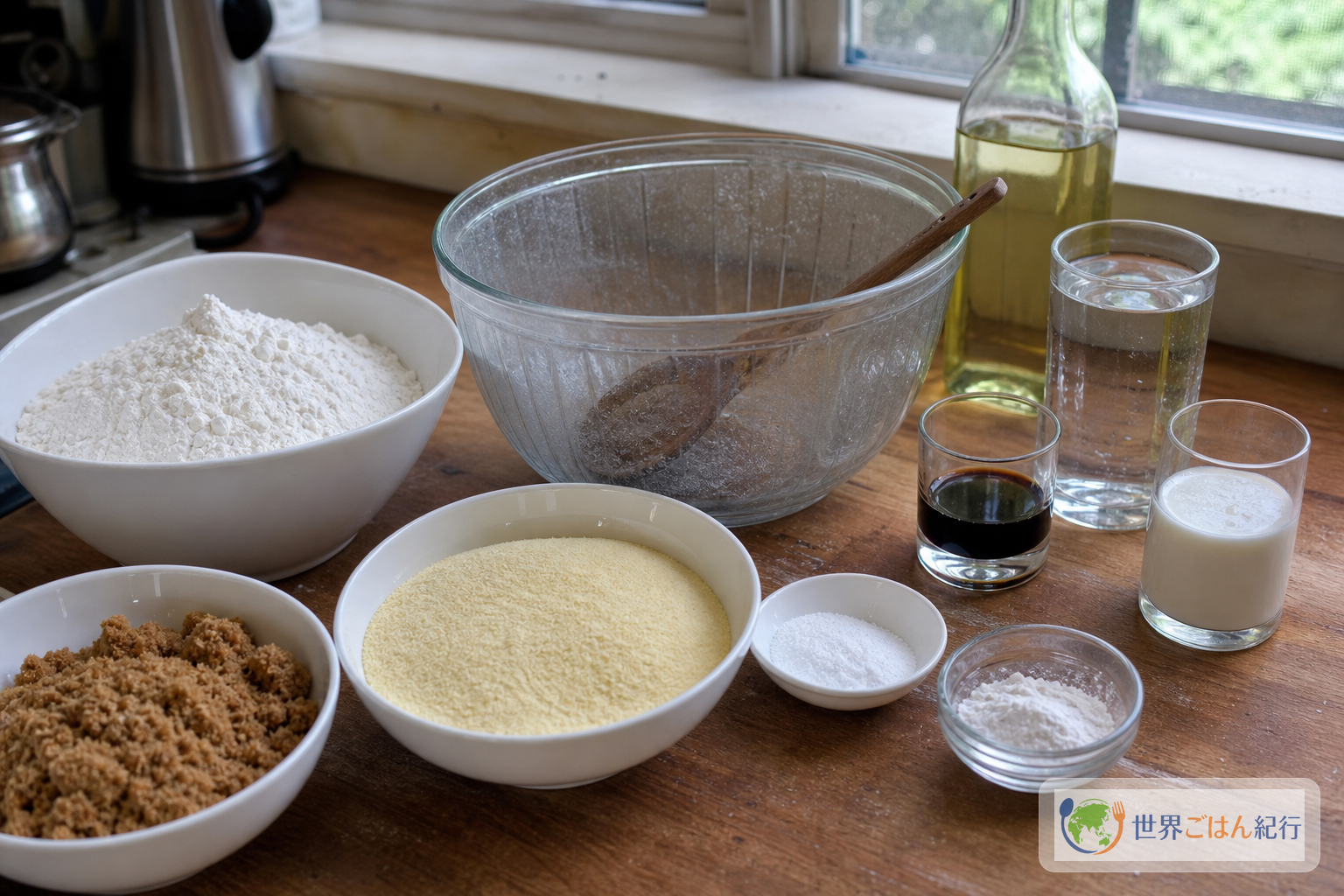
This amount makes 8 festival about 9 cm long. As a side for jerk chicken it serves 4; as a light breakfast, 2 to 3.
This dish uses wheat and dairy. Cornmeal and baking powder may be made on lines that also handle egg, soy or nuts, so if you have allergies check the labels. Use the frying oil at around 170°C (340°F) and don't walk away from the pan while cooking.
Choosing flour and liquid
Fine cornmeal is easier to work with. If you make it with only coarse polenta-grade meal, the outside may fry well while hard grains remain at the center. If coarse is all you have, use 200 g cake flour and 60 g coarse cornmeal, and increase the water by 10 ml.
Milk makes the inside slightly softer and browns faster. With water alone the result is lighter, but it gets a little firm once cool. Coconut milk has a strong aroma, so leave out the vanilla if you use it.
Shopping notes: if you buy something extra, flour and oil temperature
Cake flour, sugar, salt and milk are fine from a regular supermarket. What's worth seeking out is fine cornmeal, which can be harder to find, and tools that steady the frying color. With so few ingredients, any variation in the flour's grind or the oil temperature shows up directly in the texture.
Fine cornmeal governs graininess and water absorption. It's worth hunting for when you want the corn aroma without leaving a hard core of grains in the center.
A frying thermometer cuts first-try failures considerably. Because festival contains sugar, if the oil is too hot only the surface darkens and the inside stays dense.
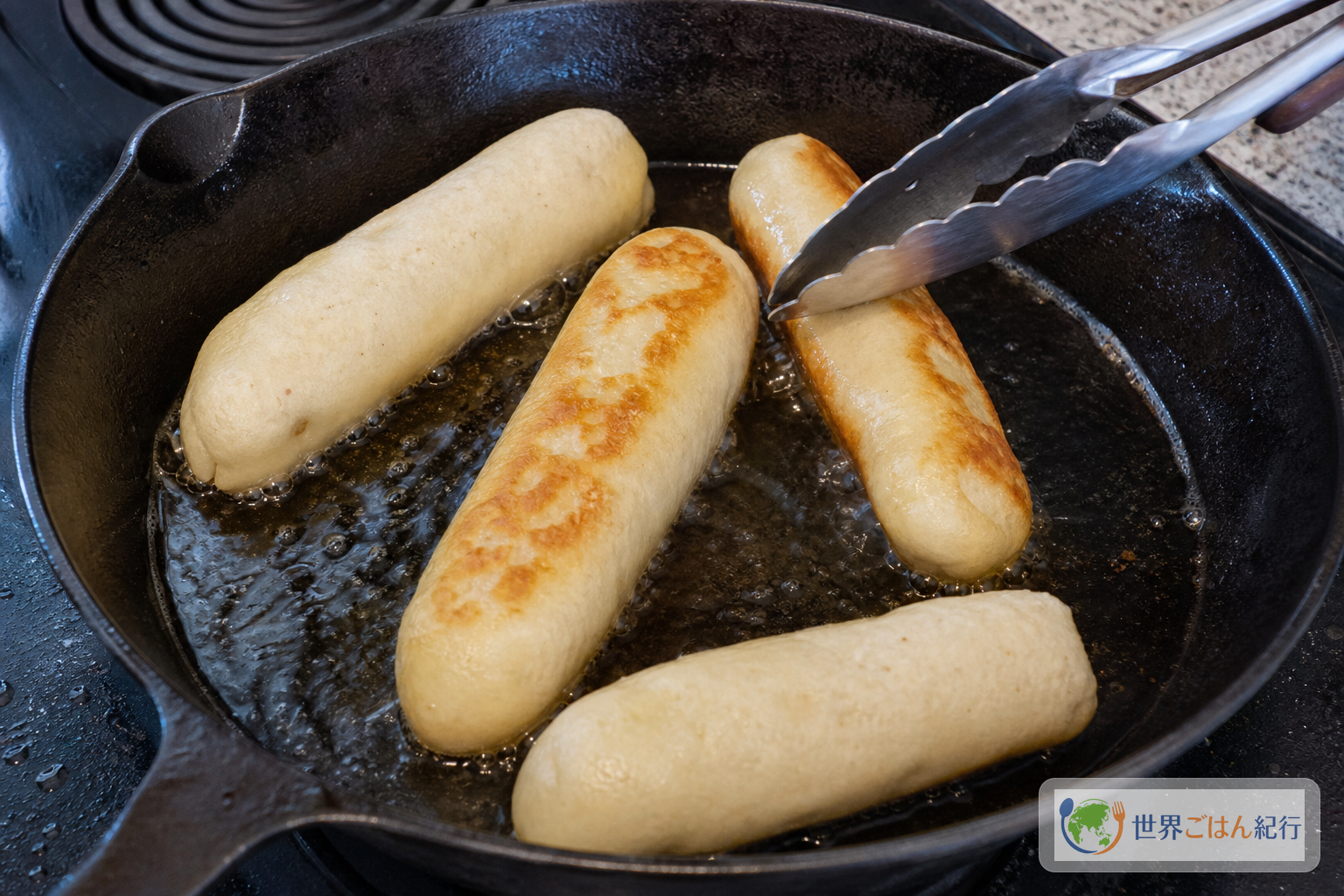
A heavy skillet is a tool that holds its temperature when shallow-frying. In a thin pan, the oil temperature drops the moment the dough goes in, and the result tends to be heavy and oil-soaked.
Method
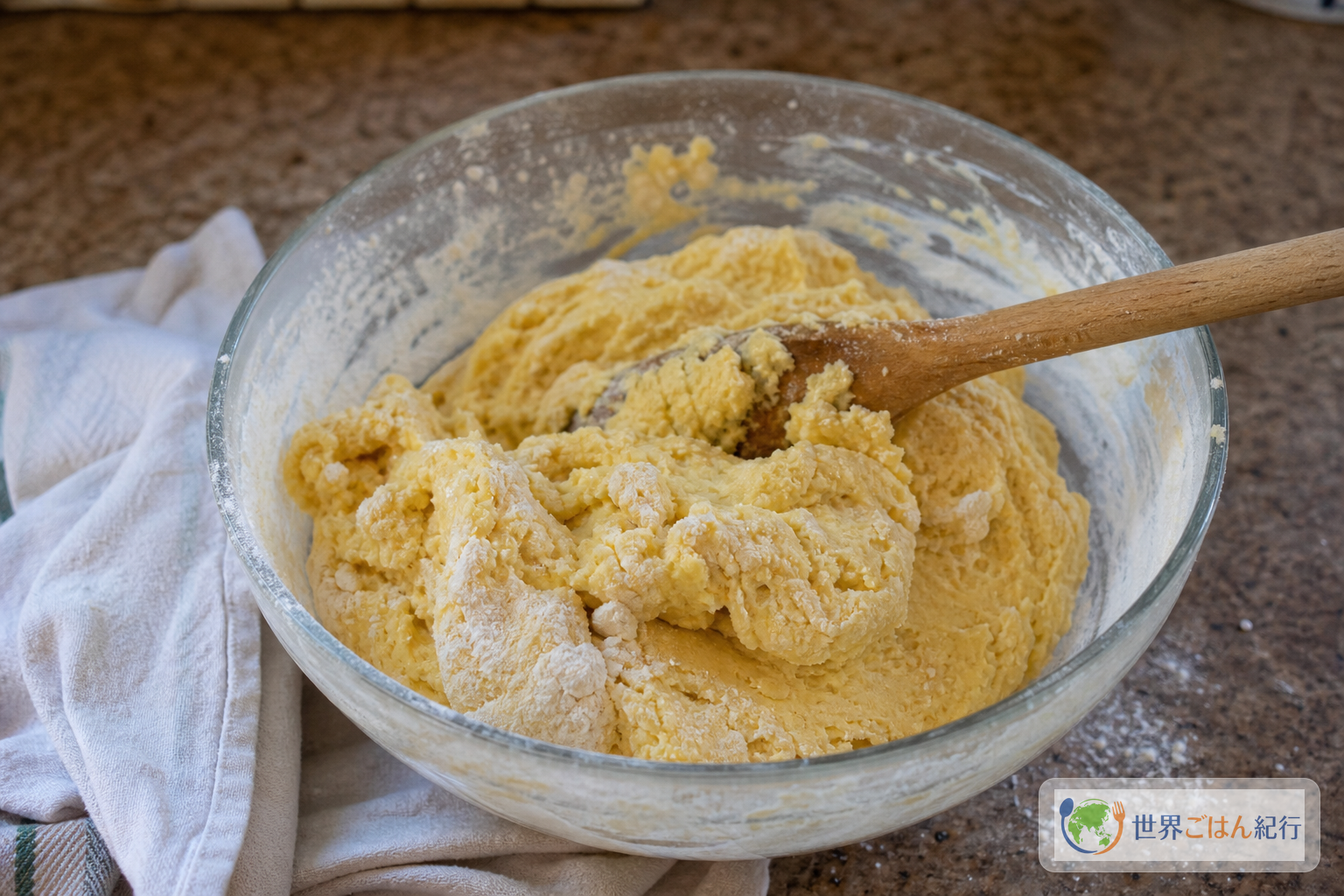
Festival dough fried right after mixing tends to stay dense in the center. Letting the flour absorb the liquid and resting the dough again after shaping reduces the failure where only the outside burns.
Why it goes wrong: oil temperature and dough
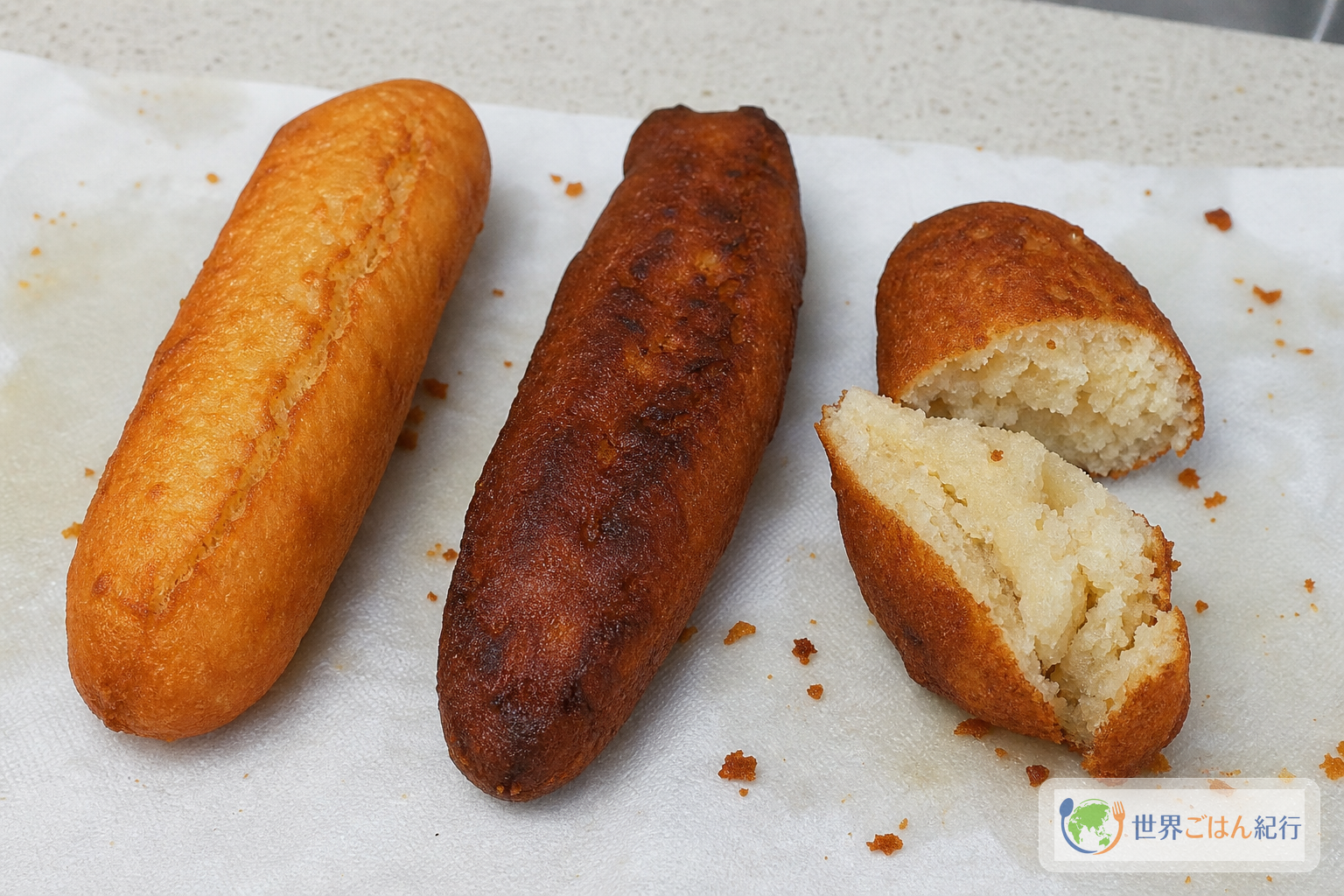
Festival failures show up in oil temperature and dough firmness more than in seasoning. Because it is a side beside spicy dishes, aiming for a light, crisp-breaking texture suits the table better than adding sweetness to cover for mistakes.
Keep the oil steady and don't add too many pieces at once. Too many at a time drops the oil temperature, and they soak up oil and turn heavy.
The frying oil is a large amount, 1 L, so don't leave the pan handle pointing outward, and don't step away from the heat. Dispose of used oil only after it has cooled completely.
| Problem | Likely cause | Fix |
|---|---|---|
| Dark outside, heavy inside | Oil went over 180°C (355°F), shape too thick | Start at 165°C and make them 9 cm long and 2.5 cm thick |
| Greasy | Oil below 160°C (320°F), too many in at once | Fry 4 at a time and wait for 170°C before the next batch |
| Surface cracks | Dough dried out, shaped without resting | Cover with a cloth to rest, adjust with 5 ml water |
| Gritty inside | Too much coarse cornmeal | Use fine meal. If coarse, raise the proportion of cake flour |
| Sweetness stands out | Too much sugar, hard to match with the meal | Cap sugar at 30 g and adjust with the heat of the sauce or dish |
With cake flour alone it's easy to eat as fried bread, but it loses the toasty grain of Jamaican festival. Conversely, too much cornmeal makes it crumbly when broken. For the first try start with 180 g cake flour and 80 g cornmeal, then move the cornmeal in 10 g steps to your taste.
Pairing with Jamaican dishes
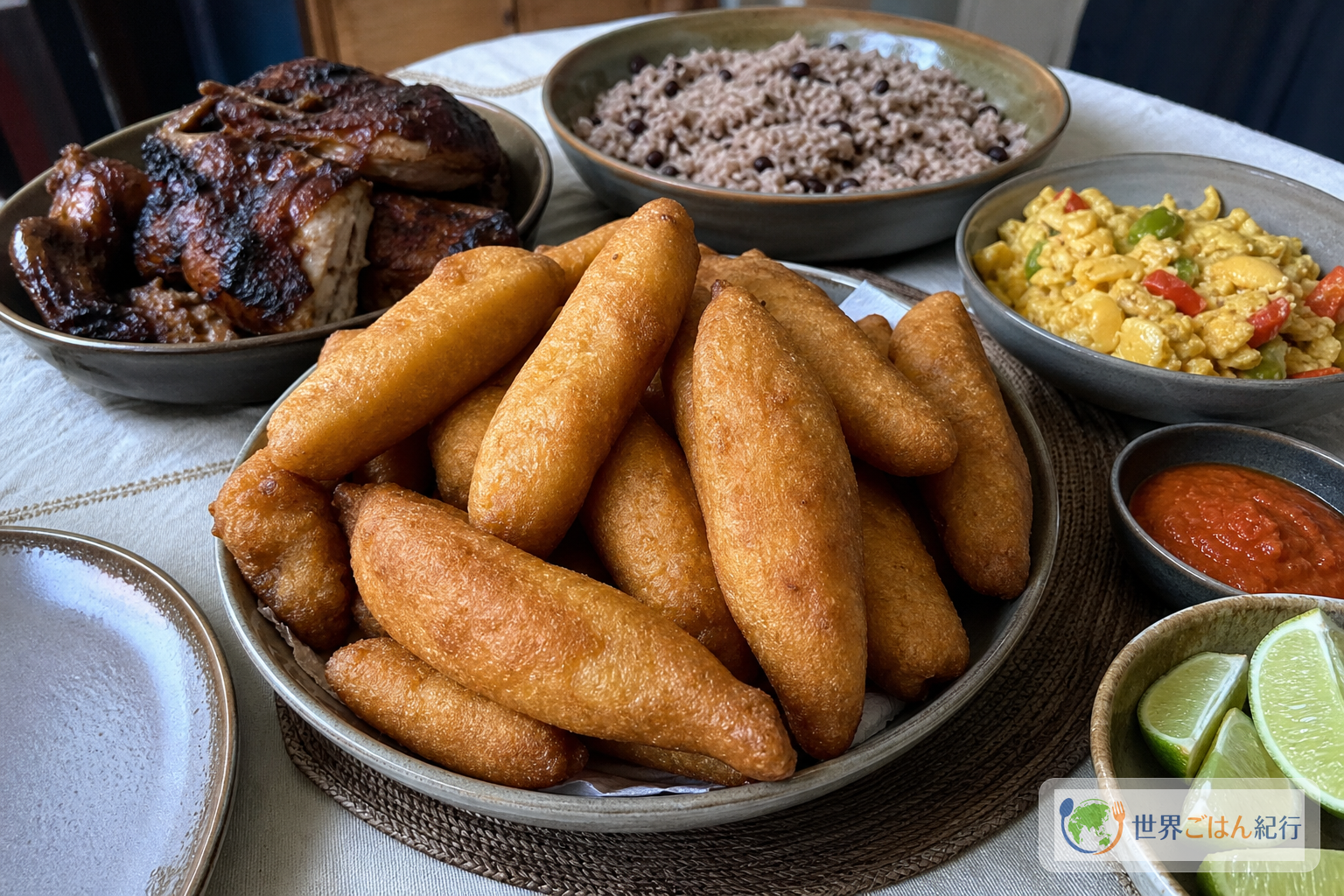
The most natural way is to set it beside a spicy dish. The sweet dough meets the charred spices, the Scotch bonnet heat and the lime acidity of jerk chicken. You can dip it straight into meat juices or sauce, but freshly fried it is light on the outside, so eat the first one plain, broken open, to taste the flour.
With fish, it suits tart escovitch-style fried fish or a salty fish stew. In the context of Jamaican cooking, it also tempers the saltiness of ackee and saltfish. If you want another starch, serve a small portion of rice and peas and make festival the leading side.
When pairing with a coconut milk stew such as run down (in Japanese), it's easier to eat if you don't make the festival thick. Rather than soaking up the broth, break off pieces at the edge of the plate and alternate between heat and sweetness.
Storing and reheating
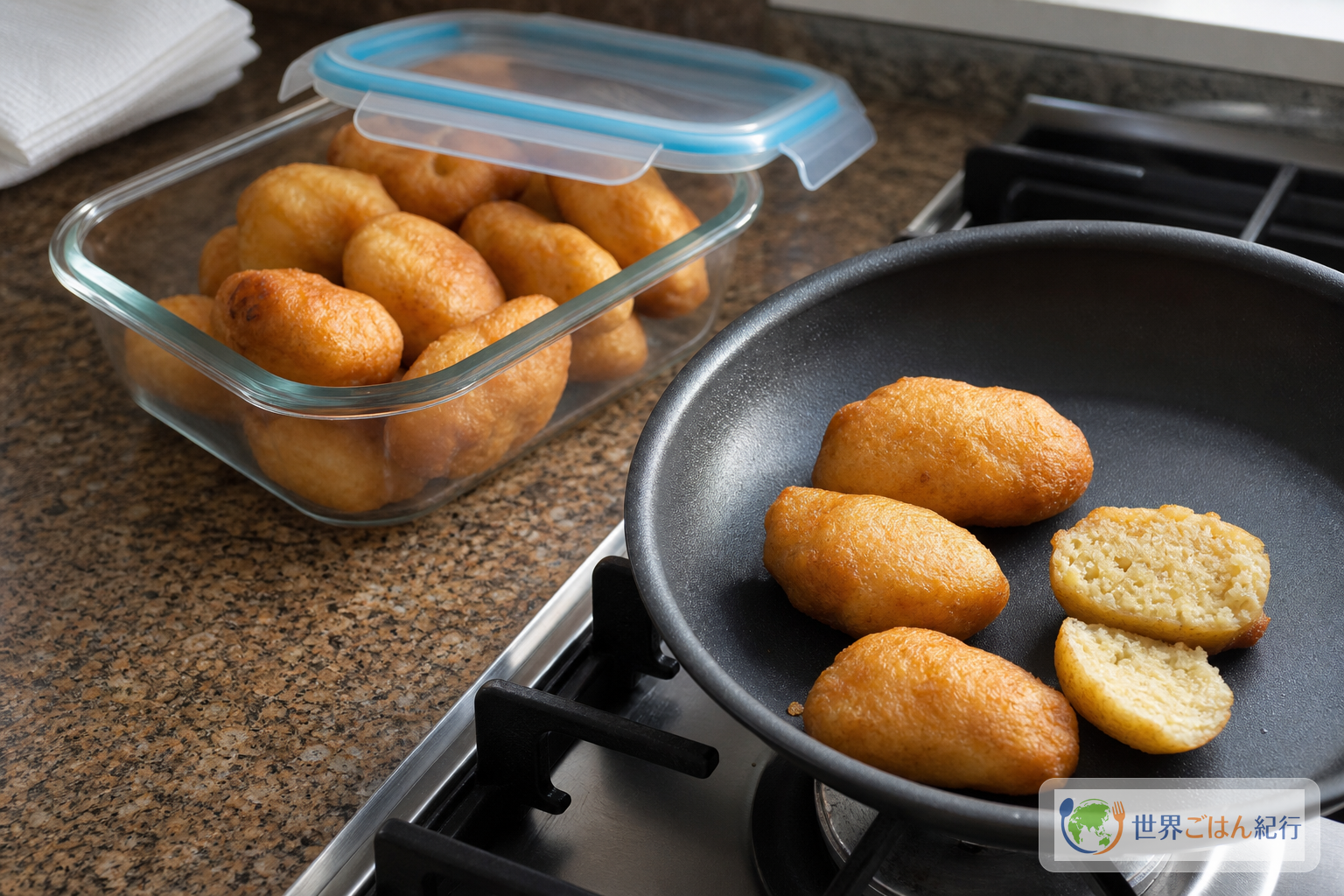
It is lightest freshly fried, but you can make it ahead. Let it cool, then store in an airtight container and plan to finish it within 2 days in the refrigerator. Closing the lid while hot lets condensation soften the surface, so cool on a rack for about 15 minutes before moving to a container.
For reheating, a skillet is the most reliable. With no oil, warm over low heat for 2 minutes on each side, and take it out once the surface is dry and light. In a toaster oven, 160°C (320°F) for 4 minutes is a guide. In a microwave alone the inside warms but the outside tends to soften, so microwave for 20 seconds and then toast it for 1 minute in a skillet to bring the texture back.
To freeze, wrap each piece in plastic wrap, put them in a freezer bag, and plan on about 2 weeks. Don't thaw; warm them covered in a skillet over low heat, 3 minutes per side. If the color looks like it will get too dark, turn off the heat and let residual heat do 1 minute.
FAQ
Can I make it without cornmeal?
You can, but it loses much of the festival character. If using cake flour alone, use 260 g cake flour, 25 g sugar and 8 g baking powder, and reduce the liquid a little. The texture will be closer to an ordinary fried dumpling than to Jamaican festival.
Can I use only water instead of milk?
Yes. With water alone it is lighter and gets a little firm when cool. For serving with spicy meat dishes, water alone is fine; for breakfast or a snack, the milk version is easier to handle. If using coconut milk, half and half with water keeps the aroma from getting too strong.
Can I use less oil and pan-fry?
You can make it with 1 cm (1/2 in) of oil in a heavy skillet, but the sides color more slowly. In that case make them thinner, about 8 cm long and 2 cm thick, and turn them often over medium-low heat. The less oil, the more the temperature swings, so a thermometer helps keep it steady.
Is it better less sweet to match a meal?
If you cut the sugar too far, festival loses its role of answering spicy jerk dishes. Start with 30 g, and if it tastes too sweet, lower it to 25 g next time. With a salty fish dish, it's easier to eat if you don't reduce the sugar.
Why is the center dense after frying?
Most often it's because the dough wasn't rested, the oil was too hot, or the shape was too thick. Rest for at least 15 minutes in total and fry for 5 to 6 minutes at around 170°C. If you see a white core of flour when you break one open, refry for just 1 minute in 150°C oil.