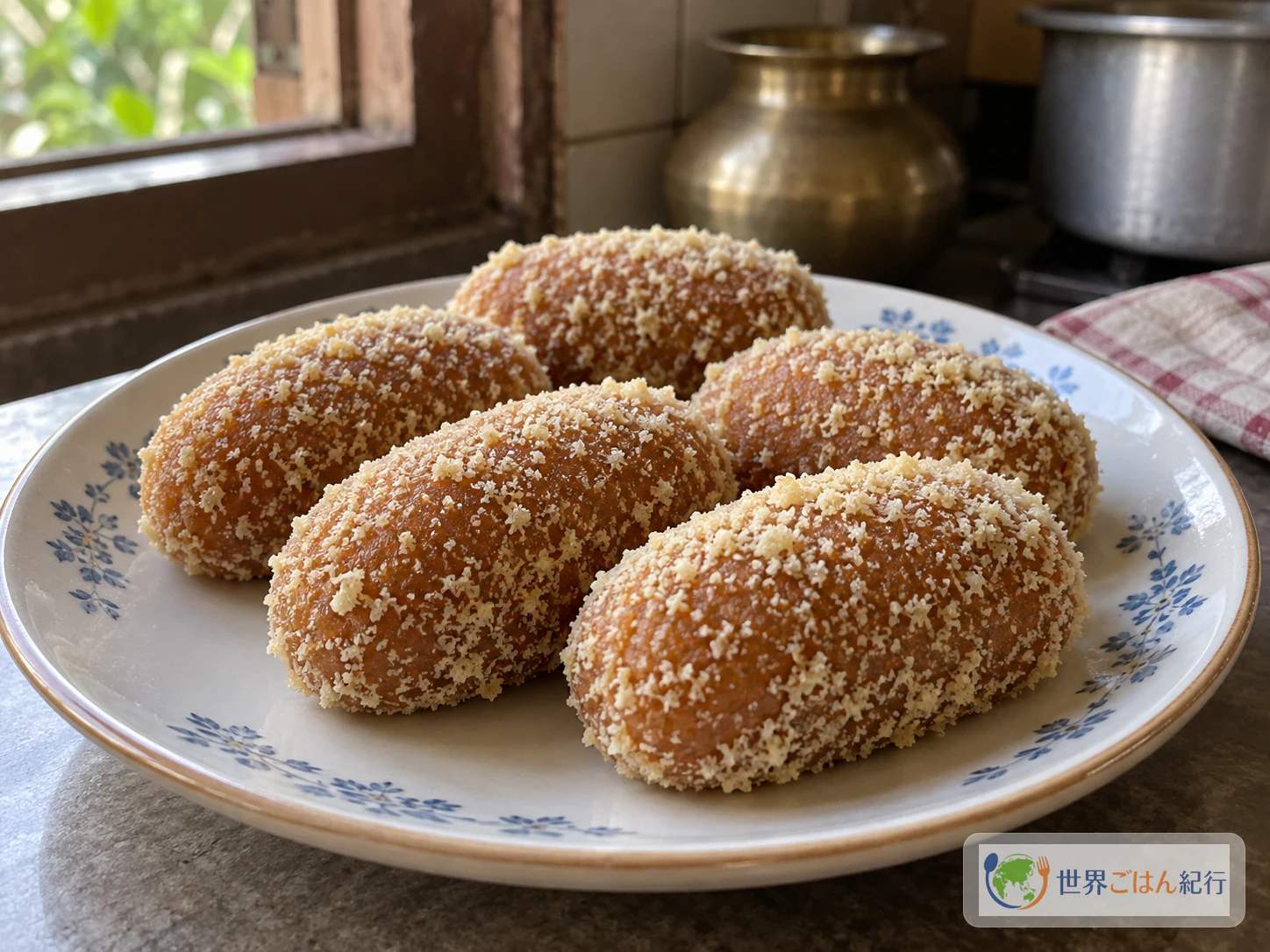
Chomchom: Fresh Chhana, a Long Boil in Syrup, and a Dusting of Mawa
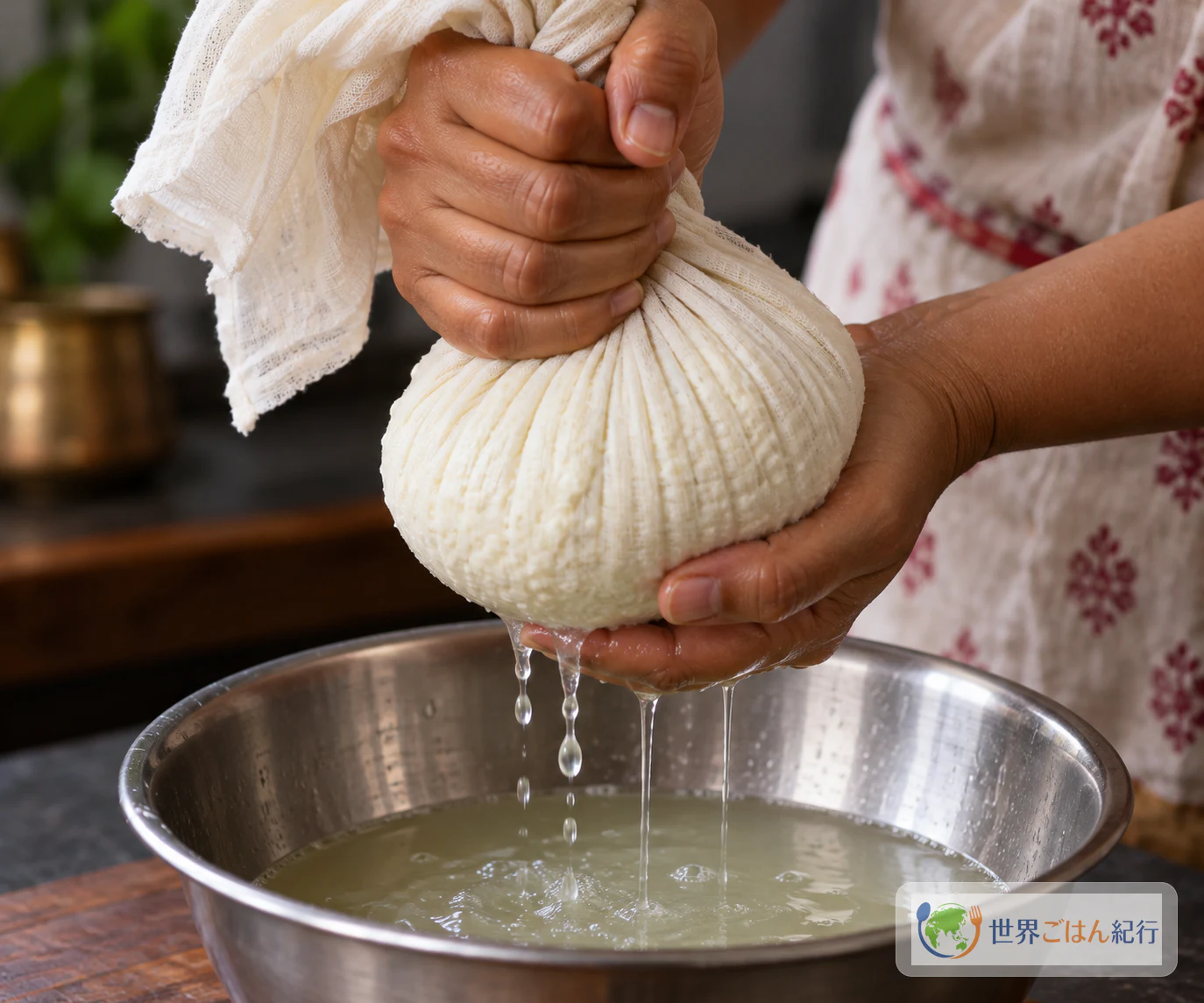
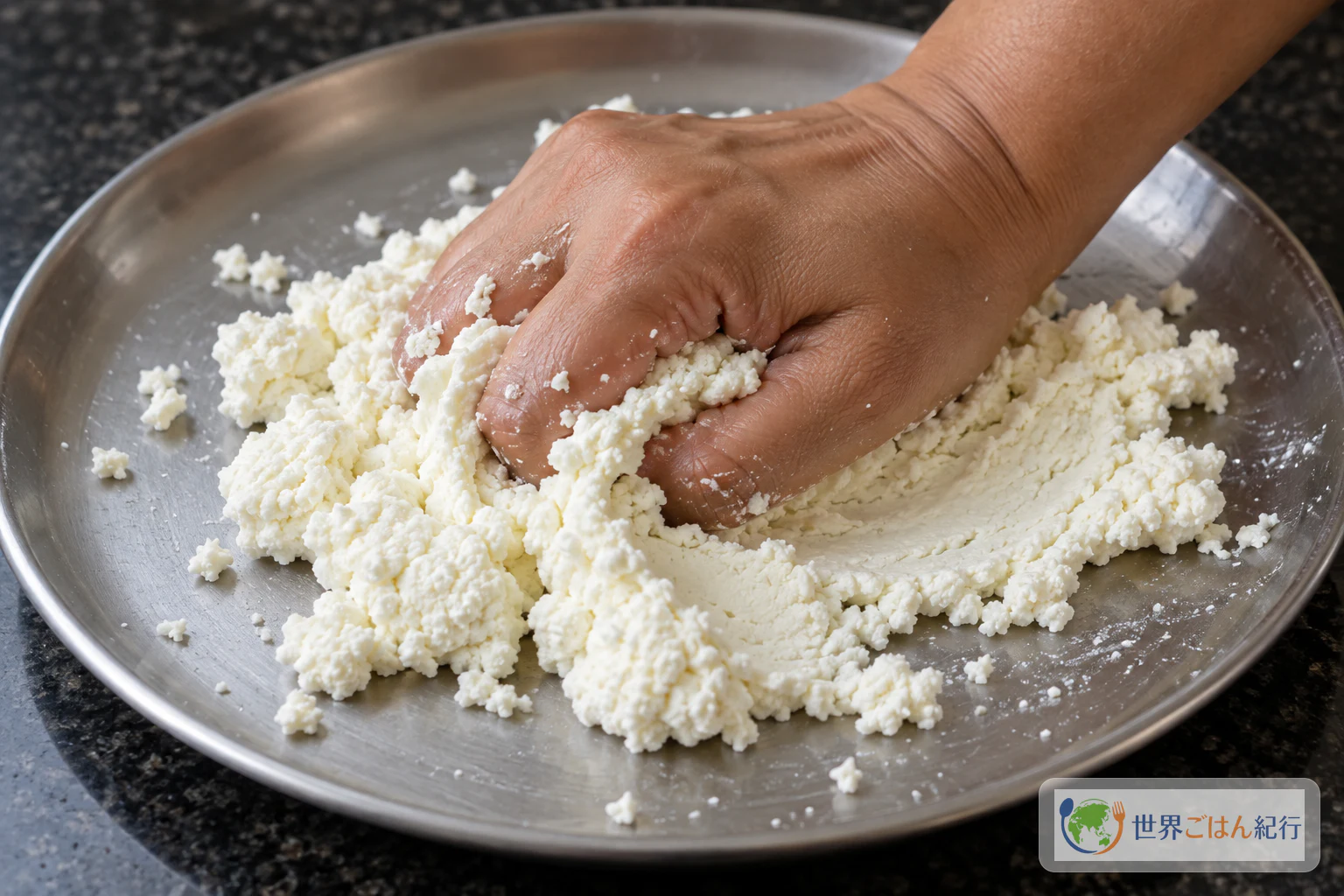
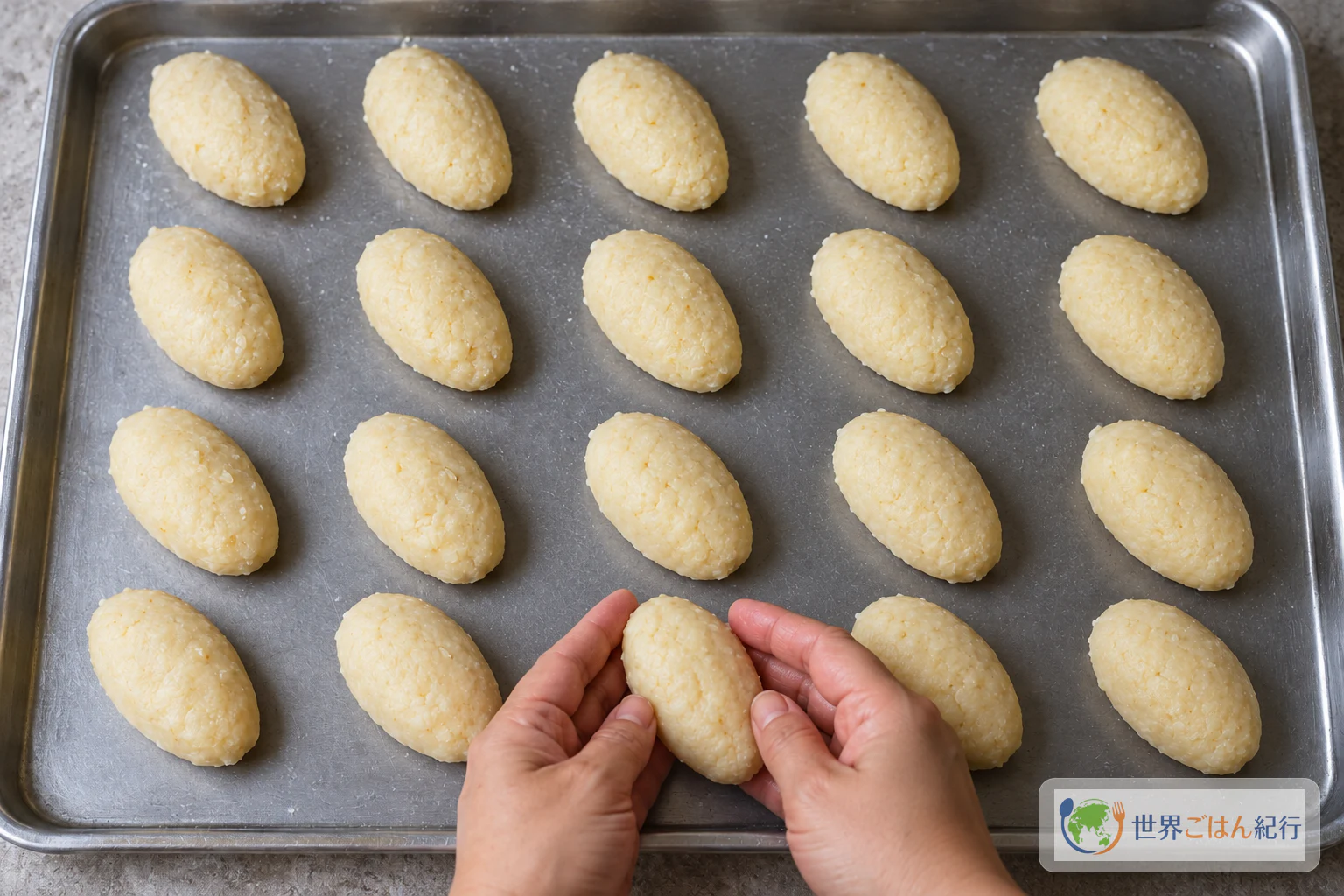
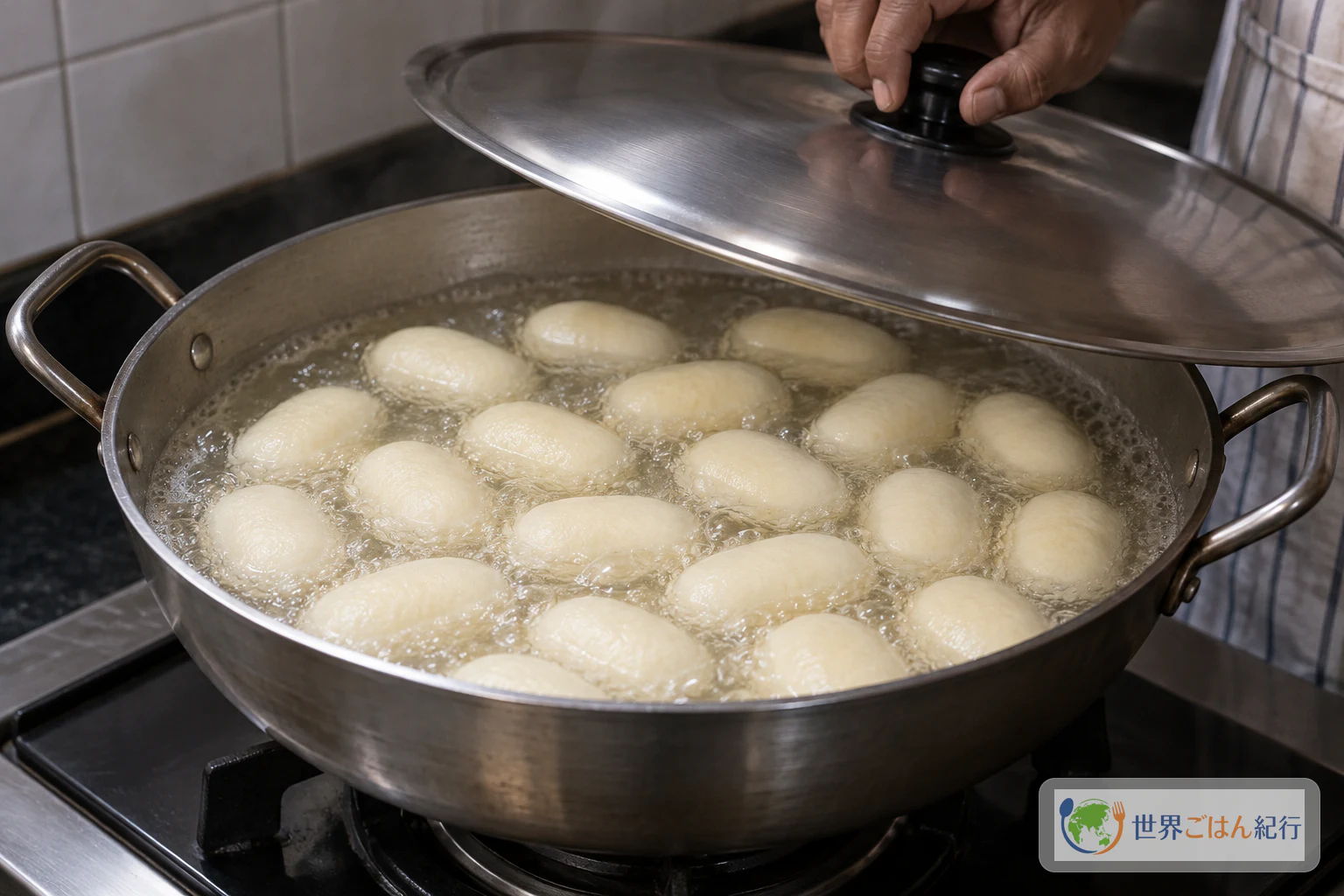
Squeeze the chhana well so the ovals hold their shape. Keep the pan covered through the long boil, add water at the stated intervals, add caramel only after 80 minutes, and finish with dry mawa. Nothing else is added.
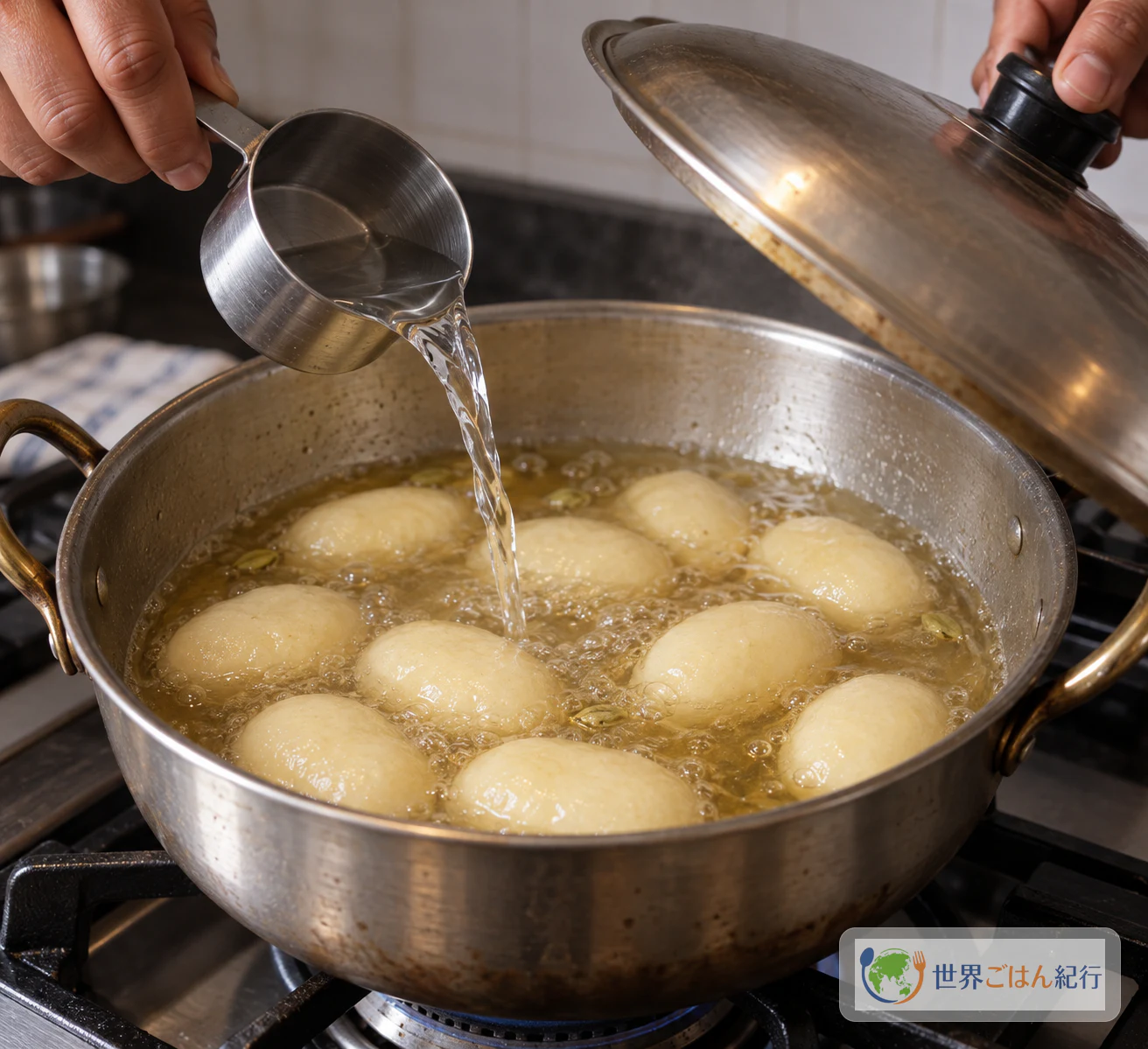
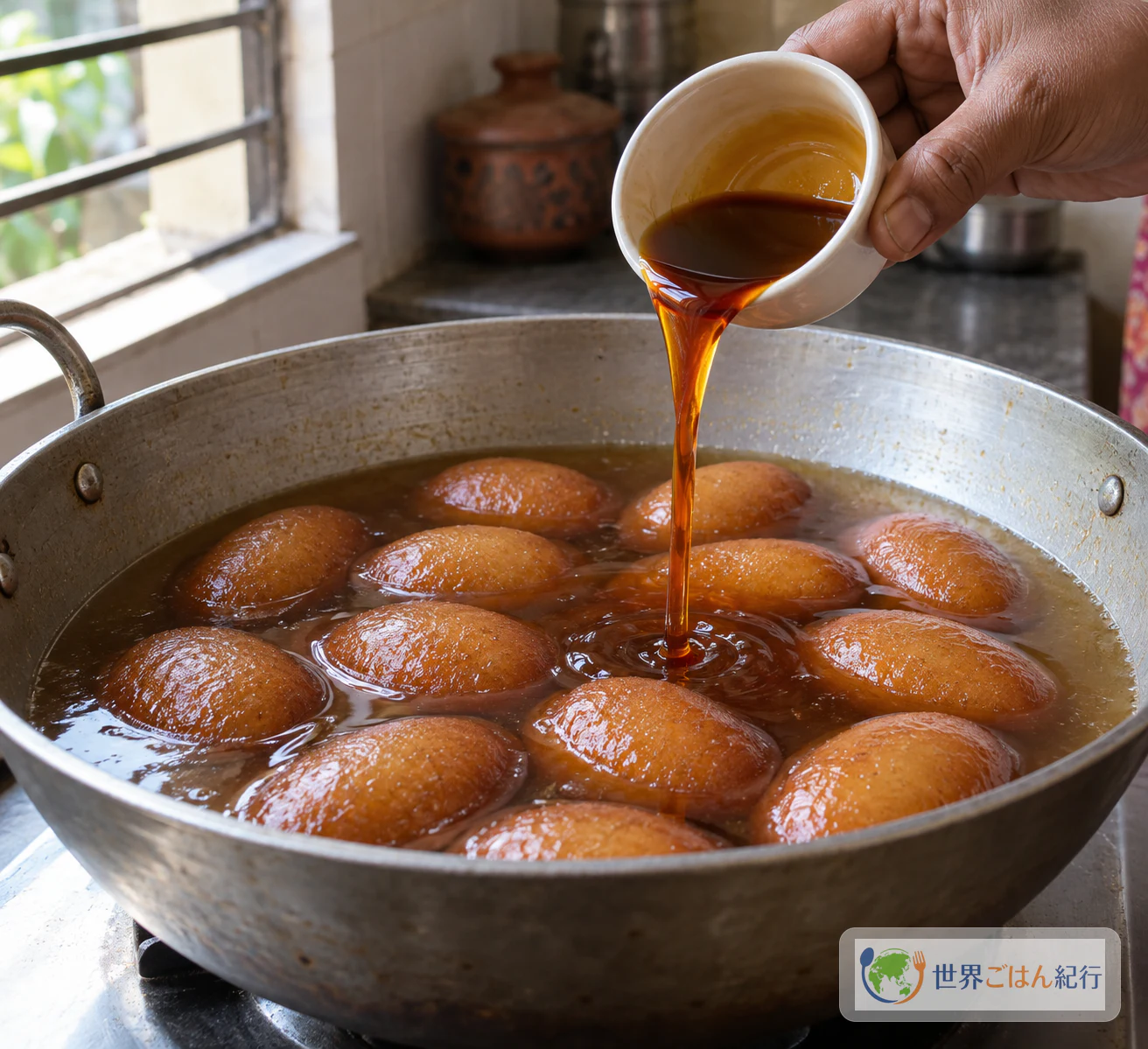
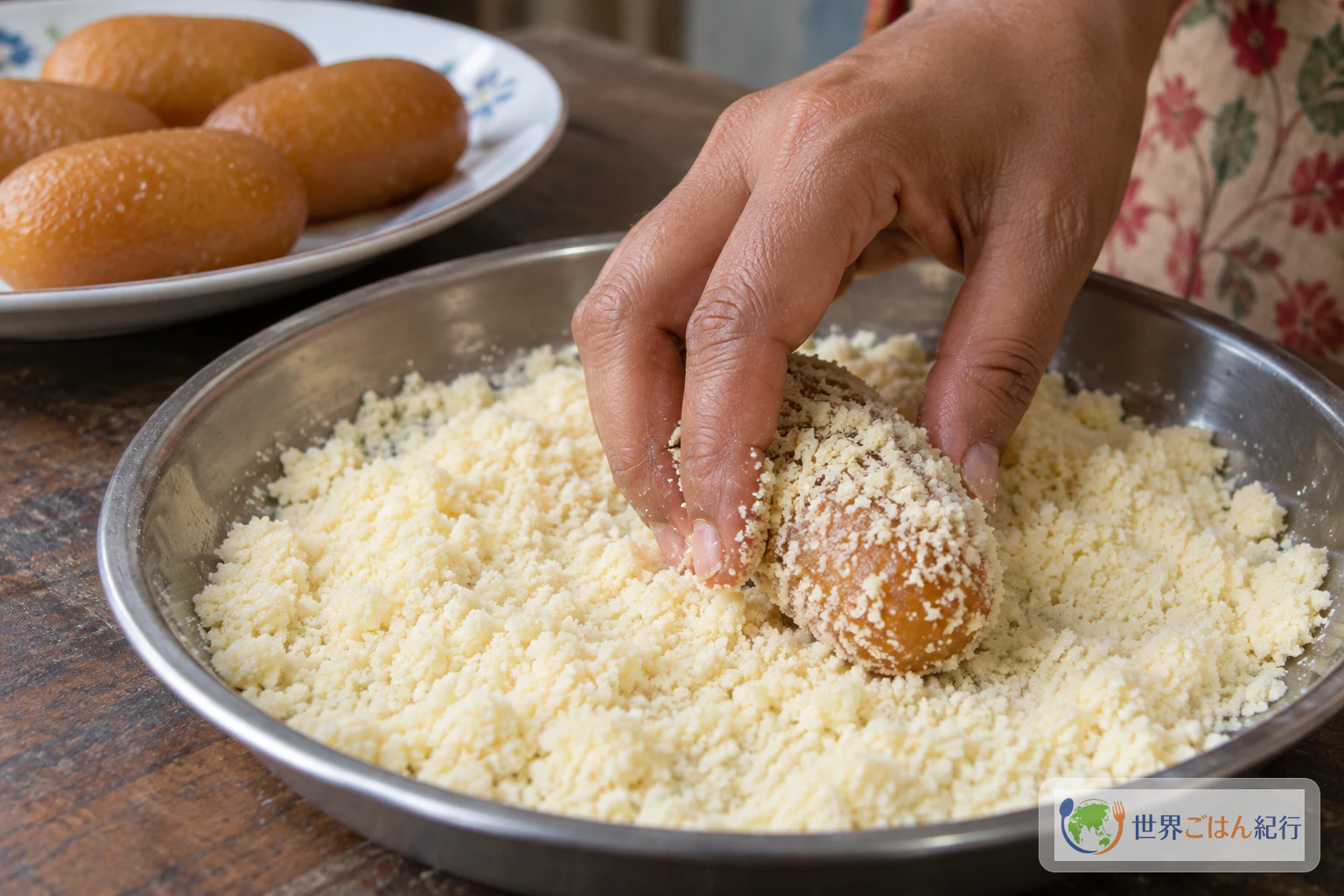
Twenty small ovals of fresh chhana go into a large, deep pan of boiling sugar syrup, and the lid goes on. Every 10 minutes the lid comes off for half a cup of plain water. After 80 minutes, caramel made from a few spoonfuls of sugar is poured in, the pan cooks for 10 minutes more, and then the heat goes off. Once the syrup has cooled, each sweet is lifted out and rolled in dry mawa.
That is the outline of Chomchom (also written Cham cham or Chum Chum), a Bengali sweet made from chhana, the fresh curd you get by souring hot milk. This article follows one written home recipe from start to finish: the 2011 "Cham cham" recipe by Bangladeshi food writer Rownak Jahan, together with the chhana method she links to from it. It is one version of a sweet with many regional forms, not the only correct formula.
Rownak Jahan's recipe is titled "Cham cham" and also gives the name "Chum Chum." The Bangladesh heritage inventory uses the spelling "Chomchom," as does this article. All three refer to the same sweet. Other chhana sweets, such as rasgulla, are different dishes, not alternative names for Chomchom.
One Home Recipe Within a Wider Bengali Sweet Family
Rownak Jahan's recipe page describes Cham cham as a traditional Bengali sweet that is normally coated with mawa. The recipe title calls it "the Authentic Bangladeshi Dessert," and that is the author's own wording. Her profile says she was born in Bangladesh, lives on the Gold Coast in Australia, and writes to introduce Bangladeshi food culture. That is why this recipe is filed under Bangladesh. It does not mean the sweet belongs to a single country or has one fixed recipe.
Porabari Chomchom in Tangail
The Cultural Heritage Inventory of Bangladesh (CHIB) records "Porabarir Chomchom" as a heritage element of Tangail District. It lists the Moyra community and notes that Ghosh and some Muslim communities in the village are also involved in sweet making. The record describes the Porabari sweet as a local version known for a burnt-brick color and a juicy interior, and it mentions oval shapes and coatings of mawa or coconut flakes among the forms Chomchom takes.
Villagers credit a sweet maker named Dasharath as the first to make it. The same record, however, states that there is little evidence of who first started making Chomchom. Treat that story as a local account, not settled history. Nothing in these sources shows that Rownak Jahan's recipe is a Porabari maker's formula. The caramel-brown color of this home version is not meant to match the Porabari brick color.
How a recent survey classifies Chomchom
A 2025 dairy-products study in the Bangladesh Journal of Animal Science surveyed sweetmeat shops and consumers in Dhaka, Bogura, Mymensingh and Panchagarh. Tangail was not one of the districts surveyed. The study's classification table separates three named forms:
| Name in the survey | Description in the table |
|---|---|
| Chomchom | Chhana balls boiled in sugar syrup for 40 minutes until light brown |
| Porabarir Chomchom | A more intense boil, followed by submersion in sugar syrup |
| Maowa Chomchom | A Chomchom variant with maowa spread over it |
These are short descriptions, not measured recipes. The 40-minute figure belongs to that classification. It does not change the timings of the recipe below, which come only from Rownak Jahan's version.
Ingredients for 20 Pieces
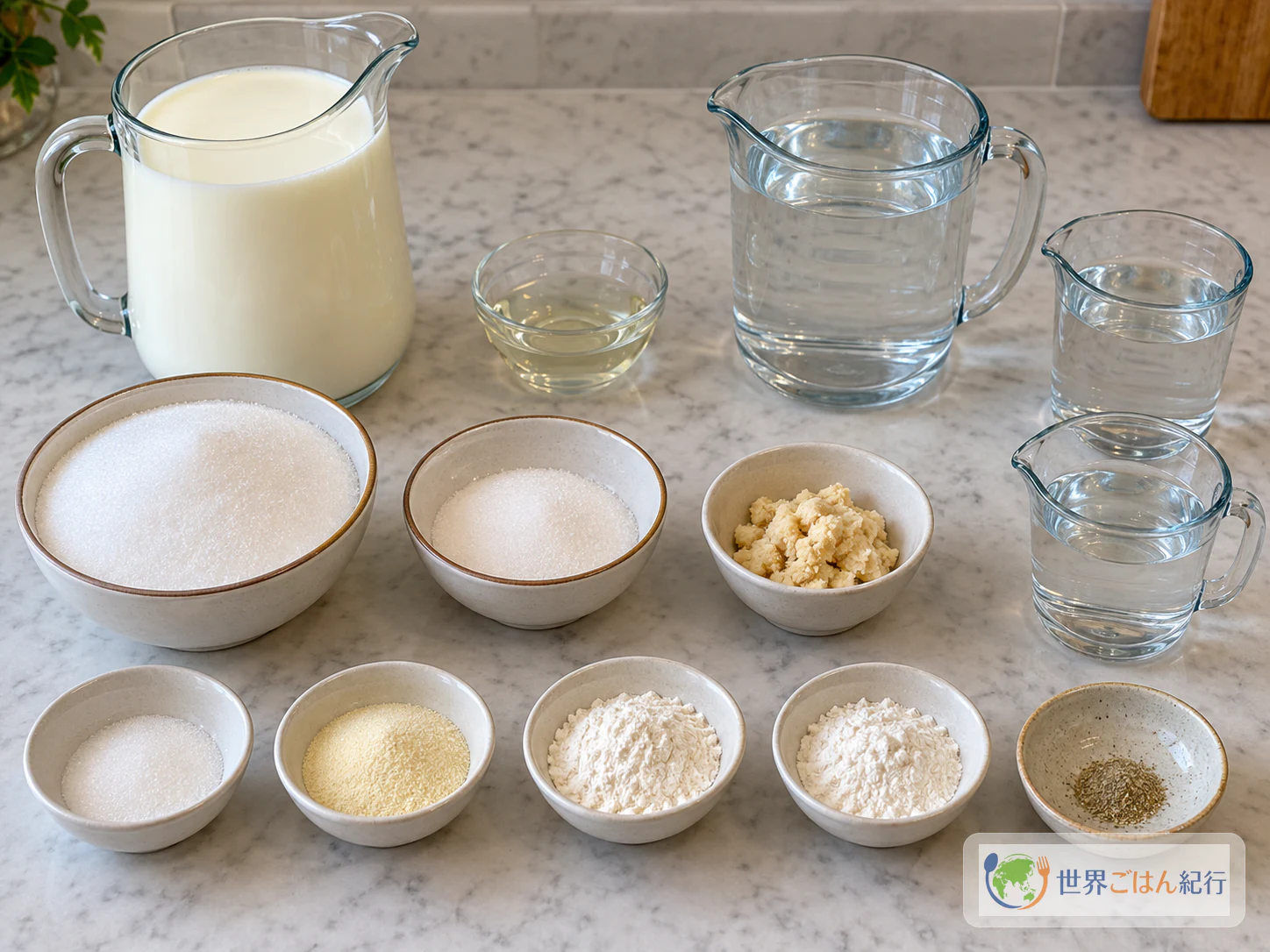
Every amount below is given in the source recipe's own units. The recipe does not say which cup standard it uses, so the cup measures are not converted here.
Equipment
- A pan for boiling the milk
- A strainer or cheesecloth, with a bowl underneath
- A clean cloth for squeezing the chhana
- A shallow plate or tray for kneading and shaping
- A large, deep, wide pan with a lid, big enough for the 20 pieces to boil in the syrup
- A small pan for making the caramel
- Measuring cups and spoons
- A shallow dish for the dry mawa
Choosing and Substituting
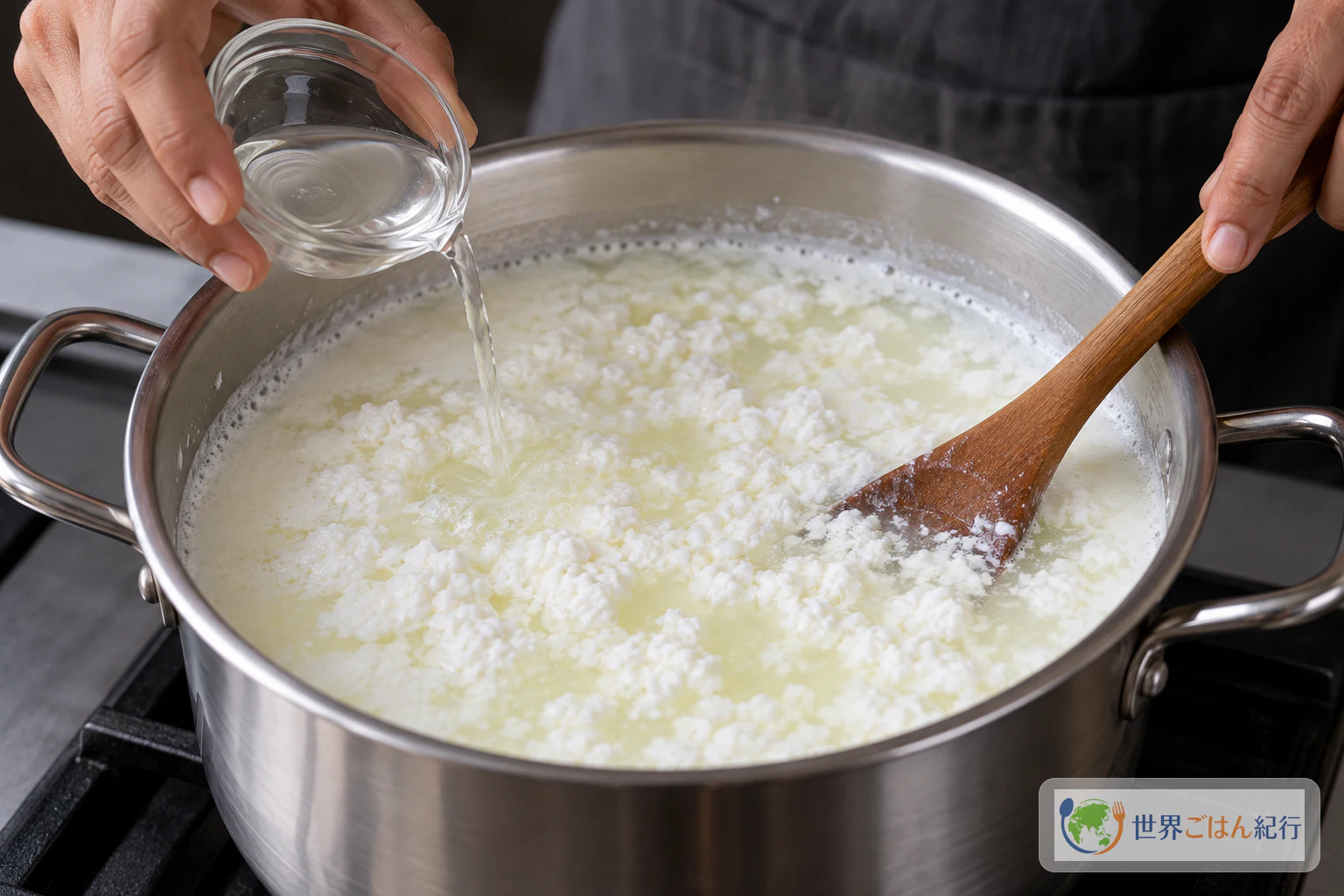
Vinegar, not lemon, in this version. The linked chhana recipe allows either white vinegar or lemon juice. This article uses white vinegar throughout, so the ingredients, steps and photos all match.
Self-raising flour is its own ingredient. Use 1 tbsp of plain flour and, separately, 1 tbsp of self-raising flour. The author explains that self-raising flour is flour mixed with baking powder. Do not add any extra baking powder, and do not replace the self-raising flour with hotcake or pancake mix.
Mawa is a dry milk-solid coating. It is not coconut. The CHIB record mentions coconut-flake coatings among the forms of Chomchom, but this recipe uses dry mawa only, with no nuts and no filling.
Milk. The source gives the amount (2 litres) but not the type or fat content of the milk.
Cups. The recipe does not define its cup size, so the cup amounts stay as written. Measuring the syrup sugar, the syrup water and the top-up water with the same cup keeps their proportions consistent with one another.
Method: From Milk to Mawa-Coated Ovals
The only timings this recipe gives are 2 minutes of kneading the plain chhana, an 80-minute covered boil with water added every 10 minutes, and 10 more minutes after the caramel goes in. The chhana, the rest of the kneading, the caramel and the cooling are not timed, so judge those stages by the cues in each step.
When Things Don't Look Right
| What you see | What the recipe points to | What to do |
|---|---|---|
| The ovals crack or fall apart while you shape them | The recipe warns that excess water in the chhana makes it break during shaping | Next time, squeeze the chhana more thoroughly in step 3 before kneading |
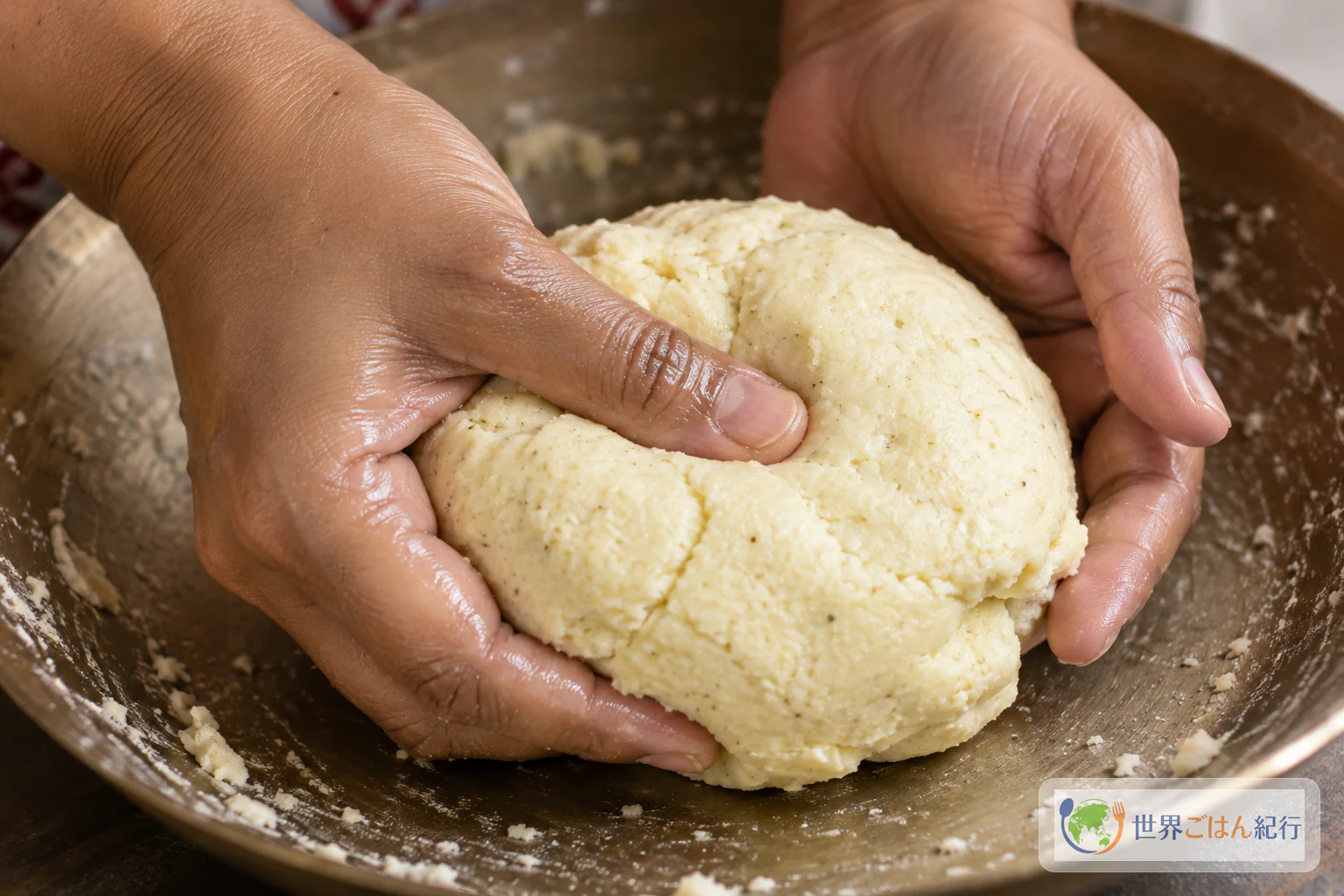
| The dough feels crumbly rather than cohesive | The kneading cue is a slightly greasy palm | Keep kneading after the additions until you feel that cue |
| You're unsure whether to add the caramel early | The author confirms the caramel goes in after the 80 minutes | Wait until the 80-minute boil is finished, then add it and cook 10 minutes more |
| The color isn't the deep brick shade of Porabari Chomchom | That color is recorded for a regional version, not for this home recipe | Expect a modest caramel brown in this version |
| You want a lighter dough and reach for baking powder | Self-raising flour already contains baking powder | Don't add any extra |
Variations You May Come Across
These forms are recorded or mentioned in the sources. They are not part of the method above.
- Lemon juice instead of vinegar: the linked chhana recipe permits it. This article stays with white vinegar.
- Without caramel: the author's comments discuss a version without caramel. This article follows the caramel version.
- Porabari Chomchom: recorded by CHIB in Tangail, with a burnt-brick color and juicy interior. The 2025 survey describes it as a more intense boil followed by submersion in syrup.
- Maowa Chomchom: a variant classified in the 2025 survey, with maowa spread over the sweet.
- Coconut-flake coating: mentioned by CHIB among the coatings Chomchom can have. This recipe uses dry mawa only.
Frequently Asked Questions
Is lemon juice used in this recipe?
No. The source chhana method allows white vinegar or lemon juice. This article uses only white vinegar so that every step matches.
Should I add baking powder?
No. The recipe uses 1 tbsp self-raising flour in addition to 1 tbsp plain flour, and the author explains that self-raising flour already contains baking powder. Don't substitute pancake or hotcake mix either.
Is this the historic Porabari recipe?
No. This is Rownak Jahan's Bangladeshi home recipe. The CHIB record describes Porabari Chomchom as a Tangail regional version and states that there is little evidence of who first made Chomchom. Nothing in the sources links this formula to Porabari makers.
How long does the whole recipe take?
The source gives no total time. The timed stages are 2 minutes of plain kneading, the 80-minute covered boil, and 10 more minutes after the caramel. Making the chhana, the rest of the kneading, the caramel and the cooling are not timed.
How much water do I add altogether during the boil?
The recipe says to add 1/2 cup of water every 10 minutes during the 80-minute boil. It does not state a total, so follow the interval as written.
Can I coat the sweets with coconut or add a filling?
Not in this version. The recipe finishes with dry mawa only, with no filling and no coconut. Coconut-flake coatings belong to other forms of Chomchom.
Sources
- Rownak Jahan, "Cham cham the Authentic Bangladeshi Dessert," Easy to Cook Bangladeshi Recipes by Rownak's Kitchen, Nov. 10, 2011. The selected recipe: names, description as a traditional Bengali sweet coated with mawa, ingredient amounts, 20-piece yield, kneading cues, the 80-minute covered boil with water every 10 minutes, caramel added after 80 minutes and 10 more minutes of cooking, the hot water after heat-off, the mawa coating, and the author's comments on caramel color and self-raising flour. https://banglarecipes.com.au/cham-cham/
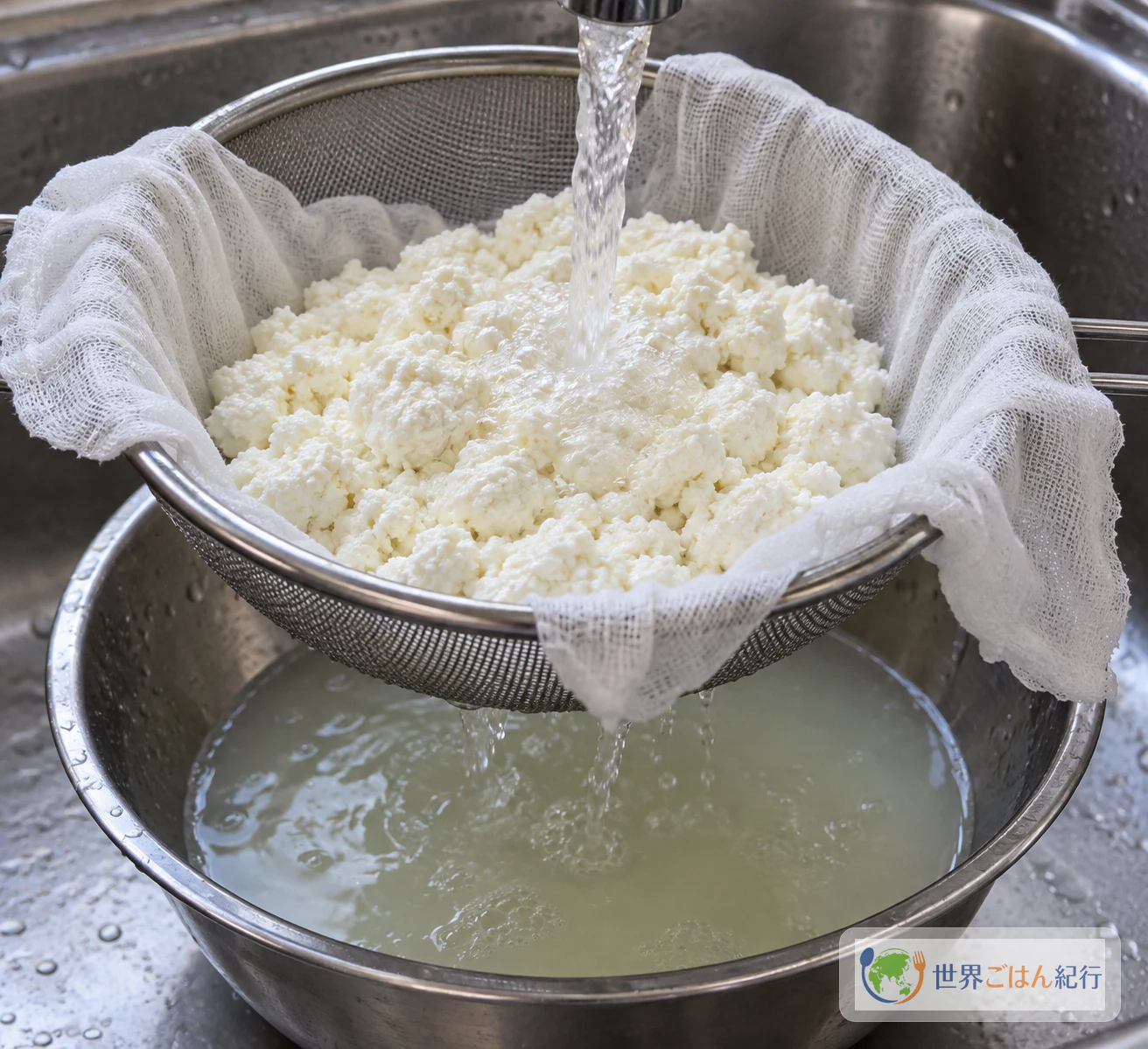
- Rownak Jahan, "Chhana / Chenna / Home Made Cheese," Rownak's Kitchen, Sep. 15, 2011. The linked chhana method: 2 litres milk and 3 tbsp white vinegar or lemon juice, boiling, removing from heat, separating curds, straining and rinsing under cold running water. https://banglarecipes.com.au/chhana-chenna-home-made-cheese/
- Rownak's Kitchen, author profile. The author's own description of her background and her aim of introducing Bangladeshi food culture. https://banglarecipes.com.au/
- Cultural Heritage Inventory of Bangladesh, "Porabarir Chomchom," record BGD-30.93.2023.00086. Tangail District, the communities involved, the regional color and texture, the forms and coatings of Chomchom, and the local origin claim with its stated limit of evidence. https://heritagehub.gov.bd/HeritageInfoes/Details/2134
- E. H. Raka, L. Lota, S. R. Shaon and M. A. Islam, "Milk processing, product diversity and consumer preference for dairy products in some selected districts of Bangladesh," Bangladesh Journal of Animal Science 54(1), 20–35, 2025. The classification of Chomchom, Porabarir Chomchom and Maowa Chomchom, and the districts surveyed. https://www.banglajol.info/index.php/BJAS/article/view/80842/52765