Koorkka Mezhukkupuratti: Soft Chinese Potato, Shallots and Coconut Oil
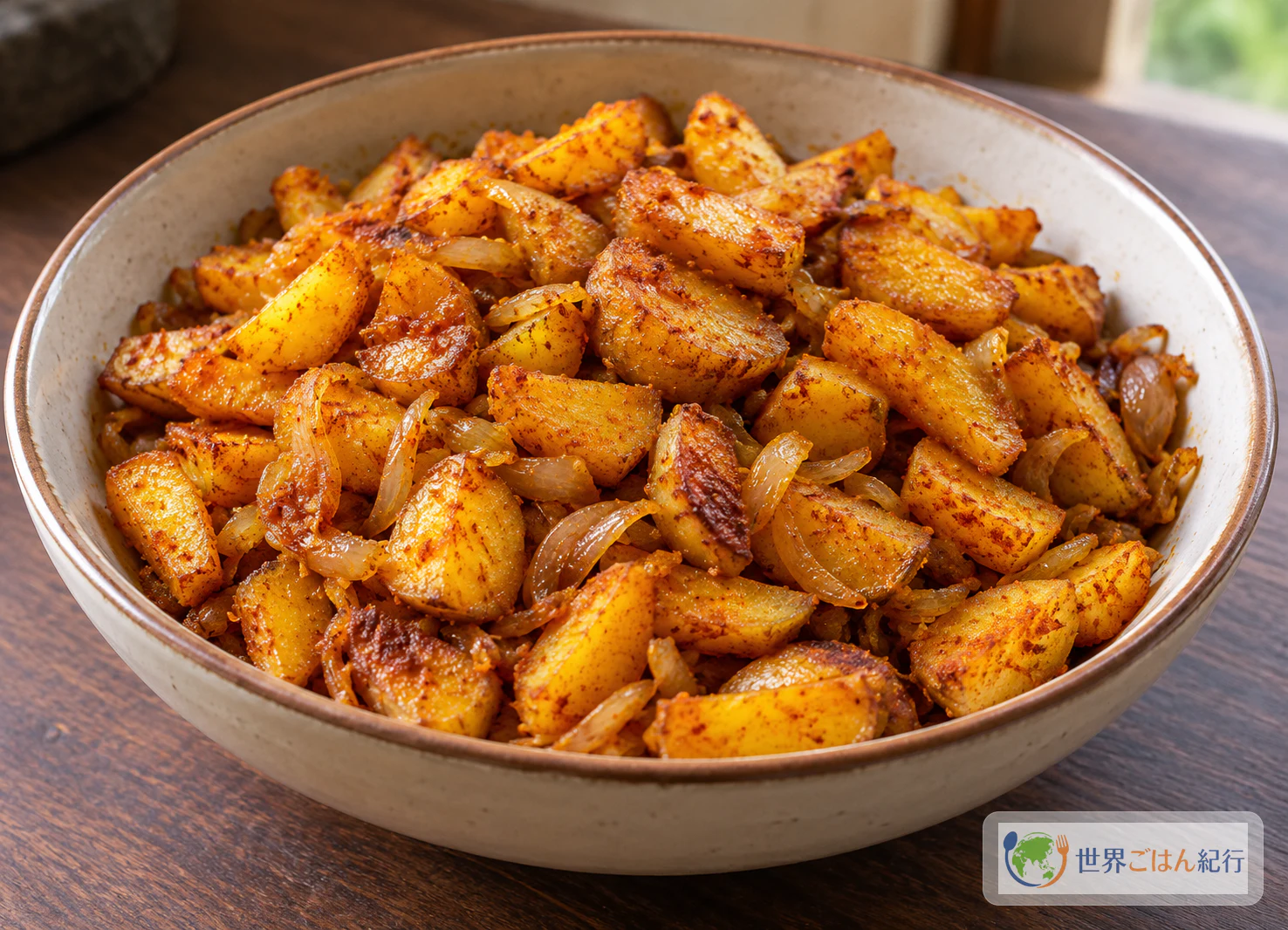
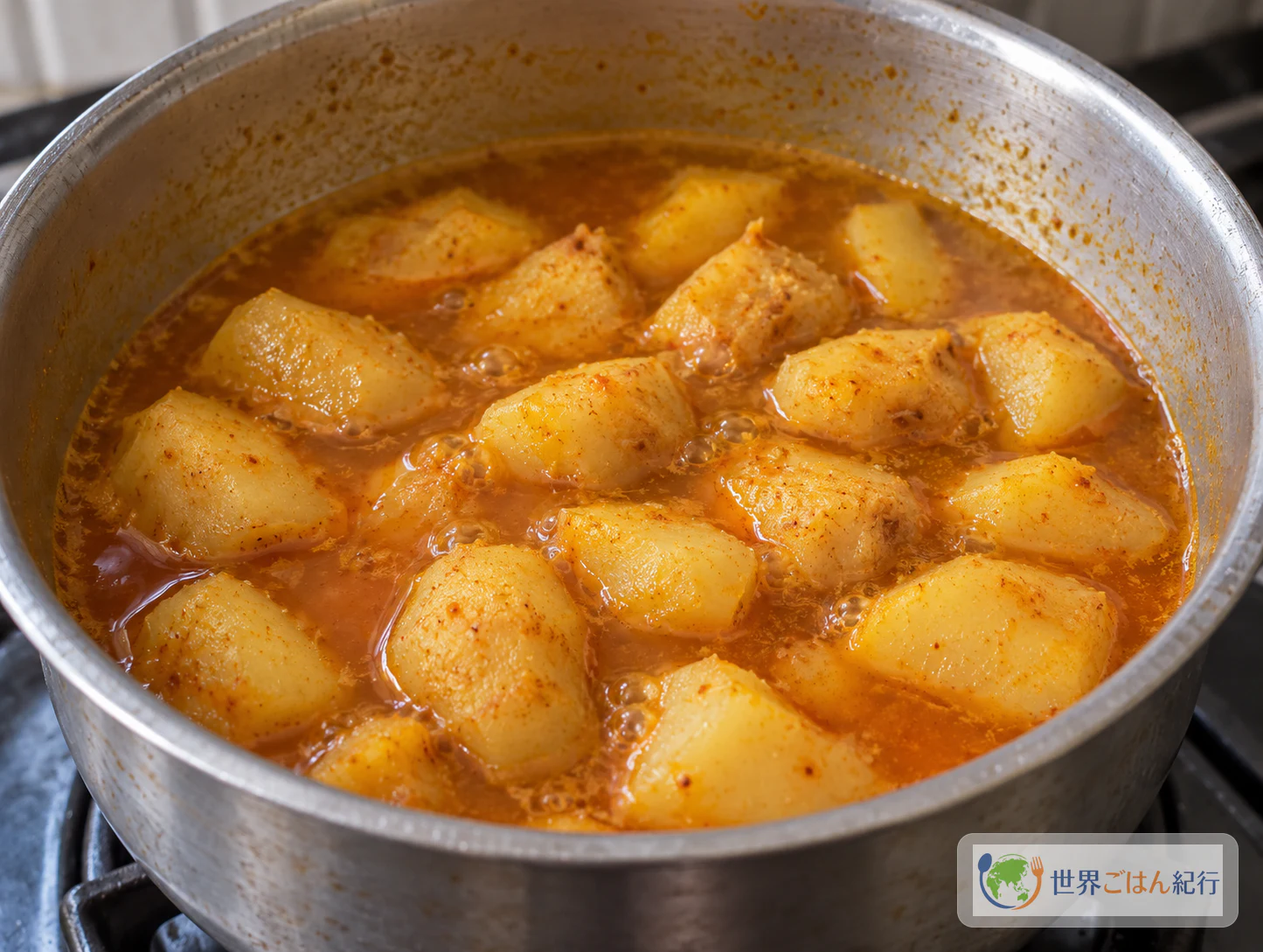
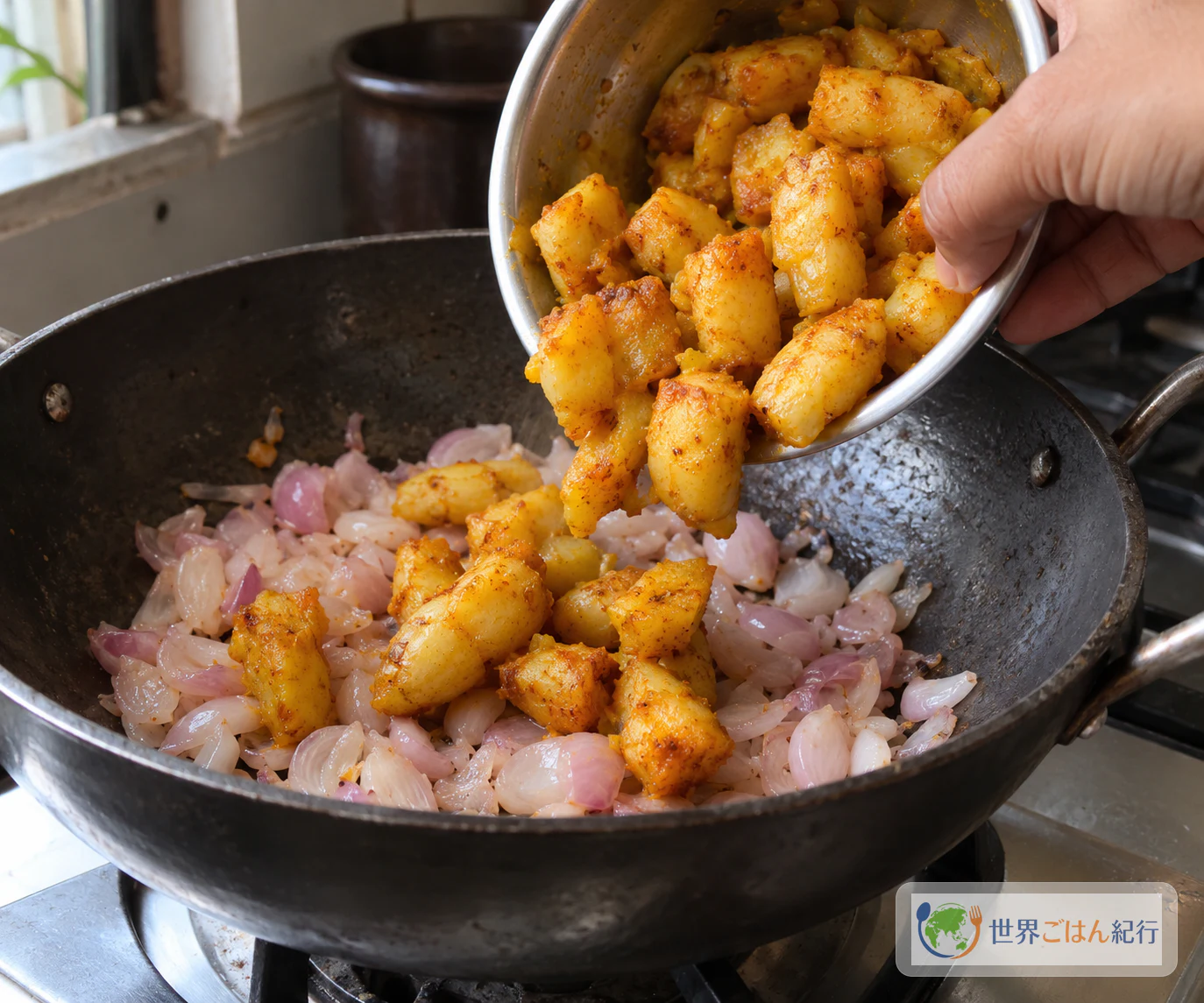
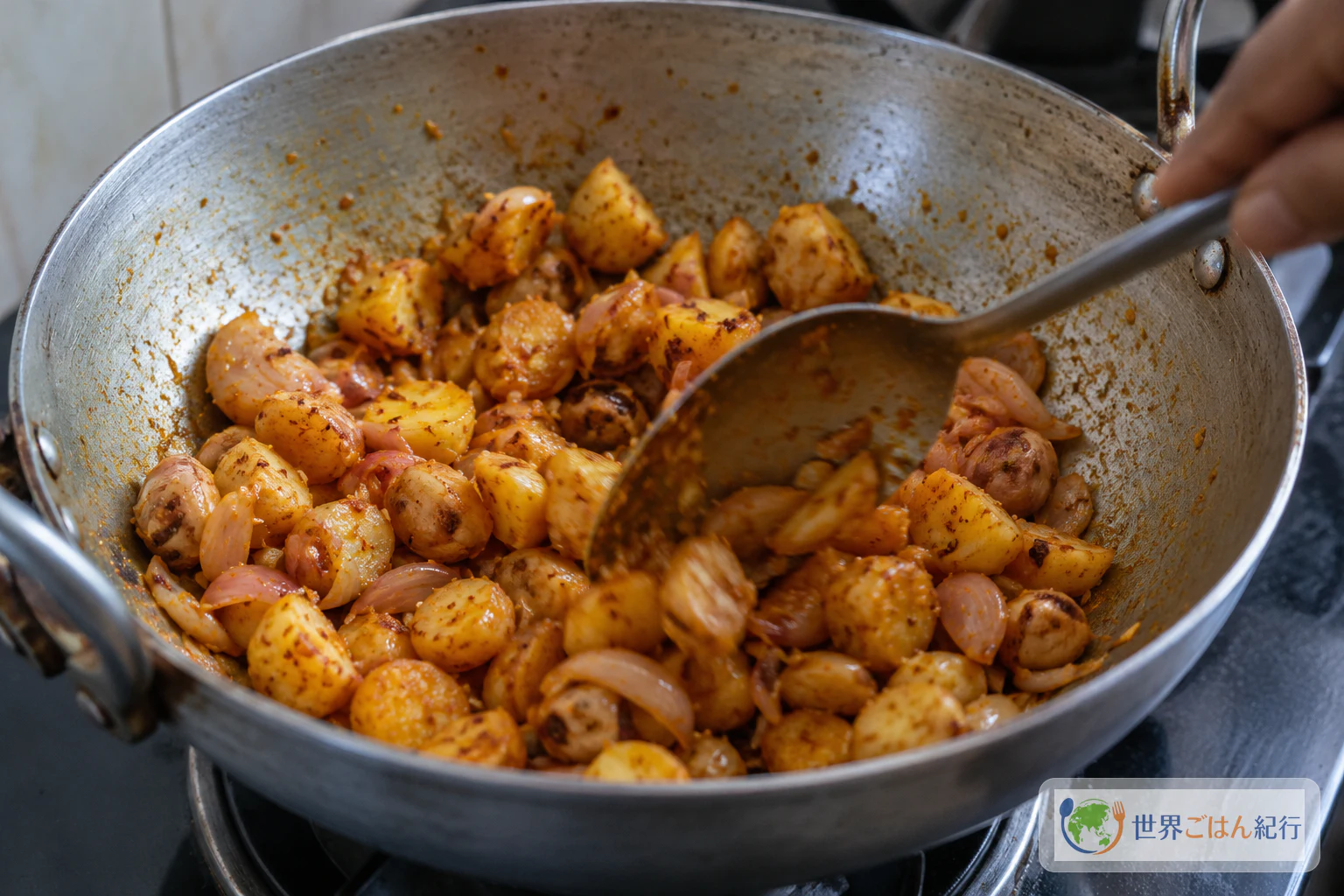
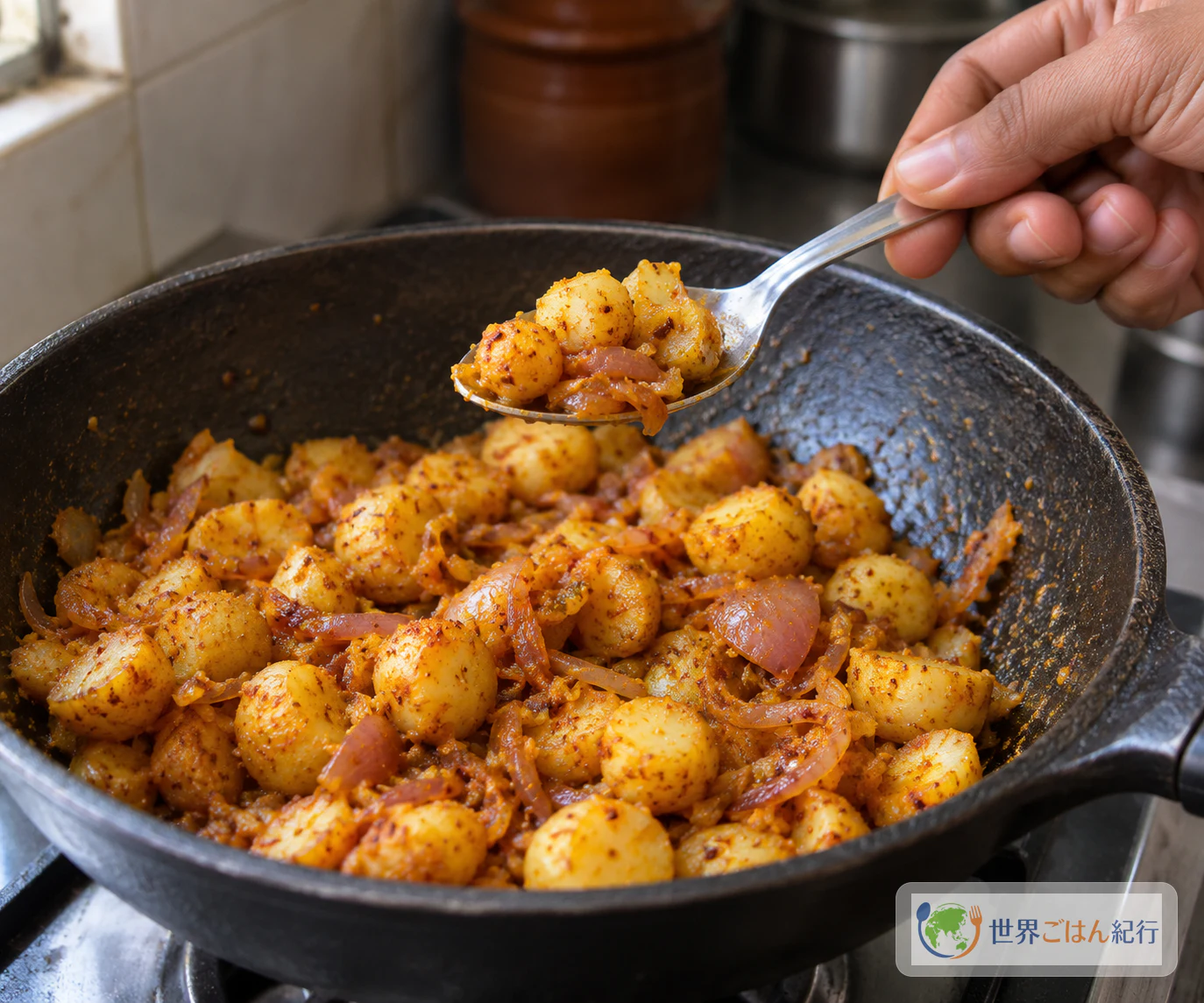
Precook the Koorka until it is fully cooked and soft, then give it only a short stir-fry with shallots in coconut oil. The yellow-to-red color comes from the turmeric and chilly powder in the precooking water.
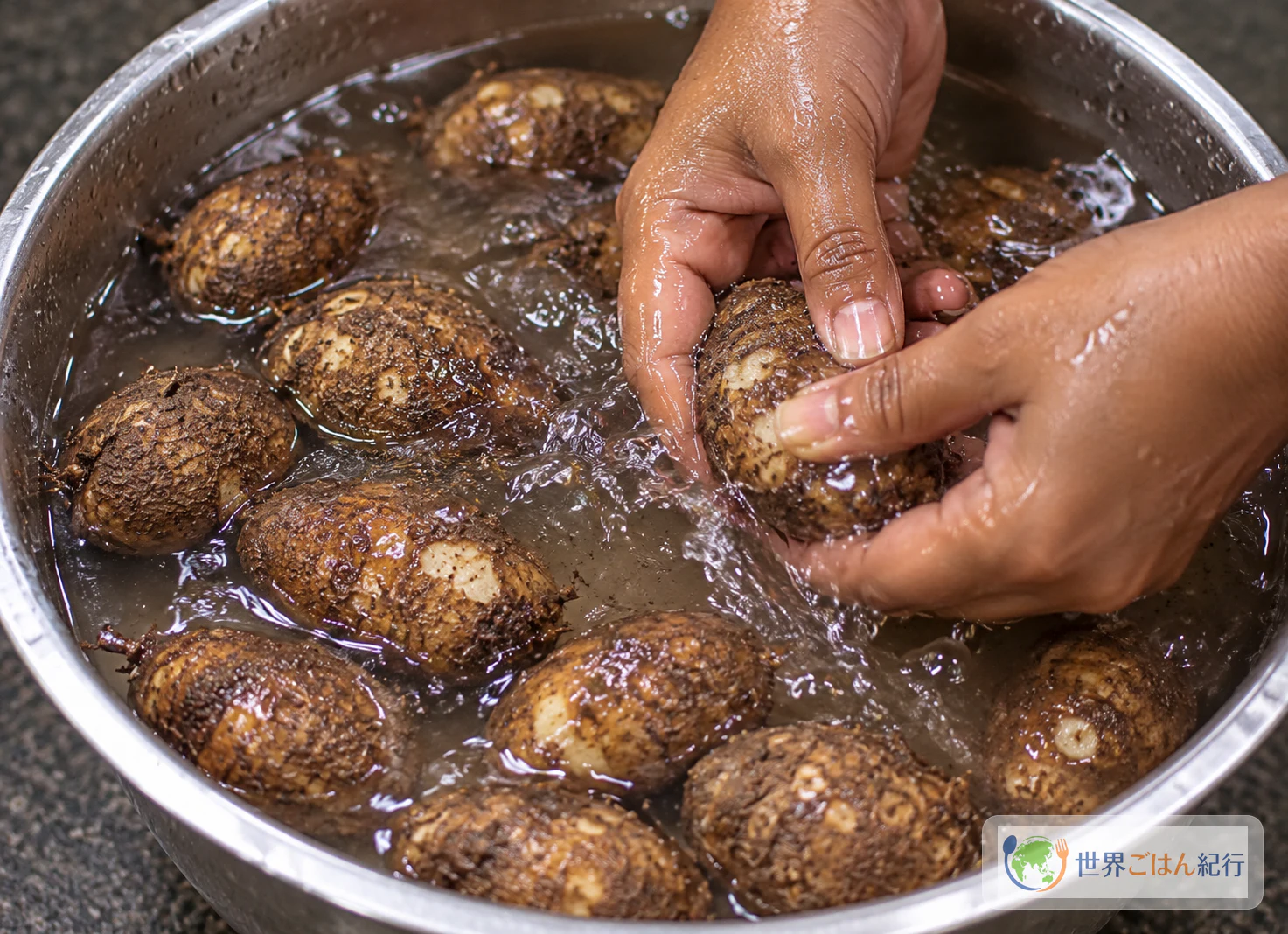
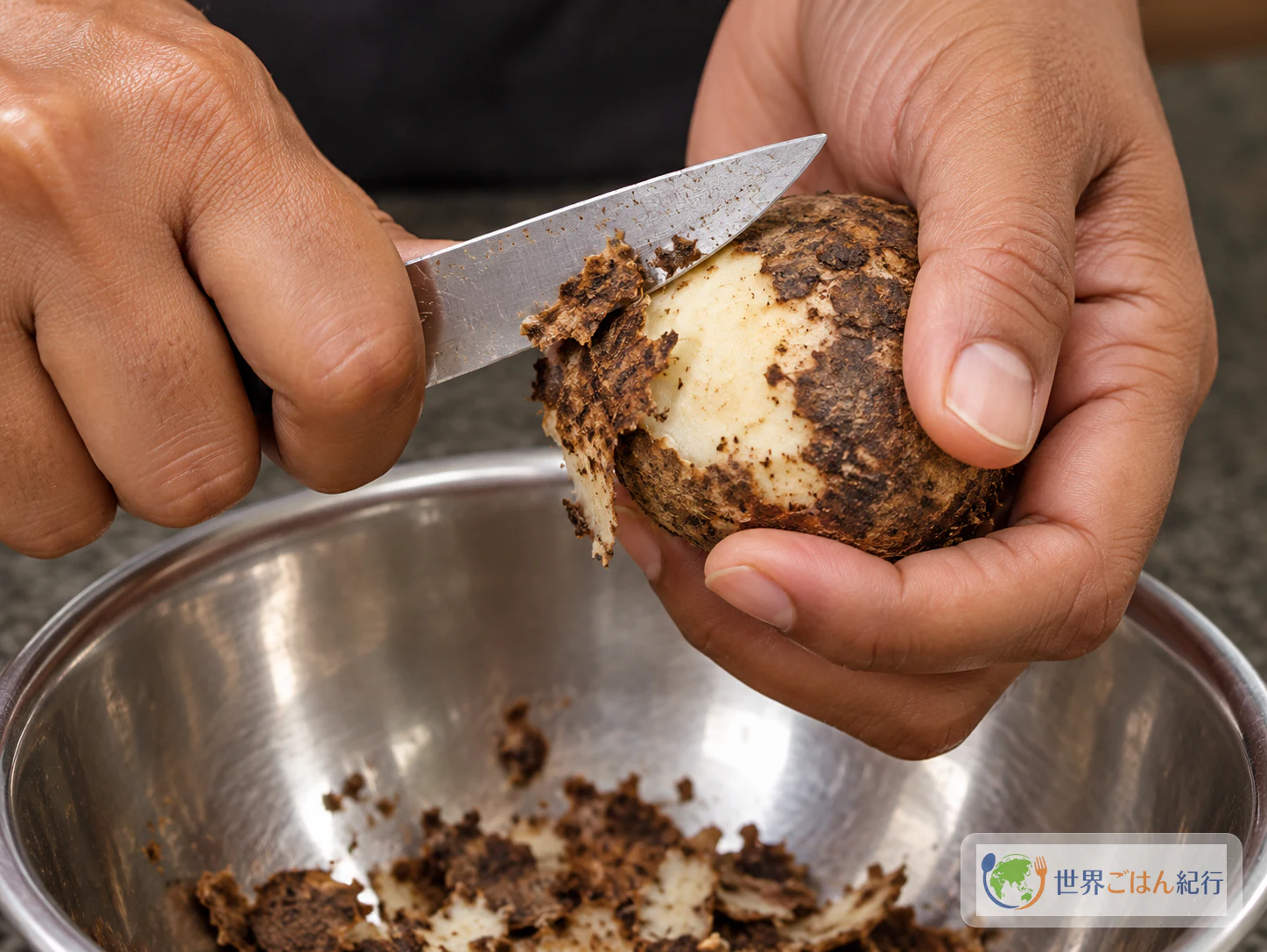
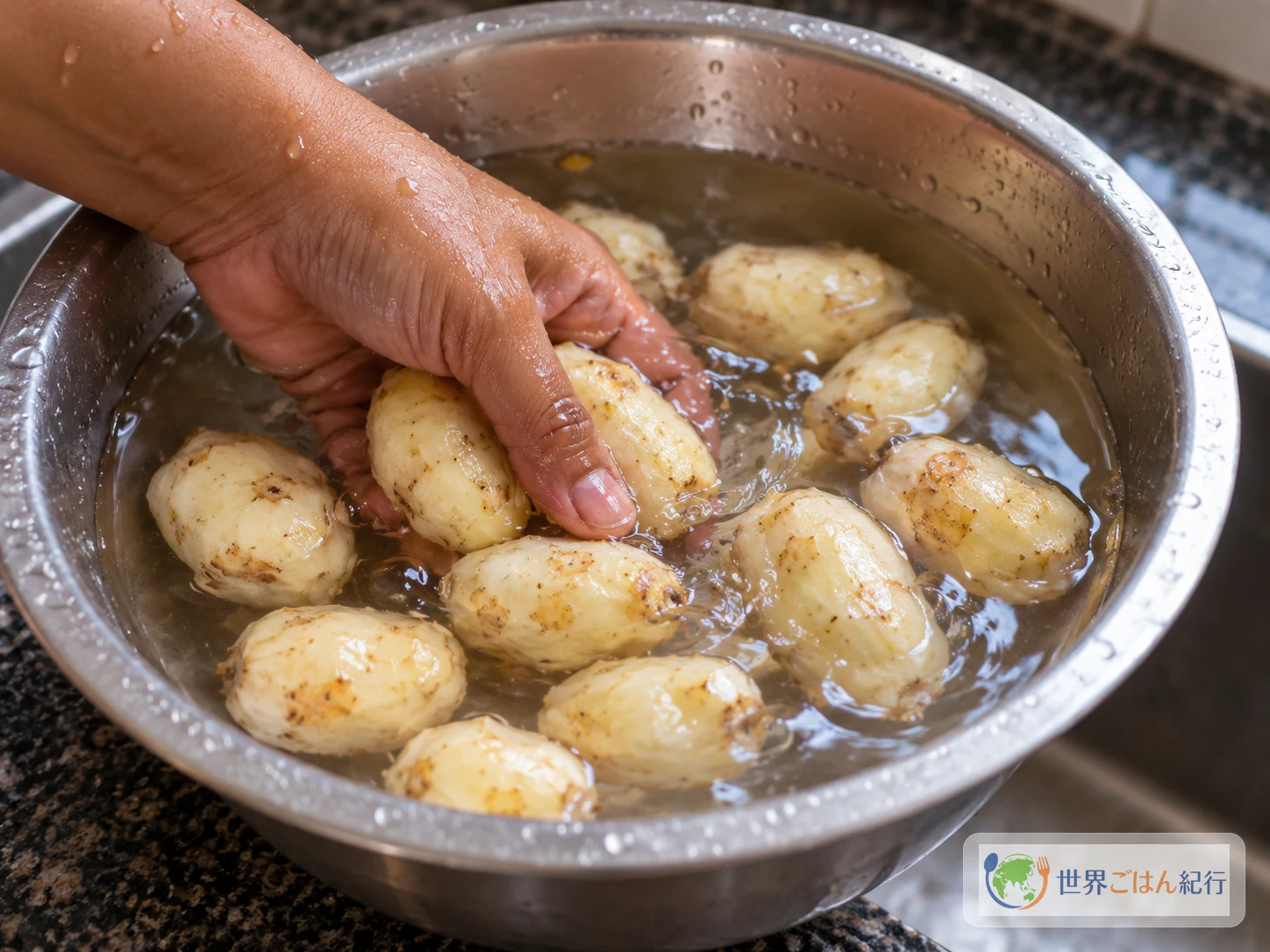
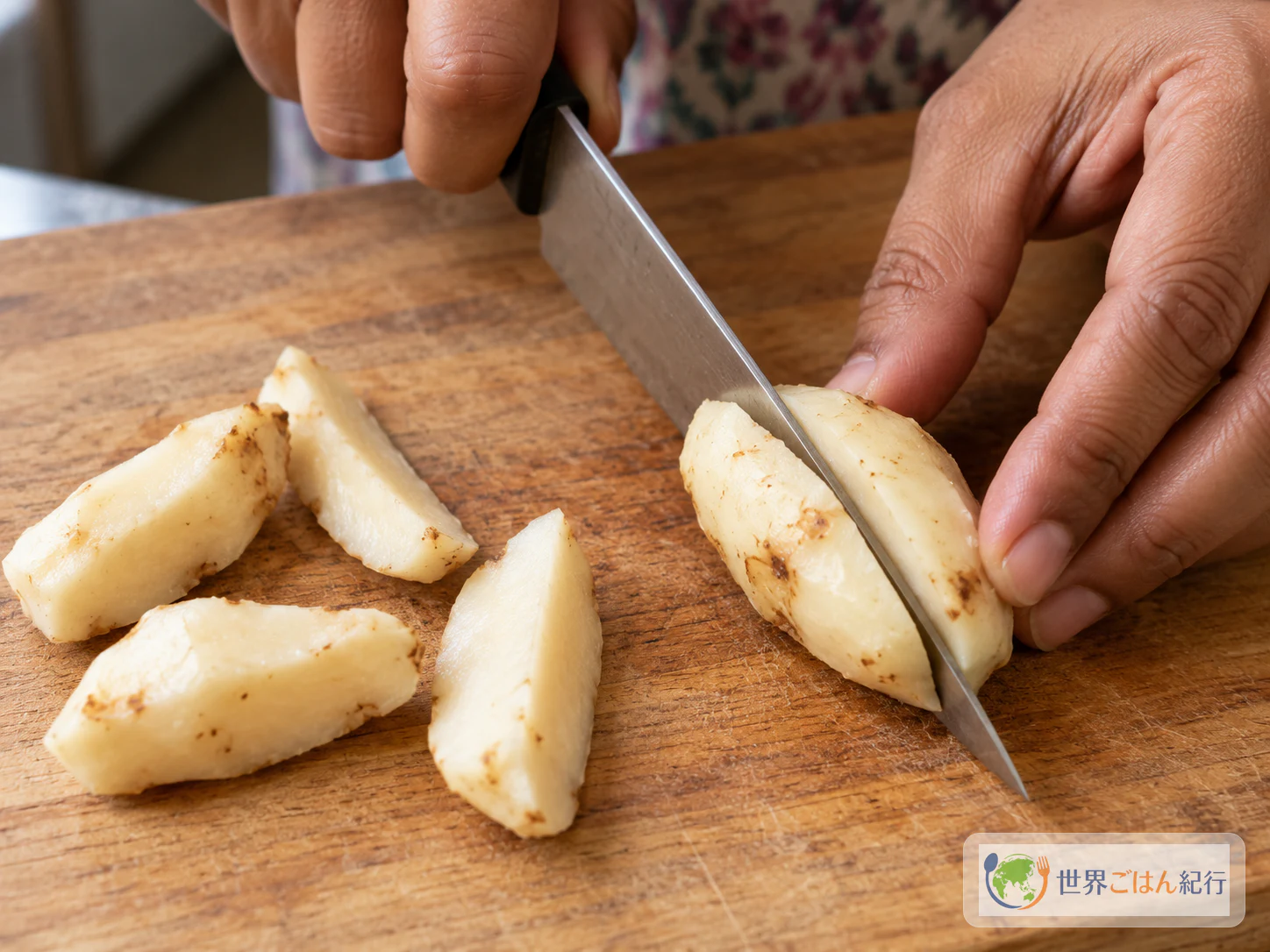
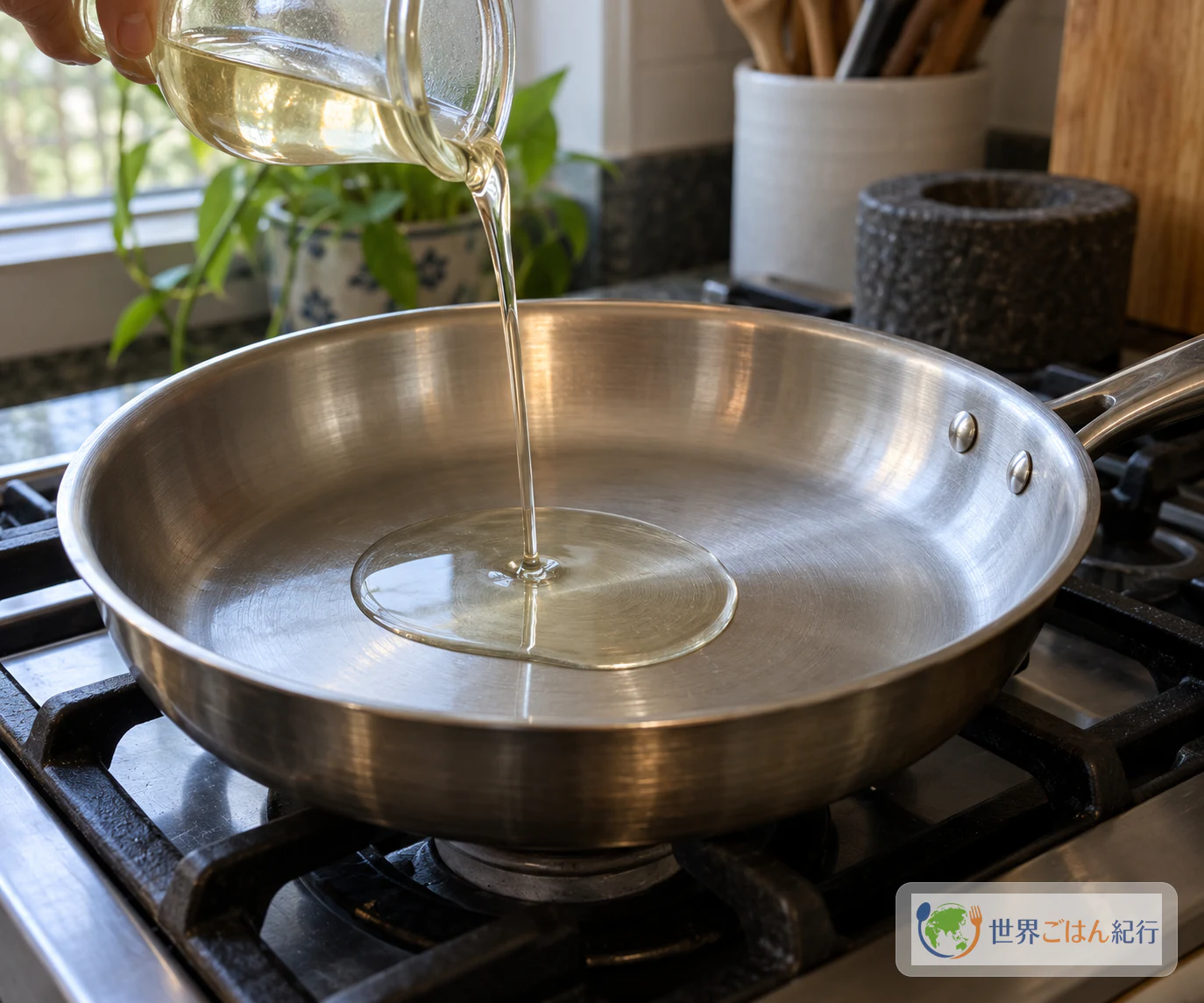
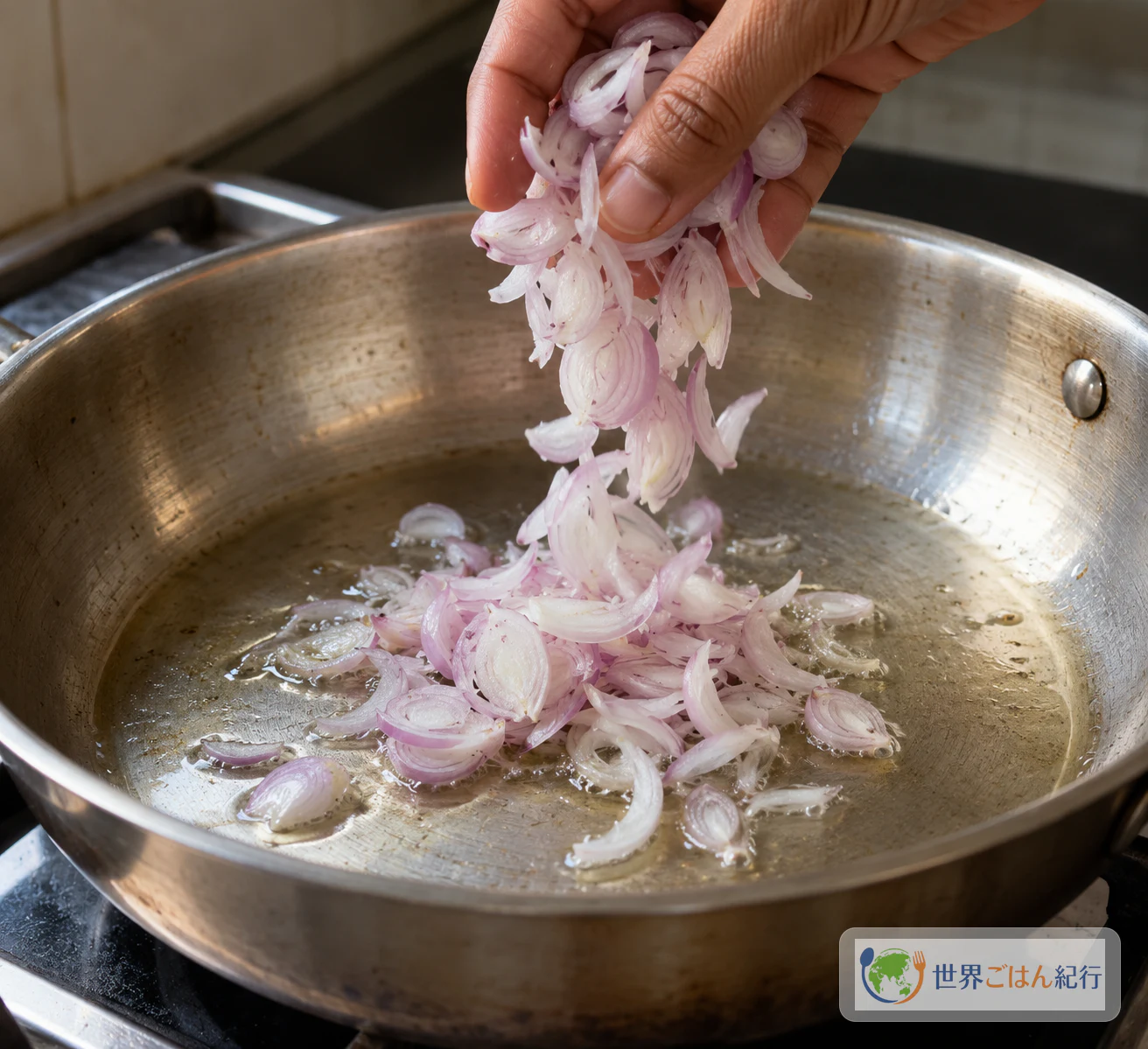
Rough-skinned tubers are washed, scraped and washed again. They are cut lengthwise and simmered with salt, turmeric and chilly powder until soft. Then they go into a pan where thinly sliced shallots have just touched hot coconut oil. That is the whole of Koorkka Mezhukkupuratti as written on the recipe page this article follows: a short list of ingredients and a method that moves from the sink to the pot to the pan.
The catalog name "country potato fry" can mislead. The tuber here is Koorka, sold in English as Chinese potato. It is not the ordinary potato and not a yam. This recipe is written for Koorka itself, so the steps below assume you have found it.
The recipe page titles the dish "Koorkka Mezhukkupuratti/Chinese Potato Stir-fry." In Malayalam script the dish name is written കൂർക്ക മെഴുക്കുപുരട്ടി. You will also see the tuber spelled Koorka or Koorkka, and the Malayalam name Koorkakizhangu.
Which Recipe This Follows
This article follows one written recipe: "Koorkka Mezhukkupuratti/Chinese Potato Stir-fry" on Yummy O Yummy. The page is dated February 27, 2011, and the page's author profile shows the name Maya Akhil. The recipe text itself does not carry a separate byline.
The page files the recipe under Kerala and Vegetarian and suggests serving it with rice. It is presented here as one home recipe from that page. It is not offered as the single standard version of the dish.
The amounts, ingredients and order below all come from that one page. They are not blended with other recipes. The page lists some optional additions; this article keeps to the basic, soft-cooked version made with shallots.
Ingredients: Serves 4, in the Source's Own Units
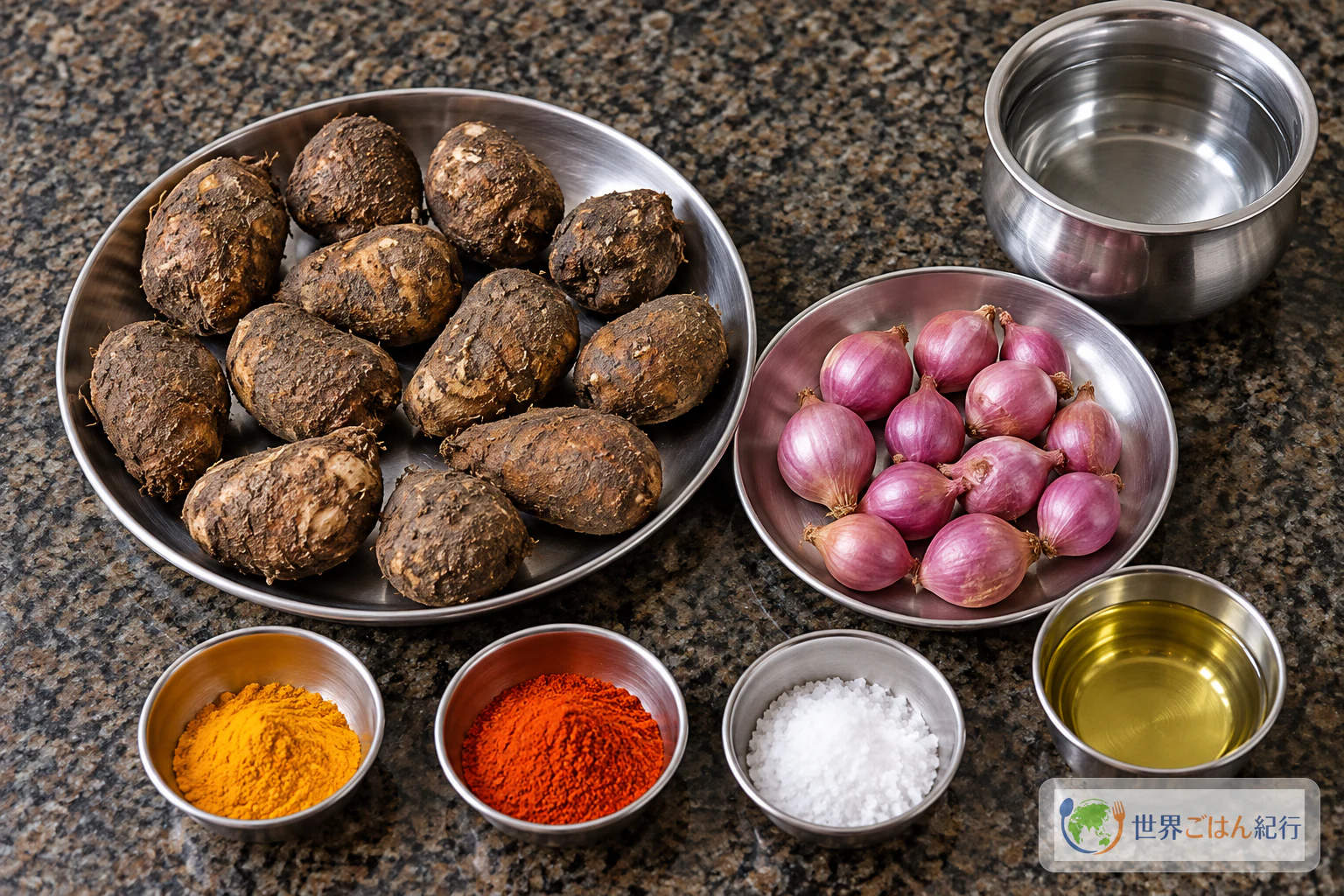
The source counts the Koorka and shallots in pieces and gives no size or weight for either. It also gives no measured amount for the precooking water. The amounts below are left exactly as written, without conversion.
Rice is the page's serving suggestion. It is not part of the recipe's ingredients.
Equipment
- A bowl of water for washing the tubers
- Something to scrape the skin with (the source doesn't name a tool)
- A knife and cutting board
- A pot for precooking (the source doesn't specify the pot, a lid or the heat)
- A pan for heating the coconut oil and stir-frying
- A spoon for tasting
Choosing and Identifying Koorka
Look for the tuber by name: Koorka, Koorkka, Koorkakizhangu or Chinese potato. The India Flora Online record from the Indian Institute of Science's Herbarium JCB lists the plant as Plectranthus rotundifolius (Poir.) Spreng., in the family Lamiaceae. It gives "Chinese potato" as the common name and Koorka and Koorkakizhangu among its Malayalam names. The record notes that the plant is cultivated for its edible tubers.
The English name "Chinese potato" does not mean an ordinary potato, and Koorka is not a yam. This recipe offers no substitute for it.
The source gives only a count of 10–12 for the Koorka and says nothing about its size. Don't try to work out a weight from the count. In step 5, the cue that matters is that the pieces are fully cooked and soft.
Method: Wash, Scrape, Precook, Then a Short Stir-Fry
The steps follow the source's order. The source gives no precooking time and no frying heat. Its only time words are "a few seconds" for the shallots and "a few minutes" for the stir-fry, so the steps keep to those words.
Where the Source Leaves Decisions to You
The recipe is short, and several details are simply not written down. This table shows what the source does say. Where it is silent, the table says so instead of filling the gap.
| Question | What the source says | How to proceed within it |
|---|---|---|
| How big are the tubers? | Only a count: 10–12 Chinese potatoes | Cut the pieces lengthwise to 1.5 inches long, and judge doneness in step 5 by softness |
| How much water for precooking? | "Enough water" | No measured amount is given |
| How long to precook, and at what heat? | Until "fully cooked and soft" | Use softness as the signal. No time, heat, lid or pressure cooking is specified |
| What happens to the precooking water? | The method moves from precooking straight to adding the cooked Koorka to the pan | The source gives no further instruction on the cooking liquid |
| How hot should the frying pan be? | Not specified for this version | The source's time words are "a few seconds" for the shallots and "a few minutes" for the stir-fry |
| How much salt? | "To taste," in the precooking water and at the end | Taste in step 10 before switching off |
| How spicy? | Chilly powder 1–1.5 tsp "or as required" | Adjust within that wording |
Another Koorka Stir-Fry, Kept Separate
Koorka stir-fries are not written one way only. A separate recipe, "Koorka Mezhukupuratti (Upperi) | Chinese Potato Stir Fry" by Julie on Erivum Puliyumm (published 2015-10-06), takes a different approach. It measures the Koorka at 400 g with 7–8 large shallots and lists 4–5 servings. It also adds garlic, coconut pieces, dried red chilli, chilli powder, garam masala, mustard, curry leaves and 2–3 tbsp oil.
For fresh Koorka, that recipe pressure-cooks to two whistles and drains the excess water. It describes an optional crisping finish on high heat for 2–3 minutes and notes that the oil can be adjusted for a softer result.
That recipe is a different one, with its own amounts and method. None of its ingredients, pressure cooking, draining or crisping are part of the recipe in this article. Comparing the two shows that versions vary, but it says nothing about how every Kerala household cooks.
The Dish on Its Page and Table
The recipe page sorts this dish under Kerala and Vegetarian and pairs it with rice. Its ingredients are Koorka, shallots, coconut oil, turmeric, chilly powder and salt. The method has two stages: the tuber is first made fully soft in seasoned water, then finished briefly in the pan with shallots.
For more dishes from across the country, see India.
Frequently Asked Questions
Before anything else, make sure the tuber you have is Koorka (Chinese potato). Everything else in the method depends on it.
Is "Chinese potato" the same as an ordinary potato?
No. The India Flora Online record identifies Chinese potato as Plectranthus rotundifolius, in the family Lamiaceae, and lists Koorka and Koorkakizhangu among its Malayalam names. It is not the ordinary potato and not a yam. This recipe is written for Koorka.
How long should I precook the Koorka?
The source gives no time. It says to cook the pieces in enough water with salt, turmeric and chilly powder until they are fully cooked and soft. Use that softness as your signal.
Why are the pieces cut to 1.5 inches?
That is the length the source gives for the lengthwise pieces. It is a length, not a thickness. The source does not give a thickness.
What heat should I use for the stir-fry?
The source doesn't give one for this version. It says to sauté the shallots for a few seconds and stir-fry with the cooked Koorka for a few minutes.
What do I serve it with?
The recipe page suggests rice.
Sources
- Yummy O Yummy, "Koorkka Mezhukkupuratti/Chinese Potato Stir-fry," page dated February 27, 2011; the page's author profile shows Maya Akhil. The followed recipe: ingredients and amounts, Serves 4, the method from washing to the final salt check, the Kerala and Vegetarian filing, and the suggestion to serve with rice. https://www.yummyoyummy.com/2011/02/koorkka-mezhukkupurattichinese-potato.html
- Julie, "Koorka Mezhukupuratti (Upperi) | Chinese Potato Stir Fry (Step by Step Pics)," Erivum Puliyumm, 2015-10-06. A separate recipe, used only for comparison: its 400 g measure, added ingredients, 4–5 servings, pressure-cook and drain step, and optional crisping finish. https://www.erivumpuliyumm.com/2015/10/koorka-mezhukupuratti-chinese-potato.html?showComment=1444473392493
- India Flora Online, Herbarium JCB, Centre for Ecological Sciences, Indian Institute of Science (K. Sankara Rao and Deepak Kumar), "Plectranthus rotundifolius (Poir.) Spreng." Used only to identify the ingredient: the scientific name, the family Lamiaceae, the common name Chinese potato, and the Malayalam names Koorka and Koorkakizhangu. https://indiaflora-ces.iisc.ac.in/herbsheet.php?cat=13&id=9274