Gol Papdi: Flour That Turns Golden in Ghee, Cut While Still Warm
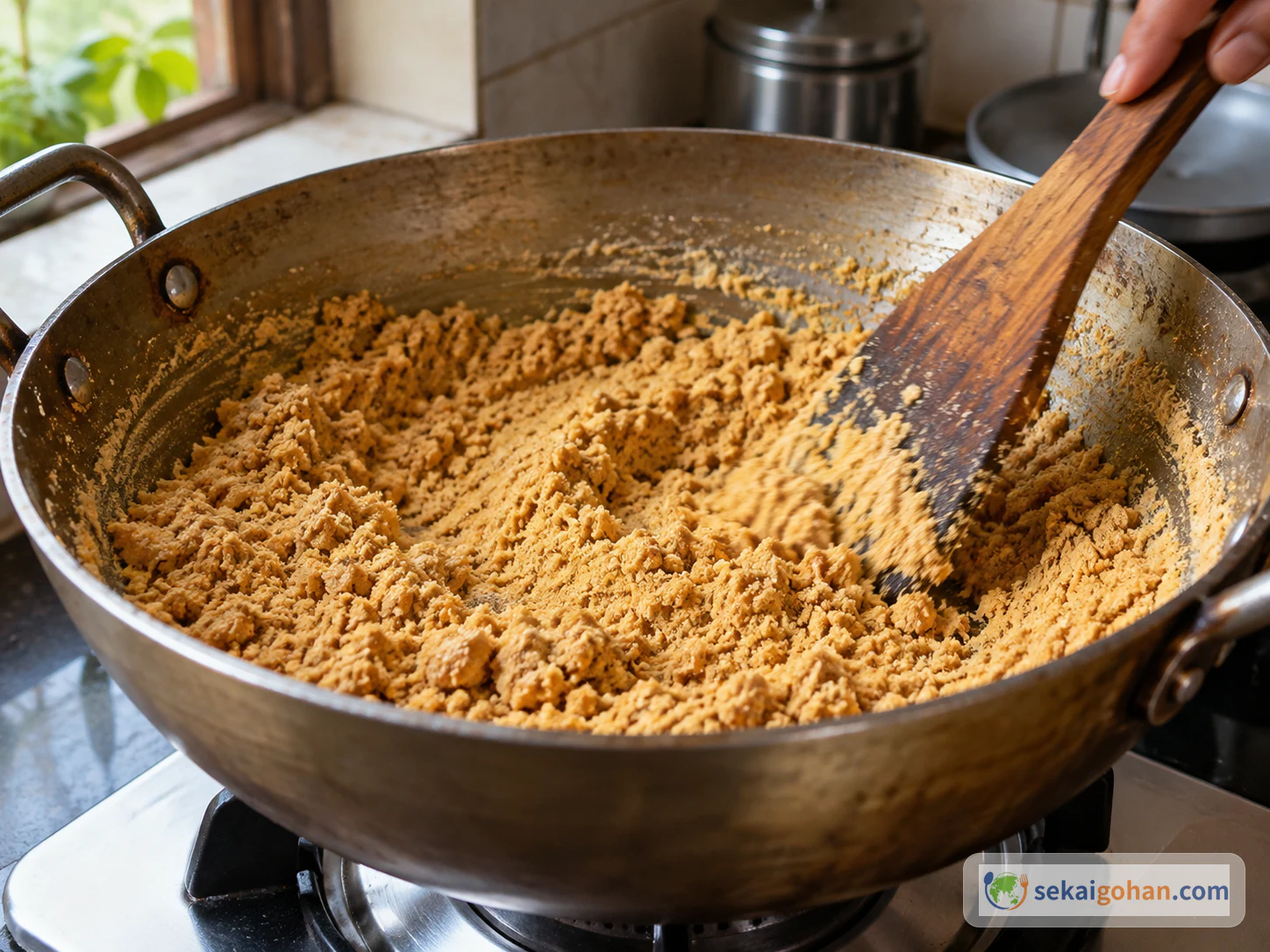
Roast the flour slowly in ghee until it smells toasty and turns golden to brown. Take the pan off the flame before the jaggery goes in, then spread and cut quickly while the mixture is still warm.
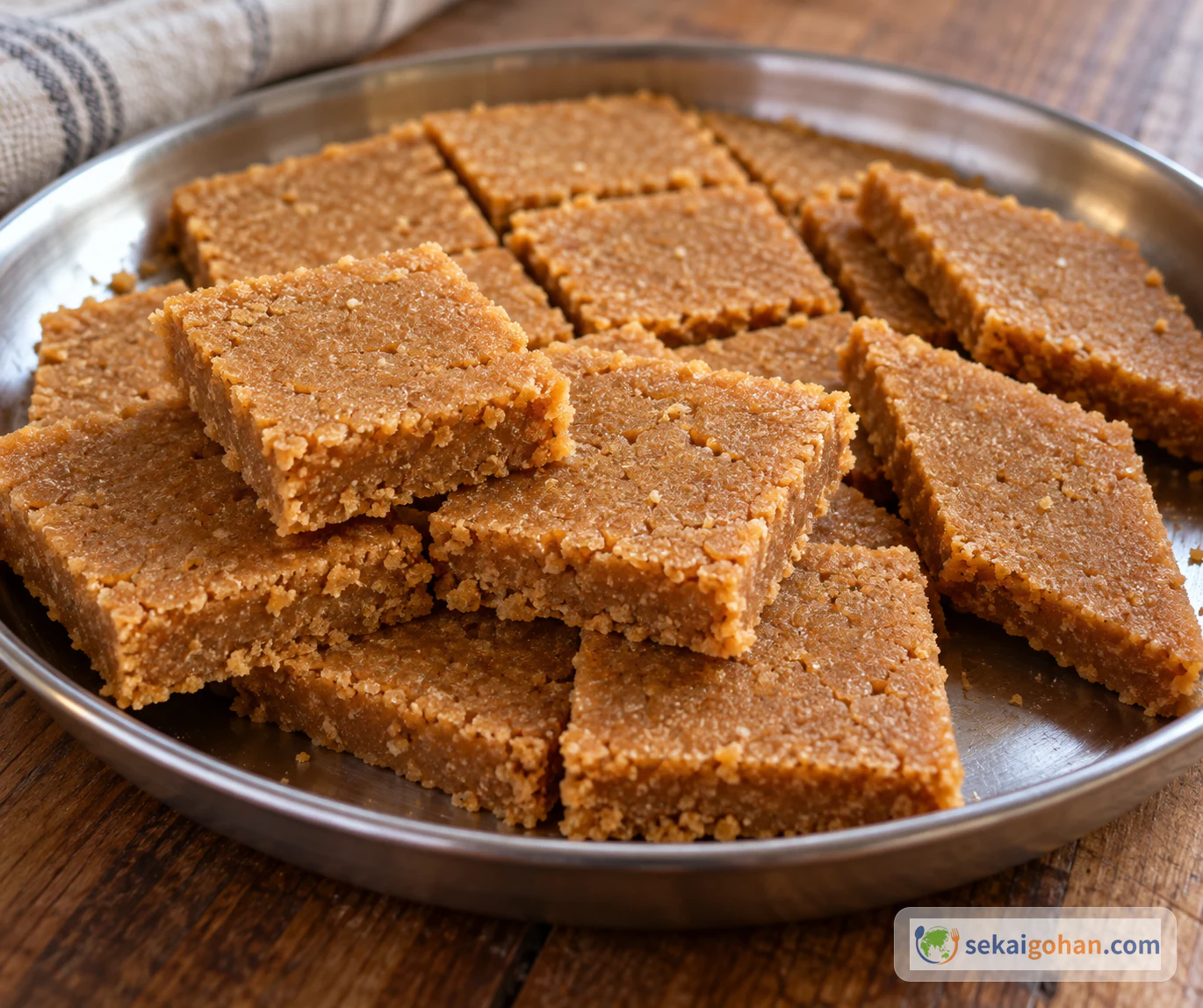
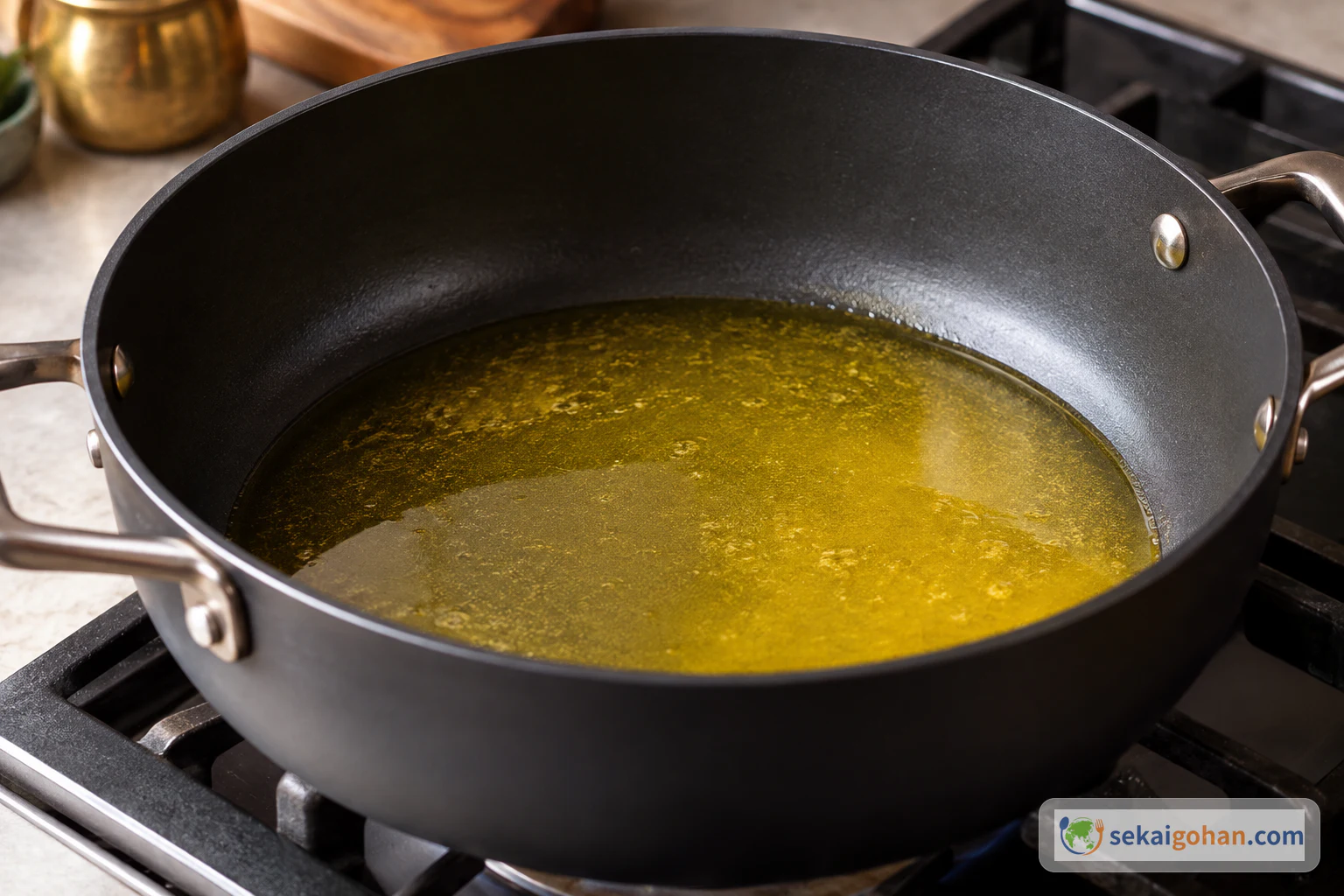
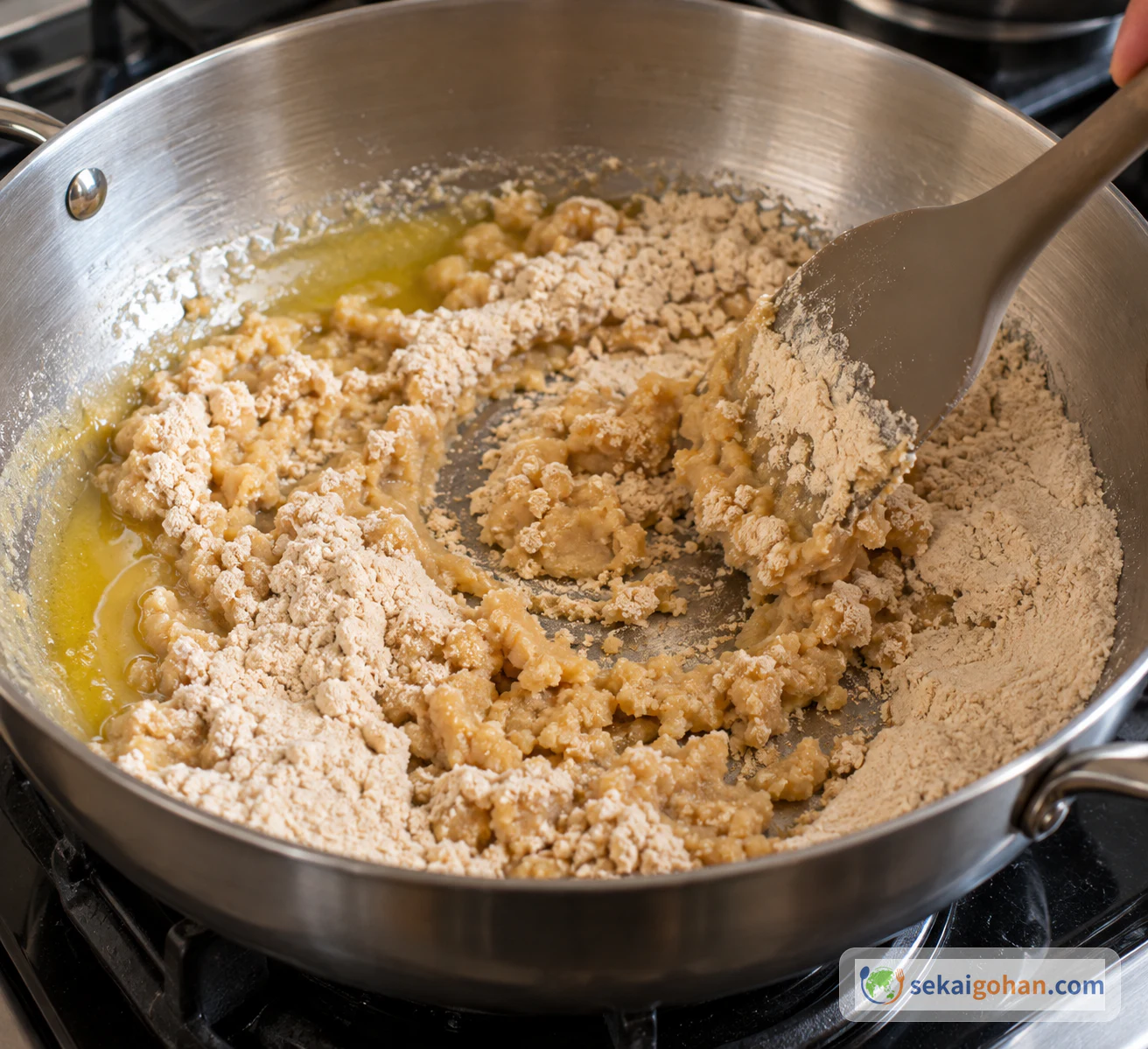
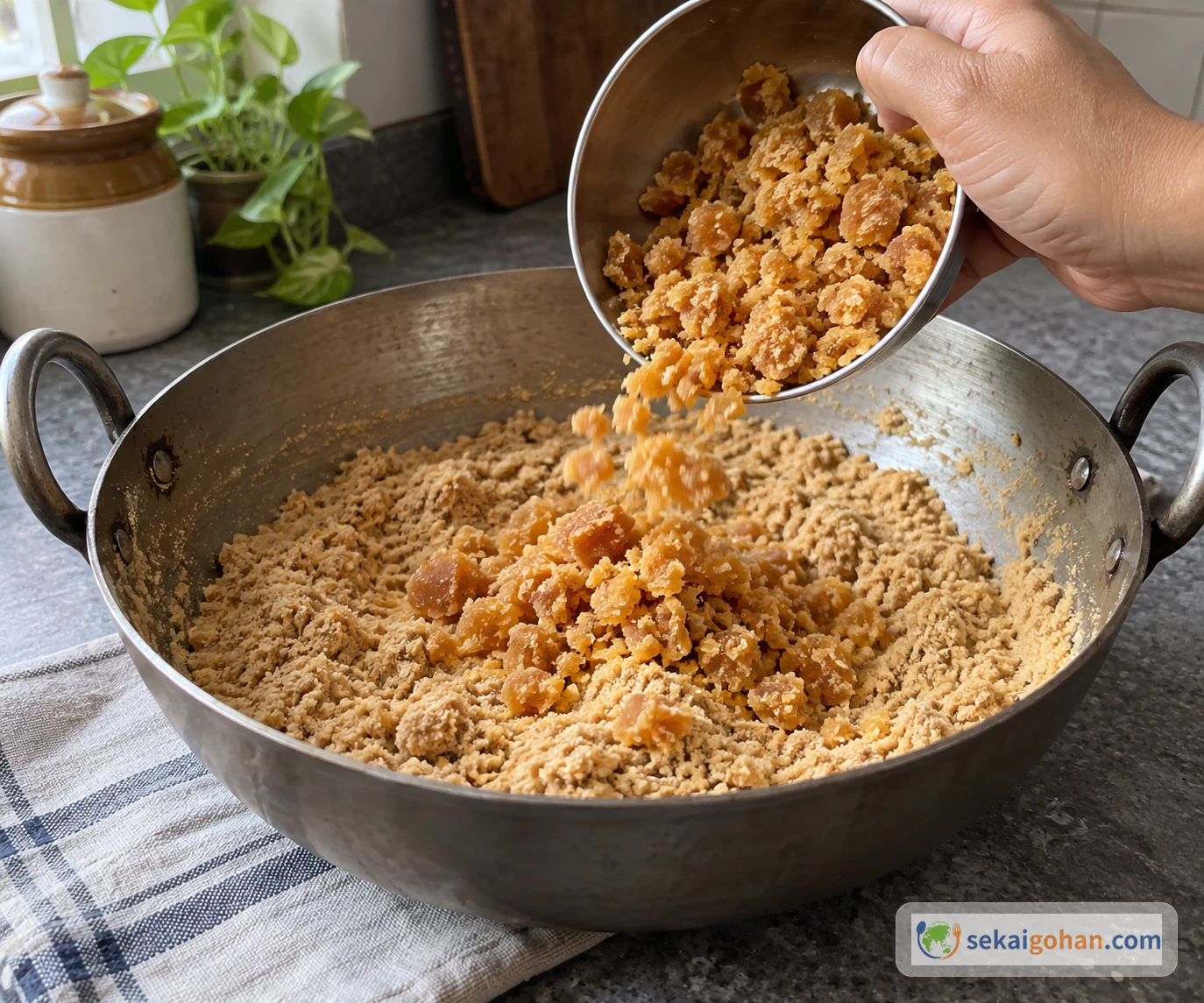
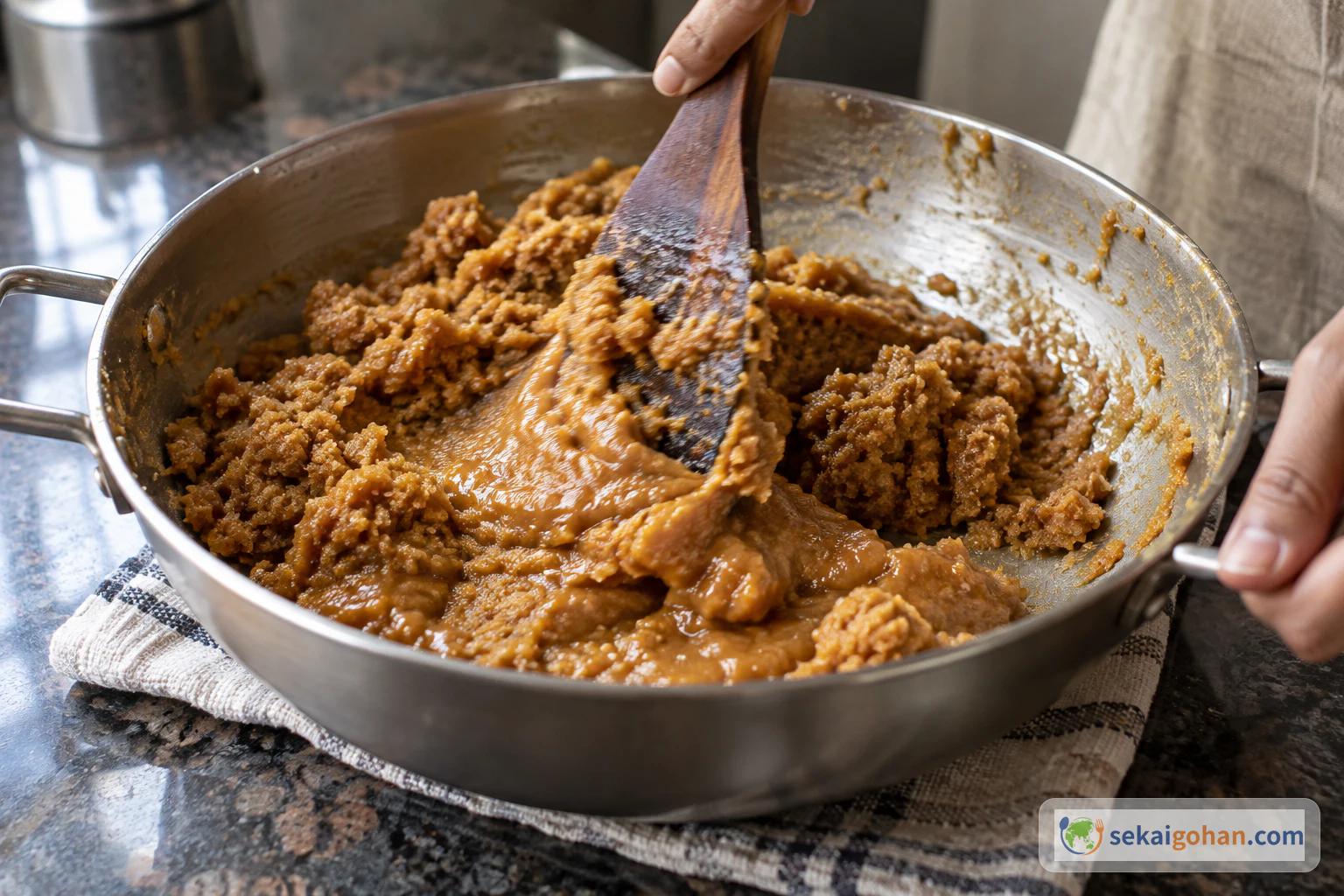
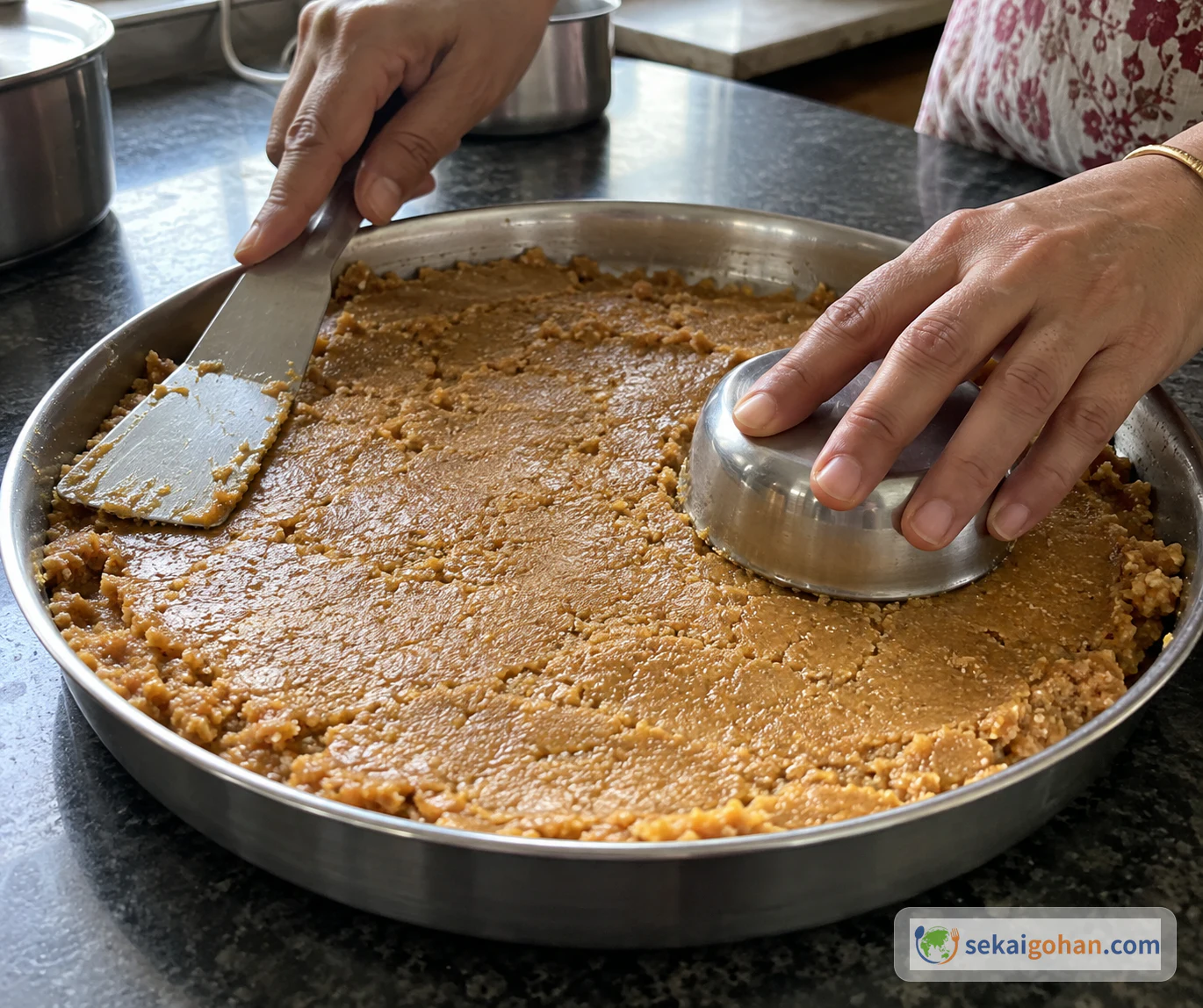
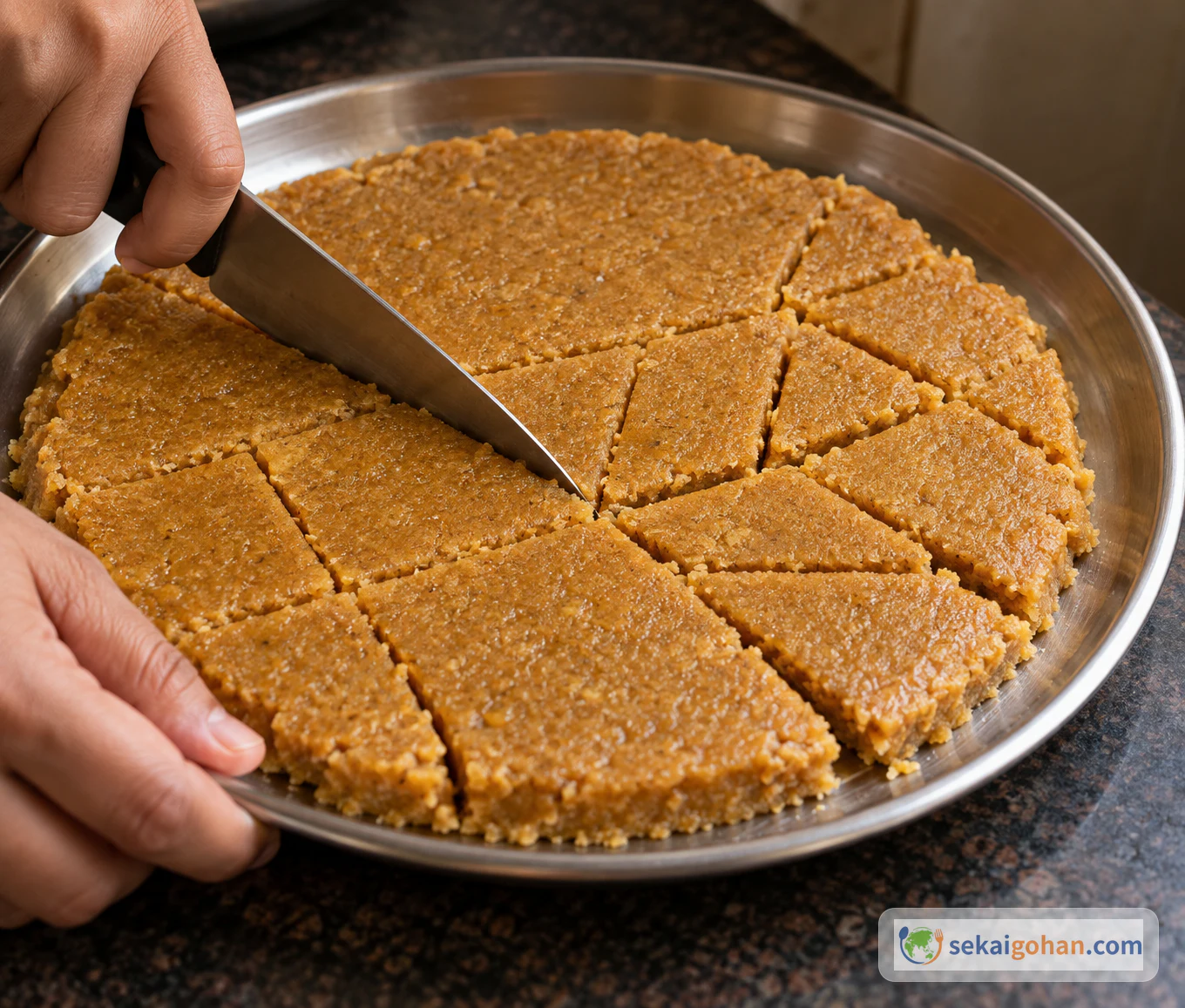
Whole wheat flour goes into warm ghee, and the spatula never stops moving. Over several minutes on low-medium heat, the pale, pasty mixture loosens, takes on a golden-brown color and starts to smell toasted. Then the pan comes off the heat, grated jaggery is stirred through, and the whole mass is pressed flat into a greased plate and cut into squares or diamonds before it cools.
This is gol papdi, a sweet from Gujarat in western India. The cook Zeel Patel, whose recipe this article follows, presents it under the title "Sukhdi (Golpapadi)" and explains that Sukhdi and Golpapdi are names for the same Gujarati sweet. She writes that she learned the recipe from her mother.
The base version uses just three ingredients: whole wheat flour, ghee and jaggery. There is no water, no extra fat and no spice in it. With so few ingredients, nearly everything depends on two moments: how far you roast the flour, and how quickly you work once the jaggery is in.
You will see Gol papdi, Golpapdi, Golpapadi, Gud papdi and Sukhdi. Zeel Patel explains "Gol" as jaggery and "Papdi" as a thin layer. Searching with "Sukhdi" as well as "gol papdi" helps you find more versions of the same sweet.
What Gol Papdi Is: A Gujarati Sweet with Two Names
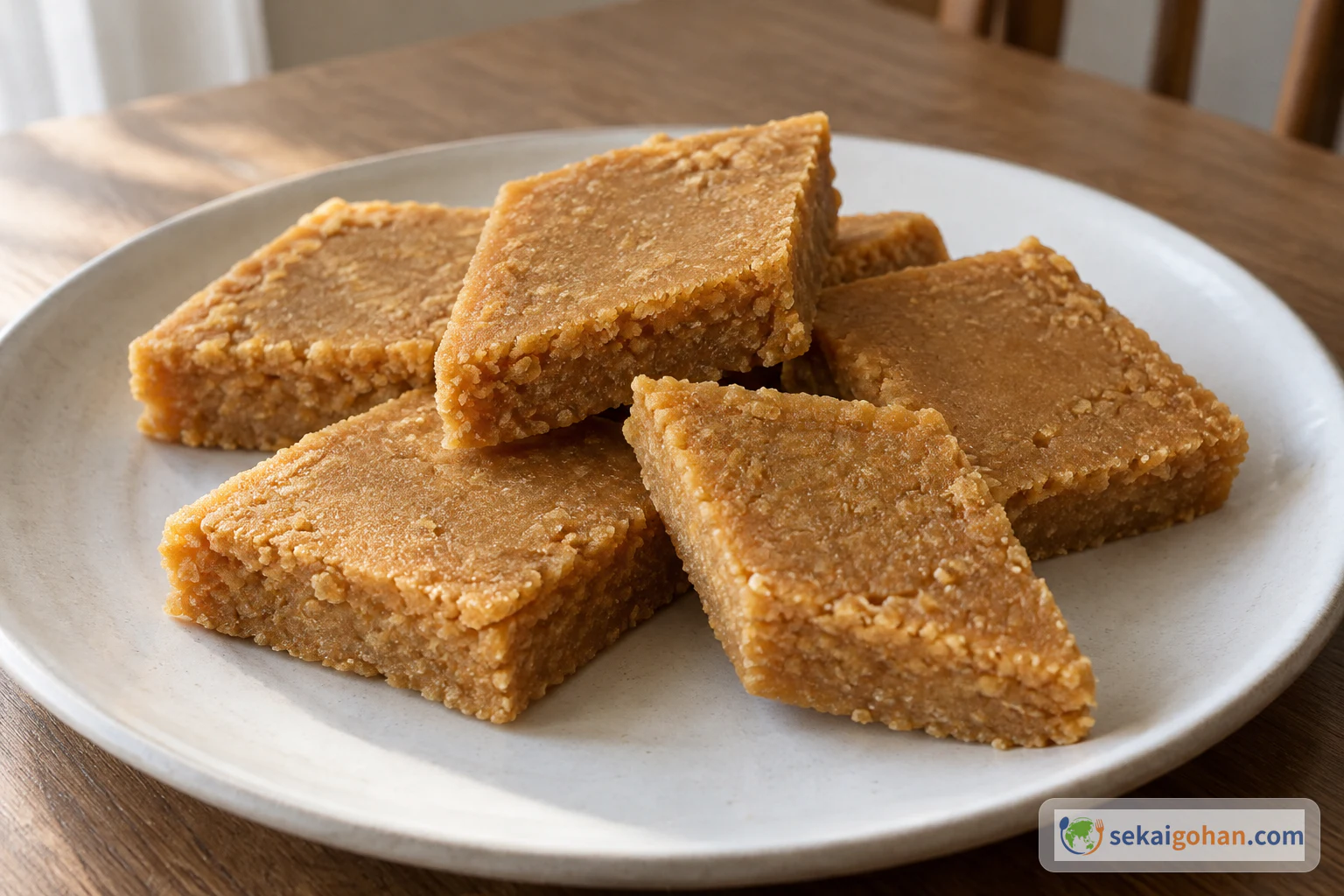
Gol papdi is a sweet that turns roasted wheat flour and jaggery into one firm slab. A Gujarat NRI Division page headed "Gujarati sweets" lists Gol Papdi among the region's sweets. That page is only a list; it gives no recipe or cultural detail, so it tells us where the name belongs rather than how the sweet is made.
The second name, Sukhdi, also appears in research. A 2020 study by Gita Rathod and Nilambri R. Dave on standardizing Gujarati sweet recipes, based on a survey of families in Saurashtra and laboratory preparation, uses the heading "Gol papdi (Sukhdi)" for one of its recipes. That study recipe is a separate version measured in grams with its own proportions. It is not mixed into the recipe below, which follows Zeel Patel's card from start to finish.
Zeel Patel also connects the sweet with festivals and special occasions, and mentions it as prasad at Mahudi. These are her own descriptions; they are not a claim that every household makes it the same way or on the same days. Home recipes for gol papdi vary, and this article shows one of them in full rather than averaging several.
Ingredients: One Plate, in the Recipe's Own Measures
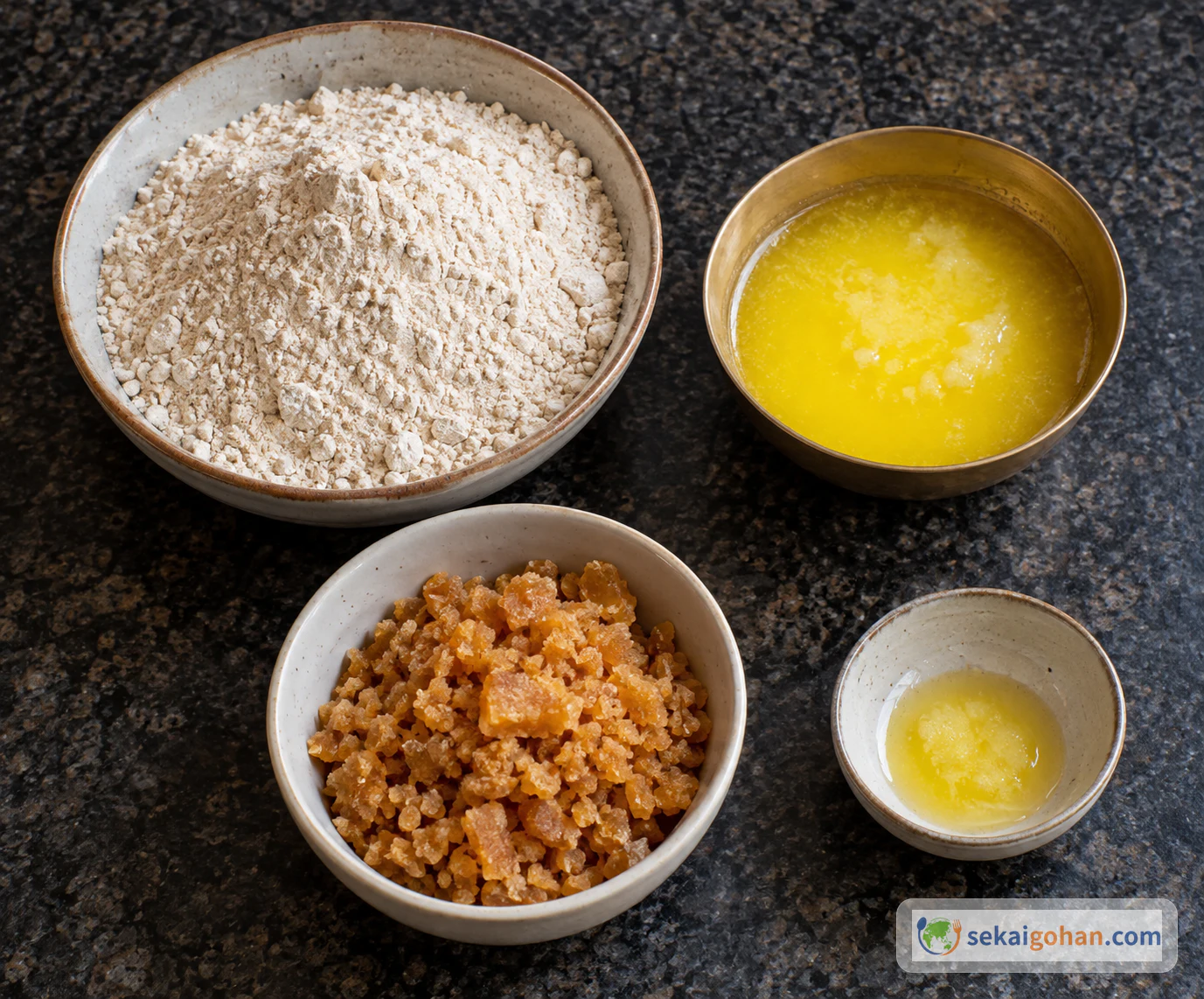
The recipe makes one plate. 1 cup = 250 ml, 1 tbsp = 15 ml and 1 tsp = 5 ml.
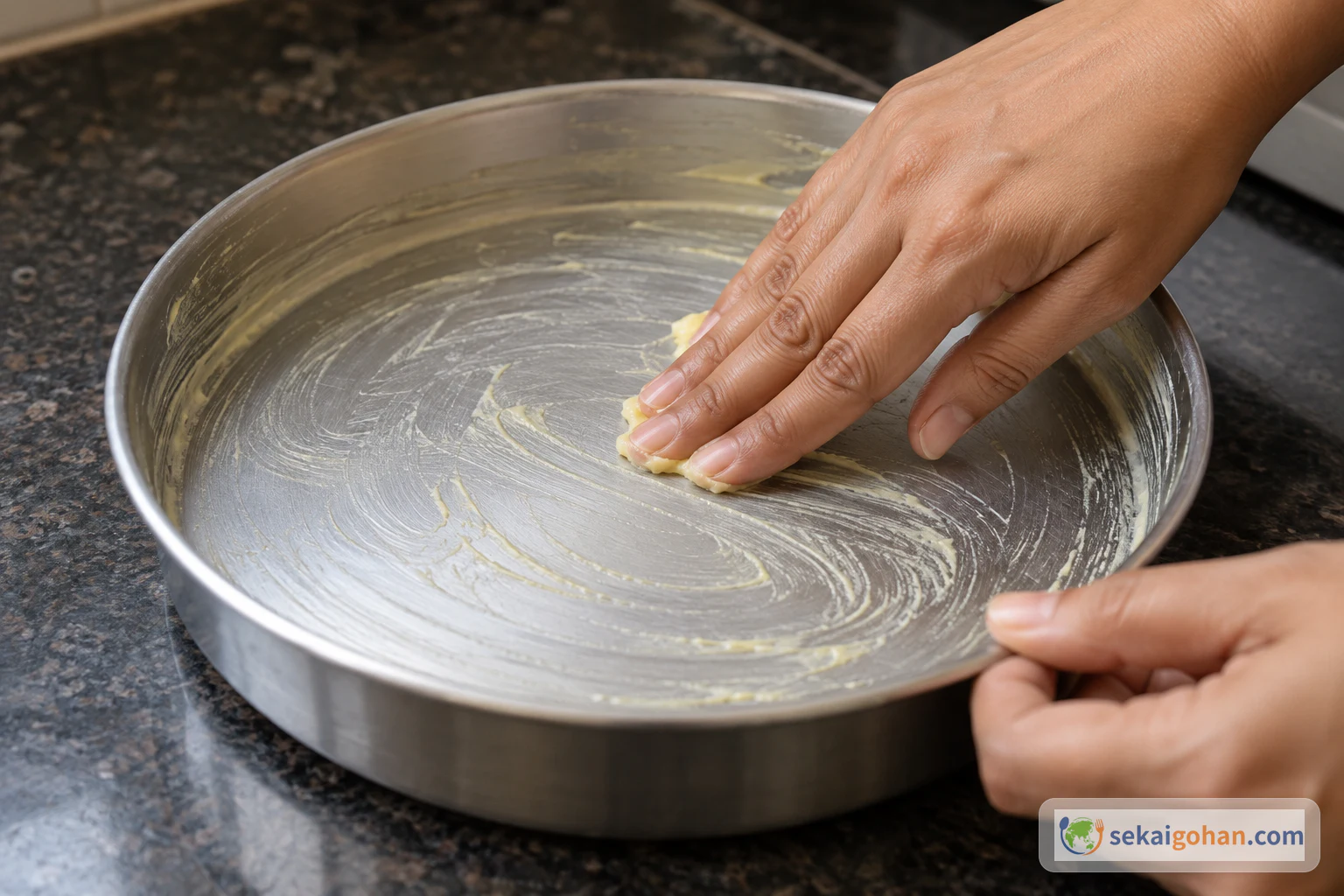
Keep the two portions of ghee apart. The 1/2 cup + 1 tbsp goes into the pan; the 1/4 tsp only coats the plate. Nothing else goes into the base recipe: no water, oil, salt, spice or nuts.
Choosing the Ingredients and Substitutes
Whole wheat flour is the flour to use. In Gujarati it is called bhakhari no lot or kakro lot. This recipe does not swap in plain white flour or other flours.
Jaggery is a solid, unrefined sweetener sold in blocks or as grated or powdered product, often labeled gur. Other unrefined or brown sugars are not confirmed to behave the same way in this recipe, so they are not offered here as an equal swap. If you use something else, treat it as a different result rather than the recipe as written.
Ghee is clarified butter. Check the label on store-bought ghee, especially if you are cooking for someone with a milk allergy.
This sweet contains wheat (gluten) and milk (from the ghee). Check the labels of the flour, ghee and jaggery you buy for allergen and shared-facility statements. The pan and the ghee stay very hot after the flame is off, so handle the pan carefully when you move it and when you mix in the jaggery.
Equipment
- Deep, heavy-based nonstick pan
- Spatula
- A plate for setting the sweet
- Small steel katori (a small metal bowl), for pressing the mixture flat
- Grater or knife, for preparing the jaggery
- Knife, for cutting
Method: Roast Slowly, Then Work Fast
Allow 5 minutes of prep and 15 minutes of cooking, 20 minutes in total. Within that, the flour itself is roasted for about 8–10 minutes. Judge the end of the roast by color and aroma rather than by the clock alone, since pans and burners differ.
Have everything ready before you light the stove: the plate greased, the jaggery already grated or chopped, the katori and knife within reach. Once the jaggery is in, there is no time to go looking for tools.
Troubleshooting: Raw, Scorched, Lumpy or Hard to Cut
With only three ingredients, most problems come from the roasting or from timing after the jaggery goes in.
| Condition | Likely cause | What to do |
|---|---|---|
| Tastes floury and pale | The flour was not roasted long enough | Next time, keep stirring on low-medium heat until the flour is golden to brown and clearly aromatic |
| Dark specks or a burnt smell | Heat too high, or stirring stopped | Keep the heat at low-medium and stir continuously. Don't raise the heat to shorten the roast |
| Lumps of jaggery in the slab | The jaggery was in large pieces | Grate or chop the jaggery finely before you start cooking |
| Uneven mix | Mixing was too slow after the jaggery went in | Have the jaggery, plate and tools ready beforehand and mix quickly |
| Hard to cut, pieces crack | The slab cooled completely before cutting | Cut after a few minutes, while it is still warm |
Variations
Zeel Patel's page lists several optional additions alongside the base: nuts, edible gum (gond), sesame, cardamom, nutmeg and saffron. She presents these as variations, not as part of the basic recipe, and gives the base as whole wheat flour, ghee and jaggery only. Since no amounts for these additions are given here, make the base version first to learn the roast, and treat any additions as your own adjustment.
The Rathod and Dave study recipe for "Gol papdi (Sukhdi)" is another example of how the proportions of flour, jaggery and ghee can differ between versions. If you follow a different recipe, follow its amounts as a whole rather than combining them with the ones above.
Frequently Asked Questions
Are gol papdi and sukhdi the same thing?
Zeel Patel describes Sukhdi and Golpapdi as names for the same Gujarati sweet, and the 2020 Rathod and Dave study also uses the heading "Gol papdi (Sukhdi)." Recipes still differ from household to household, so the same name can come with different proportions.
Why does the jaggery go in off the heat?
The recipe has you turn off the heat and remove the pan from the flame before adding the jaggery, then mix quickly. Following that order, rather than keeping the pan on the burner, is part of the method as written.
How many pieces does this make?
The recipe gives its yield only as one plate. It does not state the plate size, the number of servings or the number of pieces, and the count depends on how you cut it.
Can I use brown sugar instead of jaggery?
Other sugars are not confirmed to give the same result in this recipe, so this article does not present them as a replacement. For the recipe as written, look for jaggery, often sold as gur, and grate or chop it finely.
Can I measure with standard US cups?
The recipe defines its own measures as 1 cup = 250 ml, 1 tbsp = 15 ml and 1 tsp = 5 ml. Measuring by those definitions keeps the proportions the recipe intends.
Sources
- Zeel Patel, "Sukhdi ( Golpapadi )," Zeel's Kitchen, 2014. The adopted recipe: ingredients and amounts, the recipe's own volume definitions, card times, yield of one plate, method, the author's explanation that Sukhdi and Golpapdi are the same Gujarati sweet and of the names, her association of the sweet with festivals, special occasions and prasad at Mahudi, and the optional variations. https://zeelskitchen.com/recipe/sukhdi-golpapadi/
- Gujarat State Non-Resident Gujaratis' Foundation / Gujarat NRI Division, "Gujarati sweets." Gol Papdi listed on a page of Gujarati sweets. https://nri.gujarat.gov.in/nrigujarat/Home/gujaratisweets
- Gita Rathod and Nilambri R. Dave, "Standardization of Gujarati sweets recipes and assessment of their nutritive values," Asian Journal of Home Science 15(2), 2020. A study based on a survey of families in Saurashtra that uses the heading "Gol papdi (Sukhdi)" for a separate measured recipe. https://researchjournal.co.in/upload/assignments/15_309-313.pdf
- Wikipedia, "List of Indian dishes." Supplementary only: its Gujarati sweets section lists Gud papdi (Gol papdi) and Sukhdi, showing the variation in names. https://en.wikipedia.org/wiki/List_of_Indian_dishes