Goli Baje: An Evening Snack from Coastal Karnataka
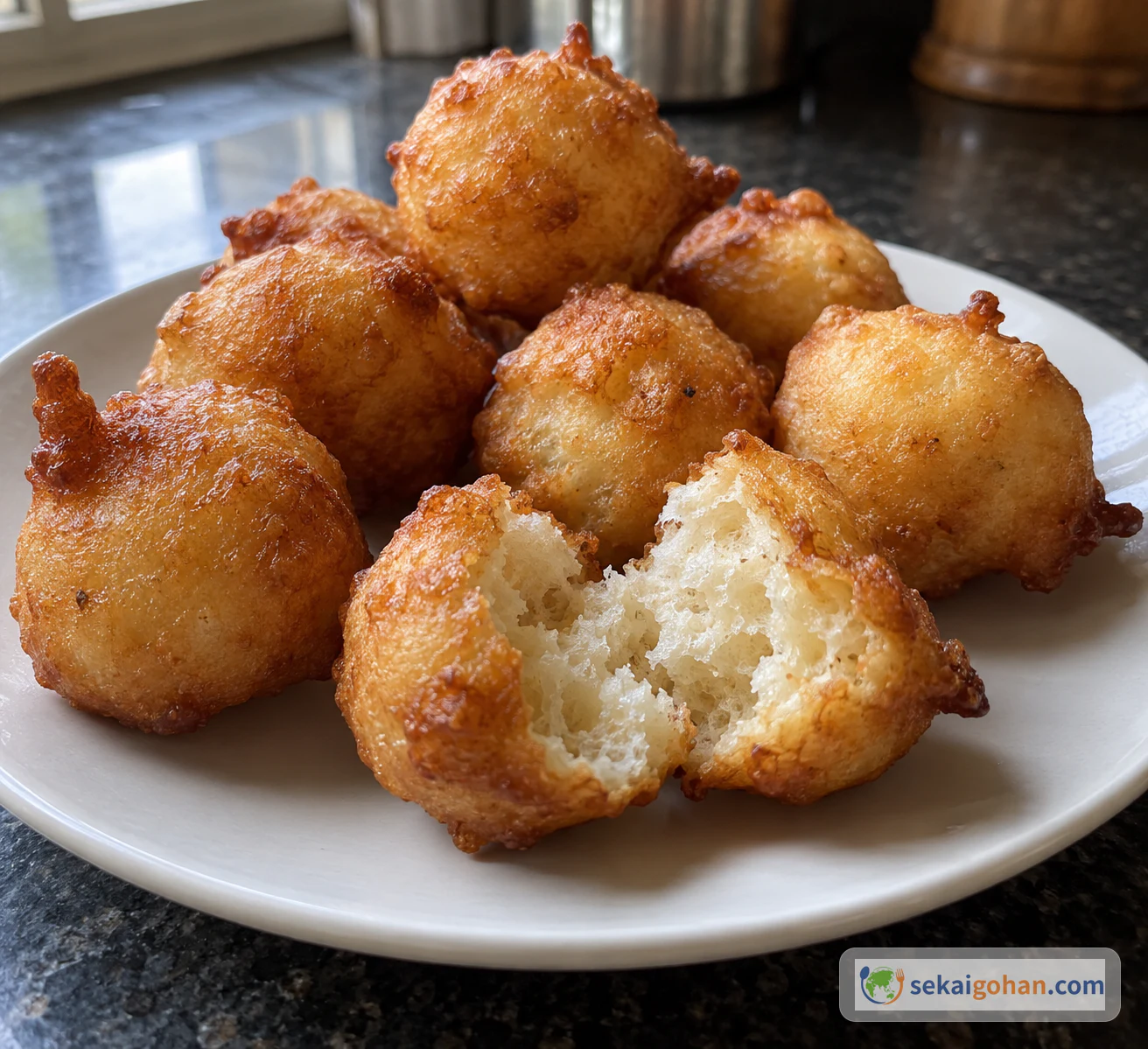
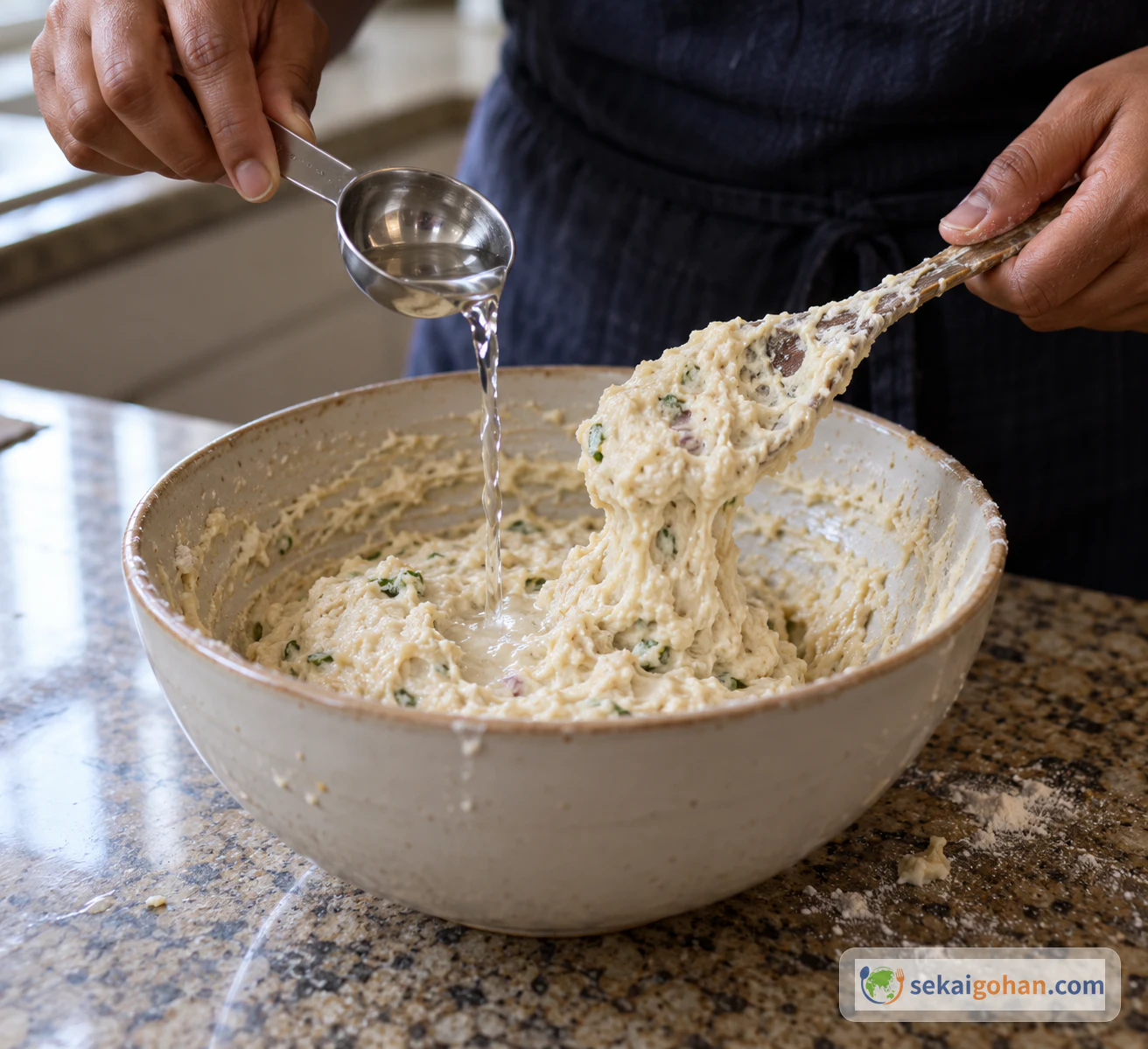
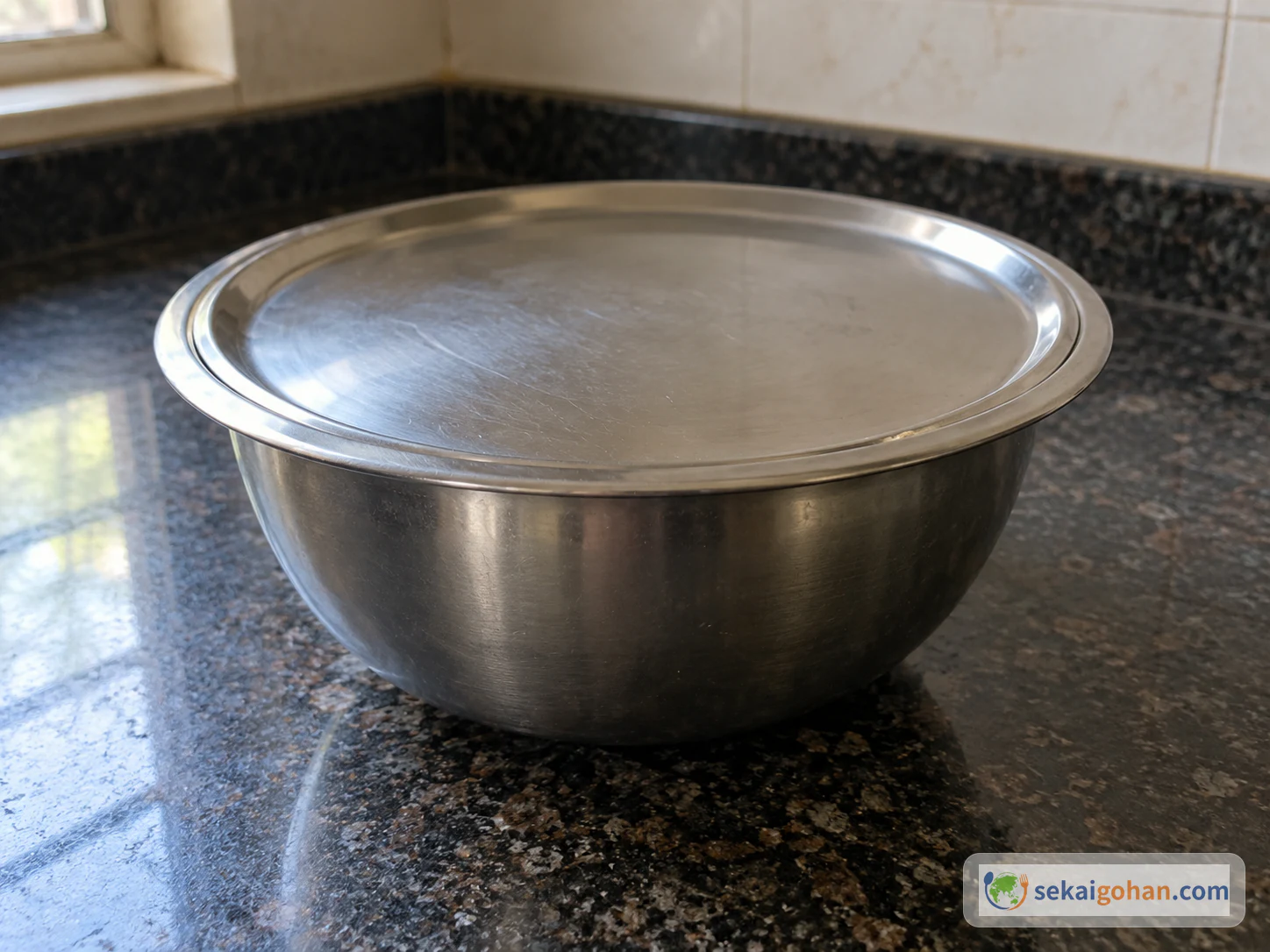
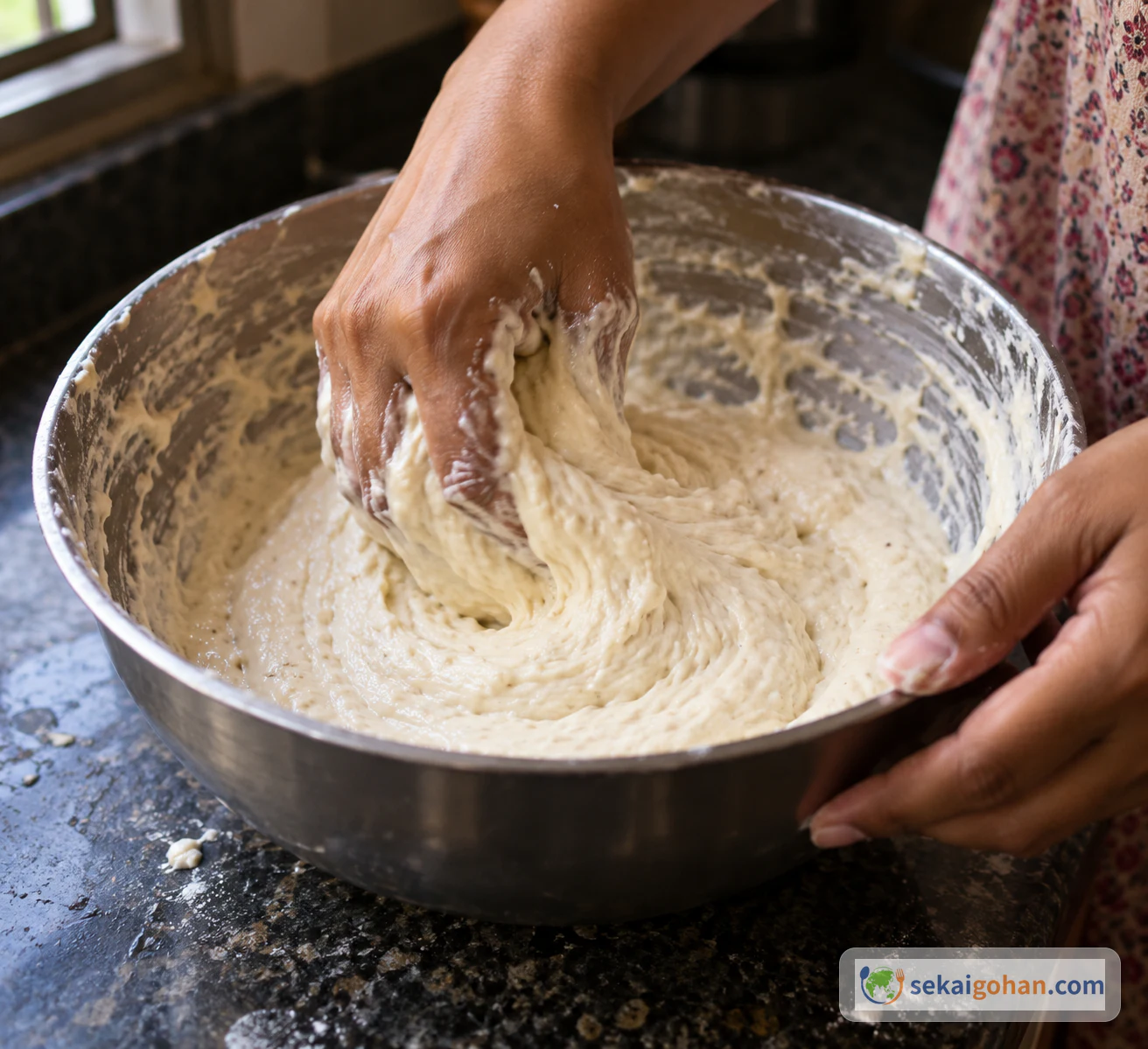
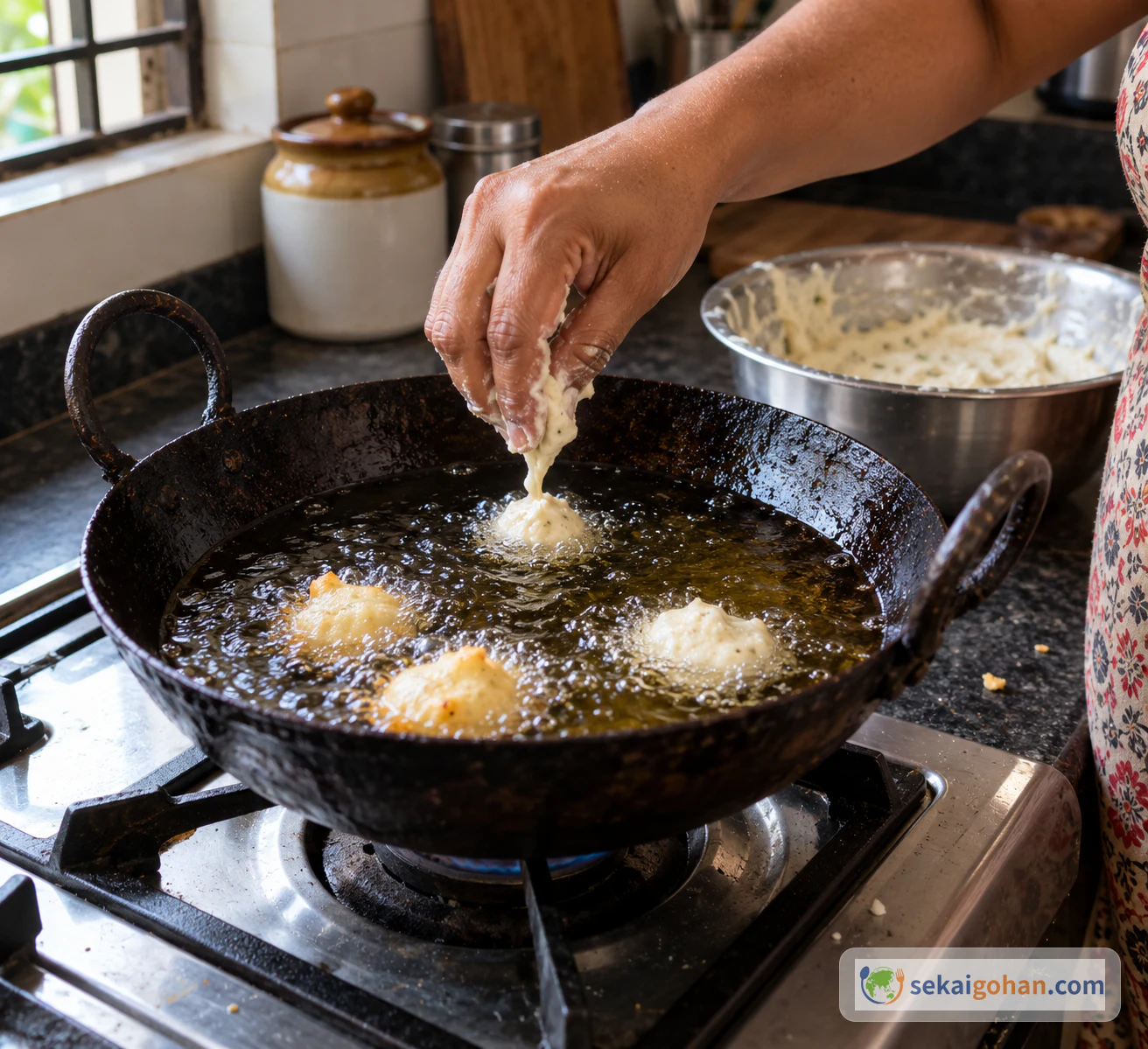
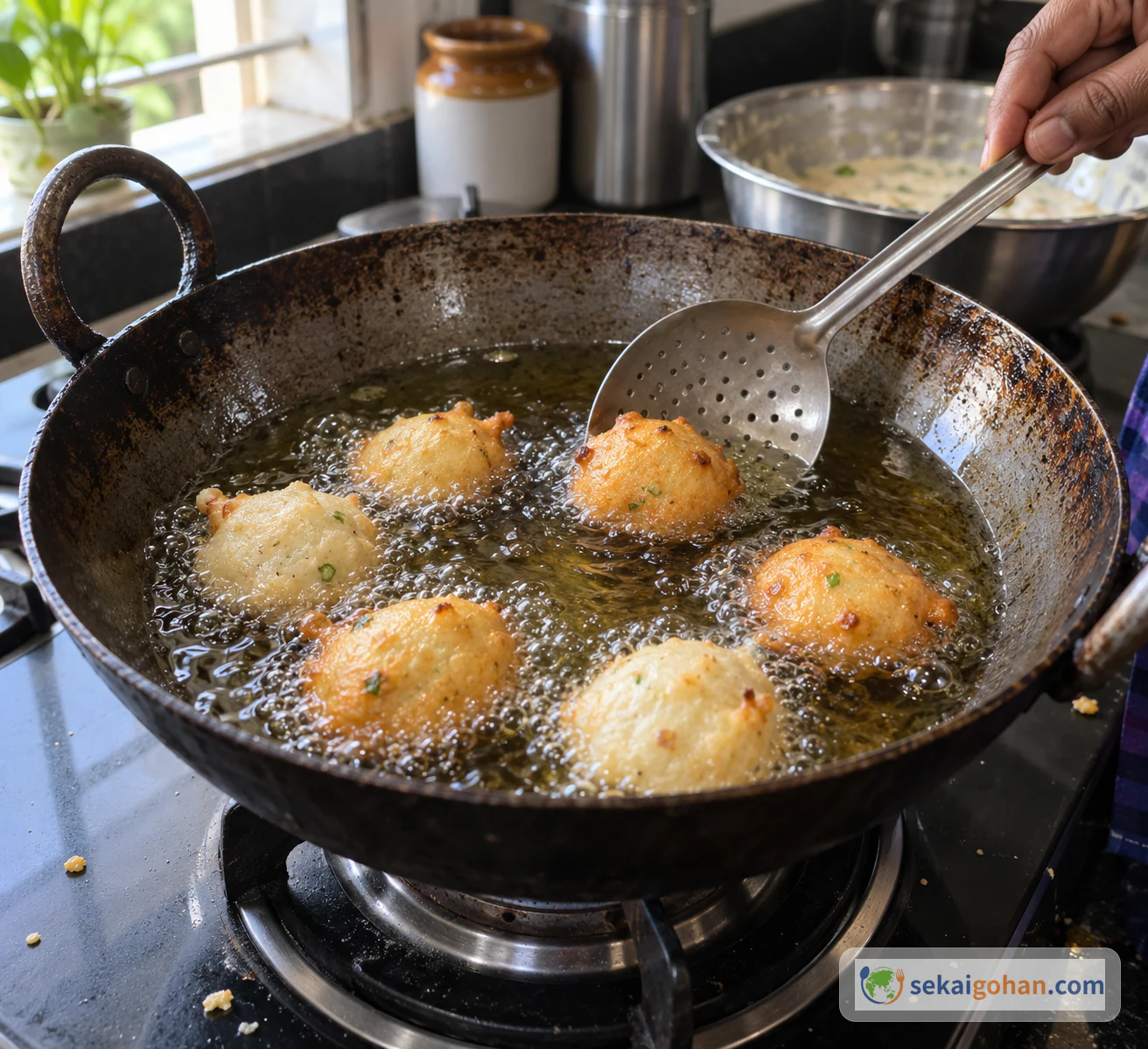
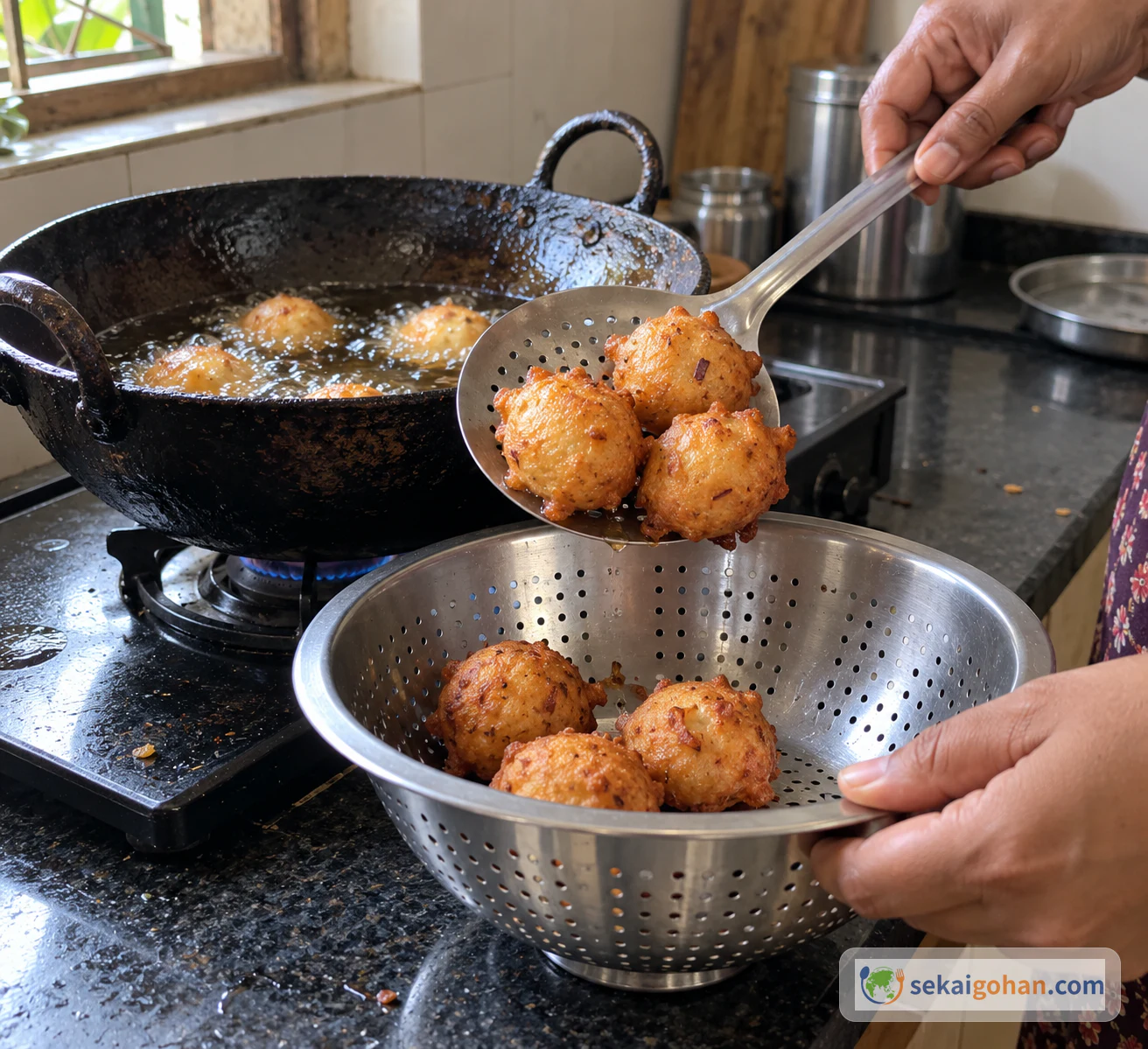
Make the batter thick enough to drop from a spoon without running, rest it under a cover, and beat it only briefly before frying. Each fritter should end up golden and crisp outside and soft inside.
Karnataka's state tourism department describes Goli Baje as a snack of Coastal Karnataka. In the evening, eateries along the coast, including restaurants in Udupi, serve it as a small plate of four or five little fritters. It goes with tea or coffee and with coconut-coriander chutney, and it is at its best while still hot.
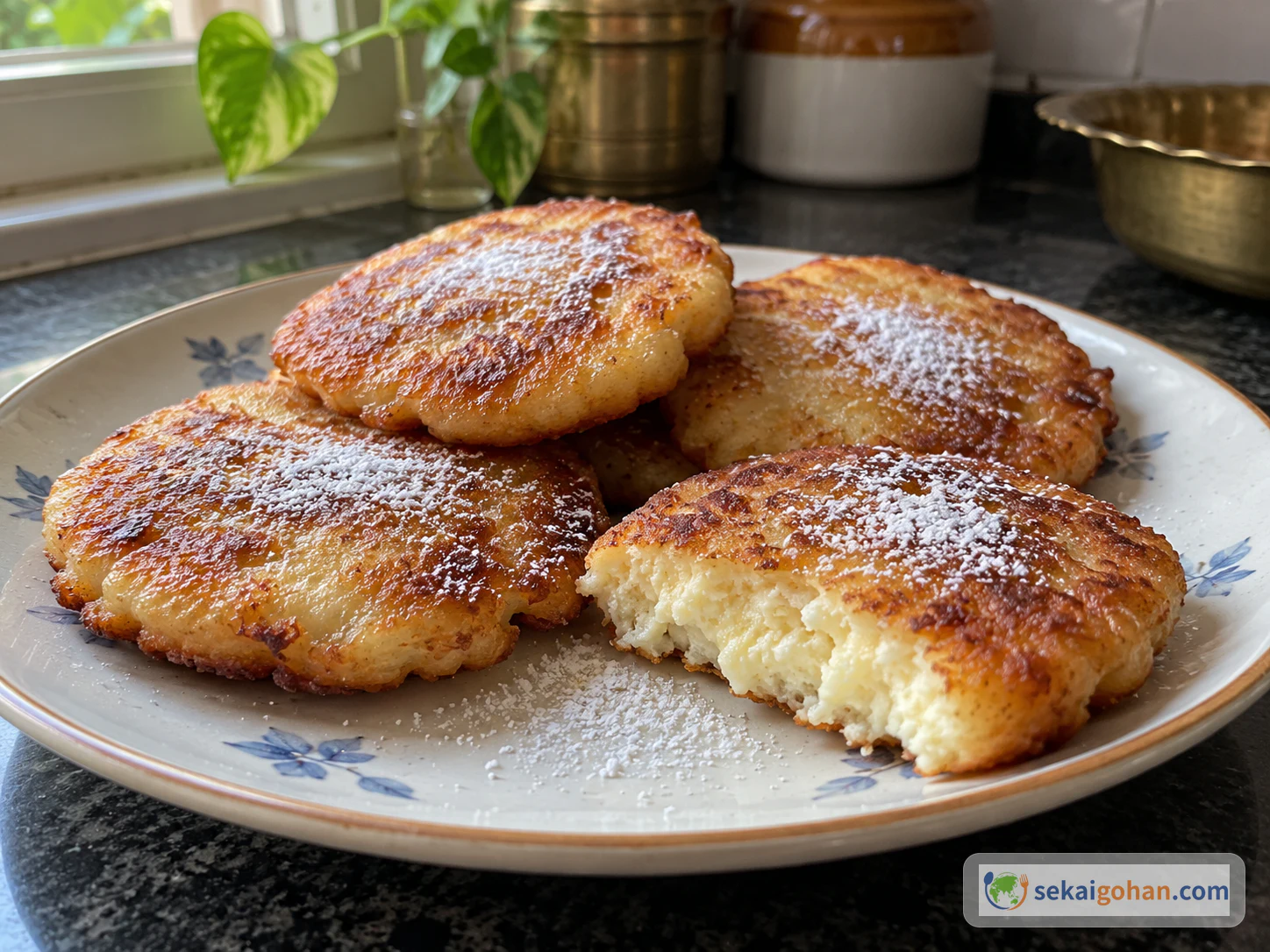
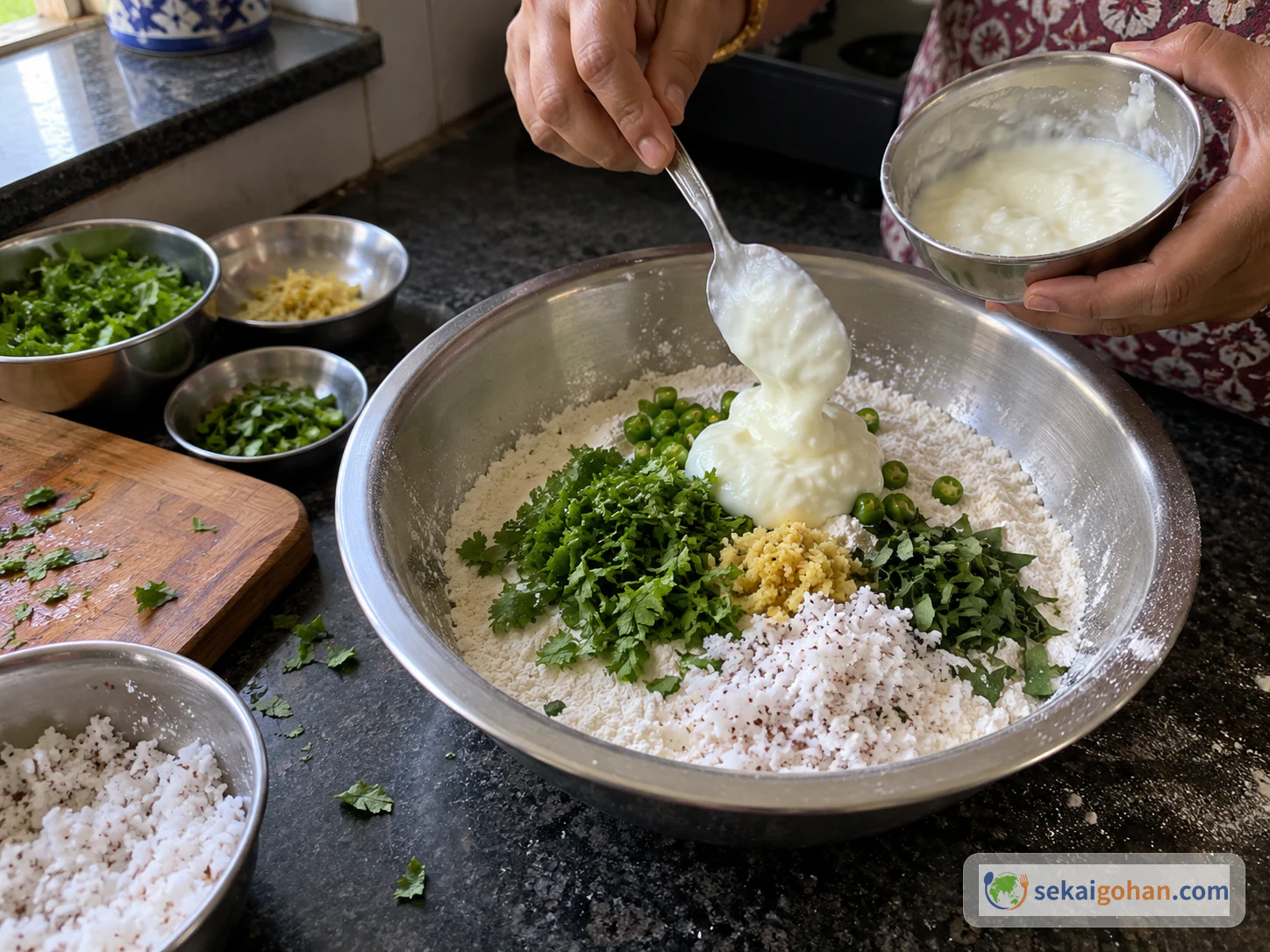
The fritters are made from a batter of maida (Indian all-purpose flour) and curd (yogurt). Ginger, green chili, coriander leaves, curry leaves and fresh coconut are mixed into the batter. Once fried, the outside is crisp and the inside is soft and fluffy. Swasthi's Recipes describes the snack as part of Mangalorean cuisine and as a favorite tea-time snack at tiffin centers across Karnataka.
This recipe follows one written version, the 1x recipe card of Swasthi's Recipes' "Mangalore Bajji Recipe (Goli Baje)," which makes 2 servings. Other cooks in the region use different formulas, and those are described below for comparison but are not mixed into this recipe. For more dishes from the same country, see India.
Sekai Gohan has not kitchen-tested this recipe as a whole.
What Goli Baje Is
Goli Baje is a plain fried snack with no filling. All of the flavor is in the batter itself. The maida gives it body, the yogurt gives it a gentle tang, and the herbs and coconut give it fresh aroma and color in every bite. Swasthi's Recipes describes the finished fritters as crispy outside and soft and fluffy inside, and the batter's job is to produce that contrast.
The Karnataka tourism page says the snack is believed to have originated in Mangaluru. That is the extent of the origin story in the sources consulted here. No date, inventor or documented history was found, so none is given in this article. A Karnataka Tourism cuisine booklet calls Goli Bajji a tea-time snack popular in Udupi and Mangalore, which matches the picture of an afternoon or evening bite eaten with a hot drink.
Mangalore Bajji, Mangaluru Bonda, and Why Mysore Bonda Is Separate
Goli Baje goes by several names. Karnataka Tourism also calls it Mangaluru Bonda. Swasthi's Recipes titles its recipe "Mangalore Bajji," and the Mangalorean recipe blog Vanita's Corner uses Goli Baje, Mangalore Bajji and Mangalore Bonda for the same snack. Spellings vary too. The Karnataka Tourism booklet writes "Goli Bajji."
Mysore Bonda is a different case. Swasthi's Recipes keeps a separate Mysore Bonda recipe and describes it as somewhat similar to Goli Baje but not the same preparation. The same page notes that "bonda" is an umbrella word covering both stuffed and plain fried snacks, and that Mysore Bonda is sometimes confused with urad-dal bonda. Because the word is used so loosely, this article does not treat Mysore Bonda as another name for Goli Baje.
Written recipes for Goli Baje also differ. The Karnataka Tourism booklet makes it with buttermilk and a pinch of asafoetida and rests the batter for 3 hours. Vanita's Corner adds besan (gram flour) and a little sugar to the maida and curd and rests the batter for 1 hour. These are separate versions. The recipe below uses only the Swasthi's Recipes card.
Ingredients (2 servings)
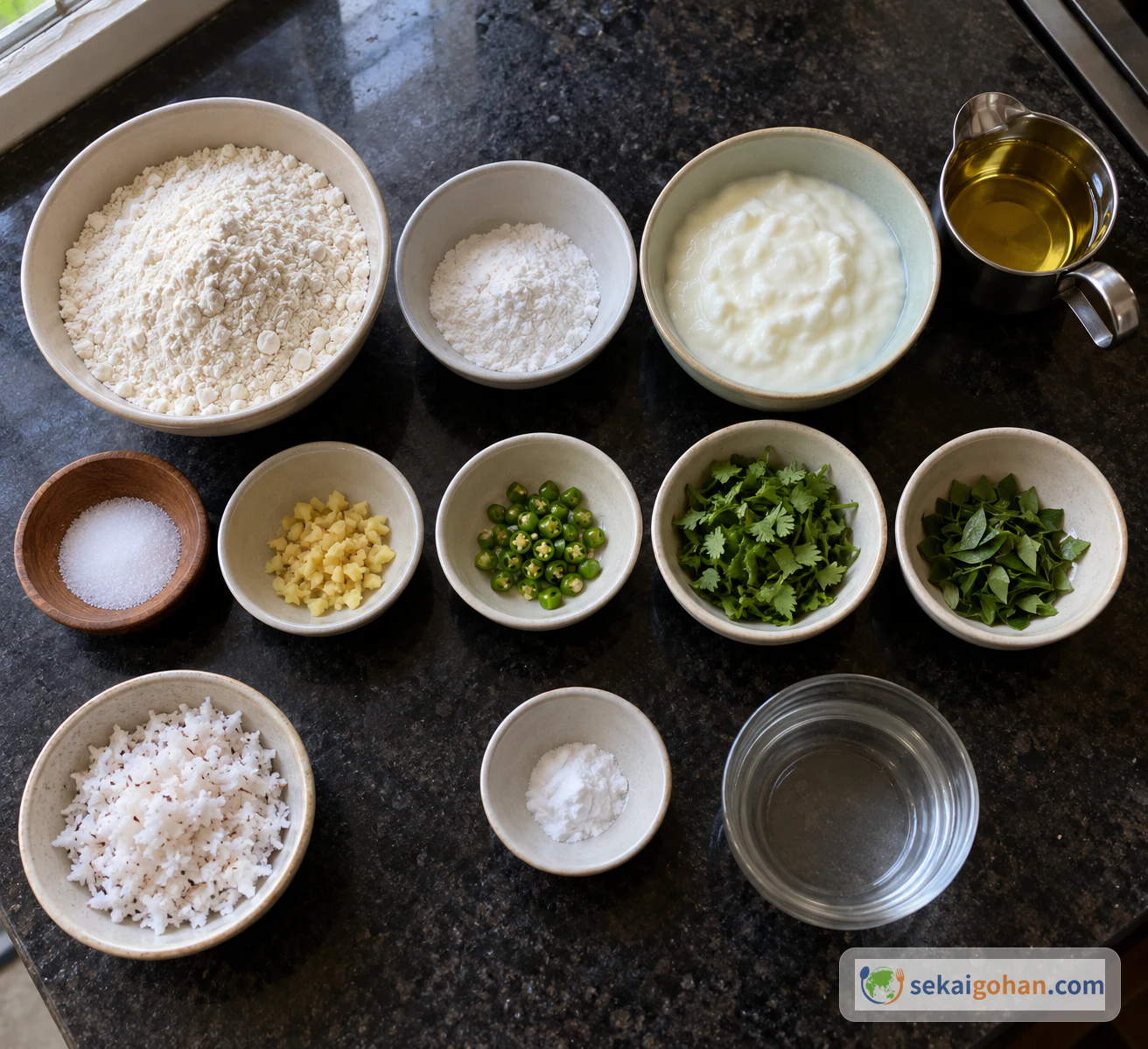
Add the water a little at a time. Depending on how thick your yogurt is, you may not need all of it.
Maida is wheat flour and curd is a dairy product. Coconut is optional. Check the label of each product you buy for allergens and possible cross-contact.
Equipment
- Mixing bowl with a lid or cover
- Measuring cups and spoons
- Kadai or deep frying pan
- Slotted spoon
- Steel colander or cooling rack
Choosing and Swapping Ingredients
Flour. Look for "maida" or "all-purpose flour," usually sold at Indian grocers. Other flours, such as Japanese soft wheat flour, have not been tested in this recipe. If you try one, treat it as an experiment, and expect the texture to differ.
Yogurt. Use plain, unsweetened yogurt. Slightly sour yogurt is preferred. Do not use sweetened or flavored yogurt.
Rice flour. Use rice flour. Do not replace it with cornstarch or potato starch, which behave differently.
Green chilies. Green chilies vary widely in size and heat from one variety to another. If you use a local green chili, stay within 1 to 2, and expect the heat to be milder or stronger than intended. Mild peppers such as shishito will taste noticeably different.
Coriander leaves. Use fresh leaves only, not dried coriander or ground coriander seed.
Curry leaves. Curry leaves have their own aroma, and no other leaf replaces it. If you cannot find them, leaving them out is an untested change, and the fritters will smell different.
Coconut. Fresh grated coconut is optional and can be left out. Swapping in dried coconut has not been tested.
Baking soda. Use baking soda (bicarbonate of soda). Do not substitute baking powder.
Method: Mix, Rest, Then Fry in Small Batches
The batter needs a covered rest of at least 2 hours before frying, so mix it well ahead of when you want to eat. Judge the oil and the finished fritters by how they look and sound, not by the clock.
At the Table: Hot, with Tea or Coffee
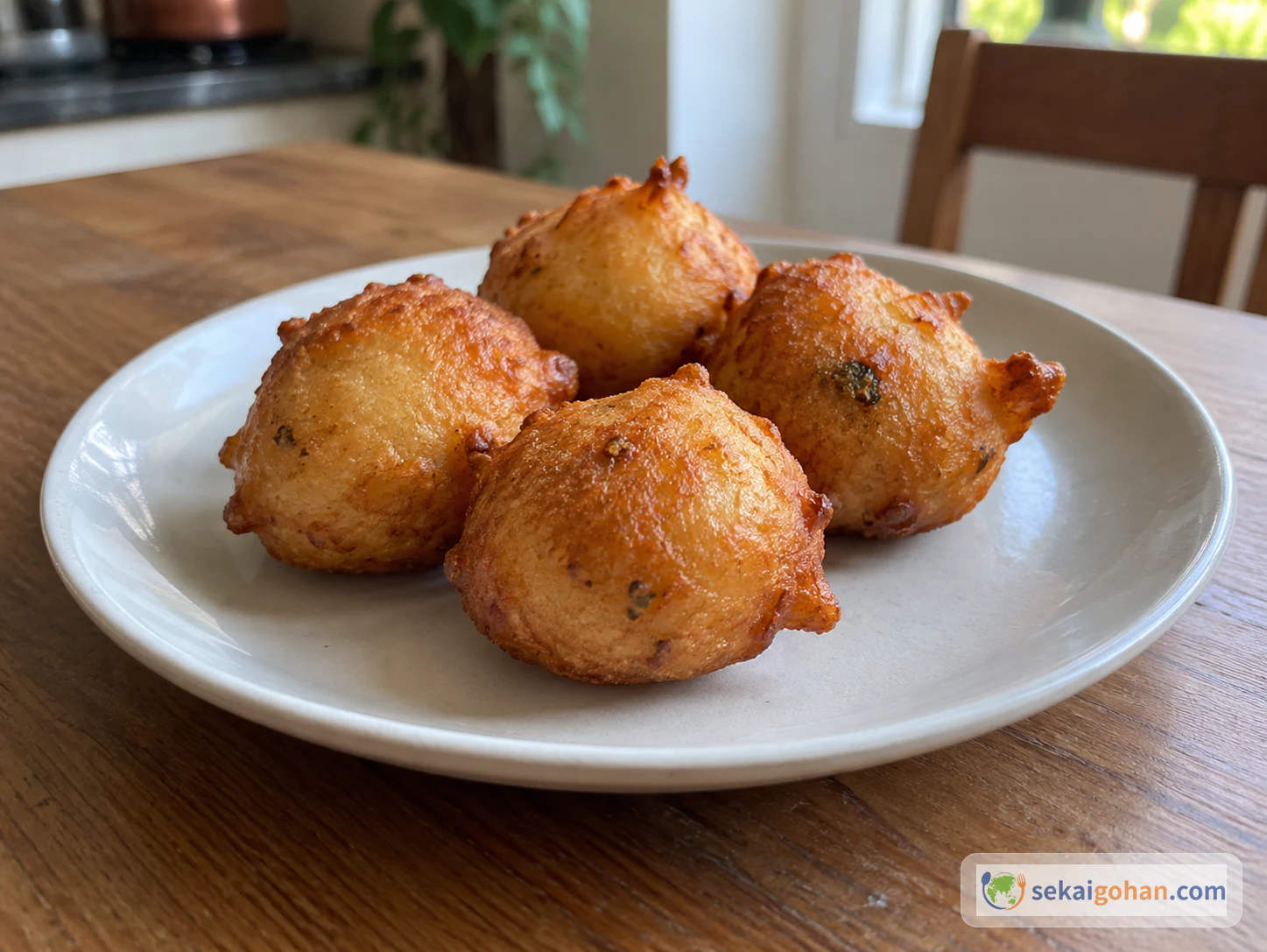
Goli Baje is meant to be eaten soon after frying. Swasthi's Recipes recommends serving it hot and notes that the fritters can turn chewy or soft as they cool. Karnataka Tourism describes the coastal habit of an evening plate of four or five small pieces with tea or coffee, and both sources suggest coconut chutney on the side. A chutney recipe is not part of this article, so use any coconut chutney you already make, or serve the fritters on their own.
The recipe makes 2 servings. The number of pieces depends on how small you drop the portions, so no piece count is given.
Troubleshooting
| Problem | Likely cause | What to do |
|---|---|---|
| The batter runs off the spoon | Too much water | Add water only a little at a time. If the rested batter is loose, sprinkle in a little maida and mix |
| The fritters soak up too much oil | The batter was beaten too long and became too airy | Beat by hand for only 30 seconds after resting |
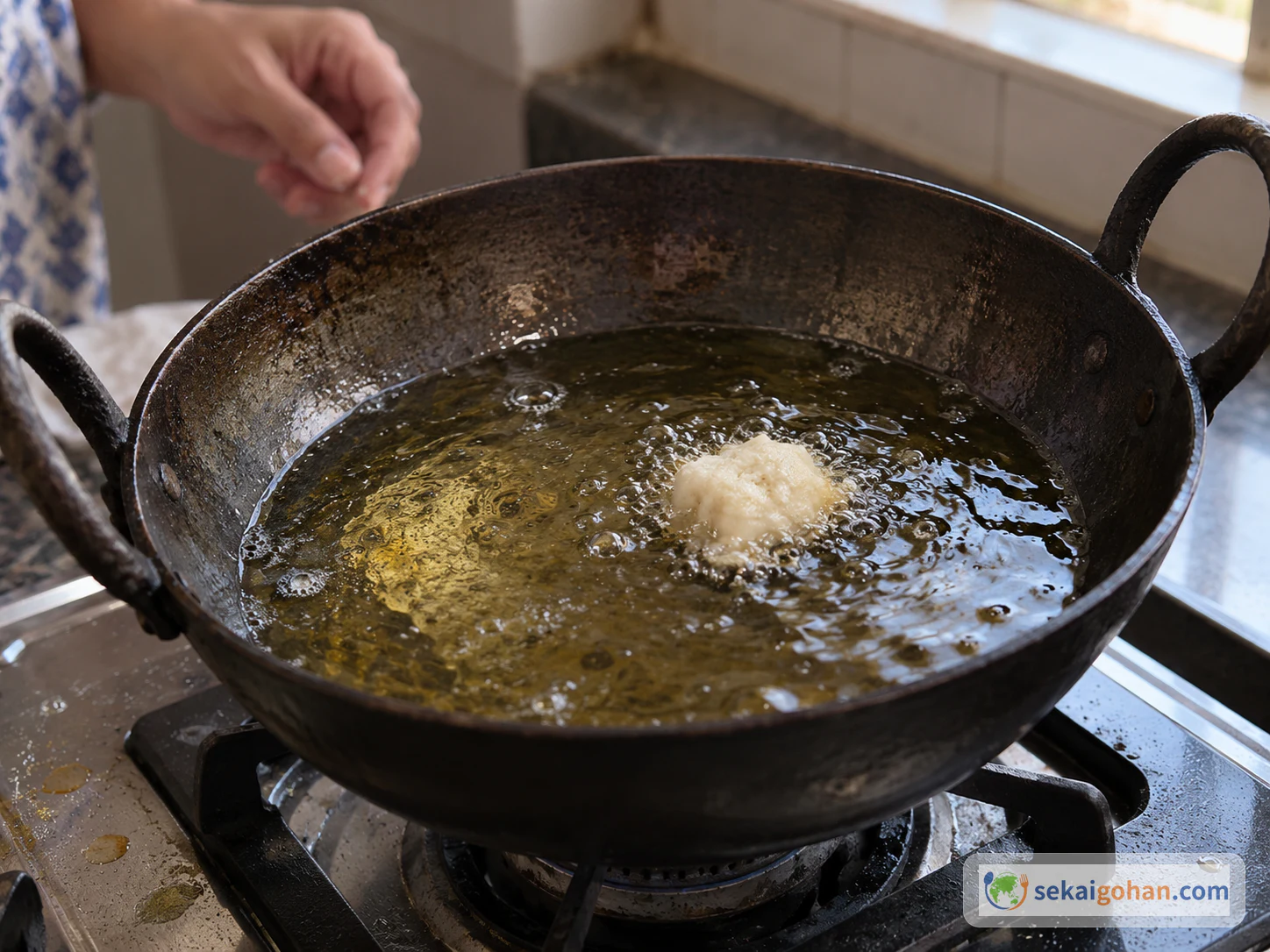
| The test piece browns before it rises | The oil is too hot | Lower the heat slightly and test again with a new small piece |
| The test piece does not sizzle or rise | The oil is not hot enough yet | Keep heating over medium and test again |
| The fritters are larger than expected | Portions were too big | Drop smaller portions, because the batter puffs to two or three times its size |
| The fritters stick together or color unevenly | The pan was crowded, or they were moved too early | Fry in smaller batches and leave them untouched for the first 1 to 2 minutes |
| The fritters turned soft and chewy | They cooled before serving | Serve each batch hot |
Variations
Without coconut. The fresh coconut is optional. Leave it out if you cannot find it. According to Swasthi's Recipes, this does not change the taste or texture much.
Fermented, without baking soda. Swasthi's Recipes also offers a separate method that leaves out the baking soda and ferments the batter for 6 to 8 hours. This is a different process from the recipe above. Do not combine its resting time with the soda version.
Other regional formulas. The buttermilk version in the Karnataka Tourism booklet and the besan-and-sugar version from Vanita's Corner are complete recipes in their own right. If you want to try one, follow that recipe as written instead of swapping single ingredients into this one.
Frequently Asked Questions
Where does Goli Baje come from?
Karnataka Tourism presents it as a Coastal Karnataka snack served in eateries in Udupi and along the coast, and says it is believed to have originated in Mangaluru. No documented date or origin story was found beyond that.
Is it the same as Mangalore Bajji or Mangaluru Bonda?
Yes. Karnataka Tourism, Swasthi's Recipes and Vanita's Corner all use these names for the same snack. The recipe in this article follows the Swasthi's Recipes card specifically.
Is it the same as Mysore Bonda?
Not here. Swasthi's Recipes treats Mysore Bonda as a separate recipe that is somewhat similar to Goli Baje. "Bonda" is also used broadly for many fried snacks, so this article keeps the two apart.
How many fritters does this make?
The recipe makes 2 servings, and no piece count is given. Karnataka Tourism describes a typical plate as four or five small pieces, but that describes how the snack is served, not the yield of this recipe.
Can I shorten the resting time with sour yogurt?
Swasthi's Recipes includes a note that sour curd lets you shorten the rest to 30 minutes, and its step-by-step photo guide uses 1 hour. The main recipe method calls for at least 2 hours, and that is the method followed here.
Can I make it ahead or store leftovers?
The recipe gives no storage or reheating guidance. It is meant to be served hot, and the fritters turn soft and chewy as they cool, so plan to fry them just before eating.
How hot should the oil be?
No temperature is given. Heat the oil over medium heat and use the test in step 6: a small piece of batter should sizzle and rise to the surface before it browns.
Sources
- Swasthi's Recipes, "Mangalore Bajji Recipe (Goli Baje)." The 1x recipe card used for all amounts, the 2-serving yield, the order of steps, the resting time, the 30-second hand-beating, the oil test and the signs of doneness. Also the source for the optional coconut, the no-soda fermented method, the sour-curd note and the advice to serve hot. https://www.indianhealthyrecipes.com/goli-baje/
- Department of Tourism, Government of Karnataka, "Goli Baje | Mangalore Bajji Recipe | Karnataka Tourism." Coastal Karnataka context, the name Mangaluru Bonda, evening serving in Udupi and coastal eateries, the typical plate of four or five pieces, pairings with chutney and tea or coffee, and the belief that the snack originated in Mangaluru. https://karnatakatourism.org/en/experiences/goli-baje/
- Karnataka Tourism, "Cuisine of Karnataka" (Coastal Karnataka recipes, Goli Bajji). Goli Bajji as a tea-time snack popular in Udupi and Mangalore, and a separate buttermilk-based recipe cited only for comparison. https://karnatakatourism.org/wp-content/uploads/2020/05/Karnataka-Cuisine.pdf
- Vanita's Corner, "Goli Baje | Mangalore Bajji — a popular tea time snack." The names Goli Baje, Mangalore Bajji and Mangalore Bonda, and a separate recipe with besan and sugar cited only for comparison. https://vanitascorner.com/golibaje/
- Swasthi's Recipes, "Mysore Bonda Recipe." Mysore Bonda as a separate, somewhat similar preparation, and "bonda" as a broad term for fried snacks. https://www.indianhealthyrecipes.com/mysore-bonda-recipe/