Kuzhakkattai: Savory Rice Dumplings That Keep the Marks of Your Fingers
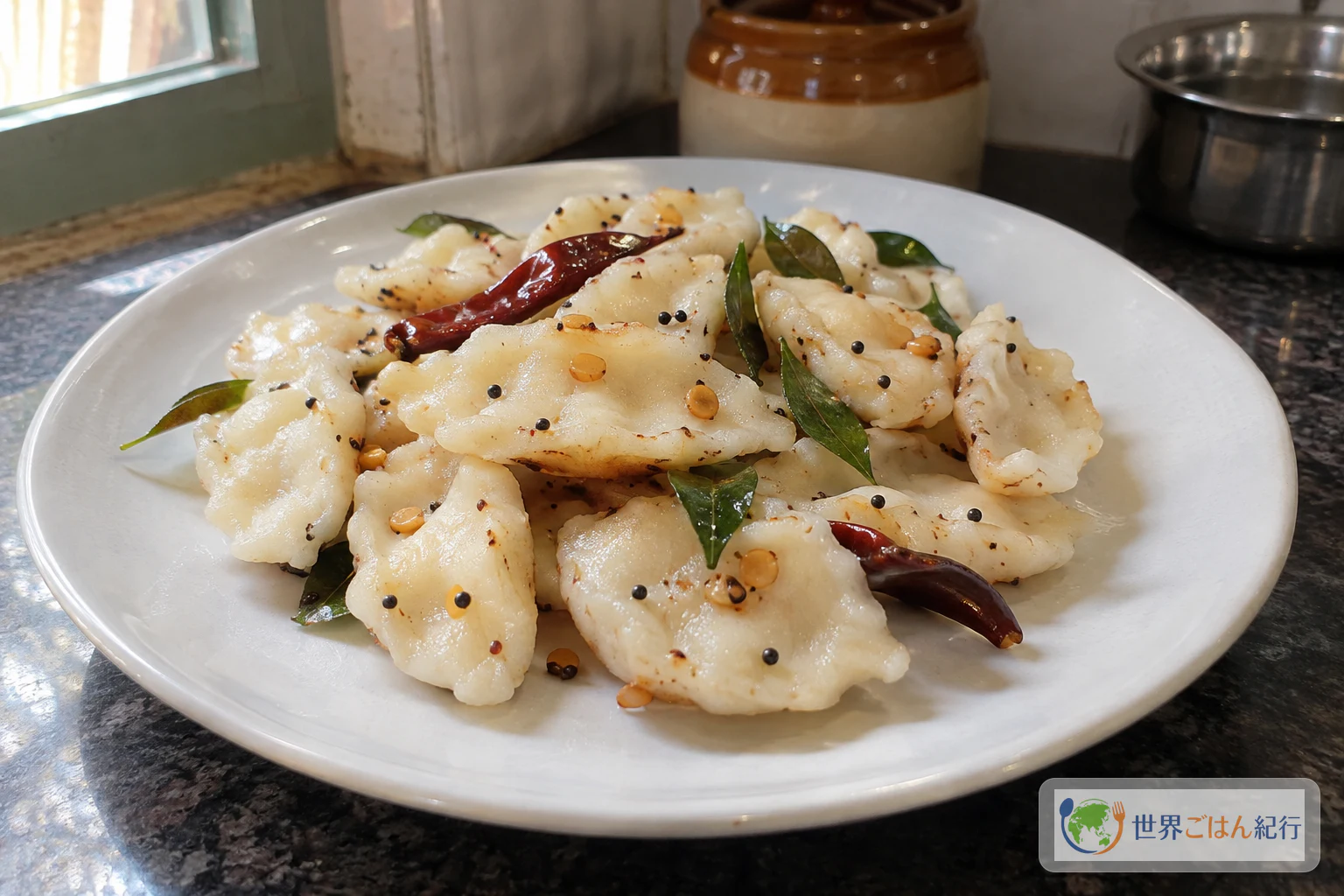
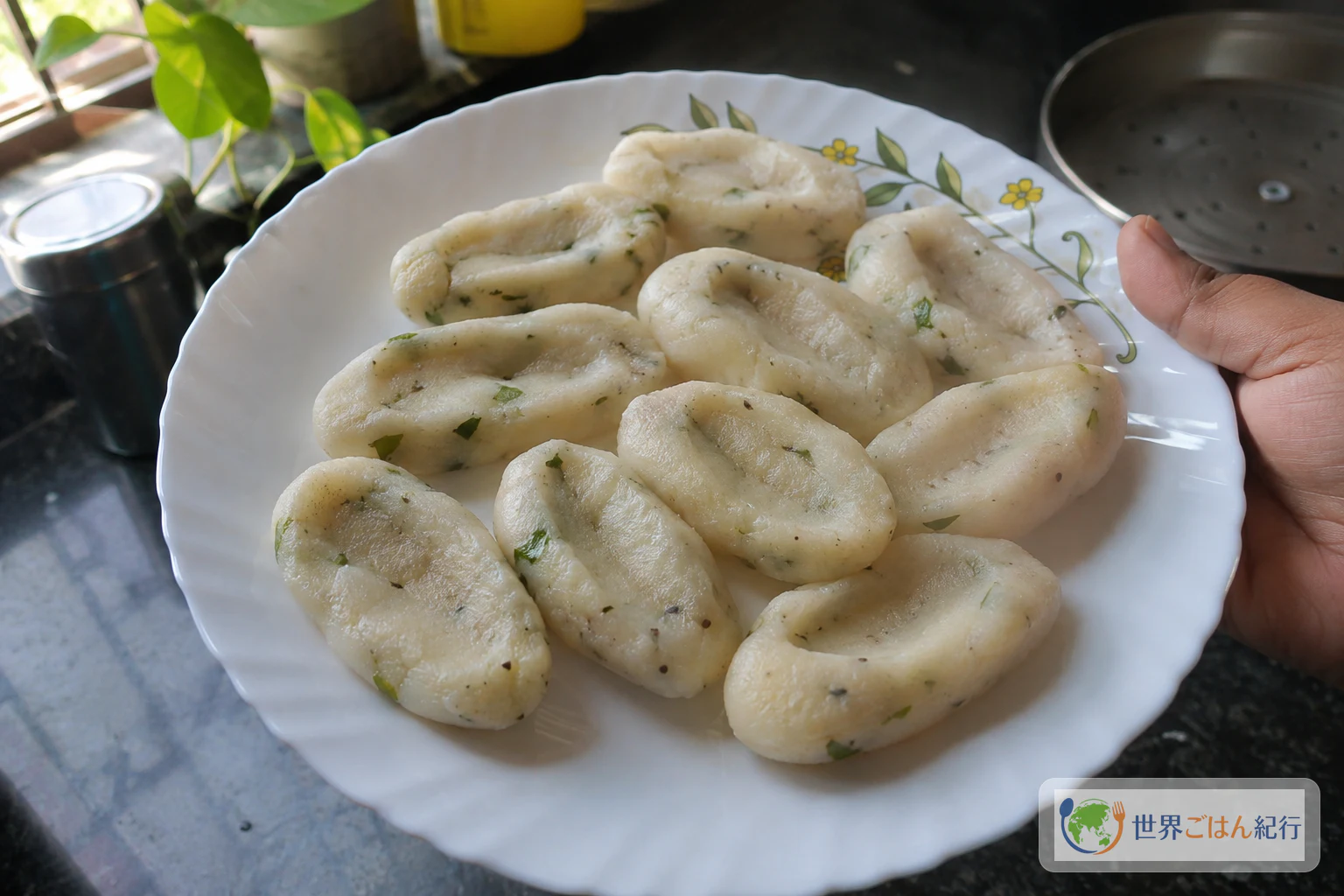
This is the savory Tamil style, uppu or kara pidi kozhukkattai. There is no filling. The seasoning goes into the dough itself, each piece is pressed by hand, and the dumplings are steamed and served fresh.
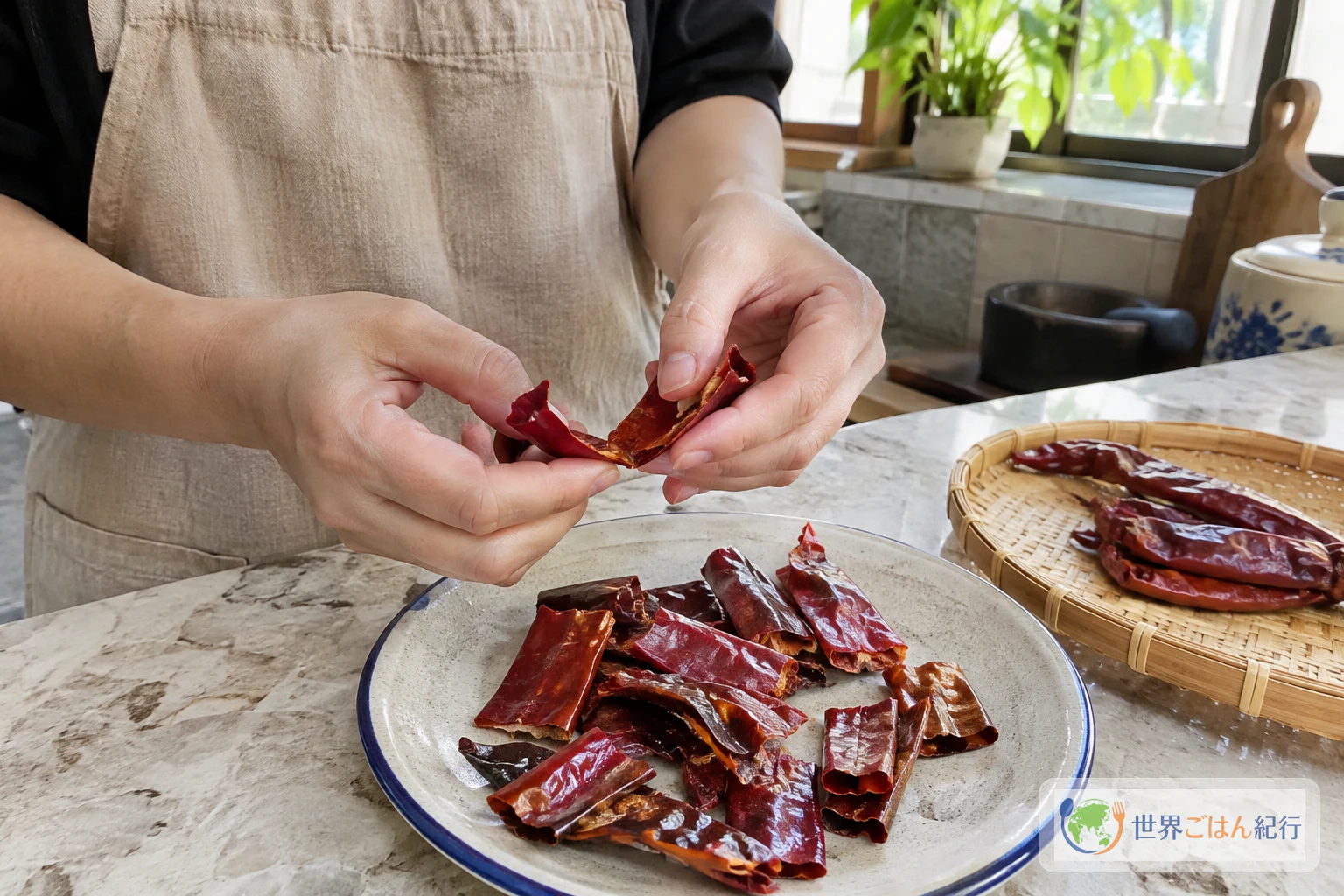
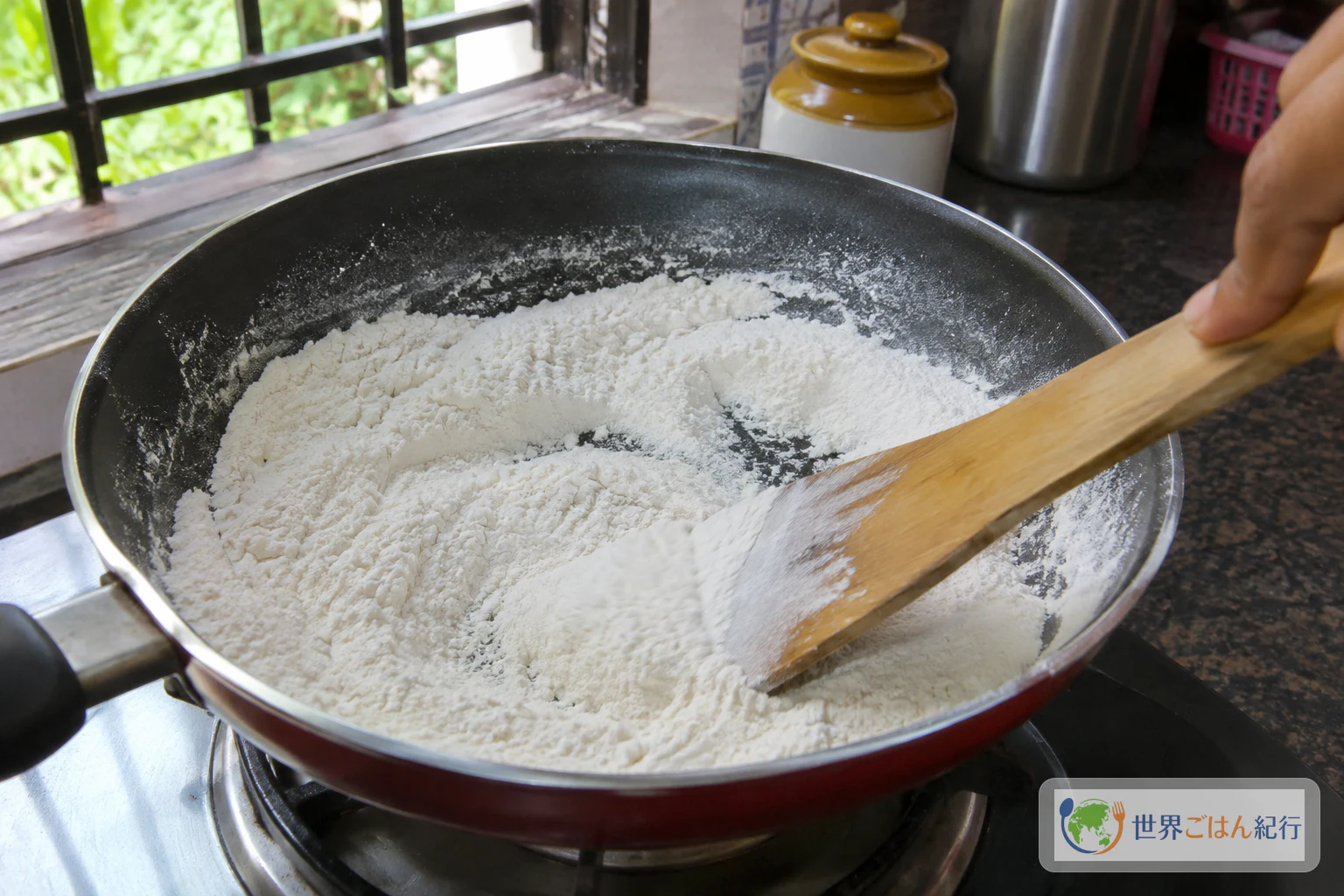
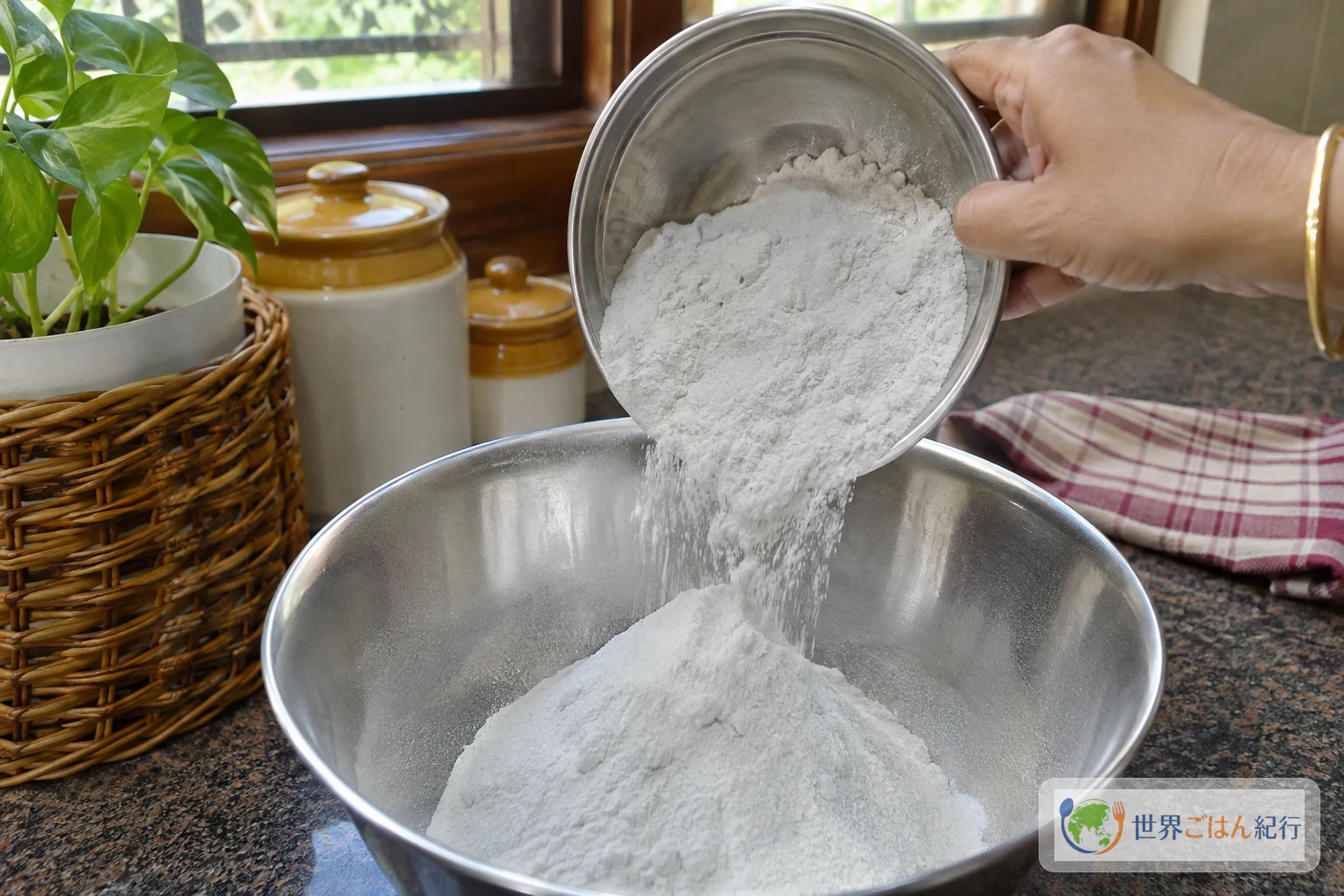
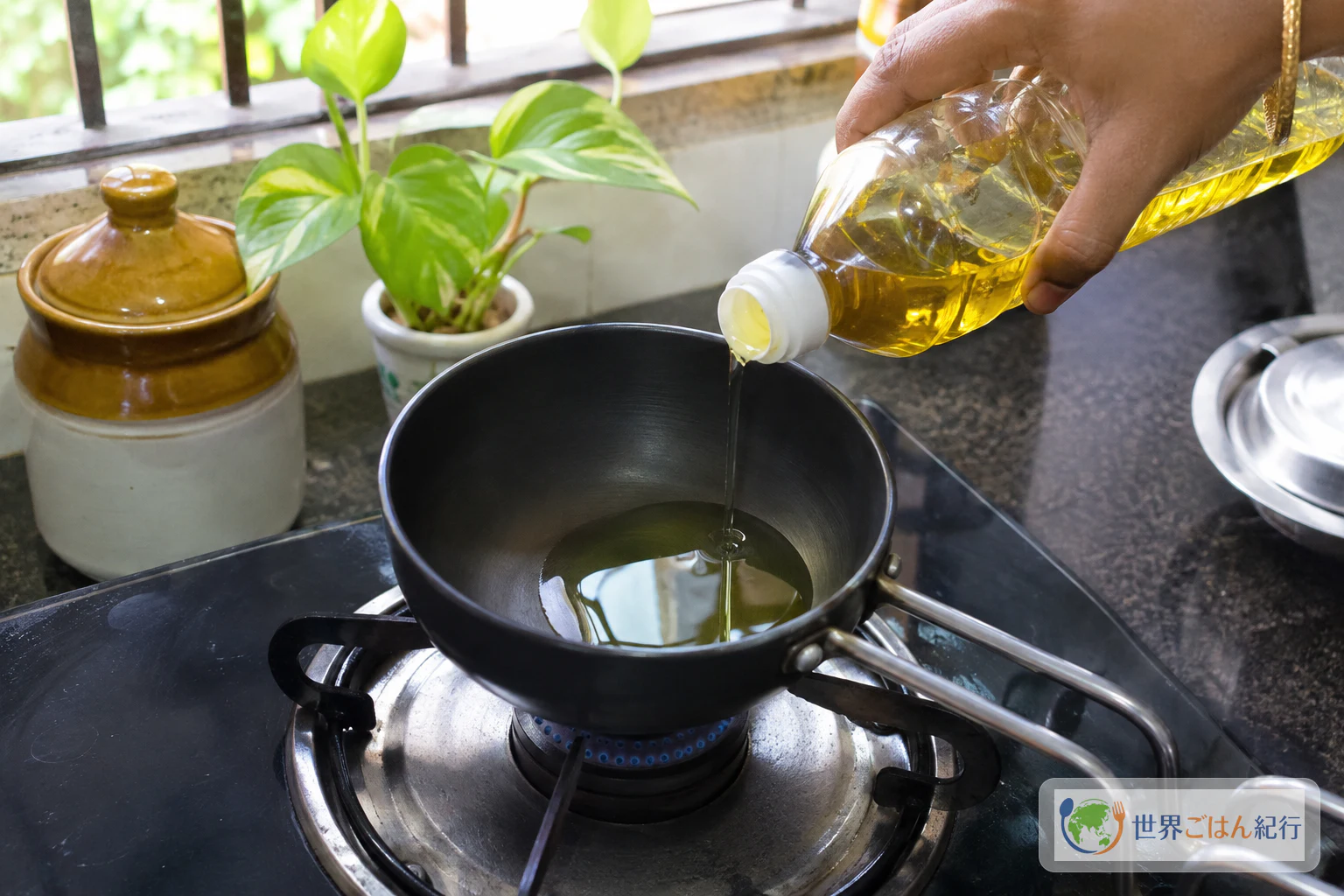
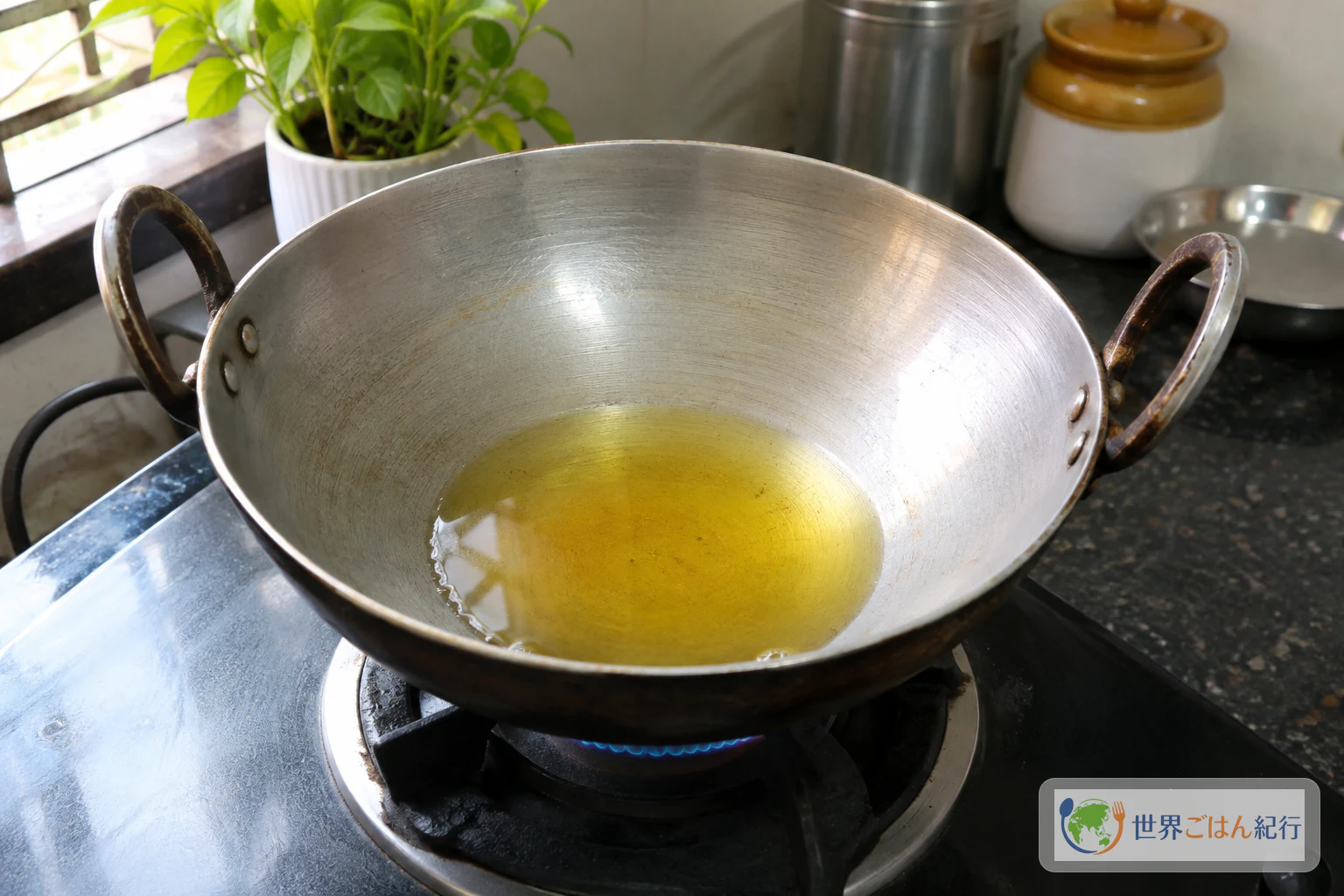
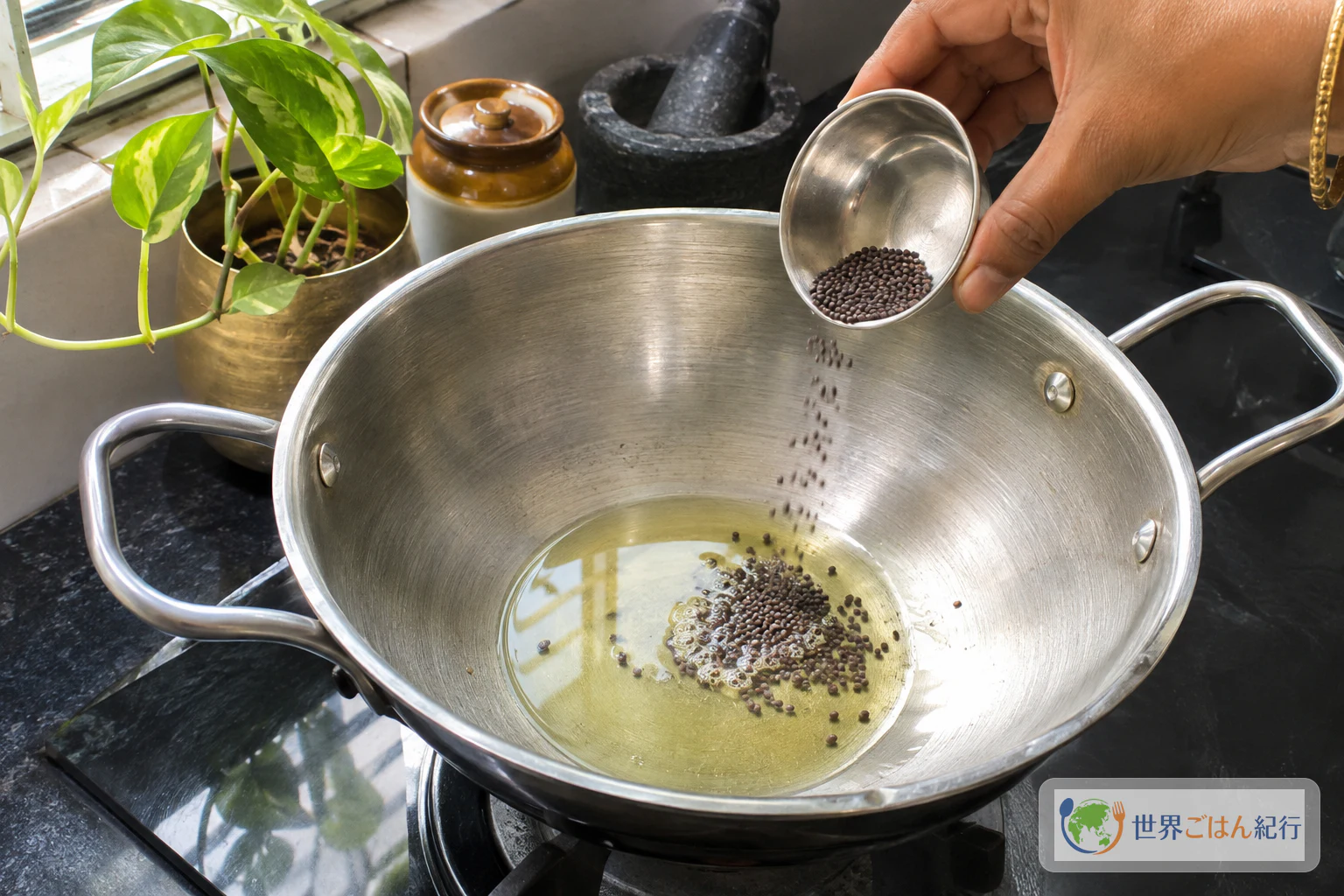
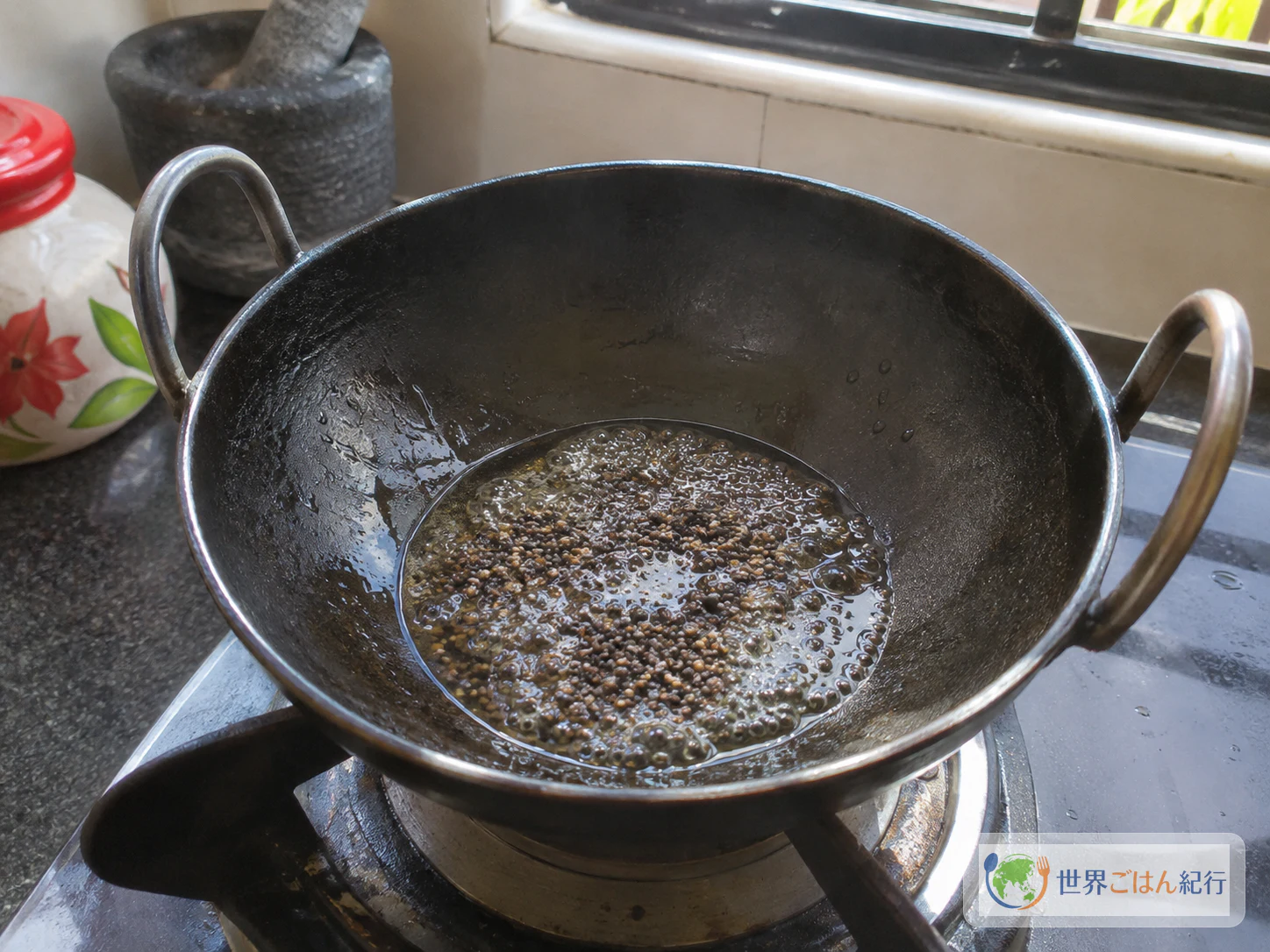
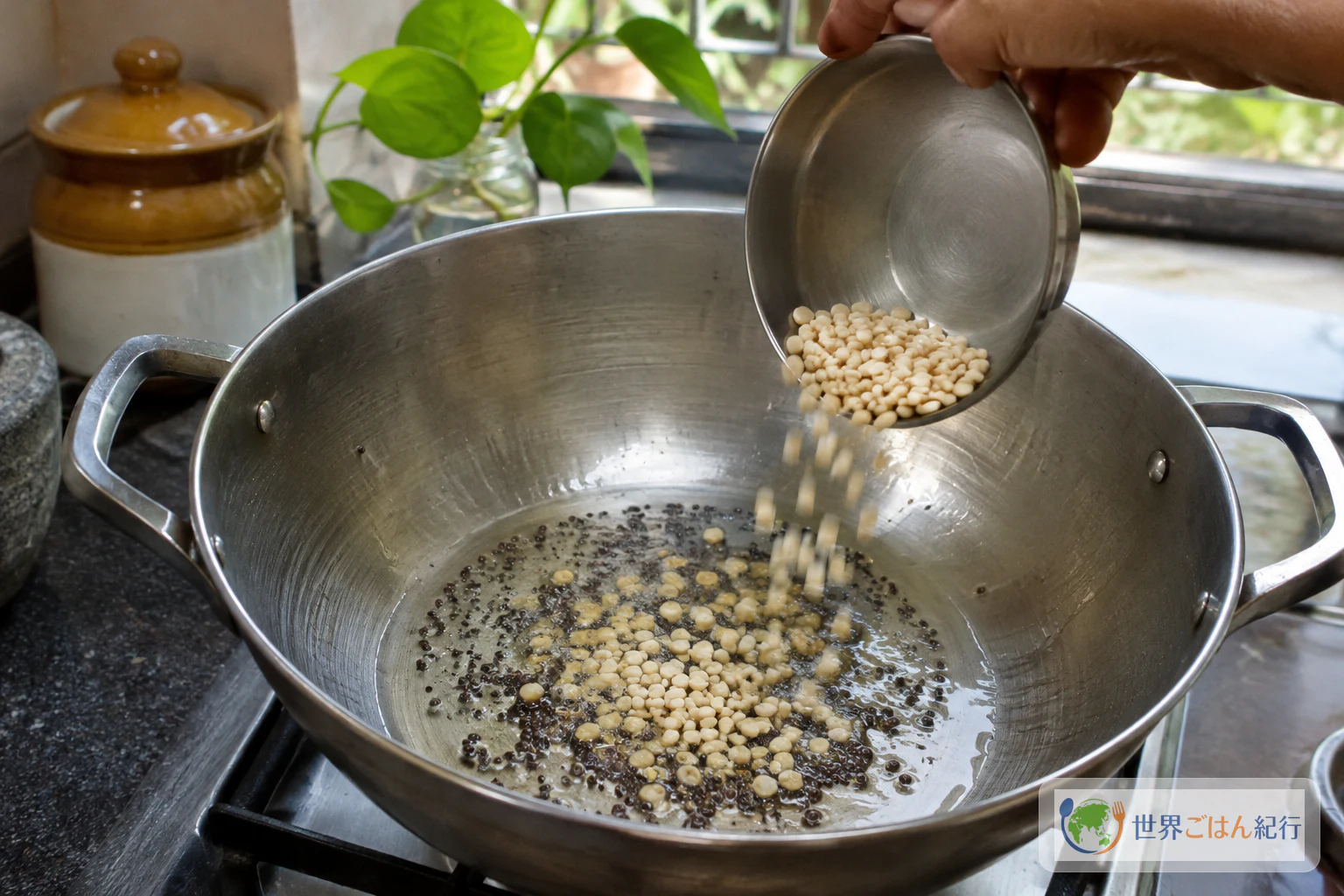
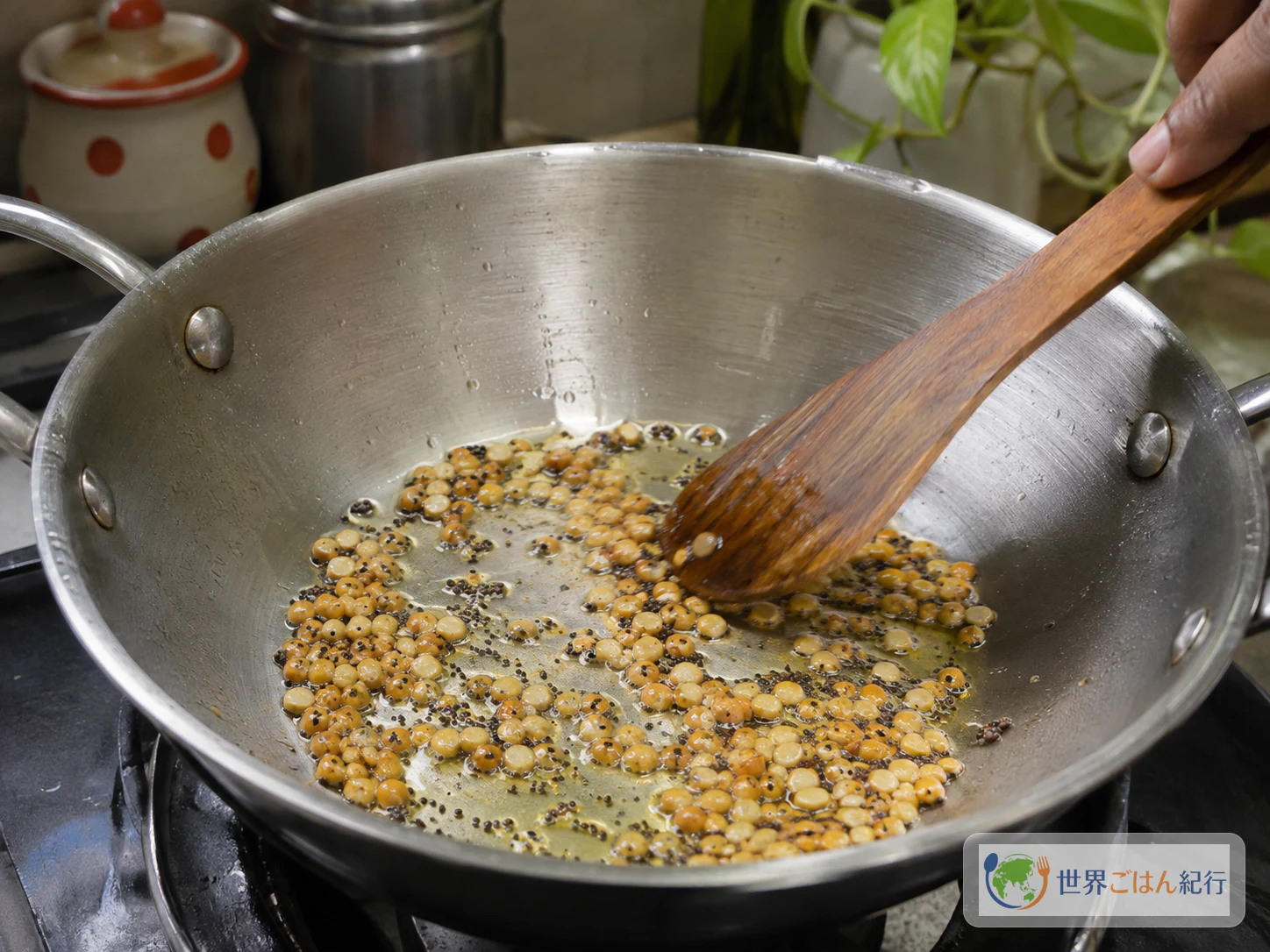
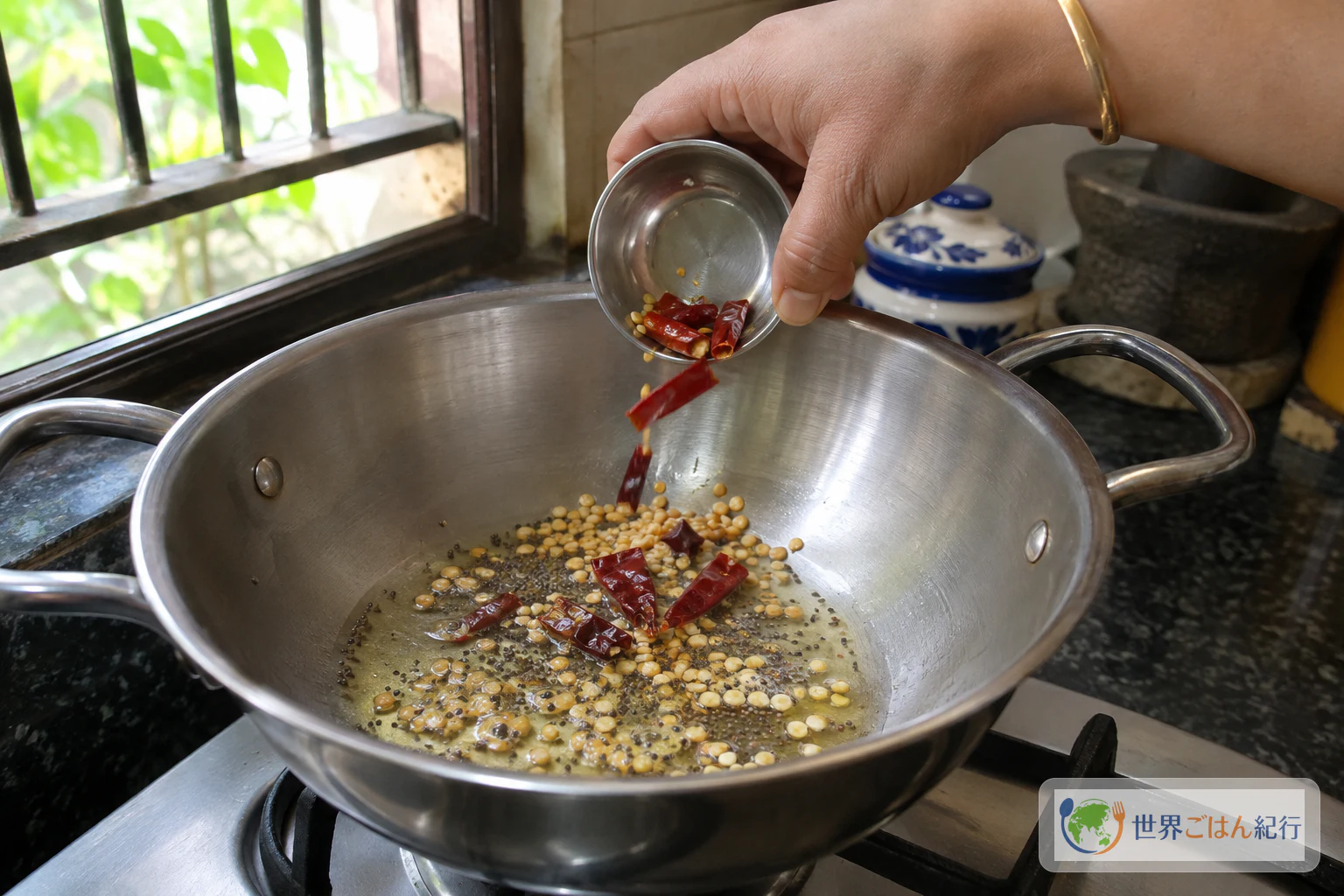
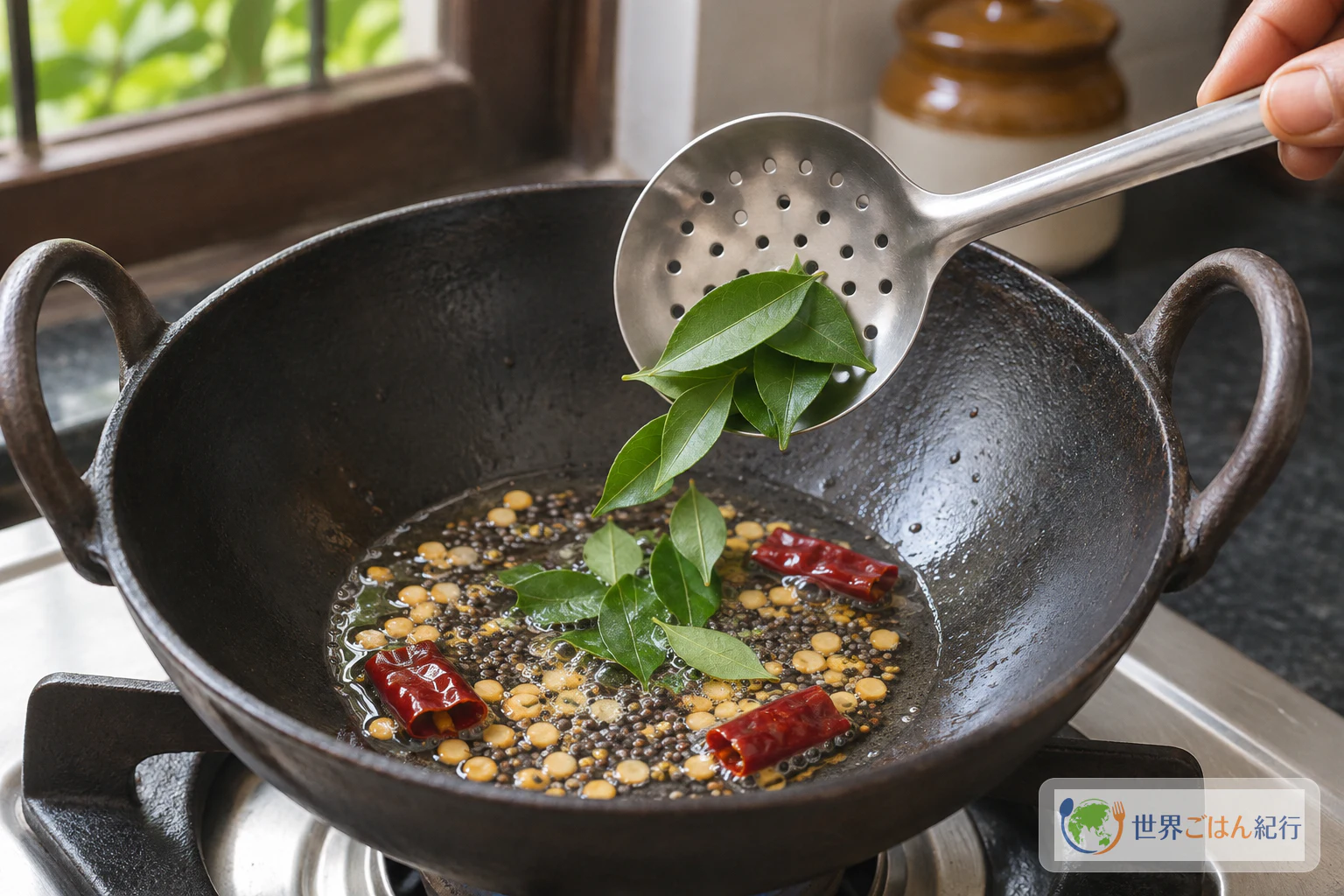
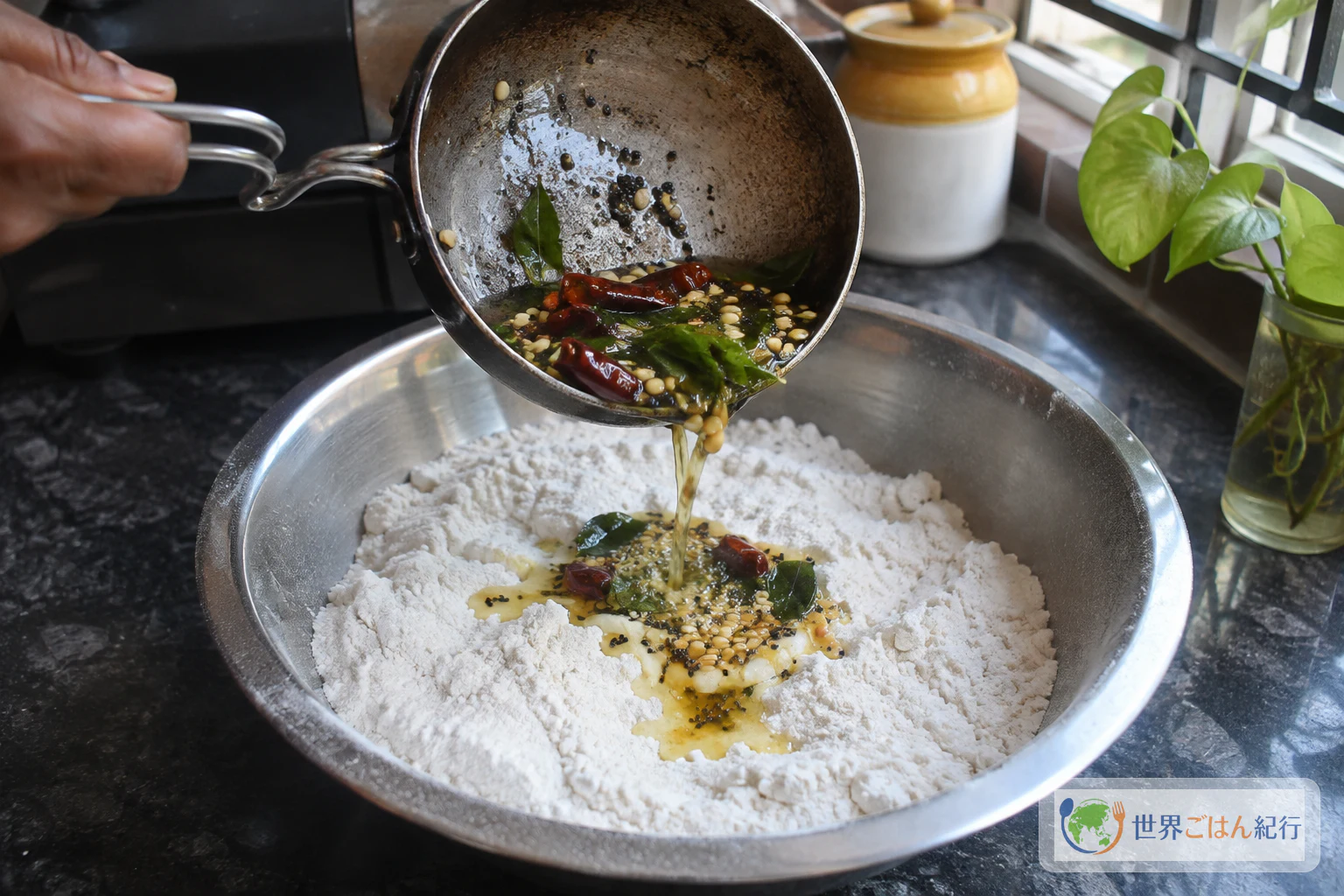
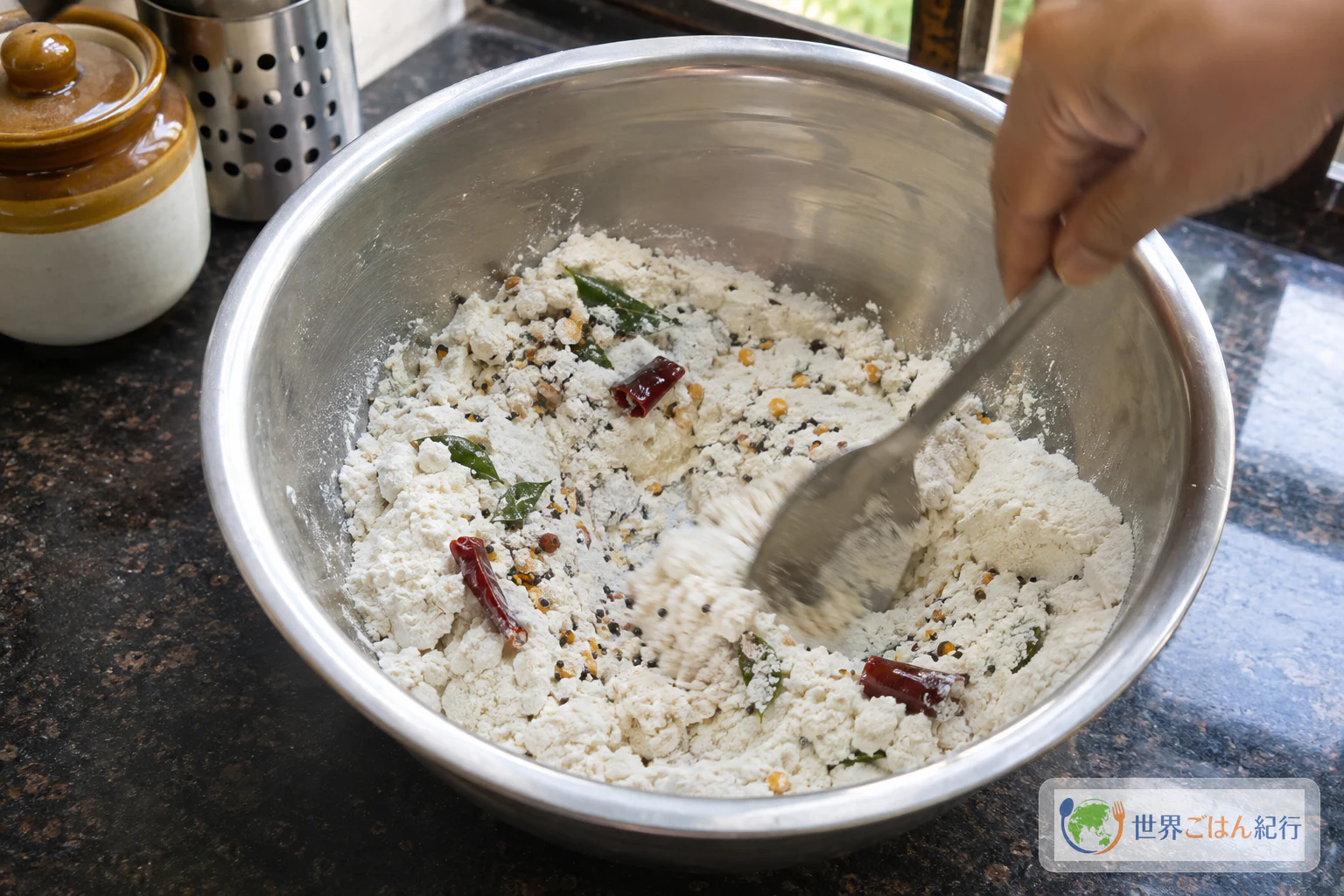
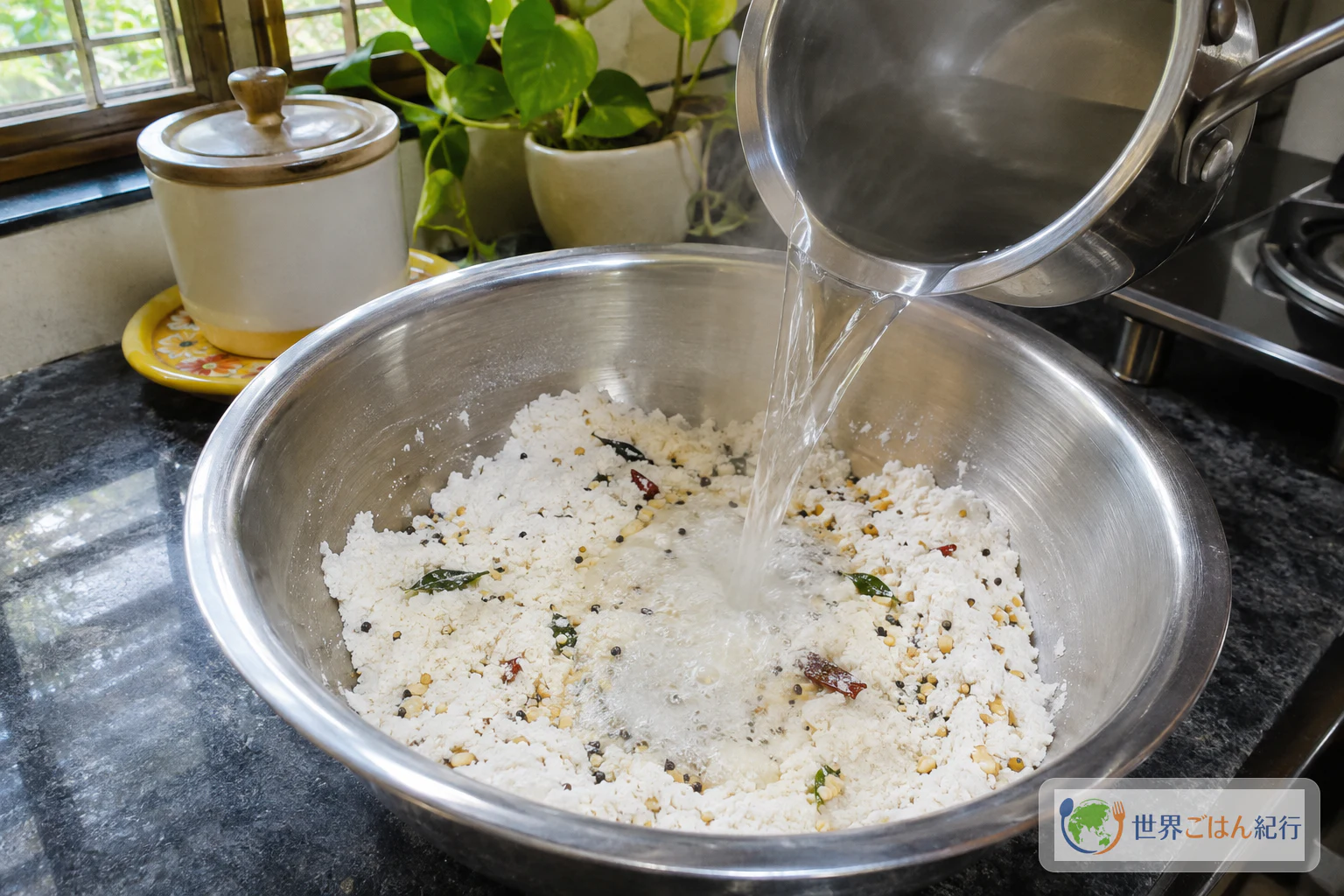
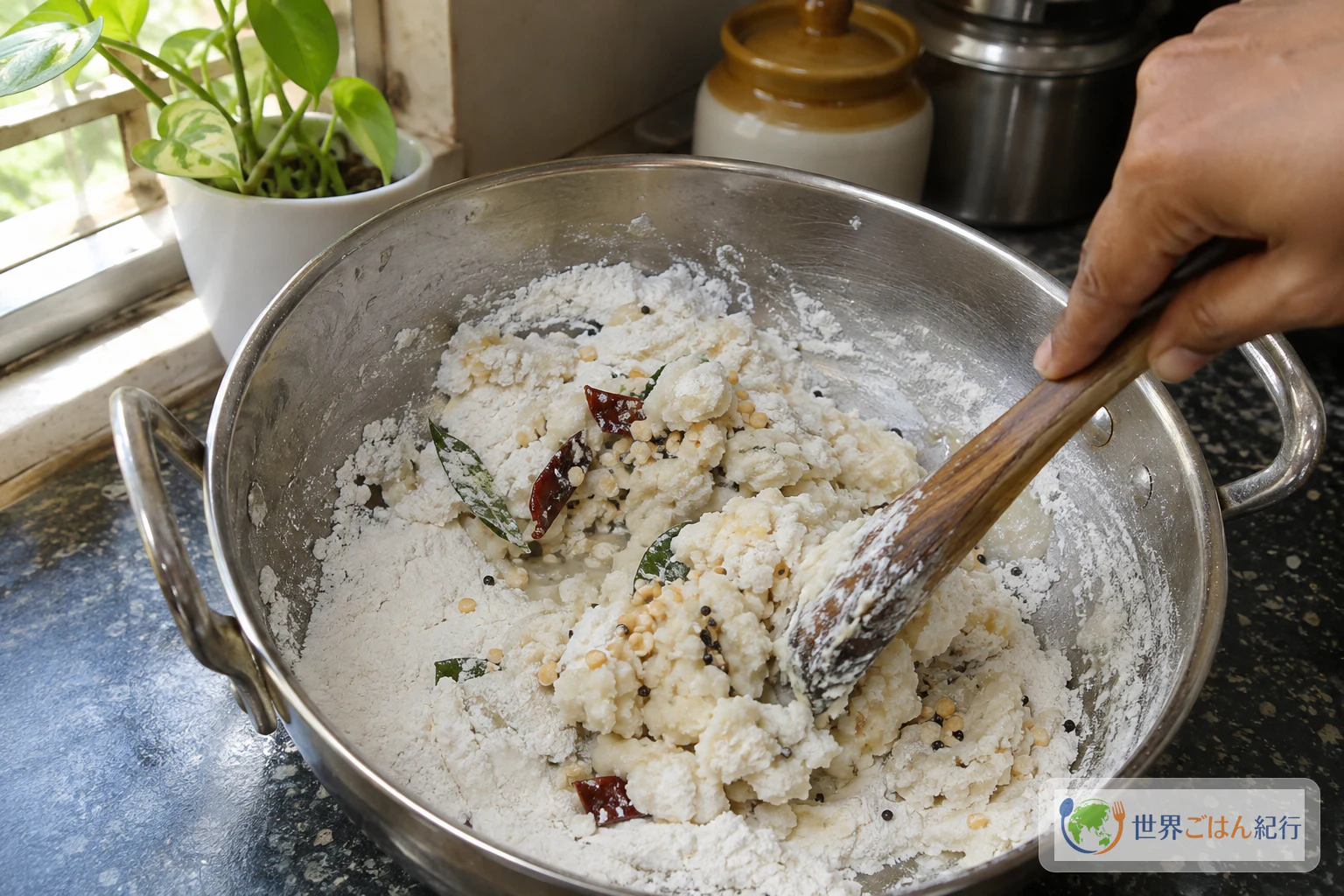
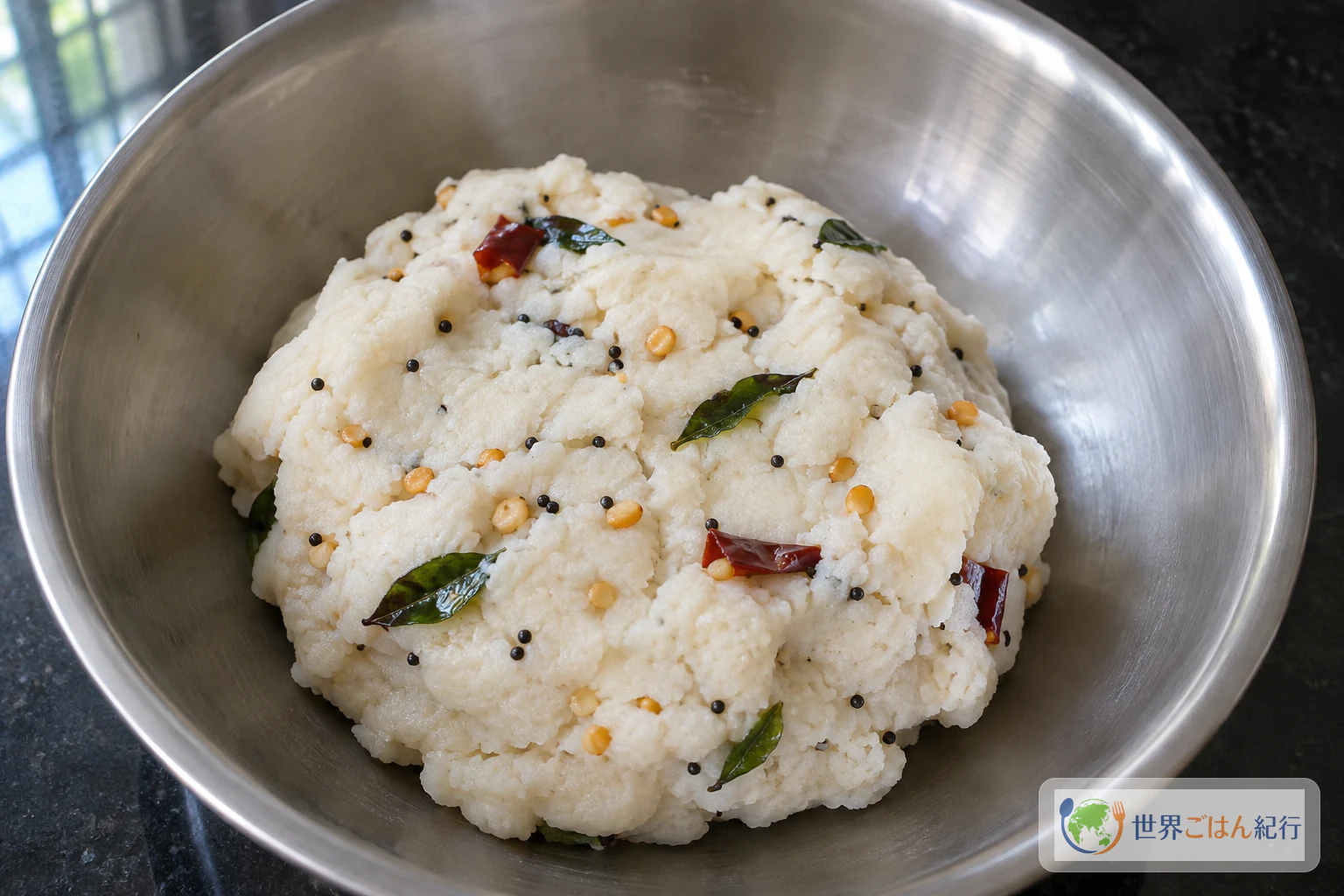
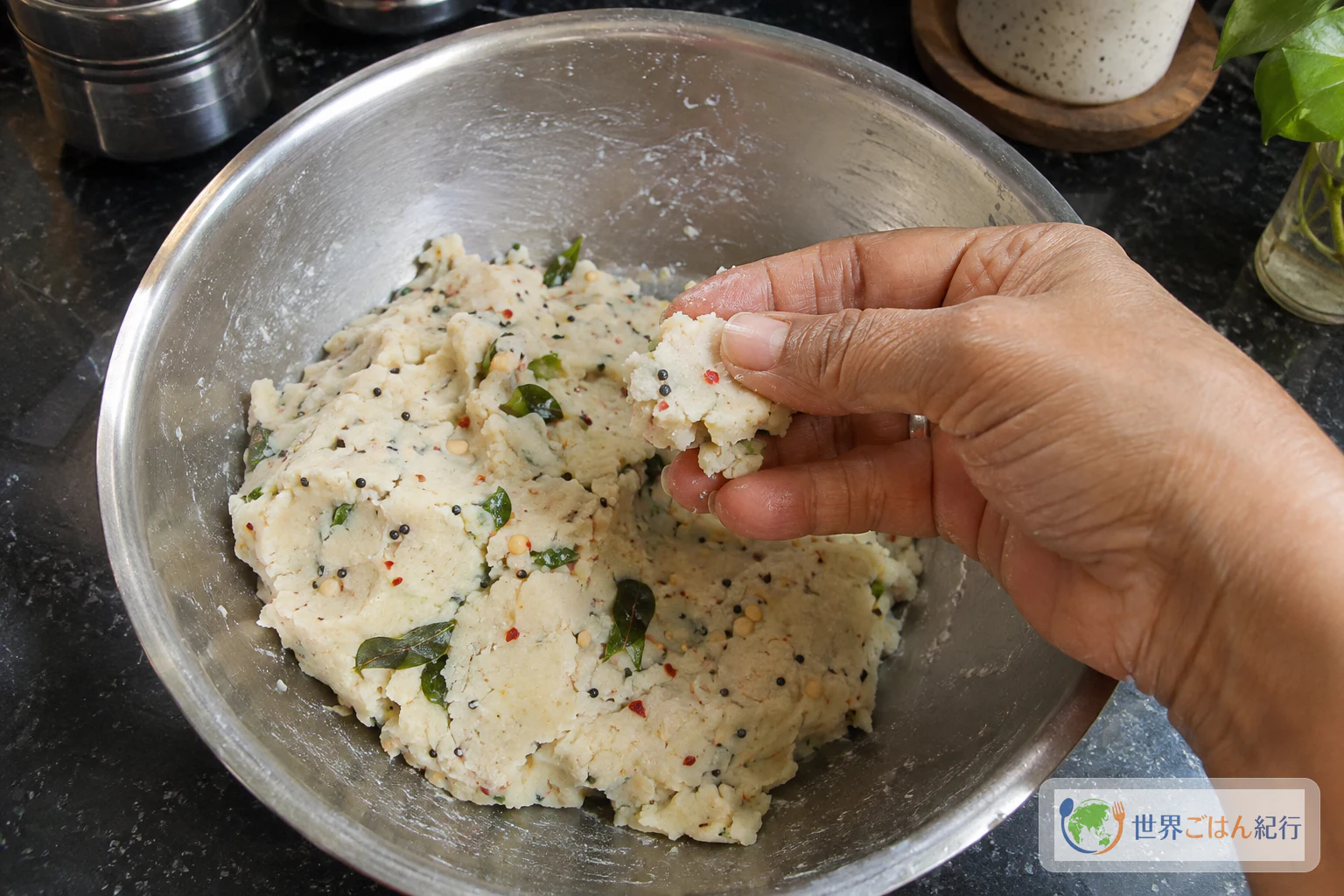
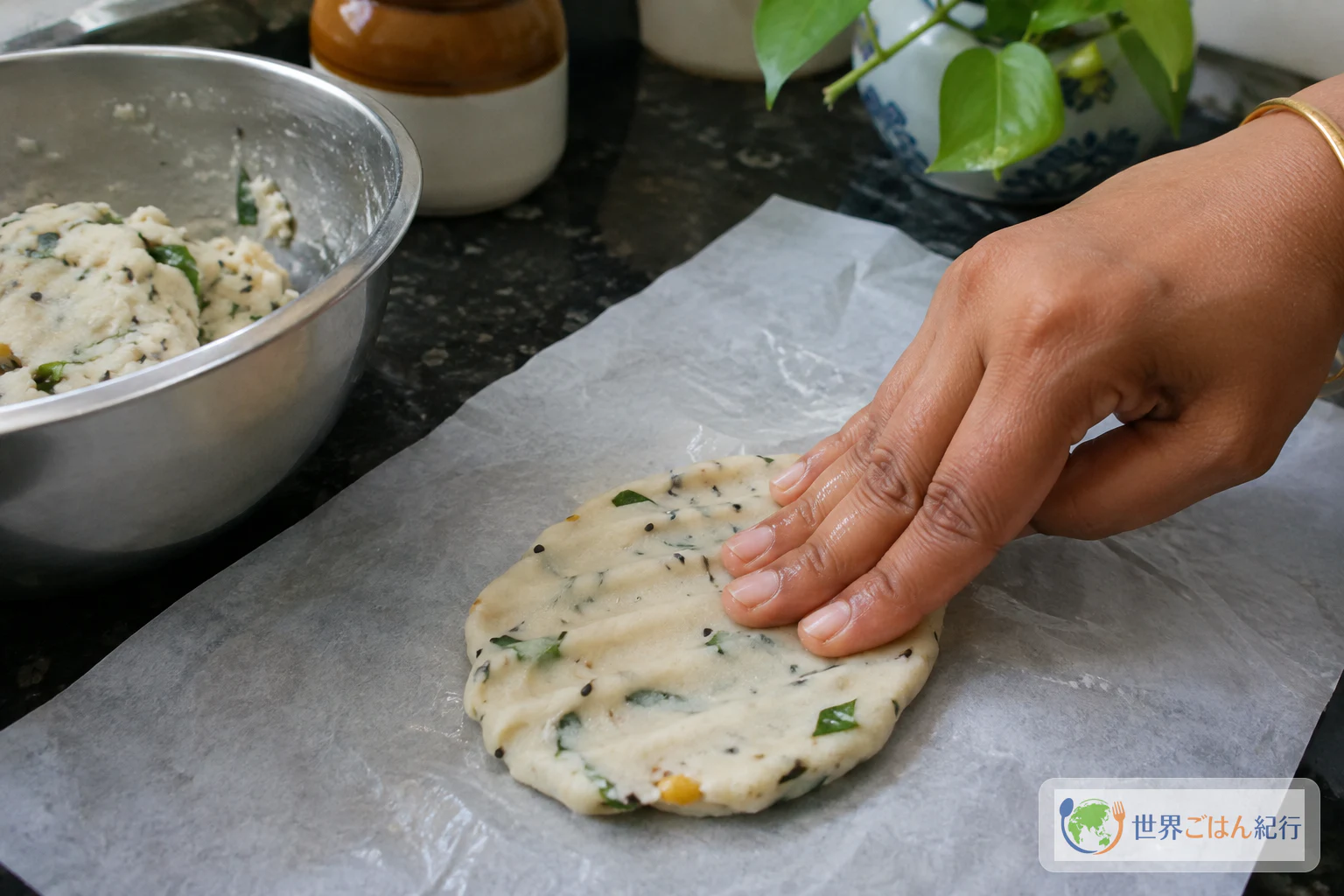
Dry-roasted rice flour waits in a wide bowl. Hot oil goes over it, carrying spluttered mustard seeds, golden urad dal, split red chillies and a few curry leaves. Boiling salted water follows, and the mixture comes together as a soft dough that is pressed between the fingers, leaving its marks on every piece.
The recipe here comes from the author of Dosaikal, who makes both sweet and salted versions and wrote about this savory one in a personal post linked to cooking with a child and to Pillayar Chaturthi. That is one family's kitchen, not a rule for every Tamil household. The author suggests these dumplings for a snack, breakfast or dinner.
The name causes confusion, because many readers expect a sweet dumpling with a coconut and jaggery center. The author separates this dish from filled modhakam: nothing is wrapped inside, and the flavor is mixed through the dough. The word also covers several quite different preparations, so this article treats it as a family of dishes and not as one fixed recipe.
The amounts and main method follow one home cook's published recipe. There is no independent test data behind it, and it has not been kitchen-tested by us.
Ingredients
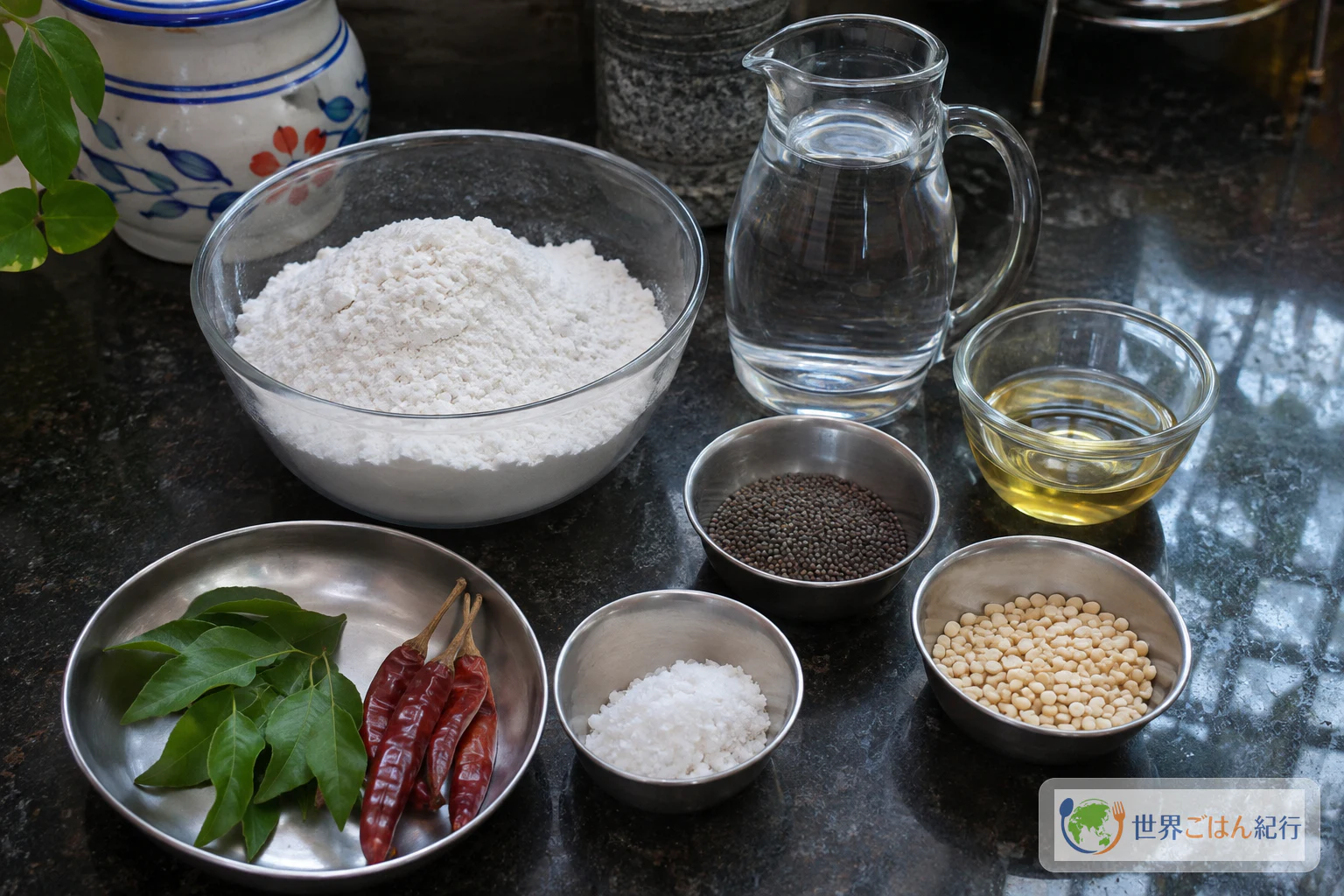
Makes about 20–25 dumplings.
Choosing the Flour, Oil and Leaves
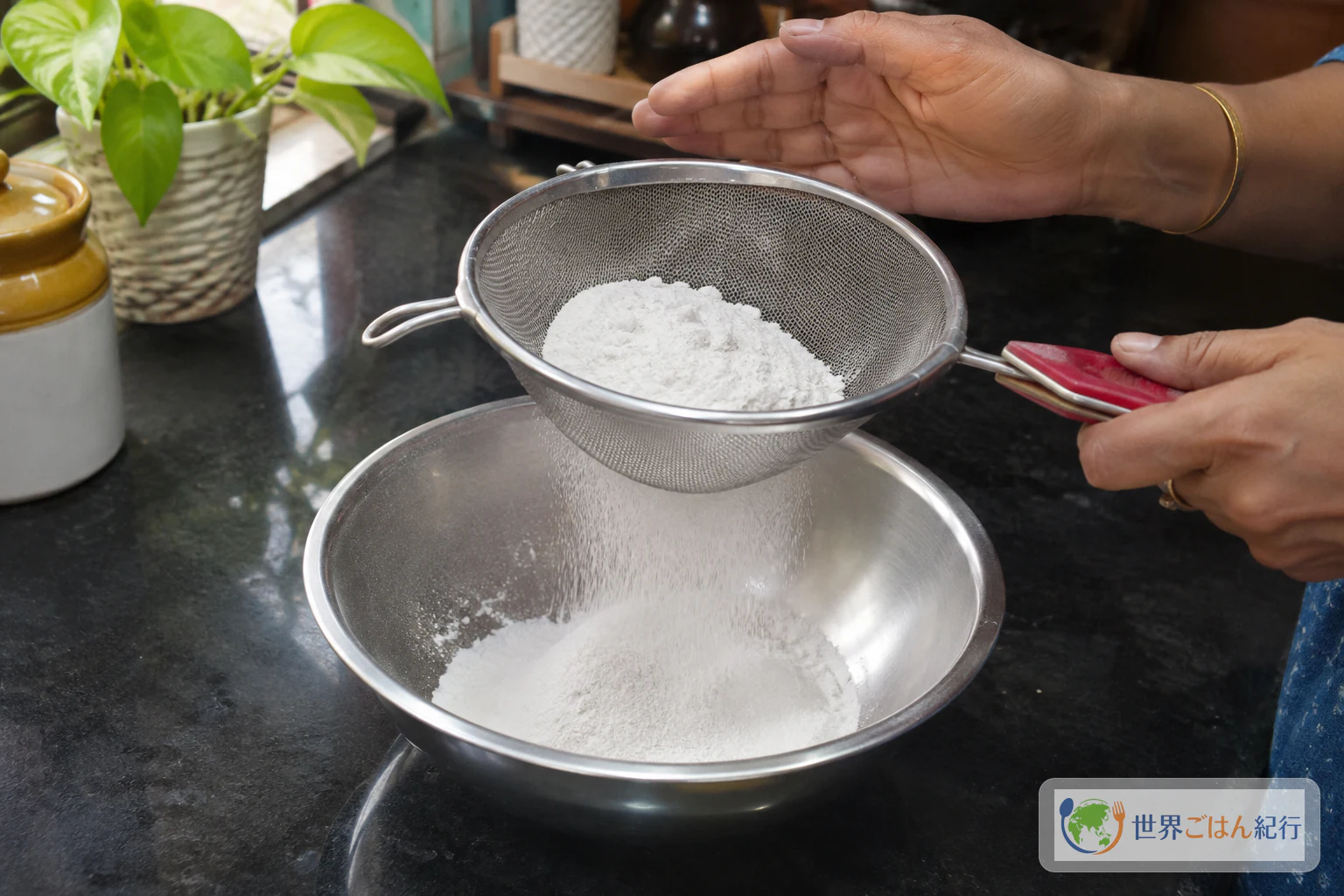
Flour. Look for shop-bought rice flour labeled for idiyappam or string hoppers. Dry-roast and sieve it even though it is ready-made. Grain and absorption can differ between products, so judge the dough by feel and not only by the water amount.
Oil. Any cooking oil you normally use will do. Rapeseed oil is one option we suggest, and it is not a traditional requirement.
Chillies. Use more or fewer depending on your taste and how hot your chillies are.
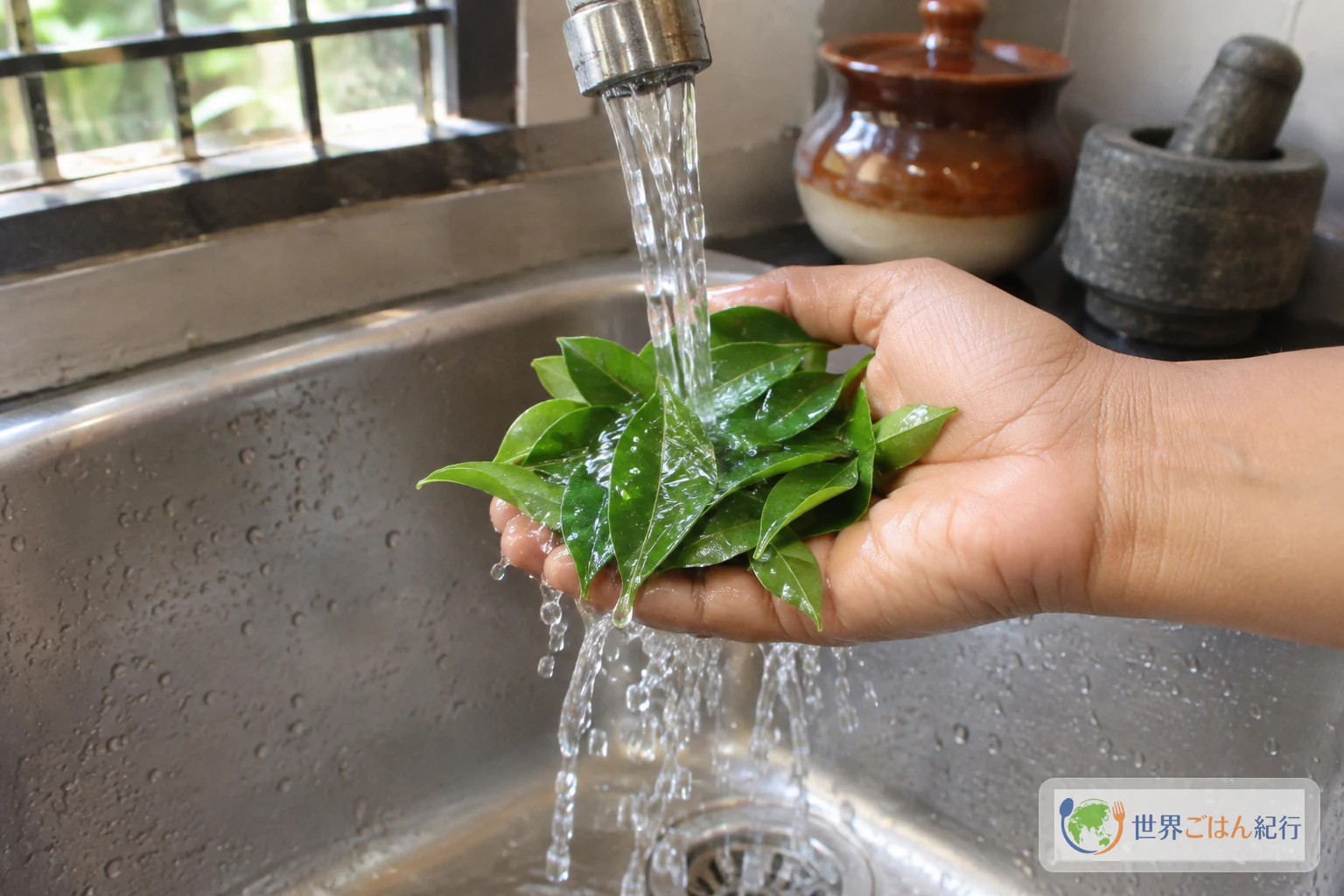
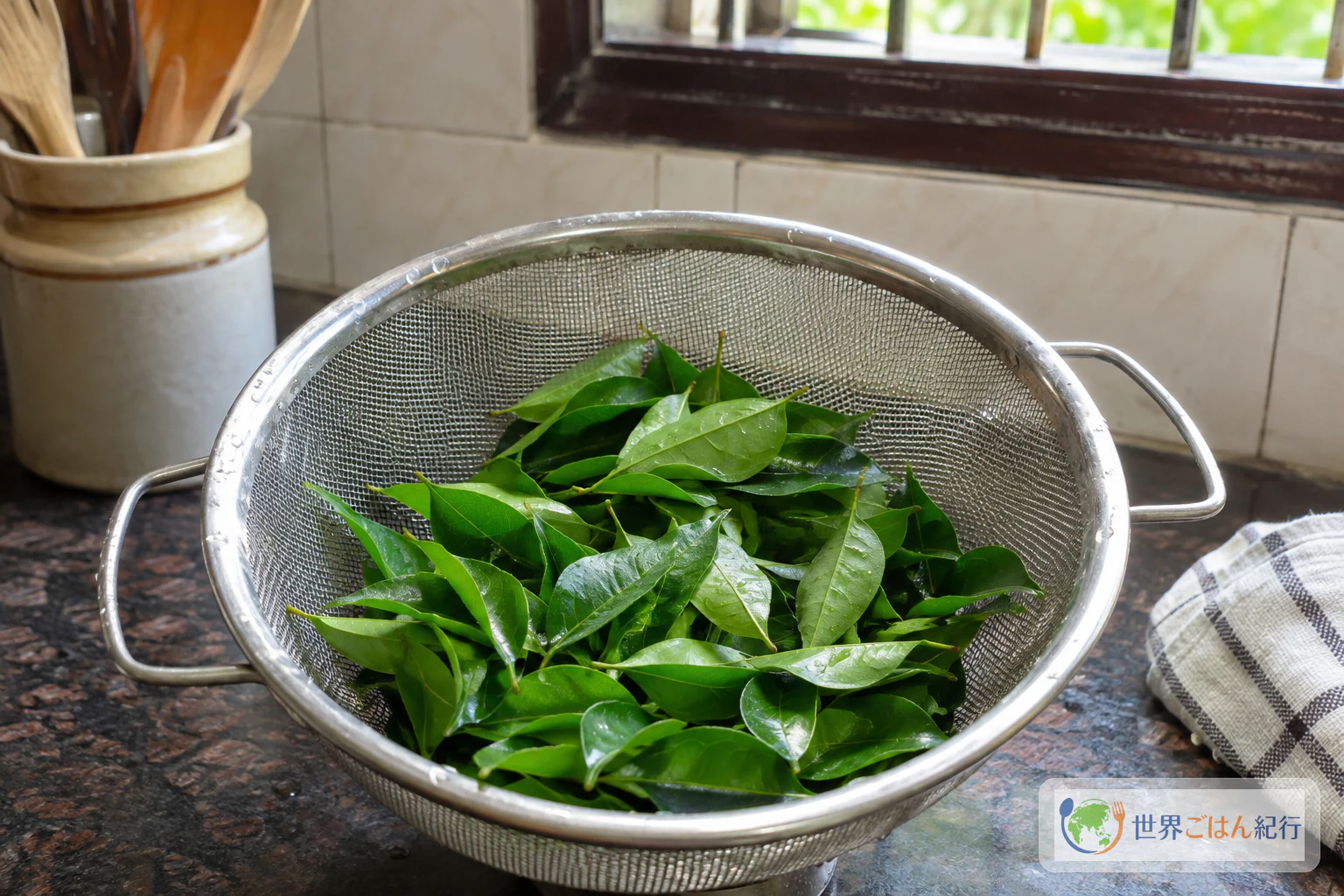
Curry leaves. These are optional. If you use them, they always go through the hot oil, and they are not added raw as a garnish.
Check the labels on your flour, urad dal, mustard seeds and oil for allergens and shared-facility statements. We have not verified any particular product.
Equipment
- Dry pan for roasting the flour
- Sieve
- Clean bowl and a wide mixing bowl
- Small pan for the tempering
- Long-handled utensil, such as a slotted spoon
- Colander
- Separate saucepan for the water
- Jug for pouring water
- Sturdy spoon or similar utensil for mixing hot dough
- Household steamer with an insert and lid
- Utensil for lifting out the dumplings
- Serving plate
Method: From Dry Flour to Fresh Dumplings
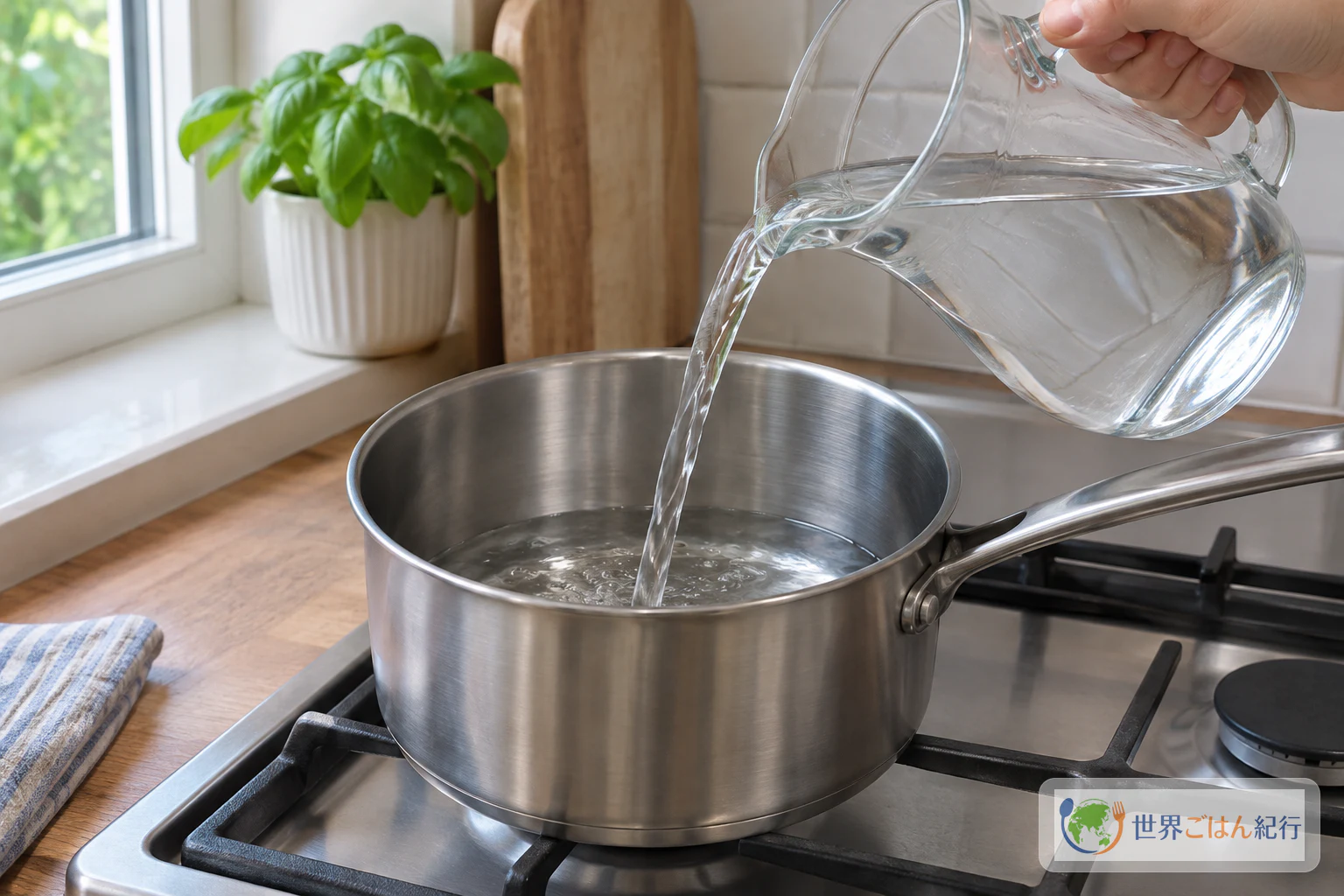
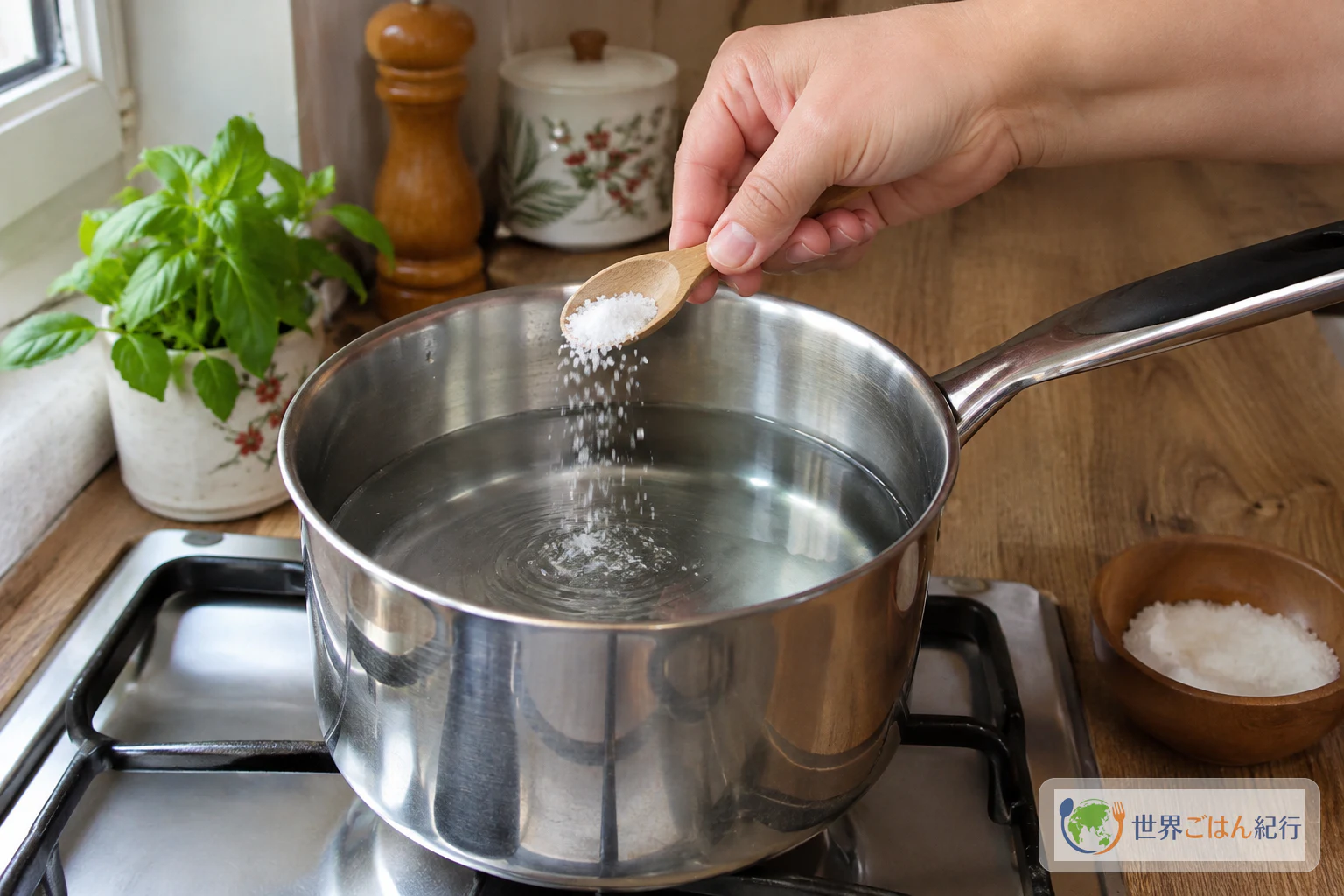
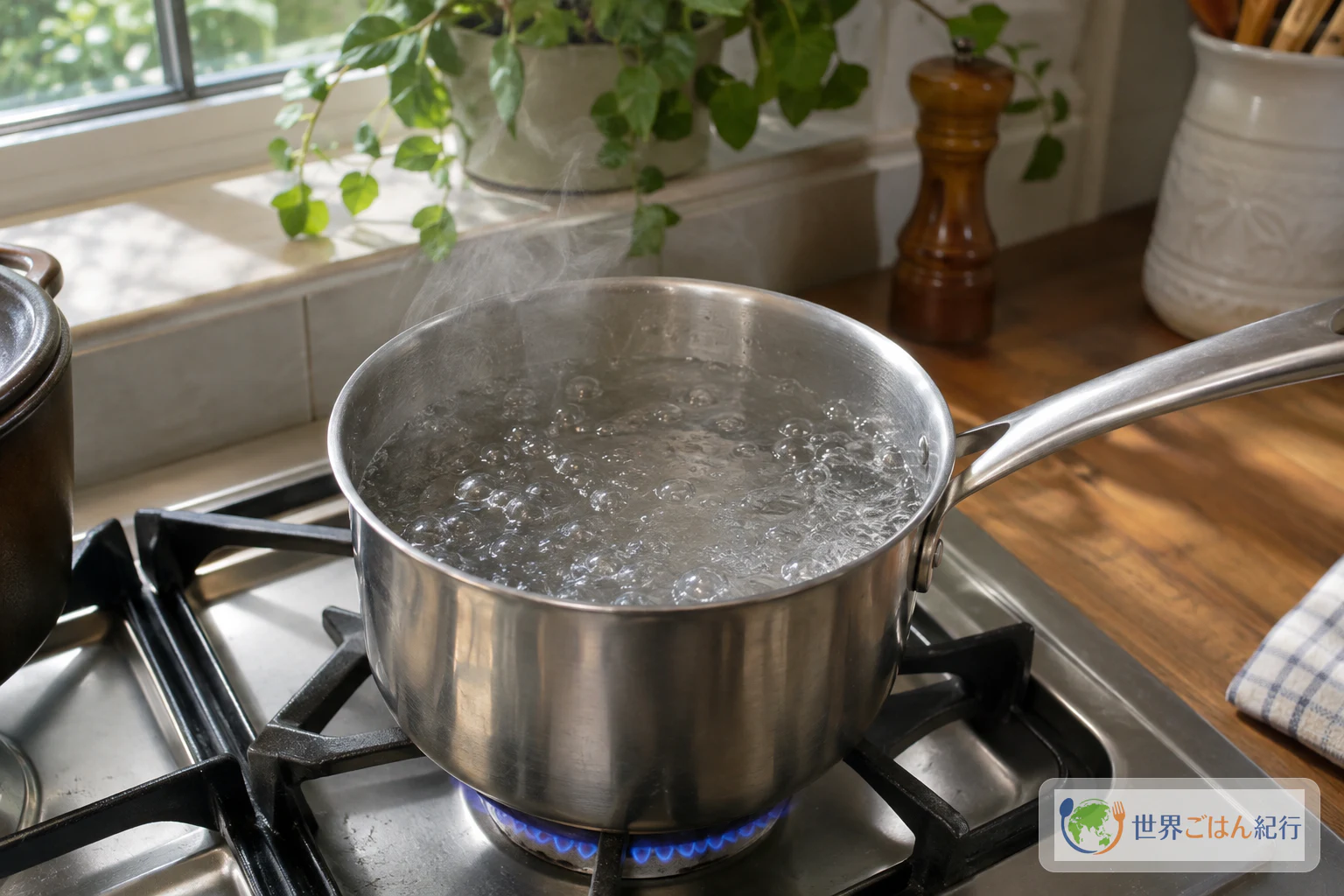
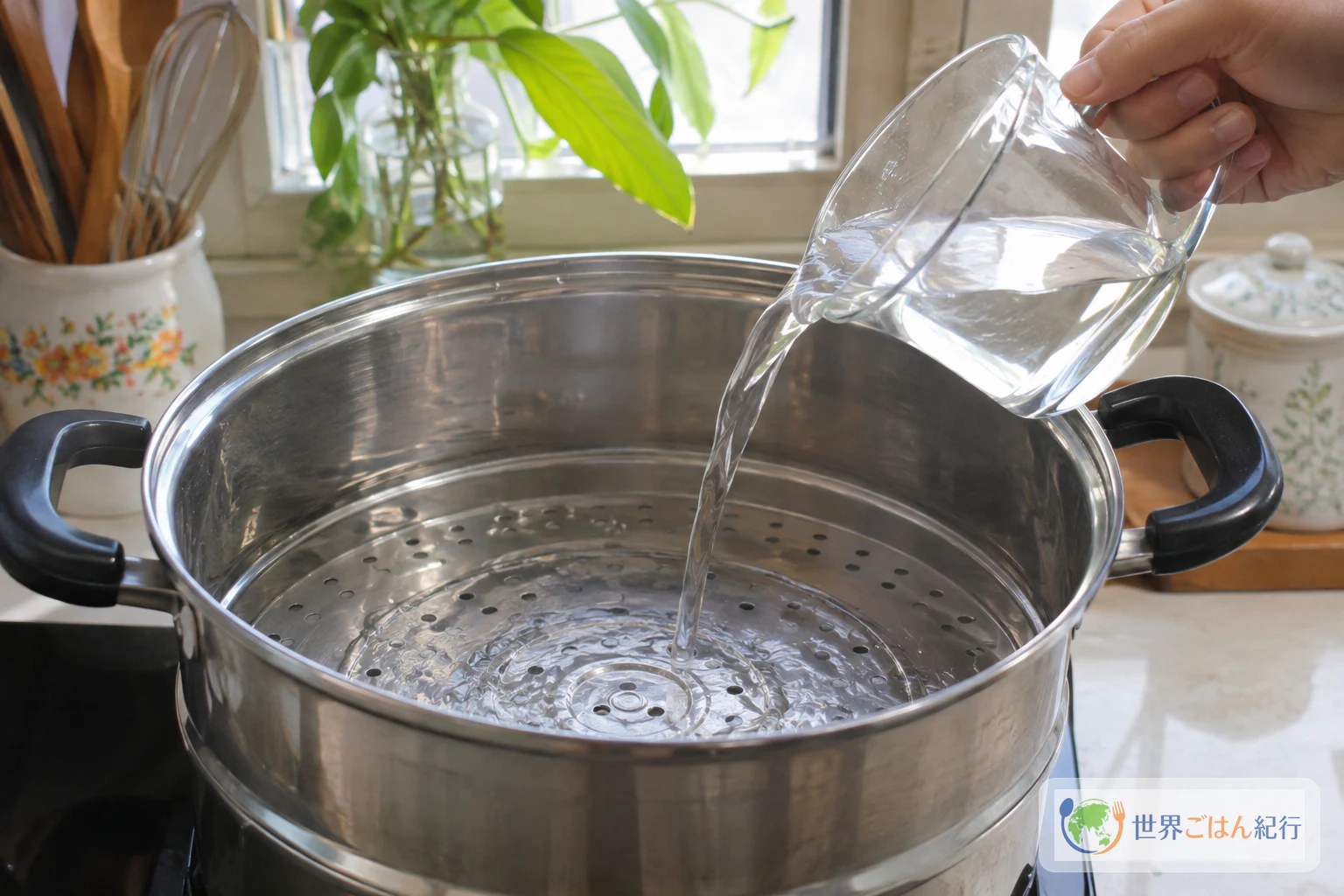
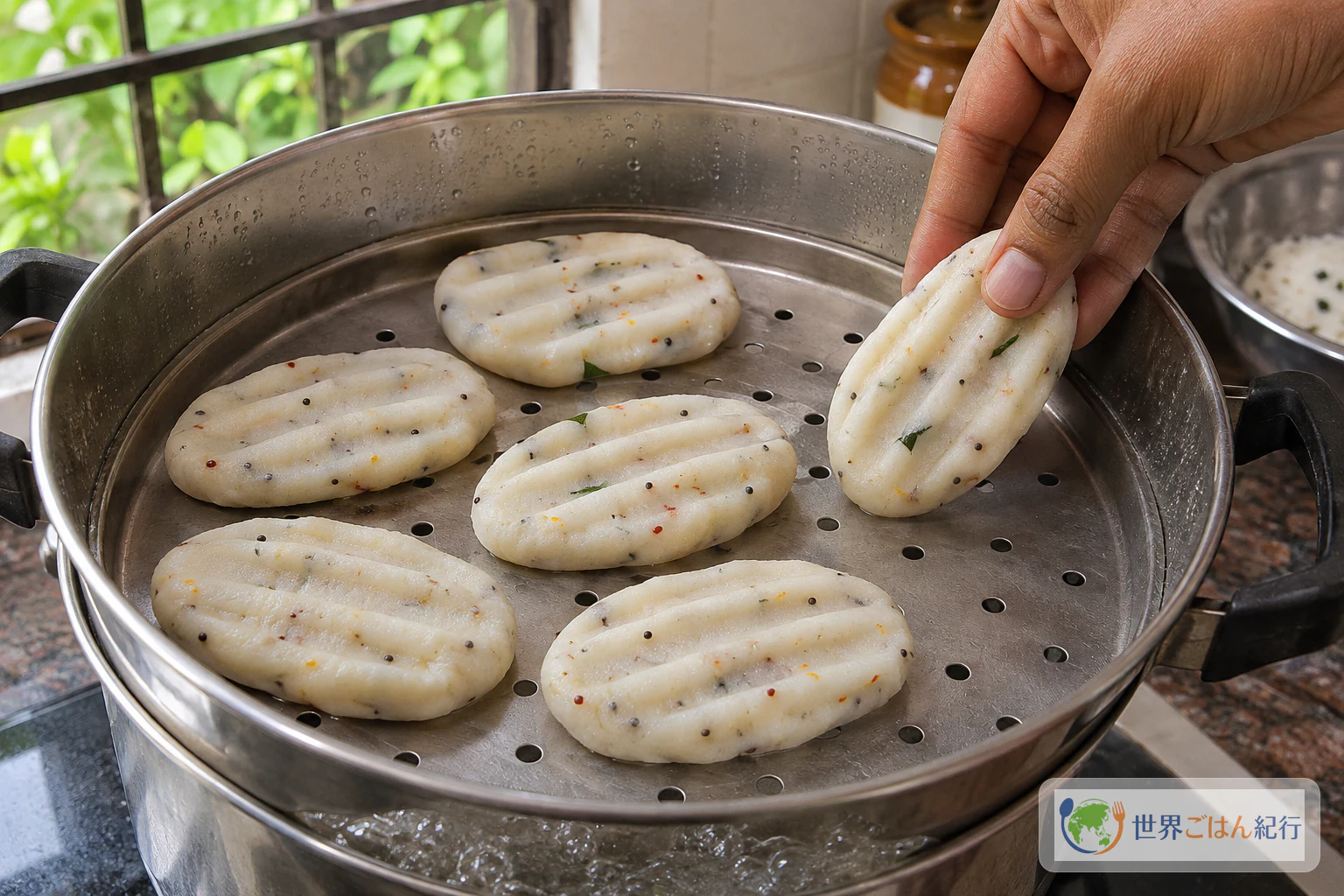
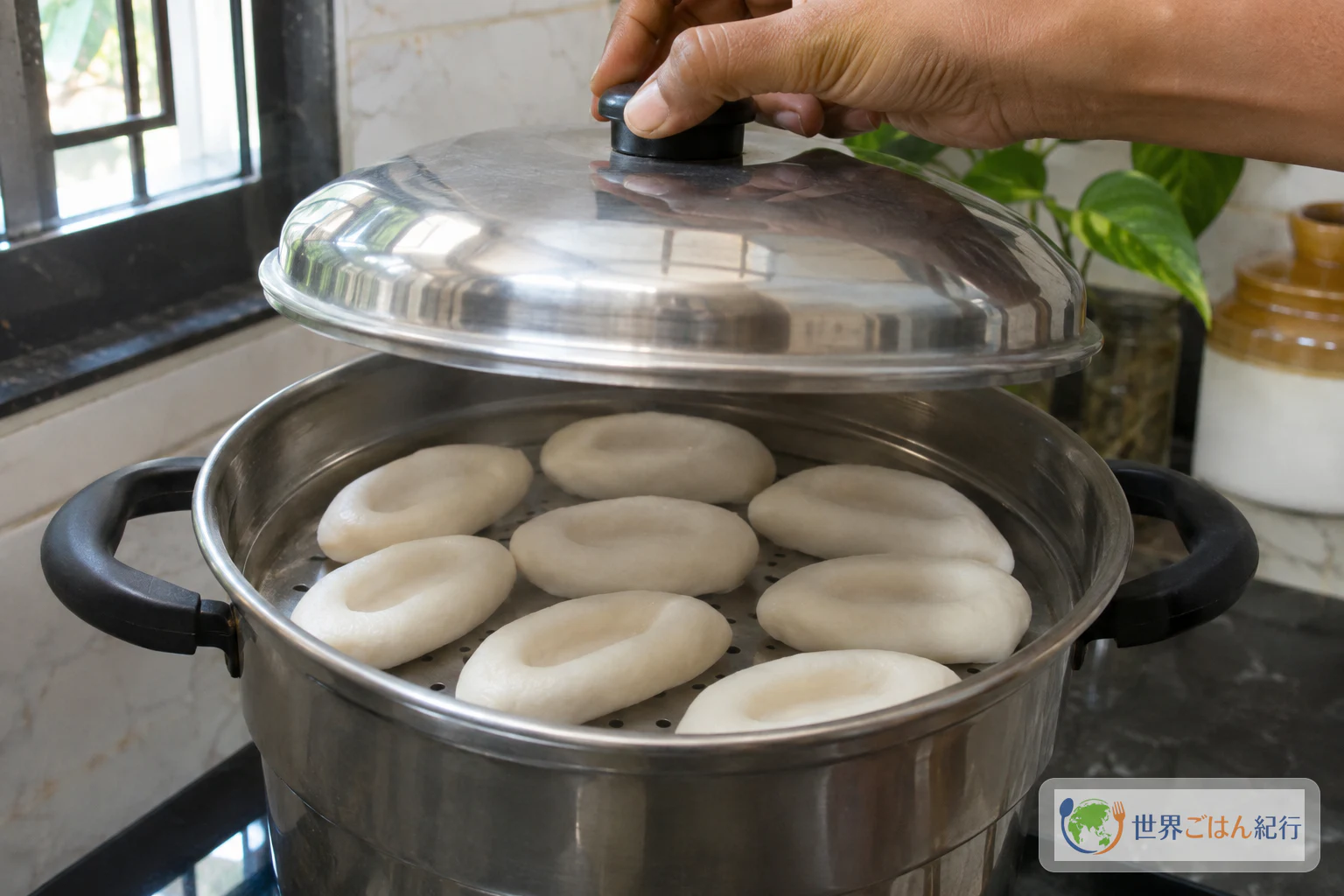
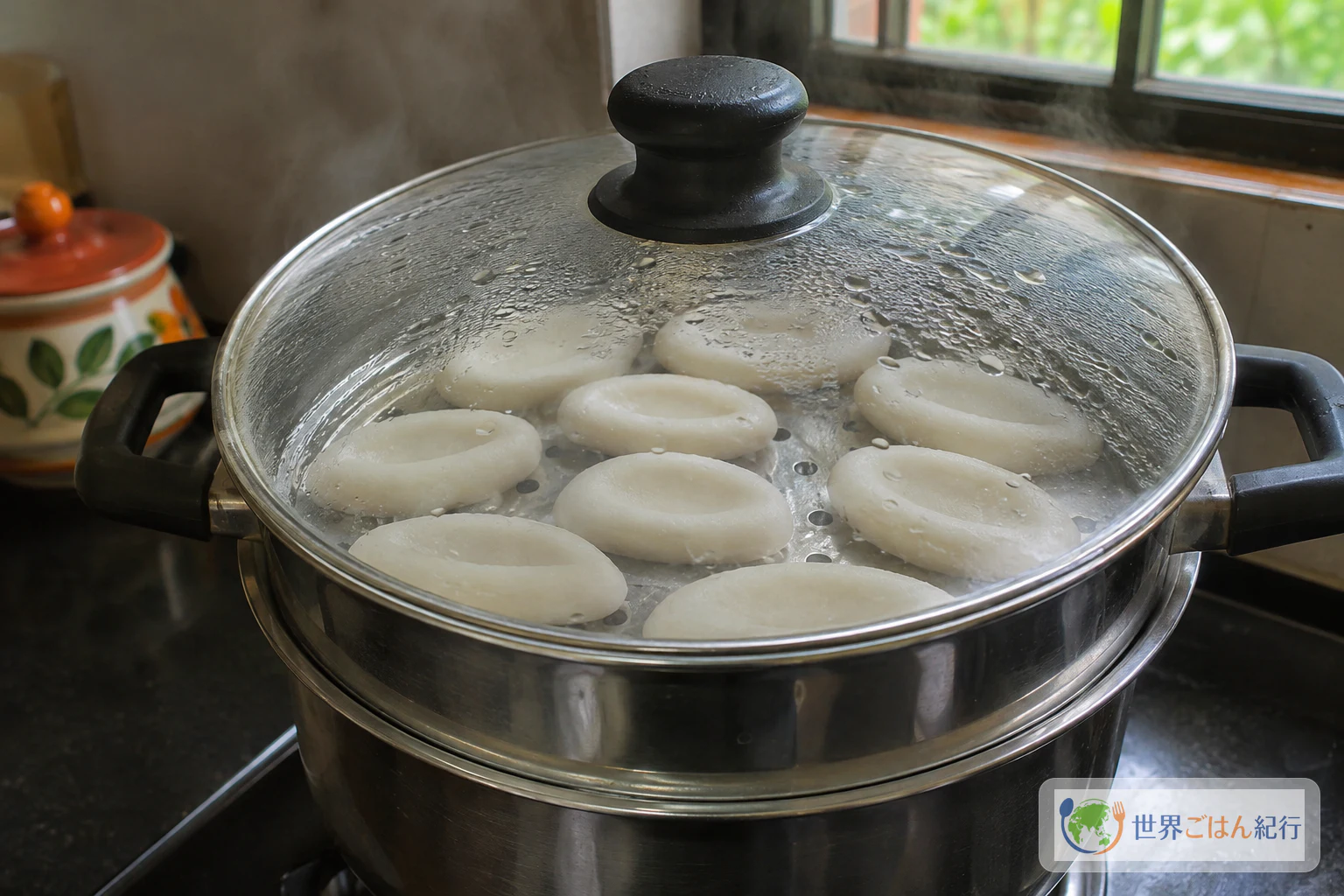
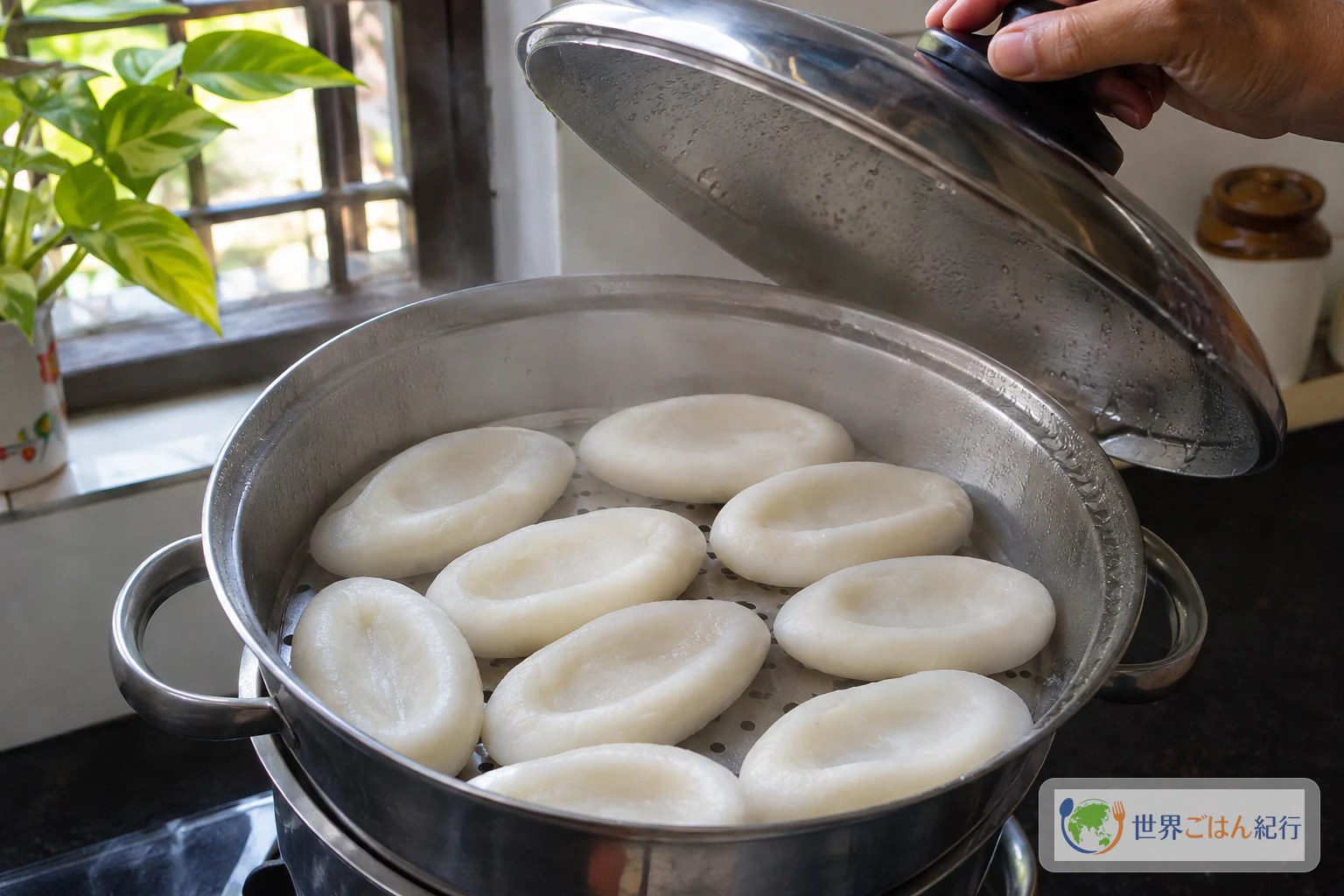
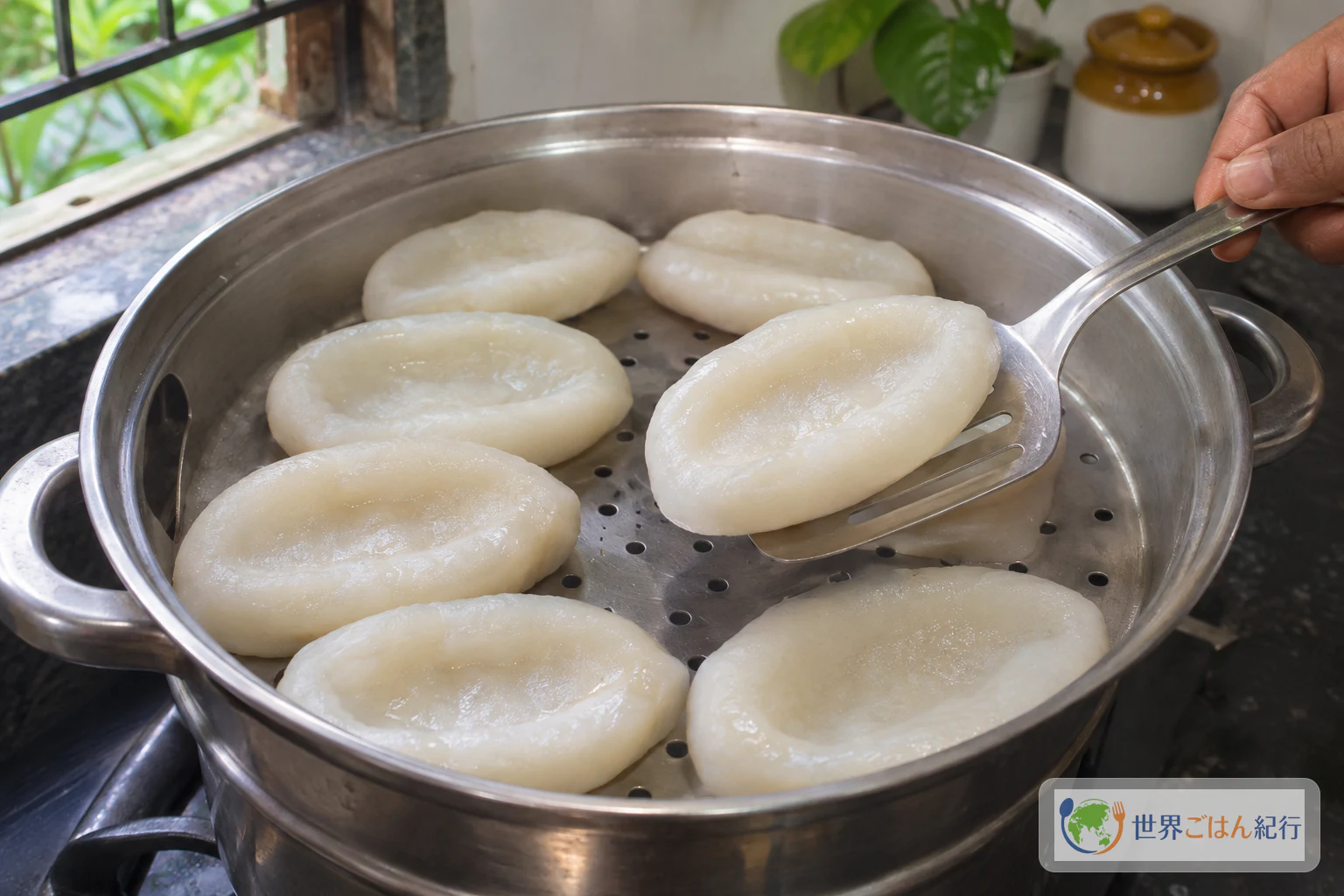
The photographs show what each action looks like. They cannot confirm amounts, elapsed time, temperature, hygiene or whether food is safely cooked.
Boiling water, hot oil and steam can all burn, so use utensils and keep bare hands out of the hot dough. The 8–10 minute steaming time comes from a home recipe, with no measured safe temperature behind it. Neither the clock nor a photograph can guarantee the result in your steamer.
Troubleshooting
| What you notice | Likely reason | What to do |
|---|---|---|
| Flour still smells raw | It needs more dry-roasting | Keep stirring it in the dry pan before sieving |
| Granules in the flour | The flour was not sieved, or not sieved well | Sieve before the tempering goes in |
| Dough is dry | Too little water for your flour | Mix in a little more boiling water with a utensil |
| Dough is sticky | Too much water for your flour | Hold back any remaining water. We have no tested rescue, so use less next time |
| Dough is too hot to shape | It needs more resting time | Keep waiting, and don't test it with a full handful |
| Pieces are hard to shape | The pressed form takes some practice | Roll the dough into small balls instead |
| Oil spatters when the leaves go in | Water may remain on the leaves | Remove the excess water first and use a long-handled utensil |
| Steamed dumplings are hard | They may have been over-steamed | Stay within 8–10 minutes next time |
Variations and Related Dishes
The one variation the Dosaikal author explicitly allows for this dough is shaping it into small balls if pressing proves difficult. We keep the finger-pressed form as the main version, because it is what gives the dish its look.
The other dishes below are shown for comparison only. Their amounts and methods are not part of this recipe, and mixing them in would make a different dish.
| Style | Described by | How it differs |
|---|---|---|
| This recipe: savory pidi | Dosaikal | Unfilled; tempering mixed into flour, then boiling salted water; pressed by hand and steamed |
| Sweet Pooranam Kozhukattai | ICAR-Central Rice Research Institute | Rice-flour and hot-water dough, filled with fried gram, coconut, jaggery and cardamom; cup or half-moon shapes, steamed |
| Sweet pidi | Parveen's Kitchen | Rice flour combined with jaggery syrup and coconut, cardamom optional; fist-pressed and steamed |
| Malabar Kozhukkatta | Kerala Tourism | Small rice-flour balls steamed separately, then tossed with a coconut-spice mixture tempered with mustard; served hot |
Background: One Name, Several Dumplings
These four recipes show how much the name can cover. Two are sweet and two are savory. Some put the flavor inside a wrapper, some mix it through the dough, and the Malabar version adds it after steaming. We don't assert an etymology or a date of origin here, because the sources we rely on don't establish one. For more from the same country, see our India page.
The ingredients, amounts, order of operations, yield and steaming time all come from the Dosaikal post. A few home-kitchen steps are our own general additions, and none comes with a number:
- Washing the curry leaves and removing their excess water
- Waiting until the dough is comfortable to handle
- Setting up the steamer's water and lid according to its instructions
- Opening the steamer with care and lifting the dumplings out with a utensil
Frequently Asked Questions
How is this different from sweet kozhukkattai?
This version is salted and has no filling, and its tempering is mixed through the dough. Sweet versions use jaggery and usually coconut, either as a filling or mixed into the dough.
Which flour should I buy?
The Dosaikal author recommends shop-bought flour intended for idiyappam or string hoppers, and that is the route used here. The author also describes a homemade flour: raw rice soaked for two hours, drained, shade-dried to about 75%, ground, then roasted and sieved. We don't use that route in this article and don't teach it here.
Can I use other rice flour, such as Japanese rice flour?
You can try it, but this is our suggestion and not part of the recipe. The rice type, particle size and water absorption may not match, so the dough may behave differently. Go by the feel of the dough, and expect that the water may need adjusting.
What size cup should I use?
The recipe doesn't state a cup size, a gram weight or an exact amount of salt, so we haven't converted them. Our suggestion is to measure the flour and water with the same cup.
Can I leave out the curry leaves?
Yes, the recipe lists them as optional. Skip steps 2, 3 and 14 if you aren't using them.
How many people does it serve, and how firm are the numbers?
The author estimates 20–25 dumplings and gives no number of servings. The 8–10 minute steaming time is also the author's figure, and it isn't backed by independent testing or a measured temperature.
Which chutney goes with it?
The author mentions chutney as an optional accompaniment, and any chutney you like can sit alongside. We don't give a chutney recipe here because we haven't researched one for this dish.
Can I store or reheat the dumplings?
This article covers fresh serving only, right after steaming. We don't give storage, reheating or nutrition guidance for this recipe.
Sources
- Dosaikal, "Pidi Kozhukkattai -Karam/Salted Rice Dumplings-Spicy." The author's personal recipe post and the basis for this recipe's ingredients, amounts, method, yield, steaming time, flour advice, small-ball alternative and personal context. https://dosaikal.com/2013/07/29/pidi-kozhukkattai-karamsalted-rice-dumplings/
- ICAR-Central Rice Research Institute, Cuttack, "Traditional Rice Foods: The Rich Heritage of India" (Sweet Pooranam Kozhukattai section). Used for comparison only, as a separate sweet filled preparation. https://www.icar-crri.in/wp-content/uploads/2023/05/final_book_ldas.pdf
- Parveen's Kitchen, "Sweet Rice Dumplings – Pidi Kozhukattai." Used for comparison only, as a sweet pidi variant. https://parveenskitchen.com/sweet-rice-dumplings-pidi-kozhukattai/
- Kerala Tourism, Government of Kerala, "Kozhukkatta." Used for comparison only, as a savory Malabar preparation. https://www.keralatourism.org/ebooks/flavours-of-malabar/kozhukkatta