
Khanom Tokyo: A Thin Pancake, Spread on a Hot Pan and Rolled Around Its Filling
A thin, lightly sweet shell, fillings set before rolling, and a compact roll eaten while still warm.
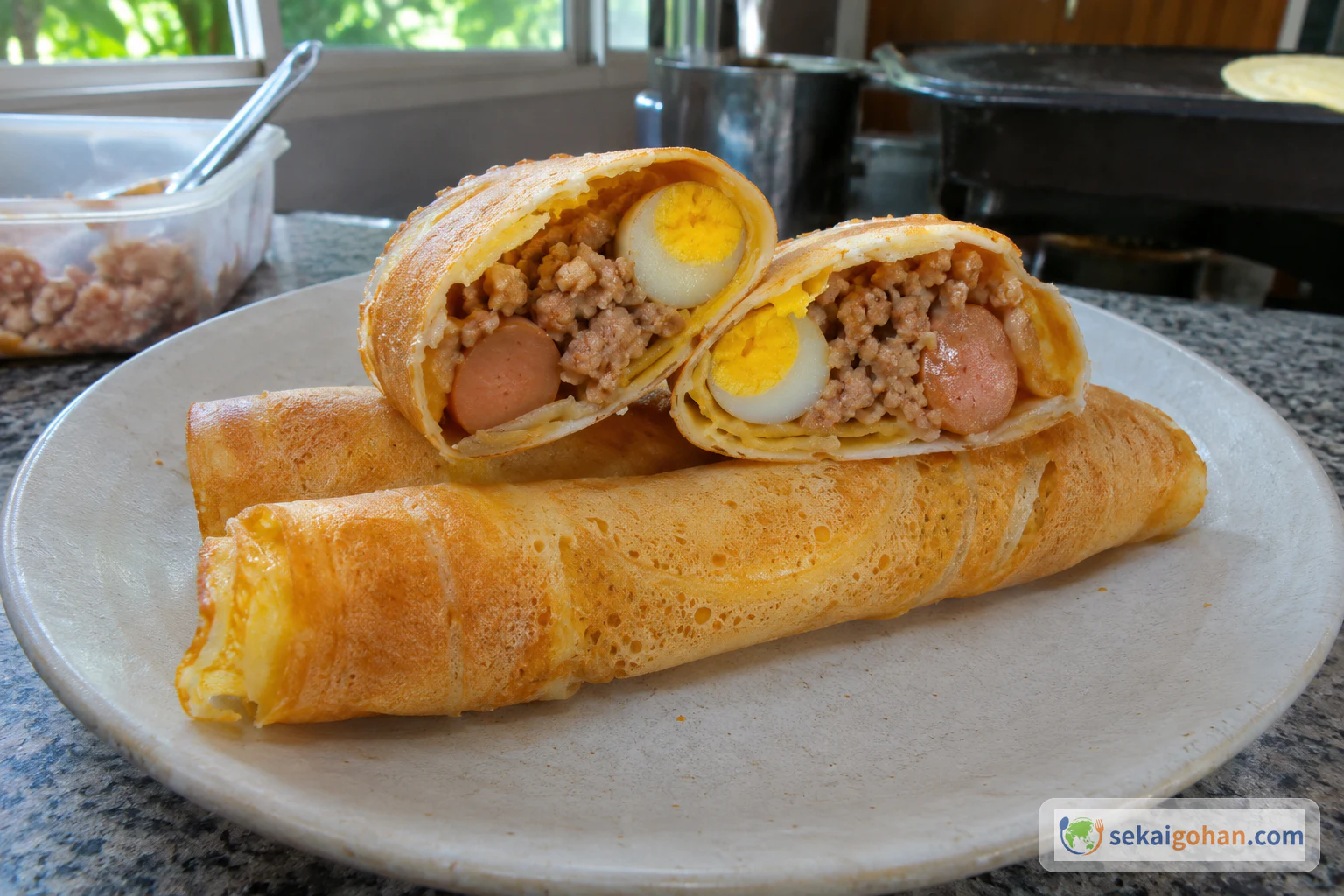
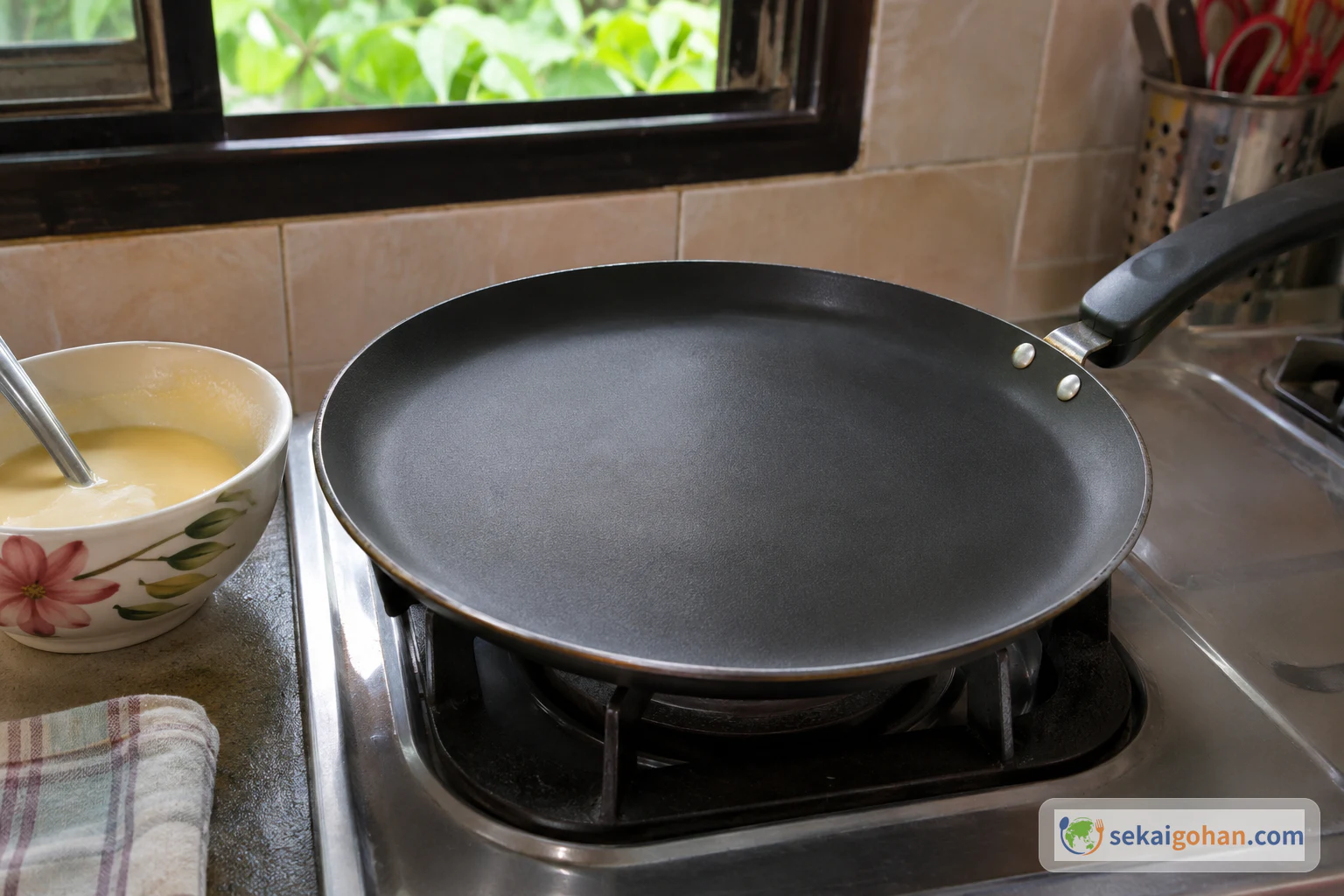
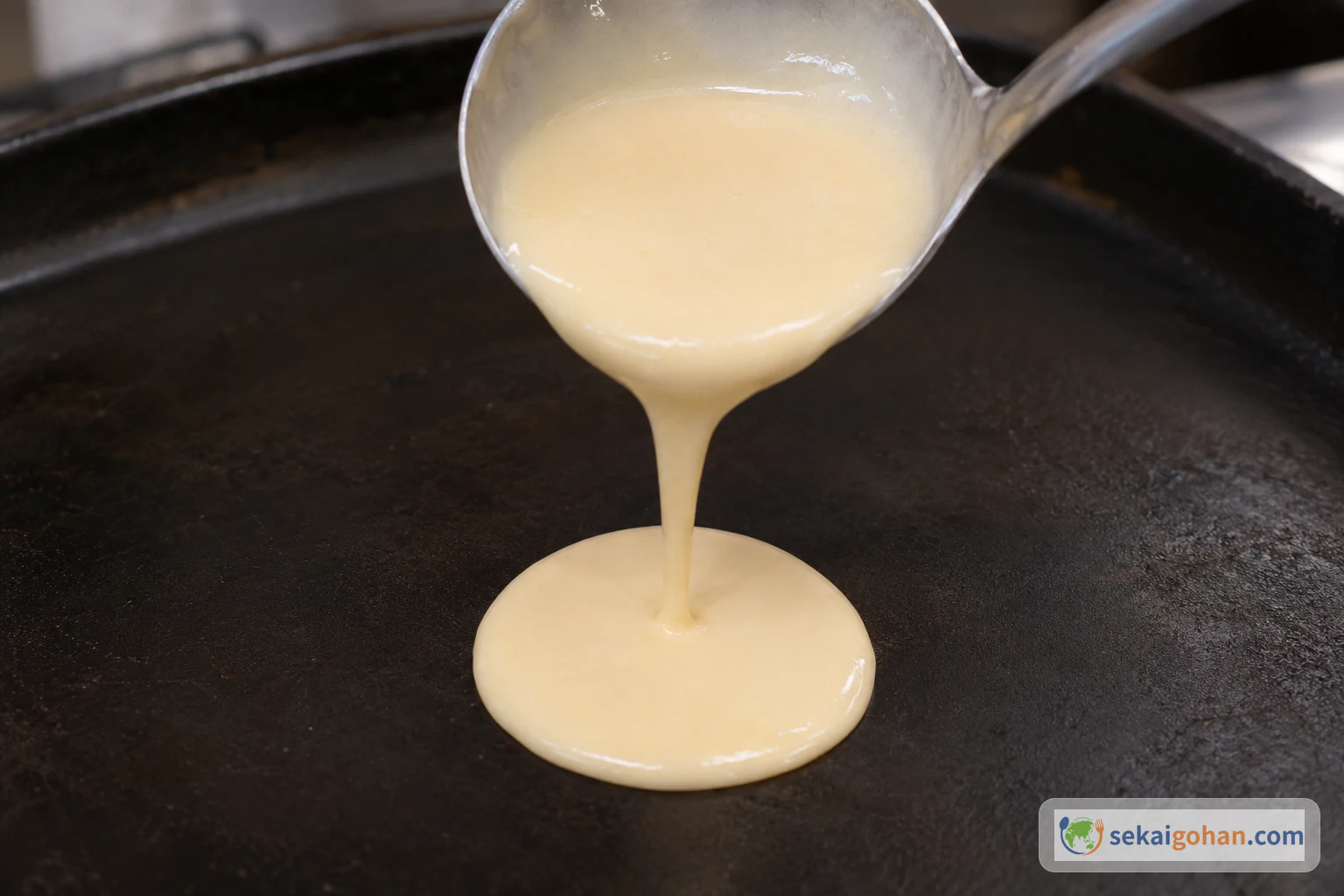
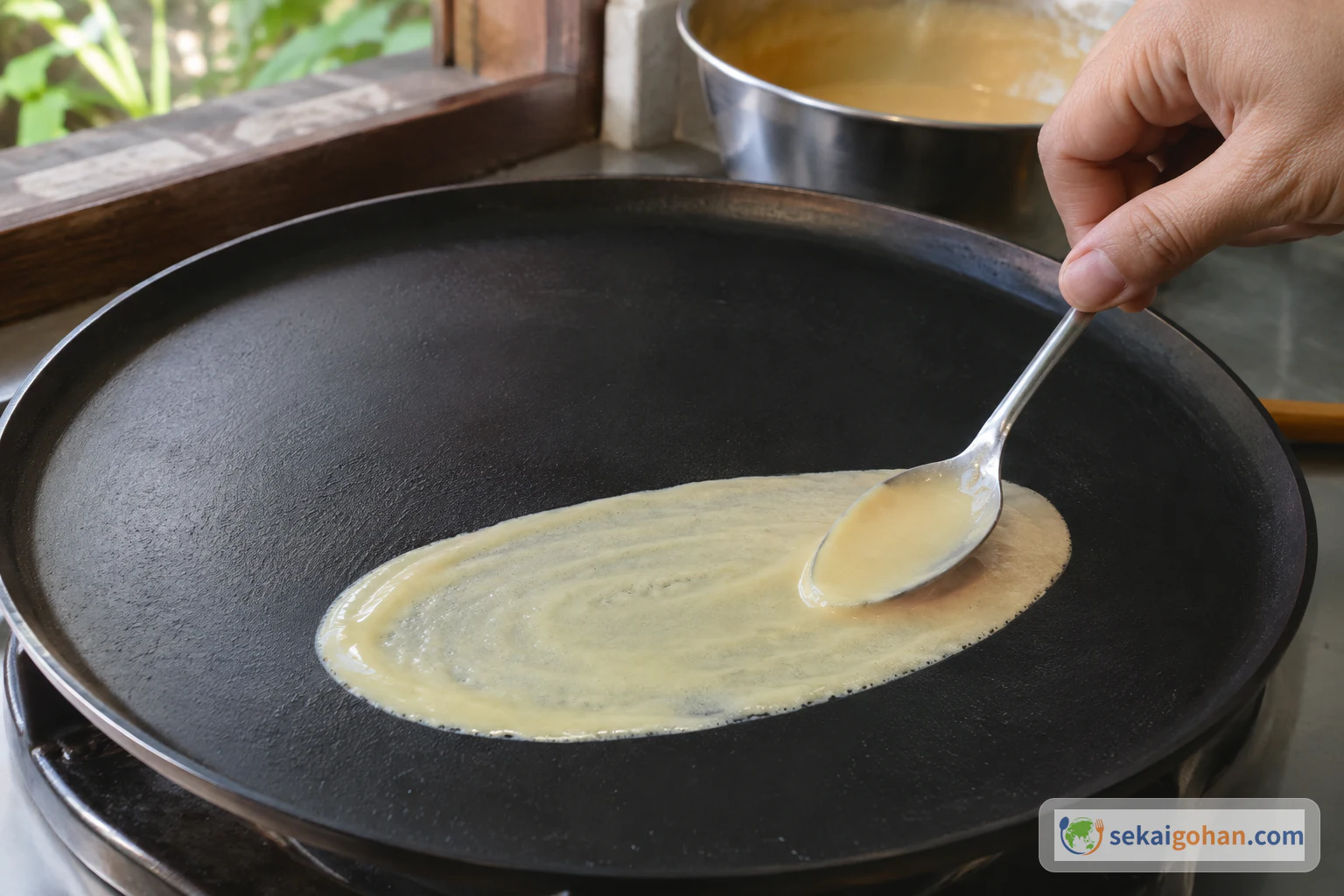
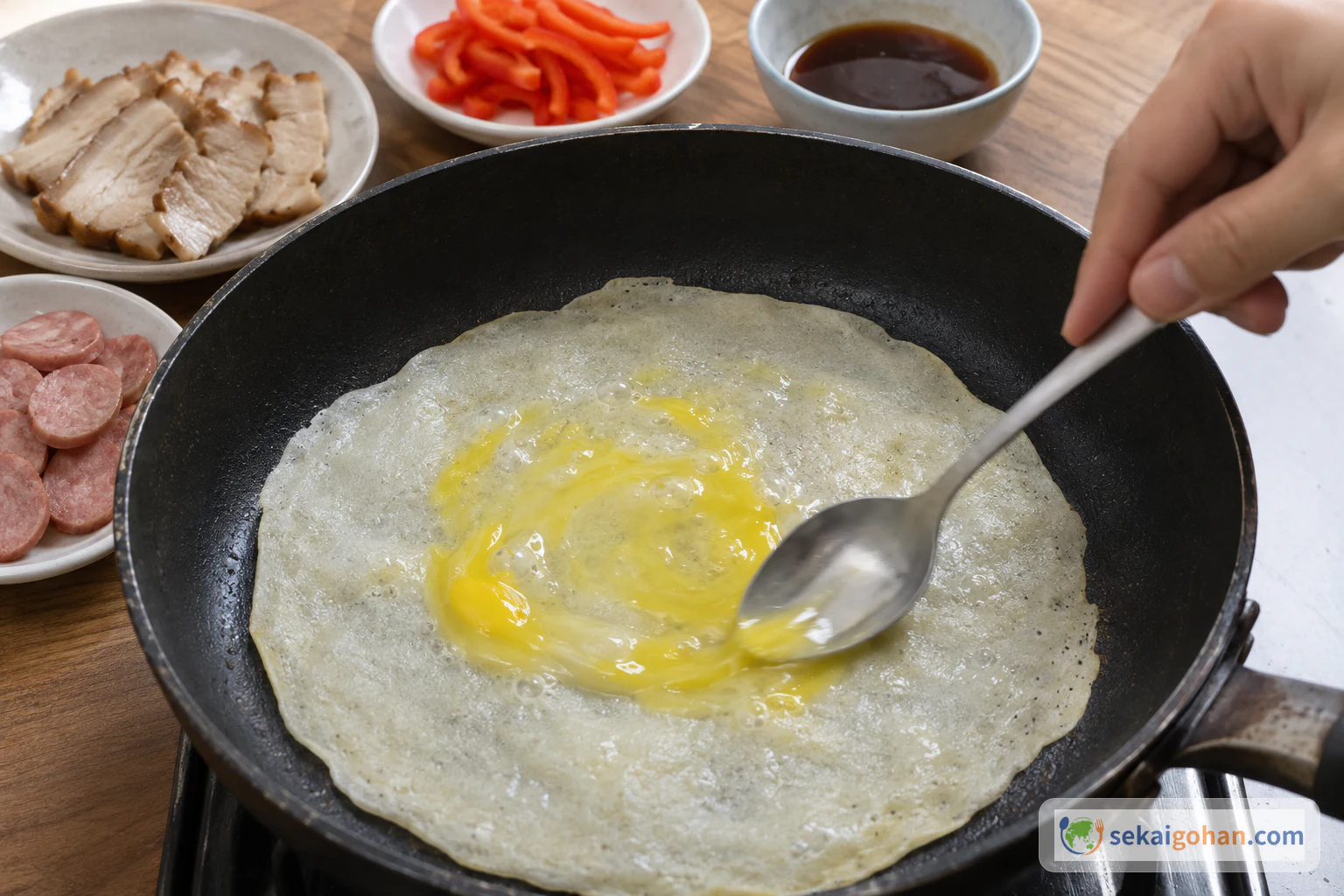
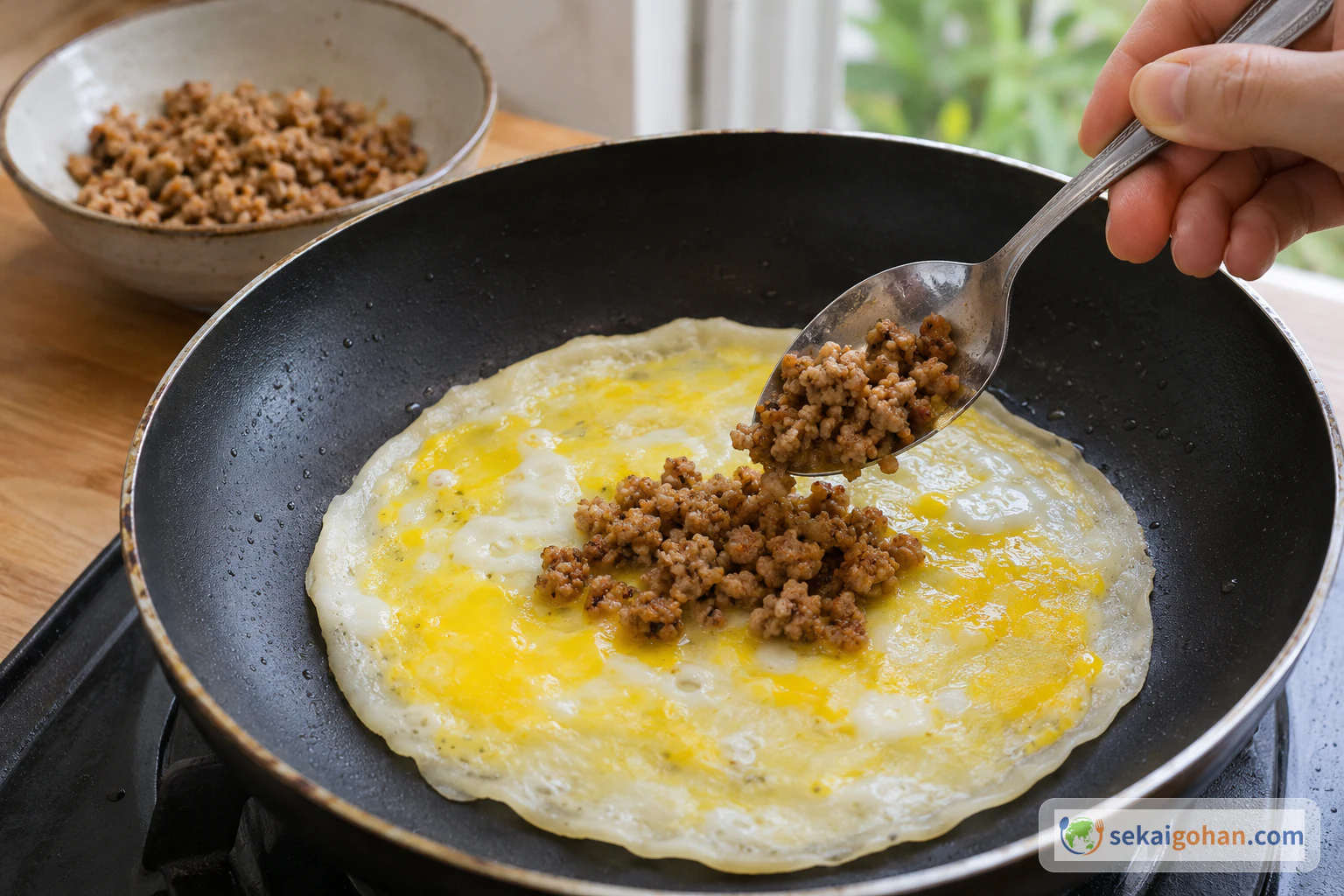
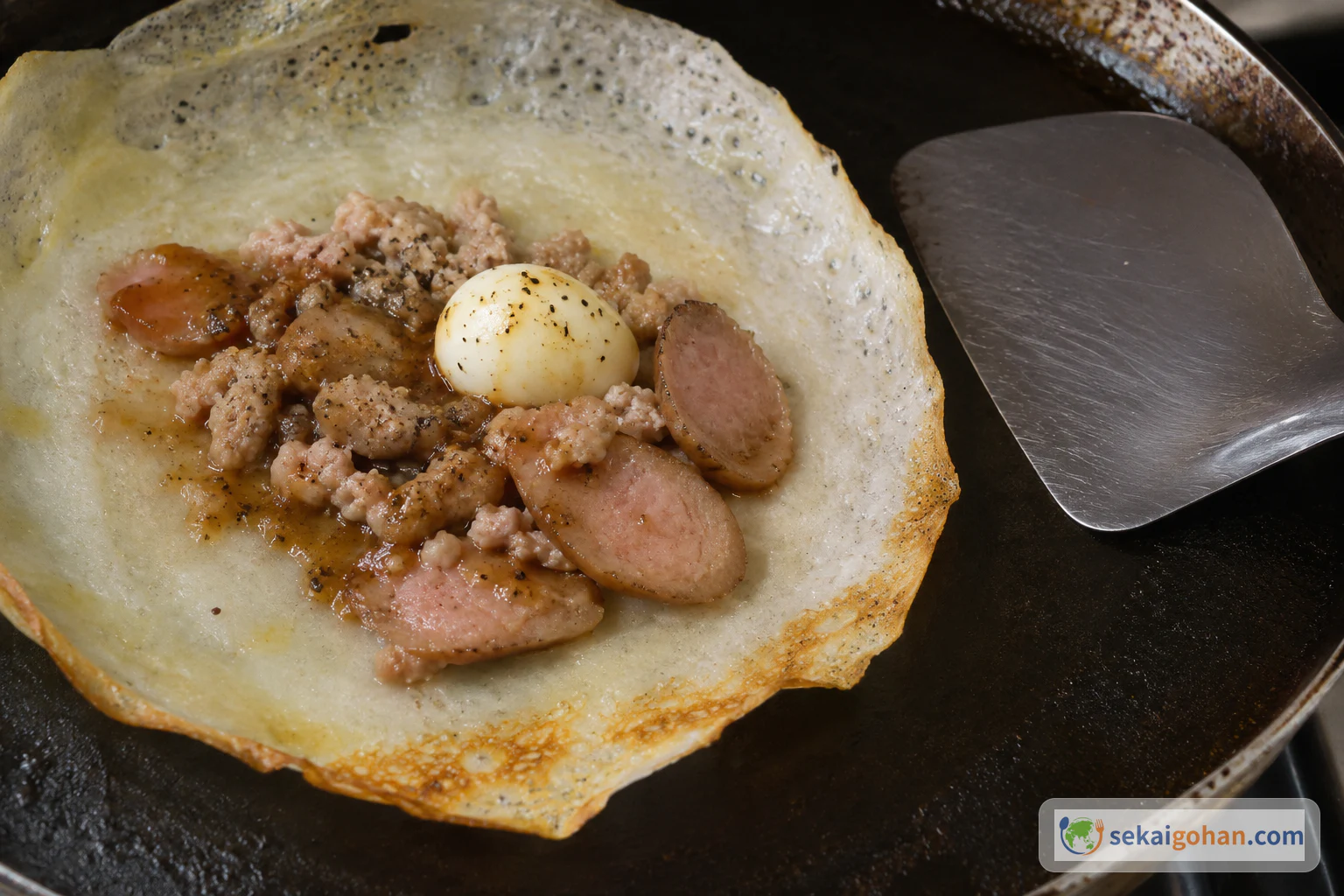
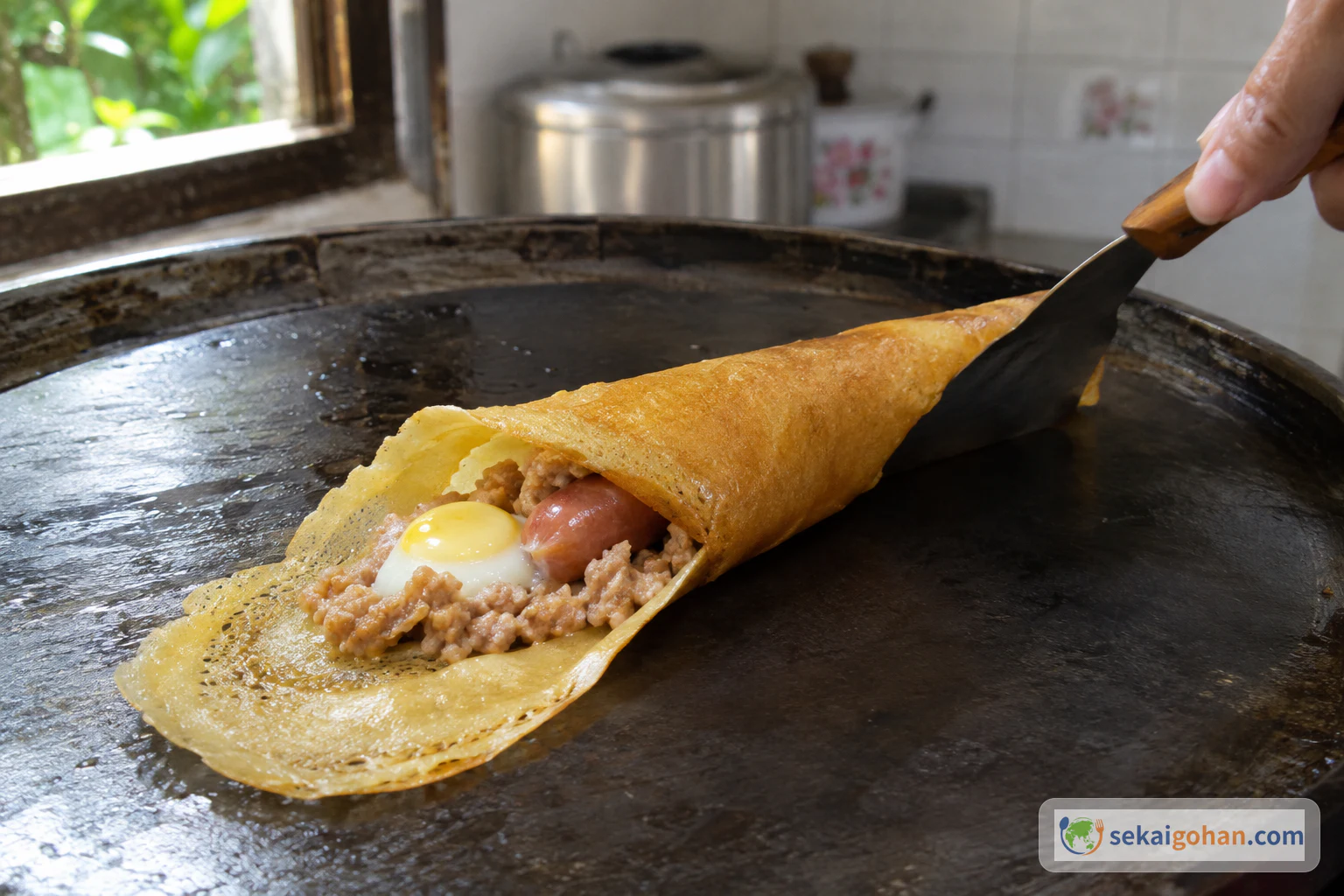
A small pour of pale batter lands on a preheated flat pan and is pushed out with the back of a spoon into a thin round. As soon as it starts to set, the fillings go on top, and once the edge takes on color, a spatula slips underneath and rolls everything up into a neat little cylinder. That is Khanom Tokyo (ขนมโตเกียว), a Thai snack that, according to The Nation Thailand, is familiar from street corners, markets and the stalls outside schools.
Despite the name, it is not a snack from Tokyo. The Nation describes it as a Thai street snack with a Japanese name, and its exact origin remains unsettled. More on that further down.
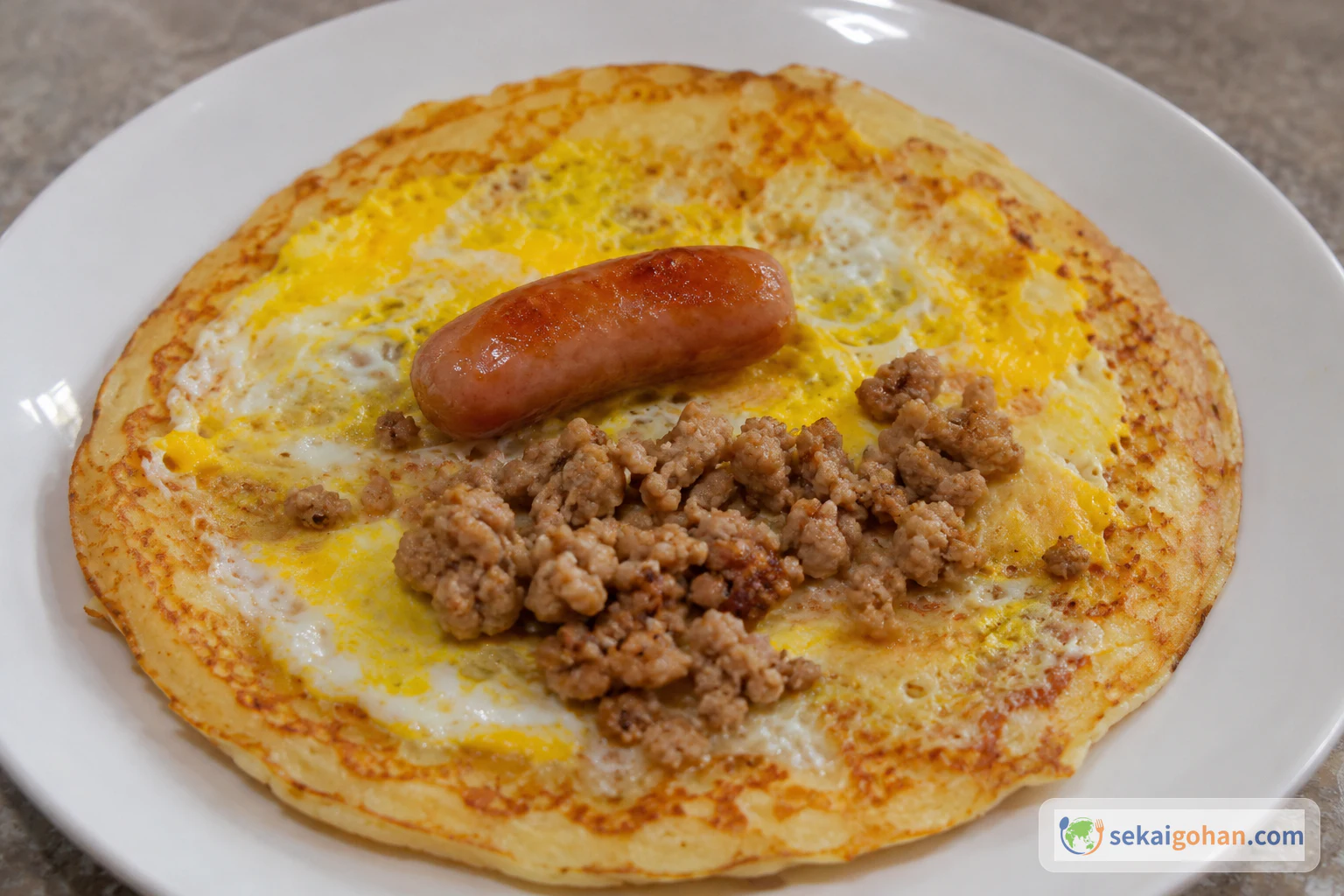
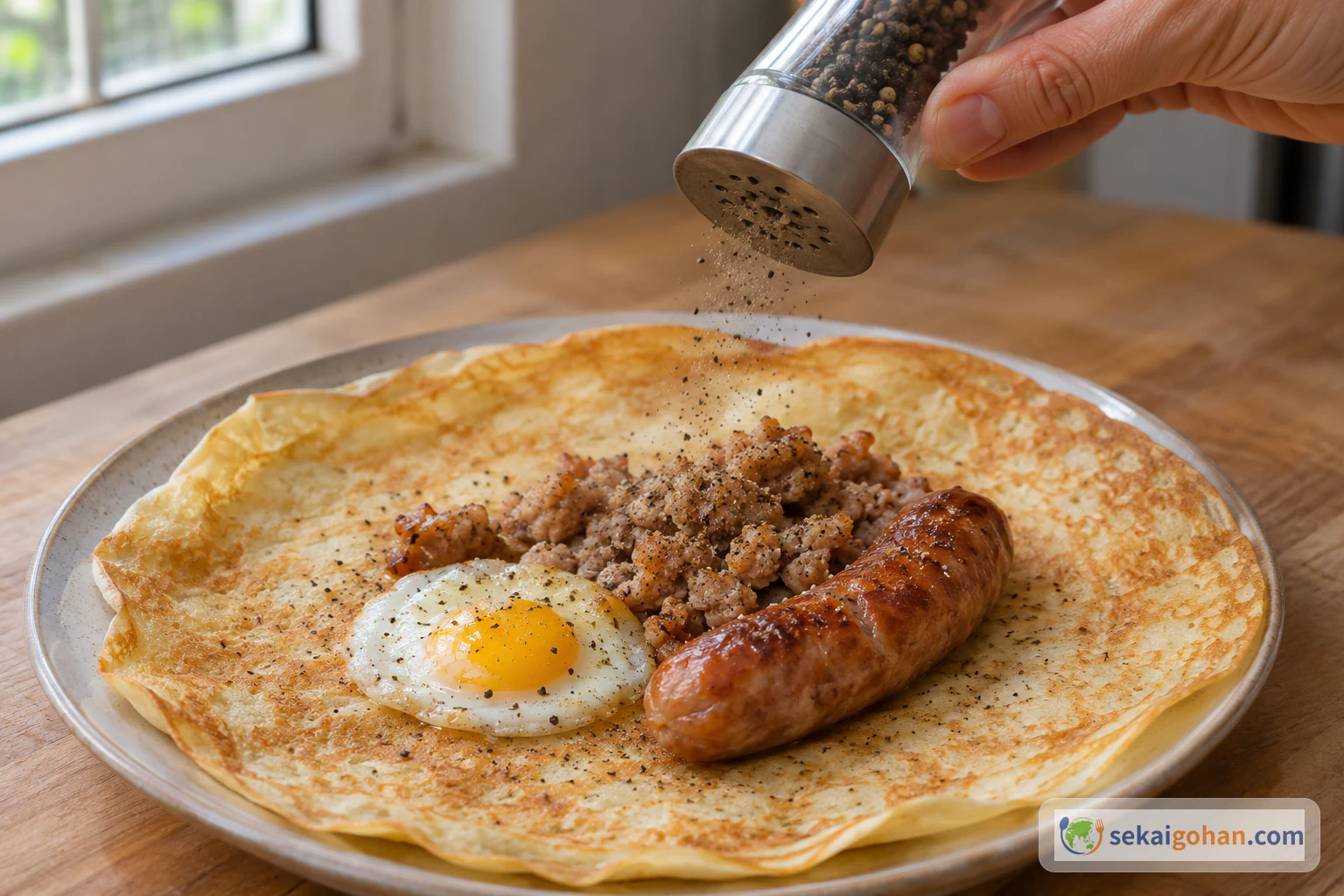
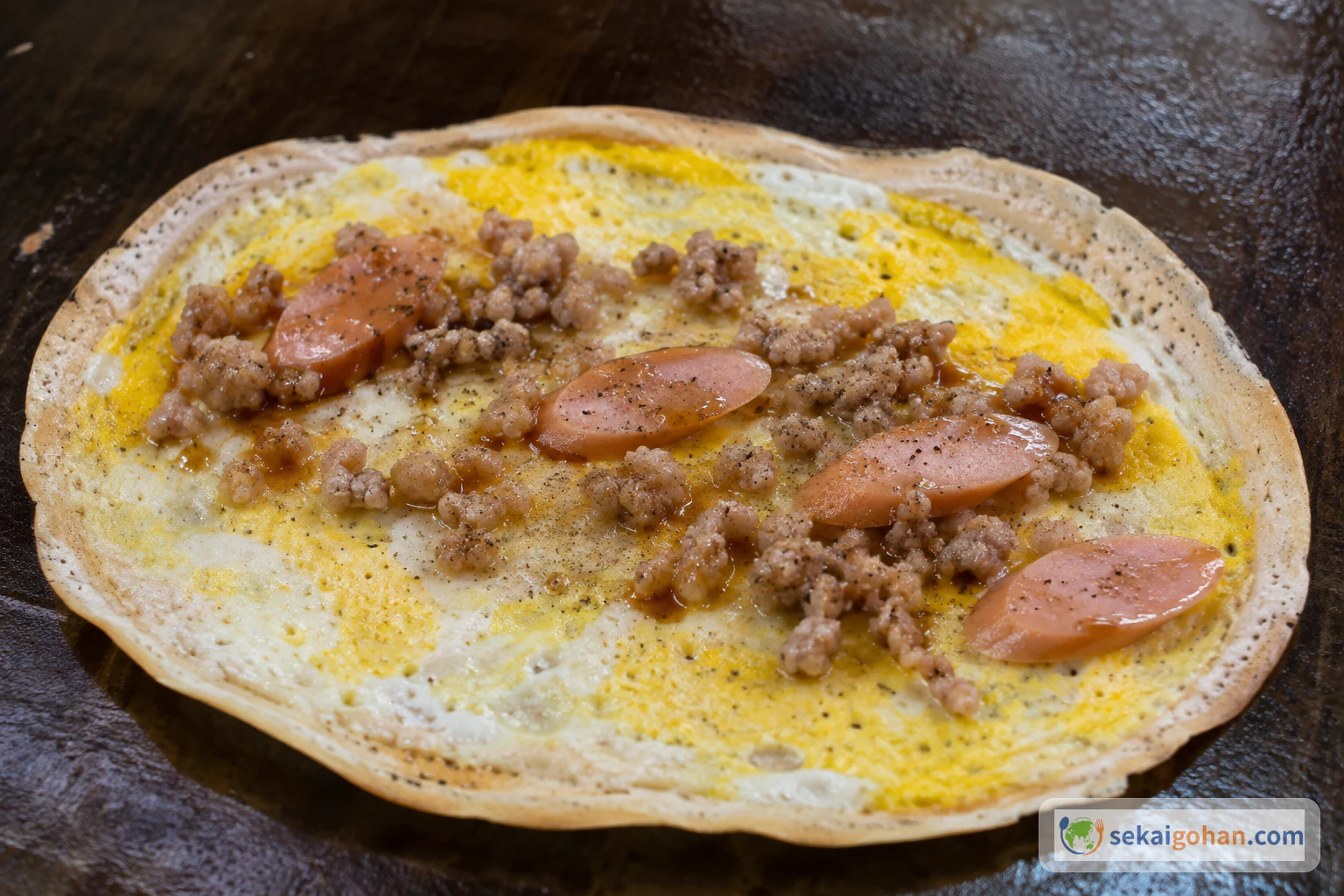
Khanom Tokyo comes with both sweet and savory fillings. This article covers one savory version only: a thin batter with seasoned ground pork, small cooked pork sausages, quail egg, pepper and Thai seasoning sauce.
This Version: One Savory Recipe, Followed Closely
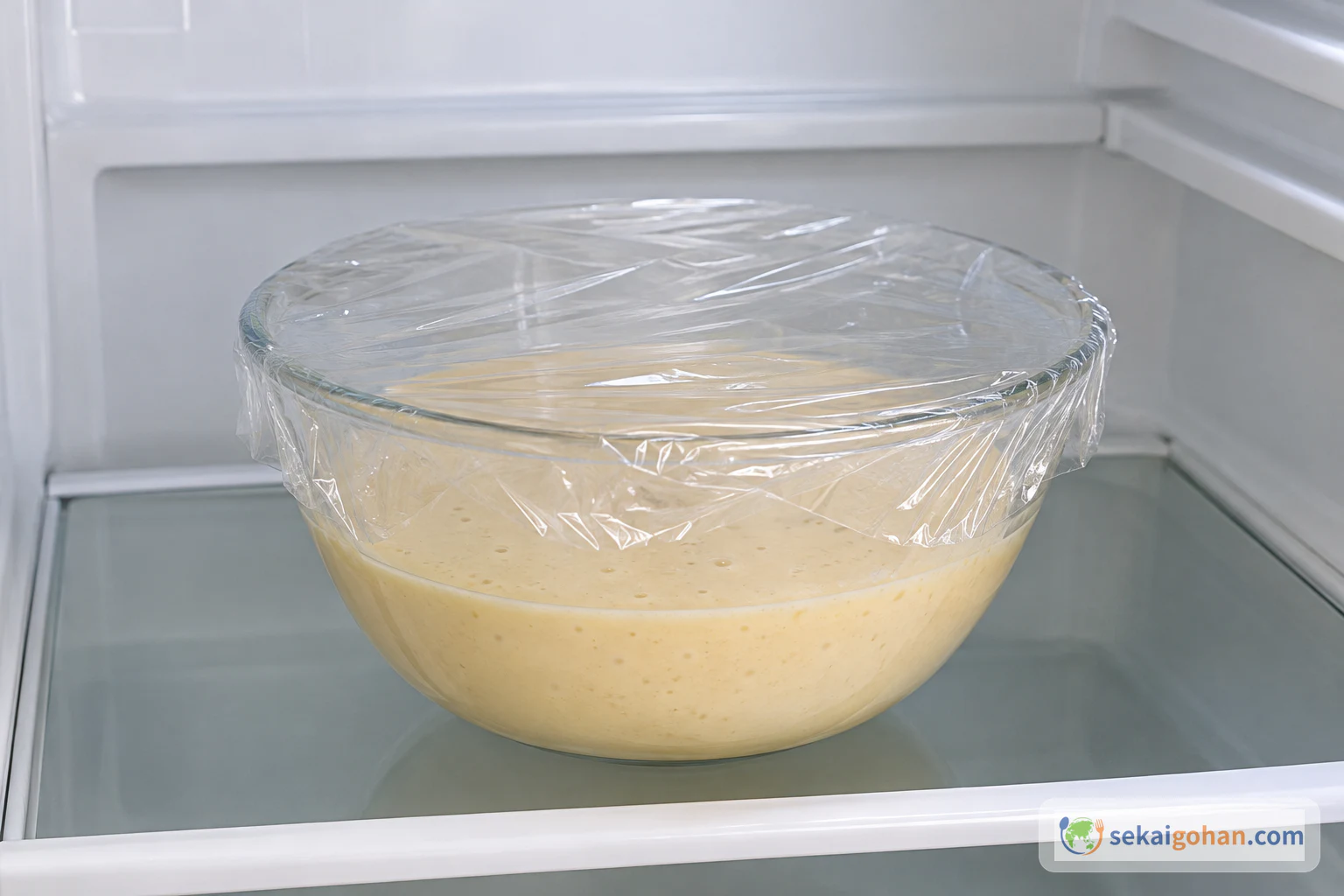
The batter and the list of fillings follow a savory Khanom Tokyo recipe published by the Thai flour miller UFM (United Flour Mill) under the name of Chef M. Its batter amounts and units are kept exactly as given, without scaling or conversion. That recipe leaves a few things open: it does not define the size of its cup, does not give amounts for the fillings (they are added to taste), does not state how many pancakes the batter makes, and gives no pan temperature or cooking time. The one fixed time is the 15–20 minute rest for the batter in the refrigerator, and it calls for medium heat.
Two parts here are our own editorial additions rather than part of the UFM recipe:
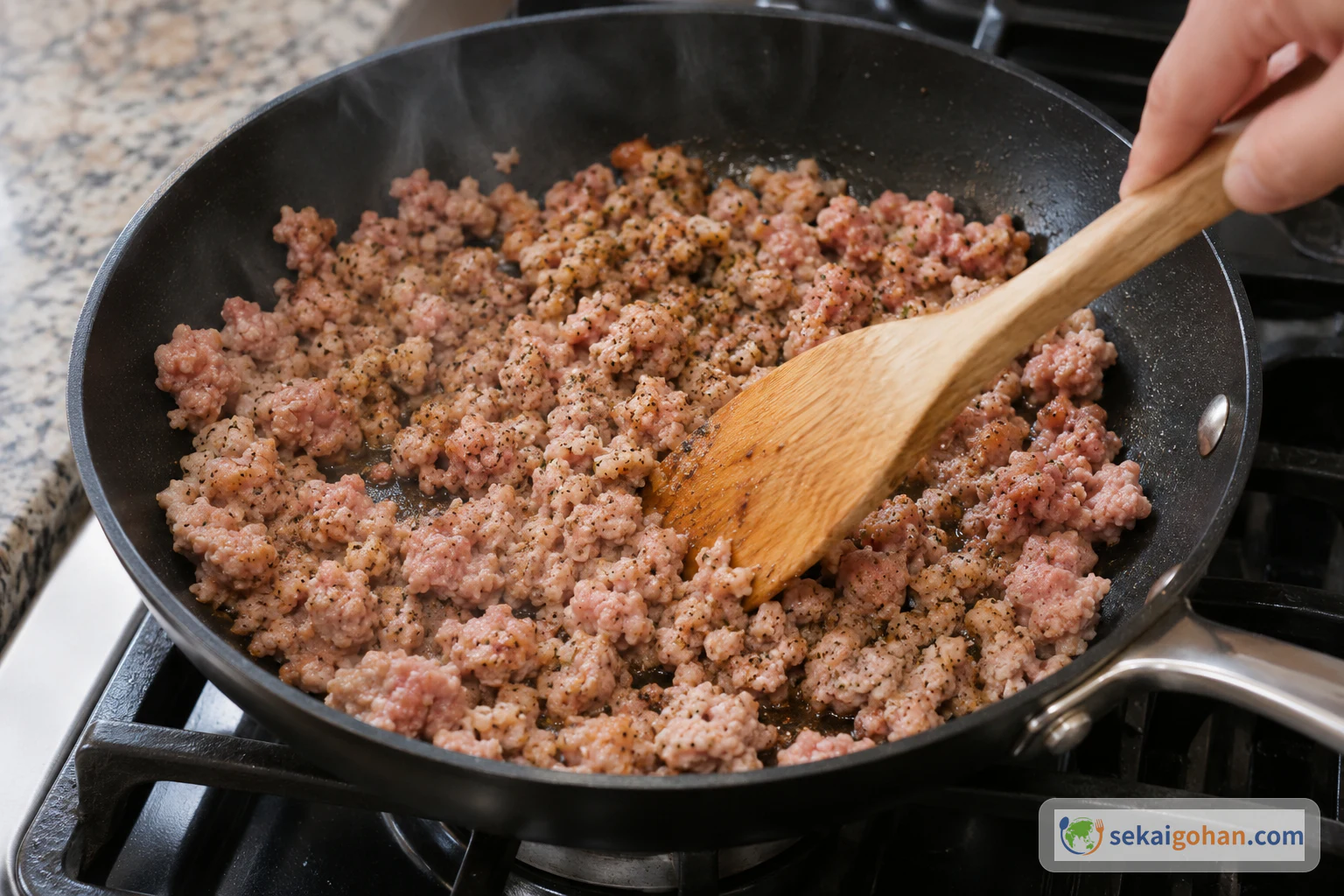
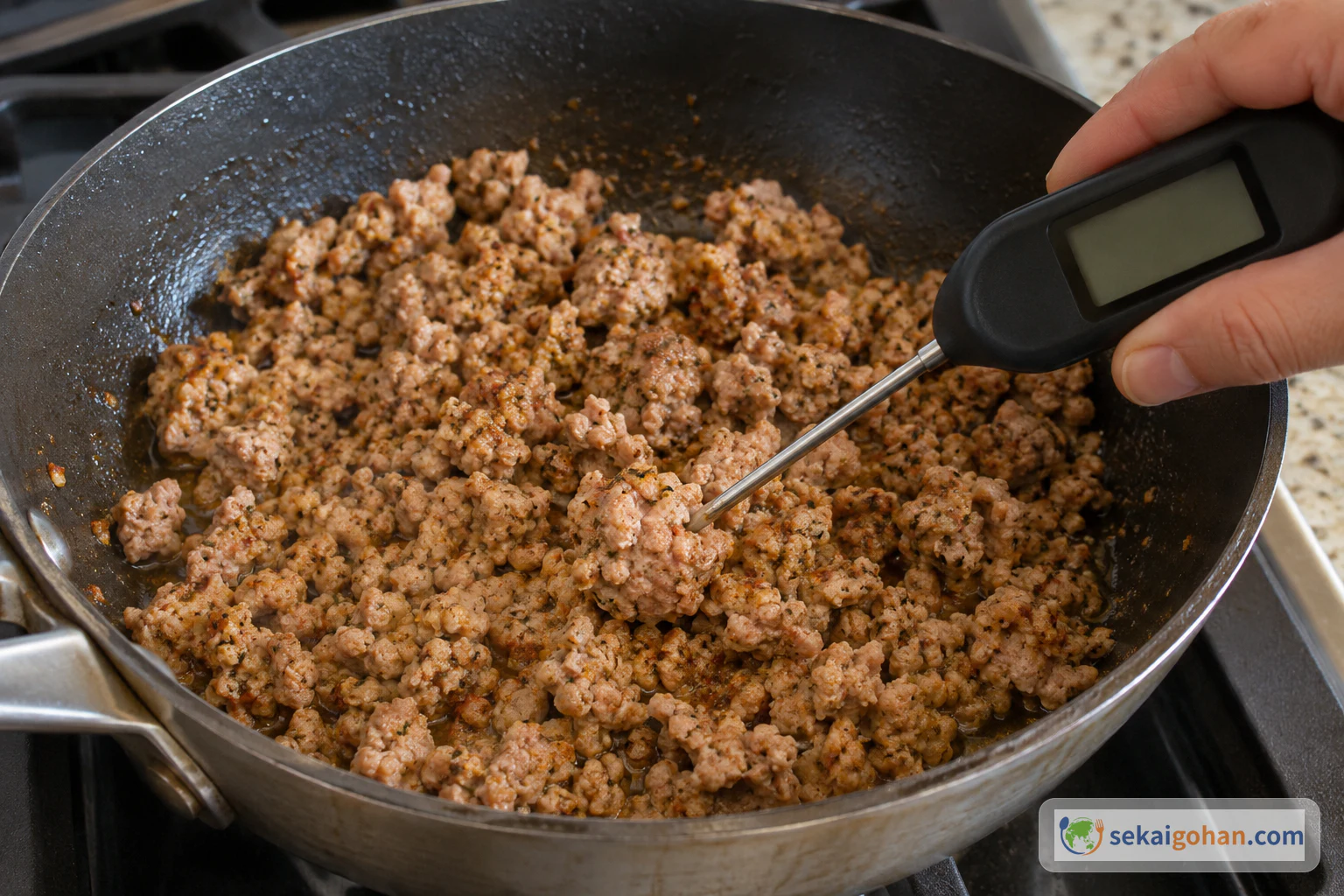
- The pork is cooked separately first and checked with a food thermometer until it reaches 71°C (160°F), following the U.S. FoodSafety.gov chart for ground pork. The UFM recipe does not say how the seasoned pork should be prepared, and a thin pancake cooking for a short time should not be assumed to cook raw pork safely.
- The order of the fillings (quail egg, then pork, sausage, pepper and sauce) and the choice of small sausages are editorial choices for clear steps. The UFM recipe names the fillings but sets no order or size.
We have not kitchen-tested this recipe, so heat levels, pancake size and how much batter to pour each time are left for you to judge at the stove.
Ingredients: Batter and Savory Fillings
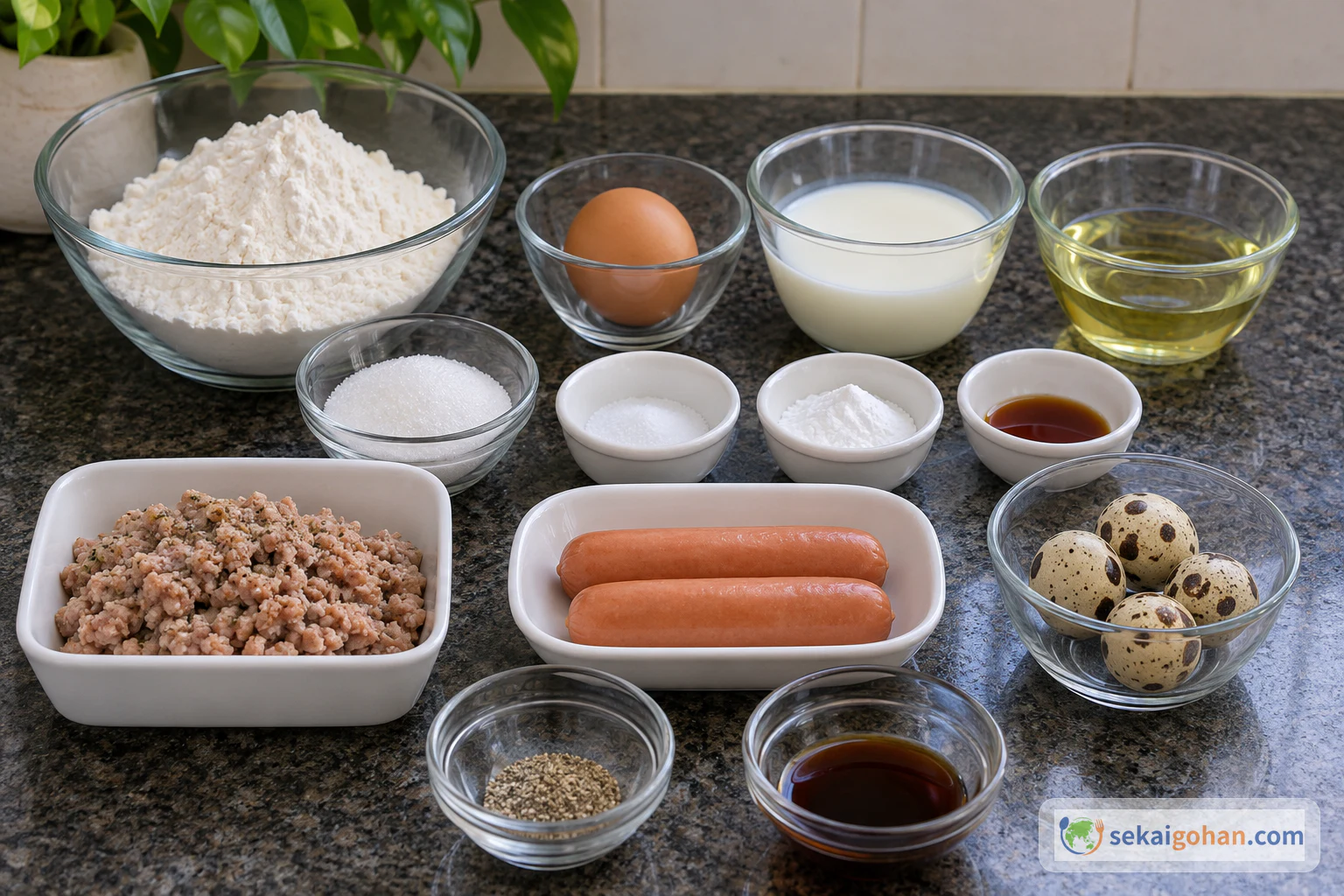
The batter contains wheat, egg and milk. Check the labels of the sausages and the seasoning sauce you buy for allergens, and confirm that the sausages are fully cooked pork sausages.
Equipment
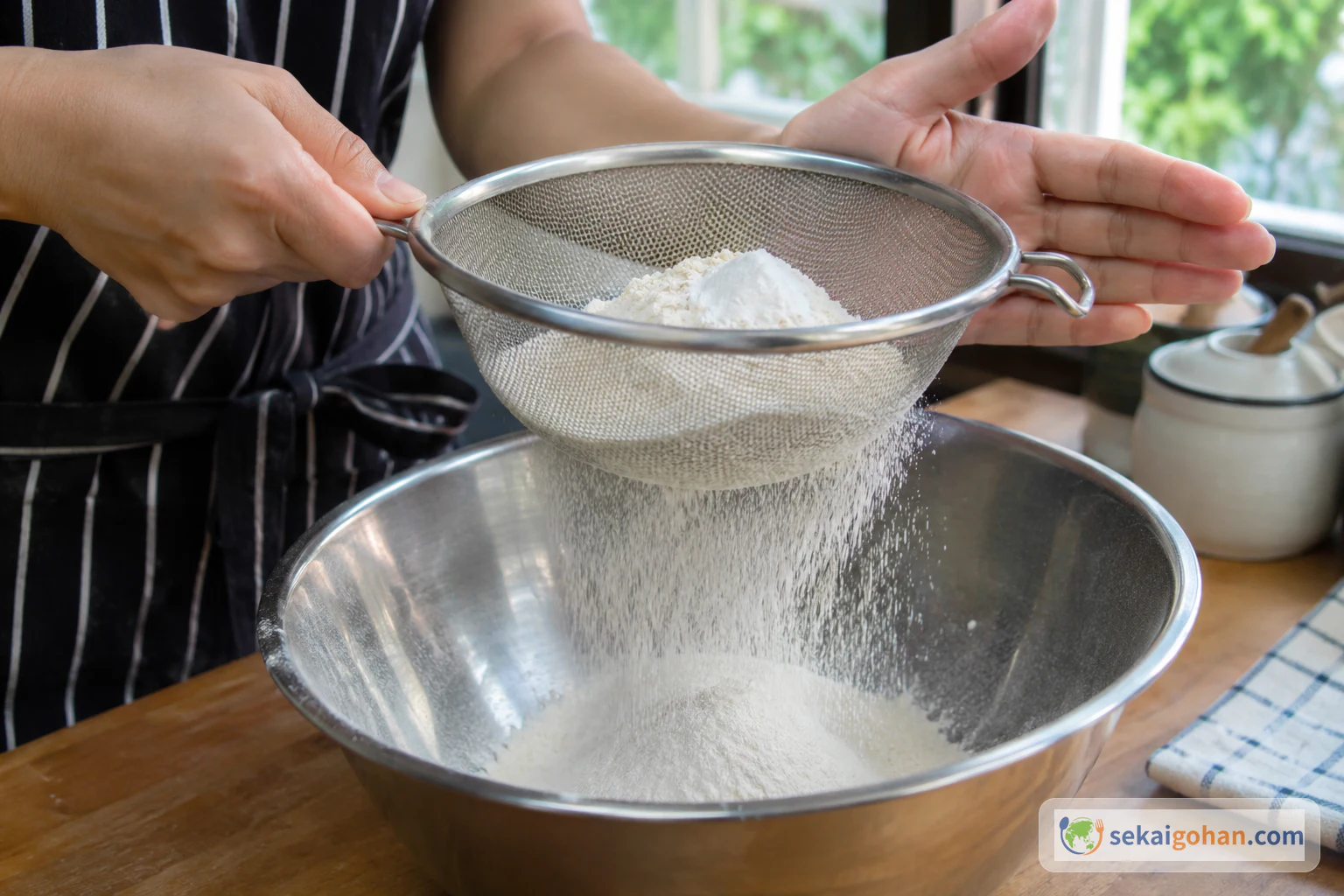
- Fine sieve
- Two mixing bowls, plus one clean bowl for the strained batter
- Whisk or spoon
- Plastic wrap
- A separate skillet for the pork
- Food thermometer (essential for checking the pork)
- Flat griddle or flat nonstick frying pan
- Small ladle
- Spoon for spreading the batter
- Thin metal spatula for rolling
Choosing and Substituting Ingredients
- Flour: All-purpose flour is the natural match. Flours differ by brand, so the thinness and browning of the shell can vary. Don't assume cake flour is an equivalent swap.
- Milk: Plain milk.
- Vegetable oil: Any ordinary neutral-tasting cooking oil.
- Vanilla flavoring: Vanilla flavorings and extracts differ in strength between products, so the aroma will vary with what you use.
- Seasoned ground pork: If you can't find Thai pre-seasoned ground pork, you can season plain ground pork with the seasoning sauce and pepper. How much is up to you. Either way, cook it to 71°C (160°F).
- Sausages: Small fully cooked pork sausages, used as their label directs. Japanese-style mini sausages work, with some difference in flavor. This version does not switch to raw sausage or chicken products.
- Seasoning sauce: Thai seasoning sauce is preferred. Soy sauce is an optional substitute, but it changes the aroma and saltiness.
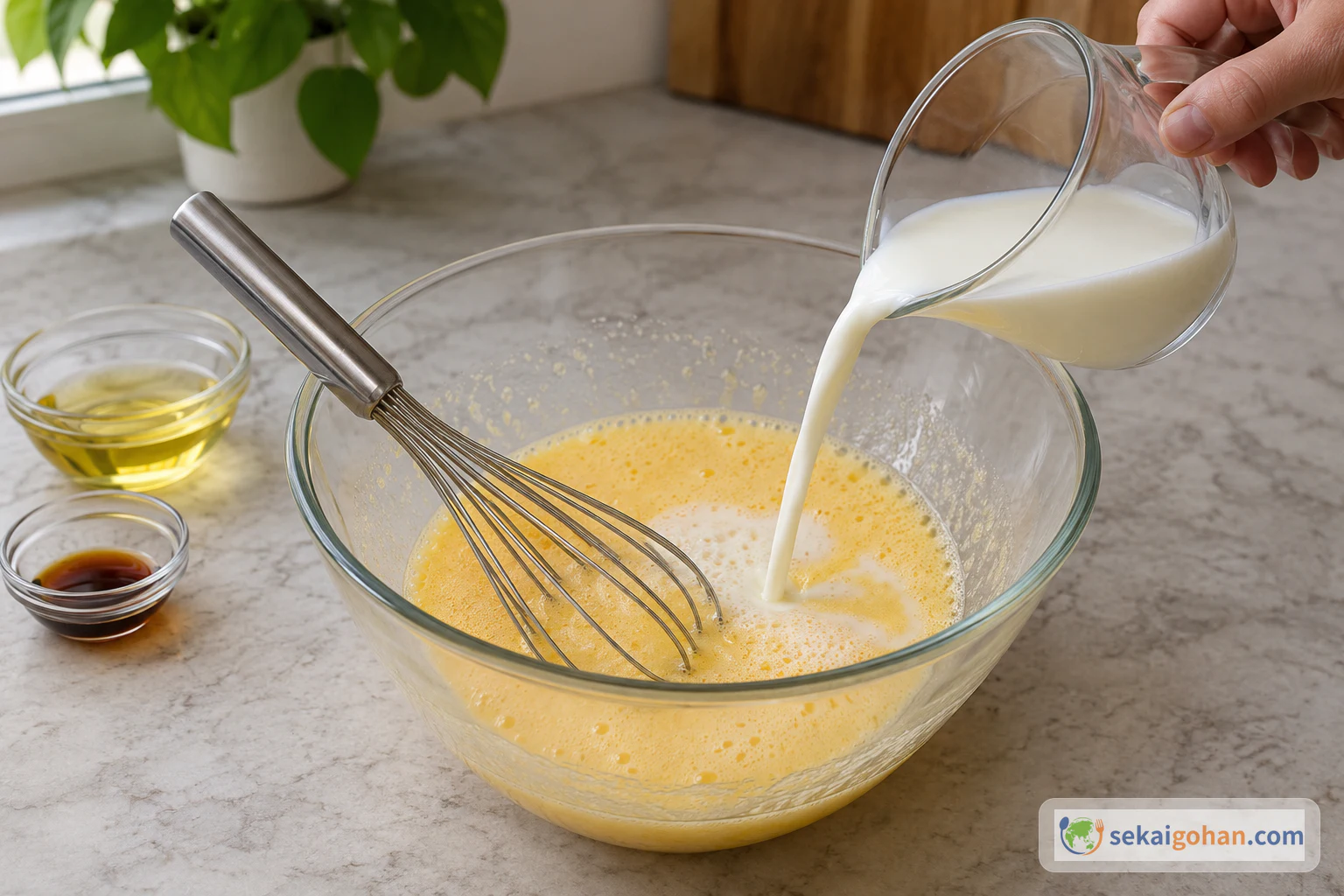
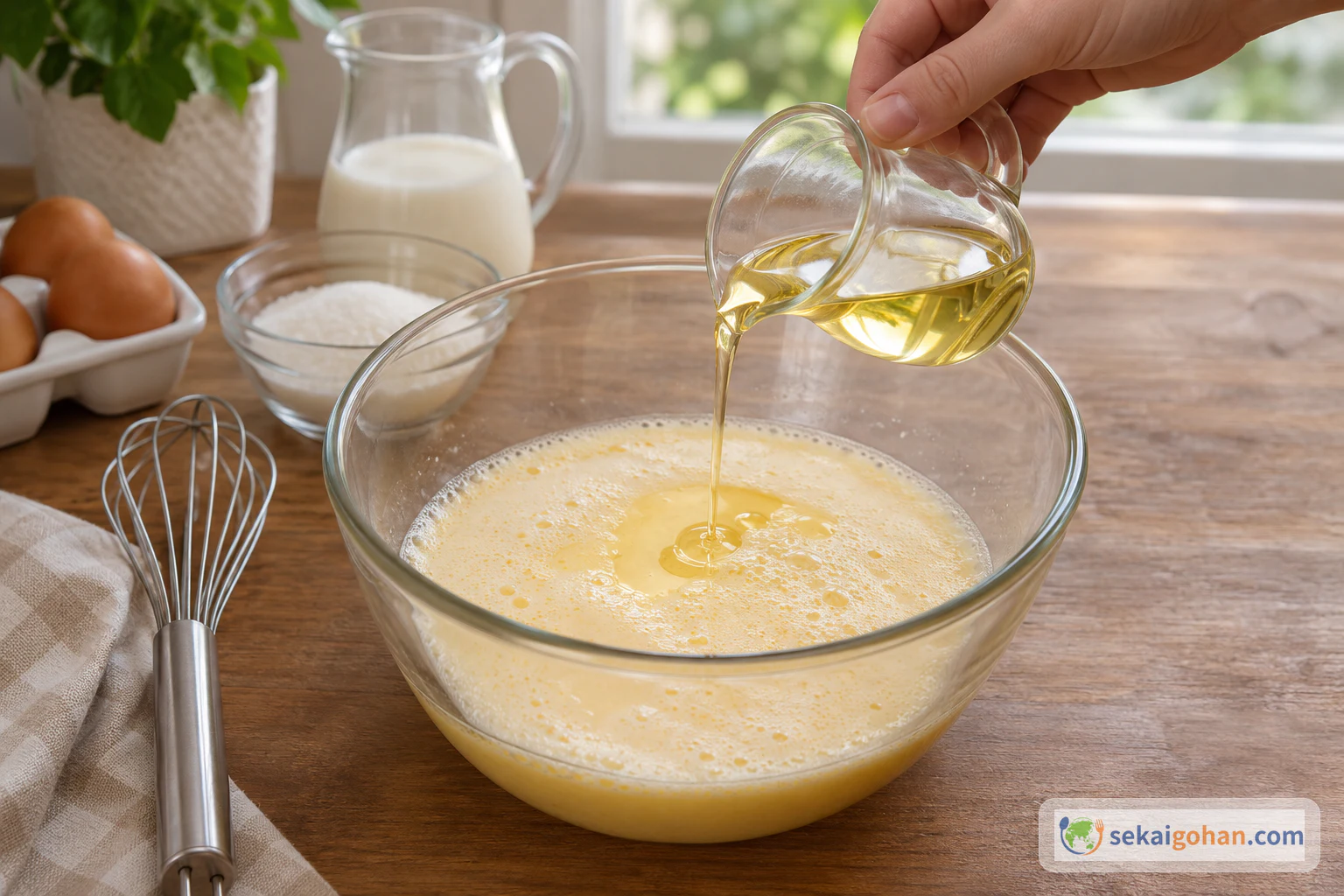
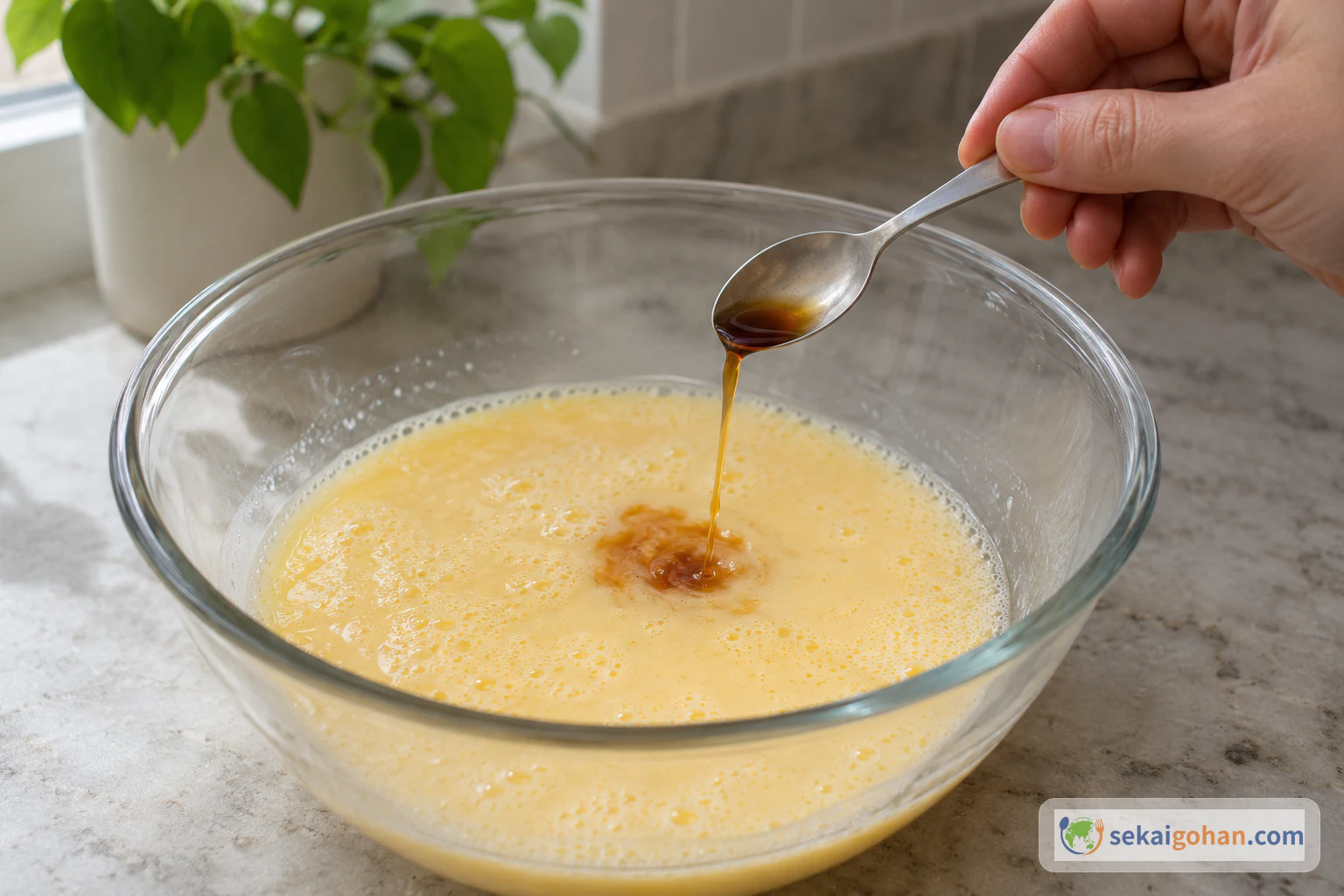
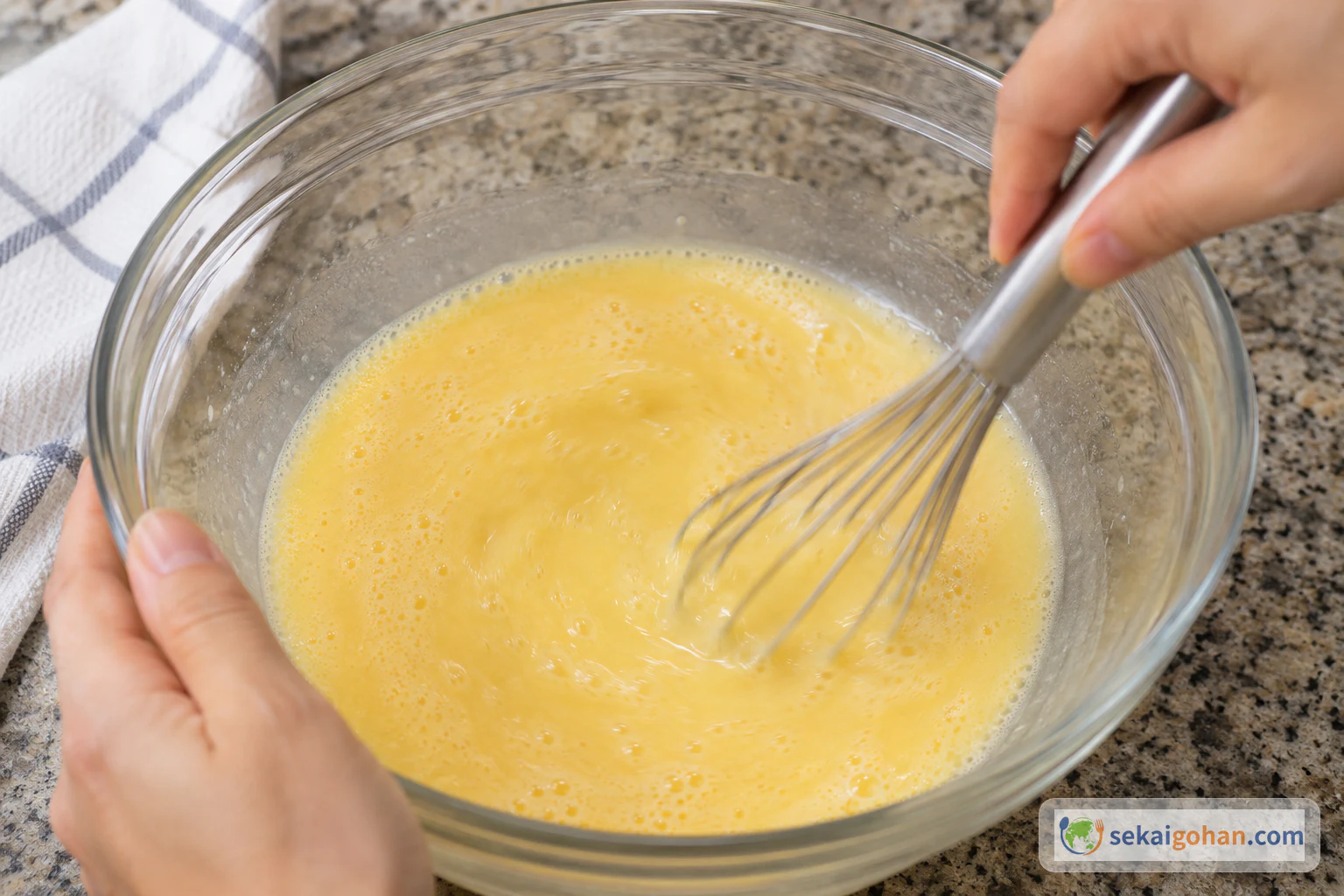
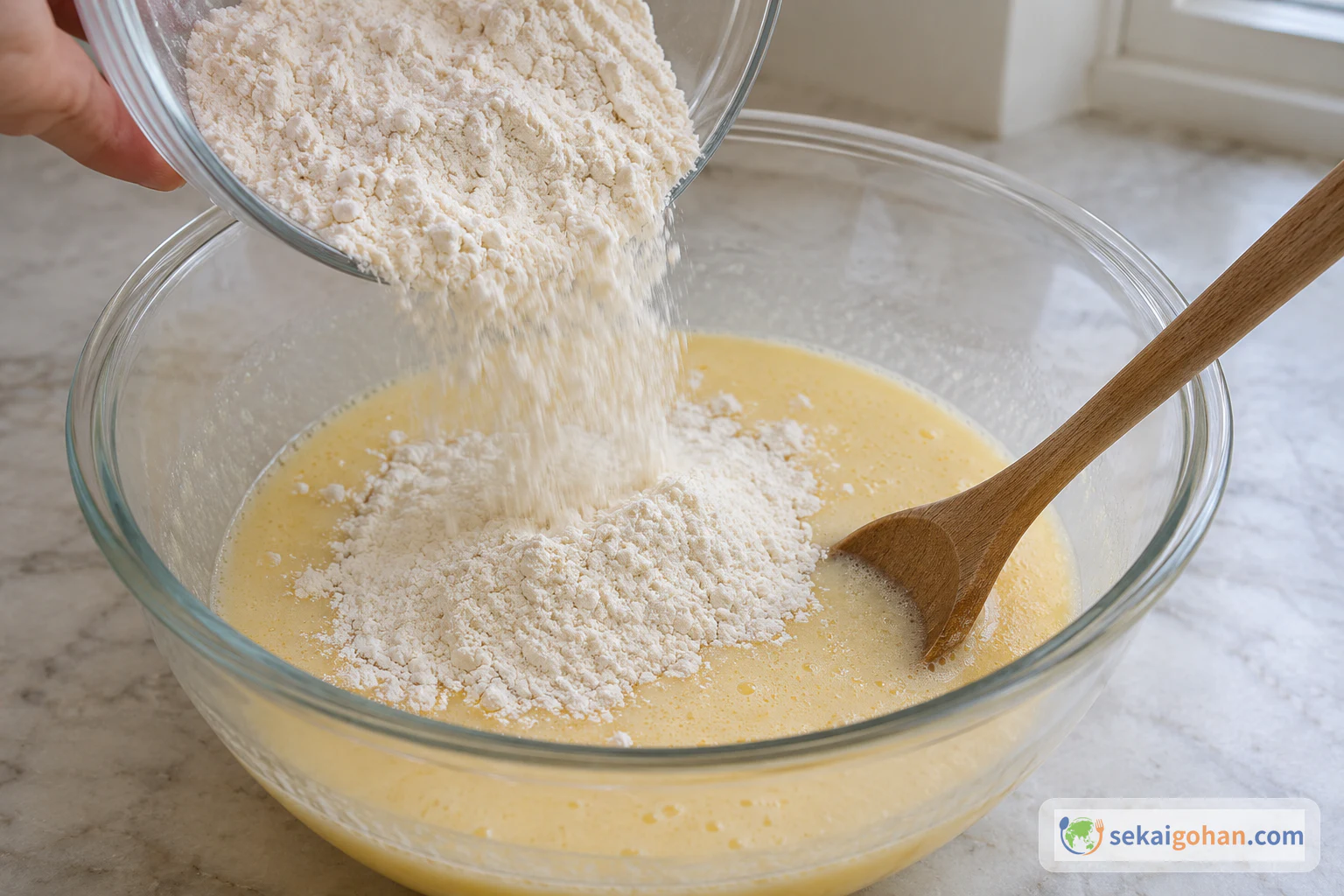
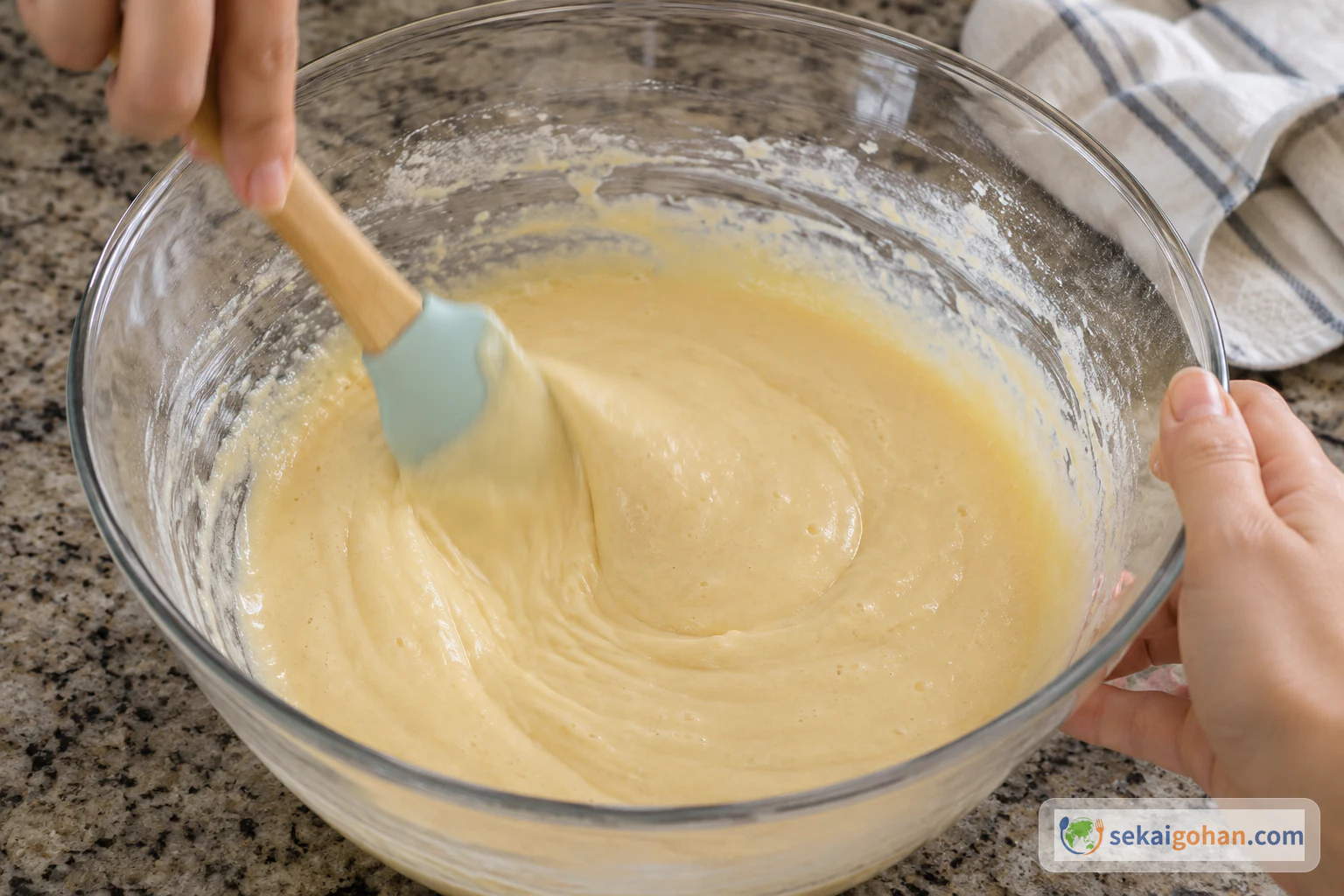
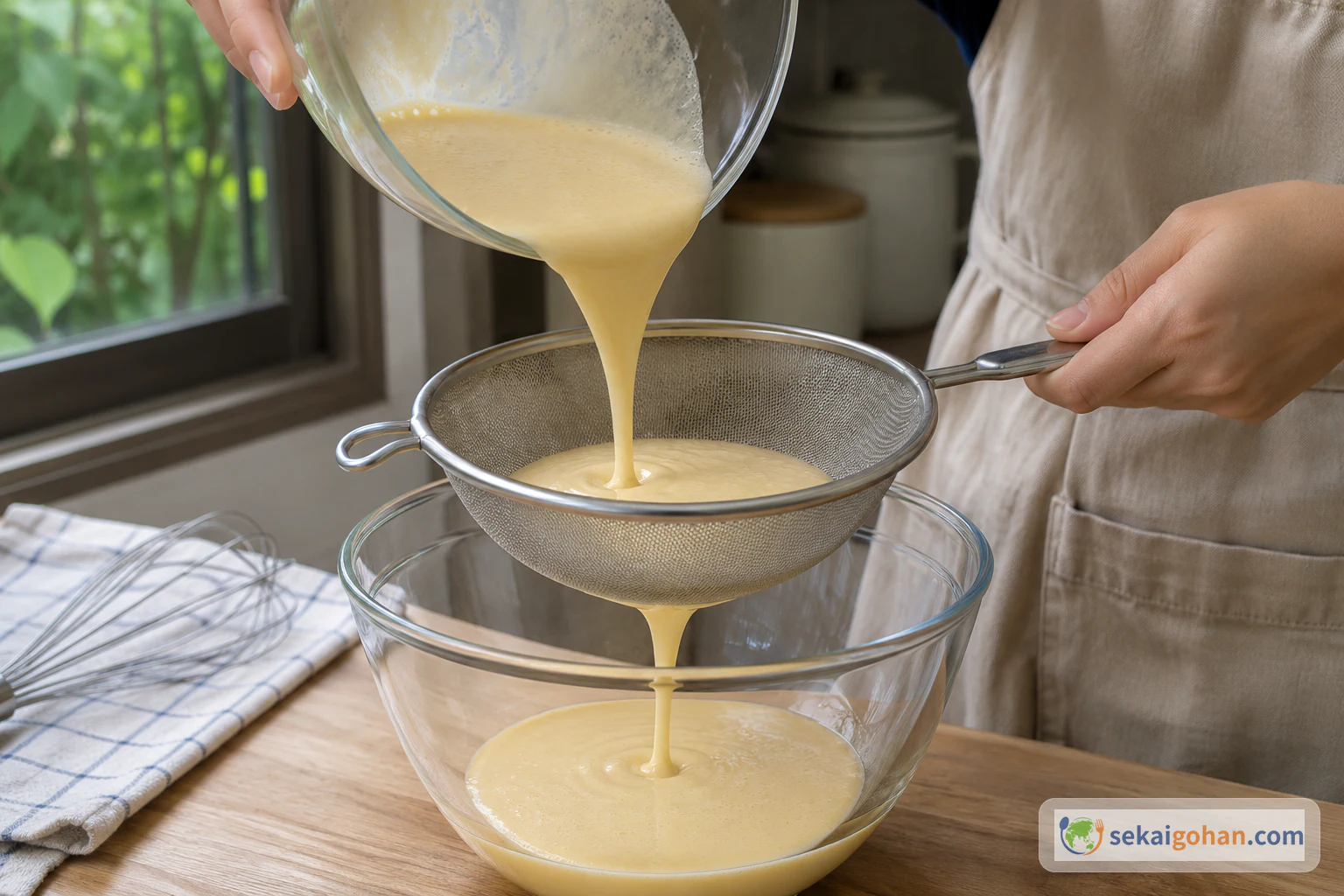
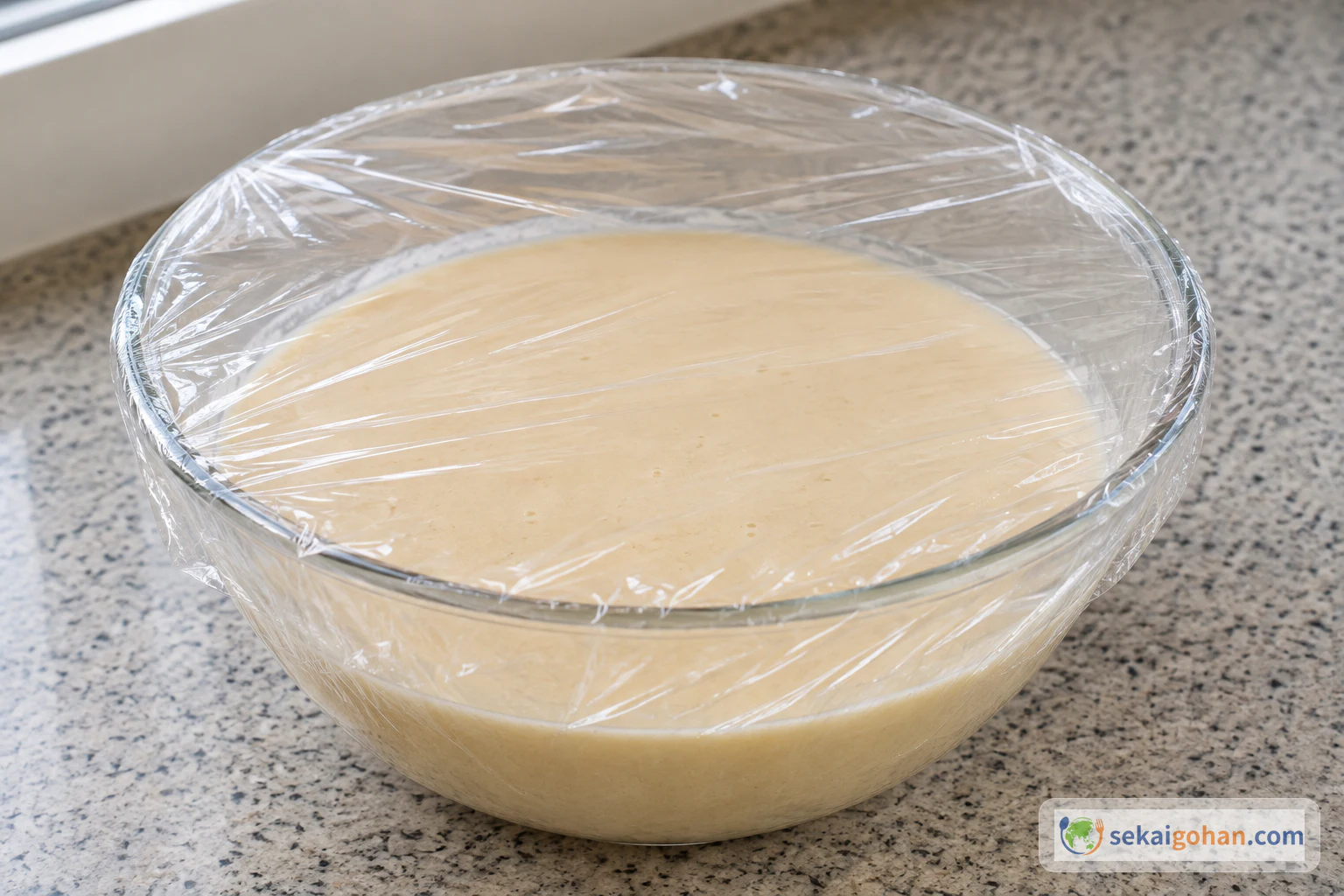
Method: Make and Rest the Batter, Cook the Pork, Then Spread, Fill and Roll
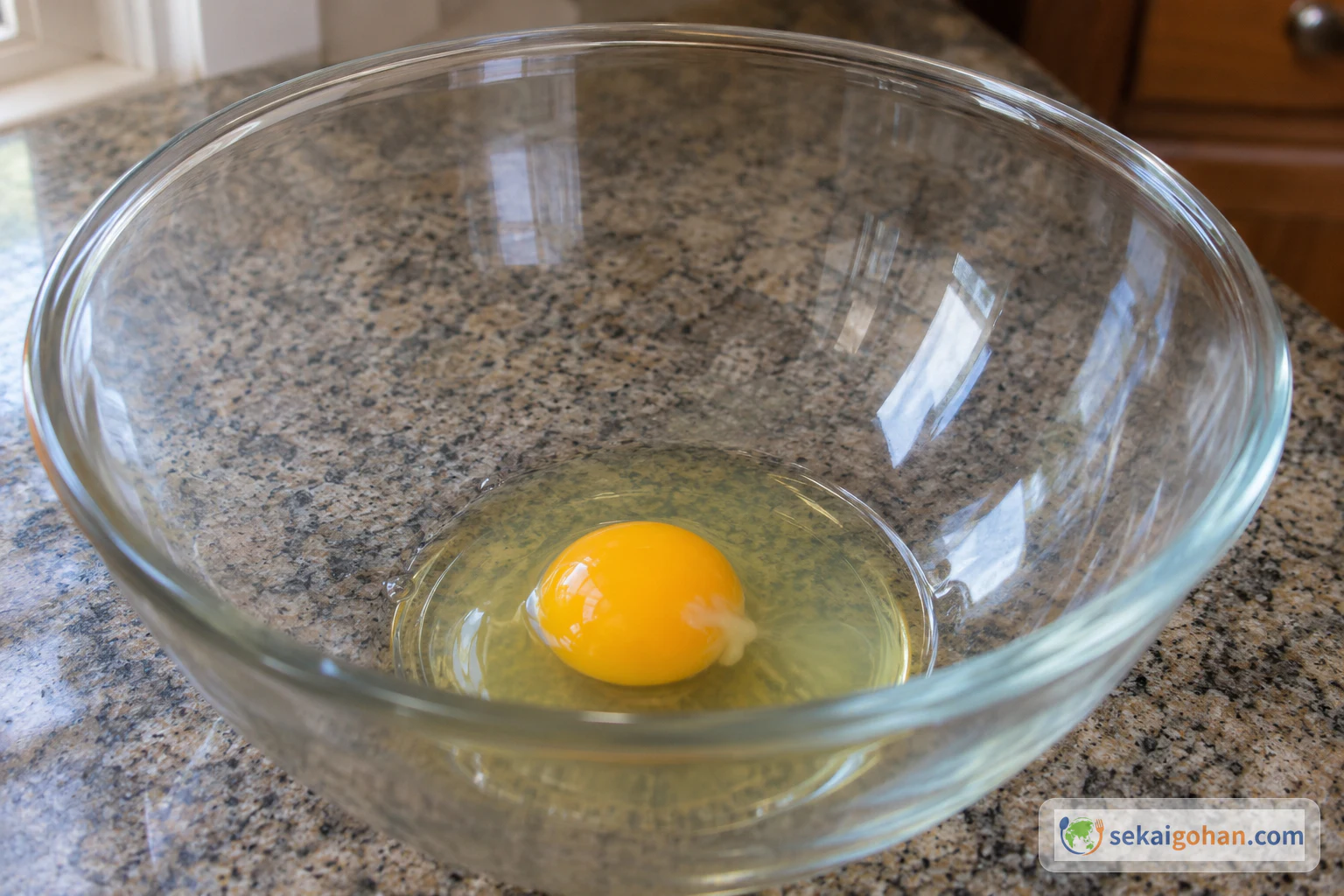
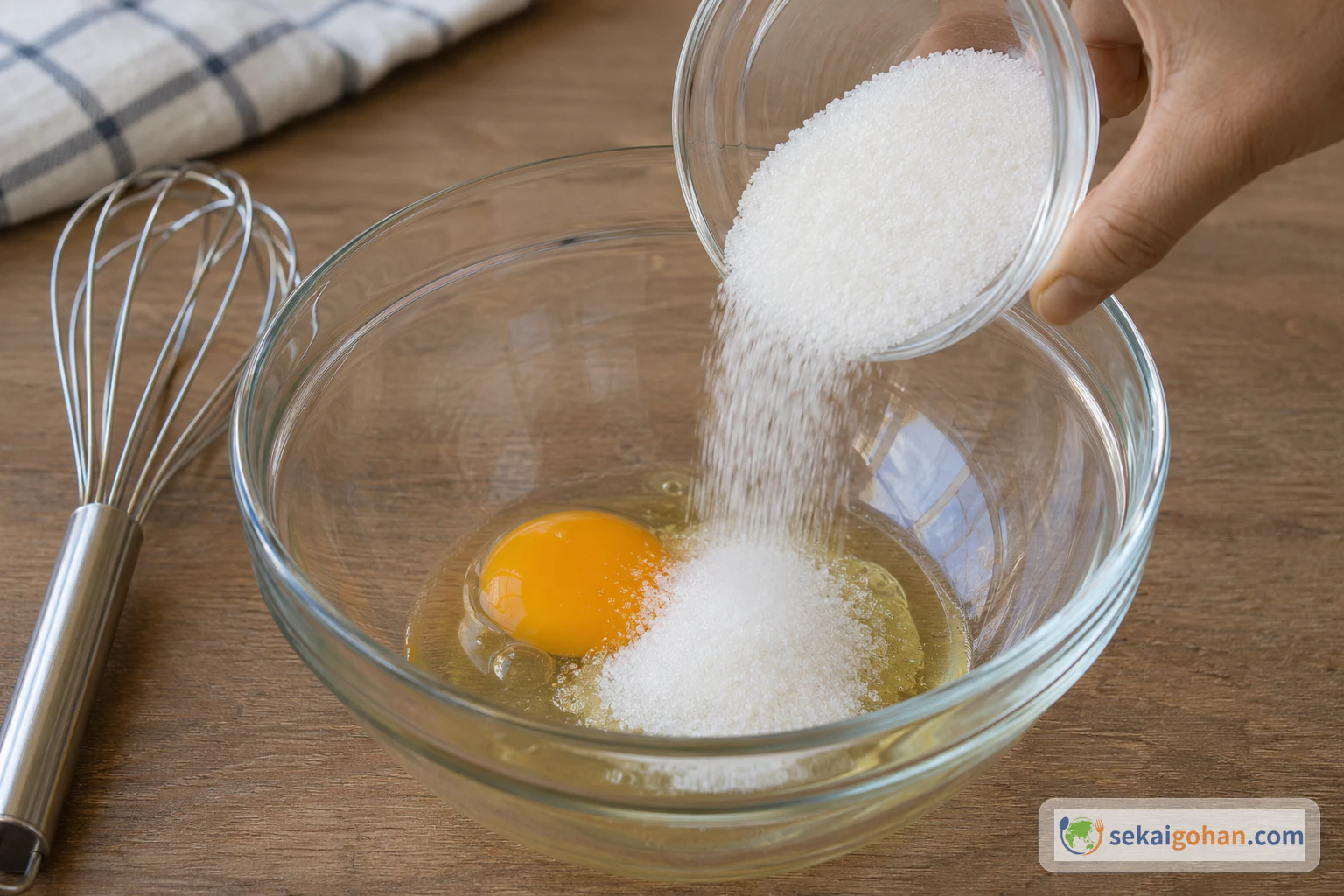
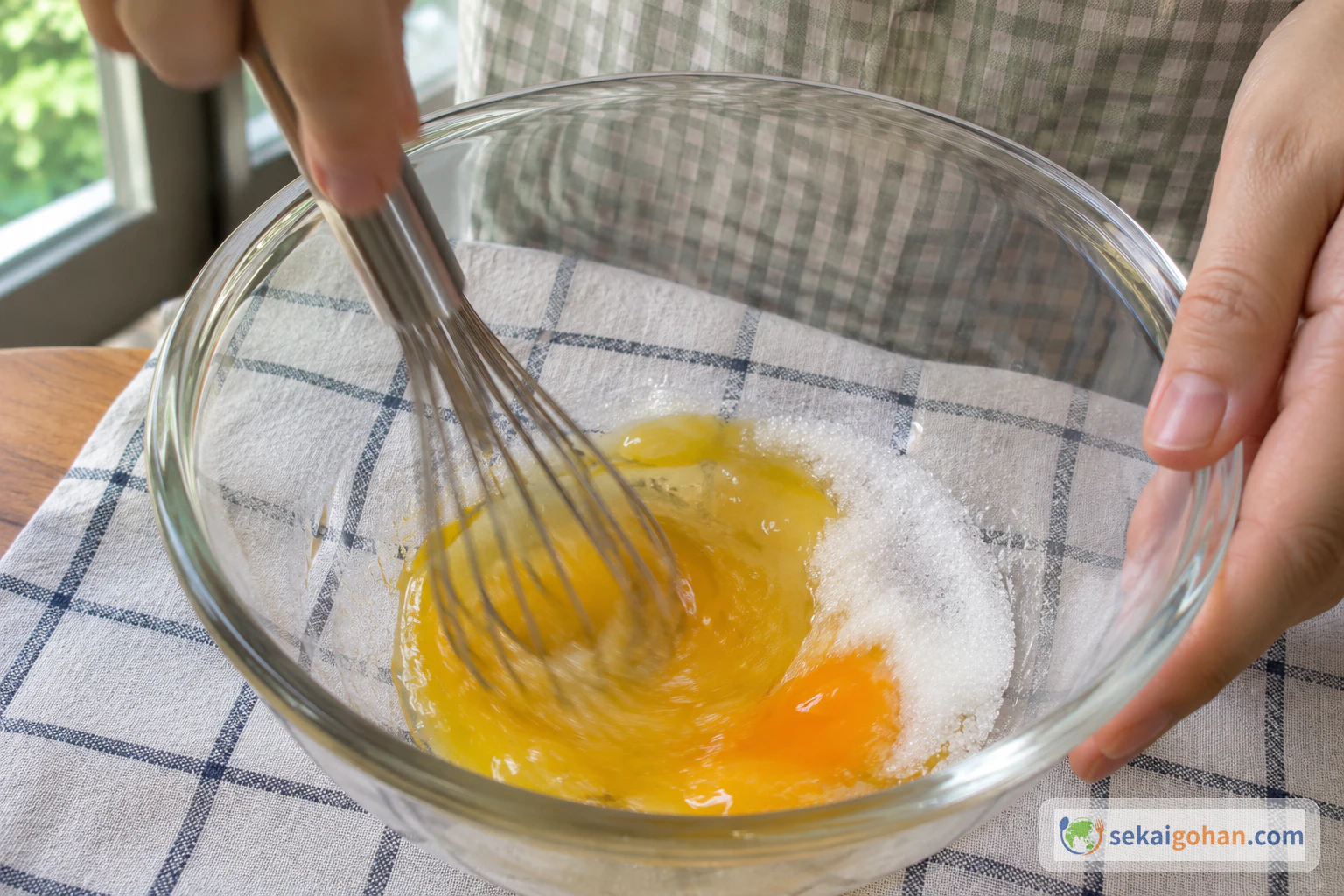
The batter rests for 15–20 minutes in the refrigerator. Use that time to cook and check the pork in a separate skillet, so the fillings are ready before the first pancake goes on the pan.
Serve Them Hot

Khanom Tokyo is meant to be eaten warm, right after rolling. There is no dipping sauce in this version; the pepper and seasoning sauce are already inside. We don't give storage times or reheating instructions for this recipe.
Troubleshooting
| Problem | What to check | What to do |
|---|---|---|
| The shell is thick or hard to spread | The batter sets before it is spread | Pour a smaller amount and spread it right away. Don't let the heat get too strong |
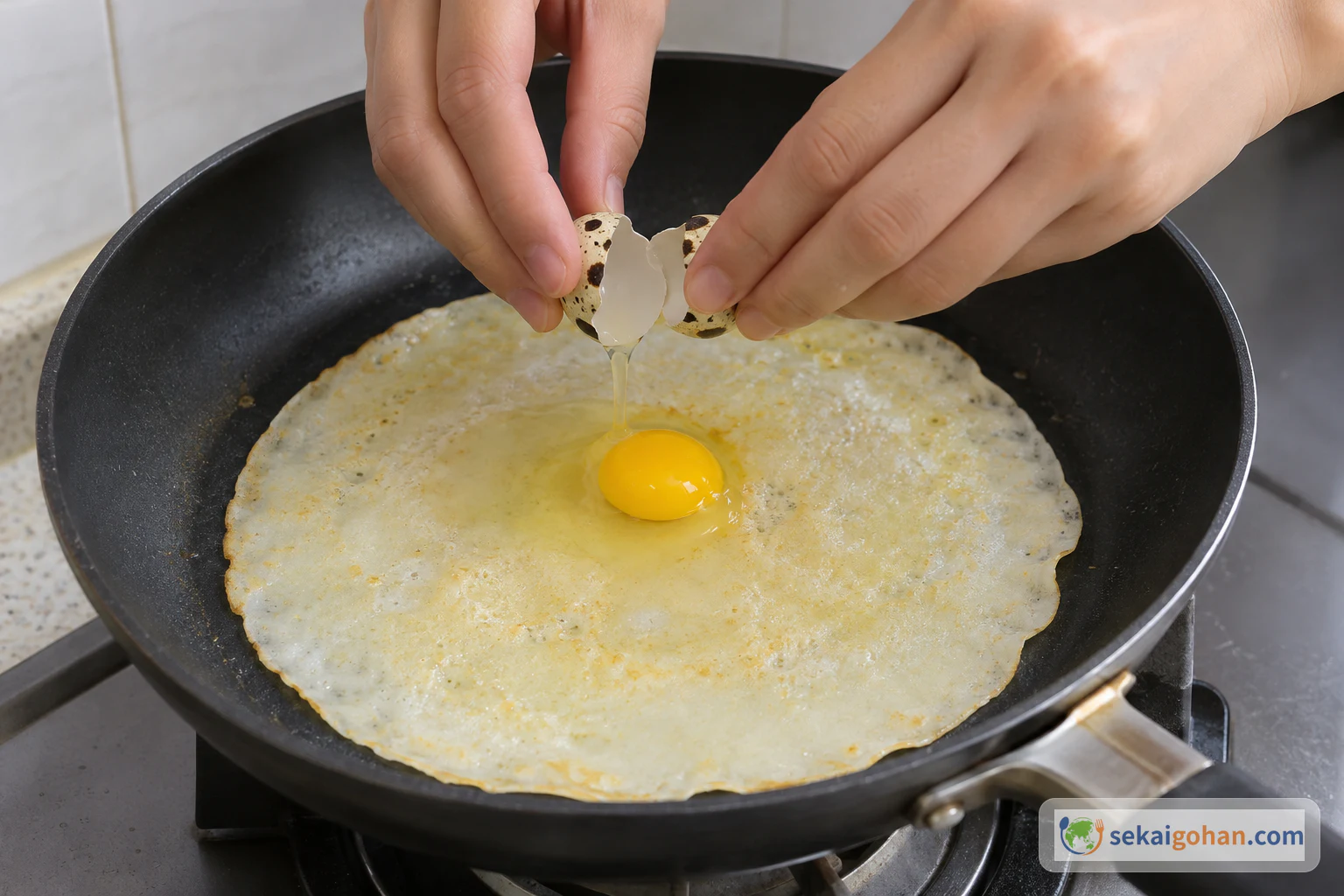
| The fillings don't stick to the shell | The pancake had fully set before the fillings went on | Add the quail egg and fillings as soon as the batter begins to set |
| The quail egg is still runny | The egg has not had enough time on the pan | Keep cooking until the white and yolk are firm before rolling |
| Unsure whether the pork is done | Color can mislead | Check the separately cooked pork with a thermometer for 71°C (160°F). The browned shell is not proof that the fillings are safe |
Variations
- Sweet fillings: The Nation Thailand describes Khanom Tokyo with sweet fillings such as cream as well as savory ones. That is a different version from this recipe and is not covered here.
- Choosing fillings: At stalls, The Nation notes a range of sweet and savory fillings. Within this savory version, the fillings are added to taste.
- Without sausage: Leaving out the sausage and keeping the pork and quail egg is our own editorial idea, not part of the UFM recipe. If you try it, keep the separate pork cooking and the firm-egg check.
A Thai Street Snack with a Japanese Name
Khanom Tokyo is a Thai snack. According to The Nation Thailand, it is commonly bought from street vendors, at markets and outside schools. The same report says it is believed to have first appeared in the late 1960s at Thai-Daimaru in Bangkok, but that its origins are uncertain and several stories exist. Ideas that Japanese sweets such as dorayaki or yatsuhashi inspired it are speculation, not established history. The name points to Tokyo, but it is safest to treat Khanom Tokyo simply as a snack that took shape in Thailand.
The fillings vary from sweet to savory. The savory pork, sausage and quail egg version here is one example among them. To explore more of the country's food, see Thailand.
Frequently Asked Questions
Is Khanom Tokyo a Japanese snack from Tokyo?
No. The Nation Thailand presents it as a Thai street snack with a Japanese name. The theory that it first appeared at Thai-Daimaru in Bangkok in the late 1960s is described there as a belief, and its origin is not settled.
Is it sweet?
Khanom Tokyo can be sweet or savory. This version is savory, with a lightly sweet batter (it contains sugar and vanilla) around pork, sausage, quail egg, pepper and seasoning sauce.
How many does this batter make?
The UFM recipe does not give a yield, and we don't estimate one. The number depends on how much batter you pour for each pancake and how thin you spread it.
What size is the "1 cup" of milk?
The UFM recipe writes the milk as 1 cup without defining the cup size. We keep the unit as written rather than converting it.
Why cook the pork separately?
The UFM recipe lists seasoned ground pork as a filling but does not say how it should be prepared. A thin pancake on the pan should not be assumed to cook raw pork safely. Following FoodSafety.gov, cook ground pork until a food thermometer shows 71°C (160°F). FoodSafety.gov also advises cooking eggs until the white and yolk are firm, which is why the quail egg is cooked until set before rolling.
Can I use raw sausage or chicken sausage?
This version uses fully cooked pork sausage, used as its label directs. Raw sausage and chicken products are not part of this recipe.
Sources
- UFM / United Flour Mill Public Company Limited, Chef M (เชฟเอ็ม), "แจกสูตร "ขนมโตเกียว" ทำง่าย จากแป้งอเนกประสงค์ตราว่าว ยูเอฟเอ็ม." The savory Khanom Tokyo batter ingredients and amounts, the batter method (sift, mix egg and sugar, add liquids, add dry ingredients, strain, cover and refrigerate 15–20 minutes), medium heat on a preheated pan, adding fillings once the batter begins to set, rolling once the shell browns, and the list of fillings added to taste. https://www.ufm.co.th/th/blog/recipe/%E0%B9%80%E0%B8%A1%E0%B8%99%E0%B8%B9%E0%B8%82%E0%B8%99%E0%B8%A1%E0%B8%A3%E0%B8%96%E0%B9%80%E0%B8%82%E0%B9%87%E0%B8%99%E0%B8%A2%E0%B8%AD%E0%B8%94%E0%B8%AE%E0%B8%B4%E0%B8%95-%E0%B8%82%E0%B8%99%E0%B8%A1%E0%B9%82%E0%B8%95%E0%B9%80%E0%B8%81%E0%B8%B5%E0%B8%A2%E0%B8%A7-%E0%B8%97%E0%B8%B3%E0%B8%87%E0%B9%88%E0%B8%B2%E0%B8%A2-%E0%B8%88%E0%B8%B2%E0%B8%81%E0%B9%81%E0%B8%9B%E0%B9%89%E0%B8%87%E0%B8%AD%E0%B9%80%E0%B8%99%E0%B8%81%E0%B8%9B%E0%B8%A3%E0%B8%B0%E0%B8%AA%E0%B8%87%E0%B8%84%E0%B9%8C%E0%B8%95%E0%B8%A3%E0%B8%B2%E0%B8%A7%E0%B9%88%E0%B8%B2%E0%B8%A7-%E0%B8%A2%E0%B8%B9%E0%B9%80%E0%B8%AD%E0%B8%9F%E0%B9%80%E0%B8%AD%E0%B9%87%E0%B8%A1/
- FoodSafety.gov (U.S. Department of Health and Human Services), "Cook to a Safe Minimum Internal Temperature." Ground pork and sausage to 71°C (160°F), checked with a food thermometer; eggs cooked until the white and yolk are firm. Used as an editorial safety addition, not part of the UFM recipe. https://www.foodsafety.gov/food-safety-charts/safe-minimum-internal-temperatures
- The Nation Thailand, "Khanom Tokyo: the Thai street snack with a Japanese name." Khanom Tokyo as a Thai street snack, its sweet and savory fillings, where it is eaten, and the uncertain origin story including the late-1960s Thai-Daimaru theory. https://www.nationthailand.com/life/food/40056004