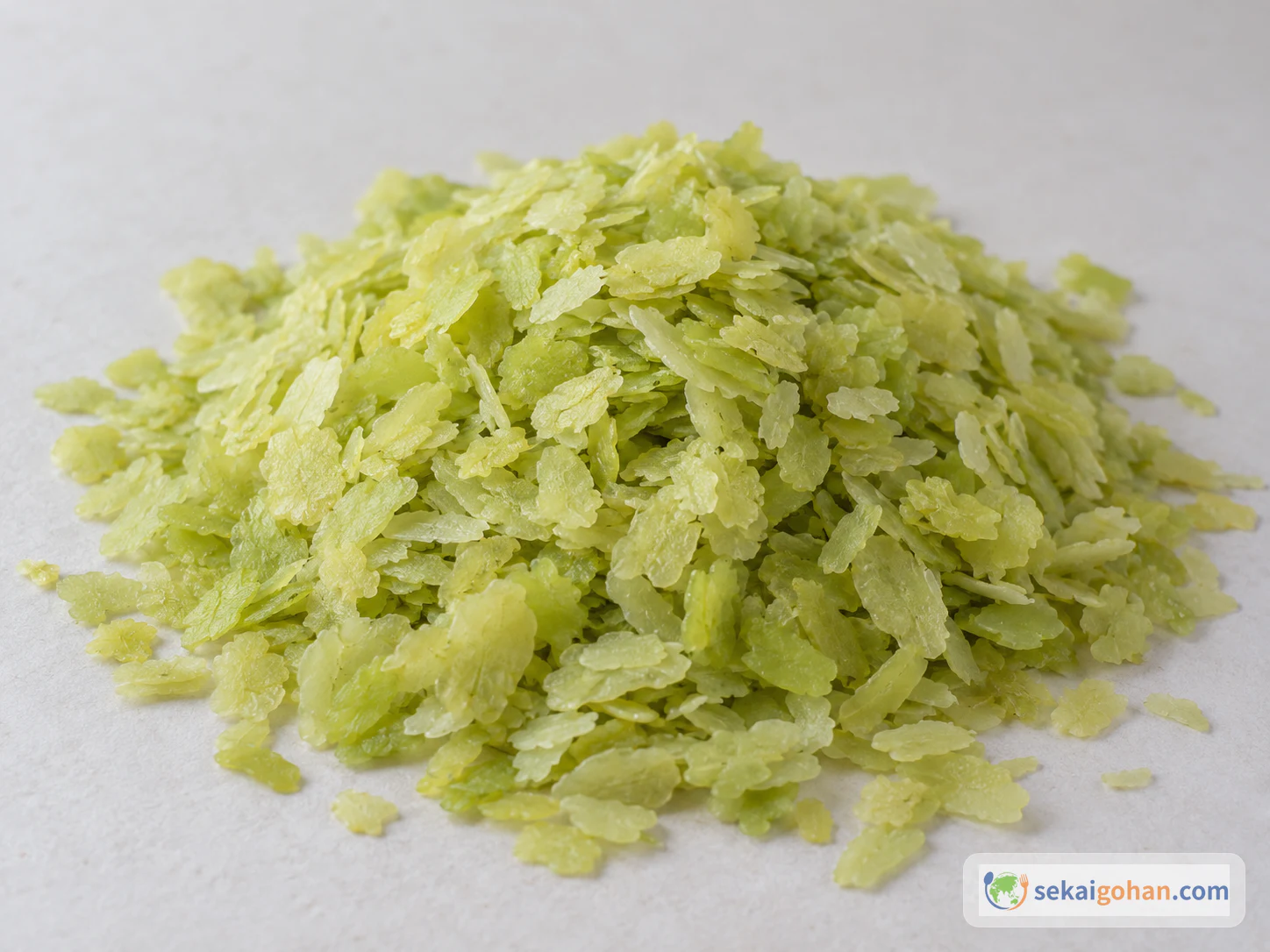
Cốm: Young Sticky Rice Turned into Thin, Soft Green Flakes
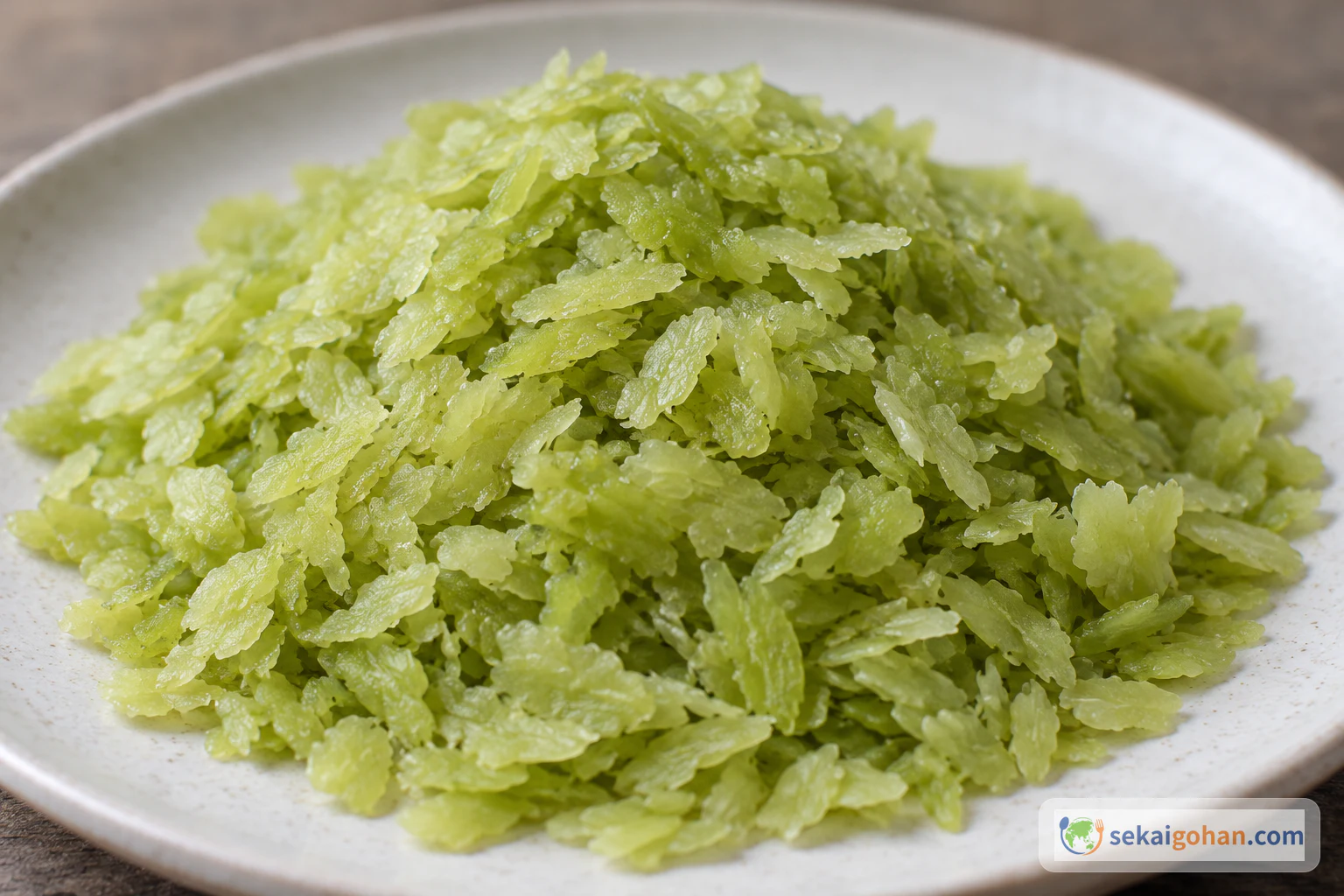
Cốm is not cooked rice, a fried snack or a colored rice product. It is made by processing young, still-milky glutinous rice paddy into thin, soft, green flakes. This article follows one producer's description of that workshop process. It is not a home recipe, and it has not been kitchen-tested.
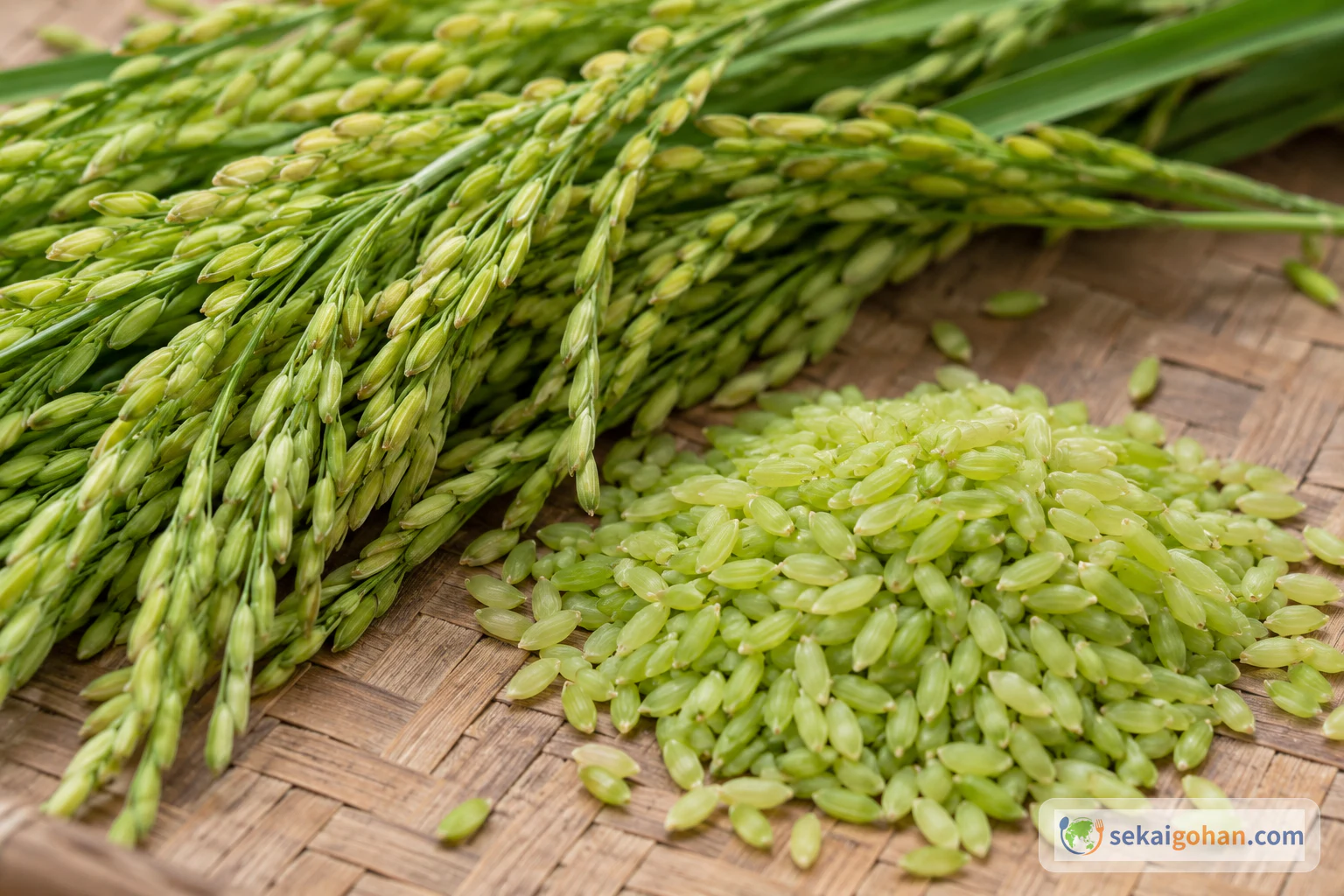
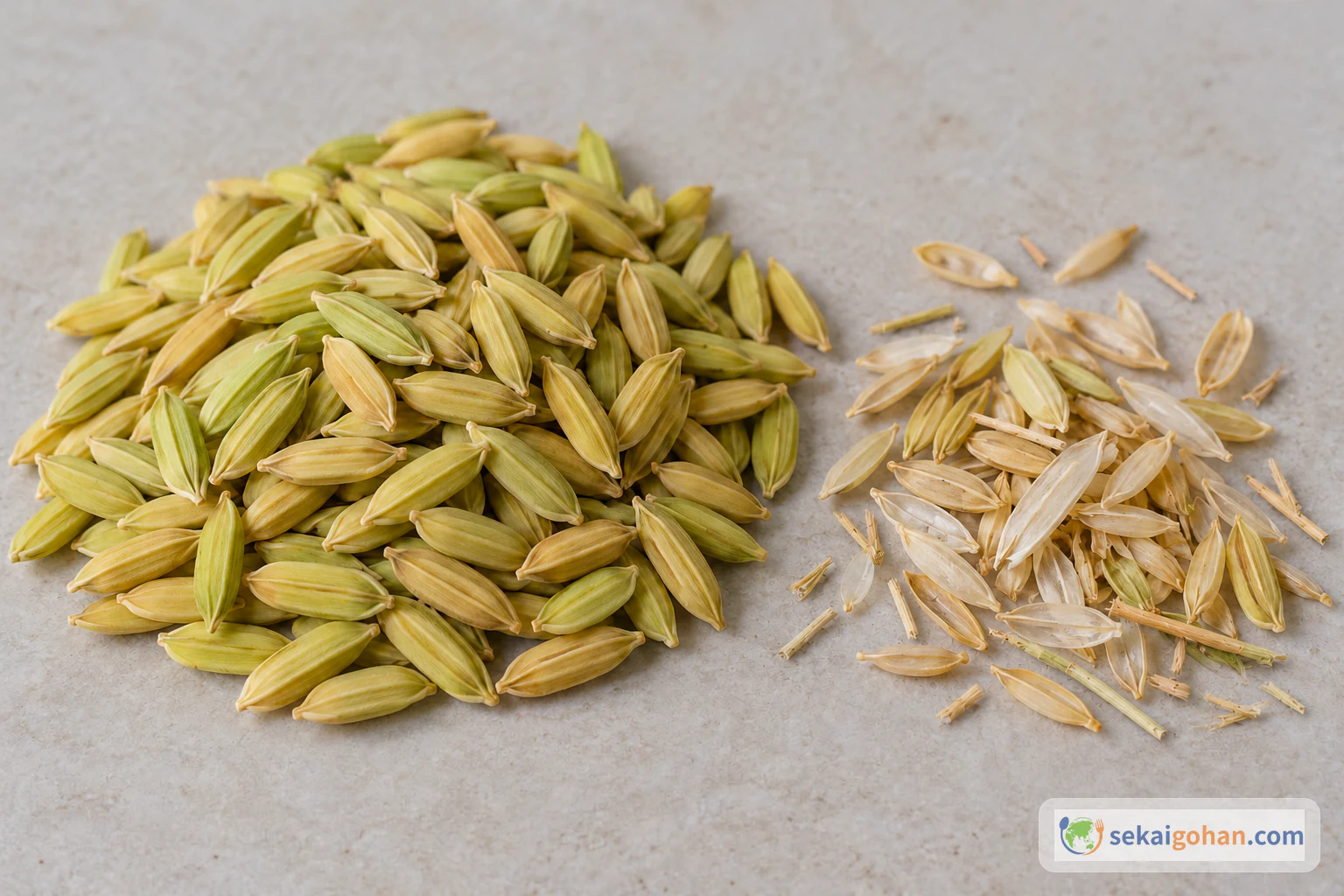
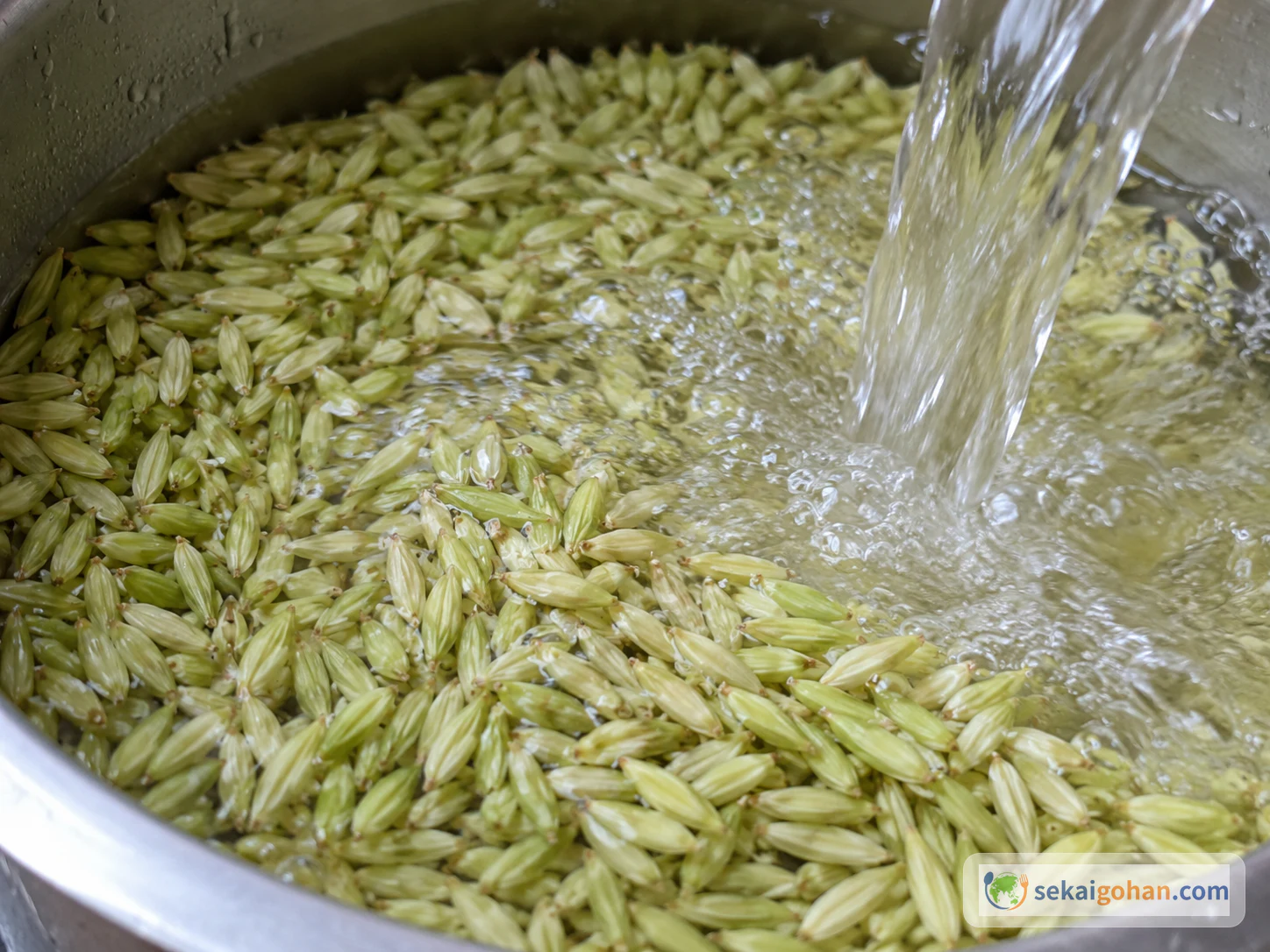
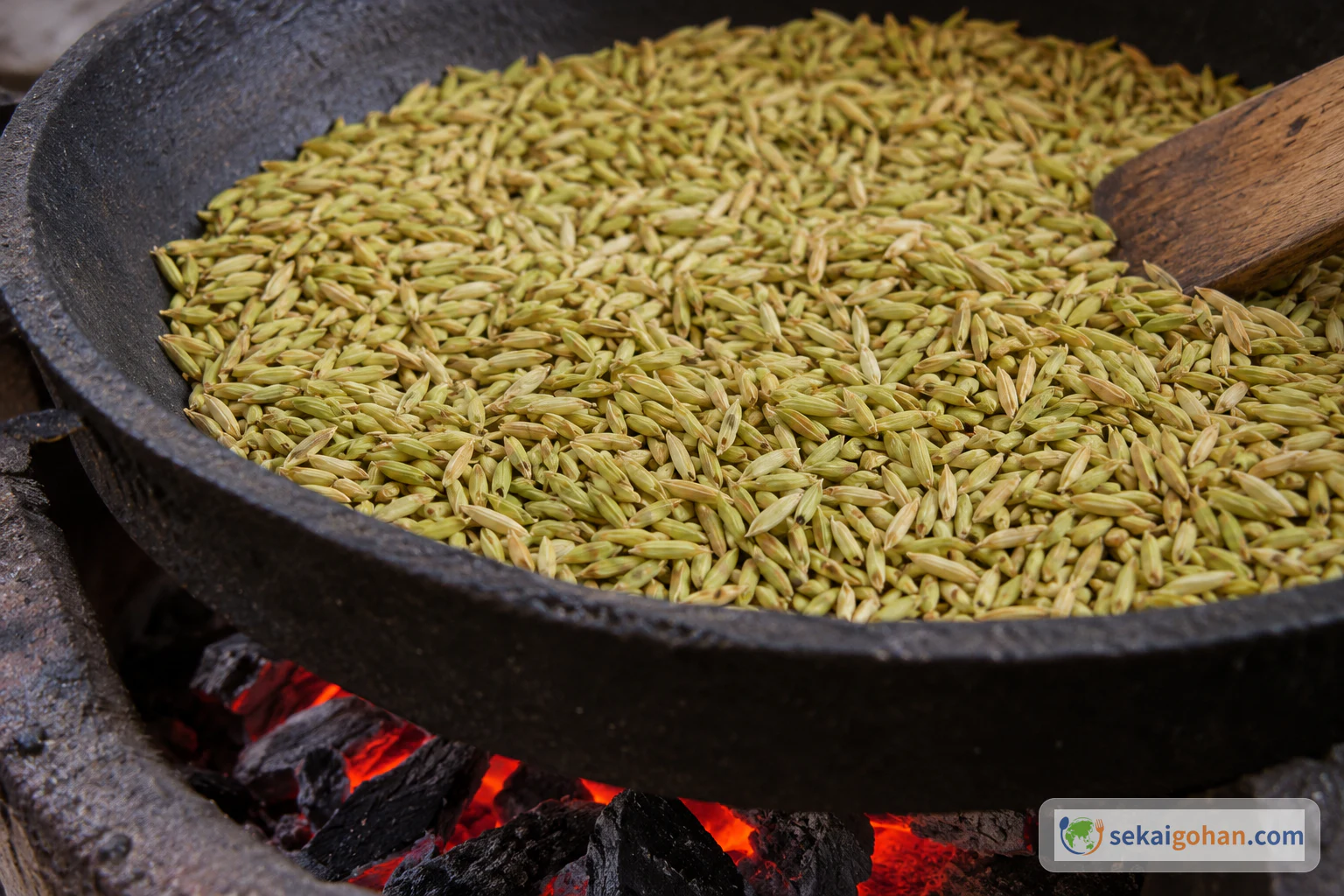
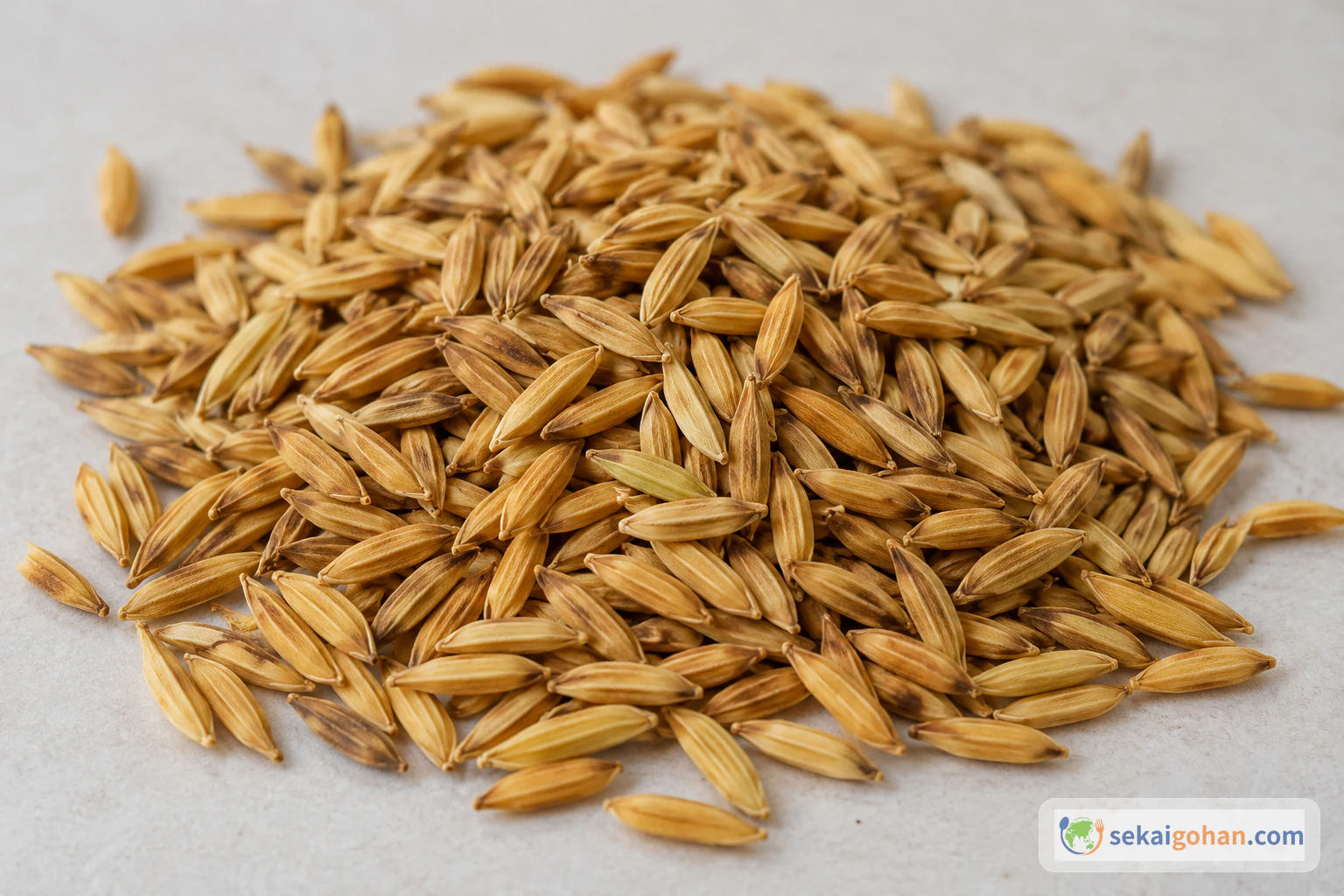
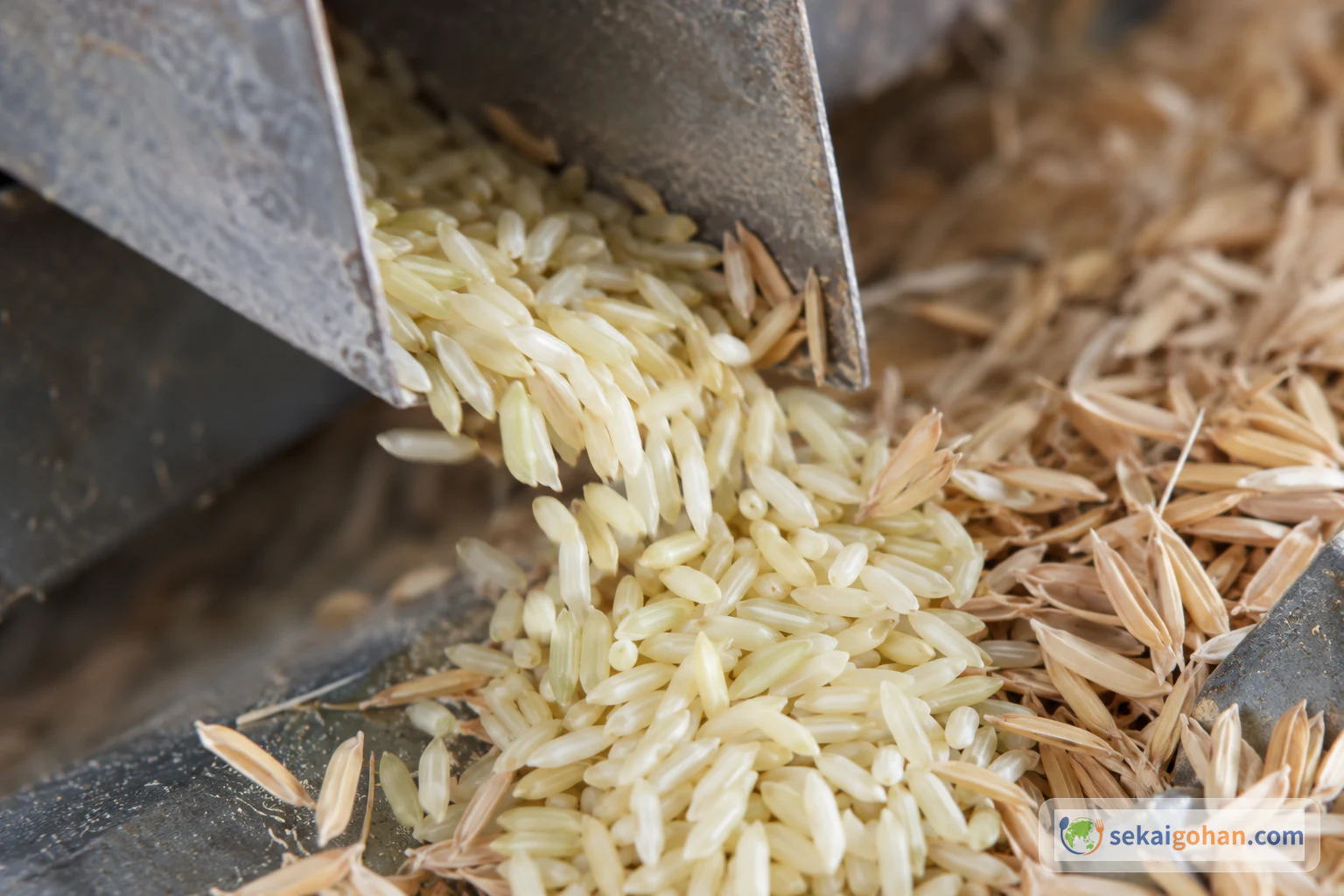
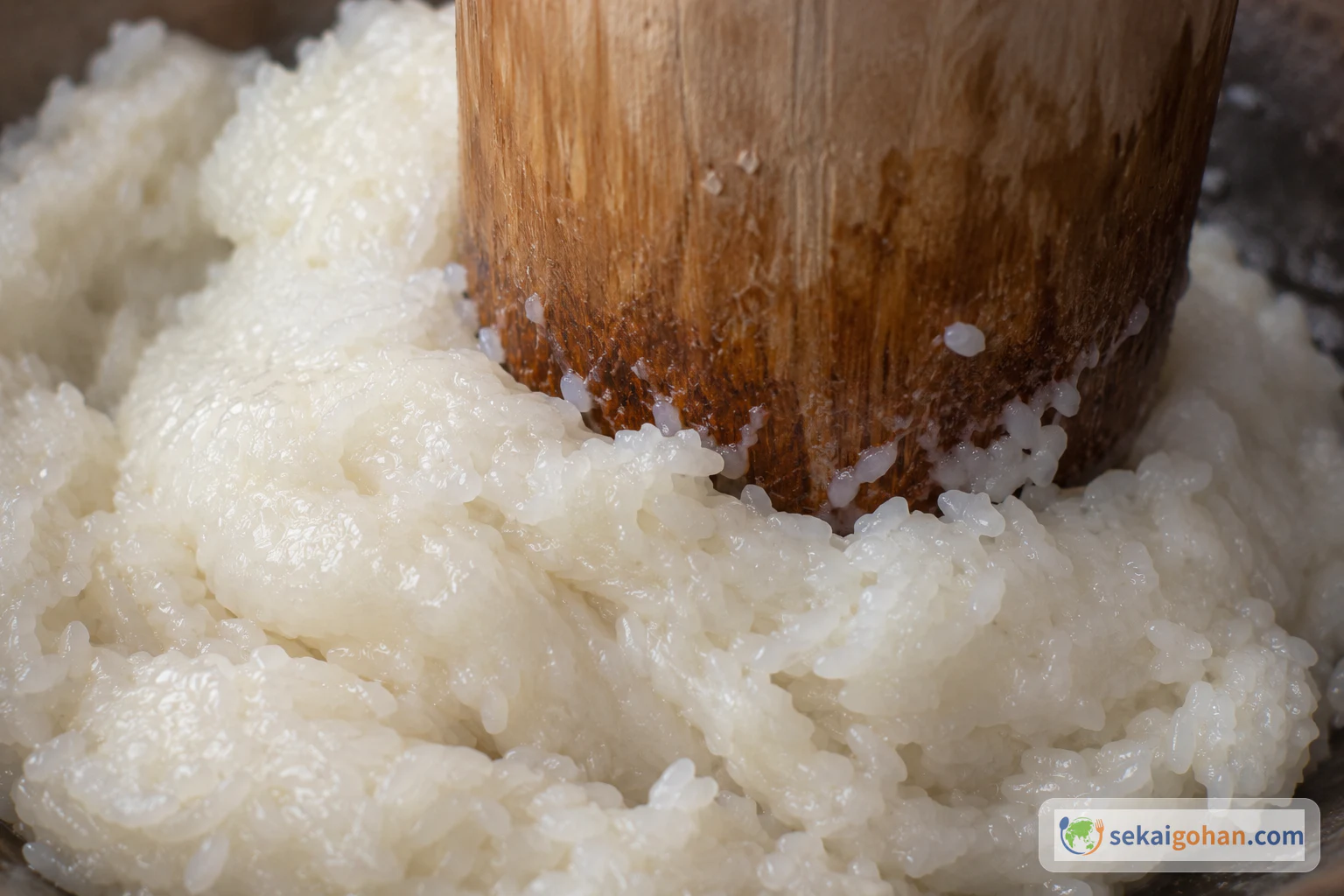
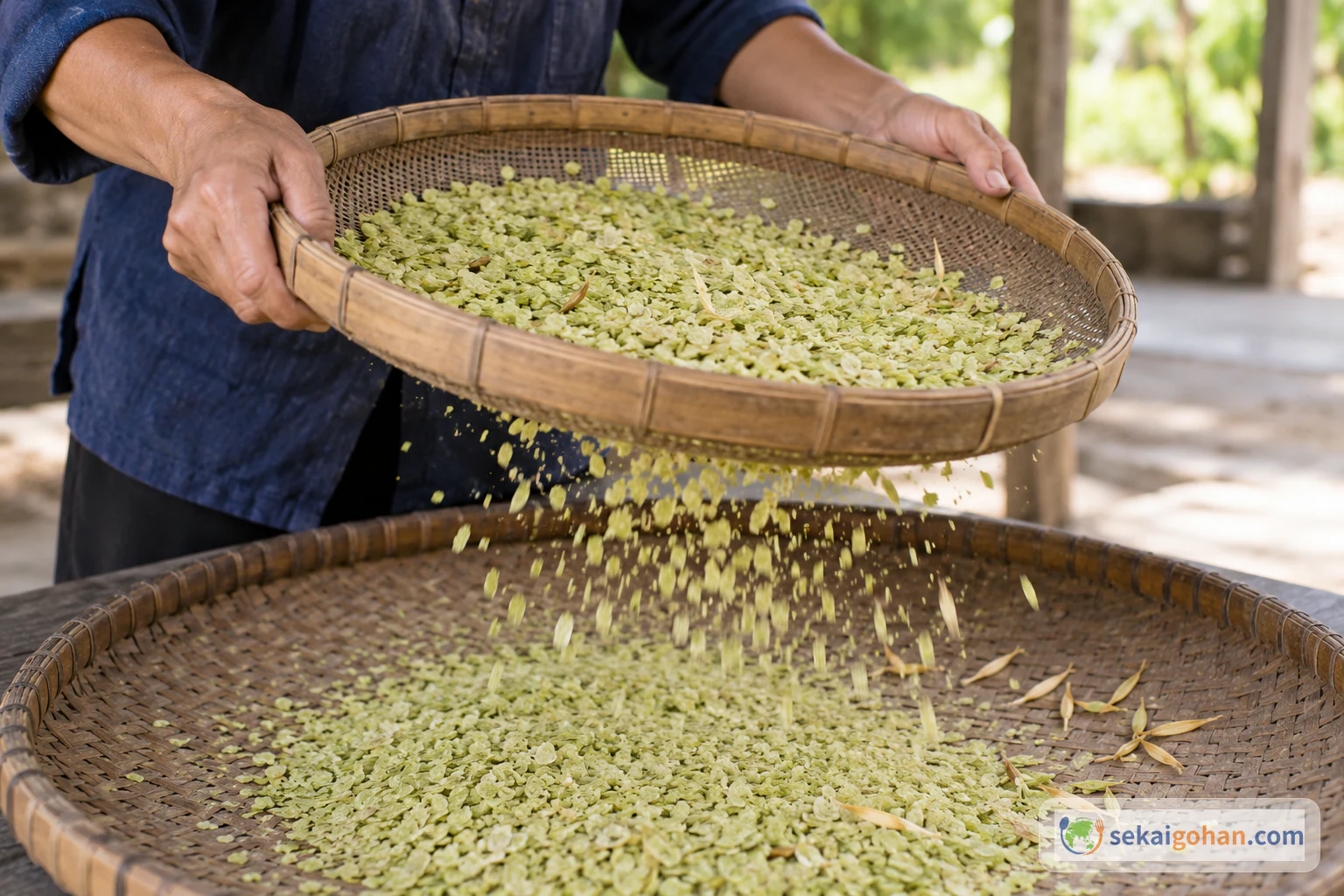
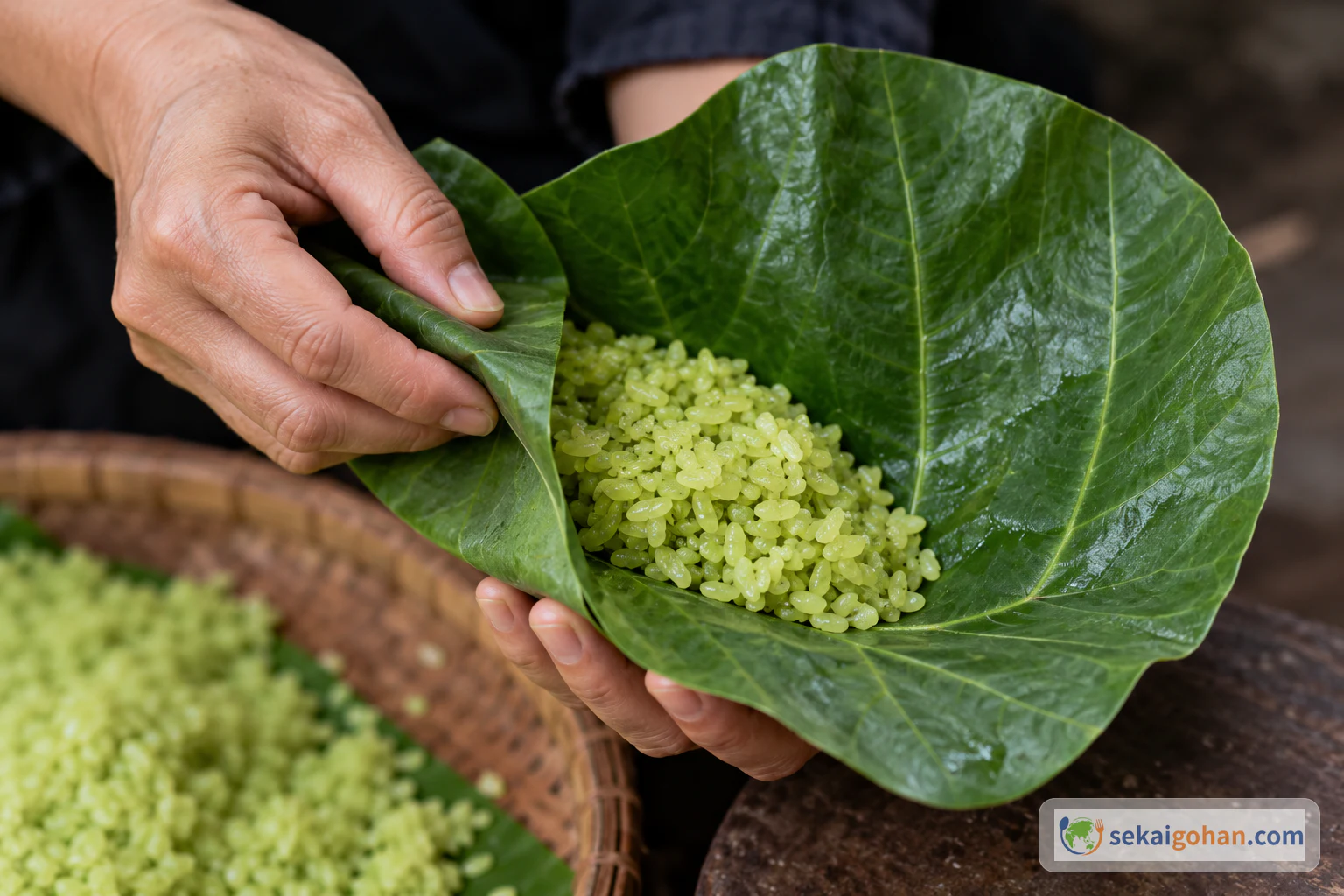
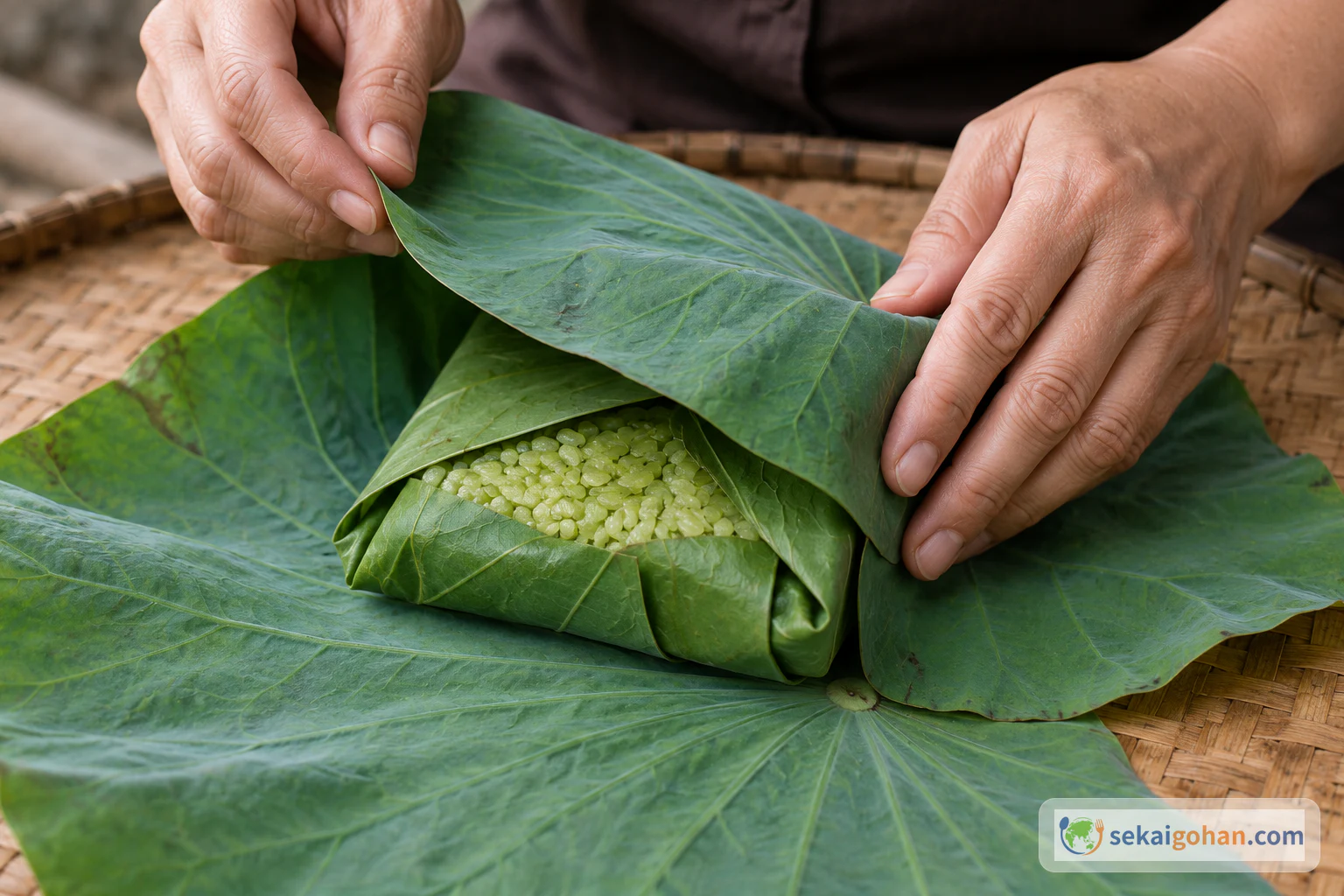
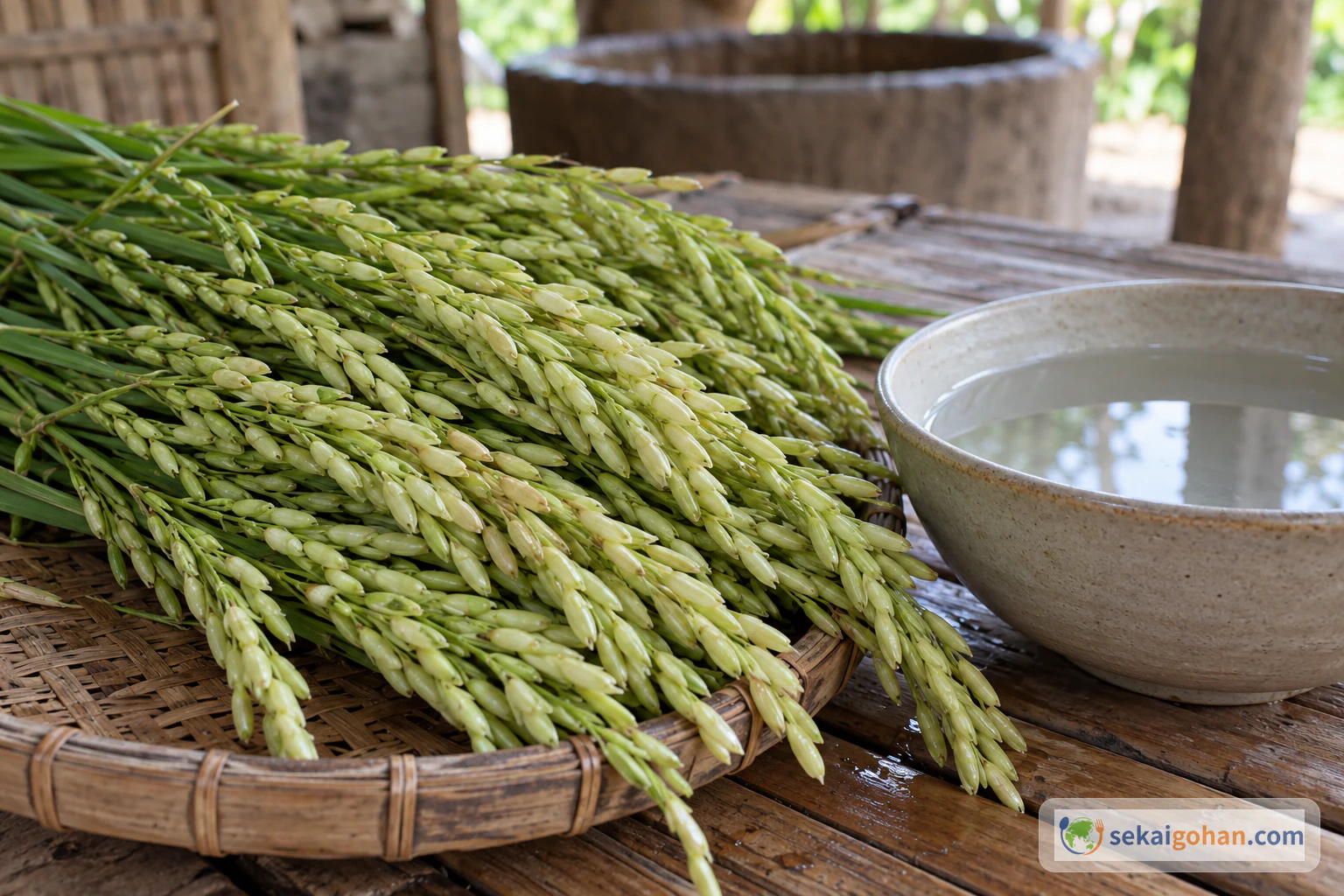
Cốm does not start with the dry, white grains of fully ripe rice. It starts with glutinous rice that is still young, while the inside of the grain is milky. A producer's account from Làng Vòng (Vong Village) describes how those grains are threshed from the panicles, sorted, washed, roasted in a thick cast-iron pan over charcoal, cooled, husked by machine, pounded by machine, and then sieved by hand. This cycle is repeated until the grains become thin, soft green flakes. Finally, the flakes are wrapped in two layers of leaves.
That account comes from an article by phuonghx published on the website of Thăng Quỳnh, a cốm producer. The article quotes the artisan Do Van Thang. It is a producer's own description, not an independent certification or a scientific study. The process described below follows it, and anything it does not specify is left unspecified here.
Vietnam's official tourism site presents Vong Village as a place "where the essence of autumn lives on." It treats cốm as part of the season's food culture and distinguishes the young rice flakes from dishes built on them, such as Bánh cốm. For more from the country, see our Vietnam page.
Several dishes carry the word cốm in their names. Bánh cốm (a cake with a mung bean filling), chả cốm (made with pork) and xôi cốm (steamed sticky rice) are all different foods. This article is about the plain flakes only. Mung beans, pork and steamed rice are not part of it.
How Much, How Long, How Many Times: What the Producer's Numbers Mean
The producer's article gives a workshop example: about 10 kg of young, milky paddy produces about 2 kg of finished flakes. That is a rough batch figure from a workshop. It is not a home quantity, a guaranteed yield or a number of servings, and it should not be scaled down.
The same article says the work takes at least about 3 to 4 hours. This is the producer's rough description, not a standardized total time, and it is not a cooking time for a home kitchen.
The number of times the rice is pounded and sieved is not fixed either. The body of the article says 5 to 7 times. The artisan's quoted words say 5 to 8 times and also mention about 3 final rounds of cleaning. It is unclear whether those final rounds are in addition to the main rounds or part of them. Both versions are given here as they appear, without combining them into one total. The producer also says the number of repetitions depends on how mature the grain is.
A VTC / CheckinVietnam report describes the process of a different family in the village. In that account, the pounding is divided into stages differently. This shows that methods vary from household to household. That family's method is not mixed into the process described here.
Ingredients: Young Glutinous Paddy and Water
Equipment
- Equipment for threshing the panicles and sorting out straw and empty grains
- Roasting machine
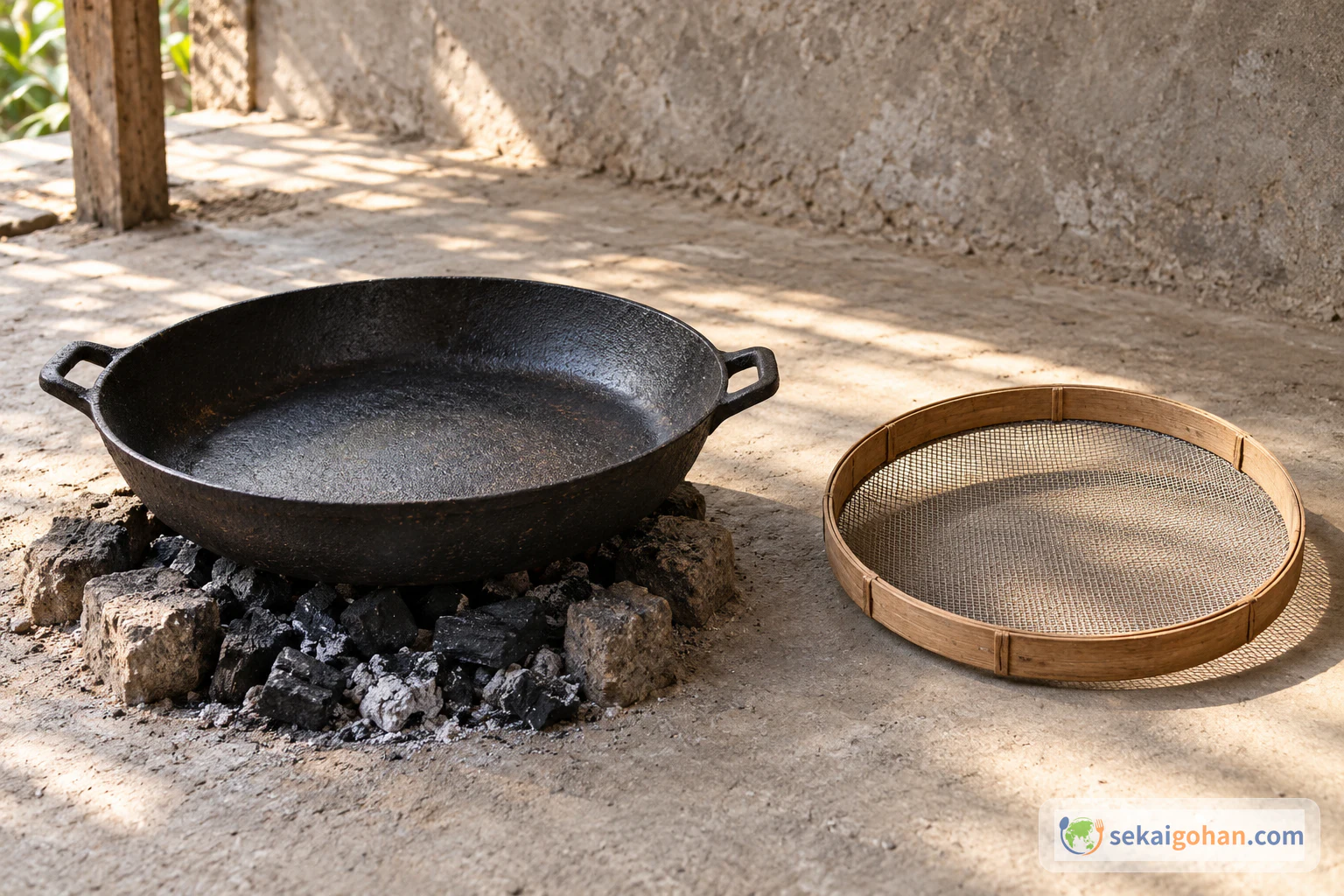
- Thick cast-iron pan
- Charcoal, as the heat for roasting
- A surface for cooling the roasted paddy
- Machine for removing the husks
- Machine for pounding
- Hand sieve
- Lá ráy leaves, for the inner wrapping layer
- Lotus leaves, for the outer wrapping layer
Choosing the Rice, and Why There Is No Home Substitute
Use Nếp cái hoa vàng, a glutinous rice variety, picked while the grain is young and milky. The autumn harvest is preferred, and the rice is grown in two crops a year. This is not a fixed national harvest calendar or a guide to when cốm is on sale.
No substitutes are suggested here. Ordinary sticky rice, dried flakes or green coloring would not be cốm. Home tools such as a kitchen stove, a hand pestle or a household sieve are not presented as equivalents for the roasting, husking and pounding machines.
The Process: From Young Paddy to Green Flakes
The steps below follow the artisan Do Van Thang's process.
The Two-Layer Leaf Wrapping
In the producer's account, the order is lá ráy on the inside and lotus leaf on the outside. The tourism site's short summary describes the wrapping differently and mentions lotus leaves and straw. This article follows the producer's two-layer order and does not add straw ties to it.
The leaves are packaging only. They are not ingredients. The materials for this article do not identify the plant species of lá ráy or confirm that it is safe for food contact. Nothing here suggests that it is edible or that you should gather it from the wild. The lotus leaf is also not eaten. The pack image of the inner leaf shows a generic leaf. It is not a photograph identifying the plant.
Common Confusions
| You might think | What cốm actually is |
|---|---|
| It is cooked or steamed rice | It is young paddy processed into thin flakes, not cooked rice |
| The green comes from coloring or pandan | The process described here adds no coloring, pandan or other ingredients |
| It is a crisp, fried flake | It is described as thin and soft, not fried |
| It is the same as Bánh cốm or chả cốm | Those are different dishes; this is the plain flakes |
| The 10 kg to 2 kg figure is a home recipe | It is a rough workshop batch figure, not a home quantity or a guaranteed yield |
Eating Cốm, and the Other Cốm Dishes
The basic food is the plain flakes. The producer's article mentions eating cốm with banana as an optional pairing. Banana is not part of how cốm is made, and it is not a required accompaniment.
Dishes that use the name are separate foods with their own ingredients. Bánh cốm has a mung bean filling, chả cốm uses pork, and xôi cốm is steamed sticky rice. Other Vietnamese sticky rice dishes are also different. Cơm lam is sticky rice cooked in bamboo tubes. Bánh chưng is sticky rice wrapped in leaves with mung beans and pork for the Lunar New Year. Bánh chưng is wrapped in leaves too, but both its ingredients and its process have nothing to do with flakes made from young paddy.
The materials for this article do not give storage times, shelf life, nutrition, current prices or where to buy cốm, so this article does not cover them.
Frequently Asked Questions
Is cốm cooked rice?
No. It is young, milky glutinous rice paddy that has been threshed, roasted, husked, pounded and sieved into thin, soft green flakes.
Can I make it at home the same way?
The process described here is a producer's workshop process. It relies on a roasting machine, a husking machine and a pounding machine. The producer's article does not give home tools, quantities, temperatures or times, so it is not a complete home recipe. This article has not been kitchen-tested and does not offer a home method.
How many times is the rice pounded?
There is no single number. The body of the producer's article says 5 to 7 times. The artisan's quoted words say 5 to 8 times and also mention about 3 final cleaning rounds, and it is unclear whether those are extra rounds or part of the main ones. The producer also says the number depends on how mature the grain is. A VTC report on another family describes pounding in stages divided differently again.
Can I eat the inner leaf?
The leaves are described only as packaging. The materials for this article do not identify the lá ráy plant or confirm that it is safe to eat or safe for food contact. Treat both leaves as wrapping, not food, and do not forage for them.
Is banana required?
No. The producer's article mentions banana only as an optional pairing. It is not an ingredient in cốm.
Why is autumn so closely tied to cốm?
The tourism site presents Vong Village and cốm as part of autumn's food culture, and the producer prefers the autumn harvest. The producer also mentions that the rice is grown in two crops a year, so autumn is a preference, not the only season.
Sources
- Thăng Quỳnh (cốm producer), article by phuonghx quoting artisan Do Van Thang, "Cốm làng Vòng – tinh hoa ẩm thực của mảnh đất Hà Thành." This is the main source for the process: young, milky glutinous paddy and the preference for Nếp cái hoa vàng; the autumn preference and two crops a year; threshing, sorting, washing, roasting, cooling, machine husking, machine pounding, hand sieving and repetition by maturity; the rough figure of about 10 kg of young paddy to about 2 kg of flakes; the rough time of at least about 3 to 4 hours; the differing repetition counts; the two-layer wrapping in lá ráy and lotus leaf; and the optional banana pairing. It is a producer's own promotional article, not an independent verification. https://dacsancomlangvong.vn/com-lang-vong-tinh-hoa-am-thuc-cua-manh-dat-ha-thanh/
- Vietnam Tourism Information Technology Center (TITC), "Vong Village: where the essence of autumn lives on." Used for the context of Vong Village and cốm as part of autumn food culture, the distinction between the young rice flakes and dishes such as Bánh cốm, and its brief wrapping summary. It is not used to describe the detailed process. https://nongthon.vietnamtourism.gov.vn/vong-village-where-the-essence-of-autumn-lives-on/?lang=en
- VTC / CheckinVietnam, "Quy trình làm cốm làng Vòng." Used only as a comparison, showing that another family's process divides the pounding differently. Its details are not merged into the process described in this article. https://checkinvietnam.vtc.vn/o-nha/quy-trinh-lam-com-lang-vong/E30A7B27-DB86-4182-9824-FEFC1F4C87AD