Janchi-guksu: Thin Noodles, Clear Broth and Neat Piles of Color
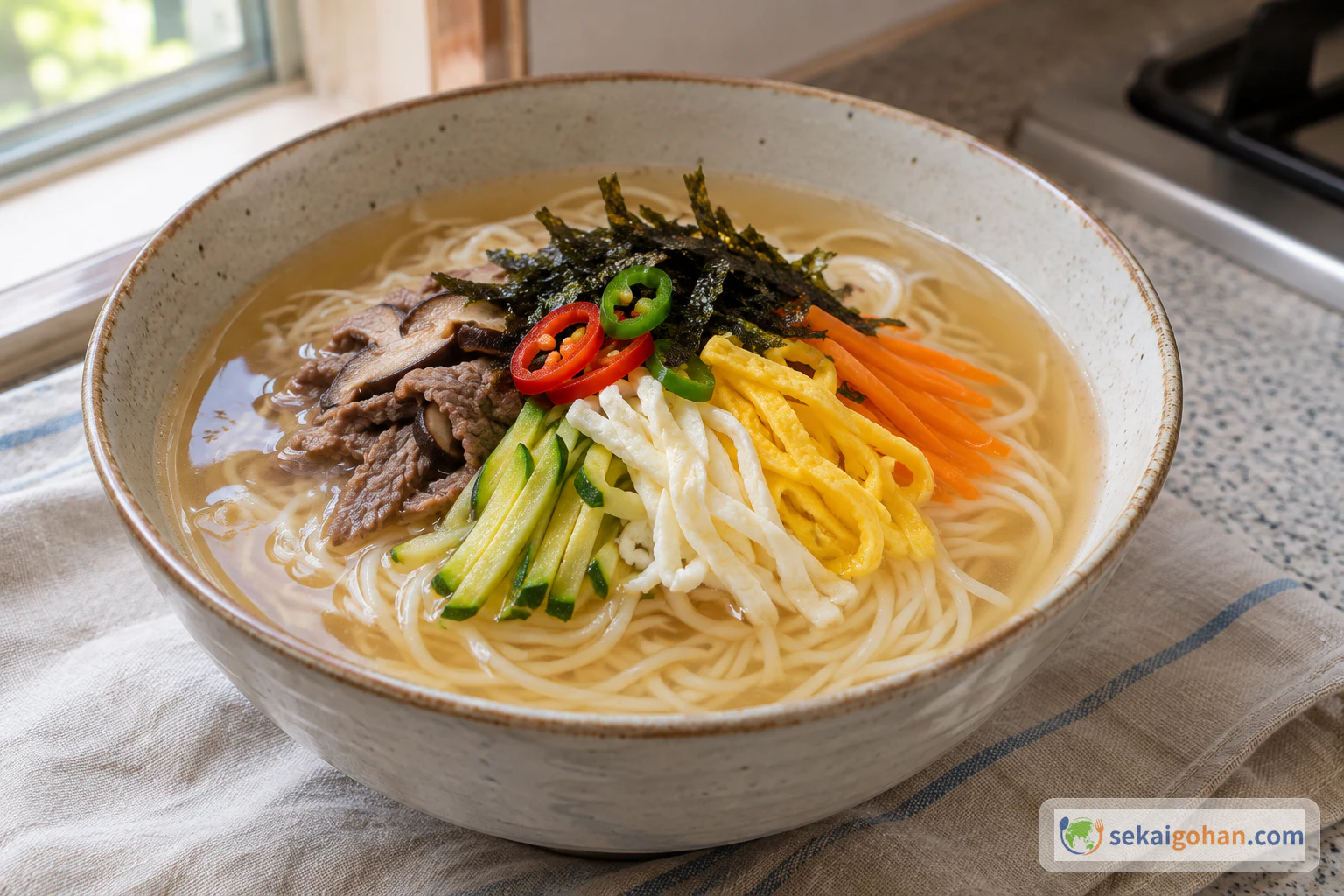
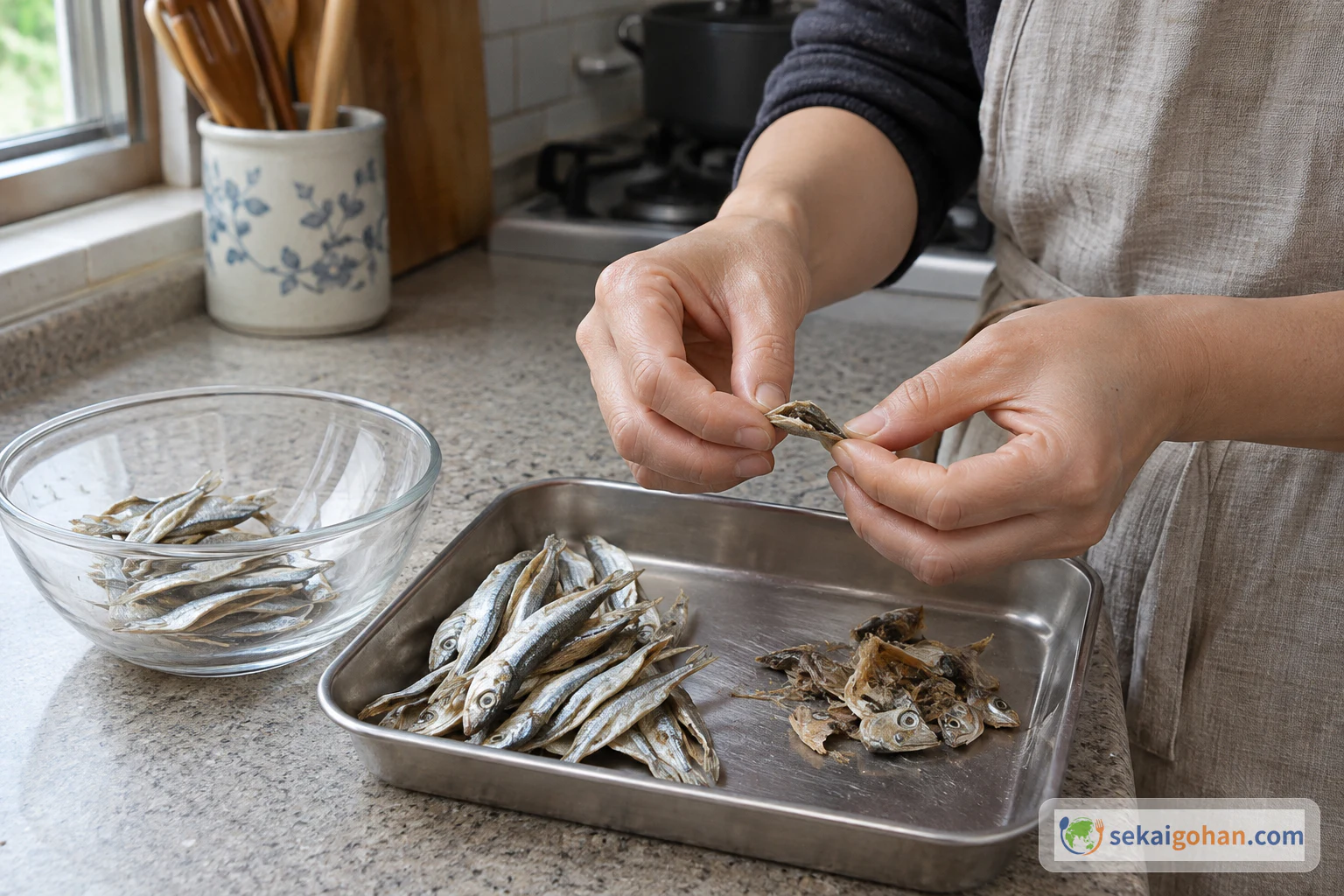
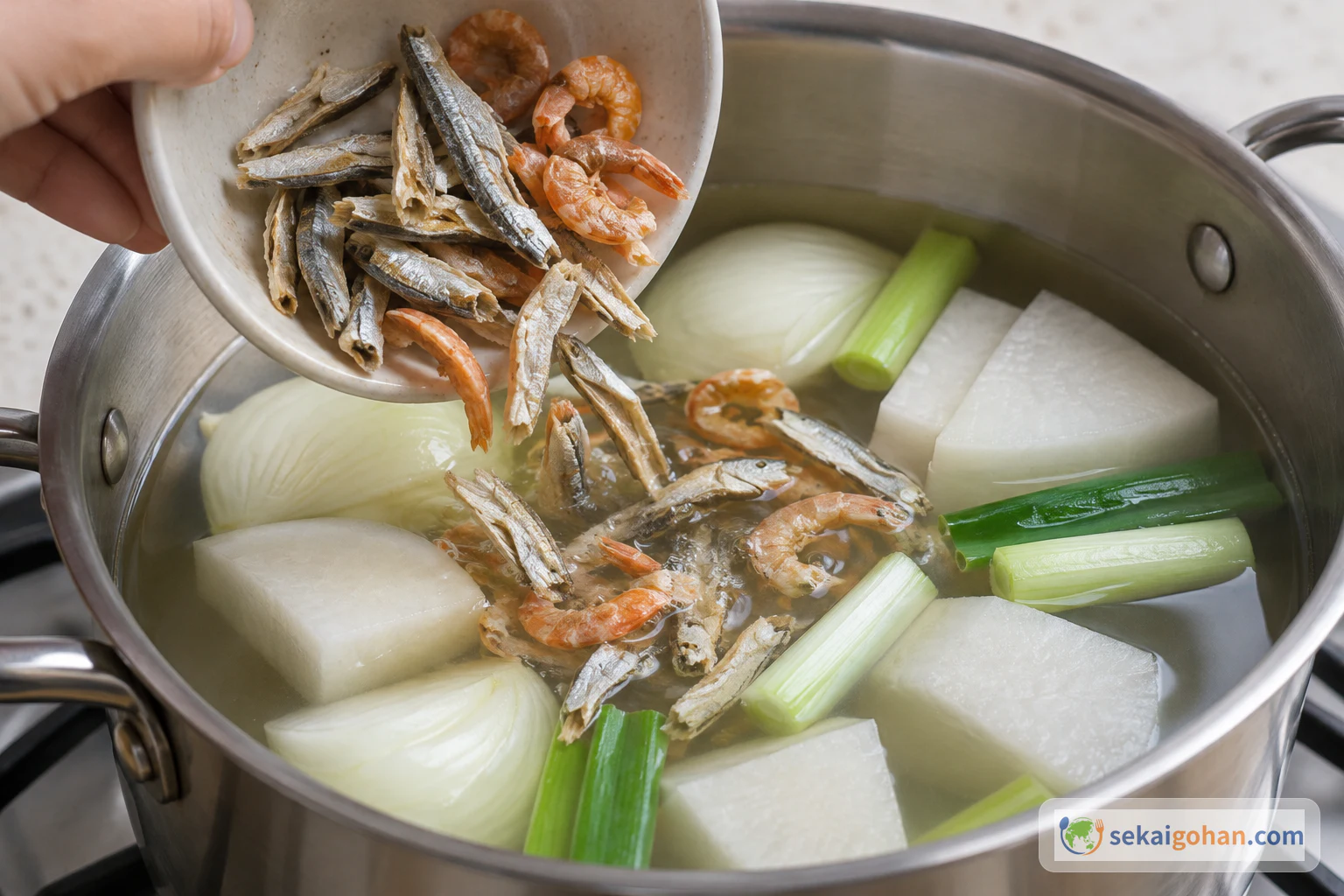
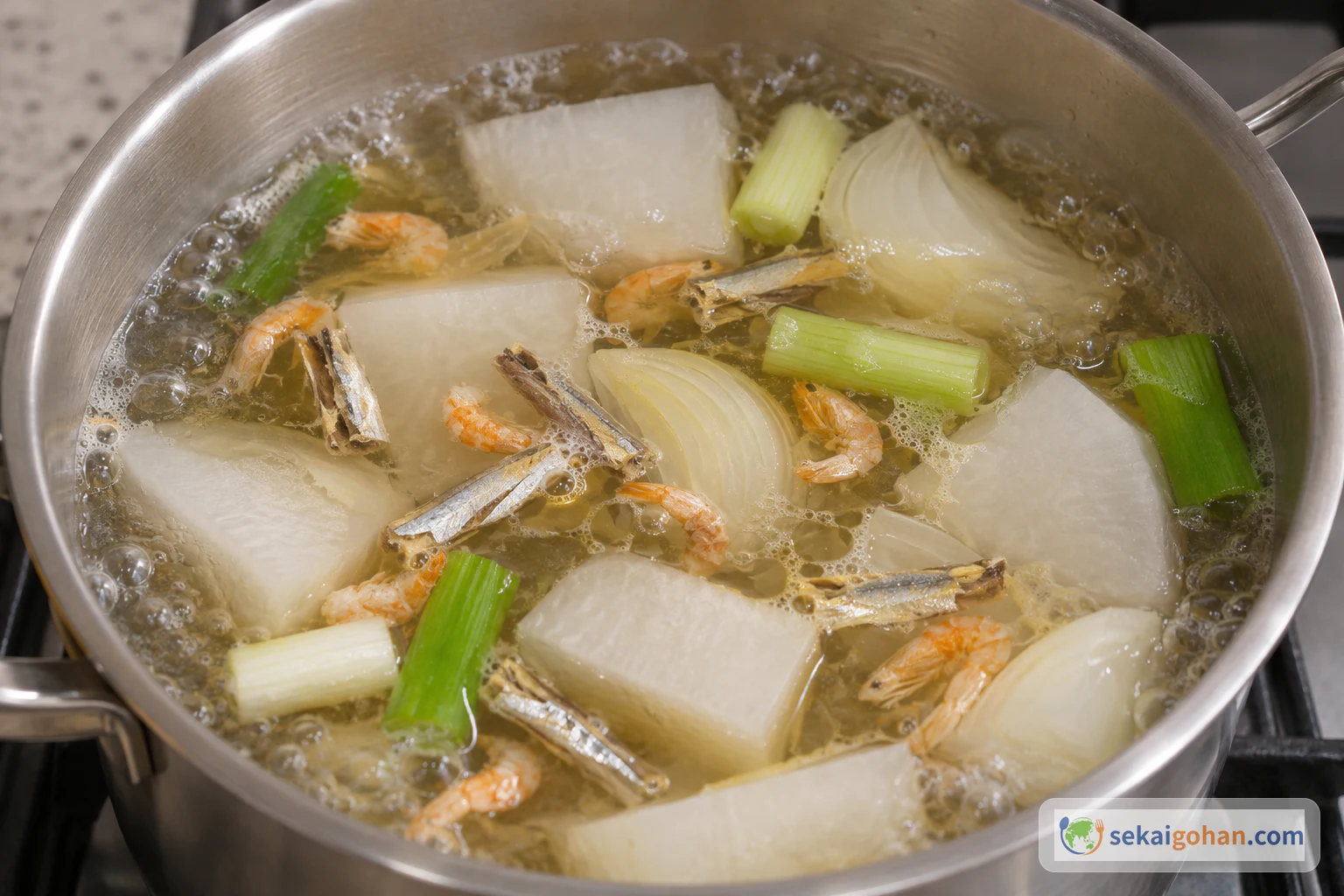
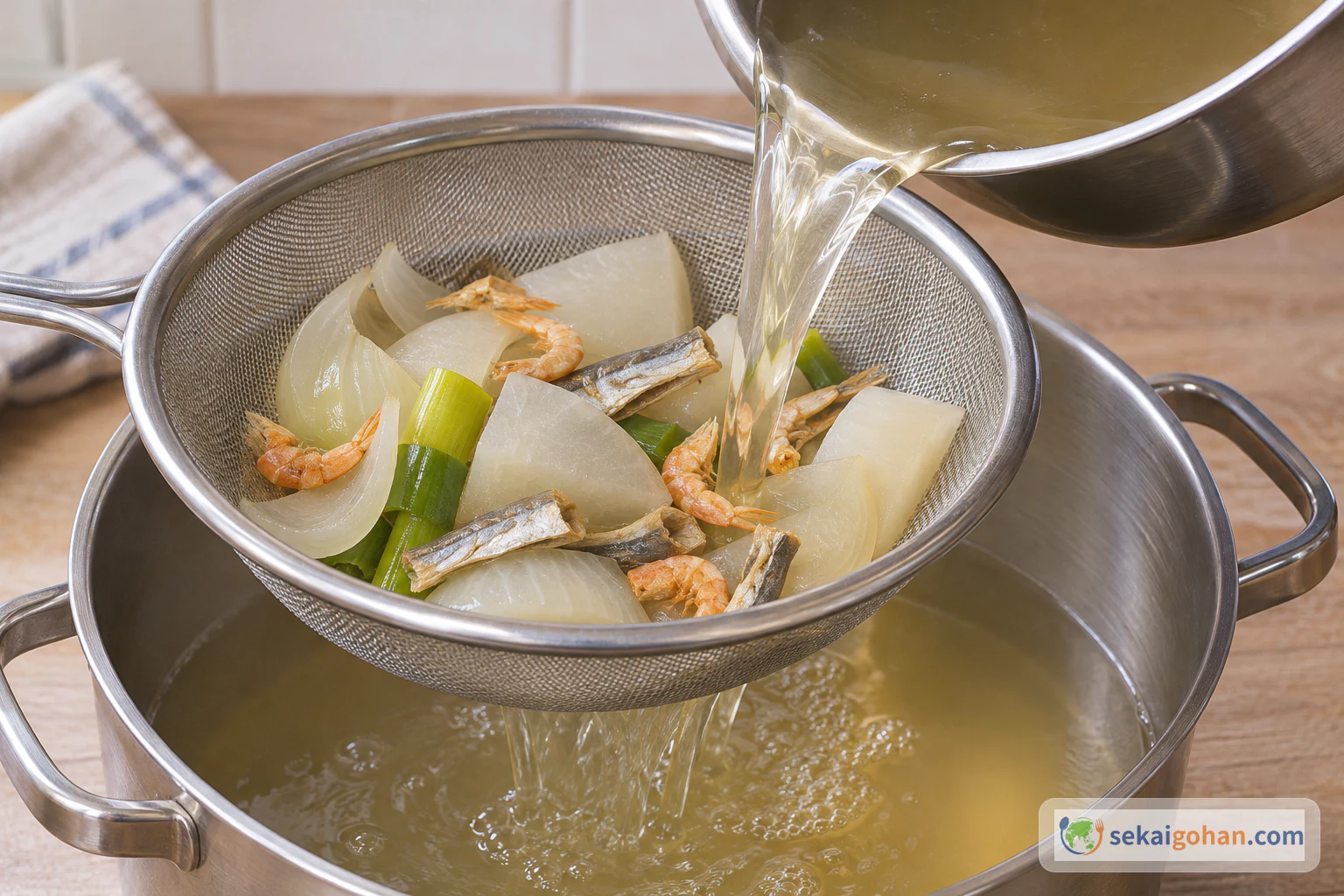
A clear broth of dried anchovies, dried shrimp and kelp, thin wheat noodles rinsed in cold water, and toppings arranged in separate piles so each color stays distinct until the hot broth goes in.
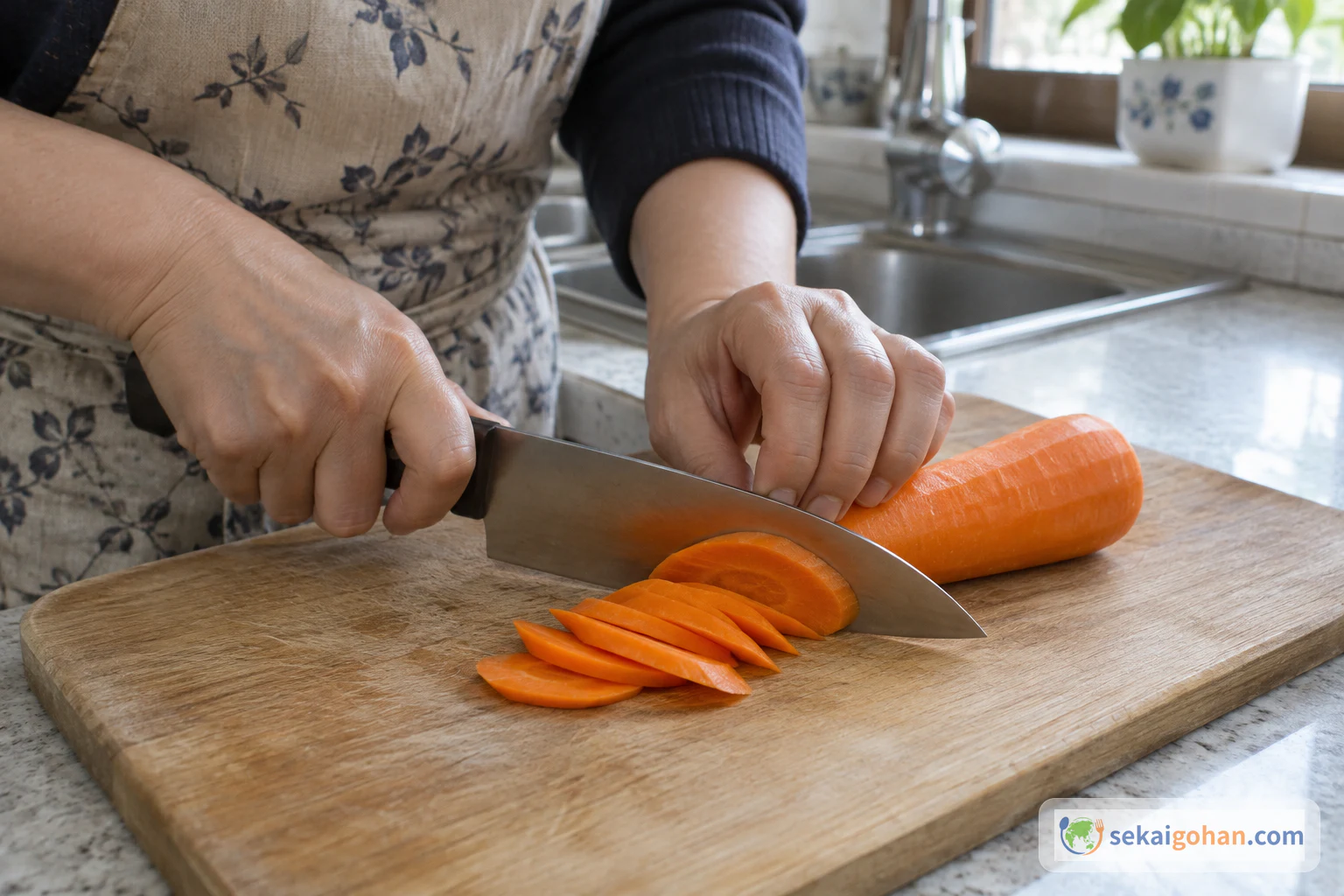
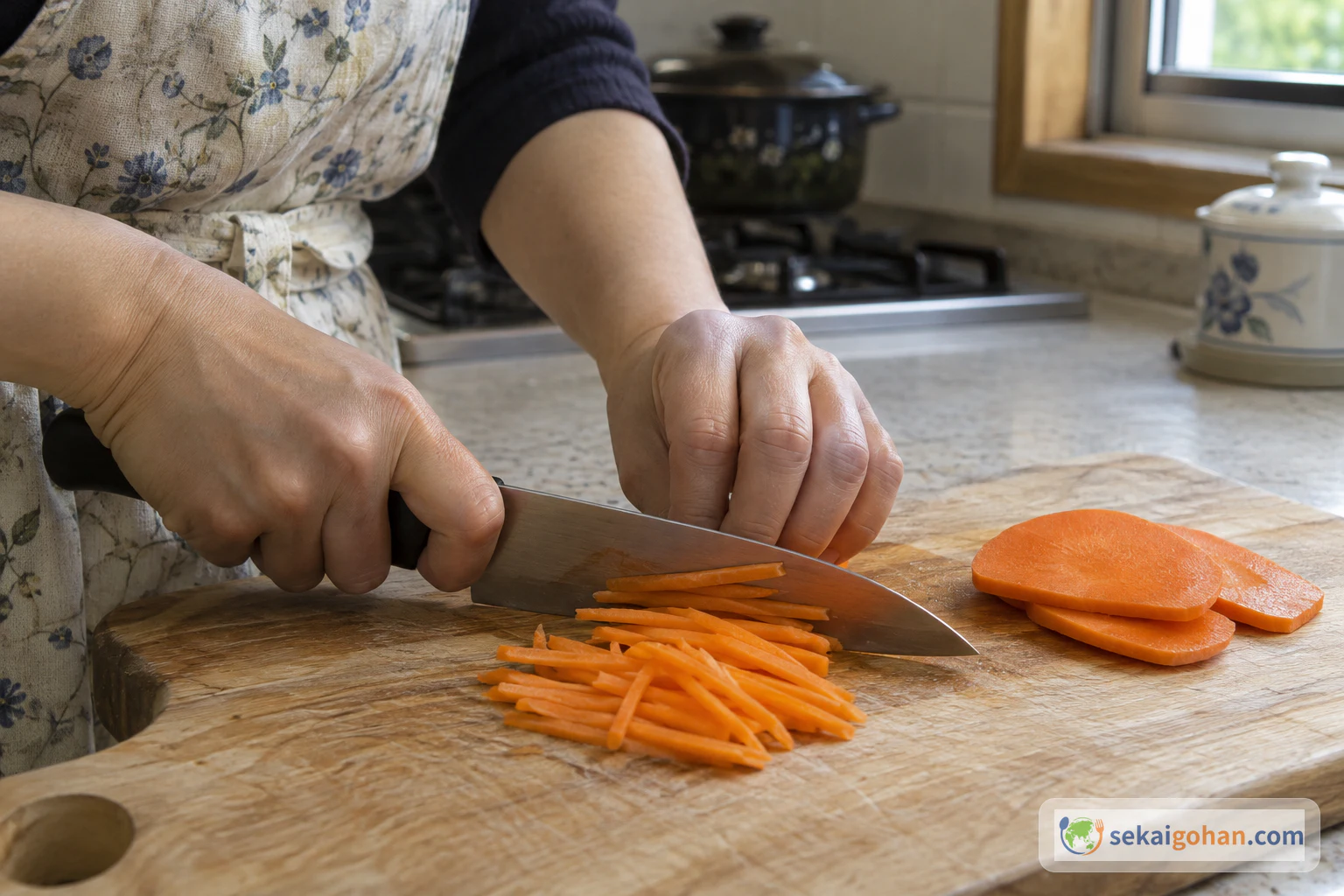
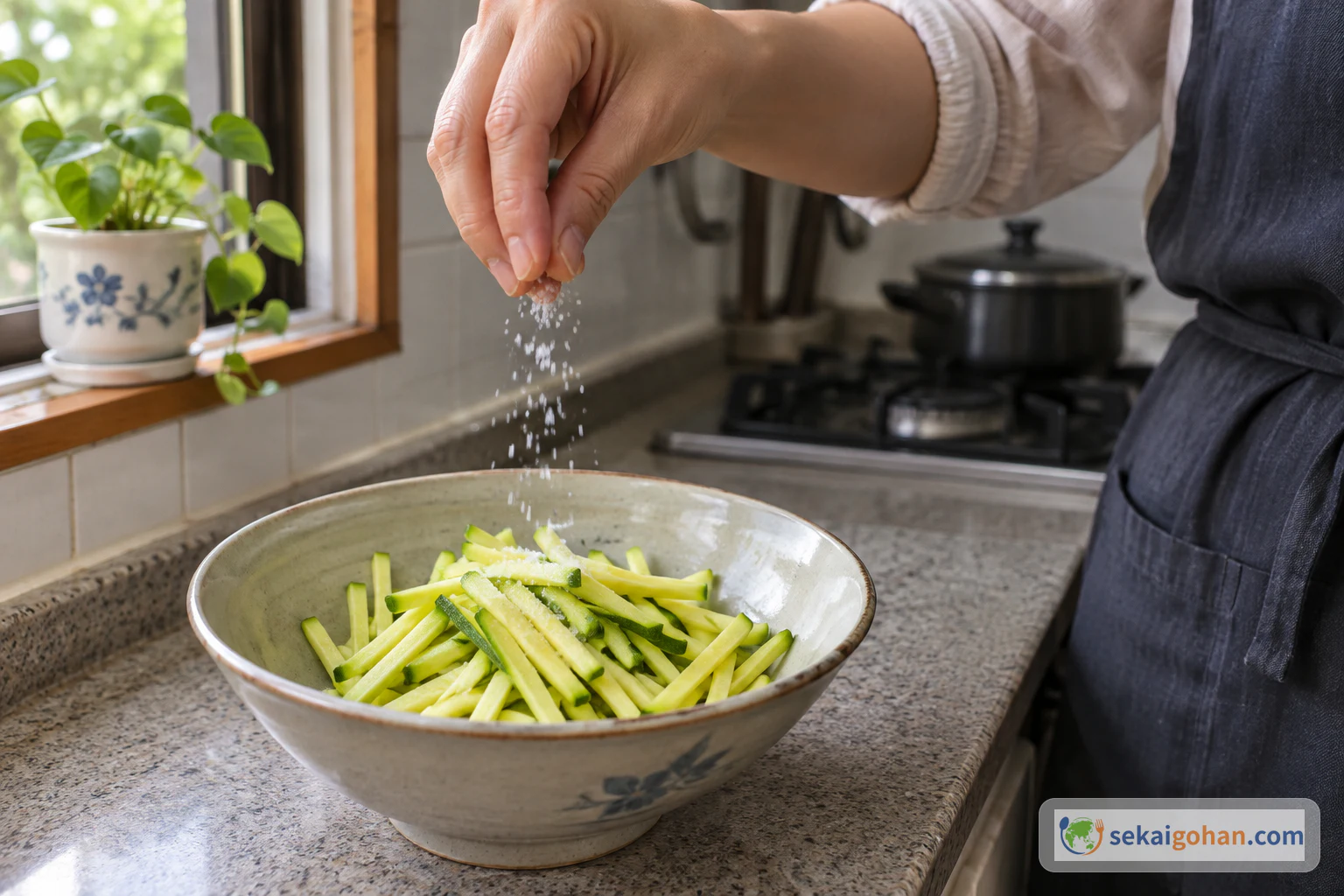
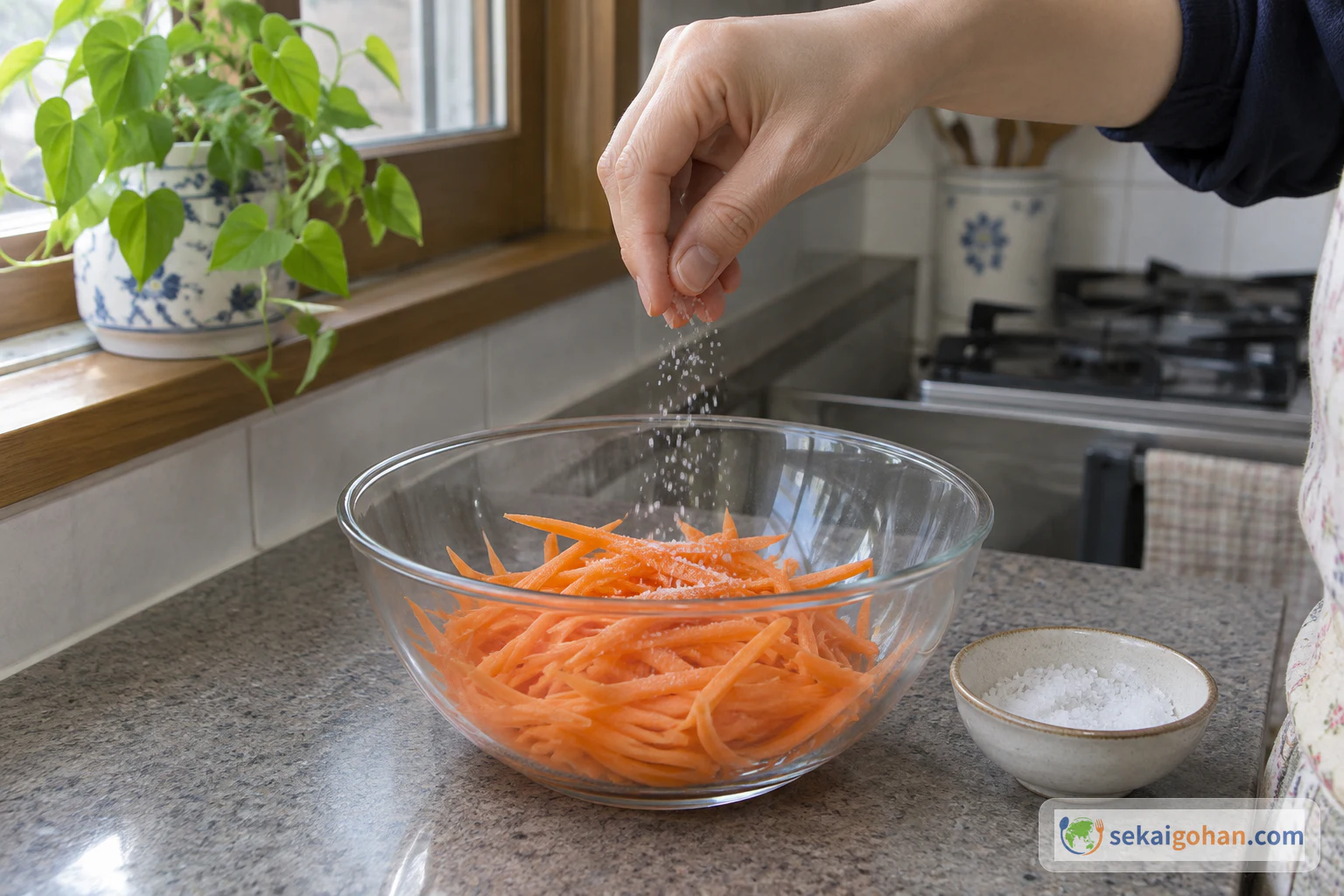
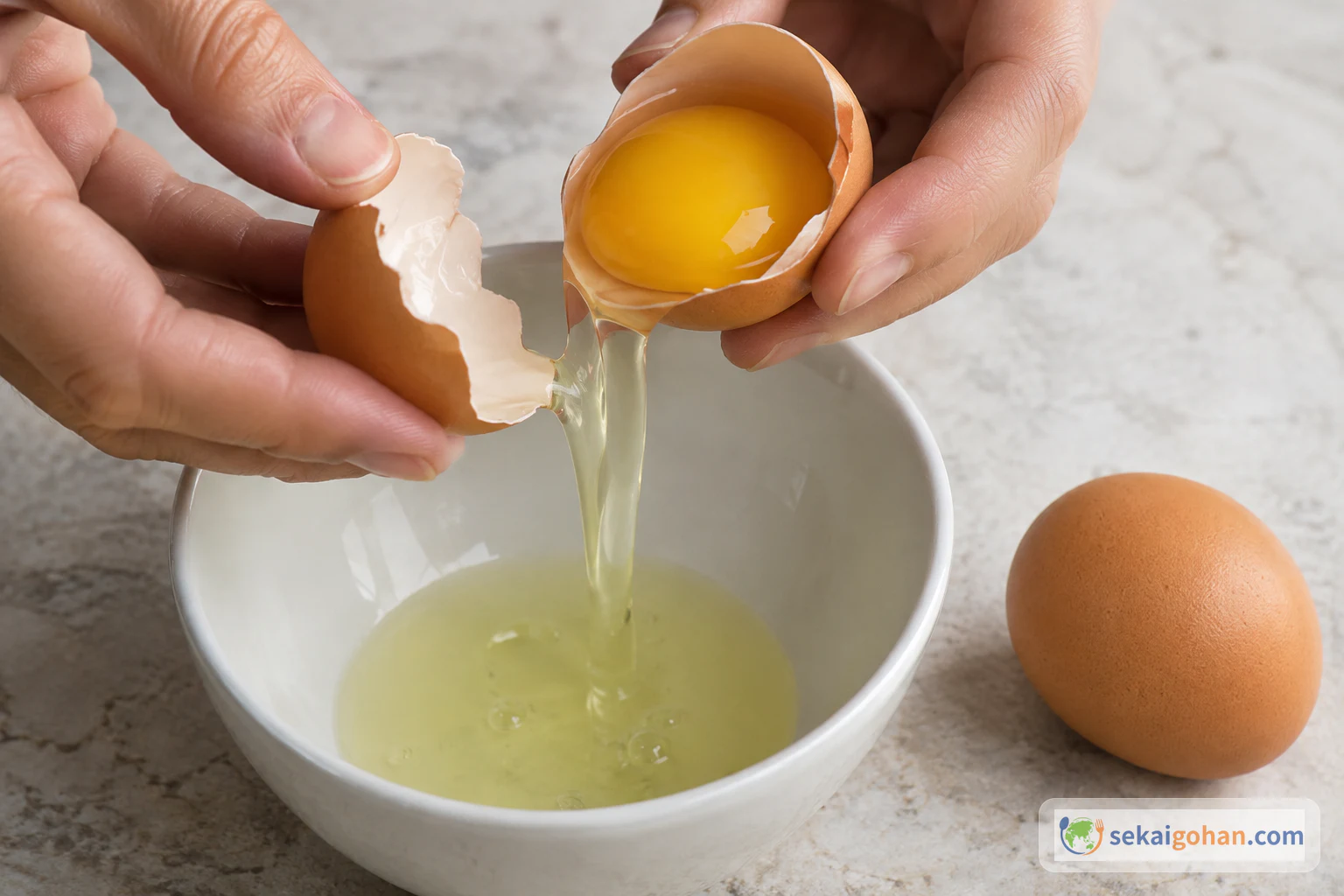
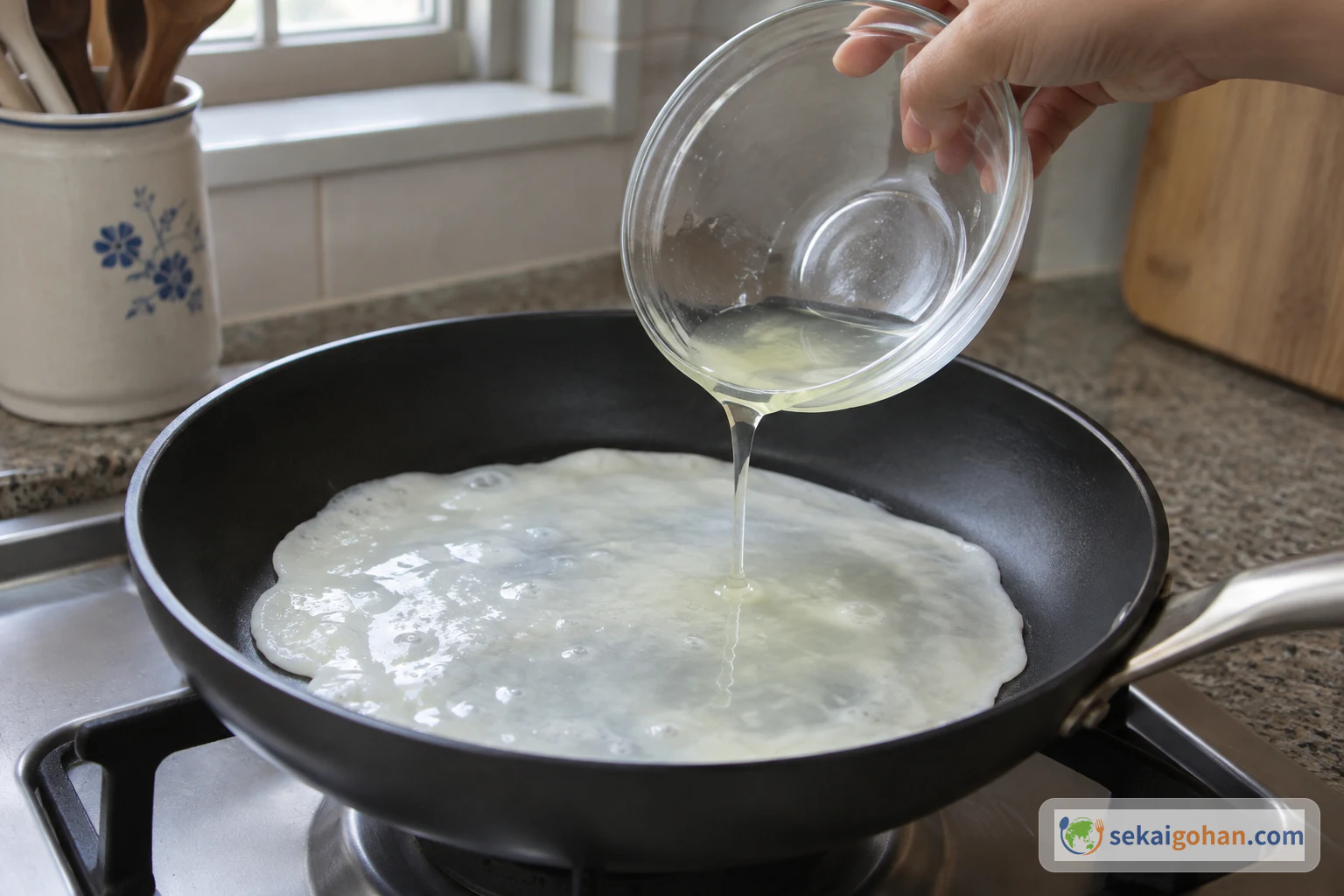
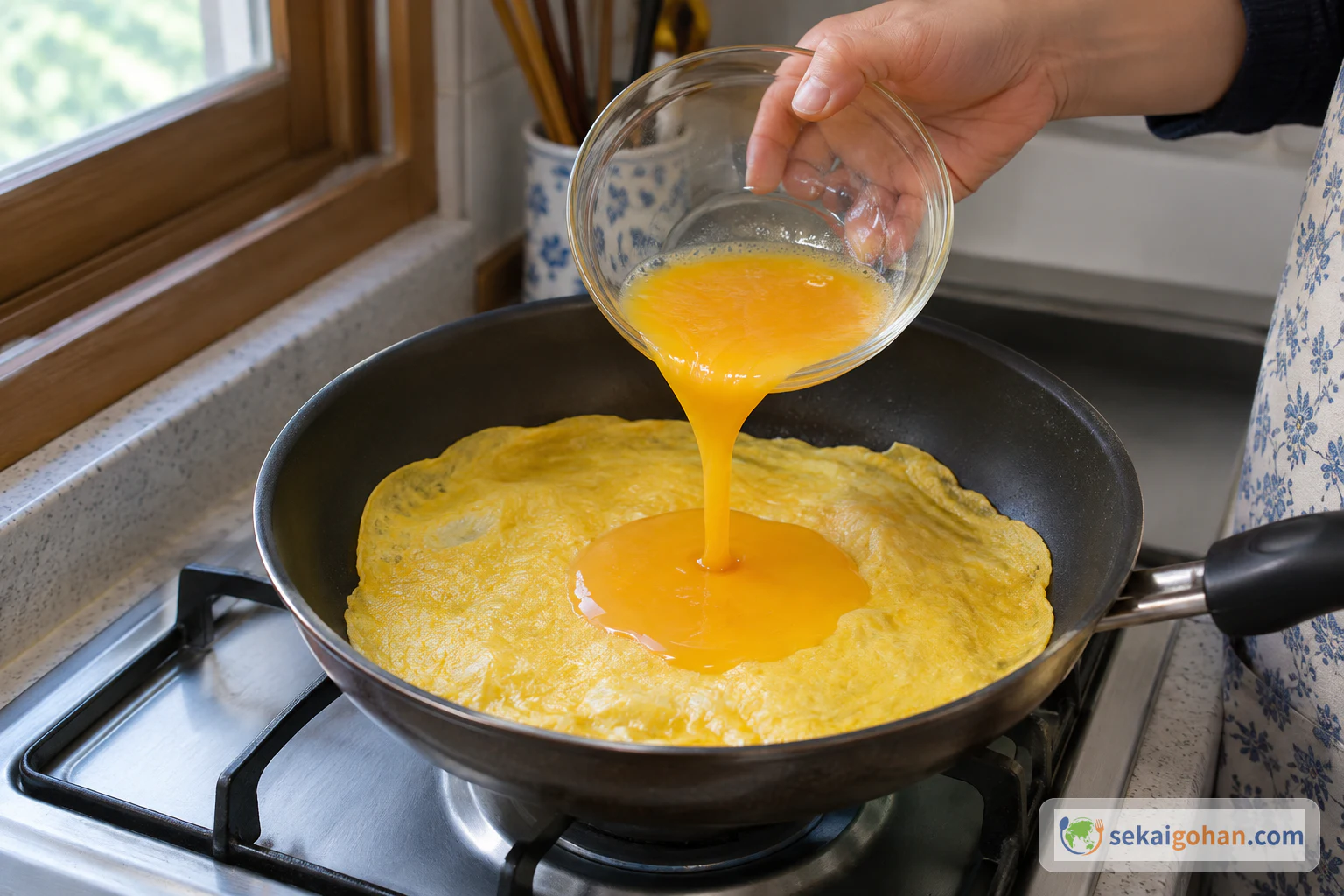
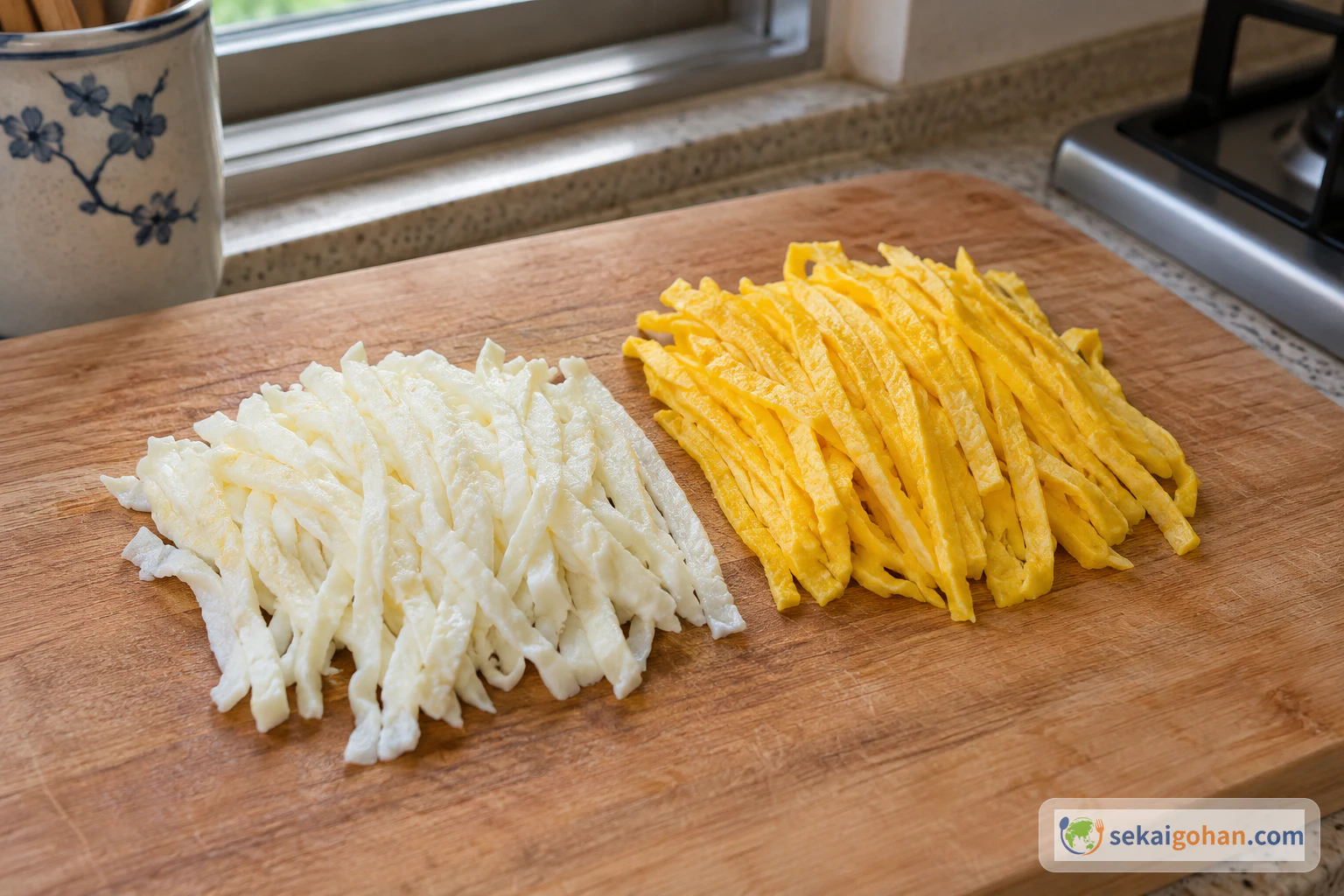
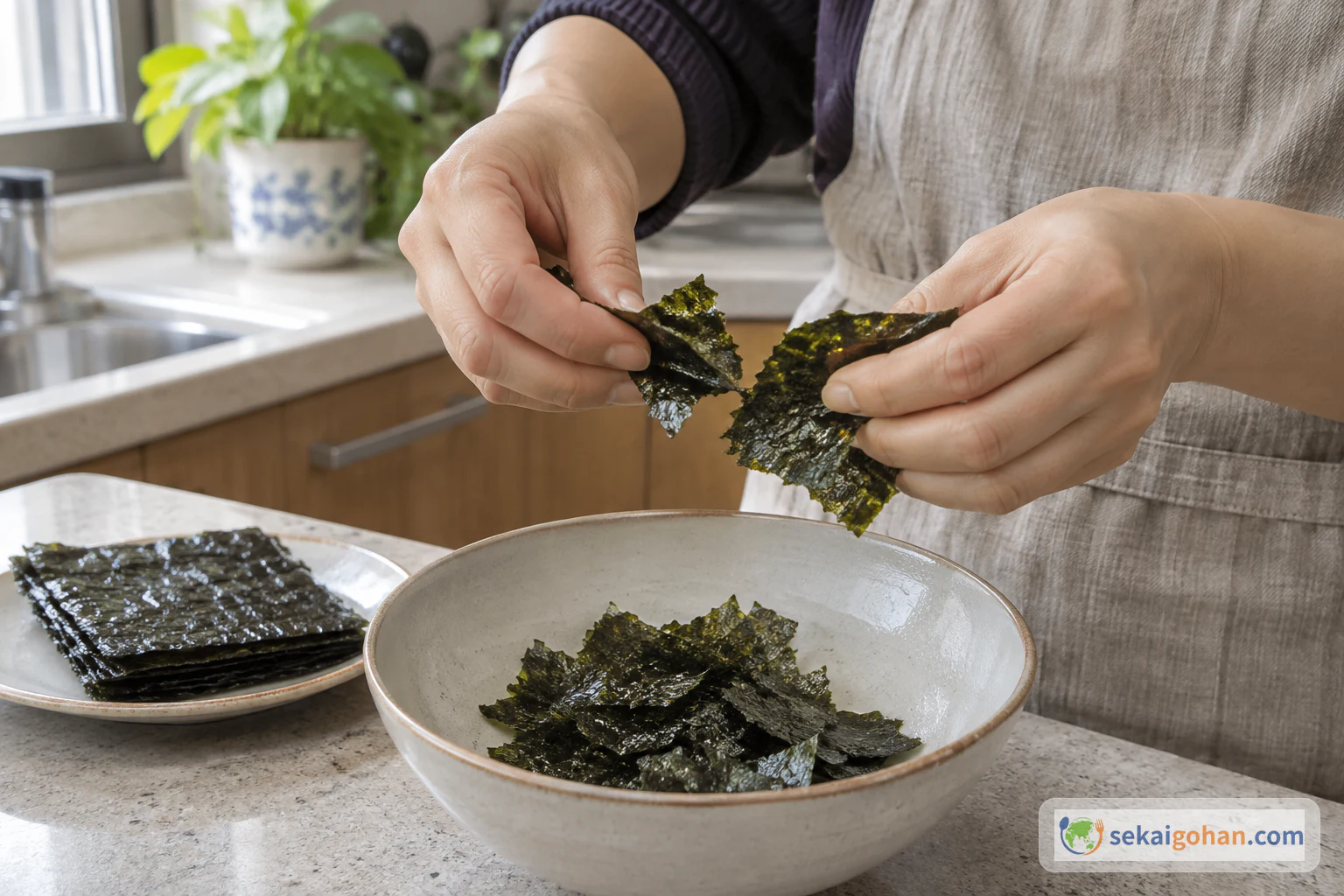
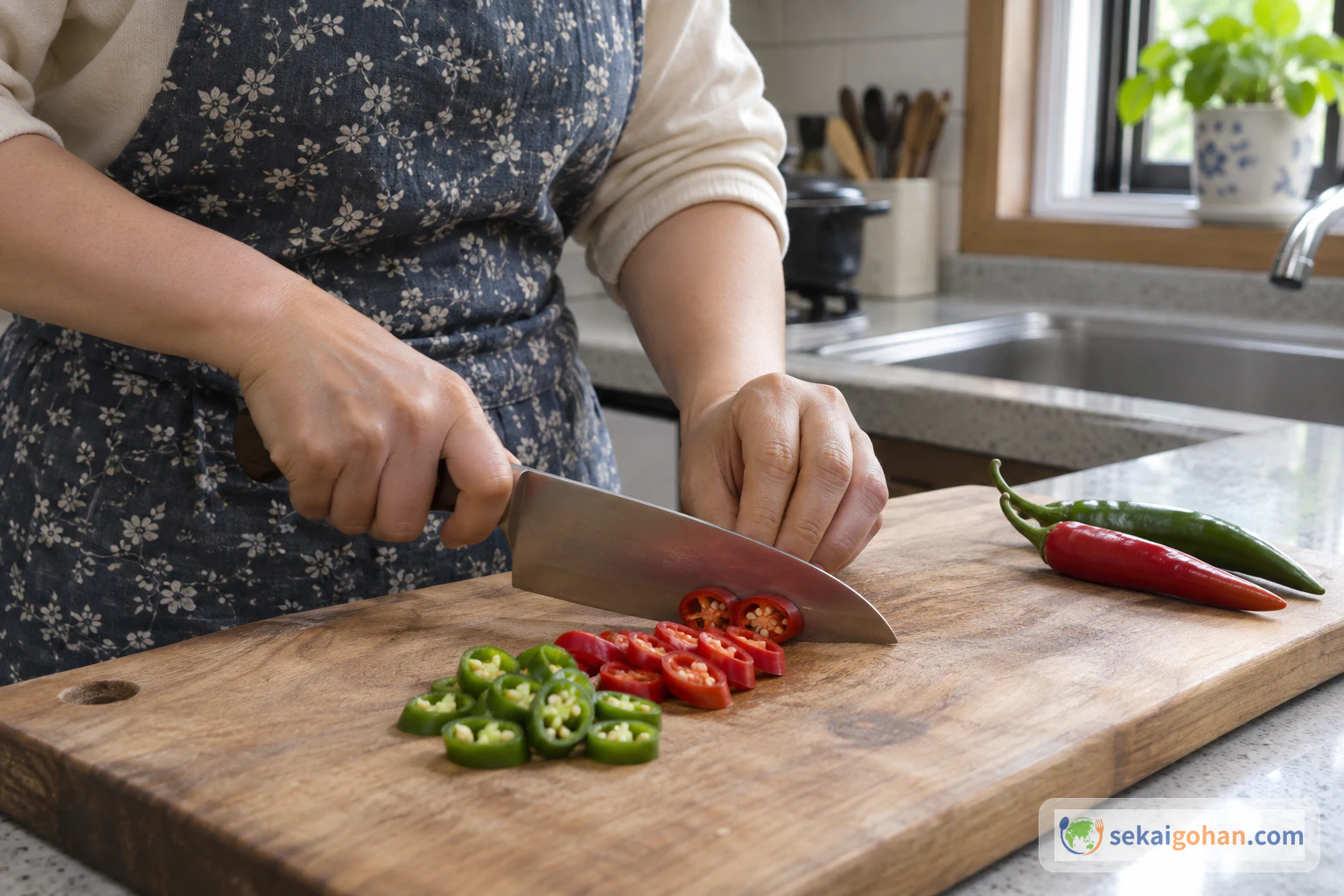
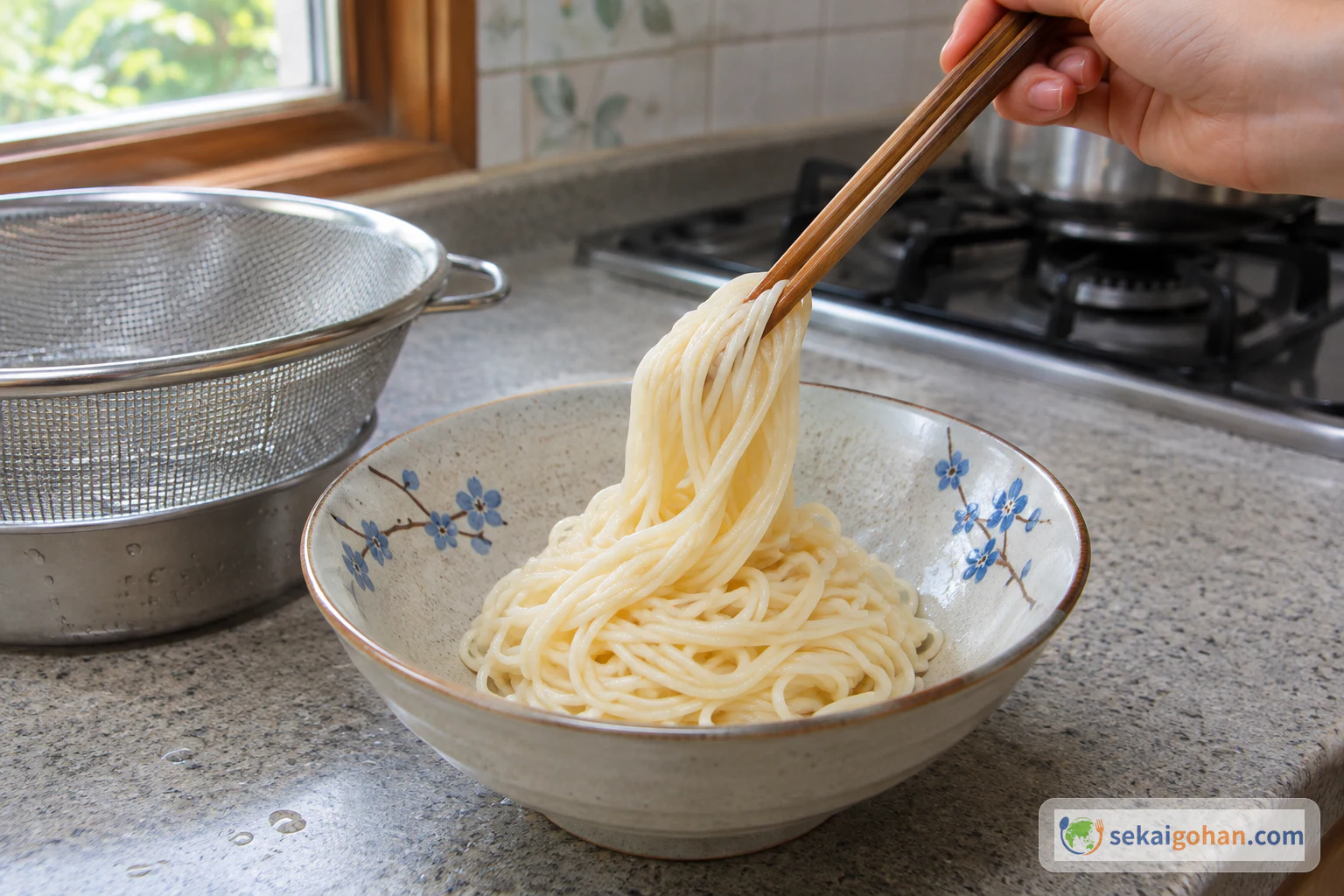
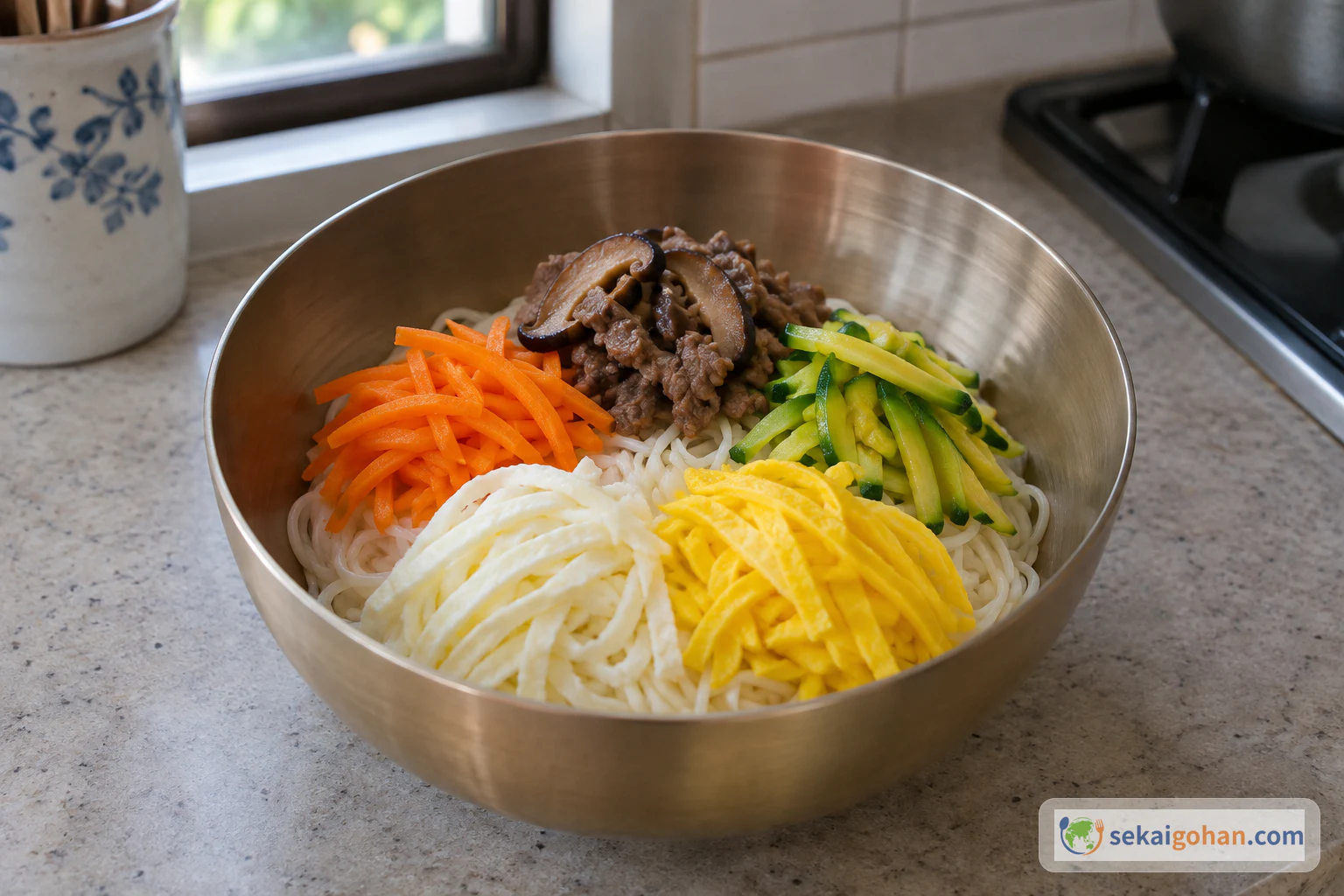
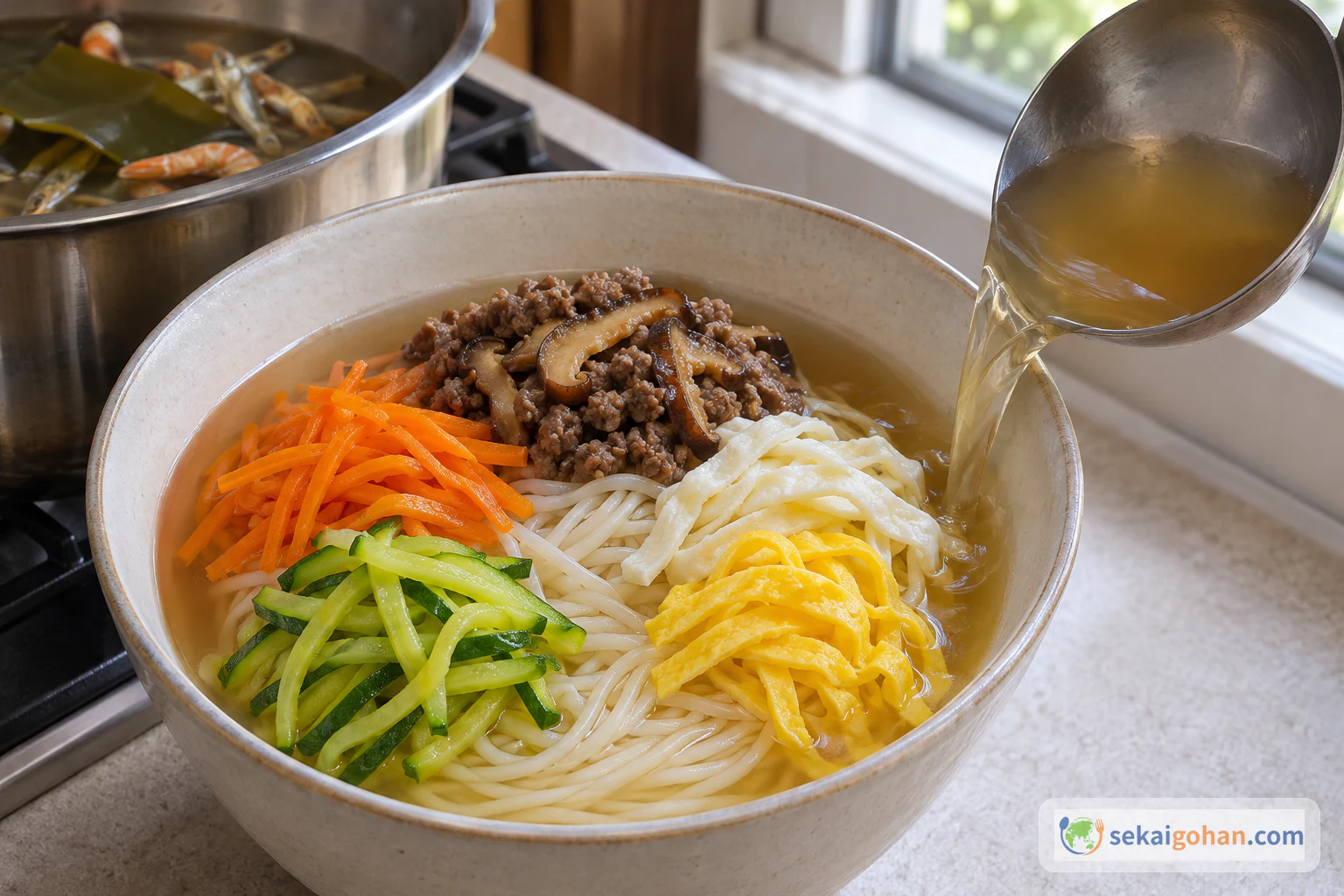
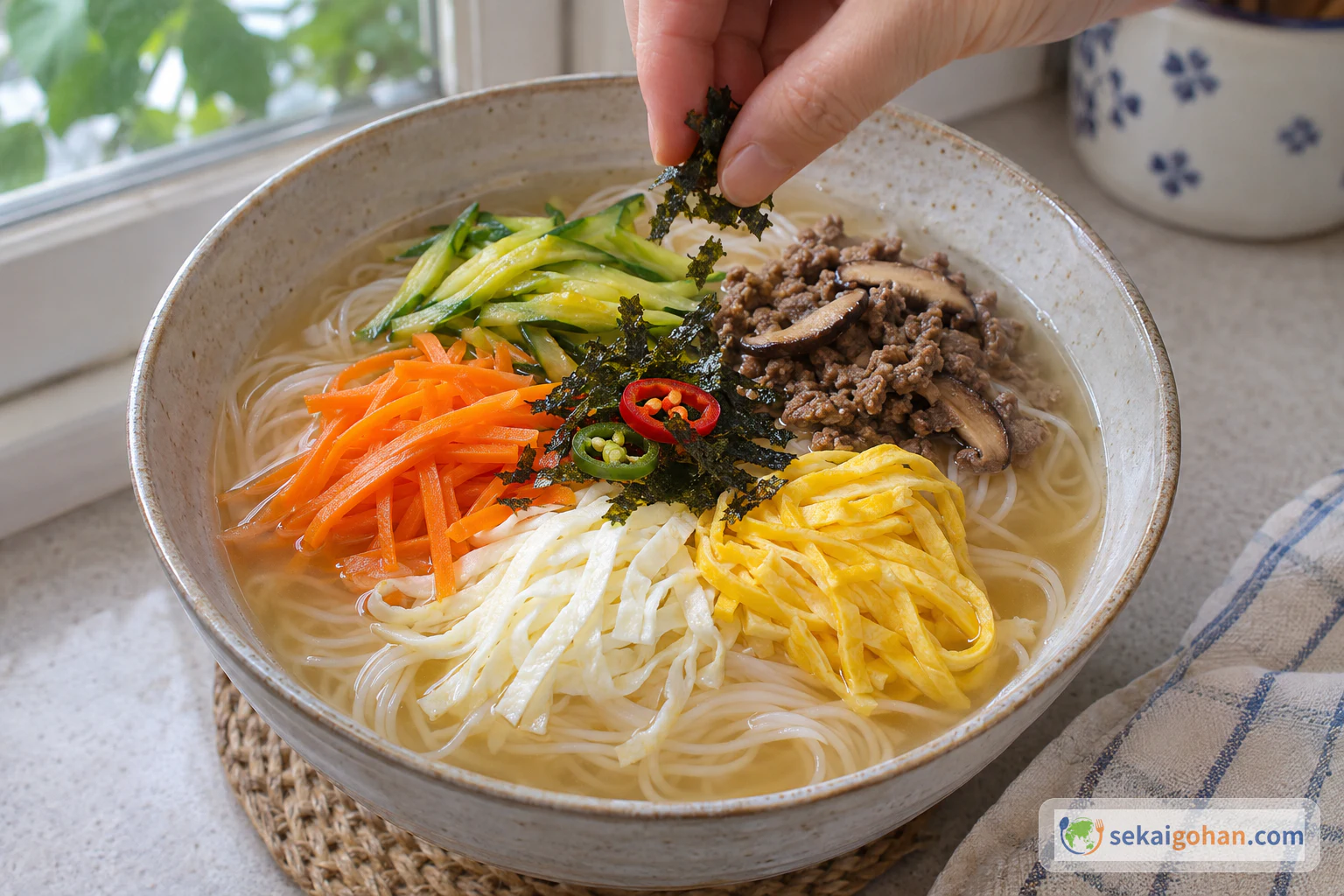
A bundle of thin white noodles sits in the bowl. Around it go small, separate piles: brown beef and shiitake, green squash, orange carrot, and two kinds of egg ribbon, one white and one yellow. Hot broth is poured gently down the side of the bowl so the toppings stay in place, and torn laver and rings of red and green chili go on last. This is janchi-guksu (잔치국수), a Korean noodle soup that KBS WORLD and Koreana, the Korea Foundation's culture magazine, both connect with celebrations such as weddings.
The celebration meaning and the recipe in front of you are two different things. Long noodles carry a wish for long life and lasting happiness, but that symbolism does not mean one fixed recipe has been made the same way throughout history. What follows is one present-day version: the two-serving recipe published by KBS WORLD, under the supervision of a head chef, followed closely and with every place we made a choice of our own marked below.
About This Recipe: What We Follow, and Where We Made Choices
This article follows the KBS WORLD recipe for two servings and does not mix in amounts or methods from other versions. The amounts are KBS WORLD's. The recipe as a whole has not been kitchen-tested by Sekai Gohan, and the amounts have not been measured here. KBS WORLD gives no overall cooking time and no noodle boiling time, so neither appears here.
A few points in the KBS page needed a decision:
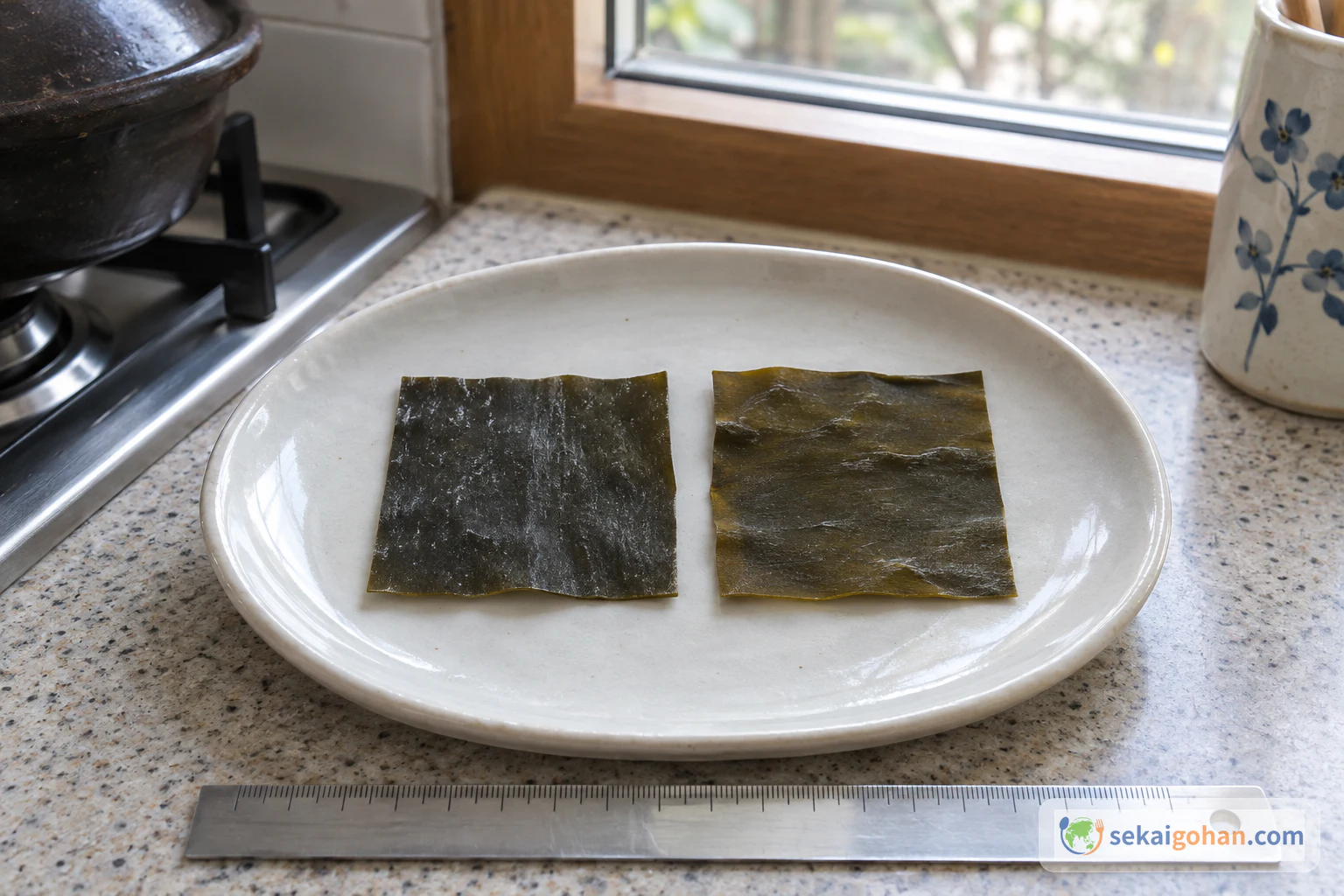
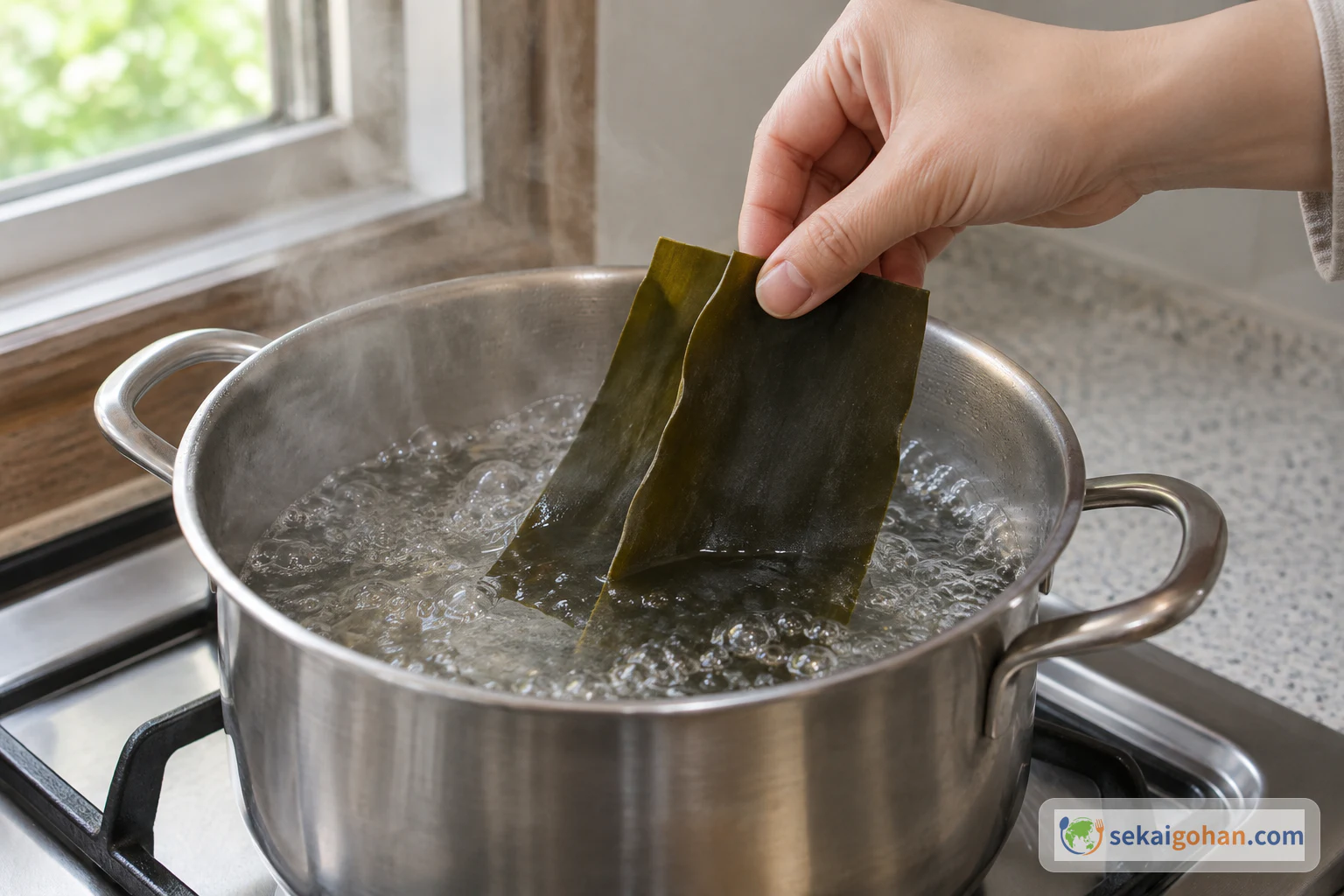
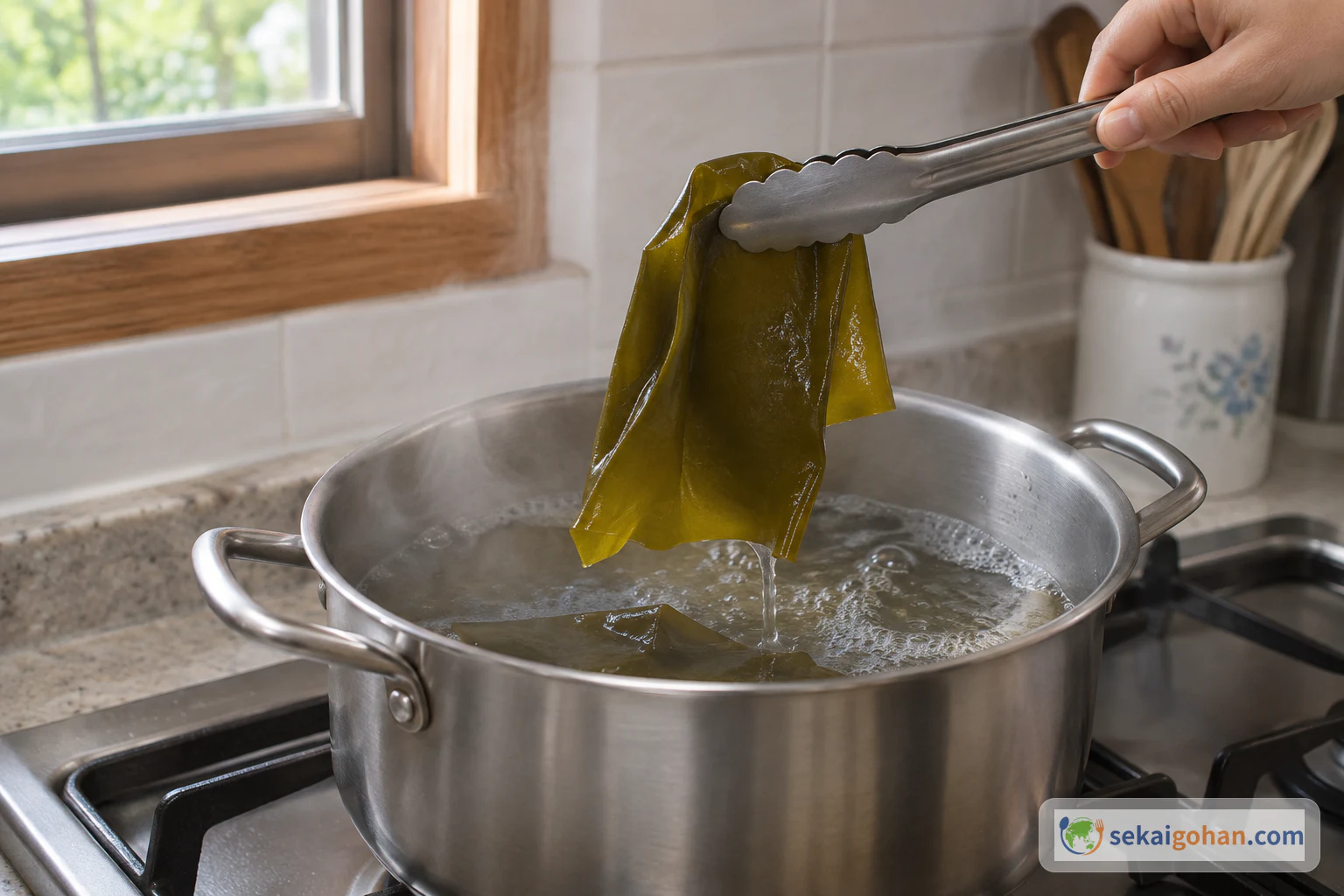
- Kelp. The ingredient list gives one 10 × 10 cm sheet of kelp, while the method uses two 5 × 5 cm pieces. These are not the same amount: one sheet is 100 cm², and two small pieces together are 50 cm². We follow the method and use two 5 × 5 cm pieces throughout the ingredients, steps and photos. We cannot tell from the page which figure was intended.
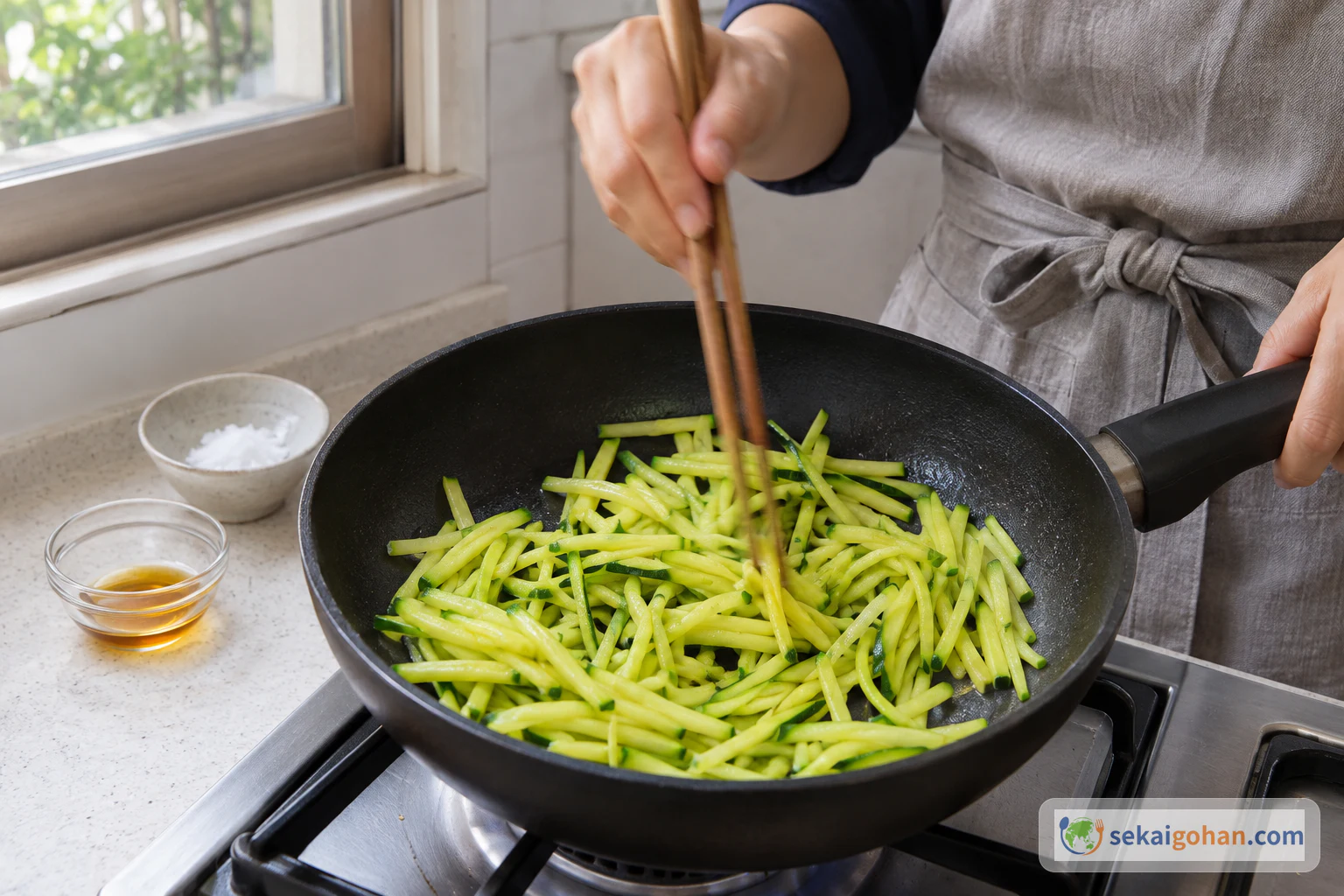
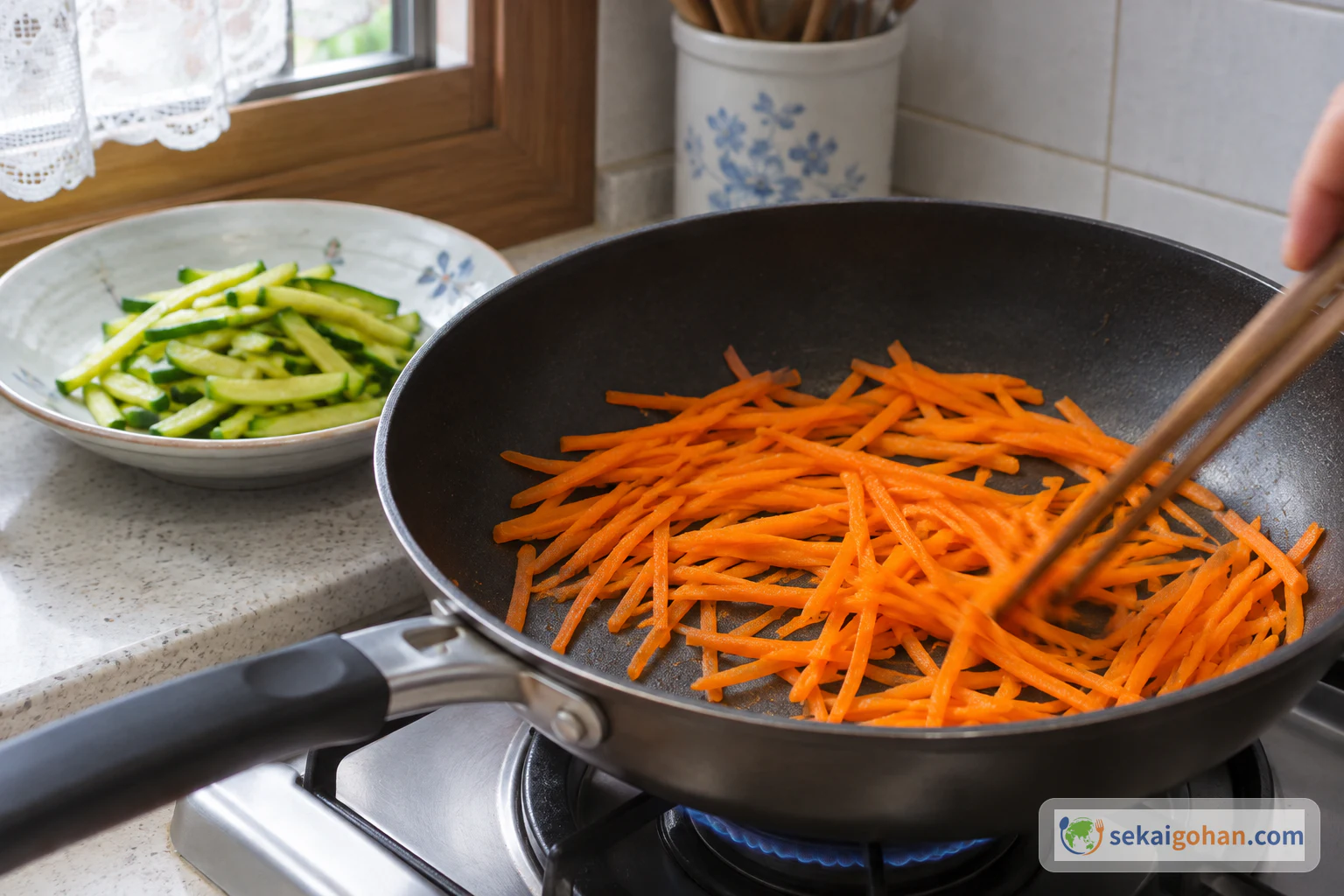
- Vegetable seasoning. The ingredient list includes 1 tsp salt, 1/2 tbsp sesame oil and 1 tsp ground pepper for the vegetables. The method only says to use "a bit of" salt and sesame oil when cooking the vegetables, and does not say when the pepper goes in. We use all three a little at a time while sautéing; that timing for the pepper is our choice, not KBS's instruction, and you may not need the full listed amounts.
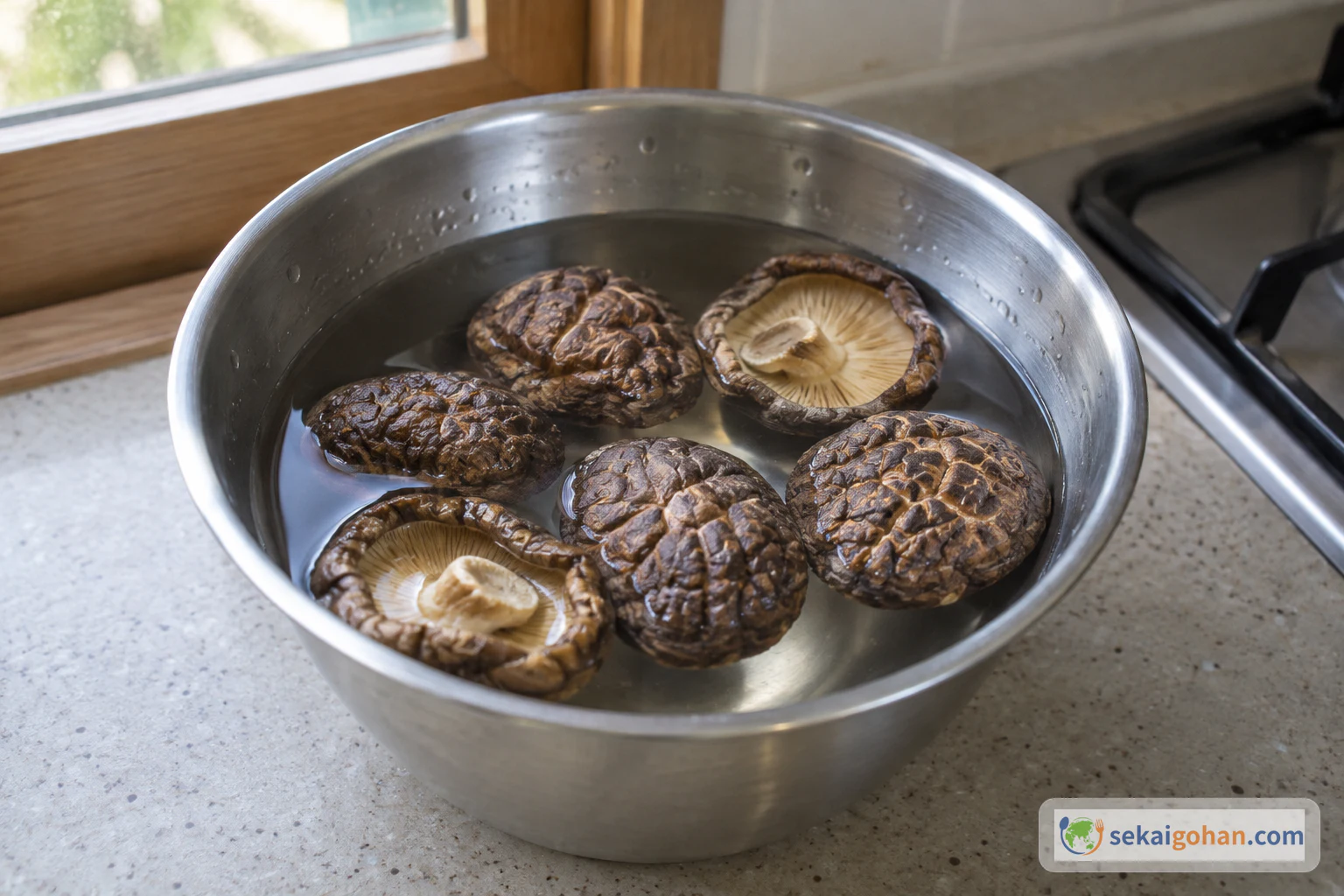
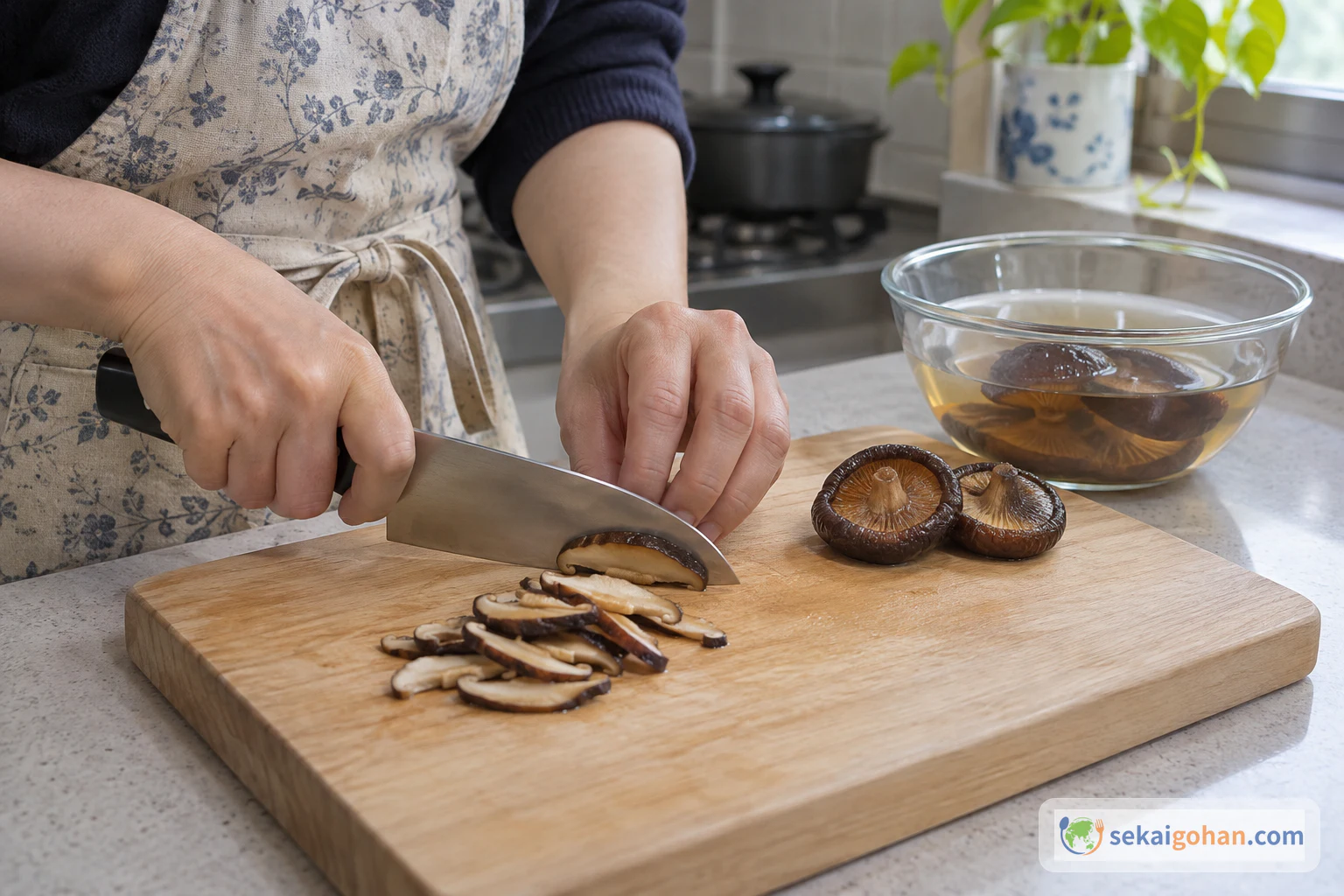
- Shiitake. The ingredient list does not say whether the two mushrooms are dried or fresh, but the method calls them soaked. We chose dried, food-grade shiitake rehydrated according to the package. KBS gives no soaking time or water amount, and does not say to use the soaking liquid, so we don't either.
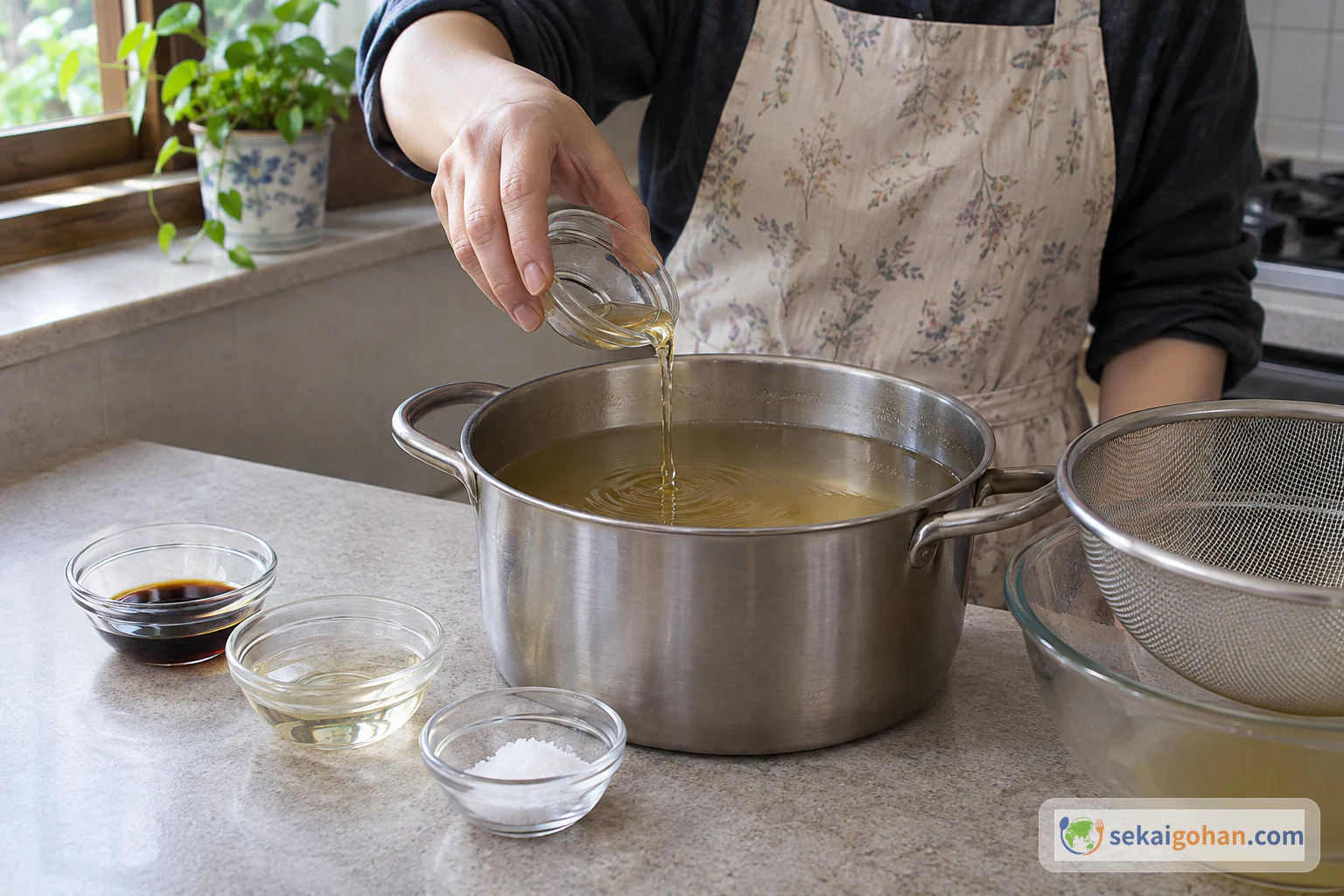
- Soy sauces. KBS lists "clear soy sauce" for the broth and plain "soy sauce" for the beef, on separate lines and for separate jobs. Korean soup soy sauce (국간장, guk-ganjang) is a reasonable choice for the broth, but we can't confirm from the page that it is exactly what KBS means. Japanese light soy sauce (usukuchi) is a different product with a different taste; treat it as a substitute only.
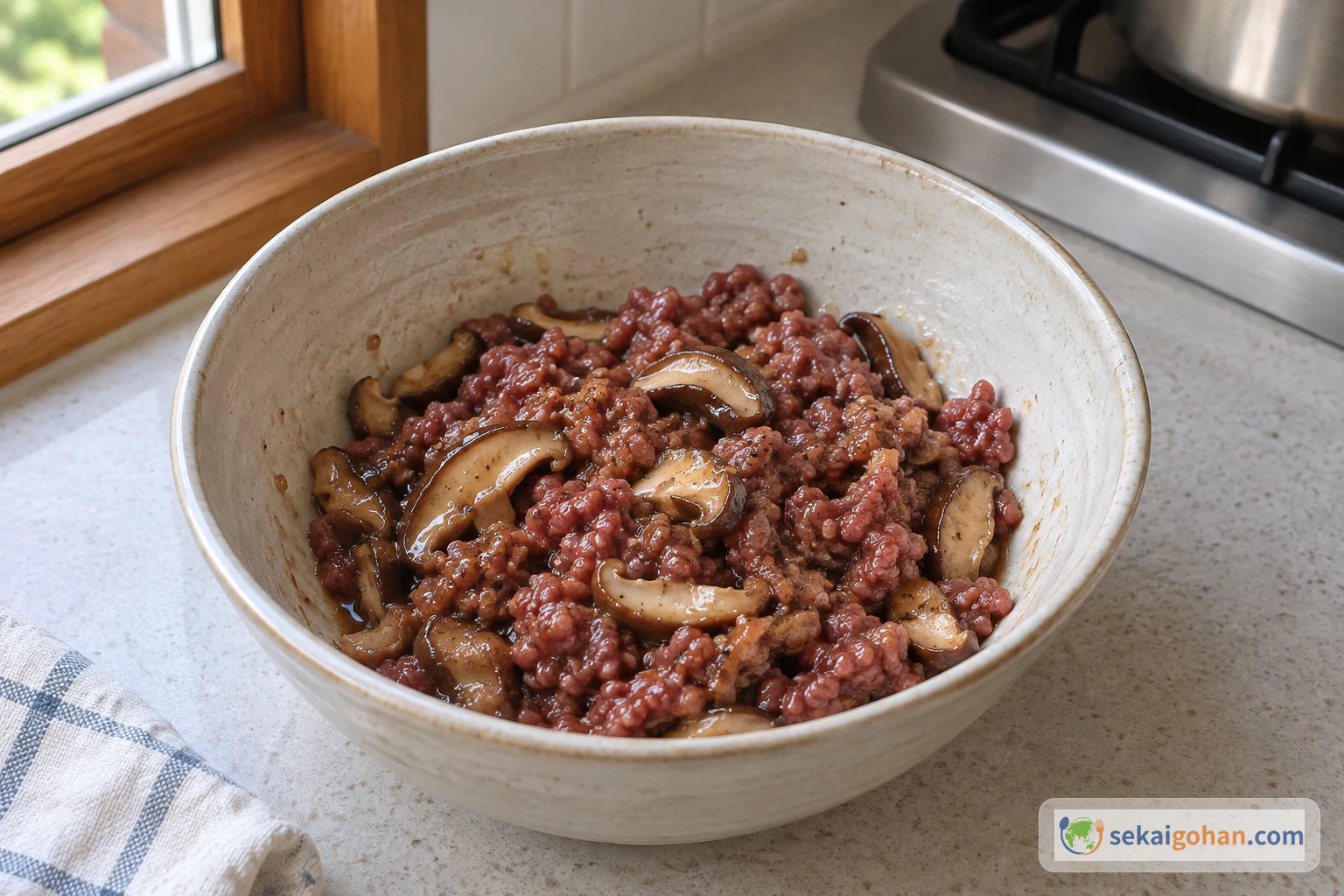
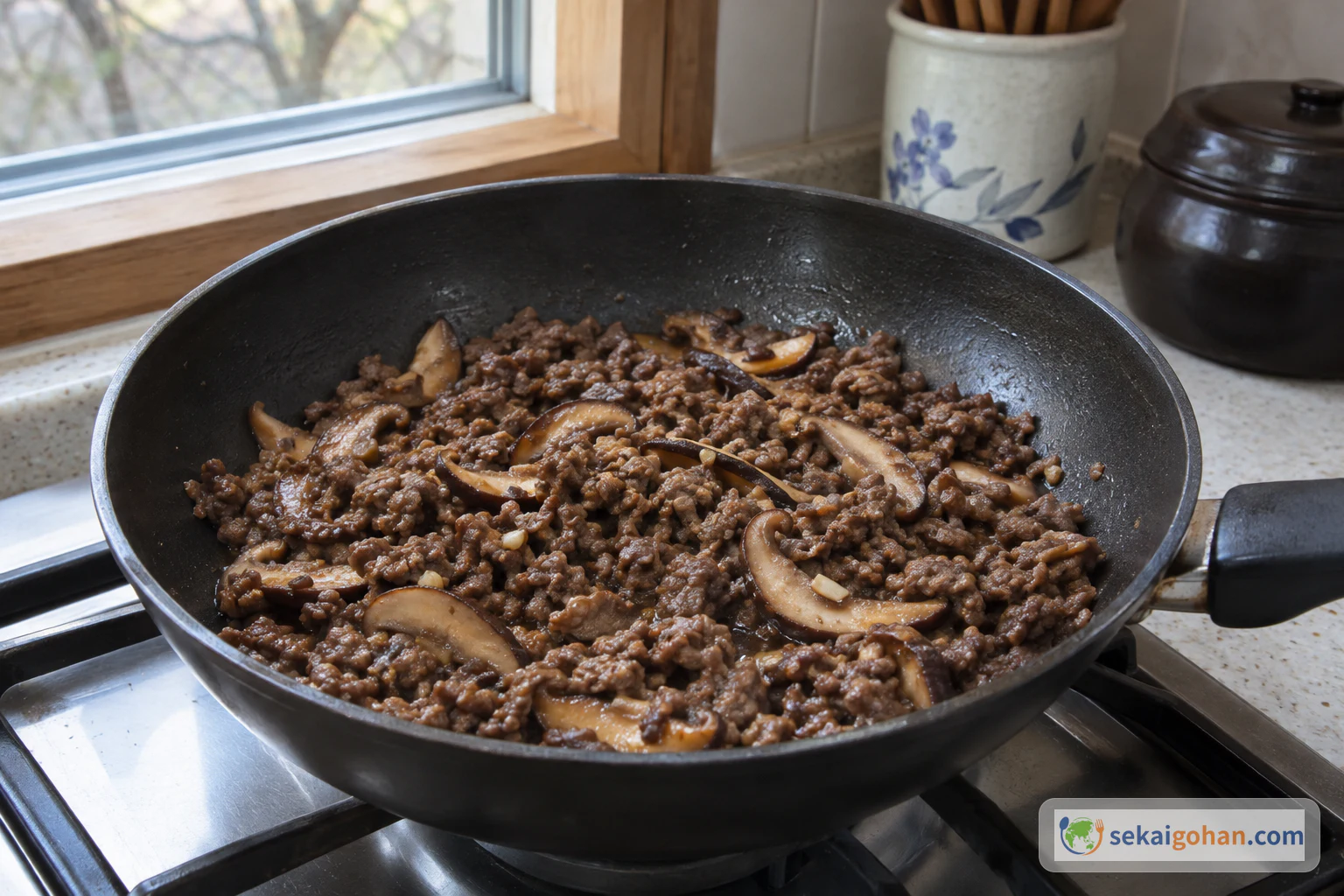
- Cooking oil. The beef and shiitake marinade contains 1 tbsp sesame oil, and the method adds no separate oil for sautéing. We keep it that way.
Ingredients (2 Servings)
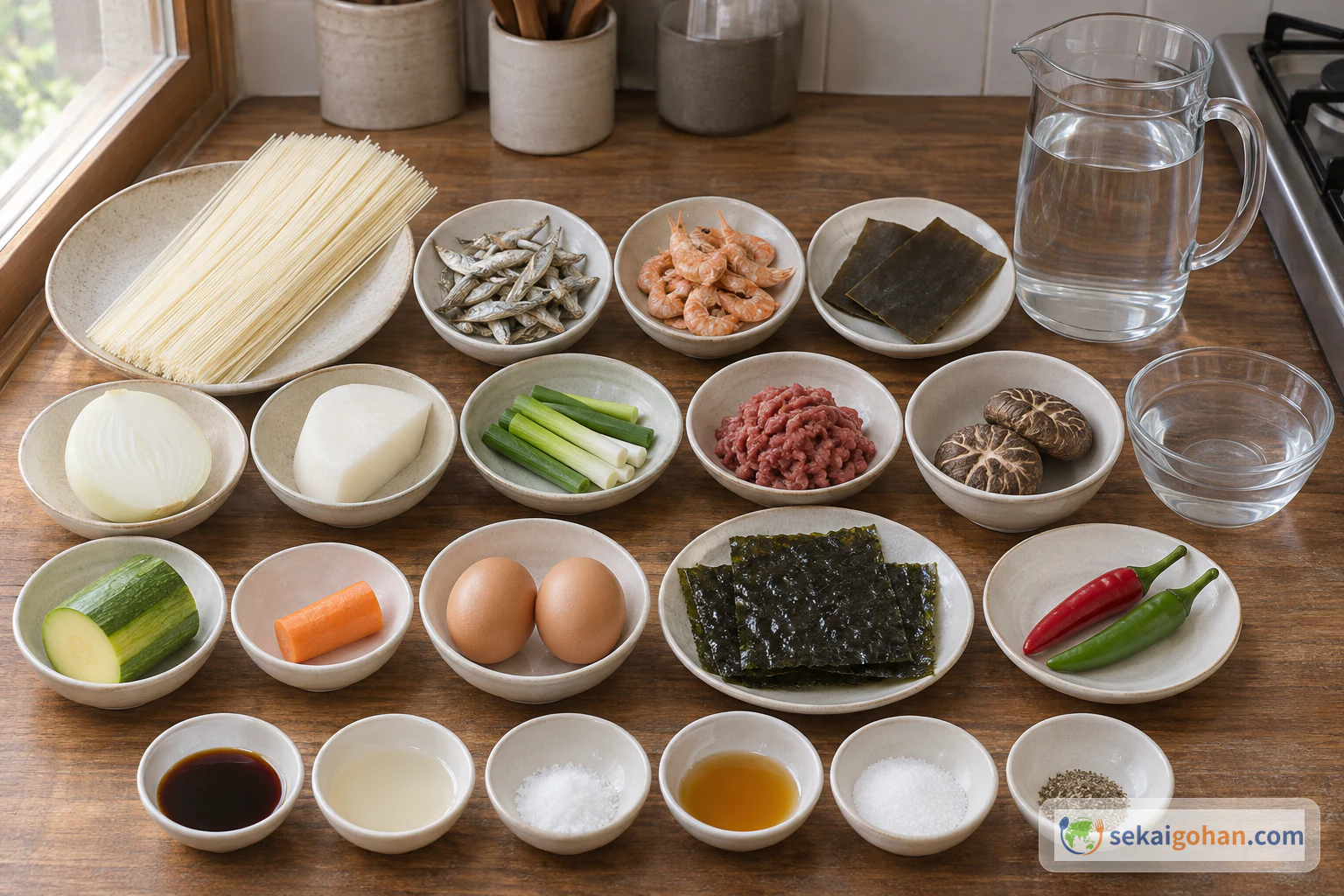
You may not need all of the vegetable salt, sesame oil and pepper. Add them a little at a time and stop when the vegetables taste right to you.
Choosing and Substituting
- Noodles. Korean somyeon are thin dried wheat noodles. Japanese somen are a close stand-in, but thickness, salt content and cooking time vary by product, so cook them according to the package.
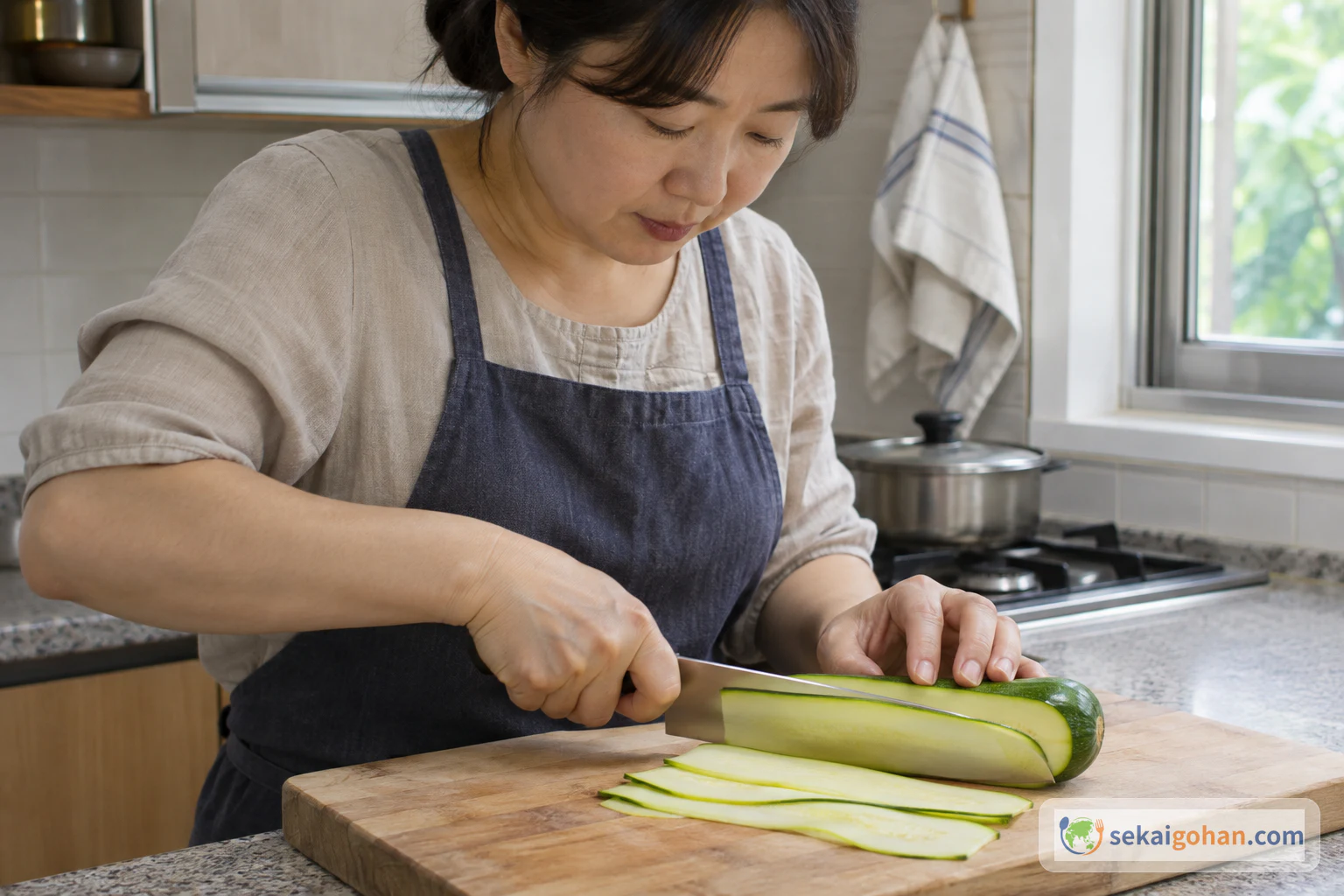
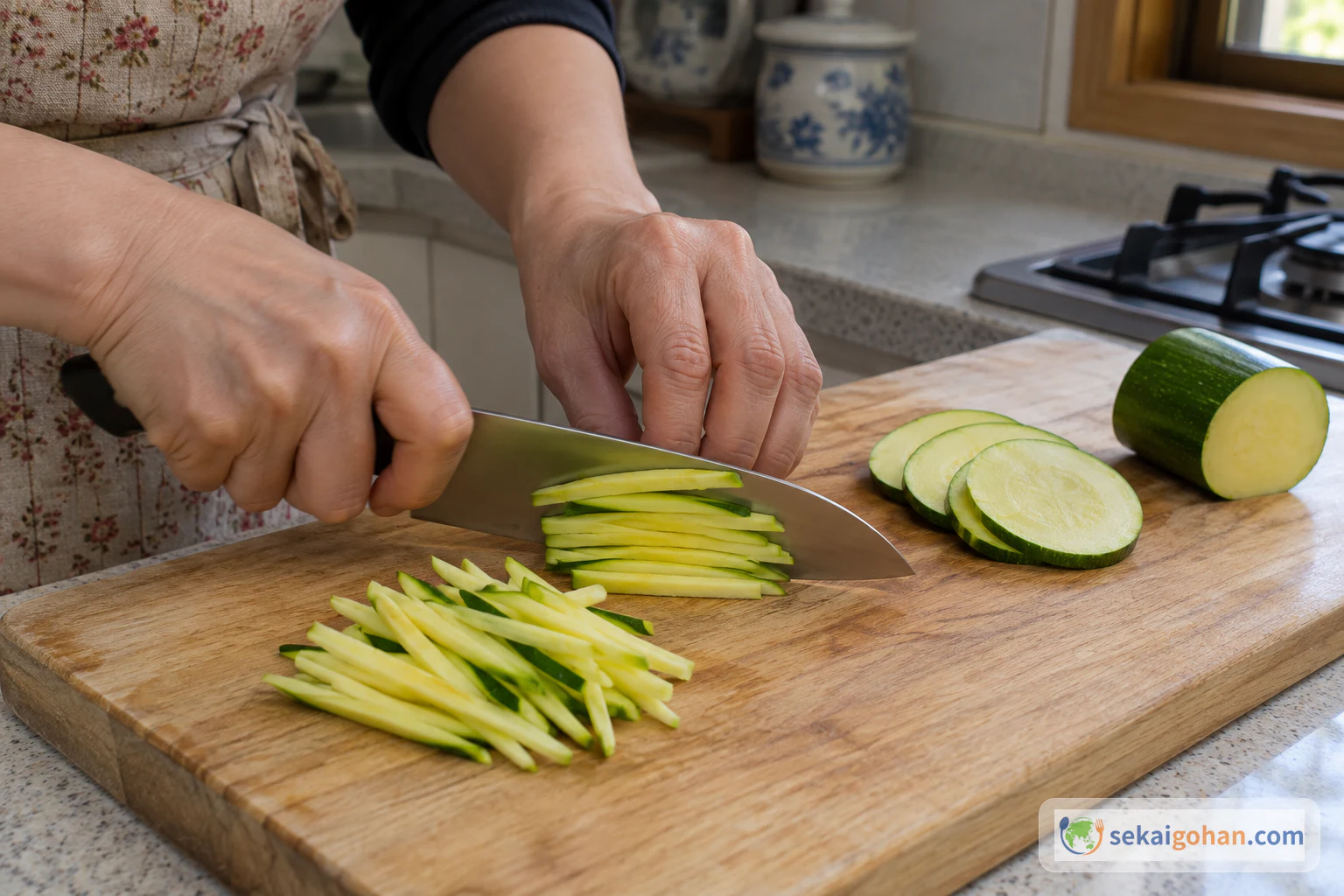
- Summer squash. Zucchini is a close substitute, though not the same vegetable.
- Clear soy sauce for the broth. Korean soup soy sauce (국간장, guk-ganjang) is one option. Japanese light soy sauce (usukuchi) tastes different; use it only as a substitute and season by taste. Keep this separate from the regular soy sauce used for the beef.
- Refined rice wine. Japanese sake can stand in. The broth is not guaranteed to be alcohol-free after cooking, so keep that in mind when serving anyone who avoids alcohol.
- Dried shiitake. Use food-grade dried shiitake and rehydrate them as the package directs; soaking time differs between products.
- Chilies. Heat varies with the variety and the individual pepper.
Equipment
- A pot for the broth
- A separate pot for the noodles
- A skillet
- A sieve
- A colander
- Tongs
- A ladle
- A knife and cutting board
- Small bowls for the separated eggs, the salted vegetables and the marinated beef
Method: Broth, Toppings, Noodles, Then the Bowl
Make the broth first, then prepare and cook the toppings, cook and rinse the noodles last, and assemble the bowl with hot broth.
Cook the minced beef until the center reaches 75°C and stays there for at least 1 minute. Color alone is not a reliable sign that the meat is done; use a food thermometer if you have one. Wash your hands before cooking and keep boards and utensils used for raw meat clean.
When Things Go Sideways
| Situation | What to do |
|---|---|
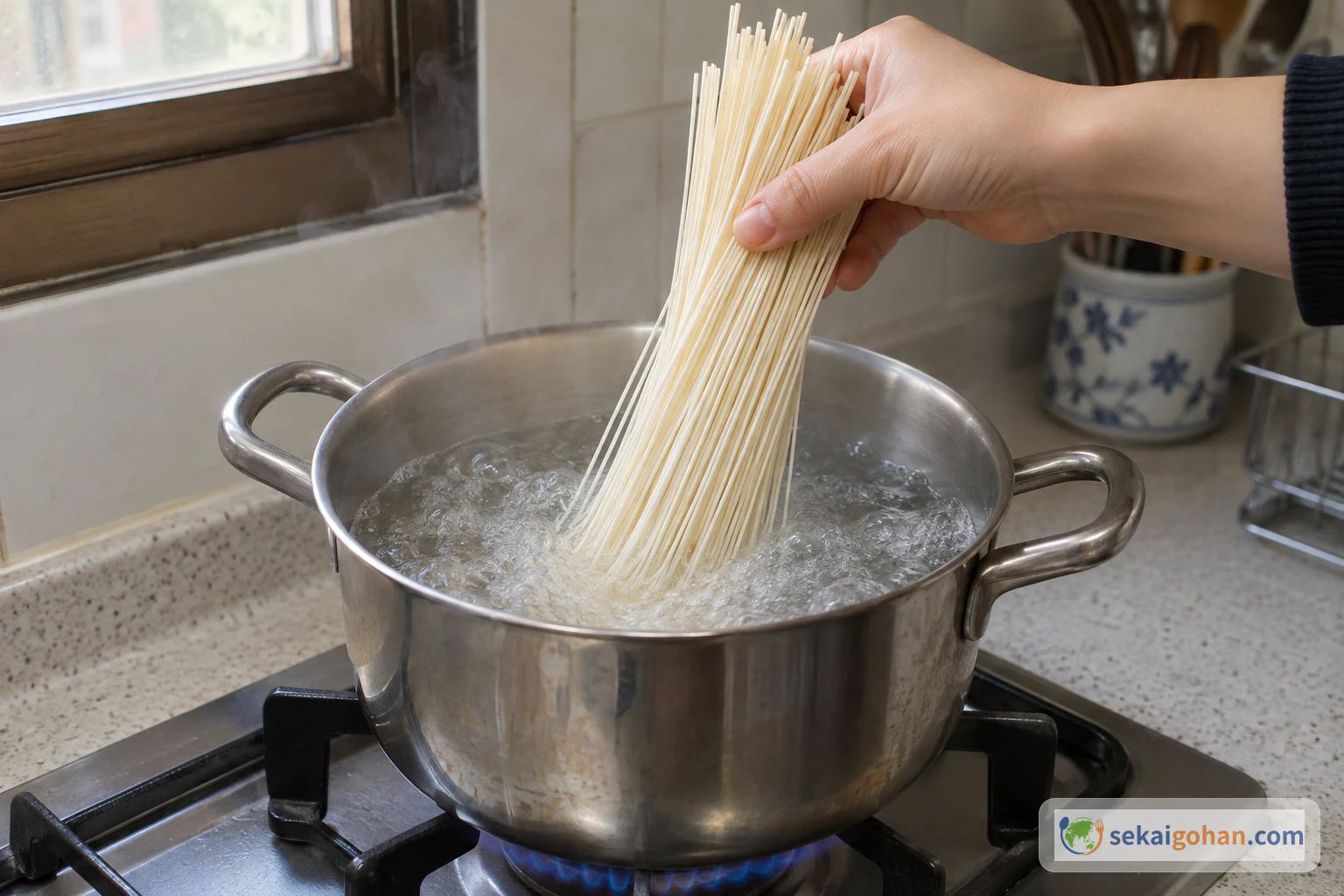
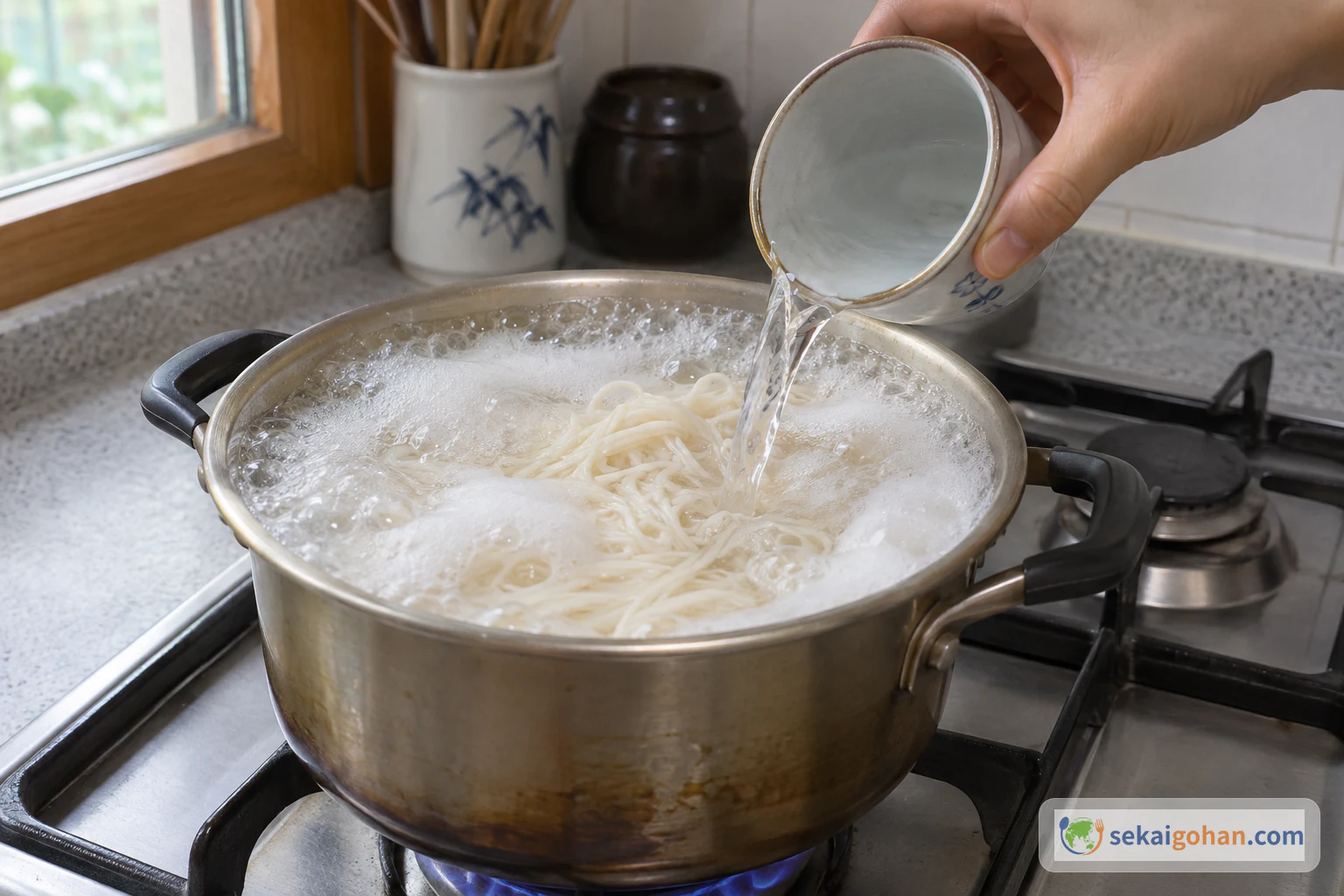
| The noodle pot foams up toward the rim | Pour in a little cold water each time; plan on doing this 3–4 times. Go by the package for the total cooking time |
| The broth tastes too salty | Next time, add the 1/2 tbsp salt gradually and taste before adding more; the clear soy sauce adds salt too |
| The shiitake are still firm | Keep soaking as the package directs. Soaking time differs between products |
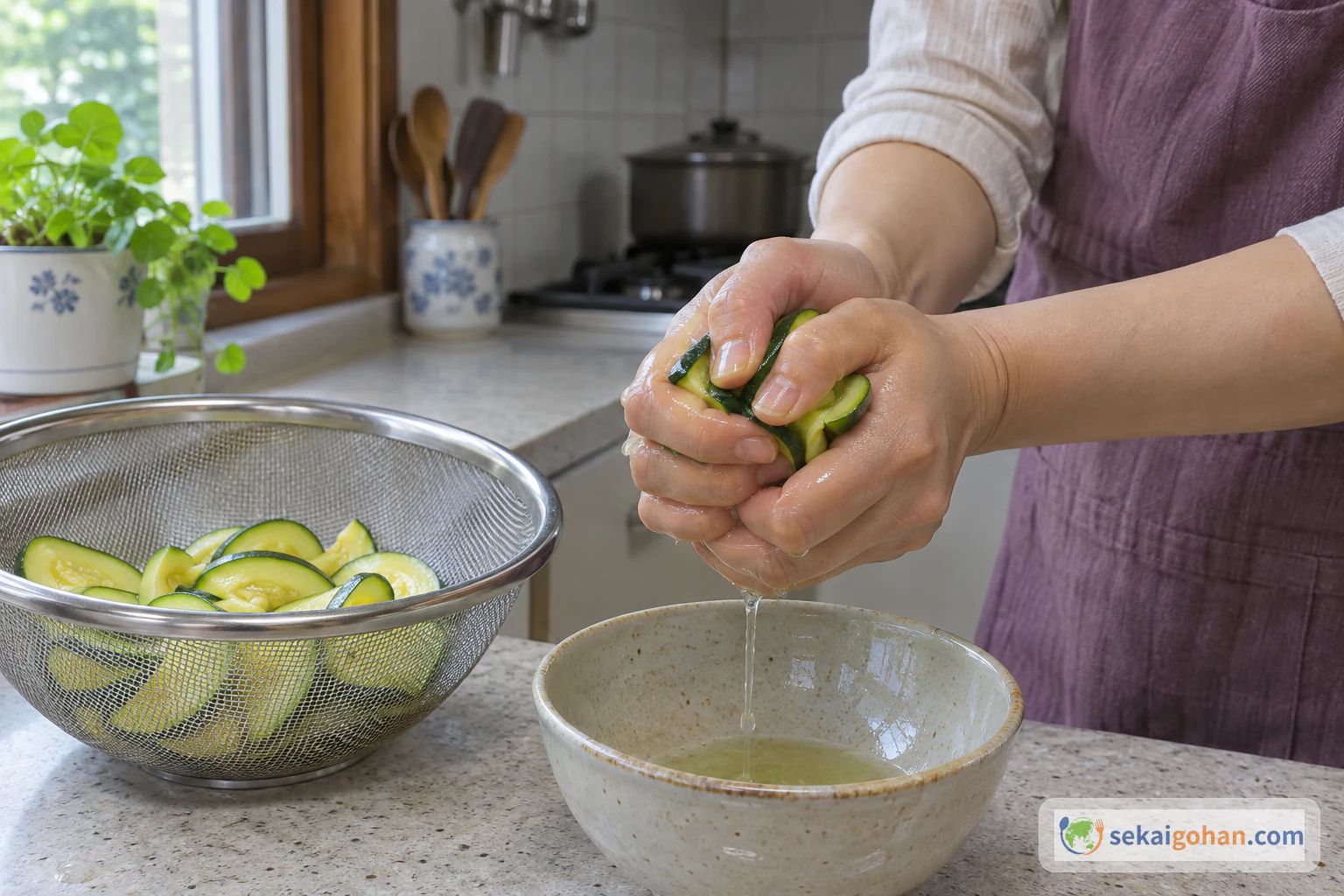
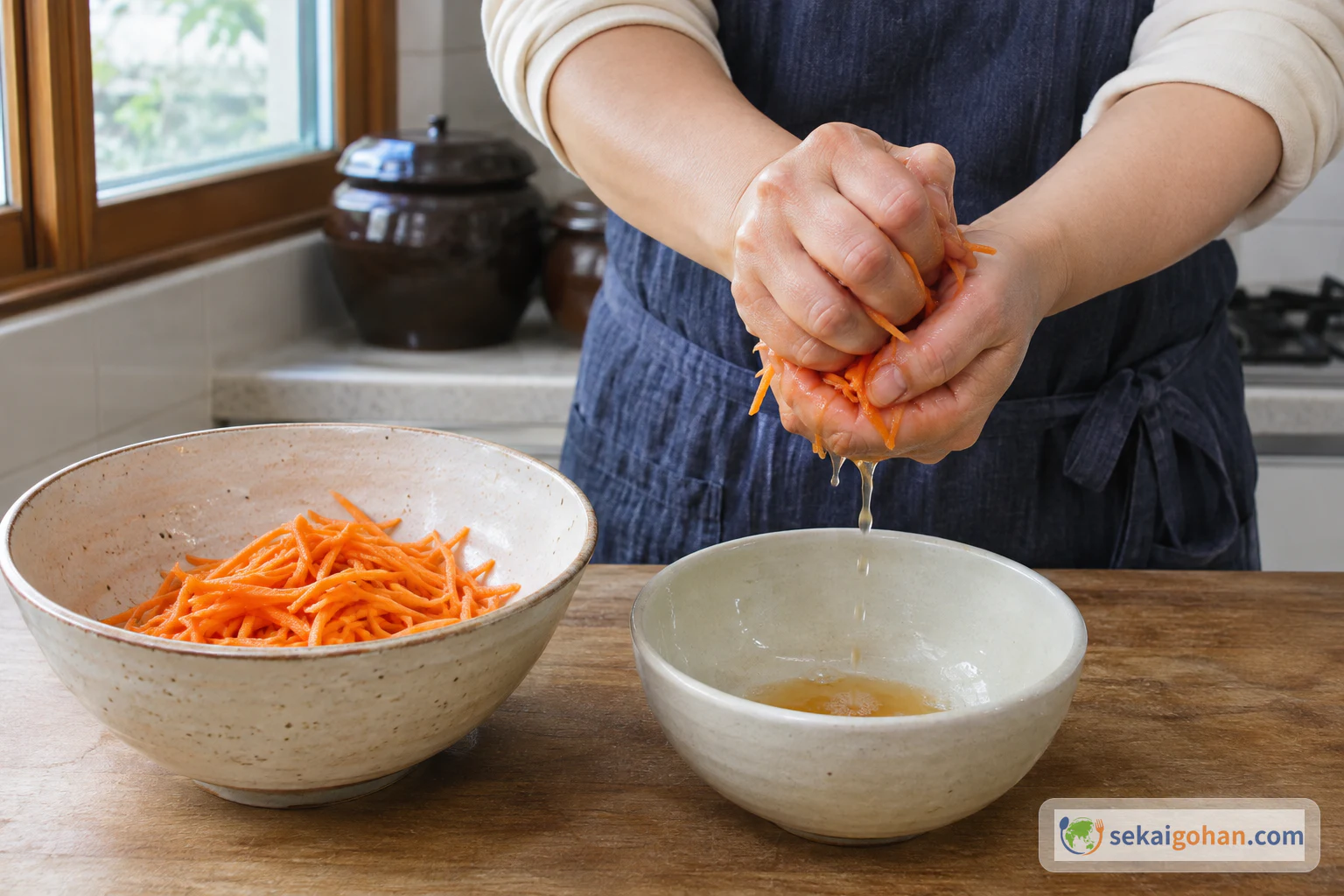
| The squash or carrot is watery in the bowl | Squeeze them firmly after salting, before sautéing |
| You can't tell if the beef is cooked | Check with a thermometer: 75°C at the center for at least 1 minute. Don't rely on color |
| The toppings get scattered | Pour the broth down the side of the bowl, not over the toppings |
Other Versions of the Same Bowl
Janchi-guksu is not one fixed recipe. Korean Bapsang, for example, publishes a two-serving version with 8 oz of somyeon and 5 cups of broth, along with its own toppings and method. It shares the outline of thin noodles, a clear broth and toppings, but it is a different recipe; this article does not borrow its amounts or steps.
Within this version, the honest swaps are the ones listed above: somen for somyeon, zucchini for summer squash, sake for refined rice wine, and Korean soup soy sauce or, as a different-tasting substitute, Japanese light soy sauce for the broth.
A Bowl for Celebrations: Weddings and Long Noodles
KBS WORLD presents janchi-guksu as a dish for celebrations, and Koreana's article "Janchi guksu: A Feast of Noodles" places it at weddings and other special occasions. Both describe long noodles as a symbol of wishes for long life and lasting happiness.
Koreana's article also offers an account of how the dish known today took shape and how noodle making developed. That account is the magazine's, and we pass it on as such; it does not settle a single point of origin, and the celebration symbolism does not mean that today's toppings and broth have always been the same. The KBS recipe in this article is one modern home version of a dish with a long ceremonial association.
For more dishes from the same table, see our Korea page.
Frequently Asked Questions
Why two small pieces of kelp instead of one 10 × 10 cm sheet?
KBS WORLD's ingredient list gives one 10 × 10 cm sheet, but its method uses two 5 × 5 cm pieces. Those are 100 cm² versus 50 cm² in total, so they are not equivalent. We follow the method's two pieces and use them consistently; the page itself doesn't say which was intended.
Is "clear soy sauce" the same as Korean soup soy sauce or Japanese light soy sauce?
Not necessarily. KBS WORLD uses "clear soy sauce" for the broth and plain soy sauce for the beef, as separate ingredients. Korean soup soy sauce (국간장) is a reasonable choice for the broth, but we can't confirm it is exactly what KBS means. Japanese light soy sauce (usukuchi) is a different product with a different taste, so treat it as a substitute and season by taste.
Does the rice wine cook off completely?
There's no guarantee. The broth may still contain some alcohol after cooking, so keep that in mind if anyone at the table avoids alcohol.
How do I know the minced beef is cooked safely?
Japan's Ministry of Health, Labour and Welfare gives a guideline for cooking meat thoroughly: the center should reach 75°C for at least 1 minute. This is a general food-safety guideline, separate from the KBS recipe. Color alone, in a pan or in a photo, doesn't tell you the internal temperature.
How long should I boil the noodles?
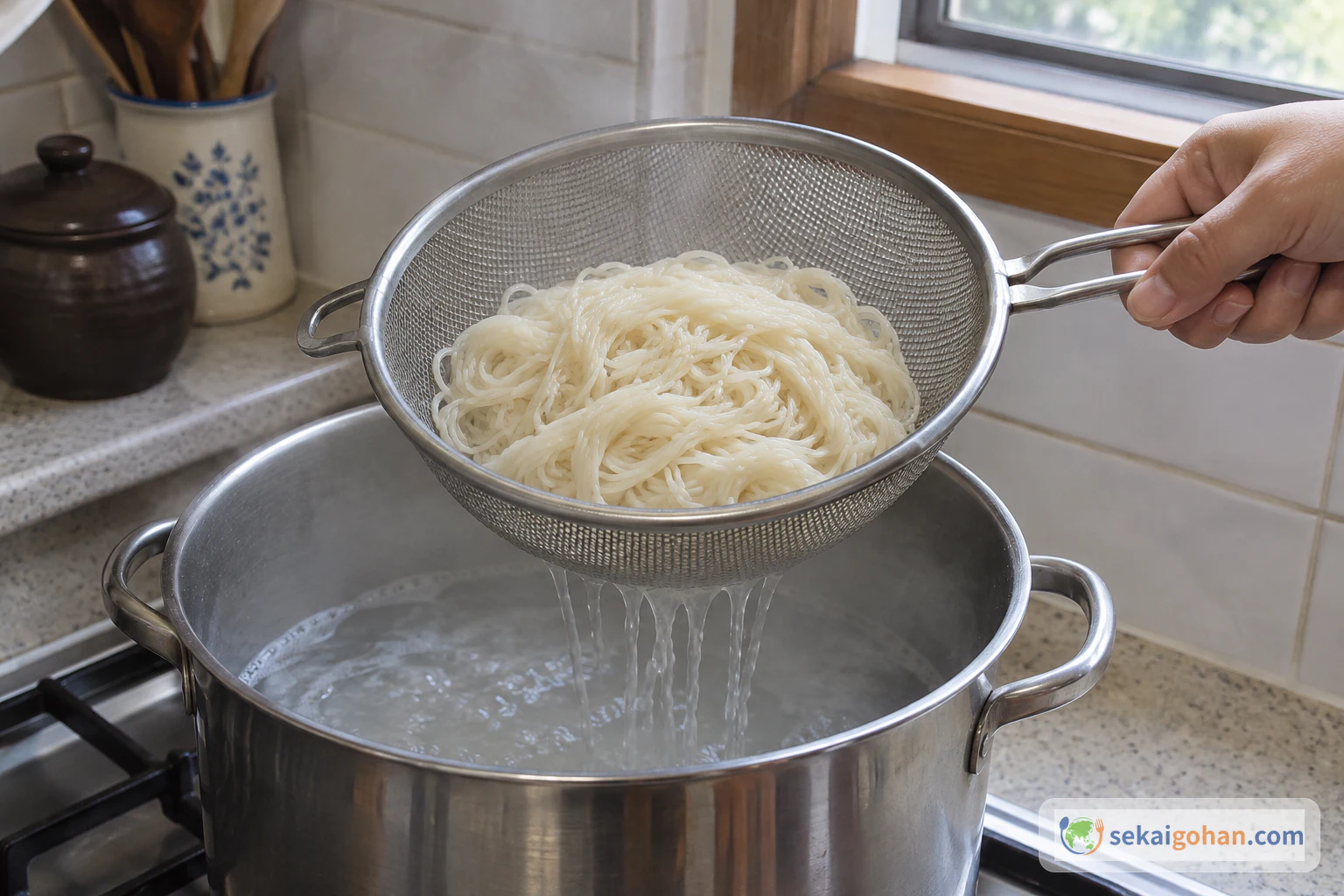
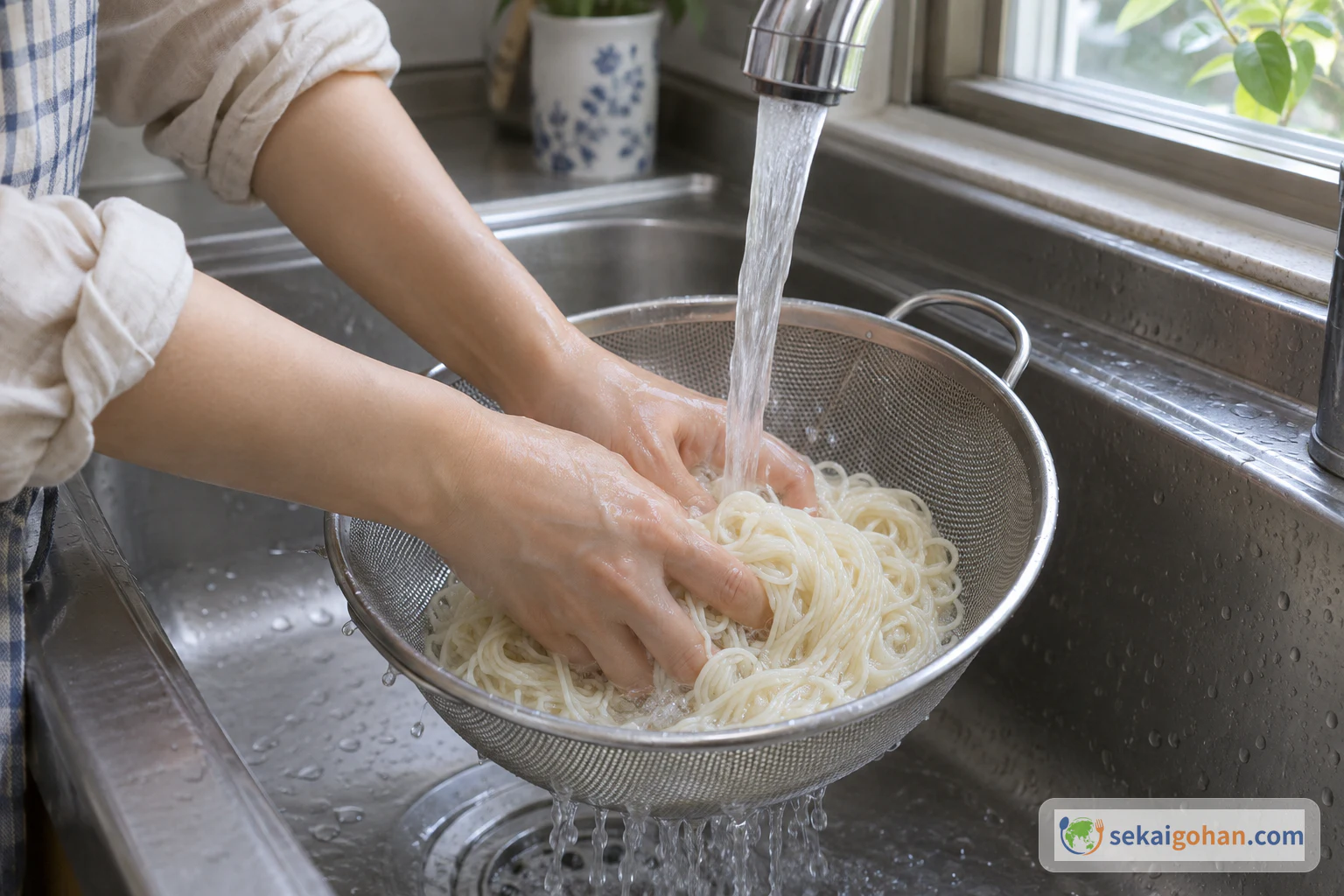
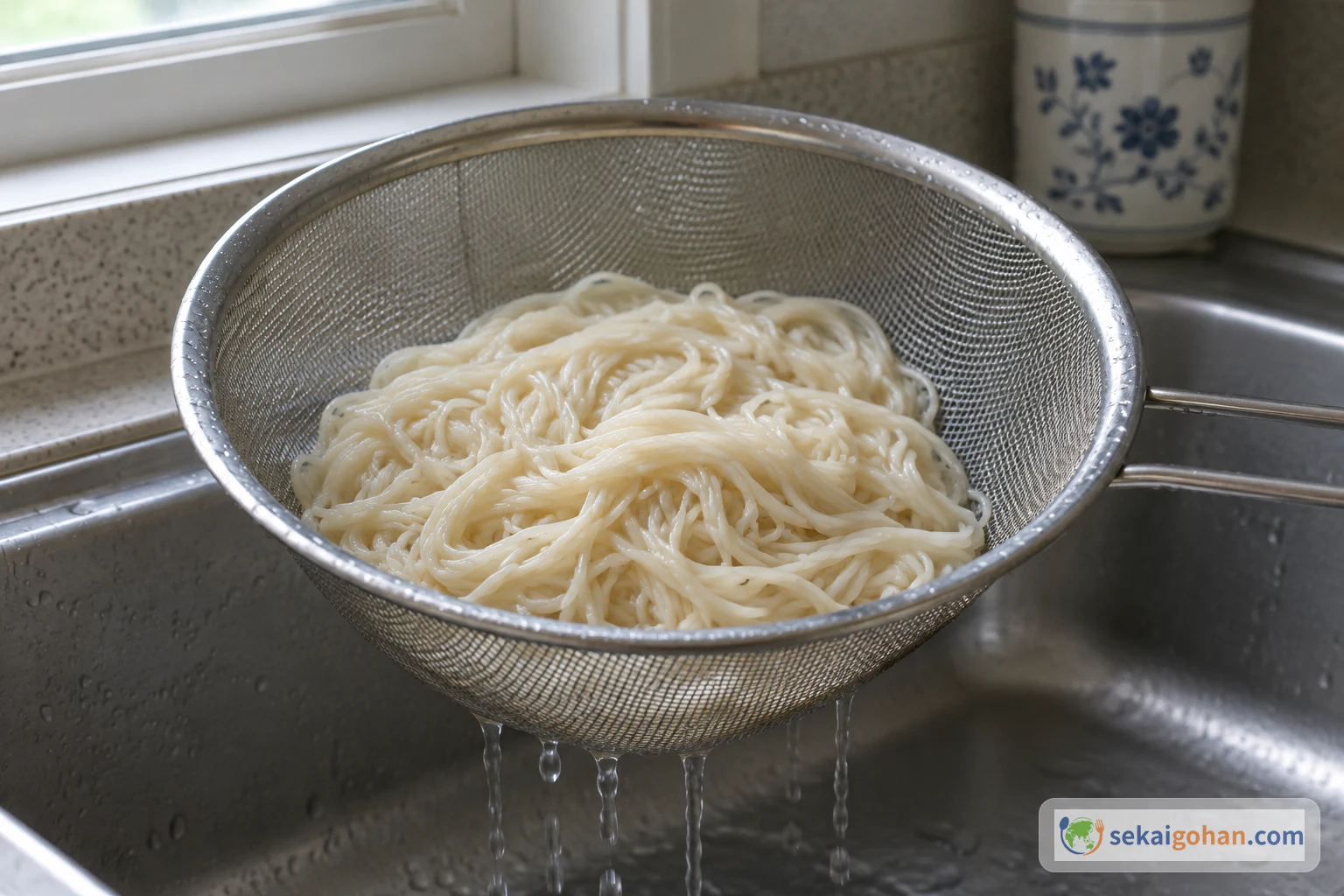
KBS WORLD gives no boiling time, only the cold-water method: add a little cold water each time the pot is about to boil over, 3–4 times, then rinse the noodles in cold water. Use the cooking time on your noodle package, since thickness varies by product.
Can I use fresh shiitake?
KBS WORLD's ingredient list doesn't say whether the shiitake are dried or fresh, though the method calls them soaked. This article uses dried shiitake rehydrated according to the package, and we haven't covered a fresh-mushroom version.
Sources
- KBS WORLD, "Janchi-guksu (잔치국수)." The two-serving recipe followed in this article: ingredients, amounts and method, including the kelp amounts in the ingredient list and method, the vegetable seasoning, the separate clear soy sauce and soy sauce, the noodle cooking and rinsing method, the order of assembly, and the dish's association with celebrations, weddings and wishes for long life. https://world.kbs.co.kr/service/contents_view.htm?board_code=&board_seq=337064&id=&lang=e&menu_cate=lifestyle&page=5
- Koreana / Korea Foundation, "Janchi guksu: A Feast of Noodles." Cultural background on the dish at weddings and special occasions, and the magazine's account of how the modern dish and noodle making developed. Not used for recipe amounts. https://koreana.or.kr/koreana/na/ntt/selectNttInfo.do?bbsId=1116&mi=1074&nttSn=130915
- Korean Bapsang, "Janchi Guksu (Warm Noodle Soup)." A separate version with different amounts, toppings and method, used only for comparison. https://www.koreanbapsang.com/janchi-guksu-somyeon/
- Ministry of Health, Labour and Welfare (Japan), "家庭でできる食中毒予防の6つのポイント" (Six points for preventing food poisoning at home). The guideline of cooking meat until the center reaches 75°C for at least 1 minute, and basic kitchen hygiene such as handwashing and clean utensils. https://www.mhlw.go.jp/topics/syokuchu/dl/point0709.pdf