
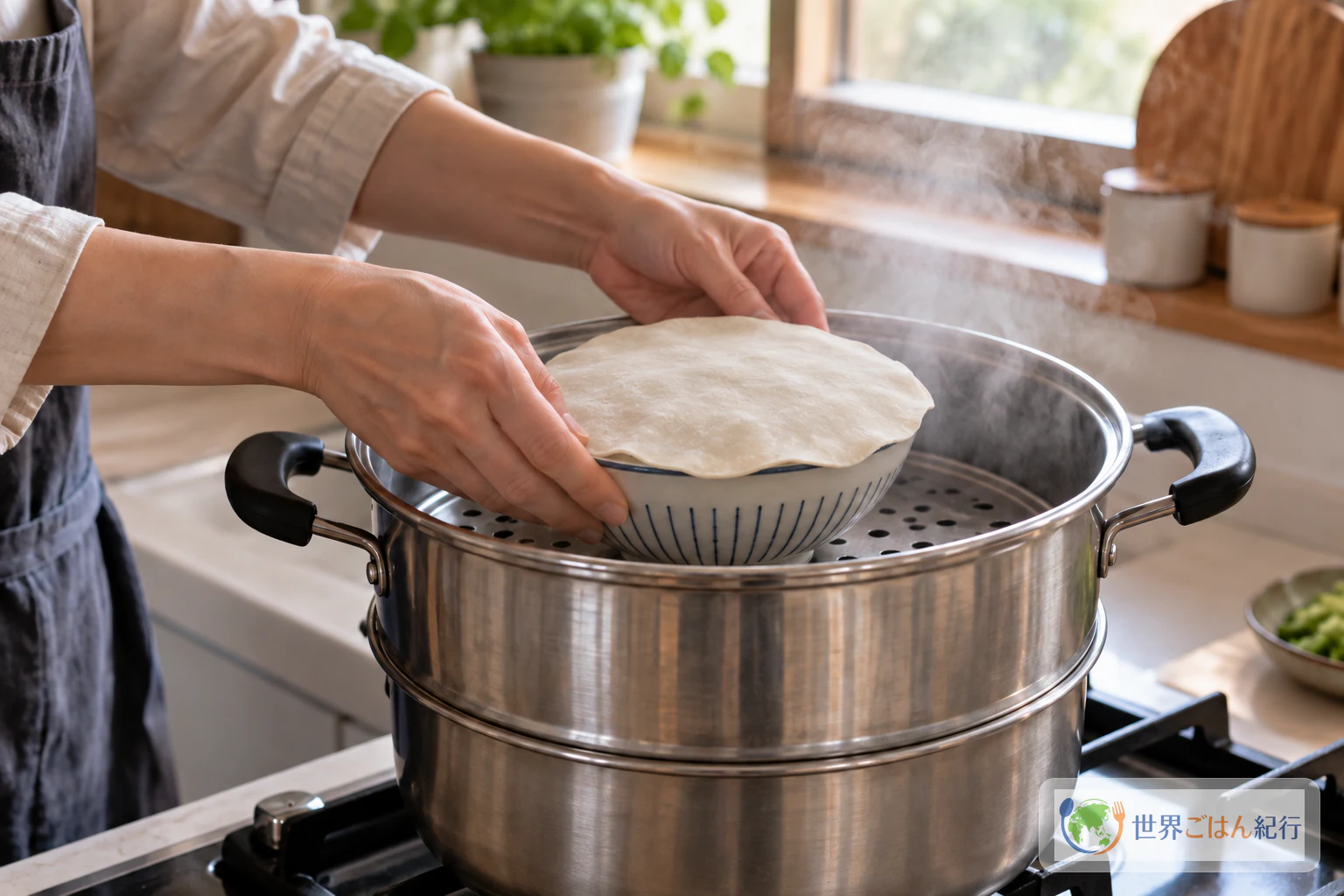
Bituu Shul: A Bowl of Broth Sealed Under a Thin Round of Dough
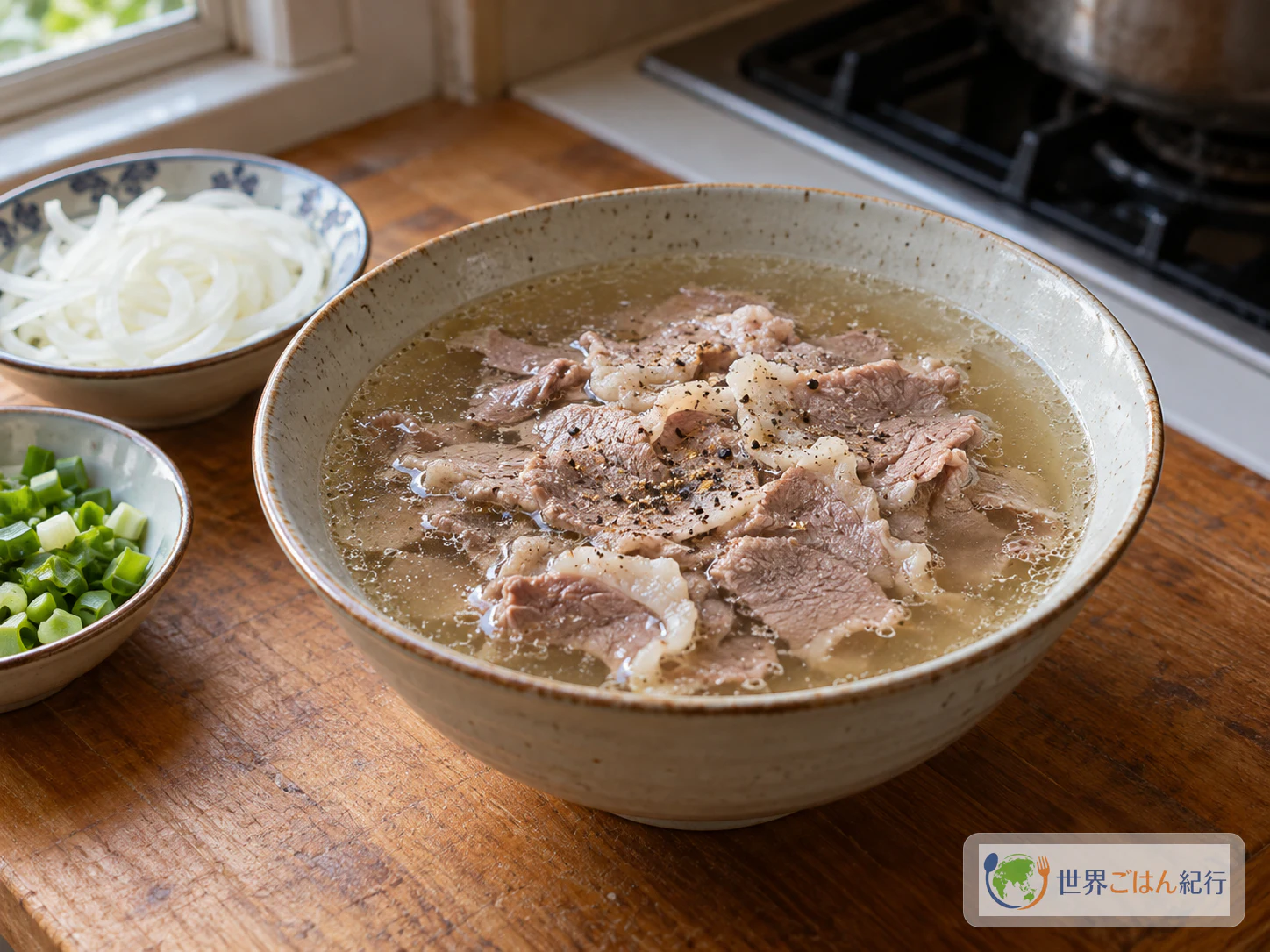
Hot bone broth, thinly sliced mutton and seasoning go into a bowl, a thin circle of dough goes over the top, and the whole bowl is steamed. Keep the version simple and keep it to what the source actually says.
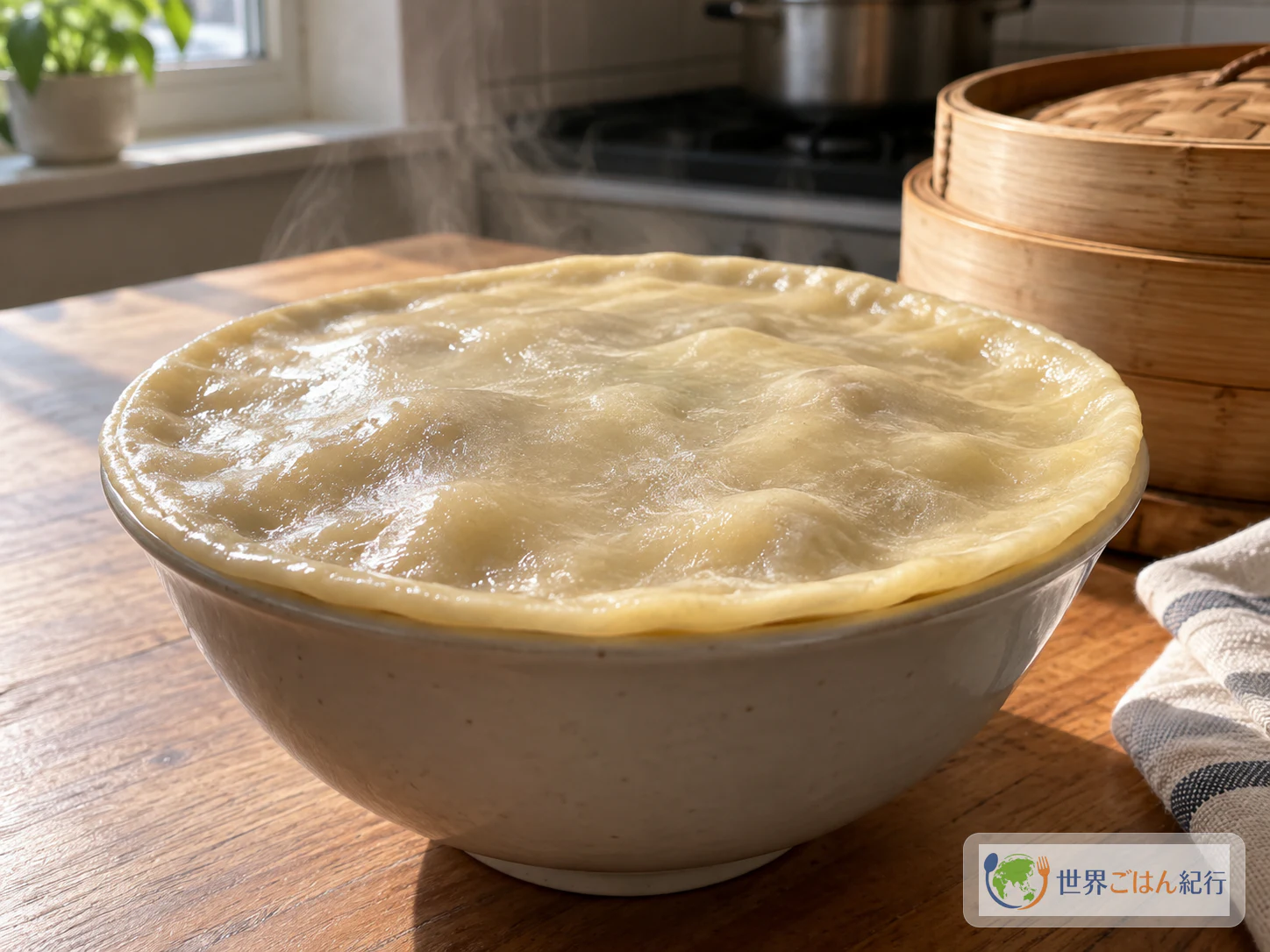
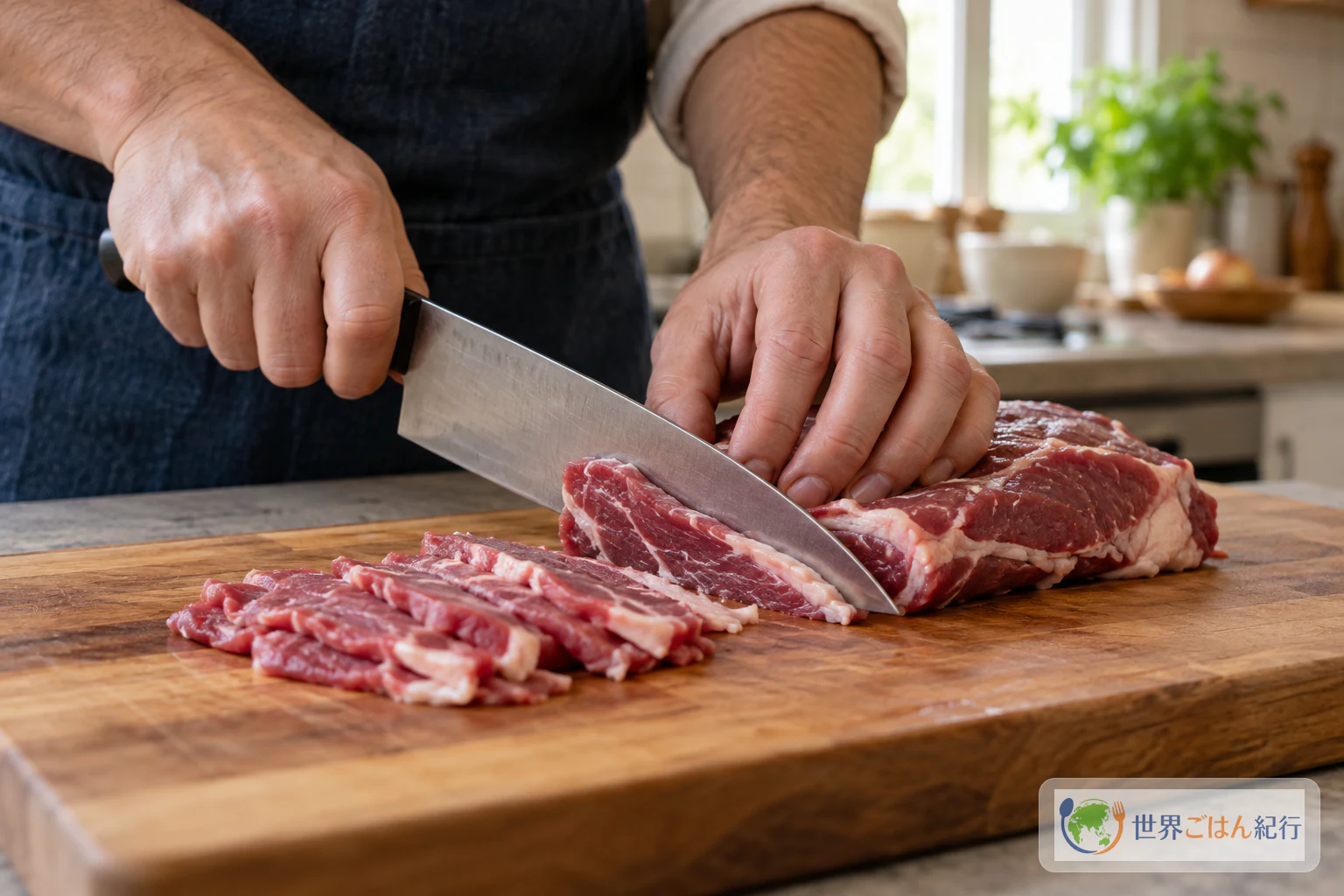
Steam rises from the steamer, and inside it sits a single bowl: hot bone broth and thin slices of mutton, closed off under a pale, thinly rolled circle of dough. When the bowl comes out, the soup is still hidden beneath that cover. This is bituu shul (Битүү шөл), a Mongolian soup whose name an English-language FAQ for ATF-2026 renders as "sealed dough soup."
The recipe here follows one specific, authored version: a one-person bituu shul printed in the Mongolian-language school textbook Монгол хэл III (grade 3, Ulaanbaatar, 2020, seventh edition), on pages 33–34. The textbook introduces it as one of Mongolia's traditional soups and also calls it аяган шөл, "bowl soup." It is one published version, not the single traditional form, and other published versions differ.
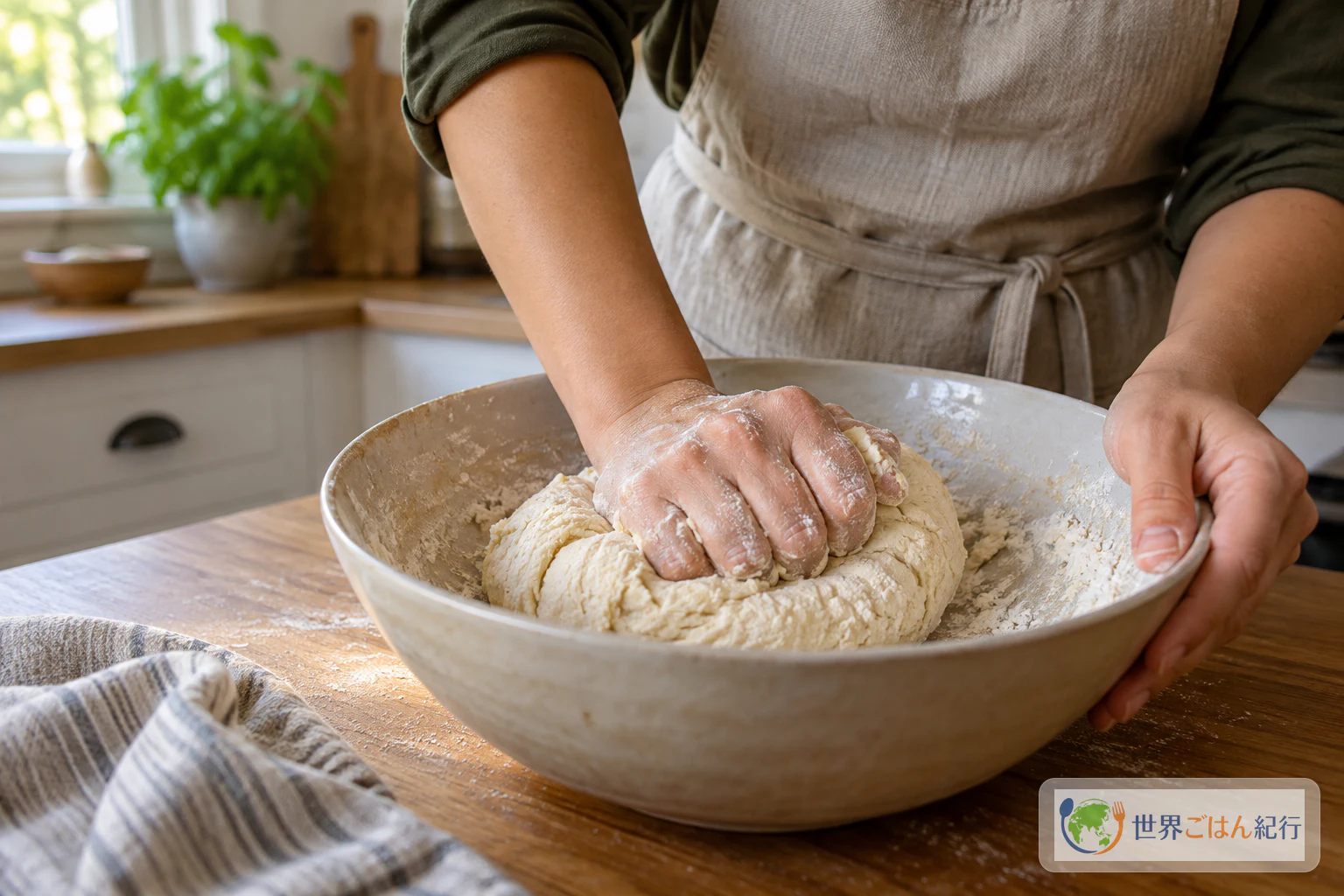
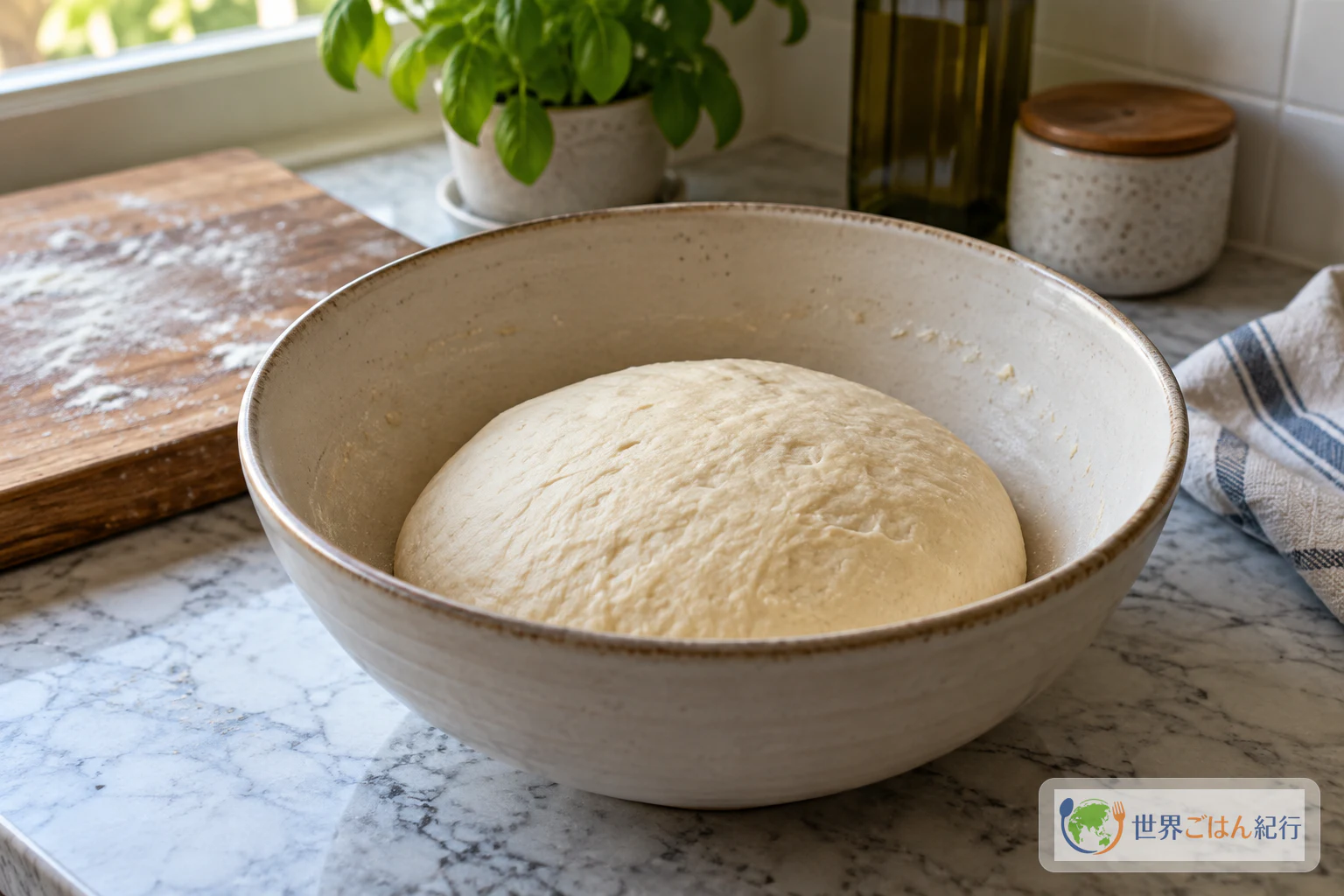
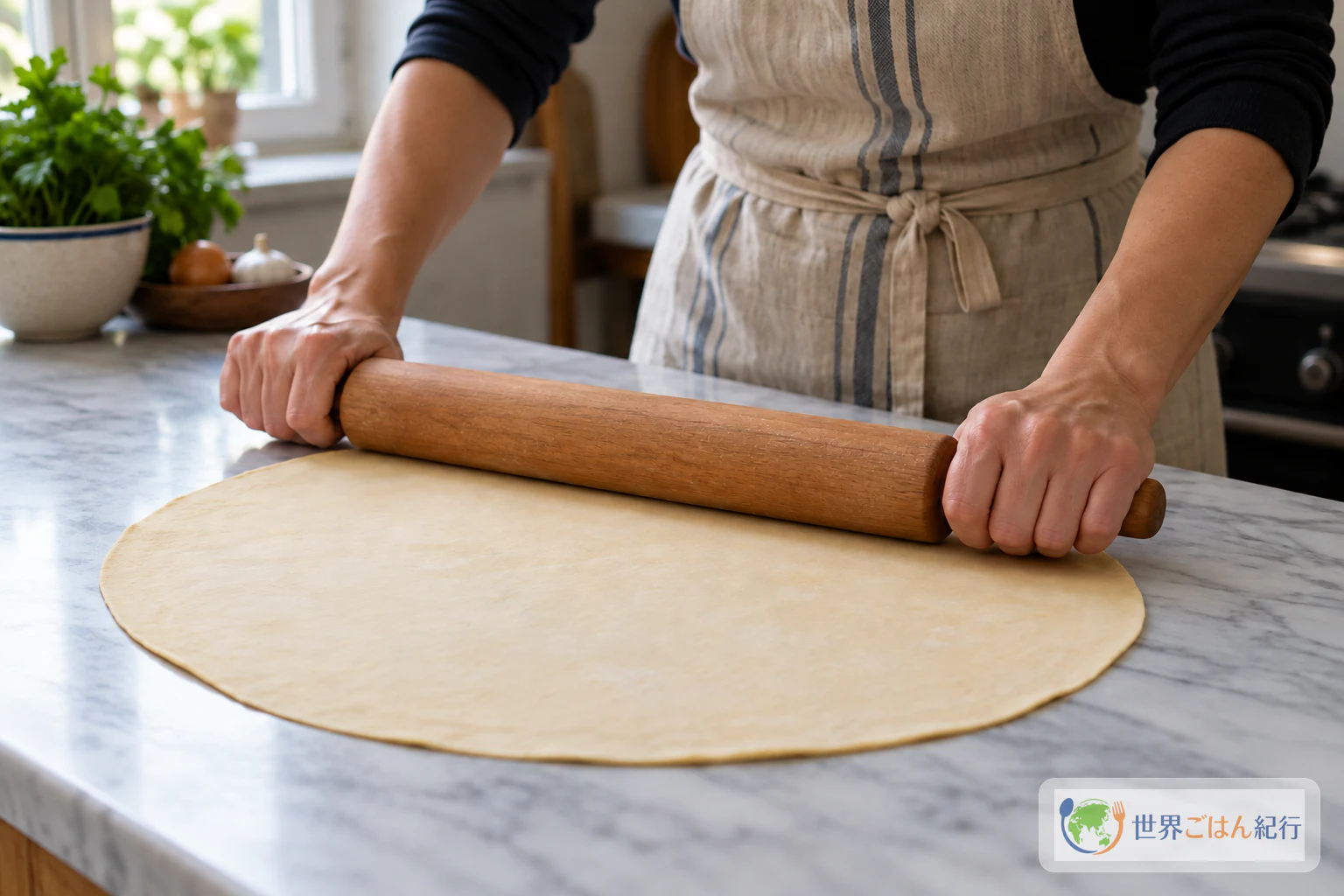
The textbook text is short, and it leaves real gaps: it does not say how much warm water goes into the dough, how long to rest it, how big to roll it, what size bowl to use, or how the dough edge should meet the rim. This article keeps those gaps visible rather than filling them with guesses. This recipe has not been kitchen-tested by Sekai Gohan. For more dishes from the same country, see the Mongolia page.
Mongolian Cyrillic: Битүү шөл. Common romanizations include Bituu shul and Bituu Shul. Битүү means closed or sealed, which matches the covered bowl.
Ingredients for One Serving
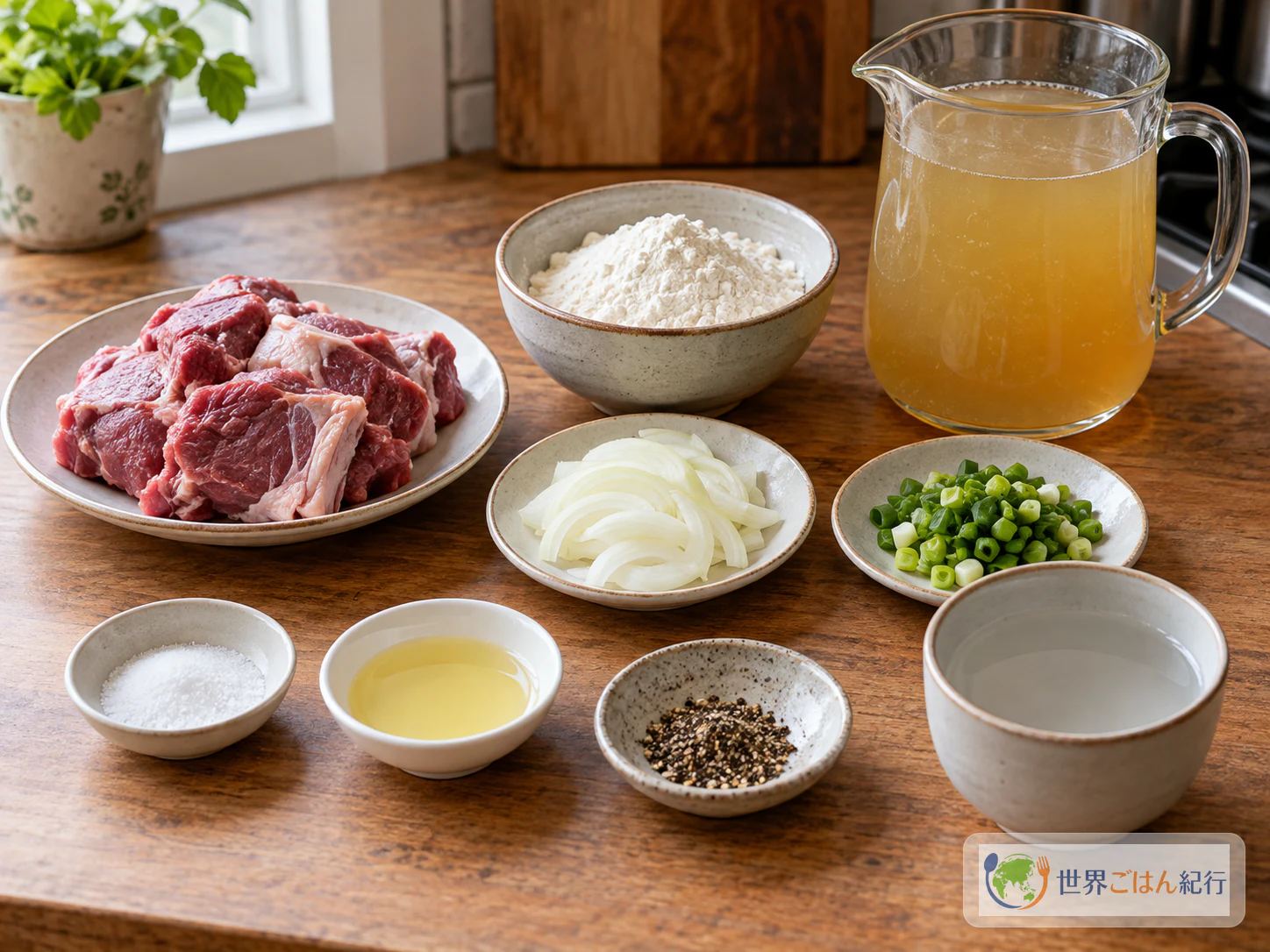
Seven measured ingredients for one serving, plus warm water, black pepper and optional seasonings.
Equipment
- Cutting board and knife
- Mixing bowl for kneading the dough
- A clean surface and something to roll the dough thin
- A soup bowl that can go in a steamer
- A steamer
Choosing What You Buy
Any bone broth, cut of mutton and wheat flour can be used; the kind of broth, its strength, the cut and the flour type are left open. Use bone broth and mutton themselves rather than shortcuts such as broth granules, plain water or a different meat.
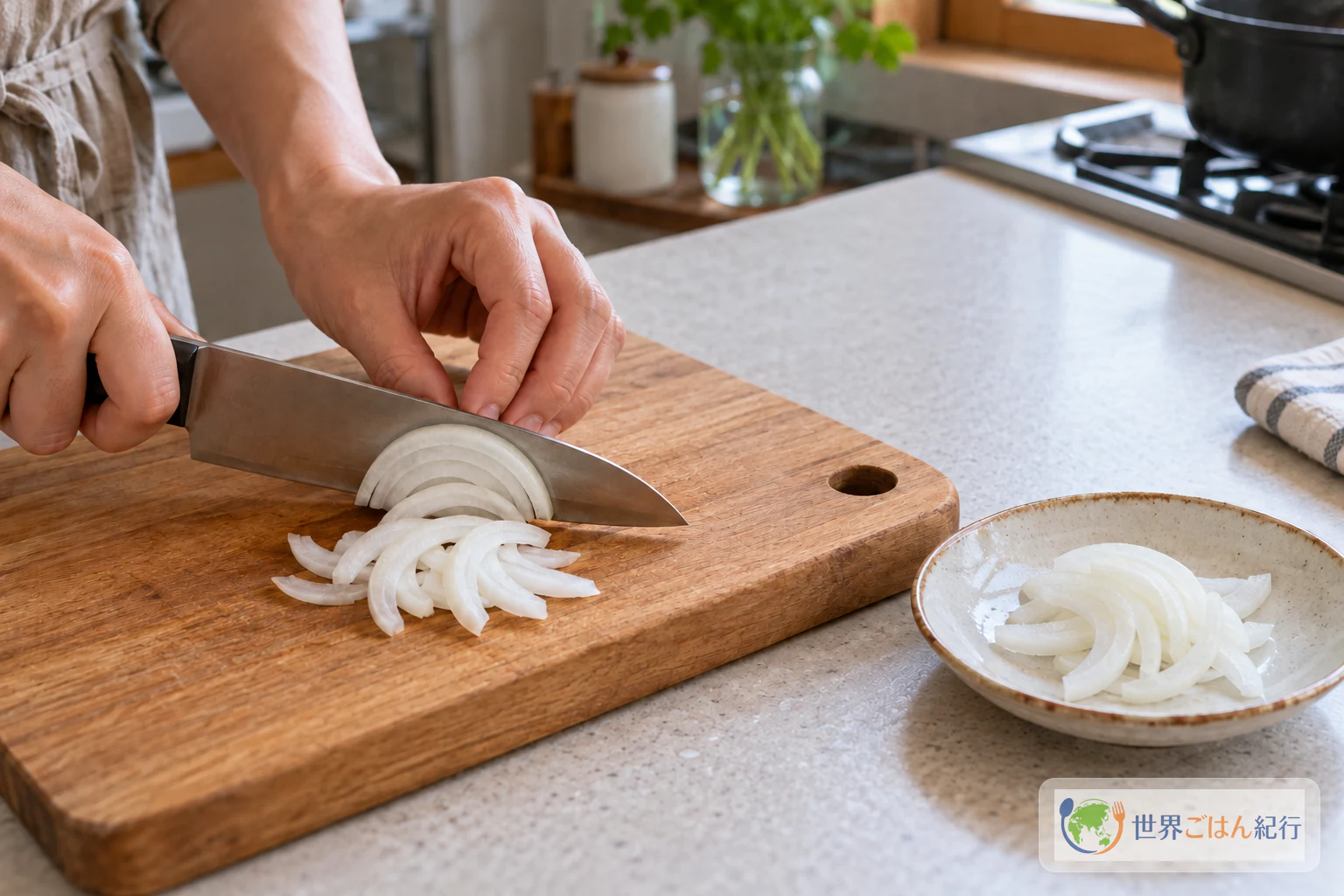
Two items deserve a note before you start. The 15g of onion is cut into half-rings but does not go into the bowl, and the 5g of green onion is also kept to the side. Neither is part of the soup in this version; using them would be your own addition.
Method: Ten Stages from Slicing to Steaming
The method is split into ten single actions in order, with no steps added and none removed.
The method runs from cutting to steaming without a serving stage.
Twenty minutes is the cooking time written in the textbook. The source gives no internal temperature, no way to check that the meat is cooked, and no food-safety verification, so the time should not be read as a guarantee that the meat is safely done. The textbook also gives no serving, storage or nutrition information, and this article does not supply any.
Where the Text Leaves Gaps: What Comes Up and How This Version Handles It
Bituu shul is easy to describe and harder to pin down on paper. These are the points where a cook reading the textbook is most likely to stop and ask.
| Question | What the textbook says | How this article handles it |
|---|---|---|
| How much water goes into the dough? | Warm water, no amount | Listed as "not specified"; no ratio is invented |
| How long does the dough rest? | Rest it, no time | No time is given |
| How big and thin is the dough circle? | A thin circle, no size | No diameter or thickness is given |
| What size and kind of bowl? | A bowl, no details | Left open; use one that fits your steamer |
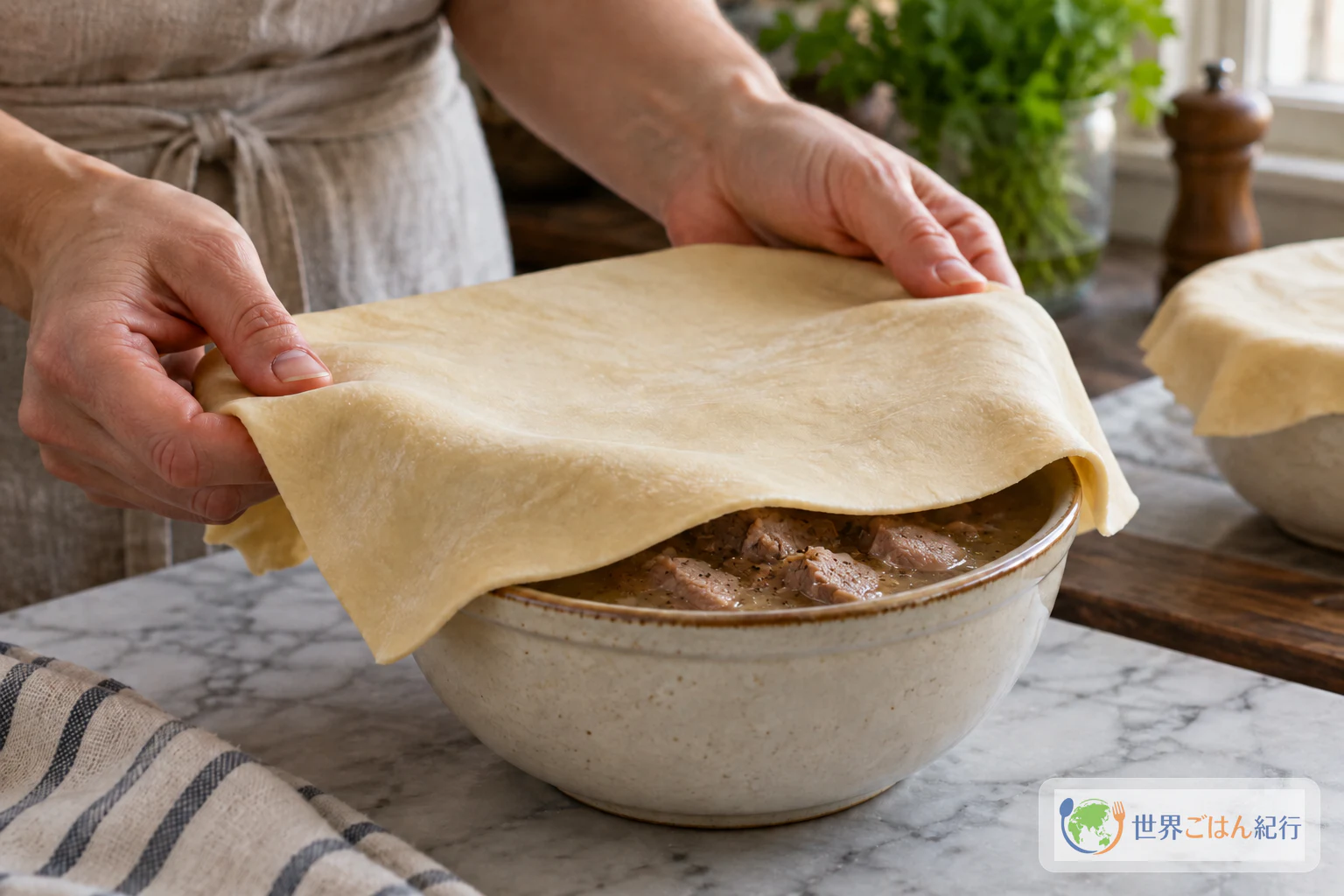
| How is the dough edge sealed? | Cover the bowl with the unoiled face | Only covering is described; no pressing, folding or gluing |
| Where does the onion go? | Cut into half-rings, then not mentioned again | Kept out of the bowl |
| What is the green onion for? | Listed in the ingredients only | Kept out of the bowl |
| How much pepper? | Pepper appears in the method, no amount | Listed as "not specified" |
| How much water and heat in the steamer? | Not stated | Not stated |
| Is 20 minutes enough to cook the meat safely? | Steam 20 minutes | Attributed to the textbook; not presented as a safety guarantee |
Other Versions: Lids, Different Covers and a Three-Person Recipe
Other sources describe bituu shul differently. They are useful for understanding the dish, but none of their ingredients or steps are mixed into the textbook version above.
The textbook version uses dough as the cover, but broader Mongolian descriptions allow more than one. Food researcher Жанчивын Октябрь describes seasoned meat, minced or thinly cut and moistened with water, placed in a porcelain bowl and covered with a lid, or with stomach, intestine or thinly rolled dough, then steamed. The private tourist-information site touristinfocenter.mn describes bituu shul as meat soup in a well-lidded container or sealed with rolled dough, stomach or intestine, cooked in water or steam, and mentions mutton, salt, onion and garlic in its general account.
A separately published recipe on Zuv.mn (2024) shows how different a single dish can look on paper. It serves three people, uses lamb or beef with vegetables, garlic, eggs and green onion, about 100g of water and 1–1.5 cups of flour, sticks the dough to the bowl rims, and steams for 25–30 minutes. It is a distinct recipe with its own yield, not a correction of the textbook, so none of its amounts, extra ingredients, rim technique or timing is carried over here.
| Version | Cover | What sets it apart |
|---|---|---|
| Монгол хэл III textbook (this article) | Thin dough, unoiled face down | One person; hot bone broth, mutton, salt, pepper; steam 20 minutes |
| Broad description (Жанчивын Октябрь) | Lid, stomach, intestine or thin dough | General definition with no quantities |
| touristinfocenter.mn overview | Lidded container, rolled dough, stomach or intestine | Cooked in water or steam; general overview with no quantities |
| Zuv.mn (2024) | Dough stuck to the bowl rim | Three people; vegetables, eggs, garlic; steam 25–30 minutes |
Bituu shul is also distinct from Mongolian soups in which pieces of dough or noodles are boiled in a pot. What defines this dish is the bowl closed under a cover and cooked by steam, not dough cooked in the broth.
The Name and the Practice: Bituu Cooking in Mongolia
The word битүү, closed or sealed, points to a wider way of cooking. In the ICHCAP Mongolia archive, a record credited to the National Center for Cultural Heritage lists битүү хоол хийх арга, the method of making bituu (closed) foods, as a cultural element found across Mongolia's aimags and designated in 2019. Bituu shul is named there among traditional bituu foods. The record concerns the broad practice; it is not a recipe for this soup and does not establish the dish's origin.
The textbook itself frames bituu shul as one of Mongolia's traditional soups and teaches it in a single short paragraph for young readers. That brevity is part of why its version is useful: it shows the core of the dish, broth and meat under dough in a steamer, without the variations that other published versions add.
Frequently Asked Questions
Most questions about this version come back to the same point: the textbook is brief, and where it is silent, this article stays silent too.
Why are the onion and green onion not in the soup?
The textbook lists both, but its method only cuts the onion into half-rings and never mentions the green onion at all. Neither is assigned to the bowl, so this version keeps them out rather than guessing where they belong.
Can I use the dough-to-rim method from another recipe?
The Zuv.mn recipe sticks the dough to the bowl rims, but that is part of a different recipe. The textbook only says to cover the bowl with the unoiled face of the dough. Anything beyond that would be your own adaptation, not this version.
Why is only one face of the dough oiled?
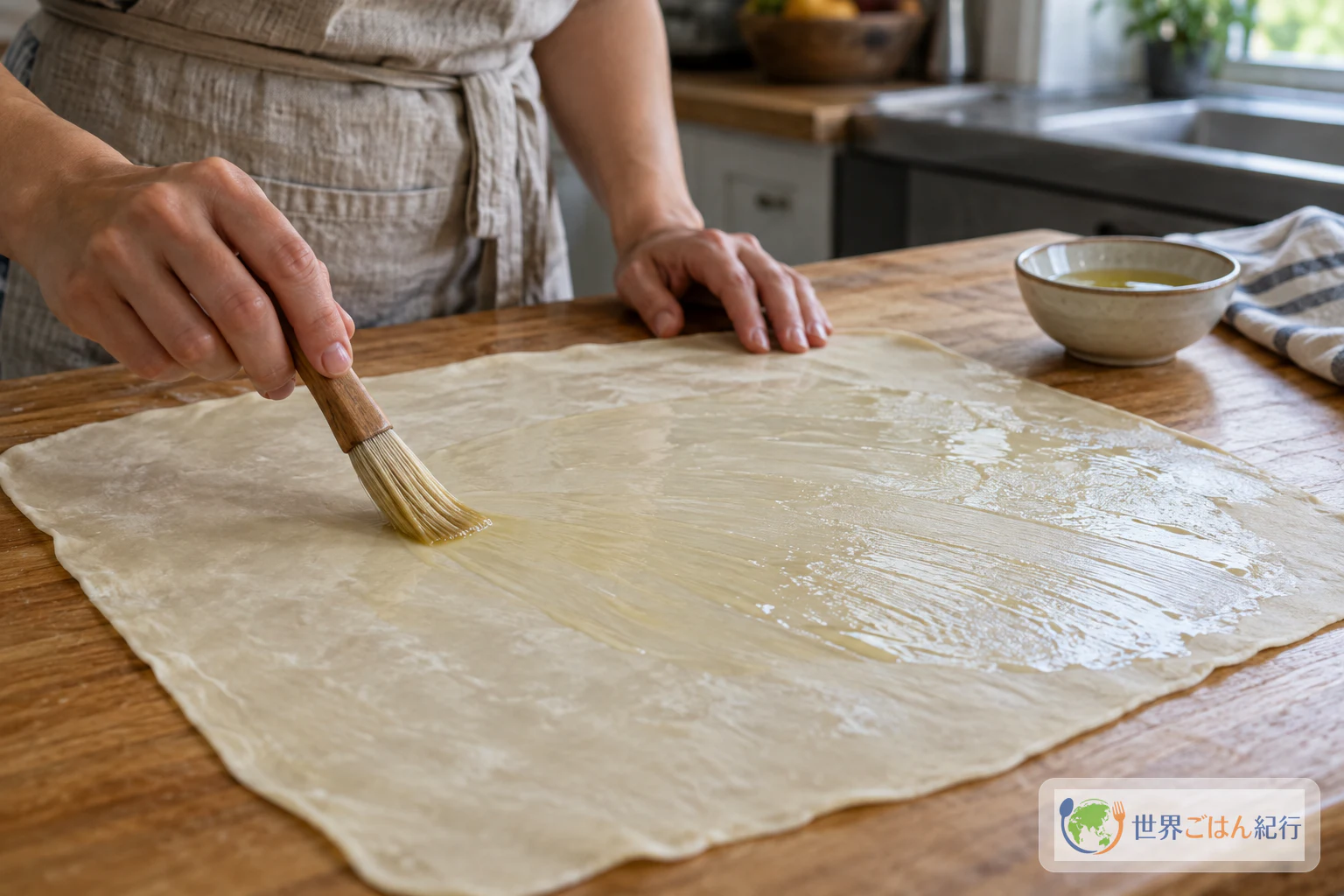
The textbook instructs you to oil one side and to place the unoiled side toward the bowl. It does not explain the reason, so this article does not offer one.
Does 20 minutes of steaming guarantee the meat is cooked?
No. Twenty minutes is the time the textbook gives. It provides no internal temperature, no doneness check and no food-safety verification.
How should leftovers be stored?
The textbook gives no storage guidance, and none of the other sources used here supplies any for this recipe, so this article does not give storage times or methods.
Is this the same as Mongolian noodle soup?
No. Soups in which dough pieces or noodles are boiled in a pot are different dishes. Bituu shul, as described here, is steamed in a bowl closed under a sheet of dough.
Sources
- Ө.Цэндсүрэн, Р.Бигэрмаа, П.Жаргалсайхан, У.Нямхүү, Монгол хэл III, page 33 (third-party FlipHTML5 copy uploaded by Oyuka P). The bituu shul paragraph: its description as a Mongolian traditional soup, the one-person ingredient amounts, and the method from slicing the meat through adding the seasonings to the hot broth. The publisher's own online original was not obtained. https://fliphtml5.com/lkcao/rfmj/03_mongol_khel/33/
- Same textbook, page 34 (same third-party copy). Continuation of the method: covering the bowl with the unoiled face of the dough and steaming for 20 minutes; the name аяган шөл. No sealing technique, vessel details, steamer settings or doneness check are given. https://fliphtml5.com/lkcao/rfmj/03_mongol_khel/34/
- Same textbook, title page (same third-party copy). Title, grade 3 general-education textbook, the four authors, Ulaanbaatar 2020, seventh edition, and the education-ministry approval text. https://fliphtml5.com/lkcao/rfmj/03_mongol_khel/1/
- Tuvdendorj Batbyamba, "Монгол хэлний сурах бичгийн цахим санд суурилсан үгийн аймгийн бүртгэл судалгаа (Ерөнхий боловсролын сургуулийн I-V анги)," Хэл зохиол судлал (Mongolian Language and Literature Studies). Independent bibliographic listing of the textbook: authors, 2020, seventh edition, 152 pages, publisher Мөнхийн Үсэг ХХК. Not a source for the recipe. https://mongoliajol.info/index.php/MLLS/article/download/4922/4438
- ATF-2026, "FAQ: What to eat in Mongolia?" The name Bituu Shul and the English gloss "sealed dough soup." https://atf2026.mto.mn/faq
- Creative Mongolia, "Монгол хоол хүнс судлал: Монголчуудын хоолын соёл, Монгол туургатны мартагдаж буй зарим хоол," passage credited to food researcher Жанчивын Октябрь. A broad definition of seasoned meat in a porcelain bowl covered by a lid, stomach, intestine or thin dough and steamed. https://cm.nmma.co/135506/
- Mongolian Tourist Information Center (touristinfocenter.mn, a private information site), "Монголчуудын махан хоол." A general overview of bituu shul covered by a lidded container, rolled dough, stomach or intestine and cooked in water or steam. https://www.touristinfocenter.mn/cate16_more.aspx?ItemID=100
- ICHCAP Mongolia archive, "Битүү хоол хийх арга," record credited to the National Center for Cultural Heritage. The broad bituu-cooking practice across aimags, designated in 2019, naming bituu shul among bituu foods. https://mongolia.ichlinks.com/archive/elements/elementsV.do?elementsUid=14000548694714149694
- Х.Батсайхан, "Тусгаар тогтнолын баярын зоог Битүү шөл," Zuv.mn. A separate three-person recipe, used here for comparison only. https://zuv.mn/n/16mo