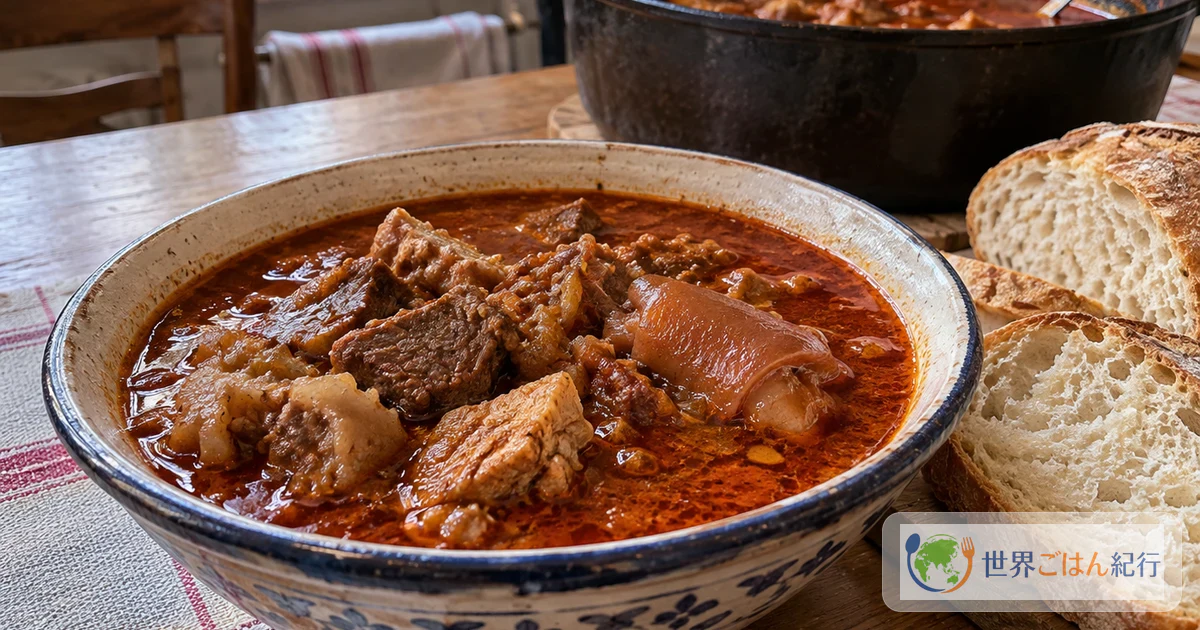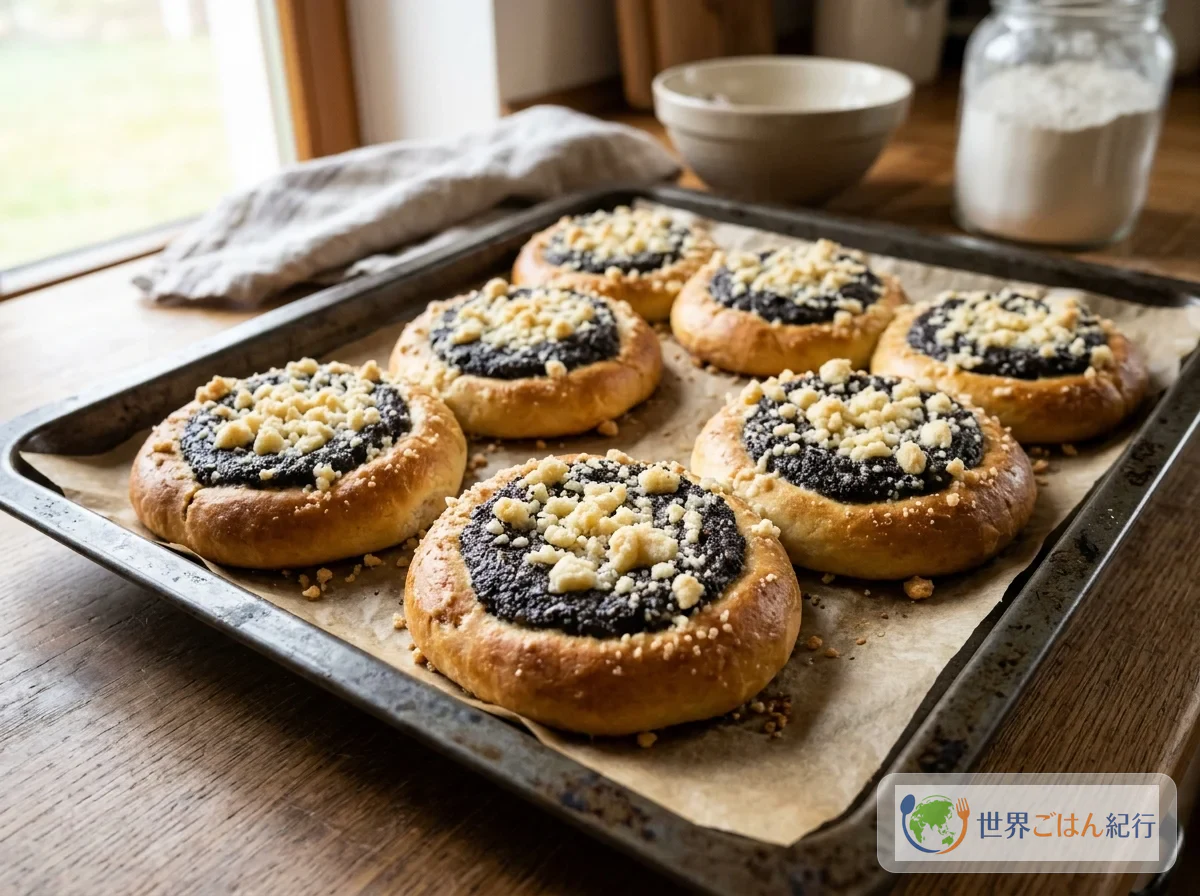
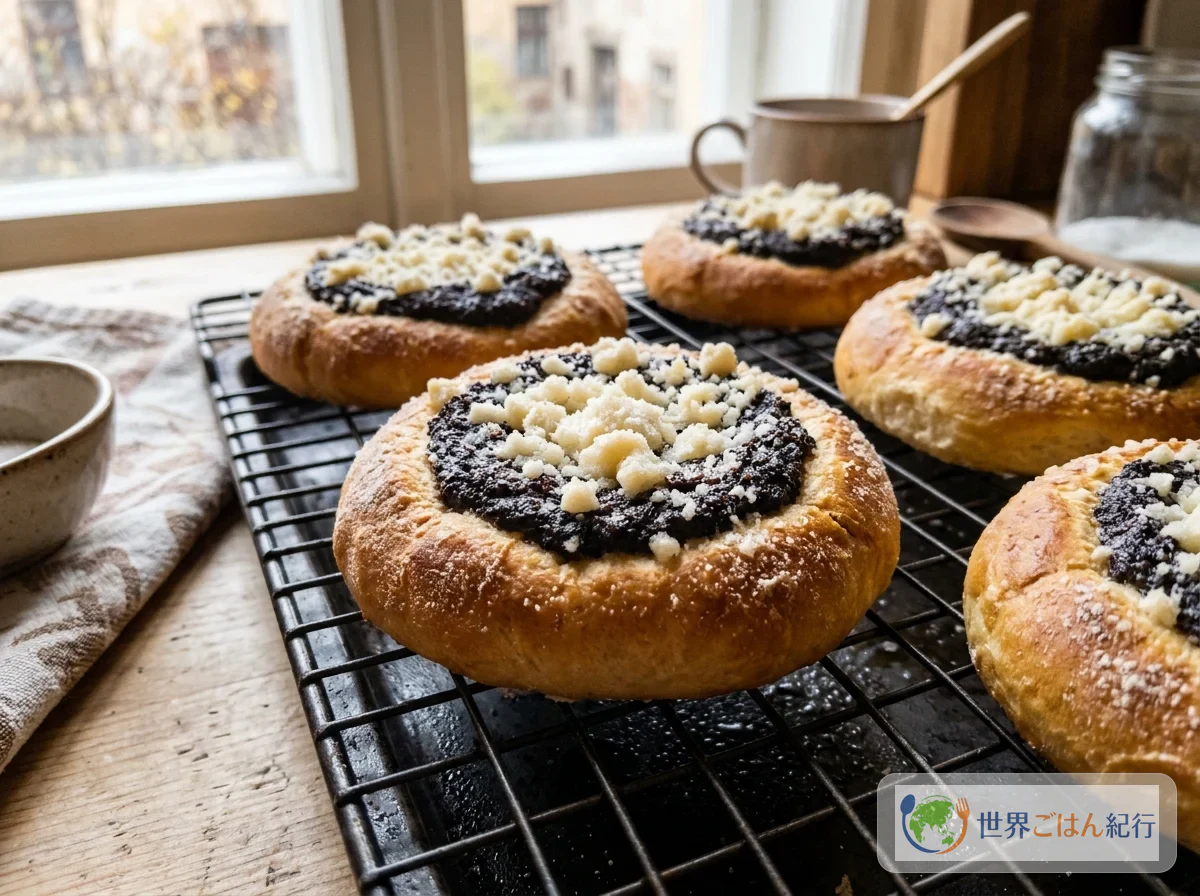
On a Sunday morning, the smell of yeast and baking butter drifts from a Czech kitchen. On the baking sheet sit palm-sized round sweet rolls. Inside a plump rim, a generous heap of black poppy seed filling is dotted with a white crumb topping. These are koláče (singular koláč), a bake Czech families have kept making as a taste of home.
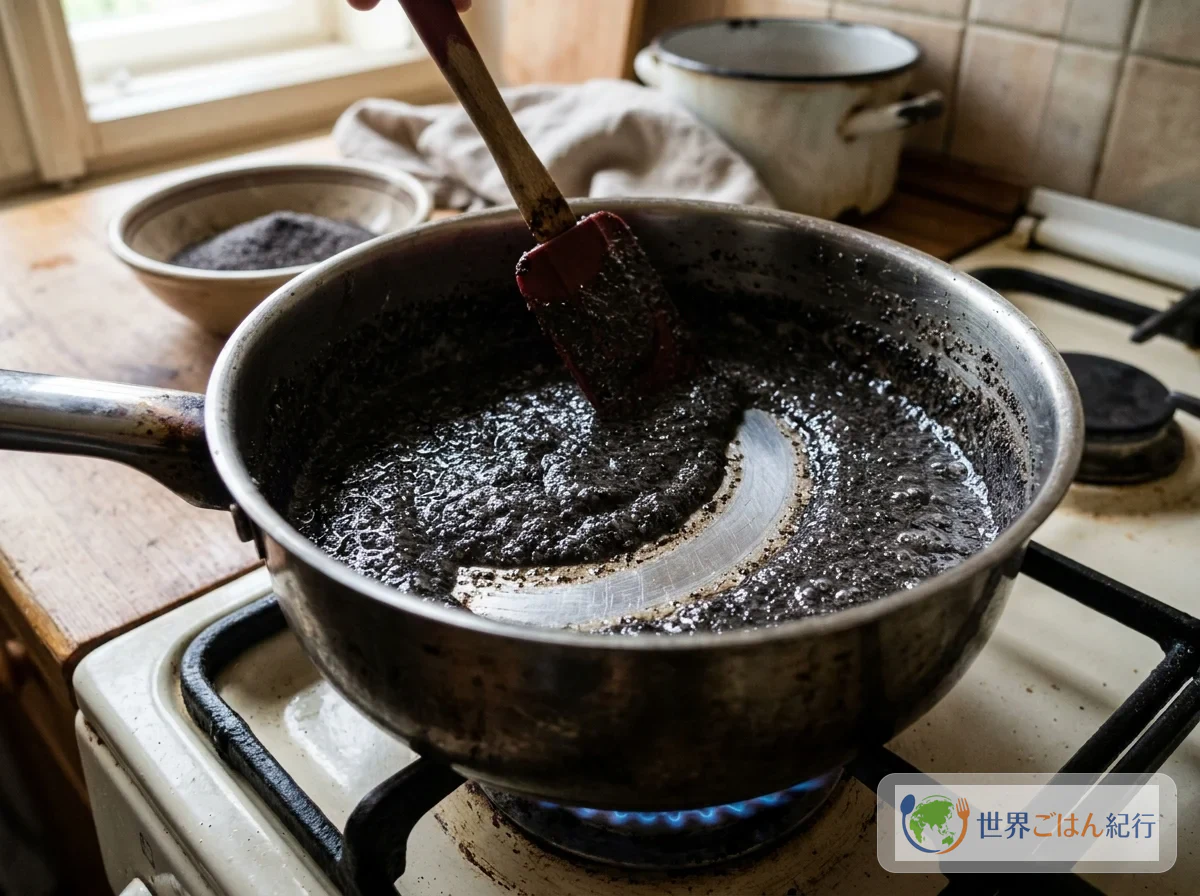
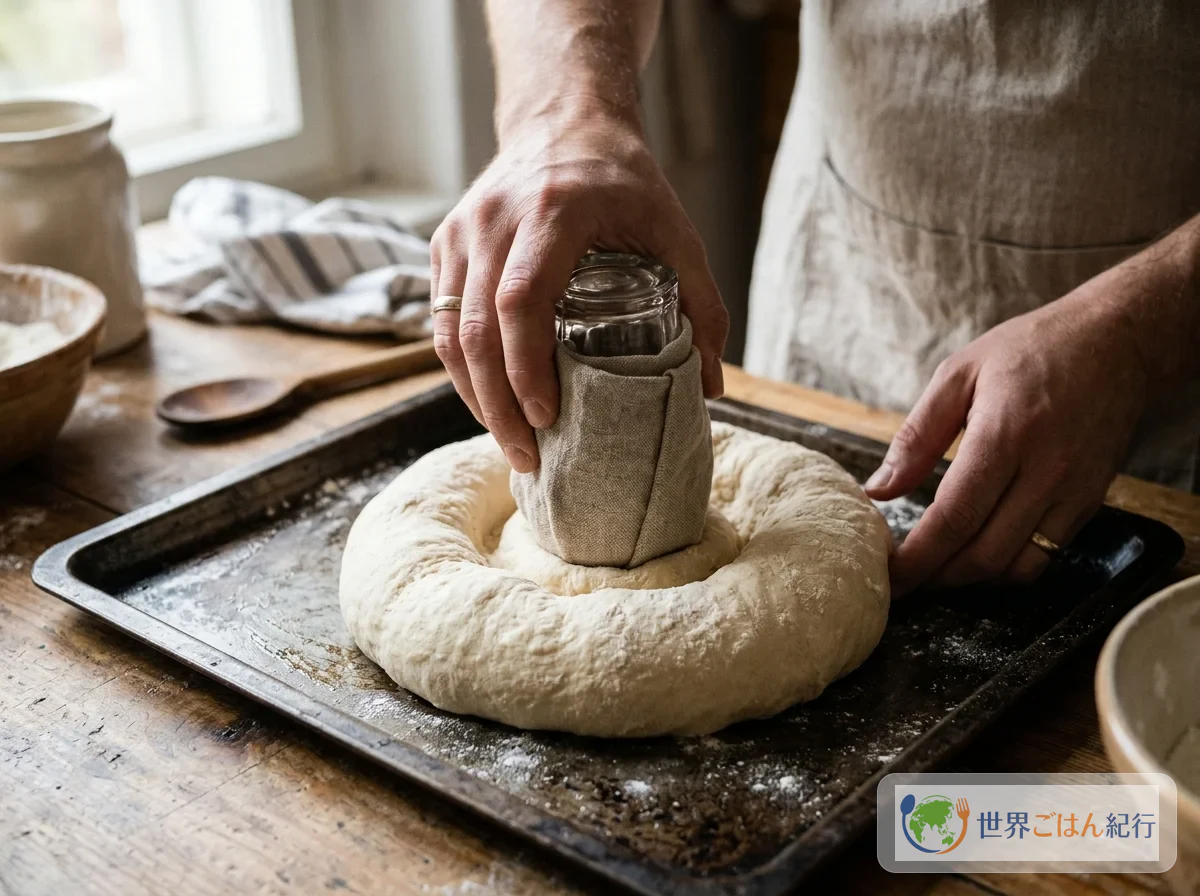
Fillings often include sweet cheese or thick plum jam, but one of the best loved is poppy seed. Elsewhere poppy seeds are mostly seen sprinkled on rolls as decoration, but in Czechia they are ground to a powder and cooked with milk and sugar into a paste. The two high points of making them are this grinding of the poppy seeds and shaping the dough with a deep well in the middle to hold the filling.
A pastry for Sundays, weddings, and village fairs
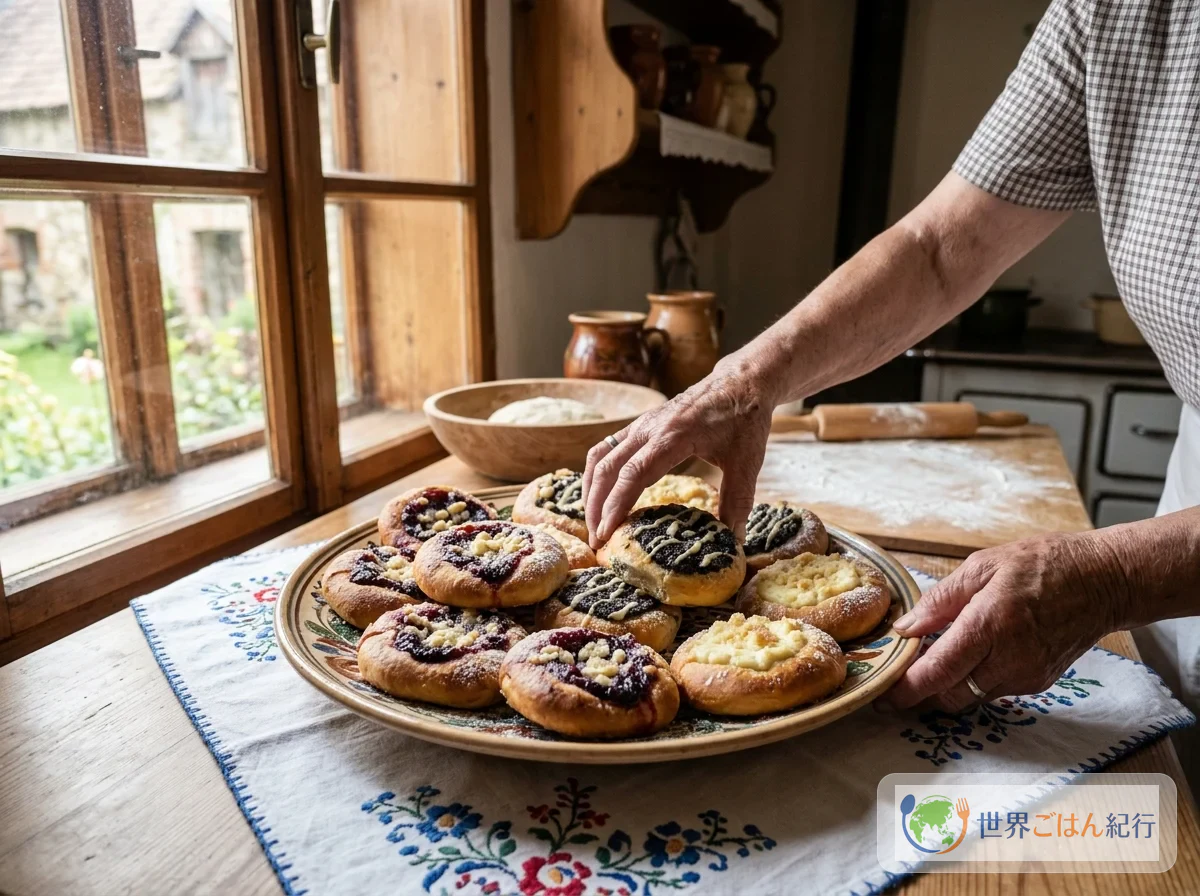
According to Radio Prague International, almost every household in Czechia has a family koláče recipe, and the pastries are baked on Sundays, at weddings, and on the day of the annual village fair. They are essential at weddings in particular, served as dessert and also taken home by guests as a keepsake. Czechs living abroad also bake koláče as a taste of home, and sometimes hold gatherings where everyone brings their family recipe to compare.
Petra Kupská of Cook Like Czechs, a site presenting Czech recipes in English, describes poppy seed koláče as a sweet often served at seasonal celebrations such as the harvest festival (dožínky), church fairs (hody), and carnival (masopust). Czech koláče are round and flat, never square. The basic size is small, about the size of a palm, with the filling heaped in the center.
According to Radio Prague, each wedding koláče filling carries a wish. Chocolate cream stands for abundance, peach jam for happiness, strawberry for love, sweet cheese for good health, and poppy seed for the hope of children.
The Chodsko region (Chodsko) in southwestern Bohemia is especially known for koláče. Radio Prague reports that the koláče of this region are decorated with flower and heart patterns that recall the embroidery on folk costume. Before the local fair the bakeries run at full capacity, and one shop is said to bake about 11,000 in three days. The owner says, "Among 100 koláče, no two are alike," because each decorator's hand leaves its own habits.
Ingredients (makes 12)
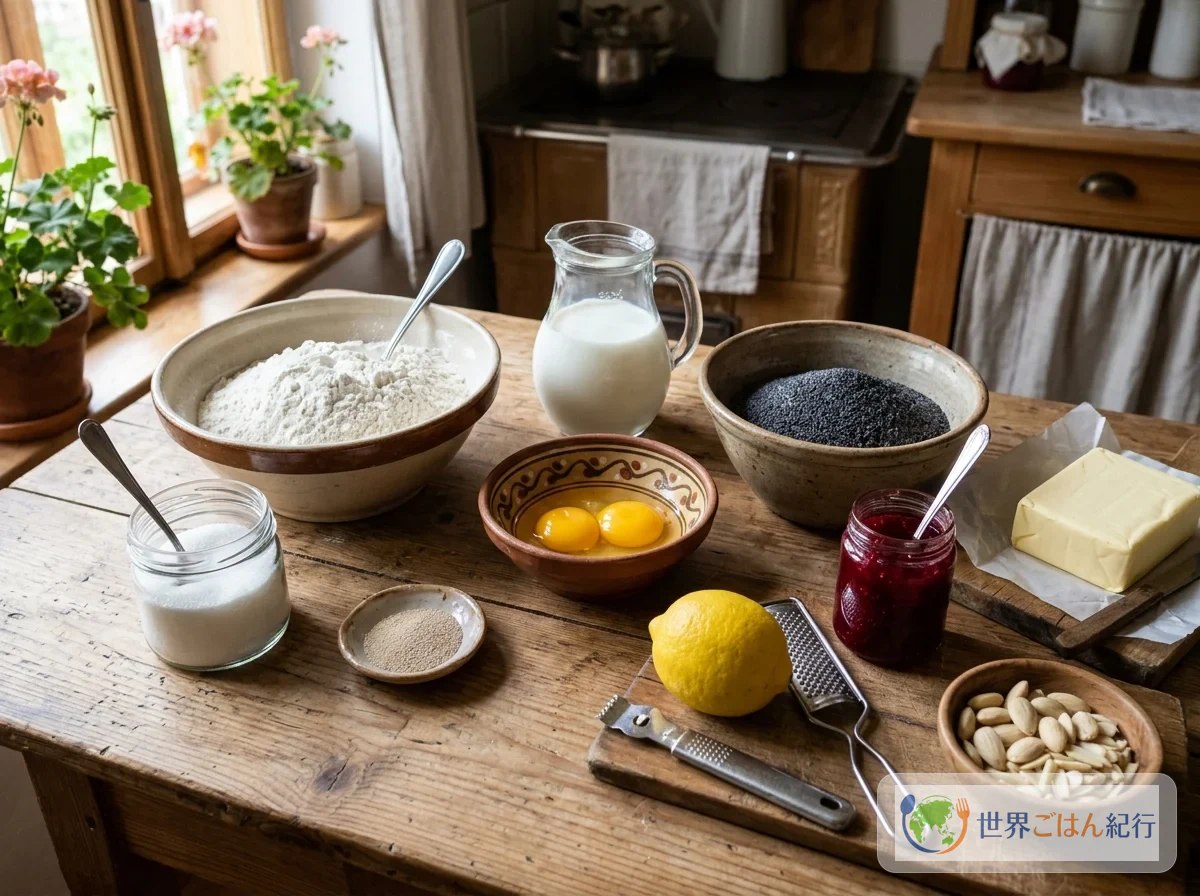
These amounts convert the cup measures in the Cook Like Czechs recipe to grams and ml.
Poppy seeds are sold as "poppy seeds" or "blue poppy seeds" at baking supply shops and online. The filling uses an amount far beyond a sprinkle for decoration, so it is safer to buy a large bag. In Czechia, homes have a dedicated mill for grinding poppy seeds; a spice grinder or coffee grinder can stand in. A stand mixer makes the dough easier, but you can knead by hand.
If you run poppy seeds in a grinder too long, the oil comes out and they turn sticky. The grinding method Cook Like Czechs recommends is to add a little at a time and grind a few seconds at a time, stopping when it feels like sand.
How to make koláče
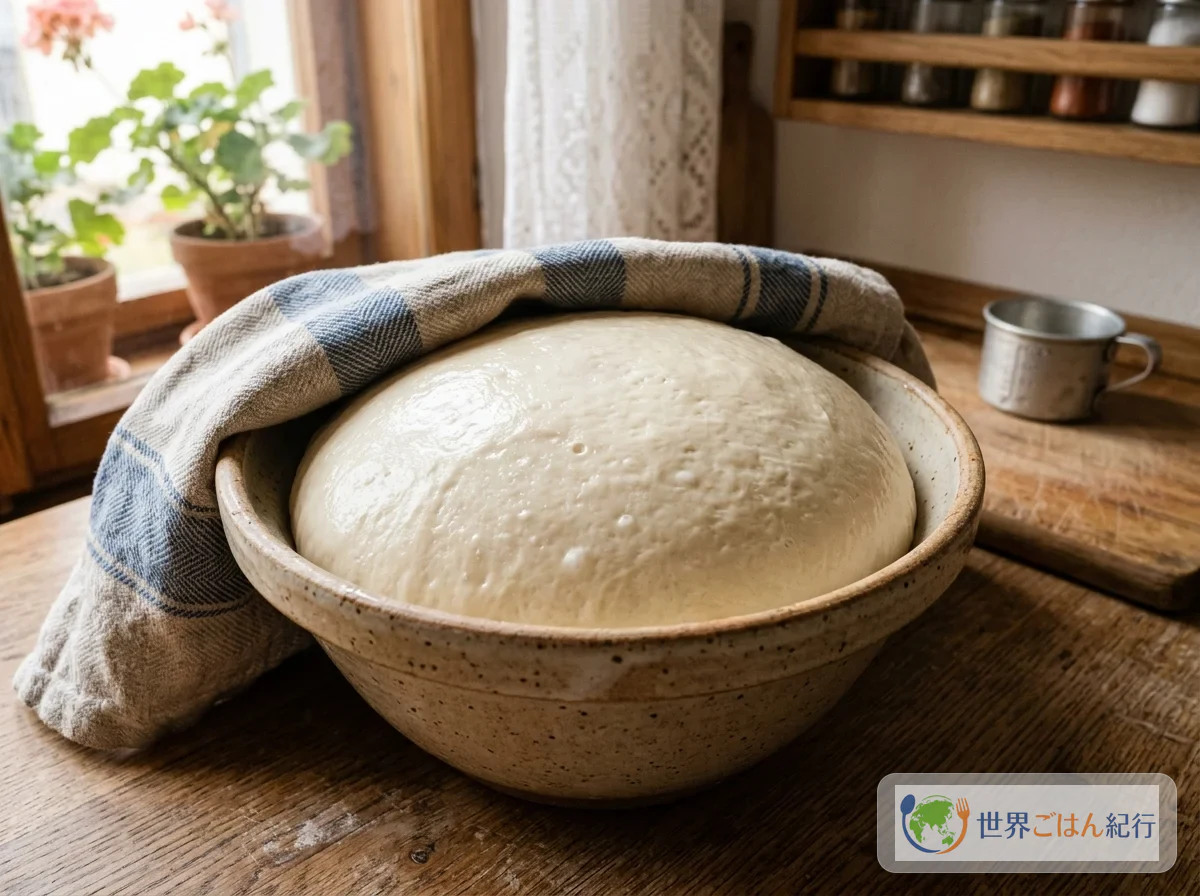
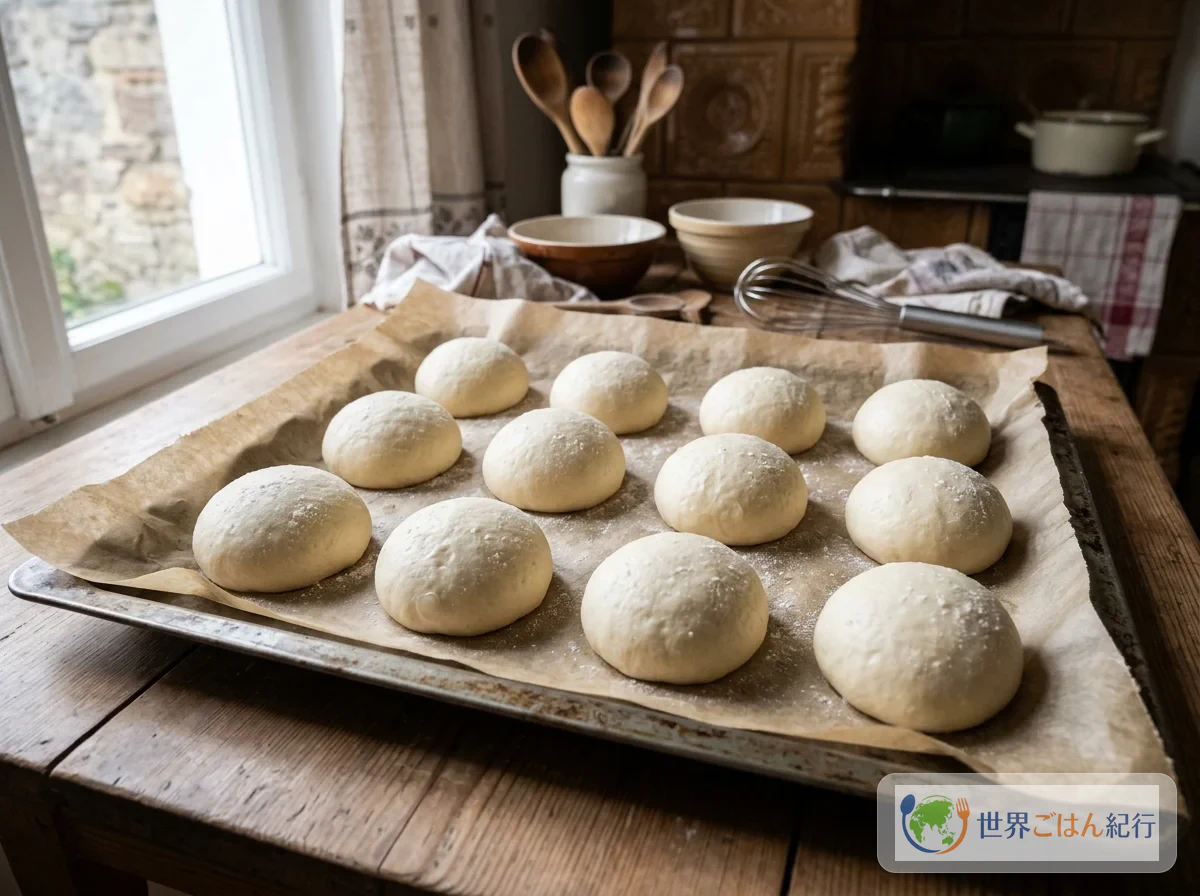
Kneading the dough takes about 10 minutes, the first rise about 1 hour, making the filling and shaping about 30 minutes, the second rise about 20 minutes, and baking about 20 minutes. During the first rise, grind the poppy seeds, cook the filling, and let it cool.
When cooking the filling, the poppy seeds and milk splatter easily and the bottom of the pot scorches easily. Lower the heat and do not stop stirring. These pastries contain wheat, egg, and dairy. If you use jam or almonds, watch for those allergies too.
To keep the filling from running over, Kupská of Cook Like Czechs recommends letting the dough rise fully, pressing the well deeper than you think you need to, not overfilling, and making the filling on the firm side.
Sweet cheese and plum jam too
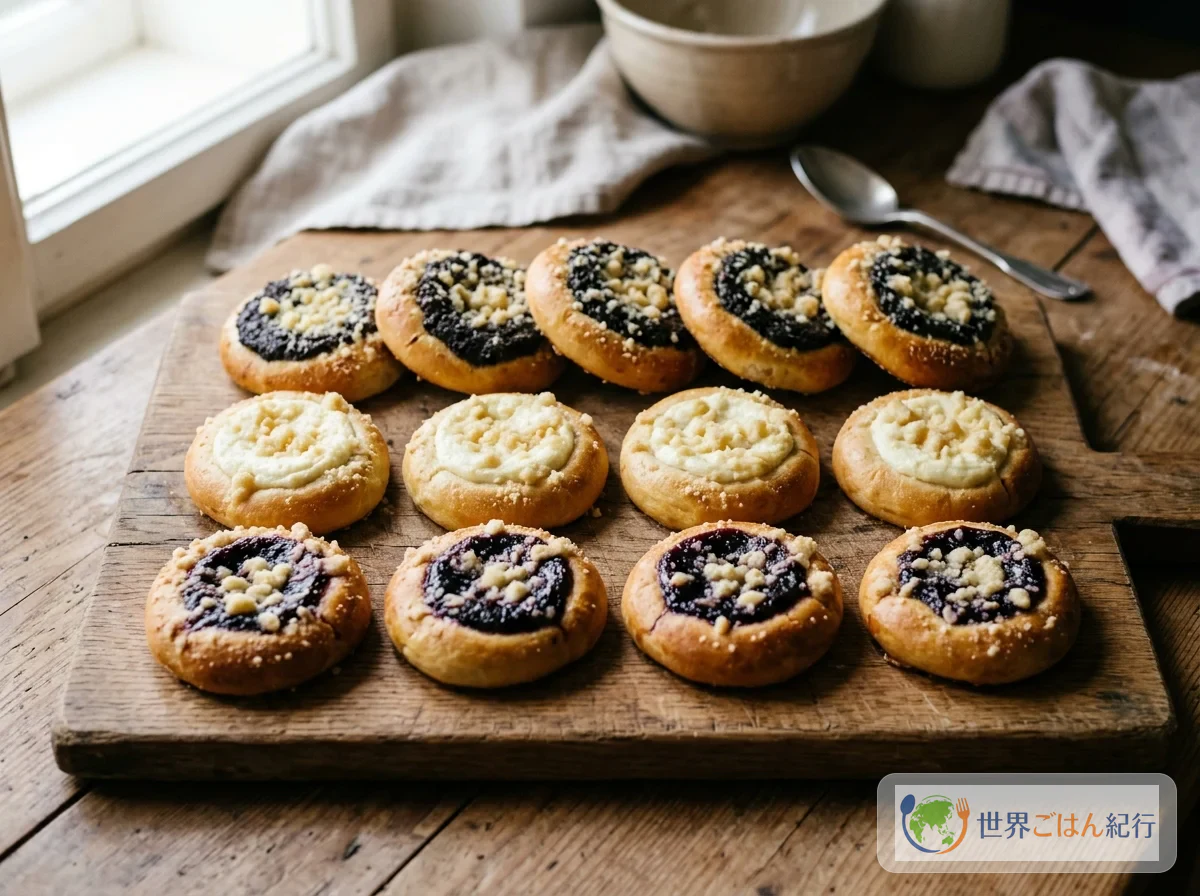
Beyond poppy seed, two other fillings are common in Czechia. One is sweetened tvaroh, a tangy white fresh cheese. The other is povidla, a thick plum jam cooked down for a long time. Kupská writes that her favorite is the combination of sweet cheese and povidla. The Chodsko koláče that Radio Prague describes are also made with fillings such as sweet cheese, poppy seed, plum jam, and raisins with almonds.
Outside Czechia, a smooth, sieved cottage cheese in place of tvaroh and prune jam in place of povidla give a close taste. From one batch of dough, bake four each of poppy seed, cheese, and jam, and you can taste the Czech classics side by side on one plate.
Czech koláče also take regional forms. In Chodsko there are even big flat koláče 25–30 cm across, finished with plum jam piped in patterns over sweet cheese and scattered with raisins and almonds.
The same day, with coffee
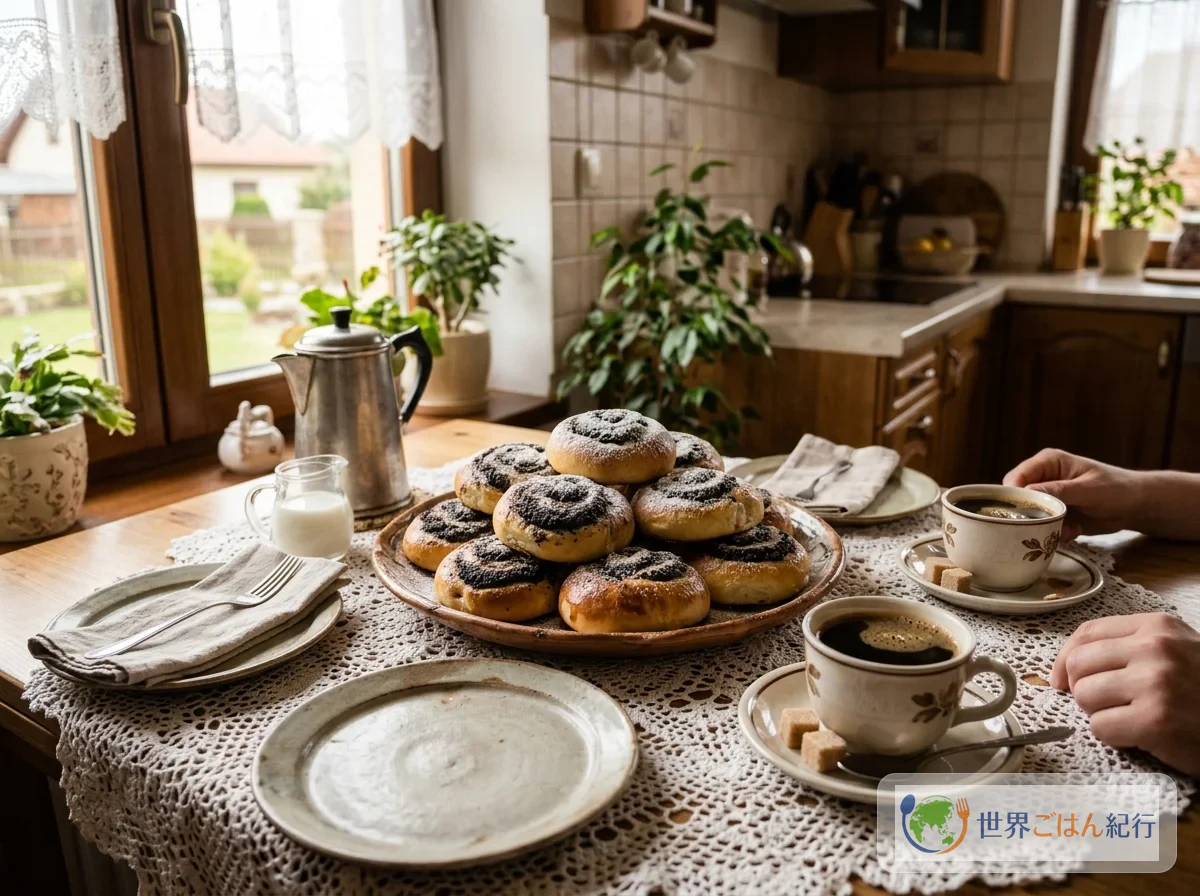
Koláče are best the day they are baked. Once they have lost the first heat on the rack, arrange them on a platter and serve with coffee or tea. The sweetness of the soft dough meets the pop of poppy seeds and the fresh aroma of lemon zest.
They suit a Sunday afternoon tea and also hospitality for guests. If you cook another Czech home dish, serve them as dessert after the national dish svíčková (in Japanese), beef braised with root vegetables and eaten in a cream sauce, and you will have a full Czech Sunday table.
Frequently asked questions
Can I use the poppy seeds without grinding?
If you cook them whole, the filling does not hold together and the seeds linger in the mouth. Grind them a little at a time in a spice grinder or coffee grinder to the fineness of sand before use.
The filling runs out while baking.
The filling is too loose or the well is too shallow. Cook the filling a little longer to firm it up, and press the well deep until the dough in the center is thin.
The dough is slow to rise.
A cold room slows the rise. Use your oven's proofing setting (30–35°C) or a warm place and extend the time until it doubles. Milk that is too hot weakens the yeast, so watch the temperature as well.
How long do they keep?
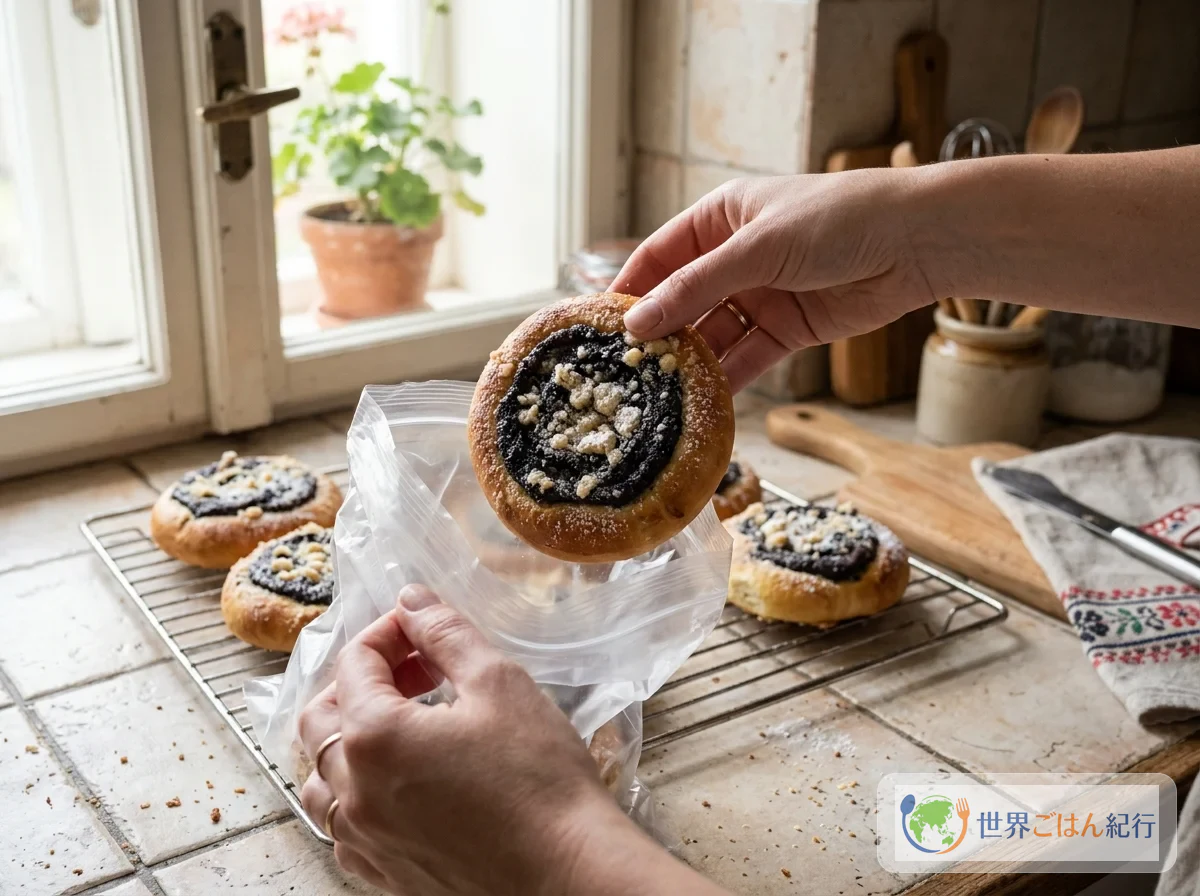
Cook Like Czechs says cooled koláče keep about 3 days at room temperature in a bag, and a further 2–3 days in the refrigerator. To freeze, cool completely and put in an airtight container, and thaw slowly at room temperature for about half a day.
Can I make the filling the day before?
Yes. Cool it, seal it, and refrigerate it, then bring it to room temperature before using. Put on cold, it tends to stall the dough's rise.
Sources
- Cook Like Czechs, Petra Kupská, "Poppy Seed Kolache (Makové koláče)." Accessed and checked: 22 October 2026. https://www.cooklikeczechs.com/poppy-seed-kolache/
- Radio Prague International, Daniela Lazarová, "Koláče: delicious, ornamental pies that warm the heart and stomach," 2018. Accessed and checked: 22 October 2026. https://english.radio.cz/node/8152183
- Cook Like Czechs, Petra Kupská, "Chodské koláče." Accessed and checked: 22 October 2026. https://www.cooklikeczechs.com/wprm_print/chodske-kolache