Pide: Golden Edges Folded Around a Soft Cheese Filling
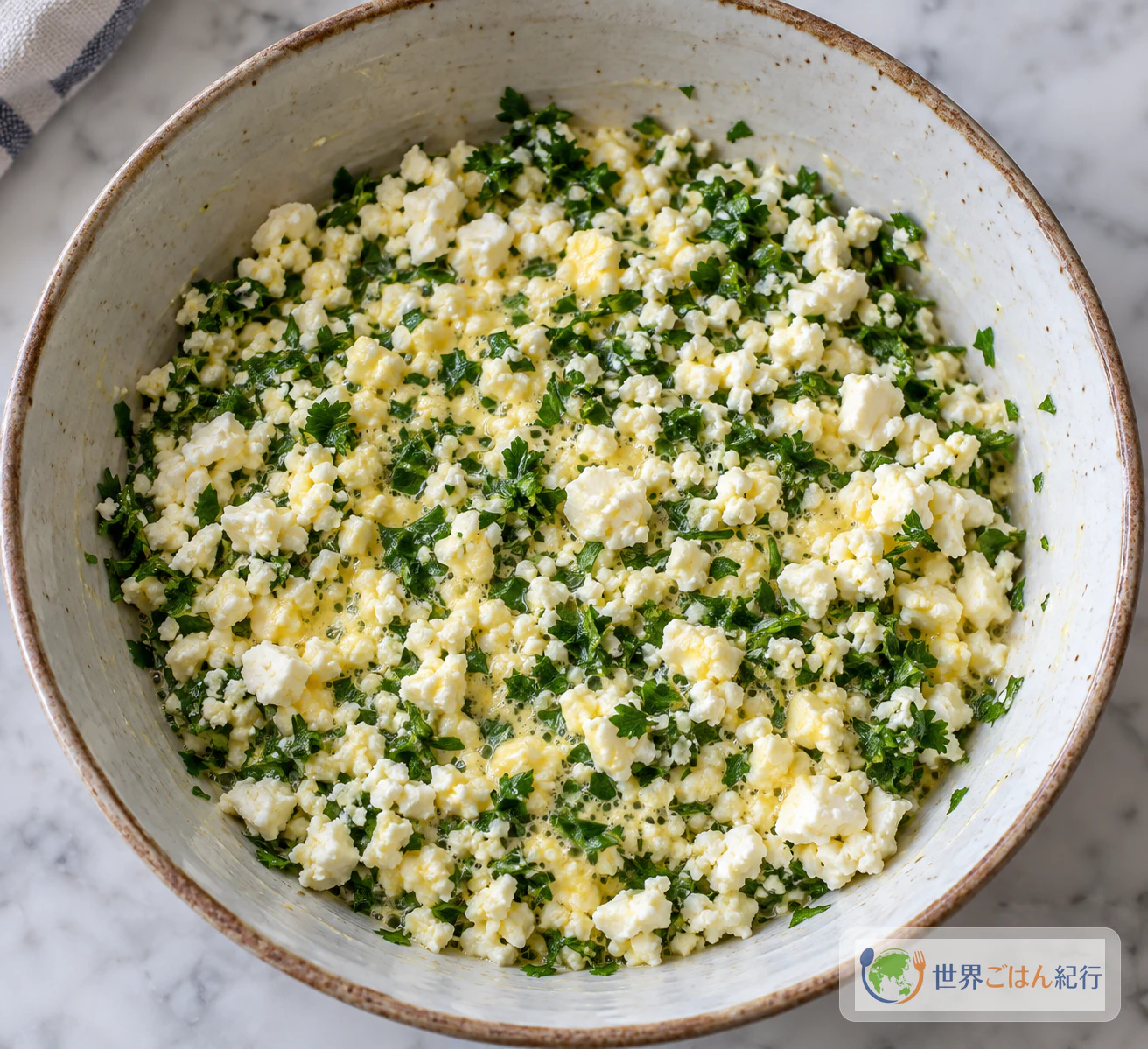
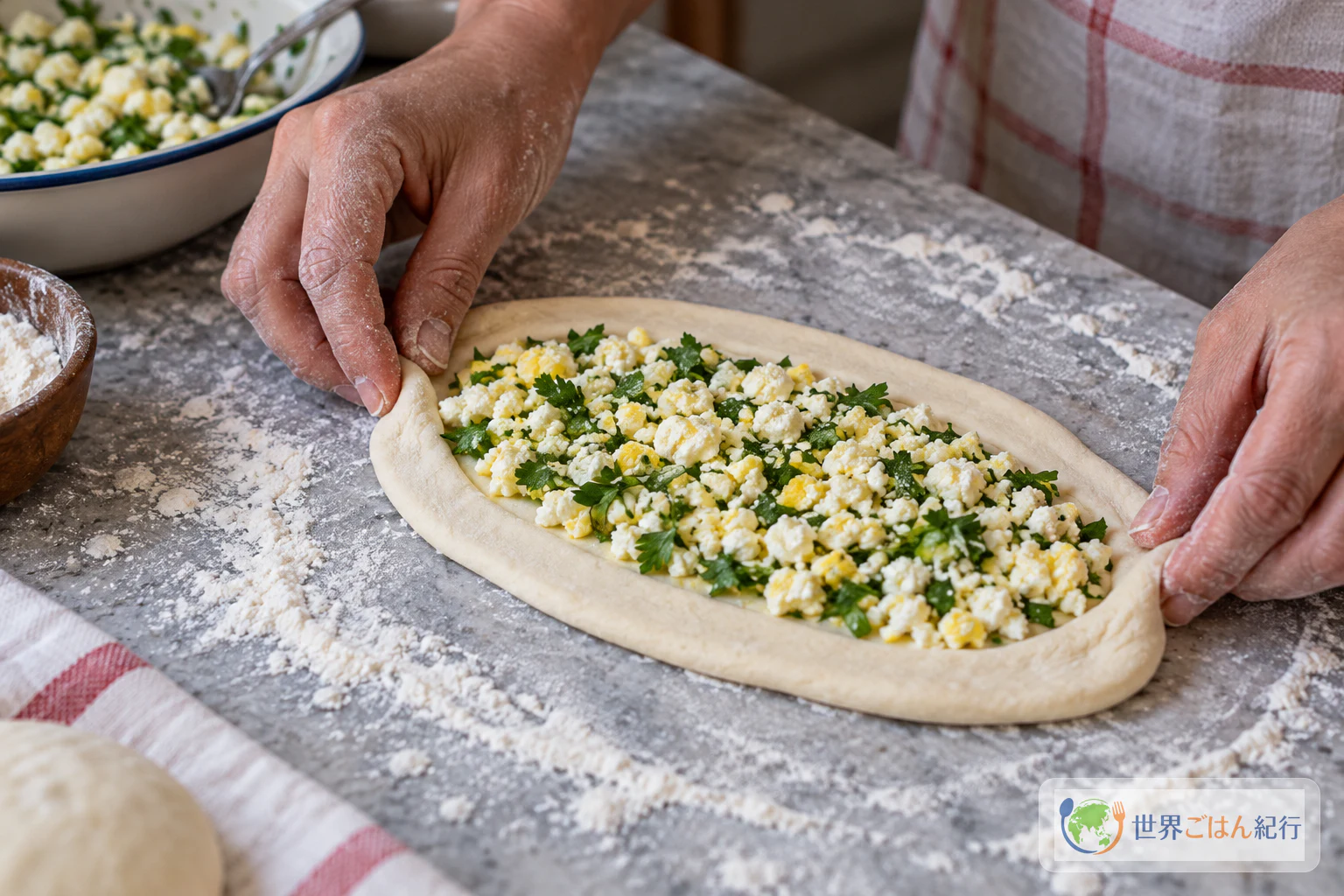
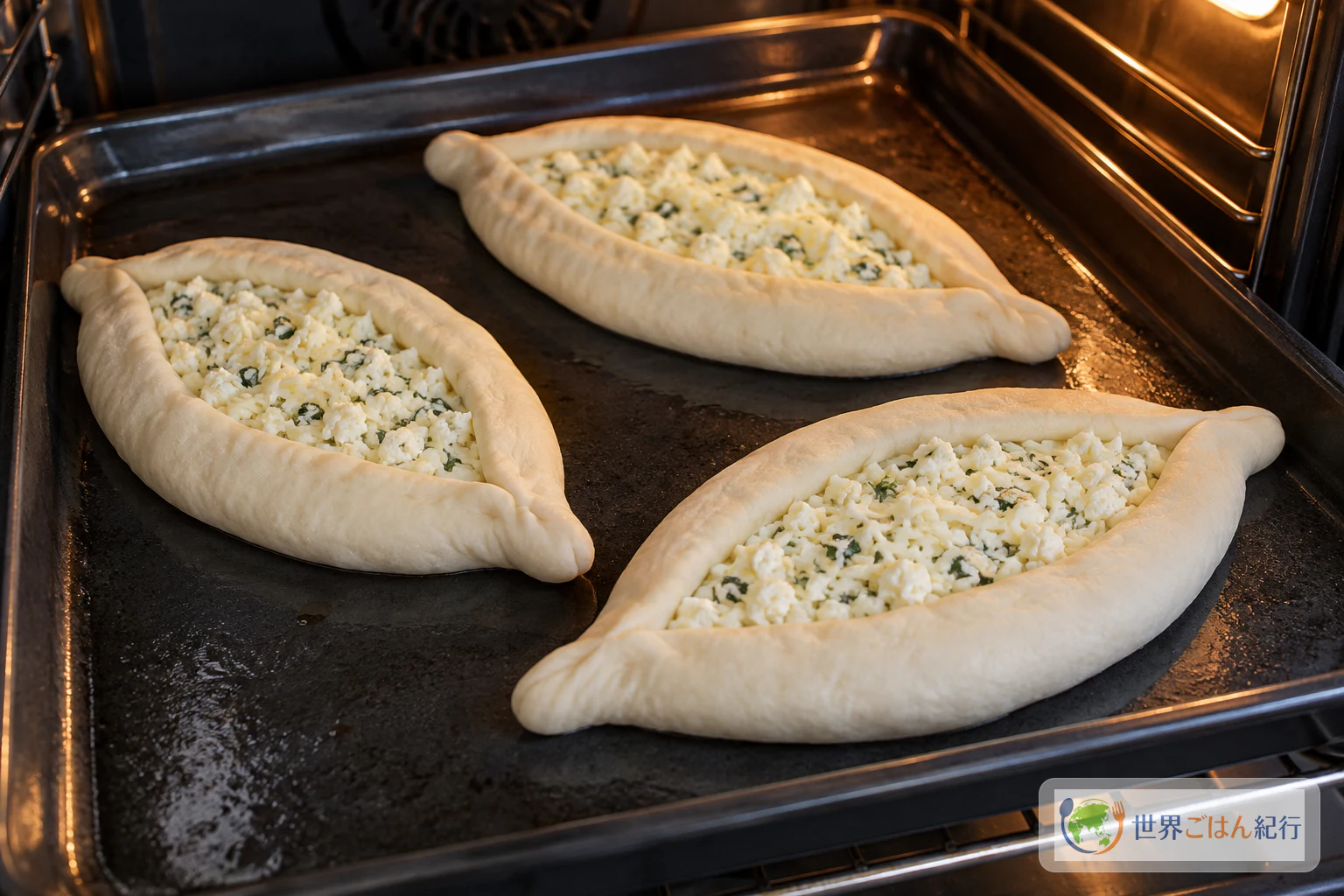
A soft yogurt dough, rolled thin into an oval, folded at the sides into an open boat, and baked until the edges and base are cooked and the cheese, parsley and egg filling is heated through. Nothing more is added to the filling than the original recipe asks for.
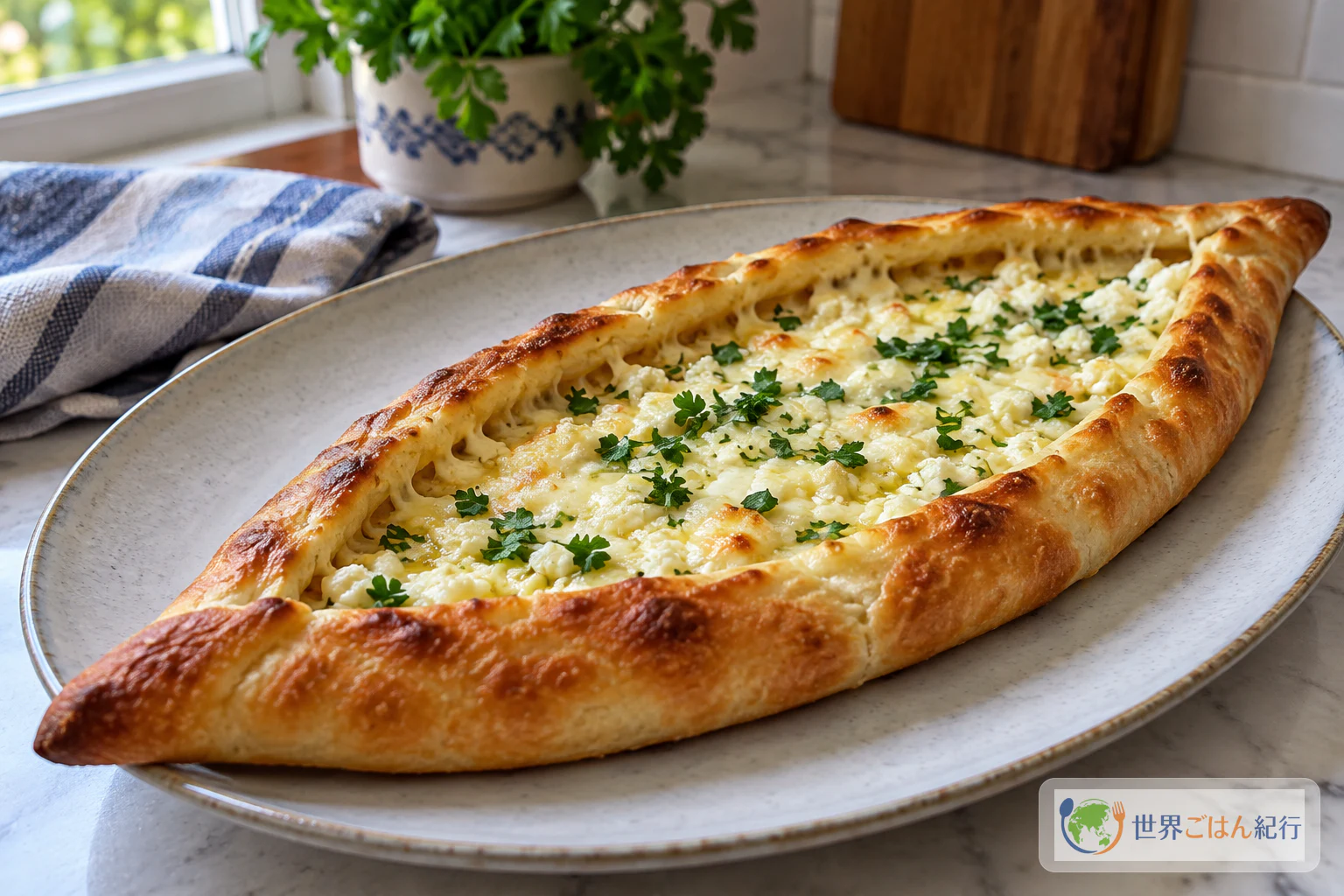
Picture an oval of dough with its long sides folded inward, the edges baked golden, and melted pale cheese flecked with chopped parsley showing in the open center. This is peynirli pide, cheese pide. Türkiye's Ministry of Culture and Tourism describes it as a common yeast-dough bread with cheese that is popular in the country and made both at home and in bakeries.
"Pide" is not a single fixed recipe. Across Türkiye, the name covers baked dough dishes whose shapes and fillings differ from place to place. This article explains that range, but the recipe itself follows one version only: the Peynirli Pide published on the ministry's English-language site under the title "Pitta Bread with Cheese." Regional versions such as Trabzon pide or Nazilli pide have their own specifications, and none of their fillings, quantities or baking temperatures are mixed into the recipe below.
The ministry's recipe was chosen as the base because it publishes the full ingredient list with weights, the method, the number of pieces and a serving count. That makes it a clear, home-sized starting point for cooks anywhere.
Pide is sometimes called "Turkish pizza" in English, and it can help as a first picture of the dish. It is not the same dish as Italian pizza and does not share its origin.
What Pide Covers: One Name, Many Regional Forms
Pide is fermented dough baked with a filling, and its form changes with the region. The ministry's cheese pide is one widely made version. Some regions have defined their own pide in detail.
| Pide | What the sources describe | How it relates to this recipe |
|---|---|---|
| Peynirli Pide (cheese pide) | Yeast dough with yogurt and oil; filling of cheese, parsley and egg; oval with a 1 cm edge; moderate oven about 10 minutes | This is the recipe in this article |
| Nazilli Pidesi | A geographical indication registered on 18 November 2020. Four local forms: minced meat, egg and cheese, the round minced-meat Nazilli Gülü, and tahini. Local dough and filling requirements, long fermentation and wood-fired baking | Regional identity only; not transferred to this recipe |
| Trabzon Pidesi | Versions with minced meat and egg, and with Trabzon tel cheese. The cited example bakes at 280°C for 10 minutes and is brushed with butter after baking | Regional example only; its 280°C and butter are not used here |
A Nazilli pide is defined by Nazilli's own rules, and a Trabzon pide by its own dough and oven. Neither definition stretches to cover "pide" as a whole. Keeping them separate is what lets the cheese pide below stay faithful to its source.
Pide is also distinct from lahmacun, a different dish in which a thin dough is spread widely with a finely minced meat mixture. Lahmacun is not treated here as a type of pide.
Ingredients: Dough and Cheese Filling, Divided into 8
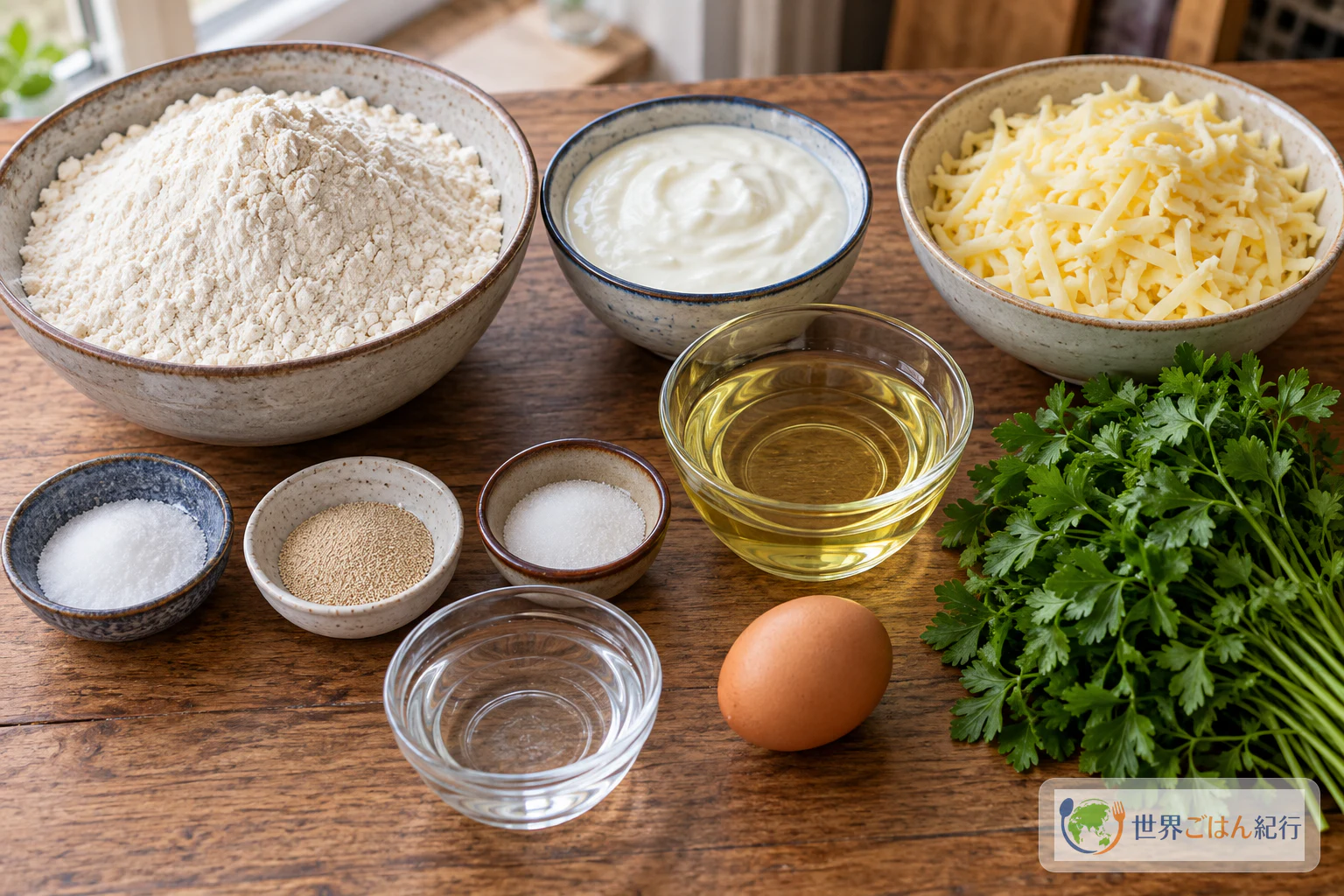
These are the quantities from the ministry's recipe, with its own grams and cups. Where the page gives both, the weight comes first; the gram and cup figures are kept as published and not reconciled with each other. The dough and the filling are each divided into 8 pieces, and the source marks the full recipe as 6 servings. How many pieces make one serving is not stated, so both figures are given as they are.
The filling has no salt beyond what the cheese brings, and the original recipe adds none. There is no egg wash, sesame or butter in this version.
This recipe contains wheat (flour), milk (yogurt and cheese) and egg. Check the labels of your cheese, yogurt and other products for their ingredients and any shared-facility statements. The filling contains raw egg, so bake each pide until the filling is thoroughly heated, not just until the top looks golden (see step 9).
Equipment
- Sieve for the flour
- Large mixing bowl
- Small bowl for the yeast
- Cloth or cover for the rising bowl
- Bowl for the filling
- Rolling pin (optional; the source allows shaping by hand or with a rolling pin)
- Baking tray
- Oven
- Food thermometer (optional, for checking the center of the filling)
Choosing Cheese, Oil and Yogurt Outside Türkiye
The source writes only "cheese," "oil" and "yogurt," so the choices below are our suggestions for availability, not substitutes for a specific Turkish product named in the recipe.
Cheese. Cheeses differ in saltiness, moisture and how they melt, so no single supermarket cheese can be called the authentic match. A salty cheese that melts well is a practical choice. If you use a strongly salty cheese such as feta, keep to the original and do not add any extra salt to the filling. A wetter cheese may make the filling looser; the 1 cm bare edge in step 7 helps keep it in place.
Oil. The type is not specified. A neutral, unflavored oil keeps the attention on the cheese and parsley.
Yogurt. Plain, unsweetened yogurt suits this savory dough. Yogurts vary in how much water they hold, which can change how soft the dough feels.
Method: From Yogurt Dough to Open Boats
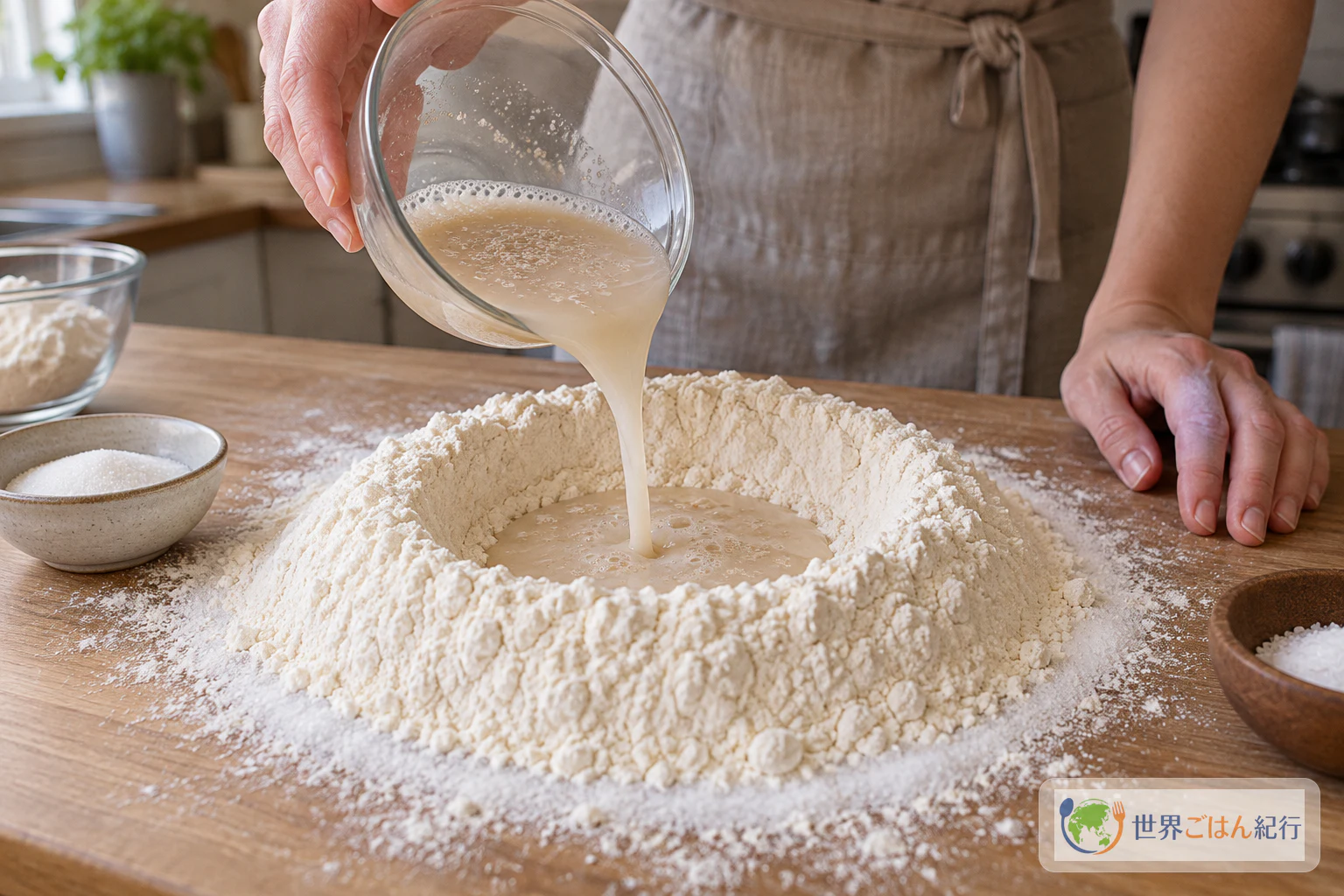
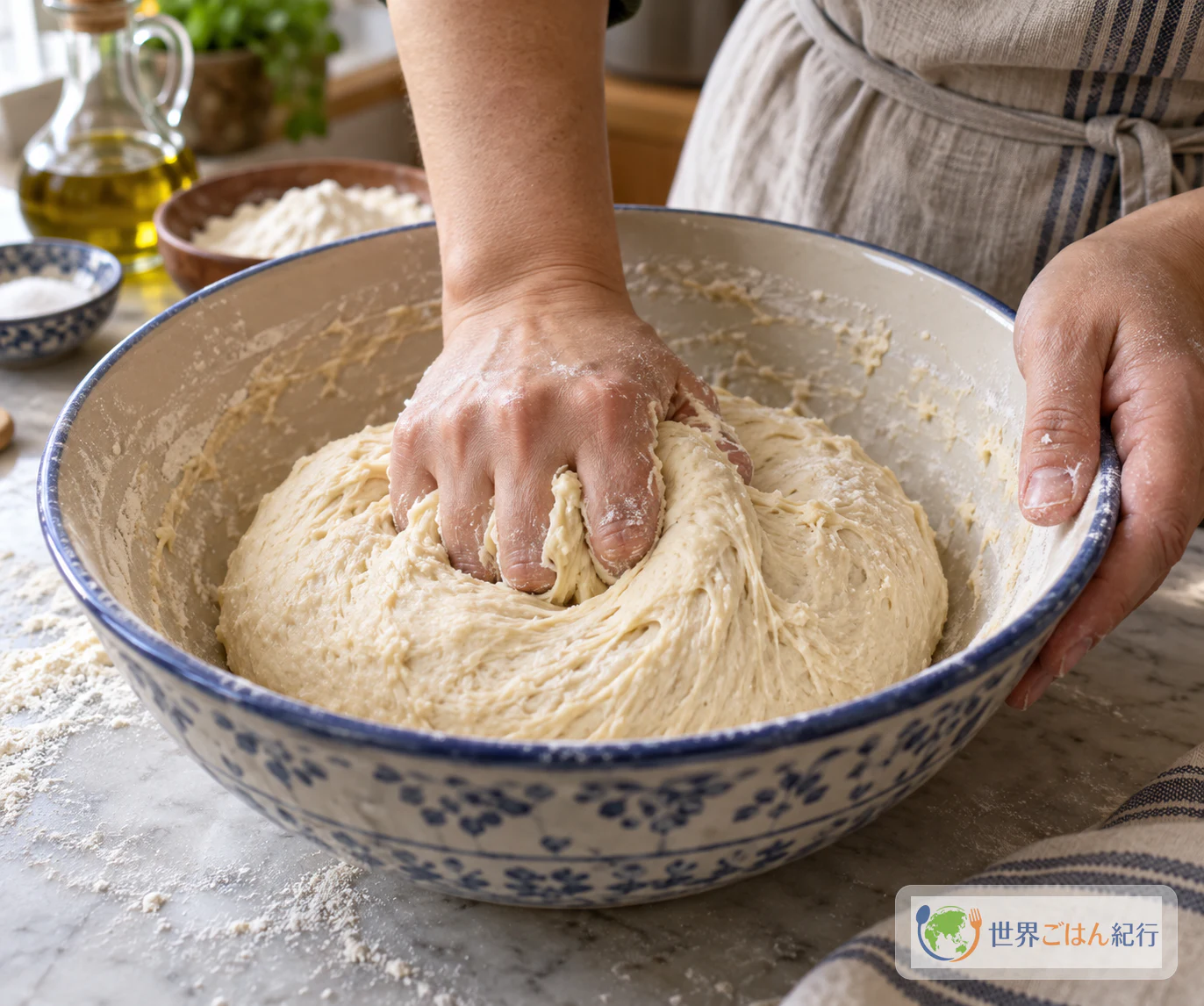
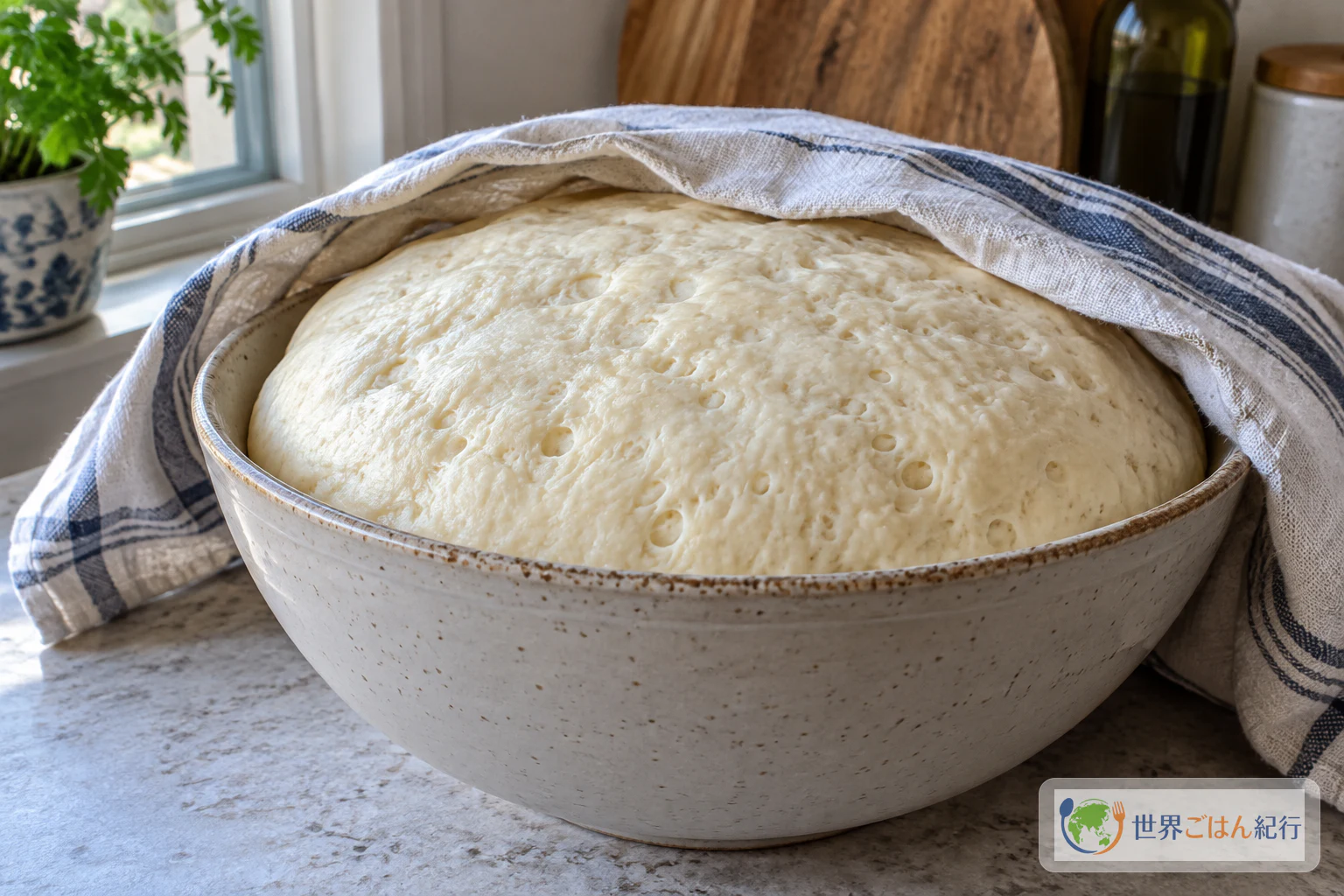
The dough rises for about 1 hour, and the 8 pide are baked in several batches rather than all at once. Keep the egg filling in the refrigerator while it waits.
Serving: Hot from the Oven
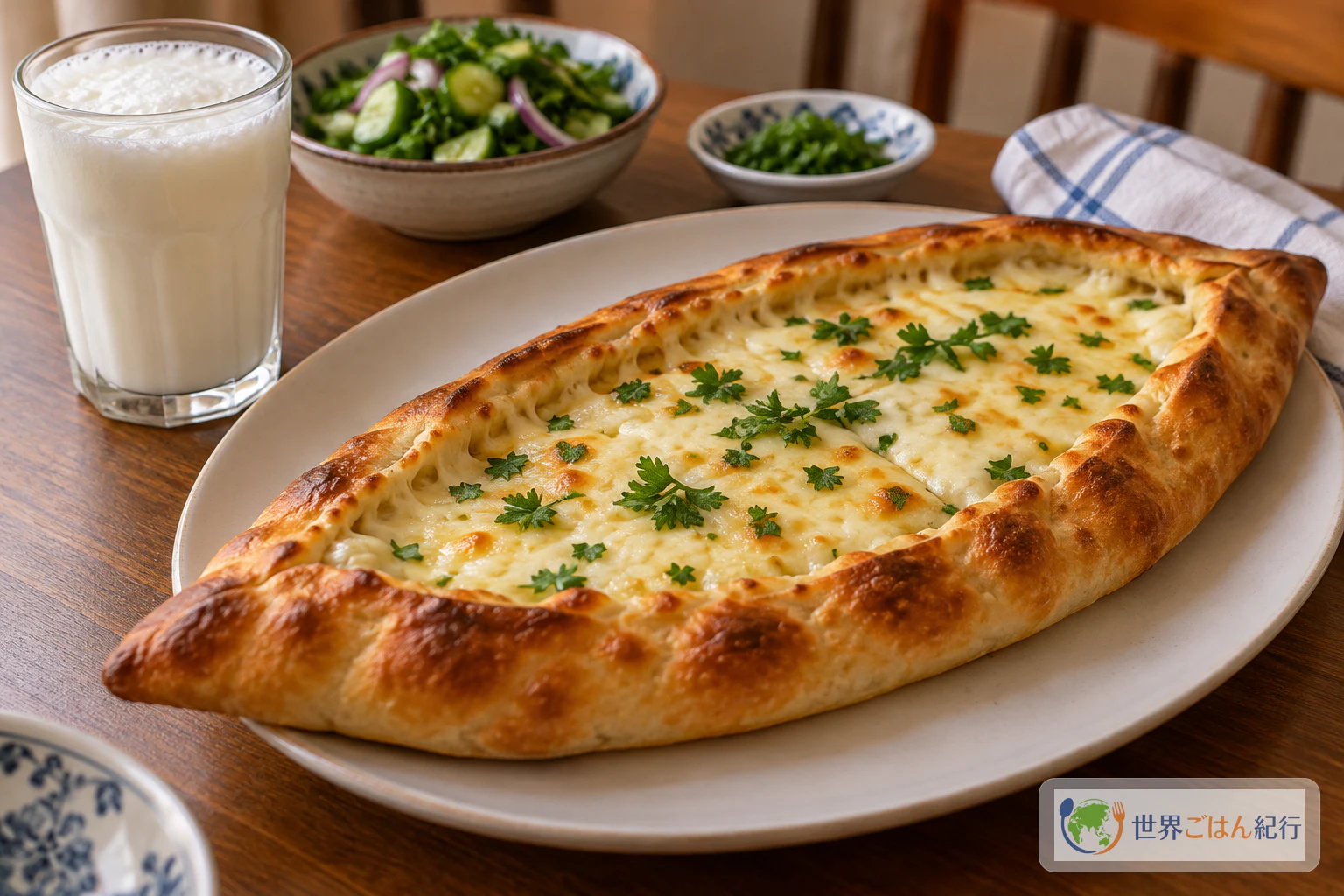
The ministry's page mentions ayran or fruit juice as drinks to serve with cheese pide. These are examples rather than required pairings. If you serve ayran, use ready-made ayran or make it separately; it is not taken from the 330 g of yogurt in the dough.
The recipe makes 8 pide and is marked as 6 servings. Decide portions by your table rather than by a fixed number of pieces per person.
If you have leftovers, the source gives no storage guidance, so no storage period is given here. Follow general home food-safety practice: divide leftovers into shallow containers, cool them quickly and refrigerate, and reheat thoroughly, to 75°C or higher.
When Things Go Wrong
| Problem | Possible causes | What to do |
|---|---|---|
| Dough feels too firm or too soft | Differences in how much water the yogurt holds or how much the flour absorbs | Knead the full 7–8 minutes before judging. Use the reserved flour for dusting rather than adding a lot more flour into the dough |
| Filling runs off the dough | Filling spread to the very edge; a wet cheese | Keep the 1 cm bare edge. Do not make extra egg or a second cheese the standard fix |
| Sides unfold during baking | Folds too deep or uneven | Fold the sides shallowly and evenly over the filling. No egg wash or glue is used in this recipe |
| Pale after about 10 minutes | Oven runs cool; batch crowded | Keep baking and check again. Make sure pieces are 4–5 cm apart |
| Browning too fast | Oven runs hot; tray position | Watch the color closely from the first check and adjust for your oven. Still confirm the dough and filling are cooked inside |
| Golden outside, unsure inside | Thick dough or filling | Look at the base and the dough under the filling. Color alone does not prove the center reached 75°C for 1 minute |
Regional Variations to Know About
The variations worth knowing in pide are regional ones, and they are best read as context rather than tweaks to this recipe.
- Nazilli. Nazilli Pidesi, a registered geographical indication, comes in four forms: minced meat, egg and cheese, the round Nazilli Gülü with minced meat, and tahini. Its definition includes local dough and filling requirements, long fermentation and wood-fired baking, which a home oven recipe cannot claim to reproduce.
- Trabzon. The Trabzon examples include minced meat with egg and a version with Trabzon tel cheese. The cited recipe bakes at 280°C for 10 minutes and brushes butter on after baking. That temperature belongs to the Trabzon recipe and its own dough, not to the cheese pide here.
Within this recipe, the meaningful choice is the cheese itself: its saltiness and melt shape the finished filling more than anything else.
Pide in Turkish Food Culture
The ministry presents cheese pide as a common yeast-dough version that is well liked in Türkiye and made in neighborhood bakeries as well as in homes. Alongside that everyday version, some towns have formally defined their own pide, as Nazilli did with its geographical indication, and regional culture publications document local versions such as Trabzon's.
The sources used here do not establish an overall origin or ancient history for pide, so none is claimed. What they do show is a dish shared across the country, shaped differently by region and household. For more dishes from the same table, see our Turkish recipes.
Frequently Asked Questions
What is the difference between pide and lahmacun?
Pide, as in this recipe, is a soft yeast dough rolled into an oval, topped with filling and folded at the sides into an open boat. Lahmacun is a separate dish in which a thin dough is spread widely with a finely minced meat mixture. It is not a type of pide.
What kind of cheese should I use?
The original recipe says only "cheese" and does not name a type. A salty cheese that melts well is a practical choice outside Türkiye, but it is a suggestion, not a substitute for a specified Turkish cheese. If your cheese is very salty, do not add salt to the filling.
What oven temperature should I use?
The source says "moderate oven" without a number. We suggest starting at 180°C, top and bottom heat, no fan, preheated. This comes from the moderate range in a general oven chart, not from the recipe itself, and it is not a verified setting. Check each batch at about 10 minutes and keep going until the dough and egg filling are fully cooked.
Does the recipe make 6 or 8?
Both figures come from the source: the dough and filling are divided into 8, and the recipe is marked as 6 servings. How many pieces count as one serving is not stated.
Can I bake all 8 at once?
Only if your tray holds them all with 4–5 cm between pieces. On most home trays, bake in several batches. The source's 10 minutes applies to each batch, not to all 8 together, and the waiting filling should stay in the refrigerator.
Can I add egg wash, sesame or butter?
Not in this version. The ministry's cheese pide uses none of them. Brushing butter after baking belongs to the Trabzon example, which is a different regional recipe.
Sources
- Republic of Türkiye Ministry of Culture and Tourism, "Pitta Bread with Cheese (Peynirli Pide)." The ingredients and quantities, the dough and filling method, the 10-minute yeast rest, 7–8 minutes of kneading, 1-hour or doubled rise, division into 8, 0.5 cm ovals with a 1 cm edge, a moderate oven for 10 minutes or until golden (no temperature given), 6 servings, serving hot, its description as a common cheese bread made at home and in bakeries, and ayran or fruit juice as serving examples. Cheese and oil types are not specified. https://www.ktb.gov.tr/EN-99072/pitta-bread-with-cheese.html
- Nazilli Chamber of Commerce, "Nazilli Pidesi – Nazilli Turkish Pizza." The geographical indication registered on 18 November 2020, the four local forms, and Nazilli's local dough and filling requirements, long fermentation and wood-fired baking. Used only for Nazilli's regional identity. https://www.naztic.org.tr/en/nazilli-pidesi/
- Republic of Türkiye Ministry of Culture and Tourism, Kültür Portalı, "Trabzon Pidesi" (credited to a 2015 publication of the Trabzon Provincial Directorate of Culture and Tourism). Trabzon versions with minced meat and egg and with Trabzon tel cheese, and the example baked at 280°C for 10 minutes and brushed with butter afterward. Used only as a regional example. https://www.kulturportali.gov.tr/turkiye/trabzon/neyenir/pide672555
- Great British Chefs, "Conversion guides." A general oven chart listing 160, 180, 190 and 200°C within the moderate range. Not specific to pide; the 180°C starting point is our choice, not a direct conversion of the source. https://www.greatbritishchefs.com/features/conversion-charts-for-cooking
- Ministry of Health, Labour and Welfare (Japan), "Six points for preventing food poisoning at home" (in Japanese). General guidance on heating food until the center reaches 75°C for at least 1 minute, dividing leftovers into shallow containers, and reheating to 75°C or higher. Not a measurement of pide. https://www.mhlw.go.jp/stf/seisakunitsuite/bunya/kenkou_iryou/shokuhin/syokuchu/01_00006.html