Johnny Cakes: A Small Fried Bread from Anguilla
This is a fried Johnny cake made mostly from wheat flour, with a little cornmeal in the dough. It is one published Anguillian version, not the only correct one. Sekai Gohan has not kitchen-tested this recipe.
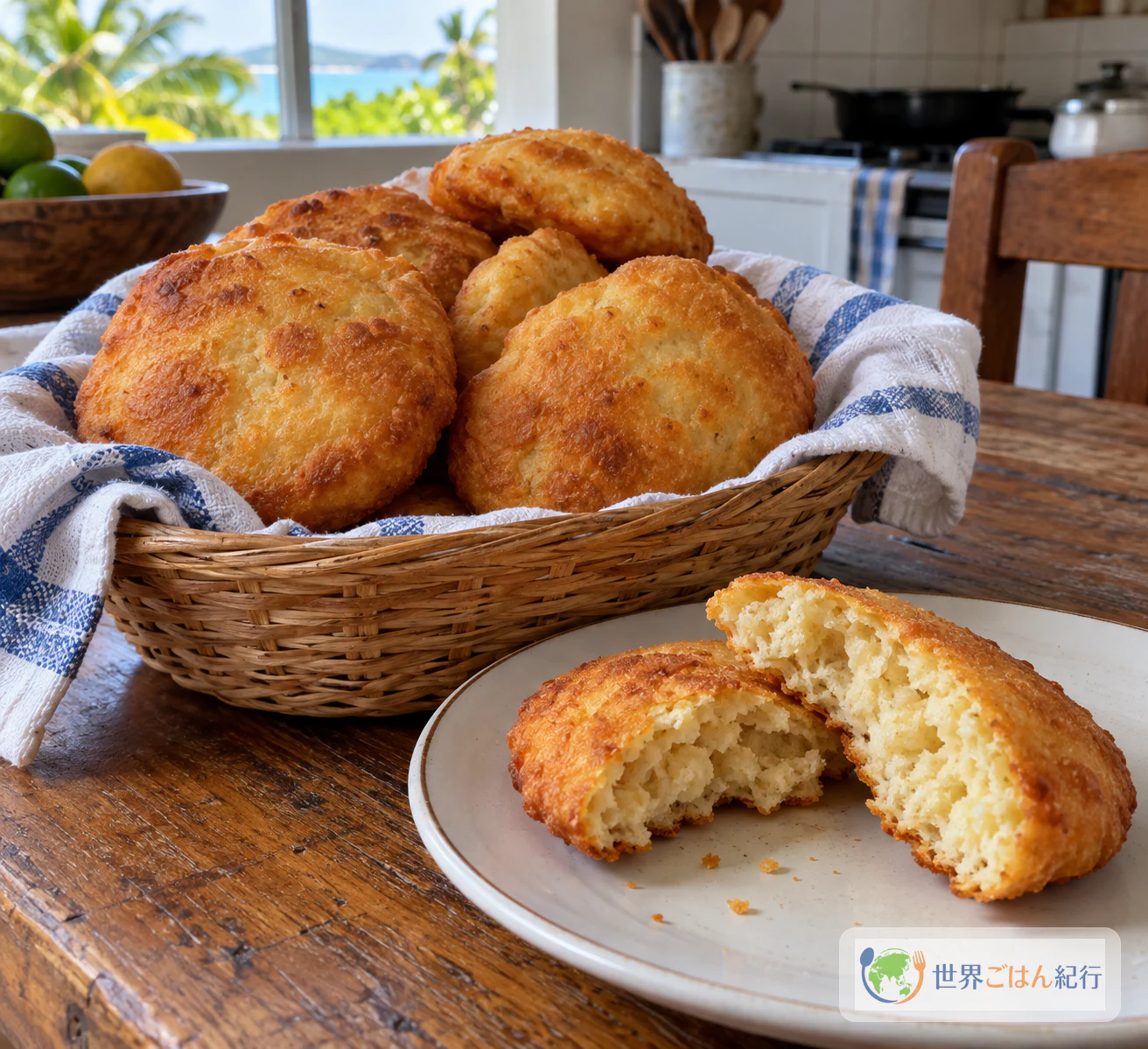
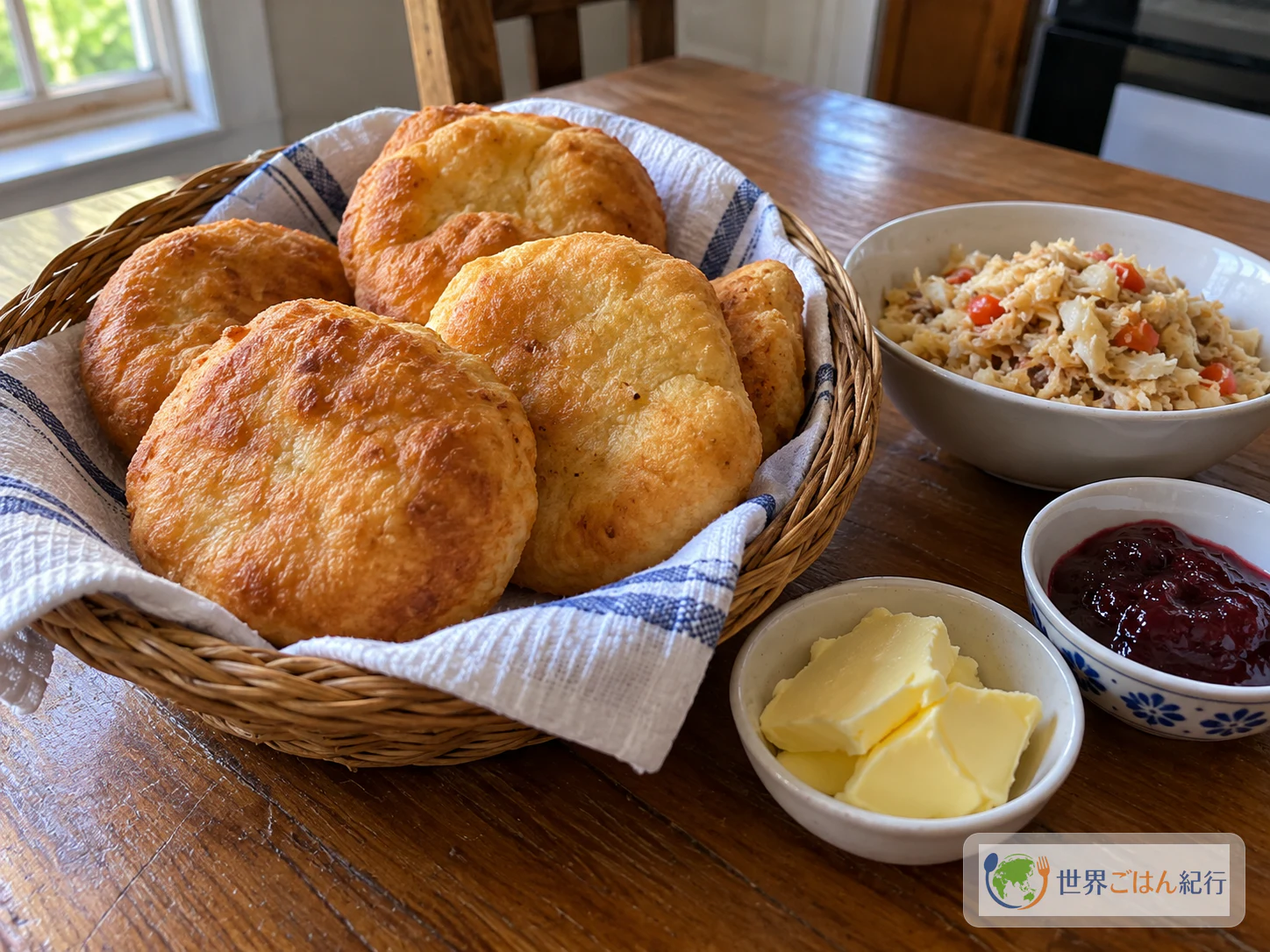
Picture a small round of fried bread on the table, ready to go with saltfish at a meal or with butter and jam as something lighter. Quest Experiences, which runs Johnny cake making sessions in Anguilla, describes both ways of eating it. Fabulous Fusion Food adds breakfast, a place beside other meals, and wiping up the gravy from a curry or stew. Tourism Anguilla lists Johnny cakes among the island's classics.
The name covers more than one kind of bread, and Anguilla alone has several forms. Anguilla-Beaches.com describes an old-fashioned coal-oven baked Johnny cake alongside the fried ones, with differences in shape and texture from one maker to the next. The recipe here follows Fabulous Fusion Food's fried Anguillian version, built on 500g of plain flour and 35g of cornmeal.
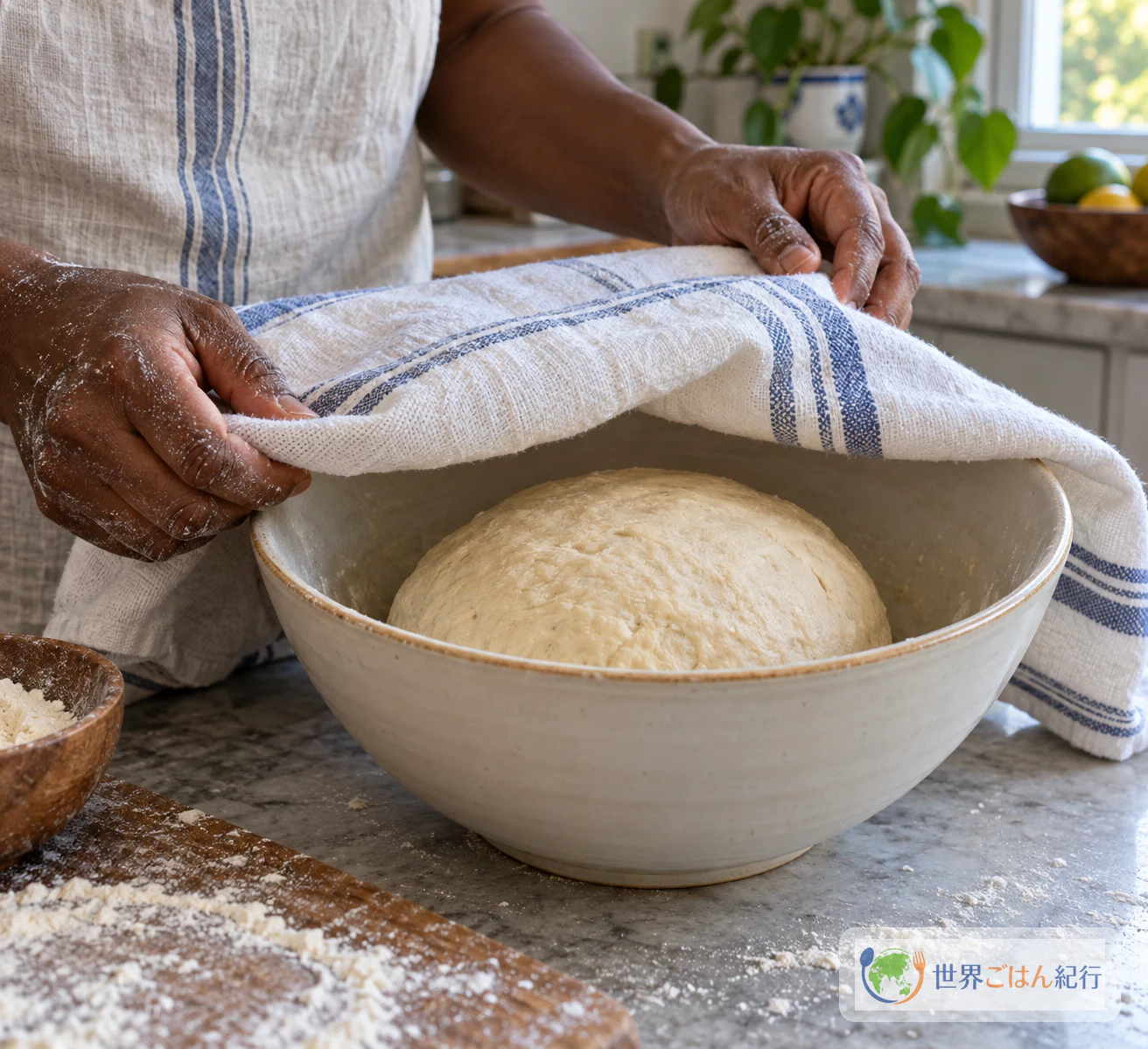
That page gives a yield of 18, though not the size of each cake. It lists 20 minutes of preparation, 20 minutes of frying and 15 minutes of resting. Treat the frying figure as a rough guide, because it changes with your pan and the number of batches.
Ingredients: Makes 18
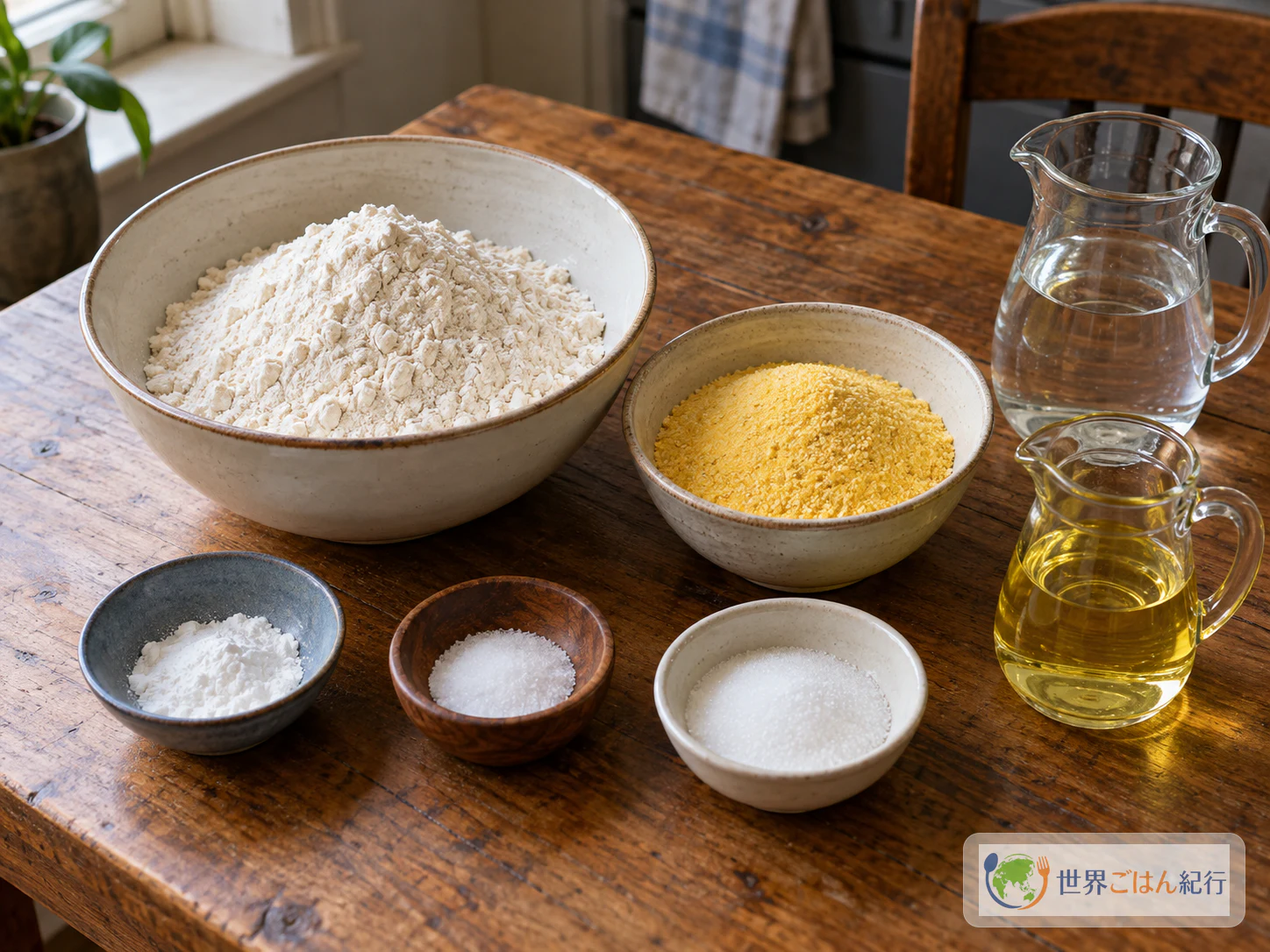
Equipment
- Sieve
- Large mixing bowl
- Clean kitchen towel or other cover
- Work surface or board
- Rolling pin (optional)
- Heavy-bottomed pan
- Slotted turner
Choosing Your Flour and Cornmeal
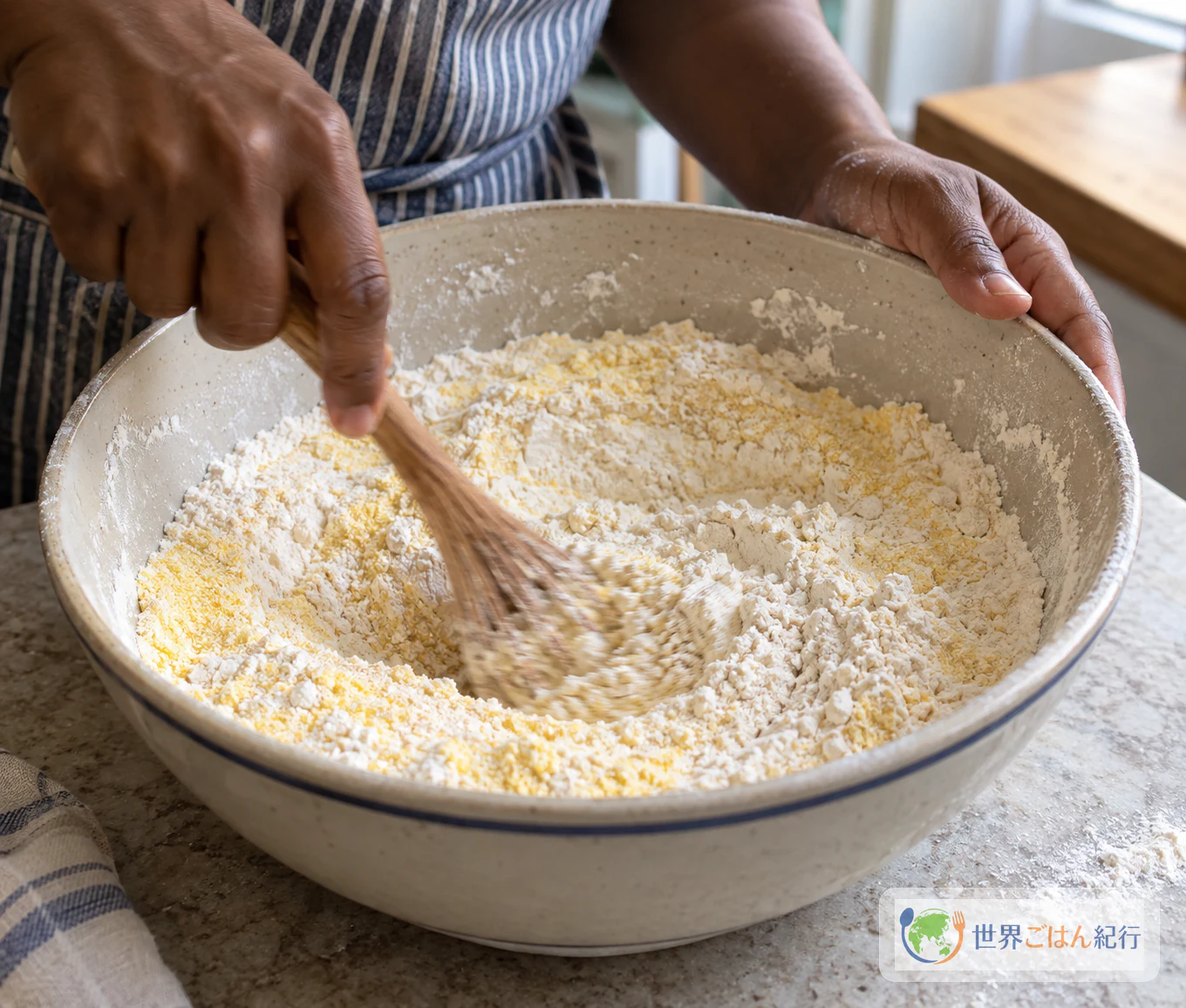
Flour: Use plain flour. If you try another flour from your cupboard, treat it as a change to the recipe and make a note of how the dough behaves.
Cornmeal: Cornmeal comes in different grinds, so compare the labels when you buy it. Potato starch cannot replace it.
These contain wheat. Check the cornmeal label for possible allergen cross-contact.
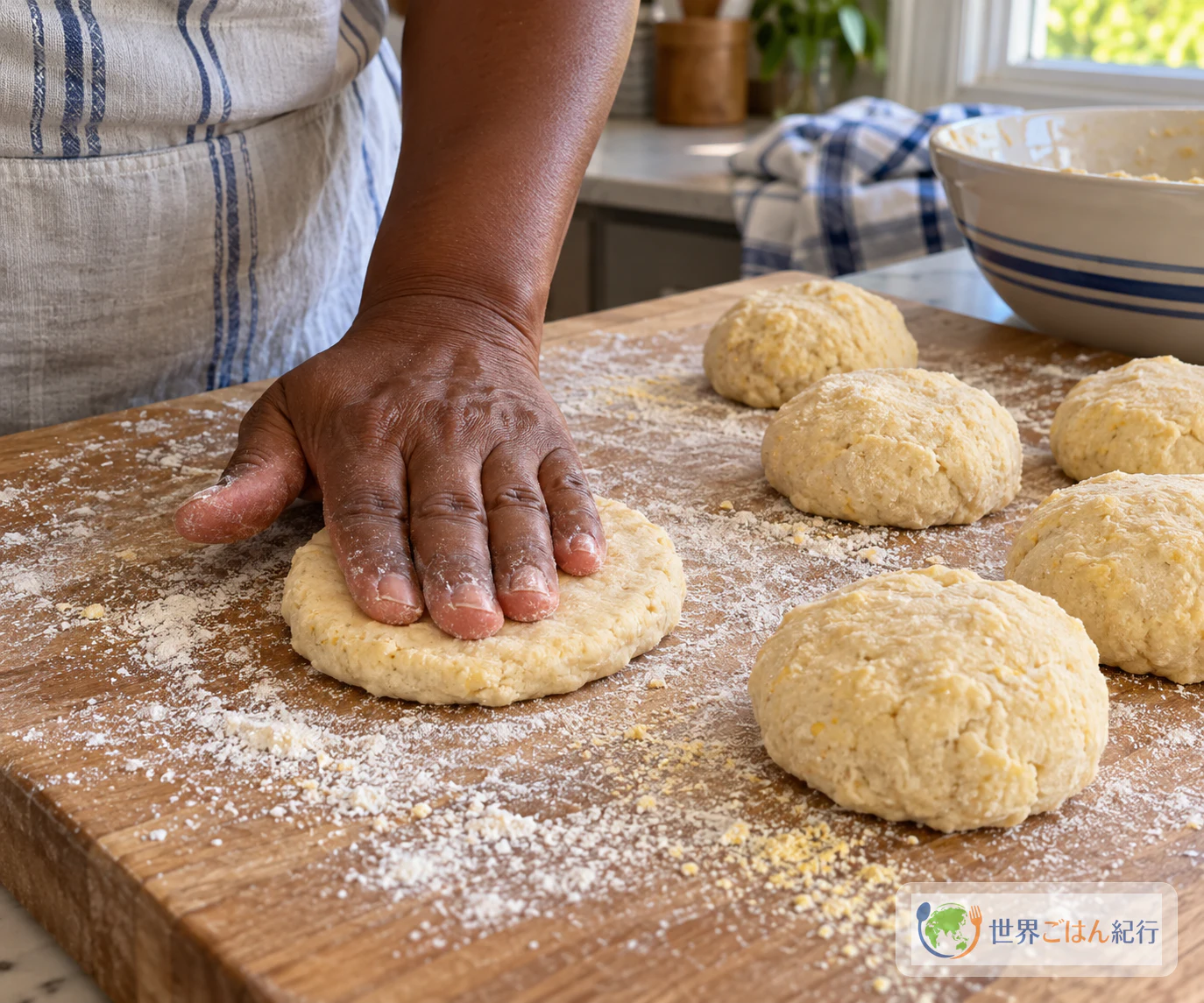
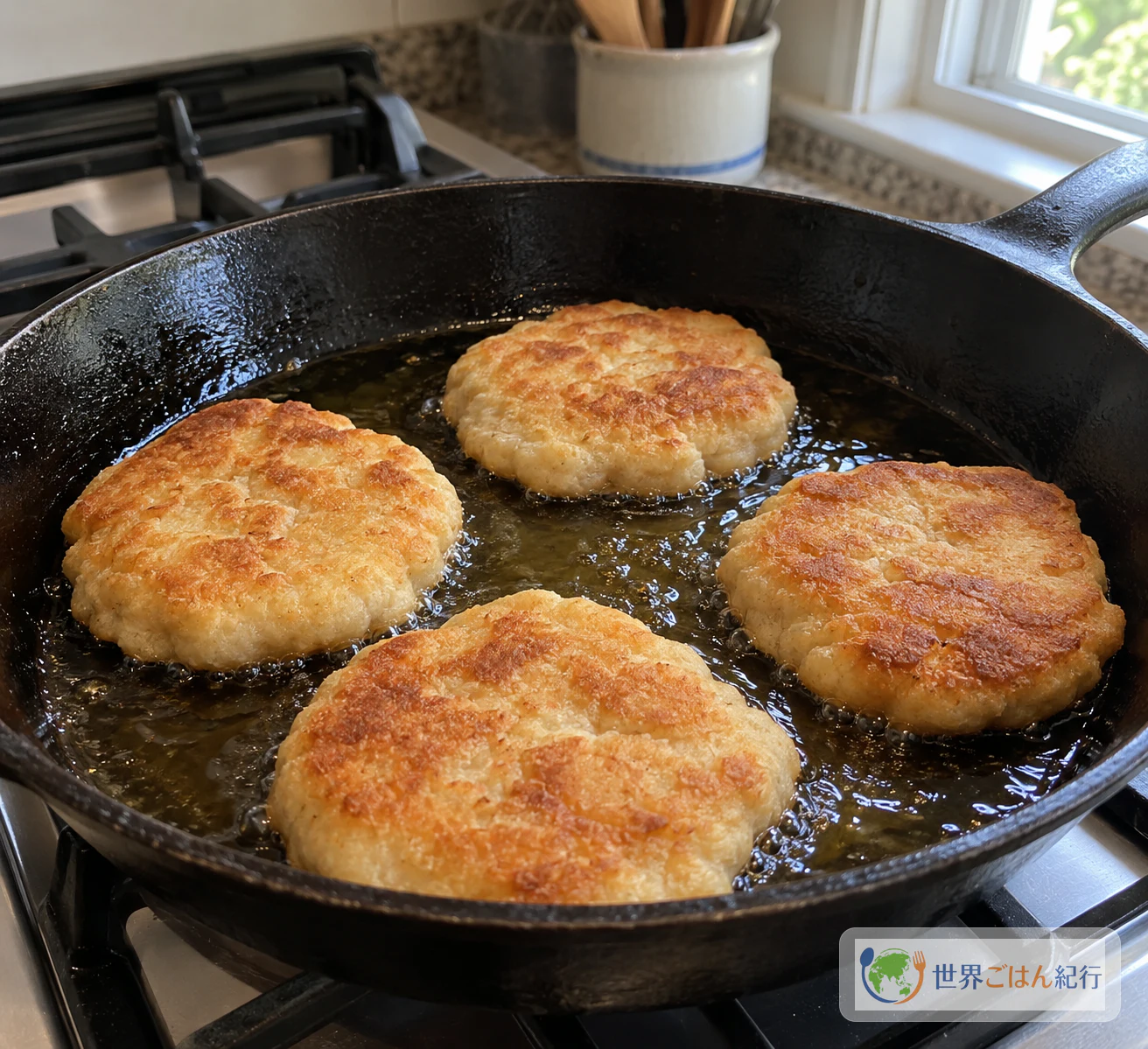
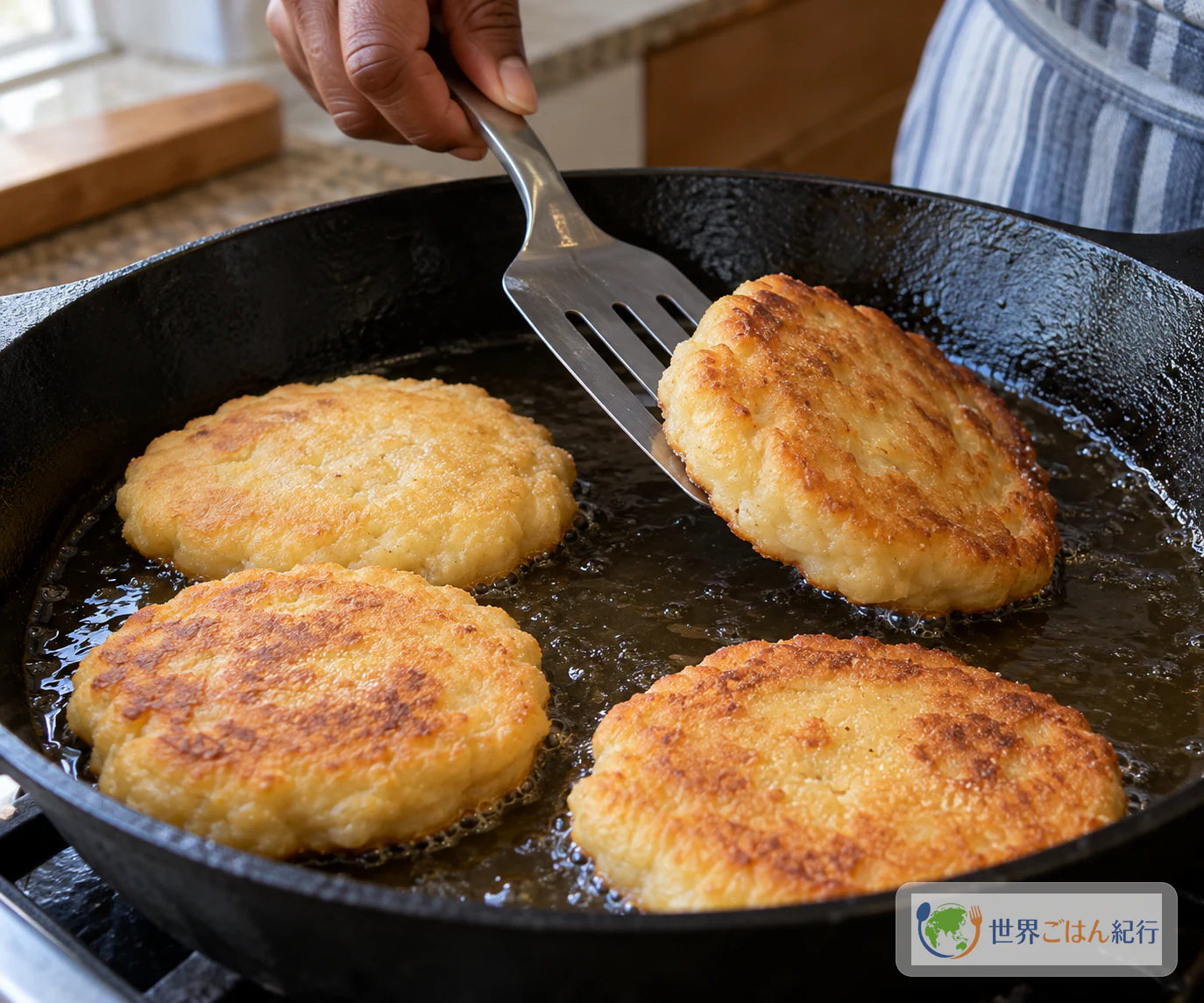
Method: Soft Dough, Medium Heat
Keep water away from the hot oil, and keep the area around the pan dry. Don't crowd the pan, and take care when turning the cakes.
Troubleshooting
There are no set amounts for correcting the dough, so make small changes and judge by feel.
| Problem | What to do |
|---|---|
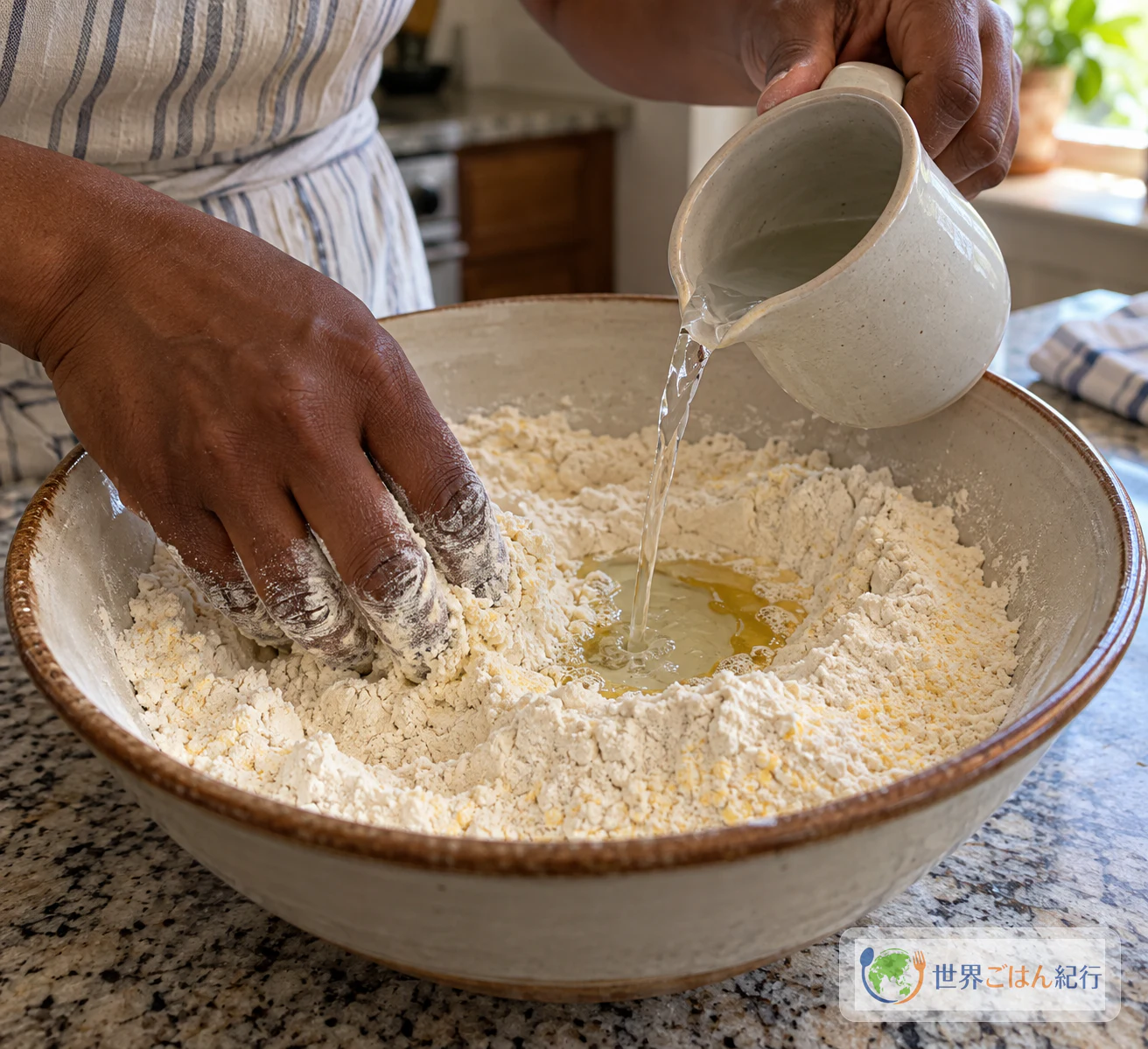
| The dough is sticky | Work in a little flour, a small amount at a time, until it is soft but no longer sticky |
| The dough is stiff | Work in a little water, a small amount at a time |
| The cakes are slow to turn golden | Be patient and don't rush them over high heat |
| The pan feels crowded and turning is awkward | Fry fewer cakes at a time |
| The oil spatters | Check that the dough, your tools and the area around the pan are free of water |
Variations: Baked or Fried, Flat or Slit
Baked instead of fried. Anguilla-Beaches.com describes an old-fashioned form baked in a coal oven, and Quest Experiences mentions both baked and fried Johnny cakes along with a community rock oven. This article doesn't give a baked method, because the recipe it follows is written for frying only.
Shape. Anguilla-Beaches.com reports flat Johnny cakes, ones with a hole in the center, and ones with slits cut in the top. These are differences between makers, not right and wrong, so a hole or slit is optional.
Flour and cornmeal. The same site notes that the flour and cornmeal vary as well as the shape and texture. Here cornmeal is only a small part of the dough, while SaltShaker's Anguillian version uses butter and leaves out both the cornmeal and the sugar.
Depth of oil. SaltShaker notes that fried rounds puff best when fully submerged. That is a different approach from this recipe, where the oil is measured by covering the base of the pan.
Johnny Cakes in Anguilla
Tourism Anguilla's food overview names Johnny cakes among the Anguillian classics. Beyond that listing, the most detailed accounts come from people who sell experiences of the island or write about it.
Quest Experiences says Johnny cakes became popular in Anguilla in the 18th and 19th centuries as food for long journeys. It is easy to imagine a small bread traveling well, but this is a tour operator's description, not primary historical documentation, so the origin and dates should not be taken as settled.
What the sources show more clearly is variety. Baked and fried forms exist side by side on one island, and Anguilla-Beaches.com records differences between restaurants. It describes crisp outsides and soft insides on fresh fried ones, but that is the site's own observation, not a definition for the whole island.
Serving customs vary too. The same bread can go with saltfish at a meal, take butter and jam as something lighter, or mop up a stew.
Names can mislead here. Bajan fish cakes from Barbados are also fried, but they are made with fish and are a different dish.
Frequently Asked Questions
Is a Johnny cake a kind of cornbread?
Not in this version. Recipes and cooking methods differ by place, and this Anguillian one is mostly wheat flour with a small amount of cornmeal.
Is frying the only way to make them in Anguilla?
No. Anguilla-Beaches.com describes an older coal-oven baked form alongside the fried ones, and Quest Experiences also mentions both.
Why isn't one-third of the 60ml of oil used for frying?
Fabulous Fusion Food's ingredient list and mixing step put the 60ml of oil into the dough. Its frying step then says to cover the base of a heavy pan, but also mentions using one-third of the oil, and it gives no separate frying amount. Those instructions are hard to reconcile.
Our editorial decision is to use all 60ml in the dough and prepare frying oil separately. SaltShaker's Anguillian recipe supports this. It uses about 1 tbsp of fat per cup of flour in the dough, which is in line with about 60ml for 500g of flour, though its recipe is otherwise different. SaltShaker doesn't give a frying oil quantity either, so none is stated here beyond covering the base of your pan.
Is 1 tbsp of salt correct?
It is the amount Fabulous Fusion Food publishes, and it may be quite a lot. The page doesn't specify the salt's grain or its measuring standard, so we haven't converted it to grams. We also haven't tested the recipe, so we can't confirm how salty it tastes or recommend a reduced amount.
What temperature should the oil be?
Fabulous Fusion Food says medium heat and gives no temperature, and we don't have a confirmed figure to add. Judge by color: 2–3 minutes for the first side, until golden.
How do I store leftovers?
We have no confirmed storage time or reheating method, so we don't give any. Johnny cakes are best served warm, soon after frying.
Sources
- Tourism Anguilla, "Eating in Anguilla." Lists Johnny cakes among Anguillian classics. https://tourismanguilla.com/food/
- Quest Experiences, "Johnny Cake Making." Tour operator's description of popularity in the 18th and 19th centuries as journey food, serving with saltfish, butter and jam, baked and fried forms, and a community rock oven experience. https://quest.whatwedoinanguilla.com/tour-item/johnny-cake-making/
- Fabulous Fusion Food, "Anguilla Johnny Cakes." The recipe's ingredients, method, yield and listed times, and common ways of serving this fried bread. https://www.fabulousfusionfood.com/recipes/misc-anguilla-johnny-cakes
- Anguilla-Beaches.com, "The Best Johnny Cakes in Anguilla." Coal-oven baked and fried forms, differences in flour and cornmeal, shape and texture, and restaurant observations. https://www.anguilla-beaches.com/fried-anguilla-johnny-cakes.html
- SaltShaker (Dan Perlman), "The Bread & Soup Project #5 – Anguilla." A different Anguillian recipe with fat in the dough at about 1 tbsp butter per cup of flour, no stated frying oil quantity, and a note that fried rounds puff best when fully submerged. https://www.saltshaker.net/20151016/the-bread-soup-project-5-anguilla