Gorditas de Nata: Sweet Rounds of Cream Dough, Browned on a Comal
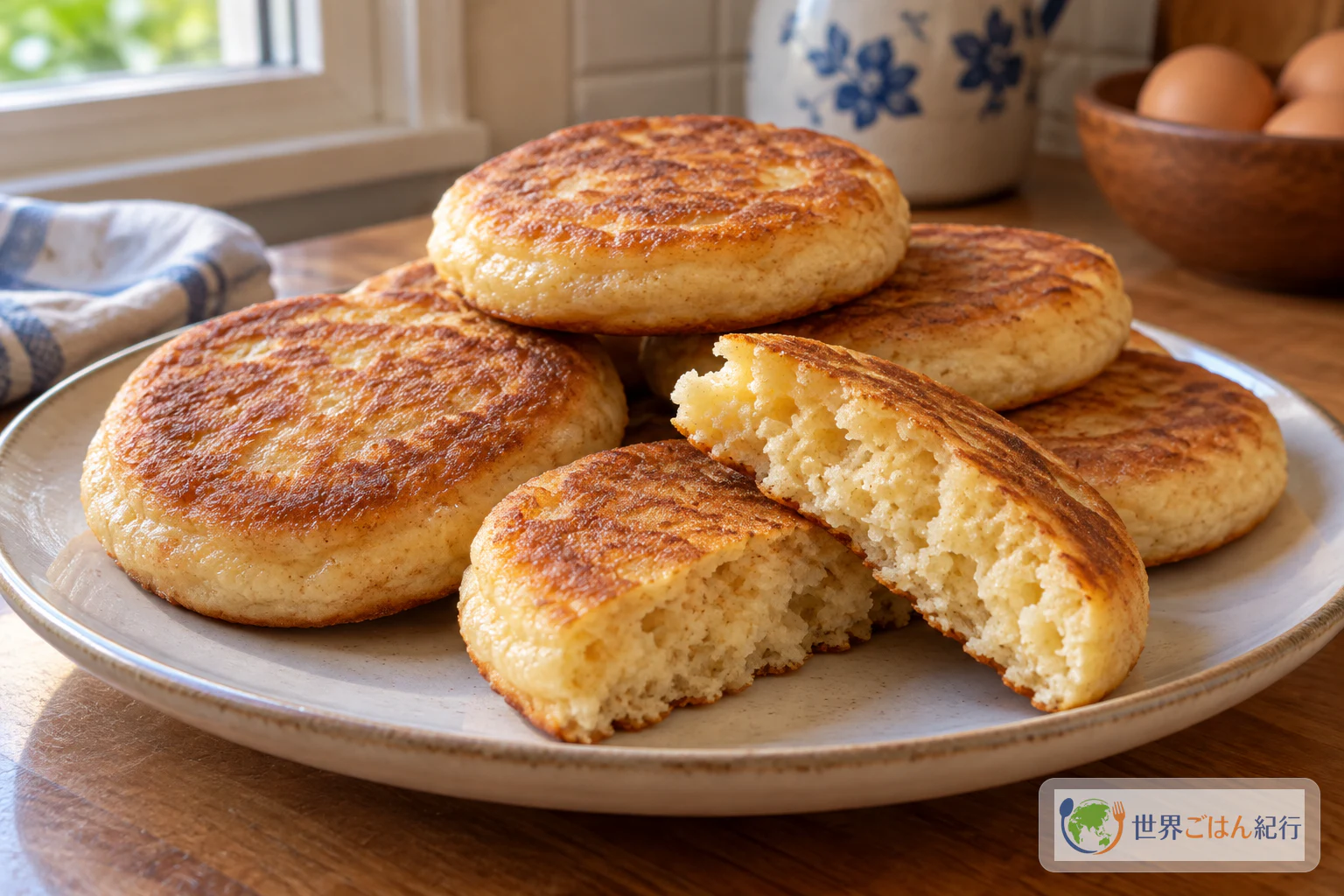
A soft, sweet dough of wheat flour, nata, sugar, eggs and cinnamon, rolled to about 1 cm, cut into rounds and cooked on a dry comal over medium heat until golden. No oven, no filling, no toppings.
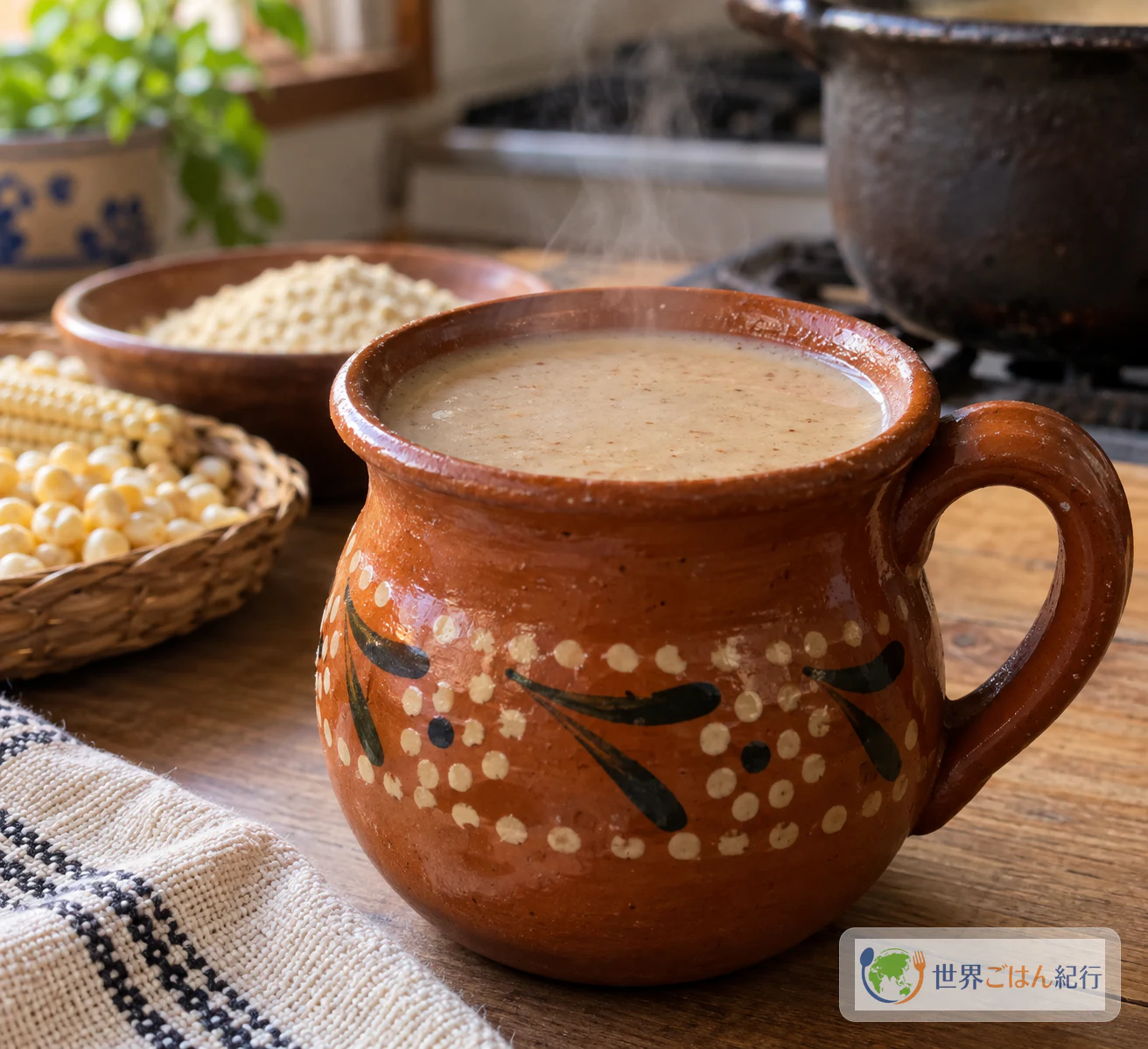
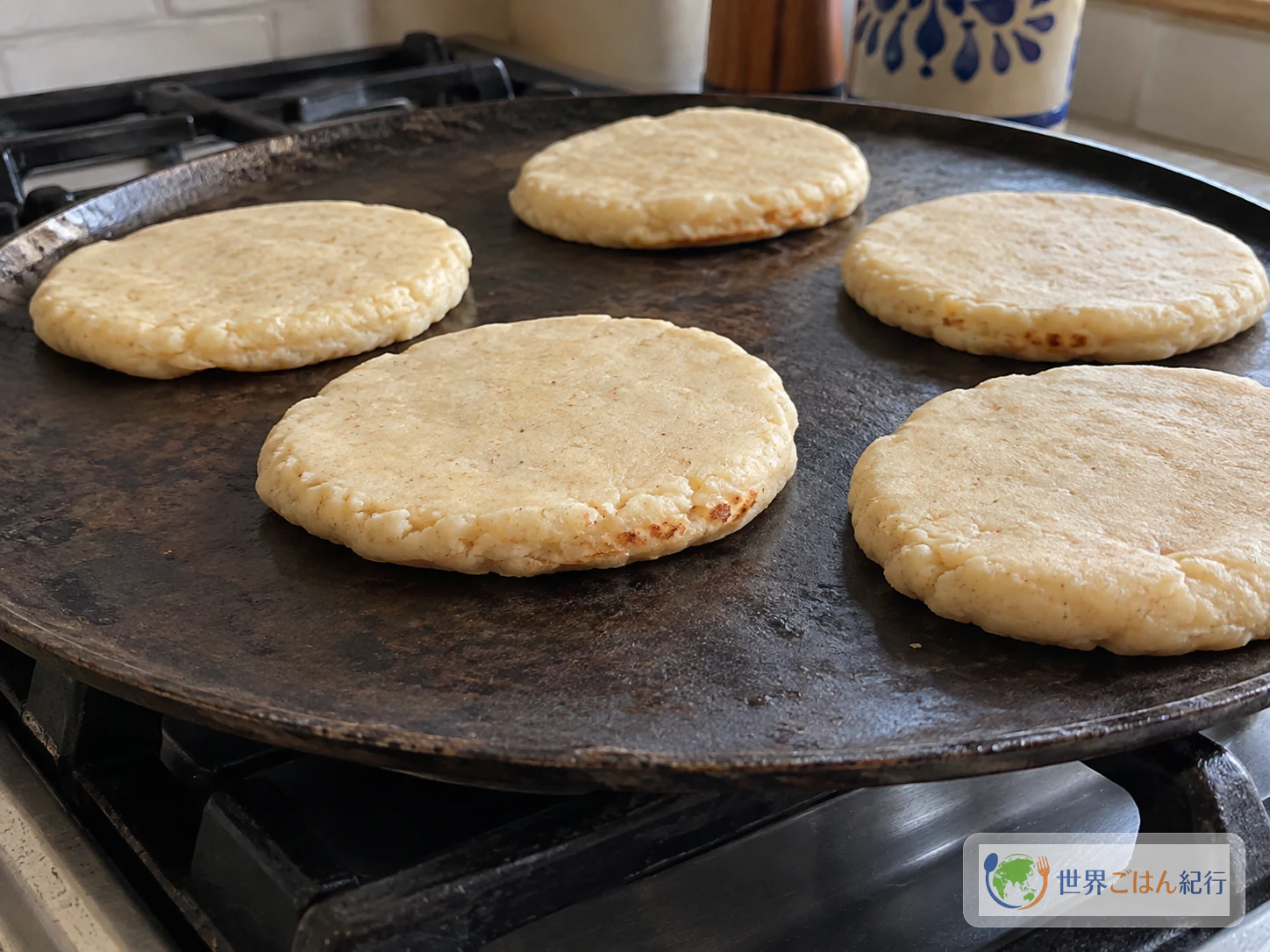
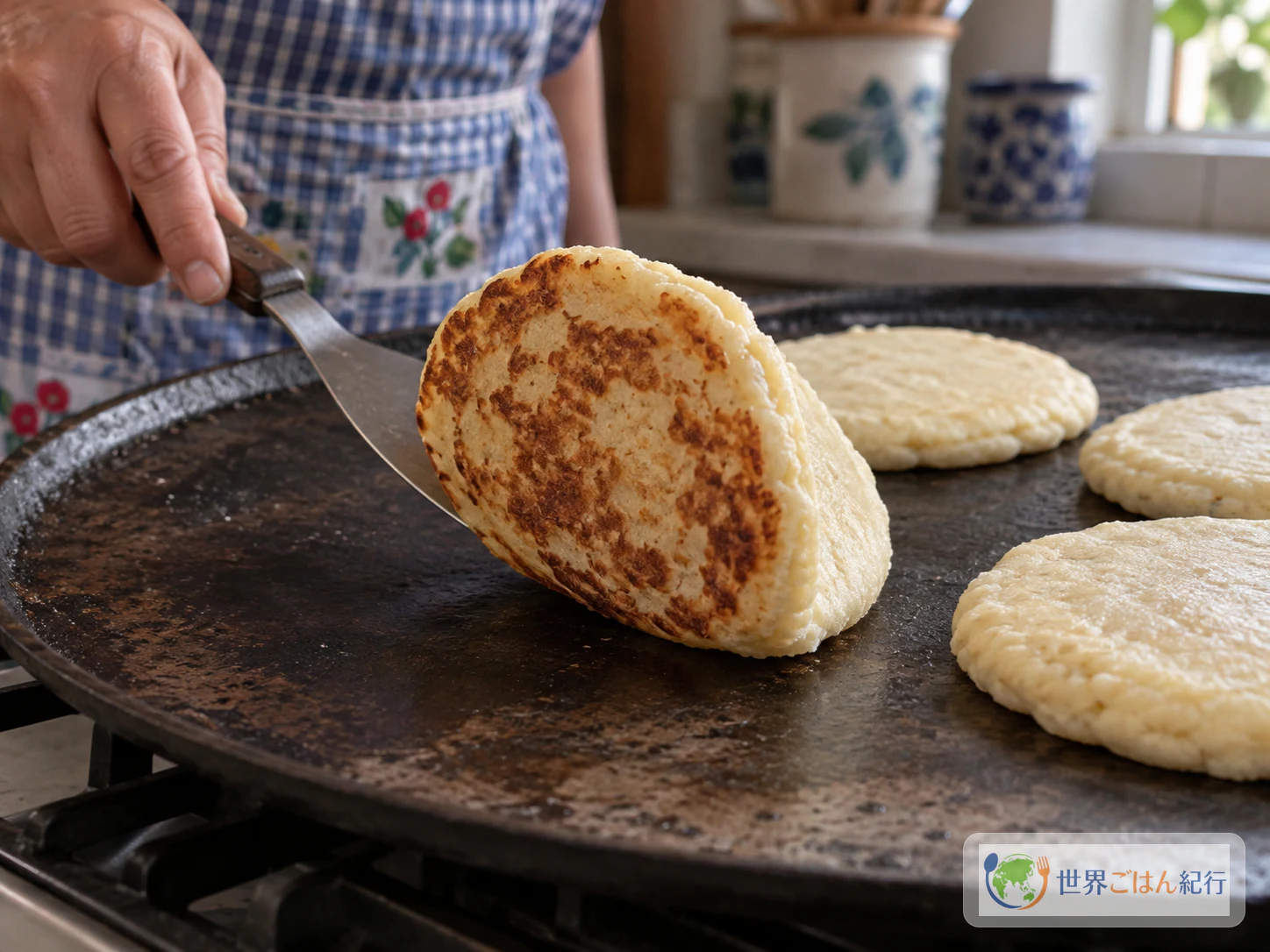
On the streets of Mexico City, you can come across sellers of gorditas de nata. Larousse Cocina, whose recipe this article follows, mentions them there and suggests eating these sweet rounds with a cup of hot chocolate or champurrado. The dough is simple: nata, sugar, eggs, sifted wheat flour, a spoonful of melted lard, baking powder and cinnamon. Instead of going into an oven, the rounds are cooked on a comal, the flat griddle of the Mexican kitchen, until both sides are browned.
The name can be confusing. "Gordita" also refers to savory dishes made with corn dough and often stuffed. This page is about something different: a sweet, wheat-flour griddle cake whose richness comes from nata. To explore more of the country's cooking, see our Mexico country page.
The recipe below is the Larousse Cocina version, reproduced with its original measures. It has not been kitchen-tested by Sekai Gohan, and none of the substitutions suggested on this page have been tested either.
What Kind of Sweet Is a Gordita de Nata?
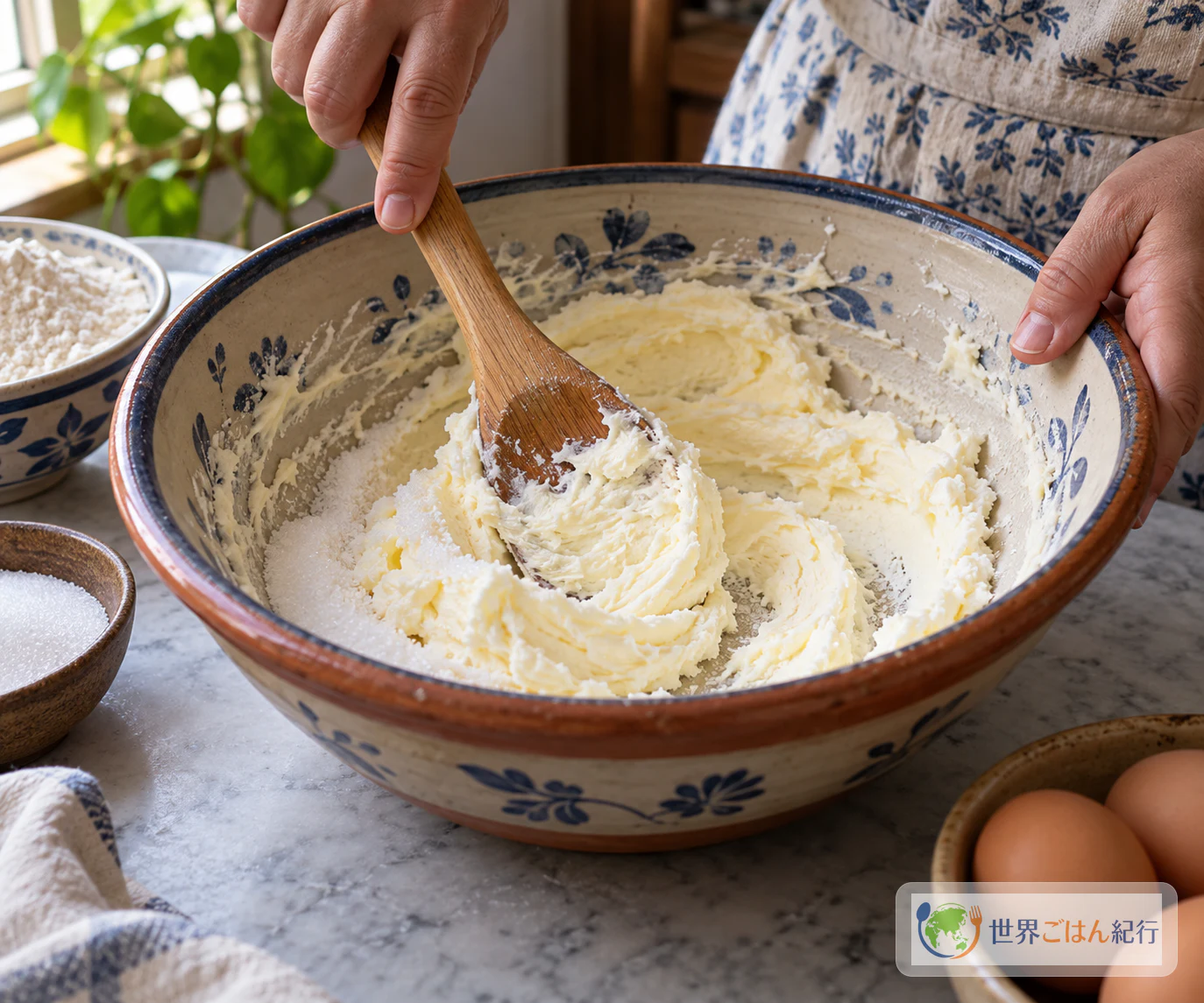
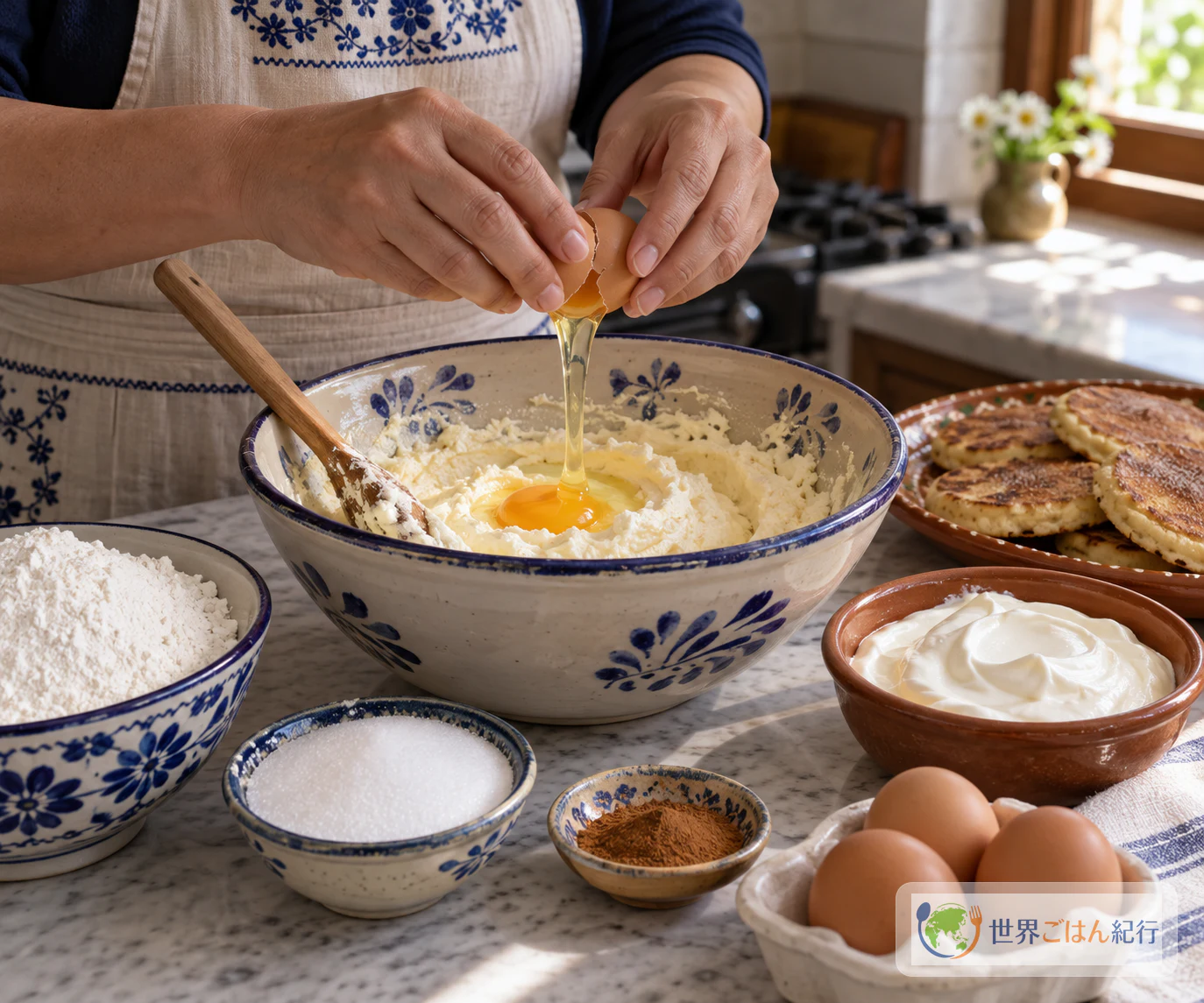
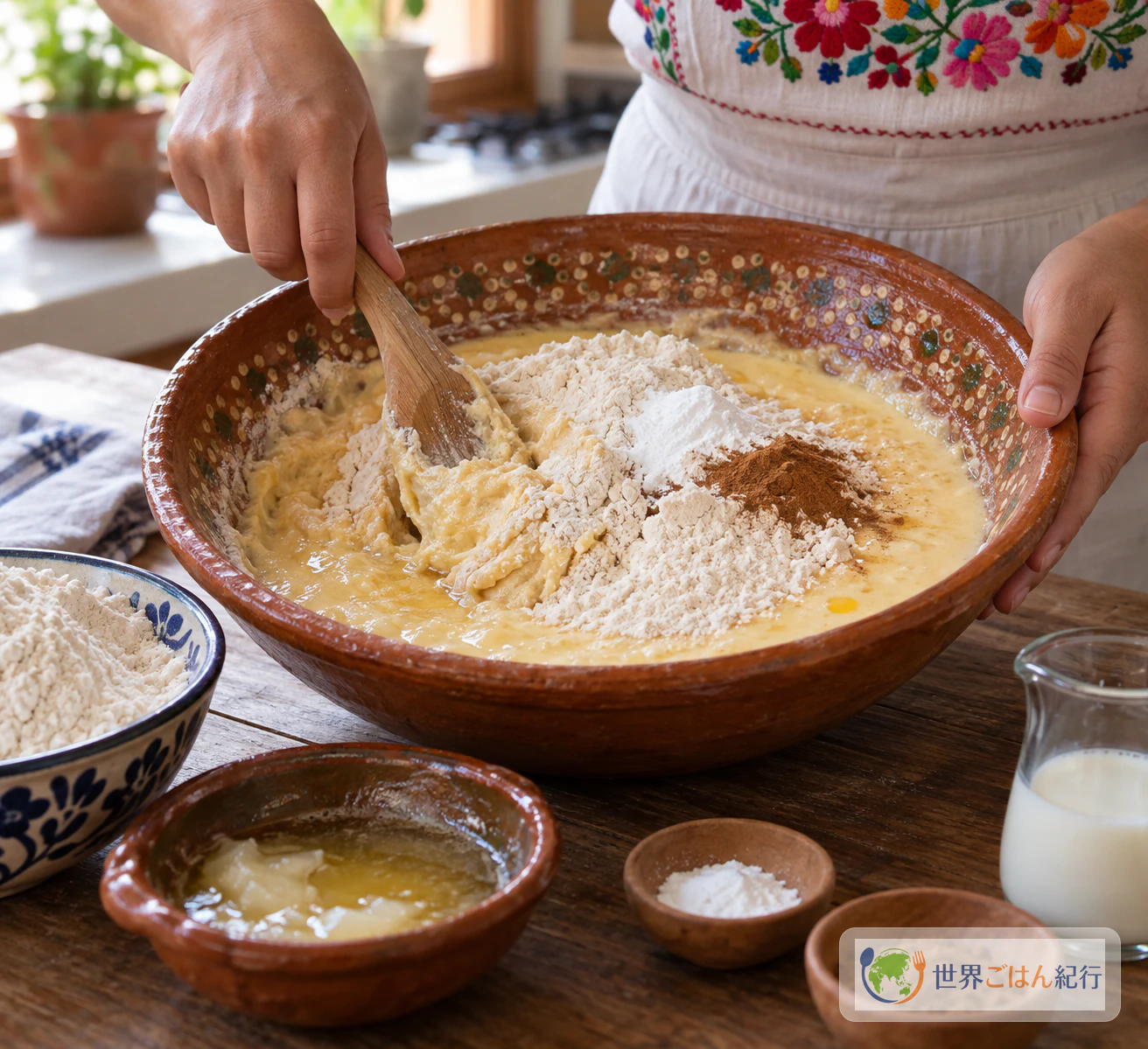
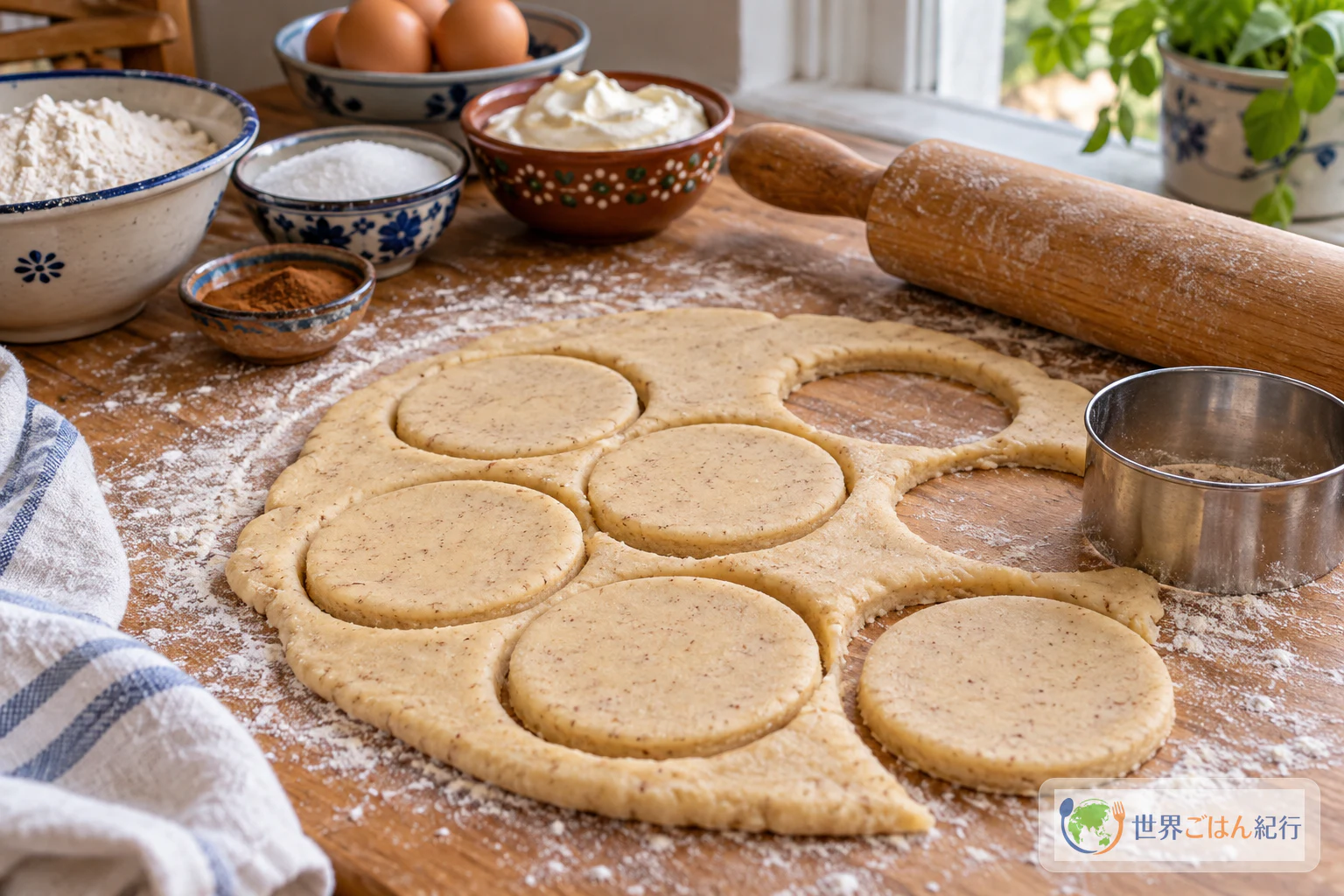
A gordita de nata is a sweet dough round made with wheat flour and nata and cooked on a comal. In the Larousse Cocina recipe, nata and sugar are mixed first, the eggs go in one at a time, and then the flour, melted lard, baking powder and cinnamon are added. A little milk is added only if the dough is dry. The dough is rolled to about 1 cm thick, cut into rounds, and cooked on a comal over medium heat until golden.
If the word "gordita" makes you think of a thick corn-dough pocket filled with a savory stuffing, set that picture aside here. The two share a name, but the dough, the flavor and the role on the table are different. Everything on this page refers to the sweet wheat-flour version.
A Sweet Bread of Fairs and Street Corners
Larousse Cocina notes that gorditas de nata are sold on the streets of Mexico City and suggests pairing them with hot chocolate or champurrado. A warm drink alongside is an easy way to serve them, but it is optional.
Local news reports show how these griddle cakes travel with the people who make them. Meganoticias in Colima interviewed a family of bakers who have sold at the fair for more than 20 years. They tour festivals in several states and presented their gorditas as bread from Tlaxcala. In their own account, they mix the dough, divide it into balls, roll it out, let it rest briefly and then cook it. Proyecto Puente in Hermosillo profiled Angélica Mestiza, from Tlaxcala, who has sold gorditas de nata at the Fiestas del Pitic for 16 years. She distinguished small nata gorditas from a larger, vanilla-flavored version, and the selling itself has been passed down through her family.
These are individual stories about particular families, not proof of a single origin or a nationwide standard. They show that the size and flavor can vary from one maker to another. The recipe on this page is one published version, the Larousse Cocina one, and it is not a stand-in for every stall's recipe.
Ingredients: The Larousse Cocina Recipe, in Its Original Measures
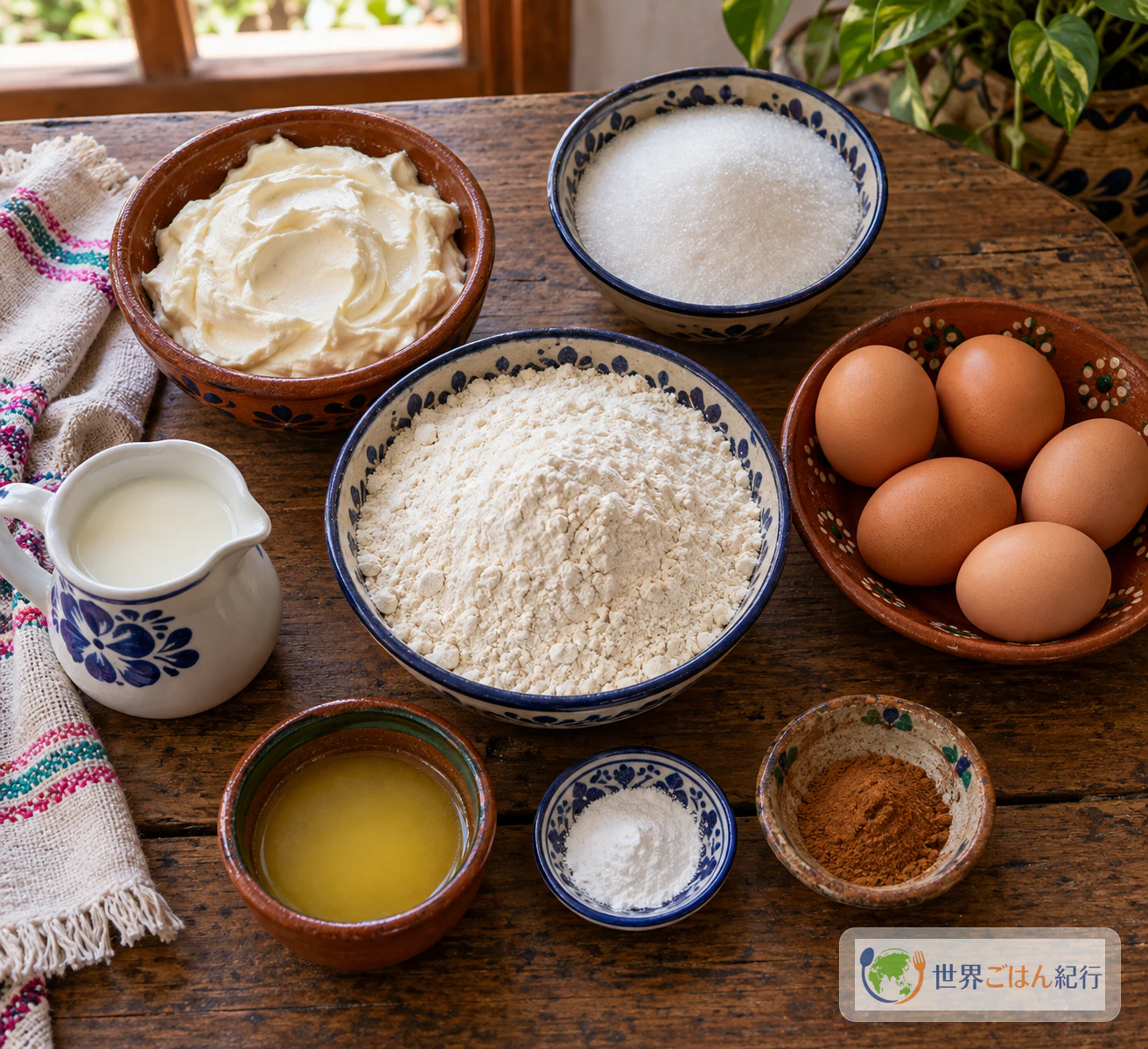
"Taza," "cucharada" and "cucharadita" are the Spanish cup, tablespoon and teaspoon measures. The recipe makes 12 porciones (portions).
This is a large batch built on 1 kg of flour. No scaled-down version is given here, because a smaller batch would need every ingredient recalculated and checked together.
This recipe contains egg, milk (nata and milk) and wheat, and uses pork lard. Check the labels of the products you buy as well.
Equipment
- Comal (flat griddle); a heavy flat pan can stand in
- Large mixing bowl
- Wooden spoon
- Sieve, for sifting the flour
- Rolling pin
- Round cutter
- Spatula, for turning
Choosing Nata, Flour and Fat Outside Mexico
Nata is the heart of this recipe, and it is not the same thing as ordinary cream. The word is used for the rich, fat-heavy cream that gathers on the surface of milk when it is heated, though how the term is defined varies. Look for it at Mexican or Latin American grocers and import shops, checking the name on the label.
If you cannot find nata, an unsweetened, high-fat dairy cream is one possible editorial substitute. It will not give the same flavor or behave exactly like nata, and its fat and moisture can change how the dough comes together. This substitution has not been tested. A usable alternative formula would need separate trials and recorded adjustments before publication; this article provides only the original nata formula.
Use sifted wheat flour. Choosing between a softer, lower-protein flour and an all-purpose flour can change the texture. Replacing the lard with vegetable oil or butter also changes flavor and texture.
How to Make Gorditas de Nata on a Comal
Keep the dough about 1 cm thick and watch the browning, but do not treat golden color as proof that the center is cooked. The rounds must be cooked through before serving; no tested cooking time is supplied here.
When the Dough or the Color Goes Wrong
| Condition | Likely cause | What to do |
|---|---|---|
| Dough is dry and won't come together | Flour absorbing more liquid, or a thicker nata | Add milk a little at a time, only until it comes together |
| Dough is sticky after adding milk | Too much milk | The source gives no amount of extra flour, so add dusting flour sparingly while rolling rather than a fixed quantity |
| Outside browns before the inside seems done | Heat too high, or rounds too thick | Lower the heat slightly and keep the rounds at about 1 cm |
| Rounds brown unevenly | Uneven thickness | Roll to an even thickness before cutting, and watch the color as you adjust the medium heat |
| Dough behaves differently from last time | Differences in nata fat content or flour | Expect some variation, and adjust with milk only when the dough is dry |
Enjoying Them Fresh from the Comal
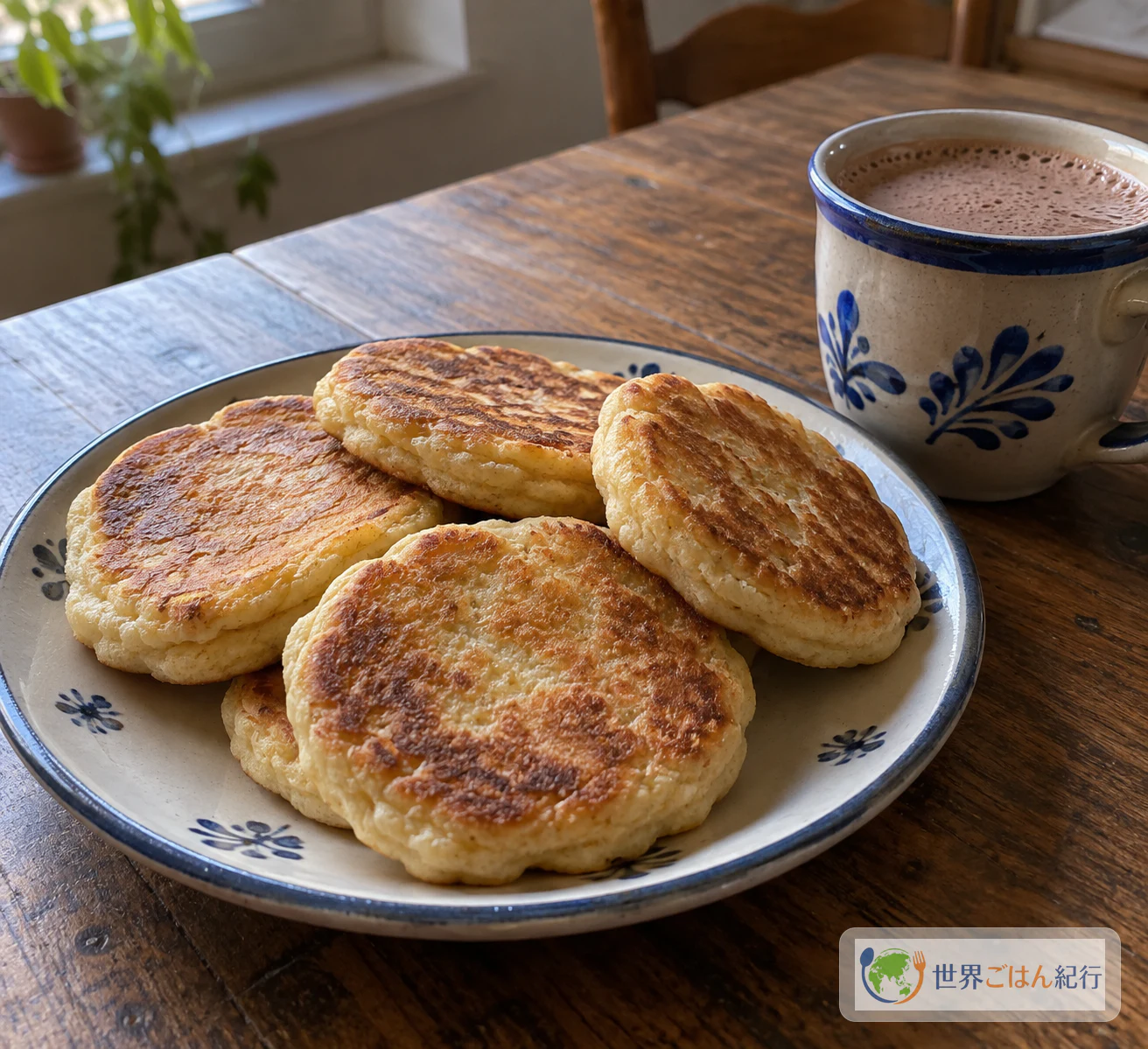
Serve the gorditas as they are, fresh off the comal, or alongside hot chocolate or champurrado, as Larousse Cocina suggests. The drink is a way of serving them, not part of the dough, so you can leave it out.
The source gives no guidance on storing or reheating, so this article does not give storage times or reheating instructions.
Variations to Try Separately
These are untested ideas, each meant as its own version rather than a change to the recipe above.
- Another cream in place of nata: A different dairy cream is a candidate for separate trials, not a substitute formula supplied here. Its fat and moisture differences would need to be tested and recorded before publishing an alternative.
- Comparing flours: Making one batch with a softer flour and another with all-purpose flour is a separate experiment, not the source recipe.
- A heavy pan instead of a comal: A thick flat pan can replace the comal, but the result may not be the same.
- A less sweet dough: If you change the sugar, write down the exact amount and treat it as a separate recipe rather than reducing it casually.
Frequently Asked Questions
How is a gordita de nata different from a stuffed gordita?
The gordita de nata on this page is a sweet, wheat-flour dough round enriched with nata and cooked on a comal. Stuffed gorditas are savory dishes made with a different dough. They share a name but are separate foods.
Can I use ordinary cream instead of nata?
Not as an exact match. Cream is not the same as nata, and its flavor and moisture can change the dough. A high-fat, unsweetened dairy cream is only a candidate for separate testing; no tested substitute formula is provided here.
Can I bake them in the oven?
This recipe cooks the rounds on a comal over medium heat. Baking them in an oven would be a different recipe, so it is not covered here.
How many does the recipe make?
The source lists a yield of 12 porciones, but it does not say how many rounds that is or how big each one should be. The number you get depends on your cutter and on keeping the dough at about 1 cm thick.
Sources
- Larousse Cocina, "Gorditas de nata" (Desayunos mexicanos). The recipe followed on this page: all ingredients and amounts, the method, the listed yield of 12 porciones, the mention of street sellers in Mexico City, and the suggestion to serve with hot chocolate or champurrado. https://laroussecocina.mx/receta/gorditas-de-nata/
- Manuel Posos, "Gorditas y pizza, el pan de feria," Meganoticias (Colima). A report on a family of bakers who have sold at the fair for more than 20 years, touring festivals in several states and presenting their gorditas as bread from Tlaxcala. Used only as an example of fair selling, not for recipe amounts. https://www.meganoticias.mx/cdmx/noticia/gorditas-y-pizza-el-pan-de-feria/40287
- Juan Pedro Maytorena, "Angélica Mestiza, de Tlaxcala, vende las tradicionales gorditas de nata en Fiestas del Pitic en Hermosillo desde hace 16 años," Proyecto Puente, 2022. A profile of a Tlaxcala-born baker selling seasonally at the Fiestas del Pitic, who distinguishes small nata gorditas from a larger vanilla-flavored version. Used only as an example of family selling at festivals. https://proyectopuente.com.mx/2022/05/26/angelica-mestiza-de-tlaxcala-vende-las-tradicionales-gorditas-de-nata-en-fiestas-del-pitic-en-hermosillo-desde-hace-16-anos/