Cracked Conch: A Turks and Caicos Favorite, Tenderized and Fried
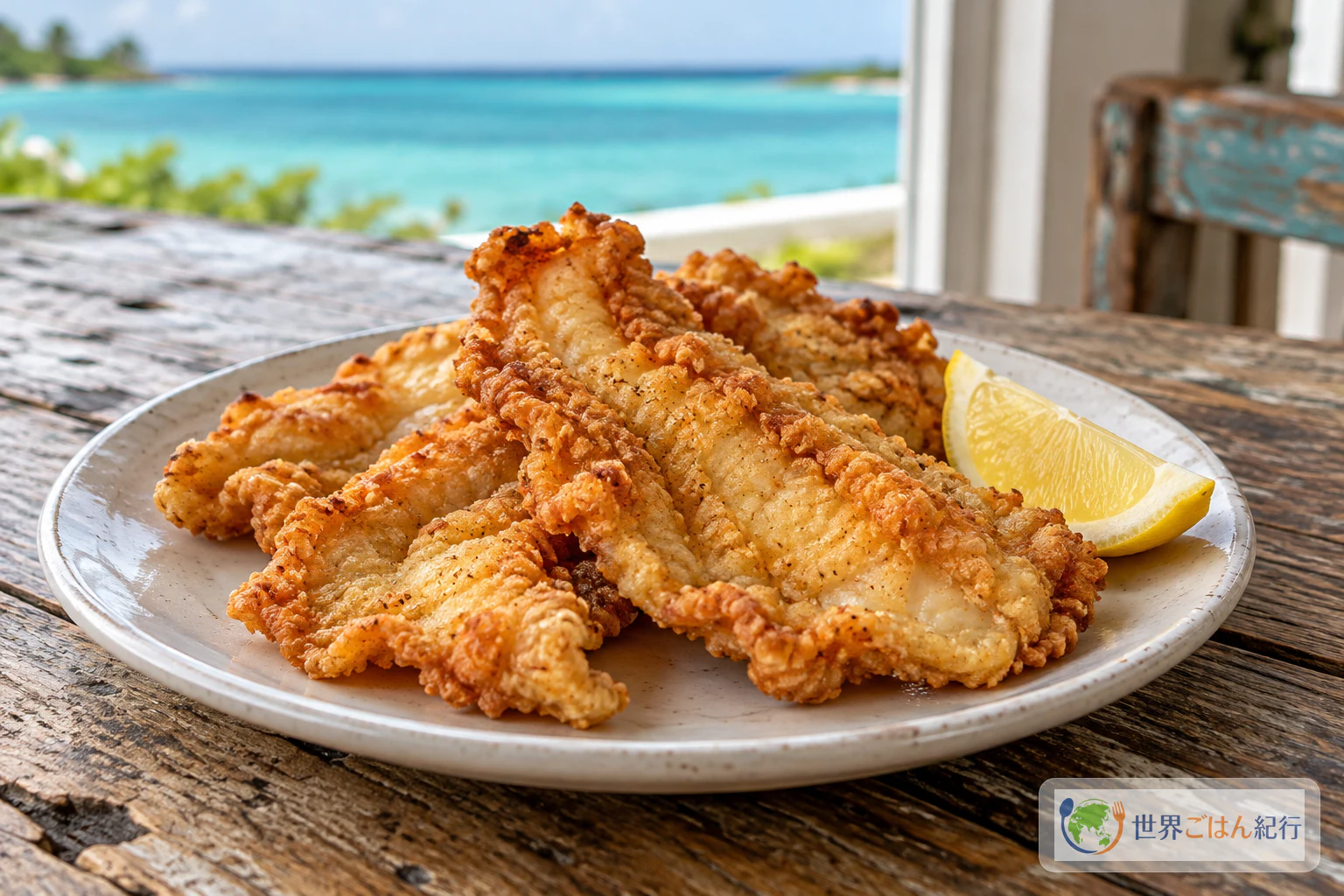
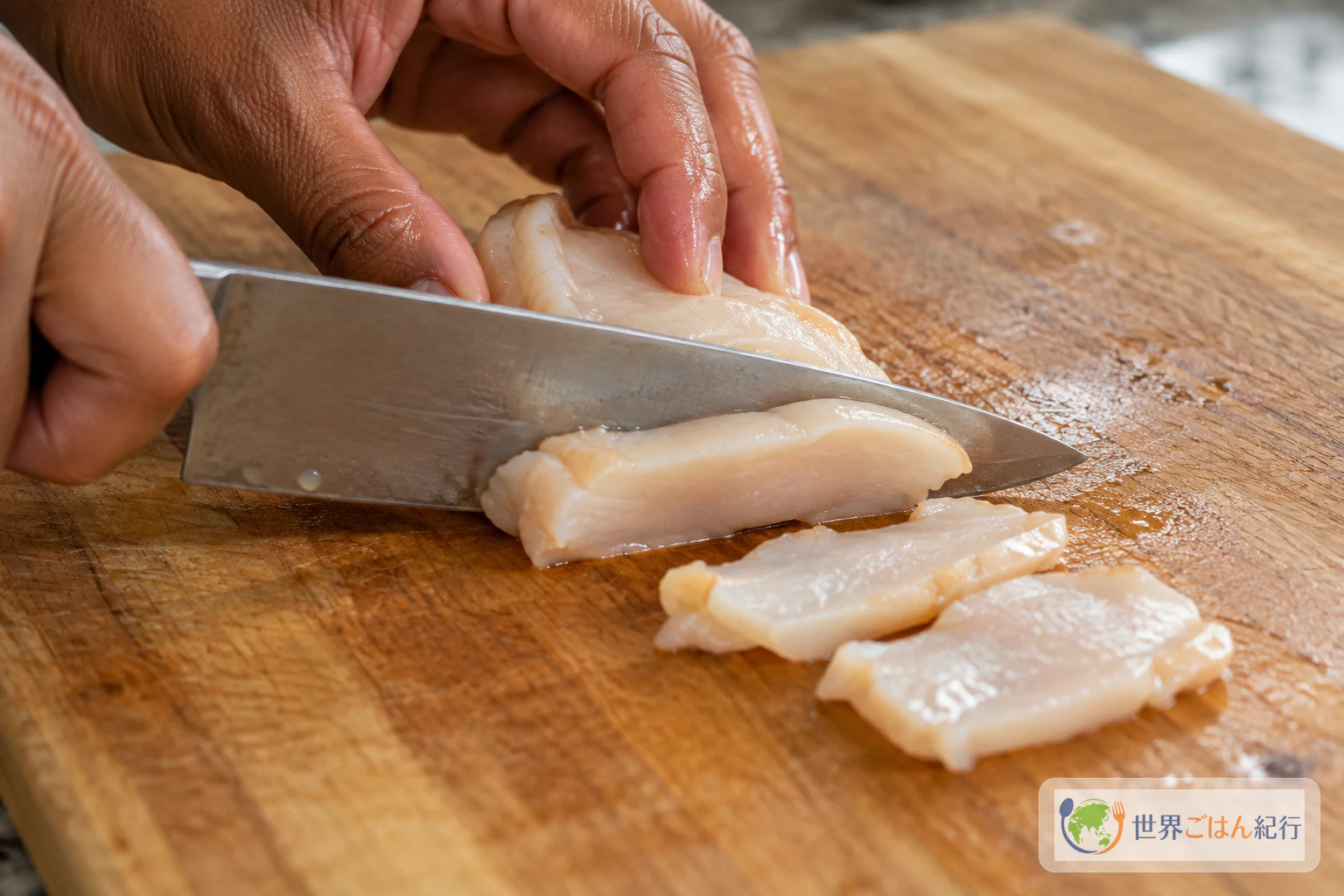
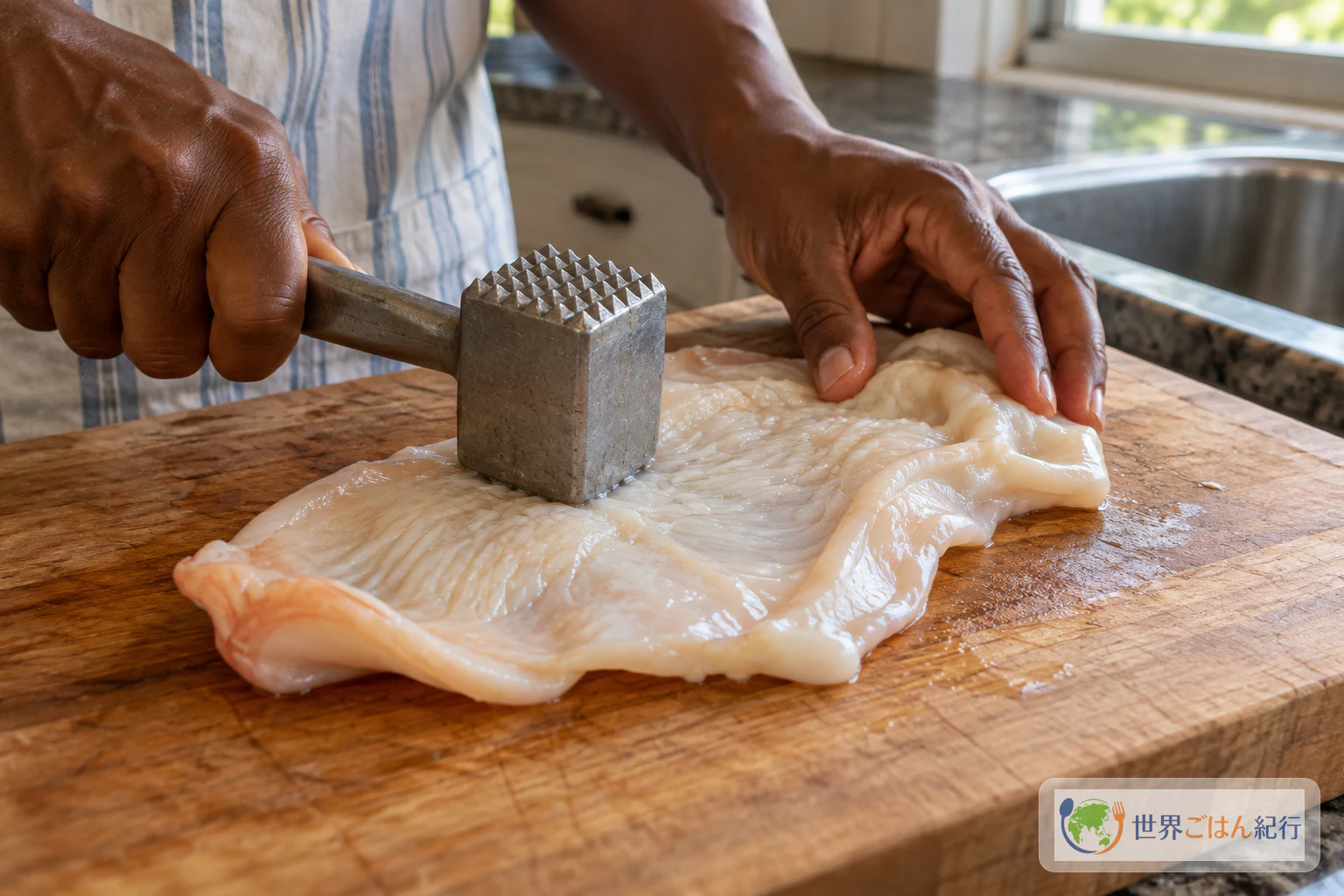
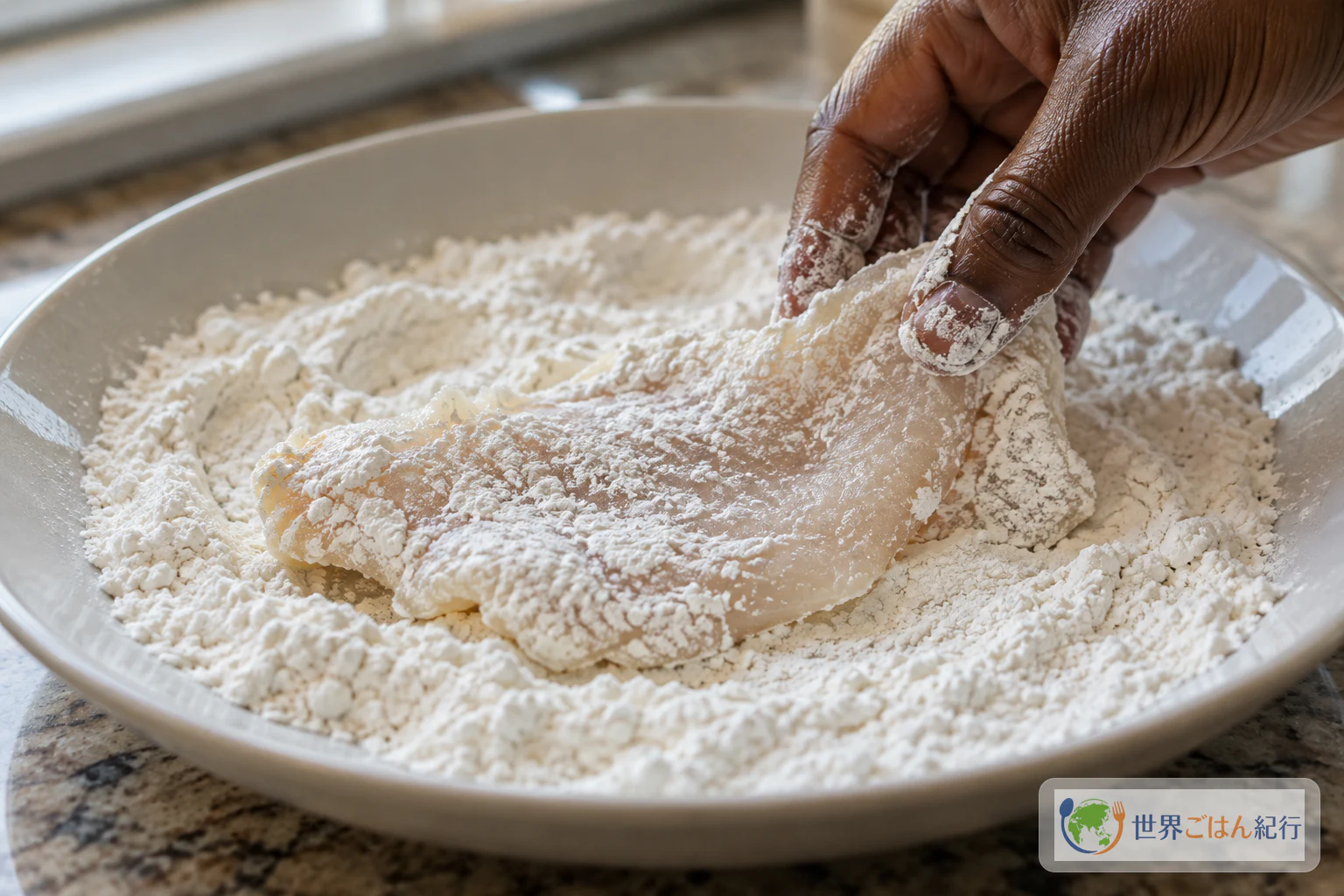
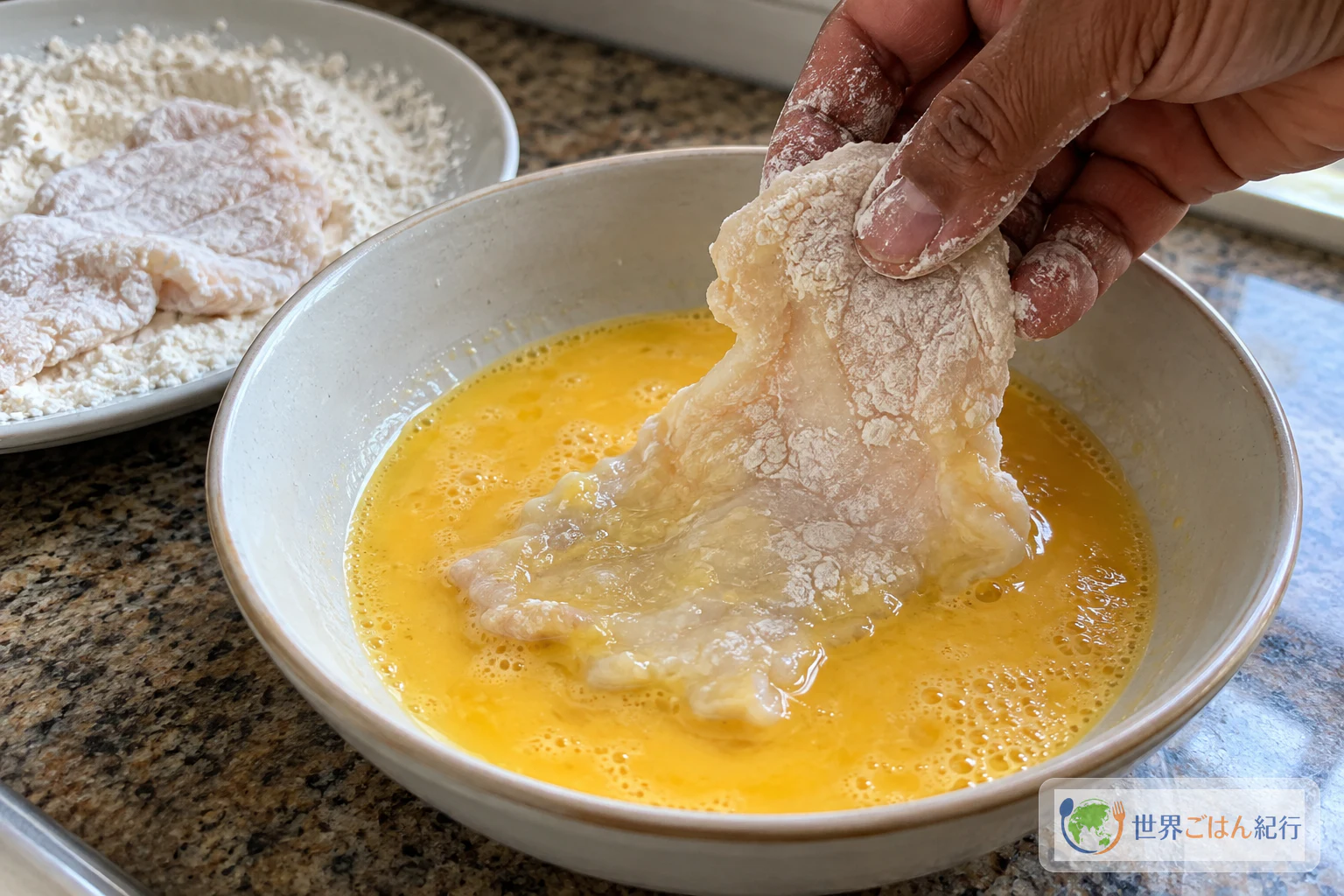
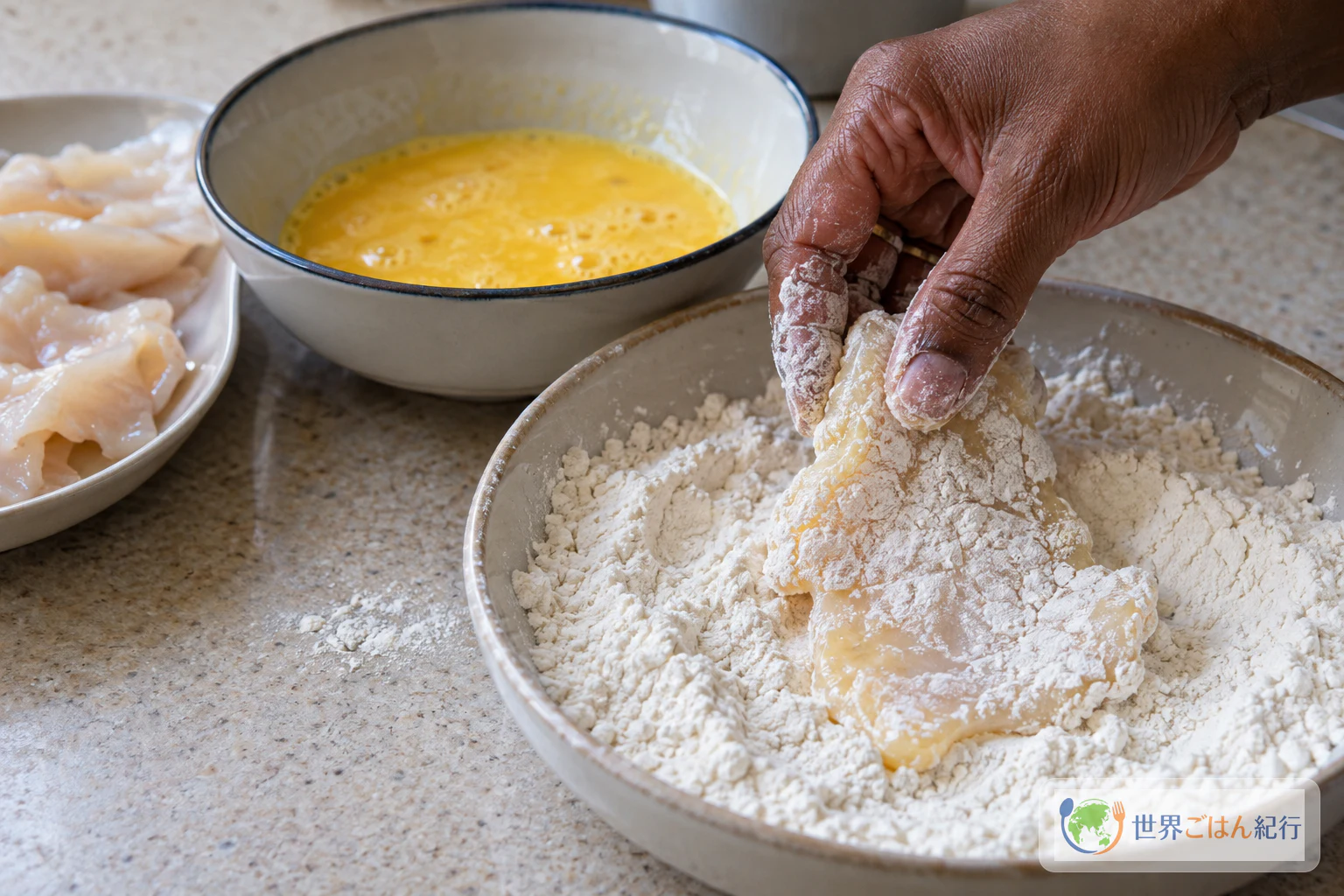
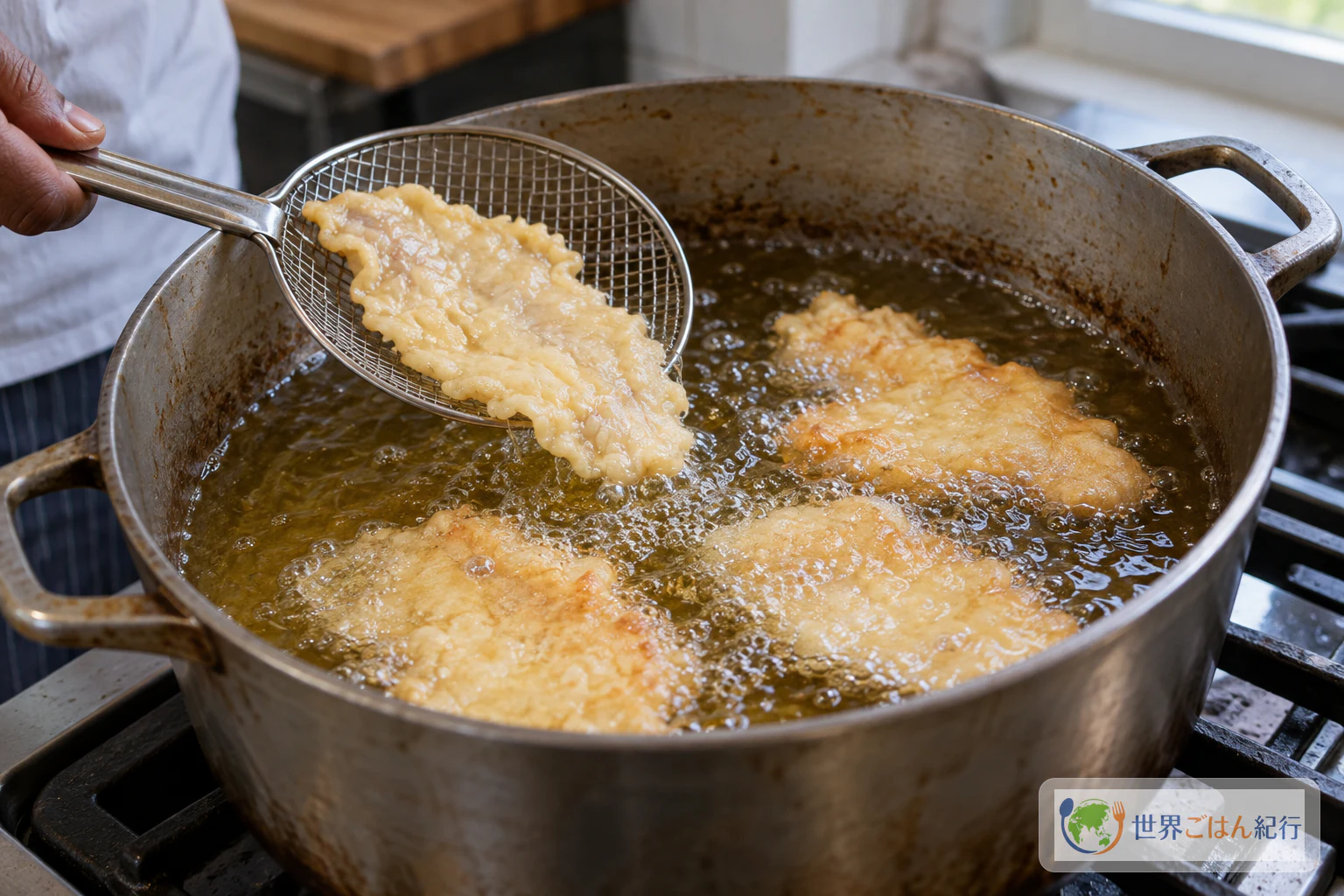
Cut the conch, beat it tender, and give it a simple coating of flour, egg and flour again. Then fry it until the center is fully cooked. This dish is only served cooked through, never with raw conch.
Cracked conch is a common offering at the Providenciales Fish Fry, according to the Visit Turks and Caicos Islands guide, which currently describes it as the most popular conch dish in the islands. Conch, pronounced "konk," is a sea snail. To make this dish, the meat is tenderized and then fried in a coating. The name can suggest smashing a shell, but the recipe here starts with cutting and beating the meat.
The recipe comes from the "Cracked Conch" entry on page 17 of Student Handbook Update Sept 2009–10, a document hosted by Tourism Today. The excerpt we used does not identify the institution that issued it, so please read it as a handbook recipe rather than an official or definitive one. It gives 1 ½ lb conch, 1 oz lemon juice, 2 oz flour and 3 eggs to serve 4, along with a short method.
The ingredients, amounts and order of steps come from the handbook. It does not list frying oil, although its method calls for deep-frying, so we added oil as a necessary editorial note.
The refrigerated marinade, washing the lemon, keeping tools separate, discarding the used lemon juice and checking the center of the conch are also our editorial additions, based on public food-safety guidance. The handbook gives no oil type, oil amount, oil temperature, frying time or cutting thickness, and we have not made up any figures for them.
For more from these islands, see our page on the Turks and Caicos Islands.
Ingredients (Serves 4)
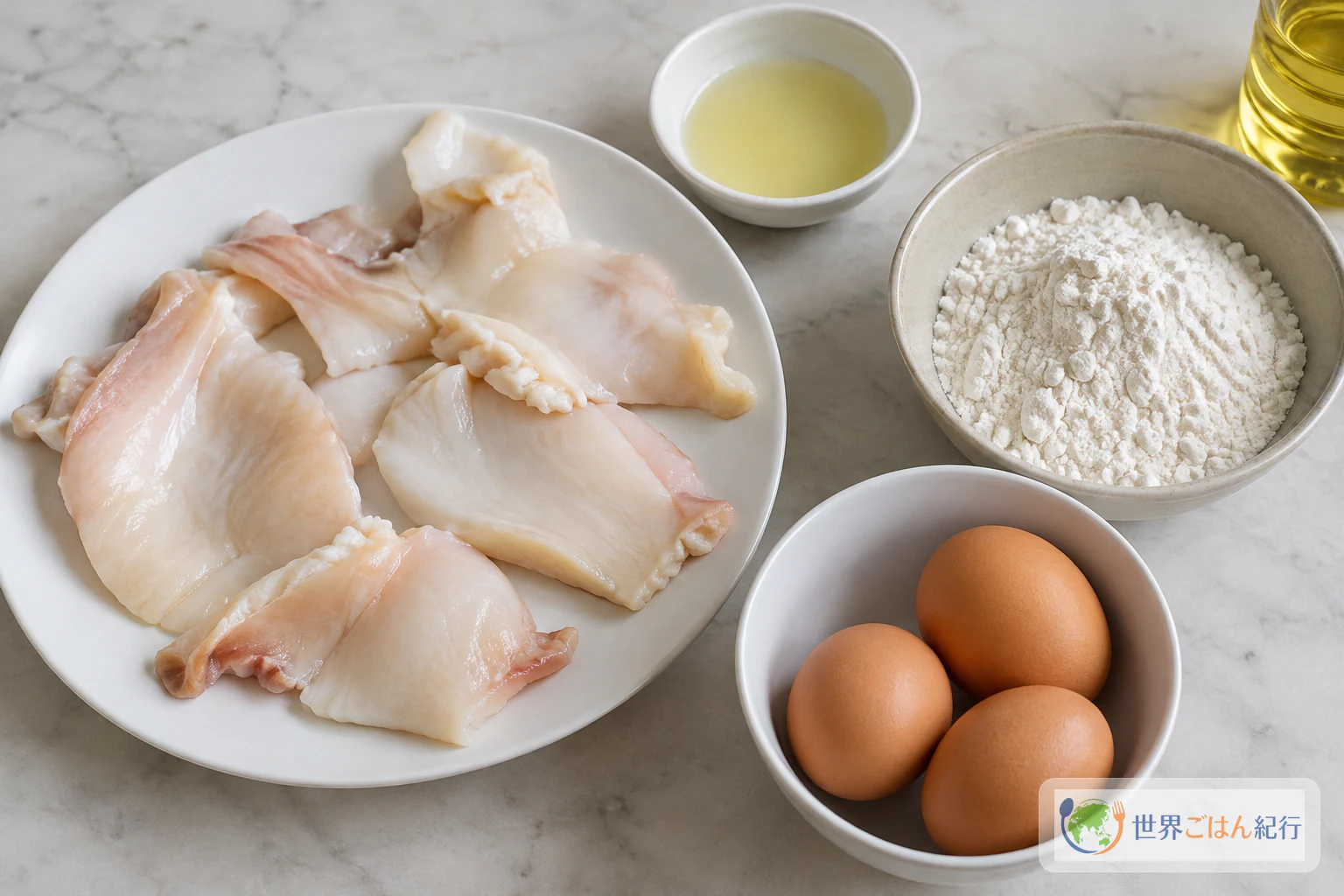
These are the amounts to prepare. You may have some flour and egg left over.
Equipment
- Cutting board set aside for raw shellfish
- Sharp knife
- Meat mallet
- Shallow bowl for the marinade
- Shallow dish for the flour
- Bowl for the beaten egg
- Deep pot for frying
- Skimmer
- Food thermometer
Choosing and Substituting
Conch: Use the meat out of the shell, and measure out 1 ½ lb. We have no tested substitute. Other shellfish and squid are not equivalent, so using them would mean creating a separate recipe.
Lemon juice: Squeeze enough to measure 1 oz, washing the peel well first.
Flour and eggs: Plain or all-purpose flour is a straightforward choice for this simple coating, though this is an untested editorial suggestion. Use any size of egg you have on hand.
Allergens: This dish contains mollusk, wheat and egg.
Serving and Leftovers
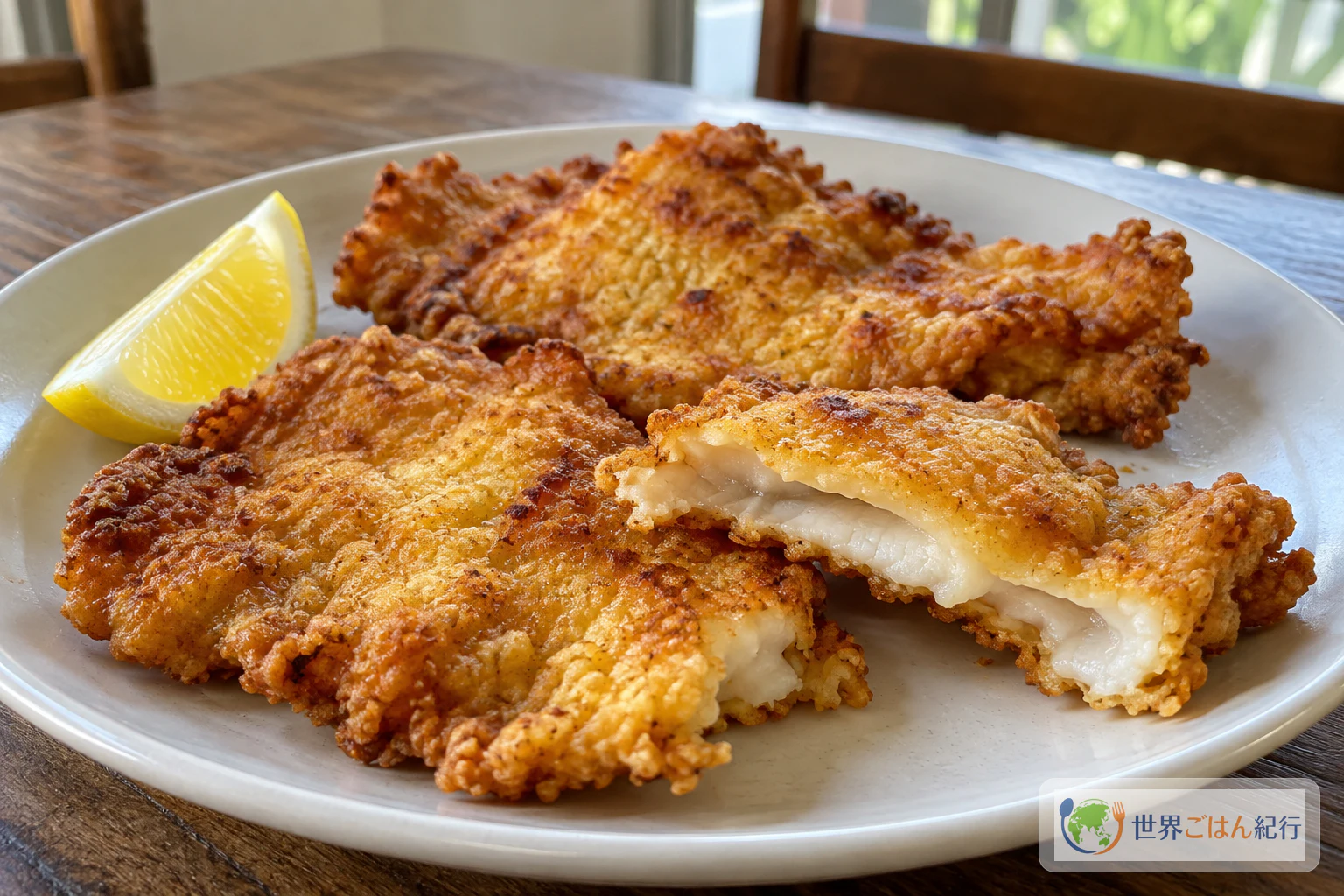
Plate the conch once the center check is done. Do not leave fried conch at room temperature for a long time. We give no storage period or reheating method because our sources do not provide one.
Troubleshooting
| Situation | What it may mean | What to do |
|---|---|---|
| The outside looks done, but you are unsure about the inside | Color does not show whether the center is cooked | Check the thickest piece with a thermometer, or cut one open |
| The center has a raw texture or has not reached the target | It needs more cooking | Keep frying, then check again before serving |
| The pieces vary in thickness | Thinner pieces may cook through before thicker ones | Always check the thickest piece |
| The oil seems to cool when you add the conch | Too many pieces went in at once | Fry fewer pieces at a time |
| The cooked conch is still tough | It may need more tenderizing | Next time, beat it more in step 2. We can't promise a particular texture because this recipe is untested |
| Some flour or egg is left over | The listed amounts are for preparation | This is fine. You do not need to use it all |
Variations and Related Dishes
We are not offering seasoned versions of this recipe. The handbook's coating contains only flour and egg, so adding salt, spices, breadcrumbs, milk, vegetables or sauce would make it a different recipe from the one documented here.
The more useful distinctions are between dishes:
| Dish | How it differs |
|---|---|
| Cracked conch | Tenderized meat, coated and fried. This is the dish in this article |
| Conch fritters | Small battered fritters, a separate dish |
| Conch salad | Chopped raw meat dressed with citrus and vegetables, a separate dish not covered here |
| Cracked conch in the Bahamas | A dish with the same name from another country. We have not mixed its recipes or history into this article |
Conch in Turks and Caicos Food and Culture
The conch most commonly eaten in the islands is the queen conch (Aliger gigas), according to Visit Turks and Caicos Islands. The guide treats it as important to local food and culture, and it describes the meat's texture and the practice of tenderizing it by beating. That helps explain why tenderizing is an early step here.
The same guide also notes that the Bahamas has influenced many conch dishes and stews in the Turks and Caicos, and its account of traditional conch cooking centers on stews and soups. Calling cracked conch the most popular conch dish today describes the present, not the distant past. Our sources don't establish where or when the dish began, so we don't claim an origin for it.
A 2017 travel article reprinted by Experience Turks and Caicos also lists cracked, or fried, conch among the preparations visitors can find in the islands. It confirms the dish's presence on visitors' tables, but it is not historical evidence or a recipe.
The Visit Turks and Caicos Islands guide also covers conch harvest and export information. Those rules can change, so check current official information rather than relying on this article.
Frequently Asked Questions
Does "cracked" mean cracking the shell?
We can't say for certain where the name comes from. The handbook's method does not describe cracking a shell; it starts by cutting the conch and tenderizing it.
Why are there no oil temperatures or frying times?
The handbook only says to deep-fry, and the public food-safety guidance we consulted does not give oil temperatures or frying times either. Rather than make up numbers, we use a check at the center: 75°C for at least 1 minute, based on guidance from Japan's Consumer Affairs Agency. It is a general cooking guideline, not one specific to frying. If you can't measure it, cut open a thick piece and make sure it is cooked through.
Why marinate in the refrigerator?
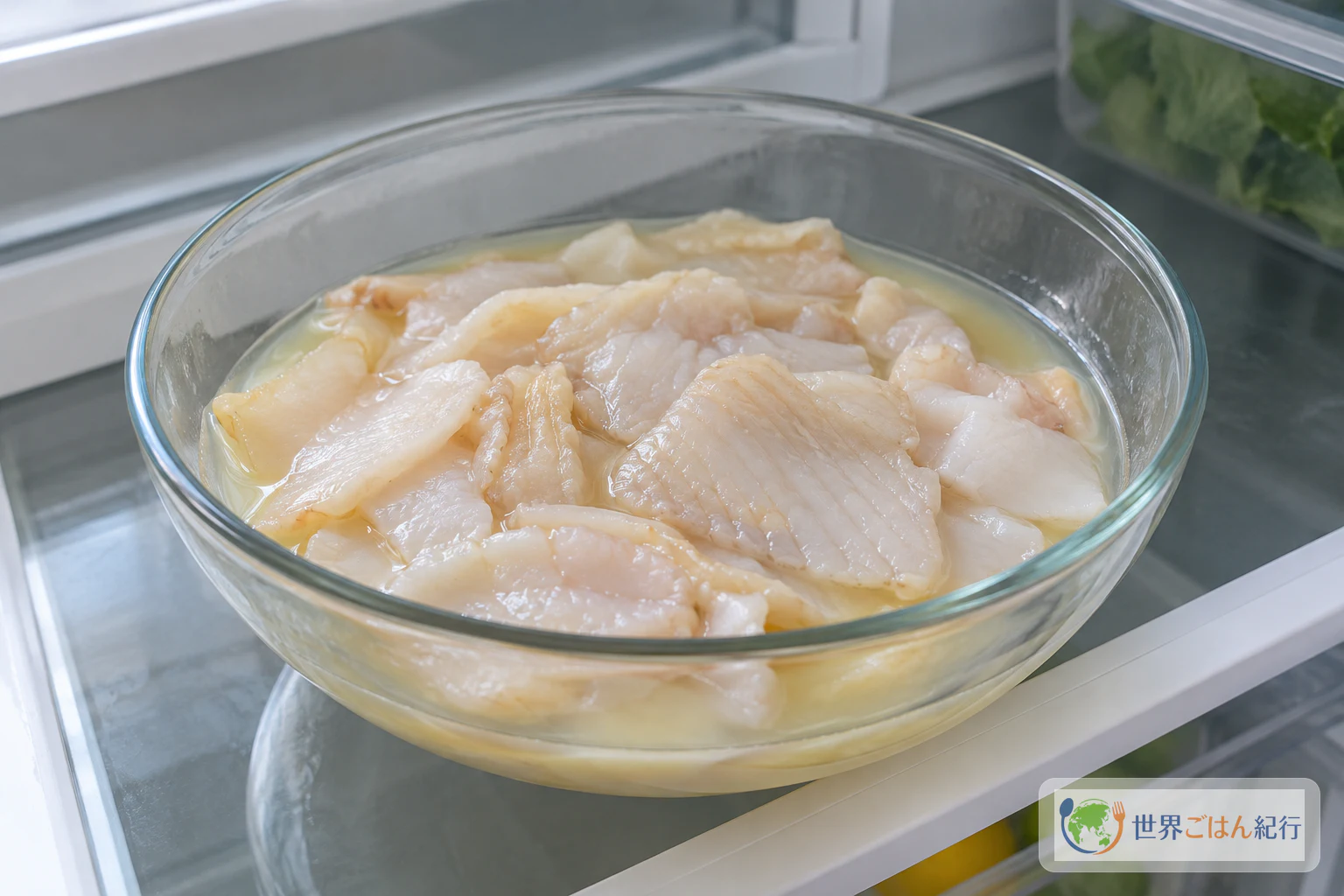
The handbook gives the 30-minute time but no storage instruction. The US FDA advises always marinating food in the refrigerator. Japan's Consumer Affairs Agency says to keep refrigerators at 10°C or below, while the FDA's figure is 40°F or below, which is colder.
Can I reuse the lemon juice?
No. The FDA advises against reusing marinade from raw food unless it is boiled first. For this recipe, the simple rule is to discard it.
Can I use other shellfish or squid instead of conch?
We don't treat them as equivalents. Neither has been tested in this recipe, and using them would mean developing and checking a separate recipe.
Why aren't the amounts converted to grams or milliliters?
The handbook gives pounds and ounces, and it isn't clear whether the 1 oz of lemon juice is a volume or a weight. It also doesn't say whether the conch is weighed before or after cleaning, or how to divide the flour between the two coatings. We kept its amounts unchanged instead of implying more precision than it offers.
Sources
- Tourism Today (document host), Student Handbook Update Sept 2009–10, "Cracked Conch," p. 17. The issuing institution is not identified in the cited excerpt. Used for ingredients, amounts, servings and the order of the method. https://www.tourismtoday.com/sites/default/files/docs/studentcorner/STUDENT-HANDBOOK%20UPDATE-SEPT-2009-10.pdf
- Visit Turks and Caicos Islands, "Turks and Caicos Traditional Food & Cuisine." Used for the dish's current popularity, tenderizing and frying in a coating, the Providenciales Fish Fry, conch in local culture and Bahamian influence. https://www.visittci.com/nature-and-history/culture-and-heritage/cuisine
- Visit Turks and Caicos Islands, "Queen Conch." Used for the species name, the importance of conch in food and culture, its texture and tenderizing by beating, the differences among conch dishes, and the existence of harvest and export information. https://www.visittci.com/nature-and-history/fauna/conch
- Experience Turks and Caicos, "Island delicacy: Conched out in the Caribbean," text attributed to Record Searchlight, 2017. Used for conch as a sea snail and cracked (fried) conch among the preparations visitors can find. https://turksandcaicostourism.com/island-delicacy-conched-caribbean/
- Consumer Affairs Agency, Government of Japan, "細菌・ウイルスによる食中毒" (Food poisoning caused by bacteria and viruses). Used for heating the center to 75°C for at least 1 minute, keeping refrigerators at 10°C or below, and not leaving cooked food at room temperature for a long time. https://www.caa.go.jp/policies/policy/consumer_safety/food_safety/food_safety_portal/microorganism_virus/
- U.S. Food and Drug Administration, "Safe Food Handling." Used for marinating in the refrigerator, not reusing marinade from raw food unless boiled first, and using separate cutting boards. The 40°F refrigerator figure is also cited from this source. https://www.fda.gov/food/buy-store-serve-safe-food/safe-food-handling
- U.S. Food and Drug Administration, "What You Need to Know About Egg Safety." Used for washing hands, utensils, equipment and work surfaces that touch raw eggs with hot, soapy water. https://www.fda.gov/food/buy-store-serve-safe-food/what-you-need-know-about-egg-safety