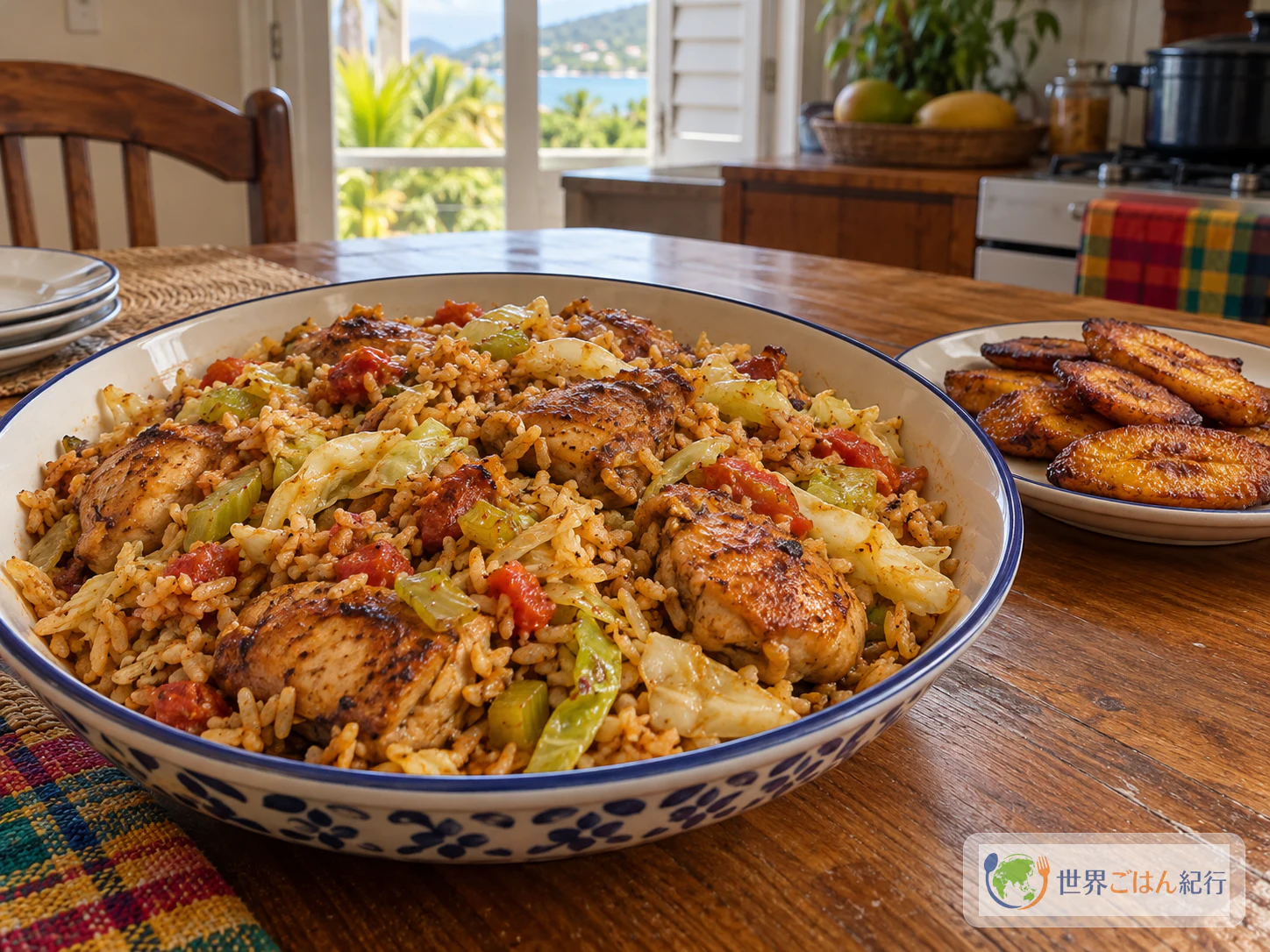
Locri: Chicken and Rice in One Pot, with Cabbage Folded In Last
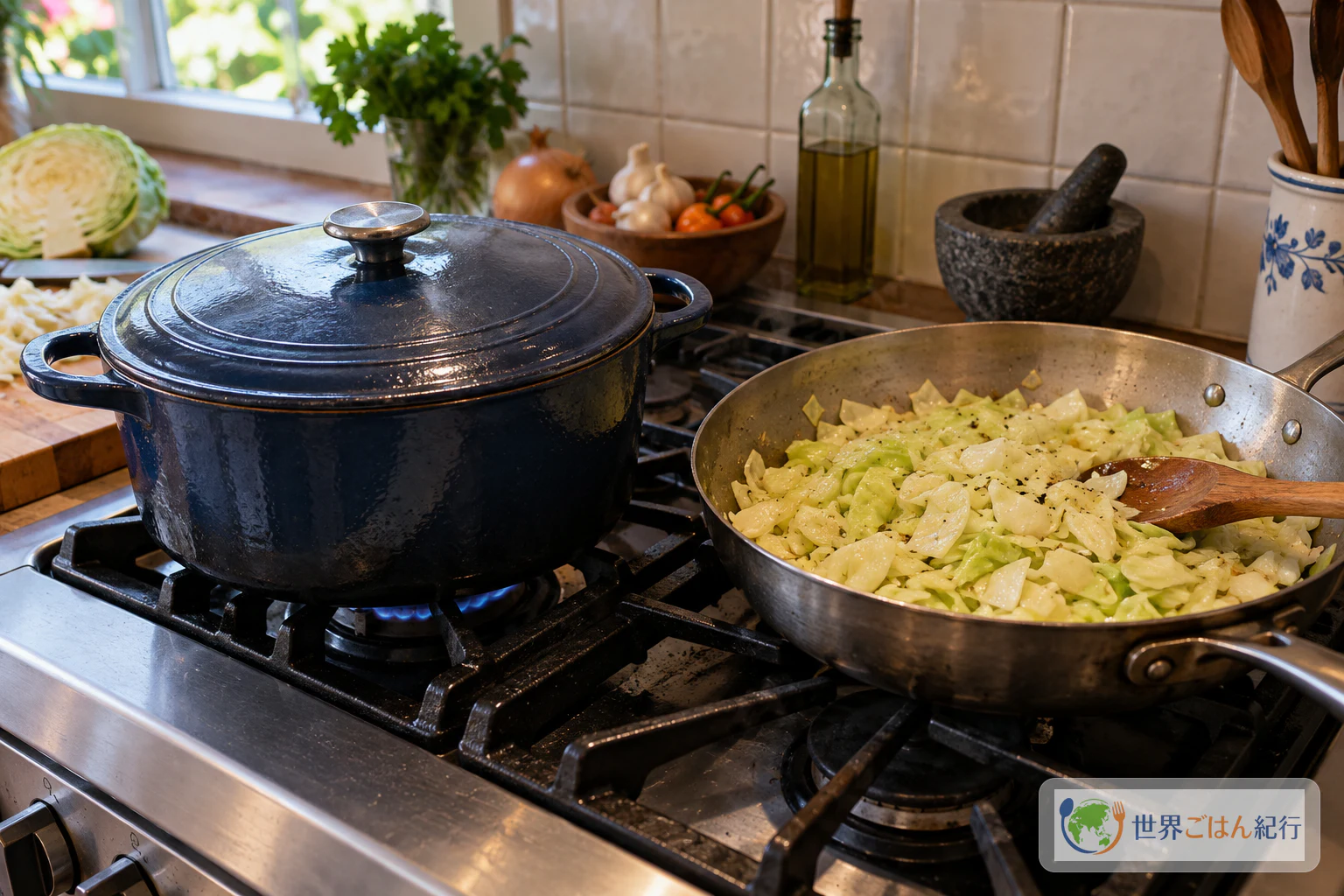
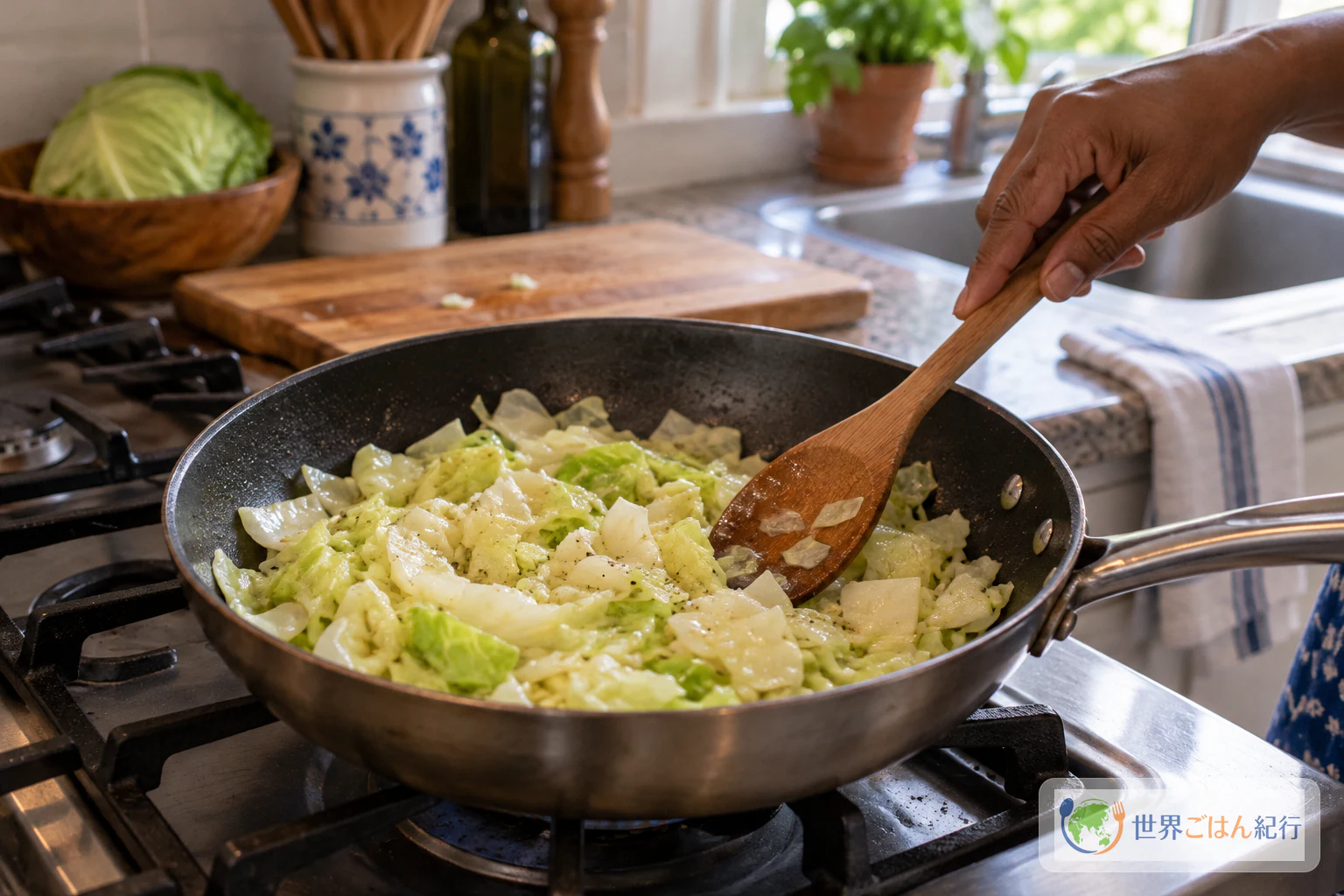
Let the rice take its flavor from the tomato, chicken and aromatics in the pot. Sauté the cabbage in its own pan and add it at the end, while it still has some bite.
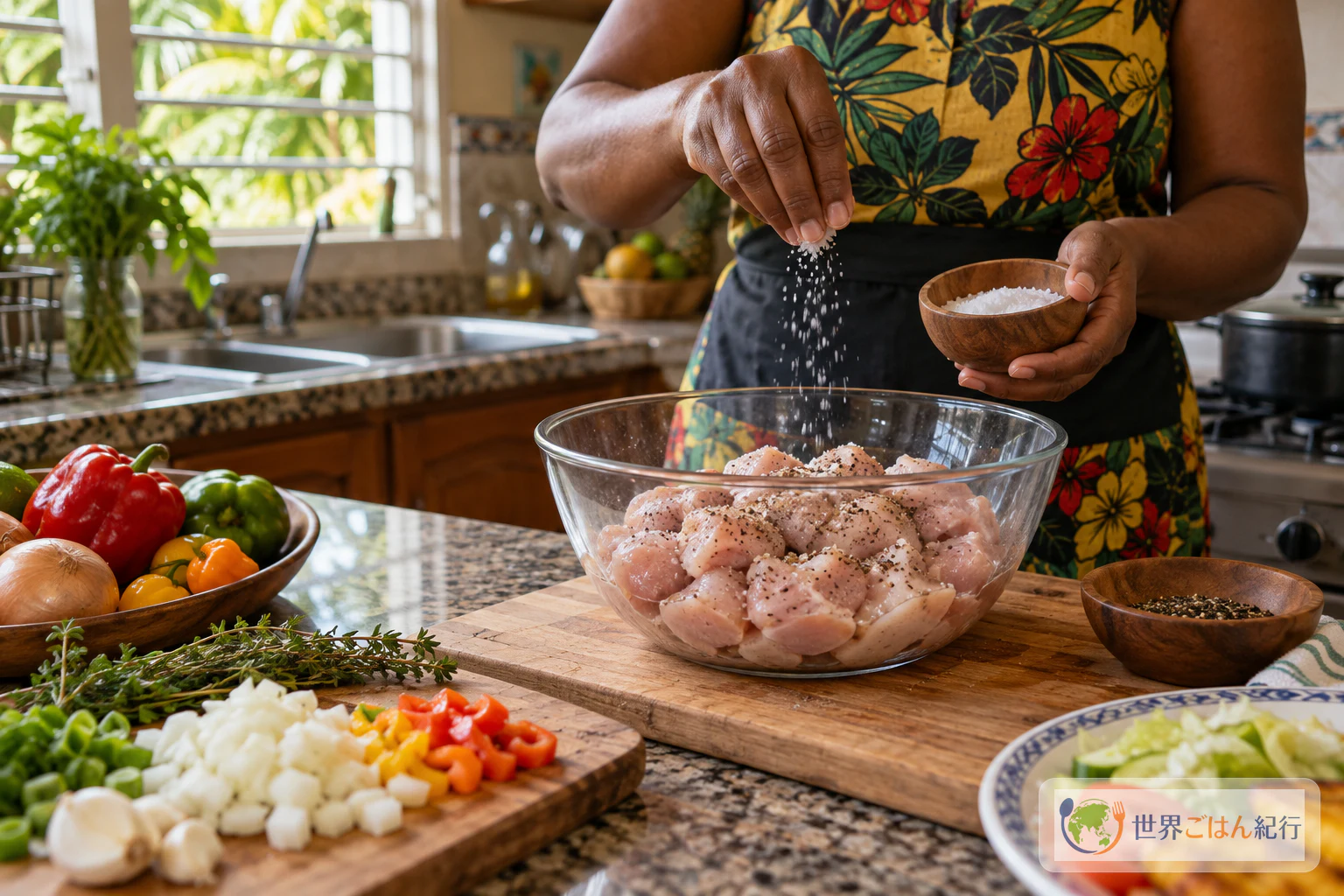
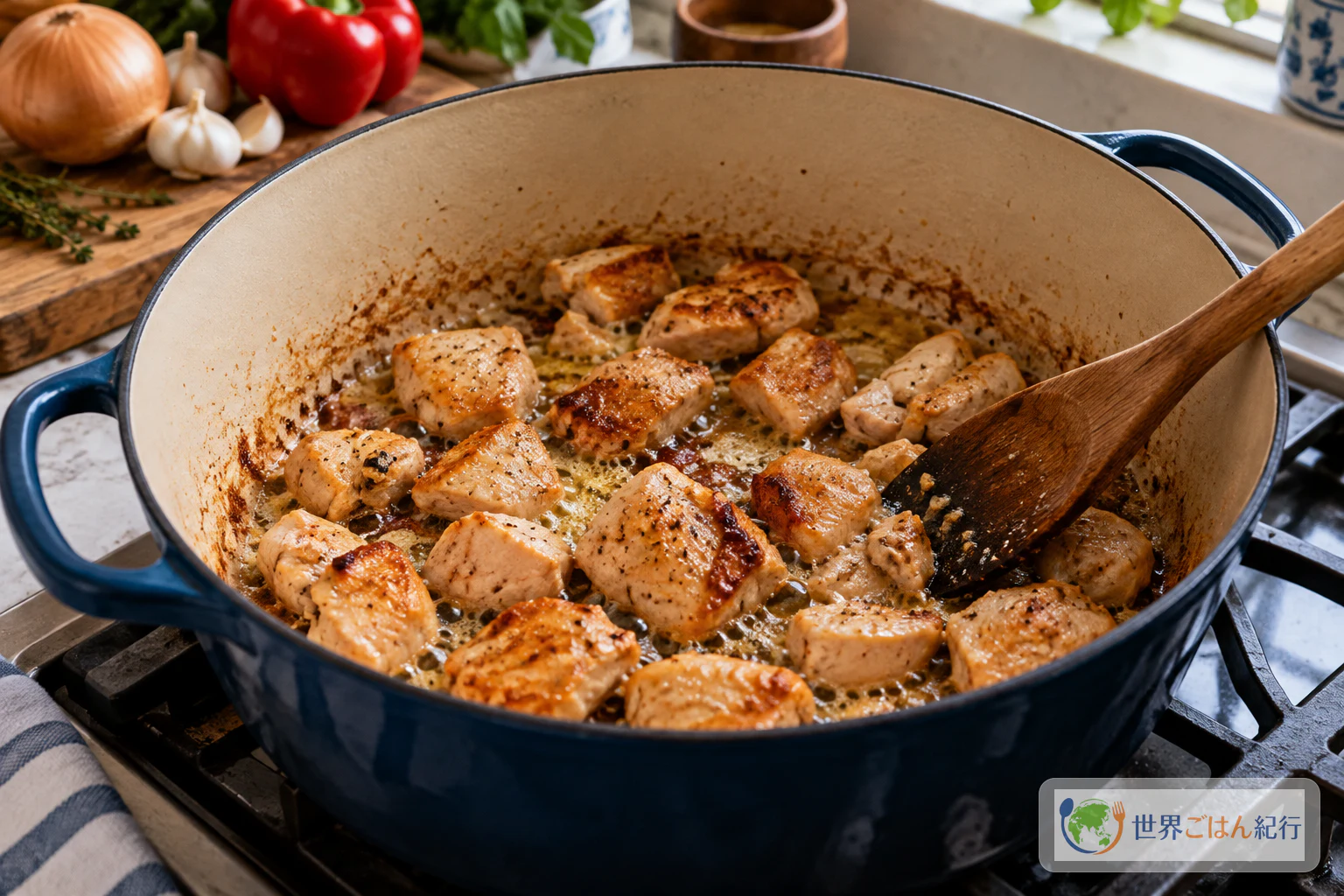
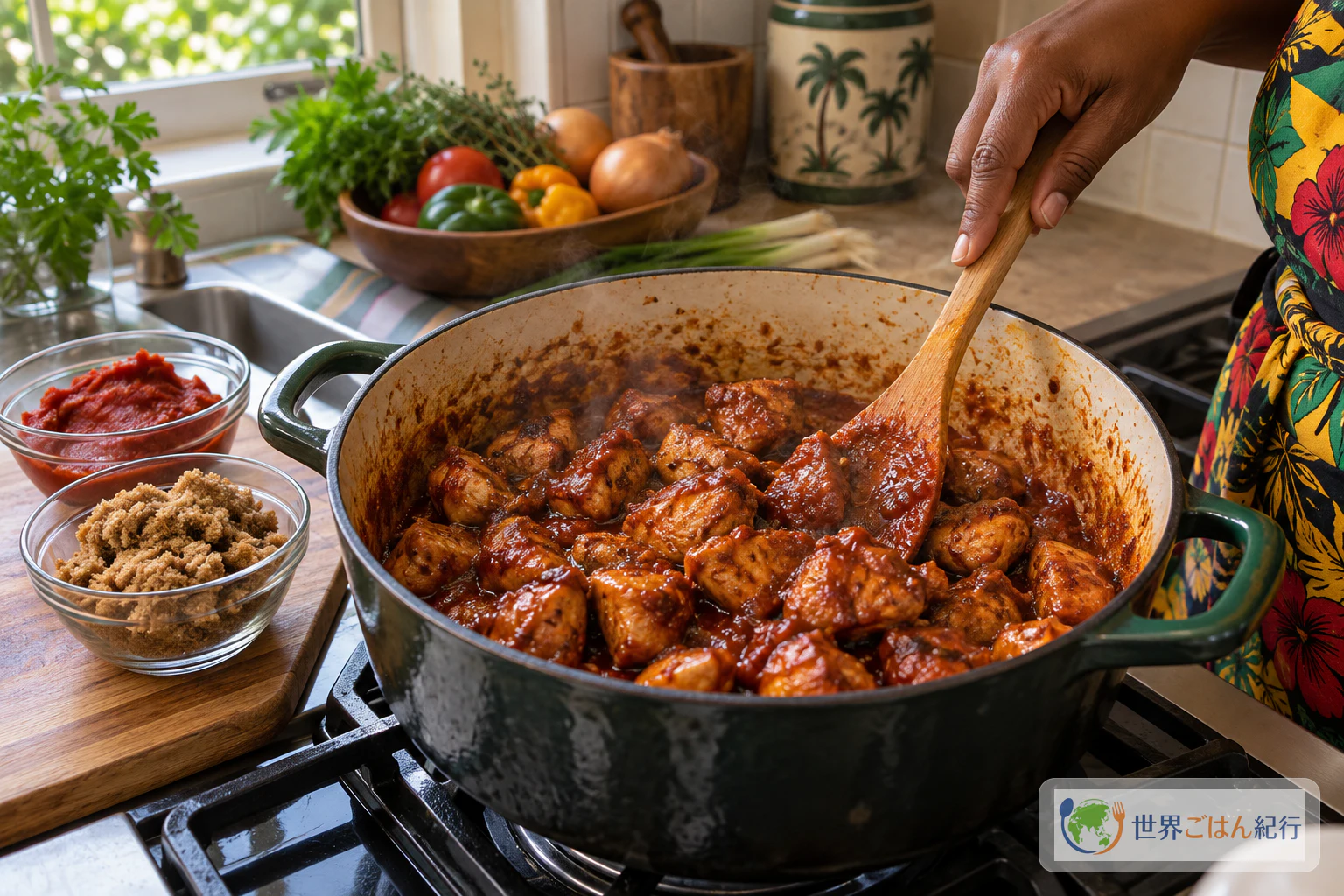
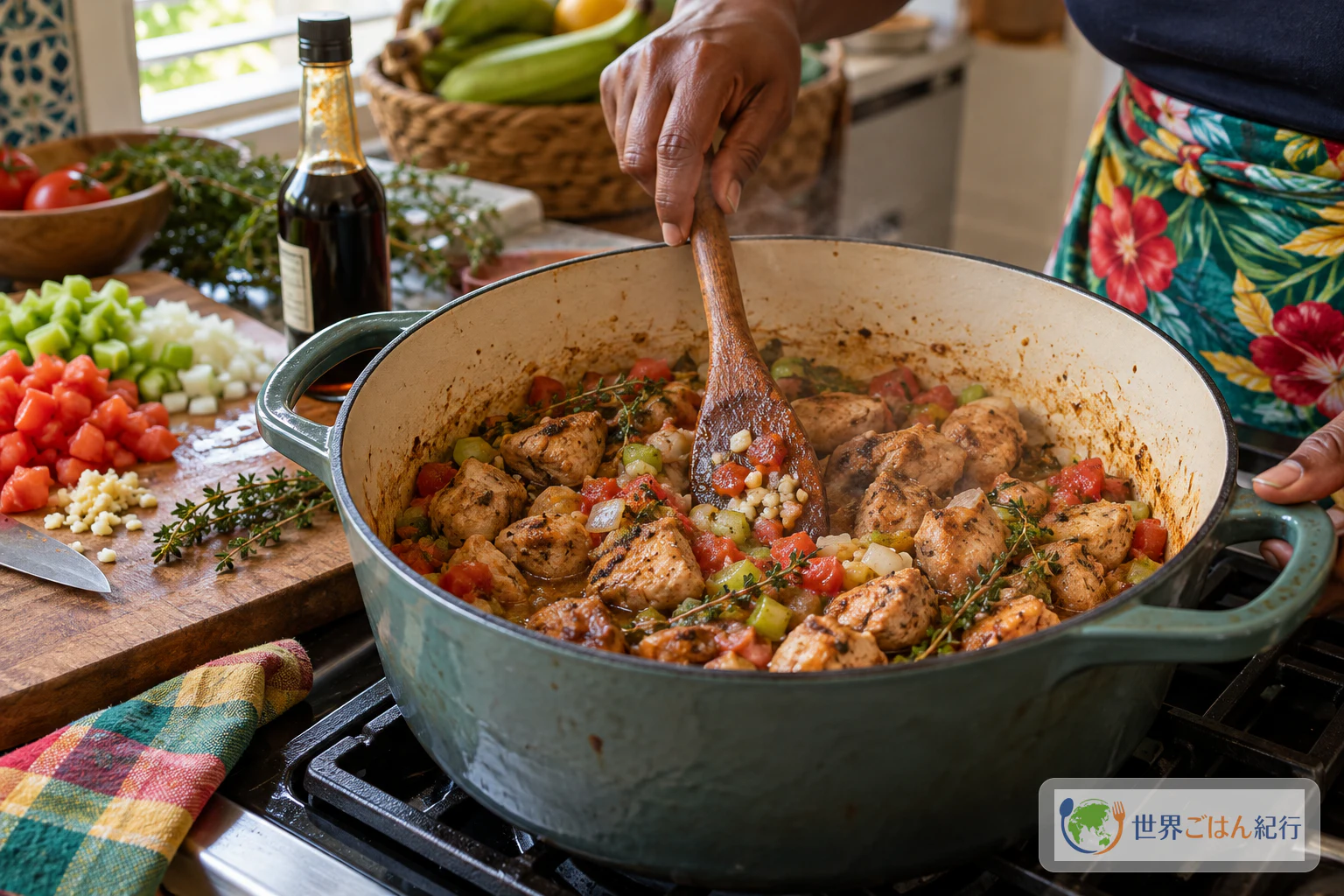
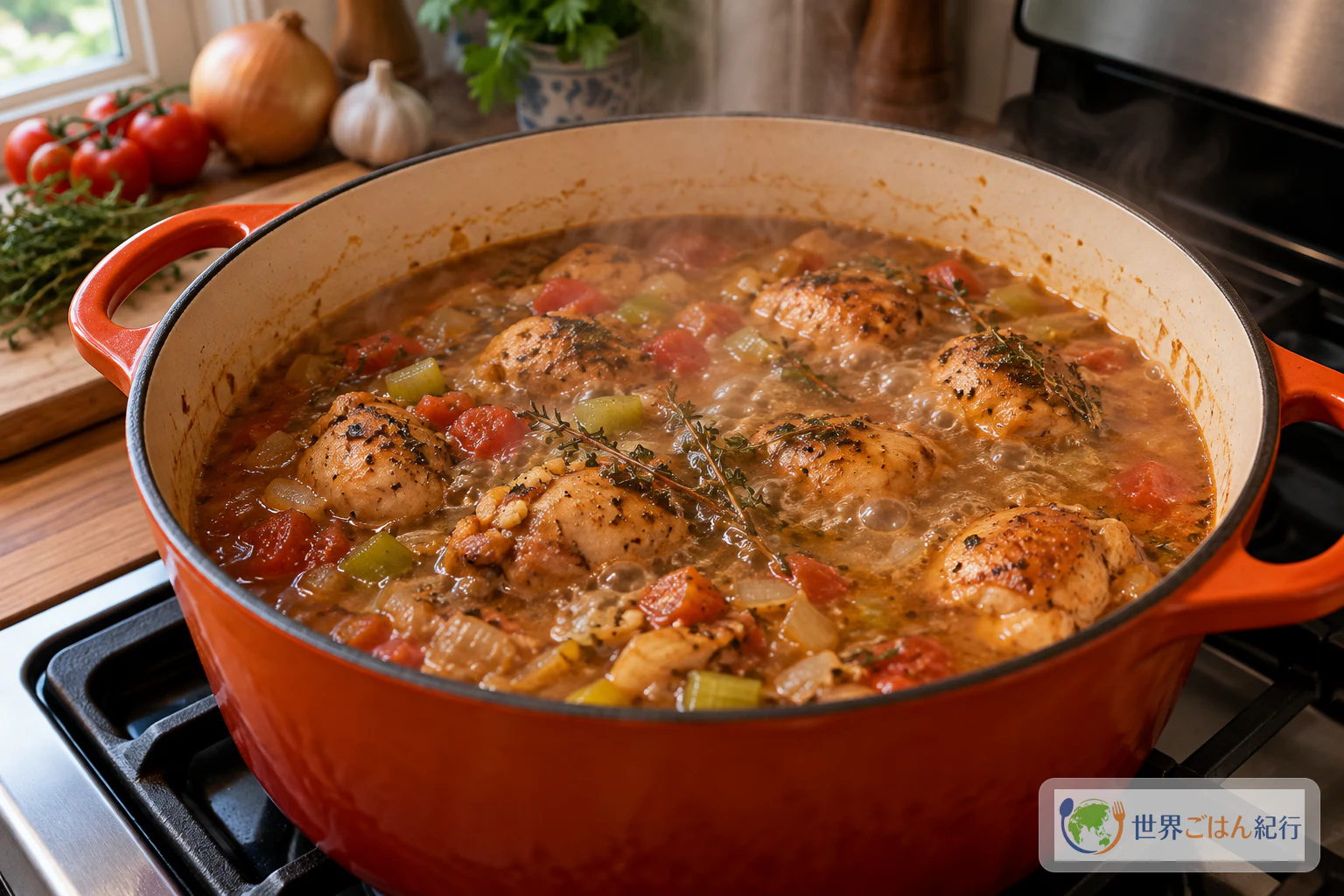
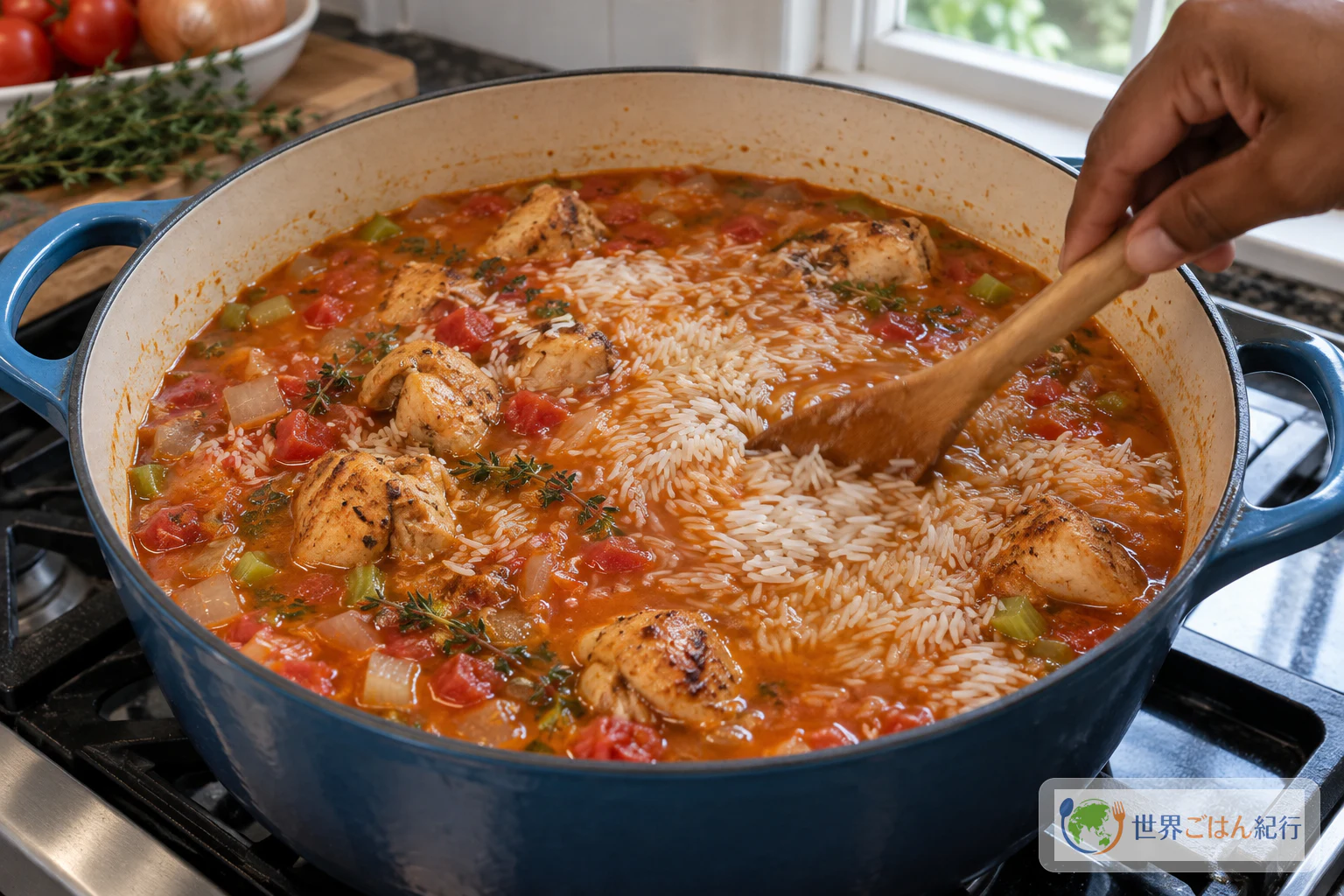
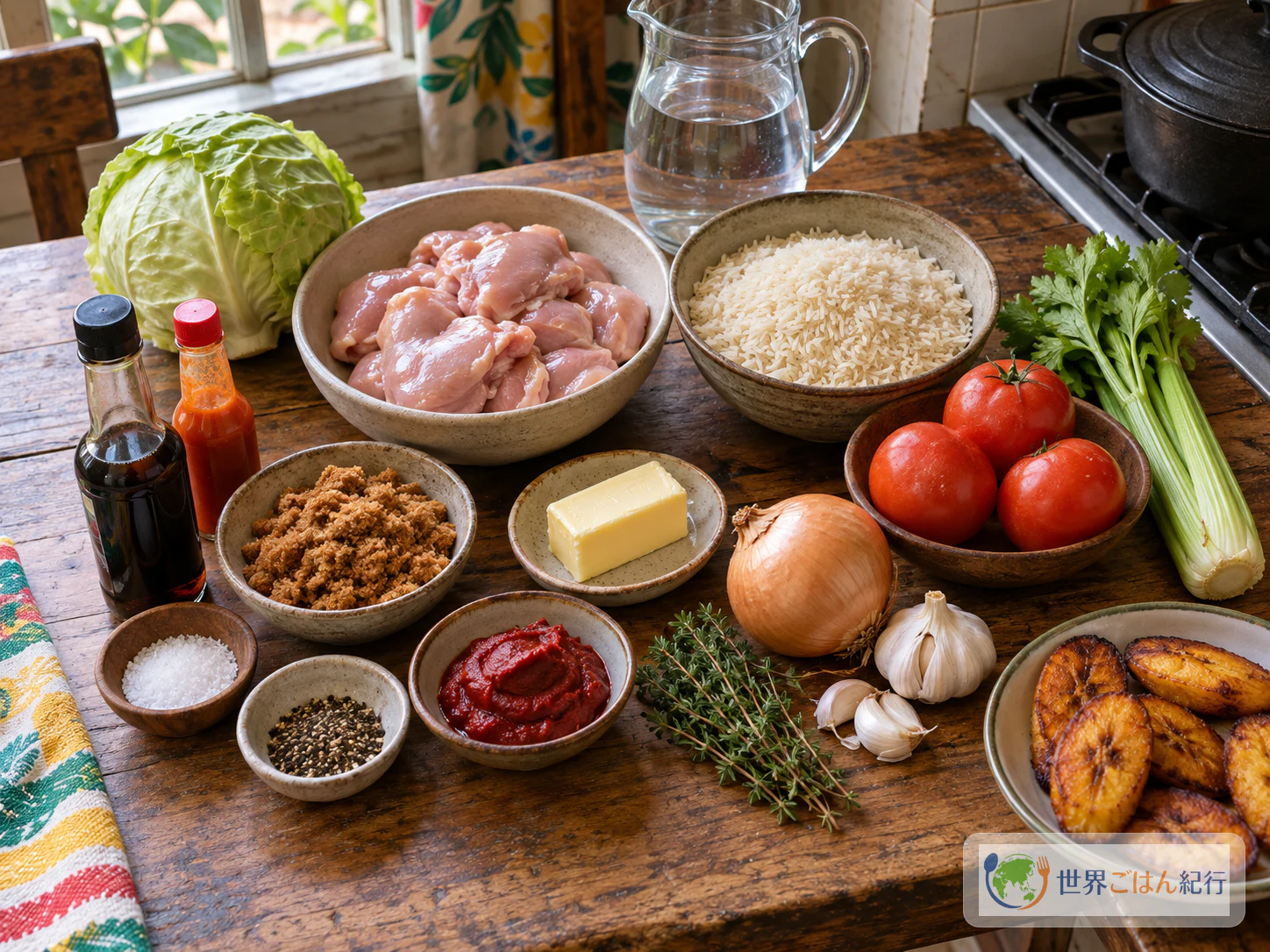
Boneless chicken browns in butter at the bottom of a large pot. Tomato paste and brown sugar follow, then celery, tomato, garlic, onion, thyme and Worcestershire sauce. Water and rice go in next, and the lid goes on. In a second pan, chopped cabbage softens in the rest of the butter, waiting to be stirred through the finished rice.
That is the shape of Chicken Lokri as published by Chef Mireille of Global Kitchen Travels, who describes it as a holiday and special-occasion dish from the Dutch side of the island, Sint Maarten. The author says the recipe derives from the Sint Maarten cookbook Asina Nos Ta Cushina. This article follows that one version for its amounts and method, and the recipe has not been kitchen-tested by Sekai Gohan.
Other sources spell the name Locri and present it more broadly as an island dish. The background section below explains what they say and where the evidence stops.
Ingredients for 8 Servings
Substitutions and Choosing Ingredients
Each of these changes the dish a little, so treat them as your own adjustments.
- Rice: Long-grain rice is the choice here. Japanese short-grain rice is stickier and absorbs water differently, so the result will be a different dish, and the water amount may not carry over.
- Chicken: Stay with boneless pieces. Bone-in chicken changes the cooking time and the balance with the rice.
- Butter: Salted and unsalted butter taste different in the pot, so judge the final salt by tasting.
- Celery: If you dislike it, you can swap or omit it, but the flavor of the pot will change.
- Worcestershire sauce: Products vary, including Japanese ones, and a different bottle will shift the flavor. Worcestershire is one of the things that characterizes this version, so keep it in if you can.
- Hot sauce: Any ordinary hot sauce will do. No particular brand is needed.
Equipment
- A large, heavy pot with a lid
- A separate skillet for the cabbage
- Separate utensils for raw chicken and for serving
Method: Build the Pot, Then Bring In the Cabbage
Wash anything that has touched raw chicken, and keep those tools apart from your serving utensils. Browned color does not show that the chicken is cooked inside, so make sure it is cooked through before serving.
Serving: Fried Plantain on the Side
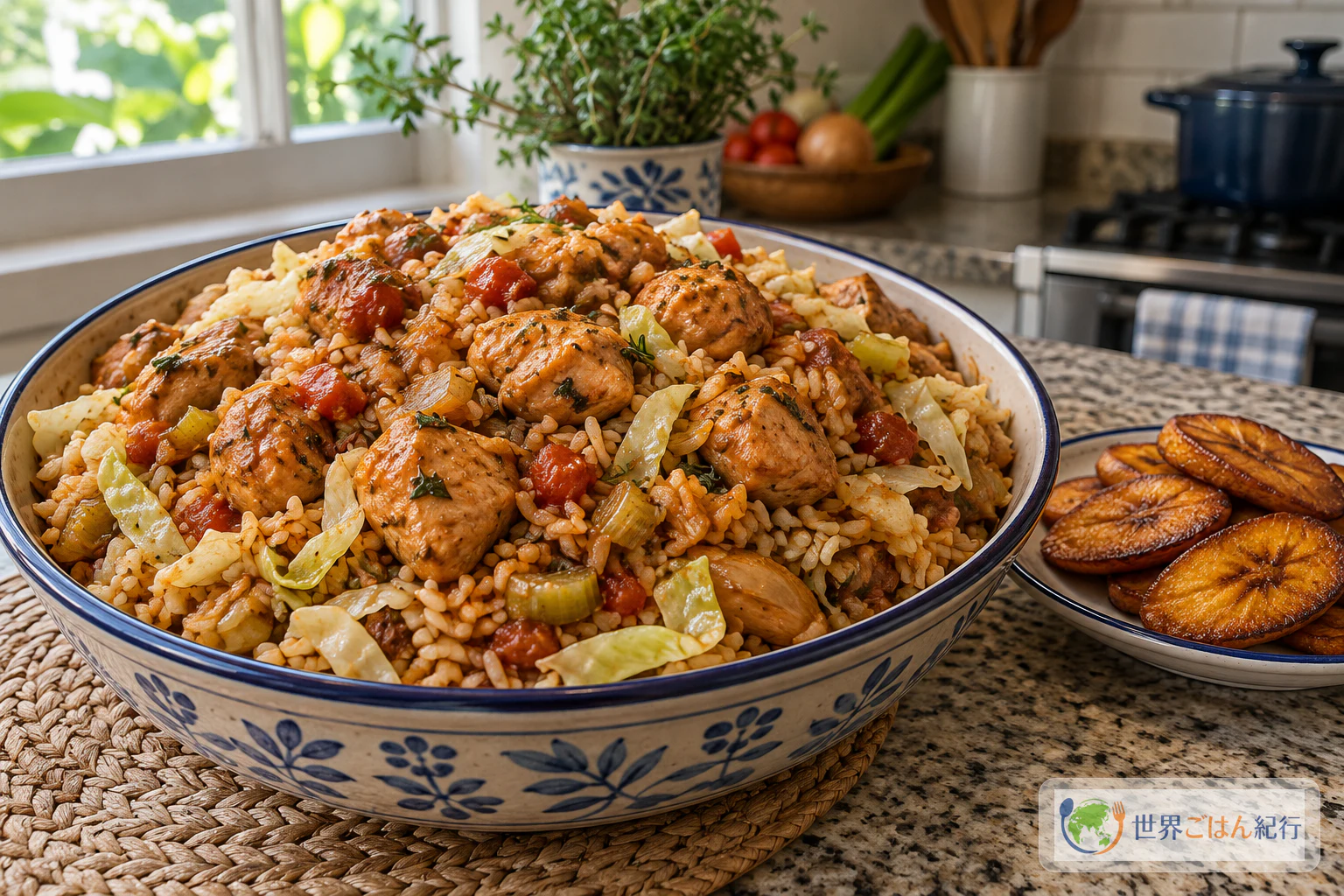
Fried ripe plantain is a suggested accompaniment and is not essential. The locri is complete without it, so leave it off if you can't find ripe plantain.
When Something Goes Wrong
The answers here depend on your pot, lid, heat and rice, so there are no fixed rescue amounts. Adjust a little at a time and watch the pot.
| Condition | Likely cause | What to do |
|---|---|---|
| The rice is still hard | Rice type, heat level, or steam escaping from the lid | Check the lid and heat, add a little water if the pot is dry, and keep cooking on low until tender |
| Liquid remains when the rice is done | Lid, heat or rice type | Cook a little longer on low and check the pot often |
| The tomato paste starts to catch | The heat is too high in step 3 | Lower the heat and keep stirring |
| The cabbage is soft and has lost its bite | Cooked too long, or added too early | Take it off the heat sooner next time, and keep it out of the rice pot until the end |
| The rice is sticky | Short-grain rice was used | Expect this with short-grain rice, or use long-grain next time |
Variations
All of these are changes to the recipe above, so expect a slightly different result.
- Short-grain rice: The dish turns stickier and the rice absorbs water differently. There is no tested water amount for this version, so watch the pot closely.
- Chicken breast or thigh: No particular cut is required, as long as it is boneless. Your choice will change the texture.
- Hot sauce at the table: Leave it out of the pot and let everyone add their own. This suits a table with mixed tastes for heat.
- No plantain: Serve the locri on its own.
- Firmer or softer cabbage: Adjust the time in the skillet to suit your taste. Firmer cabbage gives more contrast with the rice.
A Name Shared Across One Island
The island is divided between two administrations, French Saint-Martin and Dutch Sint Maarten, and the sources here don't speak for both sides in the same way.
Global Kitchen Travels presents Chicken Lokri as a Dutch-side dish for holidays and special occasions. Penchard Voyages, a travel agency, lists Locri among the specialties of Saint-Martin as spiced rice with chicken and vegetables. The same page describes Grand-Case as a culinary center with traditional, Creole, French, Italian and seafood restaurants. We Are! SXM, a destination guide, describes Locri as rice, chicken and assorted vegetables, and calls the island a Caribbean culinary crossroads.
Together they suggest that the name and the general form may overlap on both sides of the island. They don't show that one recipe is shared across it, so this version should be read as one Dutch-side recipe, not the definitive locri of the whole island. The origin and etymology of the name, and the relationship between its spellings, remain unconfirmed here.
Global Kitchen Travels also compares the dish to Pelau and titles its recipe "St. Maarten style Chicken Pelau," while treating Worcestershire sauce as a distinguishing feature of this version. That is a comparison from one writer and doesn't establish a shared history.
To explore more Caribbean cooking, try callaloo from Trinidad, green fig and saltfish from Saint Lucia, or ackee and saltfish from Jamaica.
Frequently Asked Questions
Is locri the same as Dominican locrio?
No. The spellings are close, but locrio de pollo from the Dominican Republic comes from a different place and uses a different cooking method, so the two are treated as separate dishes here.
Which rice should I use?
Chicken Lokri as published calls for rice, and this article uses long-grain. Short-grain rice can be used as a variation, but it will be stickier and absorb water differently.
Can I leave out the cabbage?
You can, but it changes the composition of this version. Cooking the cabbage separately and folding it in at the end is what sets this version apart, and without it you lose that contrast with the soft rice.
Why aren't there gram or milliliter amounts?
The recipe is published in US units, and those units are kept here because no conversions have been verified.
How much is one serving?
The published recipe says it makes 8 servings but doesn't give a serving size. Treat that number as a rough guide and adjust portions to your table.
How do I store leftovers, and what temperature should the chicken reach?
The sources used for this article don't cover storage, reheating or a safe cooking temperature for chicken, so no times or temperatures are given here. Follow the guidance of your local food-safety authority.
Sources
- Chef Mireille, Global Kitchen Travels, "Chicken Lokri – St. Maarten style Chicken Pelau." Ingredients, amounts, method, the 8-serving yield and the simmering time of about 15 minutes; the description of the dish as a Dutch-side holiday and special-occasion dish; the link to the cookbook Asina Nos Ta Cushina; the fried ripe plantain suggestion and the comparison to Pelau. This is an independent culinary writer's published version. https://globalkitchentravels.com/chicken-lokri/
- Penchard Voyages, "Gastronomie à Saint Martin." Locri listed among the specialties of Saint-Martin as spiced rice with chicken and vegetables, and Grand-Case described as a culinary center. A brief travel-agency listing with no recipe or historical evidence. https://www.penchard.com/blog/avant_gout_mf
- We Are! SXM, "Traditional local food! (Local Dishes 2026)." Locri described as rice, chicken and assorted vegetables; the distinction between the French and Dutch sides; the island described as a Caribbean culinary crossroads. A commercial destination guide, used for broad context only. https://www.wearesxm.com/restaurants/traditional-local-food/