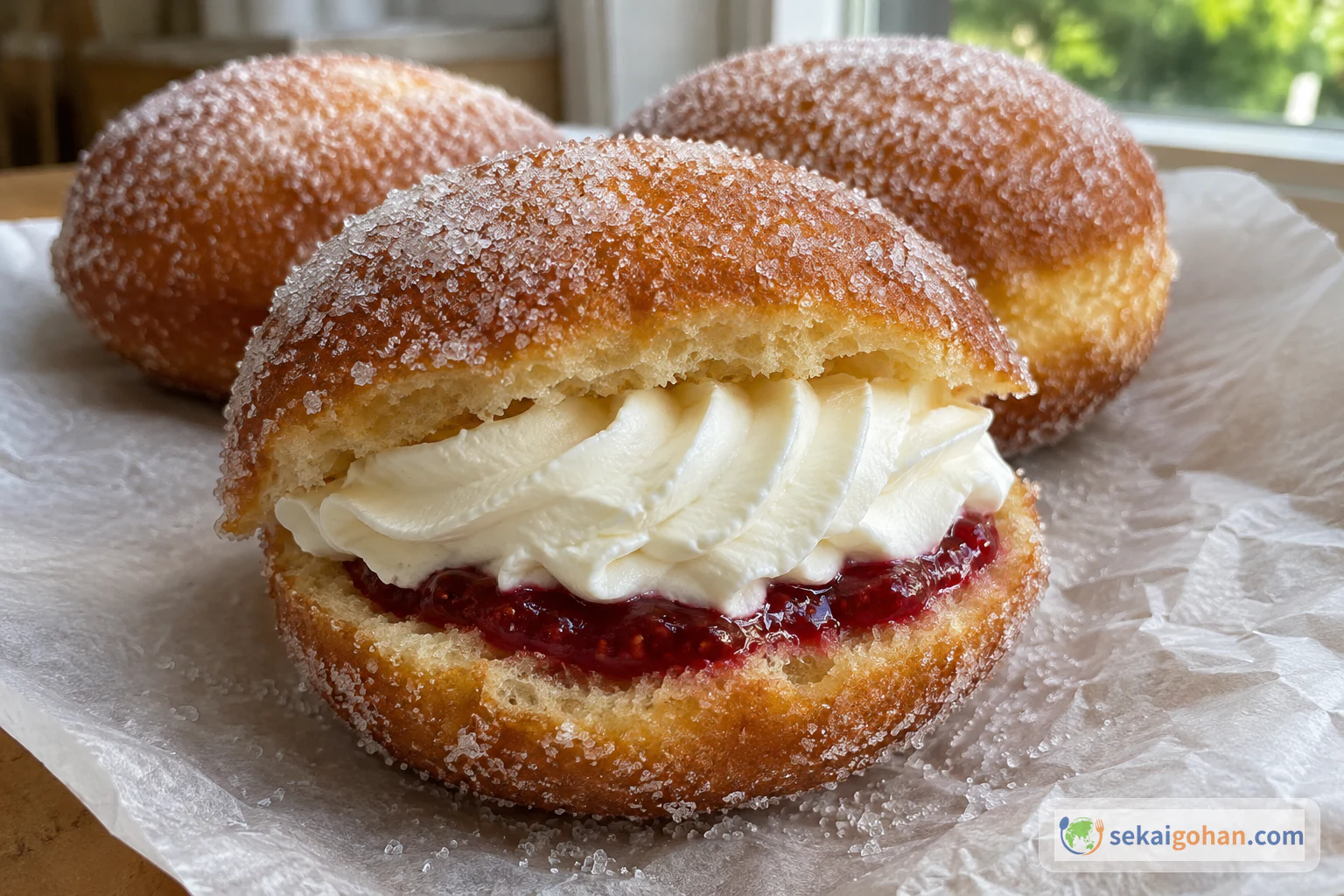
Sugar crystals come off on your fingers first. Then the bun gives, the fried crumb tears softly, and a swirl of cold whipped cream meets a seam of sharp raspberry jam. In South Australian bakeries the Kitchener bun sits in the case next to the Berliner, and the two look like cousins: sweet yeast dough, fried and sugared. The Kitchener bun is split open across the middle and holds more cream than jam. It tastes of warm-shop doughnut, dairy and fruit all in one bite, and it has been sold around Adelaide for more than a hundred years.
A Berliner That Changed Its Name in Wartime
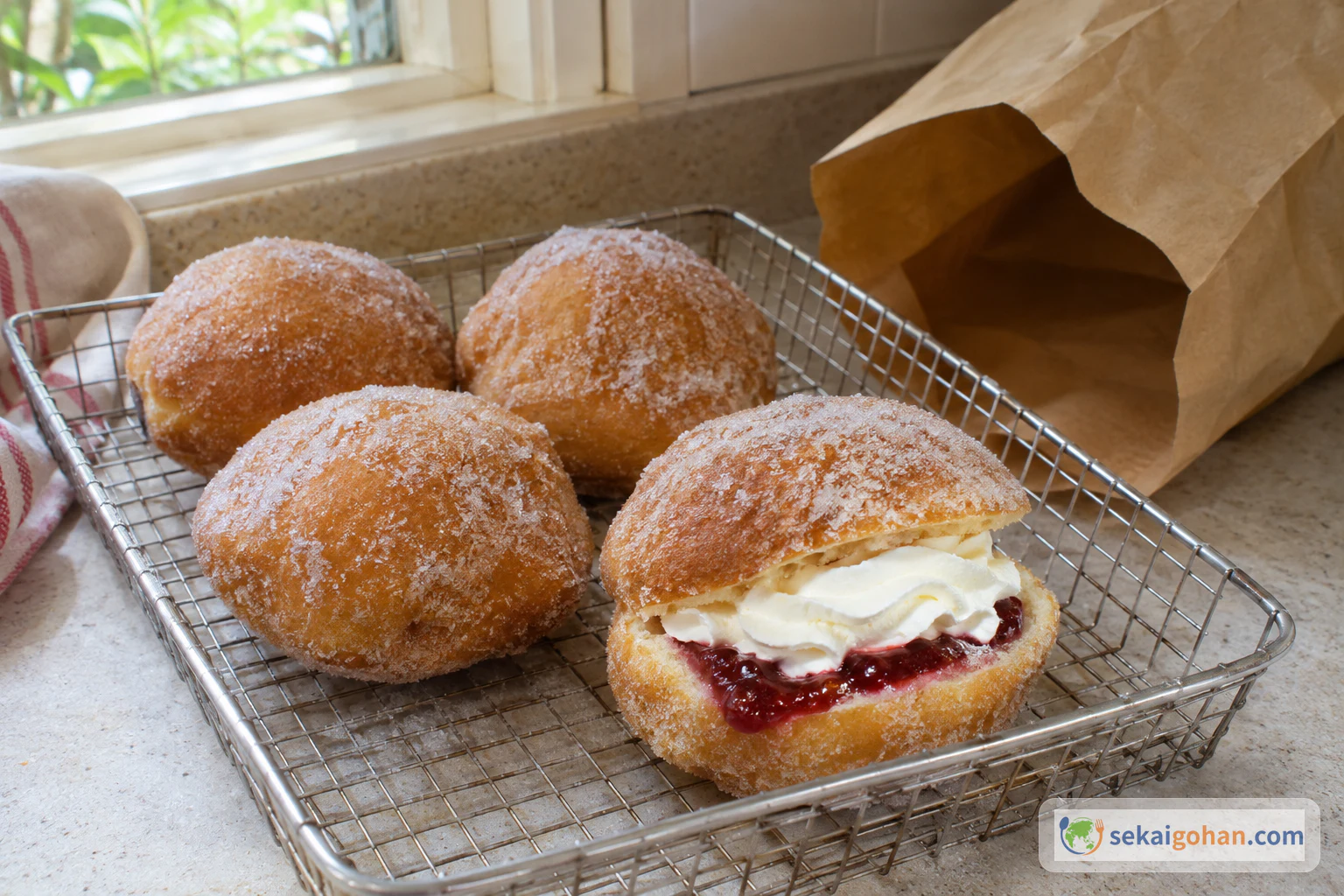
The dough came with German settlers. From the 1840s, German Lutheran immigrants who had left home to escape religious persecution settled in South Australia, and their food lasted in places like the Barossa Valley. With it came the Berliner (Berliner Pfannkuchen), a fried sweet yeast bun. In South Australia, and only there, bakers took to slashing the bun along one side and filling it with jam.
Then came the First World War. A "Kitchener bun" was being advertised by 1915. In 1917 the South Australian parliament passed the Nomenclature Act, which changed 69 German-linked town and district names (Hahndorf became Ambleside), and the Berliner name dropped out of use along with them. The bun took the name of Lord Kitchener instead. He was the British field marshal and Secretary of State for War whose face was on the recruiting posters, and he died in 1916 when HMS Hampshire went down. In 1935 a second Nomenclature Act gave many German place names back. The bun kept its new name.
From jam inside to cream on top
The filling changed more slowly than the name. A 1930 recipe sealed the jam inside the dough before frying, with no cream at all. Cream first turns up in 1934. Ten years later it got a baker in Unley into trouble: in 1944 he was fined £15 2s for using cream, against the wartime food-control regulations. The place where the first Kitchener bun was made is not settled. Edwin Ellis's Covent Garden eatery and food hall on King William Street in Adelaide is often given the credit.
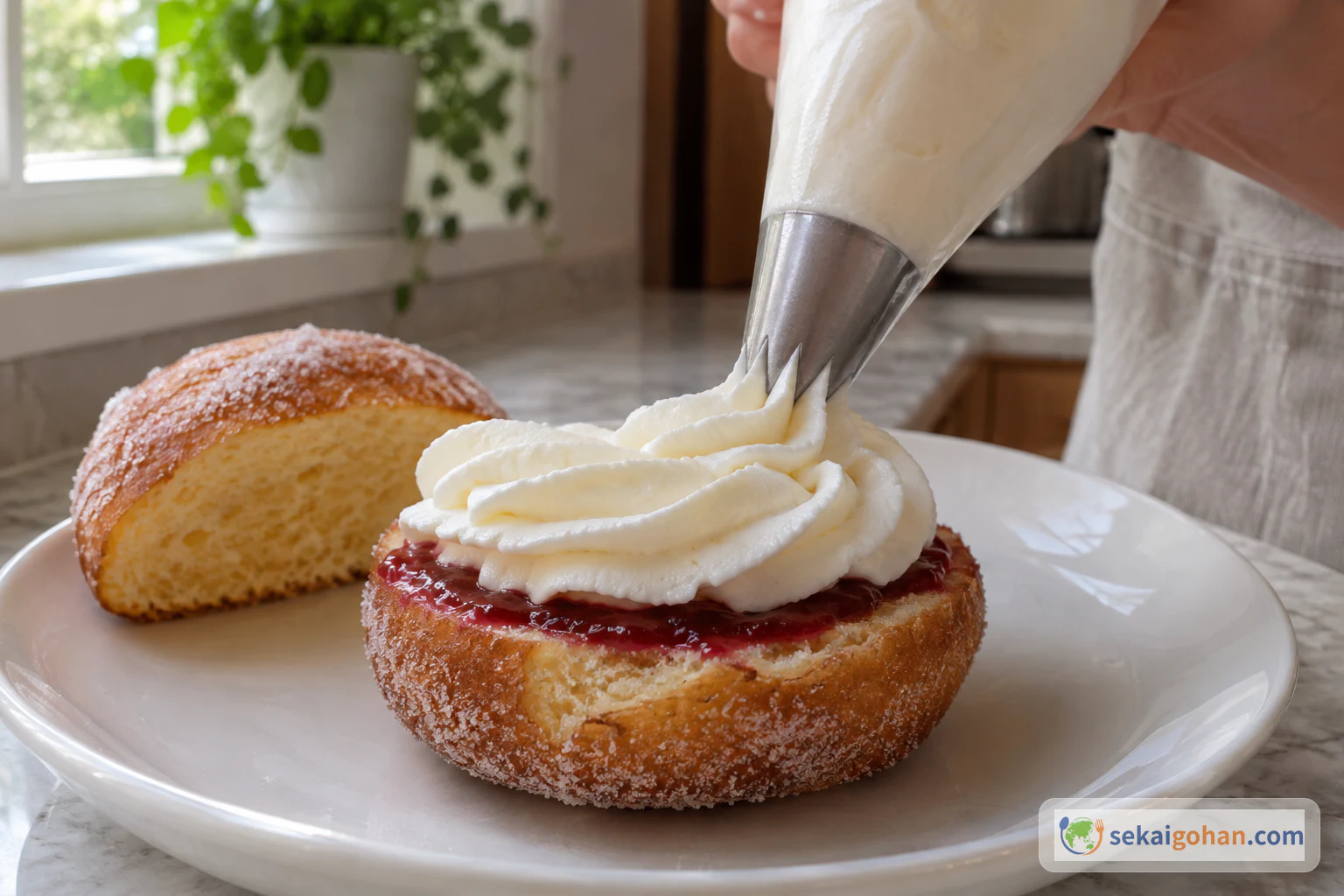
Today South Australian bakeries sell both buns side by side. The Berliner comes with jam or custard and sweet icing. The Kitchener bun comes split, with jam and fresh cream, and cream is the larger part. Bakers judge it on a short list: dough proofed without hurrying, buns fried all the way through but not dark, good frying oil, fresh jam and real cream, and buns made fresh each day. The bakery that holds the Australia's Best Kitchener Bun title, Dernancourt Bakehouse, has kept the same dough for twenty years and plays only with what goes inside.
The bun is named after Lord Kitchener, Britain's Secretary of State for War at the start of the First World War. In 1917 South Australia dropped German names and the Berliner was renamed after him. The 1935 law that restored many German town names left the bun alone, and so did everyone who ate it.
It belongs to the same family of sugared fried dough as French Polynesia's firi firi. If you want another sweet with cream from this side of the world, look at the pavlova. More dishes from the country are collected under Australia.
Ingredients (serves 10)
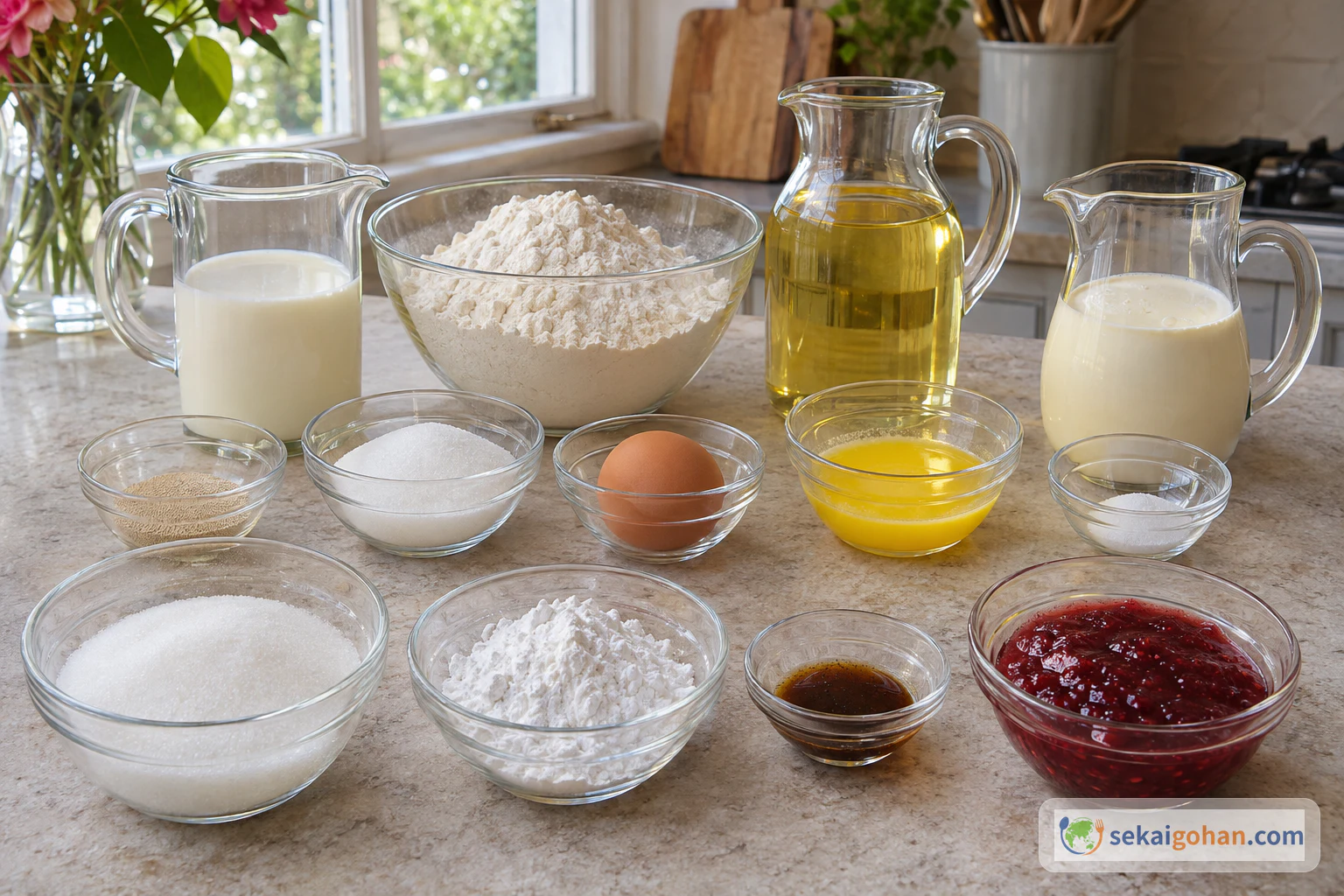
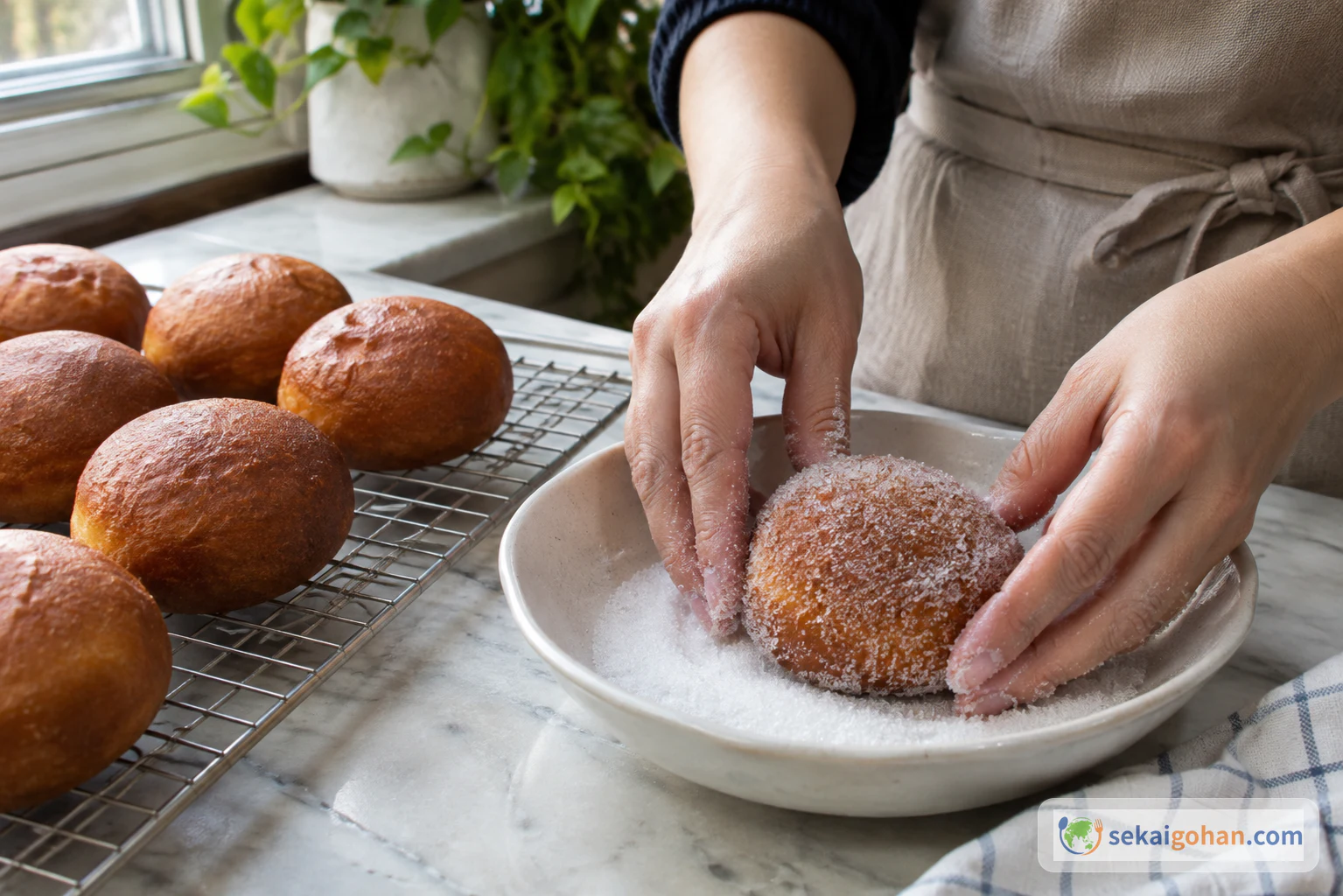
The small amount of caster sugar goes into the dough at the very start. The full cup waits in its own bowl until the buns are completely cool. Measure them into separate containers before you begin so the coating sugar never ends up in the mixer.
Kitchener buns contain wheat (flour), egg and milk (milk, butter and cream). Check the labels on the jam and the icing sugar mixture too.
Equipment
- Stand mixer with a dough hook
- Baking tray lined with baking paper
- Electric whisk and a mixing bowl for the cream
- Piping bag with a large star nozzle
- Large heavy saucepan or deep fryer
- Cooking thermometer for the oil
- Tongs
- Wire rack
- Medium bowl for the coating sugar
- Knife for splitting the buns
Choosing and Substituting
The cream decides the bun. In Australia, thickened cream is cream with a little stabilizer added so it whips and holds well. Anywhere else, use whipping or heavy cream with at least 35% fat. It whips to the same soft peaks and pipes cleanly.
Icing sugar mixture is the Australian powdered sugar blended with a little starch. Pure powdered (confectioners') sugar works in its place, and the cream comes out a touch softer in texture. If you have no vanilla paste, vanilla extract gives the scent without the dark specks.
Raspberry is the classic jam, and strawberry is just as much at home here. Buy a good, sharp jam with plenty of fruit. It is what cuts through the cream and the fried dough, so a very sweet, set jam leaves the bun tasting flat. Caster sugar is superfine sugar, and its small crystals cling evenly to the crust.
Method
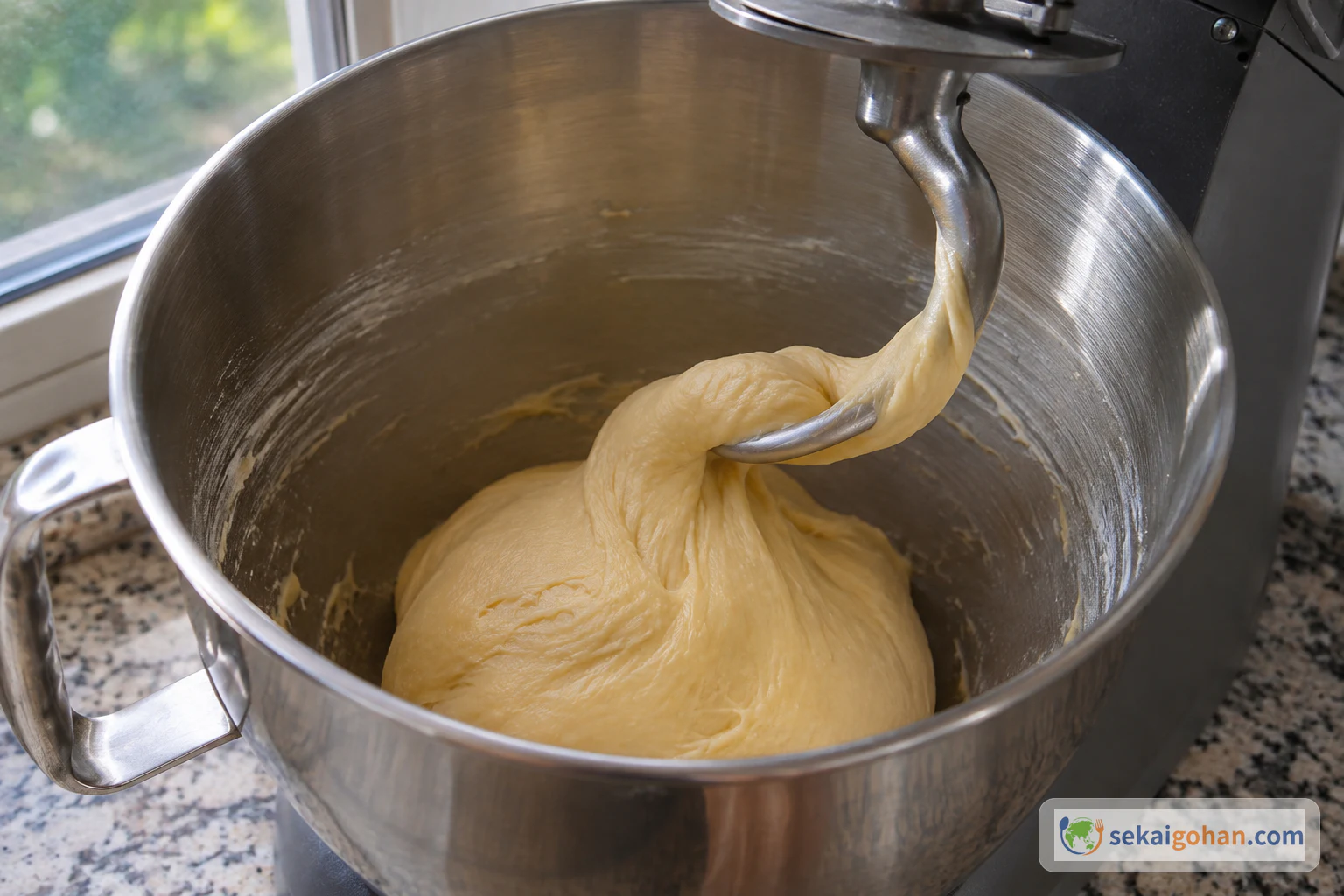
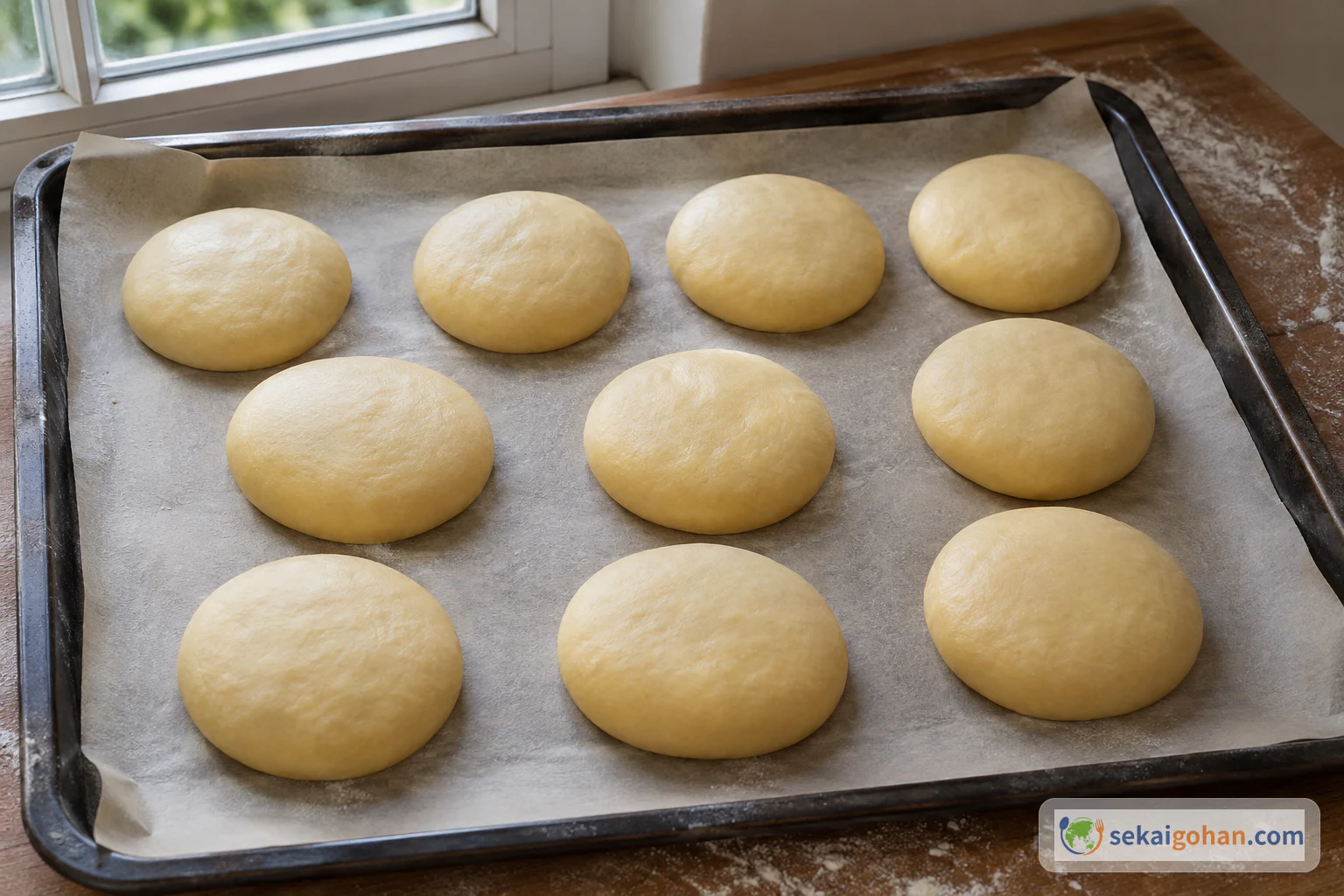
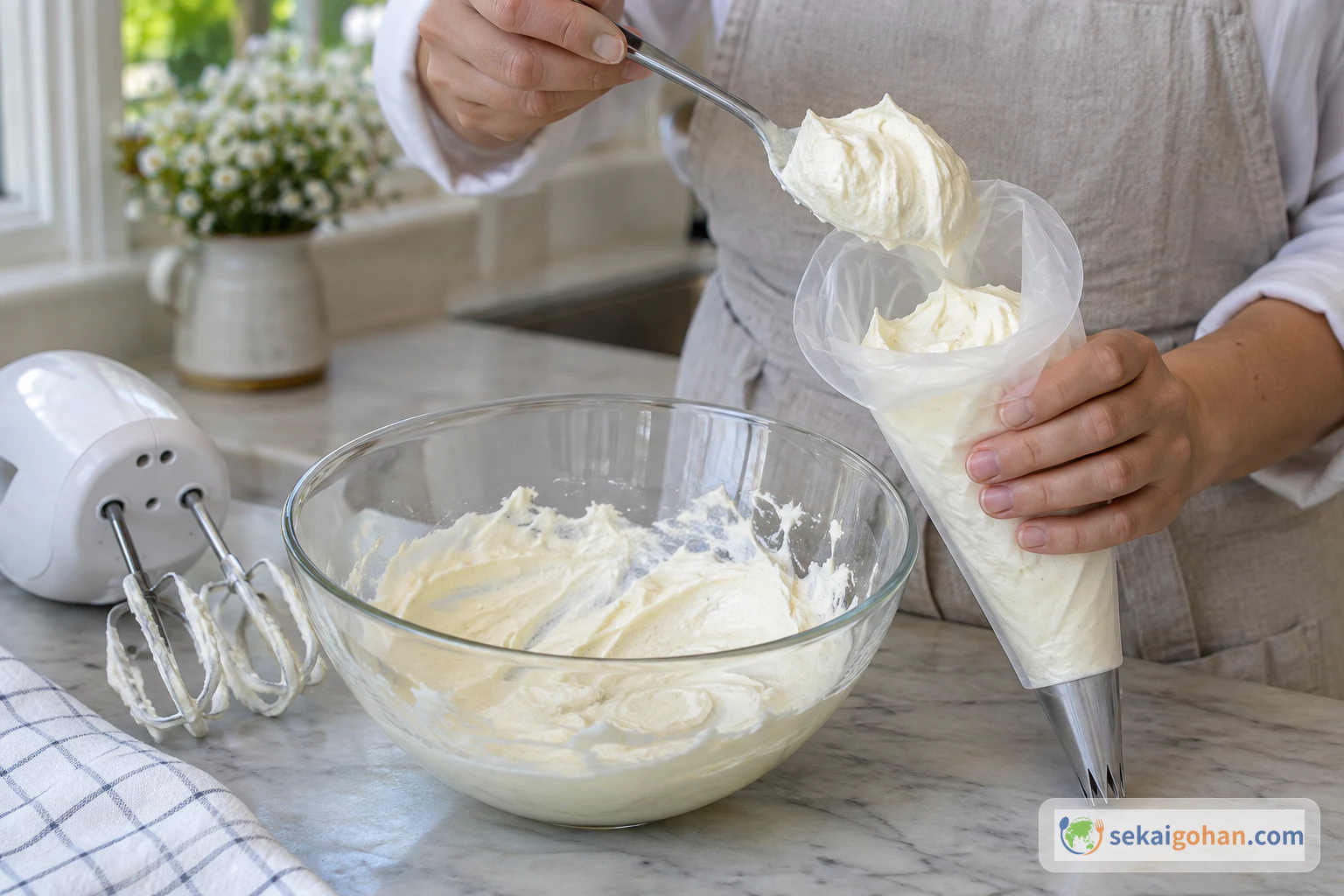
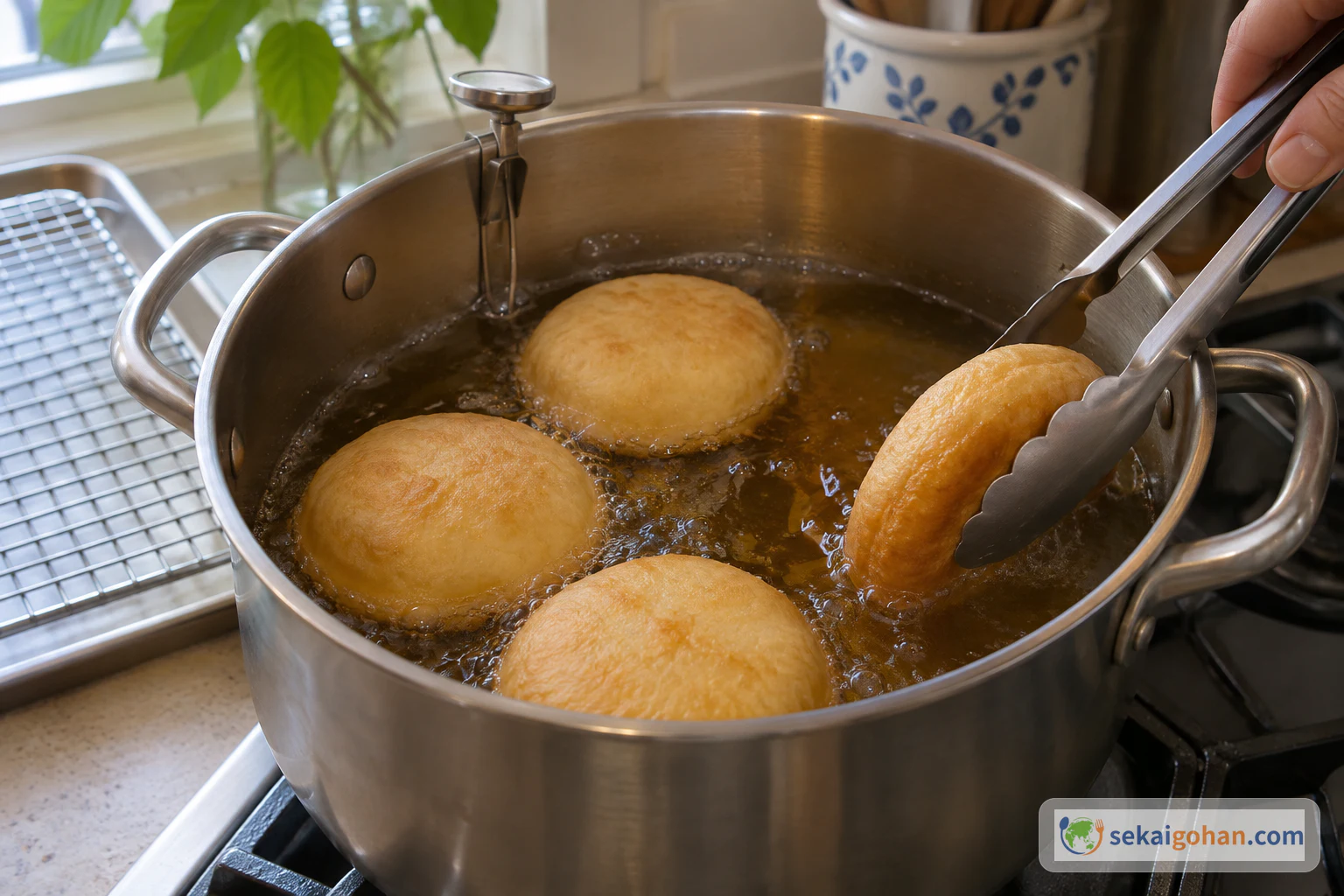
The dough comes first. While the shaped buns proof, whip the cream and put it in the fridge, so it is cold and ready long before you need it. The frying is hands-on work in batches. After that the buns have to cool on the rack, and only then do they get their sugar and filling. Keep the order: fry, cool, sugar, fill.
When It Goes Wrong
| What you see | Why | What to do |
|---|---|---|
| Doughy, raw-tasting centre | Fried too briefly, or the oil was too hot and coloured the outside first | Fry each batch the full 6–8 minutes at 320°F (160°C), turning halfway |
| Dark brown outside | Oil above temperature | Check the thermometer before every batch and fry only to pale golden |
| Dense, tight crumb | The proof was rushed | Give the shaped rounds the full 20 minutes, until slightly risen |
| Cream runs off the bun | Under-whipped | Whisk a little longer, just until soft peaks hold |
| Grainy, stiff cream | Over-whipped | Stop at soft peaks. Next time watch the cream closely at the end, because it turns quickly |
Serving, Variations and Storage
Serving
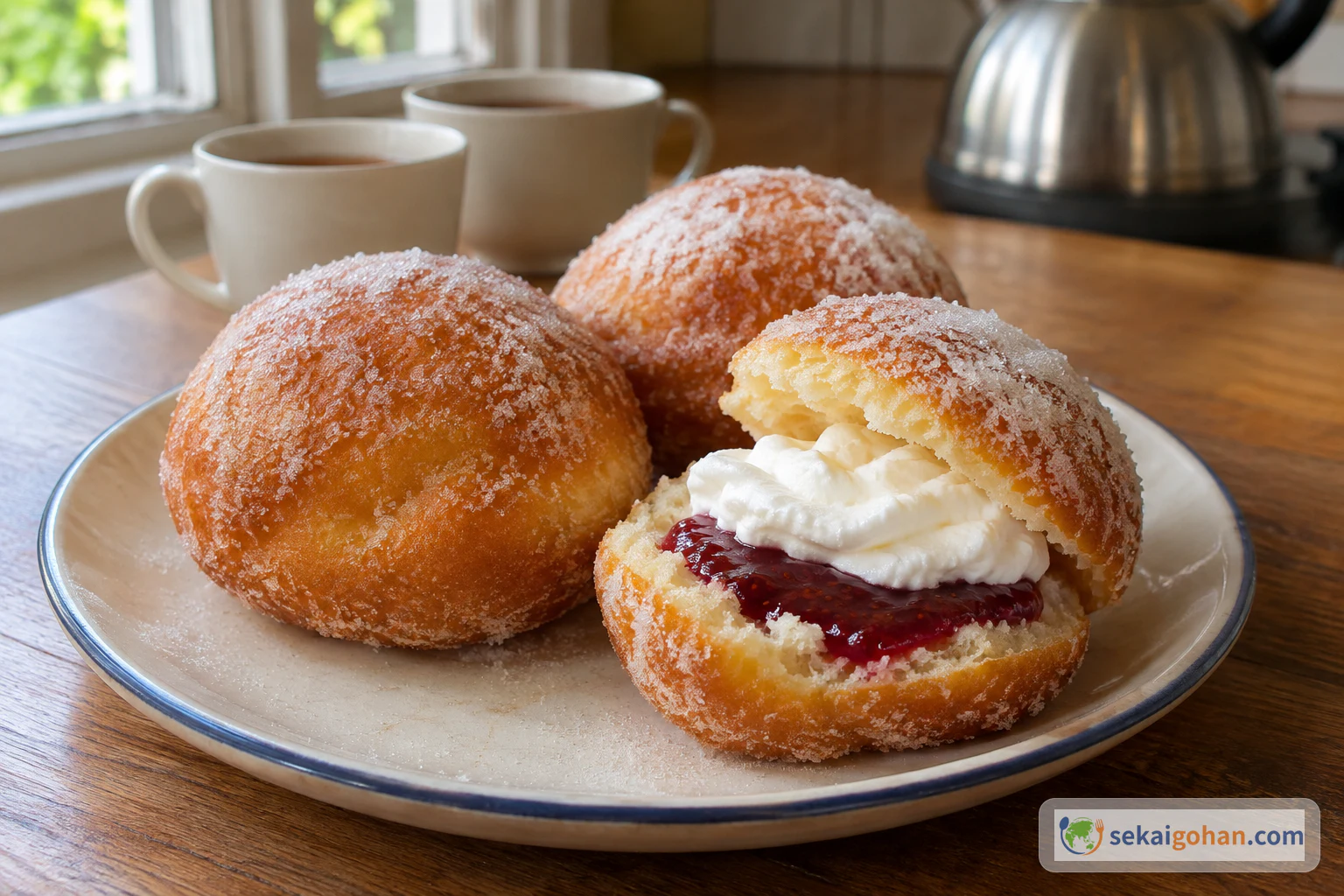
A Kitchener bun is a bakery treat, eaten in the hand from a paper bag or set on a plate with a pot of tea. Everything about it is built for the day it is made, so fill the buns close to serving and put them out all at once. If you want something savoury from the same country to go with it, try the halal snack pack.
Variations
- Strawberry jam: swap it in for the raspberry. You get a softer, sweeter fruit layer under the cream.
- Plain cream: leave out the vanilla paste. The cream tastes of pure dairy and lets the jam lead.
- Modern fillings: South Australian bakers now fill the same fried bun with apricot, lemon, blueberry, pistachio or Biscoff. Use one in place of the raspberry jam and keep the cream.
Storage
Keep the bag of whipped cream in the refrigerator until you pipe it. Once the buns are filled with fresh cream, keep them refrigerated in a covered container and eat them the same day.
Frequently Asked Questions
Is it the same as a cream bun or a finger bun?
No. The jam-and-cream bun sold across Australia is a bread bun, a separate thing. A finger bun is a long baked bun topped with pink icing and desiccated coconut. The Kitchener bun is round and fried, then sugared and split for jam and cream.
Can I bake the buns instead of frying them?
The South Australian bun is fried, and this recipe fries the dough as written. A baked version is sometimes mentioned, but that is not confirmed, so fry them for the real thing.
What do I do with the oil afterwards?
Turn off the heat and leave the oil in the pan until it is completely cool. Only then pour it into a sealable container and dispose of it. Never pour hot oil down the sink or move a pan of hot oil around the kitchen.