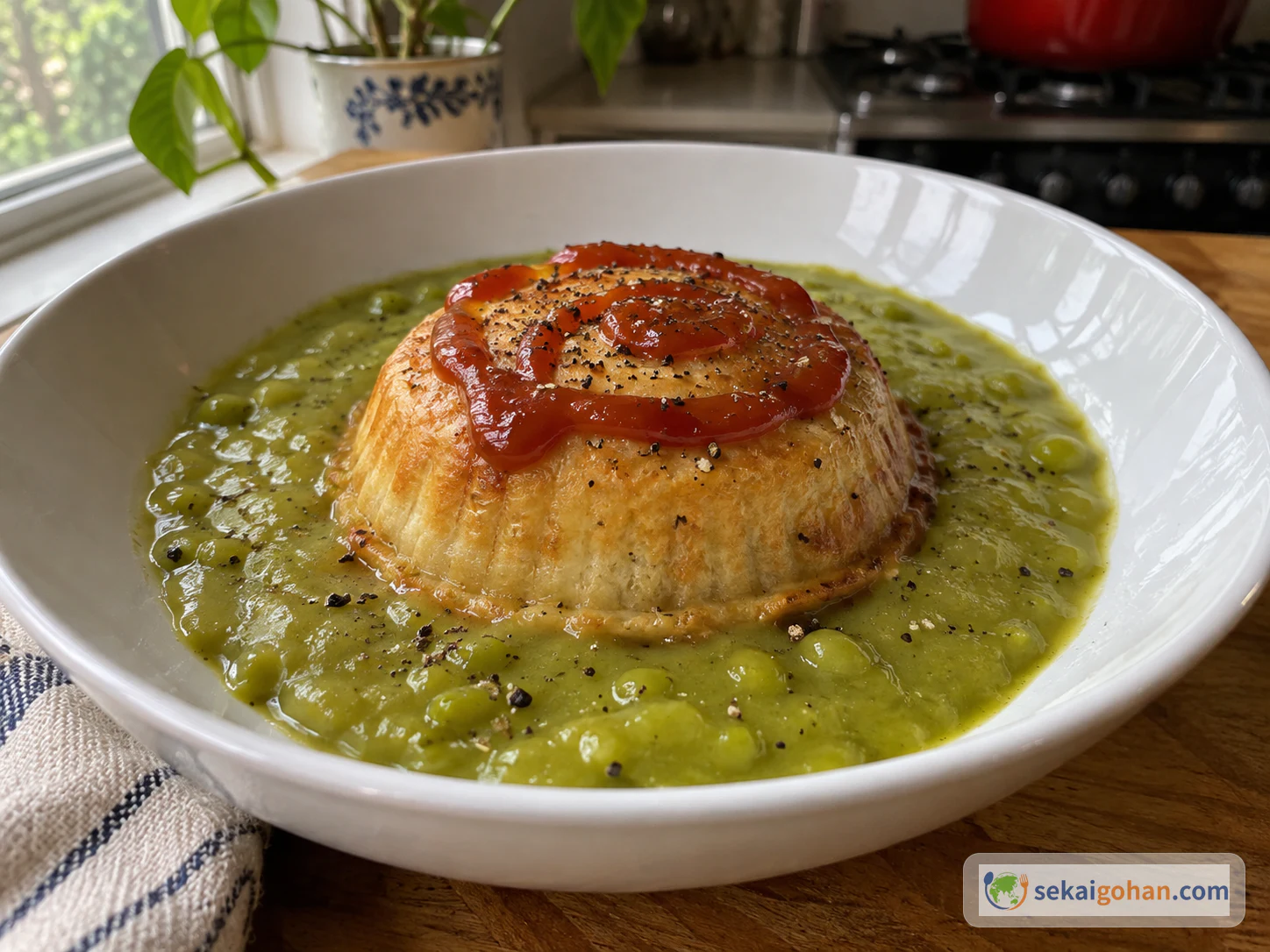
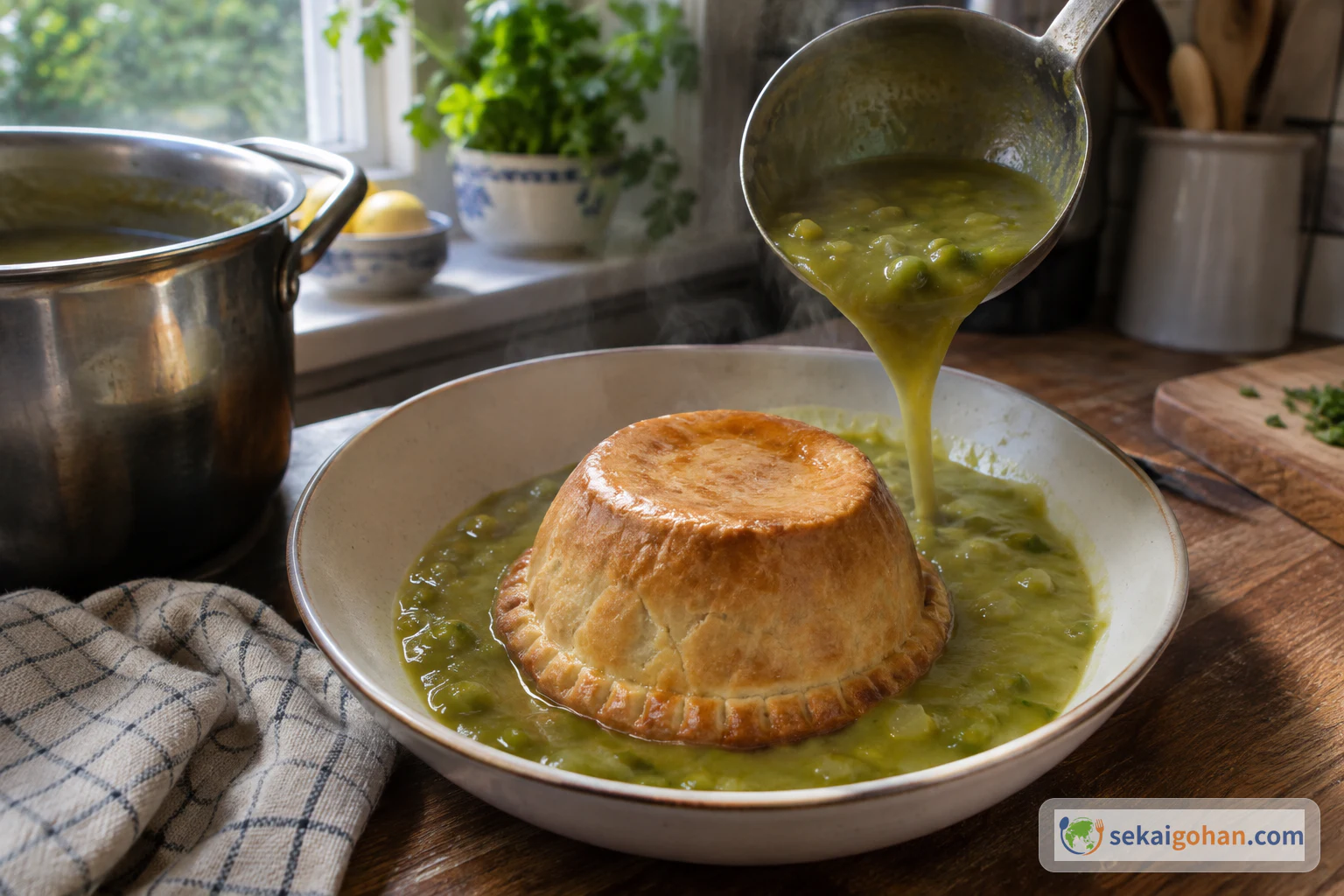
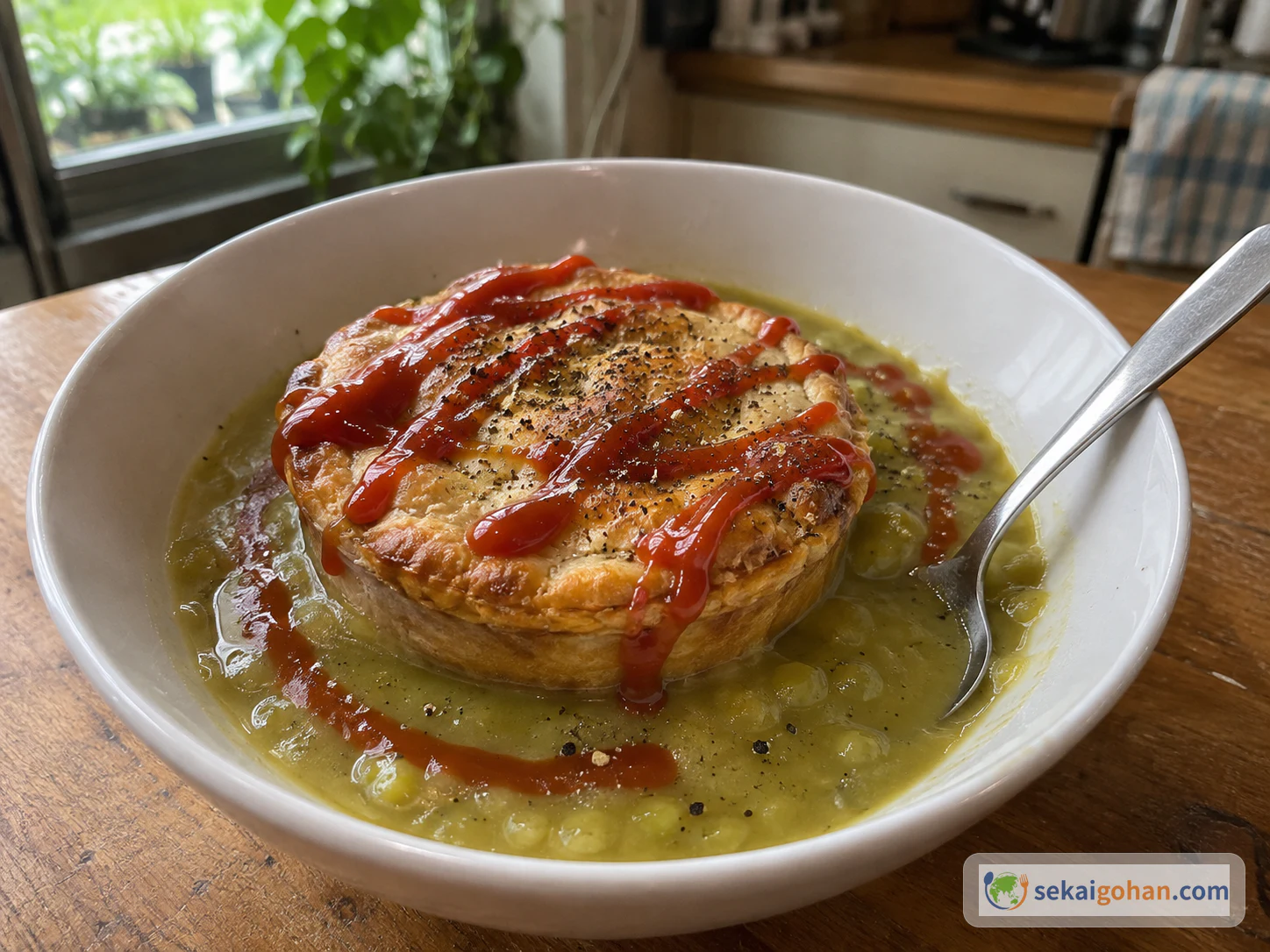
The bowl arrives with a golden meat pie sitting upside down in it, its flat pastry base turned to the sky and a thick green pea soup lapping up its sides. A red line of tomato sauce runs across the top, black pepper is cracked over everything, and the first spoon goes straight through the crust into the minced beef, dragging soup in with it. This is the pie floater, a South Australian specialty tied to Adelaide and its pie carts. It tastes of savoury gravy-rich filling, sweet earthy peas and the bright tang of sauce, all at once and all hot.
A Pie in a Bowl, From the Adelaide Pie Carts
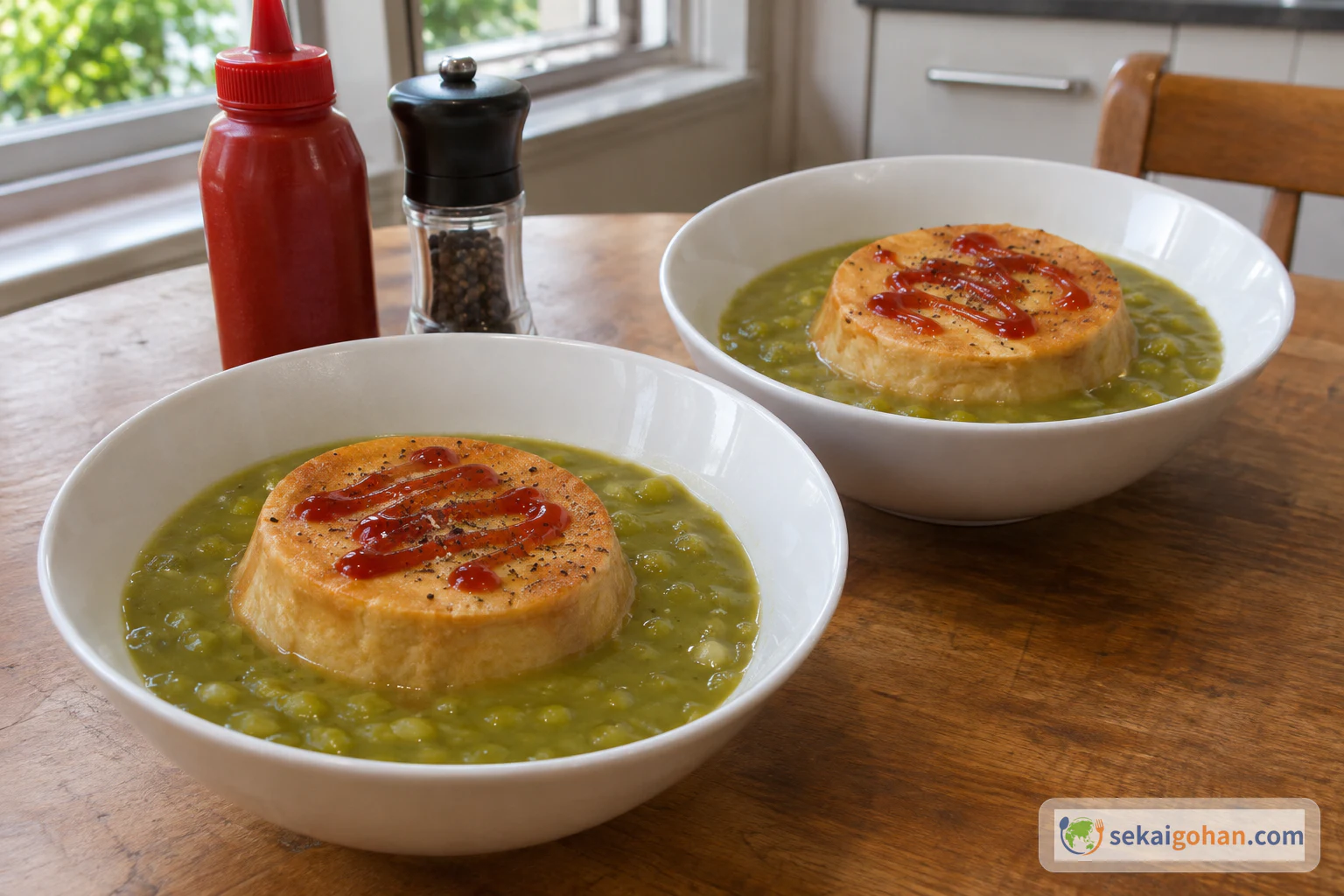
The pie floater grew up on the street. Adelaide's pie carts are usually traced back to the 1870s, and accounts put nine of them on the city's streets in 1915 and only two, Balfour's and Cowley's, by 1958. People bought a pie at the cart and had it turned over into a bowl of peas. The cart is what gave the dish its place in the city.
Where it started is not settled. A popular story credits Ern "Shorty" Bradley of Port Pirie with inventing it in the 1890s, but that story comes down through family telling, and the earliest printed evidence is a 1914 advertisement in the Port Pirie Recorder. Nobody knows for sure where the name came from either. A link to the pie-and-peas habit of northern England is often suggested as the background, and it fits the shape of the dish, though it stays a suggestion.
What goes on the pie
The traditional pie is filled with minced beef, and the traditional peas are blue boiler peas, cooked down into a thick soup. The sauce is Australian tomato sauce, which is usually made without vinegar and tastes rounder and sweeter than ketchup. Some people add mint, a splash of vinegar, or simply salt and pepper; at the carts the sauce often went on with a heavy hand. The version here uses party pies, the small near-bite-sized individual pies sold across Australia, so each bowl holds a neat floater. More about the country's food sits on the Australia page.
The National Trust of South Australia is said to have named the pie floater a South Australian Heritage Icon in 2003.
Ingredients (serves 8)
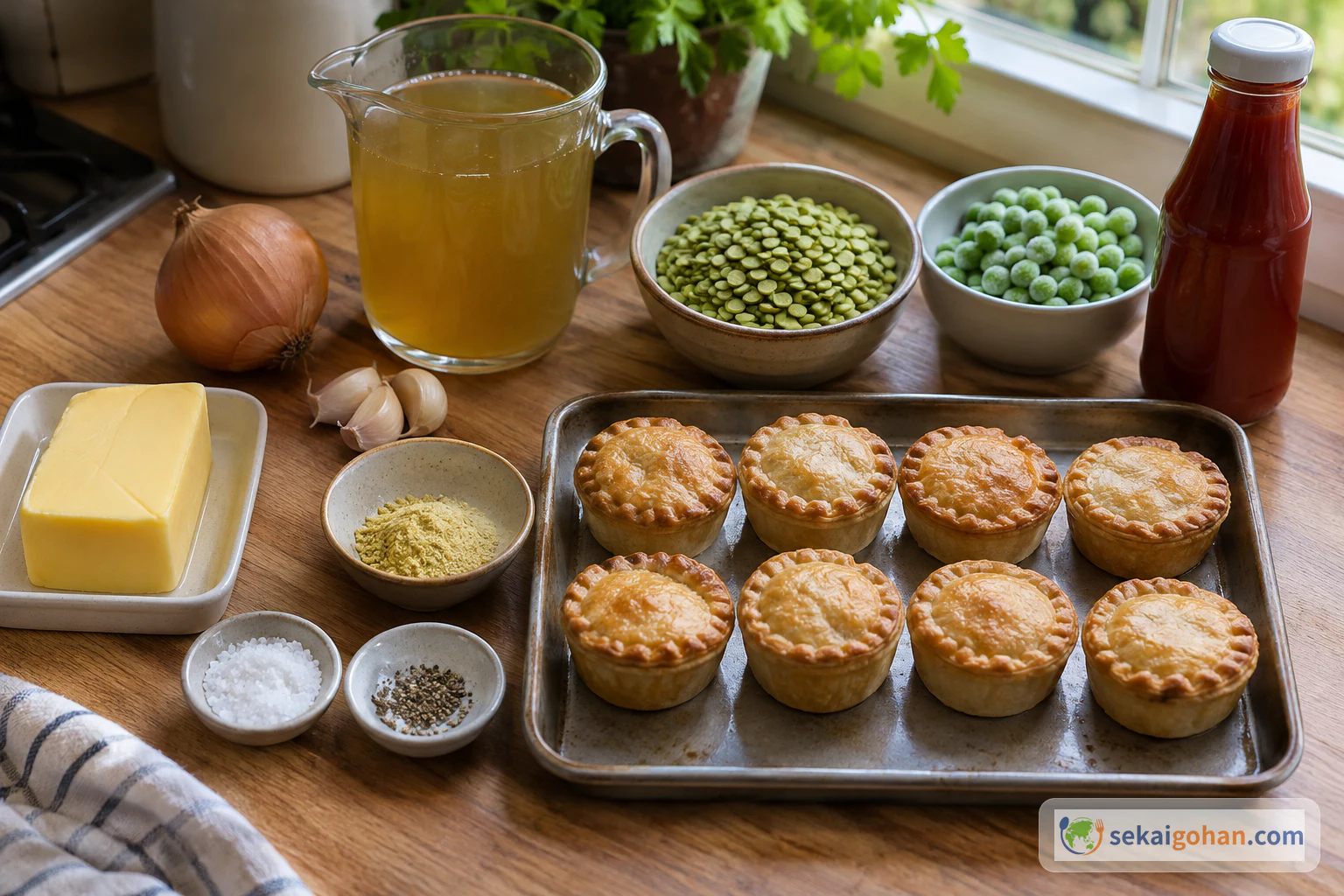
The pies contain wheat pastry and often other allergens such as milk, egg or soy; the butter is a dairy product. Stock and stock powder vary by brand, so read the labels on the pies, stock, powder and sauce before cooking.
Equipment
- Large saucepan with a lid
- Stick (hand) blender
- Air fryer or oven
- Ladle
- Wide bowls, one per person
Choosing and Substituting
The soup and the pie decide this dish, so put your shopping effort there. Dried split green peas are the base of the soup. Blue boiler peas are the traditional choice and can be hard to find outside Australia. Split peas with frozen peas make a smooth, sweet, very green soup that sits close to the floater without being the same soup, so treat it as its own good version.
| Item | What to buy | What a swap changes |
|---|---|---|
| Pies | Party pies, or any frozen individual meat pie with a minced beef filling | Larger pies make a heartier bowl and take longer to heat through; homemade pies work just as well |
| Peas | Dried split green peas plus frozen peas | Using only split peas gives a duller, earthier soup; using only frozen peas gives a thinner, sweeter purée |
| Sauce | Australian tomato sauce | Ketchup brings a sharper, more vinegary edge; chutney adds chunks and spice |
| Stock | Vegetable stock and stock powder | A low-salt stock lets you set the seasoning yourself at the end |
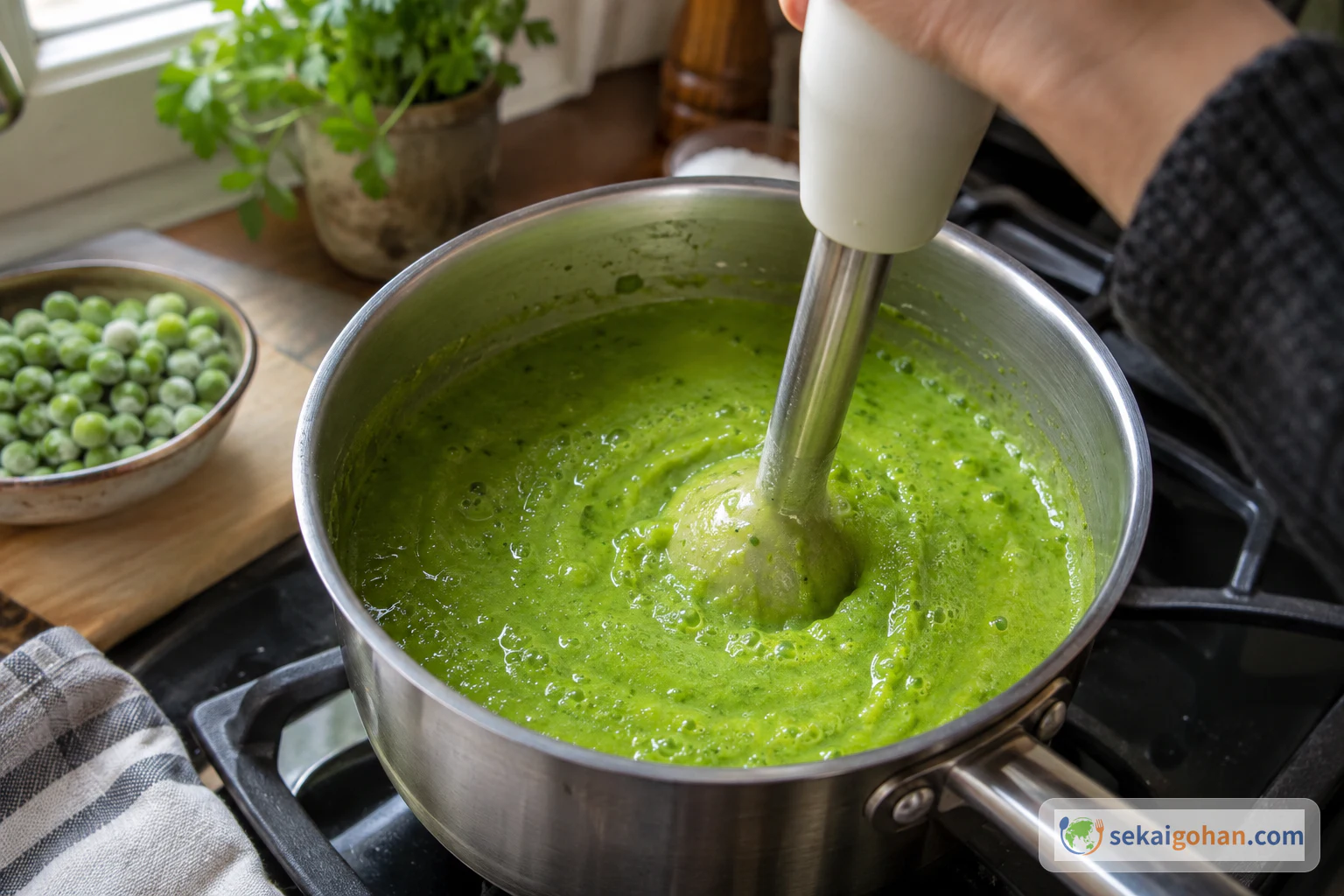
The pie should float, not sink. The soup needs enough body to hold it up, so blend to a thick, spoon-coating texture and add liquid only if it turns stiff.
Method
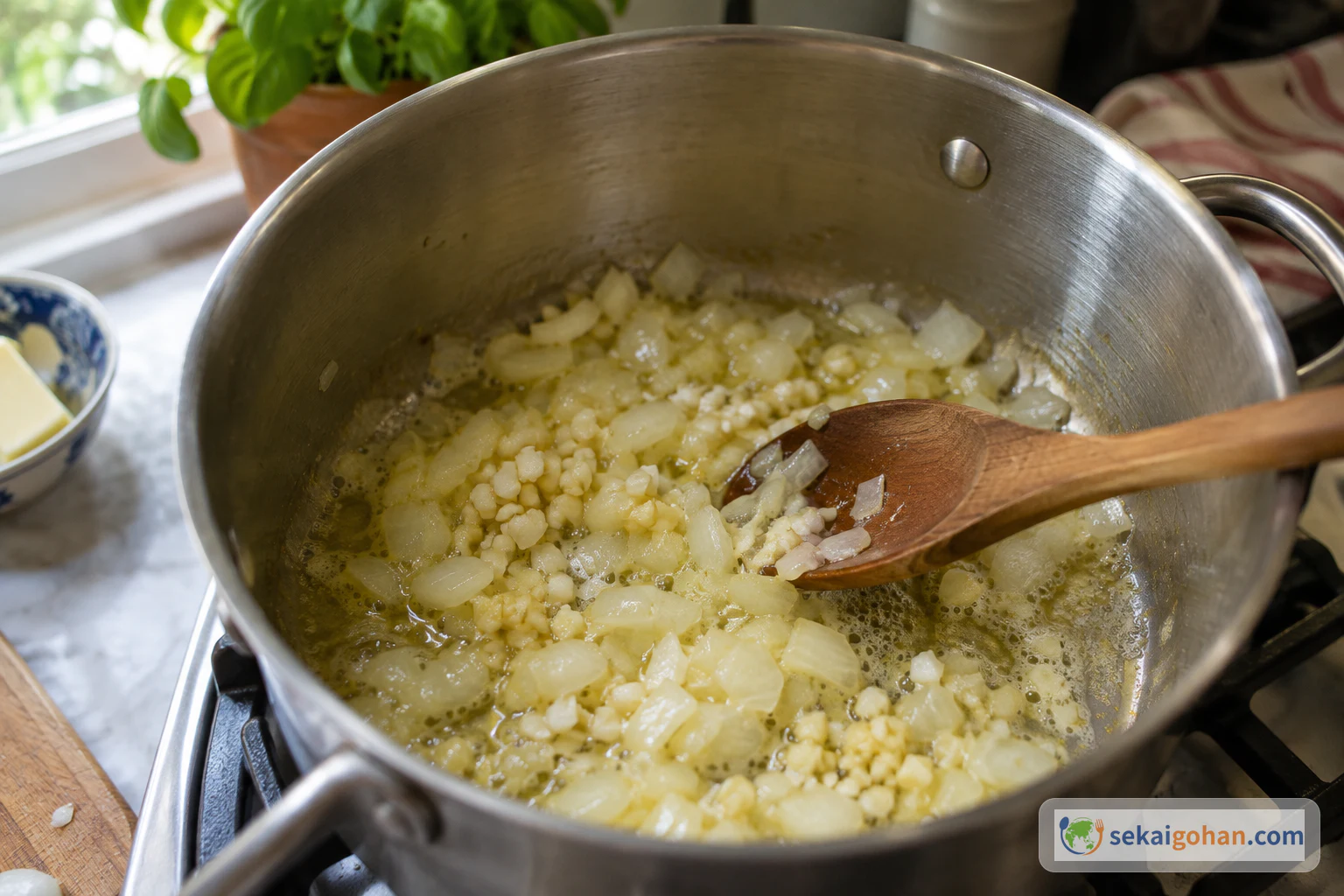
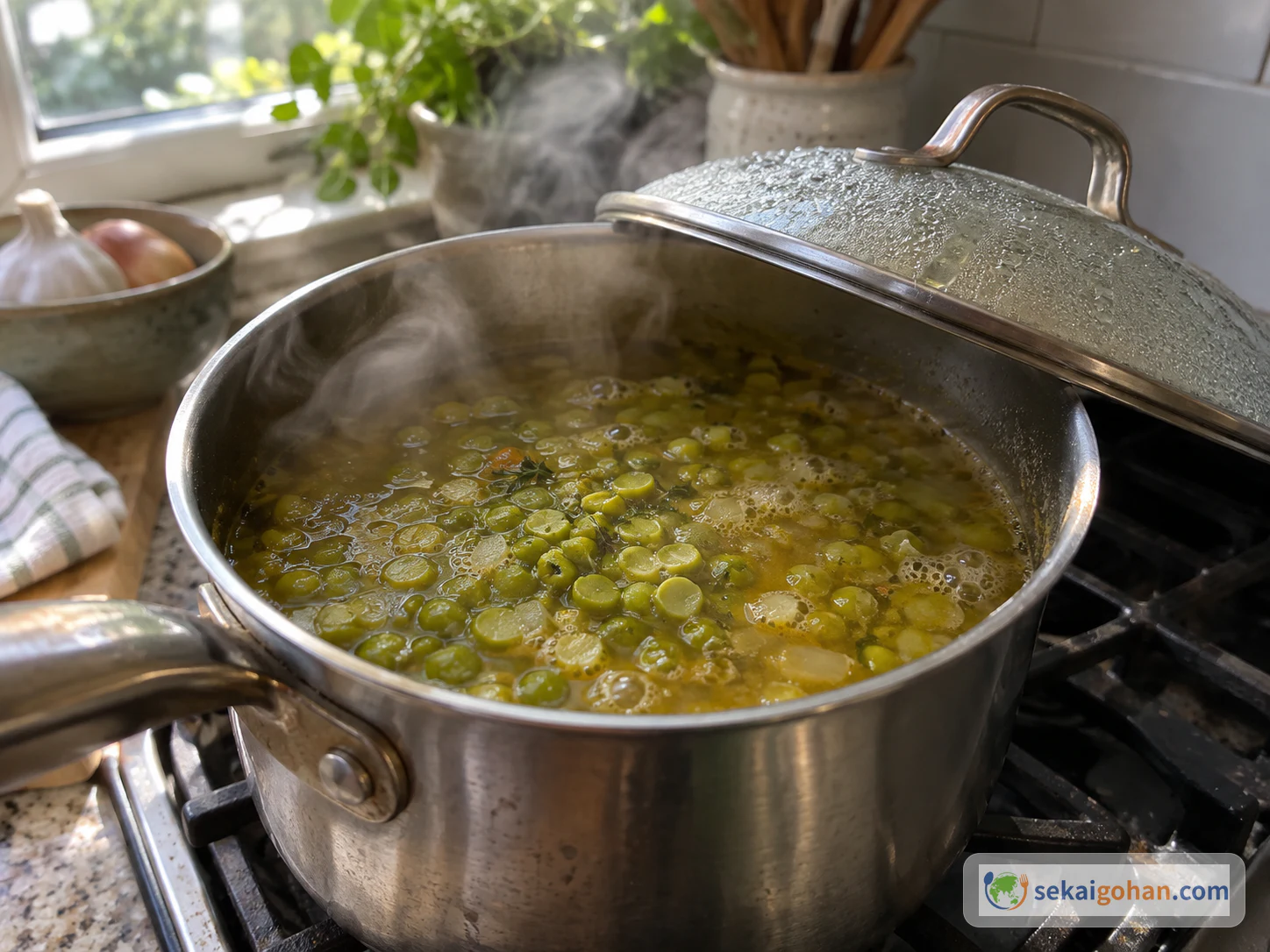
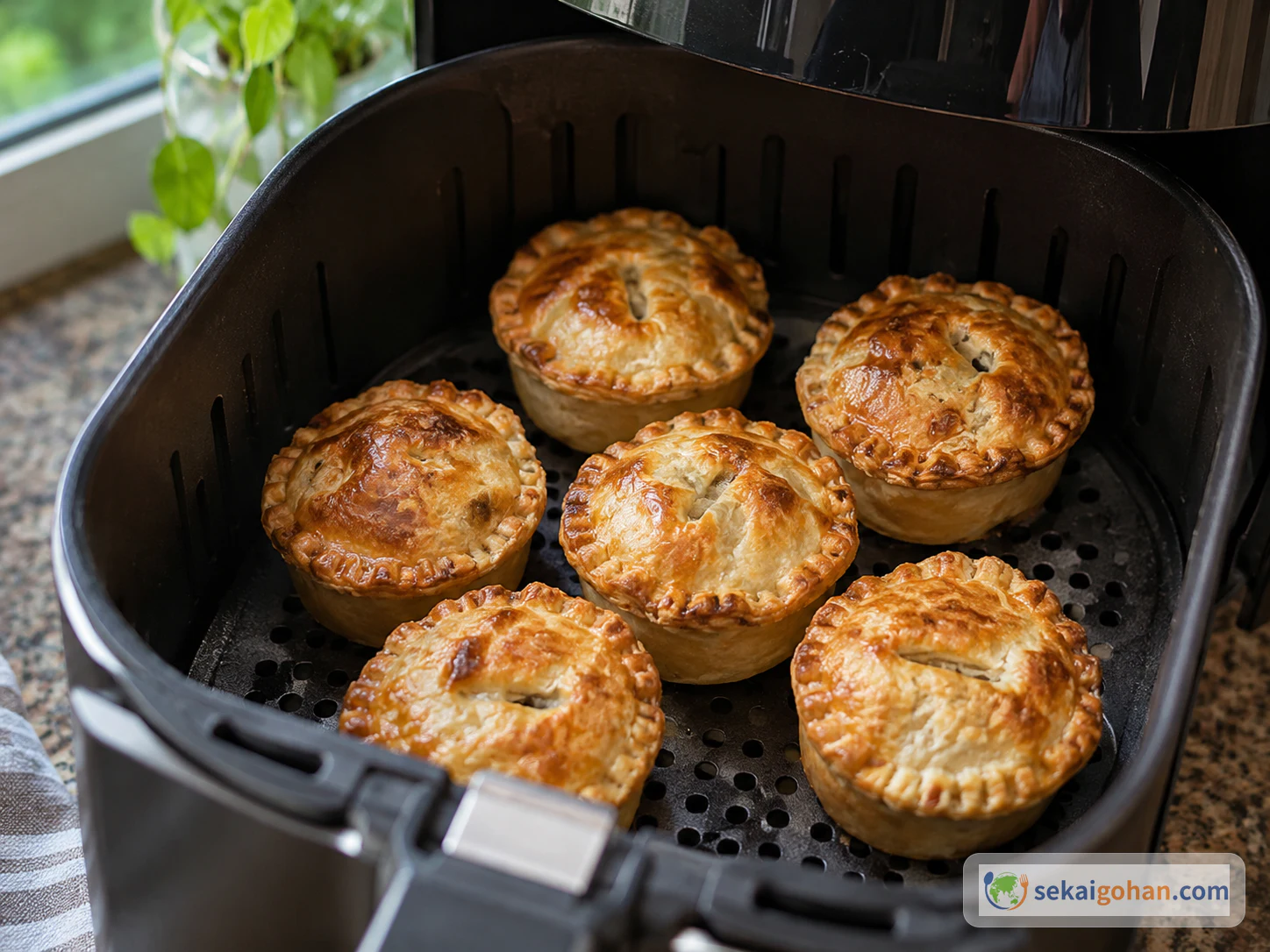
The soup is the long part and nearly all of it is hands-off: a short sauté, then a covered simmer. Use that simmering time to heat the pies, timing them to come out crisp just as the soup is blended. Finish the soup first, plate fast and eat while the pastry still crackles.
When It Goes Wrong
| What you see | Why | What to do |
|---|---|---|
| Peas still grainy after the simmer | They have not softened fully | Keep simmering covered and test a pea again; add a little hot stock or water if the pan gets thick |
| Soup sticking or scorching on the bottom | Split peas settled and the heat was too high | Lower the heat and stir from the bottom; do not scrape burnt bits into the soup |
| Pie sinks into the soup | Soup too thin | Simmer uncovered a little longer, stirring, then blend again |
| Soup too stiff to ladle | Too much liquid cooked off | Stir in a little hot stock or water until it flows off the ladle |
| Soft, soggy pastry | Pie microwaved, or soup poured over the top | Heat in the air fryer or oven and ladle around the pie, not onto it |
| Crisp outside, cool filling | Pie not heated long enough | Return it to the heat until the centre is steaming hot |
Serving and Variations
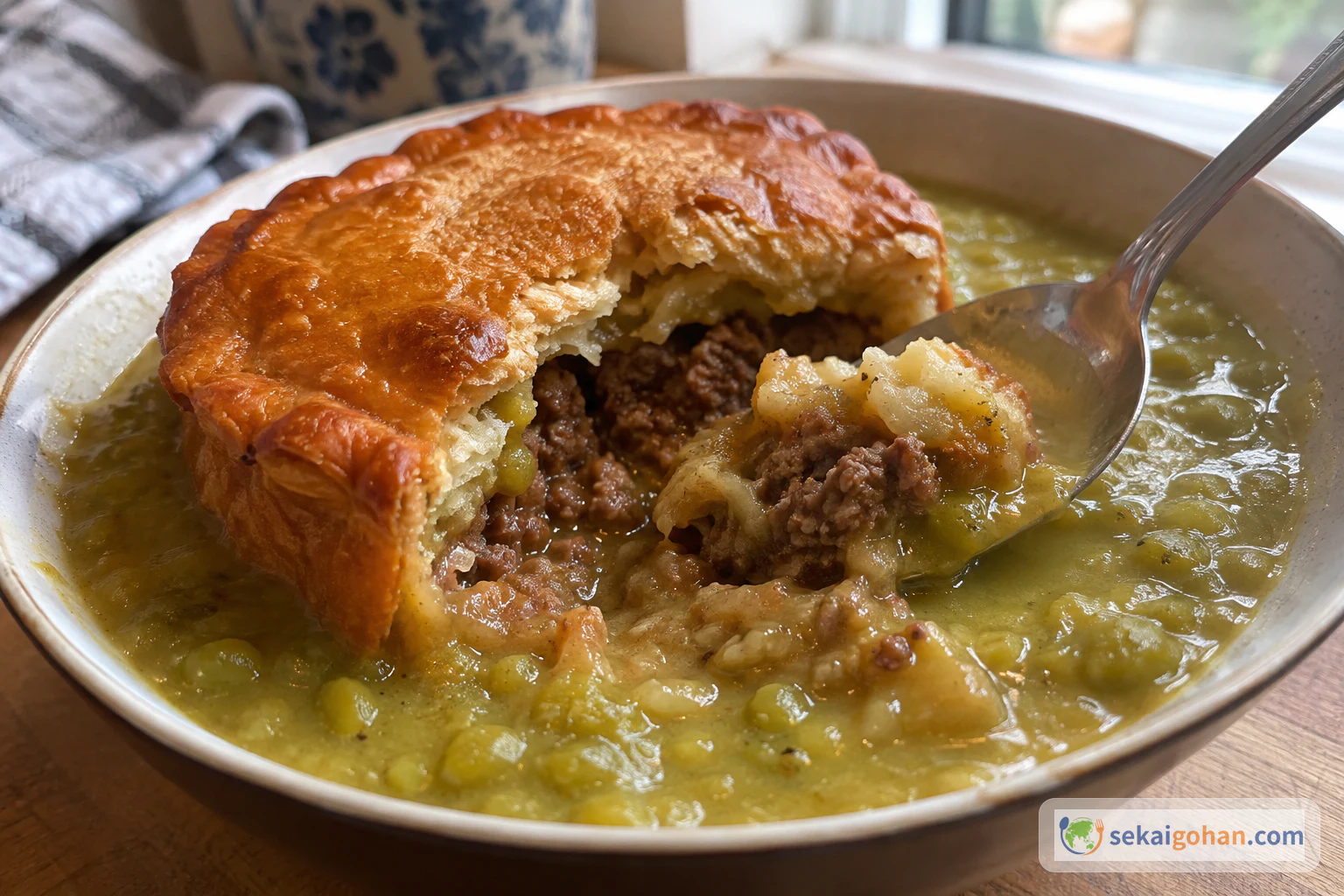
A floater is a meal in one bowl. Eat it with a spoon, breaking into the pie from the top so filling, soaked pastry and soup come up together. At the carts it was served in a disposable container with plenty of sauce; at home it suits a cold night. Put the tomato sauce bottle and the pepper grinder on the table so everyone can add more.
Other fillings
Minced beef is the traditional pie, and curry pies and other fillings are used as well. A curry pie pushes the bowl toward spice and makes the sweetness of the peas stand out more.
Mint, vinegar or chutney
A little mint or a splash of vinegar over the soup cuts the richness and sharpens the peas. Chutney in place of tomato sauce brings fruit and spice to the top of the pie.
The quick bowl
For one person in a hurry, heat a single shop-bought meat pie in the oven and warm canned pea soup separately in a pan, then pour it around the inverted pie. The soup is thinner and plainer than the homemade one, and the floater is on the table with almost no work.
Frequently asked questions
Can I use one full-size meat pie per bowl?
Yes. Use one individual meat pie per bowl and heat it following its pack instructions until it is hot right through to the centre. A larger pie needs more soup around it, so ladle generously.
Can I make a smaller batch?
Yes. Scale every ingredient by the same factor and keep the same method. Watch the simmer more closely, since a small amount of soup thickens and catches on the bottom of the pan faster.
Should the soup be smooth or chunky?
Either. Blend until it is completely smooth for a velvety bowl, or stop early to keep some whole peas for bite. What matters is that it stays thick enough to hold the pie up.
Why is the pie served upside down?
Turning it over puts the flat, sturdy base on top, where it takes the sauce and stays crisp, while the lid side sits in the soup and softens. That contrast of crisp top and soaked pastry underneath is what makes a floater.