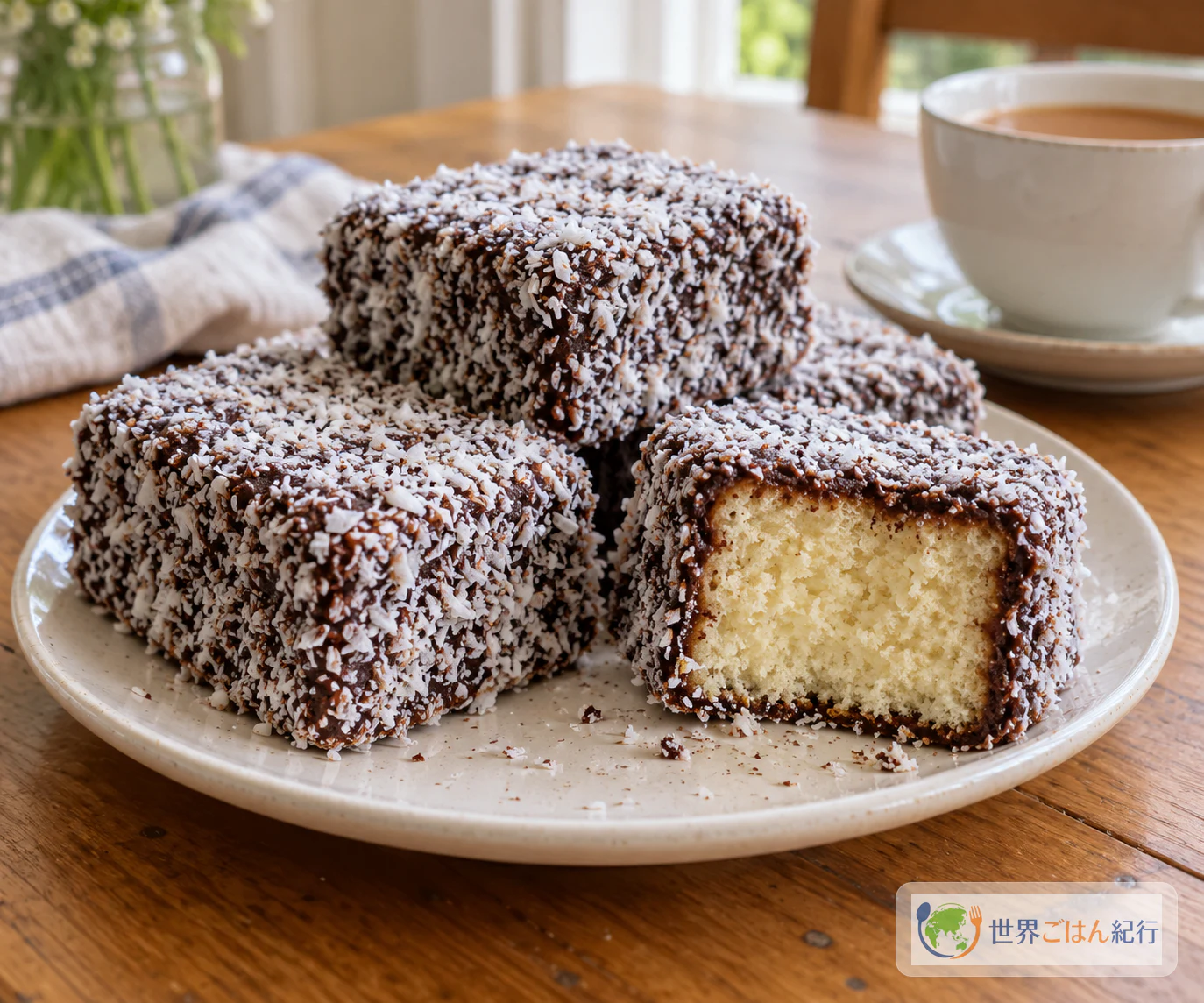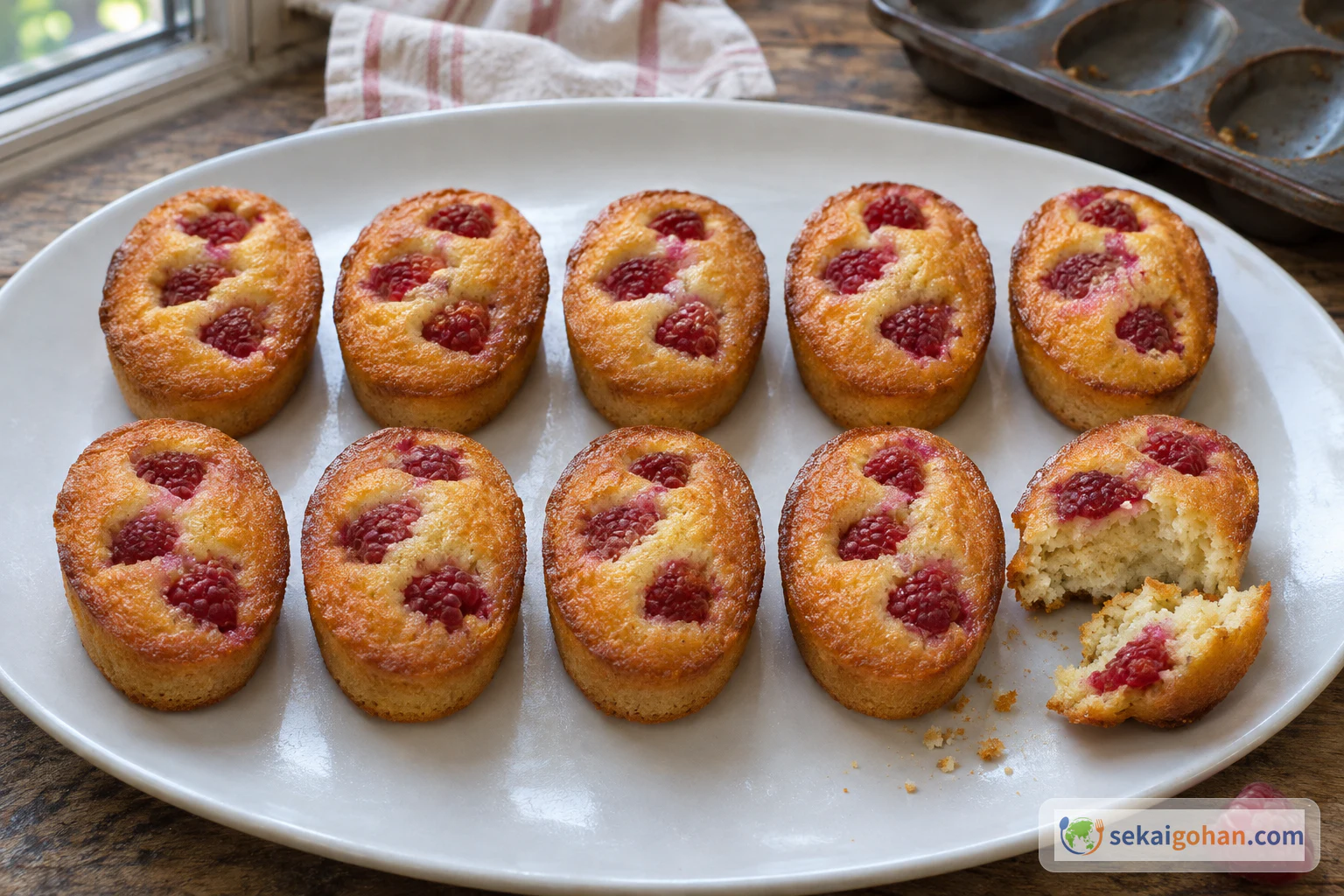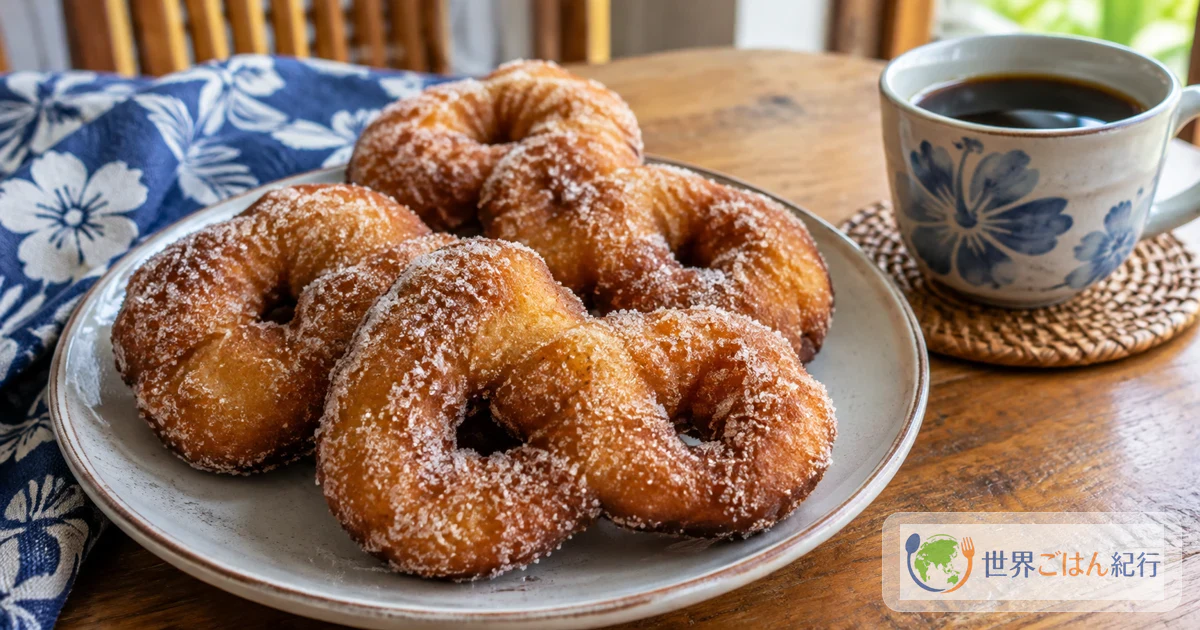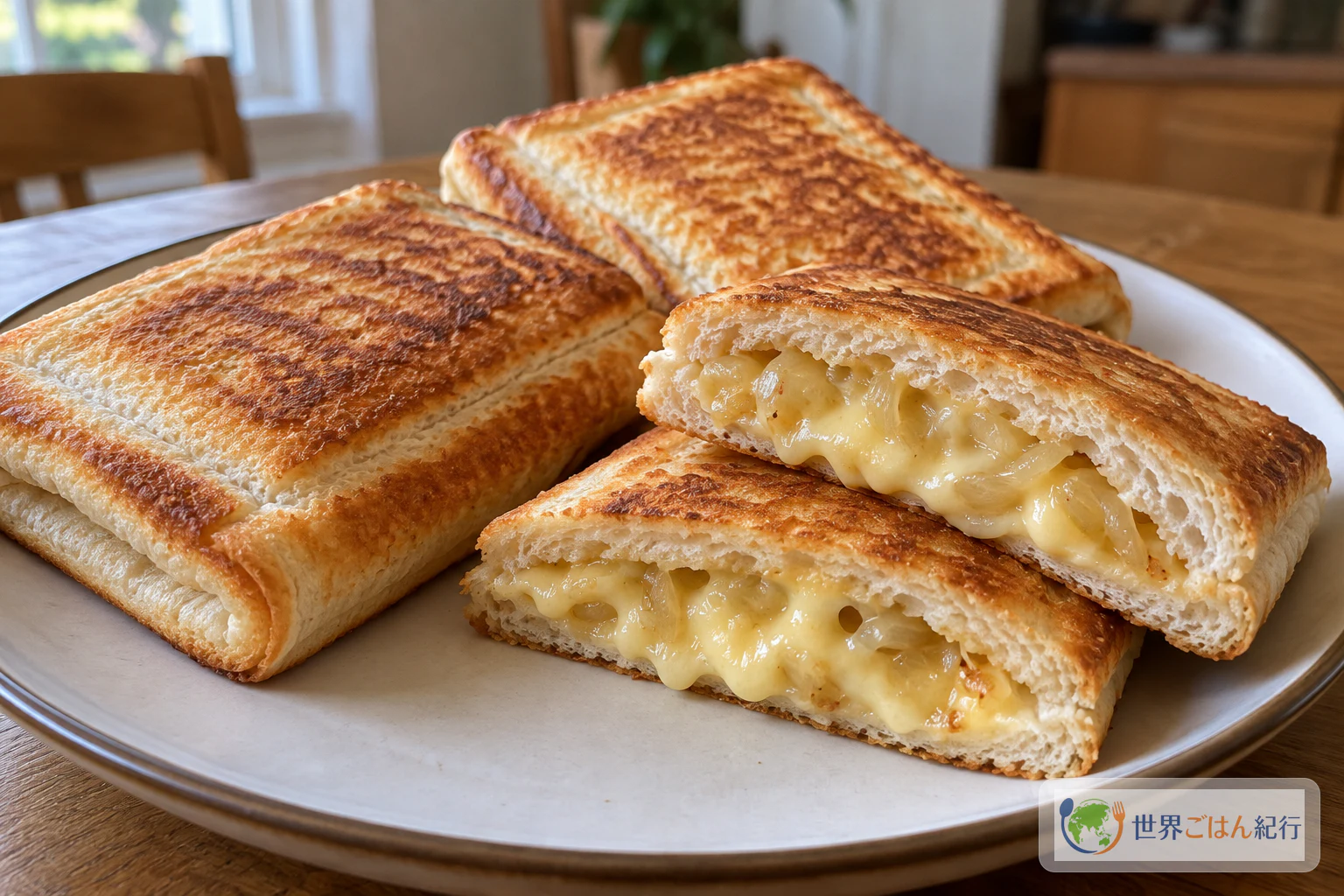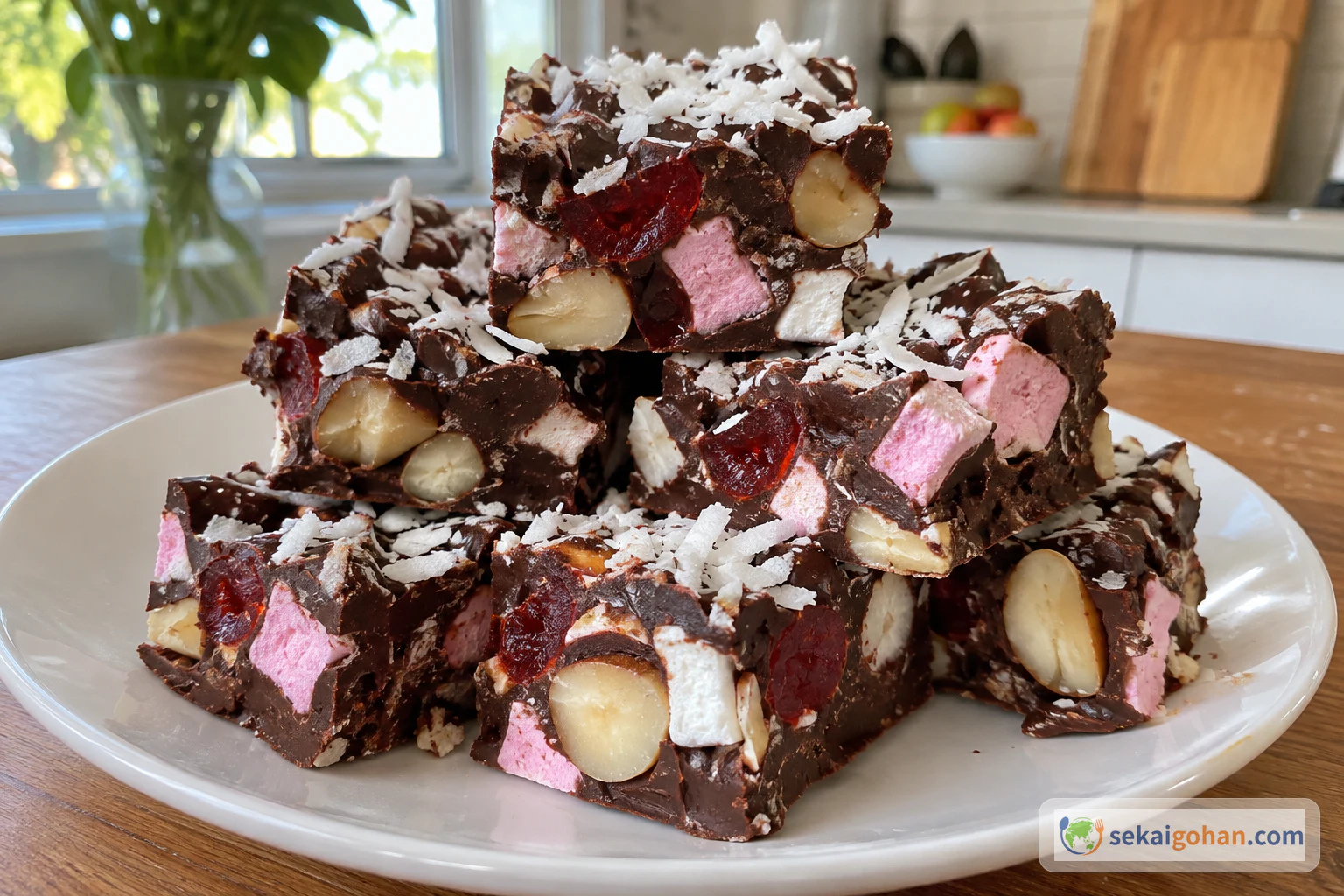
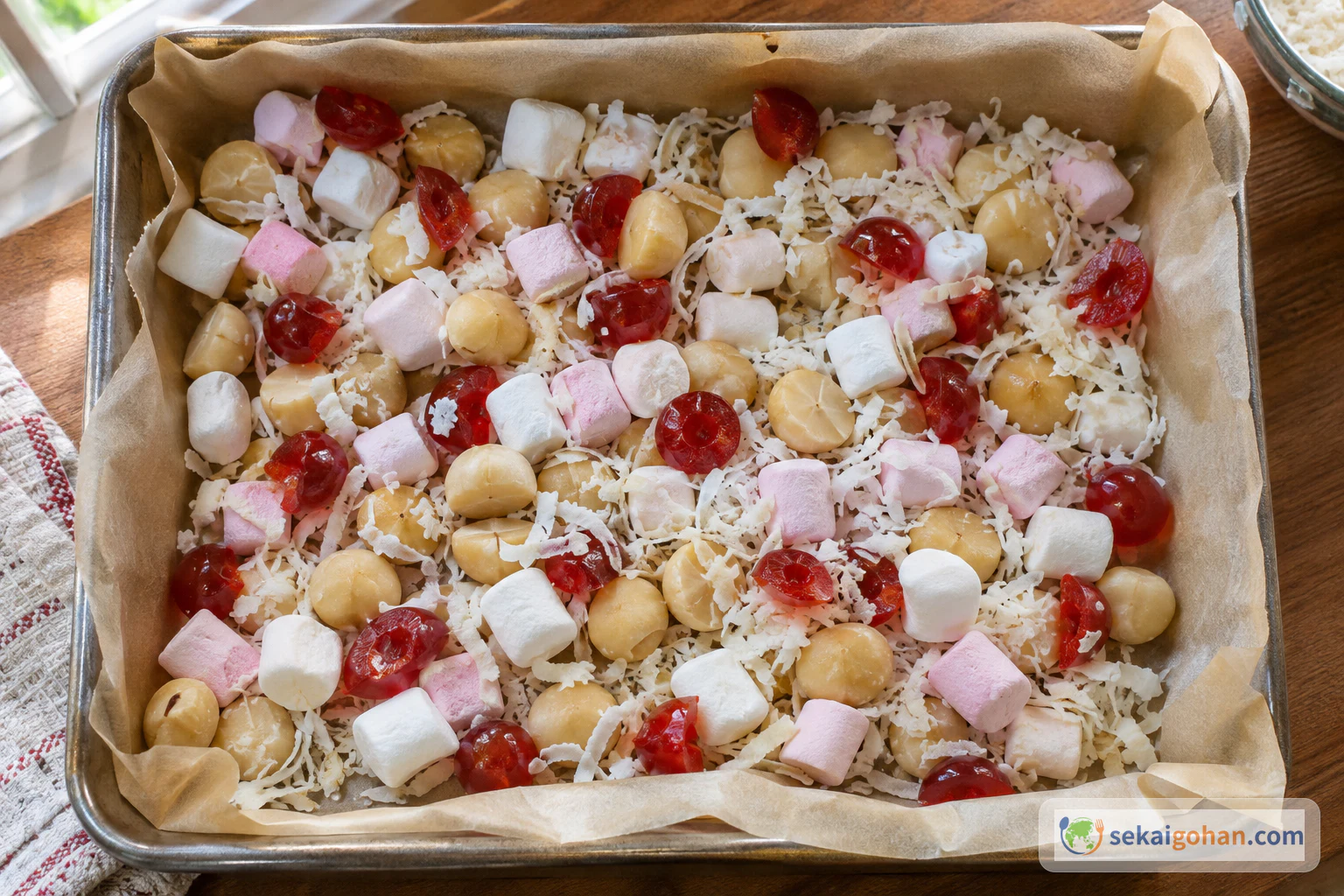
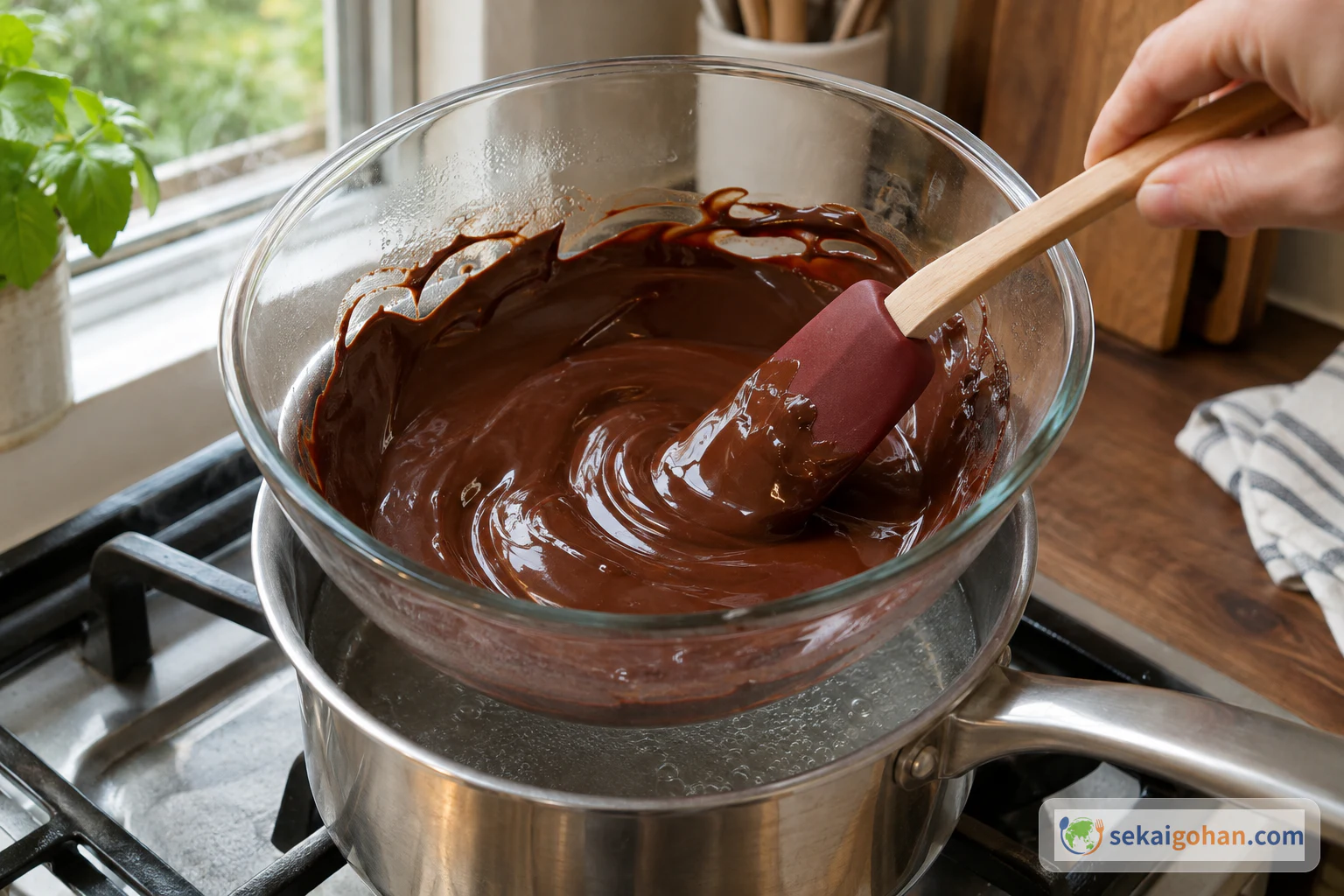
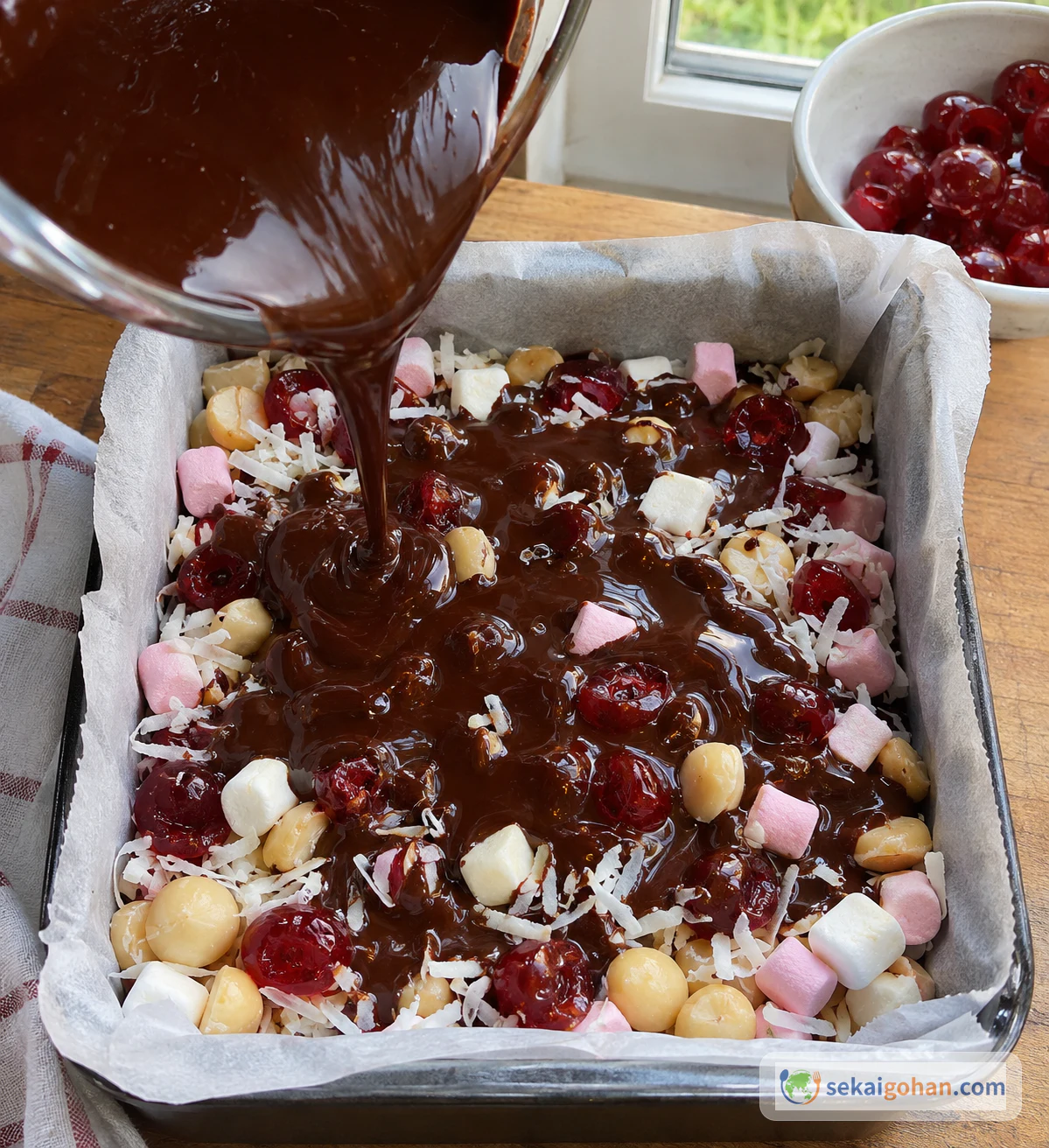
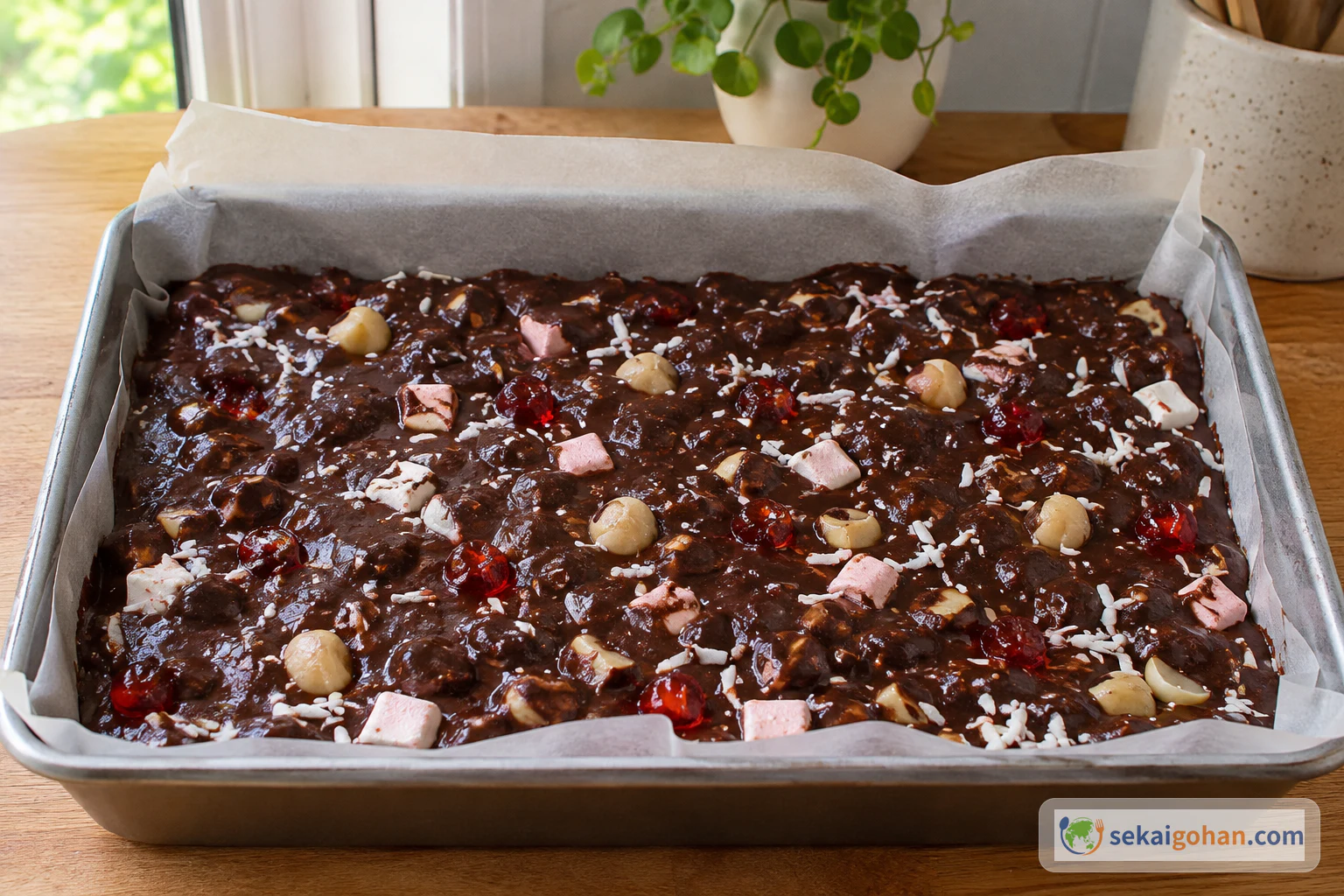
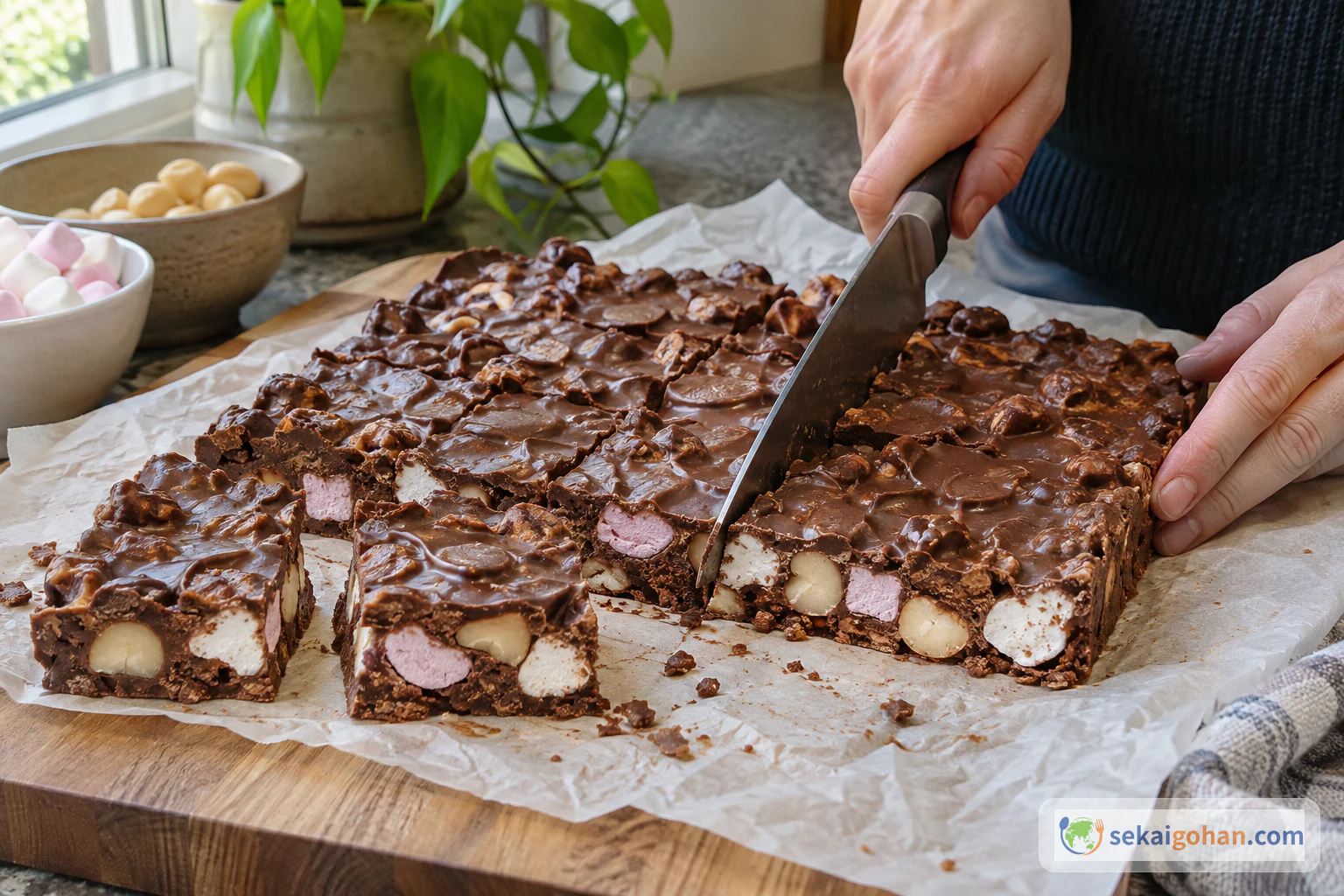
The glossy dark chocolate leaves the bowl in a slow ribbon and sinks into the gaps between whole macadamias, pillowy marshmallows and red glacé cherries scattered across the tin. A gentle shake levels it, and then there is nothing to do but wait for it to set. When the knife goes through, every square shows the same cross-section: red cherries, white marshmallow and coconut, brown nuts held in bitter chocolate.
In Australia this is a Christmas sweet, cut into squares, packed into tins and handed around through the holiday season. It tastes of dark chocolate first, then the soft chew of marshmallow, the buttery crunch of macadamia and a small sharp-sweet hit of cherry.
Where Rocky Road Comes From and How Australians Eat It
Rocky road is a sweet of nuts, marshmallows and dried or candied fruit bound in chocolate. Where it began is not settled, and several stories run side by side. One, told without firm evidence, places it in the mid-19th century, when sweets damaged on the long voyage from England were said to be mixed into lower-quality chocolate and sold again. The name, in that telling, refers to the rough road of the journey, or to the roads travelled by gold seekers.
The printed record starts later. In 1933, the Myer department store in Adelaide was advertising "Rocky Roads". In 1935, Harry Lea, the founder of Darrell Lea, made a version with toasted marshmallows, roasted peanuts and milk chocolate, and that recipe spread rocky road across Australia. On the American side, claims to the earliest records of the confection point to 1920, 1923 and 1938, so declaring it an Australian invention goes further than the evidence allows.
In the United States, "rocky road" usually means an ice cream flavor, traced to Oakland in 1929. That is a separate food. The rocky road here is a chocolate slab that sets in a tin and is cut into squares.
At the Australian table
Rocky road belongs to Christmas and Easter in Australia, the seasons for gifts and for something sweet set out on the table. Australian versions often include coconut and ordinary peanuts, and many add gummy or jelly-type sweets, which bring bright color and a chewier bite. The version here goes the other way: dark chocolate and whole macadamias, the nut Australia is known for, with coconut and glacé cherries for color. More on the country's food is on the Australia page.
The method runs in the reverse order from most chocolate sweets. The fillings go into the tin first, dry and loose, and the melted chocolate is poured over them. That is why the inside looks the way it does: the pieces stay where they landed, and the chocolate fills around them.
Ingredients (serves 20)
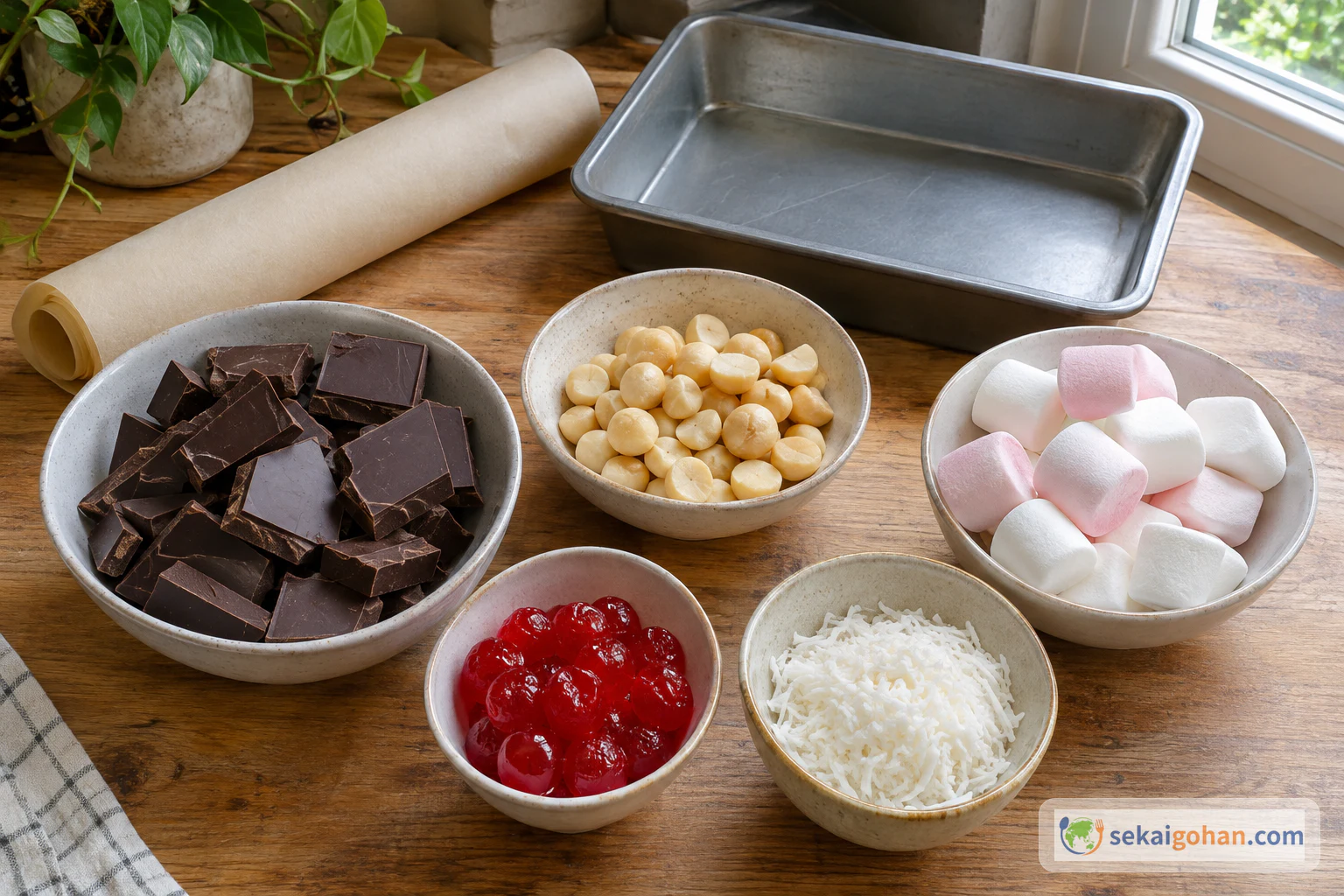
This contains tree nuts (macadamia) and coconut. Chocolate can contain milk. Marshmallows contain gelatin, which matters for vegetarians and for anyone keeping halal. For a gluten-free tray, check the labels on both the chocolate and the marshmallows.
Equipment
- A 7 × 11-inch (18 × 28 cm) tin
- Baking paper
- A heatproof bowl and a saucepan for a double boiler
- A silicone spatula
- A large knife and a cutting board
- An airtight container for storing
Choosing and Substituting
The chocolate decides the result. Use 70% dark chocolate; baking chocolate or a good eating bar both work. Milk chocolate makes a much sweeter slab and moves it toward the Darrell Lea style.
Whole macadamias are worth seeking out at a nut shop or online, and they can be hard to find in ordinary supermarkets. Choose unsalted roasted ones. Peanuts or pistachios bring a different flavor, covered under variations below.
Regular marshmallows give large white pockets in the cut face. Mini marshmallows work too and spread more evenly through the slab. Glacé cherries for baking can be hard to find in some supermarkets. Dried cranberries can stand in, giving a tarter, chewier bite with less shine. Shredded coconut sits in the baking aisle.
Keep the dark chocolate, the macadamias and the red of the cherries. Those three give the bitter, buttery, bright contrast that makes this version itself. The coconut and the type of marshmallow can shift without losing the character.
Method
Line the tin and scatter the fillings before the chocolate goes near the heat, so the moment it is smooth it can go straight in. The only active cooking is melting the chocolate over water. After that, the slab sets at room temperature, untouched, and the long wait happens there.
Dry the bowl, spatula and fillings before the chocolate goes in. A wet spatula or damp cherries straight from their syrup bring water into the chocolate just as surely as steam does. Pat syrupy cherries dry first.
When It Goes Wrong
| What you see | Why | What to do |
|---|---|---|
| The chocolate turns thick, dull and grainy in the bowl | Water or steam got into it | Start again with a dry bowl and fresh chocolate; keep the bowl clear of the water |
| The slab stays soft and won't set | The kitchen is too warm | Move the tin to the fridge until firm |
| Hollow pockets and loose pieces in the cut squares | The chocolate didn't reach the gaps | Next time pour more evenly and shake the tin gently to settle it |
| The slab sticks to the tin | The tin wasn't lined | Always line with baking paper so the slab lifts out in one piece |
Serving, Variations and Storage
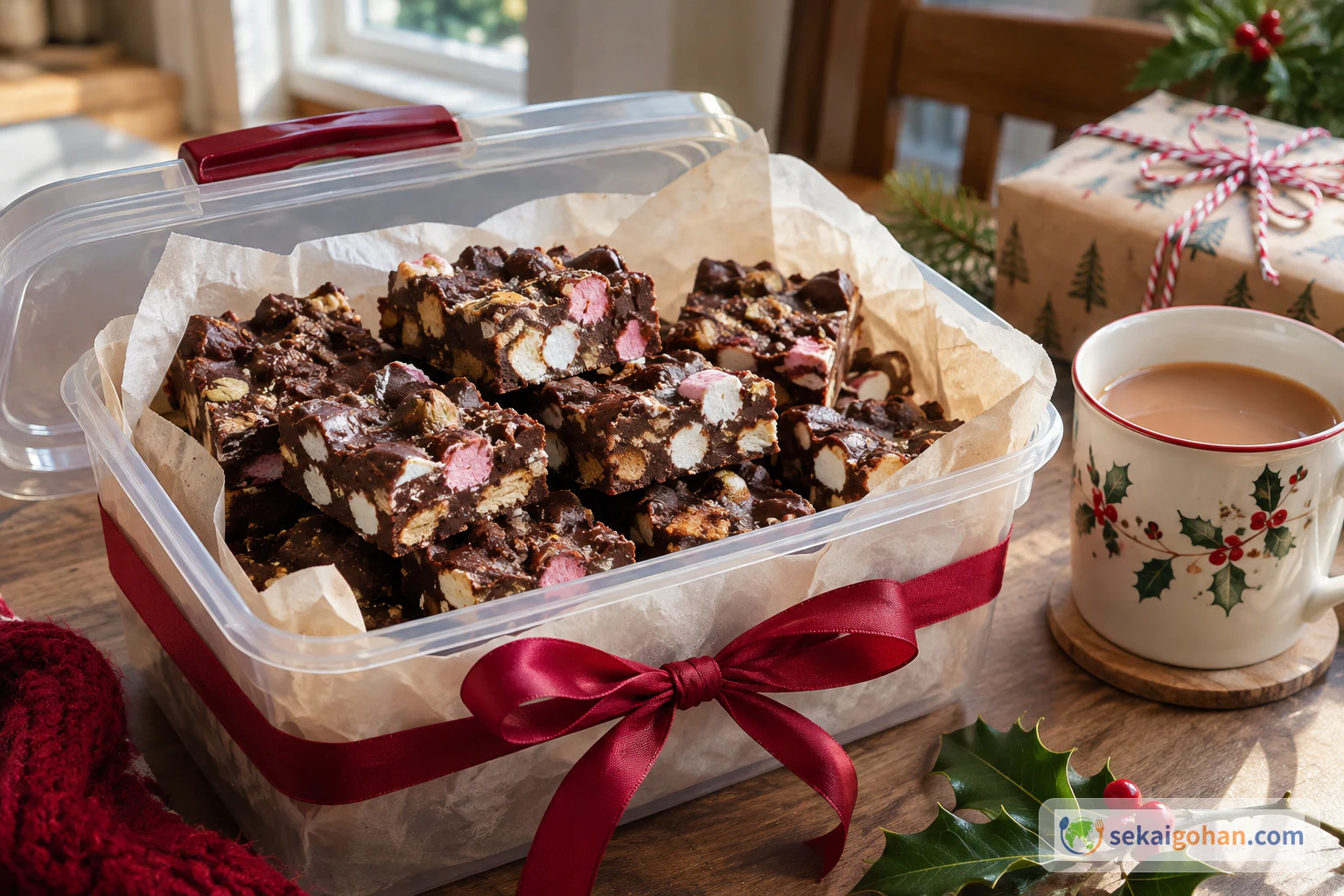
On the table and as a gift
Rocky road comes out at Christmas and Easter: a plate of squares after a holiday meal, a few pieces with a cup of tea, or a paper-lined tin handed over as a gift. The dark chocolate keeps it from tasting cloying, so it sits well alongside other holiday sweets.
Variations
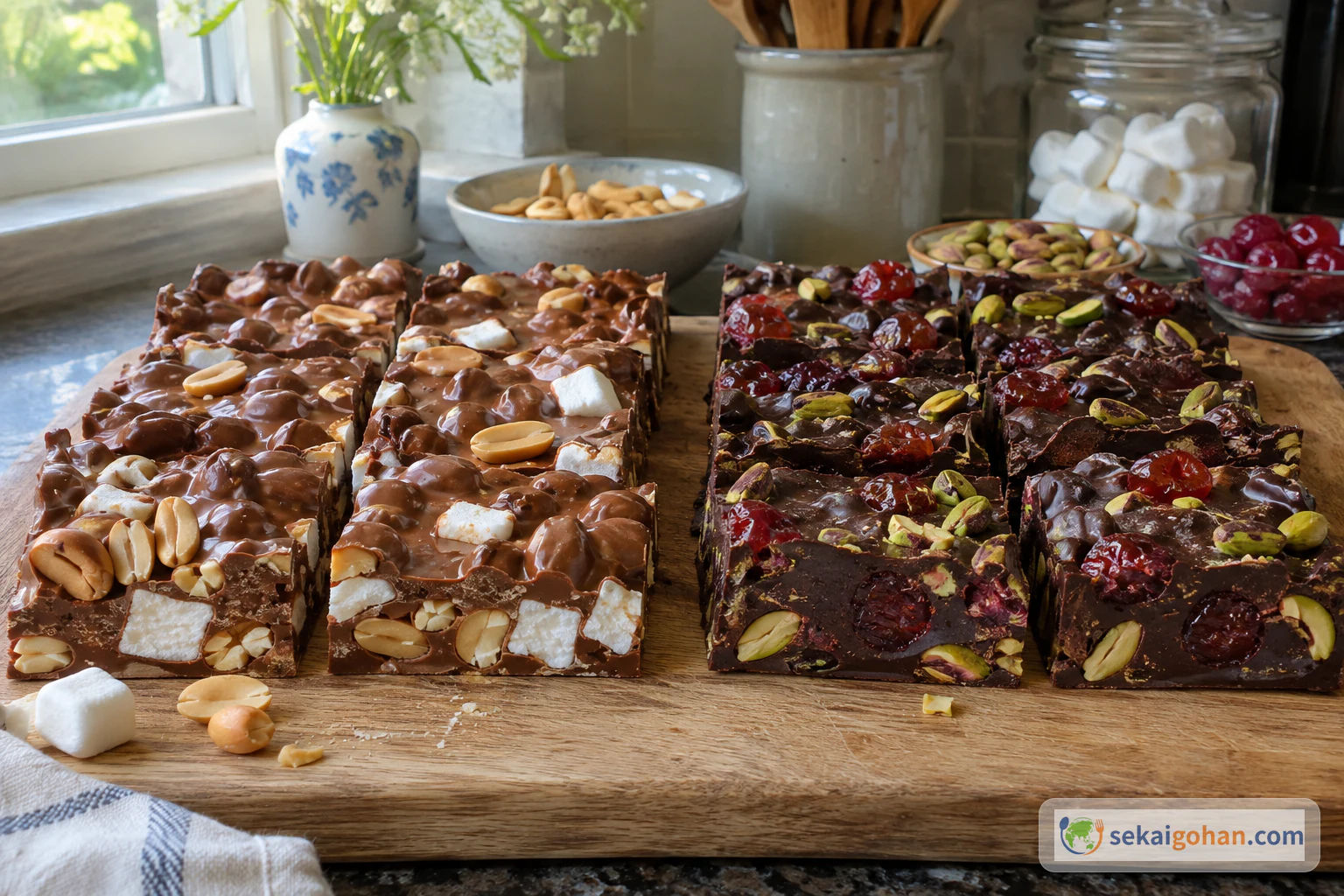
- Milk chocolate and roasted peanuts. The Darrell Lea direction: sweeter and softer, with a salty, familiar peanut crunch in place of the buttery macadamia.
- Pistachio and glacé cherry. Green and red in the cut face, and a sharper, more aromatic nut.
- Crushed biscuits. A British way, which adds a crumbly, short texture between the soft and crunchy pieces.
- Vegan. Vegan chocolate with gelatin-free marshmallows makes a tray anyone can eat.
Storage
Keep the squares in an airtight container for about 2 weeks. Line the container with baking paper so the pieces don't stick together.
Frequently Asked Questions
Can I set it in the fridge?
Yes, though the main recipe sets at room temperature. In a hot kitchen the chocolate softens, so chilling is our suggestion for helping it firm up; another recipe chills its slab for 3 hours or more. Chill it until the whole slab is firm before you cut it.
Can I make it without nuts?
Yes. Leave out the macadamias and use more marshmallows, cherries and coconut, so the tin is still covered in one layer before the chocolate goes in. For anyone with a nut allergy, check that the chocolate and marshmallows carry no nut warnings on the label.
Can I use mini marshmallows instead of regular ones?
Yes, at the same amount. Mini marshmallows spread more evenly through the slab and give smaller white spots in each square. Regular marshmallows leave larger, softer pockets.
Does it have to be 70% chocolate?
Dark chocolate around 70% gives the balance of bitter chocolate against sweet marshmallow and cherry. A darker bar makes it more bitter, a milk chocolate bar much sweeter. Choose one you enjoy eating on its own, since it is most of the flavor.