
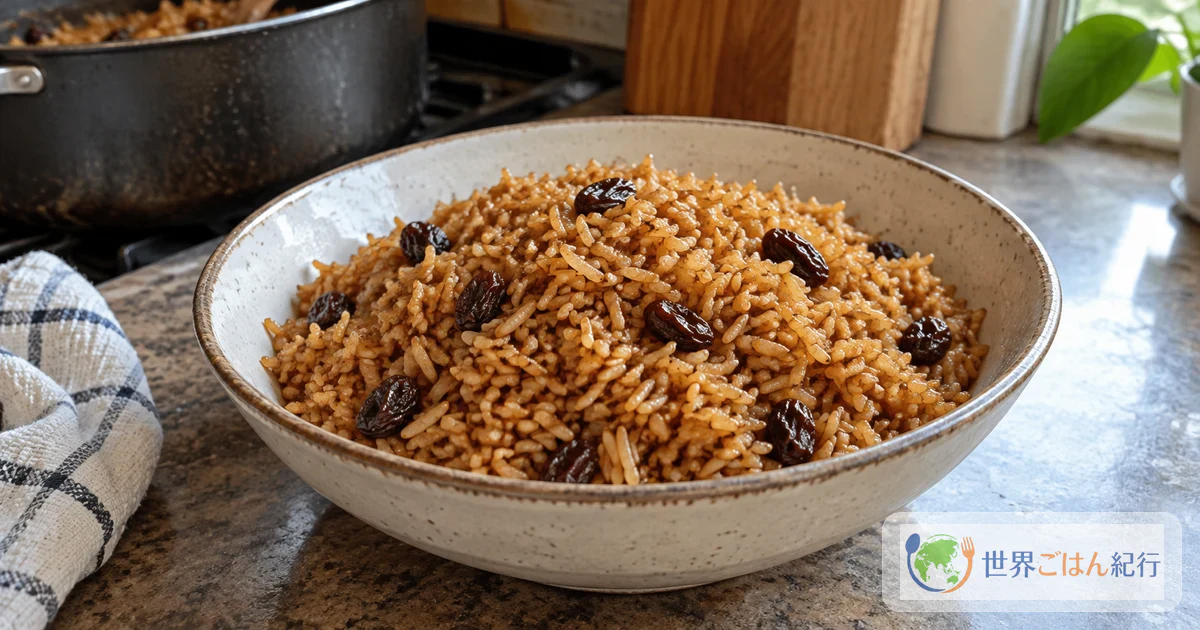
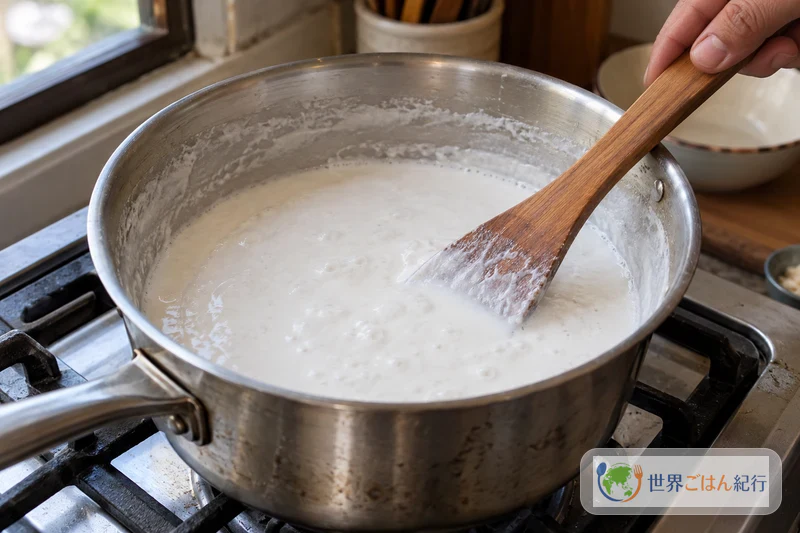
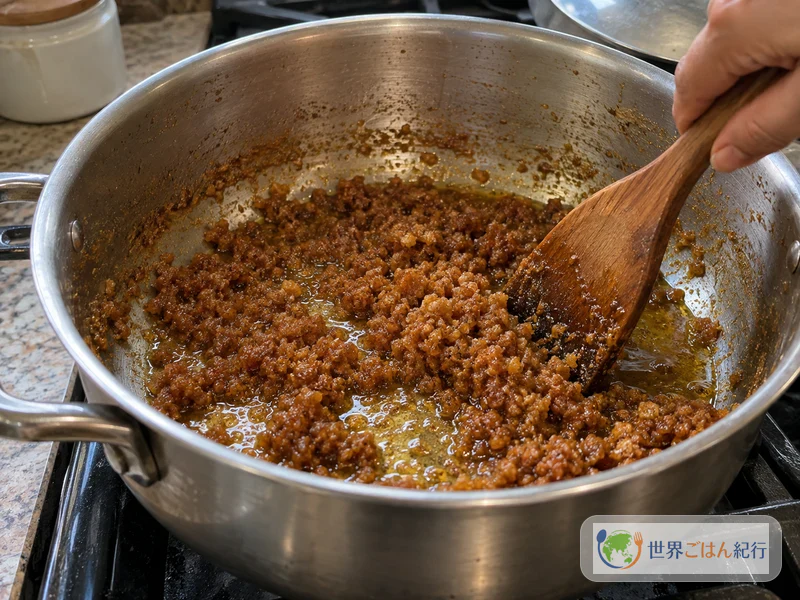
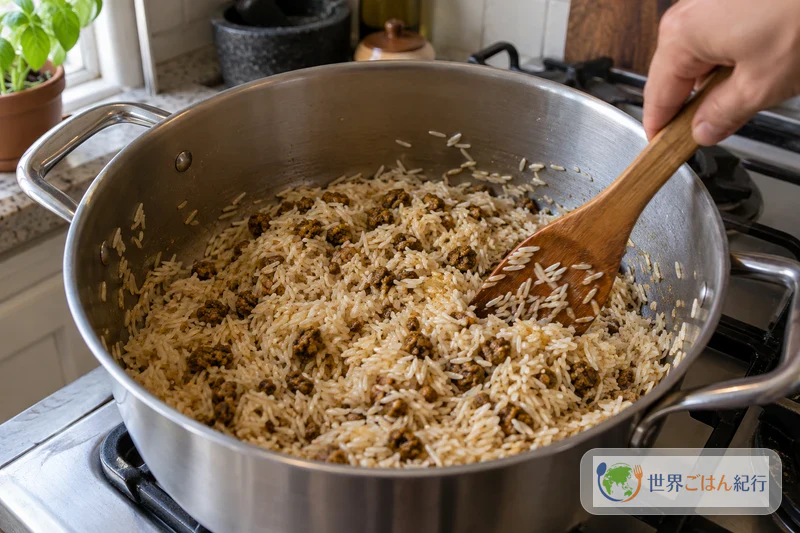
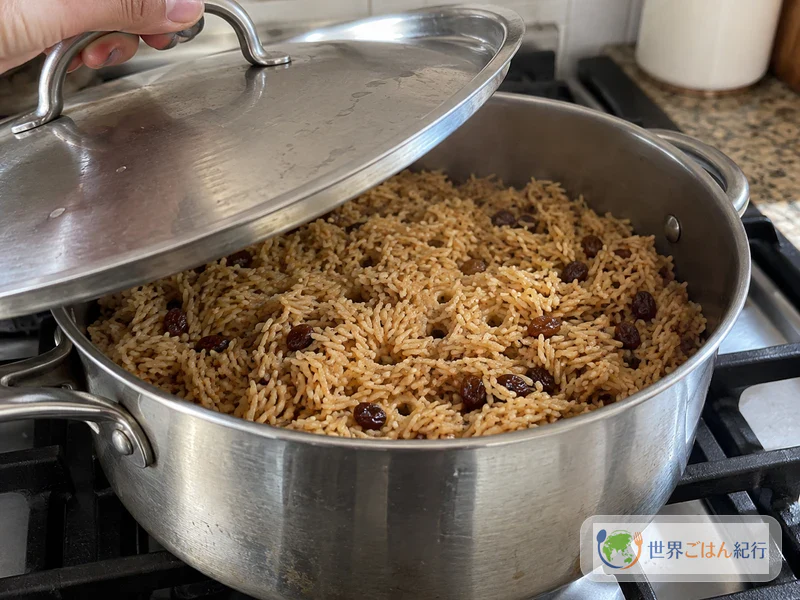
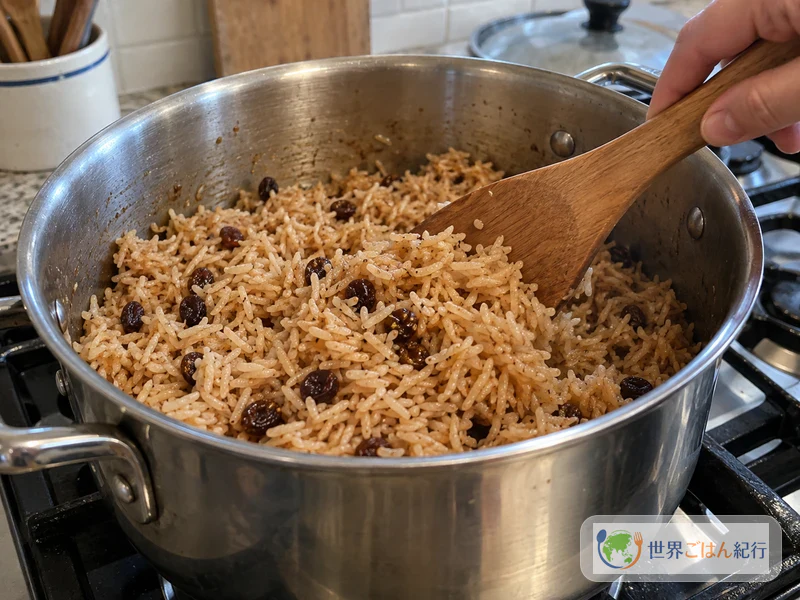
The coconut milk in the pot cooks down with a steady bubble. The white liquid gradually loses its water, and the solids left on the bottom go from pale brown to a deep caramel color. When a sweet, toasty smell fills the kitchen, you add the rice and coat it in the oil, then add water and raisins and cook it through. On Colombia's Caribbean coast, in the walled city of Cartagena, this caramel-colored coconut rice, arroz con coco, is nearly always on the plate next to fried fish. You can make it with canned coconut milk.
Lunch in Cartagena is fried fish and coconut rice
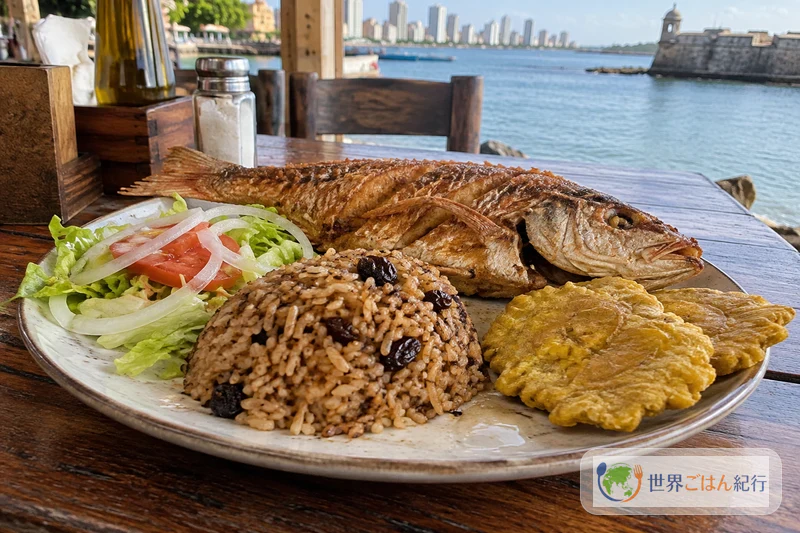
Lunch by the sea in Cartagena means fried fish. A mojarra (a kind of tilapia) or a snapper, lifted straight from a big pot of boiling oil, comes with arroz con coco, patacón (green plantain smashed and fried), and a salad. Cartagena's local newspaper El Universal writes that arroz con coco is not just a side dish but a foundation of Cartagena cooking.
On the Caribbean coast, where there are many coconut palms, rice has long been cooked with coconut. A woman from Bogotá in an article from WLRN, the public radio station in Florida, learned this dish from an aunt who lived in Cartagena and recalls, "when we went to the coast we ate it every day." In her home in inland Bogotá, the days they made it were special. A daily taste by the sea, a treat inland. Even within one country, the meaning of the rice changes with the distance from the coconut, which is interesting.
Arroz con coco comes in two kinds: white (blanco) and black (negro). White is cooked simply in coconut milk. Black is colored with the caramel-colored "titoté" made by cooking coconut down, and has a stronger sweetness and toastiness. What we make here is the black kind, with raisins.
Titoté: a black treasure made by cooking coconut down
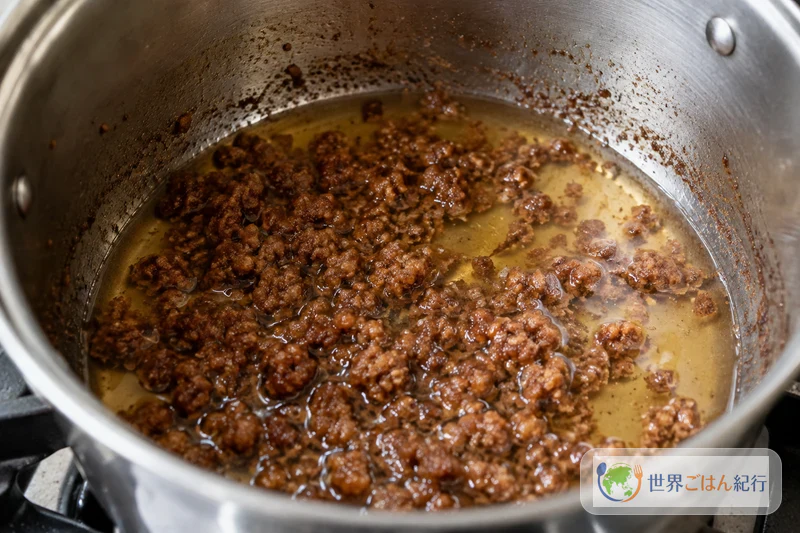
Titoté is the part that decides the flavor and color of this dish. In the traditional method, the flesh of fresh coconut is grated, blended with water, and strained to get the milk. When that milk and pulp are heated in a pot, the water cooks off and the oil separates, and the solids brown. This brown mass and oil, just short of scorched, is titoté; it becomes the oil for toasting the rice and the color of the cooked dish.
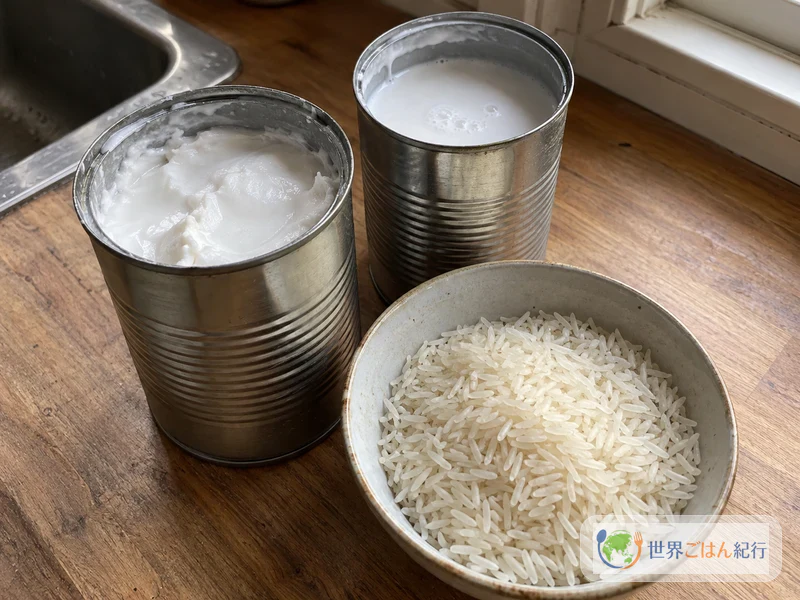
It takes effort and time, so Colombian supermarkets also sell titoté in jars. The woman in the WLRN article also says that finding it ready-made makes things easier. Where jars are hard to find, it is practical to make it by cooking canned coconut milk down for about 30 minutes. The recipe of Erica Dinho, who runs a Colombian recipe site, also makes titoté this way.
In the food of the Caribbean coast, the food culture inherited by the descendants of people brought from Africa remains strong. El Universal's article also presents Cartagena's sweets as "flavors that carry on Afro-Caribbean traditions." Many dishes that use coconut generously are also particular to this coast.
Ingredients (serves 4)
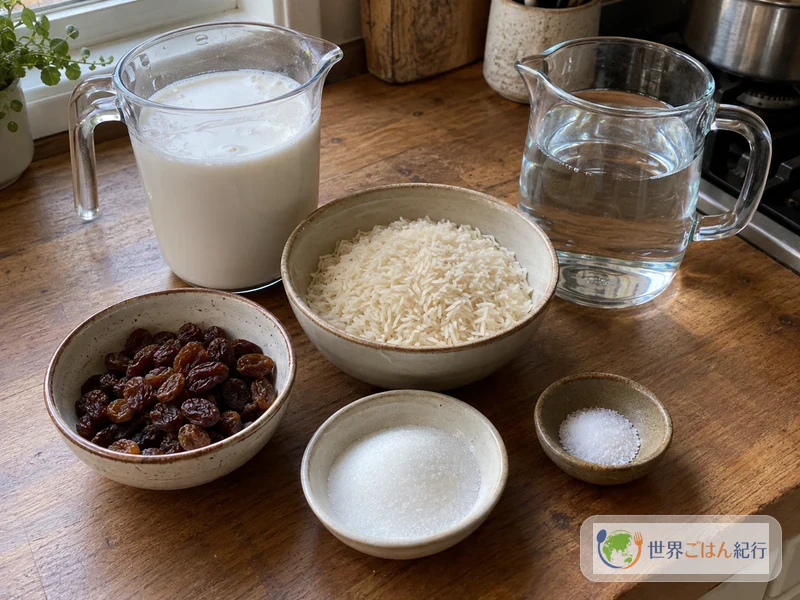
This is Erica Dinho's recipe with the measures converted. There are only 6 ingredients. For that reason, how you cook down the coconut milk decides everything.
For the coconut milk, one that is high in fat with no emulsifiers separates its oil more easily and makes better titoté. Check the ingredient list on the can and choose one with only coconut and water. Mixing in some coconut cream cooks it down even faster.
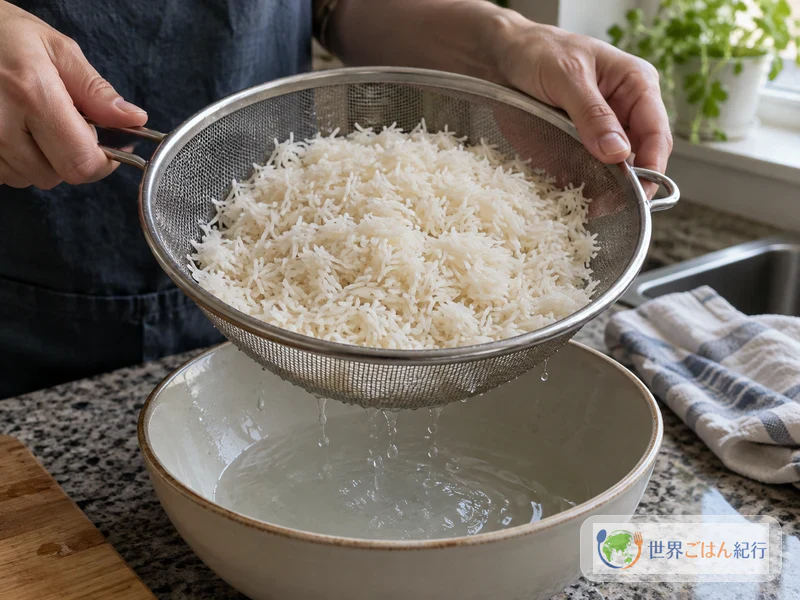
Long-grain rice stays loose, with grains that come apart, when cooked. With short-grain rice, the result is a sticky, pilaf-like dish. Both are good, but if you want to get closer to the texture in Cartagena, choose long-grain.
How to make arroz con coco
Cooking down the coconut milk takes about 30 minutes, cooking the rice about 20 minutes, and resting 5 minutes. Don't leave the pot while it cooks down, and scrape the bottom from time to time.
The oil and solids of the cooked-down coconut are extremely hot. Use a long-handled wooden spoon so you don't get burned by spattering oil at the moment the rice goes in or when scraping the bottom.
How to cook it down without scorching
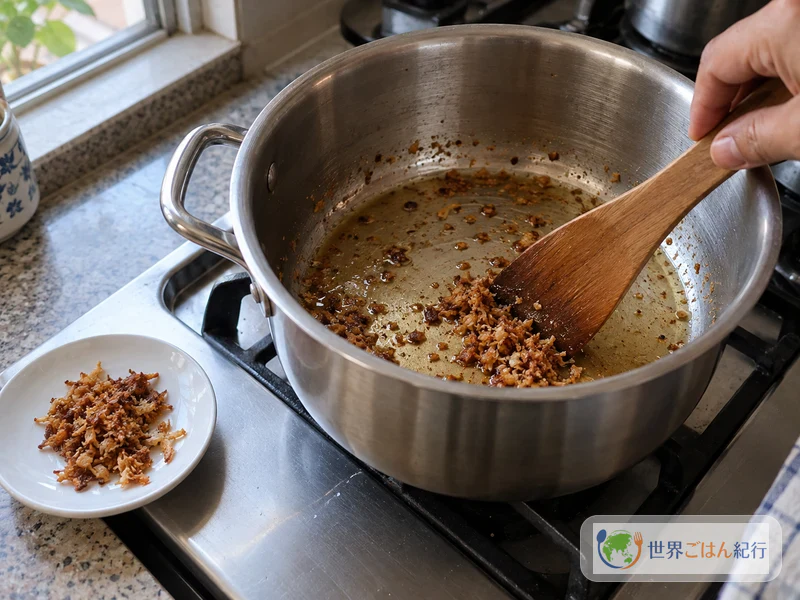
Nearly all failures of arroz con coco are scorched titoté. The difference between caramel color and burnt black is only 1 to 2 minutes. Simply deciding not to leave the stove once the oil starts to separate cuts failures considerably. A heavy pot passes heat slowly, so the color progresses more gently.
To judge the color, scoop a little of the mass from the bottom with a wooden spoon and check it on a white plate. The inside of the pot looks dark, so it tends to look darker than it is.
Conversely, if it is not cooked down enough, the rice comes out pale and tastes close to the "white" arroz con coco. That is good too, but it lacks the toasty quality of the black. Be patient until the oil clearly separates and turns transparent.
If you have leftovers, store them in the refrigerator and reheat in the microwave. Erica Dinho's recipe gives up to 2 days refrigerated in a sealed container as a guide. When reheating, sprinkle on a little water and it won't dry out.
Coconut sweetness for plain rice too: ways to adapt
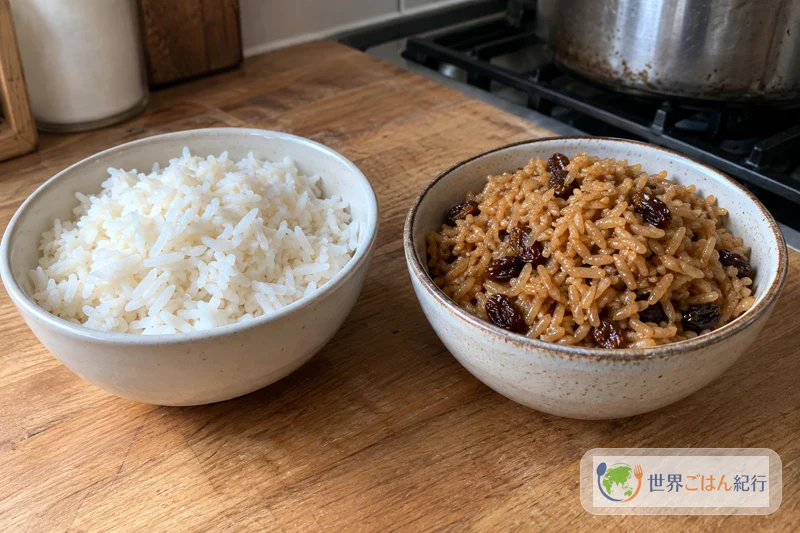
If you don't like the sweetness of raisins, you can cook it without them. Cutting the sugar to 1 tbsp makes a less sweet coconut rice that is easier to pair with fish and meat dishes. For a "white" version, cook the rice with coconut milk and water without cooking the milk down, and season with salt only.
Replacing the sugar with brown sugar gives a depth close to Colombia's panela (sugar made by boiling down sugarcane juice) and makes the color deeper still. It is the easiest way to move toward the original using ingredients you can get in an ordinary kitchen.
How to eat it
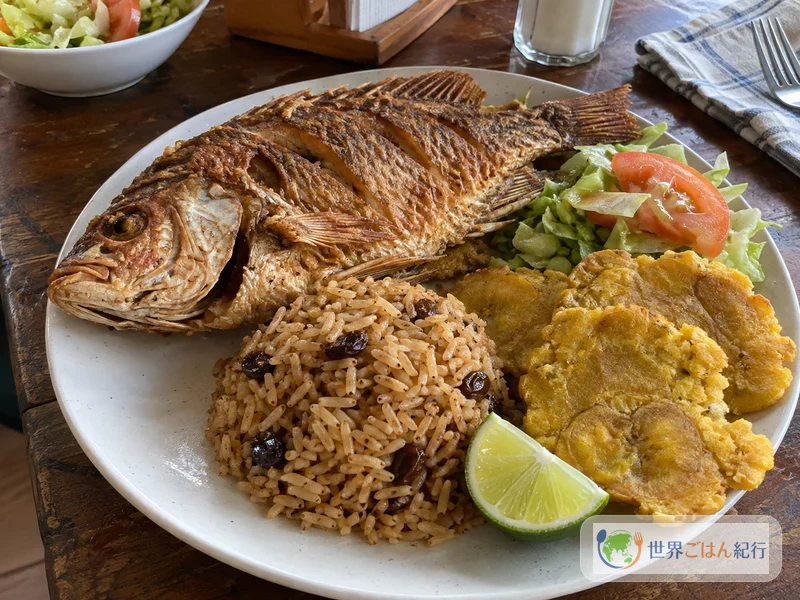
For a Cartagena style, serve it with a whole fried fish and a salad. A small whole fish such as a snapper or a small sea bream, salted and deep-fried plain, goes well. Squeeze lime over the fish and eat it with the sweet coconut rice, and sweetness, saltiness, and acidity arrive in turn.
For another Colombian dish, try it side by side with ajiaco, the inland Bogotá soup of potatoes and chicken. A rice of the sea and a soup of the mountains show the large differences inside one country. For another Caribbean dish using coconut milk, Jamaica's coconut stew run down is also recommended.
Frequently asked questions
Can I make it in a rice cooker?
The titoté has to be made in a pot. After toasting the rice in the titoté, you can also move it to the rice cooker's inner pot with the water and seasoning and cook it normally. But scrape the pot clean with a wooden spoon when moving it, so scorched titoté does not damage the inner pot.
Can I make it with coconut milk powder?
You can dissolve the powder in hot water, but many products are low in fat, so it takes longer to get titoté or the oil doesn't separate easily. If you can, use liquid coconut milk from a can or carton.
Does sweet rice go with the main dish?
In Cartagena it is the standard pairing for salty fried fish. If the sweetness bothers you, cutting the sugar or leaving out the raisins makes it easier to serve with everyday meals.
How do I remove the scorching from the pot?
The pot you made the titoté in can keep a brown film on the bottom. Fill it with lukewarm water and leave it a while, and it softens and comes off more easily.
Sources
- Erica Dinho, "Arroz con Coco Titoté (Rice with Coconut and Raisins)," My Colombian Recipes. (accessed and checked 22 October 2026) https://www.mycolombianrecipes.com/rice-with-coconut-and-raisins-arroz-con-coco-y-pasas/
- El Universal, "Gastronomía de Cartagena: 10 platos típicos que no puedes dejar de probar," published May 2026. (accessed and checked 22 October 2026) https://www.eluniversal.com.co/cartagena/2026/05/27/gastronomia-de-cartagena-10-platos-tipicos-que-no-puedes-dejar-de-probar/
- WLRN, "How South Floridians From Different Countries Get A Taste Of Home Through Rice," published 7 August 2014. (accessed and checked 22 October 2026) https://www.wlrn.org/culture/2014-08-07/how-south-floridians-from-different-countries-get-a-taste-of-home-through-rice


