Doi Fuchka: A Crisp Shell, a Spoonful of Potato, and One Mixed Yogurt Sauce
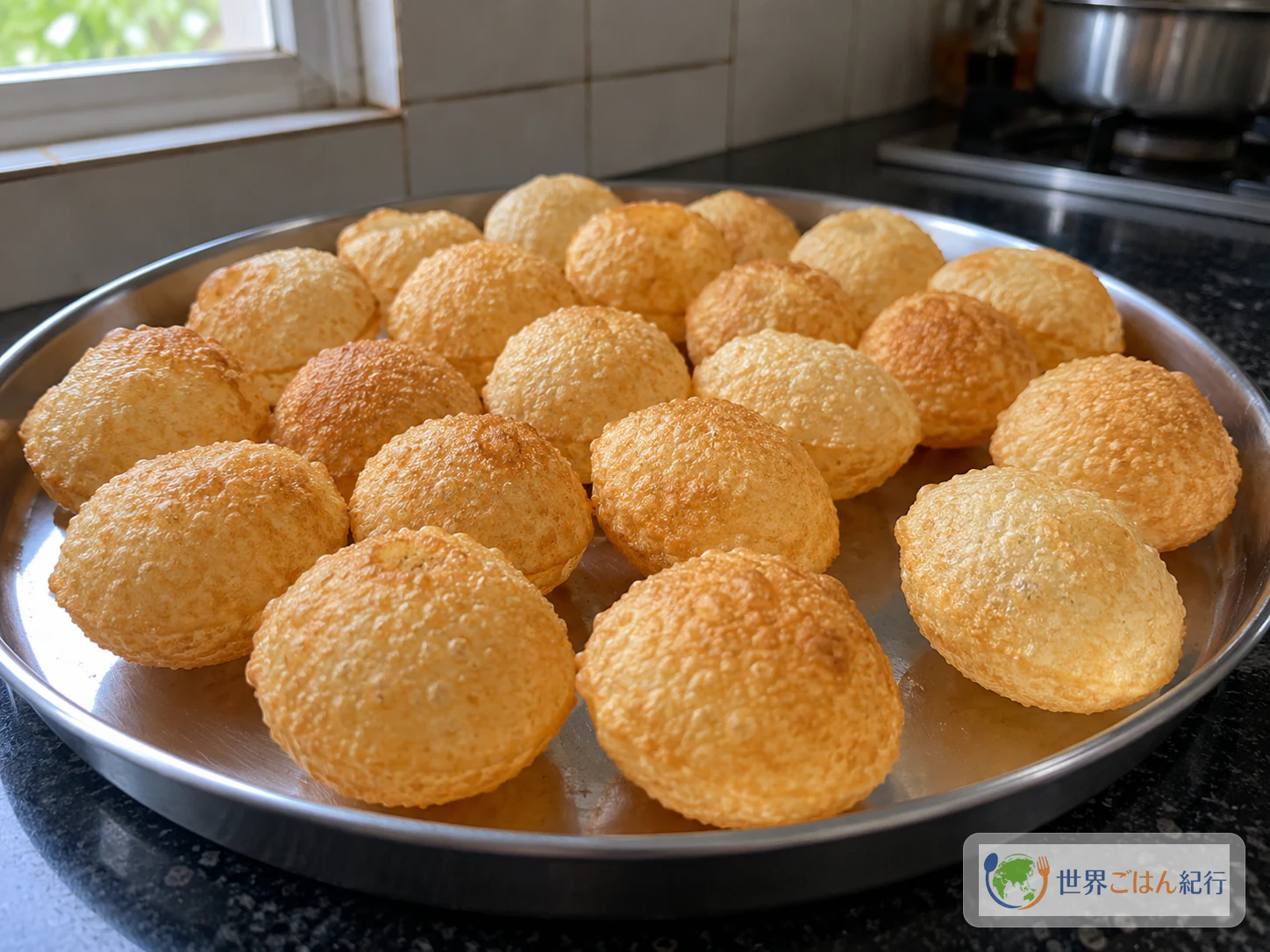
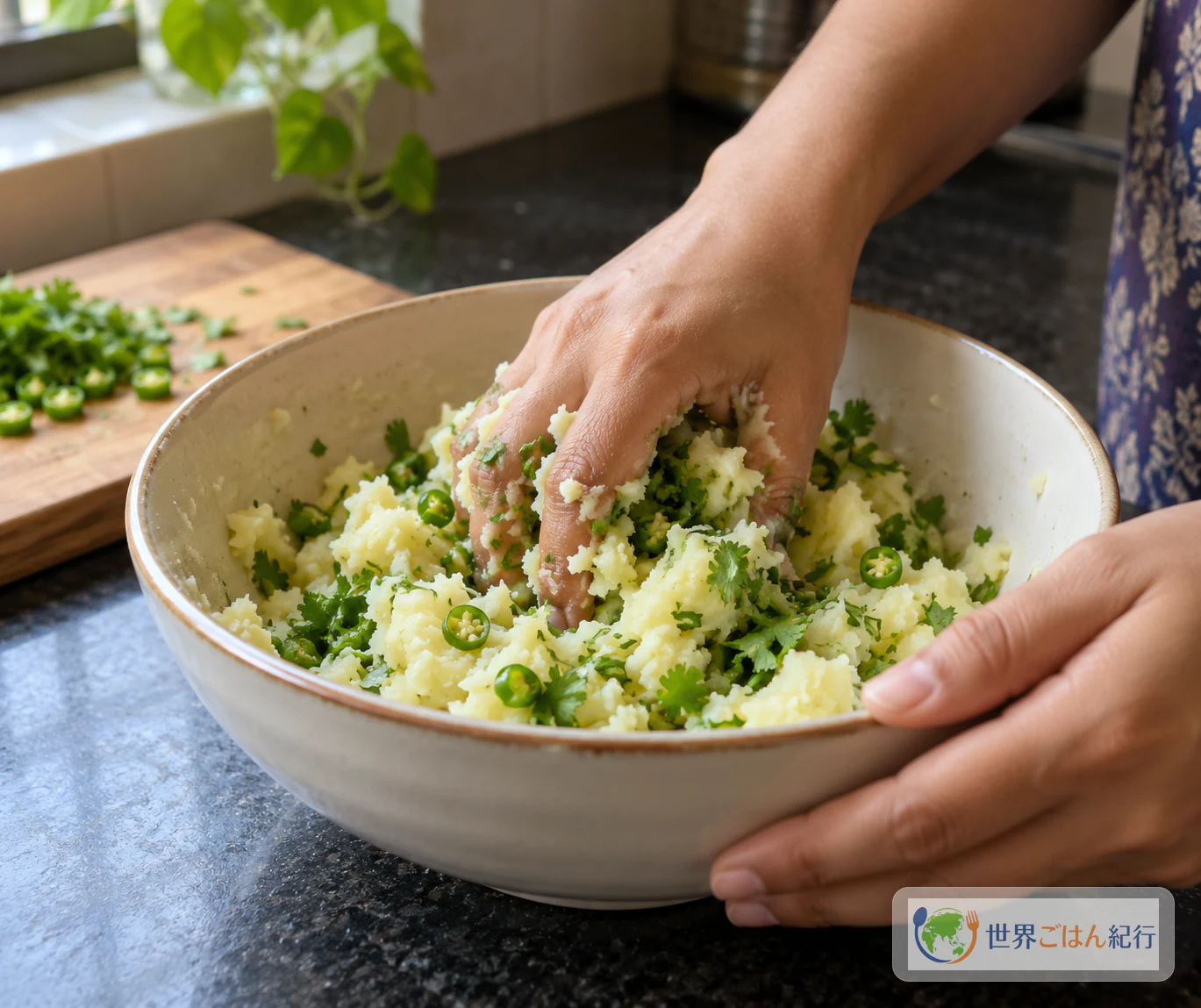
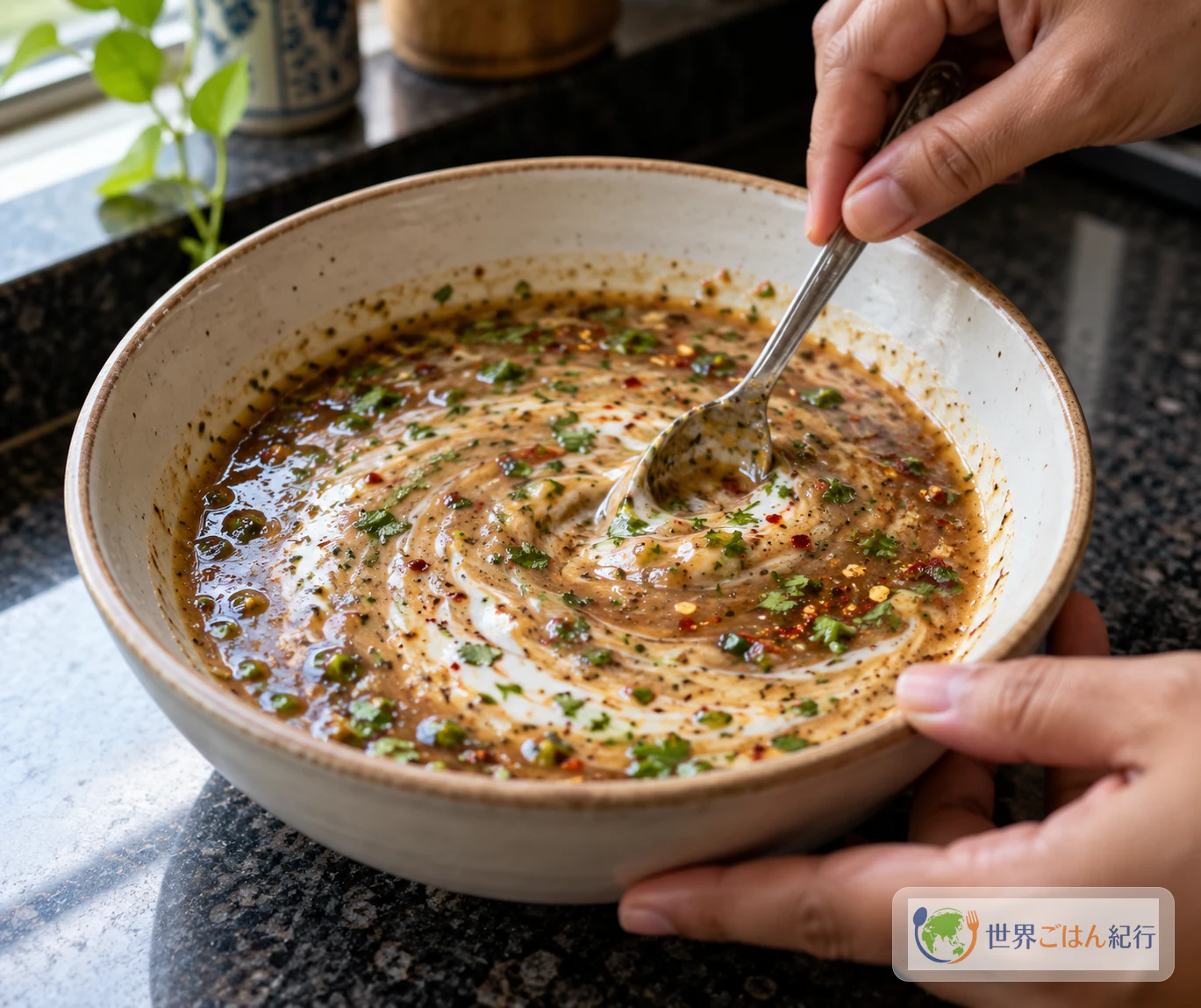
A thin, puffed shell made from flour or atta and semolina; a filling of only mashed potato, coriander leaves and green chilies; and a single doi chatni in which tamarind pulp, yogurt, water, sugar, black salt, two pastes and roasted red chili flakes are all stirred together. Nothing is cooked separately for the sauce.
In Dhaka, fuchka carts stand in neighborhood lanes and in front of parks and lakes. That is how The Daily Star's My Dhaka section described the city's fuchka scene in November 2023, in a report on how vendors were changing what they offered: sour tamarind water, sweetened tamarind water, mint, and yogurt. Among those choices was doi fuchka, which the report described as made with yogurt and tamarind pulp.
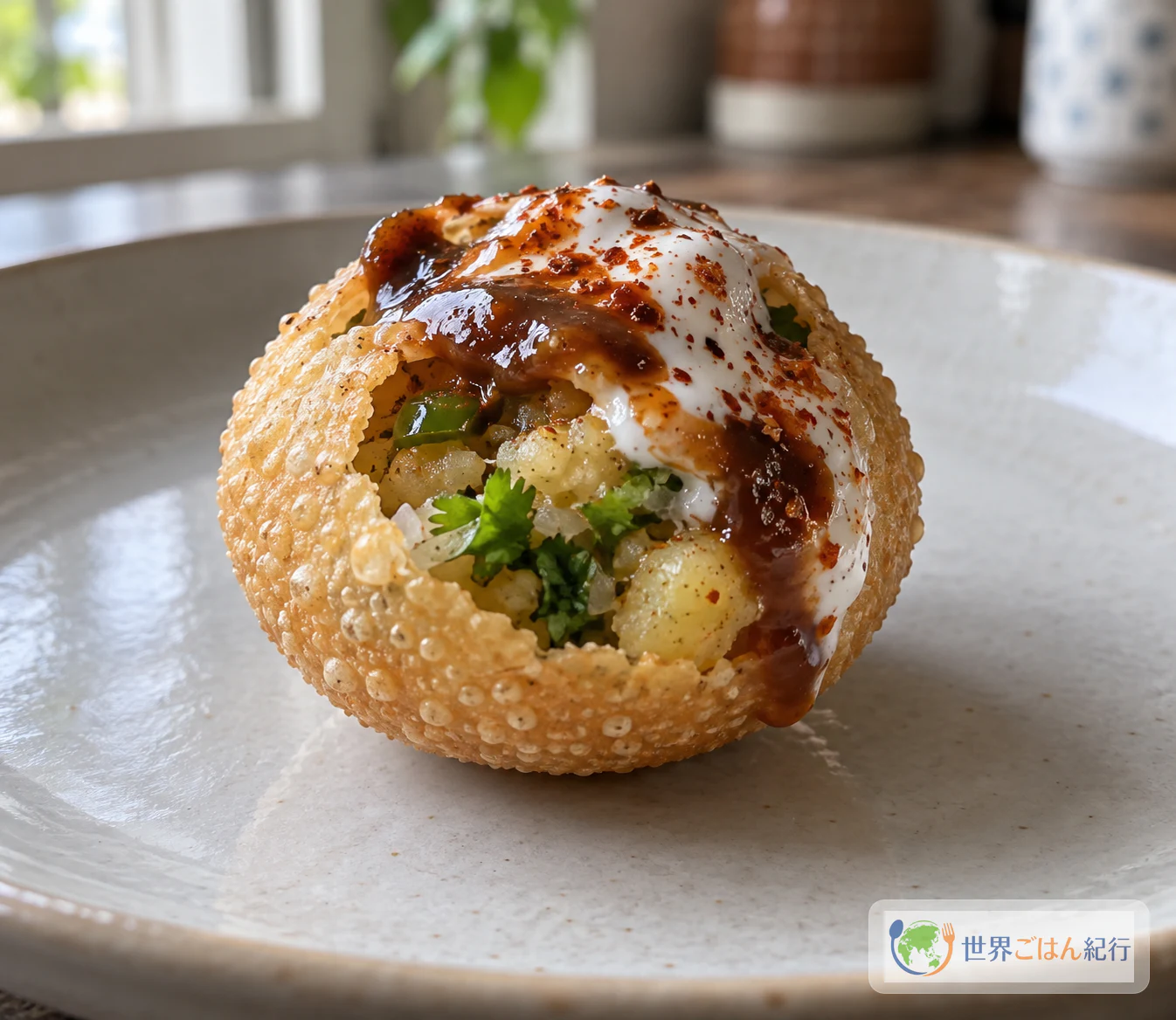
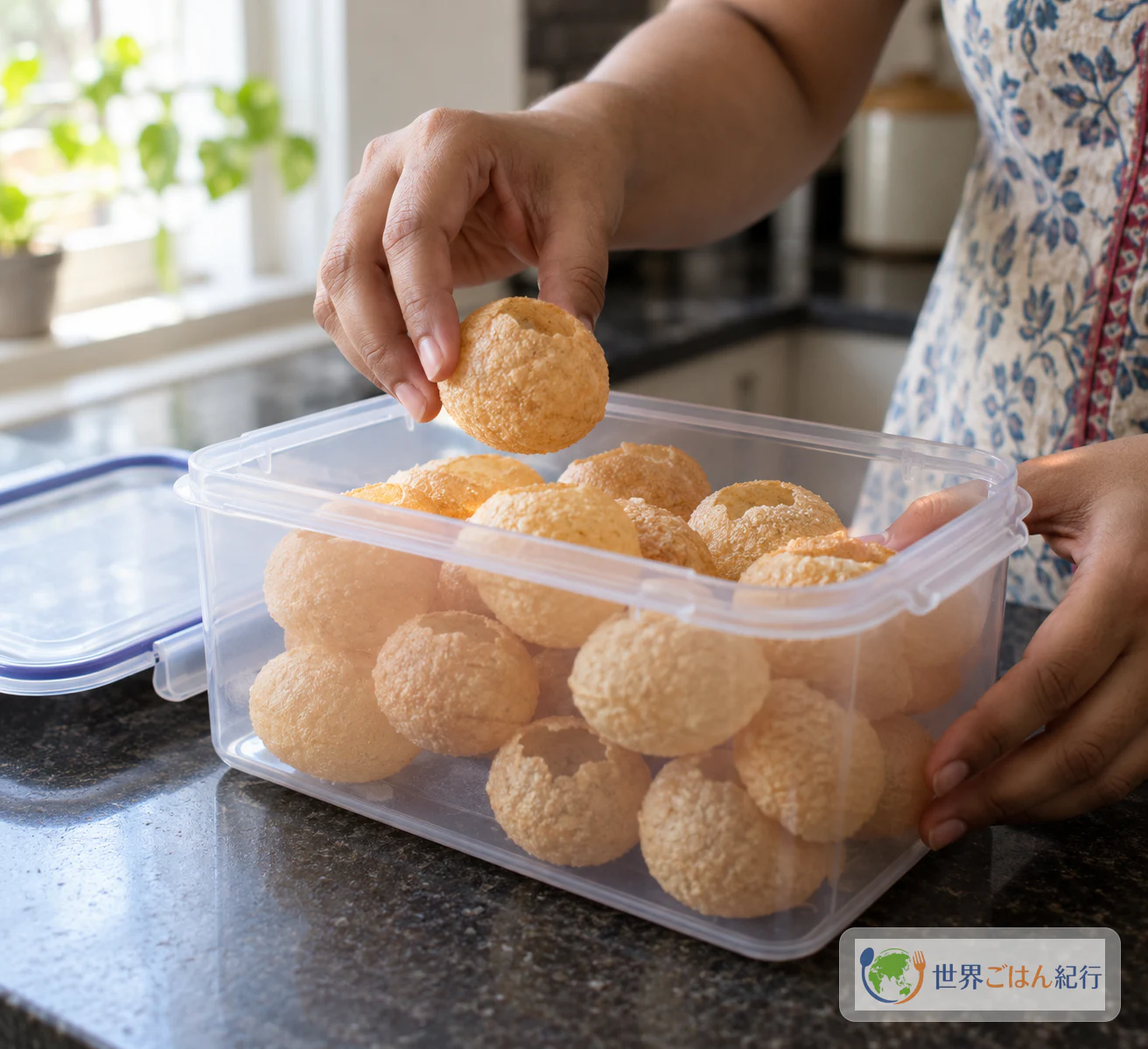
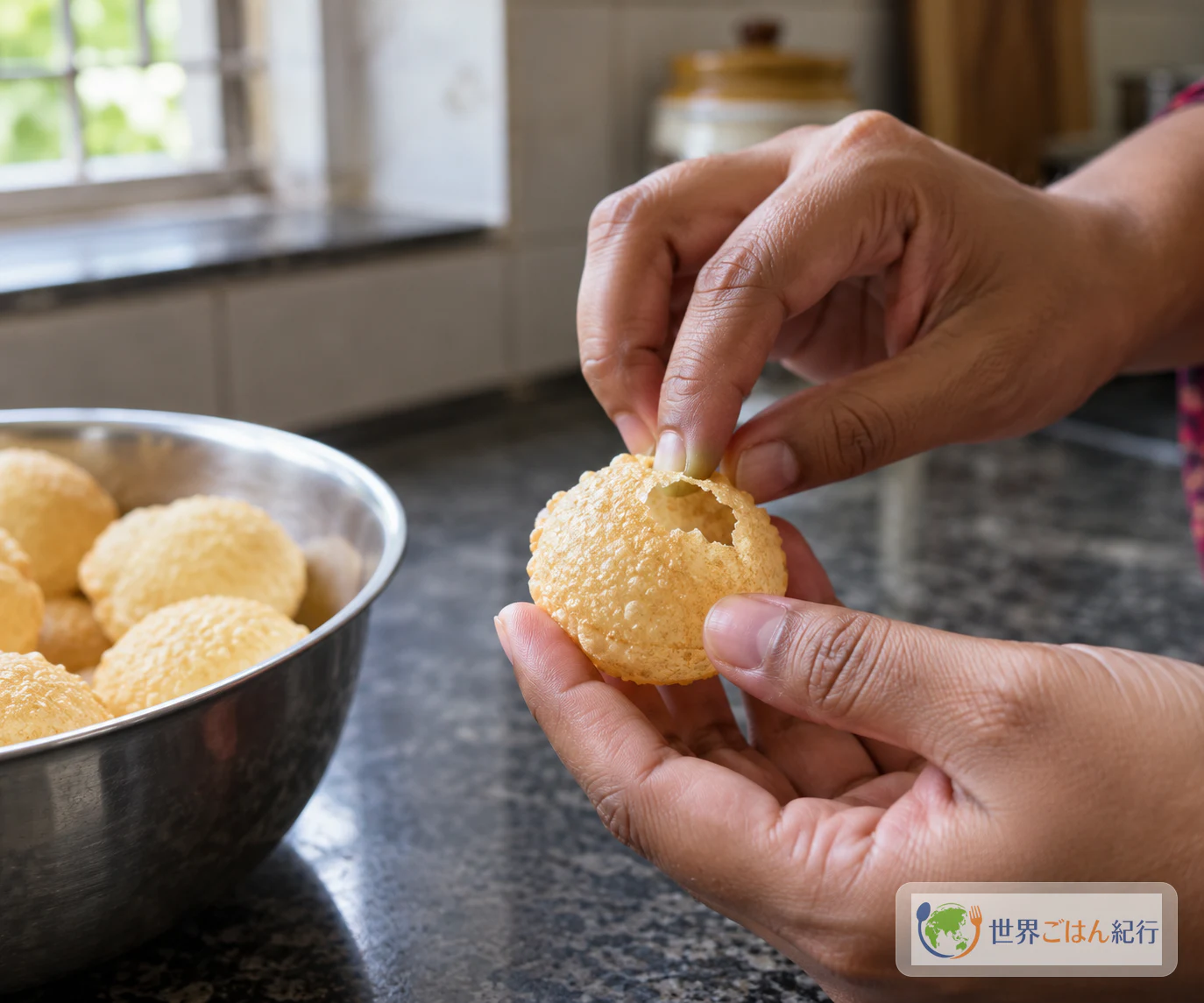
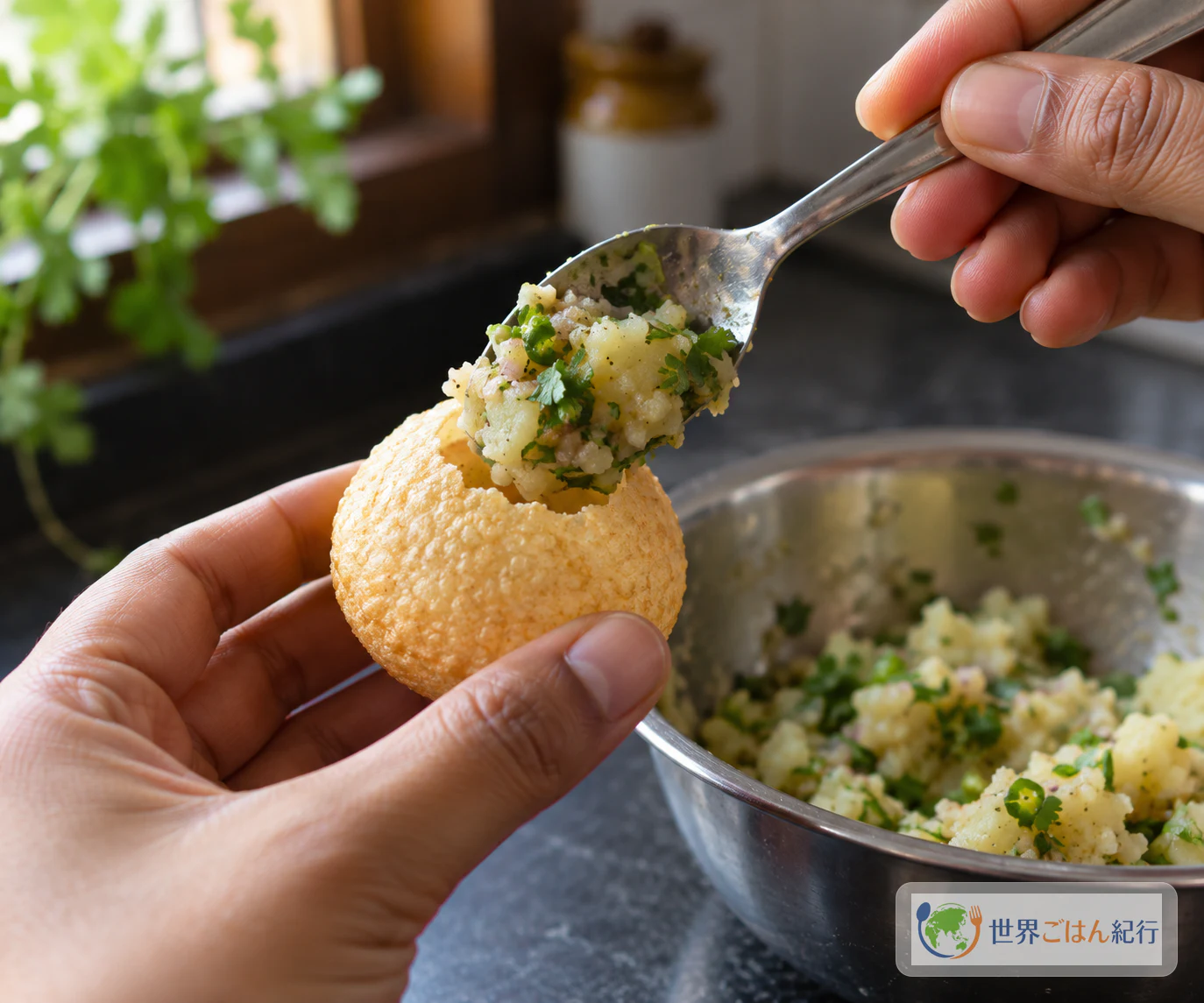
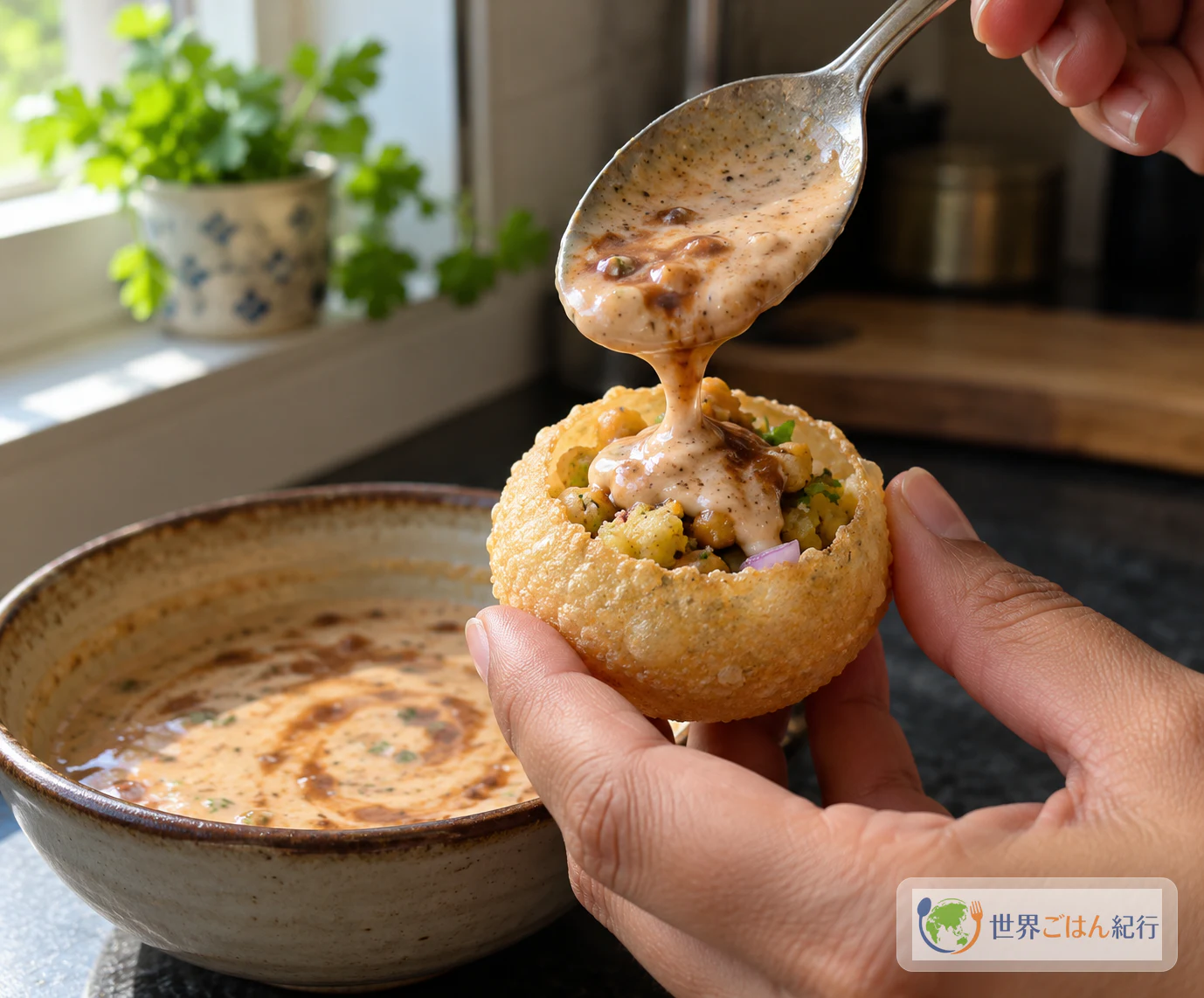
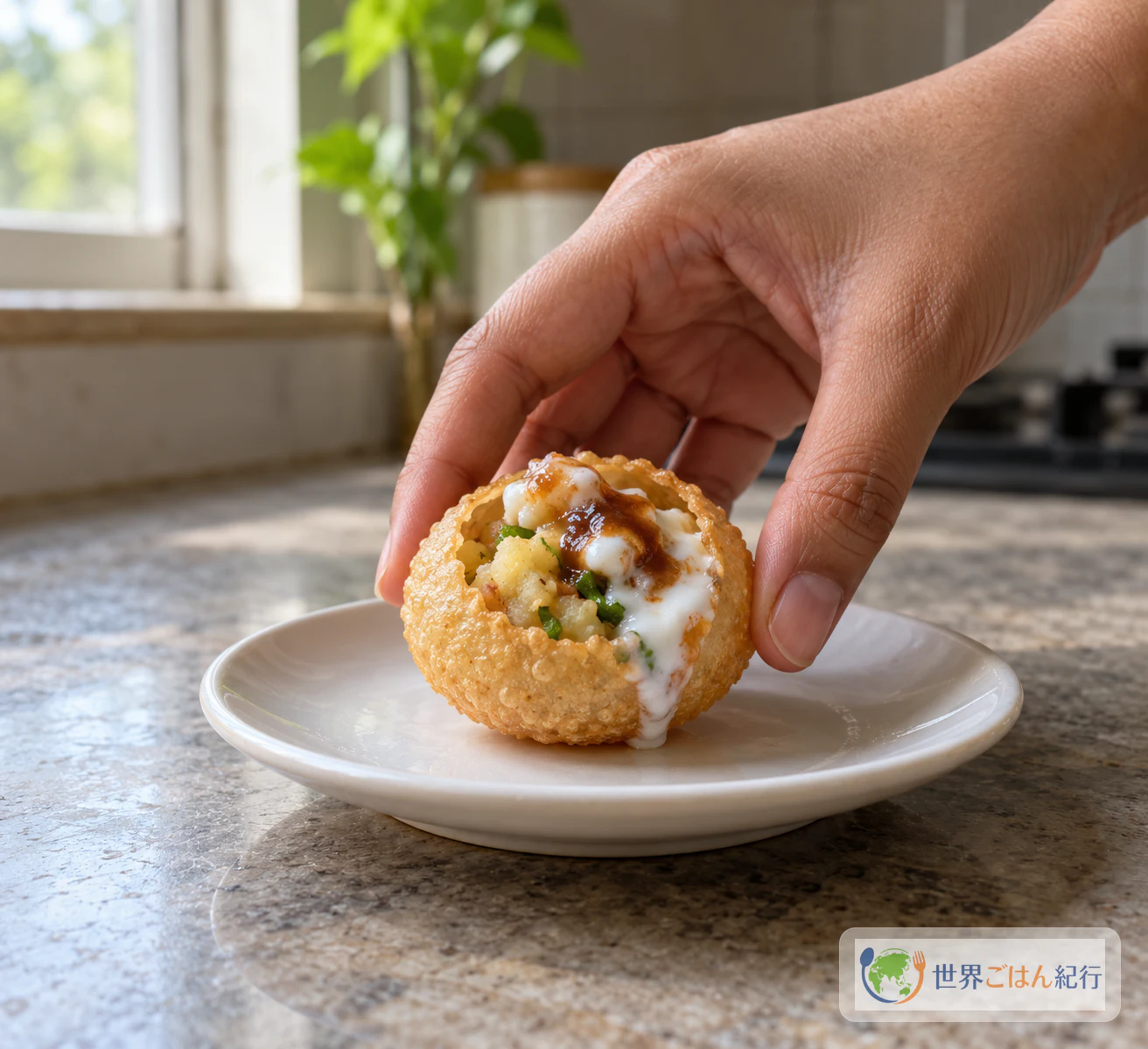
Doi (yogurt) Fuchka puts three things into one bite: a round shell fried until it puffs and turns golden, a small hole opened in one side, a spoonful of potato filling pushed inside, and doi chatni spooned over the top. This article follows one complete written recipe for it, the "Doi Fuchka" published on TasteZoneBD under the name Sumona Sumi. Its quantities and steps are kept together as one version, without mixing in ingredients from other cooks' recipes.
This recipe has not been kitchen-tested by Sekai Gohan. The recipe gives no yield, number of servings, oil temperature, frying time or total time; the only stated time is the 30-minute rest for the dough. Those gaps are left as gaps below rather than filled with guesses.
Fuchka at Dhaka's Carts: What the Reports Describe
The Daily Star's 2023 report places fuchka carts in residential lanes and beside parks and lakes, and presents the range of sauces as a matter of each vendor's choice and of recent change. In that report, doi fuchka was once a cafe special that had begun appearing on street carts too, and it is described with chilled yogurt and tamarind pulp. That is a dated description of Dhaka at the time of writing, not an origin story or a timeline for the whole country.
The Dhaka Tribune, in a July 2024 feature on Bangladesh's street foods, describes fuchka as a shell filled with potato and served with tamarind water, and gives doi fuchka a short description as the version that brings yogurt into the filling. The recipe followed here does something slightly different: the yogurt goes into a mixed sauce that is spooned over shells already filled with potato. The two newspaper pieces were written at different times and with different focuses, and neither sets out one fixed way that every cart or household assembles the dish. They are best read as snapshots of how doi fuchka appears around Dhaka, while the exact amounts and order come from the one recipe below.
For more dishes and food culture from the same country, see Bangladesh.
Not the Same as Pani Puri or Mumbai Dahi Puri
The hollow fried shell is shared by several South Asian snacks, but sharing a shell does not make them one recipe. The Daily Star's report itself discusses panipuri and Dhaka fuchka as separate contexts rather than as a single formula.
Mumbai-style Dahi Puri, as Dassana Amit's recipe on Dassana's Veg Recipes describes it, is a chaat snack built from boiled potato, several chutneys, yogurt, sev and spice toppings such as chaat masala. Its author also distinguishes dahi puri from pani puri, even though both use the same puri shells.
The Doi Fuchka here is simpler in structure: the filling has only potato, coriander leaves and green chilies, and there is one sauce, the doi chatni, in which tamarind and yogurt are already combined. There is no mint water, no separate sweet tamarind chutney, no sev, no onion, and no chickpeas or peas. If you know Dahi Puri, think of it as a neighbor, not a synonym.
Ingredients for the Shells, Filling and Doi Chatni
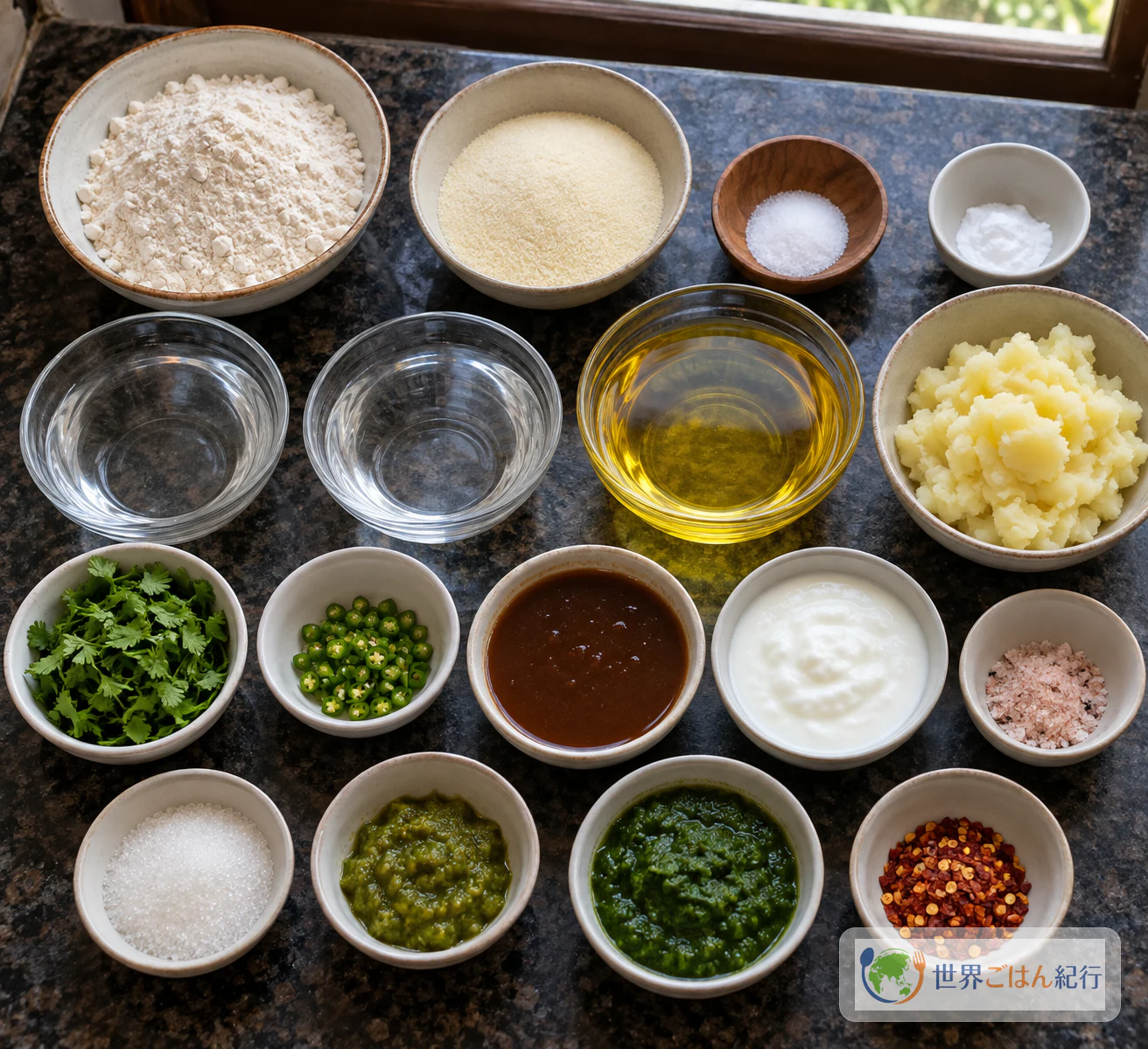
There are two separate measures of water: one for the dough and one for the sauce. Keep them apart so neither goes into the wrong bowl. The chopped coriander leaves go into the filling, and the coriander leaves paste goes into the sauce; they are two different ingredients.
The shells contain wheat (flour or atta, and semolina), and the doi chatni contains milk (yogurt). If you use ready-made pastes, tamarind pulp or other packaged products, check their labels for allergens as well.
Equipment
- Karahi, or a deep frying pan
- Mixing bowls
- Rolling pin
- Small round cutter, or any small round object
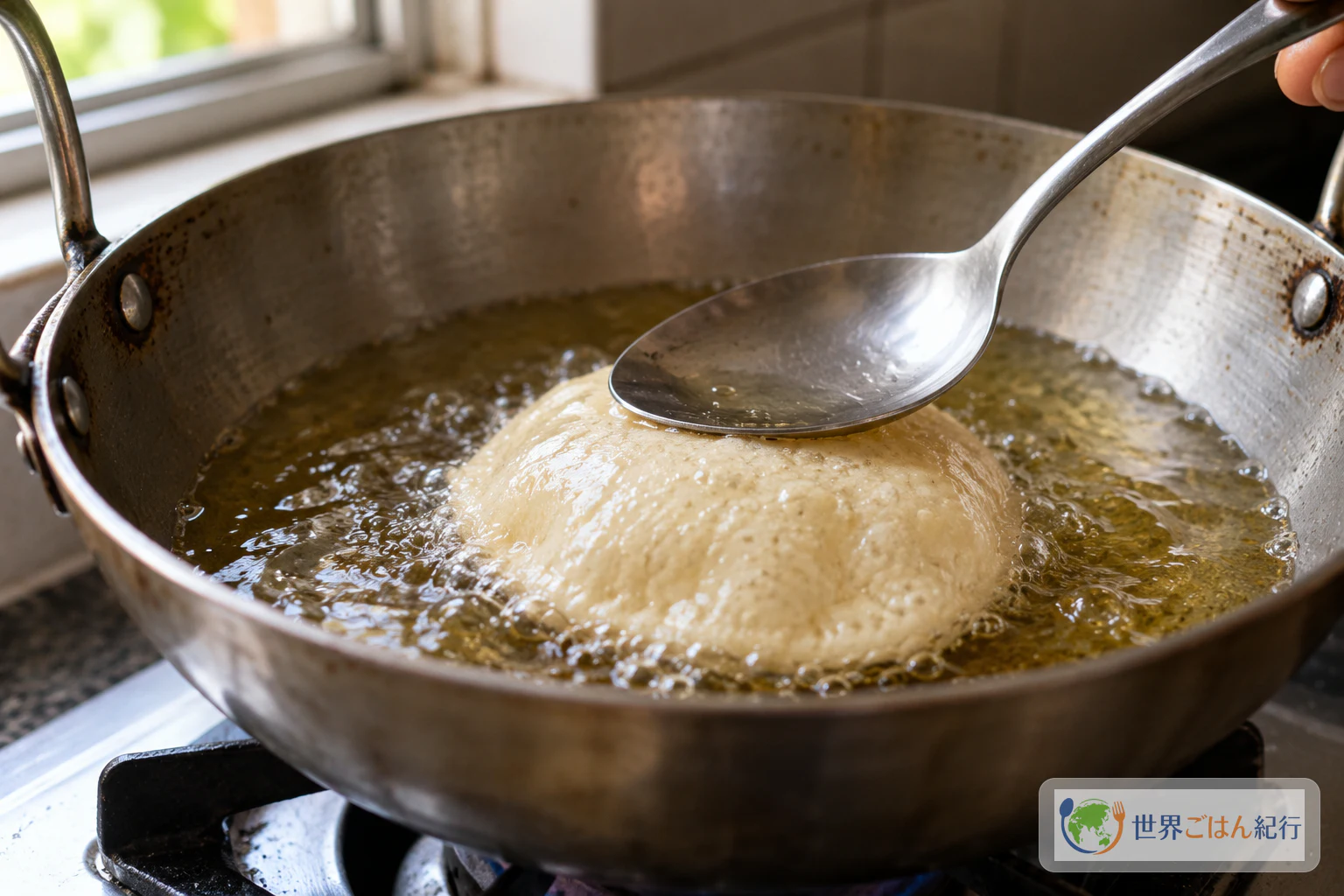
- Spoon, for pressing the puris in the oil and for the filling
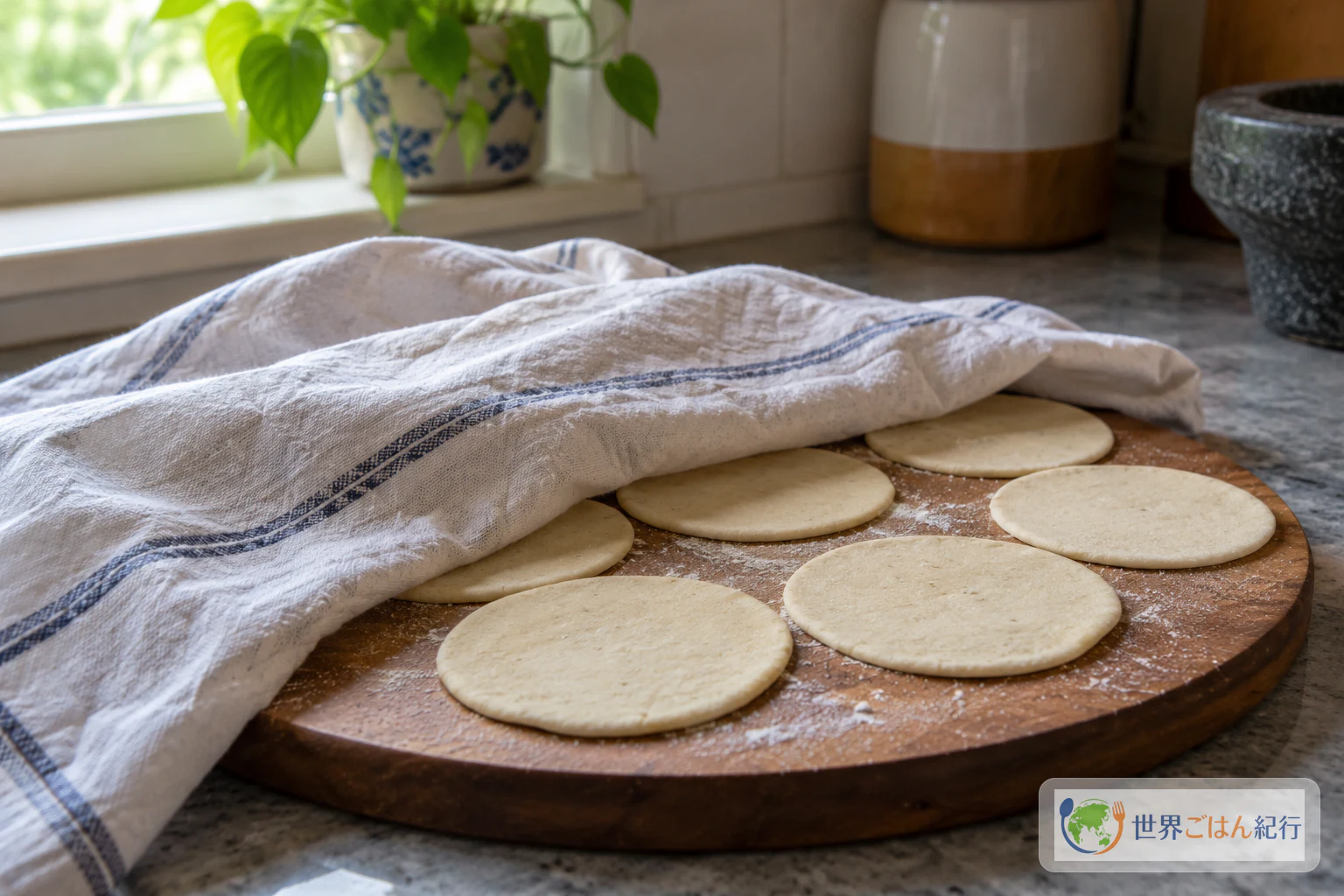
- Clean cloth, plus a damp cloth for covering the cut puris
- Airtight container, for the cooled shells
Choosing and Finding the Ingredients
- Flour or atta. Use either one. Where atta is hard to find, which wheat flour you use is your own choice.
- Semolina or fine suji. Use either one.
- Tamarind pulp. Look for tamarind pulp; tamarind paste or concentrate is sold too, but products differ in strength, so a paste should not be treated as an equal swap for 1/4 cup of pulp.
- Black salt. Also sold as kala namak. Add it as needed, by taste.
- Doi (yogurt). Plain yogurt is the general search term. Fat content, sweetness and straining vary by yogurt, so the one you choose will bring its own differences.
- Green chili paste and coriander leaves paste. These are measured separately from the chopped chilies and chopped leaves in the filling. If you buy ready-made pastes, check their ingredients and salt, since they vary by product. Don't quietly use the chopped versions in their place.
- Oil. Use 2 cups of frying oil of any type.
Method: Shells, Filling, Doi Chatni, Then Assembly
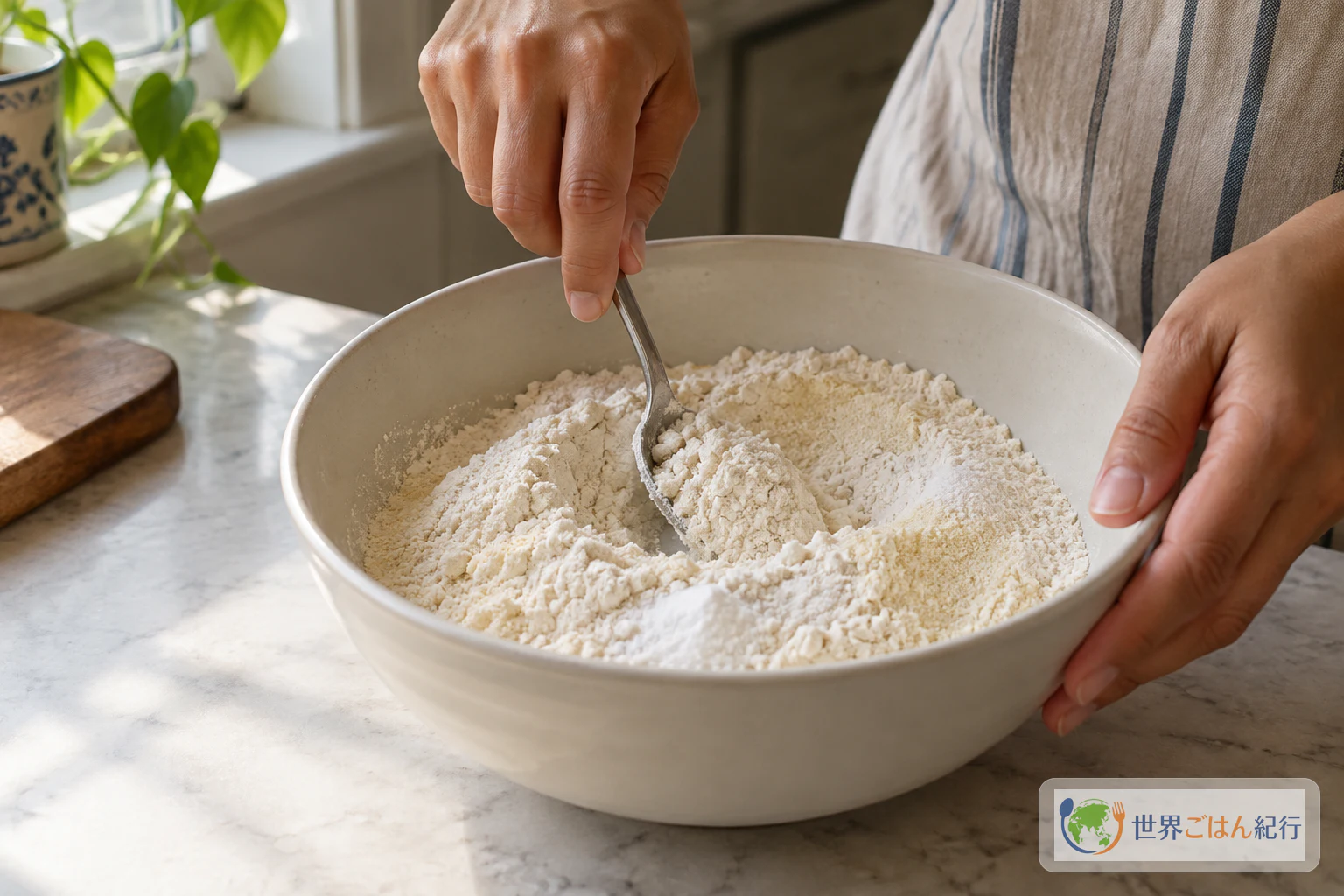
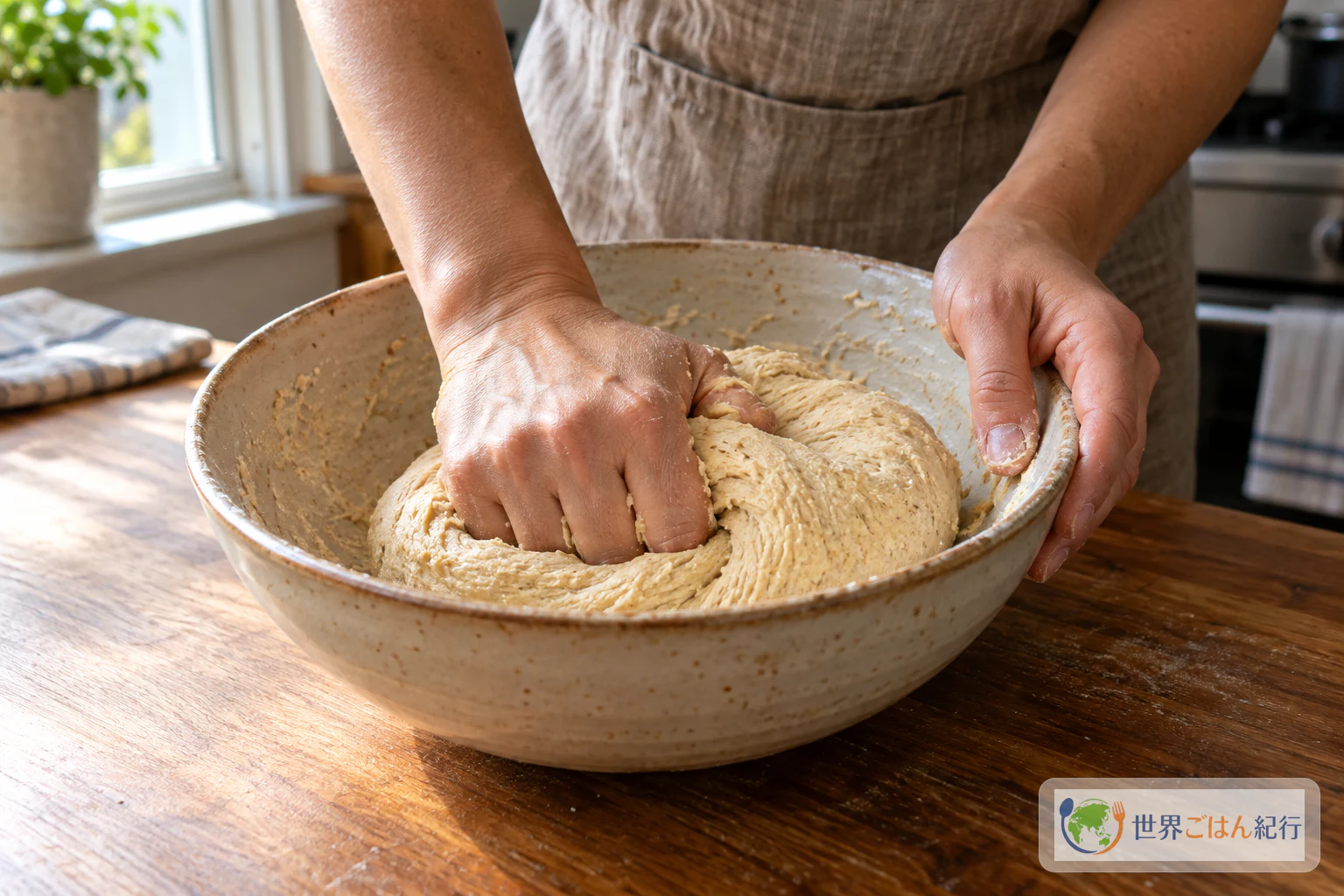
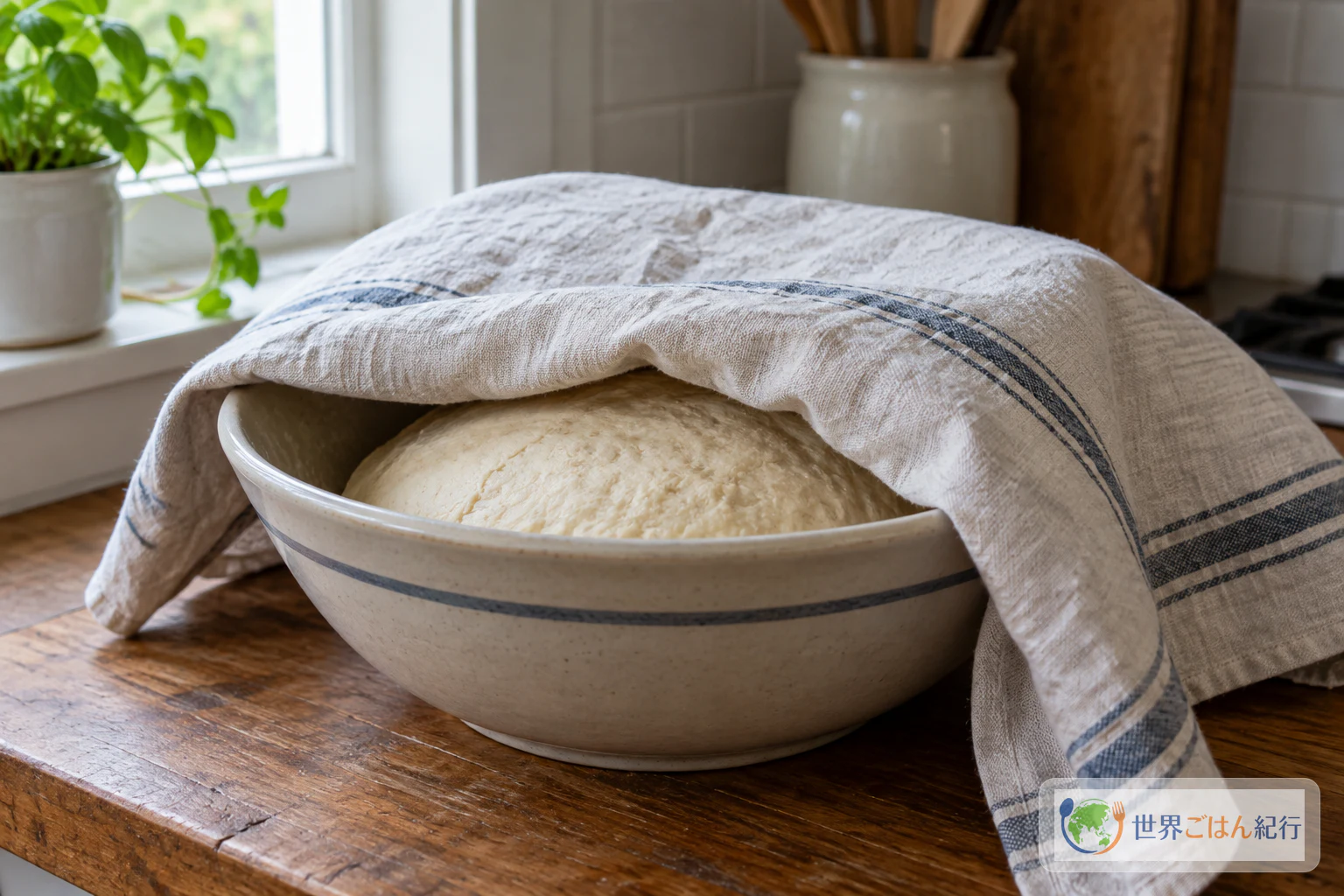
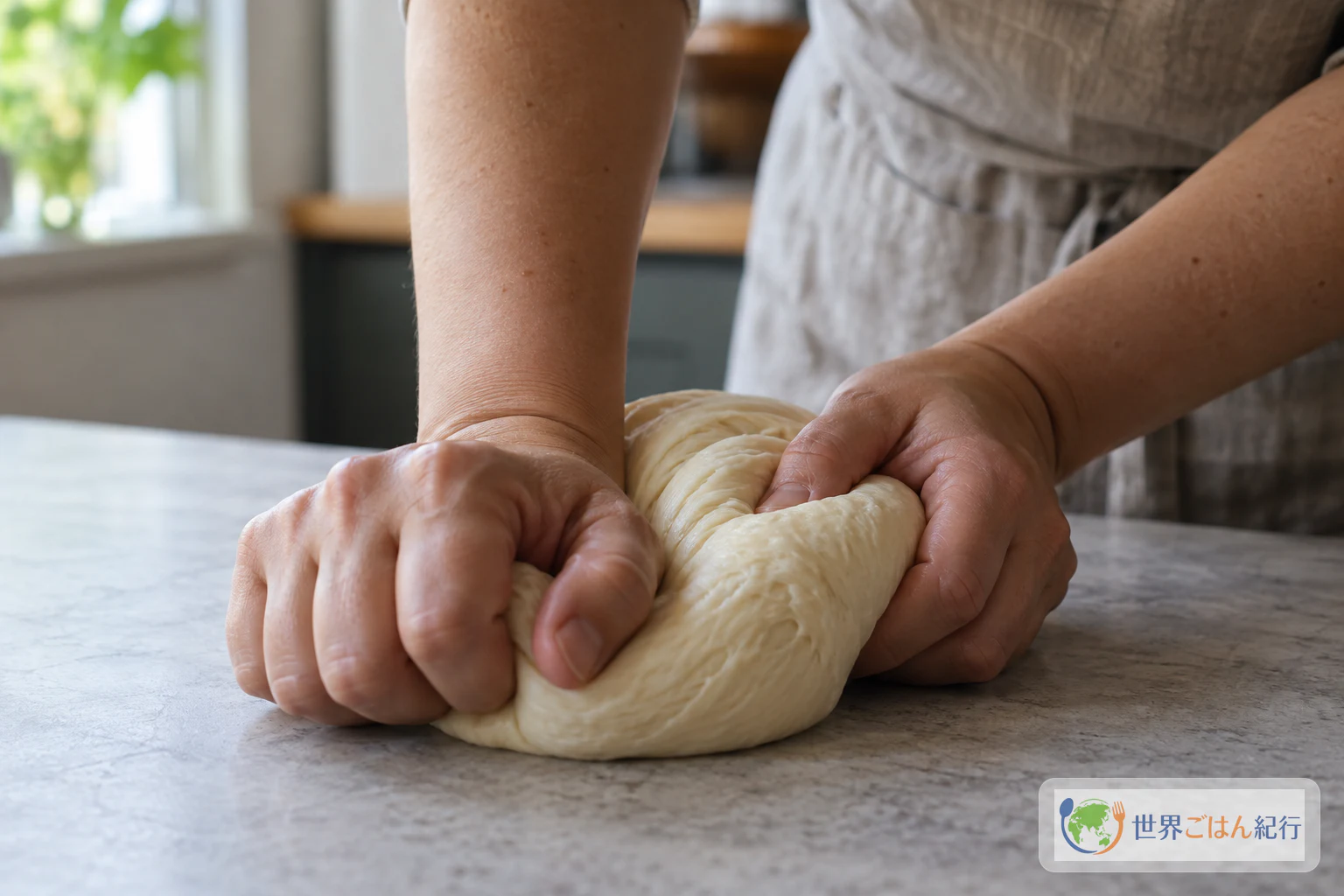
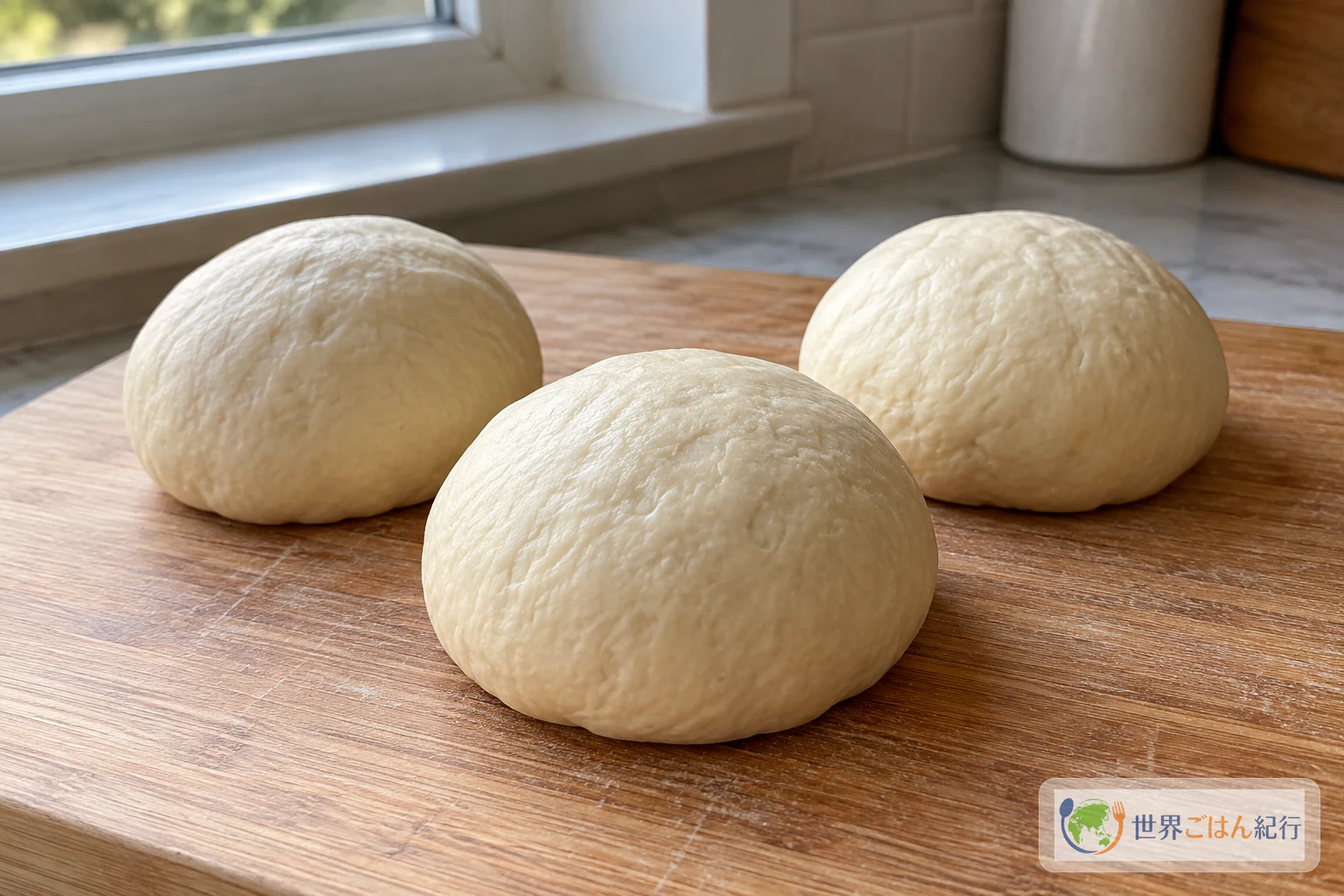
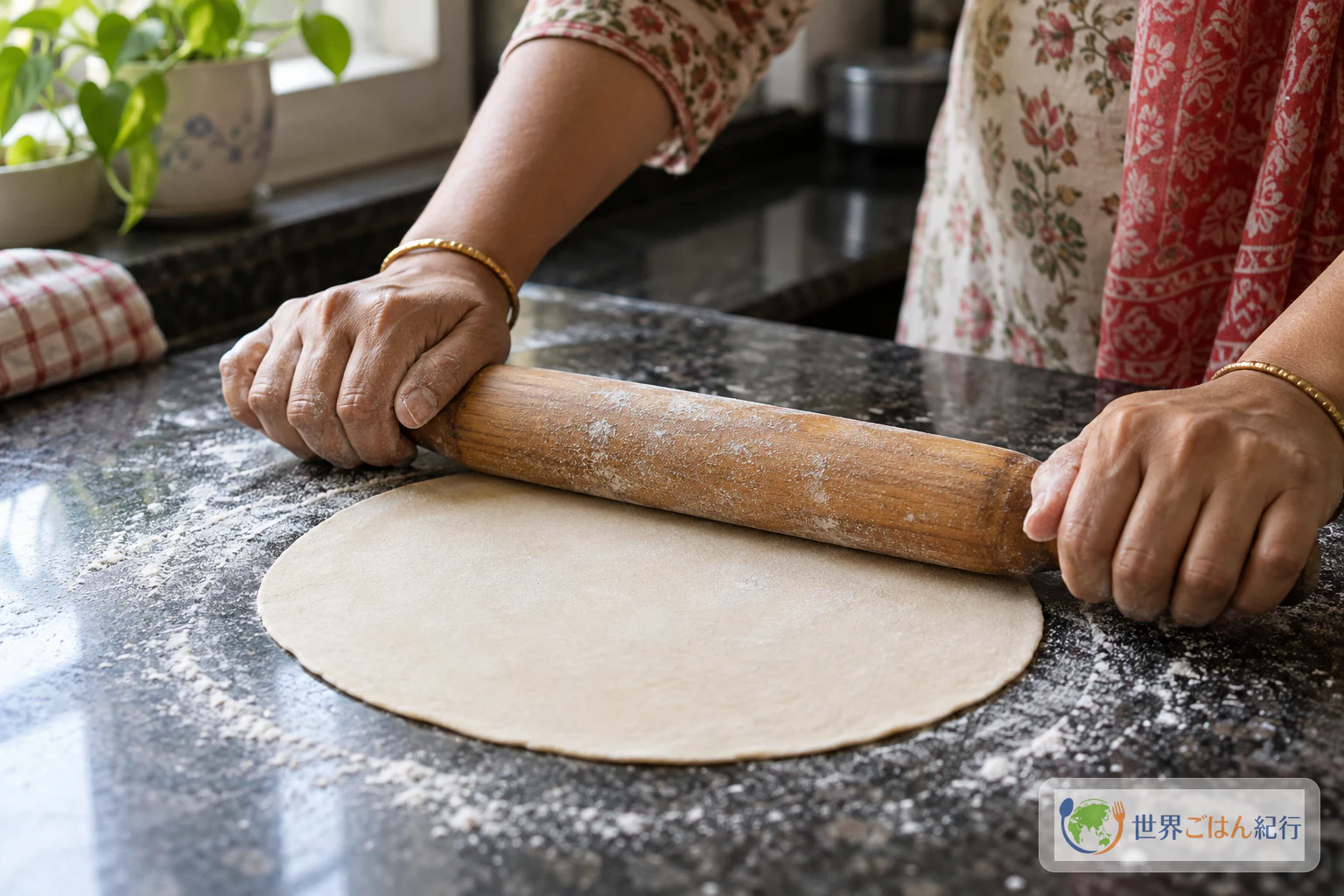
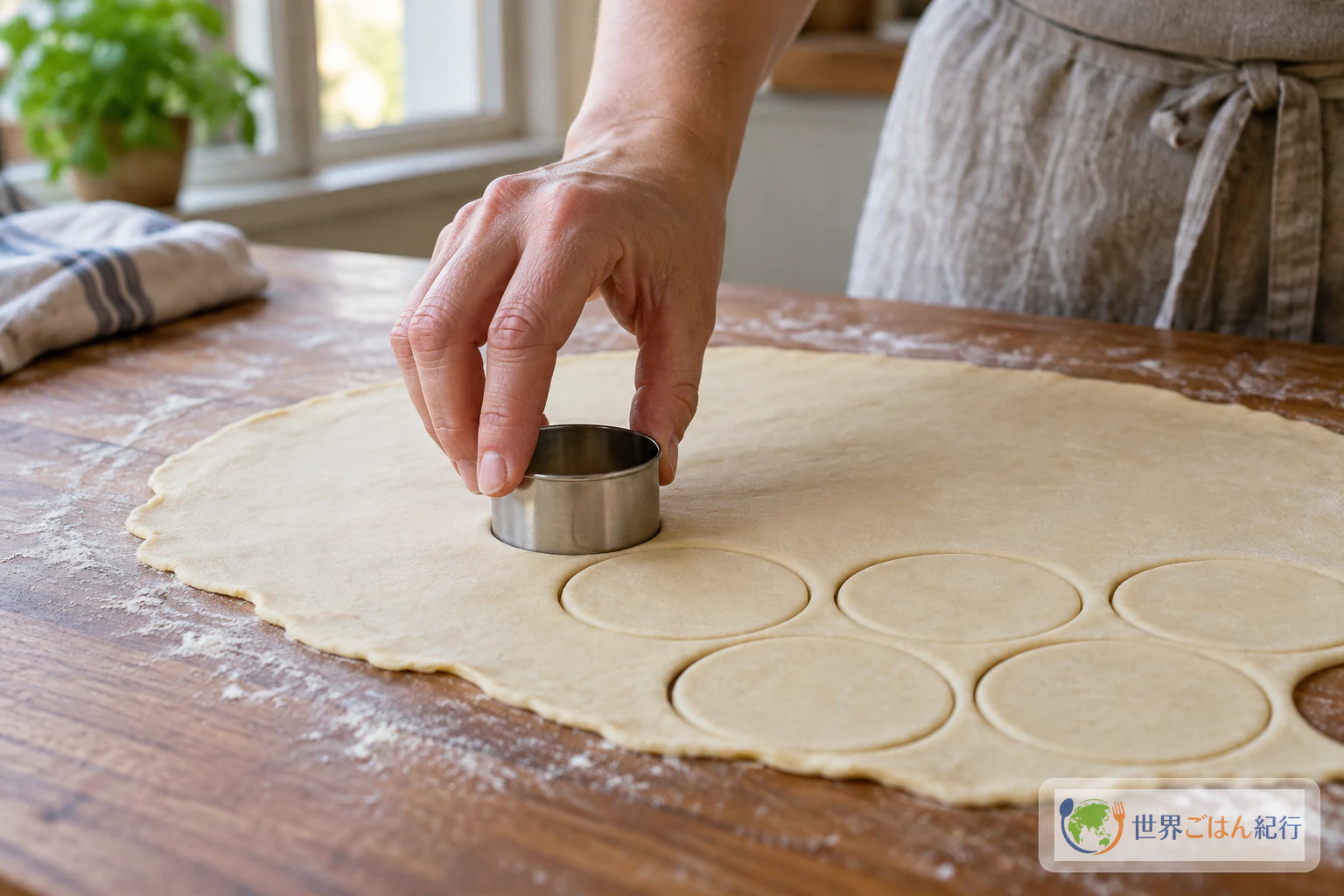
Steps 1–13 make and store the shells. Steps 14 and 15 make the filling and the doi chatni separately. Steps 16–19 open, fill, sauce and serve each fuchka.
Troubleshooting: The Checkpoints the Method Gives
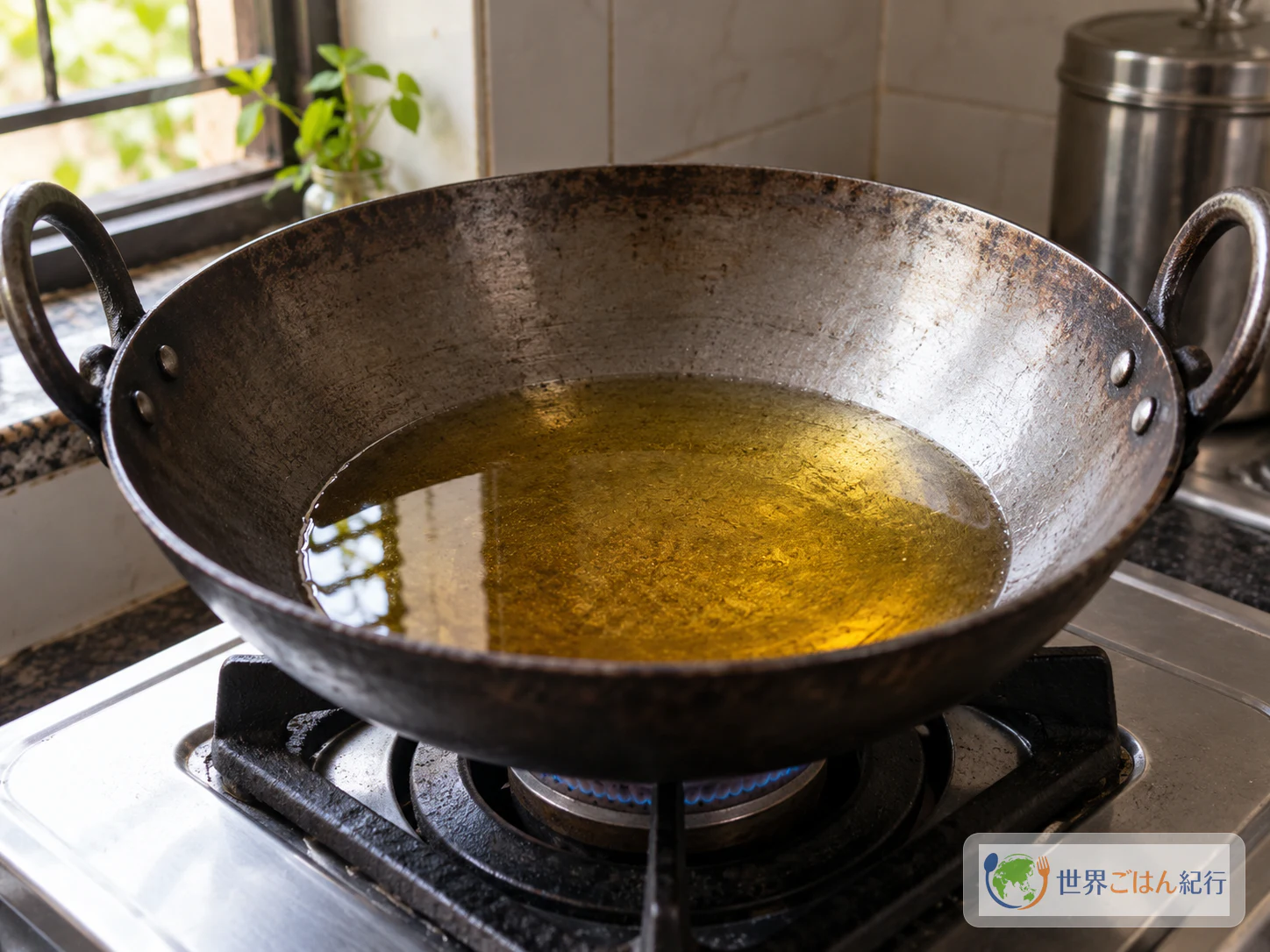
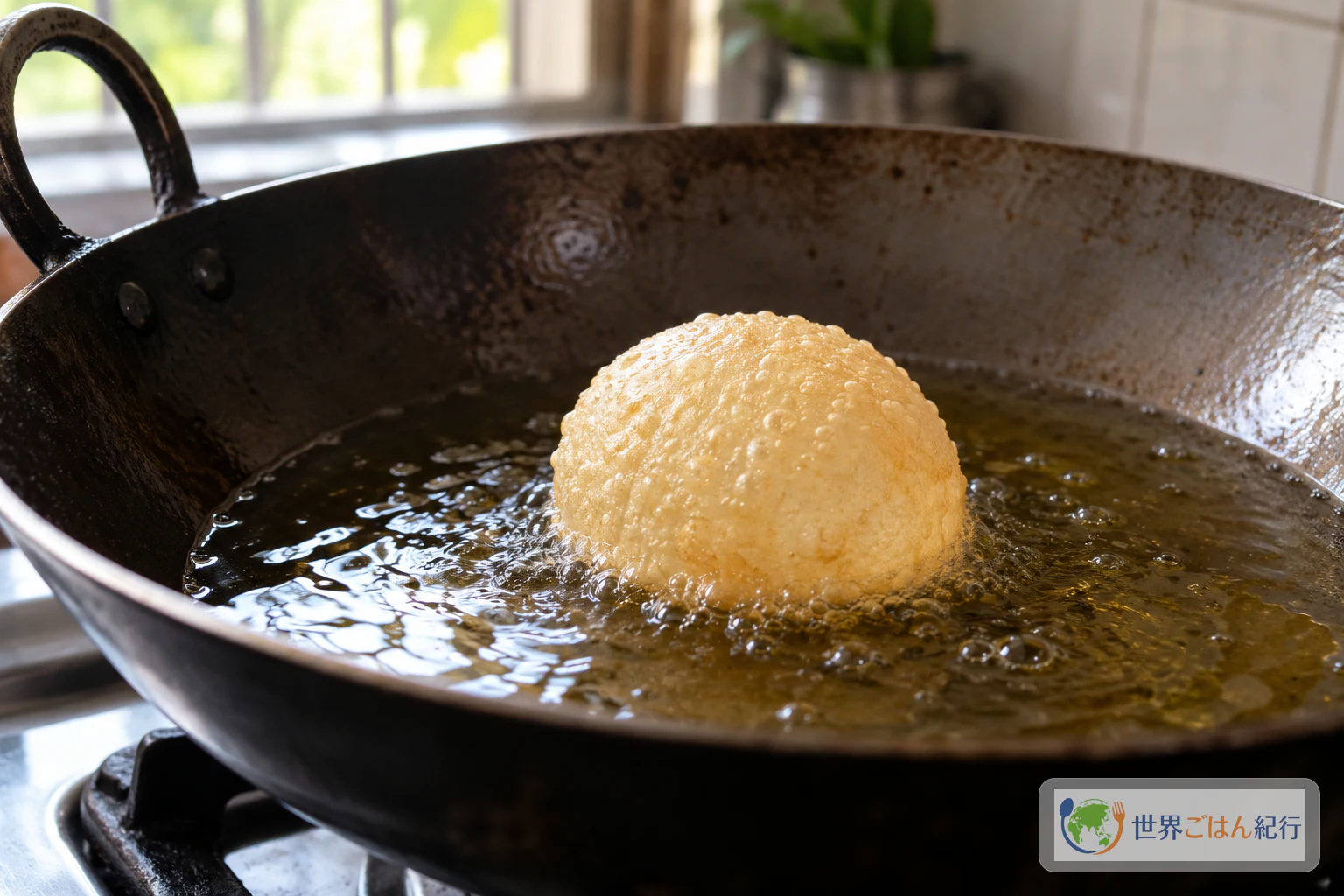
The recipe's own checkpoints are visual and tactile: a soft dough, puris kept under a damp cloth, oil that is hot before the puris go in, a spoon pressing each one so it puffs, and frying until golden. It gives no oil temperature, frying time, shell thickness or cutter size, so the table below works only with those checkpoints. It is a guide to what to look at, not a promise of a particular result.
| What you notice | What to check | What to do |
|---|---|---|
| The dough feels stiff while kneading | How much of the dough water has gone in | Keep adding water a little at a time until the dough is soft |
| Cut puris are waiting while you roll and cut the rest | Whether they are covered | Keep them under a damp cloth until they go into the oil |
| A puri is not puffing in the oil | Whether the oil was hot before the puri went in, and whether it is being pressed | Let the oil heat fully, and press each puri with a spoon as it fries |
| The shells are still pale | Color | Keep frying until golden |
| The doi chatni looks streaky or uneven | Whether everything has been mixed | Stir all the sauce ingredients together well in the one bowl |
| You are unsure how much sauce to use per fuchka | — | No amount per piece is given; spoon it over to your liking. You don't have to use all of it |
Variations Within and Beyond This Recipe
Choices the recipe allows. You can use flour or atta, and semolina or fine suji; both pairs are given as either-or options. The roasted red chili flakes can be 1 tbsp or adjusted to taste. Changing the chili flakes does not mean the green chili paste should change too; it stays at 1 tsp.
Store-bought shells (an editorial shortcut). Using ready-made fuchka or puri shells skips steps 1–13. This is a suggestion from this article, not part of the recipe, and it has not been tried here. Check the size and texture of the product you choose; the filling (1 tbsp per shell) and the doi chatni are made the same way.
A different Doi Fuchka altogether. Banglar Rannaghor, a food site that describes itself as a family project sharing home recipes, publishes a "Special Doi Fuchka" that works quite differently: a shell based on suji, a filling of boiled yellow peas and potato with onion and green chili, and a tamarind sauce and a doi sauce made separately. That is a complete recipe in its own right. Adding just the yellow peas or onion to the version above would not reproduce it; if you want to make it, follow that recipe as a whole.
Frequently Asked Questions
How many fuchka does this make, and how many people does it serve?
The recipe does not say. It gives the dough as three balls, each rolled and cut into small puris, but no cutter size or shell count, so there is no reliable yield or serving number.
Is the sauce a separate tamarind chutney plus yogurt?
Not in this recipe. The tamarind pulp is one ingredient of the doi chatni, mixed in the same bowl with the yogurt, water, sugar, black salt, both pastes and the chili flakes. Separate tamarind and doi sauces do appear in other versions, such as Banglar Rannaghor's, and The Daily Star's 2023 Dhaka report notes a range of sauce choices at carts.
What oil temperature and frying time should I use?
No numbers are given. The recipe says to heat the oil well, press each puri with a spoon so it puffs, and fry until golden. Watch for those signs rather than a clock or thermometer reading.
Can I make the shells ahead and store them?
The recipe says to cool the fried shells and then keep them in an airtight container. It gives no storage period or temperature, and no guidance for storing the filling, the doi chatni, or fuchka that have already been filled and sauced.
Should the yogurt be chilled?
The recipe does not ask for it. The Daily Star's 2023 report mentions chilled yogurt when describing doi fuchka in Dhaka, but that is a description of what was being sold there, not a step in this home recipe.
Is Doi Fuchka the same as Dahi Puri?
They are related but not the same. Mumbai Dahi Puri, as Dassana Amit's recipe describes it, layers potato with several chutneys, yogurt, sev and spice toppings. This Doi Fuchka uses only a potato-coriander-chili filling and one mixed tamarind-yogurt sauce.
Why does the yogurt go on top here when some descriptions put it in the filling?
The Dhaka Tribune's 2024 street-food feature describes doi fuchka as bringing yogurt into the filling, while the recipe here spoons a yogurt-based sauce over shells filled with potato. The two were written at different times and for different purposes, and no source sets one assembly as the only way. This article keeps the recipe's own order.
Sources
- Sumona Sumi, "Doi Fuchka," TasteZoneBD. The recipe followed in this article: all ingredients, amounts and steps for the shells, the potato filling and the doi chatni, and the assembly of filling and sauce. https://tastezonebd.com/doi-fuchka/
- RBR, "Tradition meets innovation in the spicy world of fuchka," The Daily Star (My Dhaka), published 2023-11-13, updated 2023-11-14. Dhaka fuchka carts in neighborhood lanes and by parks and lakes, vendors' sauce choices and recent changes, and doi fuchka with yogurt and tamarind pulp described as a cafe item that had begun appearing on carts. Not a recipe. https://www.thedailystar.net/my-dhaka/news/tradition-meets-innovation-the-spicy-world-fuchka-3469146
- Mahru Awal, "Taste tour on a budget: An ode to our street foods," Dhaka Tribune, published 2024-07-10. Fuchka among Bangladesh's street foods, and a short description of doi fuchka. No quantities or method. https://www.dhakatribune.com/amp/feature/food/351679/taste-tour-on-a-budget-an-ode-to-our-street-foods
- Banglar Rannaghor, "Special Doi Fuchka." A separate Doi Fuchka recipe with a suji shell, a yellow pea and potato filling, and separate tamarind and doi sauces; used for comparison only. https://www.banglarrannaghor.com/post/special-doi-fuchka
- Banglar Rannaghor, "About." The site's own description of itself as a project sharing family recipes. https://www.banglarrannaghor.com/about
- Dassana Amit, "Dahi Puri Recipe (Mumbai Street Style)," Dassana's Veg Recipes, updated 2025-07-03. Mumbai Dahi Puri and how its author distinguishes it from pani puri; used for comparison only. https://www.vegrecipesofindia.com/dahi-sev-batata-puri-recipe-mumbai-dahi-sev-batata-puri/
- Wikipedia, "List of Bangladeshi dishes." Lists Fuchka and Doi Fuchka as separate entries; used only as a starting point for the dish name, not as a basis for the recipe or its history. https://en.wikipedia.org/wiki/List_of_Bangladeshi_dishes