


When the onions turn brown, a bean curry suddenly becomes reassuring
Leave dried chickpeas to soak in water and by the next morning they have swelled to a size larger. It is a slightly patient start to a dinner, but by the time onion, ginger and garlic go into the pot and tomatoes and spices are layered on, the air in the kitchen has settled firmly into Indian cooking.
Chana masala (चना मसाला) is a North Indian staple in which chickpeas are simmered in a spiced sauce of onion and tomato. Around Punjab it is also called chole (छोले), and served with the fried bread bhatura it becomes the famous chole bhature. In restaurants it usually arrives a deep brown, and at home it can also finish a brighter tomato color.
The questions when cooking it outside India are whether to use canned or dried chickpeas, whether to buy chole masala or build it from the spices you have, and how to replace the sourness of amchur or anardana. This article uses dried chickpeas as the base, and also gives a shortened version with canned chickpeas that won't fail.
What you want to protect here is not to turn it into just a "chickpea curry." What makes it chana masala is the fluffy texture of the beans, the thickness of well-fried onion and tomato, and the sourness that lingers at the end. You can set it beside a meat dish like tandoori chicken (in Japanese), or pair it with samosas (in Japanese) for a light Indian menu. Having a bean curry steadies the center of gravity of the table.
"Chana" is chickpea in Hindi-family languages, and "chole" is the name commonly used in the Punjabi-speaking region. Because "chana masala" is the easiest form to find in searches, this article uses chana masala as the main name and notes chole in the Punjabi context.
Background: a bean dish that moves between Punjab's street stalls and homes

Chana masala is eaten across a wide area of the Indian subcontinent, but the one easiest to reproduce in a home kitchen is the North Indian, especially Punjabi-style, chole. Dassana's Veg Recipes describes chole as "a North Indian curry of white chickpeas cooked in an onion-tomato gravy" and presents it as a dish served with bhatura, roti or steamed rice.
What is interesting about the Punjabi style is how color and sourness are made. White chickpeas cooked plain come out a light beige, but in local recipes they are sometimes simmered with dried amla (Indian gooseberry) or a tea bag to give the beans a deep brown. That isn't burning; it is a technique for giving the beans a darker look. The sourness is often provided by amchur (dried mango powder) or anardana (dried pomegranate seeds), and if you have none, you can make up for it with lemon or lime.
Felicity Cloake in The Guardian also treats chana masala as a dish with great household variation, observing that it can be made with canned chickpeas, but that soaking and cooking dried beans changes the texture and how the flavor goes in. In other words, chana masala has less a "single right answer" than a set of decisions: how to soften the beans, where to add sourness, and how far to reduce it.
| What to look at | To get closer to Punjabi style | Practical home option |
|---|---|---|
| Beans | Soak dried kabuli chana overnight | Canned is fine. Shorten the simmer |
| Color | Simmer with amla or tea to turn brown | Omit if you don't care about color |
| Sourness | Amchur, anardana | Make up with lemon juice and tomato |
| Aroma | Roasted whole spices | Shorten with store-bought chole masala plus cumin |
| How to eat | Bhatura, kulcha, onion, lemon | Naan, chapati or basmati rice are plenty |
If you plan to keep cooking Indian food, chana masala is an easy entry point for passing the ingredients that remain in your kitchen to the next dish. It uses no meat, can be frozen, and goes with both basmati rice and naan. The spices you buy can go on to khichdi (in Japanese), dal tadka (in Japanese), biryani and tandoori chicken side dishes (in Japanese).
Street-stall chole bhature gain momentum right on the plate. Freshly fried bhatura puff up large, and with the thick bean curry plus onion and lemon, it is a combination that pushes through a strong midday meal. A home chana masala is a little quieter. Soak the beans in the morning, fry the onions in a pot in the evening, and pour the leftovers over rice the next day. Borrowing the outline of the Punjabi style, placing it between "holiday street food" and "weekday make-ahead" is how it keeps going without strain. Rather than gathering the dark color and all the dedicated spices, prioritize beans that are soft, a sauce that isn't watery, and a sourness that remains at the end.
Ingredients (serves 4): think of the chickpeas, sourness and aroma separately

This is for 4. With naan or basmati rice as the staple, this amount makes a solid dinner. On days you serve it as a side, half is fine.
Basic chana masala uses no animal ingredients, so it is easy to make vegan. But store-bought chole masala, naan and side dishes may contain wheat, dairy and, depending on the product, nuts. Check the labels when buying.
Shopping priorities: separate the beans, the sourness and the rice
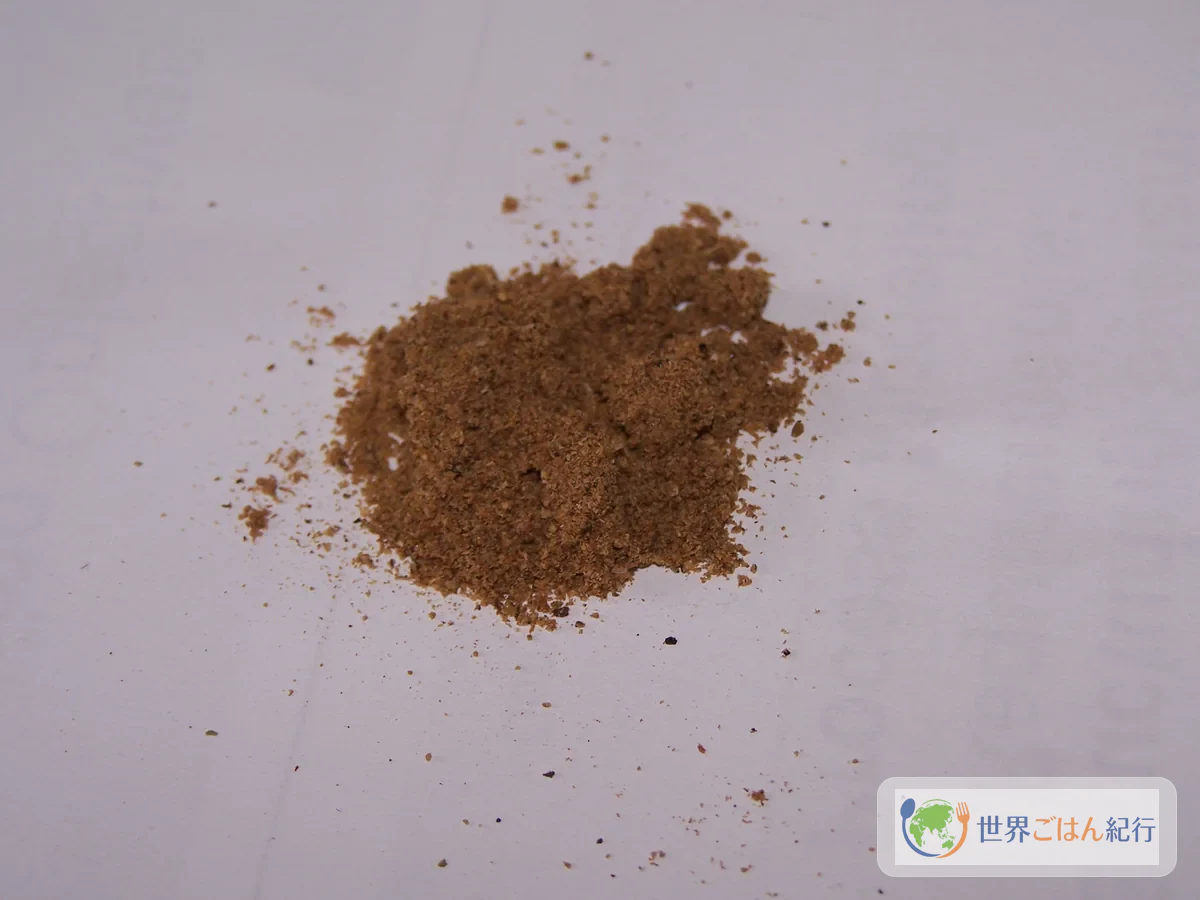
Shopping for chana masala gets tiring if you try to make everything authentic at once. First decide whether it is a day for dried chickpeas or a short day with canned. If you choose dried, the aroma and texture of the beans themselves are the star. If you choose canned, lean toward frying the onion and tomato carefully so the flavor coats the beans in a short time.
Next think about sourness. With amchur you get the dry sourness that lingers on the tongue at the end. On days you don't have it, lemon is enough, but lemon's aroma is bright, so add it at the end to keep the aroma. Basmati rice is not essential. But if you will eat chana masala through the next day, it takes it in more lightly than short-grain rice, so satisfaction with the make-ahead goes up.
| Order to buy | What to look for first | Why |
|---|---|---|
| 1 | Dried chickpeas, or canned chickpeas | The texture of the beans decides the impression of the dish |
| 2 | Cumin, coriander, garam masala | So it doesn't become just beans cooked with onion and tomato |
| 3 | Chole masala, amchur | To approach the aroma and sourness of the Punjabi style |
| 4 | Basmati rice | Becomes a staple that eats lightly for make-ahead |
Dried chickpeas take longer than canned, but give more of the beans' aroma and texture. Look for large kabuli chana, the large-grained chickpeas used for Indian cooking.
For chole masala, store-bought is plenty for the first time. It is a shortcut to know where the dish should land before you gather whole spices.
Amchur is the powder that makes chana masala's "sourness that remains at the end." If you can't get it, lemon can substitute, but if you will keep cooking Indian food, one bag will also go into samosas (in Japanese), chaat and vegetable stir-fries.
On days you want something lighter than naan, basmati rice is handy. It takes in chana masala's thick sauce while eating more lightly than short-grain rice.
The first time, you can make it with "dried chickpeas, garam masala, coriander and cumin." Next add chole masala, amchur and basmati rice. If you try to gather everything at once, only the spice shelf gets serious first and the cooking doesn't last.
Dried beans or canned: which today?
Chana masala with dried chickpeas is a dish you prep on a holiday morning. Put the beans in water the night before, and cook at midday or in the evening. It takes effort, but water enters to the center of the beans and the sweet aroma of the beans comes into the cooking liquid. Returning that liquid to the masala base makes the sauce not just a tomato flavor but a bean dish.
Canned chickpeas suit a weekday evening. The bean aroma is milder than dried, but they are already soft, so once you make the onion and tomato base it finishes quickly. Use 480–520 g after draining, skip steps 1 and 2, and add them in step 6 with 150–200 ml of water or canning liquid and simmer 10–12 minutes. If the canning liquid is salty, hold back on salt until the end.
| Method | Best for | Amount of beans | Simmering guide |
|---|---|---|---|
| Dried beans | Holidays, make-ahead, days you want the bean aroma | 250 g dried | Soak 8–12 hours, boil 18–90 minutes |
| Canned | Weekdays, busy days, a first trial | 480–520 g after draining | 10–12 minutes in the masala base |
| Carton | Days you want to avoid the canned smell | 480–520 g after draining | Same as canned. Check the salt |
Even with the canned version, keep the step of crushing some beans. Crushing about 1/6 of them with the back of a ladle releases starch into the sauce, so even in a short time it clings to naan or rice. Conversely, on a day you used baking soda with dried beans, they fall apart easily, so crush fewer. Whichever you choose, don't skip the sourness at the end. Without it, only the sweetness of the beans and the heaviness of the tomato remain.
Method: soft beans, patient onions, sourness last
Failures in chana masala cluster in three: hard beans, raw-tasting onions, and no sourness. Conversely, simmer the beans until they crush between your fingers, fry the onion and tomato enough, and add sourness at the end, and the flavor is stable.
Choices for getting close to the original in a home kitchen

Judging by the ingredient names alone, chana masala looks like a dish you can't make without buying lots of spices. But if you separate what to protect from what can be swapped, it becomes easy to put together at home.
| Ingredient in question | Closer to the original | Practical at home | Effect on the dish |
|---|---|---|---|
| Chickpeas | Dried kabuli chana | Canned, carton | Dried beans give better bean aroma and texture |
| Sourness | Amchur, anardana | Lemon juice, lime | Without sourness the flavor goes flat |
| Coloring | Amla, tea | Tea bag, or omit | More effect on looks than flavor |
| Spices | Homemade chole masala | Store-bought chole masala plus cumin | Store-bought is plenty the first time |
| Staple | Bhatura, kulcha | Naan, chapati, basmati rice | Fried bread is heavy, so rice suits the home |
| Herbs | Cilantro | A little scallion | If you dislike it, don't force it in |
What you shouldn't substitute is the time you spend frying the onion and tomato. Putting everything in and simmering right away, like a store-bought curry roux, won't give you chana masala. The sweetness of the onion and the evaporation of the tomato moisture make the sauce that clings around the beans.
Conversely, coloring with tea is up to taste. A deep brown gives the Punjabi atmosphere, but without tea the dish still works. At home, rather than fixating on color from the first time, prioritize cooking the beans soft.
Amchur is handy but isn't essential at the start. Lemon also gives sourness. But lemon has a bright aroma while amchur has a dry sourness, so the aftertaste differs a little. After making it a few times, if you think "I want to get one step closer to the taste of an Indian restaurant," it's worth adding amchur.
Where it goes wrong: hard beans, thin flavor, not enough sourness

The steps of chana masala are not difficult. The hard part is watching the state of the beans and sauce. Rather than trusting only the time, pressing a bean with your finger, scraping the bottom of the pot, and tasting for sourness, these three change the result.
| Failure | Cause | Fix |
|---|---|---|
| Beans are hard | Not soaked enough, old beans, not simmered enough | Use a little baking soda. In a pressure cooker, add 5 more minutes |
| Sauce is watery | Tomato not fried enough, too much cooking liquid | Uncover and reduce 10 minutes, crushing a few beans |
| Flavor is thin | Not enough salt, not enough sourness, weak spice aroma | Add salt 1/4 tsp at a time, add lemon or amchur |
| Bitter | Burnt ground spices | Next time 30 seconds on low heat. This time round it with lemon and a little sugar |
| Powdery | Water added right after the spices | Let them meet the oil briefly and simmer with the tomato |
| Beans fell apart | Too much baking soda, overcooked | Use some as thickening, and use less baking soda next time |
If you go into seasoning with hard beans, the center stays powdery no matter how long you cook them afterward. At step 2, press a chickpea between your thumb and forefinger and cook until it squashes softly. The simmer as a curry is time for flavor to soak in, not time to soften hard beans from zero.
When the flavor is blurry, check salt and sourness before increasing spices. A bean dish suddenly tastes sleepy without enough salt. When the sourness of amchur or lemon comes in, the sweetness of the beans and the richness of the tomato stand up.
Bean dishes take a while to cool down. For storage, spread in a shallow container and refrigerate promptly once the heat has gone. Avoid leaving it long at room temperature, and from the next day on reheat it thoroughly to the center.
Serving and menus: it goes with rice as well as naan

The most famous way is chole bhature. A combination typical of North Indian eateries, a spicy, sour chole with puffed fried bread. But as a home dinner, making the fried bread too makes it a little heavy.
On weekdays, basmati rice or store-bought naan is enough. Chana masala, basmati rice, raita (in Japanese), sliced onion, lemon. With this combination, yogurt and sourness take in the weight of the beans. On a day you grill tandoori chicken, adding chana masala to the tandoori chicken side dishes (in Japanese) completes beans, rice and a cold side.
On the weekend, pairing it with samosas (in Japanese) moves toward street food. The potato of the samosa, the beans of the chana masala, the herbs of the mint chutney. The starches overlap, so make smaller portions and add cucumber and onion to keep it light to the end.
| Occasion | Staple | Served with | If you add to your shopping |
|---|---|---|---|
| Weekday dinner | Basmati rice, frozen naan | Raita, onion, lemon | Plain yogurt |
| Weekend lunch | Naan, chapati | Samosas, mint chutney | Cilantro, mint |
| Guest day | A little each of basmati rice and naan | Tandoori chicken, kachumber | Frozen naan, red onion |
| Next-day lunch | Toast, leftover rice | Yogurt, scallion | Lemon, cucumber |
Because chana masala has beans as the star, whether you add meat to the menu changes the weight. On days you add a meat dish, make the staple lighter; on days with only the bean curry, increase the rice or naan a little. Placing one cold side keeps you from tiring of the intensity of the spices and beans.
To broaden into Indian cooking from the overview of Indian cuisine (in Japanese), connecting to the gentle rice-and-lentil khichdi (in Japanese), the spiced rice biryani and the grilled tandoori chicken (in Japanese) lets you reuse the cumin, coriander and garam masala you bought. Compared with Nepal's dal bhat, what is interesting is that in chana masala, a bean dish too, the sourness and tomato come forward.
Storage and eating it the next day

Chana masala is suited to making ahead. As a guide, 2–3 days refrigerated and 2–3 weeks frozen. The beans absorb the sauce over time, so the next day there is a little less liquid. When reheating, add 2–3 tbsp water or cooking liquid and warm slowly over low heat.
To freeze, divide into single portions in flat containers. Thaw overnight in the refrigerator or with the microwave's defrost setting. Putting it straight into a pot tends to reduce only the outside, so add a little water before heating.
The easiest way to eat it the next day is over basmati rice. Slightly reduced chana masala clings well on rice. If eating it with naan, adding lemon juice and cilantro brings the aroma back. To put it in bread, lightly crush the chana masala and layer sliced onion, yogurt and mint for a bean sandwich.
Thinning leftover chana masala into a soup is another option. Add water or vegetable stock, add spinach or komatsuna and simmer 5 minutes. Sprinkle a little garam masala to finish and it becomes a bean soup just right for the next day's lunch.
FAQ

Q1. Can I make it with canned chickpeas rather than dried?
Yes. Use 480–520 g after draining and simmer 10–12 minutes in step 6 to let the flavor soak in. Canned beans are already soft and fall apart easily, so crush fewer of them. Because they contain salt, adjust the salt at the end.
Q2. Without amchur, does it stray from the original?
The flavor changes a little, but it is perfectly delicious with lemon juice. Amchur is a dry sourness, lemon a bright one. Make it with lemon the first time, and if you continue making Indian food, it's fine to buy amchur in turn.
Q3. Won't cooking with tea make it taste of tea?
If you only simmer one tea bag with the beans, the tea flavor doesn't remain strongly. The main purpose is coloring. If it bothers you, omit it and cook the beans in salted water alone. Prioritize cooking the beans until they crush without resistance between your fingers over making the color darker.
Q4. Can I serve it to children or people who dislike heat?
Yes. Omit the green chili and use 1/4 tsp chili powder or less. Serve cayenne pepper or chili oil on the side so heat can be added at the table. With sourness and salt, it keeps its chana masala character even without heat.
Q5. Which staple goes best?
For an authentic feel it's bhatura or kulcha, but at home basmati rice or naan is easier to handle. Rice on days you want it light, naan on days you want a street-stall feel, and for a weekend feast lean toward fried bread or puri.
Leftover beans in the pot help with lunch the next day

Chana masala is less a dish that uses a lot of spices than a dish for eating beans deliciously. Cook the chickpeas soft. Fry the onion and tomato without rushing. Finish with amchur or lemon for sourness. Once these three are right, even with ingredients from an ordinary supermarket it becomes much more Indian.
For the first time, dried chickpeas, onion, tomato, cumin, coriander and garam masala are enough. Add tea coloring, amchur and chole masala if you come to want to keep making it. With a pot of bean curry on hand, you can set it beside rice, naan, or tandoori chicken. As a staple kitchen recipe, chana masala is a reassuring dish.
To cook next, the same spices lead to khichdi (in Japanese); to widen the table, tandoori chicken side dishes (in Japanese); and to look over Indian cooking as a whole, the overview of Indian cuisine (in Japanese), which makes it easier to use up the beans and spices you bought.
Sources
The names of chana masala, Punjabi-style chole, coloring with tea and amla, the sourness of amchur and anardana, and the shortcut with canned beans were reorganized from English-language and Indian cooking media for home cooking.
- Dassana's Veg Recipes, "Chole Recipe | Punjabi Chole Masala" https://www.vegrecipesofindia.com/punjabi-chole-chickpeas-in-a-spicy-gravy/
- The Guardian, "How to make the perfect chana masala" https://www.theguardian.com/lifeandstyle/2015/sep/24/how-to-make-the-perfect-chana-masala
- The Guardian, "How to make chana masala - recipe" https://www.theguardian.com/food/2022/jan/12/how-to-make-chana-masala-recipe-felicity-cloake-masterclass
- Serious Eats / J. Kenji Lopez-Alt, "Channa Masala Recipe" (referring to the information posted on Punchfork) https://www.punchfork.com/recipe/Channa-Masala-Serious-Eats
- Wikimedia Commons, "Chana masala" and "Chole bhature" image categories https://commons.wikimedia.org/


