Chhenapoda: Fresh Cheese Baked Until the Top Turns Golden
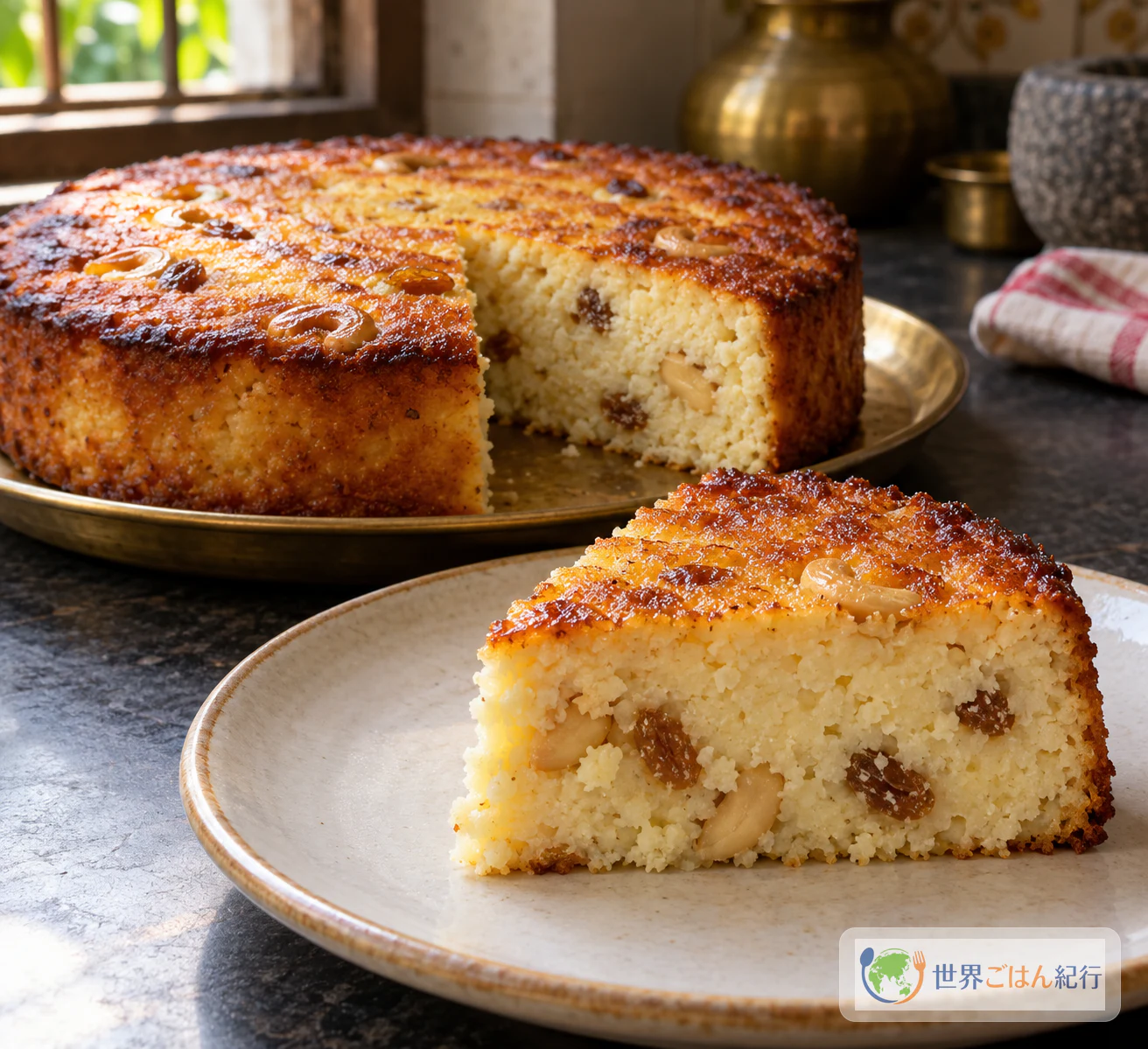
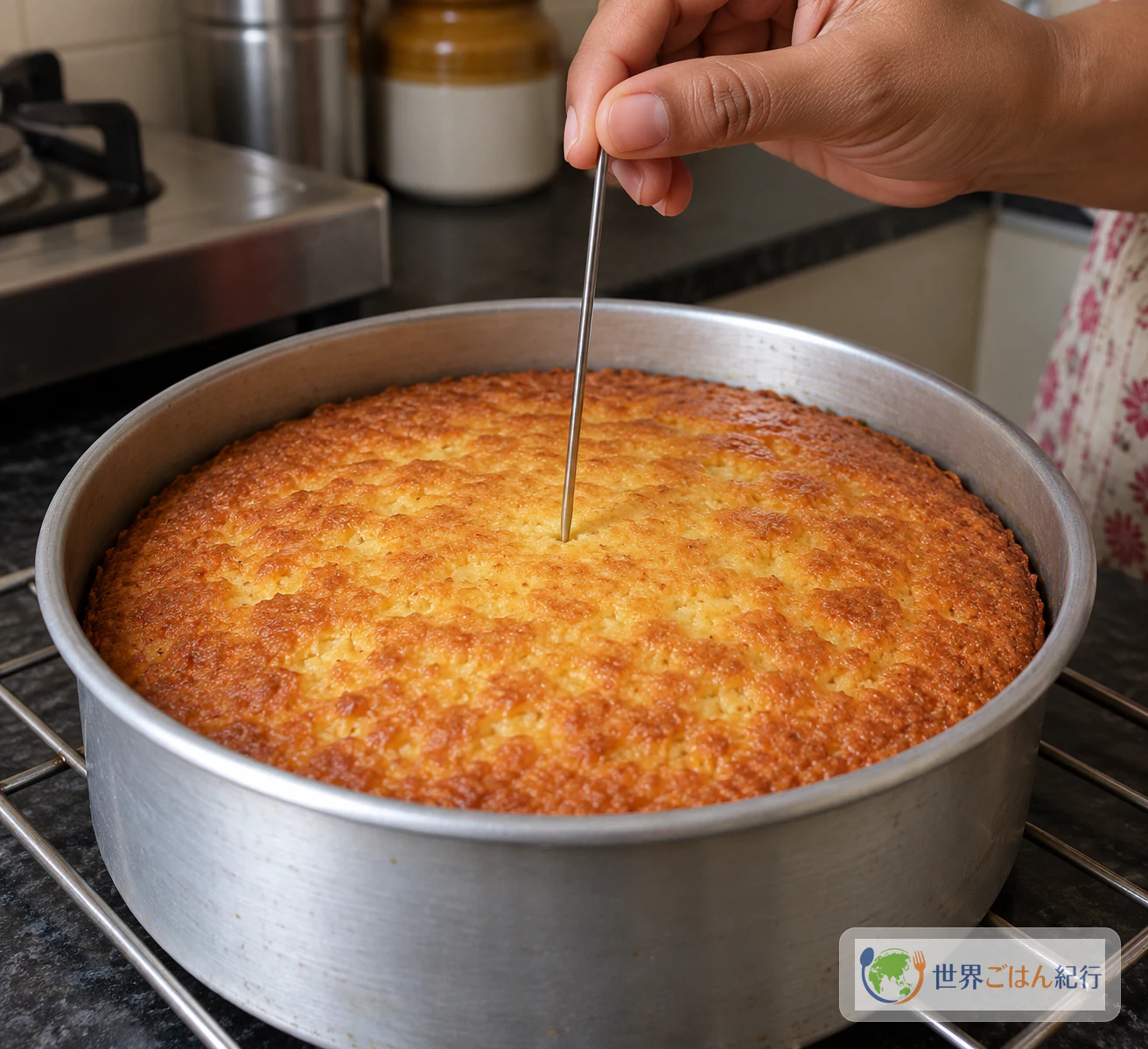
A firmly pressed chhena mixture, sweetened and scented with cardamom, baked until the top is golden brown and a skewer pushed into the centre comes out clean. Then let it cool to room temperature before you cut it.
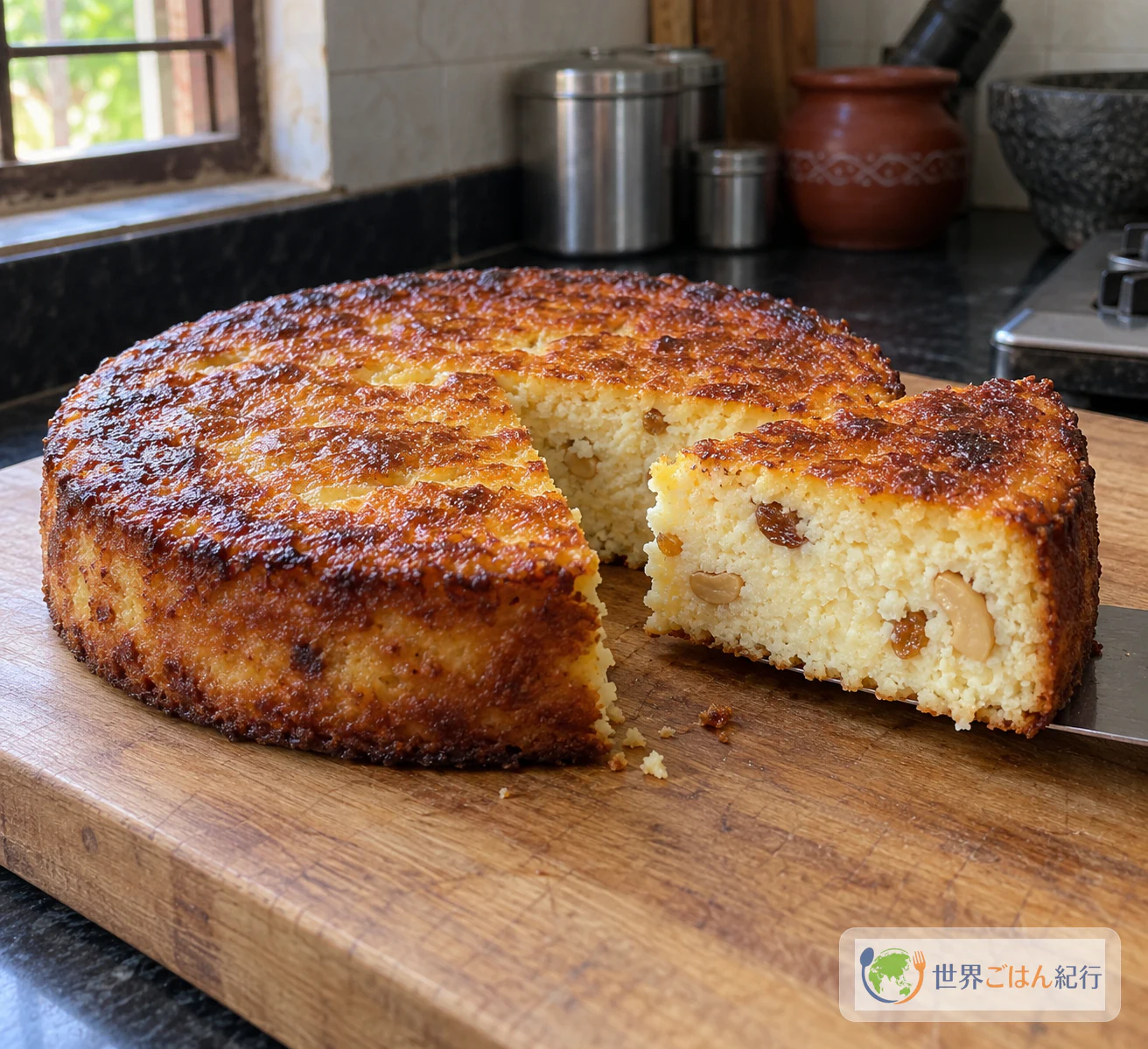
A round tin comes out of the oven with a golden-brown top. Underneath is a dense, slightly crumbly layer of fresh cheese dotted with cashews and raisins. It cools on the counter until it reaches room temperature, and only then is it cut into slices or squares. This is Chhenapoda (also written Chhena Poda or Chenna Poda), a sweet from the eastern Indian state of Odisha.
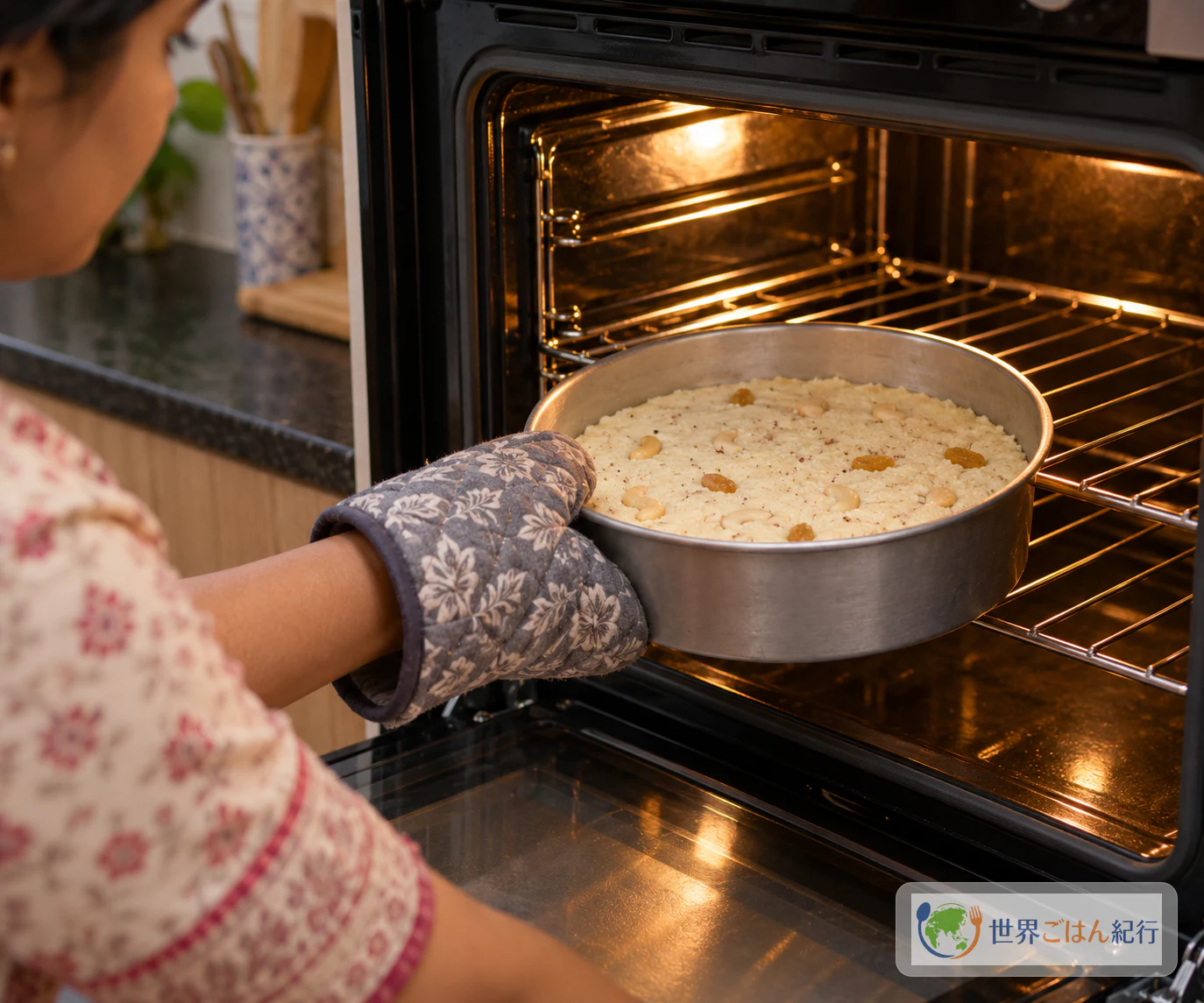
If you're looking for the oven settings first: this recipe follows Shristi Sahoo's home recipe published by Rediff Get Ahead. It's baked in a preheated oven at 180°C for 30–40 minutes. You take it out when the top is golden brown and a skewer inserted in the centre comes out clean.
The recipe starts from prepared fresh chhena. It doesn't include a stage for curdling milk, and it doesn't use eggs. The sugar is mixed straight into the cheese rather than cooked into a separate caramel layer. For more dishes from across the country, see the India country page.
You'll see Chhenapoda, Chhena Poda and Chenna Poda. All three refer to the same Odia sweet. Searching with more than one spelling turns up more regional writing on it.
What Chhenapoda Is: A Baked Cheese Sweet from Odisha
Odisha Tourism, the state government's tourism department, explains the name in two parts. Chhena is cottage cheese and poda means charred. The dish is fresh chhena sweetened and baked. Its colour comes from the oven, not from frying or a sugar syrup.
The name says "charred," but the home recipe here doesn't aim for a blackened crust. Shristi Sahoo's recipe looks for a golden-brown top. That is the finish this article aims for, and it's what the doneness check in the method is built around.
Odisha has other sweets made from chhena, and they shouldn't be confused with this one. Chhena Mudki, for example, is made from cubes coated in sugar. Its method and final form are entirely different from a pressed and baked cake like Chhenapoda.
Ingredients: Serves 4–5, Starting from Fresh Chhena
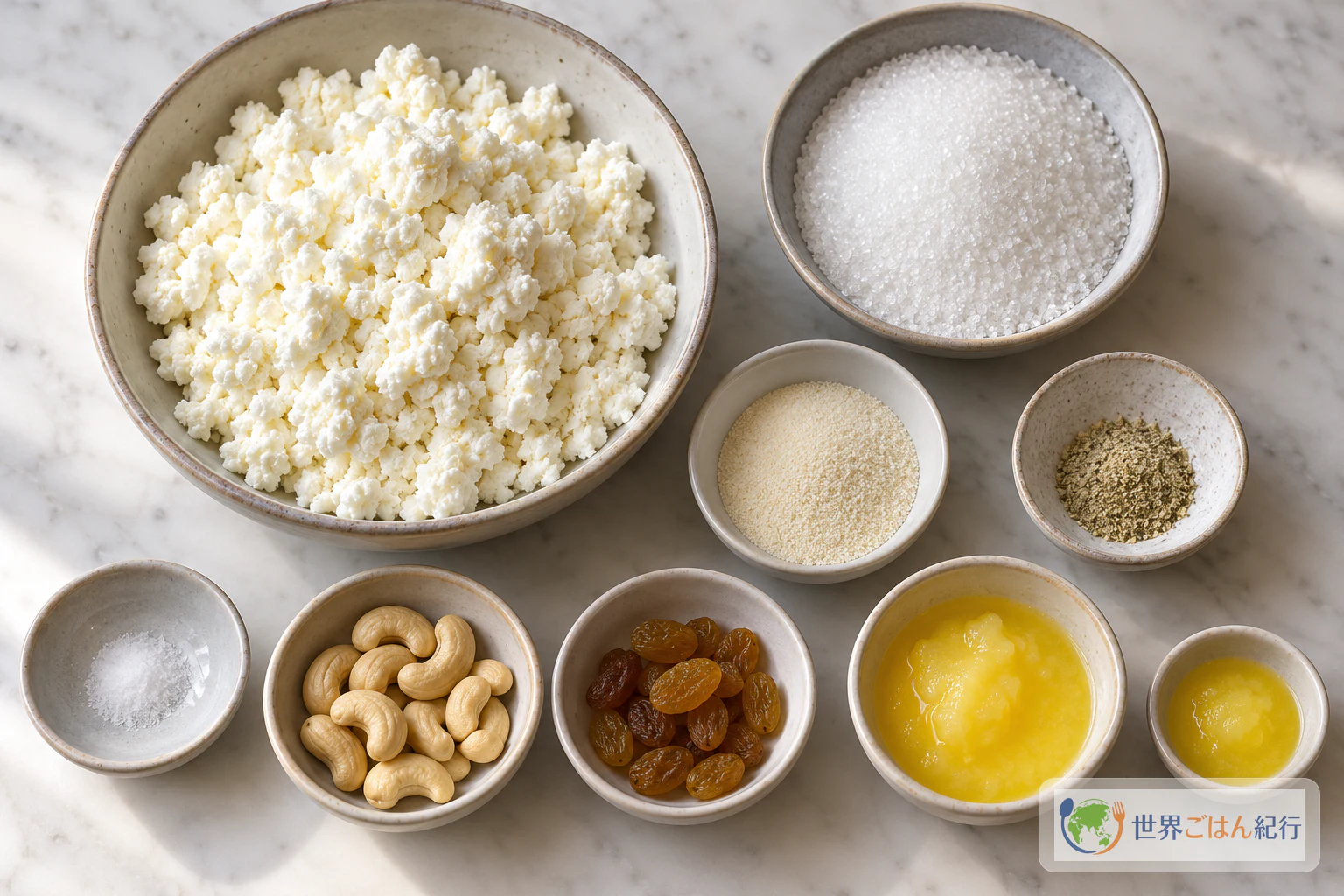
This recipe serves 4–5. It begins with chhena that has already been made.
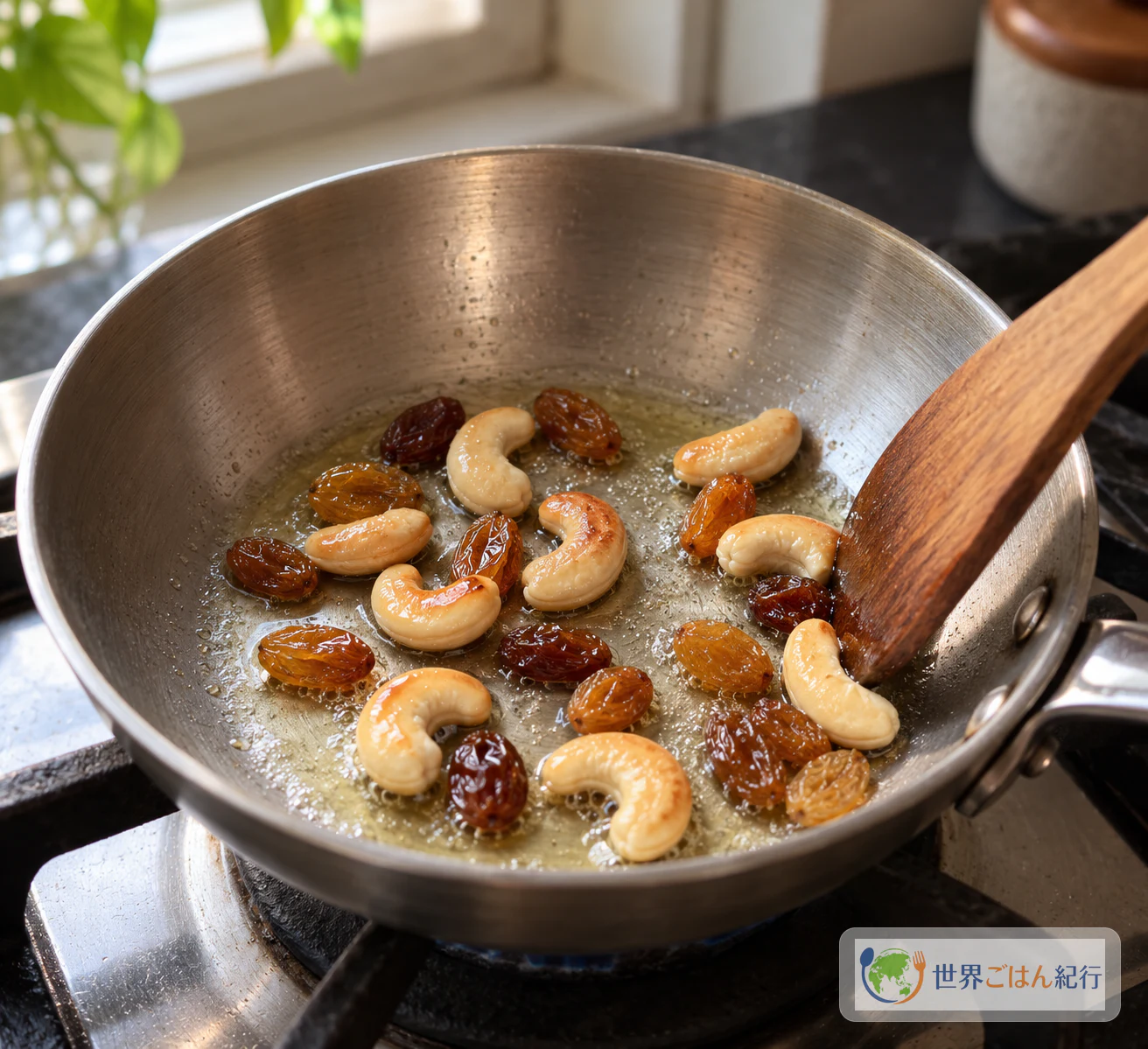
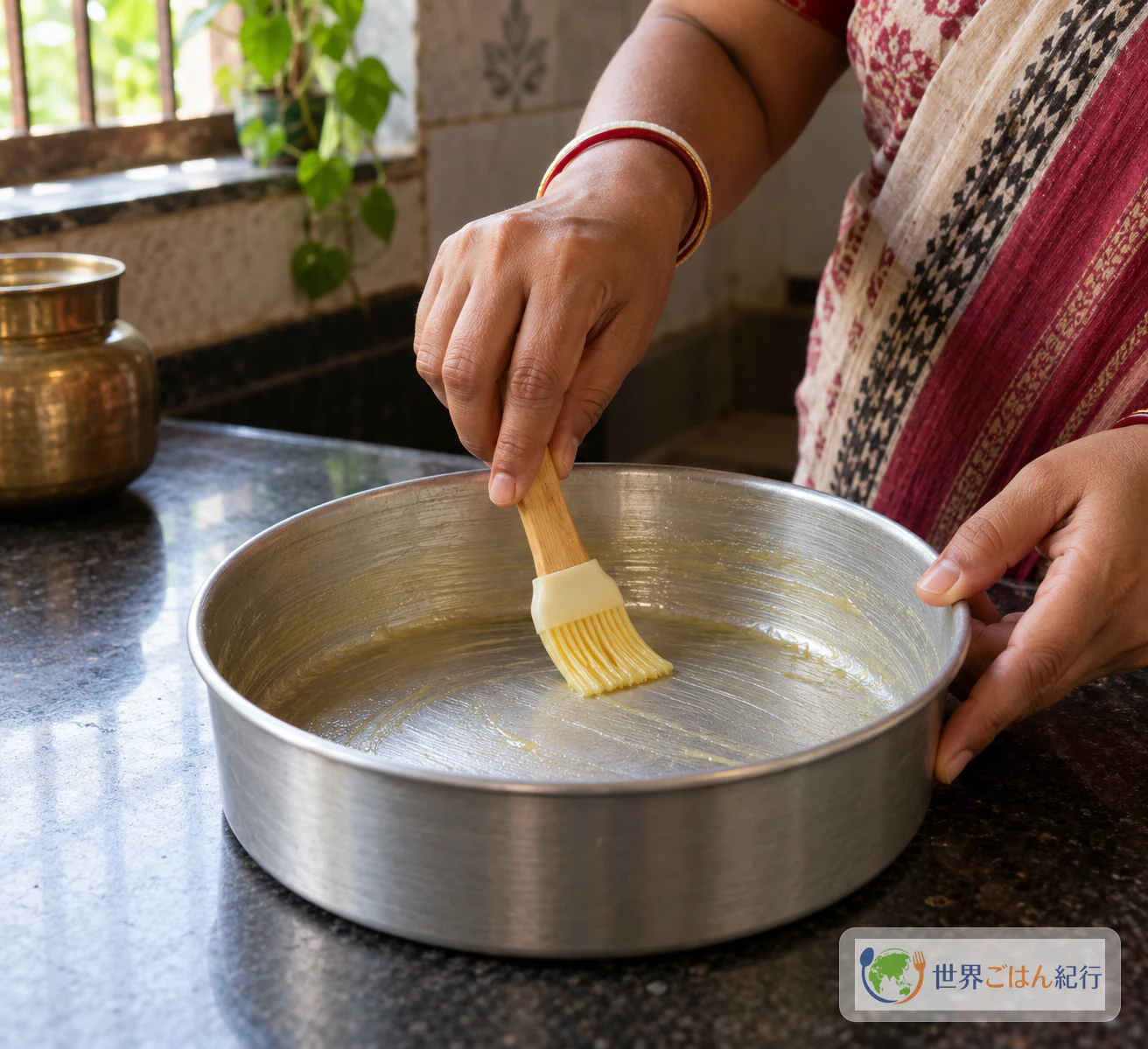
The 2 tbsp of ghee is the total for the whole recipe. Use 1 tsp of it for the cashews and raisins, and use what remains to grease the tin. You don't need any extra ghee or butter beyond this.
Equipment
- A large mixing bowl
- A small frying pan
- A round baking dish
- Something to spread ghee over the tin, such as a small brush
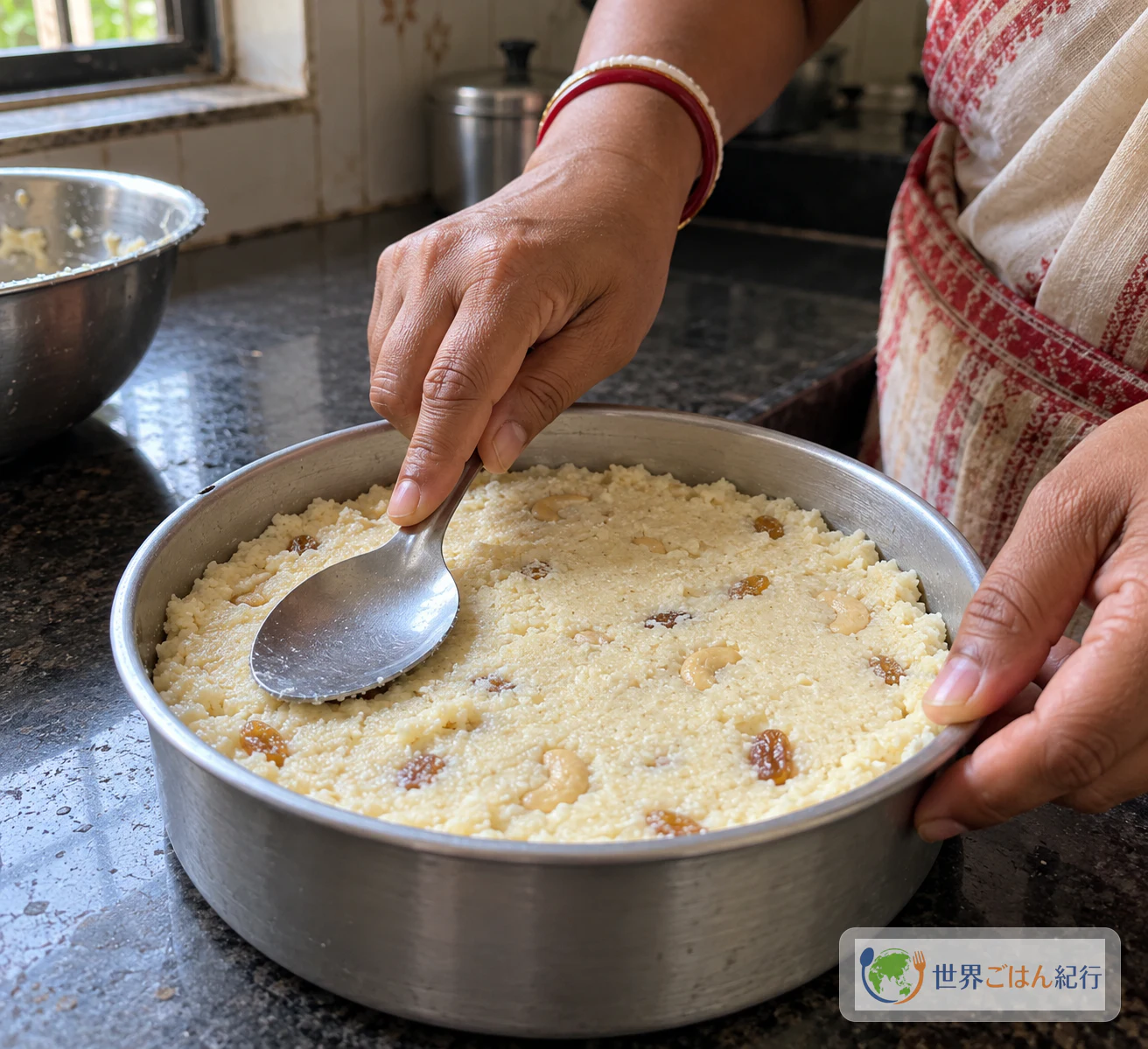
- A tablespoon, for pressing the mixture down
- A thin skewer
- An oven
- A knife and board for cutting
Choosing Chhena, Paneer, Sugar and Semolina
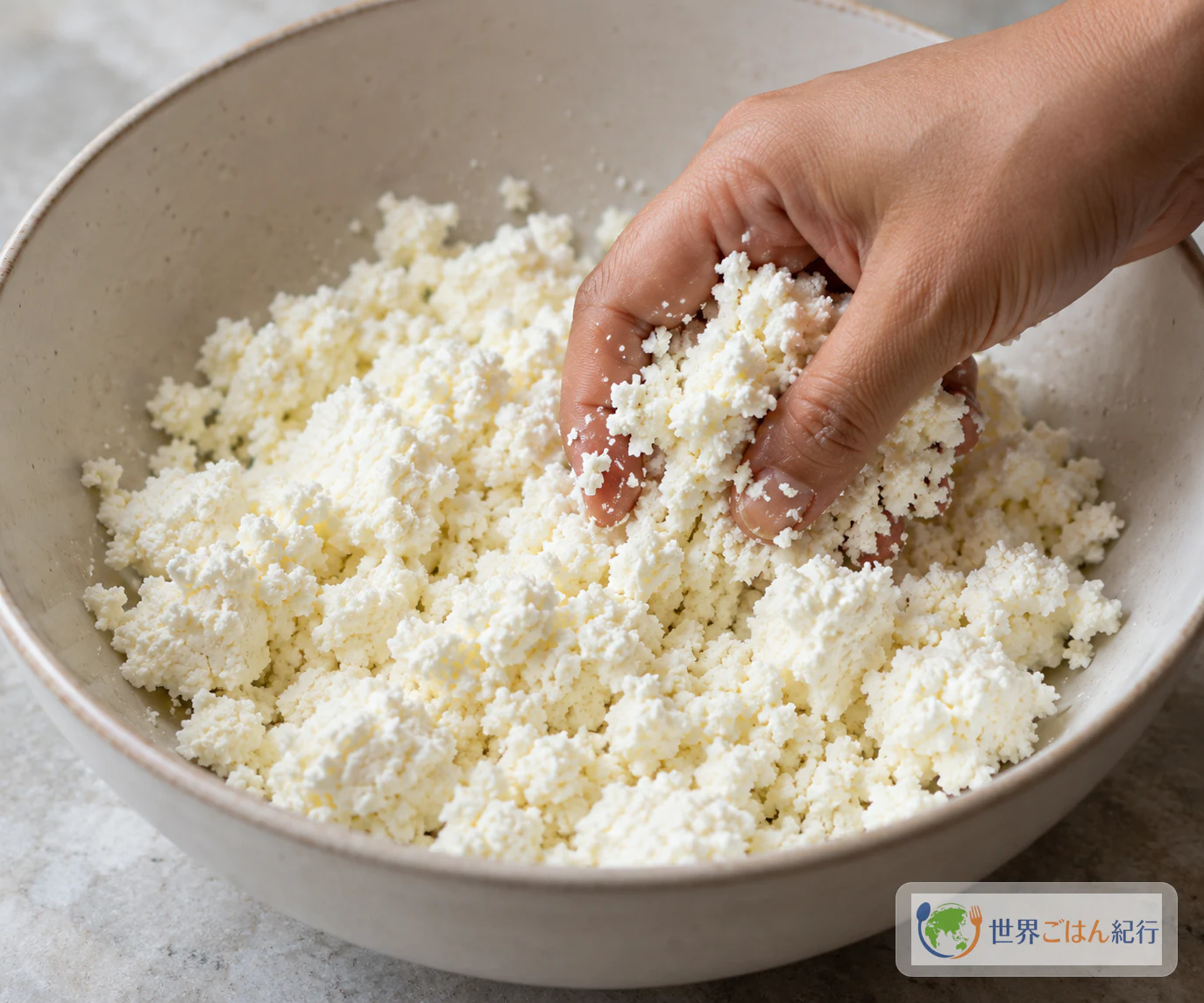
Fresh chhena is the base of this recipe. Freshly made paneer also works. If you use store-bought paneer, crumble it well. Use the same 500 g.
Sugar: use 200 g, or to taste.
Semolina is optional. This version includes the 1 tbsp, and the method and photos below follow that choice.
Cardamom is used as ground cardamom powder in this version.
A round or square tin works. This version uses a round tin.
This sweet contains dairy (chhena or paneer, and ghee), cashews, and semolina, which is made from wheat. Check the labels of any store-bought paneer, semolina and nuts if you are cooking for someone with allergies.
Method: Mix, Press, Bake at 180°C, Then Cool
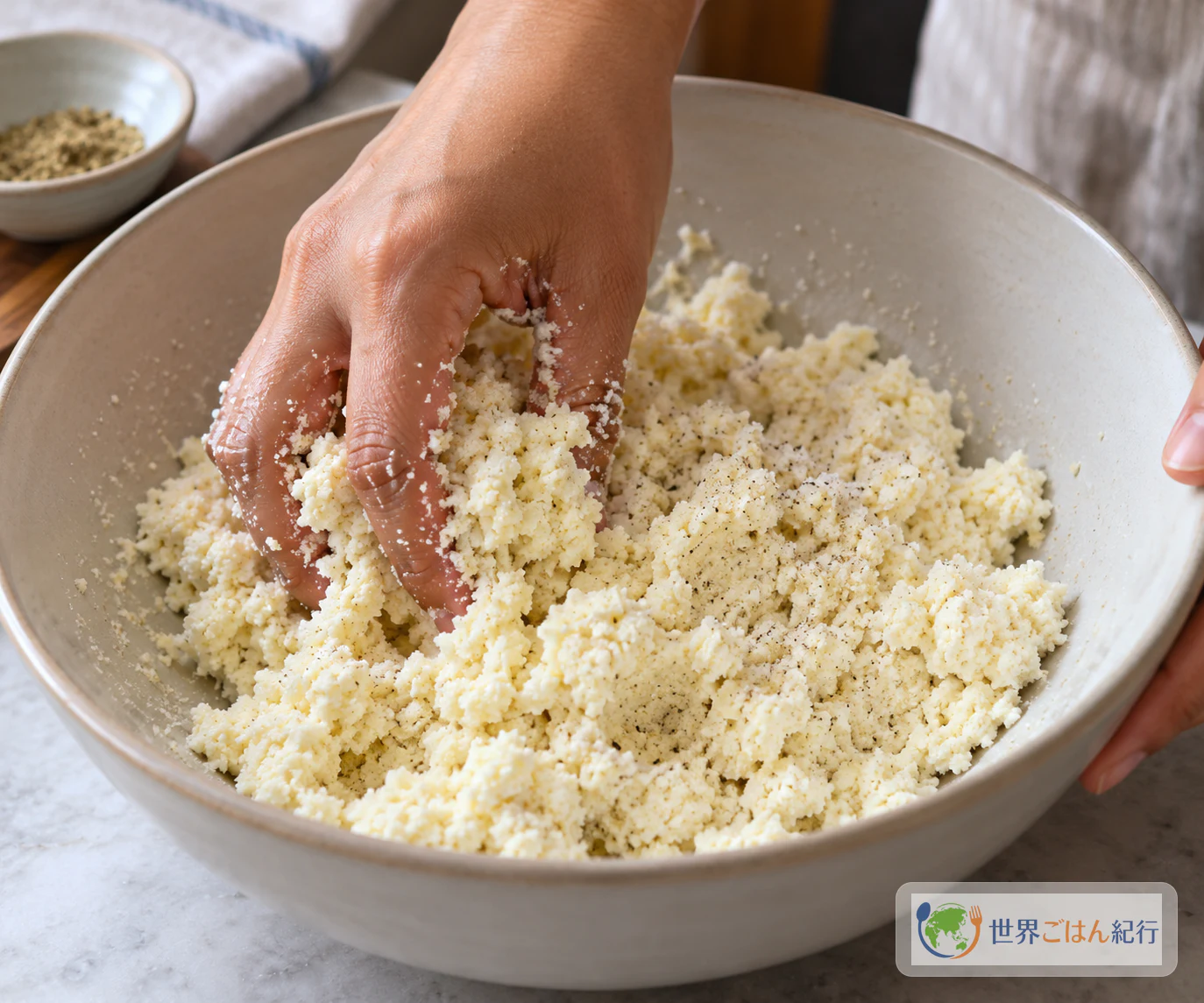
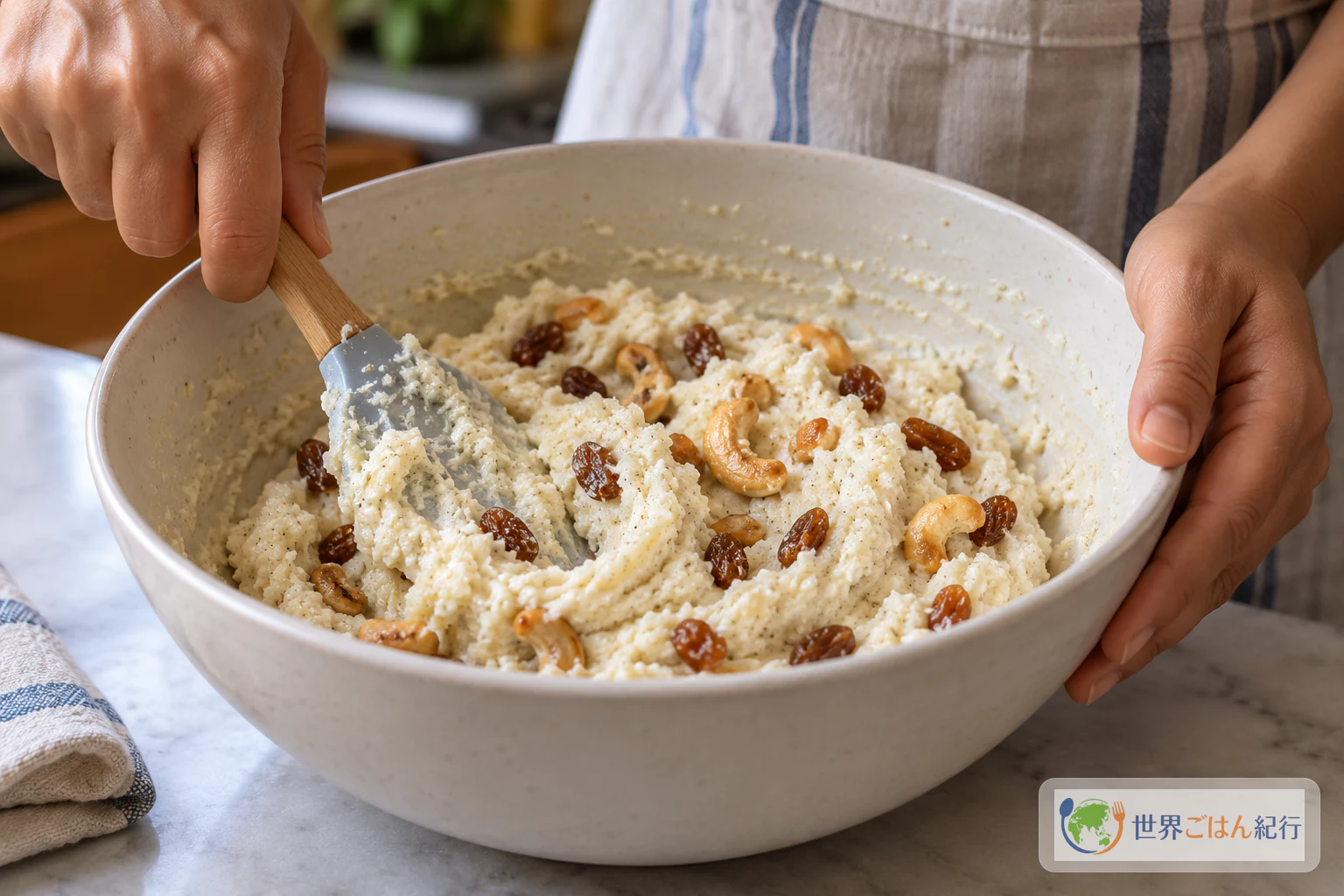
The recipe does not have a separate caramel stage. Everything sweet goes into the chhena mixture, and the colour comes from the oven.
Checking the Bake and Fixing Common Problems
The source gives two signs of doneness: a golden-brown top, and a skewer that comes out clean from the centre. Check both. The colour of the top alone doesn't tell you what's happening inside.
| What you see | Likely reason | What to do |
|---|---|---|
| The top is still pale | Not yet baked enough | Keep baking within the 30–40 minute range and check the colour and skewer again. The source does not give any time beyond 40 minutes |
| The skewer doesn't come out clean | The centre isn't done yet | Use the skewer test, not just the top colour, to decide when to take it out. Stay within the source's 30–40 minutes |
| The top is going very dark | Treating "poda" (charred) as the target | This recipe aims for golden brown, not black. Watch the top closely toward the end of the bake |
| Store-bought paneer stays in lumps | Paneer wasn't broken down enough | Crumble it well before mixing in the sugar, as the source advises |
| The nuts turned too dark in the pan | Heat too high | Roast over low heat and only lightly; they're folded in, not used as a crunchy topping |
| You expected a caramel layer | Other recipes use one | This recipe has no separate caramel base. The sugar goes into the chhena mixture |
Serving
Serve Chhenapoda at room temperature, after it has cooled and been cut. The original recipe says it can be served warm or at room temperature after cooling. This version takes the room-temperature path and does not add a reheating step.
The source gives no guidance on storing leftovers, so no storage times or methods are suggested here.
Variations and Other Ways It's Made
Several published Chhena Poda recipes exist, and their amounts, sugar handling and baking methods differ. The recipe above follows one of them, Shristi Sahoo's, without mixing in elements from the others.
Sugar or jaggery. Odisha Tourism notes that sweet shops in Odisha make their own versions using either sugar or gud (jaggery). This recipe is the sugar version.
With or without semolina. Shristi Sahoo's recipe lists semolina as optional. This article includes it.
A caramel base. Other home recipes, such as Lopamudra Tripathy's 2014 recipe on Rediff and Aruna's recipe on Aahaaram Online, caramelise sugar at the bottom of the tin. They also make their own chhena from milk and use different amounts and baking times. These are separate recipes and are not combined with the method here.
Leaves and a coal oven. NDTV Food describes a traditional method in which the mixture is wrapped in sal leaves and cooked in a coal oven, a process it says could take several hours. The same feature mentions a pressure-cooker alternative. The home-oven recipe in this article is a different method, and those steps aren't part of it.
Chocolate Chhenapoda. Odisha Tourism's article includes Chef Michael's chocolate Chhenapoda, which is a modern variant rather than the classic formula used here.
Background: A Sweet of Odisha
Chhenapoda belongs to Odisha in eastern India, where it is made both in homes and in sweet shops. Odisha Tourism describes those shops as giving the sweet their own character through the choice of sugar or jaggery. So rather than a single fixed flavour, there is a range from shop to shop.
Odisha Tourism also recounts an origin story. It links the sweet to a sweet-shop owner named Sudarshana Sahoo and some leftover chhena. This is a story the tourism department tells, not an account backed by cited historical evidence, and no date of origin is given here.
NDTV Food's feature describes Chhena Poda as made with chhena, sugar, semolina, cardamom, raisins and roasted cashews. That list matches the ingredients of the home recipe above. What differs is the cooking: the traditional method uses sal leaves and coal, while Shristi Sahoo's recipe uses a household oven at 180°C.
Frequently Asked Questions
Can I use paneer instead of fresh chhena?
Yes. Shristi Sahoo's recipe allows freshly made paneer. If you use store-bought paneer, crumble it well. The source gives no change to the amount or any moisture adjustment, so use 500 g.
Is semolina necessary?
The original recipe lists it as optional. This version uses 1 tbsp of semolina, mixed in with the sugar, cardamom and salt.
Should I caramelise sugar in the bottom of the tin?
Not for this recipe. Its method has no separate caramel layer; the sugar is mixed into the chhena. Some other published recipes do use a caramel base, but they're different recipes with their own amounts and timings.
What temperature and how long?
Bake at 180°C in a preheated oven for 30–40 minutes. It's done when the top is golden brown and a skewer inserted in the centre comes out clean.
Does it contain eggs?
No. There are no eggs in Shristi Sahoo's ingredient list.
What size tin should I use?
The source says a round or square baking dish but gives no dimensions. This version uses a round tin, greased with the ghee left over after roasting the nuts.
Sources
- Shristi Sahoo, "Recipe: Odia's Chenna Poda," Rediff Get Ahead, 2025. The recipe followed in this article: ingredients and amounts, 4–5 servings, the ghee split, the round or square tin, 180°C for 30–40 minutes, the golden-brown and clean-skewer doneness test, cooling before cutting, and the advice to crumble store-bought paneer well. https://www.rediff.com/getahead/report/recipe-odias-chenna-poda/20250522.htm
- Odisha Tourism, Department of Tourism, Government of Odisha, "Chhenapoda: Odisha's Sweet Gem." The meaning of chhena and poda, sweet shops' use of sugar or jaggery, the origin story linked to Sudarshana Sahoo, and Chef Michael's chocolate variant. https://odishatourism.gov.in/en/blog/chhenapoda-odisha-s-sweet-gem
- Priyadarshini Nandy, "Chhena Poda: The Showstopper Dessert of Odisha Cuisine," NDTV Food. The ingredients commonly described for the sweet, the traditional sal-leaf and coal-oven method, and the mention of a pressure-cooker alternative. https://food.ndtv.com/food-drinks/chhena-poda-the-showstopper-dessert-of-odisha-cuisine-1272677
- Rediff Get Ahead, "28 states: How to make Odisha's Chhena Poda," 2014. Two separate reader recipes, by Lopamudra Tripathy and Pratap Bhanja, cited as examples of other published branches with their own methods; none of their amounts or steps are used here. https://www.rediff.com/getahead/slide-show/slide-show-1-food-recipe-28-states-how-to-make-odishas-chhena-poda/20140206.htm
- Aruna, "Chhena Poda | Baked Cottage Cheese (Paneer) Cake from Odisha," Aahaaram Online. Another home-baking recipe with a caramelised sugar layer, cited only as an example of a different branch. https://aahaaramonline.com/chhena-poda-odia-baked-cottage-cheese-cake/