Methi Khakhra: A Thin Round That Is Cooked Until It Snaps
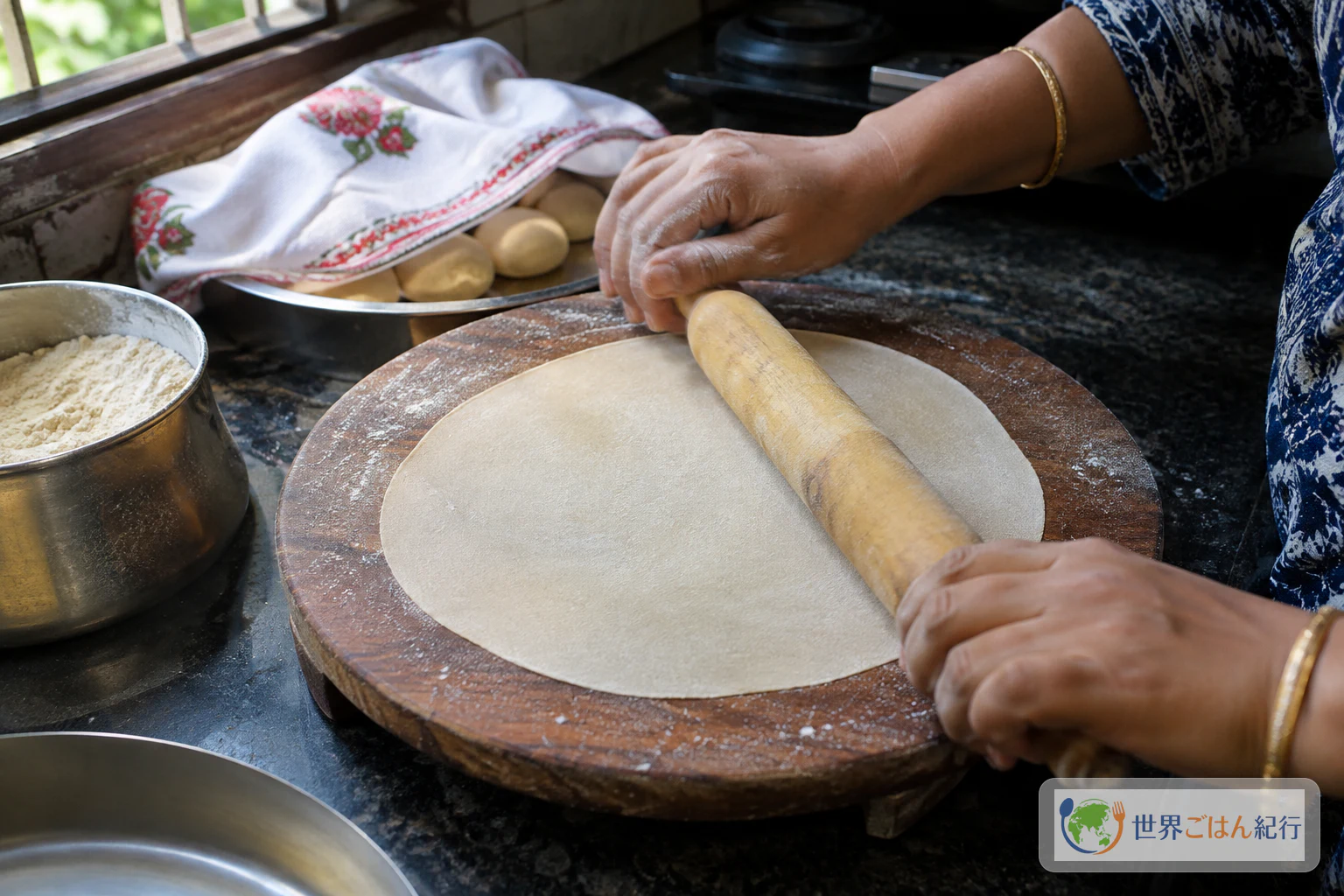
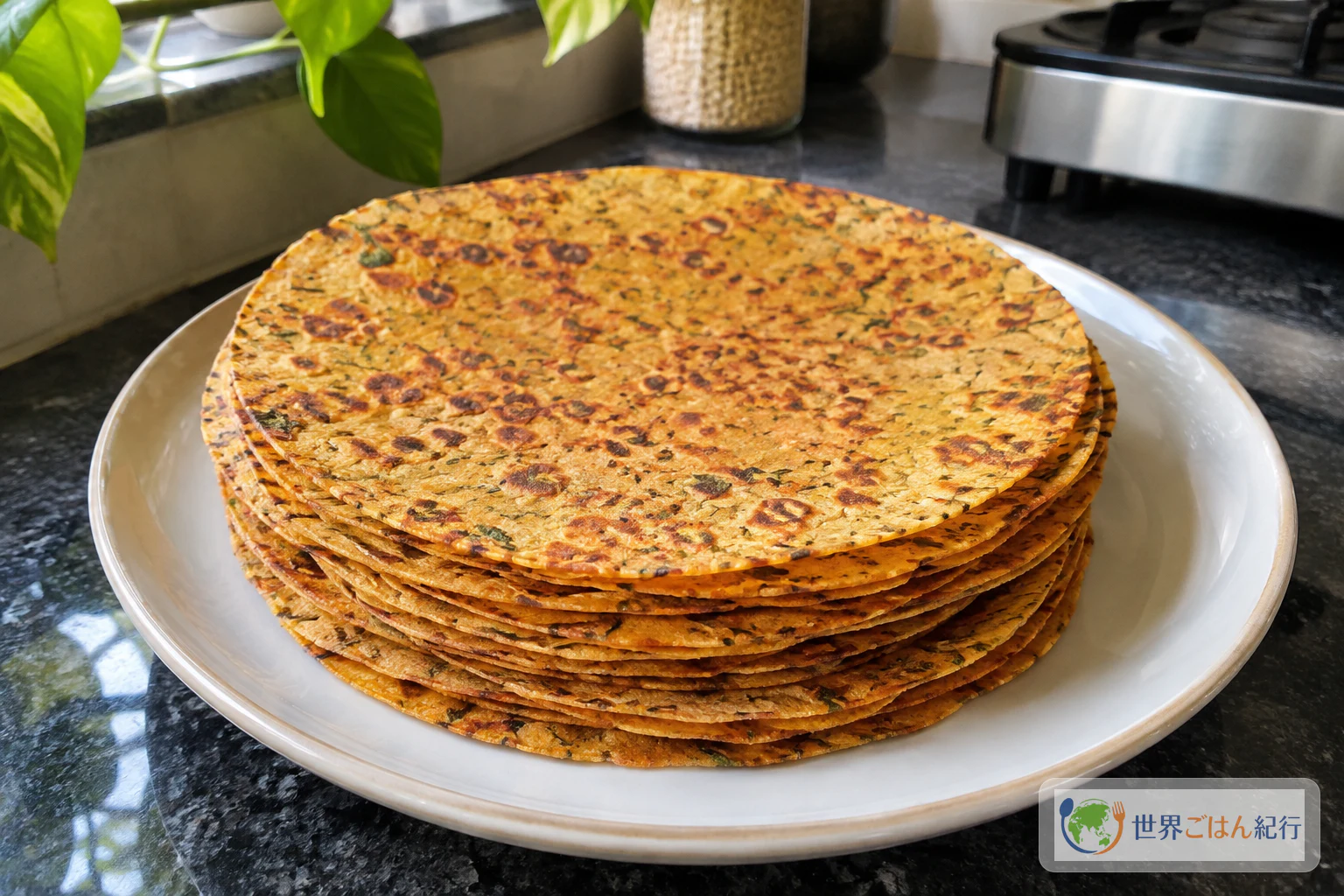
Roll each round very thin, and keep pressing and turning it on the pan until it is completely crisp. The goal is a dry, brittle cracker, not a soft flatbread.
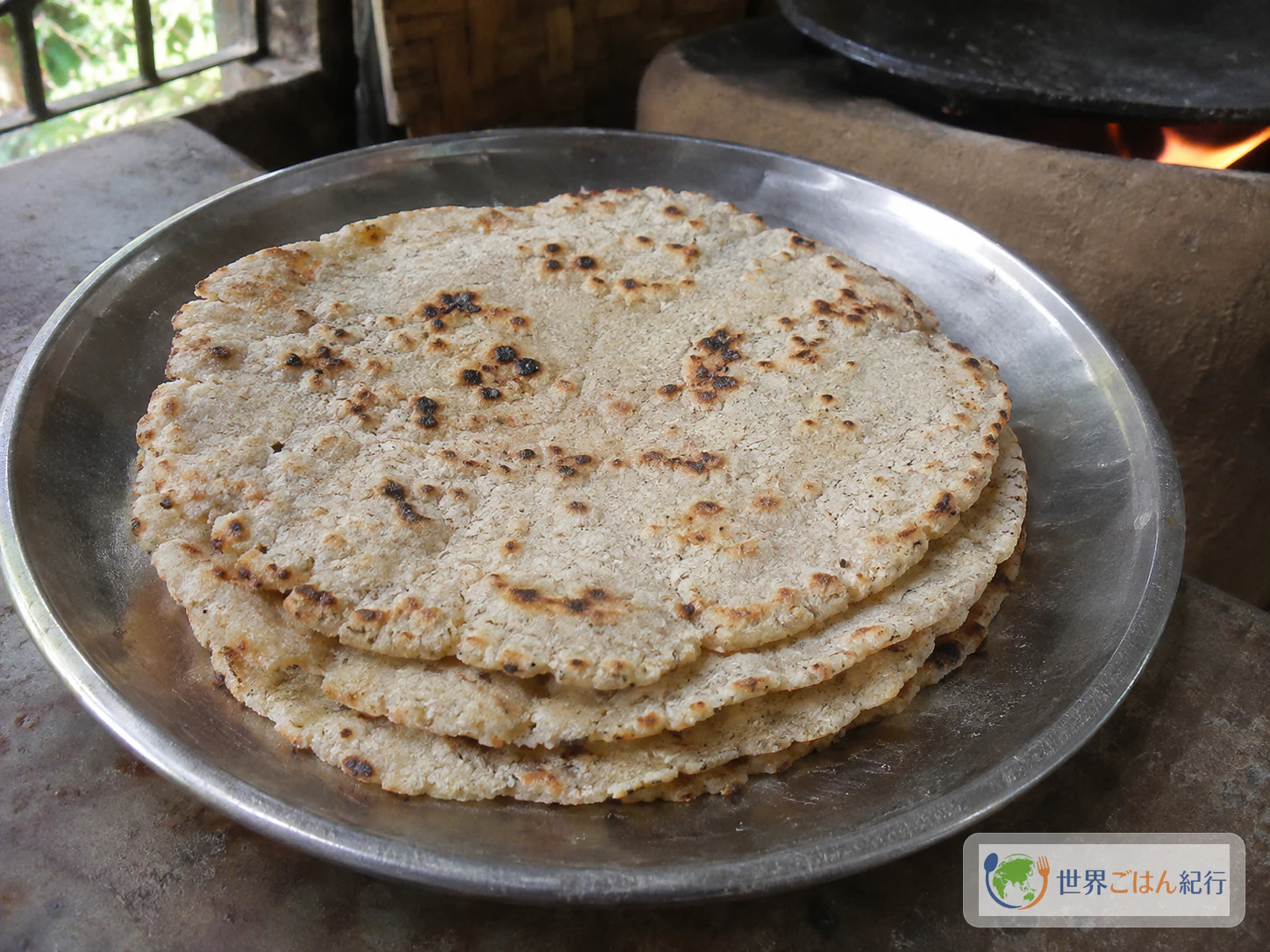
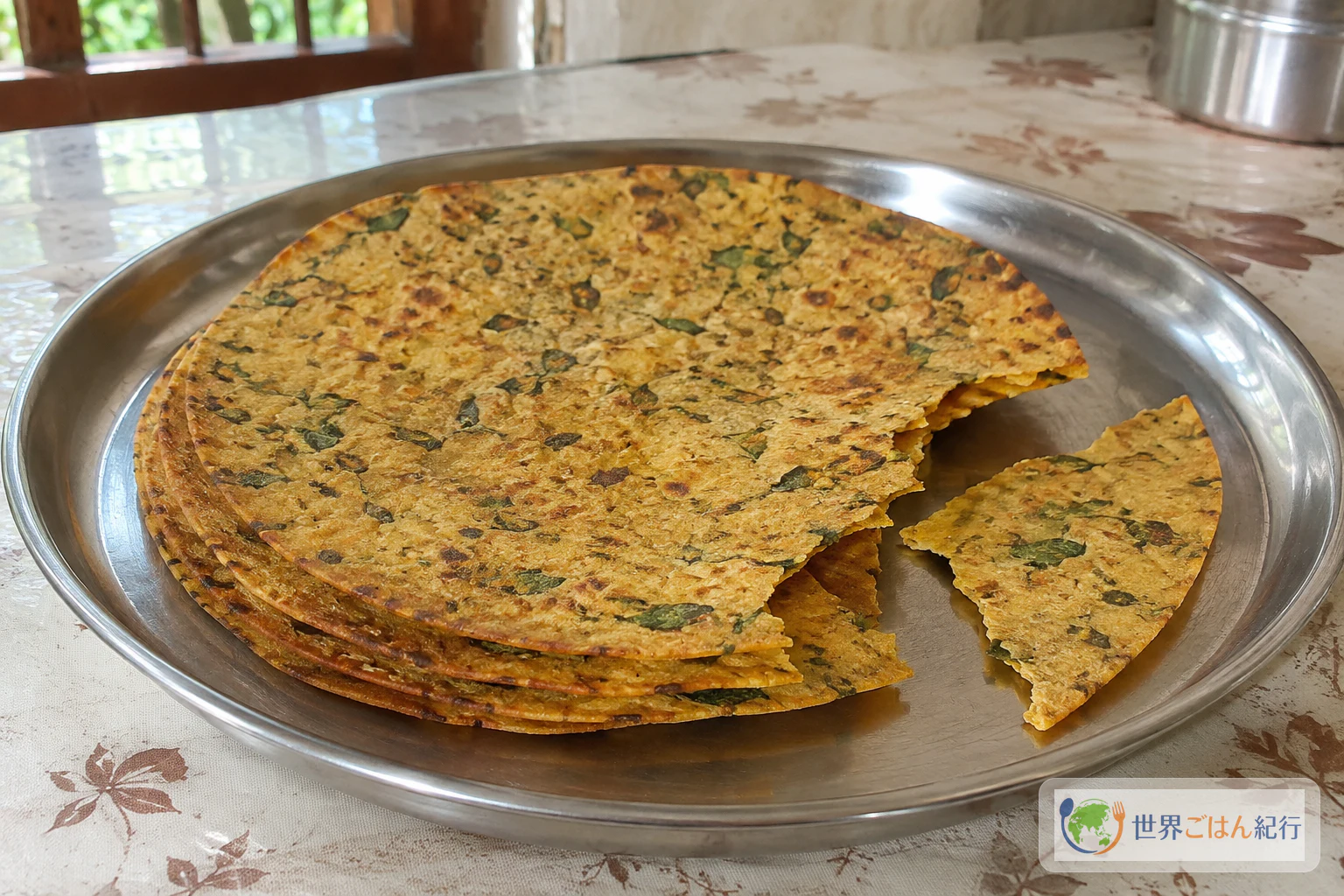
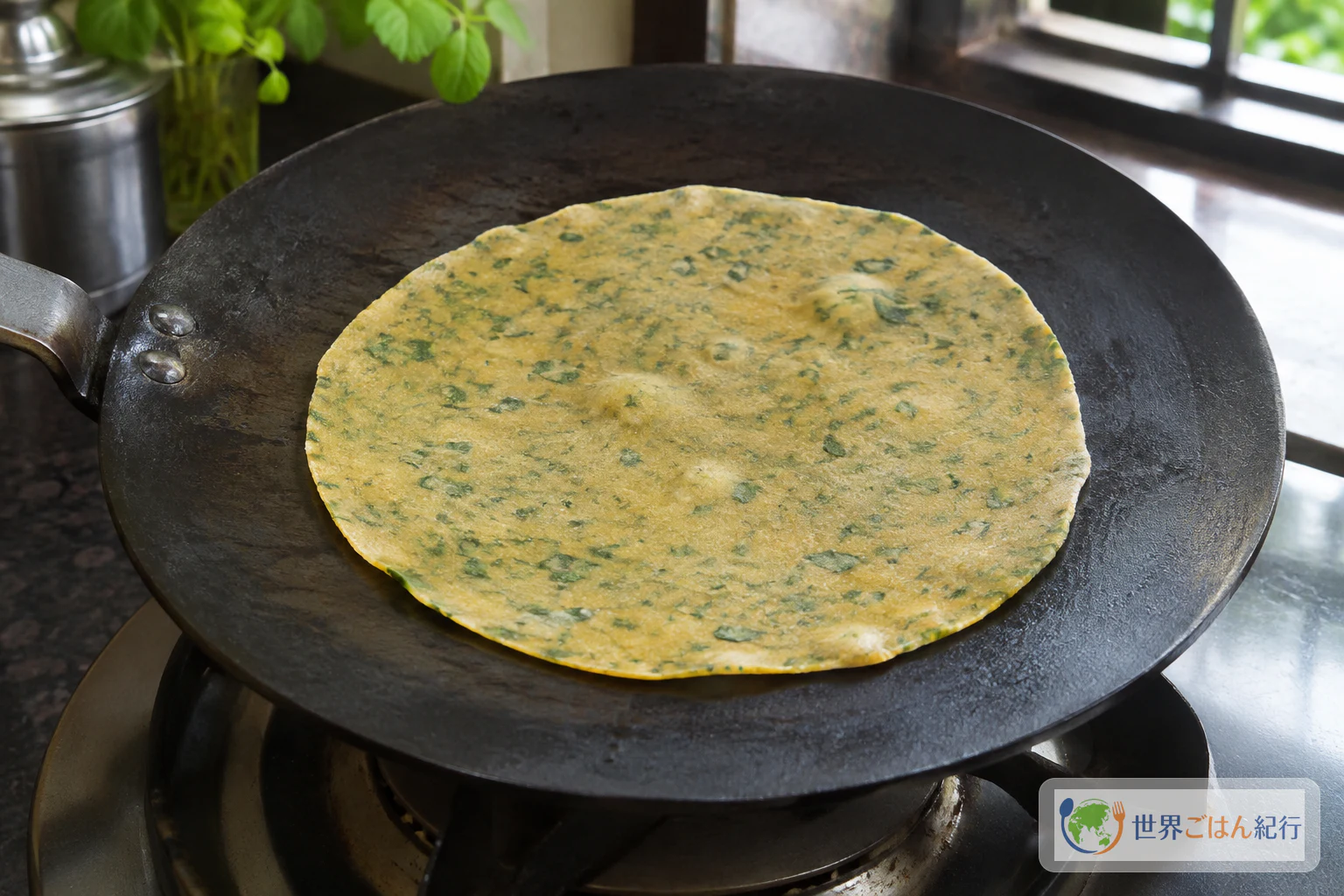
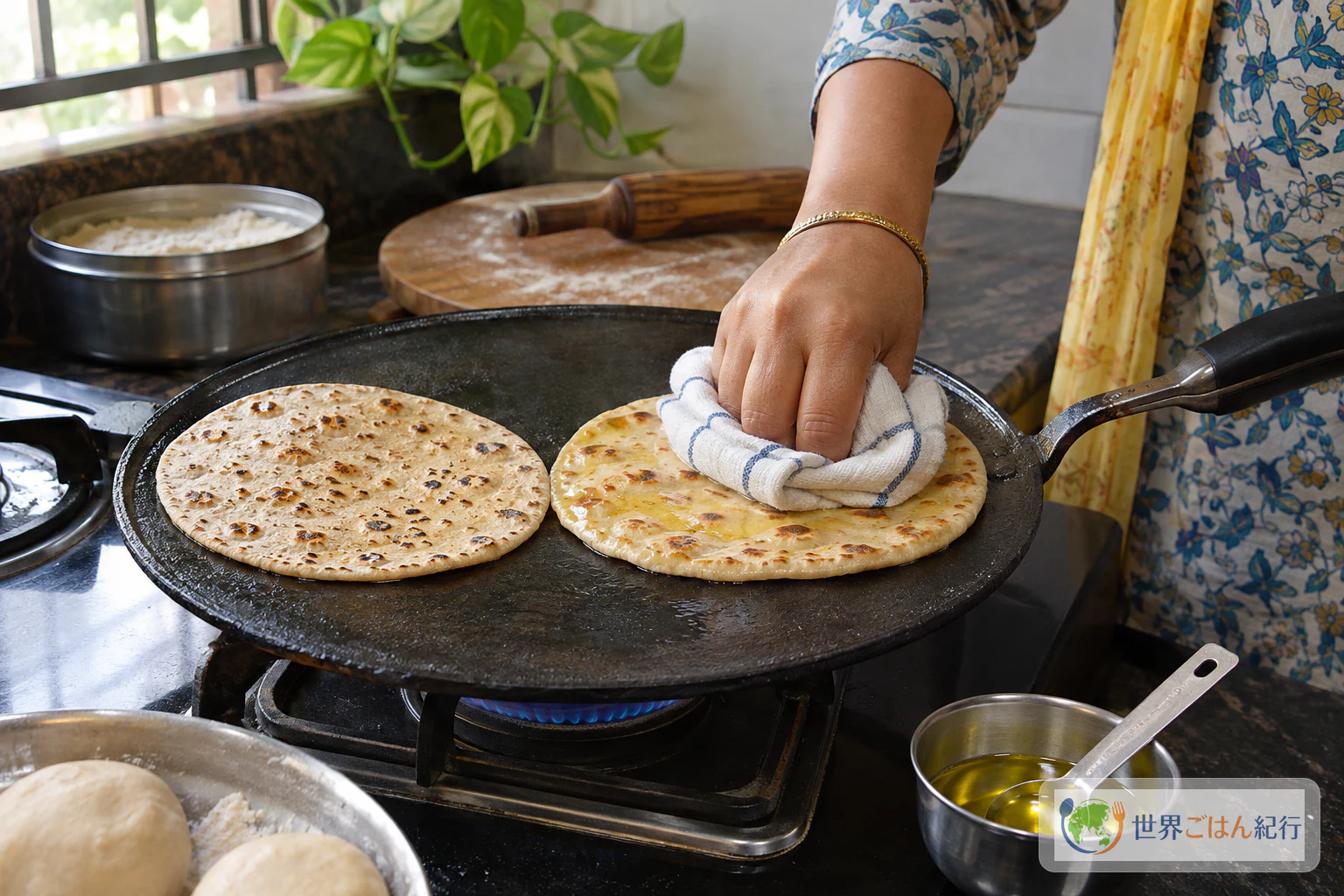
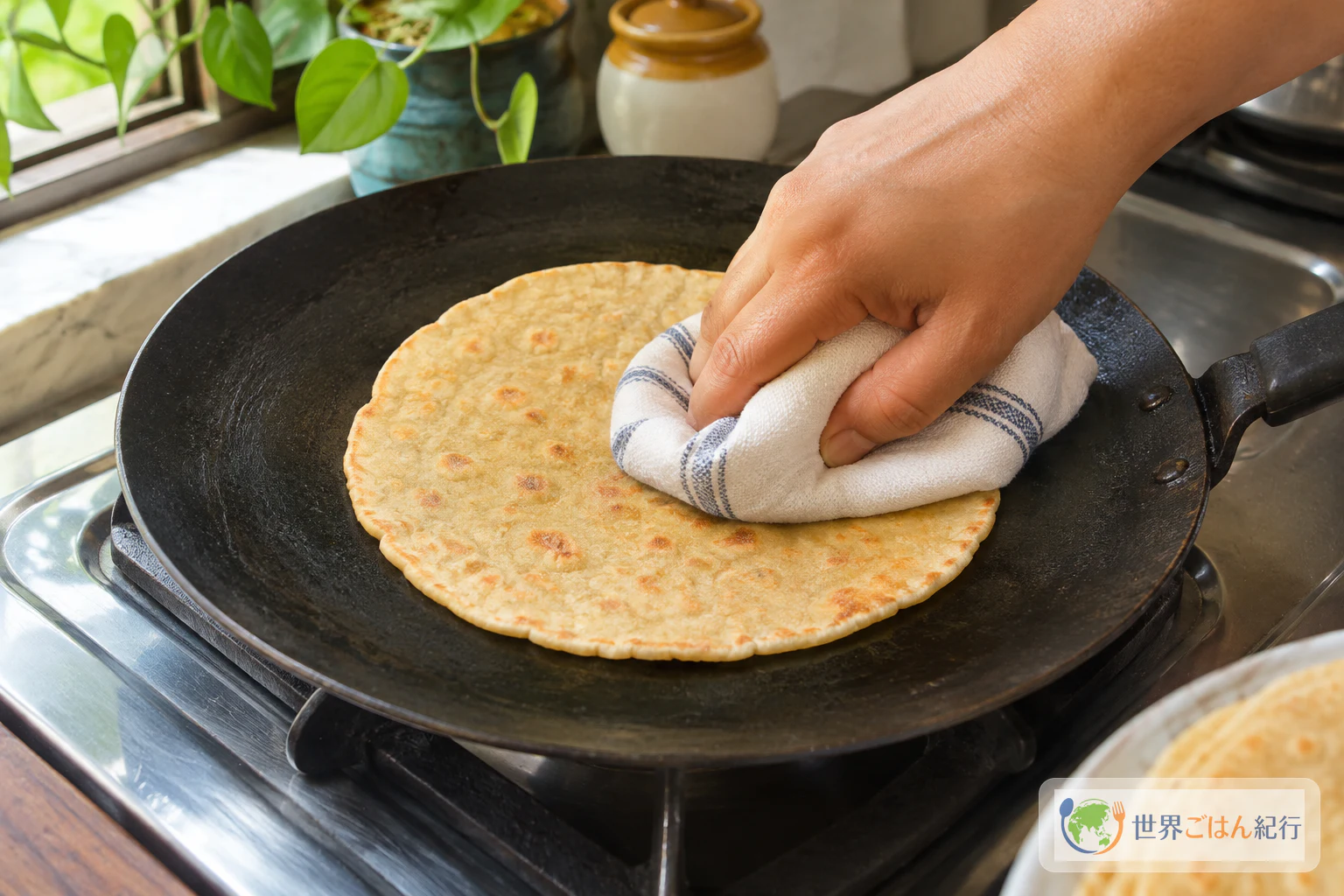
A round of whole wheat dough flecked with green fenugreek leaves goes onto a hot iron pan. It looks like a thin chapati. But instead of lifting it off once it puffs and softens, you oil it, press it down with a wooden press or a folded cotton cloth, turn it, flip it again, and keep pressing until the round has dried and is crisp all the way through. That is khakhra (Gujarati: ખાખરા), a snack from Gujarat in western India.
Why cook a flatbread until it is dry? The answer is the texture. Gujarat Tourism describes khakhra as a thin, papad-like snack, and the pressing is what keeps the round flat and lets it dry evenly instead of puffing like bread.
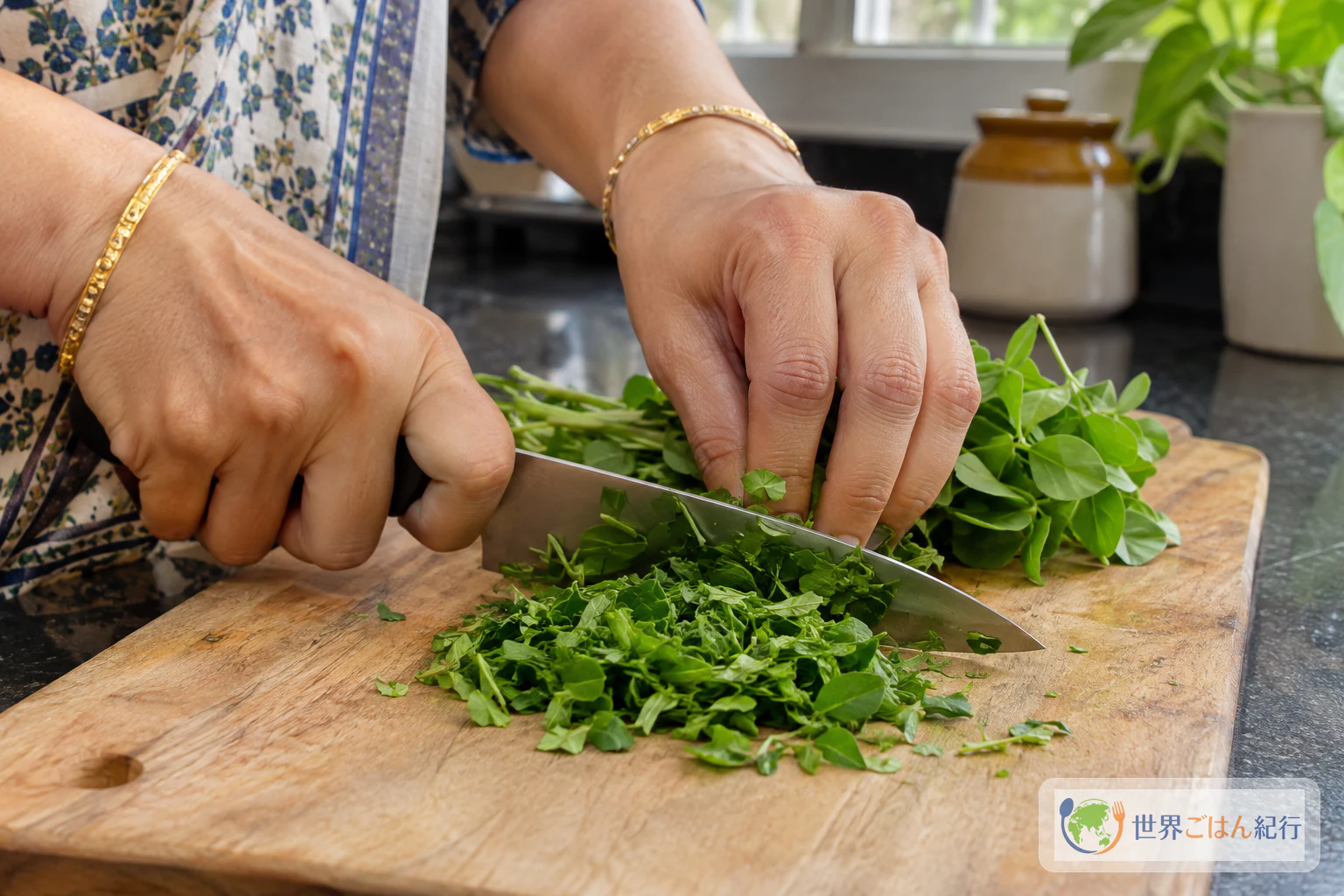
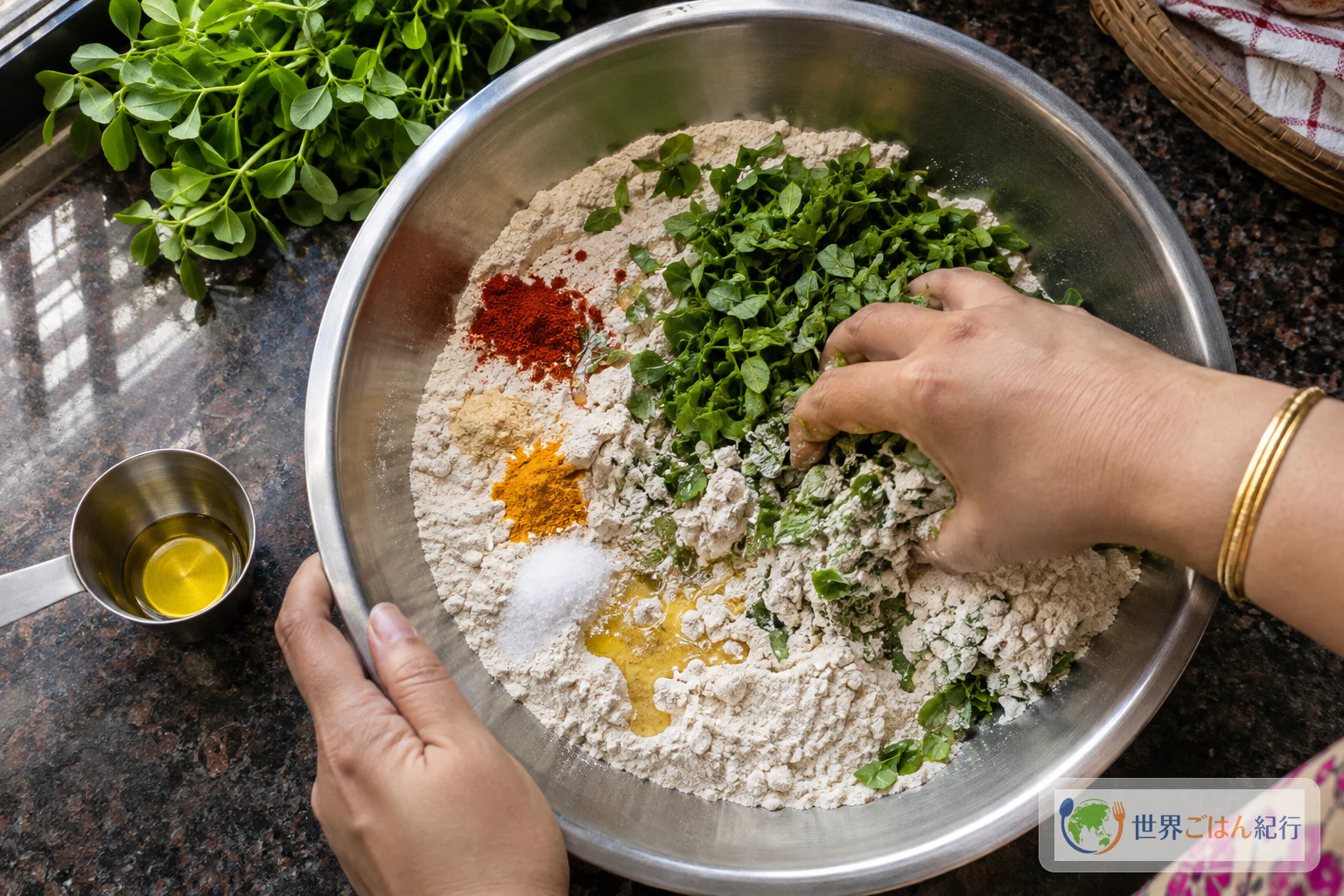
Khakhra comes in many flavors. This article covers only one of them: a methi (fenugreek leaf) khakhra made with whole wheat flour, chilli, asafoetida and turmeric, following the Methi Khakhra recipe by Archana Doshi on Archana's Kitchen. That recipe calls for finely chopped methi leaves but does not say whether they are fresh or dried. For this article we chose fresh leaves; that is our own choice, not part of the recipe, and we have not worked out a dried-leaf amount.
This recipe has not been kitchen-tested by Sekai Gohan. The amounts and steps follow the recipe above, and we have not added temperatures, thicknesses or cooking times that it does not give.
What Khakhra Is: A Gujarati Snack Cooked Dry
Khakhra is a thin, crisp snack from Gujarat, and methi is one of several common flavors. Gujarat Tourism lists methi, jeera (cumin), pudina (mint) and ajwain among the common flavors, and describes mungdi as a sweet variant. The Khadi and Village Industries Commission (KVIC) describes khakhra as a thin cracker found in Gujarati and Rajasthani cuisines.
Sahapedia's heritage account of Ahmedabad presents khakhra as a popular example of Gujarati farsan (savory snacks). It describes an older practice of crisping day-old chapatis on a flat pan, a commercial market for farsan that developed from the 1950s, and the khakhra business of Induben Jhaveri, who began selling in small quantities in the early 1960s and later expanded into more flavors. This is one city's account and one named business. It does not show that every household's khakhra began as leftover chapati, and it is not a single origin story for the whole snack.
Khakhra also travels. The District Administration of Kachchh, in its description of Kachchhi food, lists dry rotlis, theplas, khakhras and sev among foods made and stored for travel. That is a Kachchh-specific example, not a claim about every household in Gujarat. Archana's Kitchen likewise describes khakhra as something to eat at breakfast, at tea time or on a journey.
Factory-made khakhra is a different process. KVIC's project profile describes thin sheets cooked on hot plates and then roasted further to reduce moisture. The shared idea with the home method is simply a thin sheet with its moisture driven off; the machine steps are not part of this home recipe.
Khakhra and thepla
Thepla, another Gujarati flatbread, can also carry methi in the dough. The difference is the finish: thepla stays soft and flexible, while khakhra is pressed on the pan until it is dry and brittle. If your rounds come off the pan bendable, they are closer to a soft flatbread and need more time pressing.
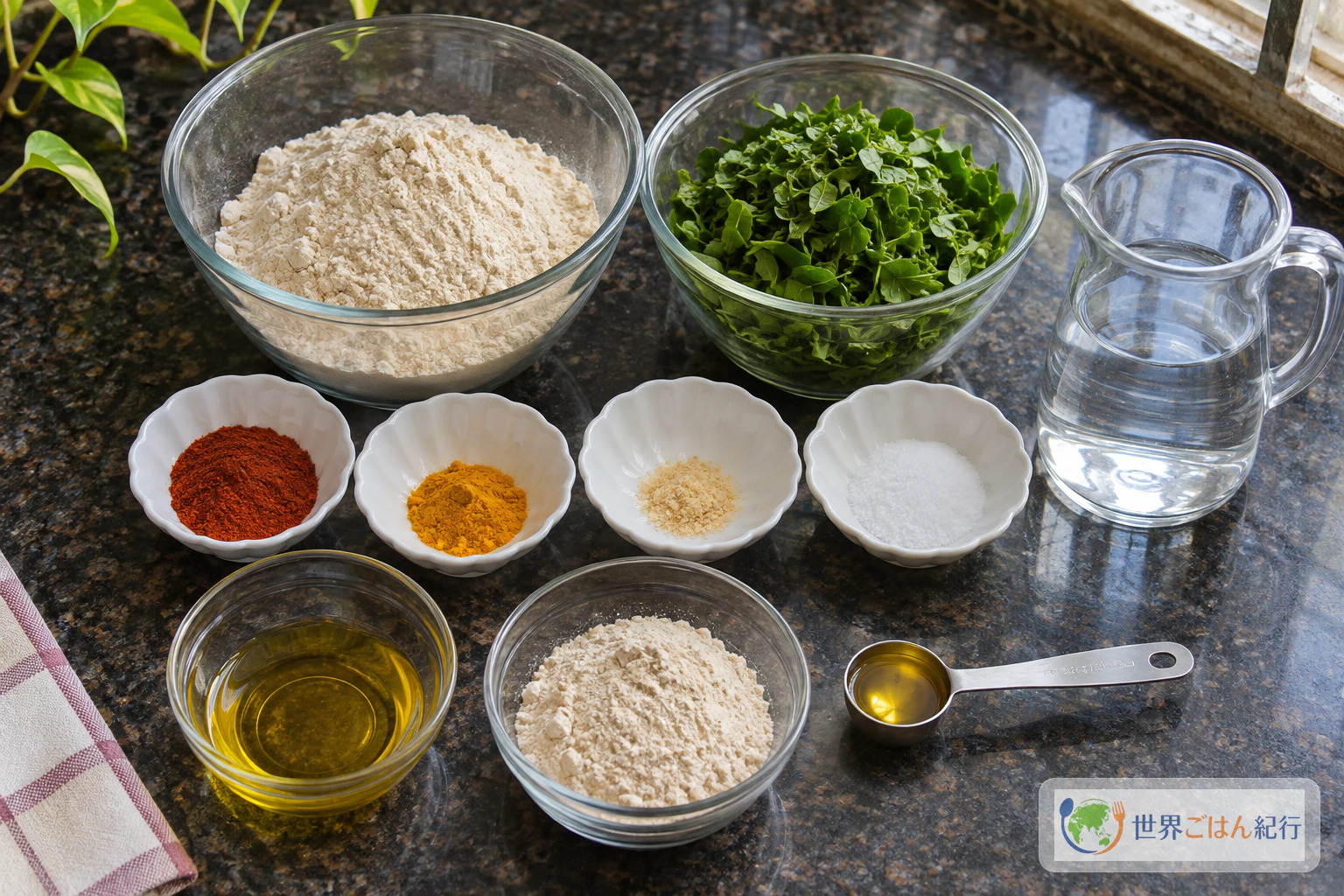
Ingredients for Methi Khakhra (20 Dough Portions)
Equipment
- Knife and cutting board
- Mixing bowl and a cover for it
- Rolling pin and board
- Iron skillet or tawa
- Wooden khakhra press, or a clean, thick folded cotton cloth
- Flat plate
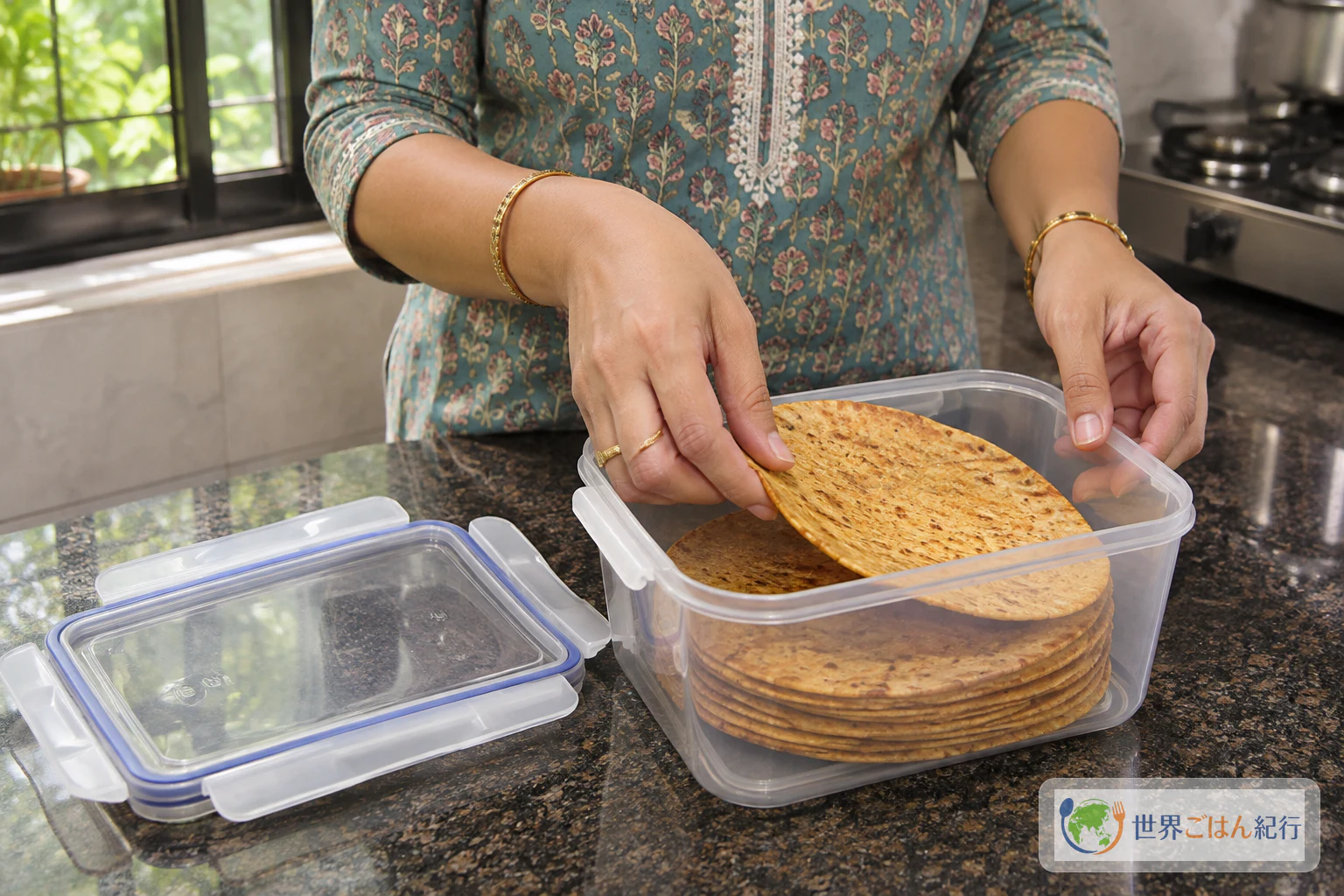
- Clean airtight container
The iron pan and oil are hot throughout. Never press a round with your bare hand; use a wooden press or a thick folded cloth and keep your fingers away from the metal. This dough contains wheat. Asafoetida and chilli powder are often blended products, so check their labels for allergens.
Choosing the Flour, Leaves and Spices
Flour. Use whole wheat flour, sold as atta in Indian grocery stores. Do not quietly switch to plain white flour; the toasty whole wheat flavor is part of the snack.
Methi. Look for fresh fenugreek leaves under the names methi or fenugreek leaves at Indian or international grocers. Dried fenugreek leaves (kasuri methi) are a different form; do not swap them in at the same 2 tbsp.
Chilli powder. Indian red chilli powder is the target. If you use a different chilli powder, expect the heat and flavor to change.
Asafoetida. Use 1/4 tsp asafoetida (hing) in the dough.
Oil. Use an everyday cooking oil. Keep the 2 tbsp for the dough separate from the 1 tsp you spread on each round during cooking.
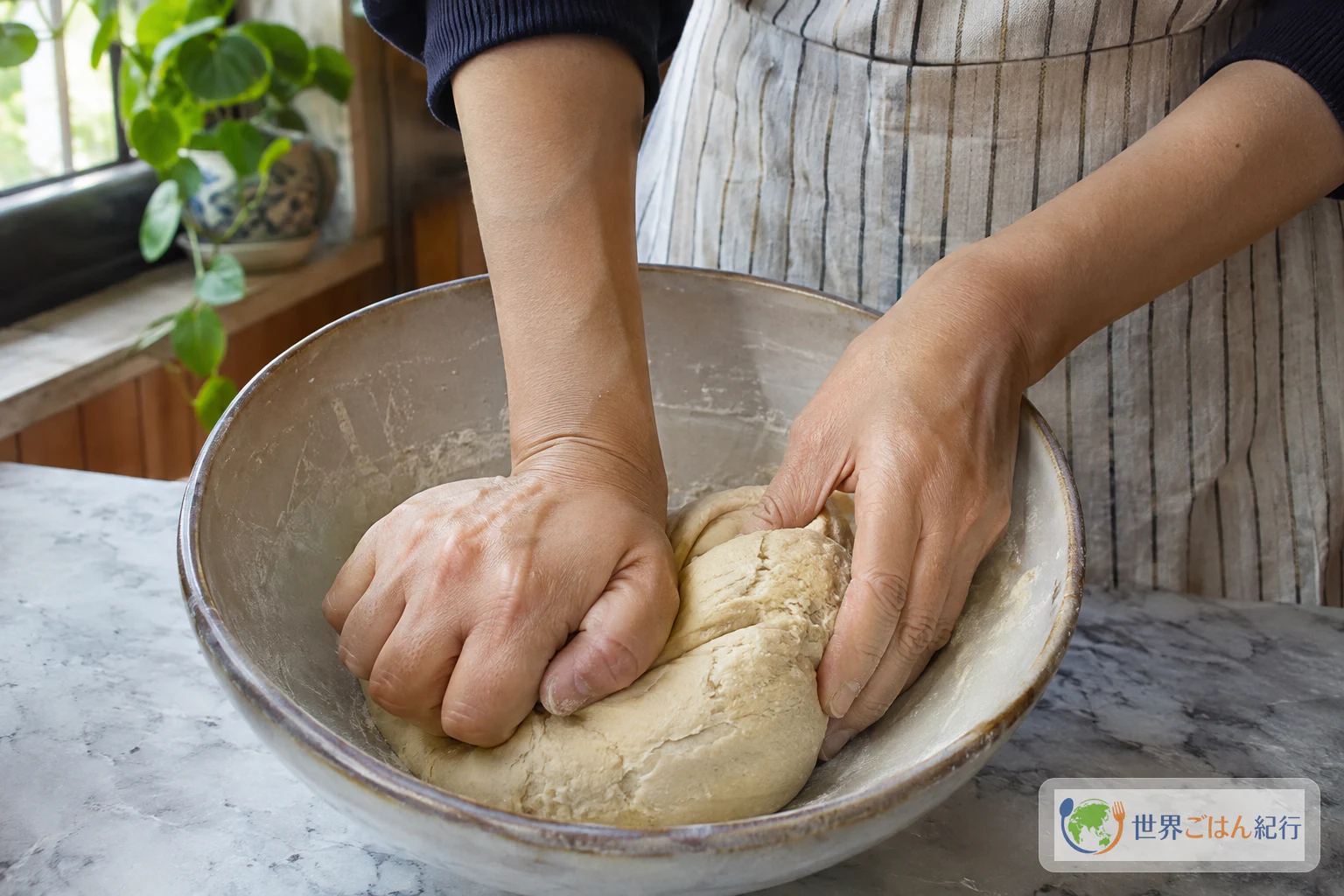
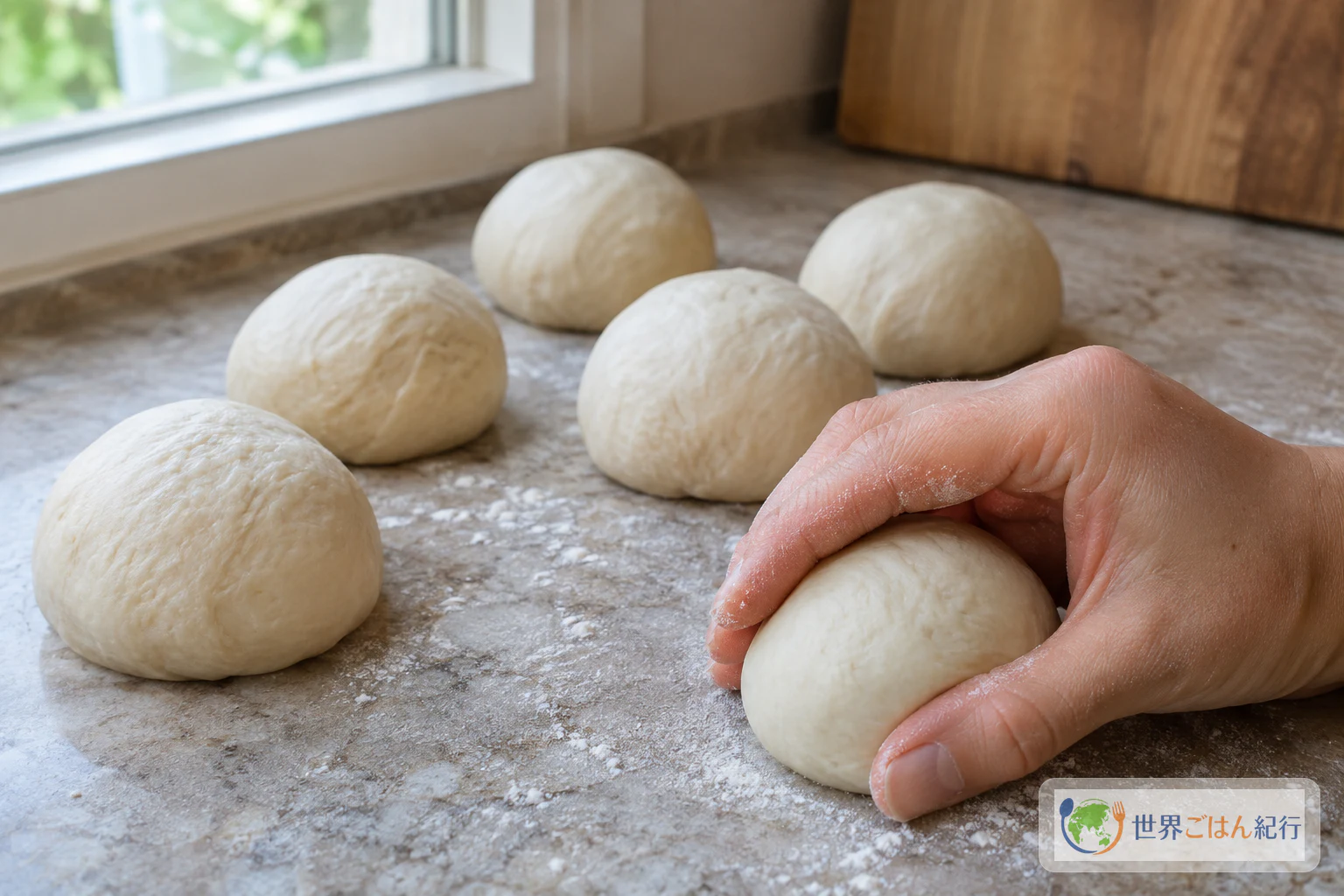
Method: Roll Very Thin, Then Press Until Crisp
Each round starts on a medium-high pan until a few air pockets appear. After the first flip, oil it, lower the heat to medium and press and turn until it is completely crisp.
When It Doesn't Snap: Common Problems
| Problem | Likely cause | What to do |
|---|---|---|
| Dough is too hard or won't come together | Water went in too fast, or not enough | Add water a little at a time and knead between additions until the dough is stiff but holds together |
| Rounds come off soft in places | Rolled too thick, or lifted off too soon | Roll each ball very thin, and keep pressing and turning until the whole round is crisp |
| Dark spots or scorching | Heat too strong | Lower the heat and keep pressing and turning so the round dries rather than burns |
| Bubbles keep rising | Not enough pressing | Press the bubbles down with the wooden press or folded cloth as you turn the round. Never use a bare hand on the hot pan |
| Khakhra lose their crunch after storing | Packed while still warm | Let them cool completely on the plate before they go into the airtight container |
Variations Beyond Methi
Gujarat Tourism lists jeera (cumin), pudina (mint) and ajwain among other common khakhra flavors, and mungdi as a sweet variant. This article does not give amounts for those versions. Each needs its own recipe; adding them to this methi dough by guesswork would make a different snack.
Some other home recipes use dried fenugreek instead of fresh leaves, but with their own flour, oil and cooking amounts. Those amounts are not interchangeable with the ones above.
Serving Khakhra
Eat methi khakhra as it is: at breakfast, with tea, or packed for a journey. It does not need a topping or a dip. If you are cooking more Gujarati food, theplas share the methi-in-the-dough idea but stay soft, and dhokla is another Gujarati snack made in an entirely different way. Raita is a separate dish rather than a set partner for khakhra; serve it alongside only if you like.
Frequently Asked Questions
How is khakhra different from thepla?
Both are Gujarati, and both can have methi in the dough. Thepla is a soft flatbread. Khakhra is rolled very thin and pressed on the pan, after the first flip and again after the second, until it is completely crisp and dry.
Can I use dried methi (kasuri methi) instead of fresh?
The Archana's Kitchen recipe asks for finely chopped methi leaves without saying fresh or dried. We chose fresh leaves for this article. We have no basis for a dried-leaf amount, so we do not recommend swapping 2 tbsp of dried leaves for fresh. If fresh methi is out of reach, look for a khakhra recipe written for dried leaves.
How many khakhra does this make?
The method divides the dough into 20 portions. The Archana's Kitchen recipe card separately says 10–15 servings. Servings and dough portions are different units, and the recipe does not explain how they relate, so we do not convert one into the other.
How long does khakhra keep?
Archana's Kitchen gives storage-duration claims, but we have left them out because they are not a tested shelf life. What we can say: stack the cooked rounds on a flat plate, let them cool completely, then store them in a clean airtight container.
Why are my khakhra turning dark?
The heat is probably too strong. The method starts on medium-high only until a few air pockets appear, then drops to medium for the press-and-turn. Lower the heat and keep pressing and turning so the rounds dry out instead of browning.
What temperature and thickness should I aim for?
The recipe does not give a pan temperature, a dough thickness or a cooking time per round, so we have not added any. Use the cues in the steps instead: very thin rounds, a few air pockets before the first flip, and pressing until the whole round is crisp.
Sources
- Archana Doshi, "Methi Khakhra Recipe - Gujarati Savory Crispy Flat Bread," Archana's Kitchen. The methi khakhra amounts and method used here: whole wheat flour, finely chopped methi leaves (fresh or dried not stated), spices, oil for the dough and per round, the 15-minute rest, 20 portions, the flip and press-and-turn sequence, cooling and airtight storage; also its description of khakhra as a breakfast, tea-time or travel snack. https://www.archanaskitchen.com/recipe/methi-khakra-gujarati-savory-crispy-flat-bread
- Gujarat Tourism, "Khakhra." Khakhra as a thin, papad-like snack; methi, jeera, pudina and ajwain flavors, and mungdi as a sweet variant. https://gujarattourism.com/gujarati-cuisines/khakhra.html
- Sahapedia, "My City My Heritage: Ahmedabad." Khakhra as an example of Gujarati farsan; the Ahmedabad account of crisping day-old chapatis, commercial farsan from the 1950s, and Induben Jhaveri's khakhra business from the early 1960s. Specific to Ahmedabad and one business, not a universal origin story. https://www.sahapedia.org/sites/default/files/pdf/my-city-my-heritage/MCMH_Ahmedabad.pdf
- District Administration, Kachchh, Government of Gujarat, "Food & Drink." Dry rotlis, theplas, khakhras and sev among foods made and stored for travel in Kachchh. https://kachchh.nic.in/food-drink/
- Khadi and Village Industries Commission (KVIC), "Khakhra Semi-Automatic Project Profile." Khakhra as a thin cracker in Gujarati and Rajasthani cuisines; the industrial process of thin sheets, hot-plate cooking and further roasting, used for comparison only. https://www.kviconline.gov.in/pmegp/pmegpweb/docs/commonprojectprofile/KhakhraSemiautomatic.pdf
- Cook Safari, "Khakhra." A comparison home recipe using dried fenugreek, thin rolling, low-flame tawa cooking, pressing to avoid bubbles and cooling before airtight storage. Not used for amounts: its ingredient list gives 2 tbsp oil while its method uses a different total, and its servings and portion count are different units. https://www.cooksafari.co.in/recipe-items/khakhra/