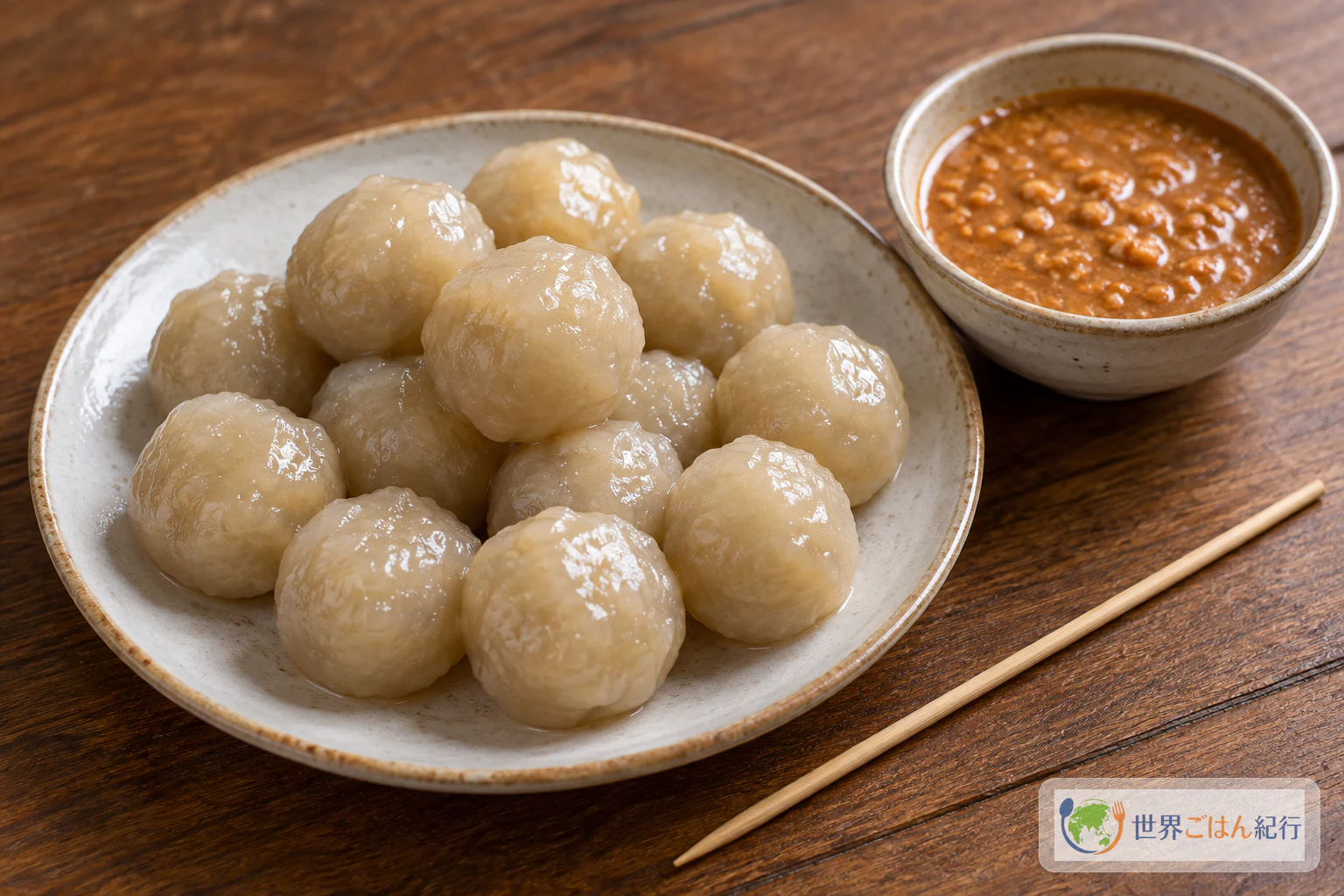
Cilok: Round, Chewy Tapioca Balls with a Sweet-and-Savory Peanut Sauce
This recipe makes soft, round balls of tapioca and wheat dough, boiled in water, with a peanut-and-cashew sauce on the side. It follows one published recipe exactly. It does not combine that recipe with others, and it does not fill in details the recipe leaves unstated.
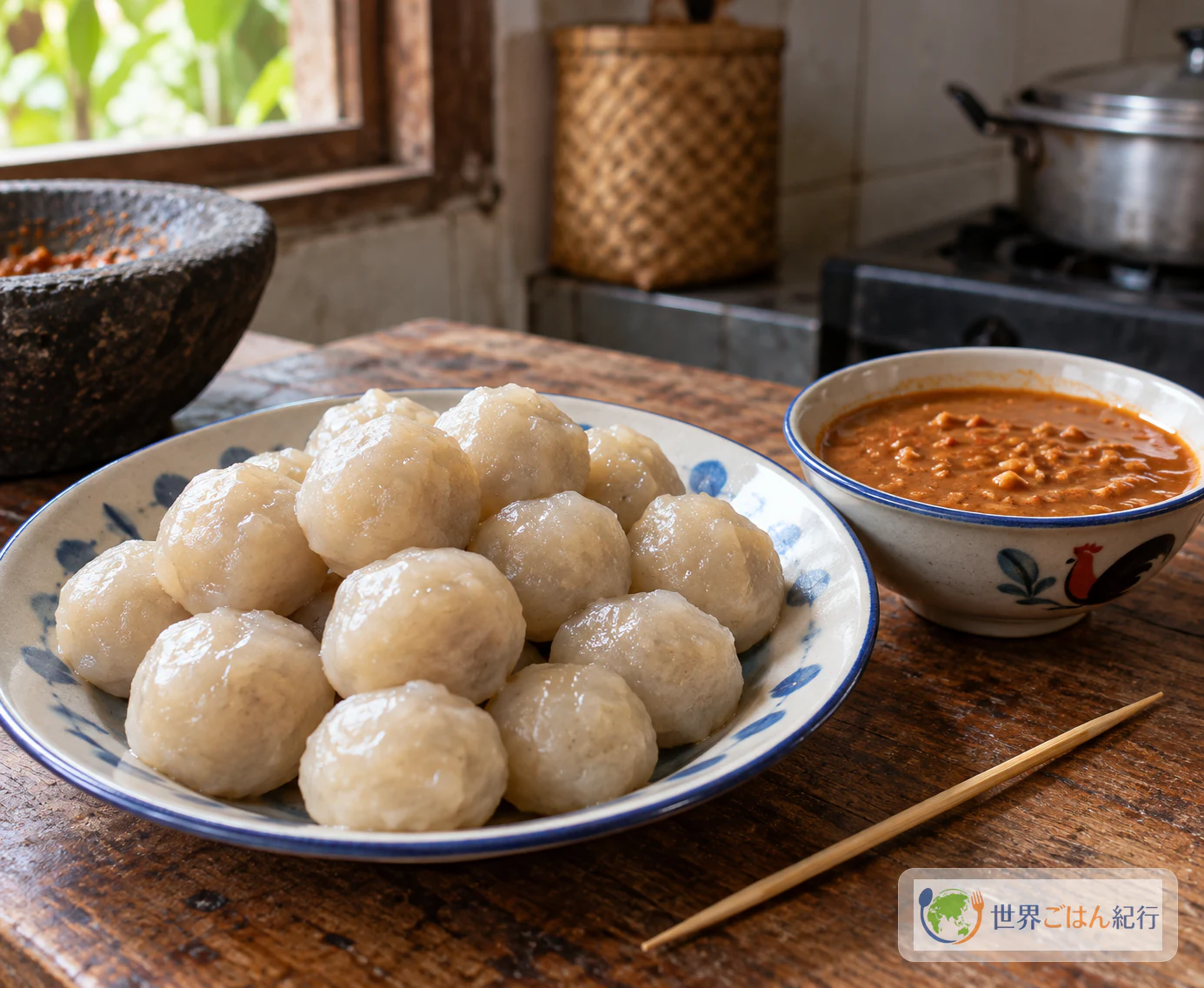
Bandung City's official guide to local food describes cilok as round and chewy, commonly eaten with peanut sauce, kecap (sweet soy sauce) and sauce, with salty, savory and sweet flavors together. The dough is built on tapioca, and the name itself says so.
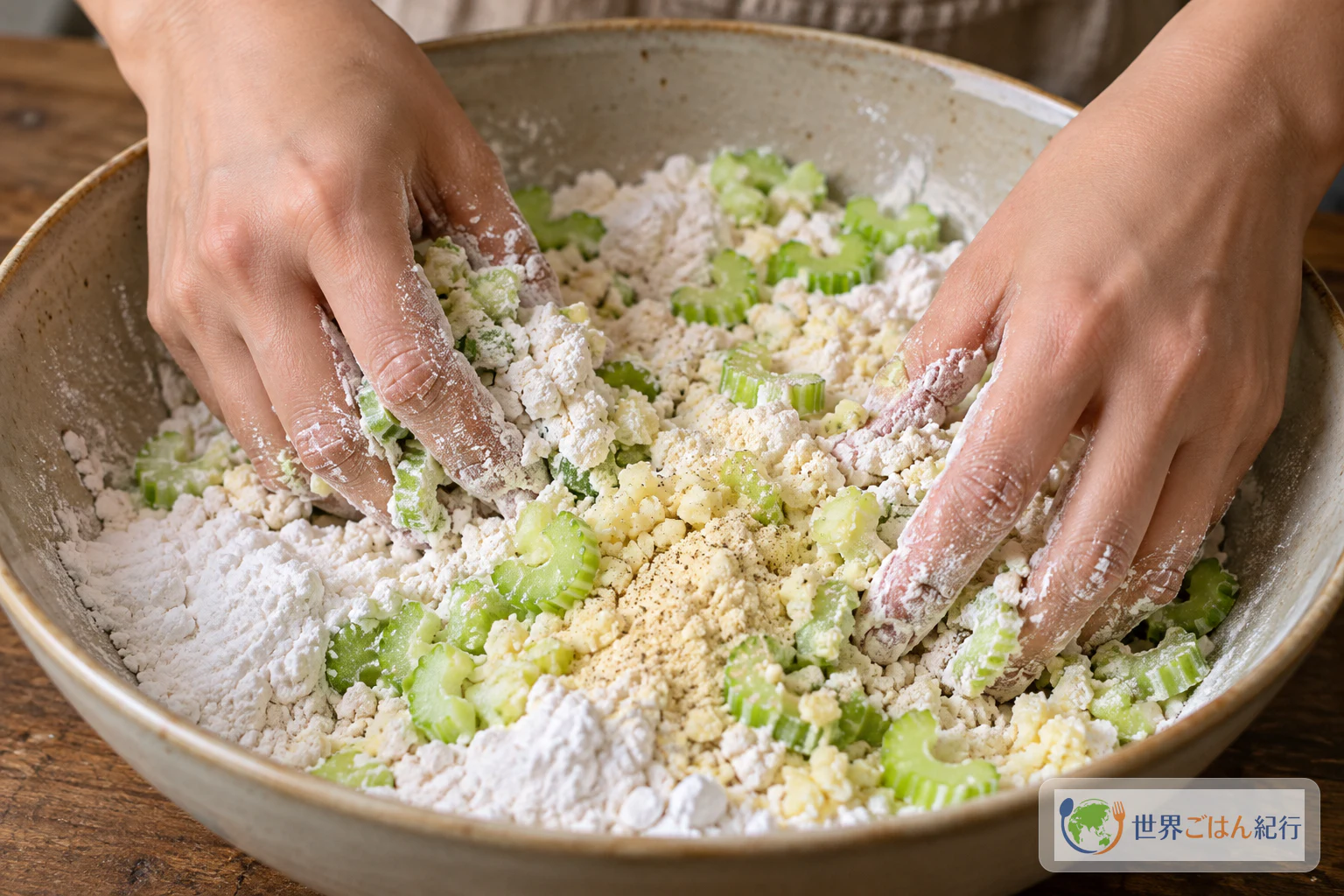
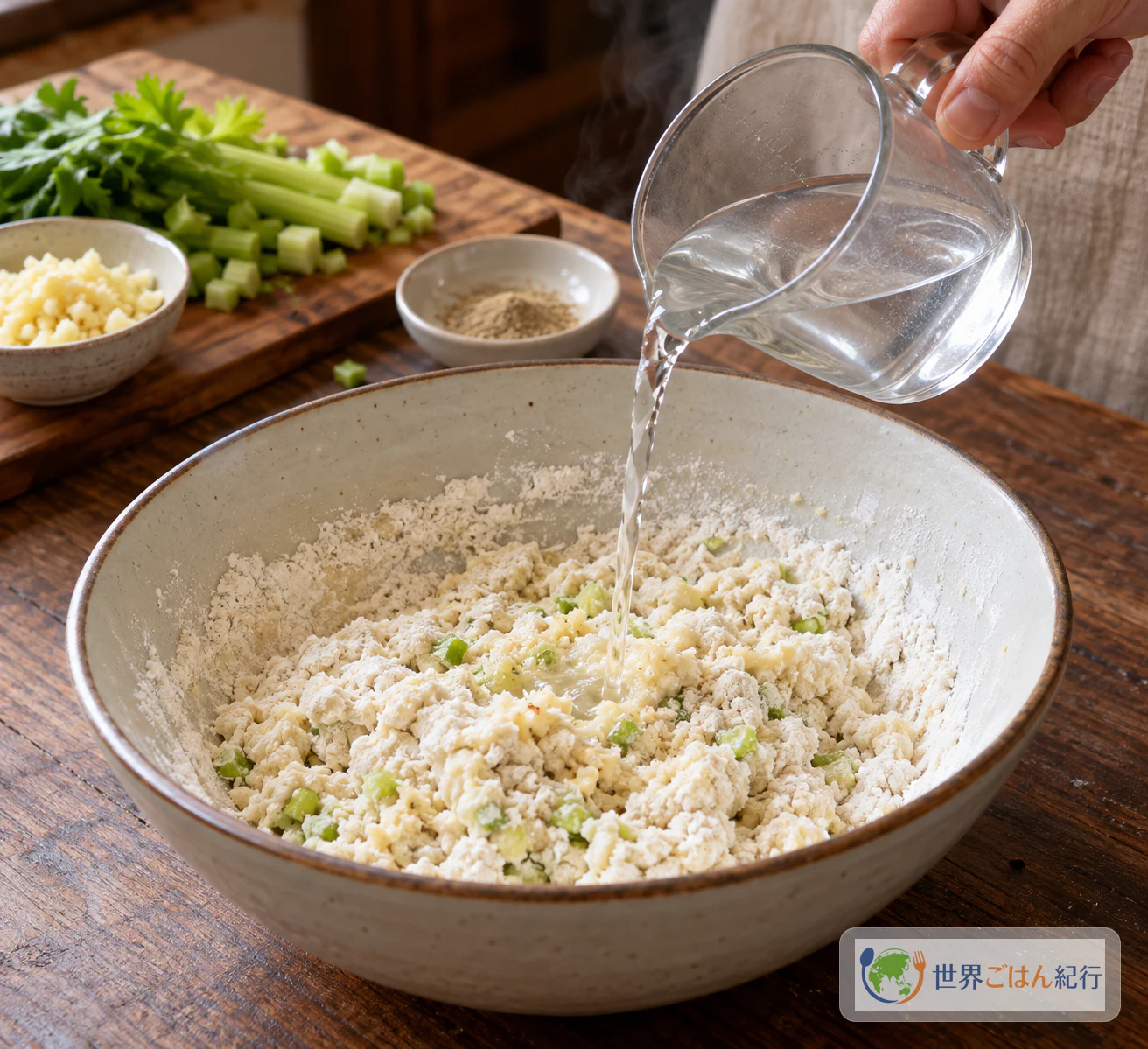
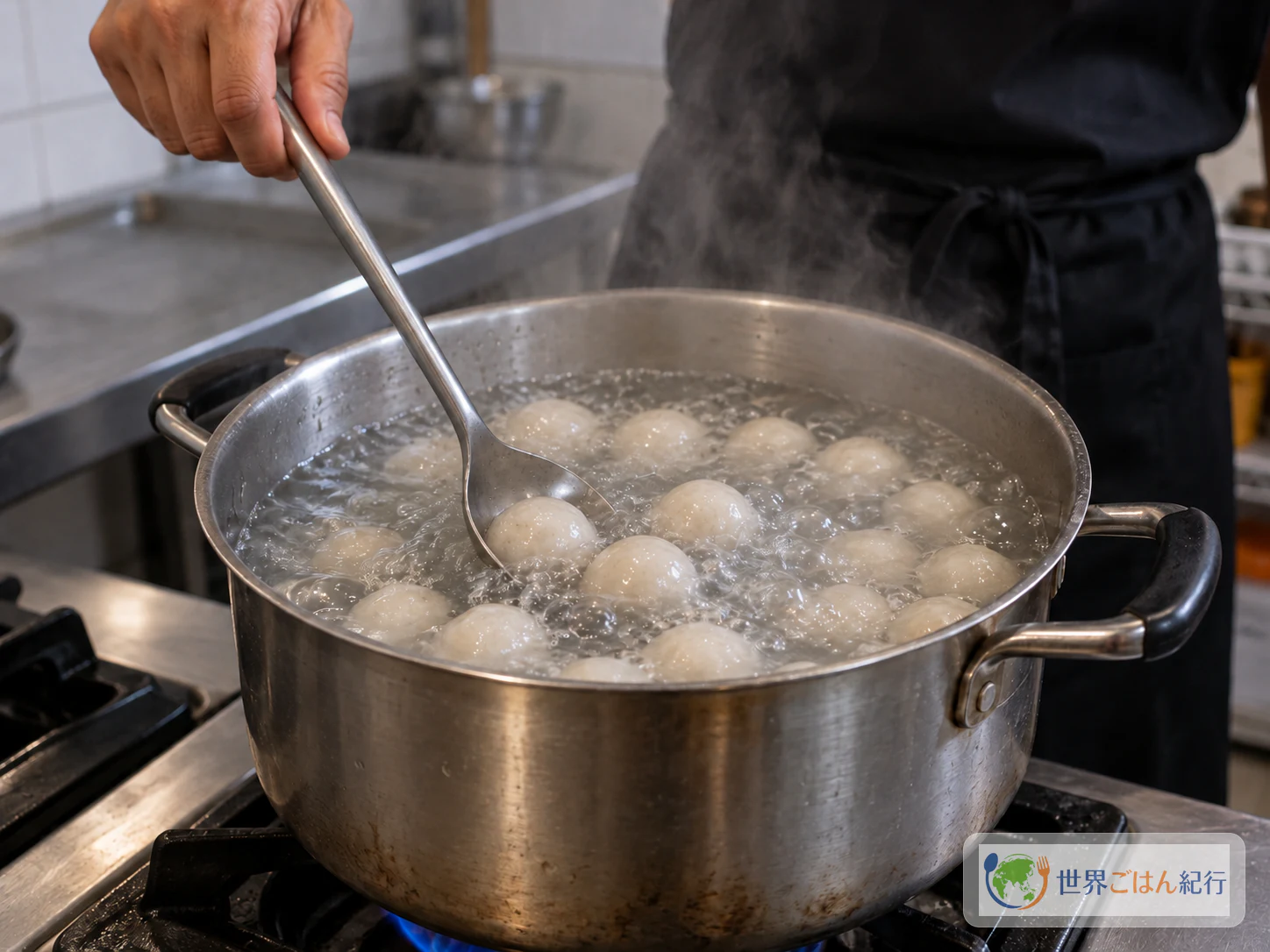
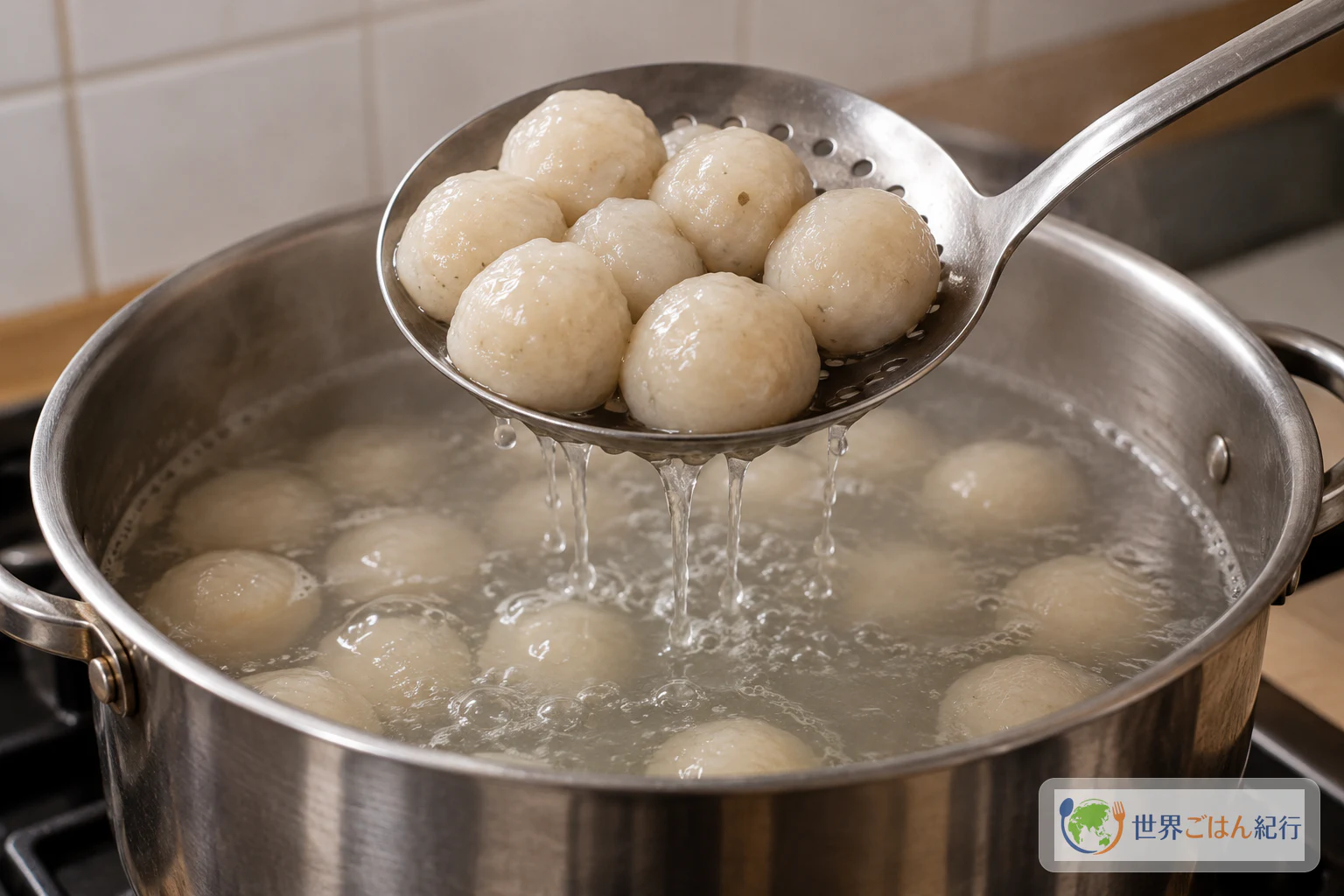
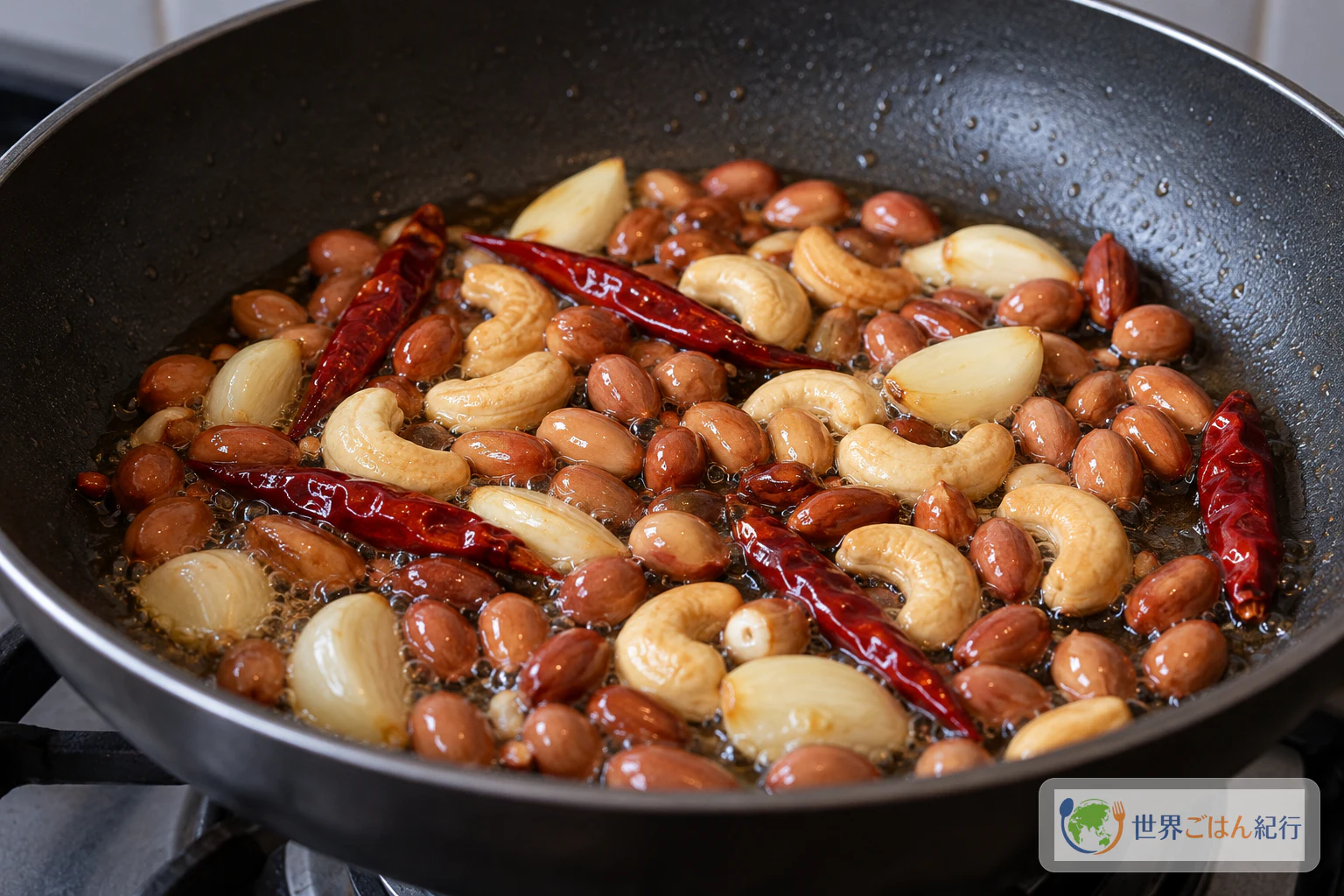
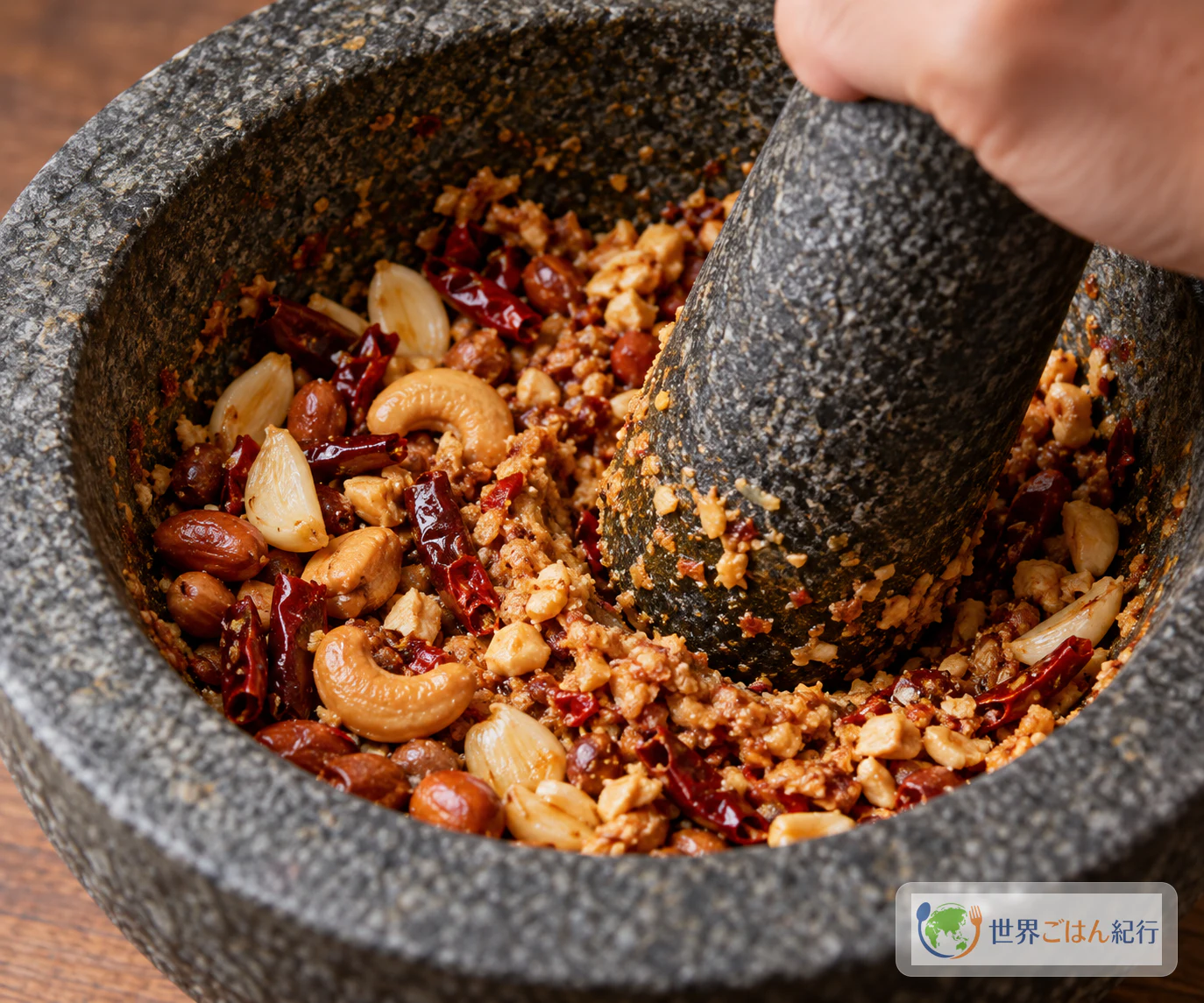
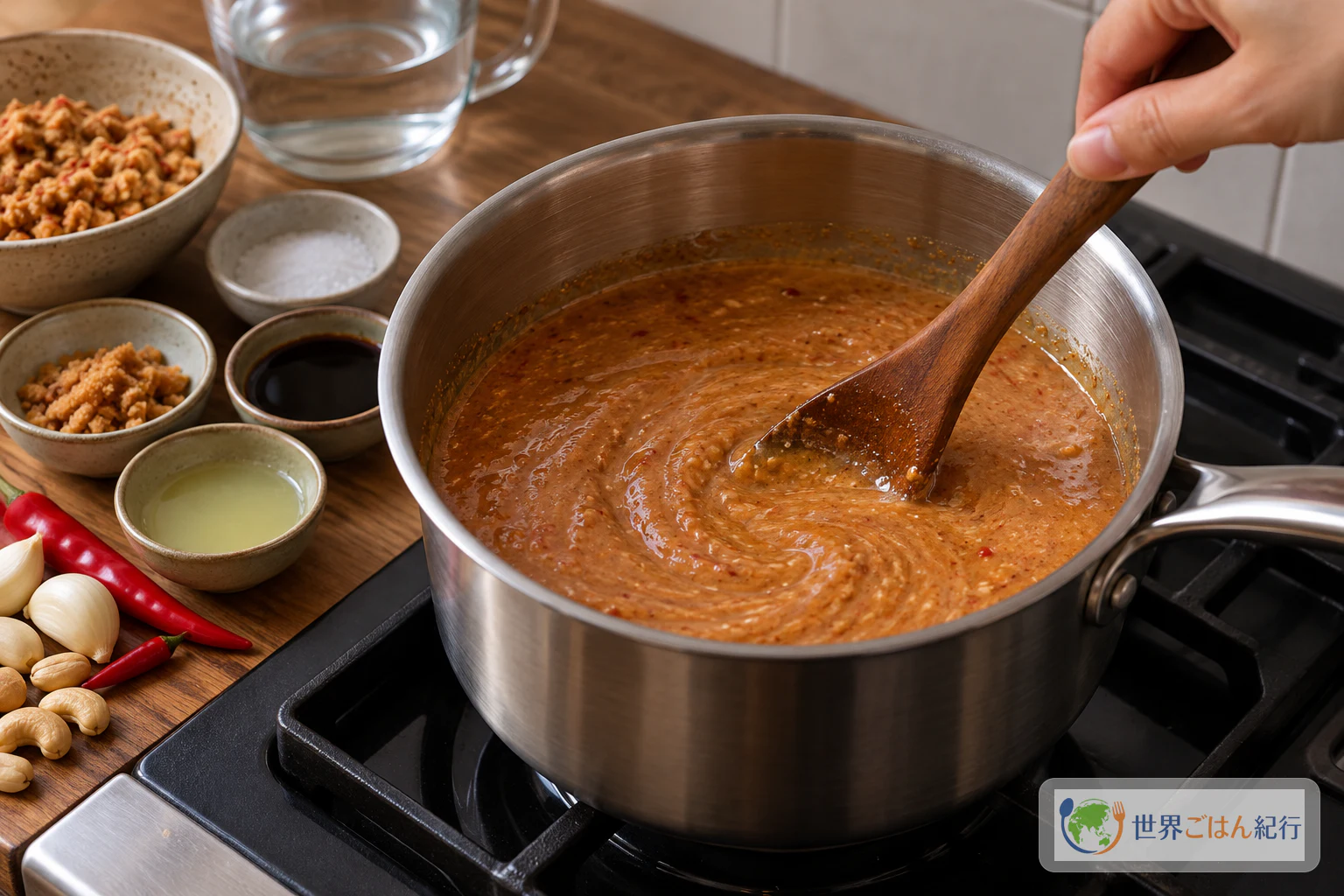
This article follows a single version: the Bandung-style cilok with peanut sauce published by Valentina Limbong on Masak Apa Hari Ini (MAHI). The dough is tapioca flour and wheat flour seasoned with garlic, celery, chicken stock powder and white pepper, brought together with hot water. The balls are boiled and drained. The sauce is made from fried peanuts, cashews, chilies and garlic, ground and then stirred into simmering water with salt, palm sugar, lime juice and sweet soy sauce. For more dishes from the same country, see the Indonesia page.
Why It Is Called "Aci Dicolok"
The Bandung City guide explains that cilok is a shortening of aci dicolok. In Sundanese, aci means tapioca, and dicolok refers to piercing it, as with a skewer. The name therefore describes the food and a way of eating it in the same phrase.
The city guide supports only the name, the round, chewy shape and the common accompaniments. It does not give a recipe, a date of origin or an inventor, and this article does not claim any of those. A Unilever Food Solutions article gives the same aci dicolok explanation. It comes from the same corporate group as MAHI, however, so it is supporting usage rather than independent evidence.
The recipe below does not include a step for making skewers. The skewer in the photos is only a serving cue.
The Version Used Here: Valentina Limbong / MAHI
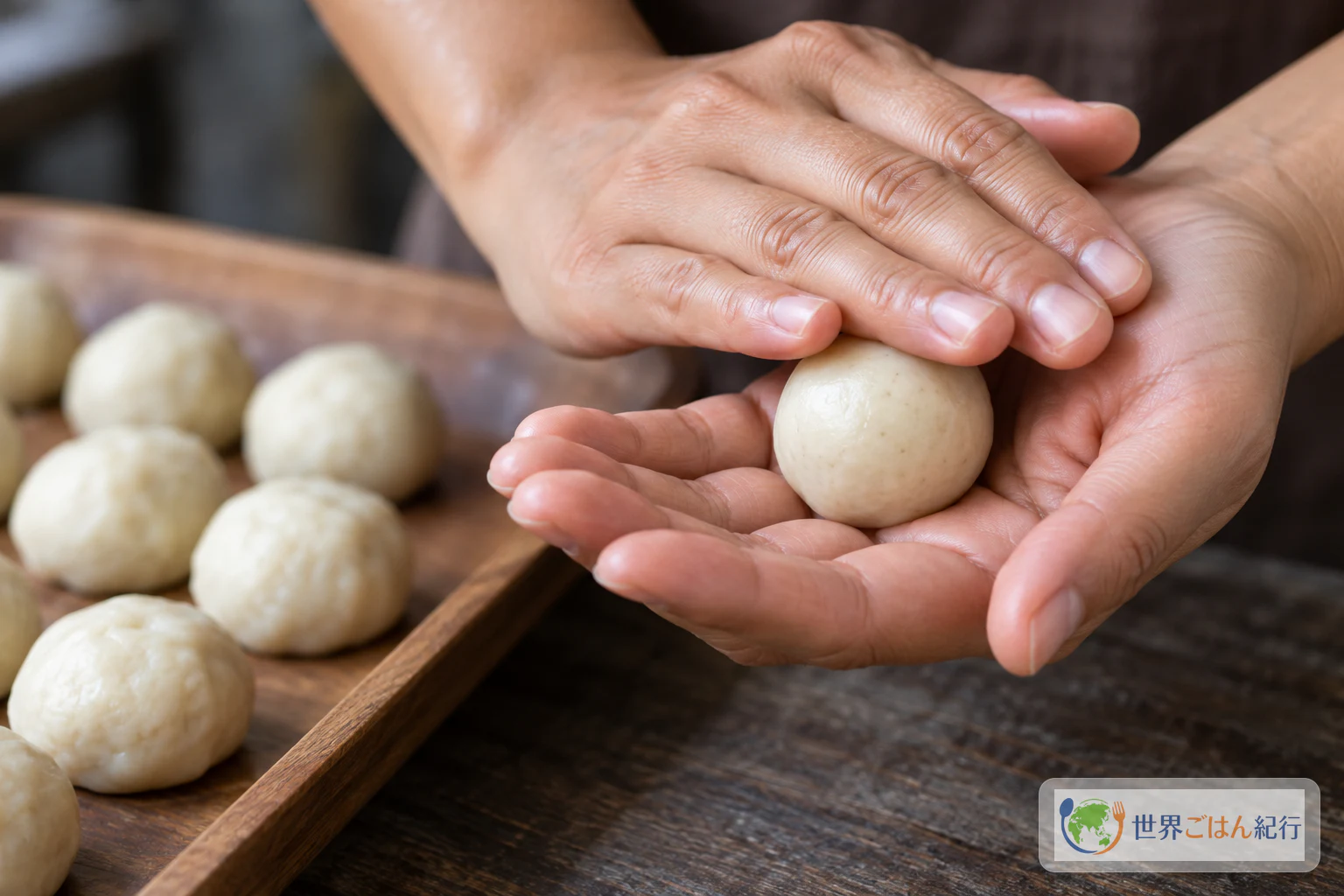
MAHI presents this recipe as Bandung-style cilok. It is one published version, not the only authentic formula. Other cooks use different flour ratios, aromatics, fillings and cooking methods. The recipe card lists 3 servings, 40 minutes, easy. These figures come from the source card and are not guaranteed results. This recipe has not been kitchen-tested by Sekai Gohan. You roll the dough in 1/2 sdm portions, but the source does not state how many balls this makes.
The source page has two internal inconsistencies, and this article resolves both in the same way:
- Warm or hot water. The ingredient list says air hangat (warm water). The body text and the numbered method both say air panas (hot water). This article keeps the 250 ml amount and uses hot water, following the numbered method.
- Steamed or boiled. One passage in the introduction describes the balls as steamed. The numbered recipe boils them in batches and then drains them. This article follows the numbered method, so there is no steaming step.
Ingredients: Dough and Peanut Sauce, in the Source's Own Units
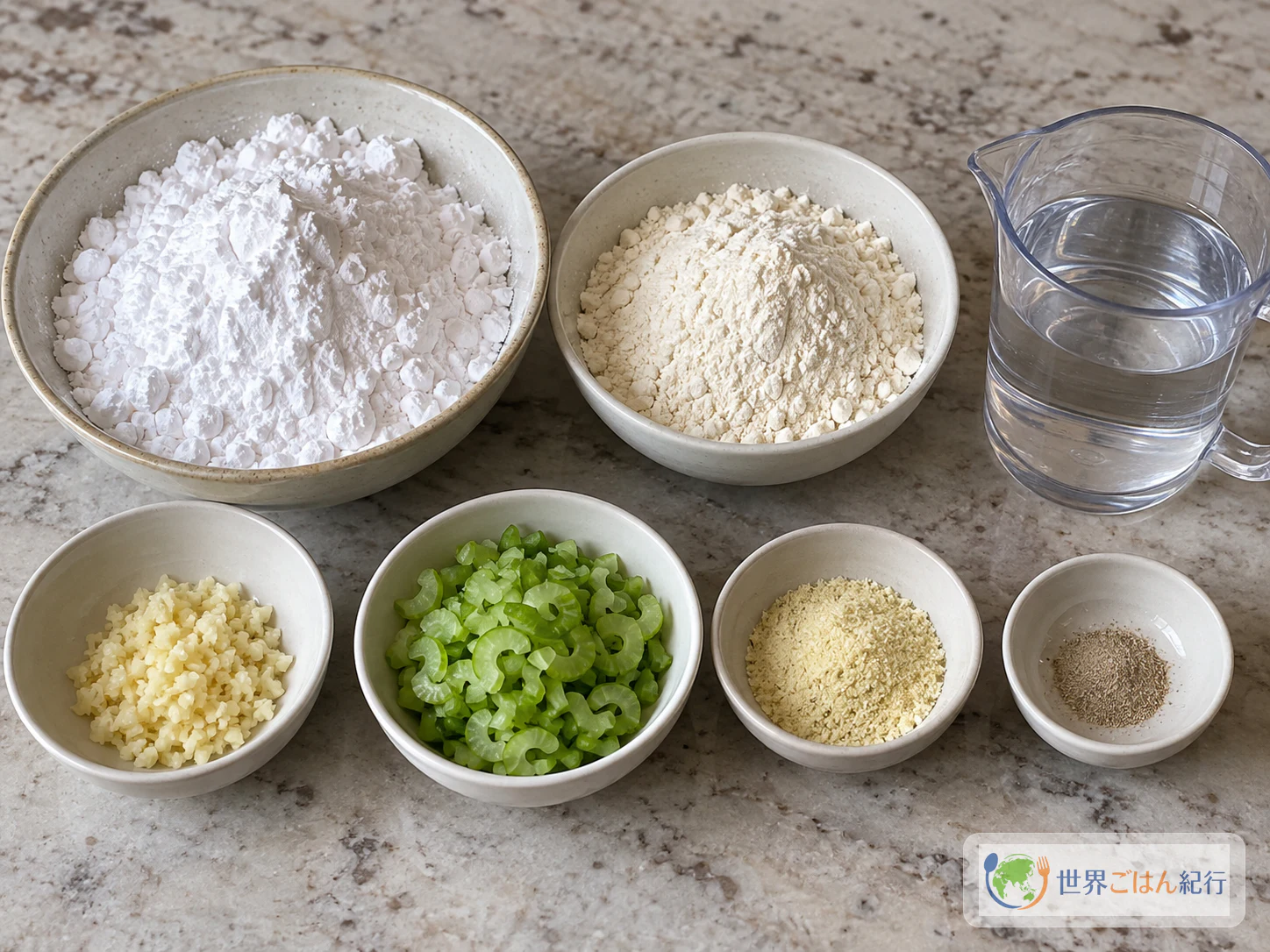
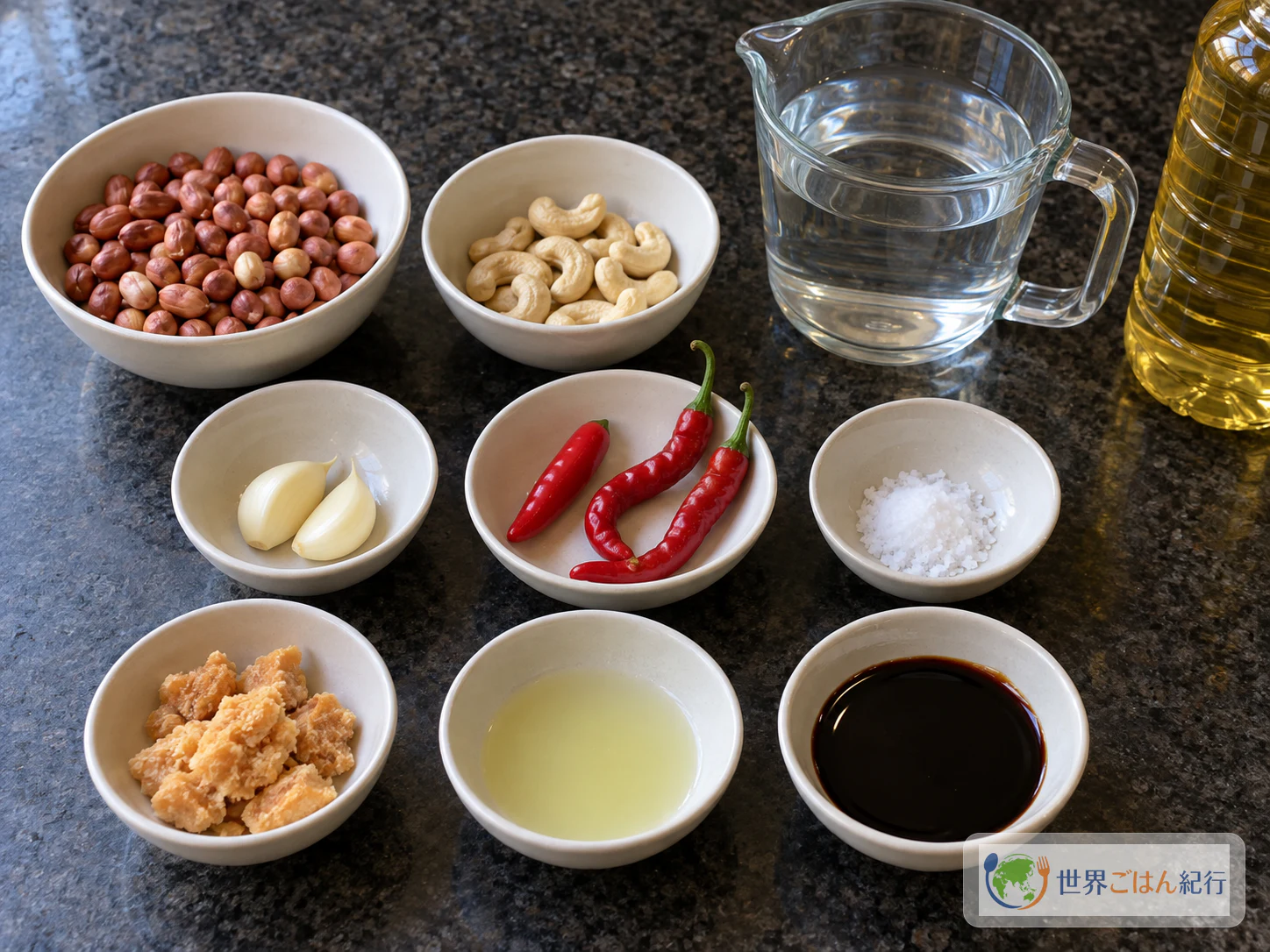
The recipe uses three separate waters: 250 ml for the dough, 350 ml for the sauce, and a pot of boiling water for cooking the balls. The source gives no amount for the boiling water. Do not take any of these waters from another, and do not add them together. The source specifies a frying step for the sauce base but does not give the type or amount of oil.
Equipment
- A mixing bowl for the dough
- A 1/2 sdm (tablespoon) measure for portioning the dough
- A pot of boiling water for cooking the balls, separate from the sauce
- A spoon for lifting the cooked balls out and draining them
- A pan for frying the nuts, chilies and garlic
- A way to grind the fried mixture. The source says only "grind"; a mortar and pestle is one option, as shown in the photo
- A saucepan for the peanut sauce
About the Named Products and Choosing Ingredients
The source specifies Royco Kaldu Ayam and Bango Kecap Manis Light by name. This article keeps both. The source does not show how a different stock powder or sweet soy sauce would change the flavor or the proportions, so no substitute or conversion is offered here.
Seledri in this recipe means celery stalk. Do not replace it with green onion or cilantro, which are not part of this recipe. Use the tapioca flour and wheat flour in the stated amounts. The source does not suggest swapping either flour.
Method: Boil the Balls, Then Build the Sauce
Every step below follows the order of the source's numbered method. Where the source gives no time, temperature or visual cue, none is added here.
When the Source Leaves Something Open
| Question | What the source says | How this recipe handles it |
|---|---|---|
| Warm water or hot water for the dough? | The ingredient list says warm; the body text and numbered method say hot | Use 250 ml of hot water, as in the numbered method |
| Should the balls be steamed? | One introductory passage mentions steaming; the numbered method boils and drains | Boil and drain only |
| How long do the balls boil? Should they float? | Boil in batches until cooked. No time or float cue | No time or float cue is added. "Cooked" is the only endpoint |
| How much water goes in the boiling pot? | Not stated | Use a separate pot, and do not take this water from the 250 ml or the 350 ml |
| What oil, and how much, for frying? | Frying is required, but the oil is not listed | Not specified. No amount or oil type is supplied |
| Are the cashews optional? | Both nuts are in the ingredient list; the method says kacang | Fry both nuts together. Do not leave out the cashews |
| How thick should the sauce be? | Not stated | No thickness or reduction time is added |
Other Versions of Cilok
Recipes for cilok differ in flour ratio, aromatics, fillings, sauce and cooking method. They are worth knowing about, but they are separate recipes, and none of their elements belong in the version above.
- Ricke Indriani's home version (2010). This version uses 200 g tapioca and 200 g wheat flour, with garlic, salt, stock powder, pepper and green onion. It calls for 400 ml of water, adjusted by feel, boiled with the seasonings and then mixed into the flour, and it offers optional cheddar-filled balls. The balls boil until they float, cook for about 15 minutes more, and are then steamed. Ricke Indriani calls cilok a Sundanese snack that is familiar on Java. That description is a personal account, not an official history.
- Restaurant adaptations. Unilever Food Solutions describes fillings, pan-searing and chili oil as modern menu-development ideas for restaurants. None of these are part of the MAHI recipe.
- Other accompaniments. The Bandung City guide mentions kecap and sauce, in addition to peanut sauce, as common ways to eat cilok.
Frequently Asked Questions
Is this the authentic cilok recipe?
It is one published Bandung-style version. Recipes vary, and none of the sources establishes a single authentic formula, an inventor or a date of origin.
Can I use a different stock powder or sweet soy sauce?
The source names Royco Kaldu Ayam and Bango Kecap Manis Light. It gives no basis for saying that other products produce the same result, so this article does not recommend a substitute.
Can I use green onion instead of celery?
In this version, seledri means celery stalk. Green onion appears in a different recipe and is not part of this one.
How many balls does it make, and how many people does it serve?
The source card lists 3 servings. It gives the portion size (1/2 sdm of dough per ball) but not the number of balls. This recipe has not been kitchen-tested here, so the card's figures are the only ones available.
Can I steam the balls instead of boiling them?
Steaming belongs to a different recipe (Ricke Indriani's version) and to one passing line on the MAHI page. The numbered method used here boils the balls in batches and drains them.
How should leftovers be stored?
The source gives no storage guidance, and this article does not add any.
Sources
- Valentina Limbong, "Resep Cilok Bumbu Kacang Bandung yang Empuk dan Kenyal," Masak Apa Hari Ini? / Unilever. The adopted recipe: the dough and peanut-sauce ingredients and amounts, the numbered method, and the card's 3 servings, 40 minutes and easy rating. Presented by the source as Bandung-style cilok with peanut sauce. https://www.masakapahariini.com/r/resep-cilok-bumbu-kacang-bandung-yang-empuk-dan-kenyal.html/257571
- Bandung City PPID, "Kuliner Kota Bandung." The explanation of cilok as a shortening of aci dicolok, aci as Sundanese for tapioca, and cilok's round, chewy form, commonly served with peanut sauce, kecap and sauce. Not a recipe or historical study. https://ppid.bandung.go.id/storage/ppid_utama/Lqr8UmT6yh7ZILkdvfO3kM57SUCqgDkJyDkiJLQg.pdf
- Ricke Indriani, "CILOK (ACI DICOLOK)," Just My Ordinary Kitchen, 2010. A separate home-cook formula and method, used for comparison only, together with the author's personal description of cilok as a Sundanese snack familiar on Java. https://www.ricke-ordinarykitchen.com/2010/10/cilok-aci-dicolok.html
- Unilever Food Solutions Indonesia, "Street Food Bandung: Inspirasi Jajanan Khas untuk Kreasi Menu Restoran." Supporting usage of the aci dicolok name and the chewy texture, plus restaurant adaptation ideas. From the same corporate group as MAHI, so not independent evidence. https://www.unileverfoodsolutions.co.id/id/inspirasi-chef/jajanan-naik-kelas/street-food-bandung.html