
The flatbread that gets Malaysia moving in the morning
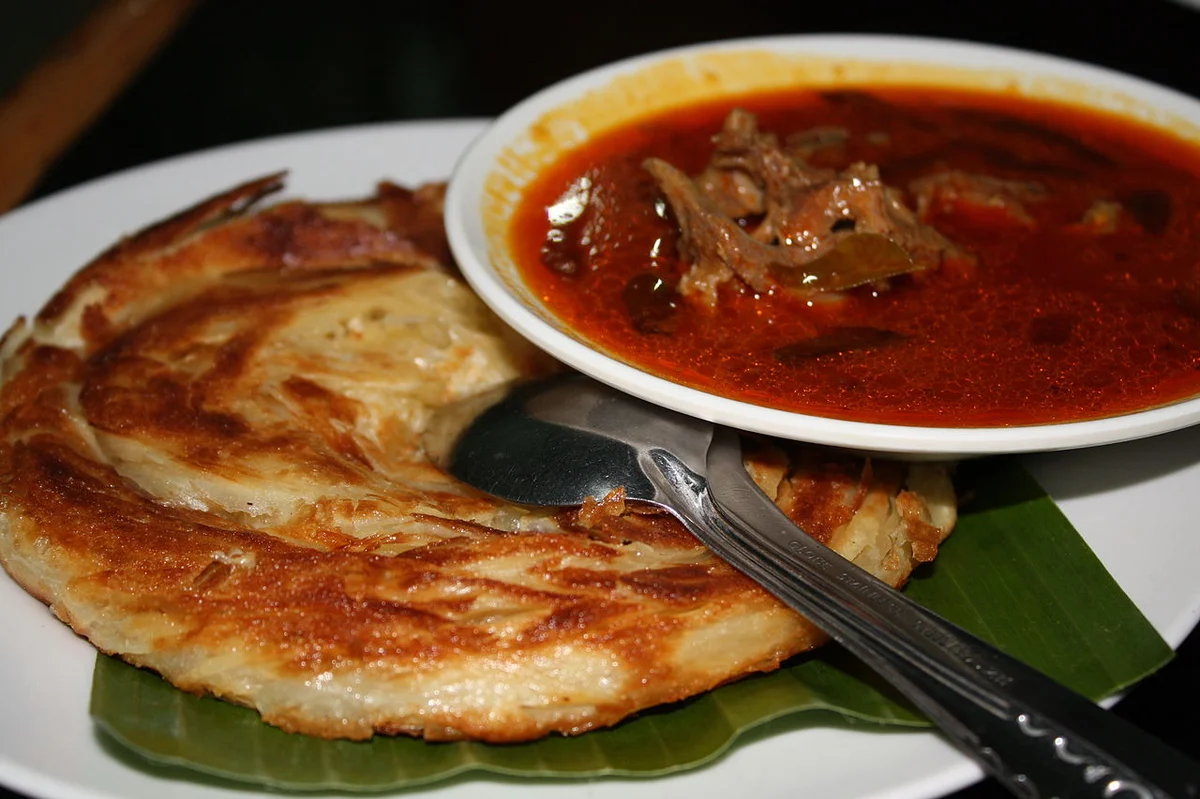
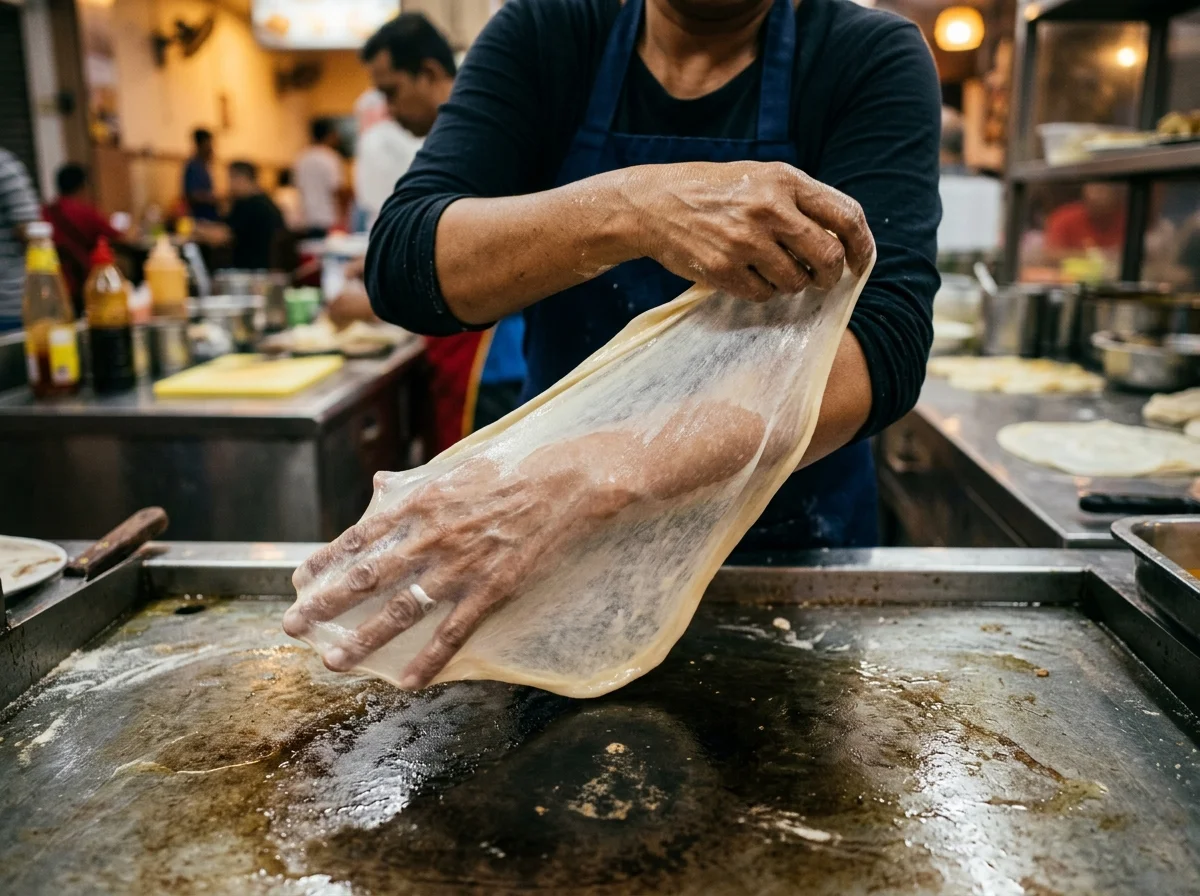
It is 4 a.m. in Kuala Lumpur, before dawn. In a dark back alley, smoke rises from a griddle and a rhythmic slapping sound rings out. This is a mamak, an all-night eatery run by Indian Muslims in Malaysia. Behind the counter, the cook tosses thin dough into the air, spins it out as thin as paper, folds it and lays it on the hot plate. That one piece is roti canai.
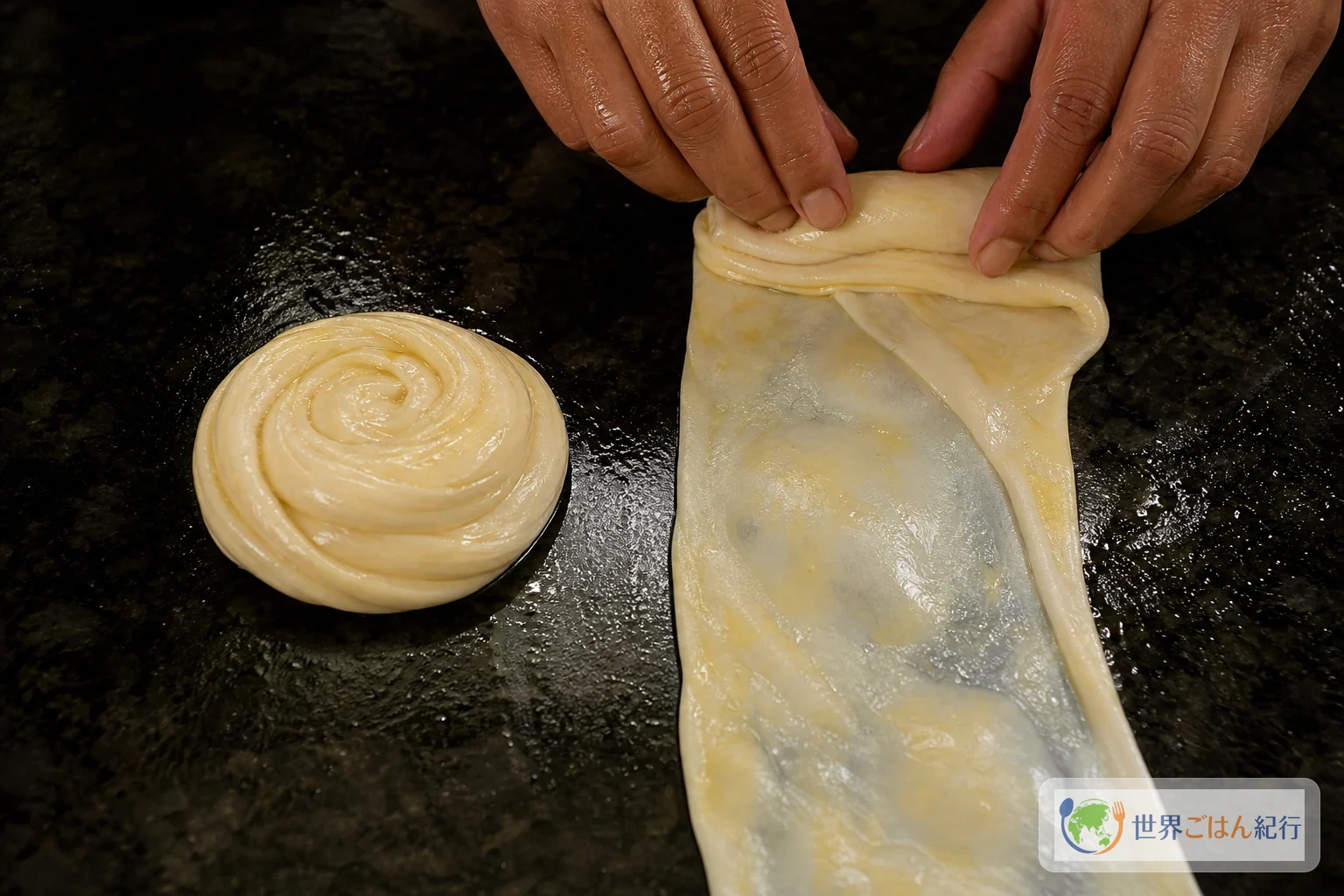
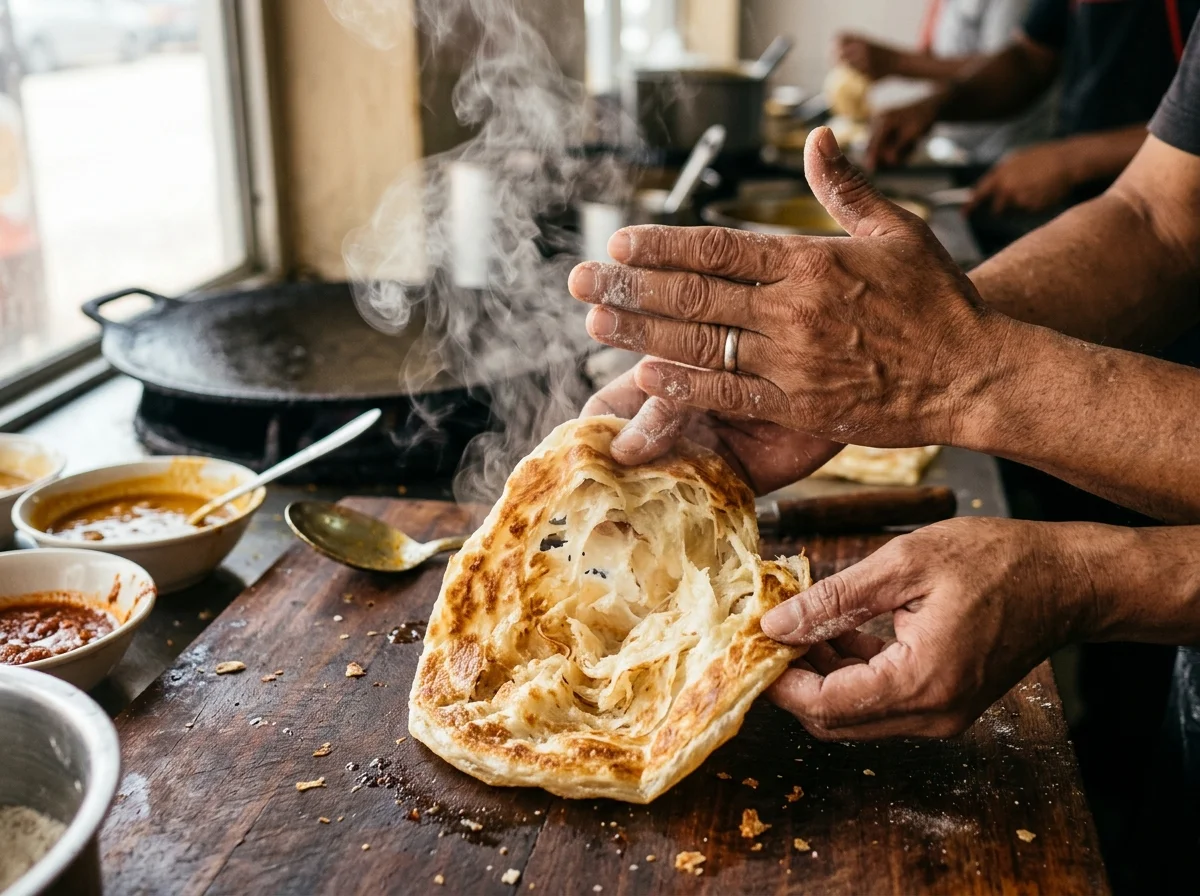
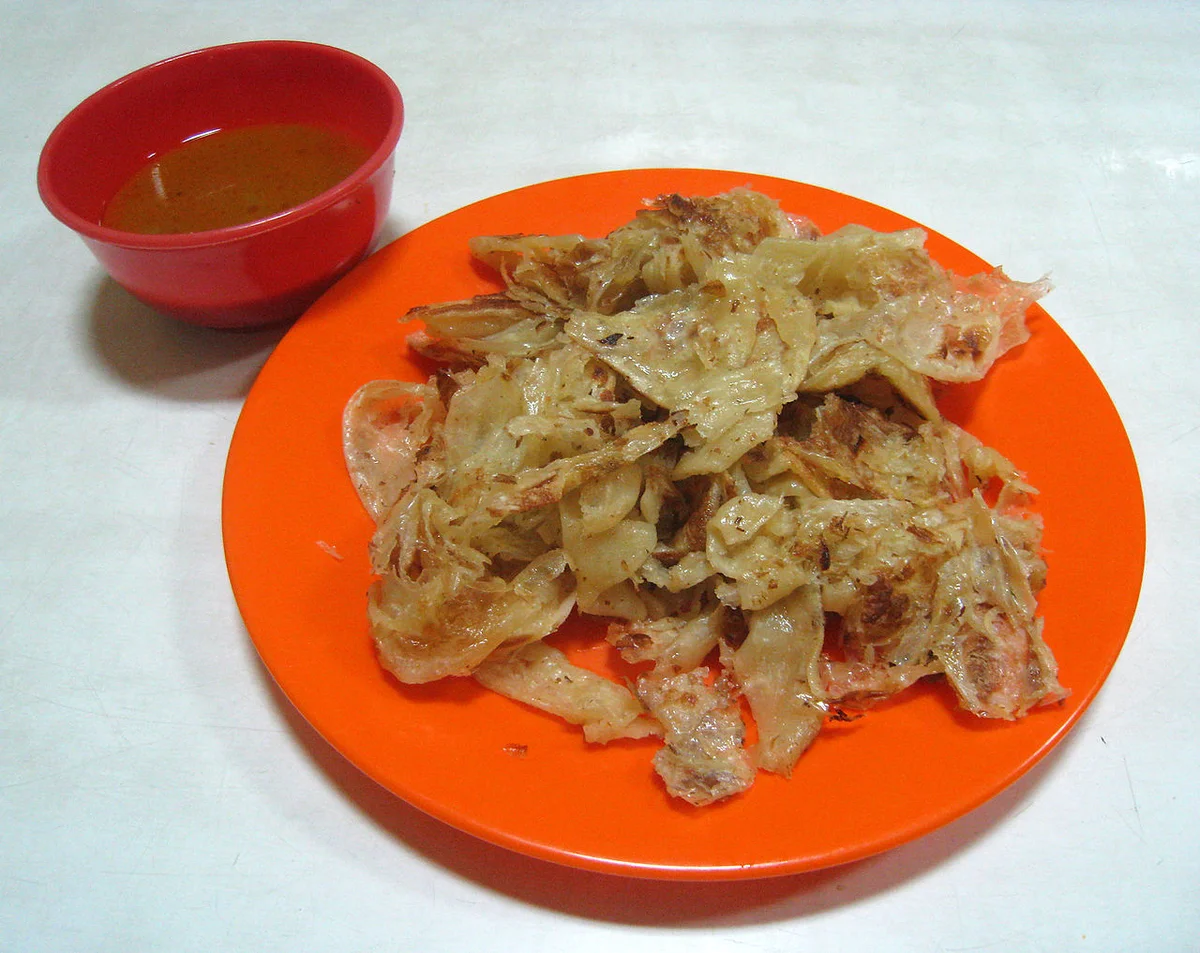
Roti canai is a flatbread made by folding wheat dough in layers with ghee (clarified butter) and cooking it on a griddle. It's crisp outside and chewy inside. Tear it by hand and it peels into many thin layers, which you dip generously into dal curry (a lentil curry). It's a staple of the Malaysian breakfast, a late-night snack and a national dish.
Roti canai is still less well known outside Malaysia than nasi lemak (in Japanese) or laksa (in Japanese), and detailed home recipes are not easy to find.
In Malay, "roti" means bread. The origin of "canai" is debated: one theory derives it from the Malay "canai," meaning to roll out dough thin, and another from eating the bread with chickpea stew, "channa." Its ancestor is the Indian paratha, and it was adapted to local food culture by Indian Muslims who settled on the Malay Peninsula in the 19th century. In Singapore it's called "roti prata."
This article walks through the techniques of Malaysian mamak cooks, from making the dough to cooking it, so you can recreate them in a home kitchen. As with pad thai or banh mi, we hope roti canai lets you enjoy Southeast Asian street food at home.
Ingredients (makes 4 pieces)
Ghee is sold at Indian grocery stores and online. If you can't find it, melt unsalted butter and use only the clear top layer for a similar flavor.
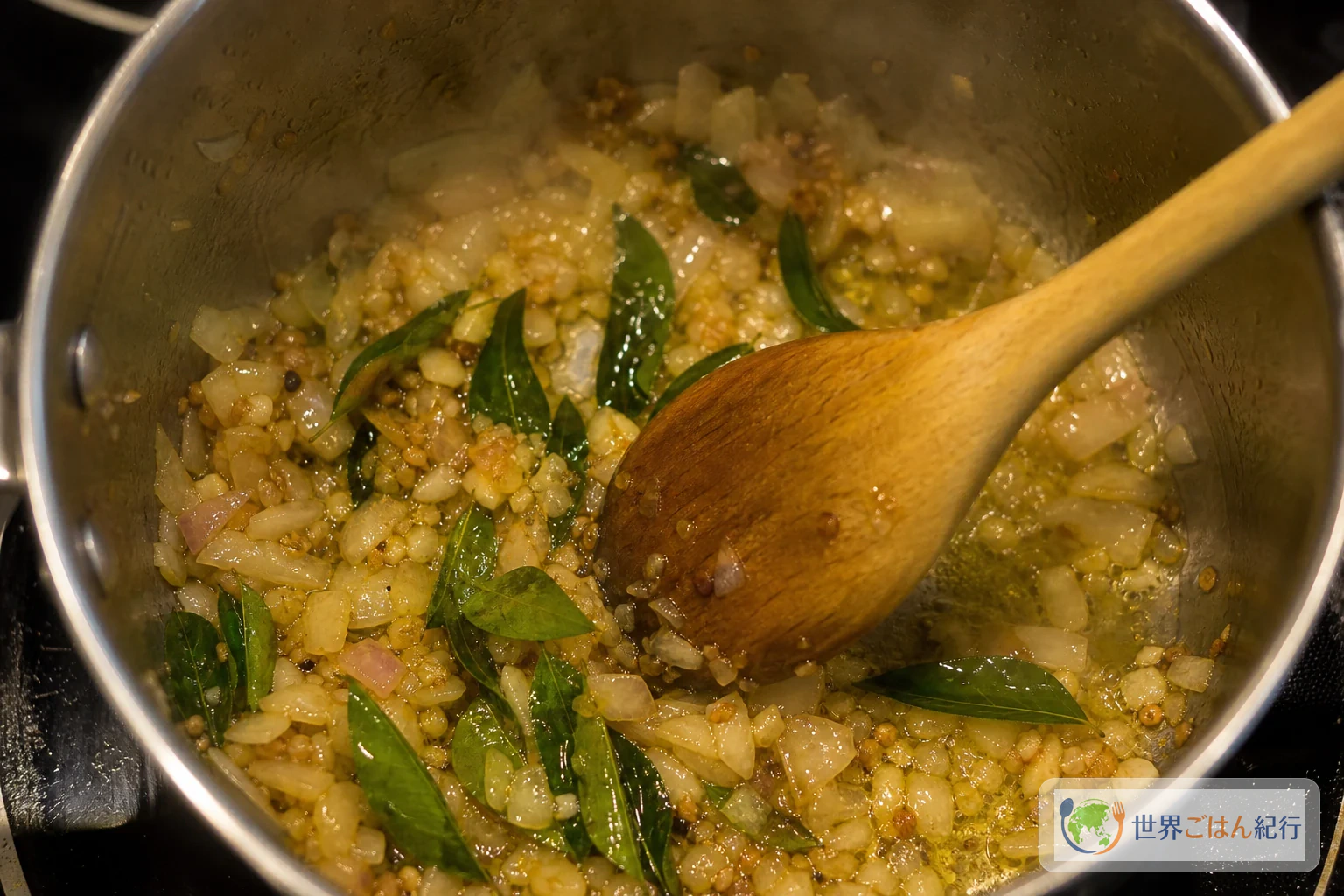
Malaysian dal curry needs curry leaves (Murraya koenigii). They are not the source of "curry powder" but fresh leaves with a distinctive citrus-like aroma. Look for them at Indian grocery stores or online, fresh, frozen or dried. Dried curry leaves have a weak aroma, so frozen leaves are recommended. If you truly can't find them, substitute 2 bay leaves, though the flavor will differ.
Instructions
Part 1: Roti dough
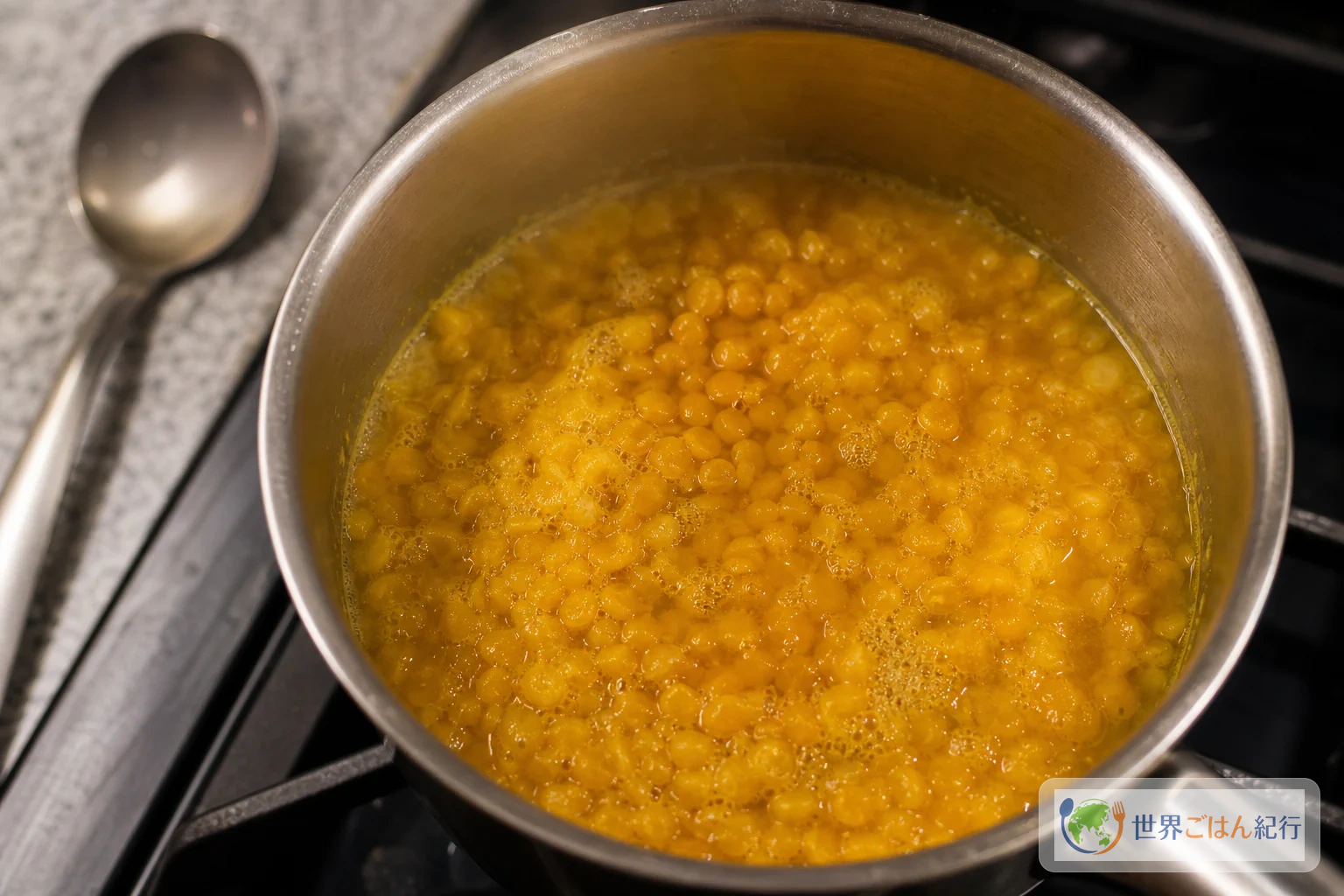
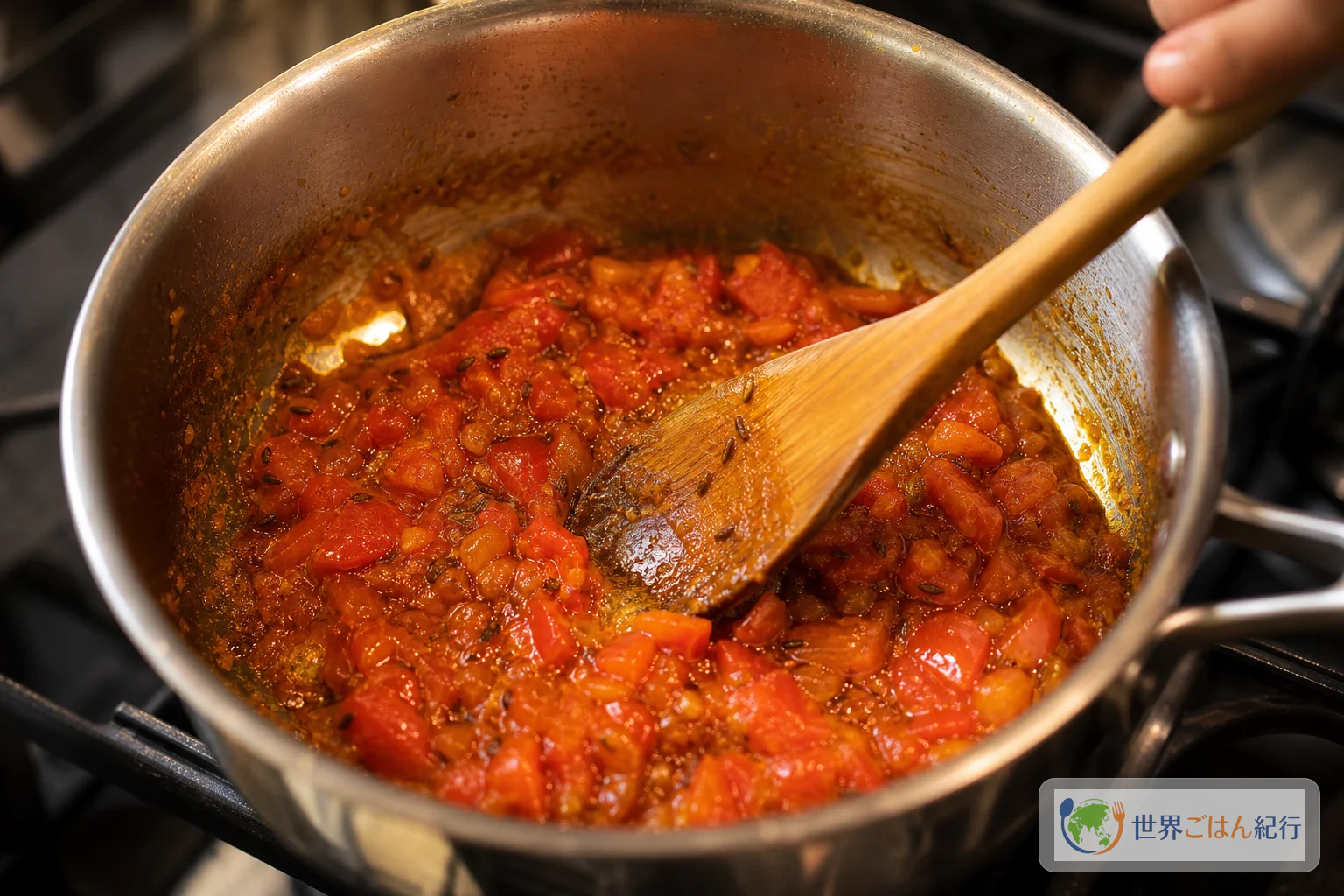
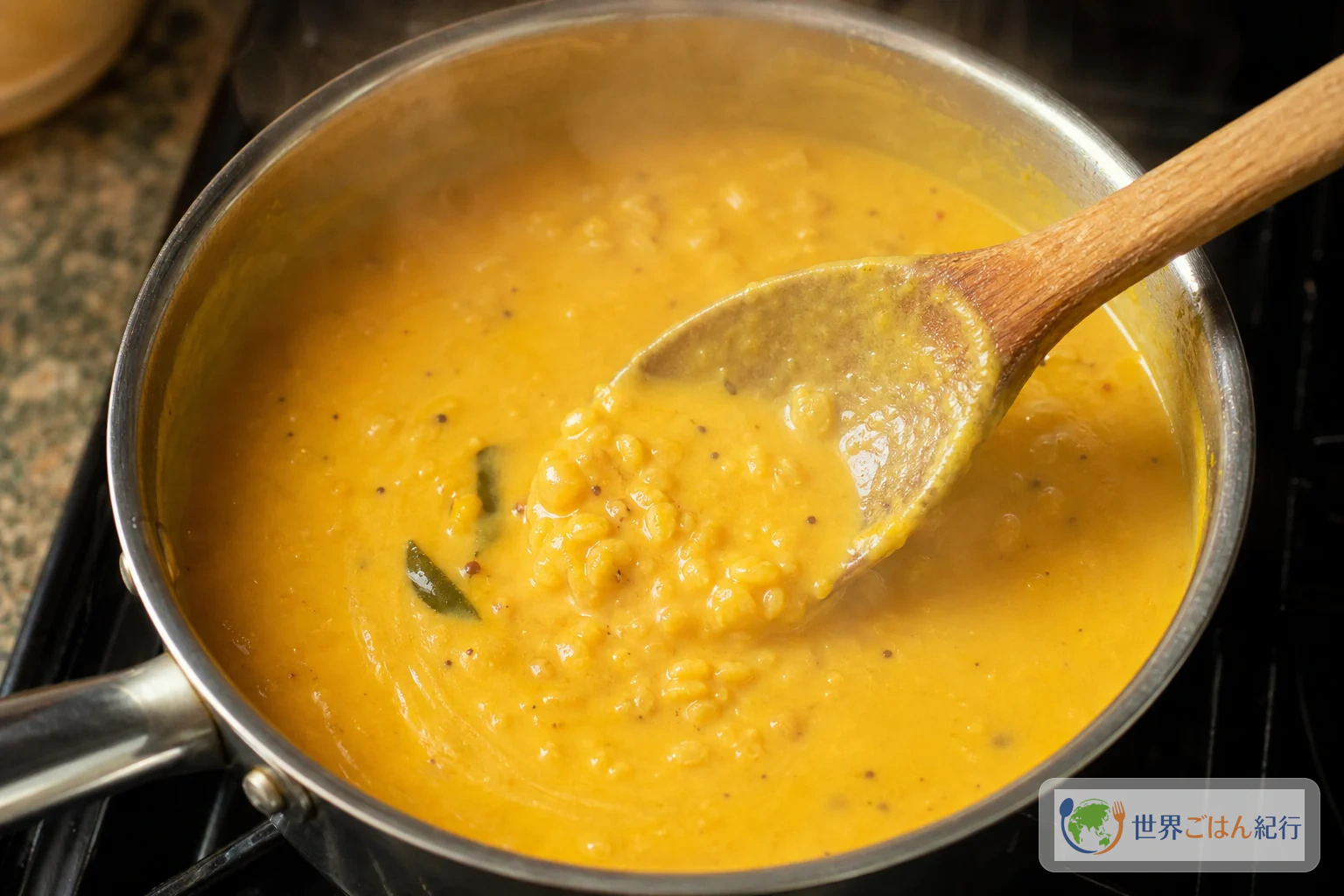
Part 2: Dal curry
Cooking tips
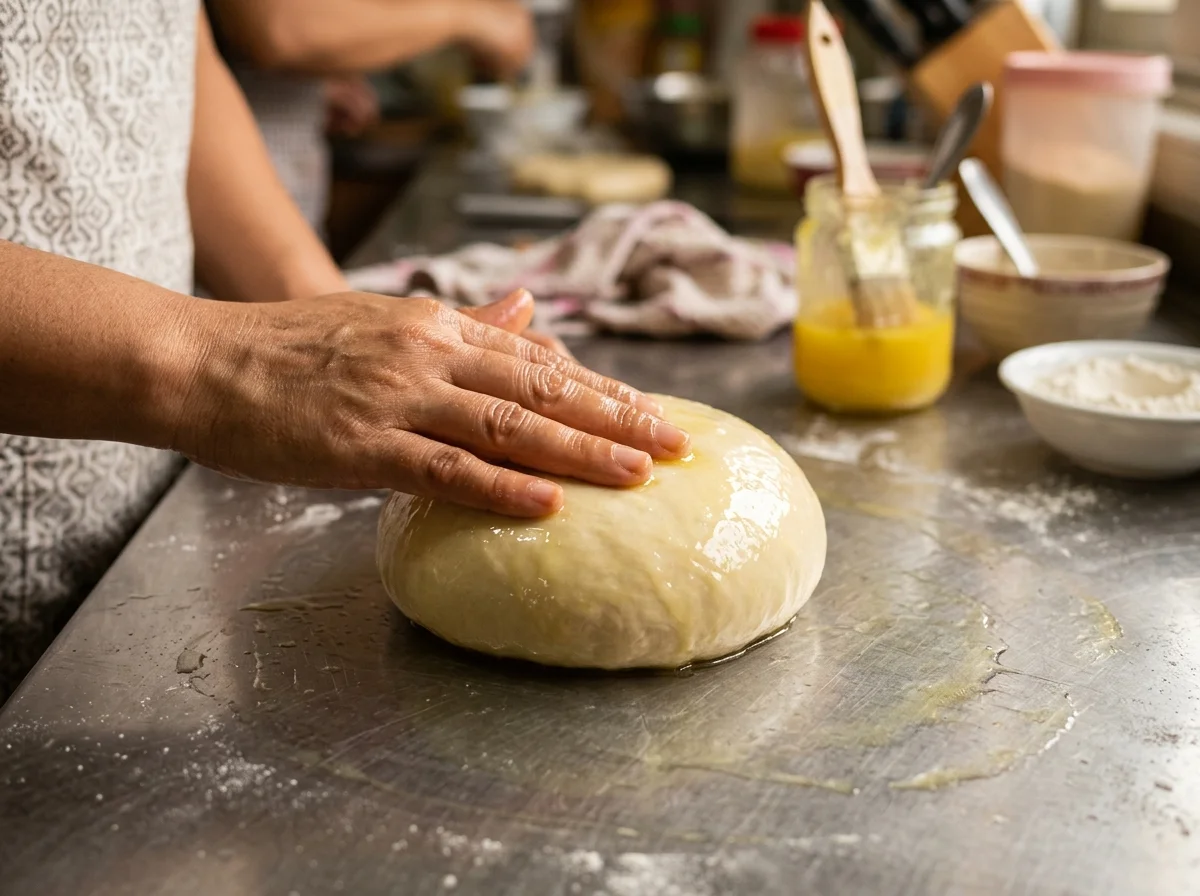
Compared with bread-baking instincts, the right roti canai dough is quite sticky and soft. If you think "this is a bit too sticky," that is the ideal state for stretching it thin. Too much flour makes the dough stiff and impossible to stretch thin. Aim for a dough softer even than an earlobe.
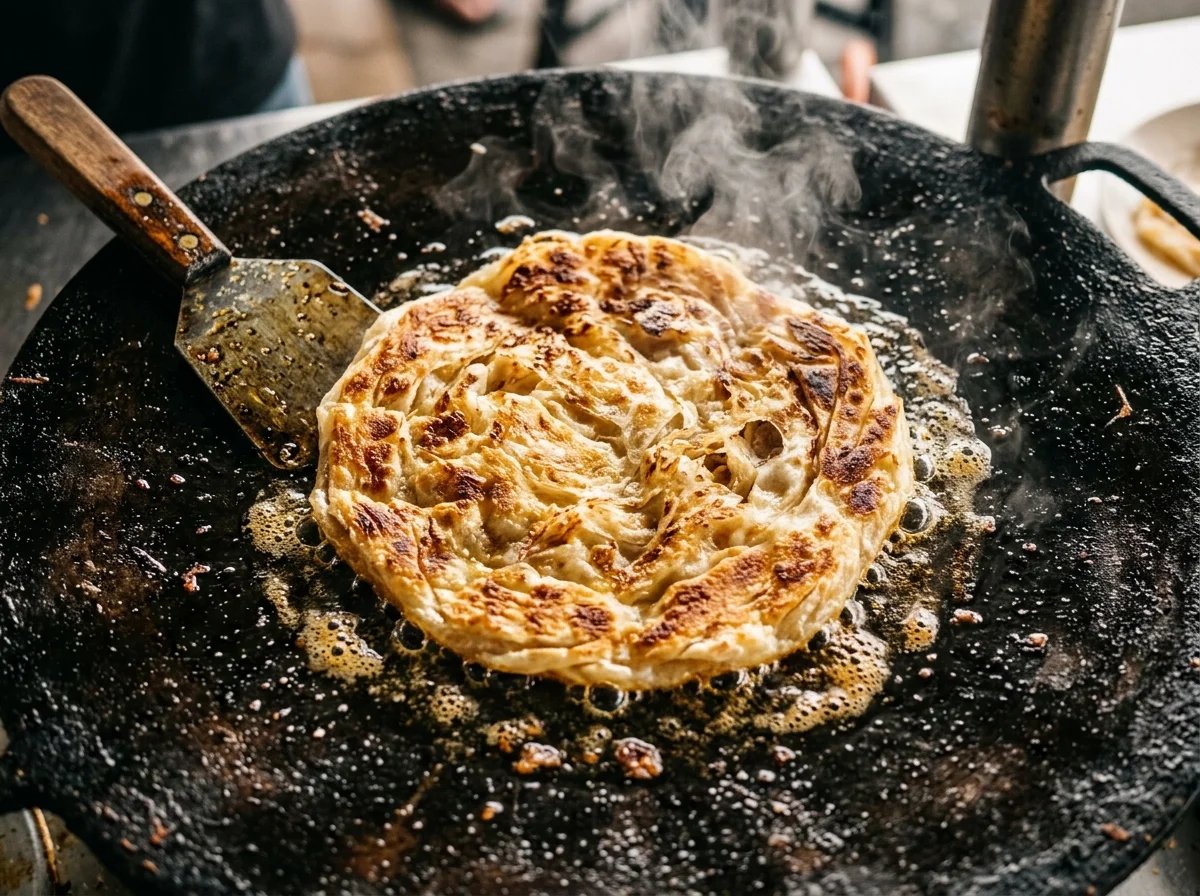
A cast-iron skillet is best for roti canai. A nonstick pan will cook it, but cast iron holds high heat better and gives a nicer color. A tawa (flat griddle) like those used in Indian restaurants is ideal; otherwise a cast-iron skillet of 26 cm or larger is fine.
Some people hesitate to clap hot roti, but without it the roti canai isn't finished. If you worry about burns, use a kitchen towel. The key is to clap within about 5 seconds of cooking. As it cools, the layers set and are harder to separate.
The dal curry at a Malaysian mamak is somewhere between a soup and a sauce. It's thick like a potage but fluid enough to coat the roti when dipped. Longer simmering thickens it and adding hot water thins it, so adjust to taste.
Variations
Roti telur (with egg)
The most popular variation in Malaysia. Pour 1 beaten egg onto the stretched dough, then fold and cook. The egg adds richness and makes it much more filling. On a mamak breakfast menu, this is the next most ordered after plain roti canai.
Roti tisu (tissue roti)
A showpiece roti where the dough is stretched to the extreme and cooked into a giant cone. It is eaten as a dessert drizzled with condensed milk and sugar. Watching a huge cone being made in front of you is a sight, and some shops put it on as a showpiece.
Roti pisang (with banana)
Lay 1 thinly sliced banana over the stretched dough, sprinkle with 2 tsp sugar, then fold and cook. The banana's sweetness blends with the ghee's flavor, making it ideal for a snack or dessert. A drizzle of chocolate sauce makes it even more indulgent.
Roti bom (the dense version)
A version where plenty of ghee and sugar are tucked into the middle of the dough, which is shaped into a thick round and cooked. It's much heavier than ordinary roti canai, crisp outside and moist inside. It is a popular Malaysian snack and pairs perfectly with teh tarik (milk tea made with condensed milk).
Miso dal curry roti (a fusion twist)
Add 2 tbsp white miso to the dal curry and use 5 shiso leaves in place of the curry leaves. The fermented richness of miso goes well with the savory depth of the lentils. You can also knead 1 tbsp ground sesame into the roti dough.
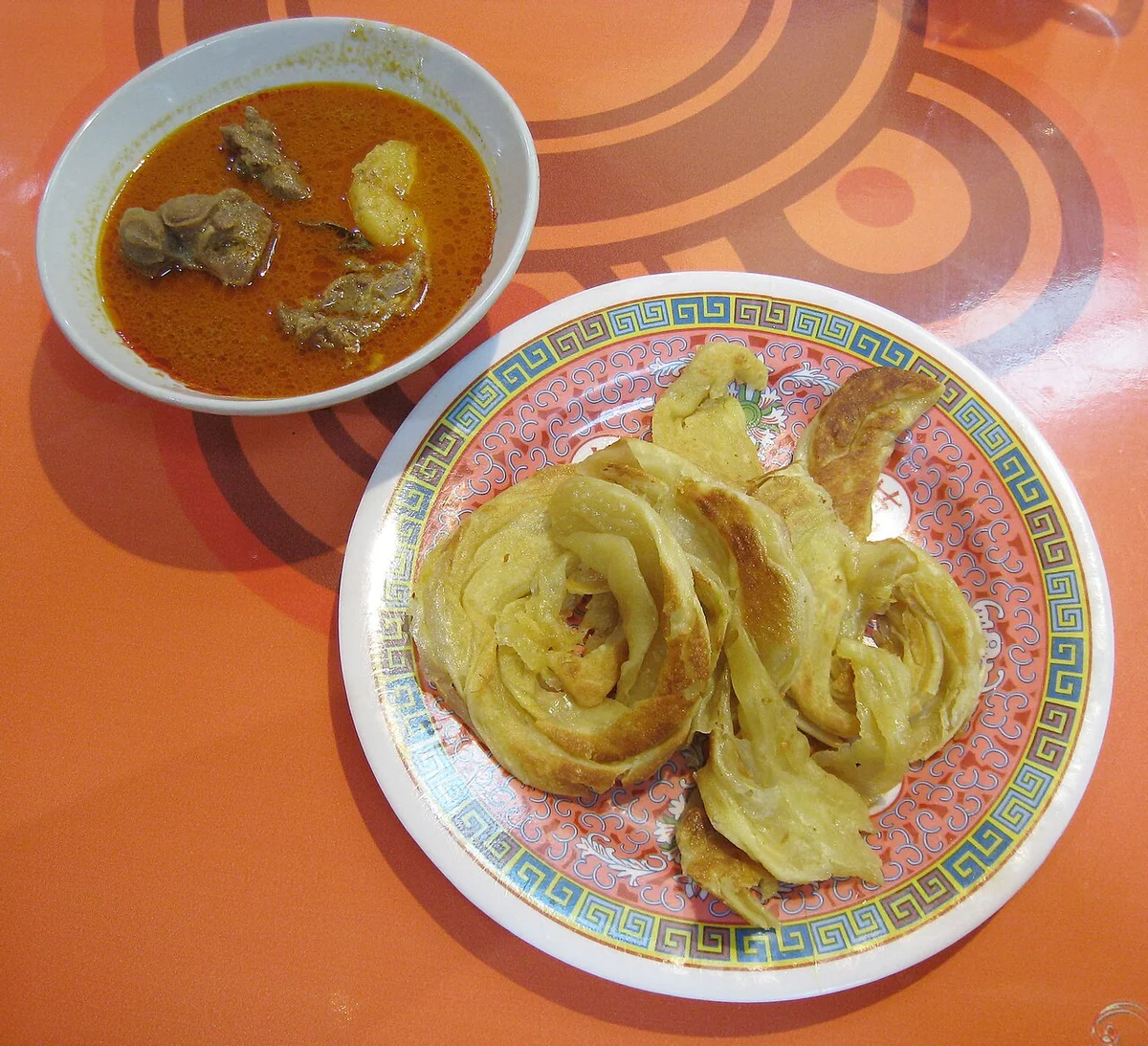
The background of this dish
From India to the Malay Peninsula: the journey of roti
The ancestor of roti canai is the South Indian paratha. In the 19th century, under British colonial rule, large numbers of Indian immigrants from South India's Tamil Nadu and Kerala traveled to the Malay Peninsula to work in tin mines and rubber plantations. The paratha techniques they brought are thought to have adapted to the ingredients and culture of the peninsula and become today's roti canai.
The biggest difference from Indian paratha is how it's made. In India, paratha is typically cooked fairly thick on a tawa (flat griddle), while Malaysian roti canai is characterized by the technique of tossing the dough into the air and spinning it, stretching it as thin as possible before folding. This creates more air layers and the distinctive crispness.
Mamak culture: the 24-hour "second living room"
All over Malaysia there are eateries called "mamak" run by Indian Muslims, and many are open late into the night or around the clock. Mamak restaurants are known for roti canai and teh tarik (milk tea made with condensed milk, poured from a height to froth it), and are social spaces often called Malaysians' "second living room."
Mamak restaurants are also described as places where people gather regardless of ethnicity or religion. A mamak where Malay, Chinese and Indian Malaysians sit together eating roti canai is a symbol of harmony in multiethnic Malaysia.
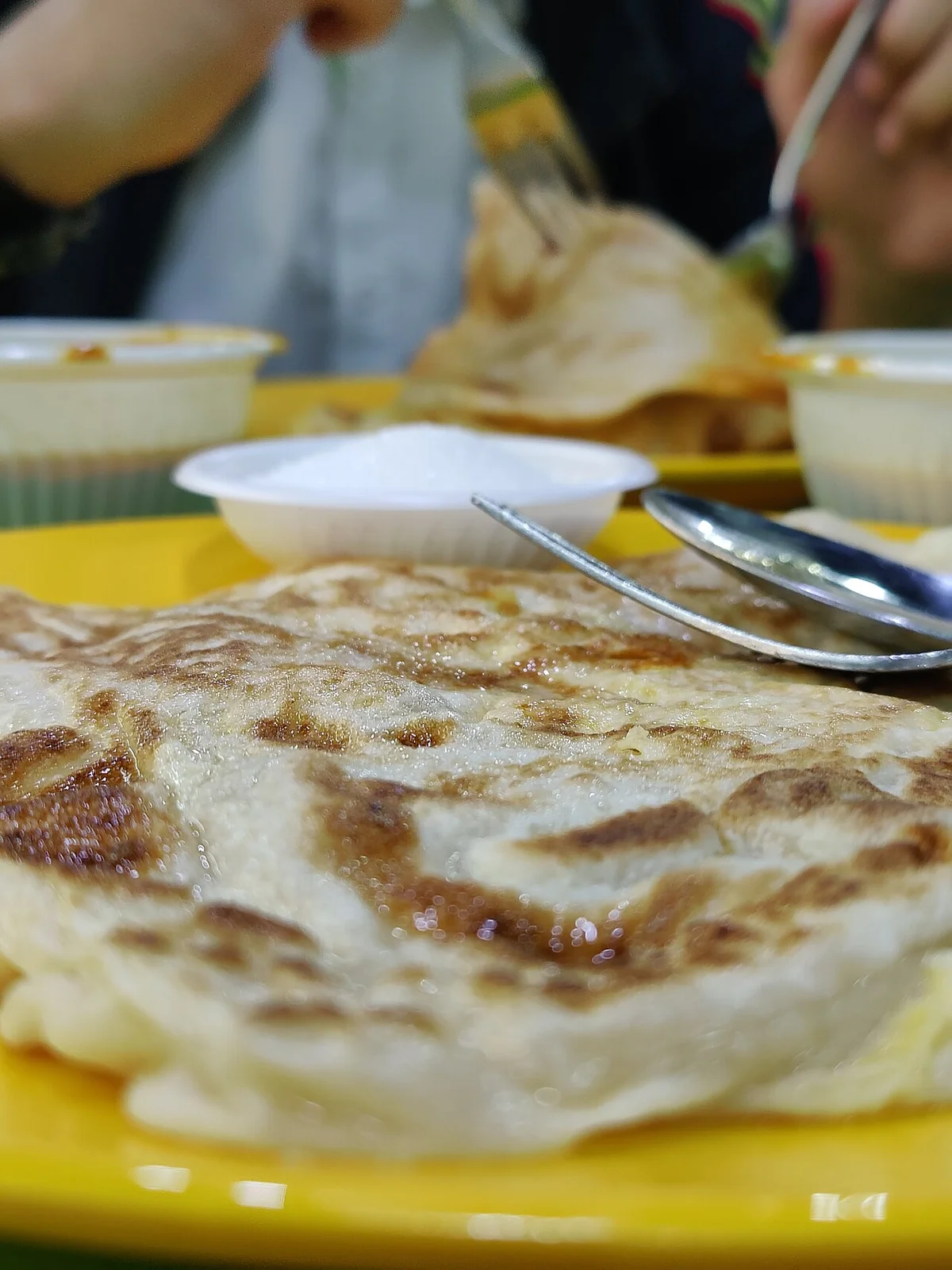
Roti canai vs. roti prata: Malaysia and Singapore
It is "roti canai" in Malaysia and "roti prata" in Singapore. They basically refer to the same dish, but thickness and texture differ from shop to shop.
Some are thin with many layers, others a little thicker and chewy. For home cooking, start by pulling and stretching by hand to build the layers, then work toward thinner dough as you get used to it; this leads to fewer failures.
Nutrition (per piece of 4)
Mamak-restaurant roti canai uses plenty of ghee, so one piece can come to around 500 kcal. At home you can control the calories by adjusting the amount of ghee.
| Nutrient | Amount |
|---|---|
| Calories | 420 kcal |
| Protein | 9 g |
| Fat | 18 g |
| Carbohydrates | 56 g |
| Fiber | 2 g |
| Sodium | 480 mg |
Roti canai alone is mostly carbohydrate and fat, but paired with dal curry it gains a good deal of protein and fiber from the lentils. As with South Asian biryani (in Japanese), Malaysian food wisdom naturally balances a staple with protein.
What to cook alongside
- How to make nasi lemak (in Japanese) - Coconut rice served with sambal, a Malaysian breakfast staple.
- How to make laksa (in Japanese) - A spice and coconut noodle soup.
- How to make bak kut teh (in Japanese) - Bone-in pork simmered with white pepper and garlic in a soup.
FAQ
Questions often asked by first-time roti canai cooks, from dough tips to storage.
Q1. My dough won't stretch thin. What should I do?
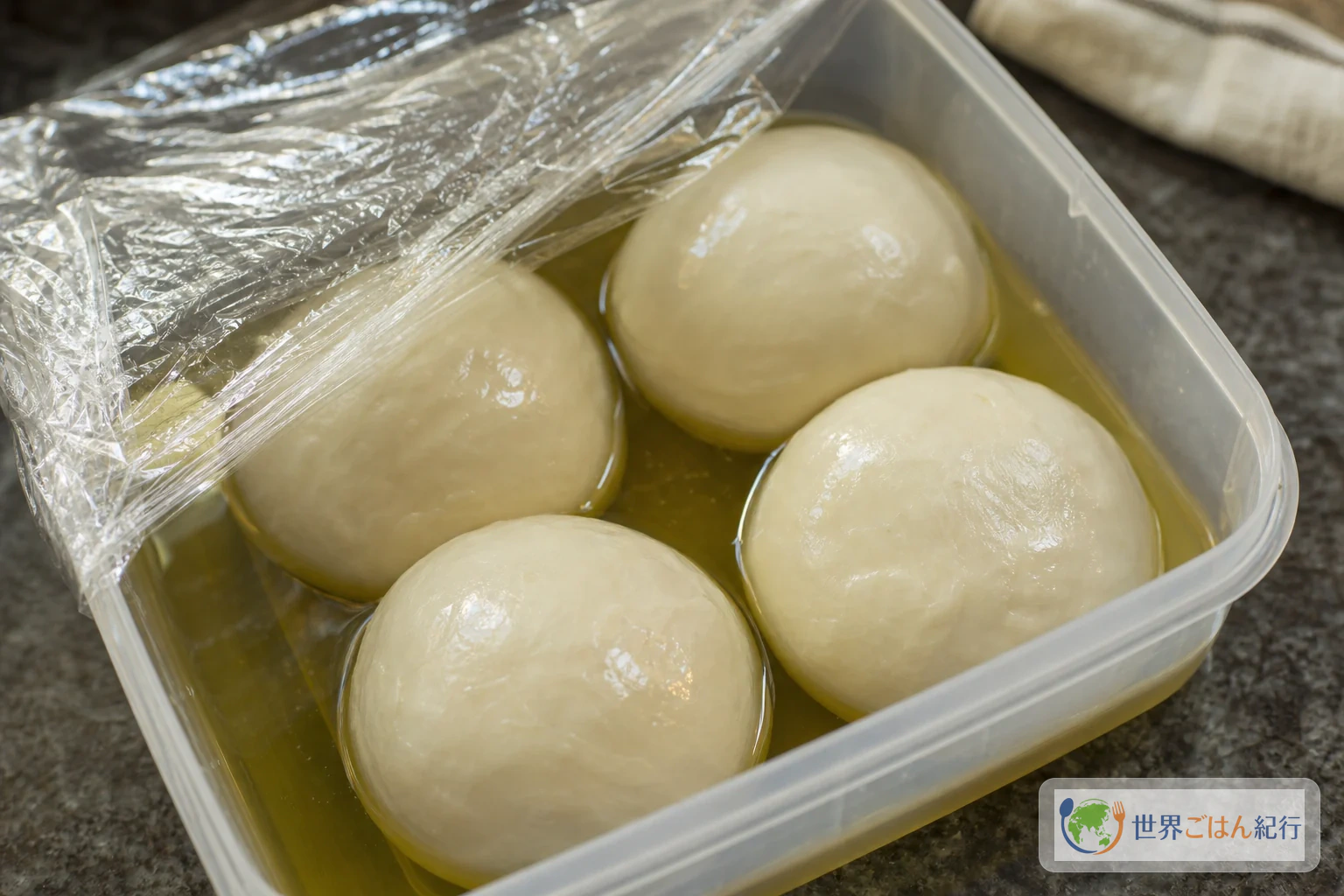
The most common cause is not resting the dough long enough. Rest it at least 2 hours, ideally overnight. If the rest is short, the gluten stays tense and the dough shrinks back when you try to stretch it. Another cause is too little water. A dough soft enough to be sticky is correct; aim for more moisture than you would in ordinary bread-making.
Q2. I'm cooking it in a skillet but the layers don't show. Why?
There are three likely causes. (1) The dough isn't stretched thin enough. It needs to be thin enough to see through. (2) Not enough ghee. Brushing plenty of ghee before folding is what lets the layers separate. (3) Skipping the "clapping" after cooking. That step loosens the inner layers.
Q3. Can roti canai be frozen?
Yes. Freezing the shaped, uncooked dough works best. Stack the pieces with parchment between them, put them in a freezer bag and freeze for up to 1 month. Thaw overnight in the refrigerator before cooking. Cooked roti loses texture when frozen, so we recommend eating it freshly cooked.
Q4. What goes well besides dal curry?
In Malaysia, fish curry, chicken curry and sambal (chili paste) are standard. For sweet versions, condensed milk plus sugar and kaya, a jam made from coconut milk and eggs, are popular. A curry made with a store-bought butter chicken sauce also goes well. Using Indonesian rendang (in Japanese) as the dipping sauce is also superb.
Q5. Can I make it with a wheat allergy?
Replacing the wheat flour is difficult, but rice flour plus tapioca starch (7:3) gives a similar texture. Without gluten, though, it's hard to stretch thin and the crisp layers can't be reproduced. If you accept it as a gluten-free flatbread, cook it thicker and enjoy the chewy texture.
Q6. How do I make teh tarik (Malaysian condensed-milk tea)?
Brew strong black tea (Ceylon), add 2–3 tbsp condensed milk, and pour it back and forth between two mugs from a height 3–4 times to froth it. This "pulling" (tarik) motion works in air and makes a creamy foam. Roti canai and teh tarik are the golden pair of the Malaysian breakfast.
Related Southeast Asian dishes
If roti canai has caught your interest, try other signature dishes from Malaysia and the rest of Southeast Asia.
- Nasi lemak (in Japanese) - Malaysia's other national dish. Rice cooked in coconut milk served with sambal, a breakfast staple
- Laksa (in Japanese) - Malaysia's spicy coconut curry noodle soup
- Nasi goreng (in Japanese) - Indonesian fried rice, a leading Southeast Asian street dish
- Som tam (in Japanese) - Thai green papaya salad, a great introduction to the bold seasoning of Southeast Asia
Sources
- Yi Jun Loh, "The Indian Roti That Became Malaysia's National Bread," TASTE (22 May 2019; Tamil immigrants and mamak, the technique of stretching in the air; accessed 22 October 2026)
- Wikipedia, "Roti canai" (theories on the name's origin, Singapore's roti prata; accessed 22 October 2026)
- Dictionary.com, "roti canai" (etymology; accessed 22 October 2026)
- Gourmet Traveller, "Roti canai" (home recipe; accessed 22 October 2026)
- Hutton, Wendy. The Food of Malaysia. Tuttle Publishing. (A general guide to Malaysian cooking)



