Bánh Quai Vạc: White Dough That Turns Clear in the Pot
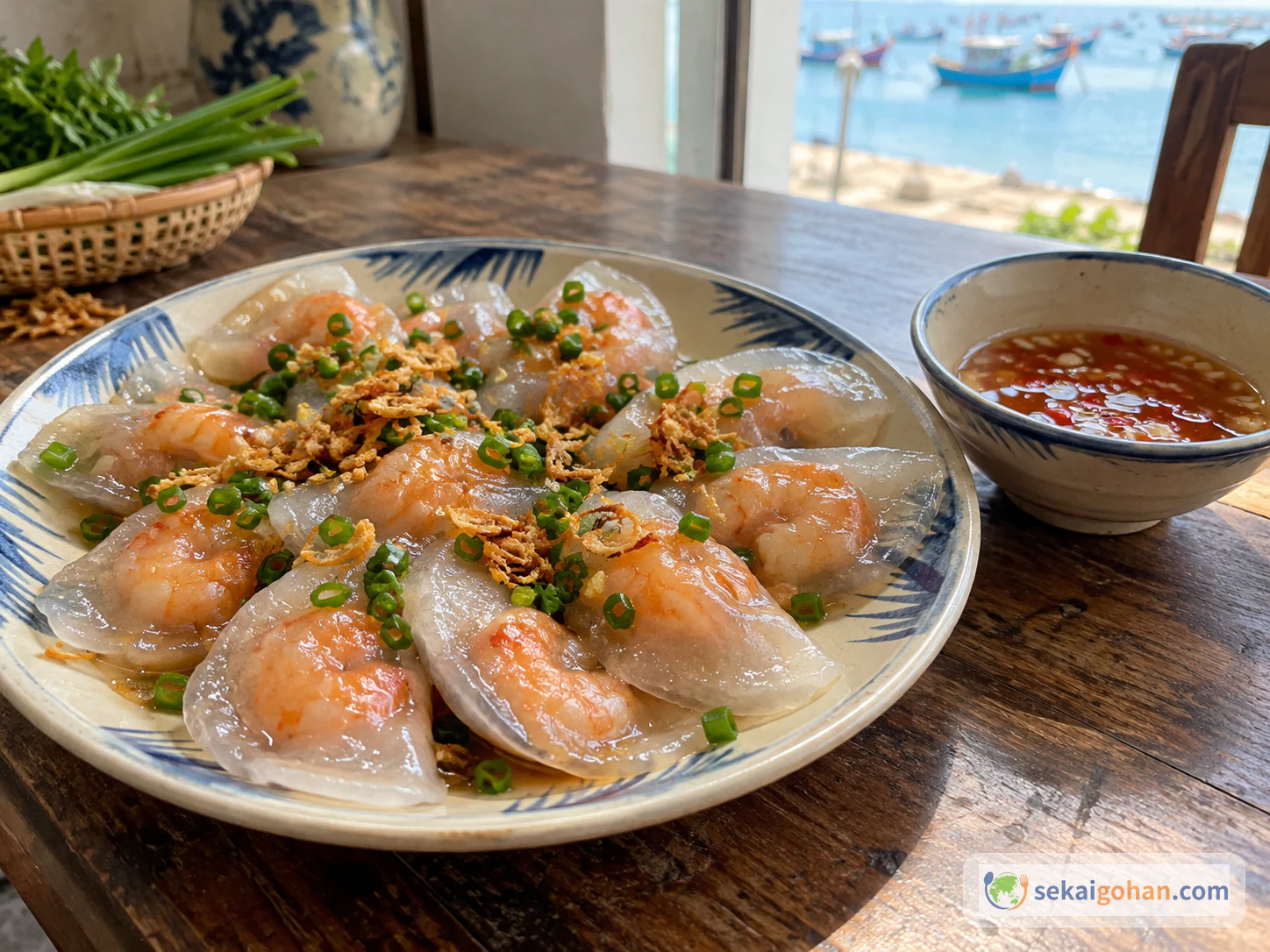
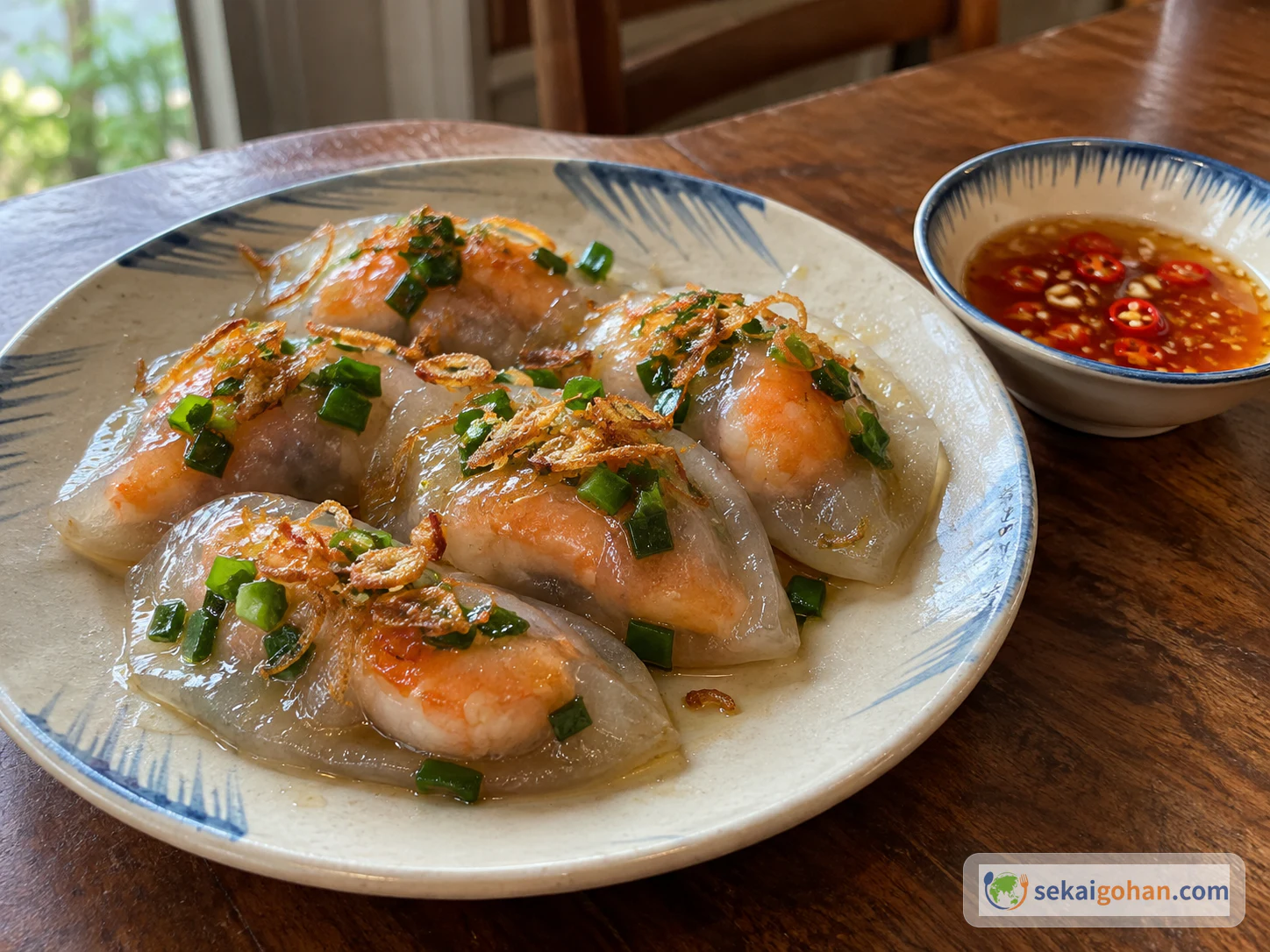
Aim for thin tapioca wrappers that turn translucent in the pot, with orange-red shrimp showing through. A sweet-salty fish sauce dip, scallion oil and fried shallots finish the plate.
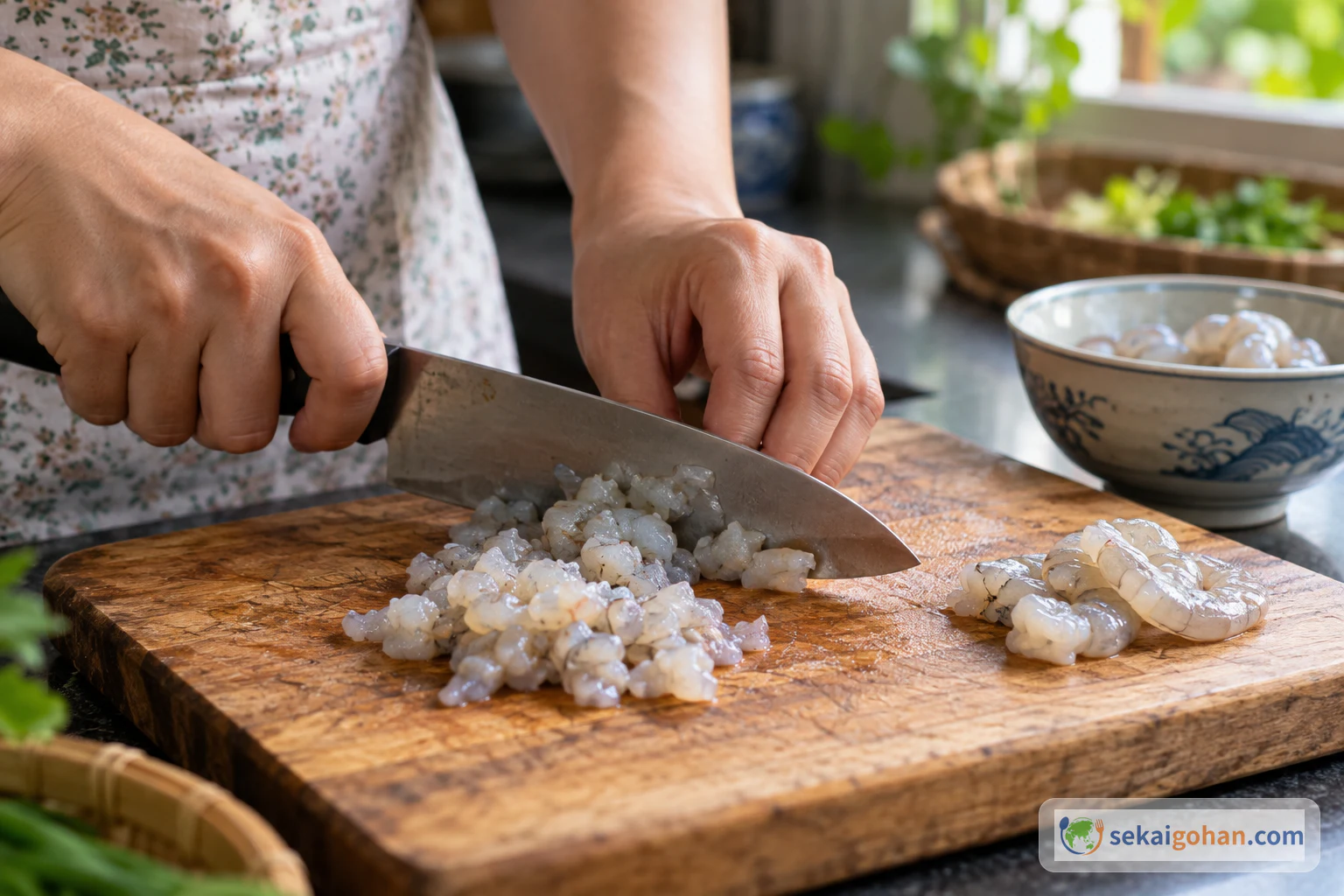
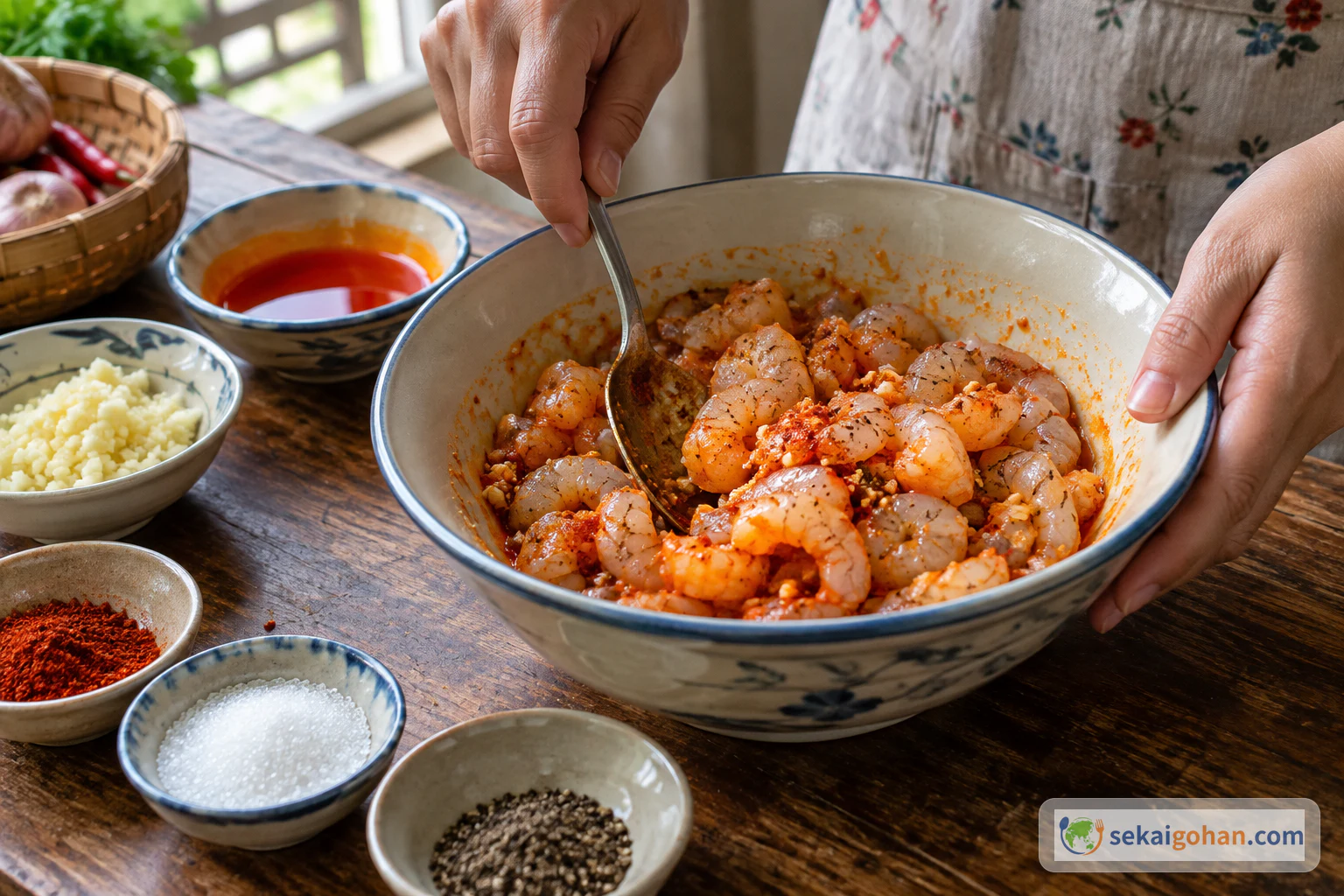
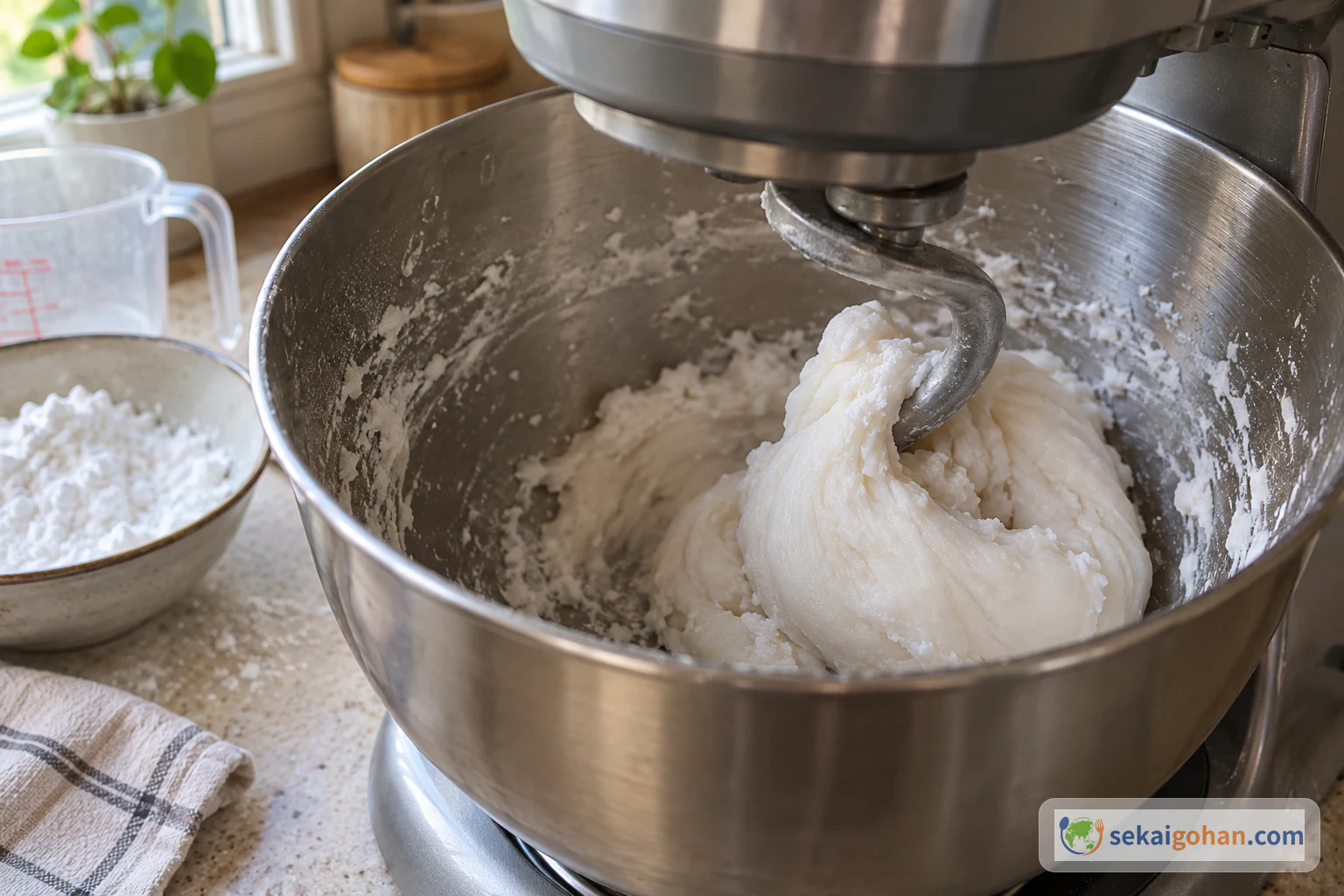
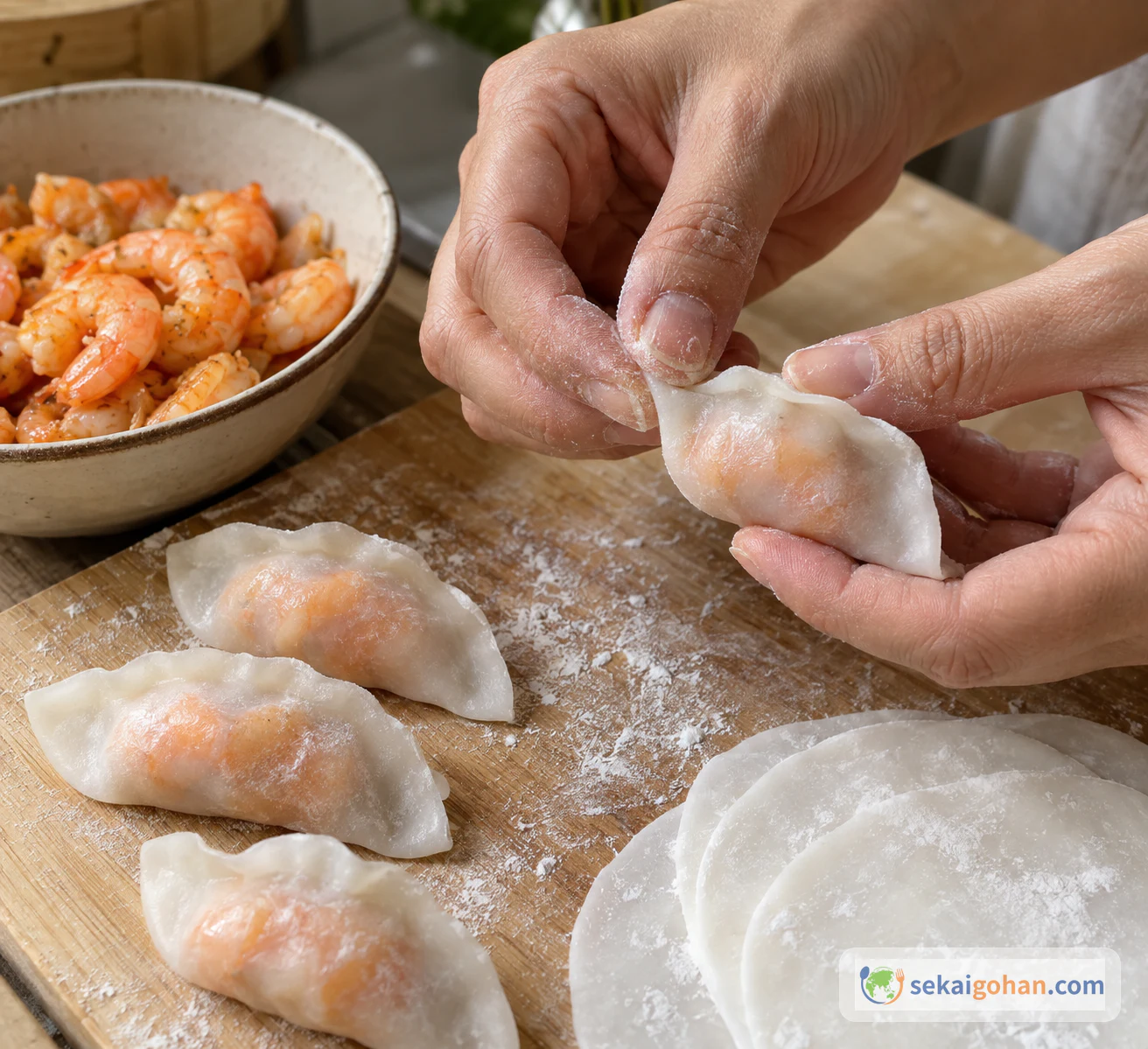
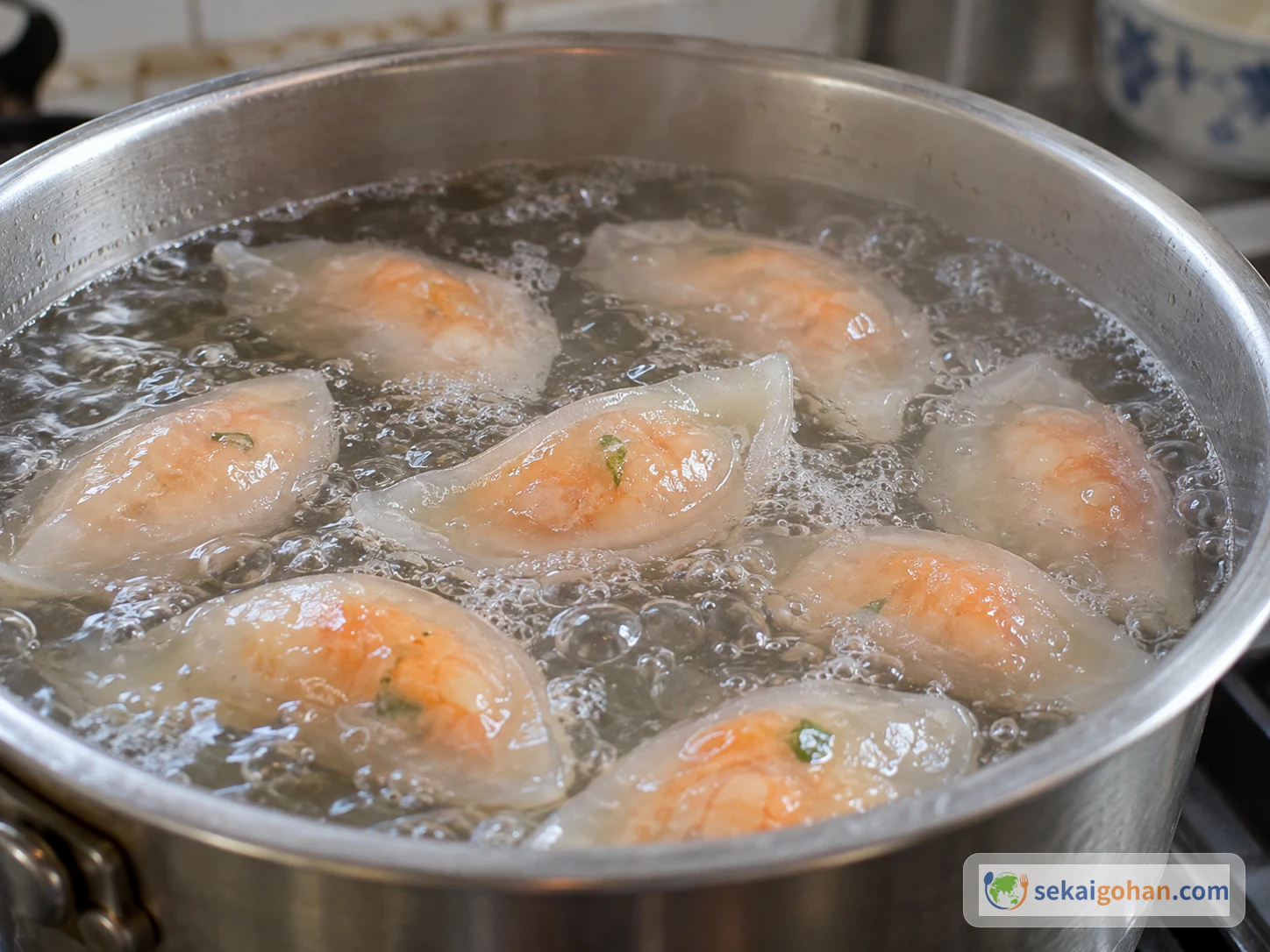
Tapioca starch meets hot water and comes together as a thick, pale dough. Rolled thin, cut into rounds and folded around cooked shrimp, it still looks plain and white. Then it goes into the boiling water, and the wrapper gradually turns translucent until the orange-red filling shows through.
This is bánh quai vạc as made in Phan Thiết, on Vietnam's south-central coast. Similar names are attached to several different dishes, so this article stays with the Phan Thiết style: a boiled, half-moon tapioca dumpling. It isn't the fried bánh gối of northern Vietnam or the white rose dumpling of Hội An known as bánh vạc, and it's handled separately from Huế's bánh bột lọc.
The recipe here is the shrimp-only version published by HAY ĂN, which credits the recipe to KTFoodStories. It is a secondary transcription, not independent testing, and the Vietnamese press also describes a version with shrimp and pork. This article keeps the two apart rather than blending them.
This recipe has not been kitchen-tested by Sekai Gohan. The published text gives no shrimp weight, yield, number of servings or scallion oil formula, and these details have not been checked against the KTFoodStories video. They are left open here rather than estimated.
Ingredients: Tapioca Dough, Shrimp Filling and Fish Sauce Dip
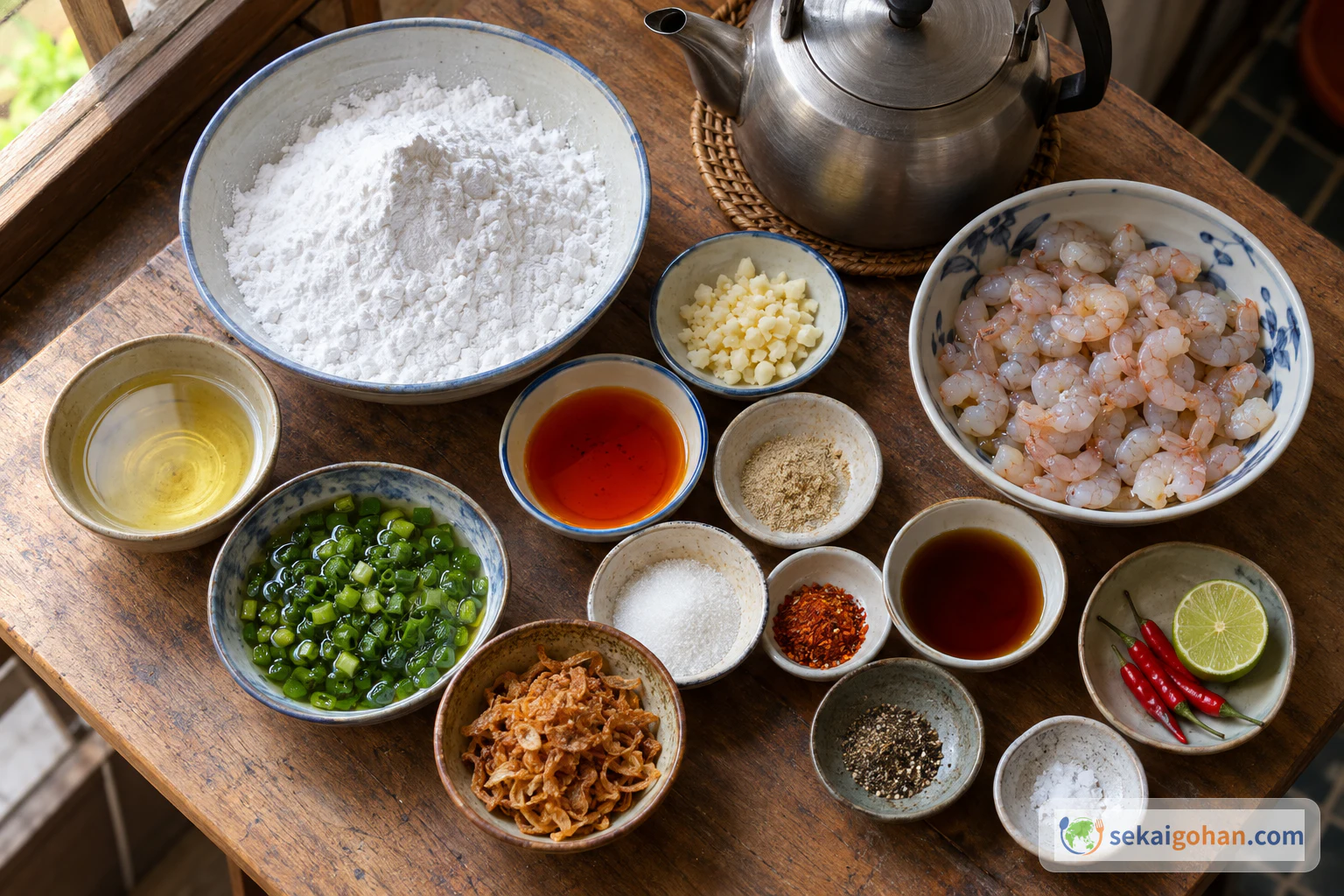
Equipment
- Stand mixer with a dough hook
- Rolling pin
- Round cutter
- Knife and cutting board
- Mixing bowl
- Skillet
- Small saucepan
- Large pot
- Slotted spoon
- Bowl for cold water
Choosing and Substituting
Tapioca starch is essential to this dish. Replacing it entirely with potato starch would change the clarity and spring of the wrapper, and no tested replacement formula is available.
Annatto oil brings red-orange color and aroma. If you can't find it, you can leave it out, but the filling will have less of both. Paprika is not an established substitute.
Seasoning powder varies in salt and savoriness from product to product, so check the label and taste the finished filling before wrapping.
Korean chili powder is used partly for color and isn't a regional requirement. Another chili powder will change the heat. Leaving it out hasn't been confirmed as an option.
Fish sauce from Phan Thiết is a good choice if you can get it. Thai nam pla can stand in, though its aroma will differ. Lemon can replace the lime, again with a different aroma.
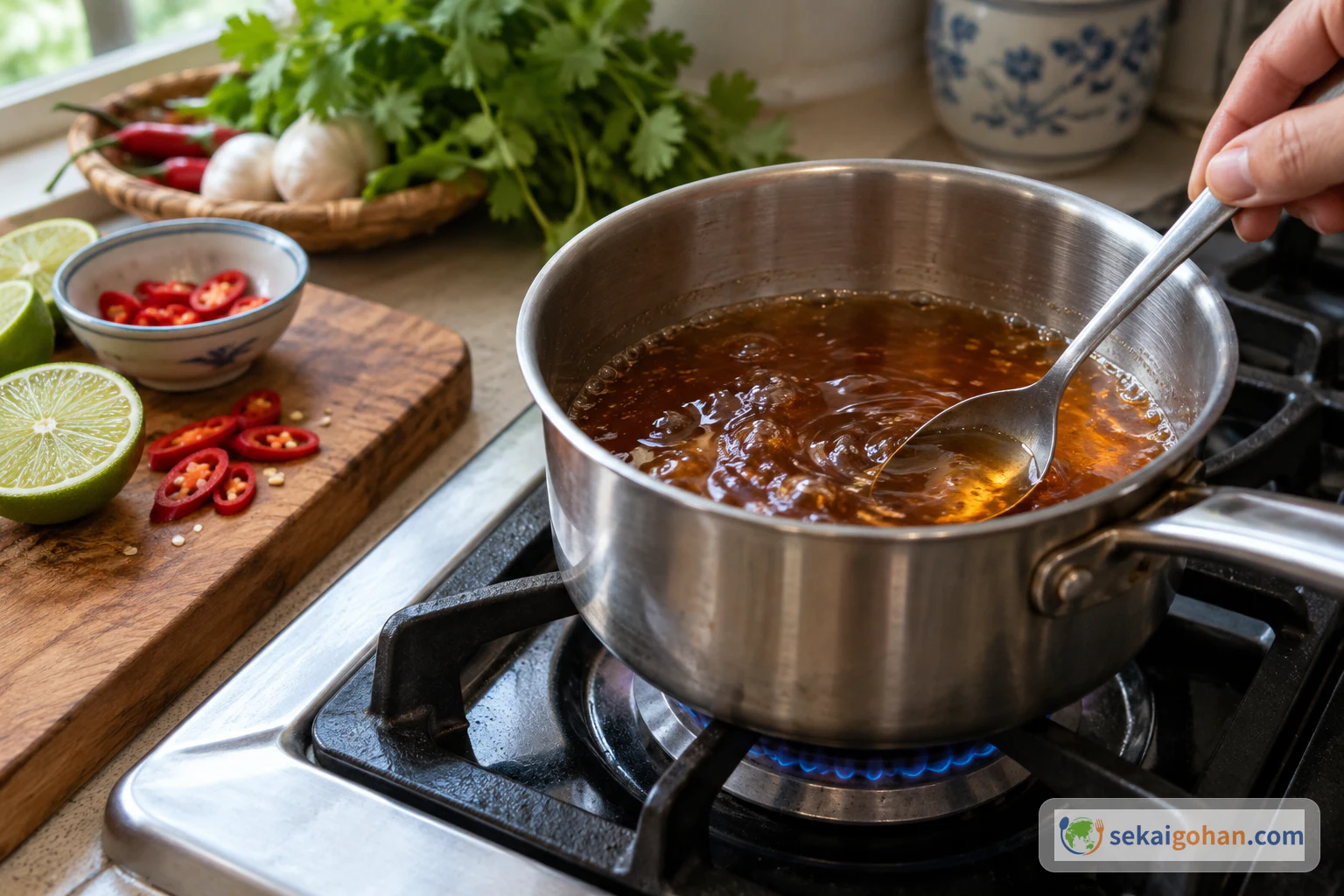
The dipping sauce makes a large batch for home cooking. To make less, reduce the sugar, fish sauce, water and lime juice by the same factor so the proportions stay the same. Fresh chili can be left out or served on the side.
This dish contains crustaceans (shrimp) and fish (fish sauce). The basic ingredients don't include wheat, but check the allergen and shared-facility labeling on seasoning powder and other processed products. Hot water, steam and freshly mixed dough can all burn, so keep your hands away from the moving dough hook and the hot dough.
Cracks, Tears and Cloudy Wrappers: What to Check
| Problem | What to check | What to do |
|---|---|---|
| The dough is stiff or cracks | Whether the hot water reached all of the starch | Before changing the amount of water, make sure the dough has been mixed evenly through both speeds. No extra water amount has been tested |
| The dough dries out while you work | How long the dough has been left uncovered | Keep the dough you aren't using covered with a damp cloth or plastic wrap |
| The wrappers tear | Whether the dough is rolled too thin or the dumpling is overfilled | Roll a little less thin, use less filling, and keep the shrimp away from the edge |
| The edges open | Whether the rim was wet and pinched firmly | Lightly wet the edge again and press it closed before boiling |
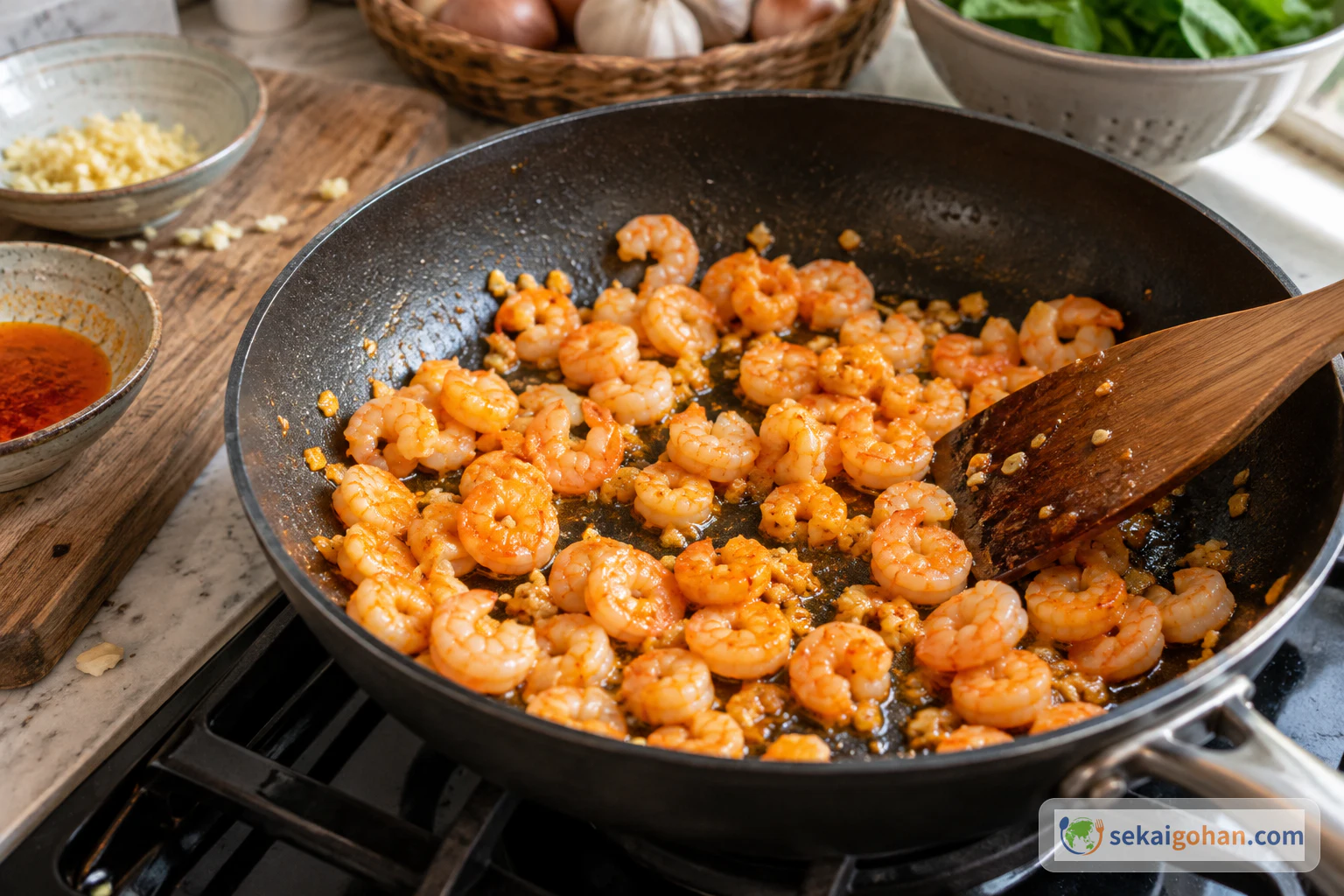
| The shrimp is tough | How long it was sautéed | Next time, stop as soon as the shrimp is opaque and cooked through |
| The wrappers look white and floury | Time in the pot and how crowded it is | Keep boiling over medium heat until the wrappers are translucent and the dumplings float. Don't crowd the pot |
| The dumplings stick together | Whether they were cooled and drained | Cool them in cold water and drain them well |
Variations Worth Knowing
Shrimp and pork belly. The VnExpress and Vĩnh Long Online features both describe Phan Thiết dumplings filled with shrimp and pork. That is a separate version with no measured formula in these reports, so the pork shouldn't simply be added to the recipe above.
Mung bean or coconut. A Bình Thuận tourism site lists these as local fillings. It offers no confirmed recipes for them, so they're noted here as part of the dish's range only.
Chili on the side. Serving the sliced chili separately lets each person choose their own heat. This is a practical suggestion, not a fixed local custom.
A different regional dish. If you're curious about another clear tapioca wrapper, try Huế's bánh bột lọc. It has its own shrimp and pork filling and its own regional setting, so treat it as a neighbor rather than a variation of this dish.
Phan Thiết Streets, Fish Sauce and an Uncertain Origin
Writing in VnExpress, a travel feature describes bánh quai vạc sold along the streets of Phan Thiết, eaten on the spot or taken away, usually with chopped scallion, fried shallot and fish sauce. It also notes that local people may pronounce the name "bánh quai dạc."
The Vĩnh Long Online feature adds concrete detail: street vendors and roadside stalls, a thick sweet-salty fish sauce with sliced chili, and a topping of fried shallot and scallion. A local vendor described kneading hot-water scalded tapioca starch while it was still hot, then portioning it and rolling it thin. The same article mentions that some people eat the dumplings with bread. That's one reported way of eating them, not a universal habit.
The names overlap. HAY ĂN's recipe page is titled for Phan Thiết bánh bột lọc and says it is also called bánh quai vạc, and the Bình Thuận tourism site treats the two names the same way. That site also mentions lemon at serving. It's why this article names the region so plainly.
No firm origin story is available. VnExpress says the exact time the dish appeared in Phan Thiết is unknown, and the Vĩnh Long Online author reports that local people didn't know a definite origin story. This article doesn't try to fill that gap. For more of the country's food, see our Vietnamese recipes.
Frequently Asked Questions
Is bánh quai vạc the same as Huế's bánh bột lọc?
They are related in their tapioca wrappers and boiling, and some Phan Thiết sources use the names interchangeably. This article covers the Phan Thiết style and its shrimp-only recipe, while Huế's version belongs to a different regional setting and has its own filling. Neither is more authentic than the other.
Is the filling only shrimp, or is there pork too?
Both exist. The HAY ĂN recipe credited to KTFoodStories uses only shrimp, while VnExpress and Vĩnh Long Online describe shrimp and pork. This article follows the shrimp-only recipe.
How much shrimp do I need, and how many dumplings does this make?
The recipe doesn't give a shrimp weight, a yield or a number of servings, so this article doesn't either. Any amount would be a guess.
Can I use potato starch instead of tapioca starch?
Not as a straight replacement. Tapioca starch is the main ingredient, and swapping it would change the clarity and spring of the wrappers. No tested formula for a replacement is available.
Do I need a stand mixer?
The mixing times here are for a stand mixer, and no timings are available for working by hand. Vĩnh Long Online does report a vendor kneading the hot dough by hand, so a mixer isn't the only method in use. If you try it, start with a tool rather than your hands, and only touch the dough when it's safe to do so.
How do I know when the dumplings are done?
Boil over medium heat for about 7 minutes, then look for translucent wrappers and floating dumplings. Because the shrimp is fully cooked before wrapping, these signs tell you about the wrapper. Floating alone isn't a general food safety test, so don't wrap raw filling and rely on it.
Can I store or freeze leftovers?
The sources used here give no guidance on storing, freezing or reheating these dumplings, so this article offers no keeping time or method.
Sources
- HAY ĂN (recipe and images credited to KTFoodStories), "Cách làm bánh bột lọc Phan Thiết thơm ngon đơn giản ăn là ghiền." Secondary transcription used for the shrimp-only ingredient amounts, dough, filling, sauce, boiling and garnish. It does not state the shrimp weight, yield, servings or scallion oil formula. https://hayan.vn/vao-bep/cach-lam-banh-bot-loc-phan-thiet-thom-ngon-don-gian-an-la-ghien-p6202.html
- VnExpress Du lịch, "Bánh quai vạc - món đặc sản khó quên ở Phan Thiết." Travel feature used for the local pronunciation, street sales and takeaway, the shrimp-and-pork version, the translucent wrapper, and the unknown date of the dish's appearance. https://vnexpress.net/banh-quai-vac-mon-dac-san-kho-quen-o-phan-thiet-3264617.html
- Vĩnh Long Online, "Phải lòng chiếc bánh quai vạc Phan Thiết." Reported feature used for the vendor's description of the dough, the shrimp-and-pork filling, the fish sauce and toppings, street and roadside settings, eating with bread, and the lack of a definite origin story. https://baovinhlong.com.vn/giai-tri/am-thuc/201807/phai-long-chiec-banh-quai-vac-phan-thiet-2900692/
- Bình Thuận tourism information site, "Bánh quai vạc Phan Thiết – đặc sản trứ danh ăn là ghiền." Tourism information used for the relationship between the names, the sauce and accompaniments, and the shrimp-pork, mung bean and coconut fillings. It is not used as a historical authority. https://dulichbinhthuan.com.vn/banh-quai-vac-phan-thiet/