Black Sesame Soup: A Warm, Dark Bowl That Is Dessert, Not Dinner
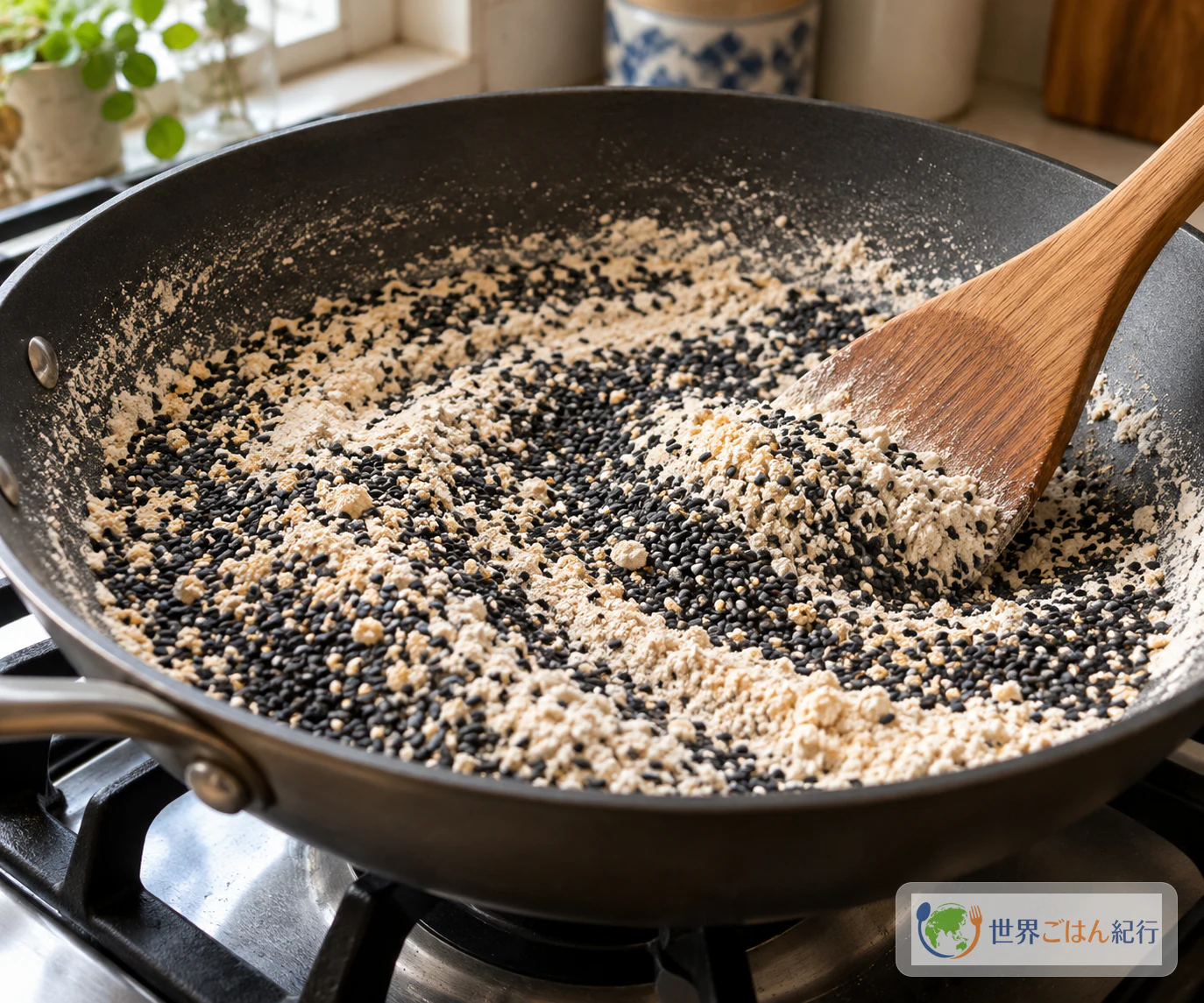
The fragrance of freshly toasted black sesame, a sweetness you set yourself, and a thickness that clings to the spoon. Toast for aroma, not for color, and keep whisking once the base goes into the pot.
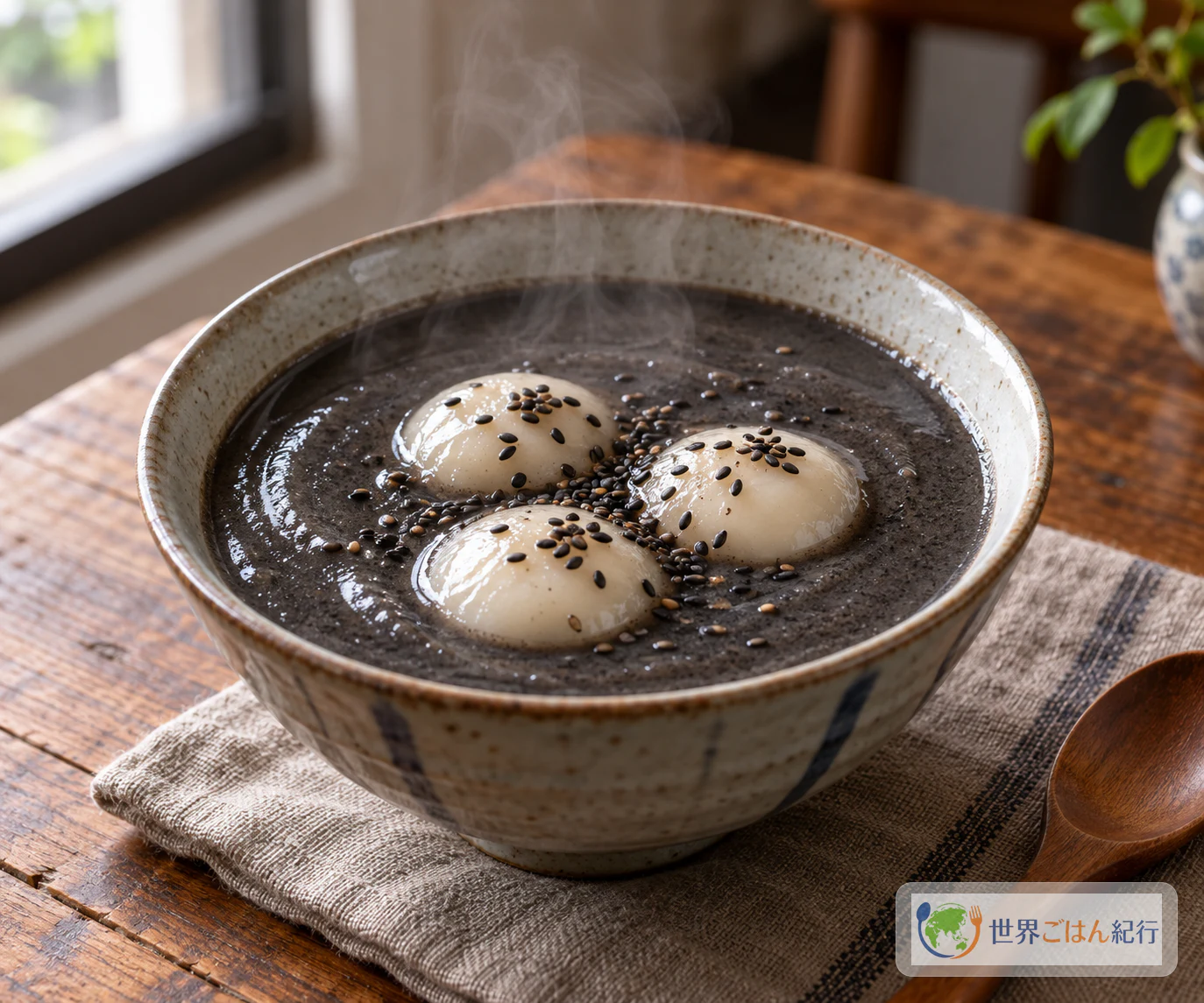
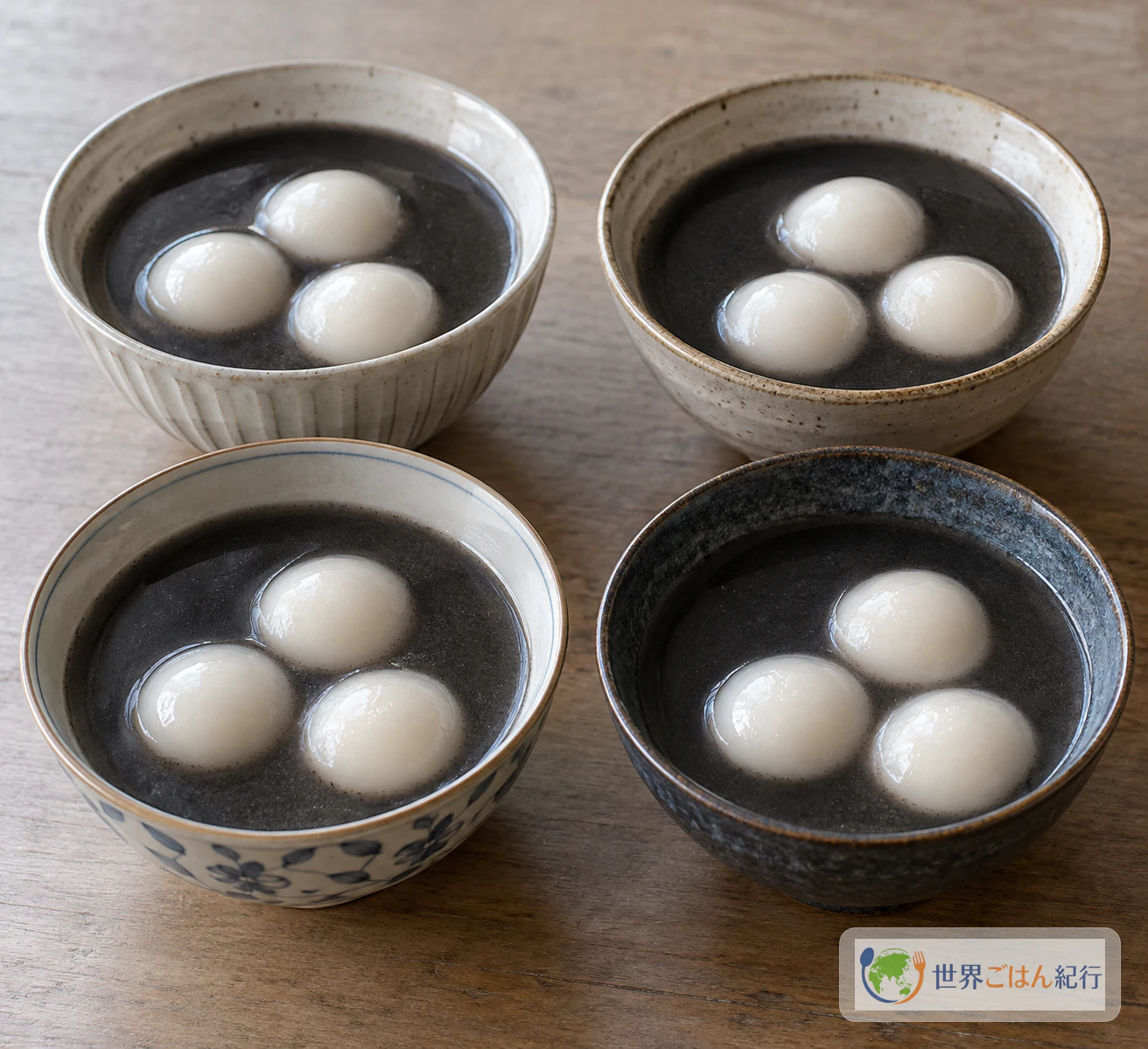
Picture a bowl at a Hong Kong dessert shop: a deep charcoal-gray soup, glossy and steaming, with a few white rice balls resting on top. The Hong Kong Tourism Board describes zhima hu (芝麻糊), black sesame soup, as a warm, rich tong sui (糖水, "sugar water," the family of sweet soups and desserts), and notes that some shops add tangyuan, small glutinous rice balls. The MICHELIN Guide lists it among the staples of Hong Kong's tong sui shops.
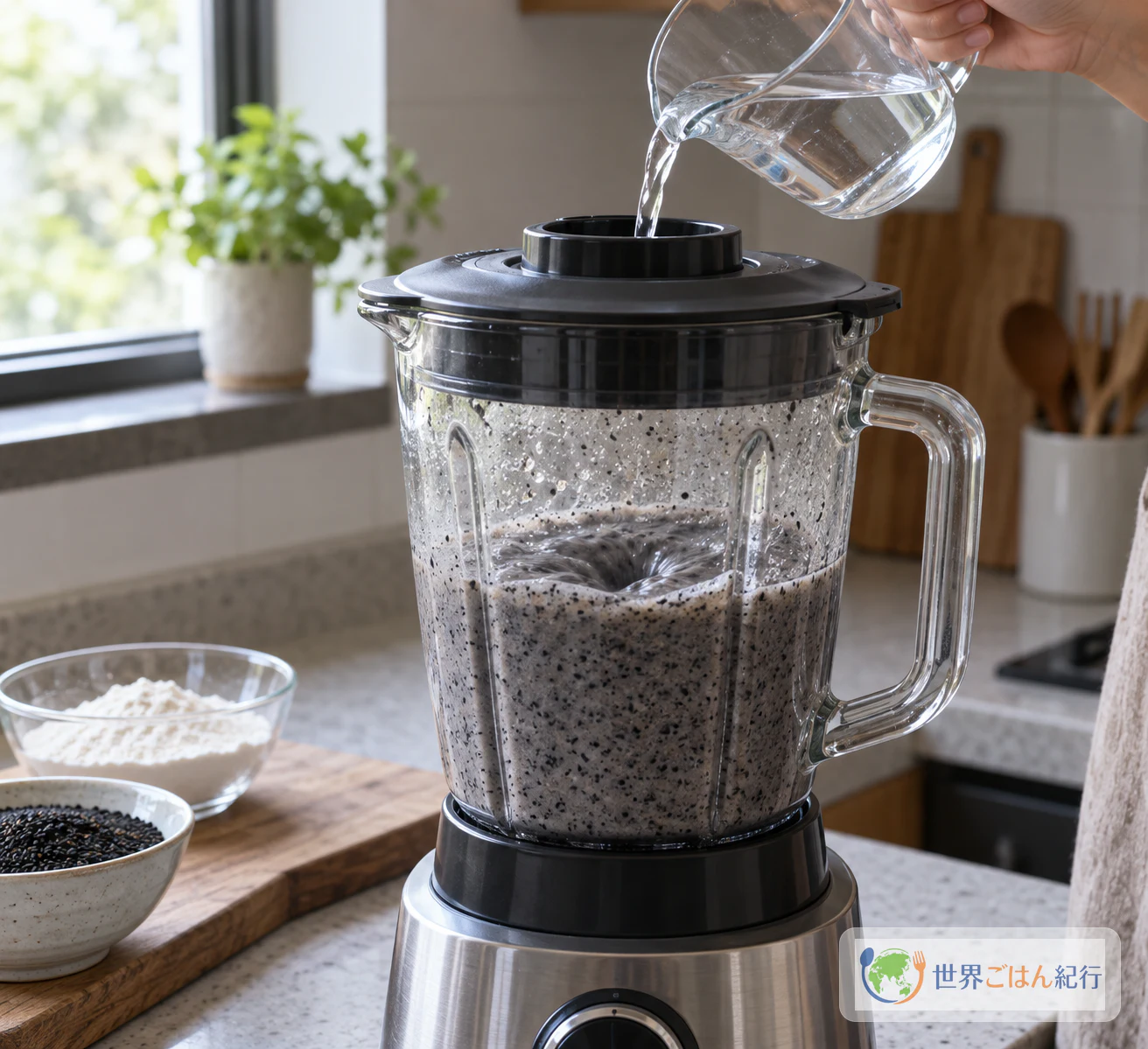
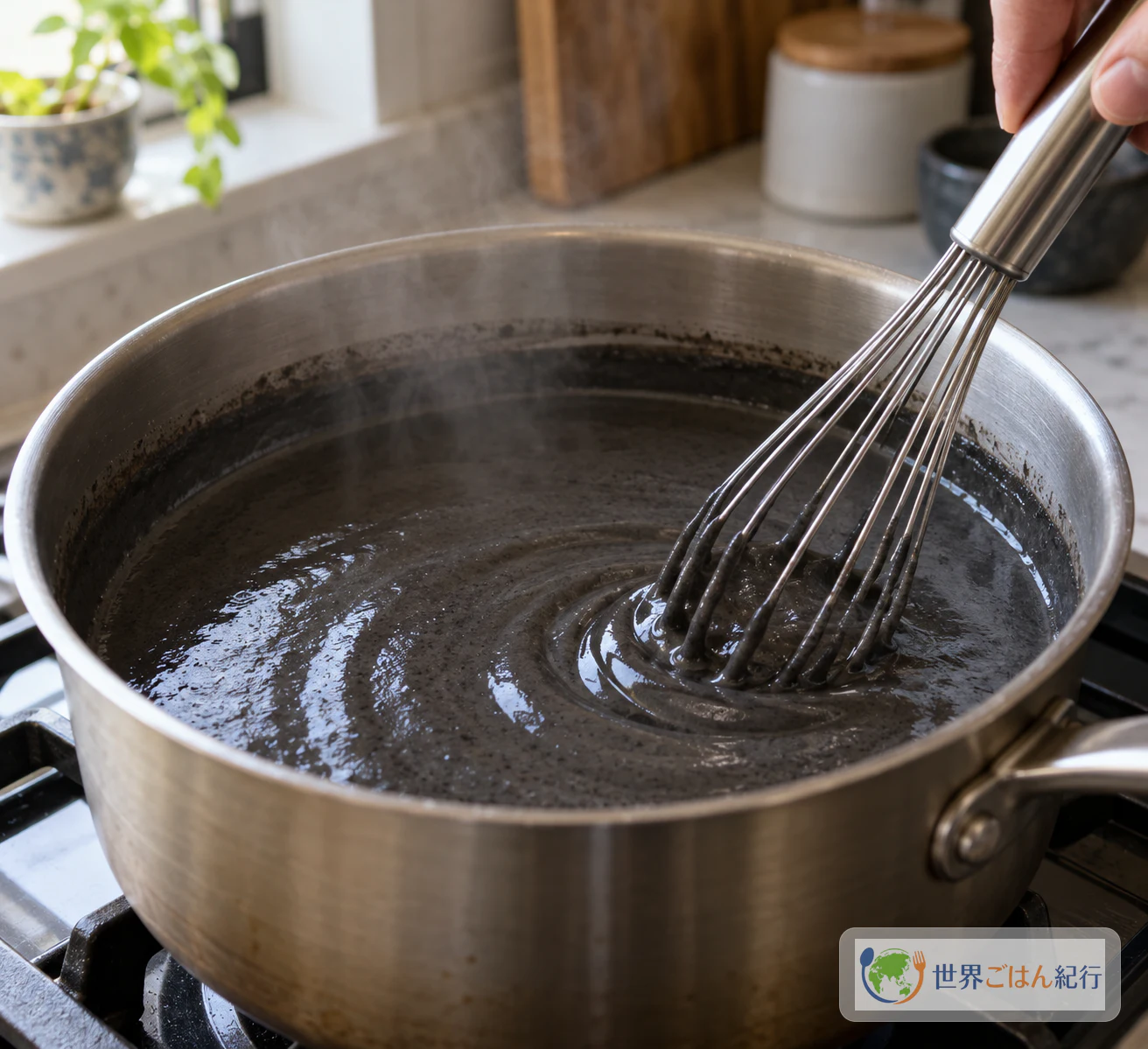
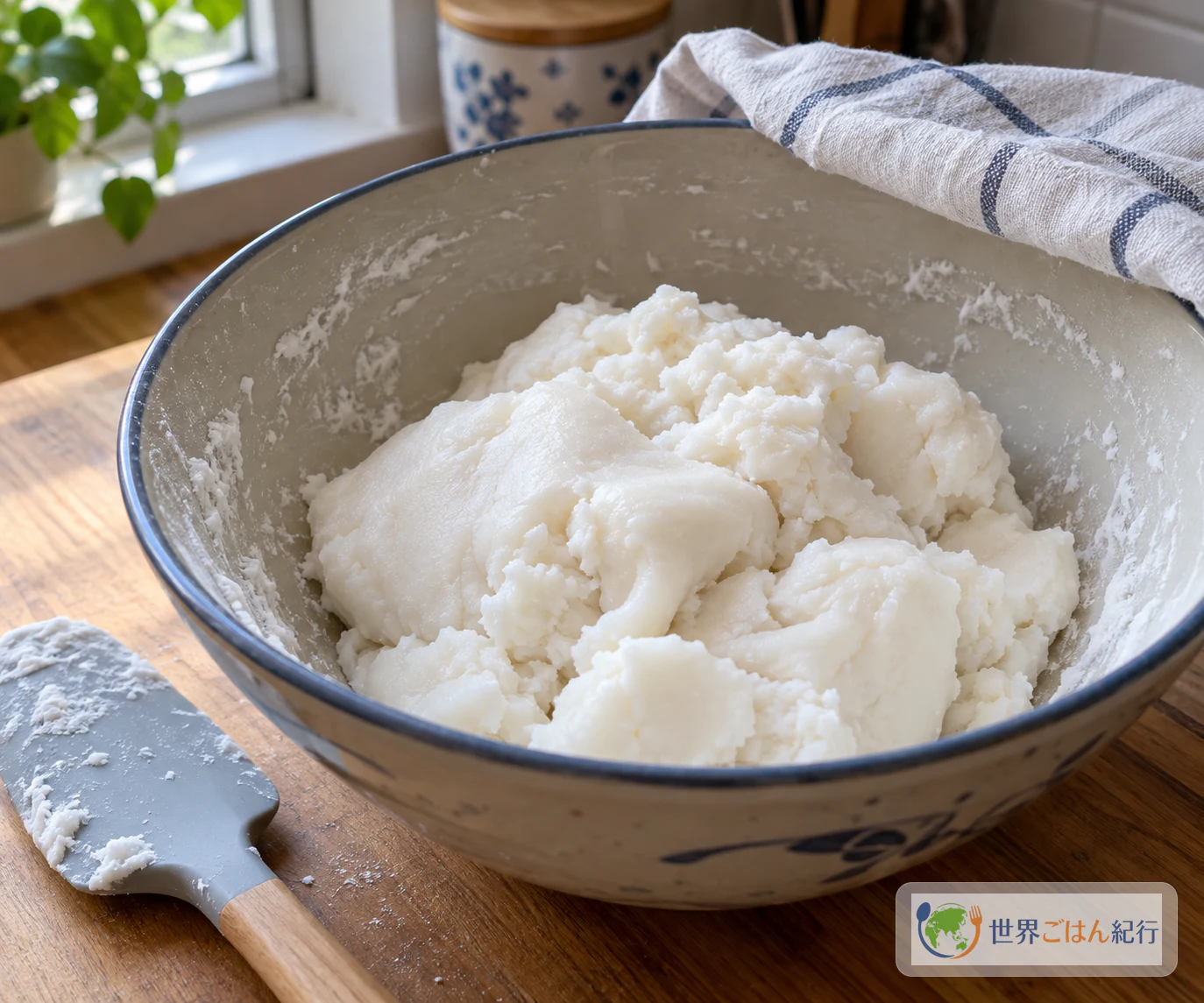
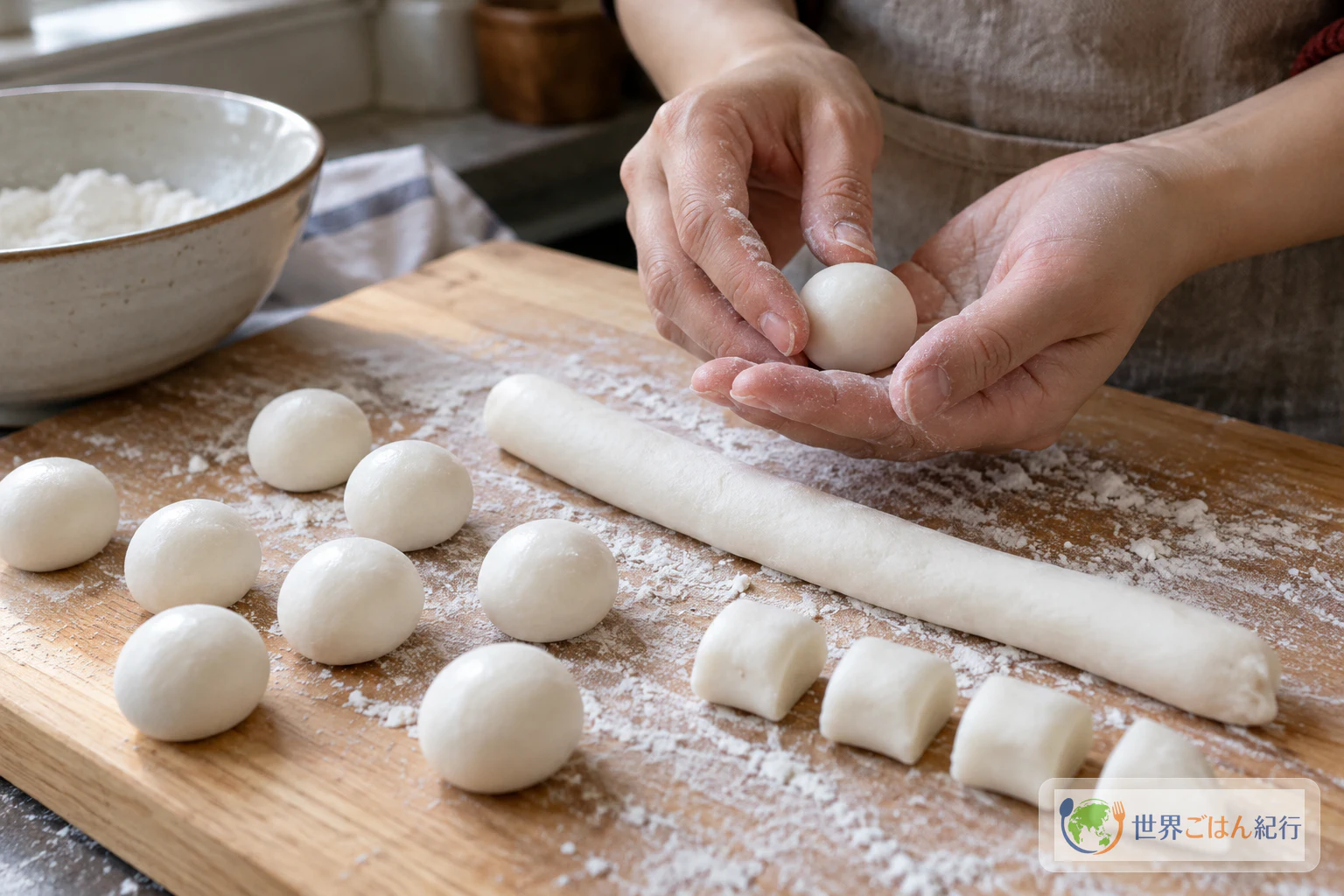
The word "soup" can be misleading. This is not a savory course served with a meal. It is a sweet dessert soup, thickened with rice and built on ground black sesame. Here we follow one home recipe exactly: the four-serving "Black Sesame Sweet Soup" published by Food Network Kitchen (recipe courtesy of Andy Liang), in which raw black sesame and glutinous rice flour are toasted together, blended with cold water and whisked thick in a pot, with optional plain tangyuan cooked separately. The Hong Kong background comes later in the article, along with other ways the dish is made. For more dishes from the same country, see our dishes from China.
This recipe has not been kitchen-tested for this article. The amounts, times and visual cues below come from the Food Network Kitchen recipe as published, in its original US cups and tablespoons. The count of about 12 tangyuan (three per bowl) follows from the recipe's shaping directions; it is not a measured result, and your count may vary slightly with how you shape them.
The recipe lists a total time of 45 minutes, 40 of them active. Those figures assume you work on the soup and the tangyuan in parallel, so your own time may run longer or shorter depending on your equipment and how you sequence the steps.
Ingredients: Soup and Tangyuan, Kept Separate
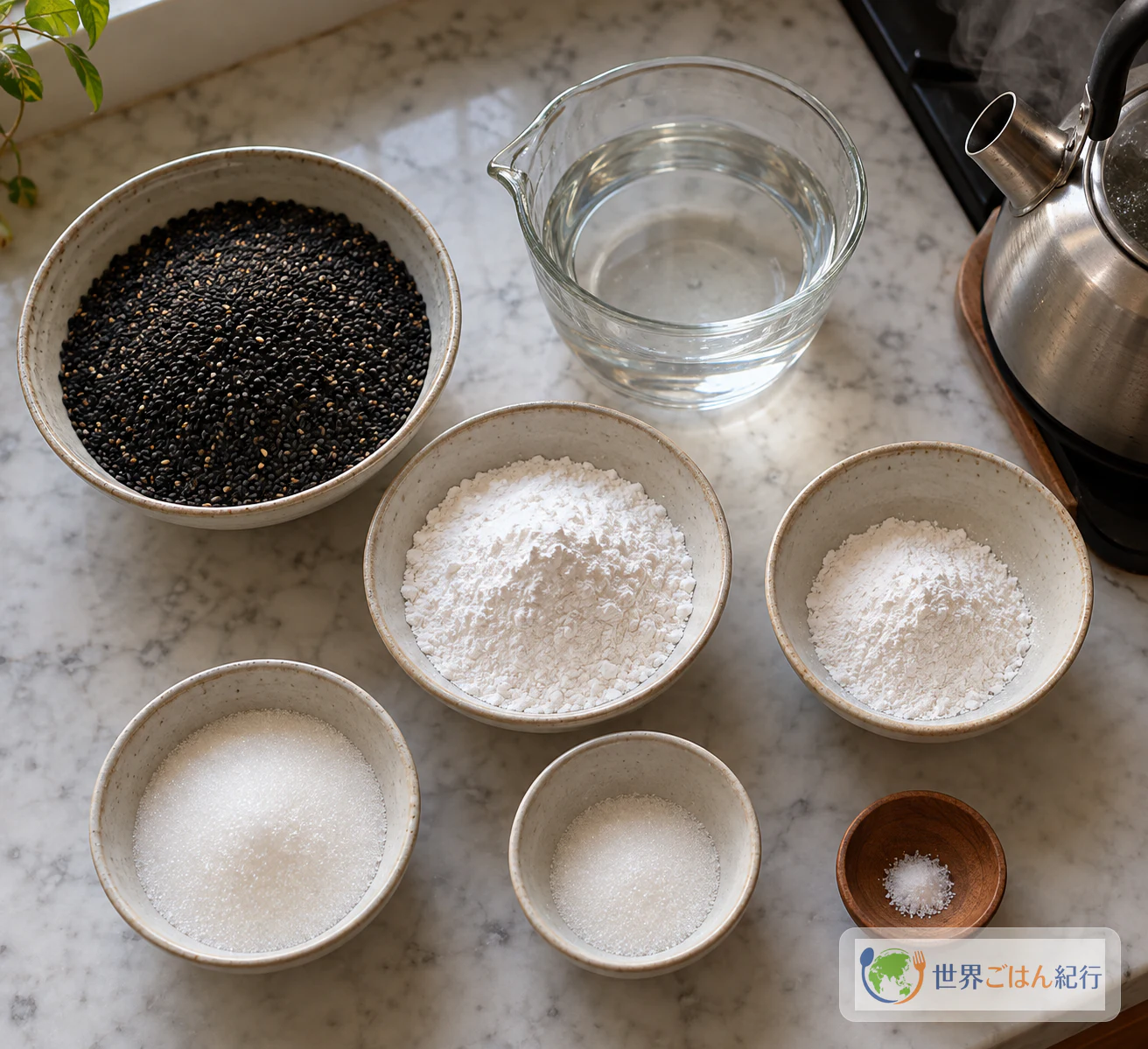
The glutinous rice flour and sugar each appear twice, once for the soup and once for the tangyuan. Measure them into separate bowls so the portions don't get mixed. All volumes are US cups and US tablespoons, as in the original recipe.
Choosing the Flour and Sesame
Look for fine glutinous rice flour. The recipe calls specifically for fine glutinous rice flour (sometimes sold as sweet rice flour), which you can usually find at Chinese or Asian grocers, or online under its generic name. Japanese shiratamako is also made from glutinous rice, but it is a different product, and swapping it in has not been verified for this recipe, so don't treat the two as the same.
Use raw black sesame seeds. In this version the seeds start raw and toast in the pan together with the flour, so the toasting step is where the flavor is built. Don't mix in seeds that are already toasted.
Sugar and salt. Ordinary granulated sugar works. The recipe gives a range of 6–8 tbsp for the soup so that you can choose the final sweetness, and only a pinch of kosher salt.
This dish contains sesame. Check the labels on your sesame seeds and glutinous rice flour for allergen and shared-facility statements. Nutrition values have not been calculated for this recipe, and this article makes no health claims about the dish.
Equipment
- A large pot for boiling the tangyuan
- A large, wide pan or skillet for dry-toasting the sesame and flour
- A blender
- A fine-mesh strainer (optional, for an extra-smooth soup)
- A saucepan for simmering the soup
- A whisk
- A mixing bowl and a rubber spatula for the tangyuan dough
- A clean work surface for shaping the tangyuan
You'll have a pot of boiling water going while you blend. The sesame mixture goes into the blender with cold water, but make sure the lid is secure every time. Do not assume that holding down the lid makes hot blending safe. Use hot ingredients only if your blender permits them, following its temperature, fill-level and venting instructions; let the mixture cool if required by the appliance instructions.
Method: Toast, Blend, Whisk, and Cook the Tangyuan Separately
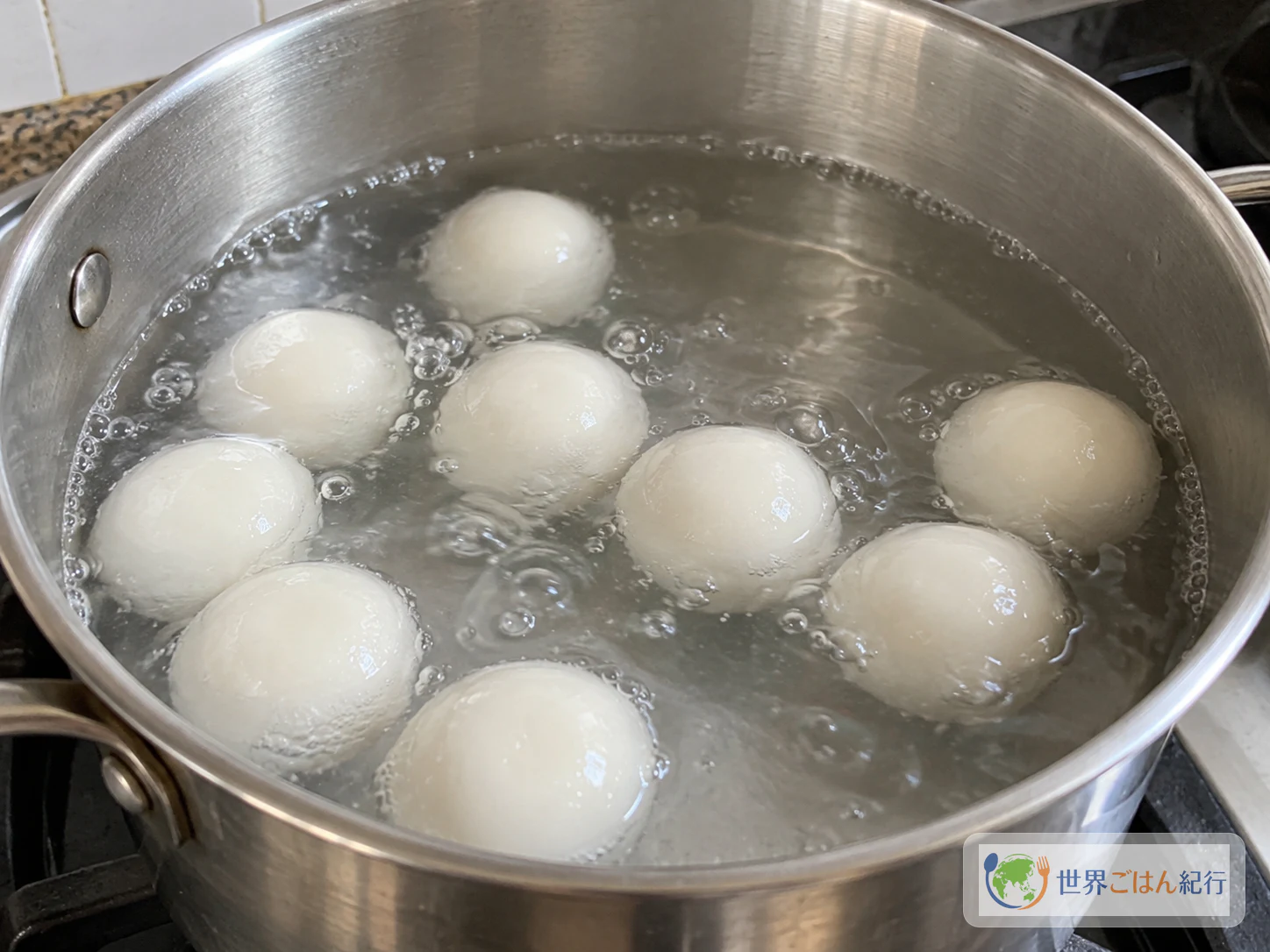
The soup is complete on its own. If you're not making tangyuan, skip steps 1 and 5–7 and serve the soup straight after step 4.
Troubleshooting: Bitter, Lumpy, or Too Thick
| Problem | Likely cause | What to do |
|---|---|---|
| The soup tastes bitter | The sesame was toasted too far | Bitterness from over-toasting can't be sweetened away. Next time, stop when the sesame smells fragrant and the flour is pale gold |
| The soup tastes floury or raw | The flour wasn't toasted enough | Toast the full 4–5 minutes, until the flour turns pale gold |
| The blender stalls | Too little water for the ground sesame | With the blender running, add the extra 1 cup of cold water slowly, then stop and scrape down the sides |
| Lumps or a scorched bottom | The flour settled while the pot heated | Whisk constantly in step 4, scraping the bottom and corners. For extra smoothness, strain before heating |
| The soup is too thick | Normal variation in heat and pan | Stir in hot water 1/2 cup at a time until it reaches the thickness you want |
| Not sweet enough | Only the first 6 tbsp went in | Add the remaining sugar 1 tbsp at a time, tasting as you go |
The MICHELIN Guide notes the same two points for the traditional rice-slurry version: sesame roasted too far turns bitter, and a slurry that isn't stirred while it heats will form lumps. Different method, same lesson: watch the toast and keep stirring.
The original recipe doesn't say how the soup's thickness changes as it cools, and this recipe hasn't been kitchen-tested, so adjust by eye and by spoon rather than by a fixed amount of water.
Leftovers
The soup is best eaten freshly made. If you have leftovers, divide them into shallow containers and refrigerate them within 2 hours of cooking. Don't leave cooked food at room temperature longer than that. Under FoodSafety.gov's general guidance, eat refrigerated leftovers within 3–4 days.
That is a general food-safety guideline for leftovers. It is not a quality or texture window specific to black sesame soup. When you reheat, the soup's thickness may change; loosen it with a little hot water as needed. Store any leftover tangyuan separately rather than soaking in the soup, and expect that their texture may change.
Variations Within the Recipe
All of these stay within the range the original recipe allows. They don't add new ingredients.
- Lighter sweetness: Stop at 6 tbsp of sugar, or add the rest a spoonful at a time until it tastes right to you.
- More sesame on top: Scatter a few raw black sesame seeds over each bowl for aroma and contrast.
- Soup only: Skip the tangyuan and enjoy the soup's smoothness on its own.
- Extra smooth: Strain the blended base through a fine-mesh strainer before it goes into the pot.
- Your own thickness: Thin with hot water, 1/2 cup at a time, until it coats the spoon the way you like.
Zhima Hu in Hong Kong's Tong Sui Shops
The sources here describe how black sesame soup is enjoyed in Hong Kong. They are not historical records, so this article doesn't claim an origin, a date, or a single style for all of China.
In Hong Kong, tong sui are sweet soups and desserts, enjoyed as a sweet treat or after a meal. The Hong Kong Tourism Board notes that they come both hot and cold, and introduces zhima hu as a warm, rich one suited to autumn and winter. That is how it's often presented, not a rule that it's eaten only in the cold months.
The MICHELIN Guide calls zhima hu a staple served at almost every tong sui shop in Hong Kong, while each shop still makes its own bowl. Both guides mention shops that serve it with tangyuan, adding a chewy bite to every spoonful of smooth sesame. This recipe recreates that way of serving it. It is not a claim about how every shop in Hong Kong makes it.
The traditional method, as the MICHELIN Guide describes it, grinds black sesame and cooks it with a rice slurry (米漿) and sugar. The Food Network Kitchen version used here takes a different route that suits a home kitchen: glutinous rice flour is toasted with the sesame and the two are blended with cold water. The Woks of Life shows yet another approach, thickening with cooked rice or black rice, with walnuts as an optional addition, and serving it as a dessert after dinner. These are differences between recipes, not regional styles, and none of their ingredients are mixed into this one.
Many claims circulate about black sesame's effects on health and appearance. We haven't found reliable sources for them, so this article makes none. What the bowl offers is a toasty aroma, a sweetness you choose, and a smooth, spoon-coating texture.
Frequently Asked Questions
Is black sesame soup a savory soup for a meal?
No. Despite the English name, it's a sweet dessert soup, part of the tong sui family. You eat it as a sweet treat or after a meal, not as a savory course.
What goes into Hong Kong-style zhima hu?
The traditional description is ground black sesame cooked with a rice slurry and sugar. This recipe uses glutinous rice flour instead, toasted with the sesame and then blended. It's a different method, presented here as a home version.
Can I use shiratamako instead of glutinous rice flour?
The recipe specifies fine glutinous rice flour. Substituting Japanese shiratamako hasn't been verified, so treat it as a different product rather than a direct swap.
The soup came out too thick. How do I fix it?
Stir in hot water, 1/2 cup at a time, until it reaches the thickness you want. How much you need depends on your heat, pan and how long the soup has cooked.
Do I have to add the tangyuan?
No. The soup is complete on its own. Tangyuan are optional, a way to recreate the bowls some Hong Kong shops serve.
Is black sesame soup good for your health or your hair?
We haven't found reliable sources that support claims like these, so this article doesn't make them.
Whether you serve it plain or with three tangyuan per bowl, and whether you stop at 6 tbsp of sugar or go further, the one thing to protect is the toast: fragrant and pale gold, never burnt.
Sources
- Food Network Kitchen (recipe courtesy of Andy Liang), "Black Sesame Sweet Soup." The recipe used here: ingredients and amounts, four servings, listed total and active time, toasting the sesame with glutinous rice flour, staged blending, simmering, separate tangyuan cooked until floating, adjusting thickness and sweetness, and care with hot contents in a blender. https://www.foodnetwork.com/recipes/food-network-kitchen/black-sesame-sweet-soup-24373893
- Hong Kong Tourism Board, "6款必吃香港傳統甜品" (Six must-try traditional Hong Kong desserts). Hong Kong's hot and cold tong sui, zhima hu as a warm, rich tong sui, and shops that add tangyuan. https://www.discoverhongkong.com/tc/food-and-drink/must-try-traditional-hong-kong-desserts.html
- MICHELIN Guide Hong Kong & Macau, "八款在香港不容錯過的傳統地道甜品" (Eight traditional desserts not to miss in Hong Kong). Zhima hu as a staple of Hong Kong tong sui shops, the traditional method of ground sesame with rice slurry and sugar, bitterness from over-roasting, lumps from unstirred slurry, and a shop example served with tangyuan. https://guide.michelin.com/hk/zh_HK/article/features/must-eat-traditional-desserts-hong-kong
- The Woks of Life, "Black Sesame Soup (芝麻糊)." An alternative home method thickened with cooked rice or black rice, walnuts as an optional addition, and serving the soup as an after-dinner dessert; used for comparison only. https://thewoksoflife.com/black-sesame-soup/
- FoodSafety.gov, "Food Safety and Eating Out." General guidance on refrigerating cooked leftovers within 2 hours and eating refrigerated leftovers within 3–4 days. https://www.foodsafety.gov/blog/food-safety-and-eating-out