Baked Pork Chop Rice: One Spoonful, Every Layer
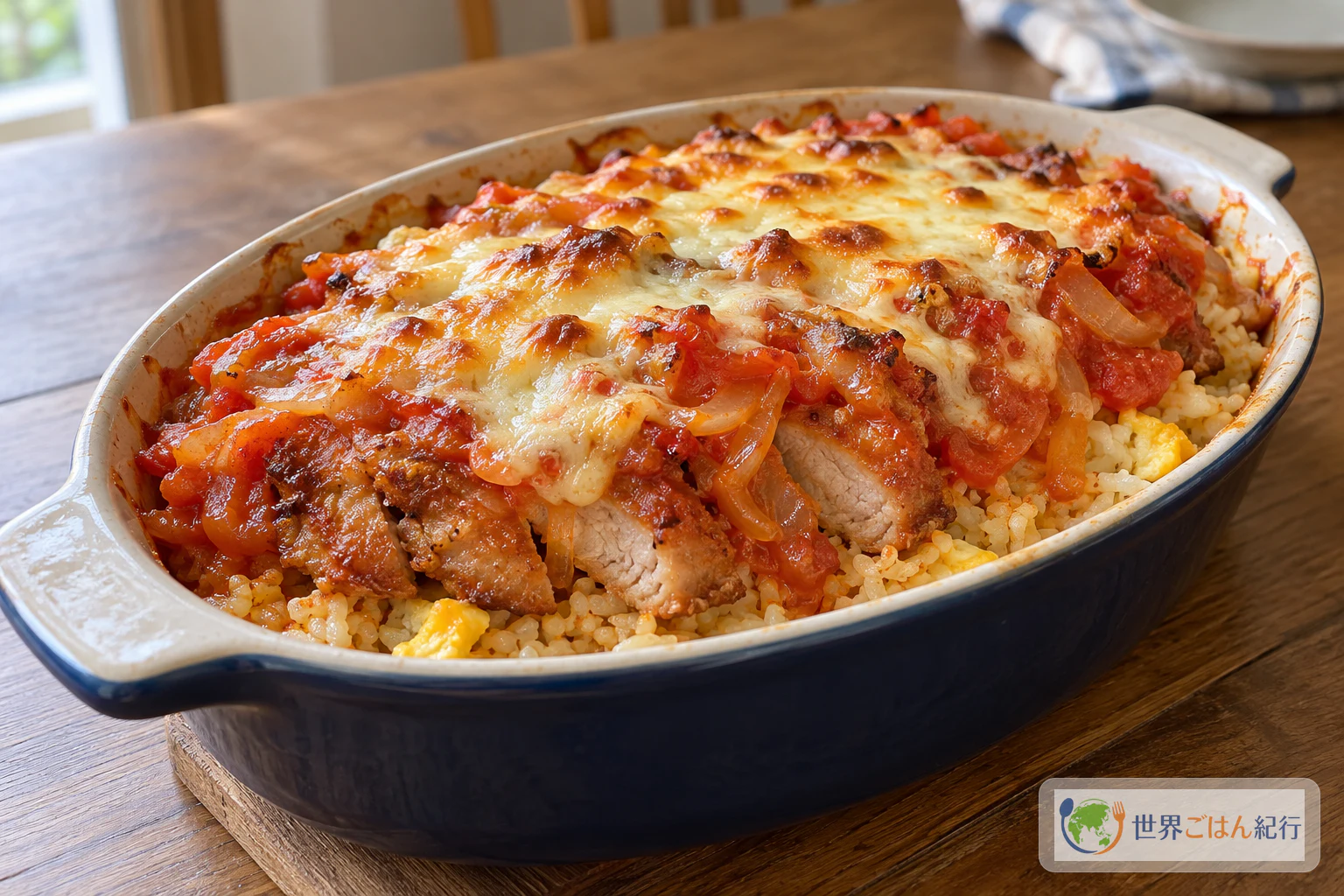
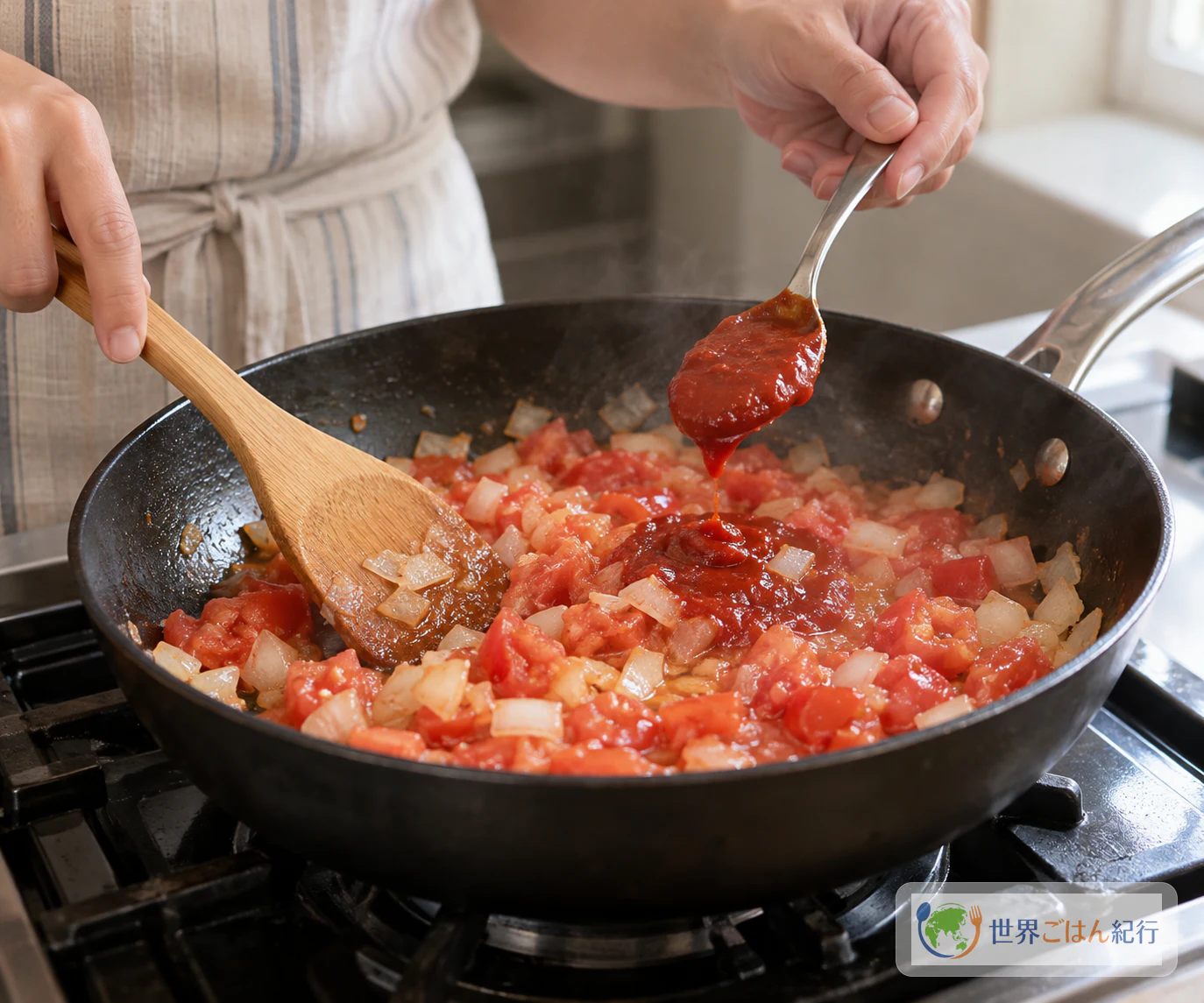
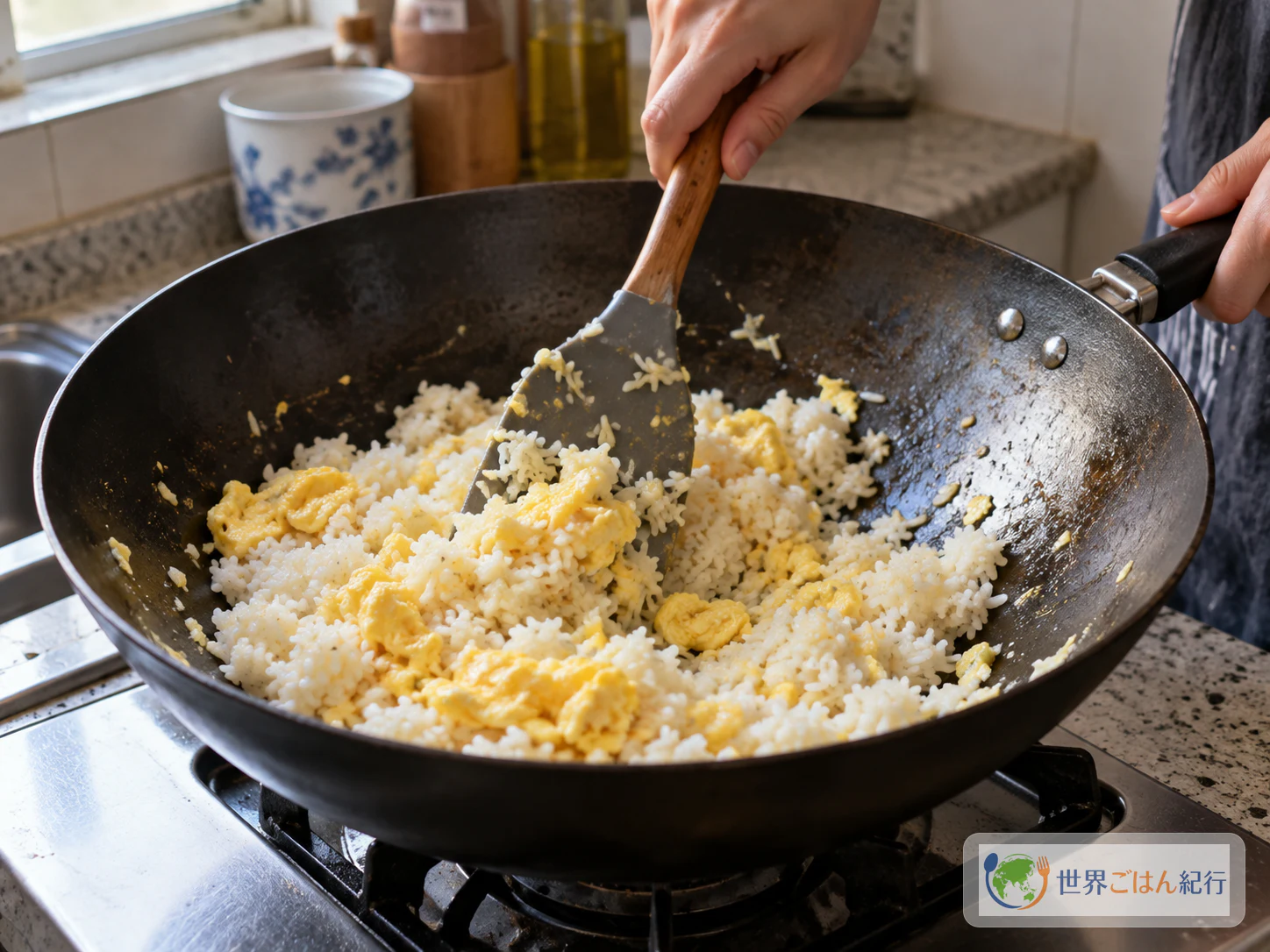
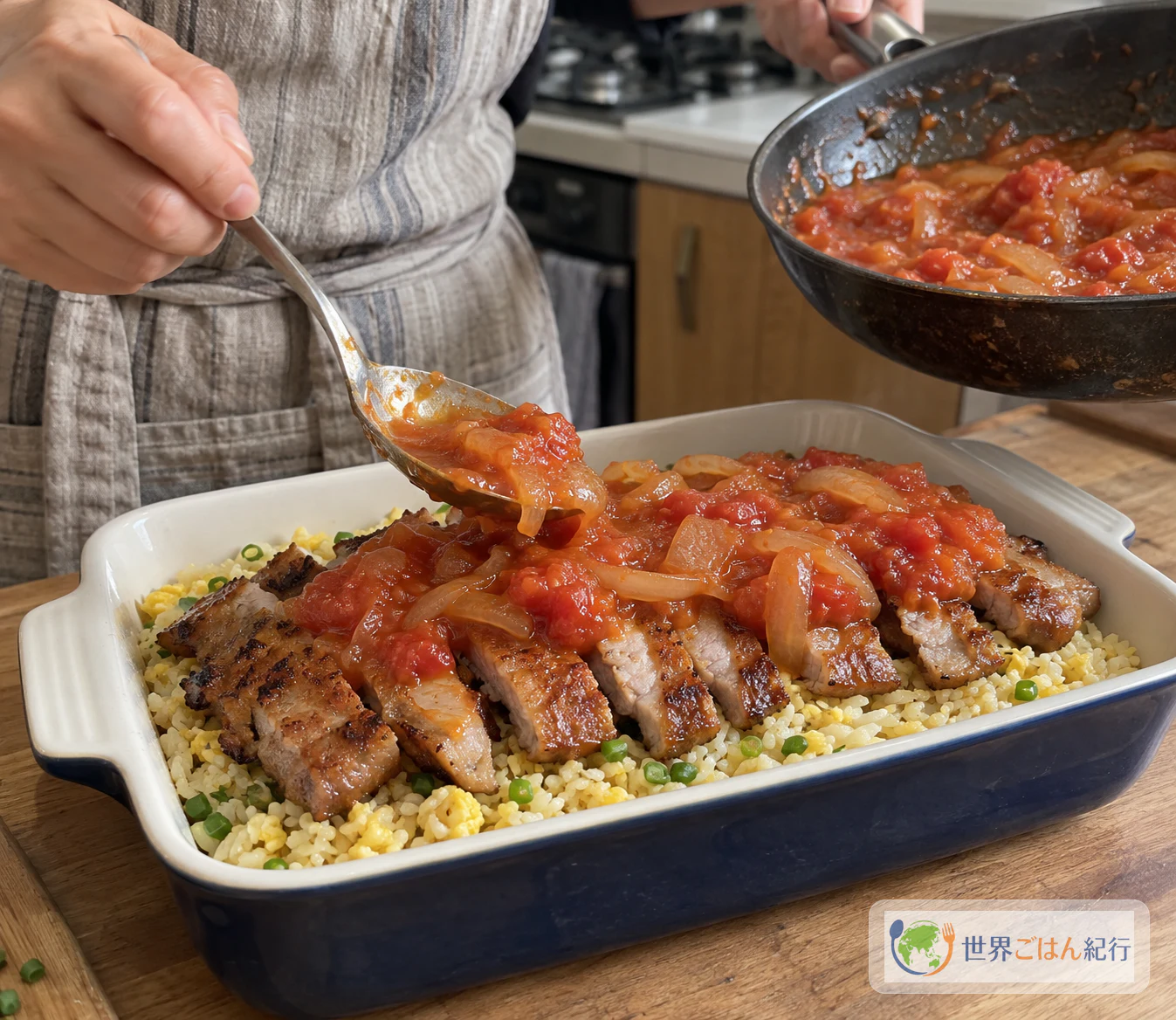
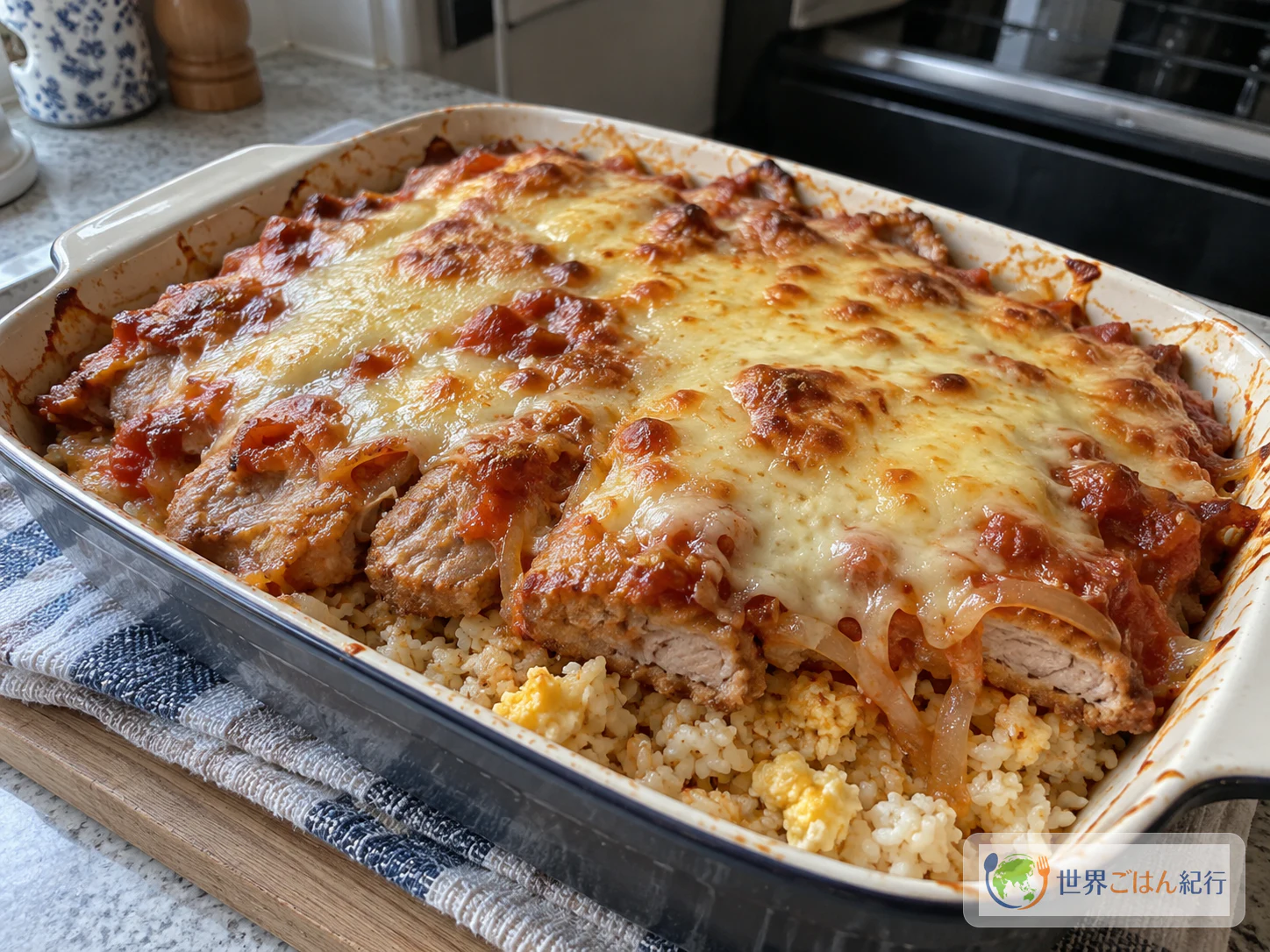
Keep the four layers distinct: egg fried rice, oyster-sauce-marinated pork, tomato and onion sauce, and cheese browned in the oven. Judge the bake by the color of the cheese and make sure the pork is cooked through to the center.
The baking dish comes out of the oven too hot to touch. A spoon pushed down through the browned cheese brings up tomato sauce, a piece of pork and egg-coated fried rice all at once. That single spoonful is the pleasure of baked pork chop rice, or 焗豬扒飯, a one-dish meal from Hong Kong that you can assemble in a home oven.
The MICHELIN Guide describes the cha chaan teng as part of Hong Kong's popular dining culture, where Western-style dishes are reworked with affordable local ingredients, and it names baked pork chop rice as an example of that East-meets-West menu. In the name, 焗 points to baking, and 豬扒 means pork chop.
There is no single correct formula. Shops and households differ on whether the rice is fried or plain, whether the pork is coated or pan-fried, and which cheese and other ingredients go in. This article follows one home-style version, the 3-serving "simple baked pork chop rice" (簡易版焗豬扒飯) from Lee Kum Kee Hong Kong, without blending in amounts from other recipes. It is offered as one workable home version, not as the one authentic recipe, and the recipe as a whole has not been kitchen-tested by Sekai Gohan. For more of the region's dishes, see the Hong Kong recipes page.
Ingredients (Serves 3)
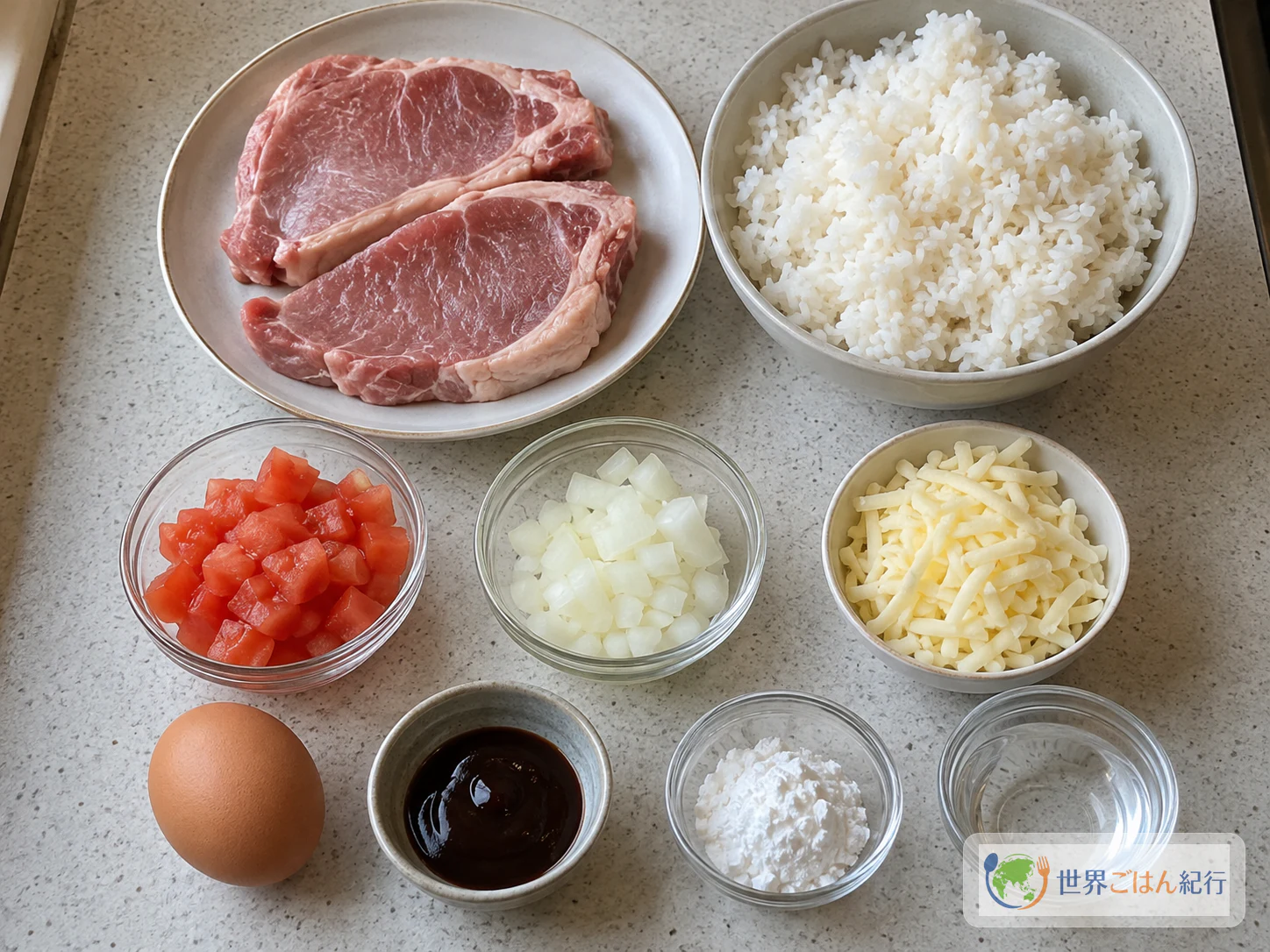
No salt goes in. The oyster sauce and tomato condiment carry the seasoning.
Equipment
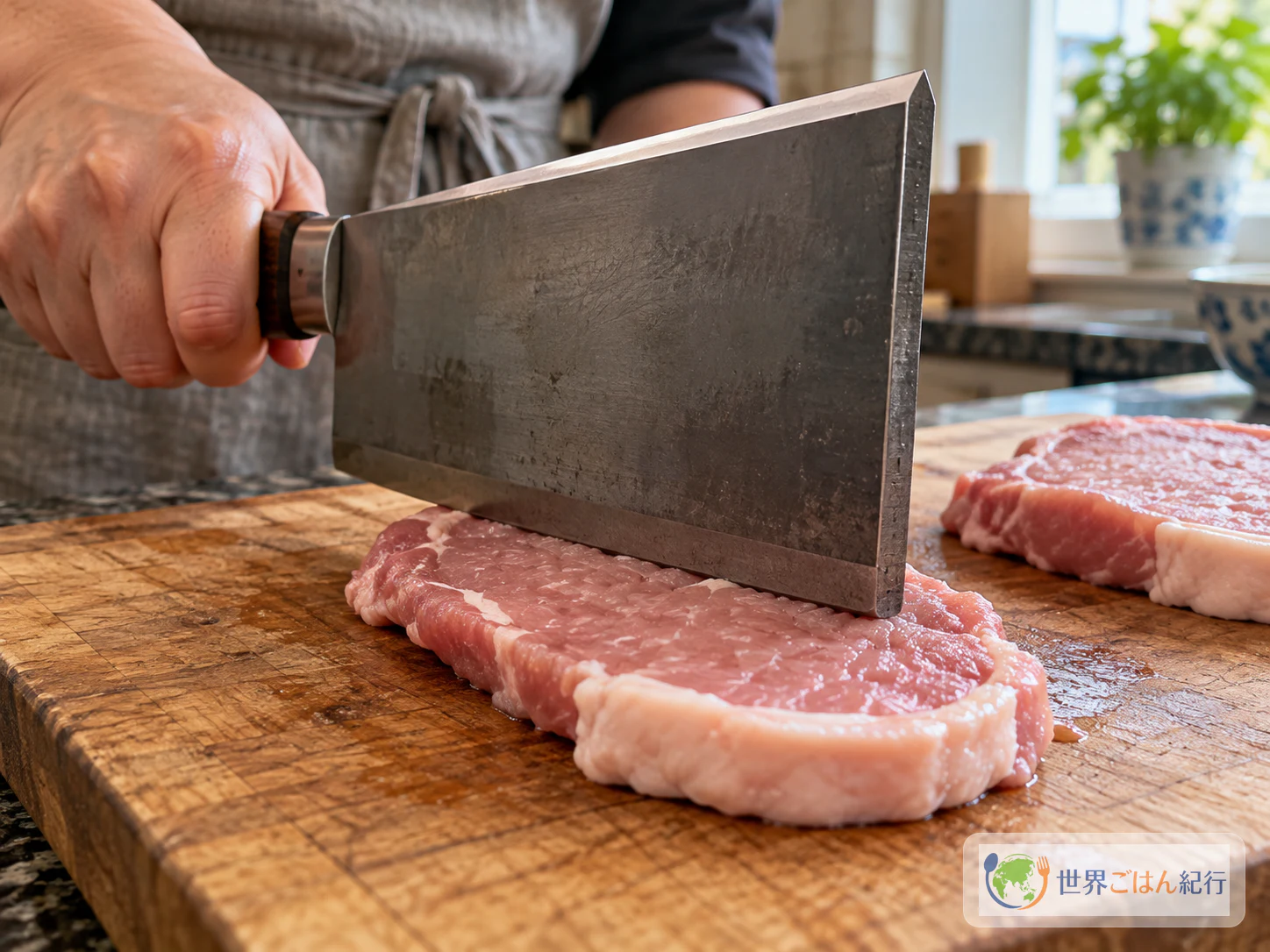
- Kitchen knife (the blunt back is used to pound the pork)
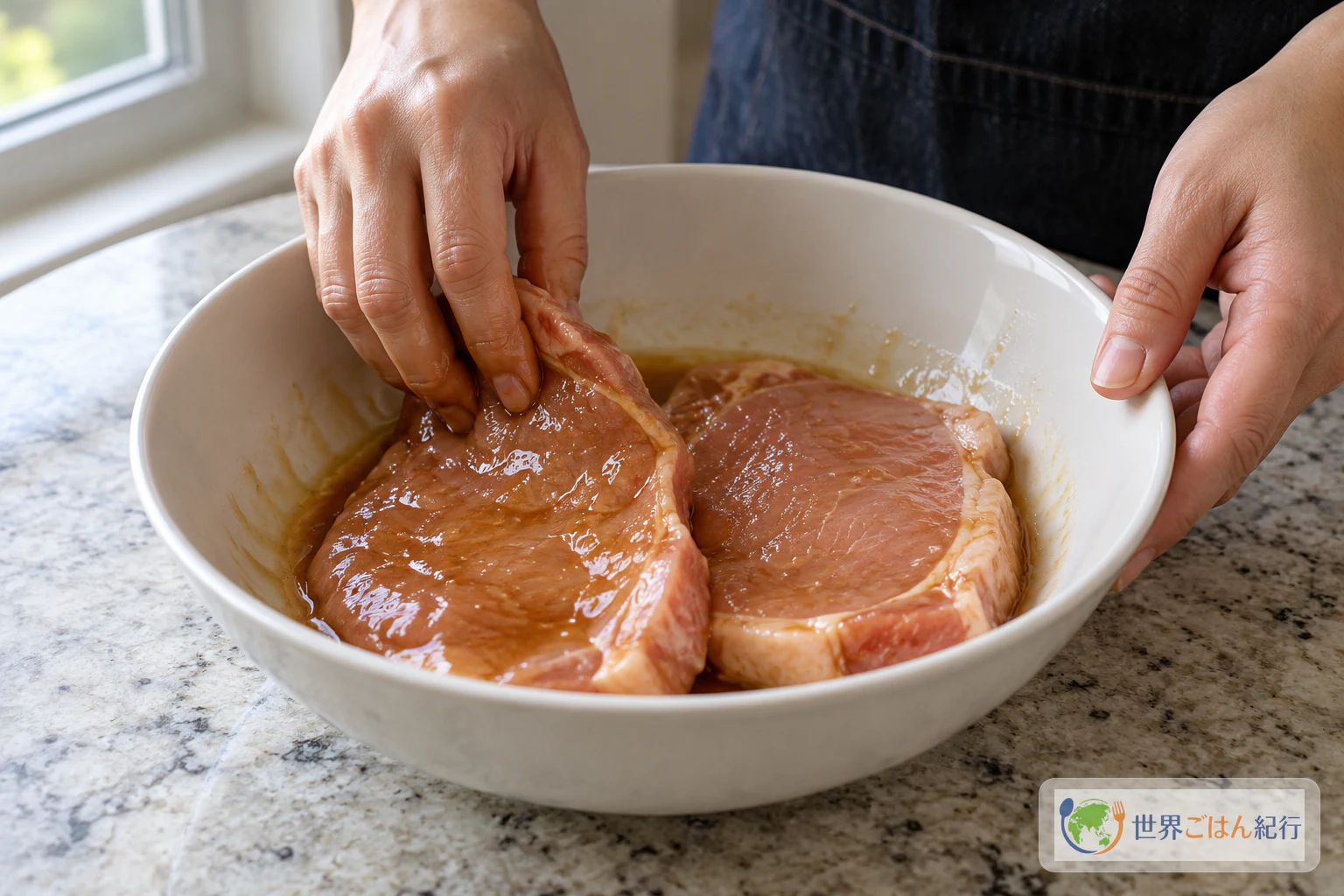
- Bowl for marinating
- Frying pan
- Measuring spoons
- Oven-safe baking dish
- Oven
Choosing and Substituting
Pork. Choose thick loin chops; either bone-in or boneless can work. Pork loin cut for tonkatsu is a practical option where it is sold.
Cornstarch. Use cornstarch if you can find it. Potato starch is a possible stand-in, but it is not the same ingredient, and the marinade's thickness may change.
Tomato condiment. The Chinese name 番茄醬 stays here because it could mean either ketchup or tomato paste, and those two taste very different. Read the FAQ below before you buy.
Cheese. Any melting cheese, such as a shredded pizza blend, is a reasonable choice. Flavor, saltiness and melting behavior will vary with the type, so keep the amount at 50g and change only the kind.
Oyster sauce. Saltiness and sweetness differ by product, but start with the full 1½ tbsp.
Method: Prepare Each Layer, Then Bake
The only fixed times are the 10-minute marinade and the bake. Let the color of the cheese, the heat of the dish and the doneness of the pork decide when it is ready.
Fixing Common Problems
| Problem | Likely cause | What to do |
|---|---|---|
| Fried rice is sticky | The rice was too moist | Use rice on the dry side and break it up well in the pan. If you use cold rice, make sure it was cooled and stored safely |
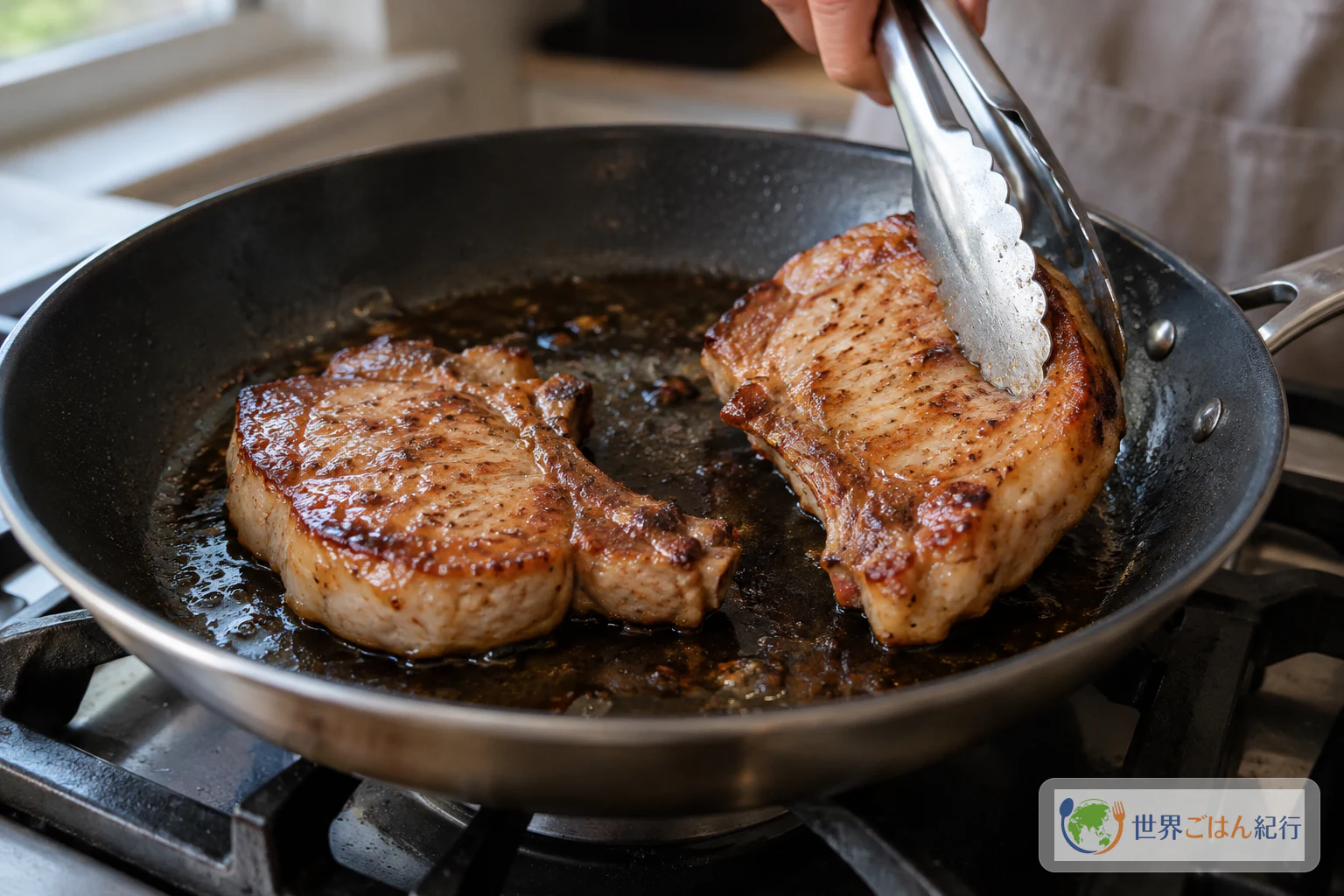
| Pork is tough | Uneven thickness or too long in the pan | Pound it evenly and stop at about 90% in the pan. "90%" is a visual guide, not a temperature, and does not by itself confirm the pork is safe to eat |
| Pork is not cooked at the center | Thick pieces or uneven oven heat | Continue baking until it is cooked through |
| Sauce tastes too strong or too sweet | The type of tomato condiment | Stay at 3 tbsp and avoid adding extra ketchup or sugar. Next time, reconsider which condiment you use |
| Cheese is slow to brown | Oven or dish differences | Keep watching the color. There is no fixed extra time, so check often |
| Sauce reaches the rim | Dish too small or overfilled | Use a roomier dish, or keep the sauce away from the edge |
Handling Rice and Leftovers Safely
Cool cooked rice and leftovers quickly by dividing them into small portions or shallow containers, and refrigerate them within 2 hours. Reheat refrigerated leftovers thoroughly, and reheat them only once. Throw away any leftovers that have been in the refrigerator for more than 3 days.
Cold rice for this dish should only be rice that was cooled and refrigerated this way, not rice left out on the counter for a long time.
What You Can Change
Some adjustments stay within this version of the dish:
- Rice: Loosen the grains well so the base layer feels lighter.
- Pork: Pound the chops to an even thickness so they cook more evenly in the oven.
- Sauce: Cut the tomato and onion coarsely for a chunky sauce, or finely for a smoother one.
- Cheese: Keep to 50g and try different kinds to compare the flavor.
Other recipes go further, and it is best to treat them as separate versions rather than mixing their ingredients into this one:
| Version | What differs |
|---|---|
| TVB (Hong Kong broadcaster) | Fried pork over fried rice, with a sauce that uses carrot, pineapple and chicken stock, plus a separate tomato seasoning and more eggs |
| The Woks of Life | A different marinade using ingredients such as five-spice powder, Shaoxing wine and oyster sauce, and more eggs in the rice |
Baked Pork Chop Rice and the Cha Chaan Teng
The MICHELIN Guide's account of the cha chaan teng explains the wider setting: everyday eateries that rework Western-style food with affordable local ingredients. Baked pork chop rice is one of the dishes it uses to illustrate that blend of East and West. The materials behind this article do not identify an inventor, a first shop or a year of origin, so none is claimed here.
The Woks of Life similarly presents the dish as a cha chaan teng meal of egg fried rice, pork, tomato sauce and cheese, while TVB's version shows how much the sauce can vary under the same name. Lee Kum Kee Hong Kong's version, followed here, is a simple one: no pineapple, no carrot and no stock, with the flavor resting on oyster sauce, tomato and cheese.
Frequently Asked Questions
What is baked pork chop rice?
It is a Hong Kong-style one-dish meal. In the version followed here, egg fried rice is topped with oyster-sauce-marinated pork, tomato and onion sauce, and cheese, then baked.
Is the 400g of rice cooked or raw?
Cooked. Lee Kum Kee Hong Kong lists 白飯 400g with the note 乾身, which this article reads as cooked rice that is on the dry side and separates easily. It does not mean 400g of raw rice.
Can I use cold leftover rice?
Yes. The Lee Kum Kee Hong Kong recipe suggests using cooled rice. Hong Kong's Centre for Food Safety advises refrigerating leftovers within 2 hours and cooling them quickly in small portions or shallow containers, so use only rice handled that way.
Is 番茄醬 ketchup or tomato paste?
This article does not settle that. The recipe's ingredient list says only 番茄醬, and the word alone is not enough to identify a specific product type, so the Chinese name is kept and "tomato condiment" is used as a neutral description. Start with the listed 3 tbsp and avoid adding extra ketchup or sugar.
What kind of cheese should I use?
The recipe says only 芝士 50g, without naming a type. A melting cheese is this article's shopping suggestion rather than part of the recipe, and flavor, saltiness and melting will vary with what you choose.
How long does it take in total?
No total time is given here because the recipe's own figures do not line up. The Lee Kum Kee Hong Kong page lists 10 minutes of preparation and 20 minutes of cooking, yet its method includes 15 to 20 minutes of baking at 220°C alone, in addition to the frying. Use 15 to 20 minutes as a guide for the bake only, and check the browning of the cheese and the doneness of the pork.
How much oil do I need?
The recipe gives no amount for the oil, so use only what you need to fry the pork, sauce and rice.
Sources
- Lee Kum Kee Hong Kong, "簡易版焗豬扒飯." The main recipe: ingredients and amounts for 3 servings, pounding and marinating the pork, frying it until 90% done, layering and baking at 220°C for 15 to 20 minutes, and the tip on using cold rice. https://hk.lkk.com/zh-hk/recipes/baked-hong-kong-classic-pork-chop-over-rice?language=zh-HK
- MICHELIN Guide, "The Evolution of Cha Chaan Teng: Exploring Hong Kong's Iconic Dishes and Local Dining Culture." Background on cha chaan teng dining and on baked pork chop rice within Hong Kong's East-meets-West food culture. https://guide.michelin.com/hk/en/article/features/evolution-of-cha-chaan-teng-hong-kong-s-iconic-dishes-and-local-dining-culture
- TVB, "焗豬扒飯食譜|簡易快餐 焗豬扒飯|Annie黃婉瑩|流行都市." A different home-style version, used only to show how recipes vary, including pineapple, carrot and sauce differences. https://www.tvb.com/lifestyle-c/%E7%84%97%E8%B1%AC%E6%89%92%E9%A3%AF%E9%A3%9F%E8%AD%9C-%E7%B0%A1%E6%98%93%E5%BF%AB%E9%A4%90-%E7%84%97%E8%B1%AC%E6%89%92%E9%A3%AF-Annie%E9%BB%83%E5%A9%89%E7%91%A9-%E6%B5%81%E8%A1%8C%E9%83%BD%E5%B8%82-1002734
- The Woks of Life, "Hong Kong Baked Pork Chop Rice." A separate recipe that describes the dish as a cha chaan teng meal and uses a different marinade; not used for the amounts in this article. https://thewoksoflife.com/baked-pork-chop-rice/
- Centre for Food Safety, Hong Kong, "Five Keys to Food Safety: Handling Leftovers." Guidance on cooling, refrigerating within 2 hours, reheating thoroughly and only once, and discarding leftovers refrigerated for more than 3 days. https://www.cfs.gov.hk/english/consumer_zone/safefood_all/five_keys_apply_leftovers.html