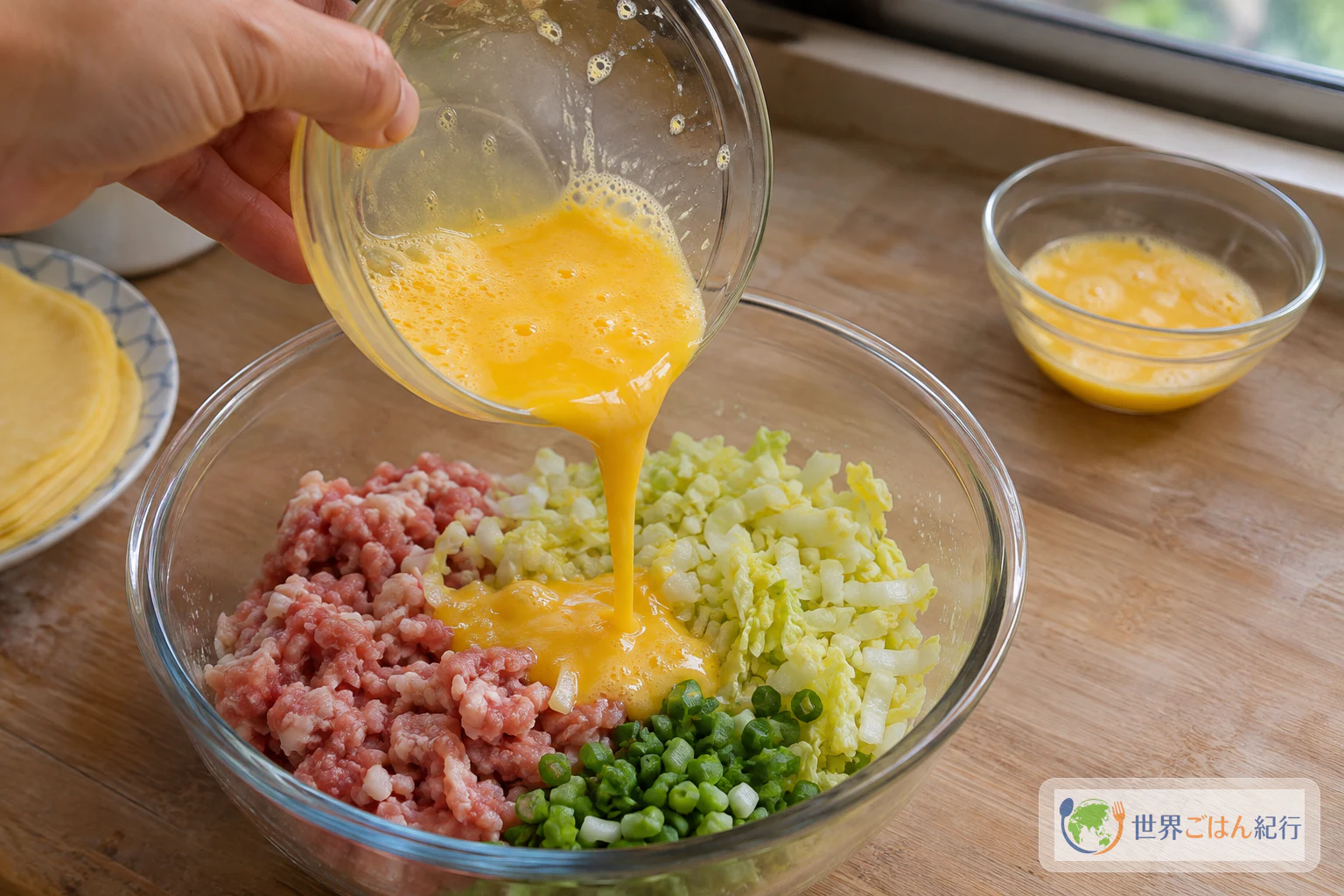
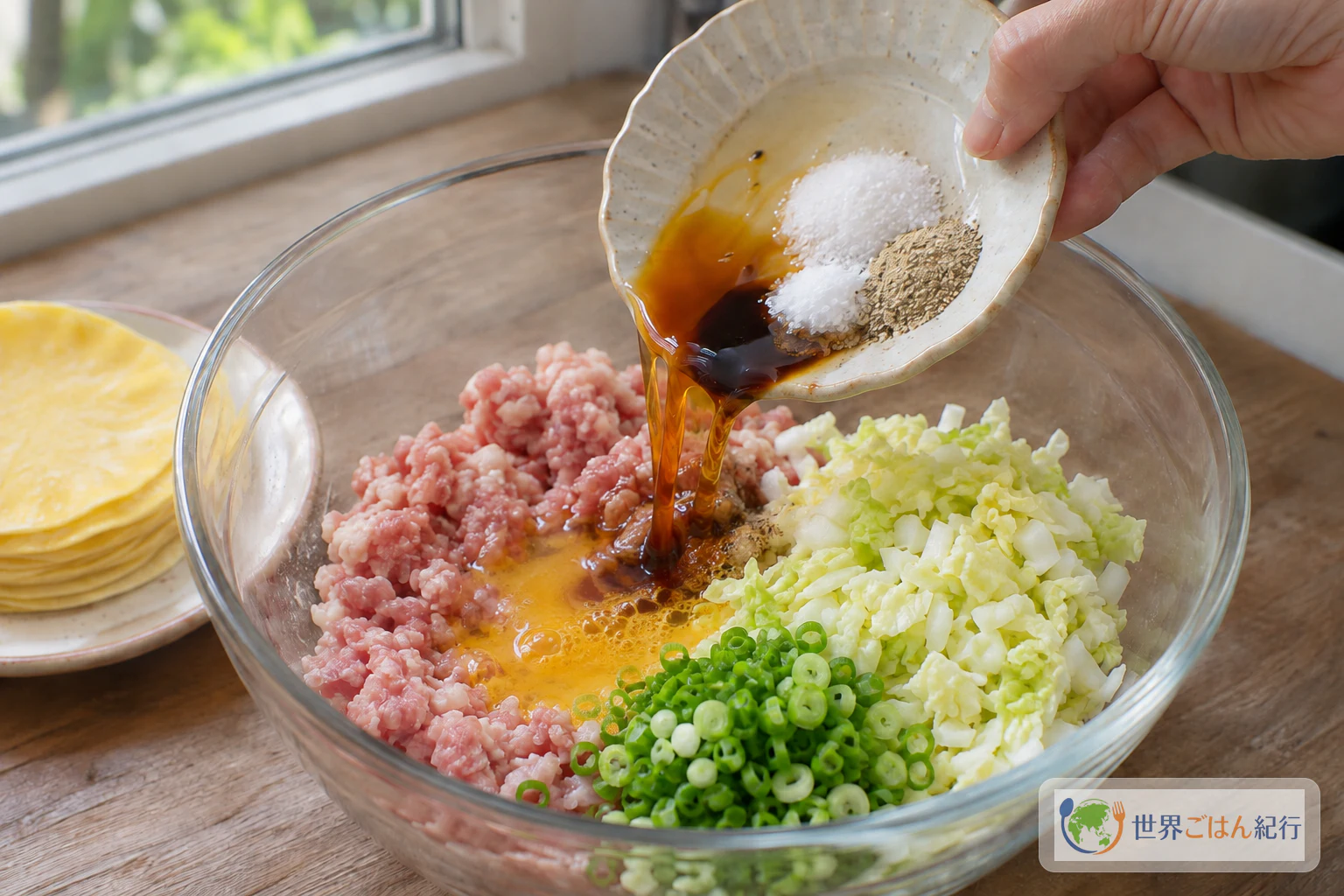
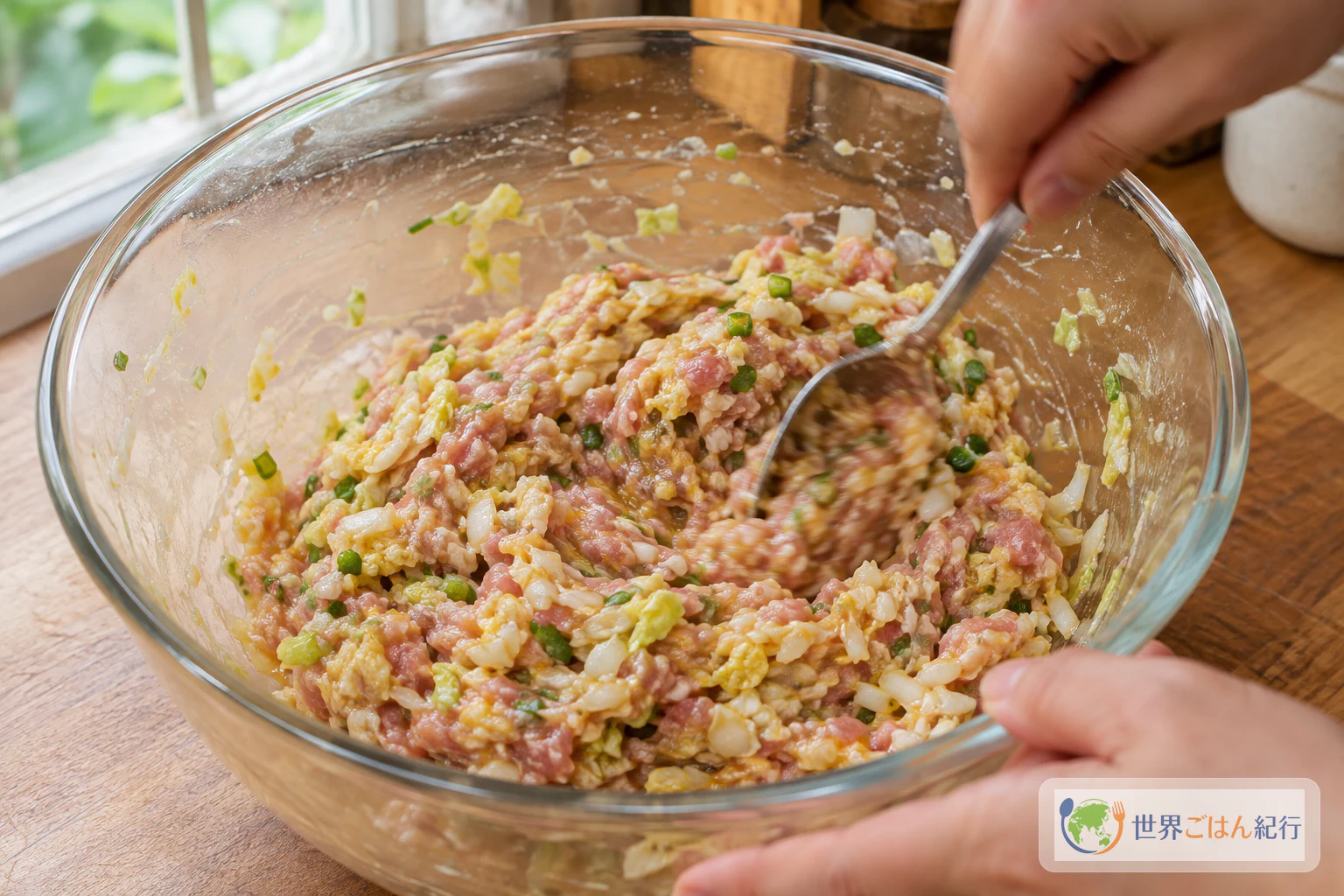
Potstickers: Dumplings Pan-Fried, Then Steamed
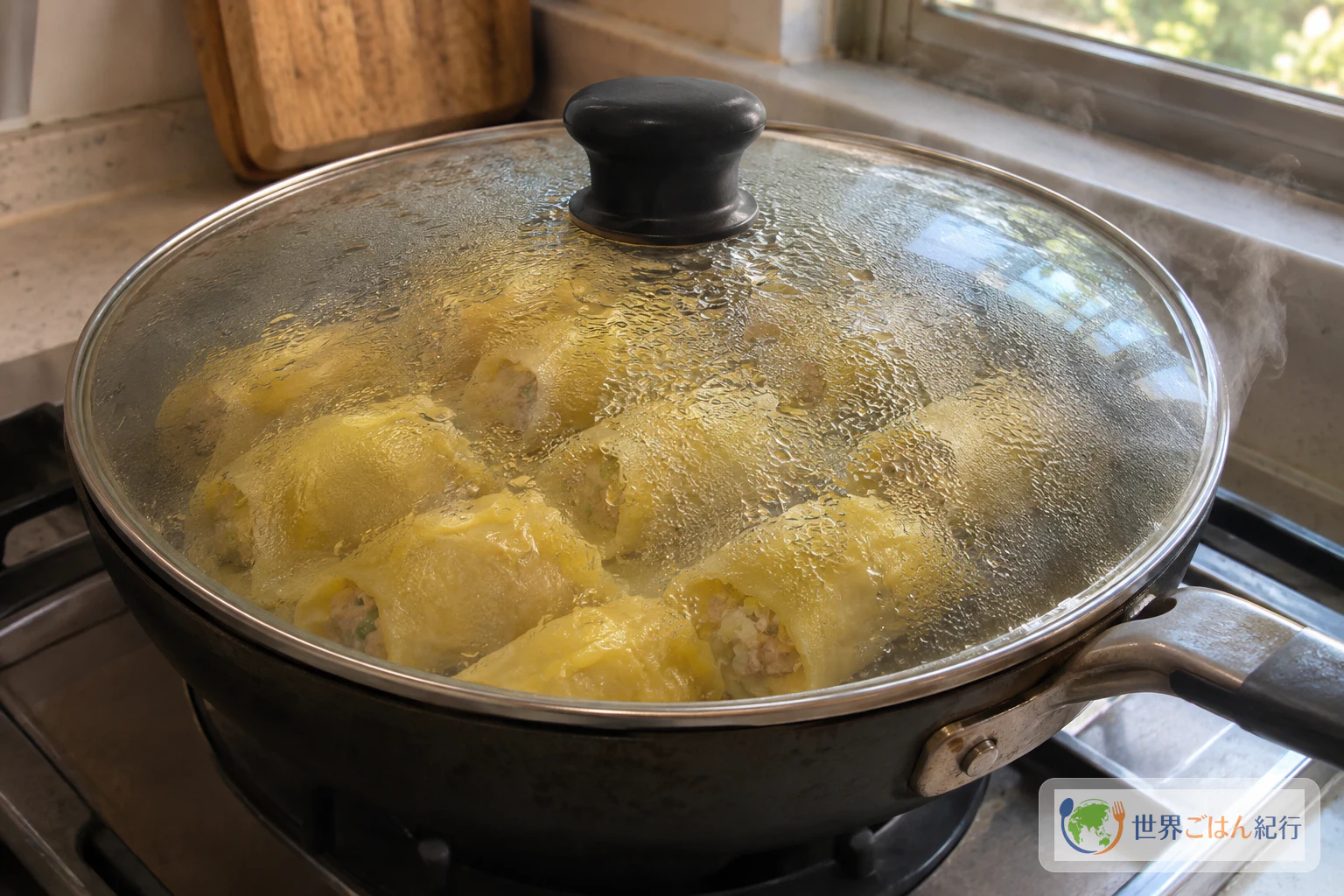
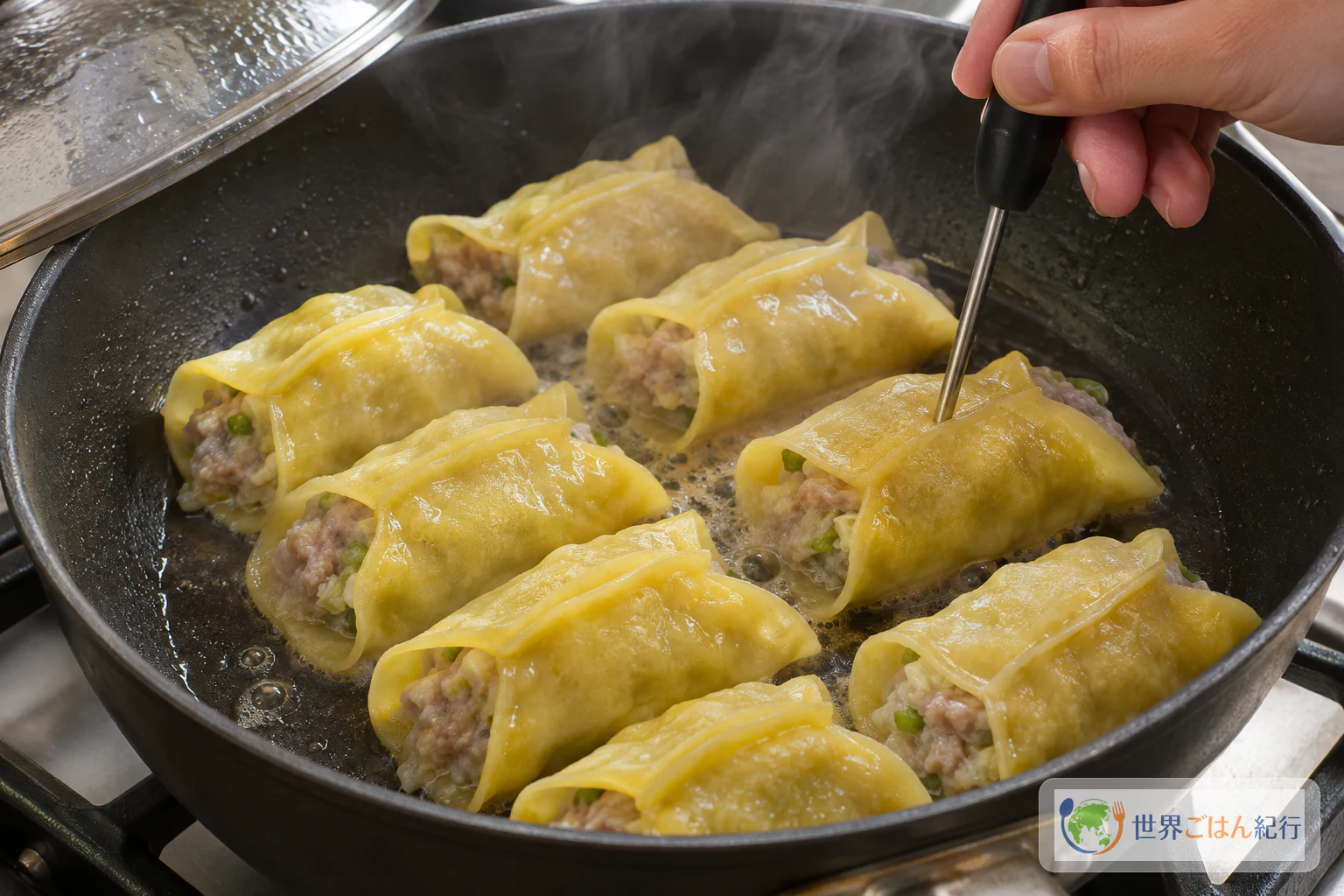
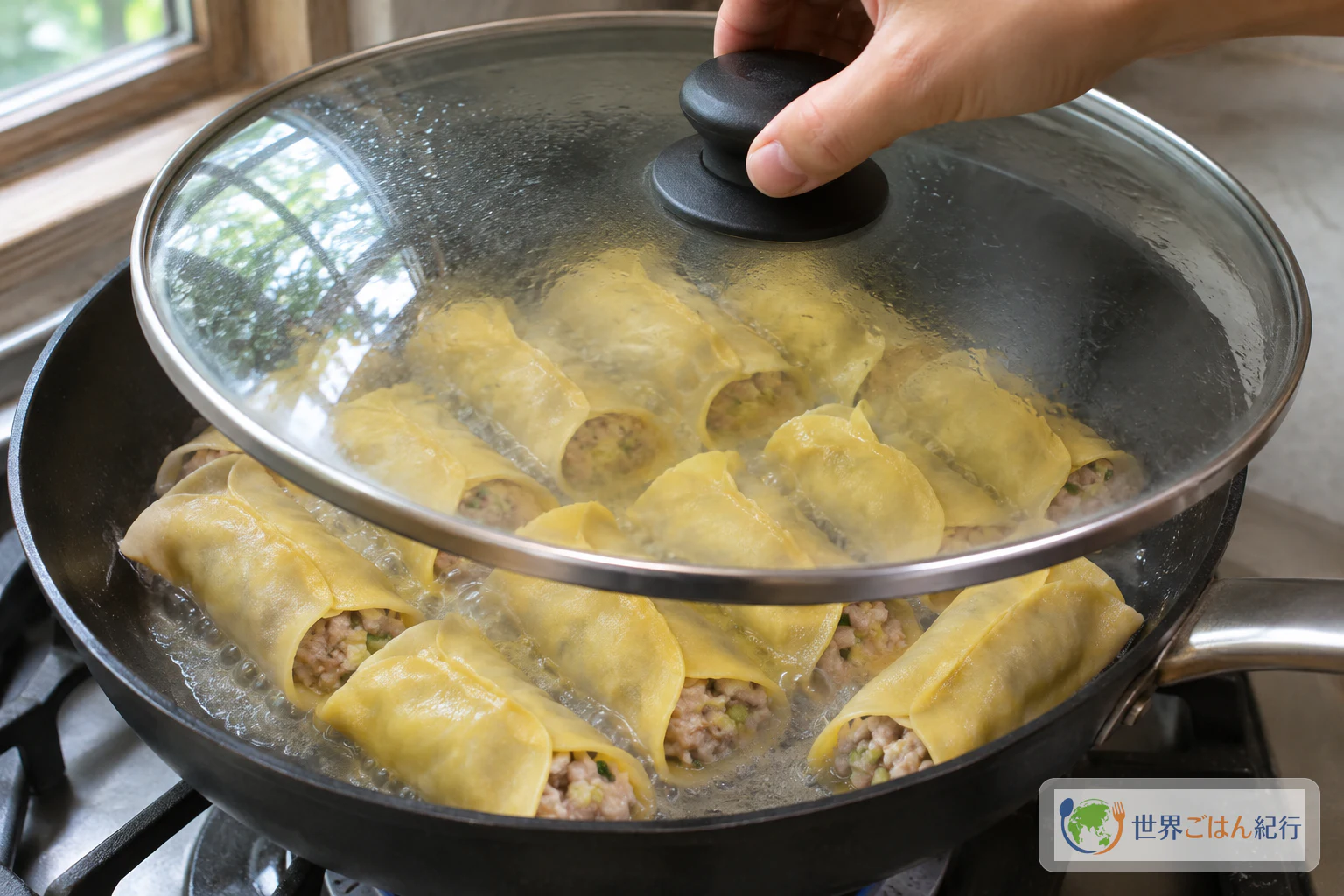
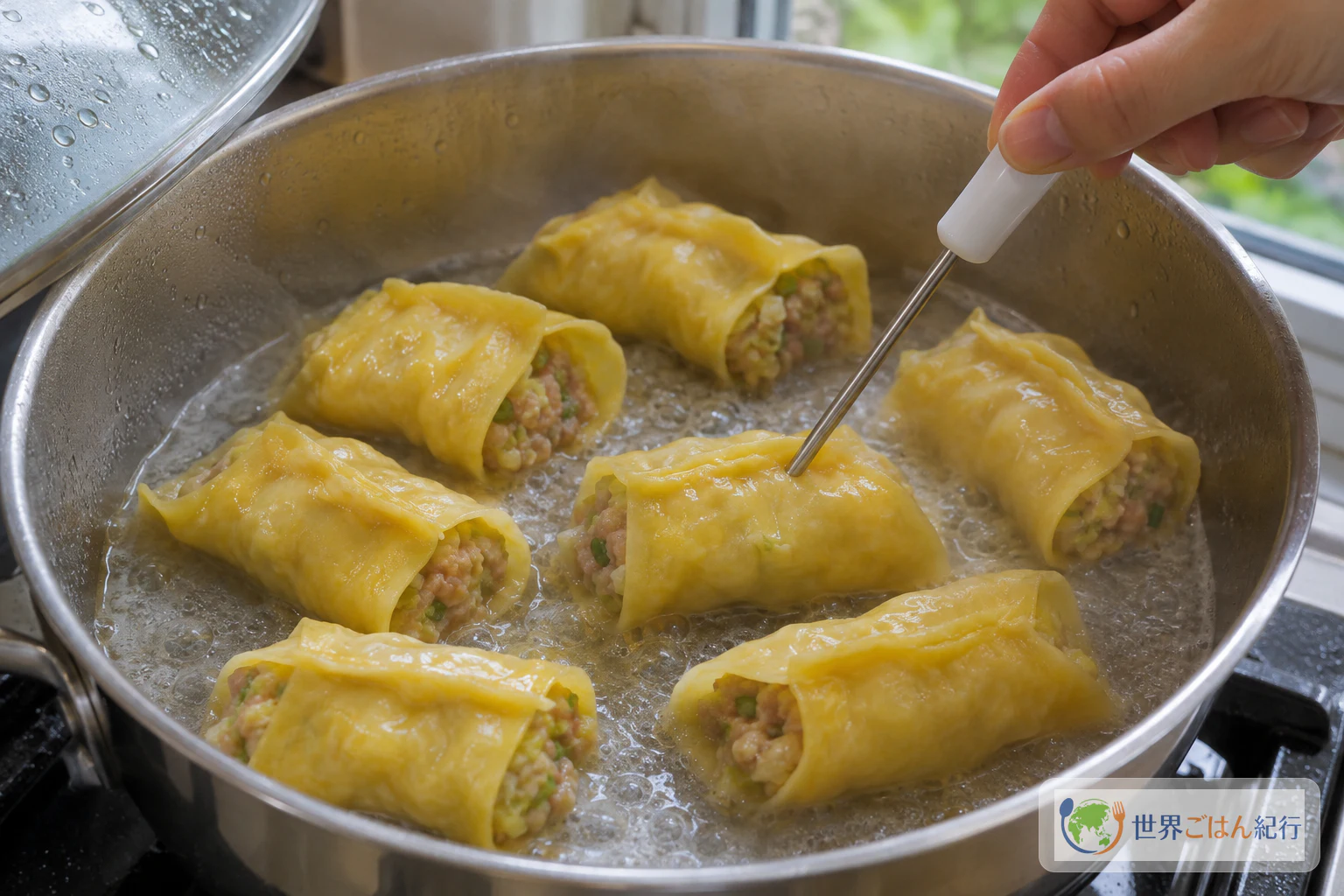
Steam the dumplings under the lid, confirm the center of the pork with a thermometer, then let the last of the moisture cook off so the base turns crisp.
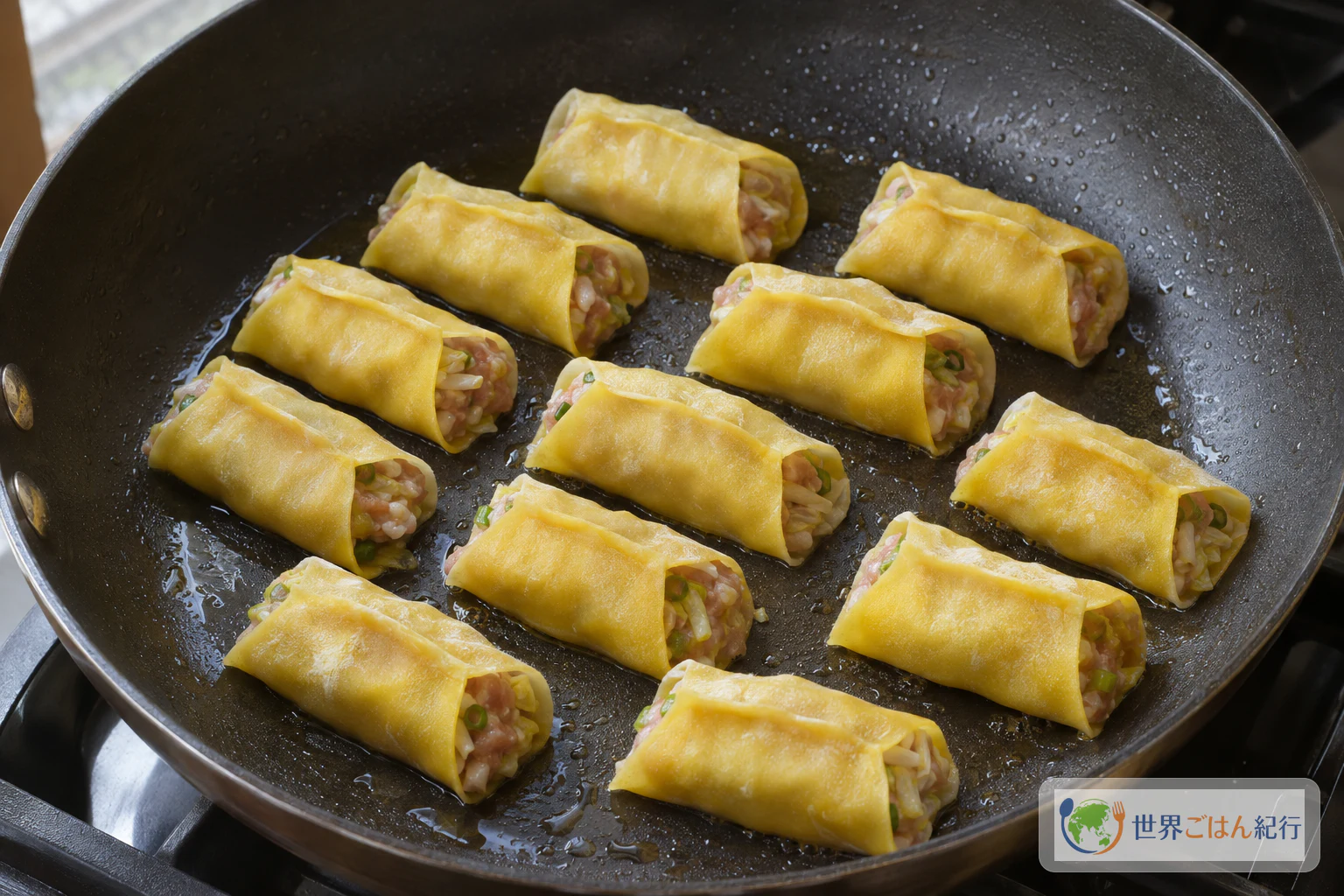
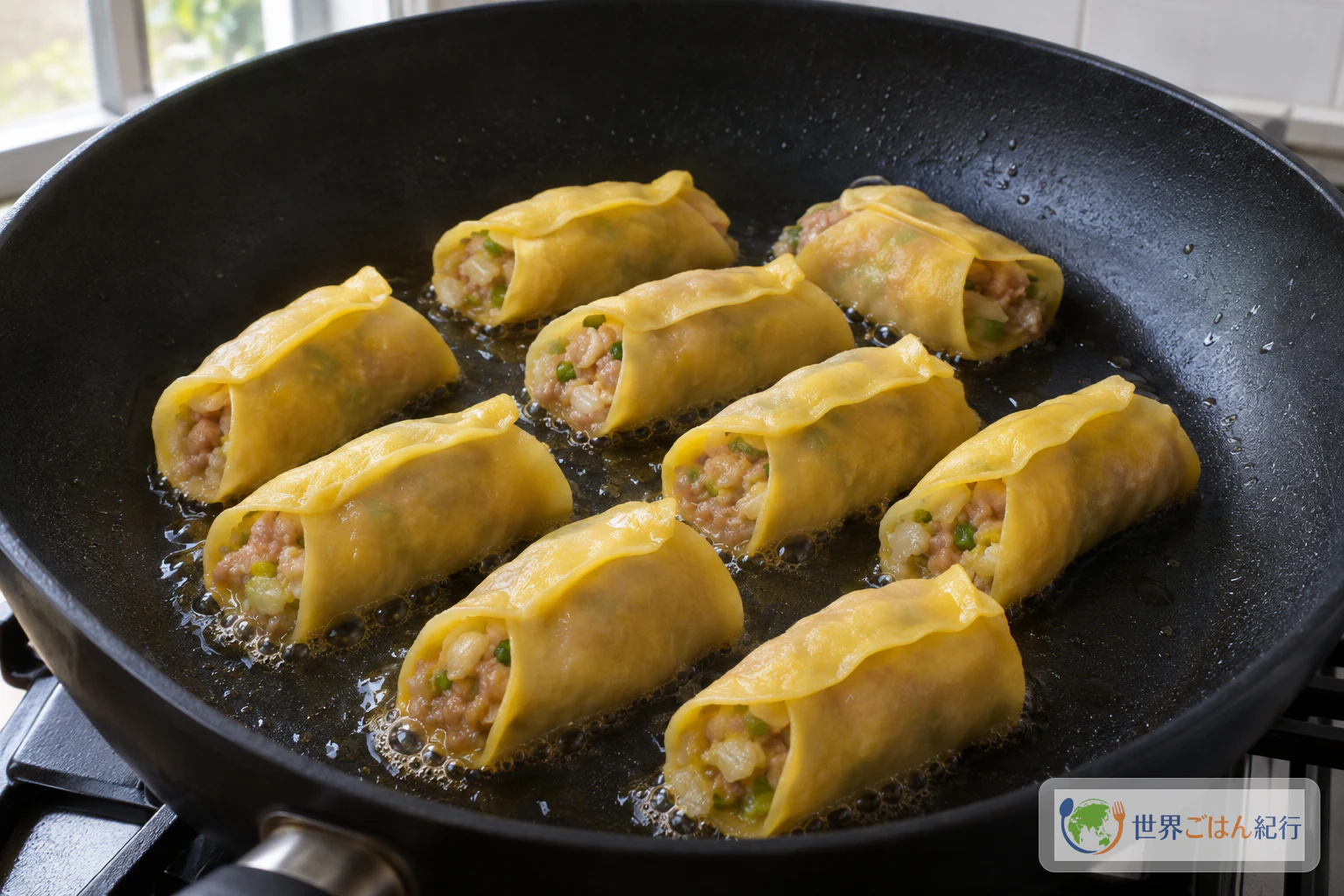
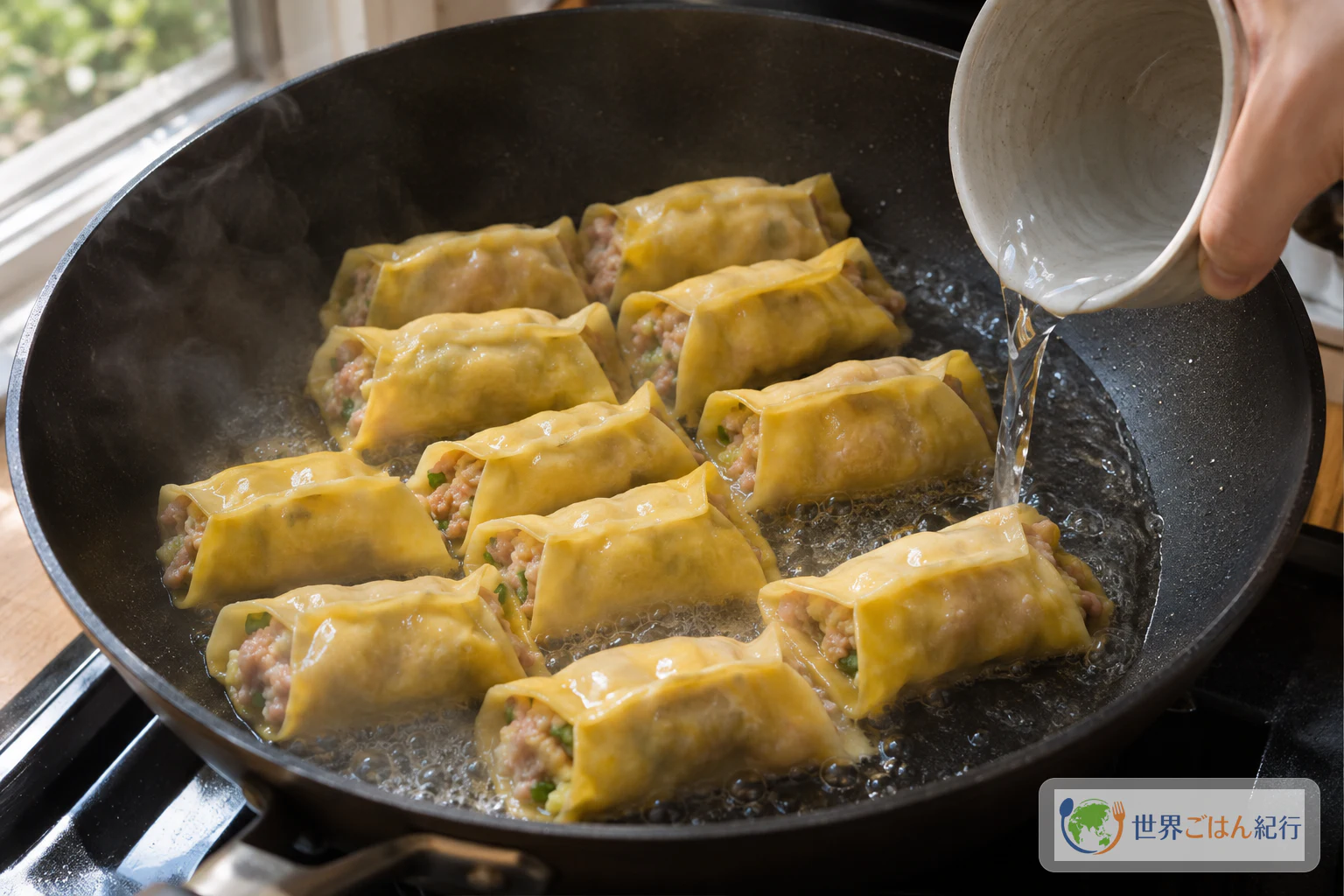
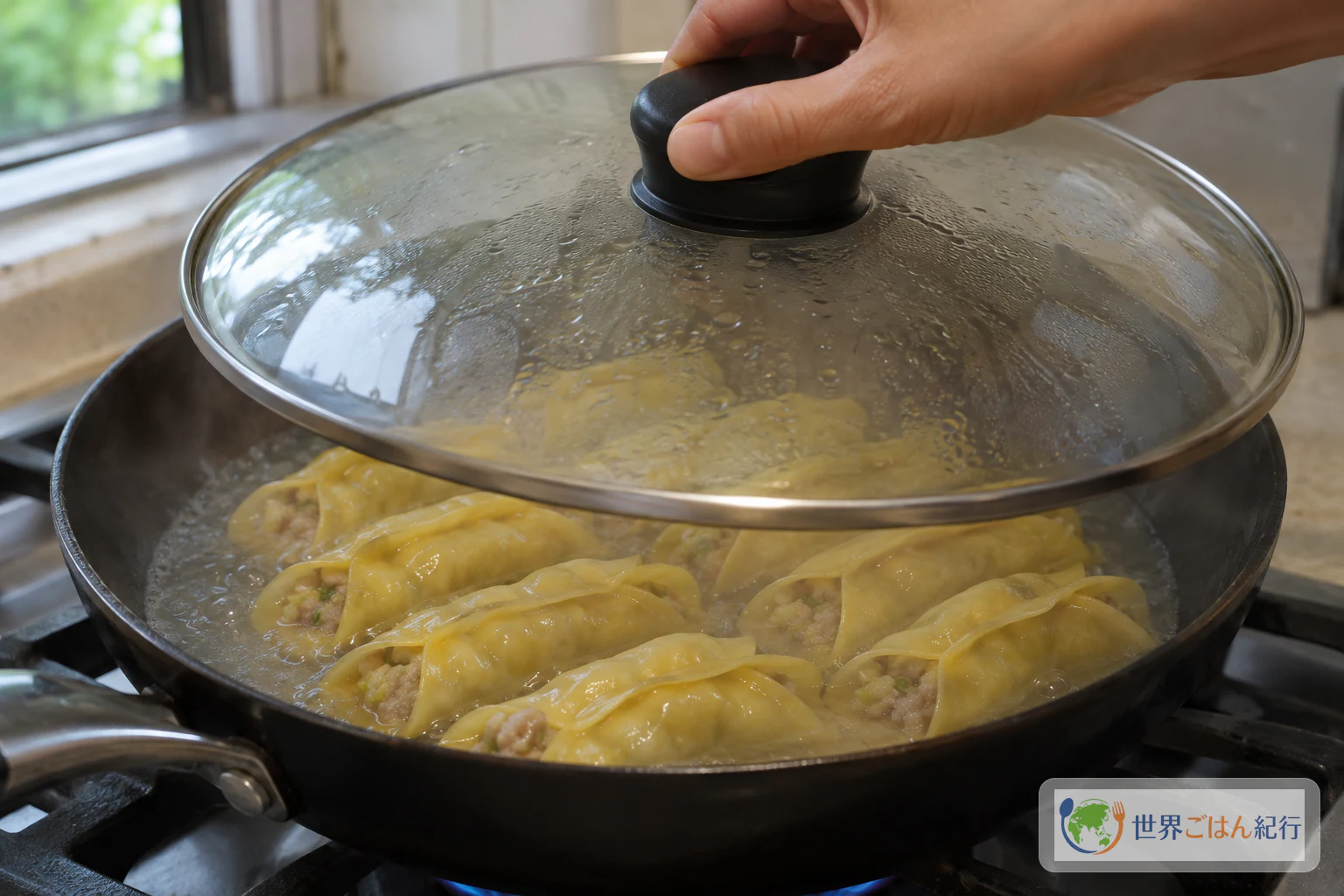
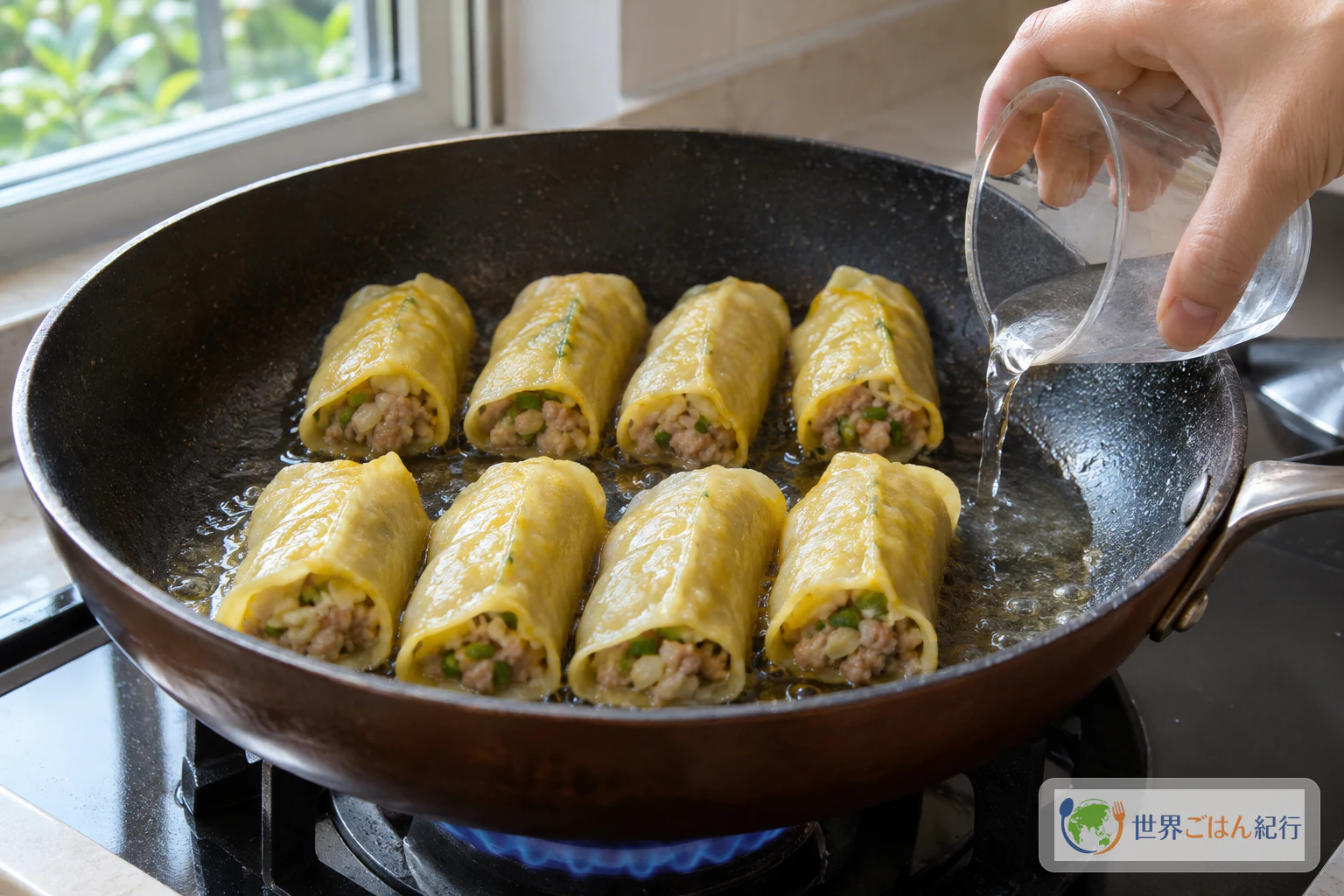
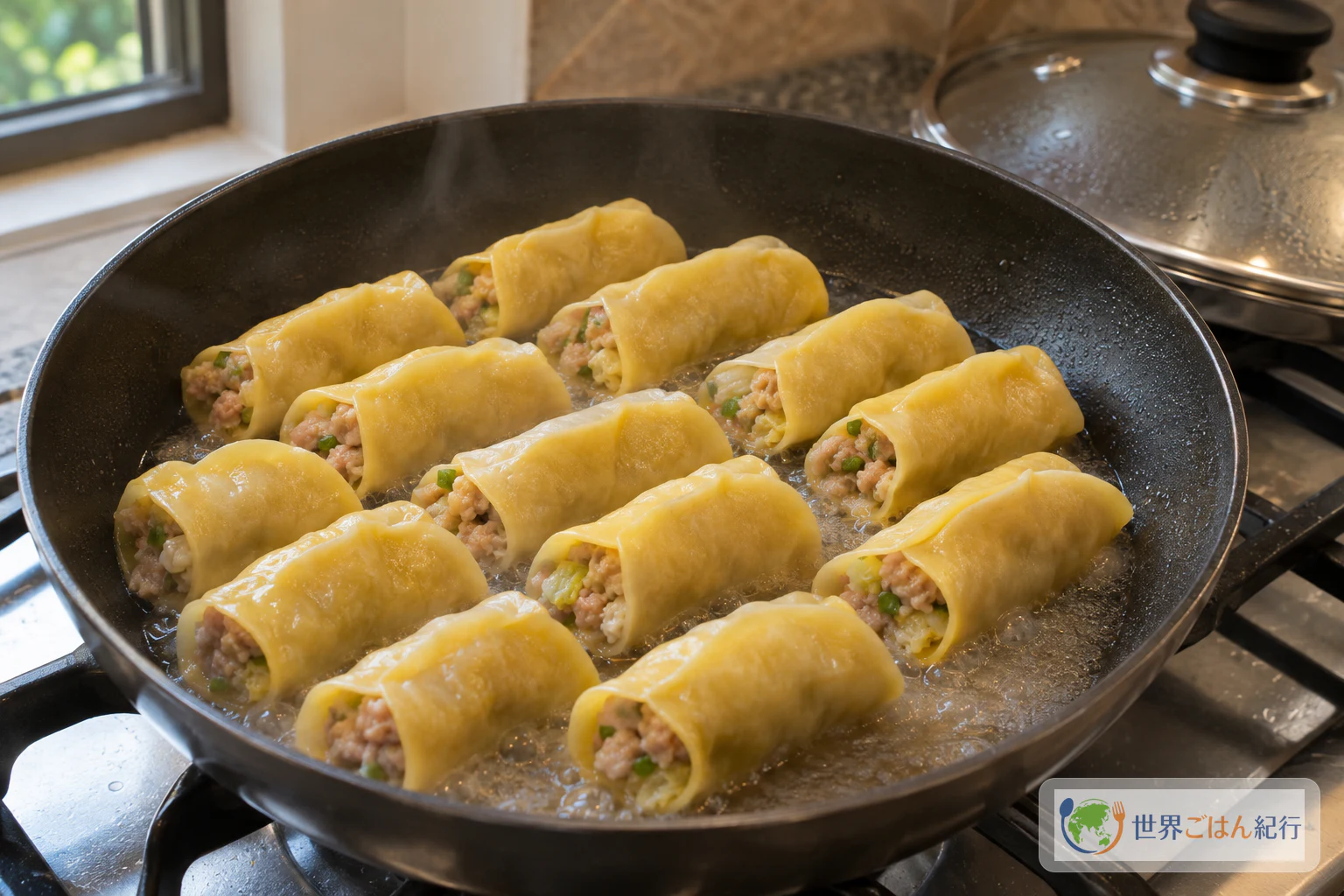
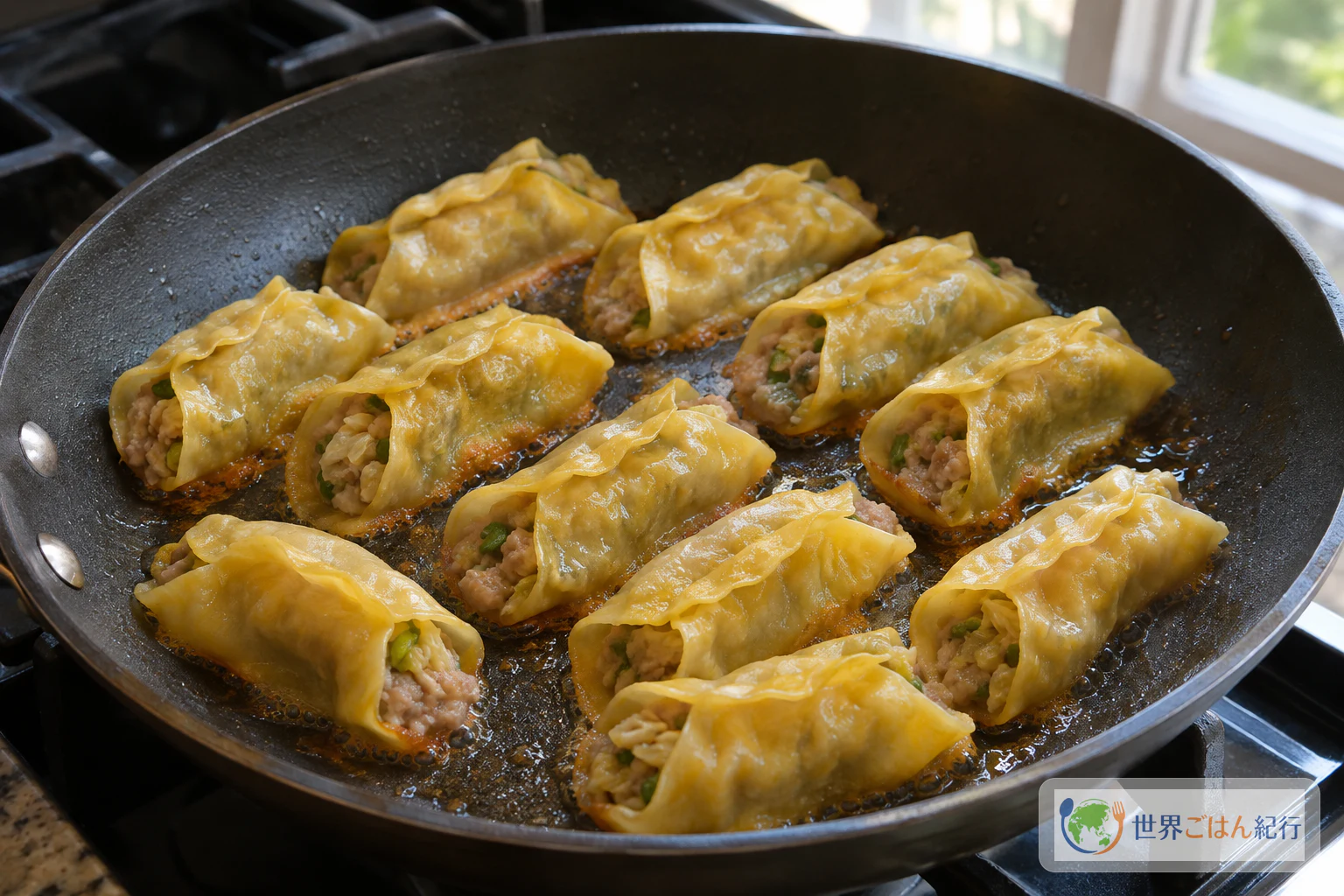
The dumplings begin to sizzle in the oil, and that is the cue. In goes the water, on goes the lid, and the pan changes from frying to steaming. When the lid finally comes off, the remaining moisture cooks away and the base turns crisp again. That change from wet pan to dry pan is what makes this dish worth learning.
"Potsticker" is a broad English name, and guotie (鍋貼) is the Chinese one. The Institute of Culinary Education describes guo tie as pan-fried and then steamed with water, with a crisp underside and a soft top. It contrasts them with shui jiao, which are boiled.
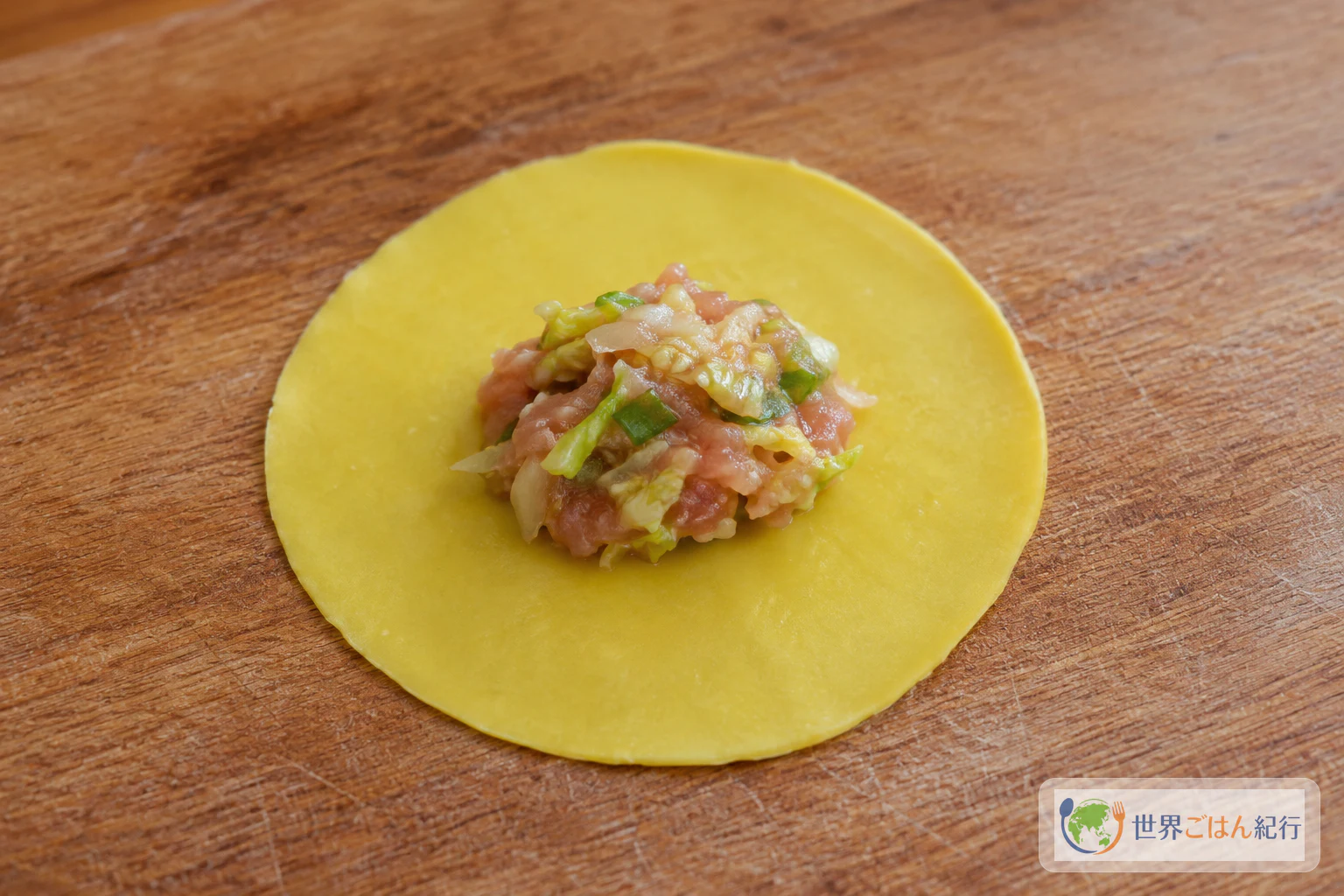
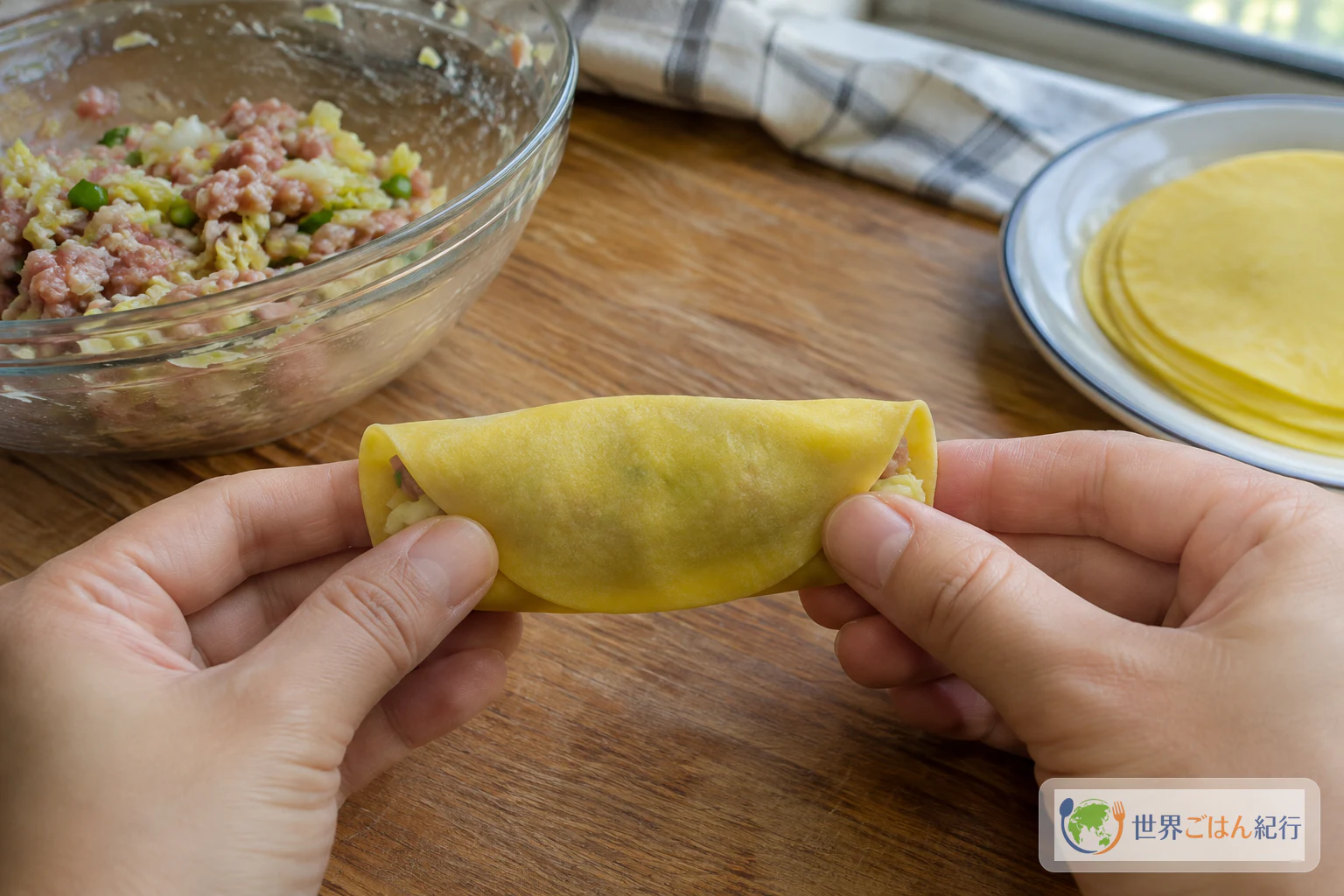
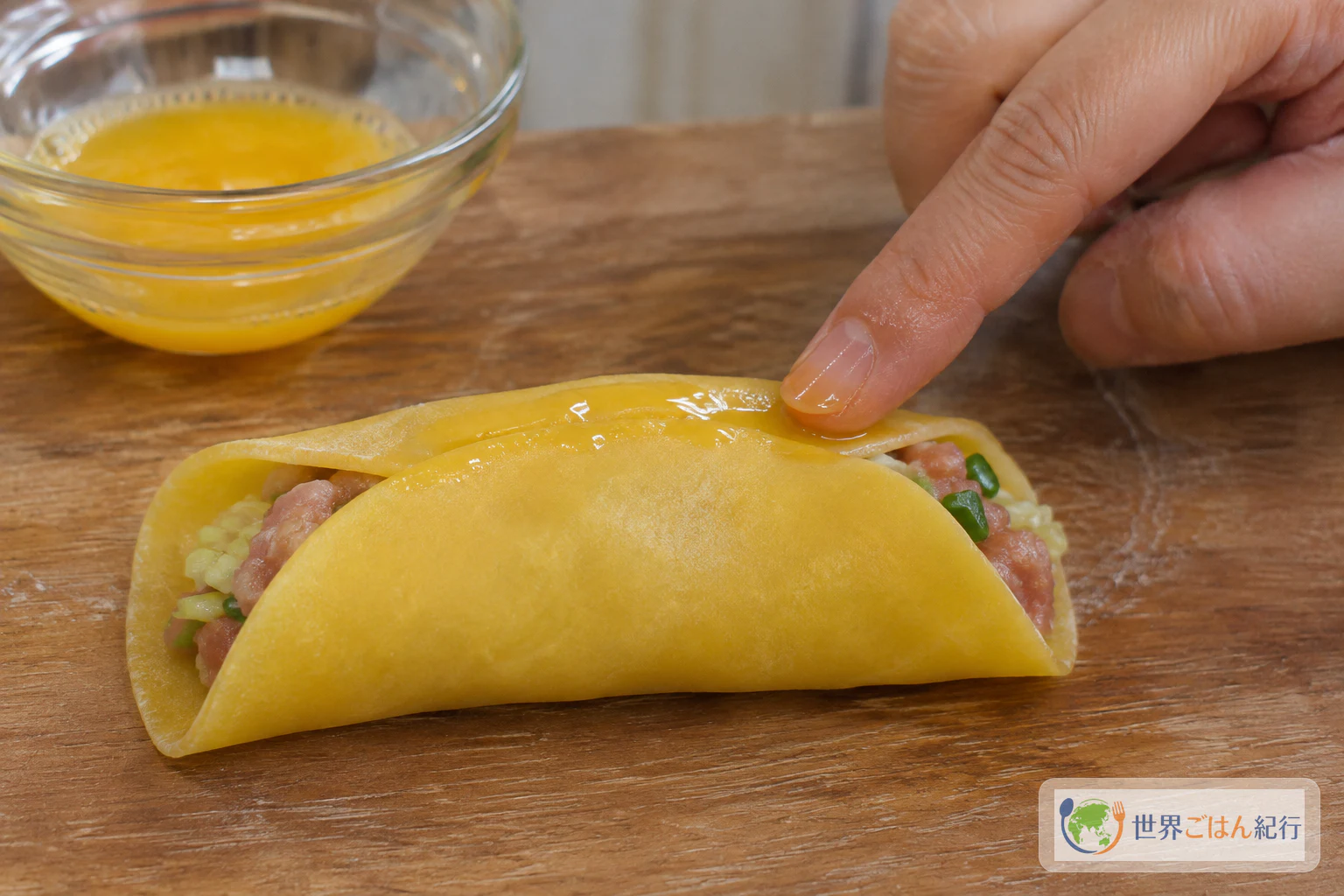
This article follows one specific version: the pork, napa cabbage and scallion potstickers by Bill at The Woks of Life, in the page updated April 16, 2025. That recipe offers leek or scallion, and we chose scallion. Its wrappers are round egg dumpling skins, with yellow recommended over white. Each dumpling is sealed along the top edge with both short ends left open.
Sekai Gohan has not kitchen-tested this recipe as a whole.
How to read the amounts
The recipe card and the method give different information, so some numbers need a word of explanation.
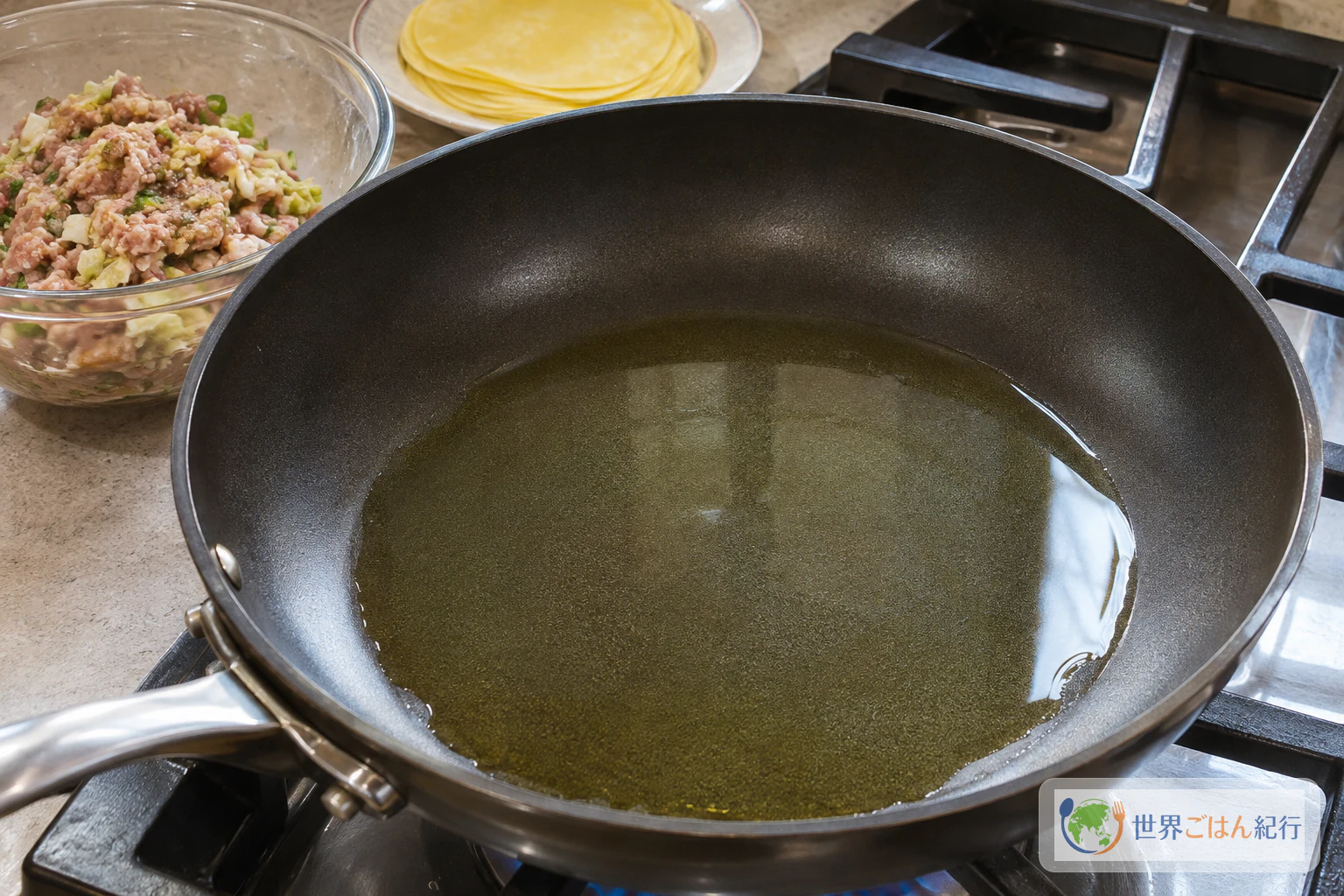
- Oil and water: The card lists vegetable oil with no amount and does not list water. The 2 tablespoons of oil and 1/4 cup of water come from the method's description of cooking in the pan.
- Pans: The recipe does not say how many pans it takes to cook everything, or how much oil and water that requires in total. We don't scale these amounts up or give a total.
- Yield: The card says it serves 6, with a separate note of about 6 dozen potstickers. These are two different measures and neither is an exact count. The number of wrappers in a pack isn't given either.
The added temperature check
The thermometer check and the "keep cooking if it falls short" steps are this site's safety additions, not part of the Woks of Life method. Japan's Ministry of Health, Labour and Welfare warns that pathogens in minced-meat dishes can be present in the center, and gives a clear standard: heat the center to 75°C for at least 1 minute. Japan's Ministry of Agriculture, Forestry and Fisheries adds that freshness alone does not remove the risk of raw meat, and that minced meat should be heated through to the center.
Cooking times, browning, steam and photographs cannot show that this standard has been met. Only a real measurement of the actual filling can.
Ingredients: Pork, Napa Cabbage and Scallion
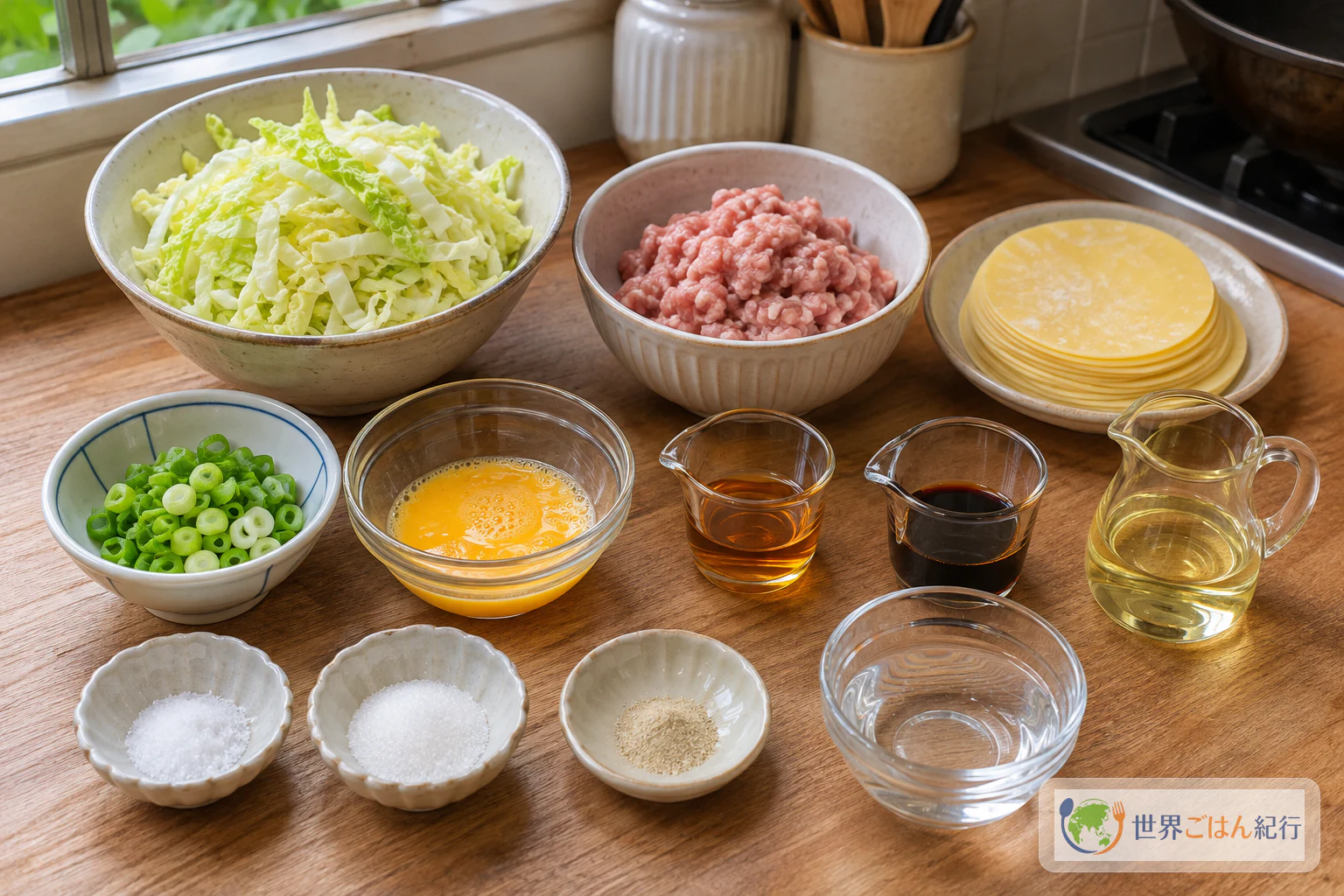
Serves 6. Makes about 6 dozen potstickers.
Equipment
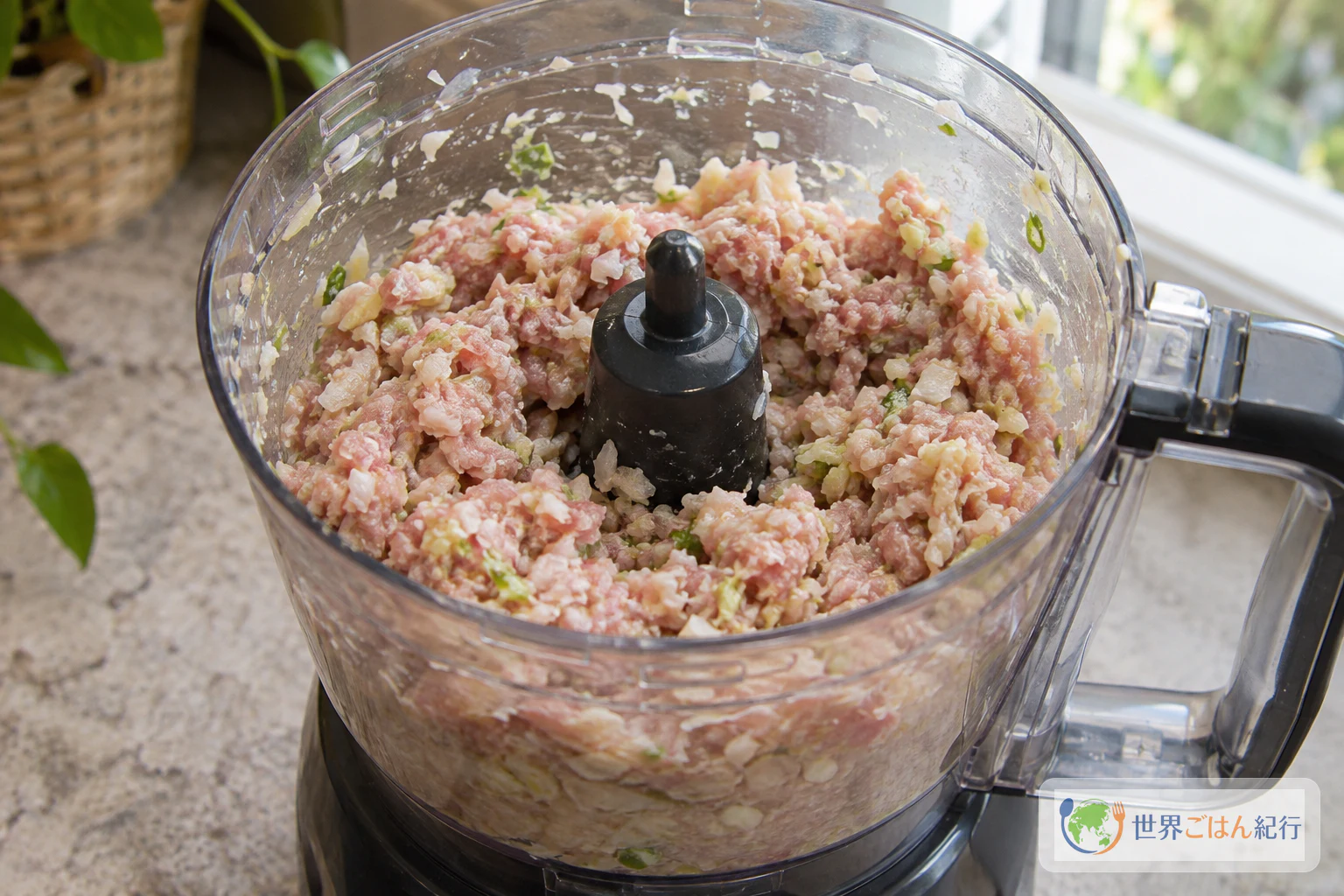
- Food processor
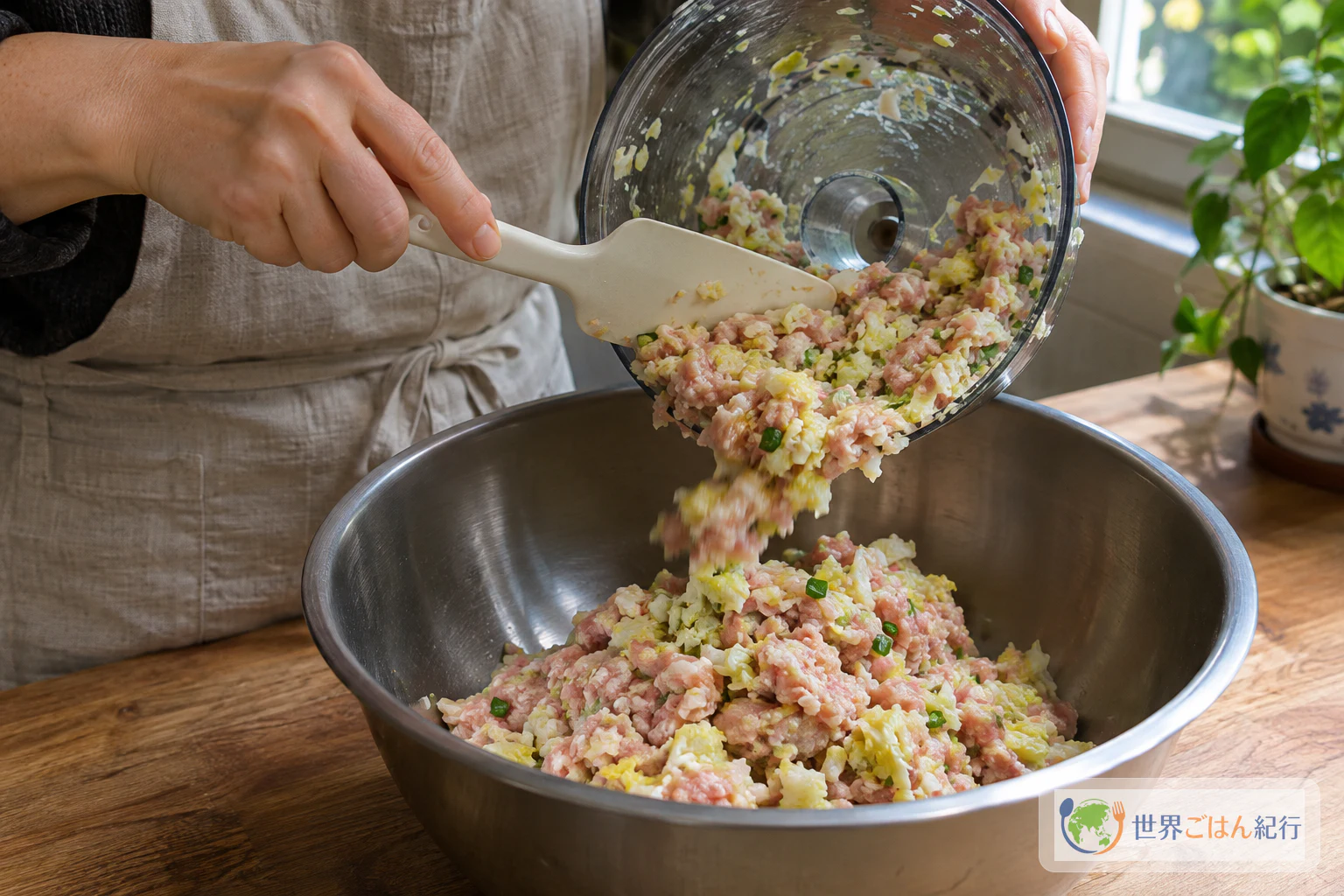
- Large mixing bowl and spoon
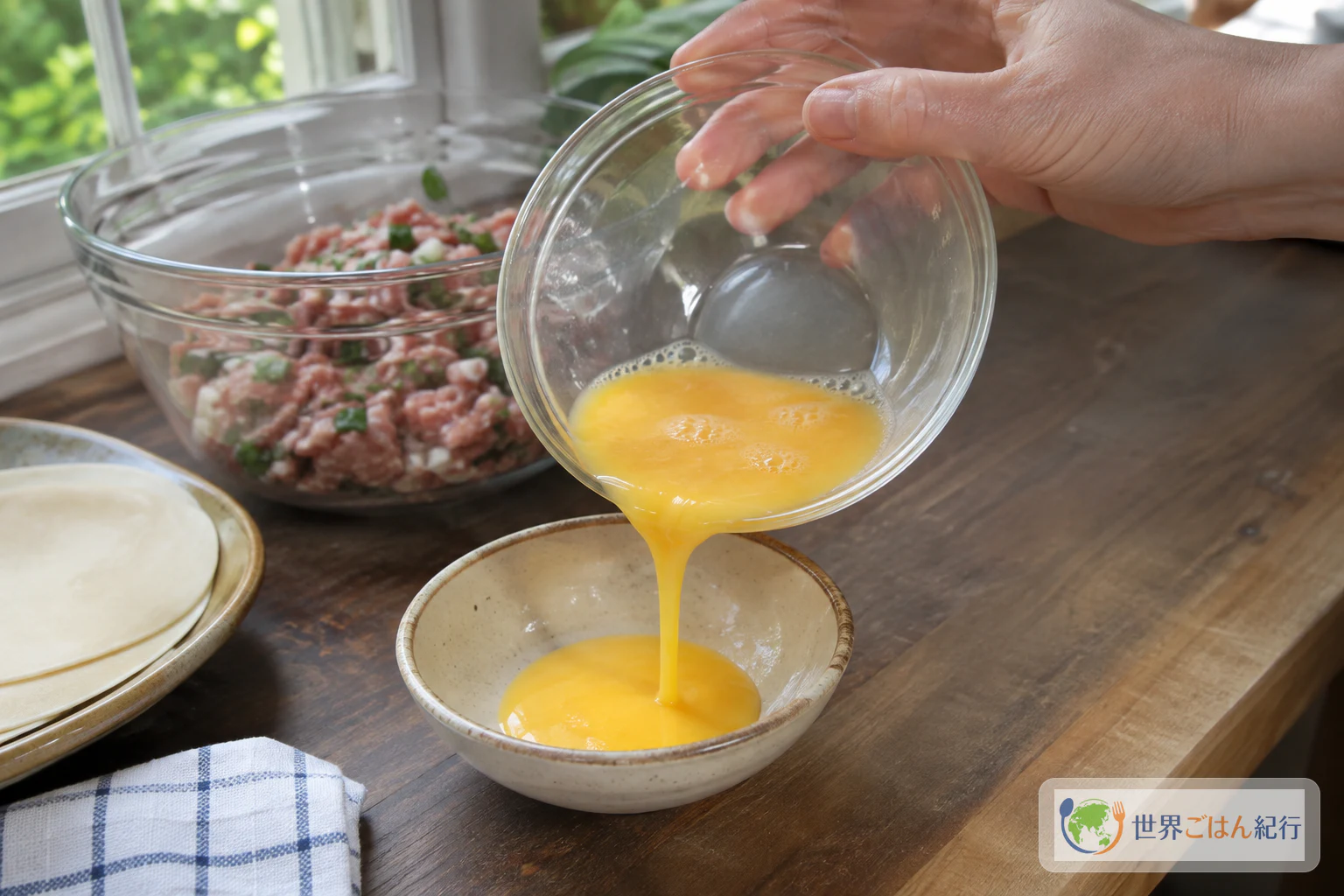
- Small dish for the reserved egg
- Skillet with a fitted lid
- Food thermometer with a probe
- Spatula that has not touched raw meat, for the cooked potstickers
- Plate for serving
Choosing Wrappers and Checking Allergens
Look for round dumpling skins made with egg, and pick the yellow ones. They are folded and sealed only along the top edge, so there is no pleating to practice.
This recipe contains egg, wheat (wrappers), soy (soy sauce), sesame (sesame oil) and pork. Check the allergen labels on packaged products. Keep the utensils that touch raw pork separate from the ones you use for cooked food.
Method: Fold, Fry, Steam, Measure, Crisp
Serve only after the center of the pork has reached 75°C for at least 1 minute. Steps 17 to 19 are only for when the measurement falls short.
At the Table
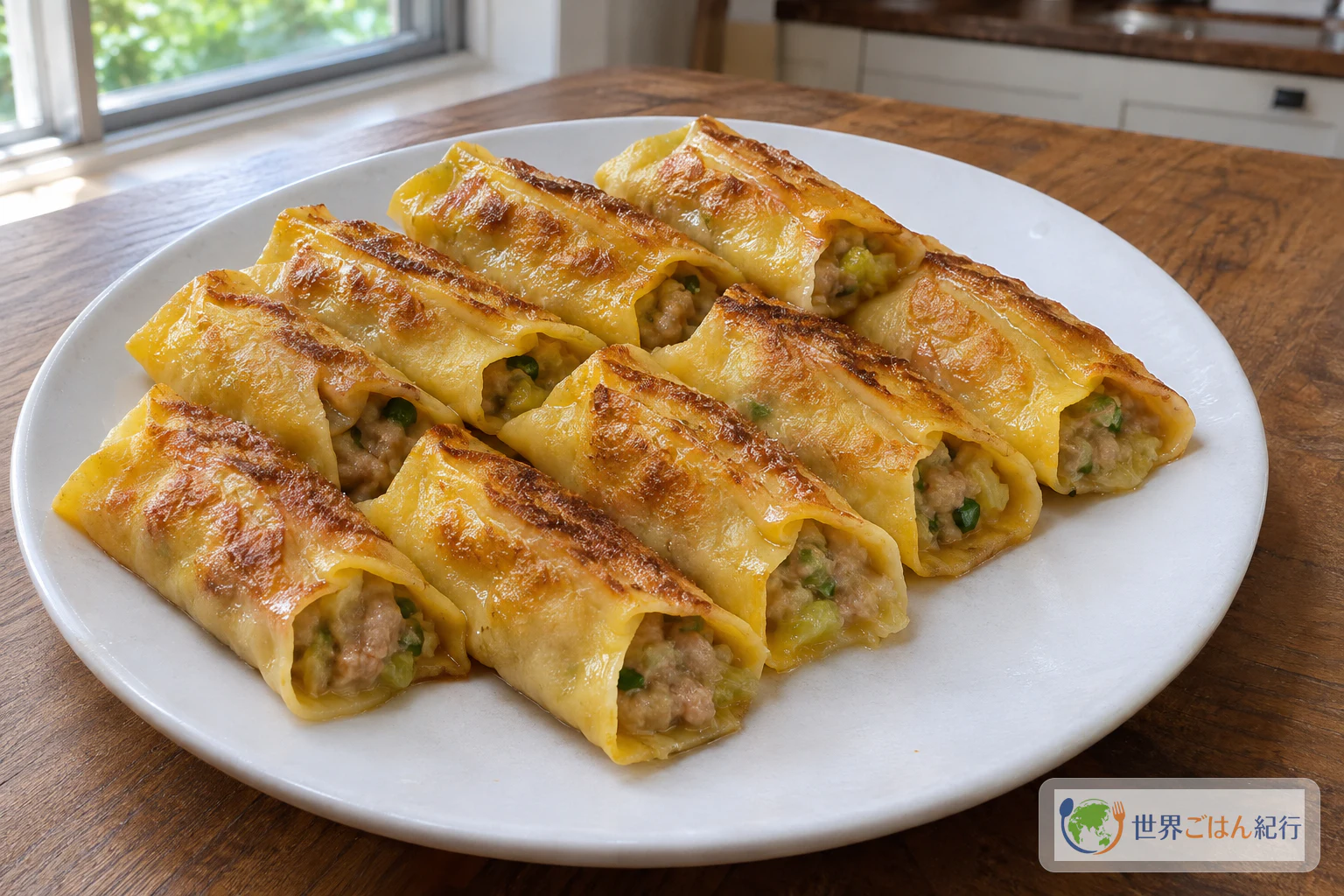
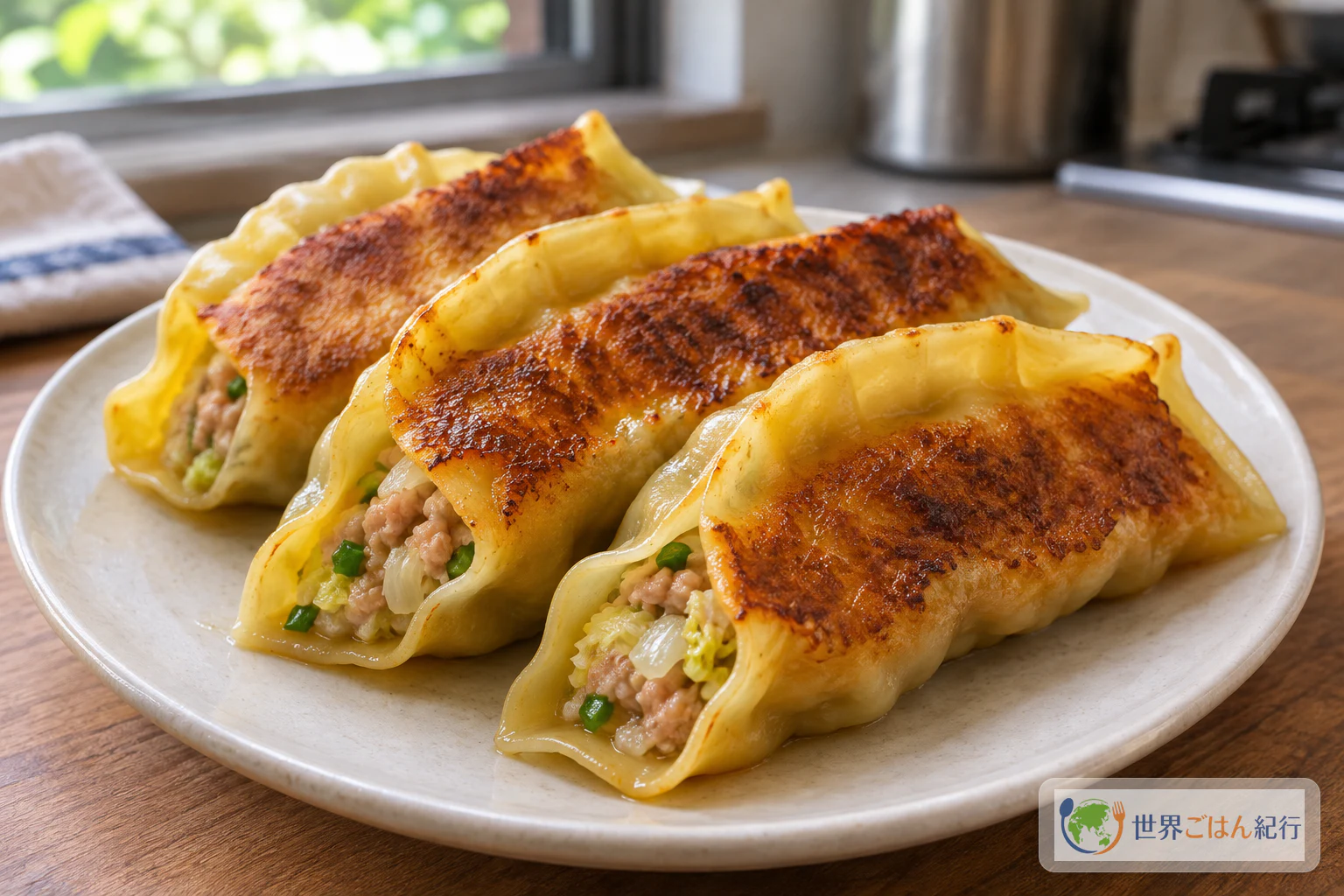
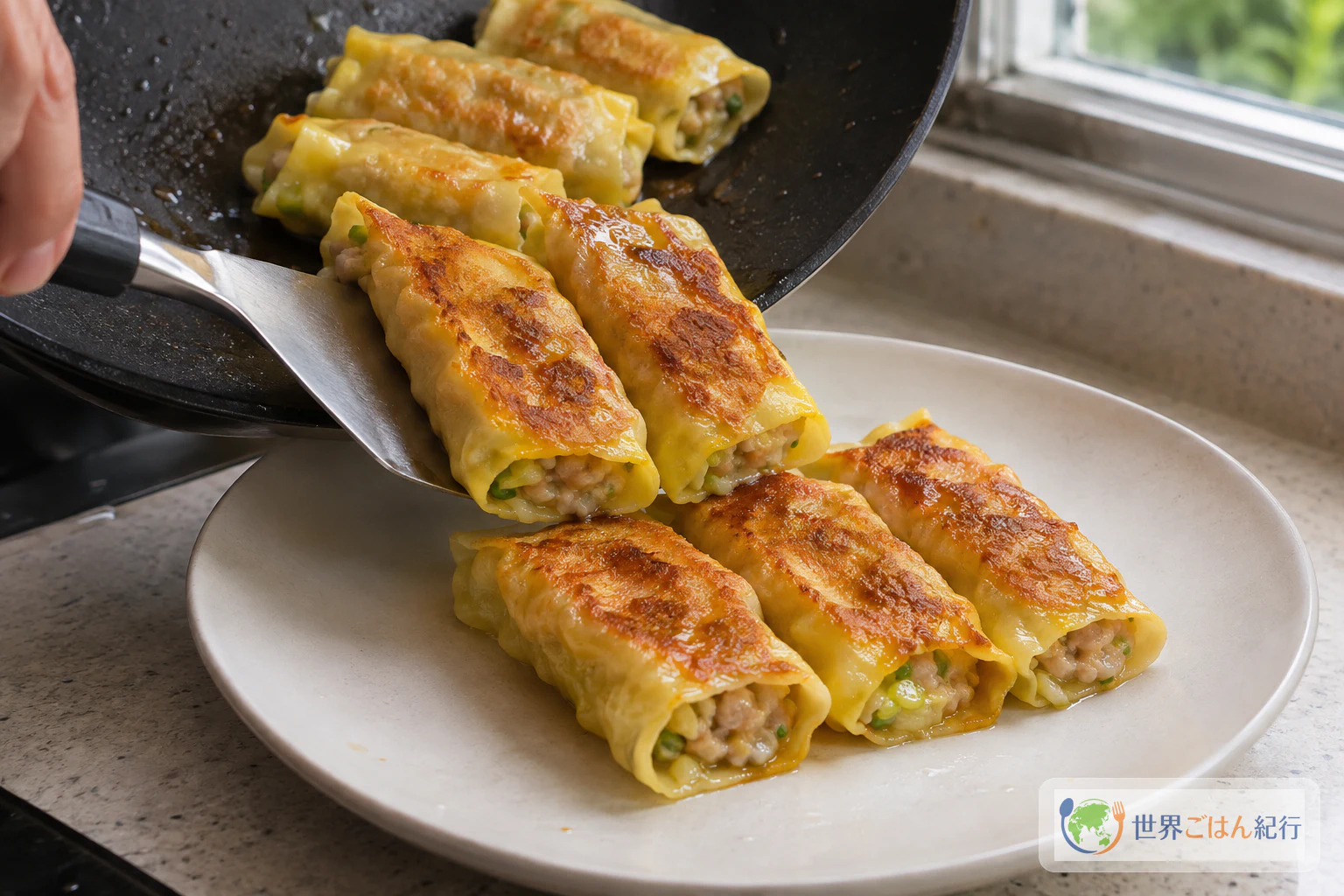
Bring the plate to the table with the browned bases facing up, so the crisp side is the first thing you see. The open ends show the pork, napa cabbage and scallion inside.
Fixing Problems in the Pan
| What you see | What to do |
|---|---|
| Water is still in the pan | Don't add more. Keep the lid on and let it evaporate. |
| The pan is drying out or starting to burn | Add a little water. |
| The center has not reached 75°C for at least 1 minute | Add a little water, replace the lid, keep heating and measure again (steps 17 to 19). Don't plate yet. |
| The base isn't crisp | Once the temperature check is done, cook with the lid off until the remaining moisture has evaporated. |
| The bases look nicely browned, but you haven't measured | Color doesn't confirm the temperature. Measure the center before plating. |
| Filling shows at the short ends | That is how this version is meant to look. The top edge is sealed and both ends stay open. |
Variations That Stay Close
Leek instead of scallion. Use 1/2 cup leek in place of the scallion.
White wrappers. Choose yellow egg skins over white. Ordinary white wrappers aren't necessarily the same product, so expect a different result, in color at the very least.
Soy sauce. Choose the type of soy sauce you prefer; different types may not taste the same.
Dipping sauce. This version doesn't include one, and the seasoning amounts above stand on their own without it.
Background: Where This Version Fits
The Institute of Culinary Education associates guo tie with Northern China and classifies them by cooking method: pan-fried and then steamed, as opposed to boiled shui jiao. We use that as a general classification only. The materials behind this article don't establish a single origin, an inventor or a date, so we don't claim any.
Shape varies too. The sealed top and open ends belong to the recipe followed here, and they aren't the one correct form for every potsticker. The same goes for other fillings, wrappers and pan techniques, which aren't part of this recipe.
For more dishes from the same country, see the China page.
Frequently Asked Questions
What is the difference between potstickers and boiled dumplings?
The Institute of Culinary Education distinguishes them by cooking method. Shui jiao are boiled, while guo tie are pan-fried and then steamed with water, which gives a crisp underside and a soft top.
How do I close the wrapper?
In this version, fold a yellow round egg skin in half over the filling, seal the upper edge with the reserved egg, and leave both short ends open. The Woks of Life recipe doesn't call for a fully sealed, pleated crescent.
How long do they take to cook?
The Woks of Life recipe card shows 25 minutes prep, 10 minutes cook and 35 minutes total. Its method also gives about 3 minutes covered and about 1–2 minutes uncovered. Those two figures are guides for the later stages, while the card's figure covers the recipe as a whole, so we don't treat them as a contradiction. None of these times confirms doneness. Measure the center of the pork, which should reach 75°C for at least 1 minute.
There is still water in the pan. Should I do anything?
Don't add more, and let it evaporate under the lid. The Woks of Life method adds a little water only if the pan is drying out or burning. Adding water because the temperature fell short is a separate step, and that one is this site's safety addition.
How many pans will the whole batch take?
The Woks of Life recipe doesn't say. The 2 tablespoons of oil and 1/4 cup of water describe its pan method, and it gives no count of pans or total amounts for about 6 dozen potstickers. We don't estimate those figures here.
Can I store or reheat leftovers?
The sources used for this article give no storage period or reheating method, so we don't state one.
Sources
- Bill, The Woks of Life, "Easiest Pork and Cabbage Potstickers Recipe Ever," page updated April 16, 2025. The recipe followed here: ingredients, amounts, wrapper choice, folding, pan method and card times. https://thewoksoflife.com/easiest-pork-and-cabbage-potstickers-ever/
- Institute of Culinary Education, "Types of Chinese Dumplings." Classification of guo tie and shui jiao, their texture, and the association of guo tie with Northern China. https://www.ice.edu/blog/types-chinese-dumplings
- Ministry of Health, Labour and Welfare (Japan), "食中毒予防:お肉はよく加熱して食べよう ~お肉の生食はとても危険です!~" (Preventing food poisoning: cook meat thoroughly). Pathogens in the center of minced-meat dishes, the standard of 75°C at the center for at least 1 minute, checking the actual center temperature, and avoiding secondary contamination. https://www.mhlw.go.jp/stf/web_magazine/closeup/08.html
- Ministry of Agriculture, Forestry and Fisheries (Japan), "お肉はしっかり火を通してから食べましょう" (Cook meat thoroughly before eating). Freshness and raw-meat risk, heating minced meat through to the center, and separating raw-meat utensils from those used with cooked food. https://www.maff.go.jp/j/syouan/seisaku/foodpoisoning/raw_meat.html