A Peanut Butter Sandwich Becomes French Toast: The Cha Chaan Teng Plate
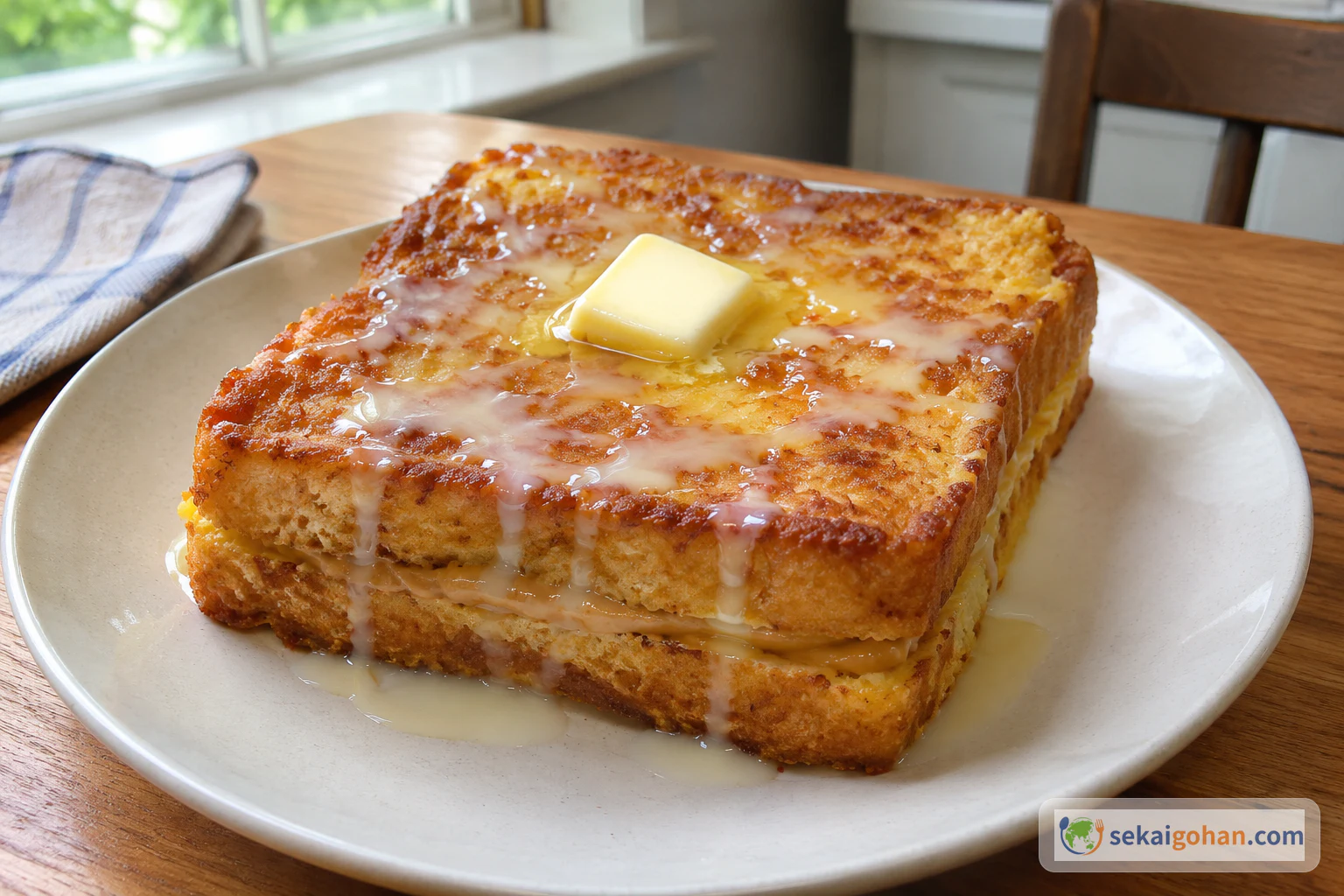
Two slices of milk bread holding sweetened peanut butter, a quick coat of egg on every side, a turn in hot oil, and a finish of sweetened condensed milk and butter. Those four things are what set this dish apart.
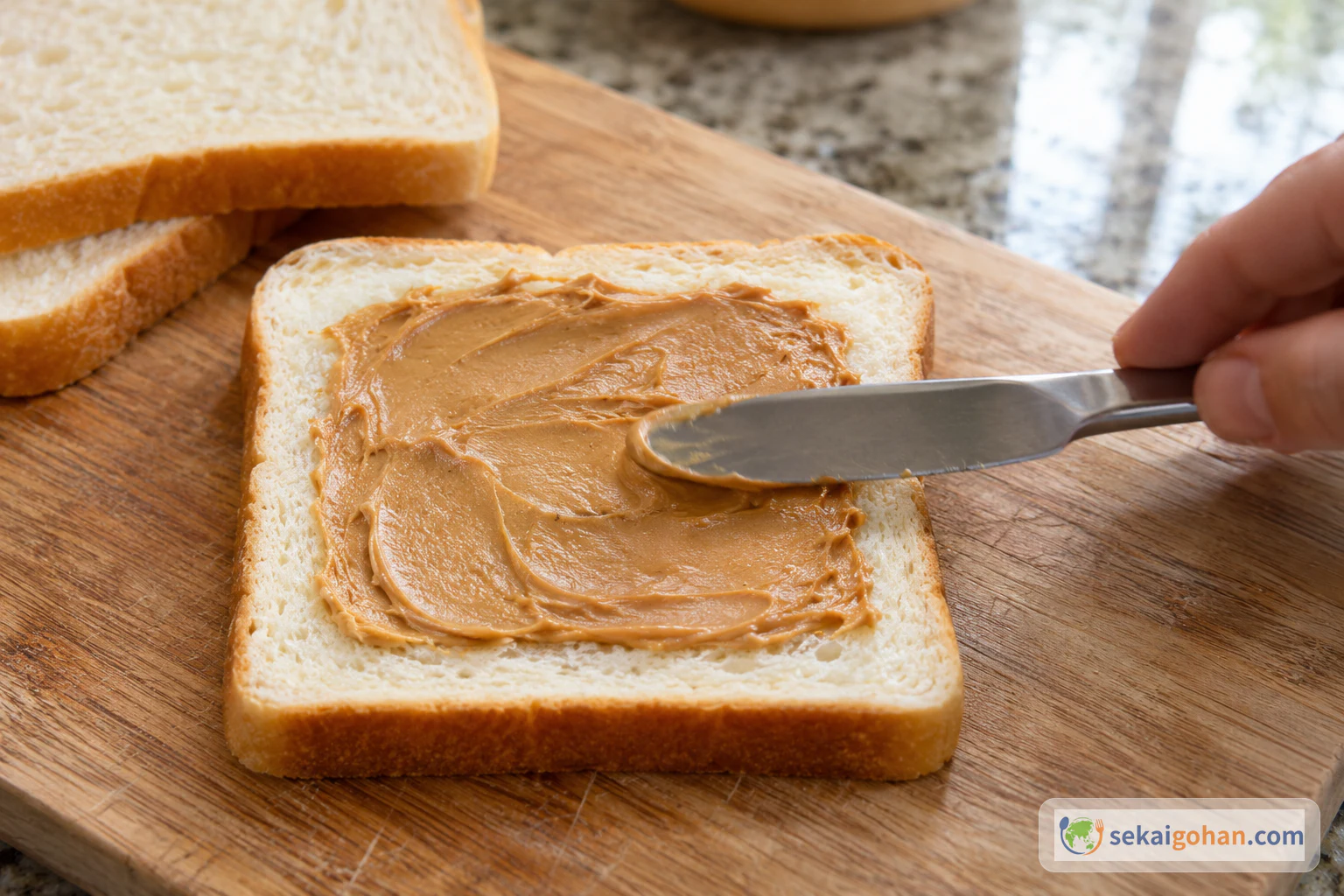
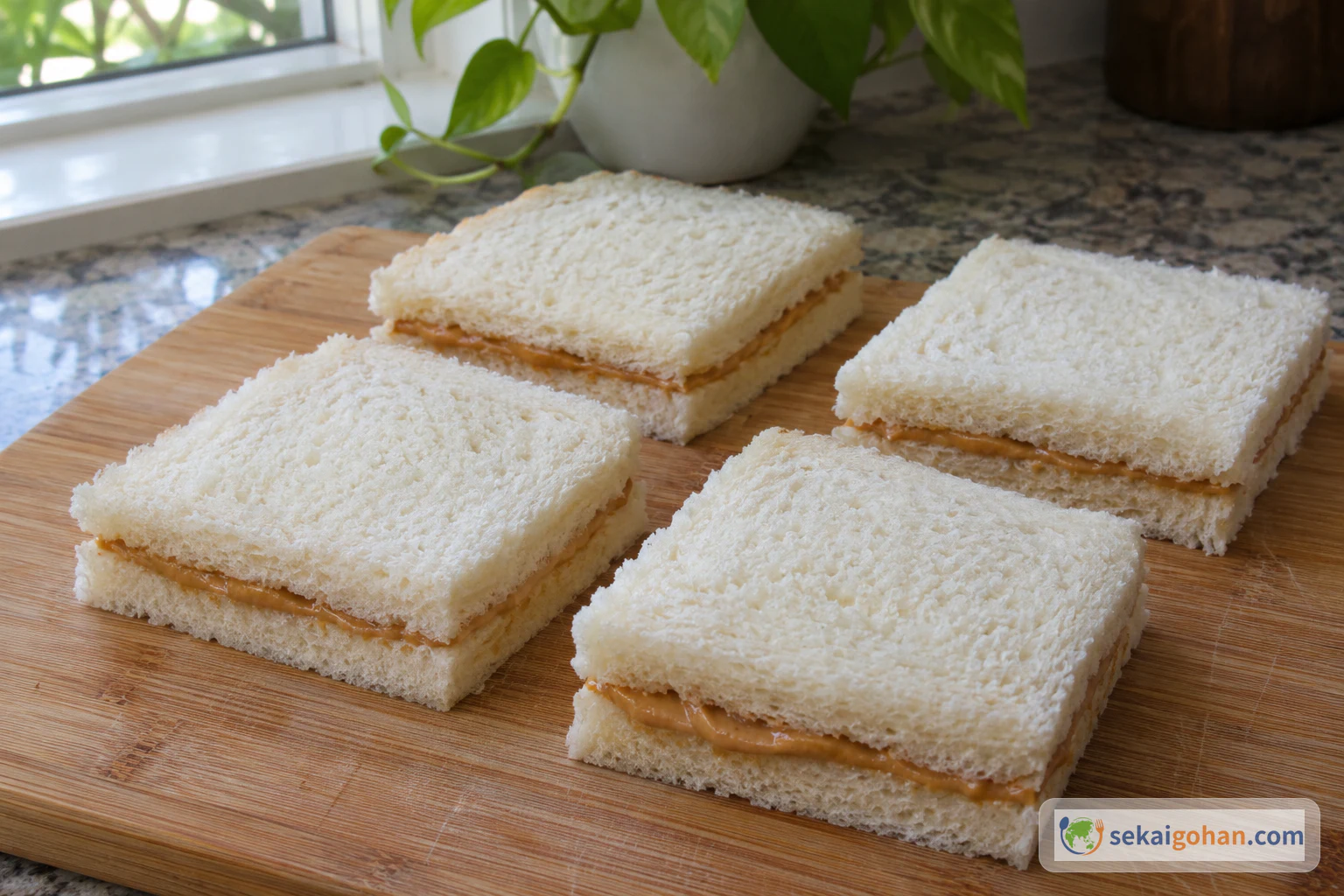
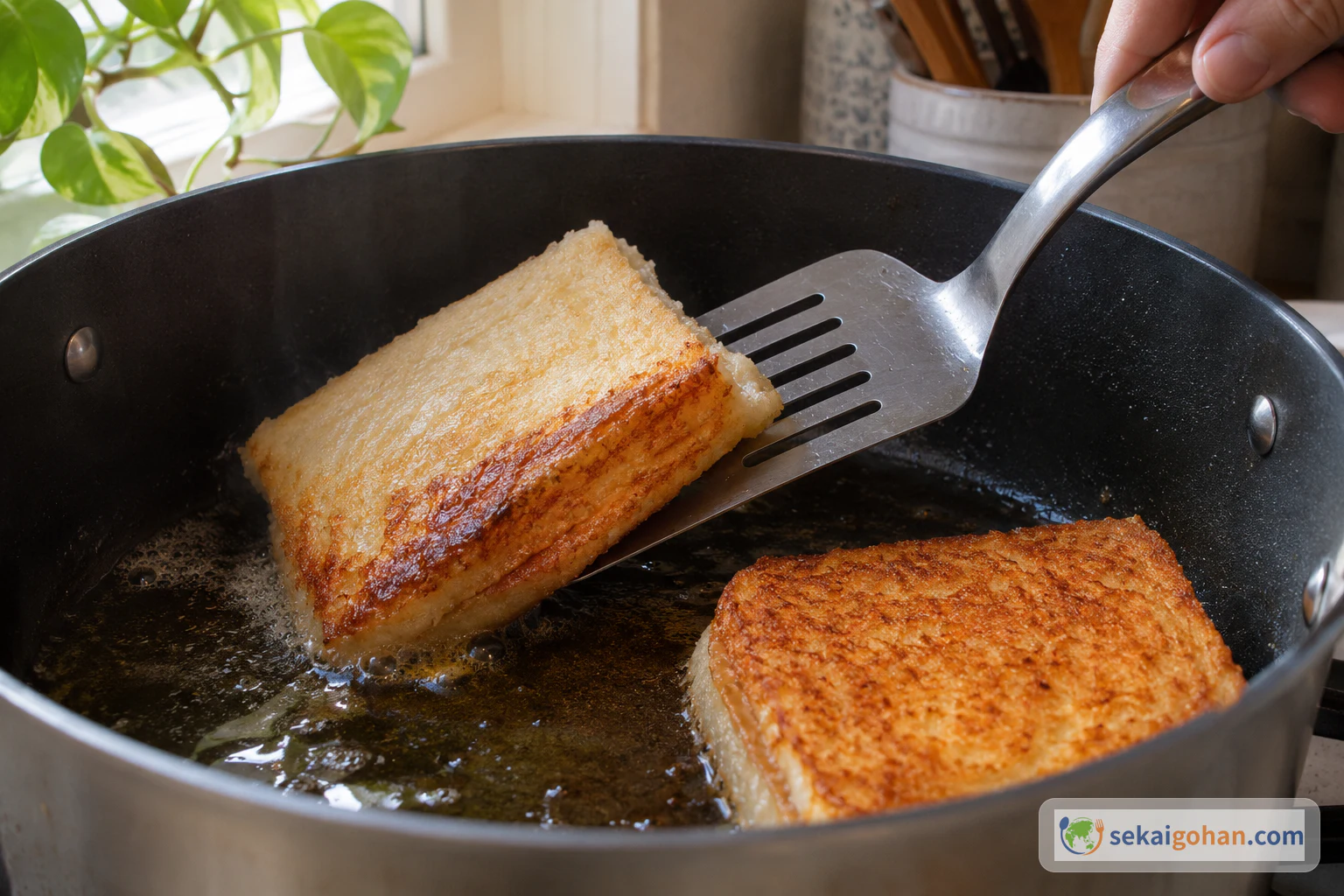
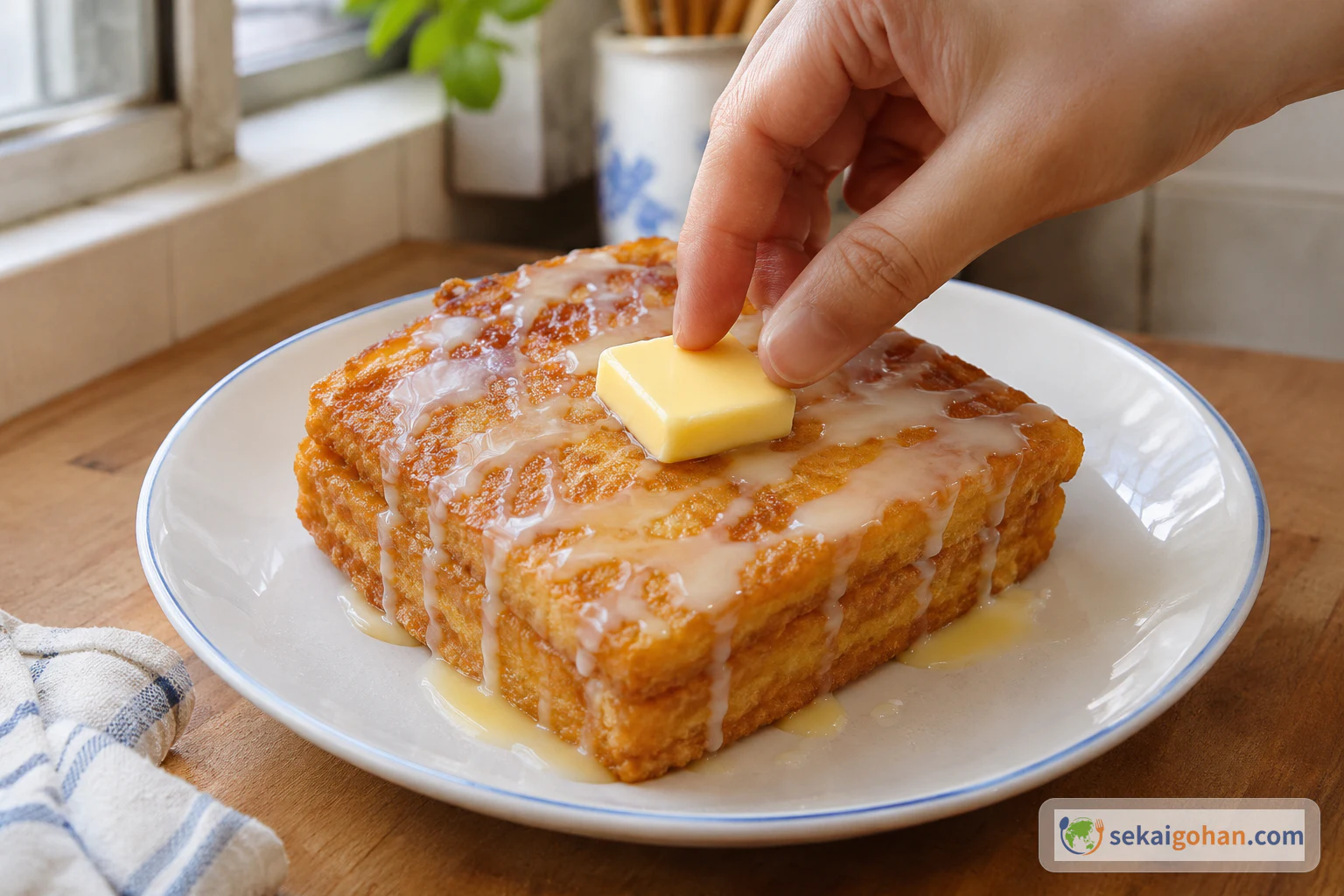
Most French toast starts with a single slice of bread soaked in egg and cooked in a pan. Hong Kong-style French toast takes a different route. Peanut butter goes between two slices of milk bread, the crusts come off, the whole sandwich is dipped quickly in egg, and then it is fried until deep golden. Sweetened condensed milk and a pat of butter finish the plate.
The recipe on this page follows one written recipe: Andy Liang's Hong Kong-Style French Toast for The Kitchn, published on May 6, 2024. It makes 4 servings, using 8 slices of milk bread to build 4 sandwiches. In that recipe, Liang describes Hong Kong-style French toast as a menu staple at cha chaan tengs, Hong Kong's tea restaurants, and names milk bread, peanut butter, condensed milk and butter as its building blocks. You can find more dishes from the same city on our Hong Kong page.
Sekai Gohan has not kitchen-tested this recipe. The amounts, order, temperature and frying times below follow Andy Liang's recipe for The Kitchn.
Once you have milk bread and the right kind of peanut butter, the method itself is short. The part that needs your attention is the few moments between the egg mixture and the oil.
Where It's Eaten: Tea Restaurants and Their Toast
The Hong Kong Tourism Board describes cha chaan tengs as tea restaurants, and its guides show this toast on the menus of specific shops. In its list of cha chaan tengs worth visiting, the board recommends the thickly sliced Hong Kong-style French toast at Mido Cafe in Yau Ma Tei, served with butter and condensed milk. Its Japanese-language page for Hon Fat Noodle, a cha chaan teng in Sham Shui Po, names 西多士 as Hong Kong-style French toast and describes it as one of the shop's specialties, served with plenty of condensed milk.
These are examples of particular shops, not a single rule that every tea restaurant follows. Mido Cafe's thick slices, for instance, differ from the 1/2-inch slices used in the home recipe here. What links the shop examples and the recipe is the finish of condensed milk and butter. This page does not attempt to tell the history or origin of the dish, since the sources used here do not cover it.
Ingredients: 4 Servings, 4 Sandwiches
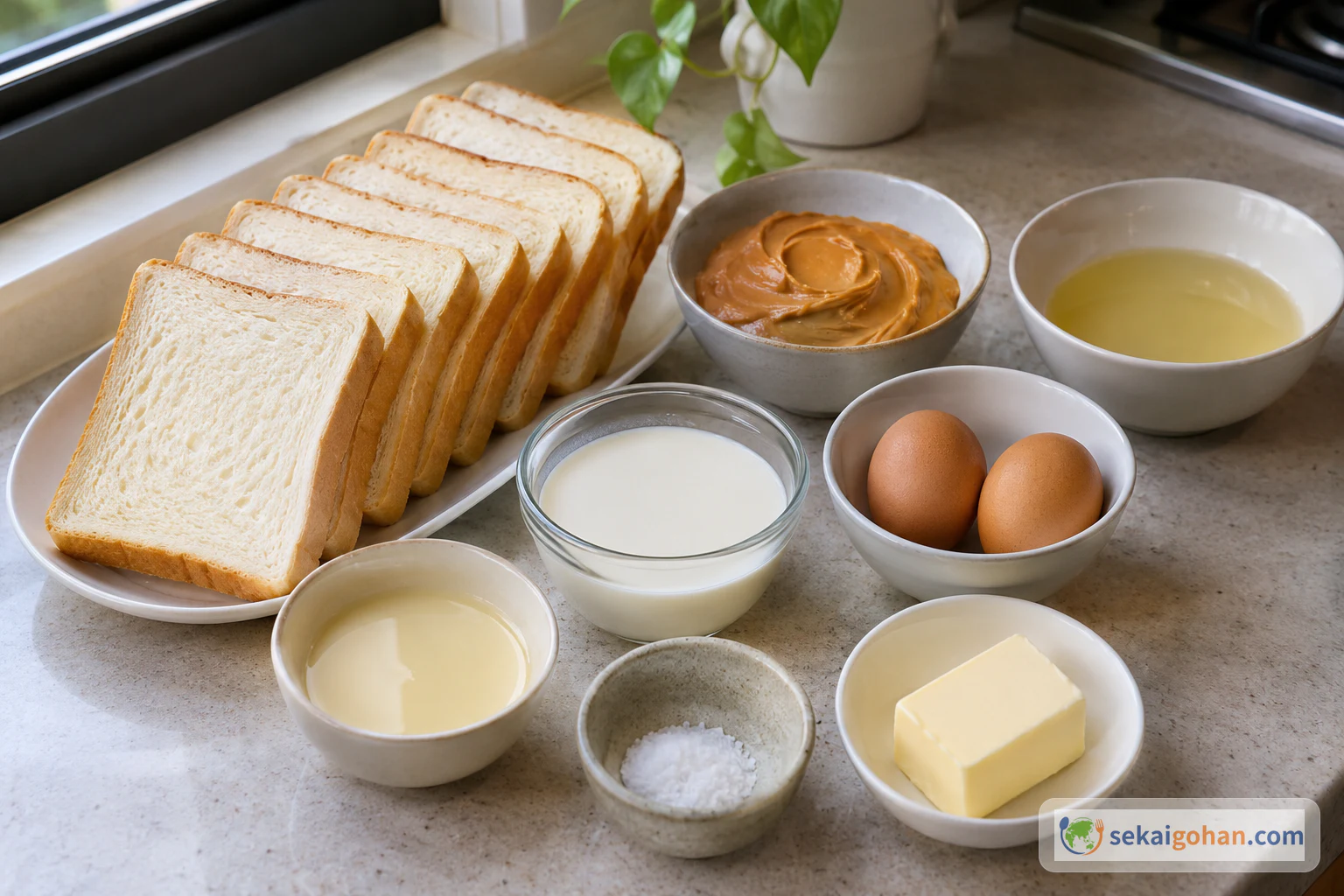
These amounts make 4 servings: 8 slices of bread become 4 sandwiches.
This dish contains wheat (bread), peanuts, egg and dairy (milk, condensed milk, butter). Check the labels of the bread, peanut butter and condensed milk you buy for other allergens and shared-facility statements. This recipe cannot guarantee that it is safe for anyone with a food allergy.
Equipment
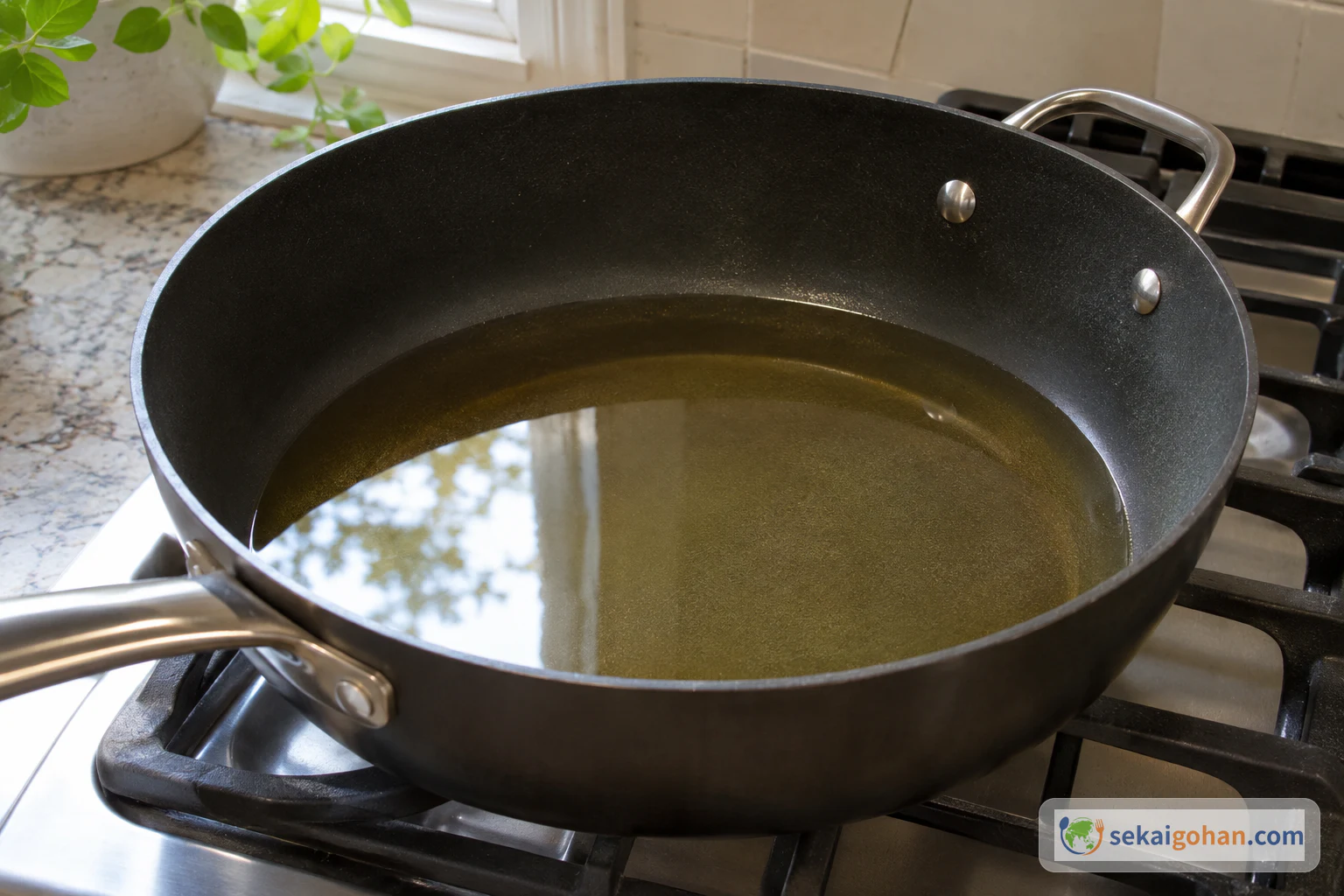
- A large high-sided or cast-iron skillet, at least 10 inches wide
- A wide, shallow bowl
- A whisk
- A knife for spreading and for trimming the crusts
- A spatula for turning the sandwiches
- A plate lined with paper towels
Choosing the Bread, Peanut Butter and Finish
Milk bread from an Asian bakery is the bread to look for. Shape varies from bakery to bakery; what matters here is slicing it 1/2 inch thick.
Sweetened peanut butter that does not separate is the filling. Natural peanut butter gives a different result (see the swaps below), so keep it out of the basic version.
Sweetened condensed milk is the topping, together with unsalted butter. Honey, golden syrup and maple syrup are different ingredients and are not part of this version.
Canola oil is used here as the neutral oil, along with ordinary whole milk, kosher salt and unsalted butter. No particular brand is needed.
Method: Spread, Close, Trim, Dip, Fry
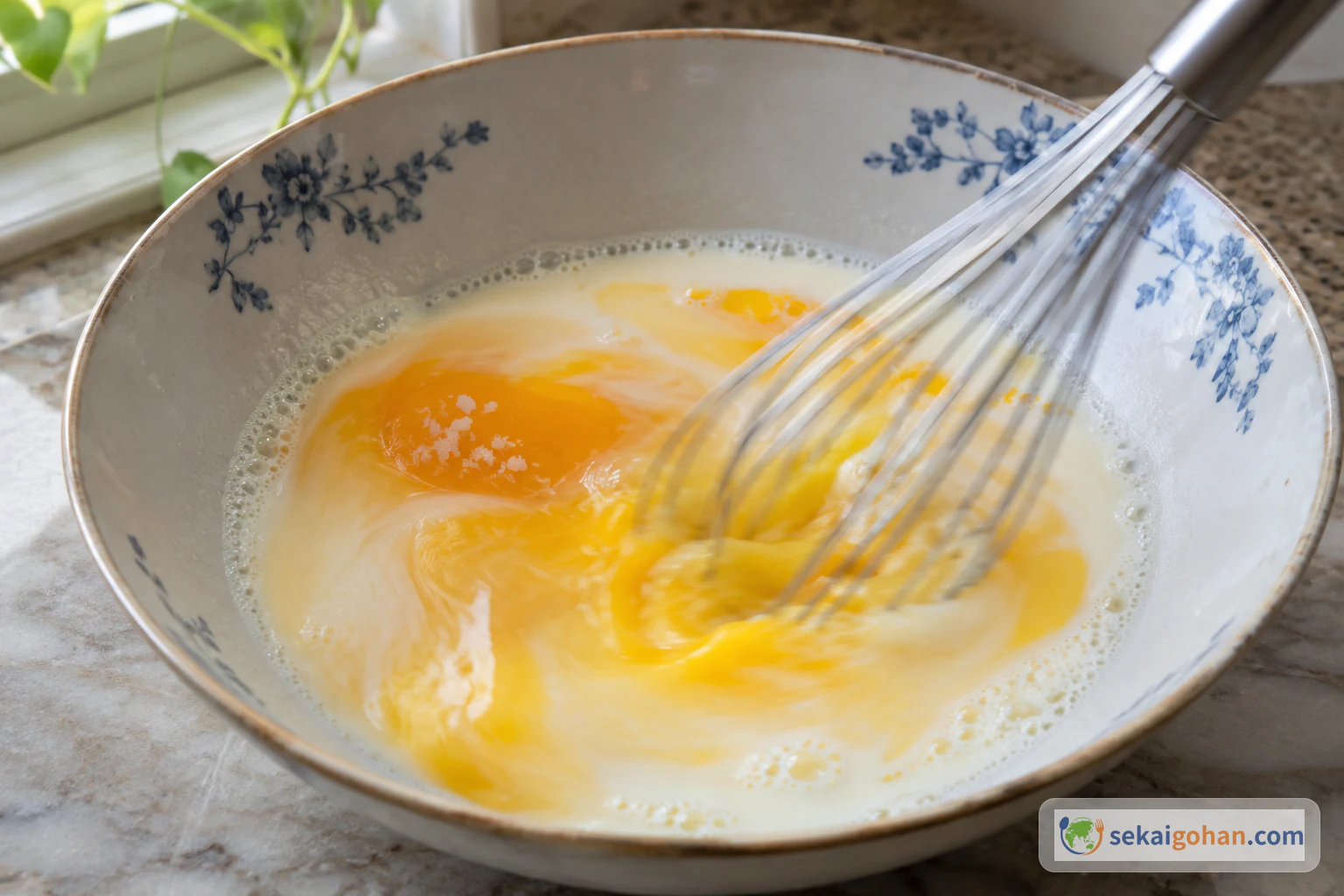
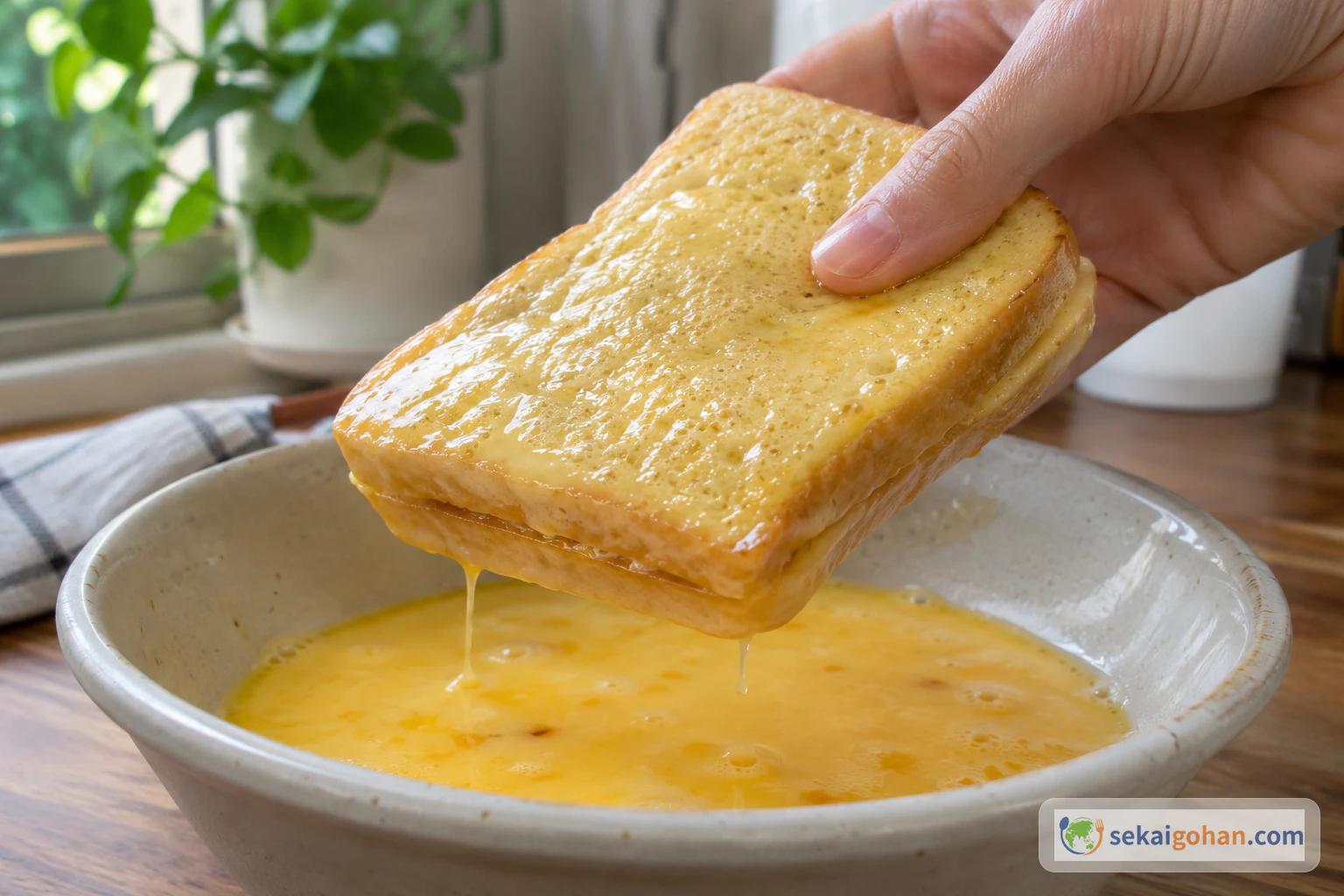
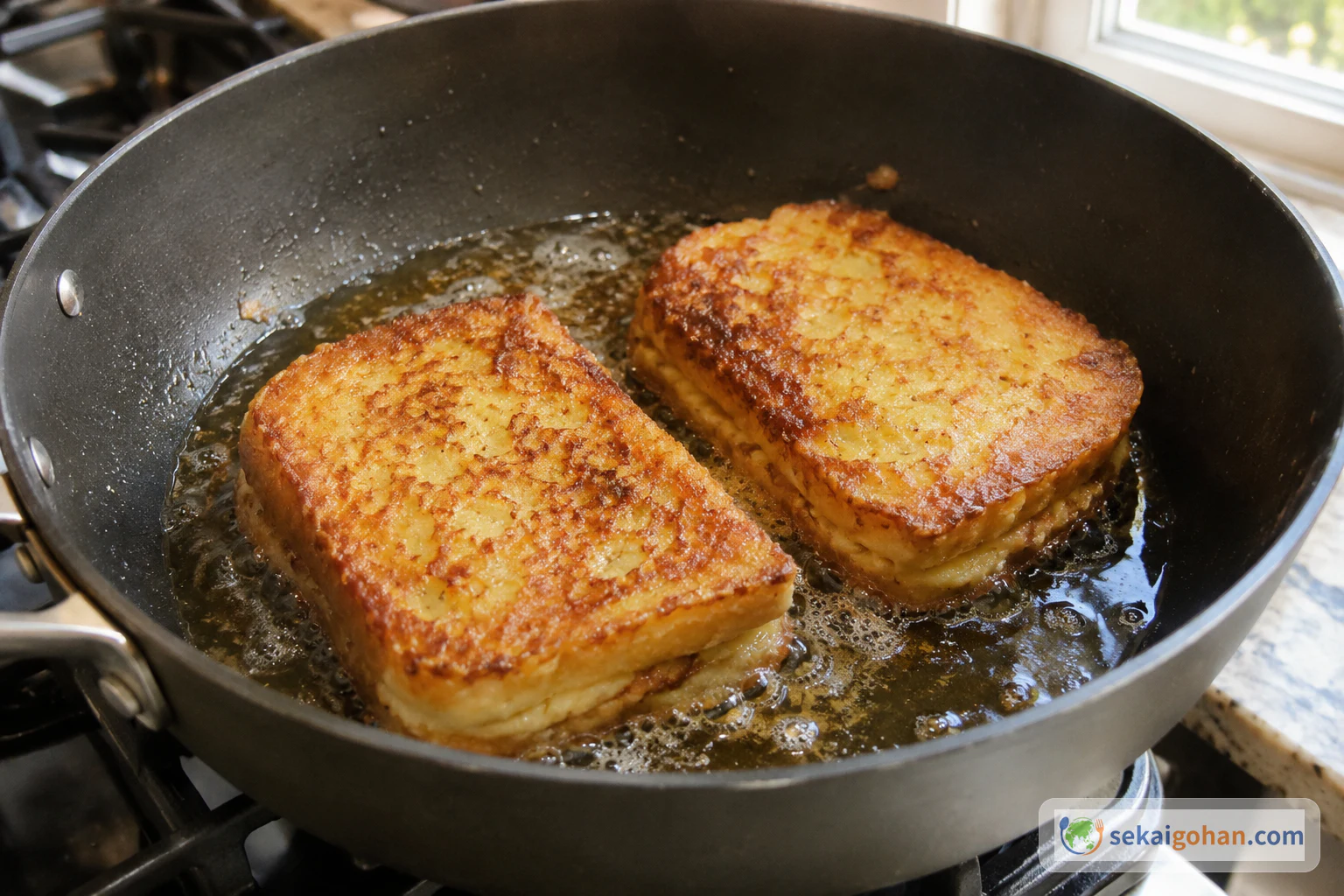
Spread the peanut butter, close each sandwich, and only then trim the crusts. When frying, work with two sandwiches at a time and give each one only a quick dip in the egg.
Easy Places to Go Off Track
| Point | Keep it this way |
|---|---|
| Dipping in egg | Every side, quickly. Lift the sandwich out instead of leaving it in the bowl |
| Trimming the crusts | After the second slice is on, not before spreading |
| How many in the pan | Two at a time, then the next two |
| Oil temperature and timing | 350°F, turning halfway, about 1 1/2 minutes per side, until deep golden brown |
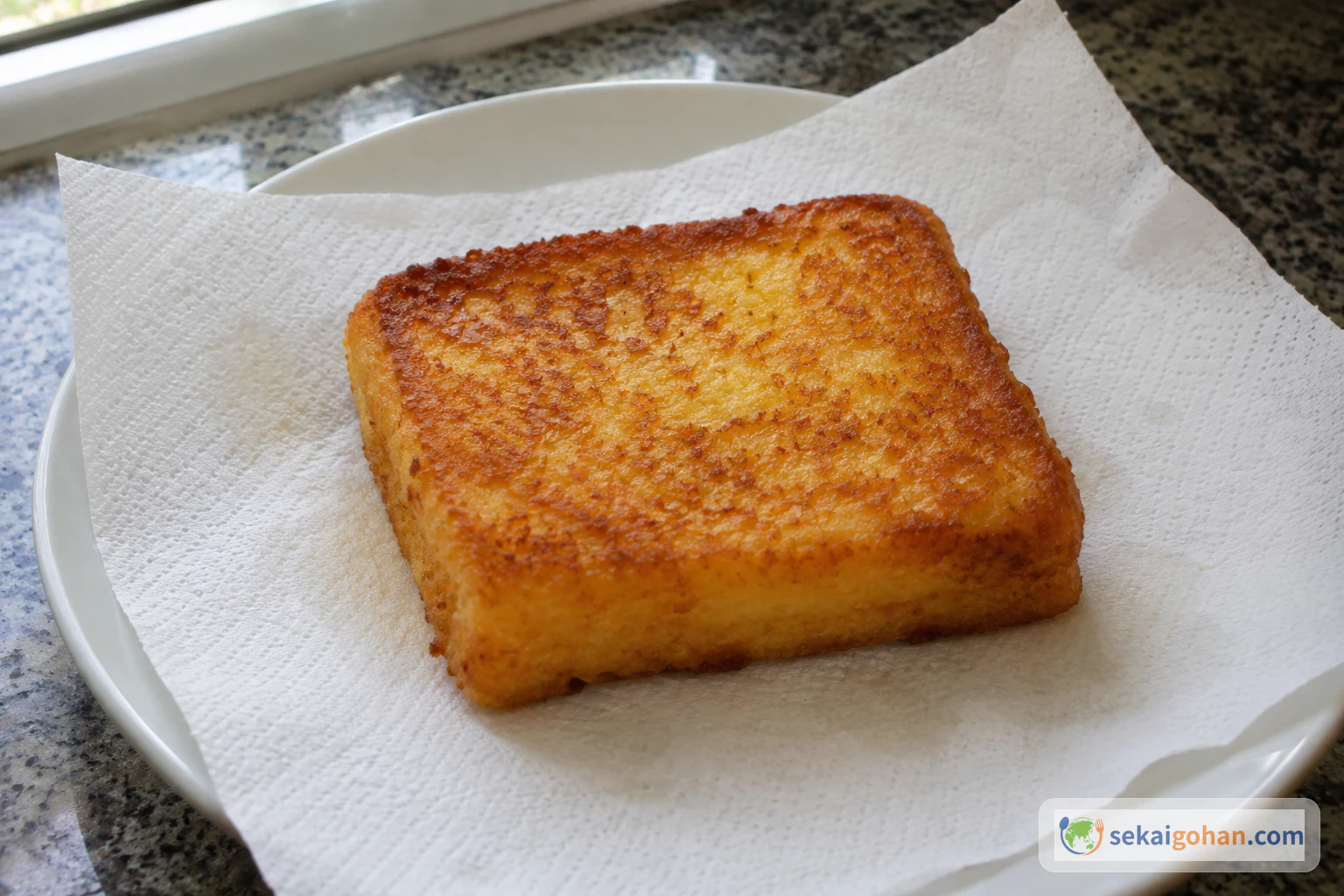
| Draining | Briefly, on a paper-towel-lined plate, before the toppings go on |
| The finish | Sweetened condensed milk and unsalted butter only in this version |
Swaps to Try Another Time
These change the result, so treat each as a separate variation rather than mixing several into the basic recipe.
- Crunchy peanut butter instead of creamy, for a different texture.
- Natural peanut butter, which gives a more savory flavor. If it has separated, stir it before spreading.
- Nutella instead of peanut butter, for a chocolate version. This is a different dish in flavor and look from the peanut butter version shown on this page.
- Pain de mie instead of milk bread.
- Brioche or country white bread instead of milk bread.
Frequently Asked Questions
How is this different from ordinary French toast?
Ordinary French toast usually soaks a single slice in egg and cooks it in a pan. In Andy Liang's recipe for The Kitchn, two slices of milk bread enclose sweetened peanut butter, the crusts are trimmed, all sides get a quick dip in egg, and the sandwich is fried, then finished with condensed milk and butter.
Should I let the sandwich soak in the egg?
No. The recipe calls for dipping every side quickly without soaking. It does not give a dipping time in seconds, and none is suggested here.
Can I use honey or syrup instead of condensed milk?
Not in this version. The finish is sweetened condensed milk with unsalted butter, which also matches the shop examples from the Hong Kong Tourism Board. Honey, golden syrup and maple syrup are different ingredients and would make a different plate.
How long does it take?
The Kitchn's recipe header lists a cook time that does not match the frying instructions in its method (two sandwiches at a time, about 1 1/2 minutes per side). Because of that mismatch, this page gives no total time. Follow the per-side timing and the color of the toast instead.
Can I store leftovers?
The Kitchn's recipe includes notes on leftovers, but they have not been checked against food-safety guidance, so this page does not give storage times or reheating guidance. The recipe here ends with serving the toast right away.
Is "西多士" the same dish?
The Hong Kong Tourism Board's page for Hon Fat Noodle uses 西多士 as the name for Hong Kong-style French toast, served there with plenty of condensed milk. That is one shop's naming and serving; this page does not claim it covers every tea restaurant or the dish's history.
Sources
- Andy Liang, "Hong Kong-Style French Toast," The Kitchn, published 2024-05-06. The only basis for the recipe: 4 servings, ingredients and amounts, the spread–close–trim order, egg mixture, oil amount, skillet size, 350°F, quick dip without soaking, frying two at a time at about 1 1/2 minutes per side, draining, the condensed milk and butter finish, the cha chaan teng description, and the swaps. https://www.thekitchn.com/hong-kong-style-french-toast-recipe-23657293
- Hong Kong Tourism Board, "7 Must-Visit Cha Chaan Tengs in Hong Kong." Cha chaan tengs as tea restaurants, and Mido Cafe in Yau Ma Tei serving thickly sliced Hong Kong-style French toast with butter and condensed milk. A venue example, not a measured recipe. https://www.discoverhongkong.com/eng/food-and-drink/must-visit-cha-chaan-tengs.html
- Hong Kong Tourism Board, "漢發麵家(Hon Fat Noodle)" (Japanese-language venue page). Hon Fat Noodle as a cha chaan teng in Sham Shui Po, the name 西多士 for Hong Kong-style French toast, and its serving with plenty of condensed milk. A venue example, not a measured recipe. https://www.discoverhongkong.com/jp/place-to-go/travel.guide-hon-fat-noodle.html