Matsutake Dobin Mushi: Six Steps from Mushroom to Lidded Pot
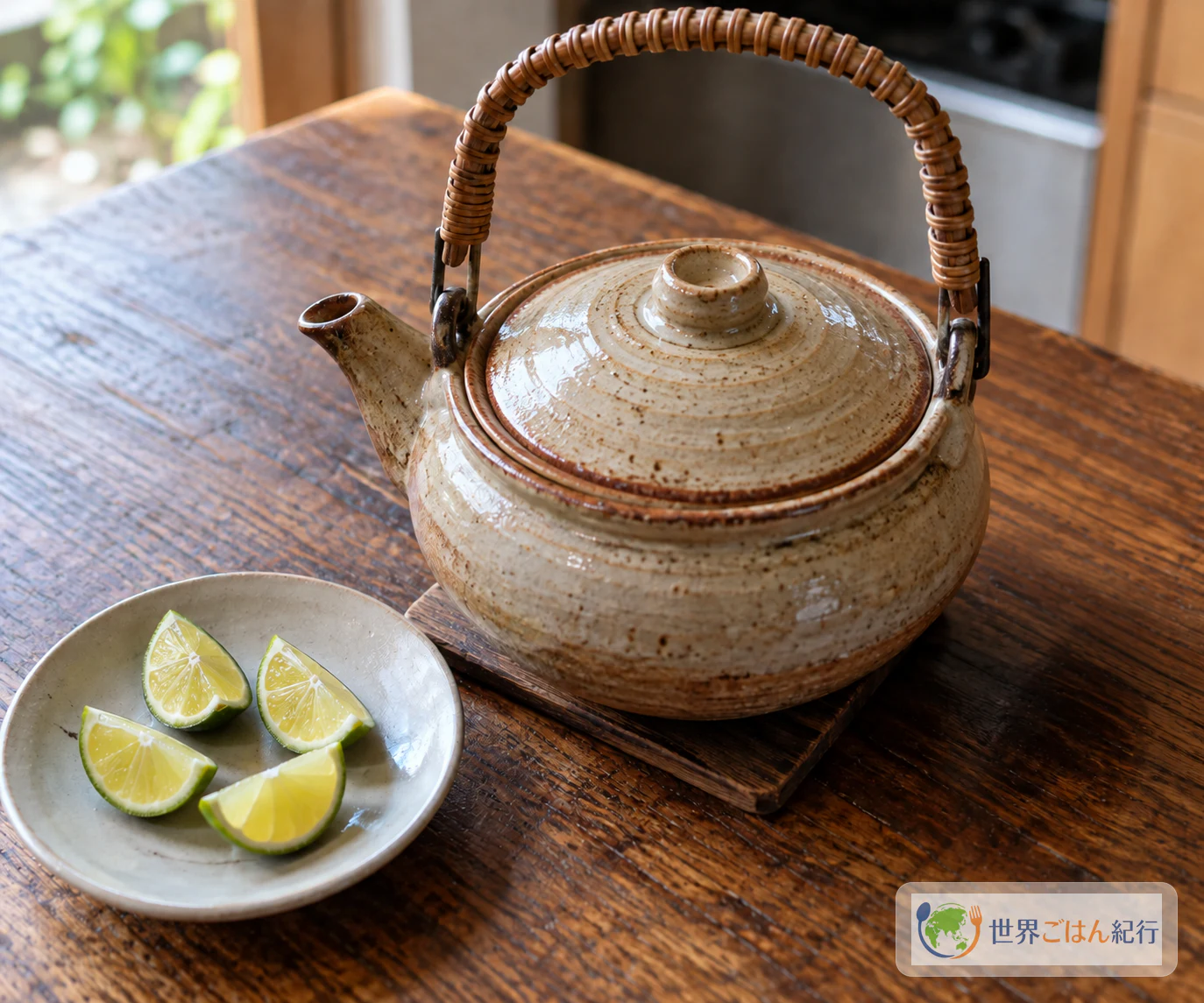
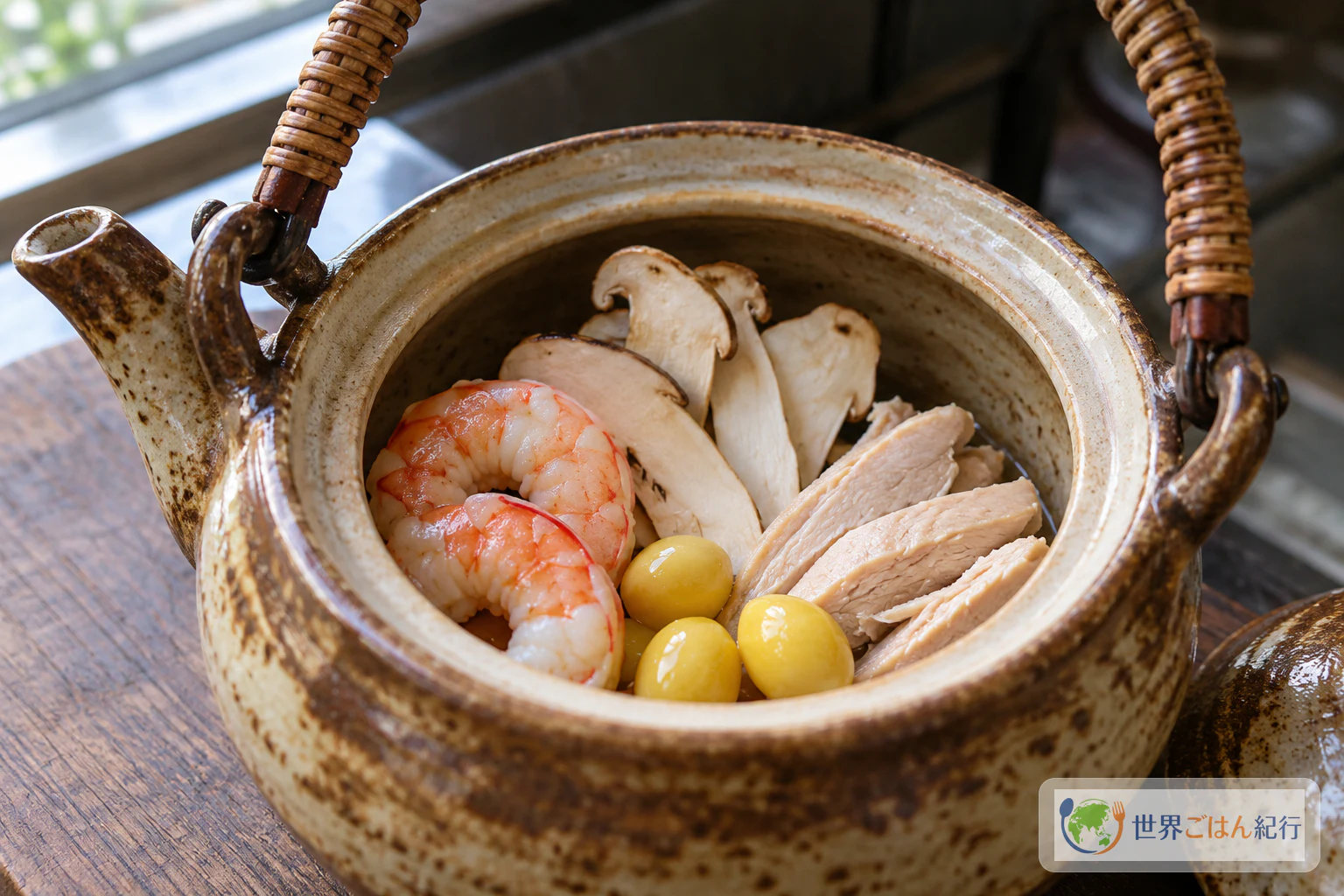
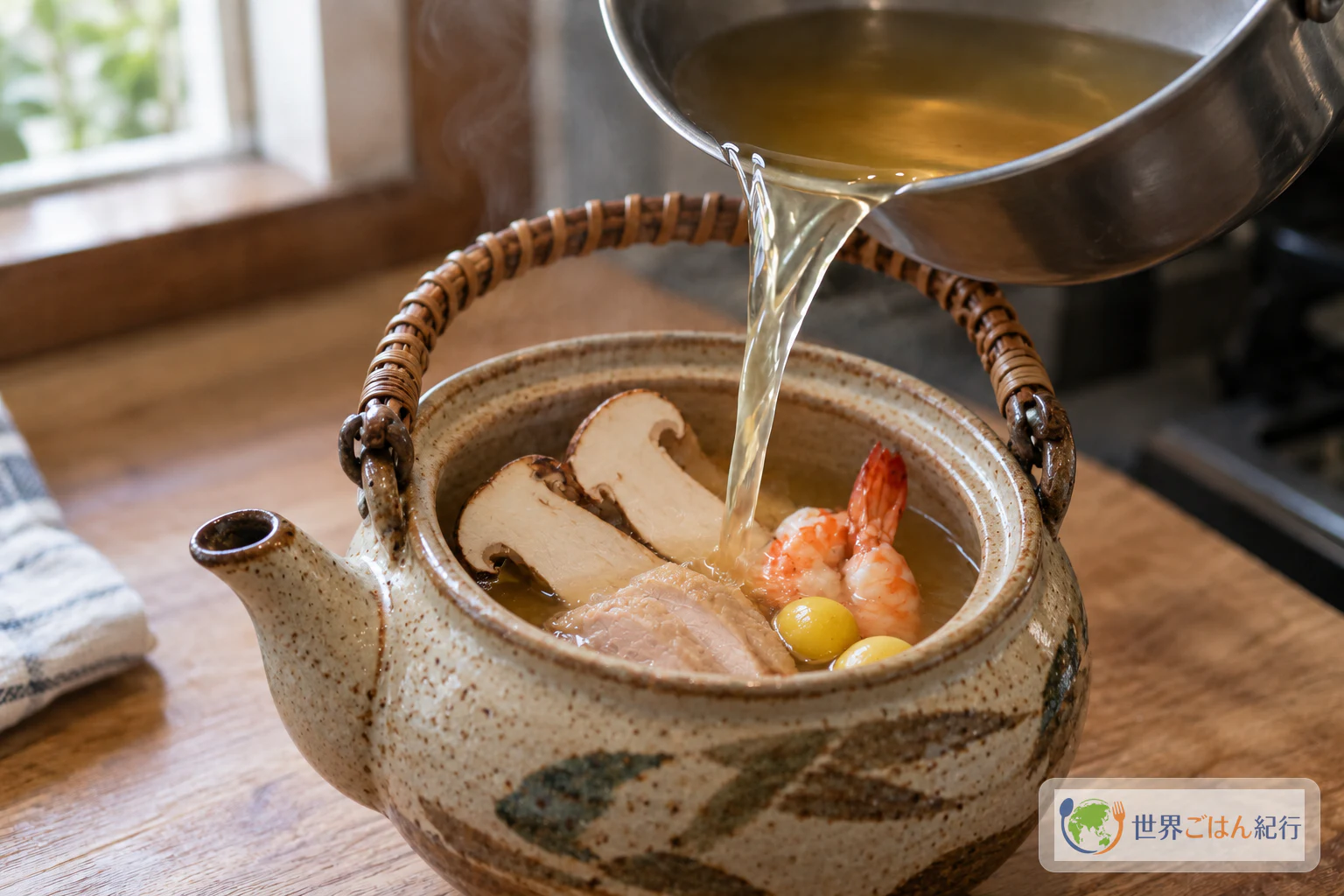
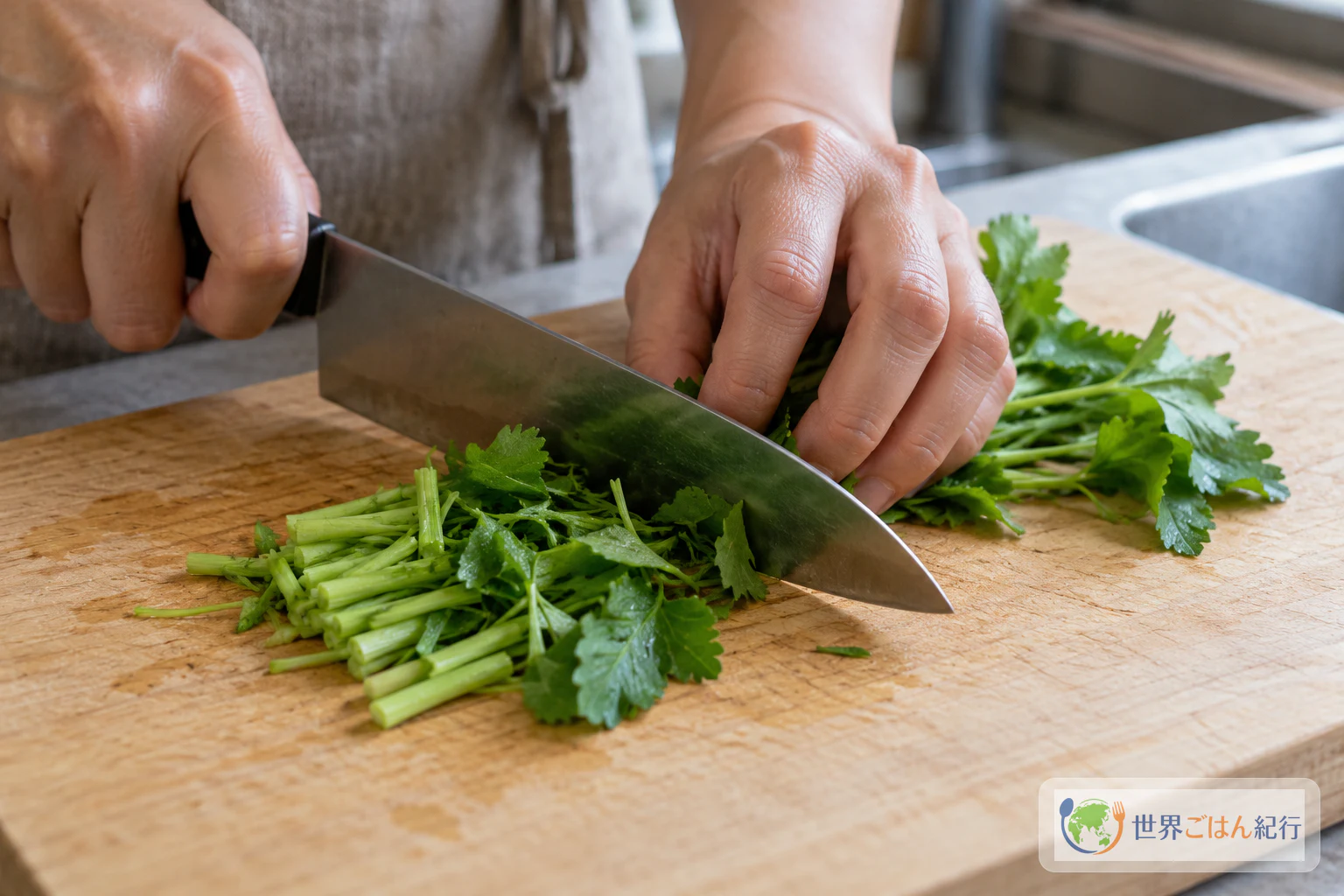
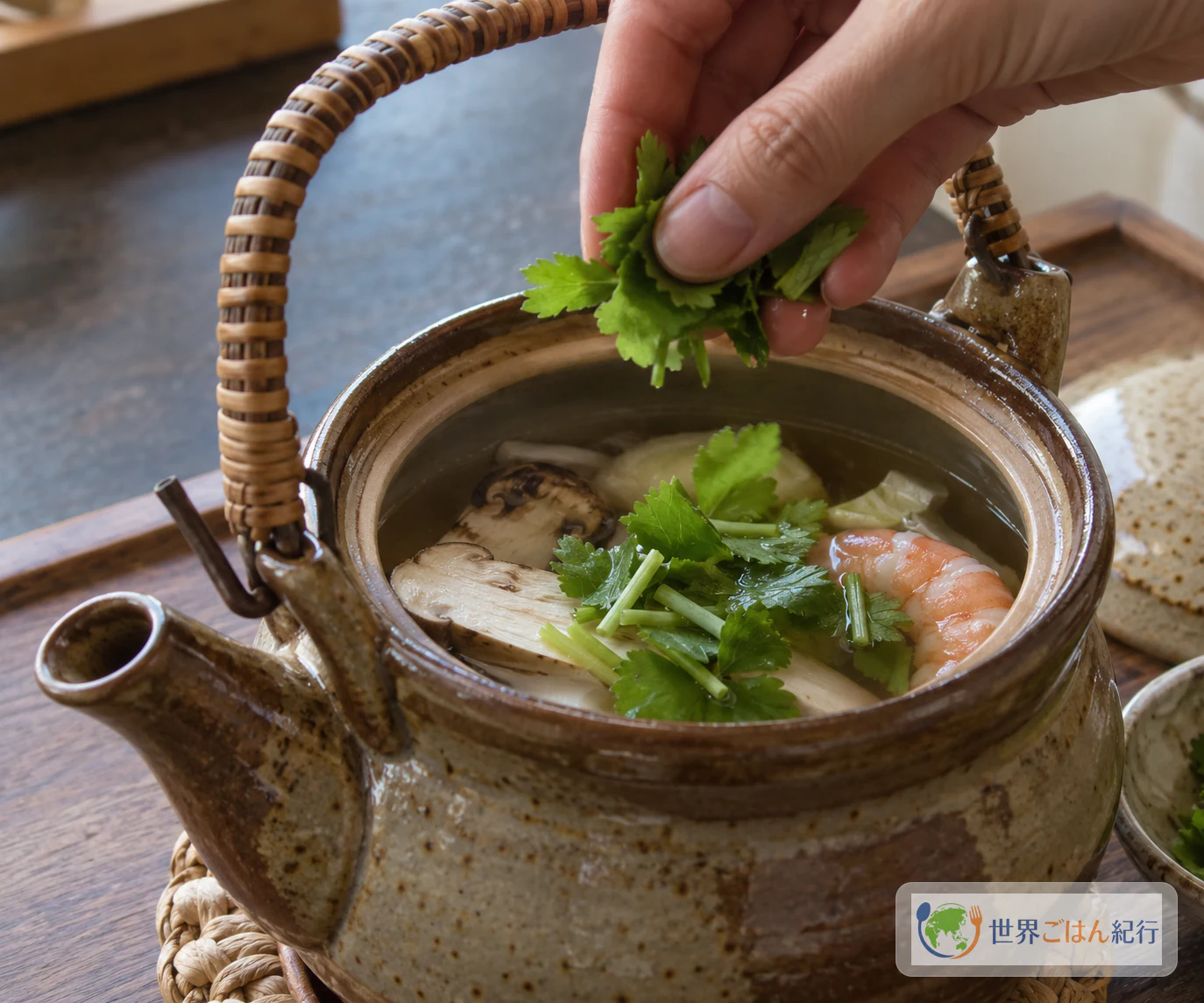
Thin slices of matsutake, briefly blanched shrimp and chicken, and bright ginkgo sit in a lightly seasoned clear broth. The dobin is brought to just one boil, then the mitsuba goes in and the lid goes on.
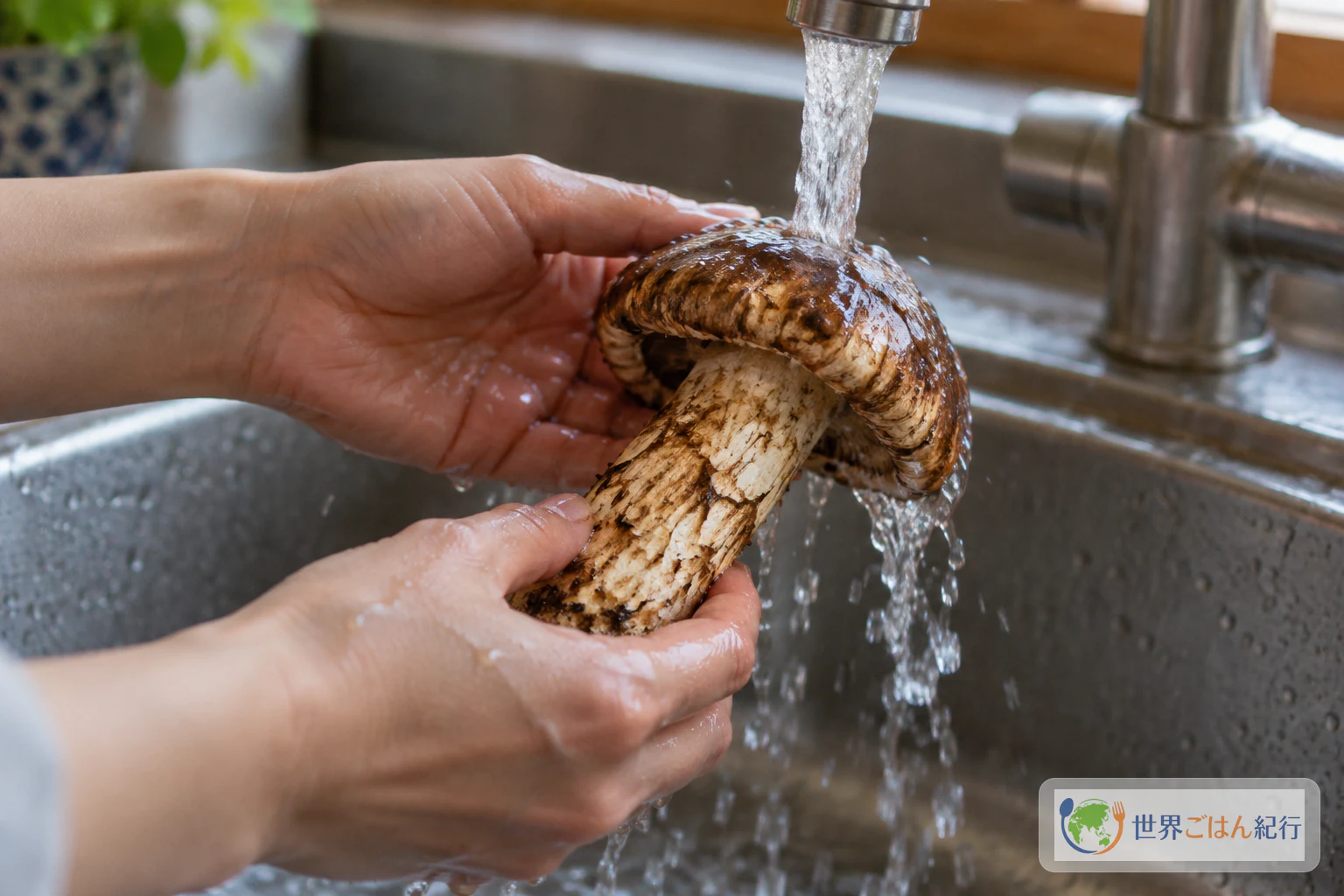
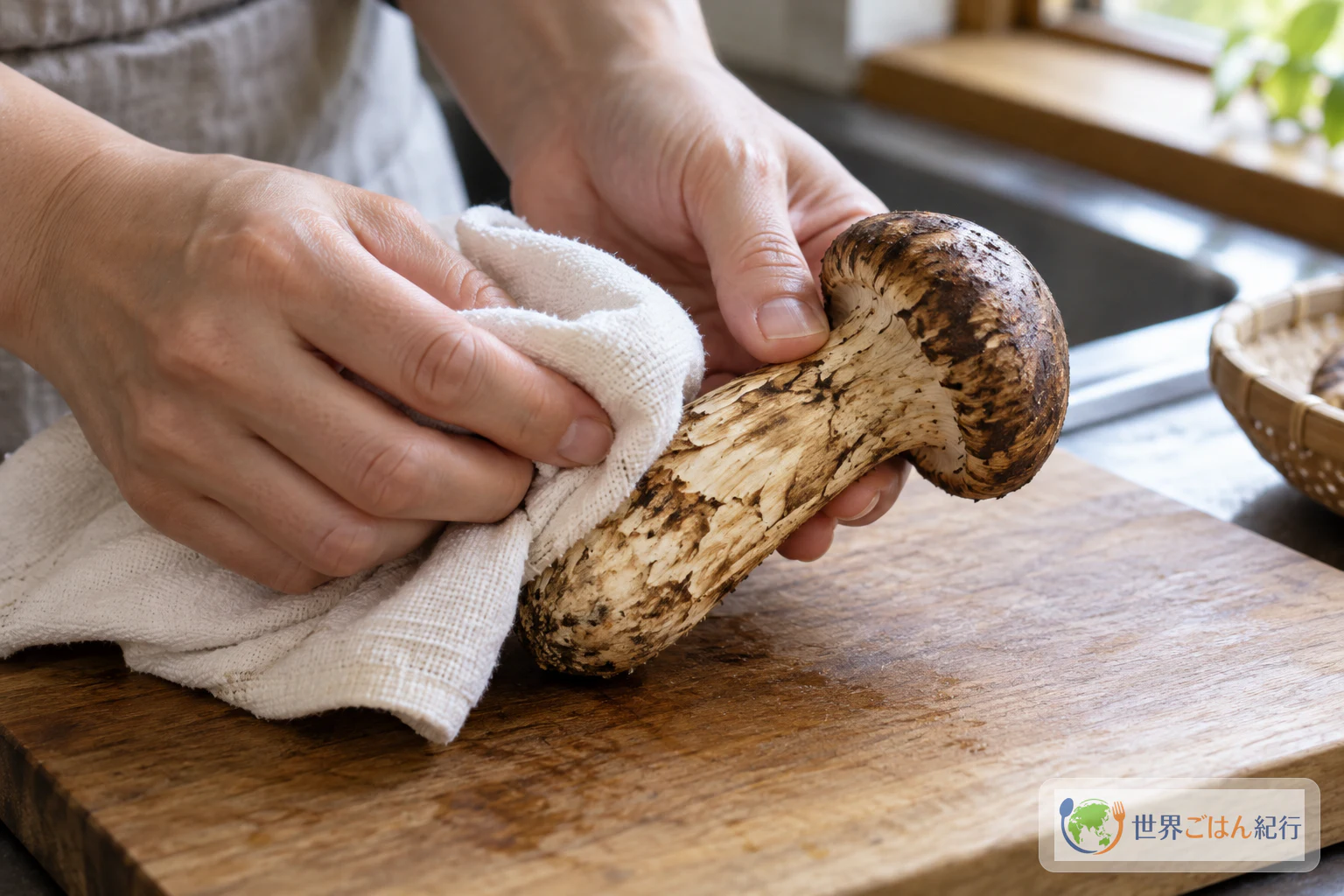
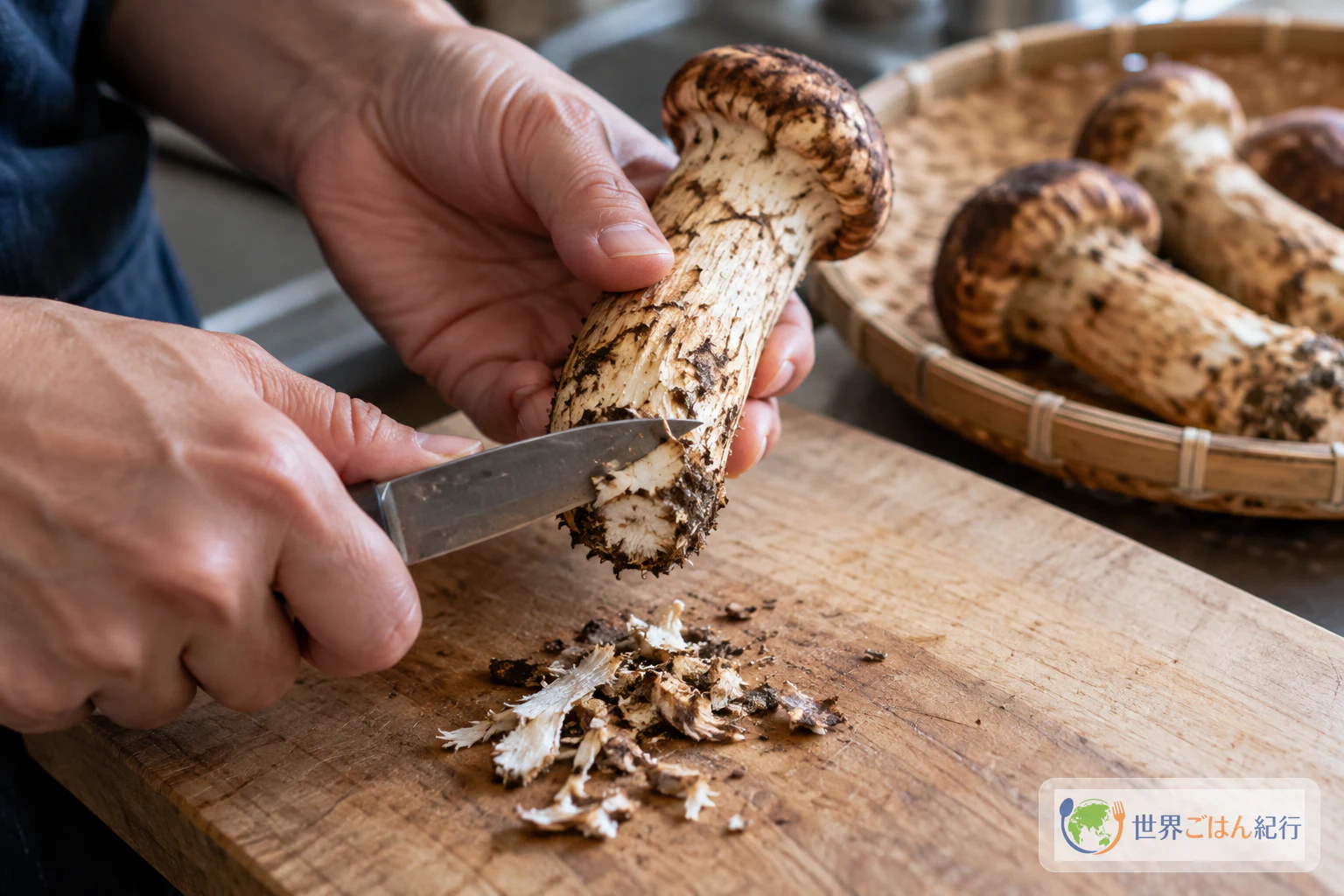
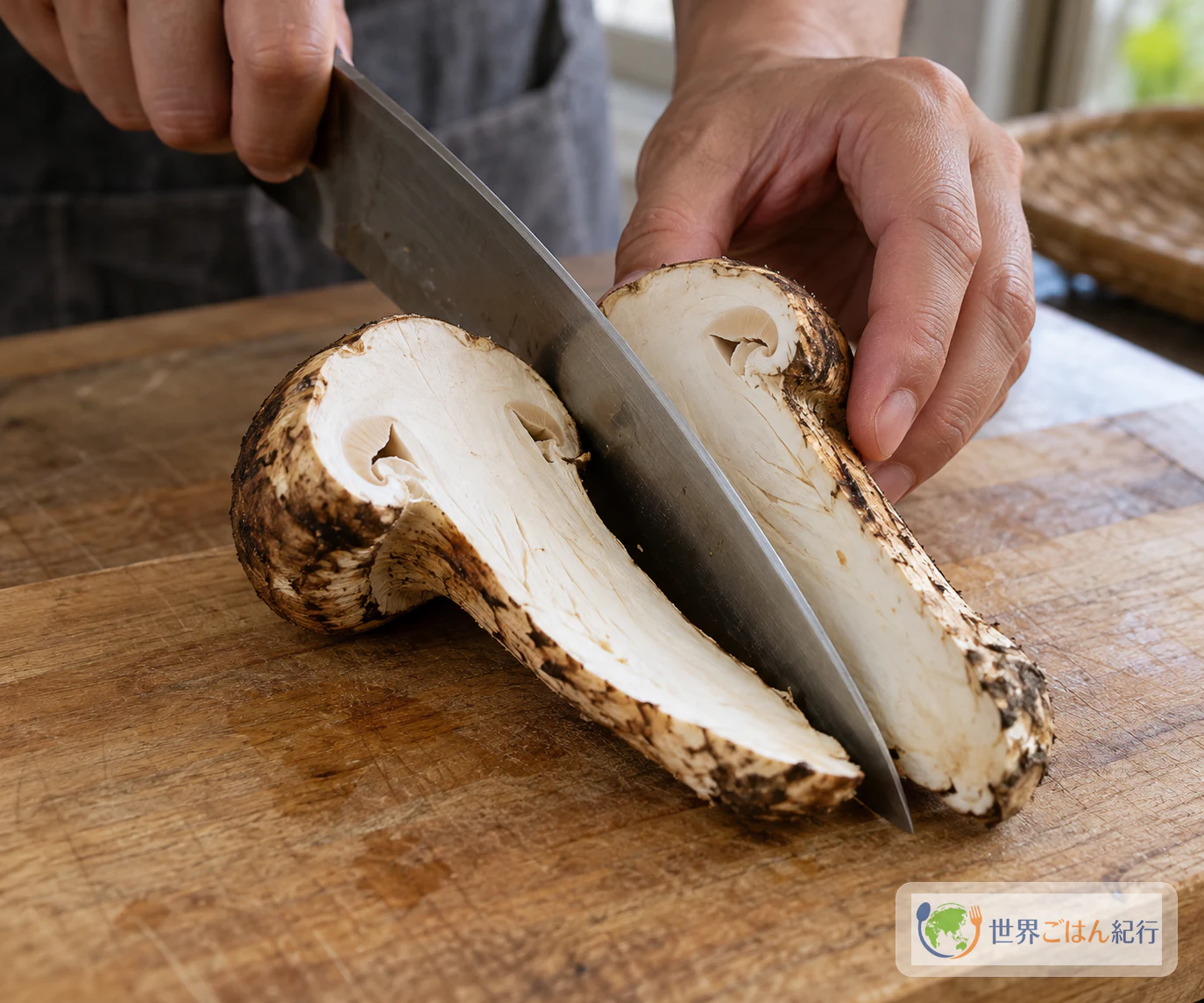
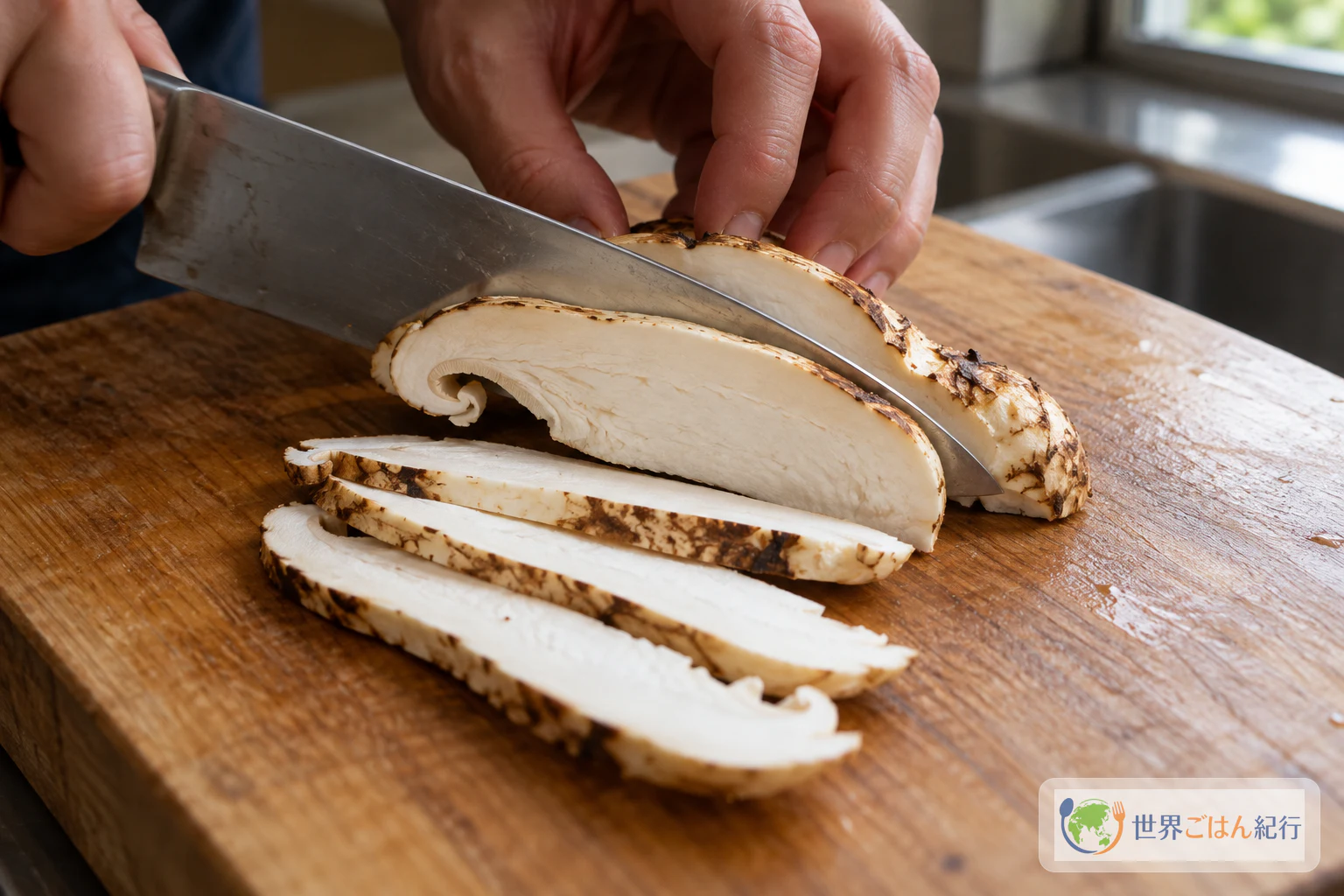
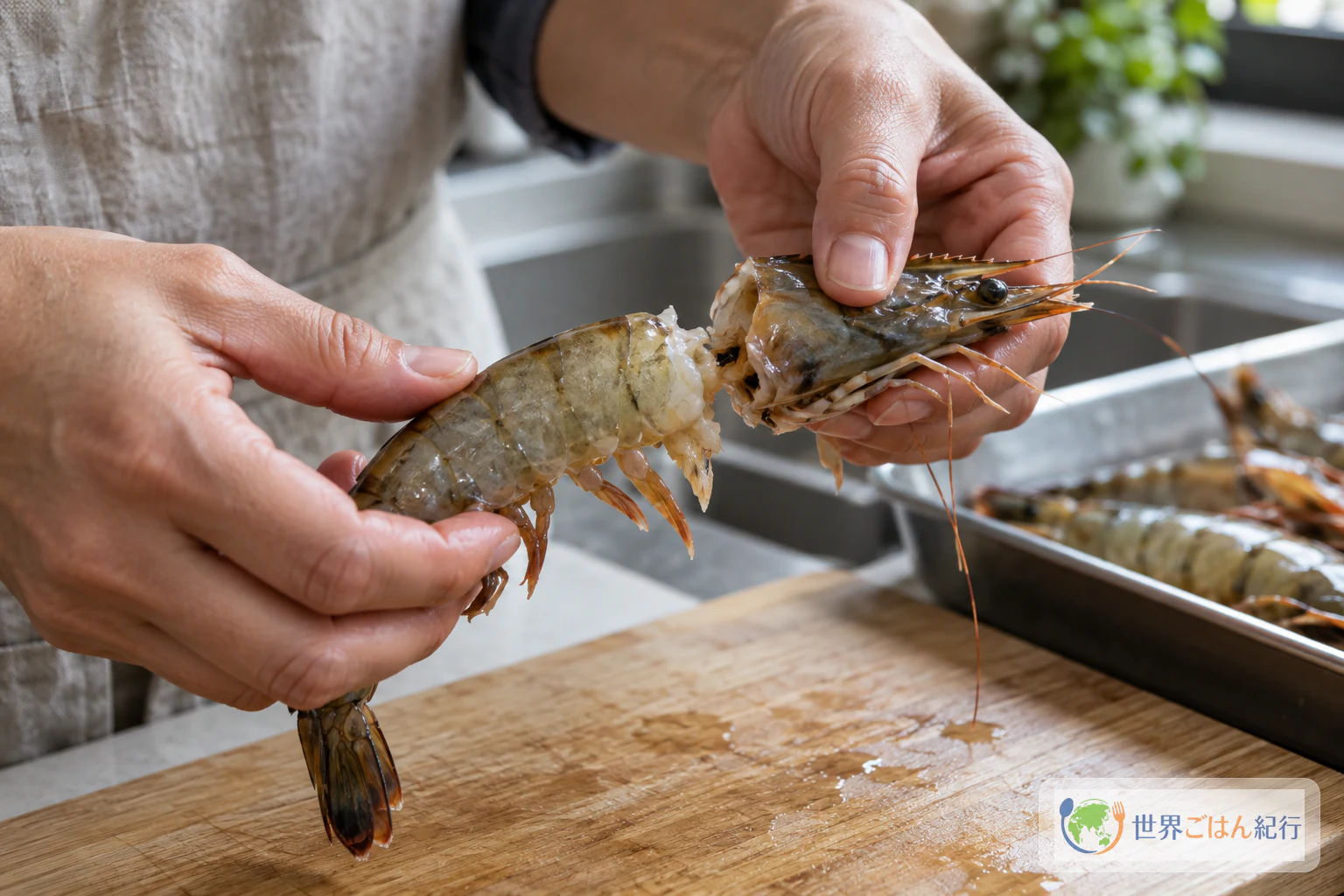
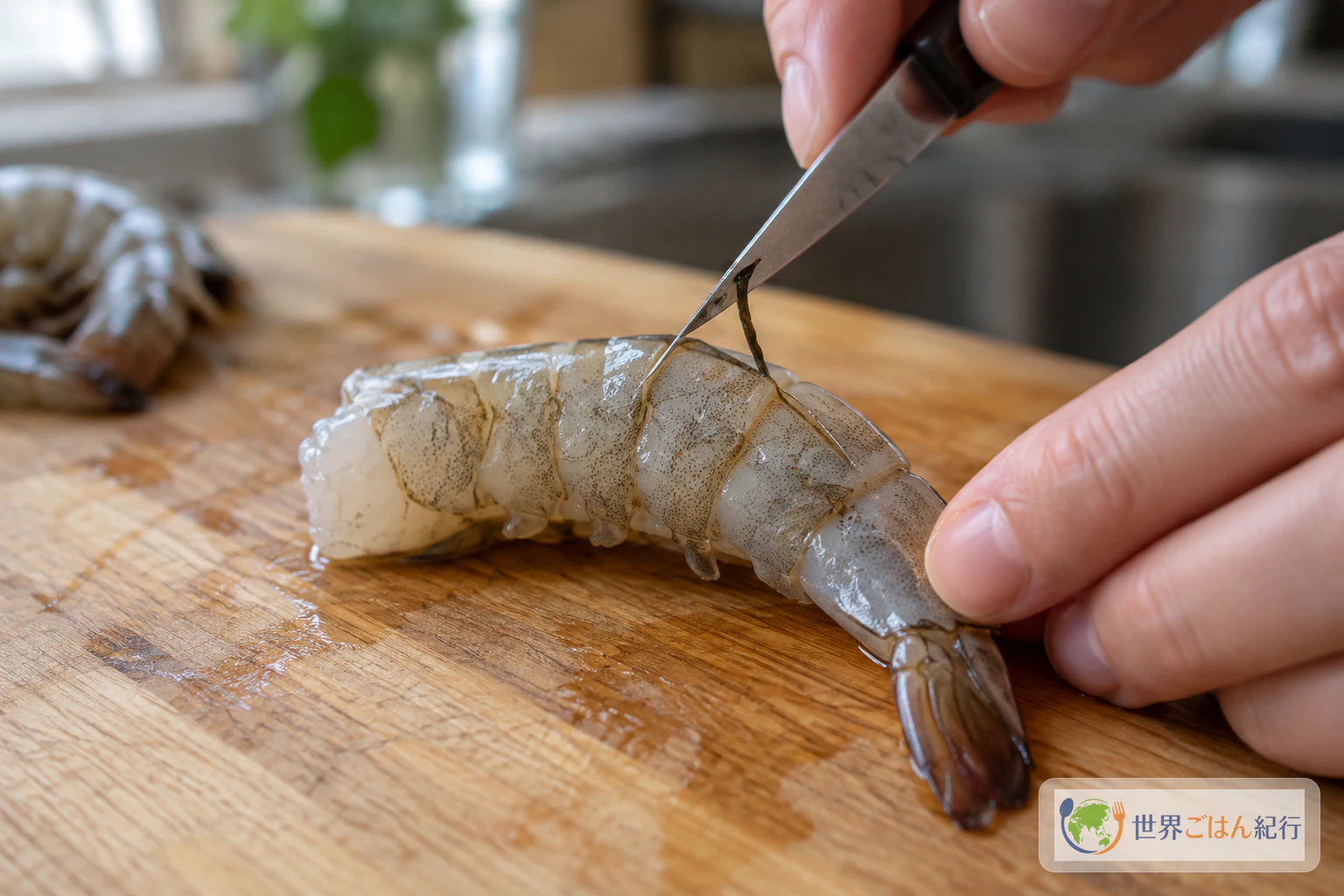
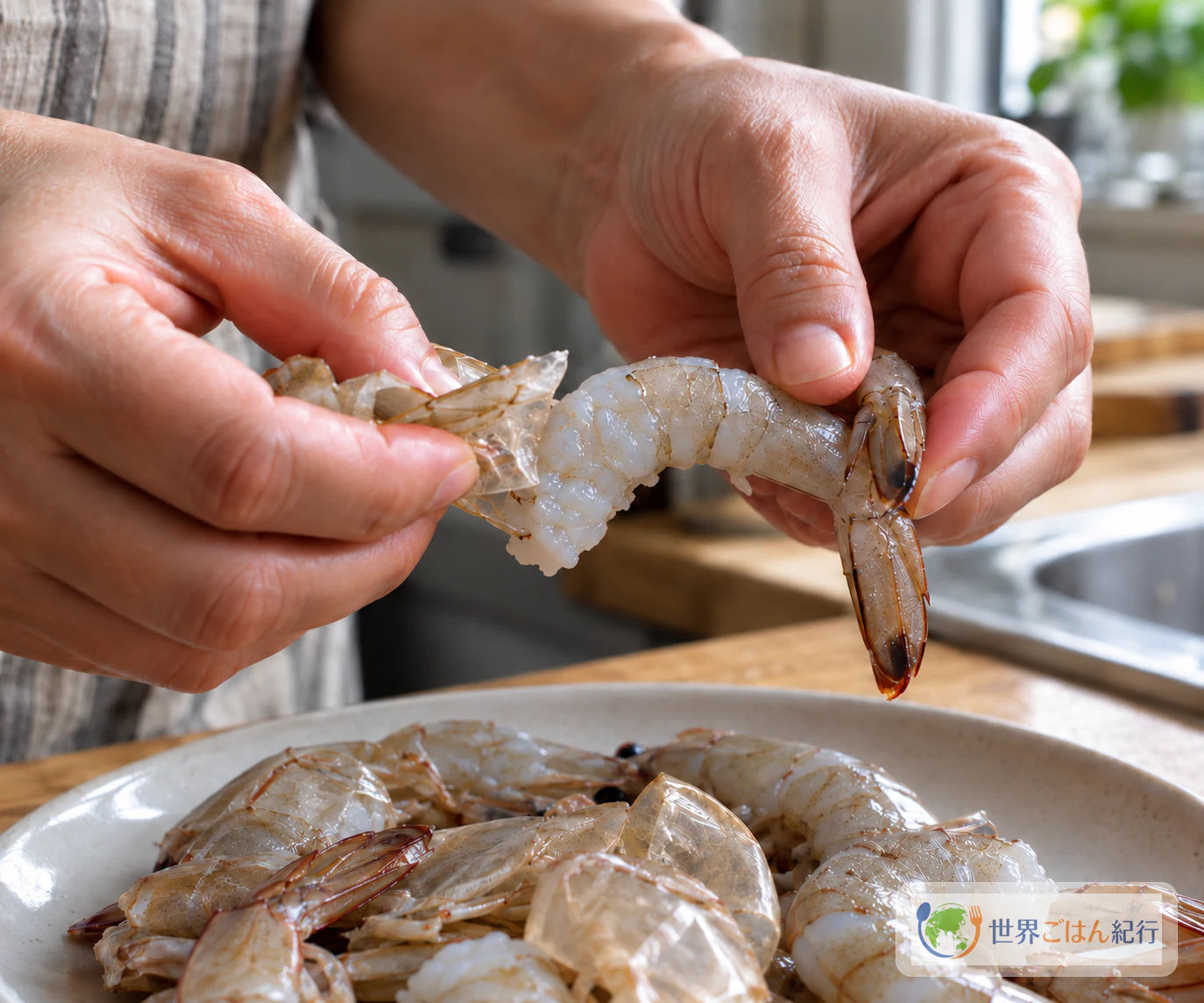
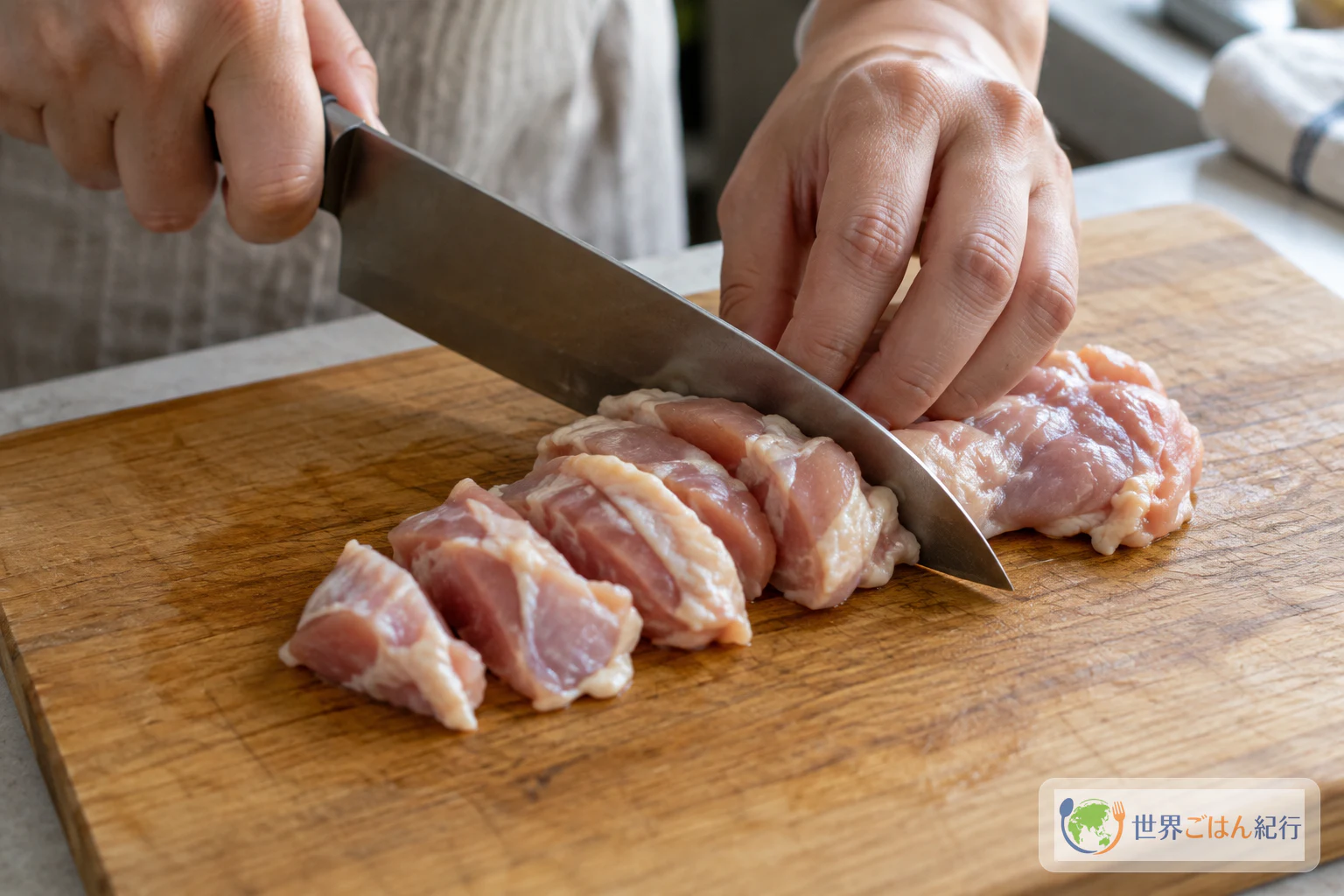
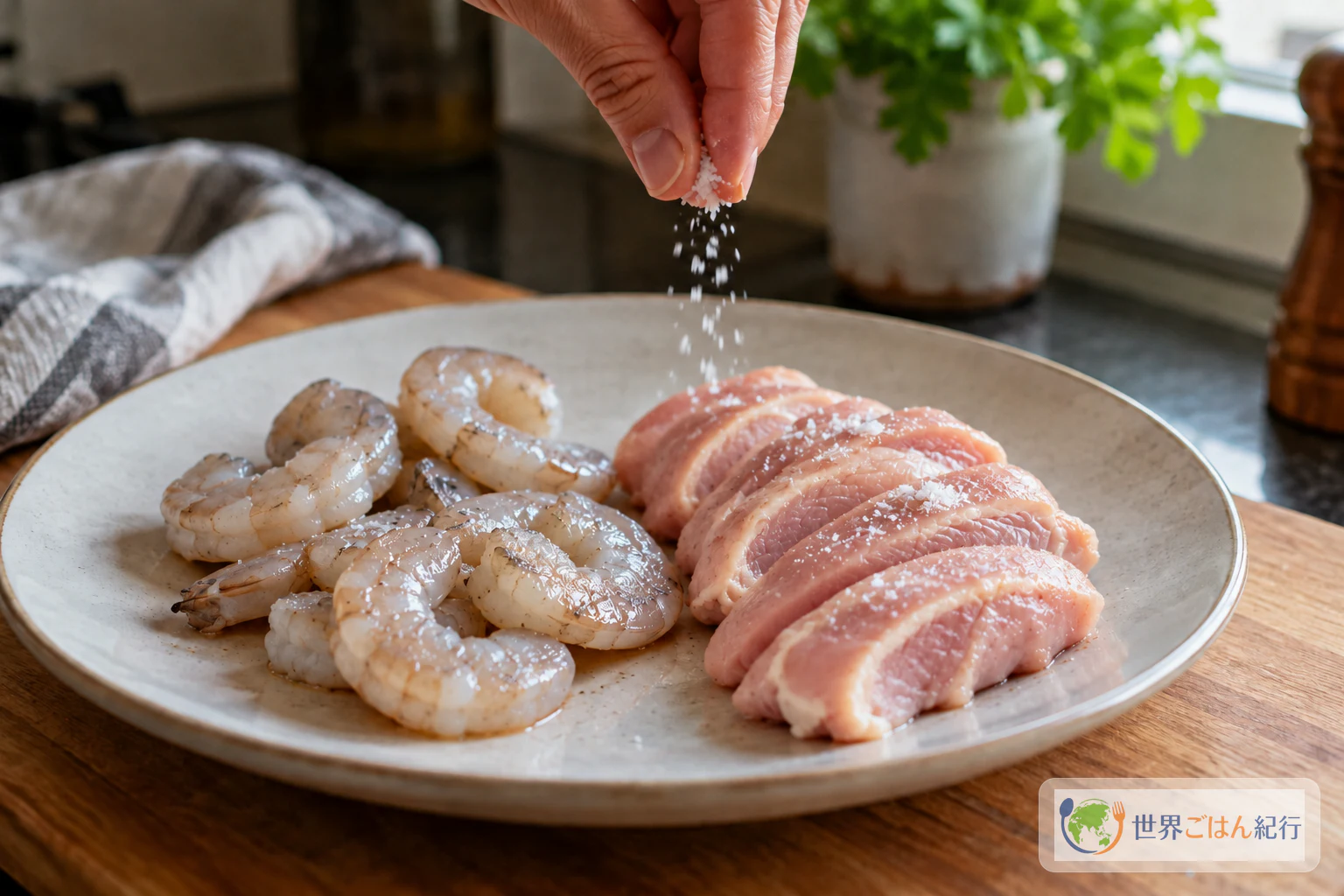
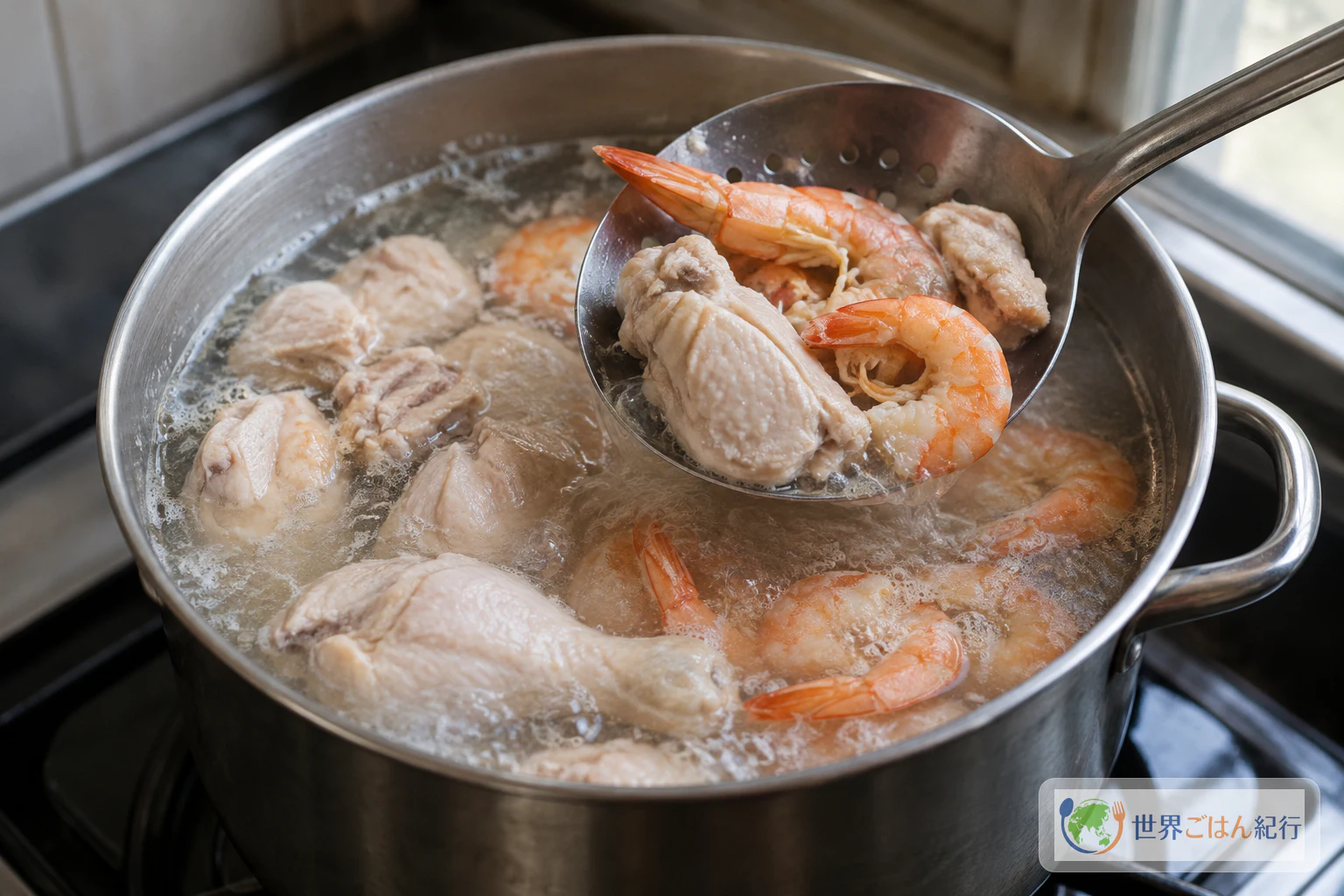
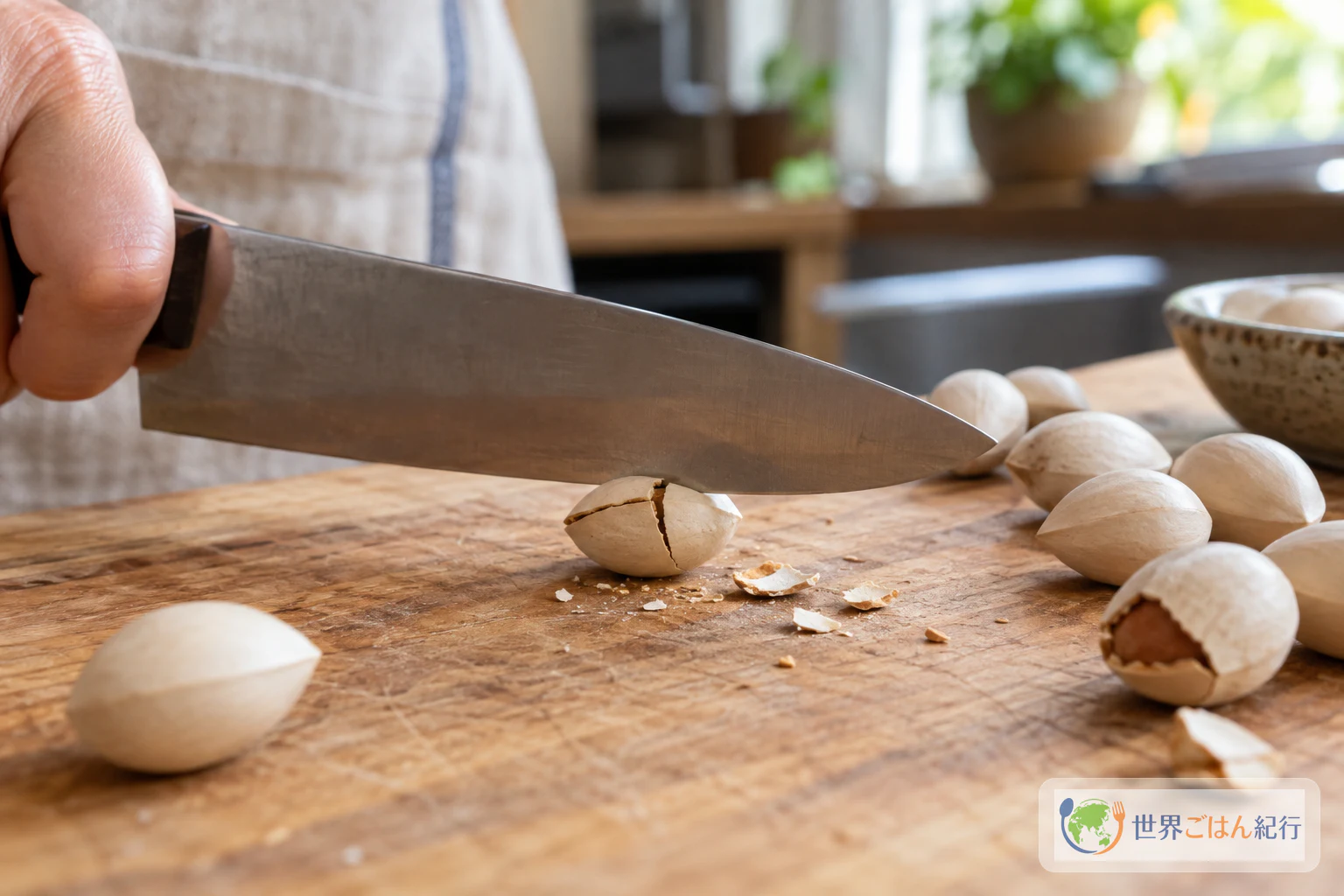
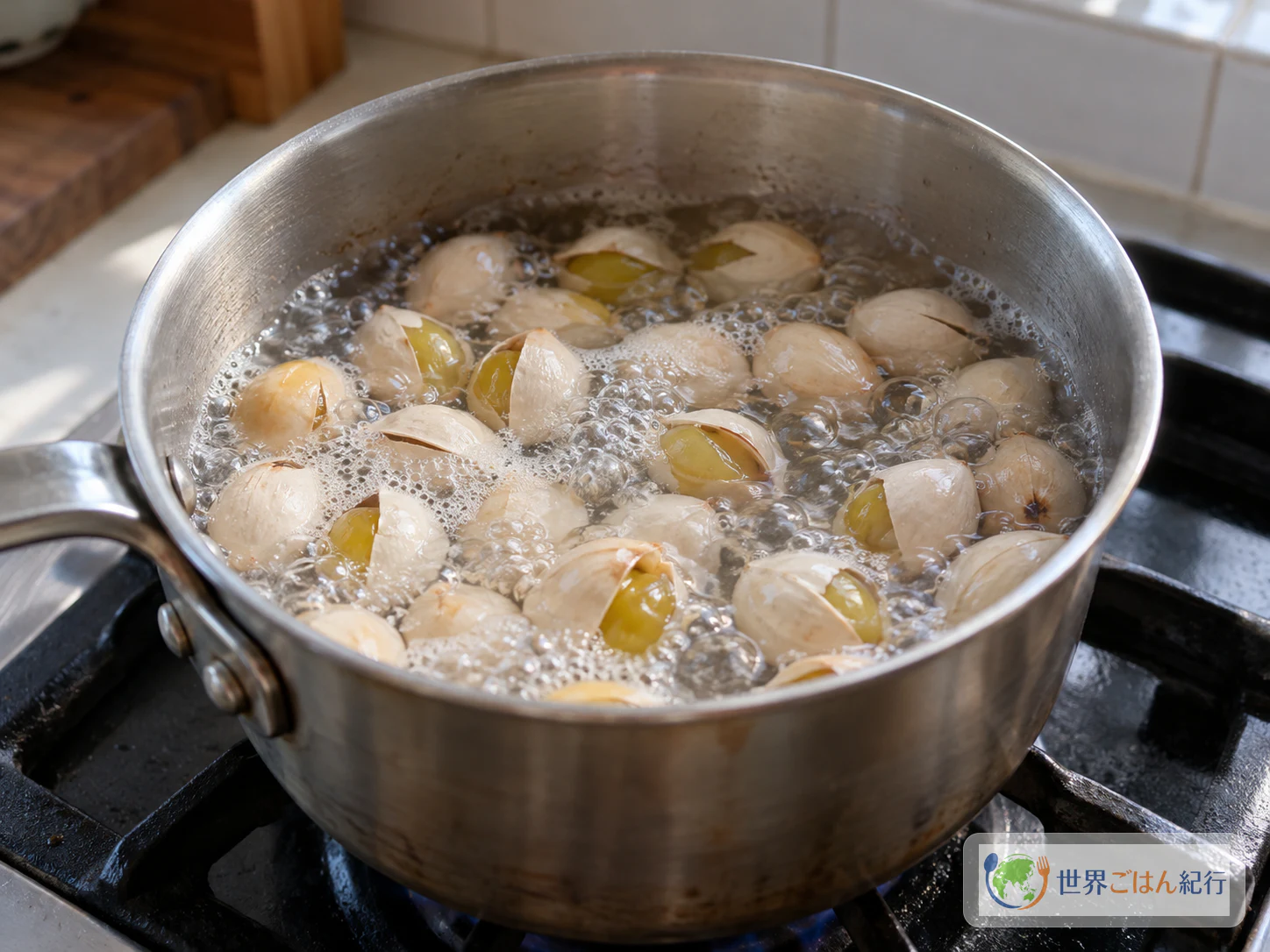
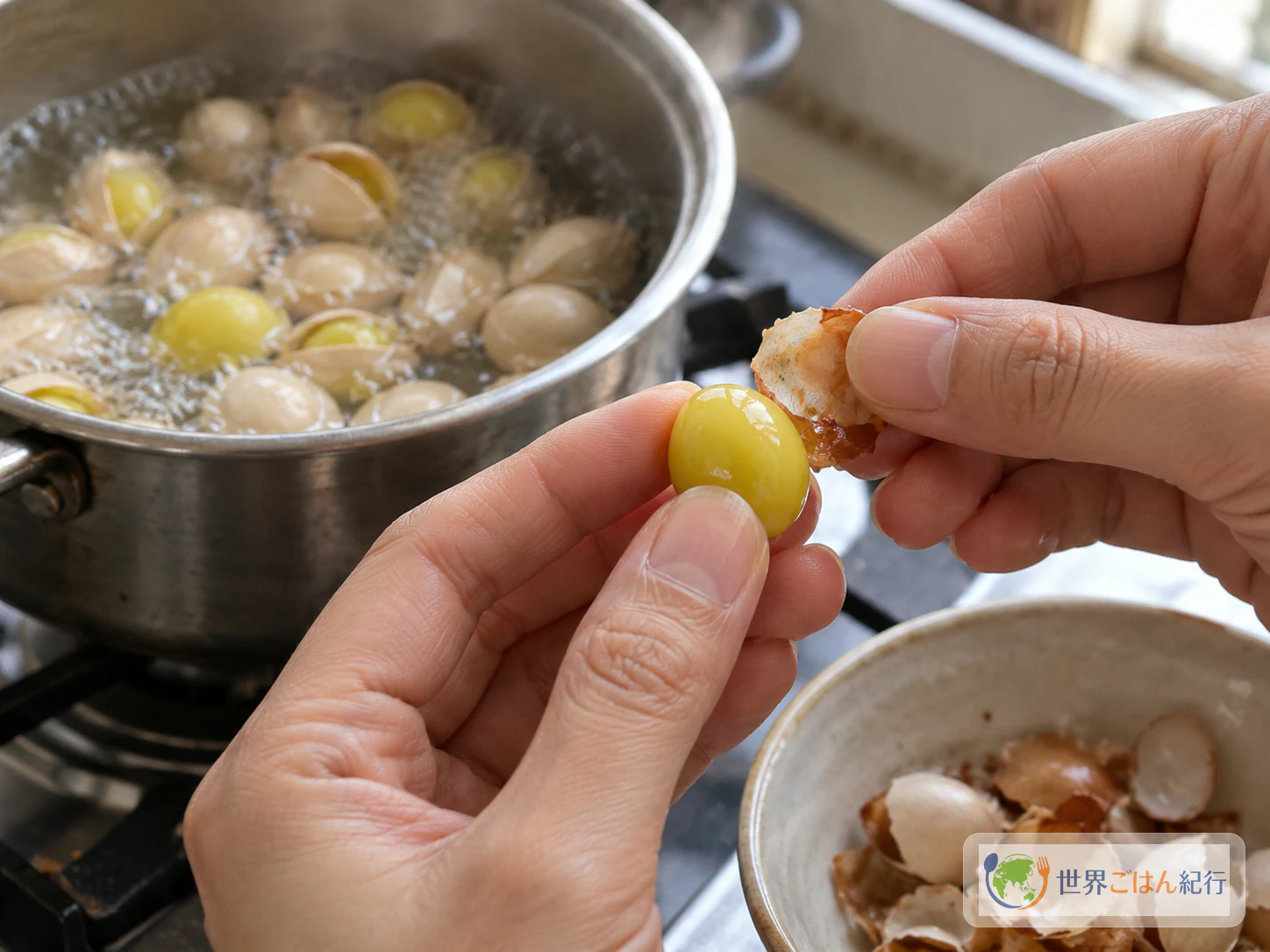
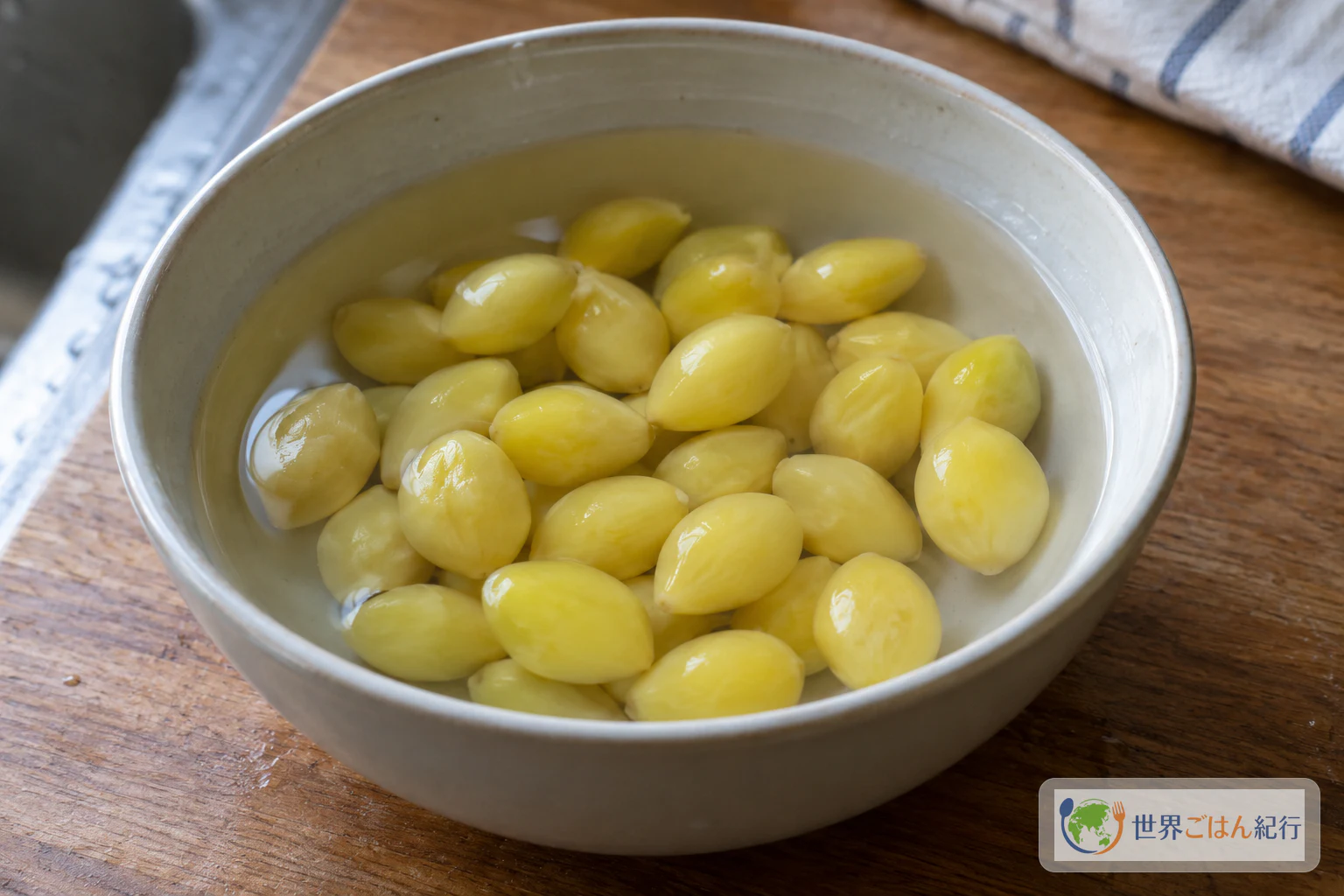
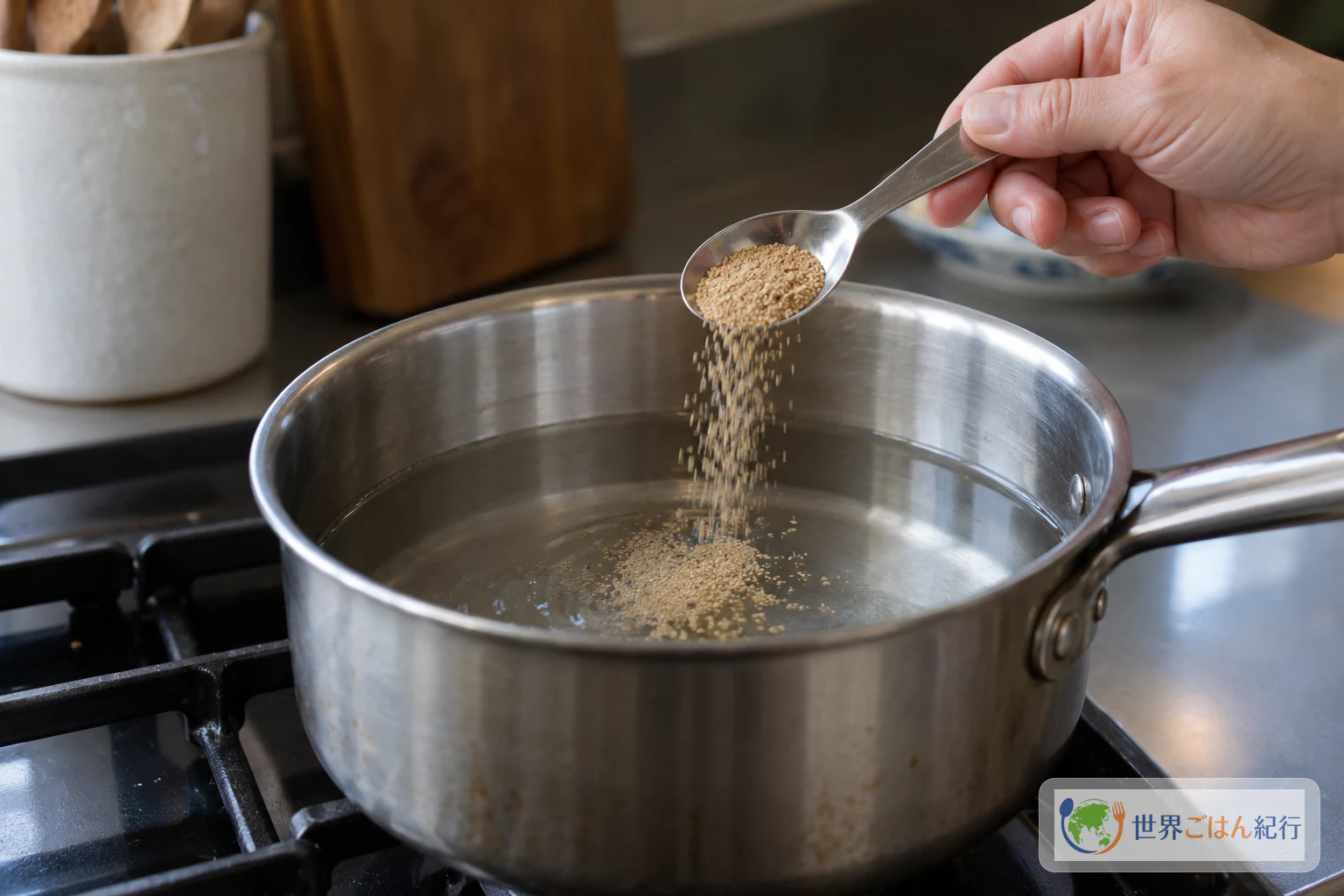
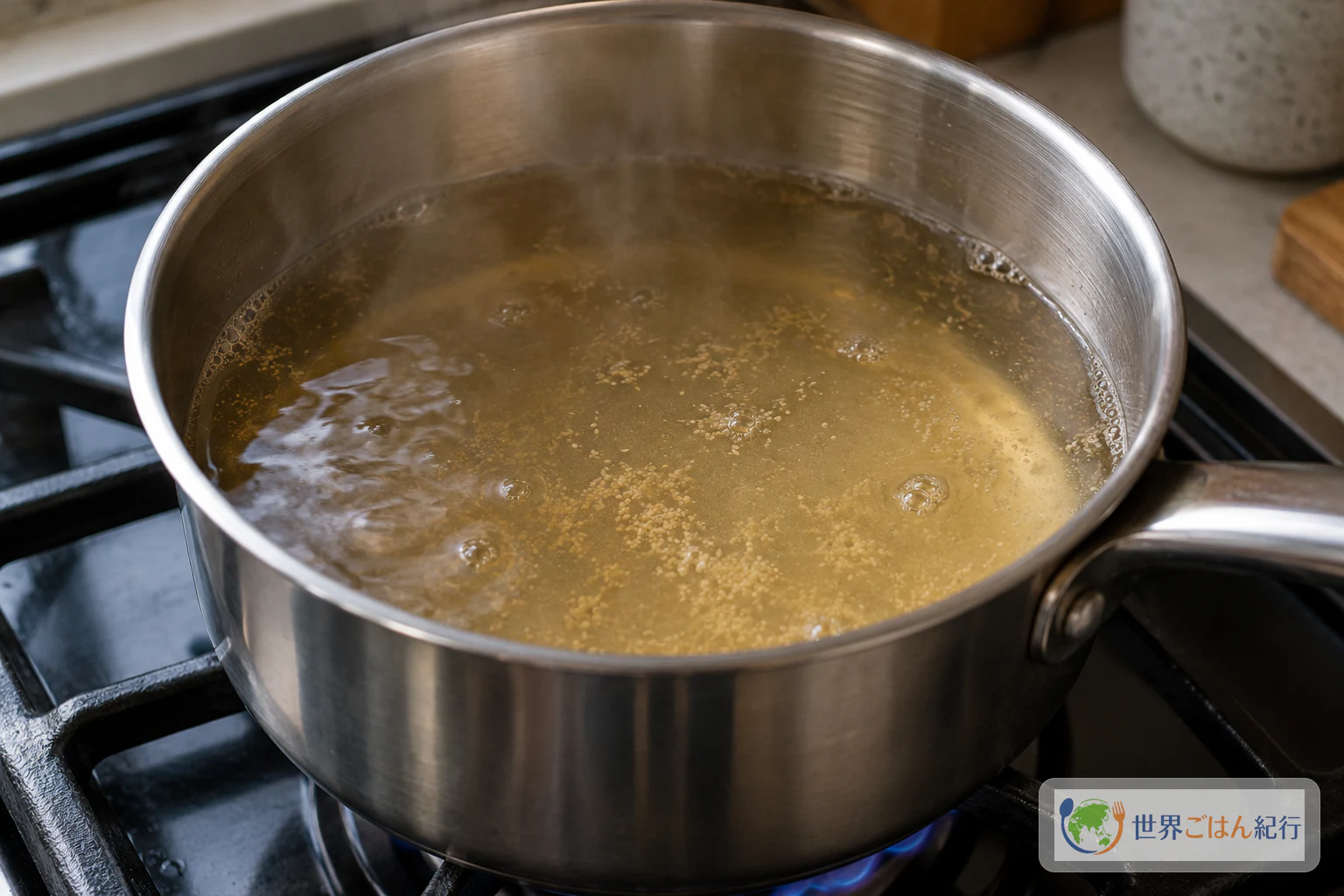
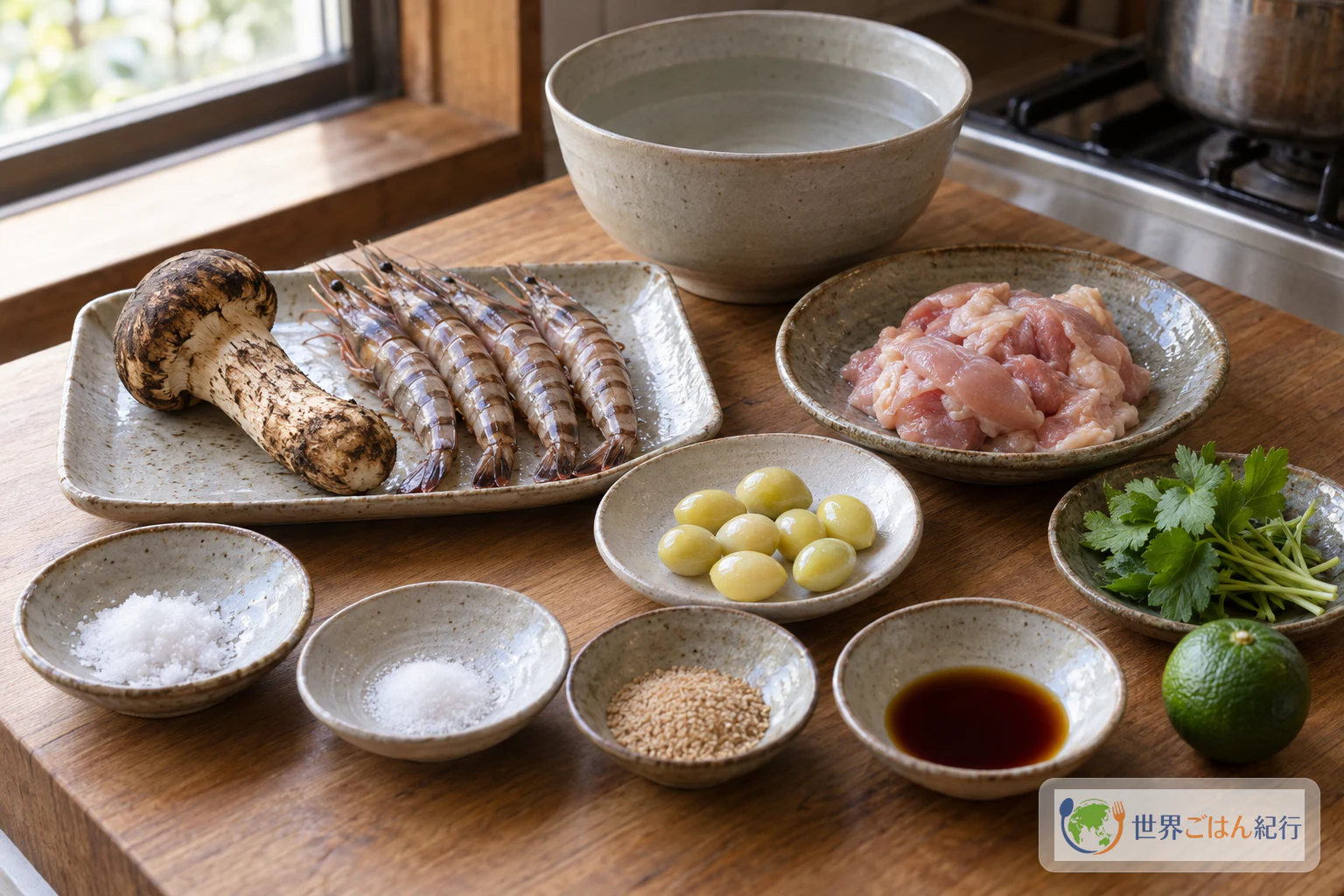
The work starts with a single matsutake rinsed cap-up under running water, wiped dry and cut into thin slices. Shrimp and chicken thigh get a pinch of salt and a quick dip in boiling water, ginkgo nuts are cracked, salt-boiled and peeled, and a clear broth is made from Hondashi and water. Everything then meets in a dobin, a teapot-shaped pot that goes straight over the heat.
This article follows one complete recipe: Ajinomoto KK's "Matsutake no Dobin Mushi" (まつたけの土瓶蒸し) for four servings. Its ingredient list and all six steps are kept as published, without filling gaps from other recipes. The recipe page introduces the dish as a taste particular to autumn. The page also displays a cooking time of 20 minutes; that is the time shown on the page, not a time measured for this article, and the individual steps carry no times or temperatures of their own. Sekai Gohan has not kitchen-tested this recipe.
For more dishes from the same country, see Japan.
Ingredients (4 servings)
Keeping the Two Salts Apart
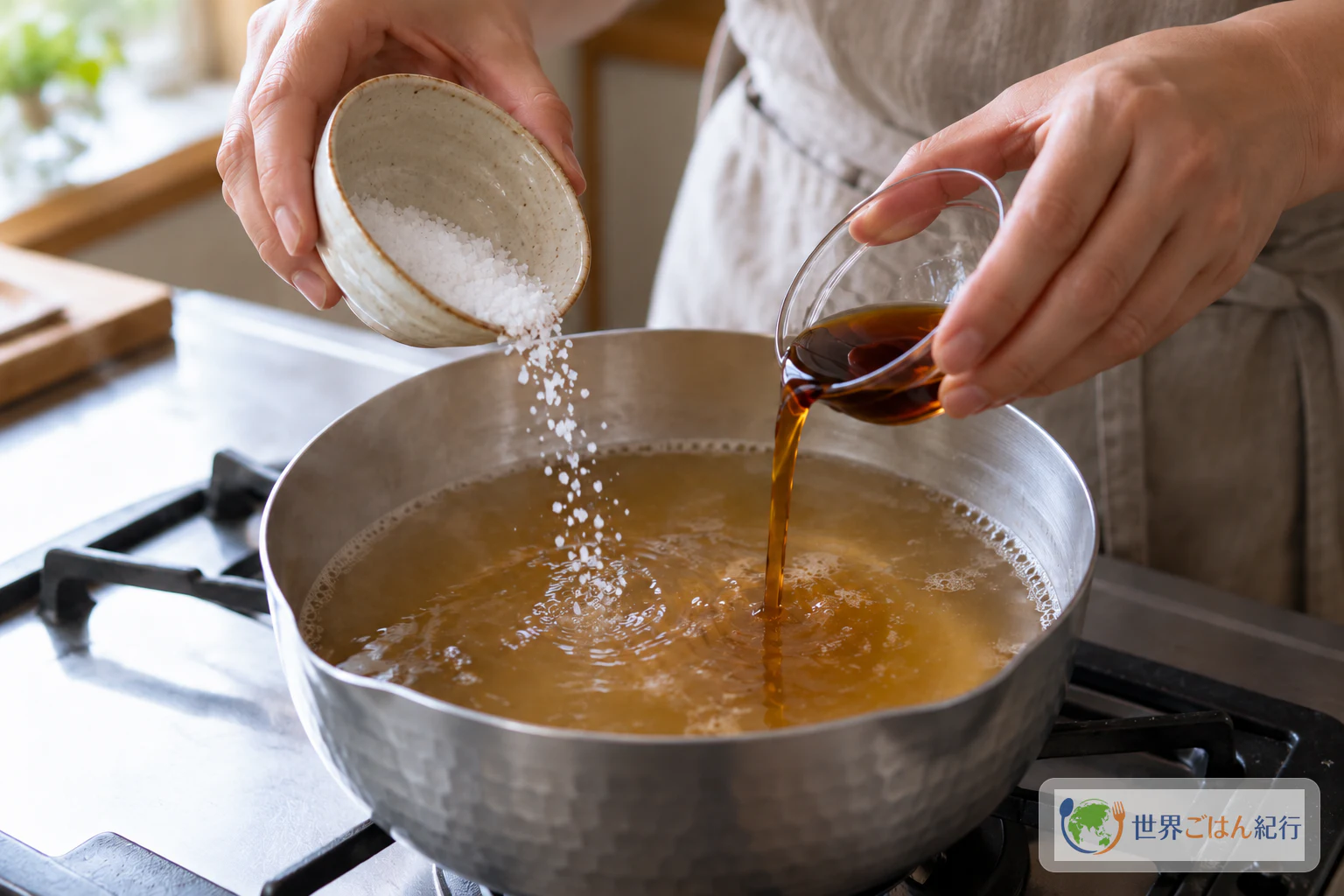
Salt is used twice, and the two uses should stay separate. A little goes over the shrimp and chicken before blanching; 2/3 tsp goes into the broth with the light soy sauce as seasoning A. Do not combine them or add them in one go. The salted water for the ginkgo is a third, separate use; salt it as needed.
Use light (usukuchi) soy sauce in the broth; no swap to regular dark soy sauce is offered here. The ingredient names are listed with their Japanese forms so you can search for matsutake, sai-maki shrimp, ginkgo and dobin by name.
Equipment
- Knife and cutting board
- Clean cloth for wiping the matsutake
- Pot of boiling water for blanching the shrimp and chicken
- Small saucepan for boiling the ginkgo
- Bowl of water for the peeled ginkgo
- Saucepan for the broth
- Dobin with lid
- Small plate for the sudachi
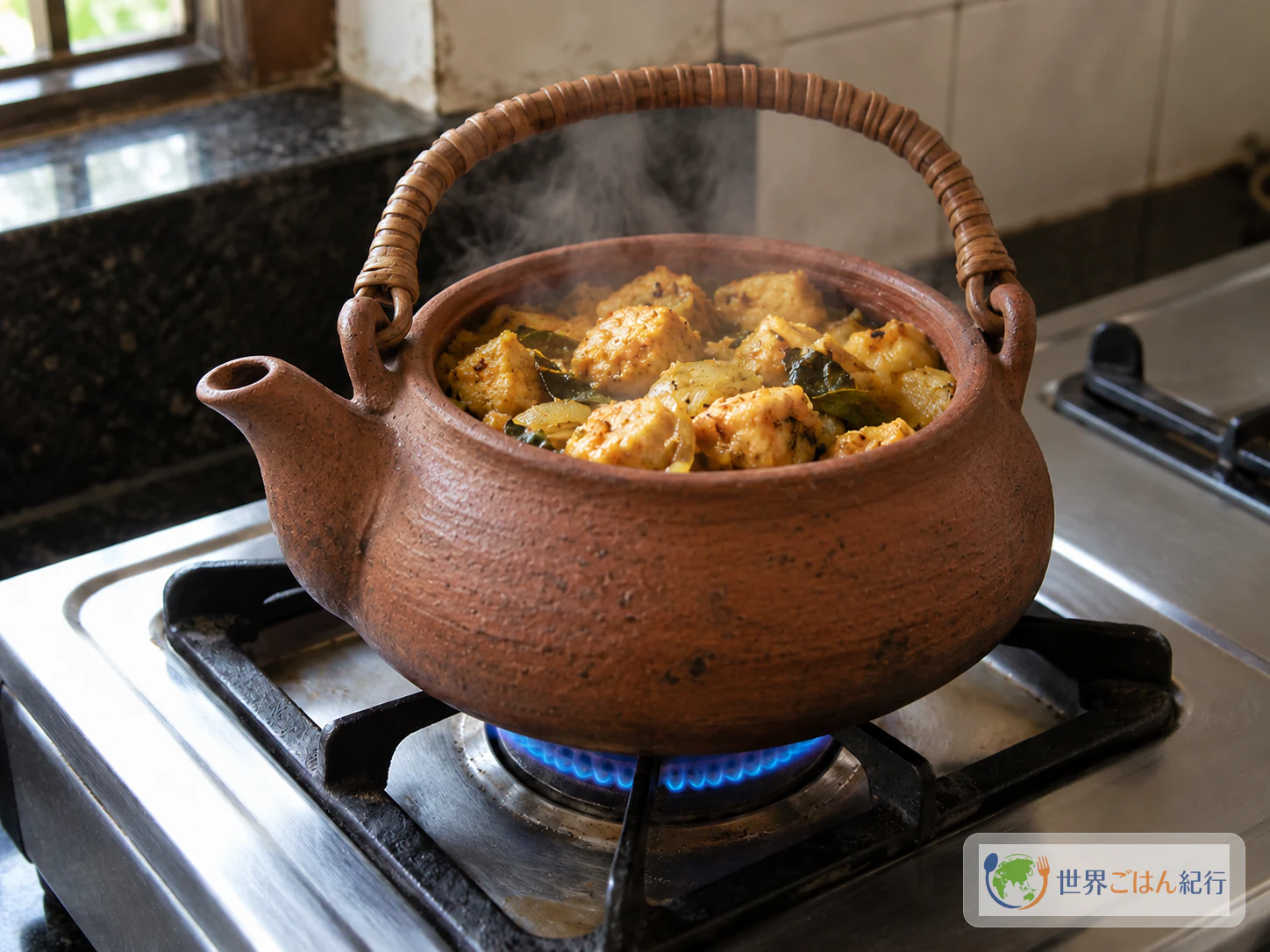
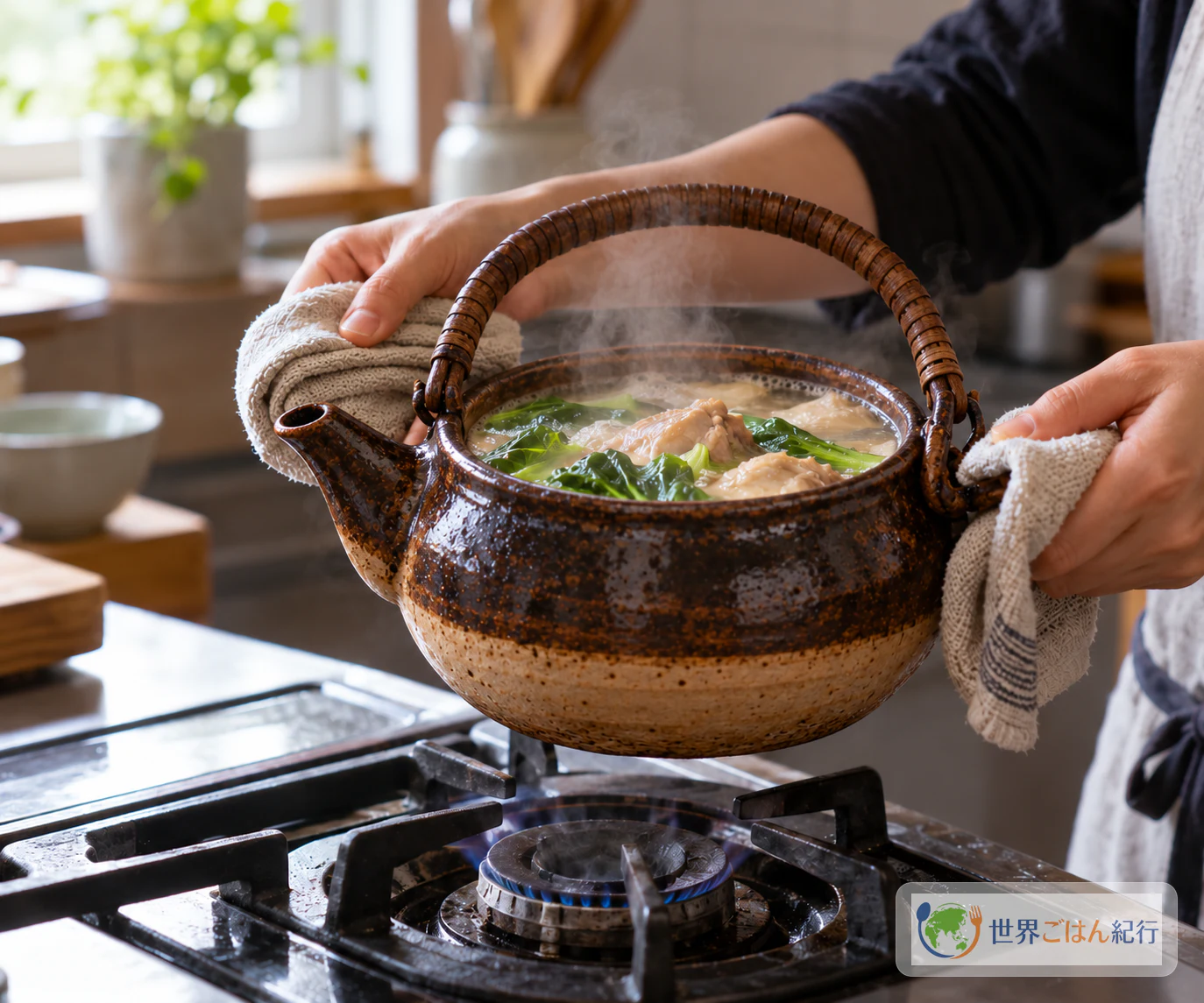
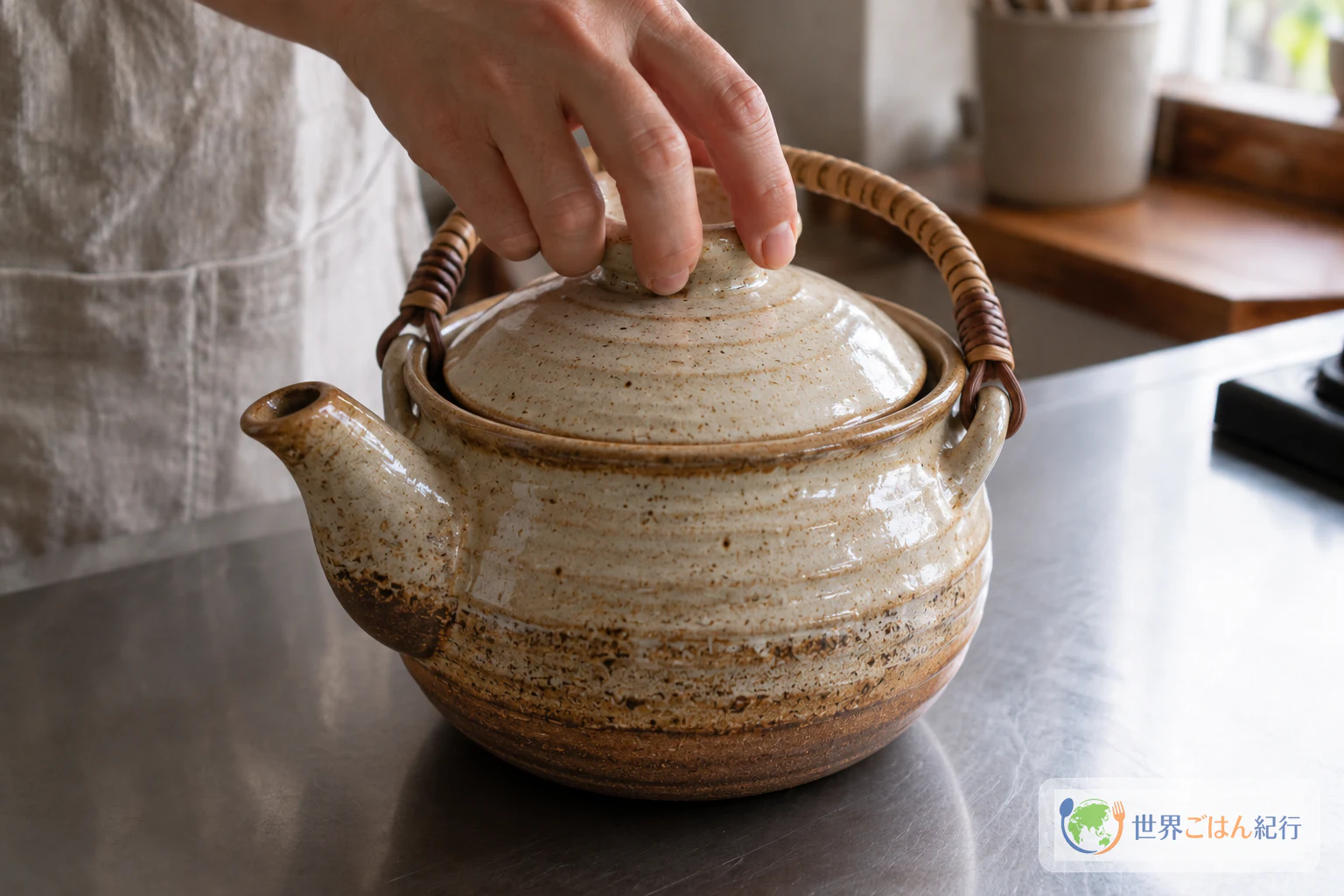
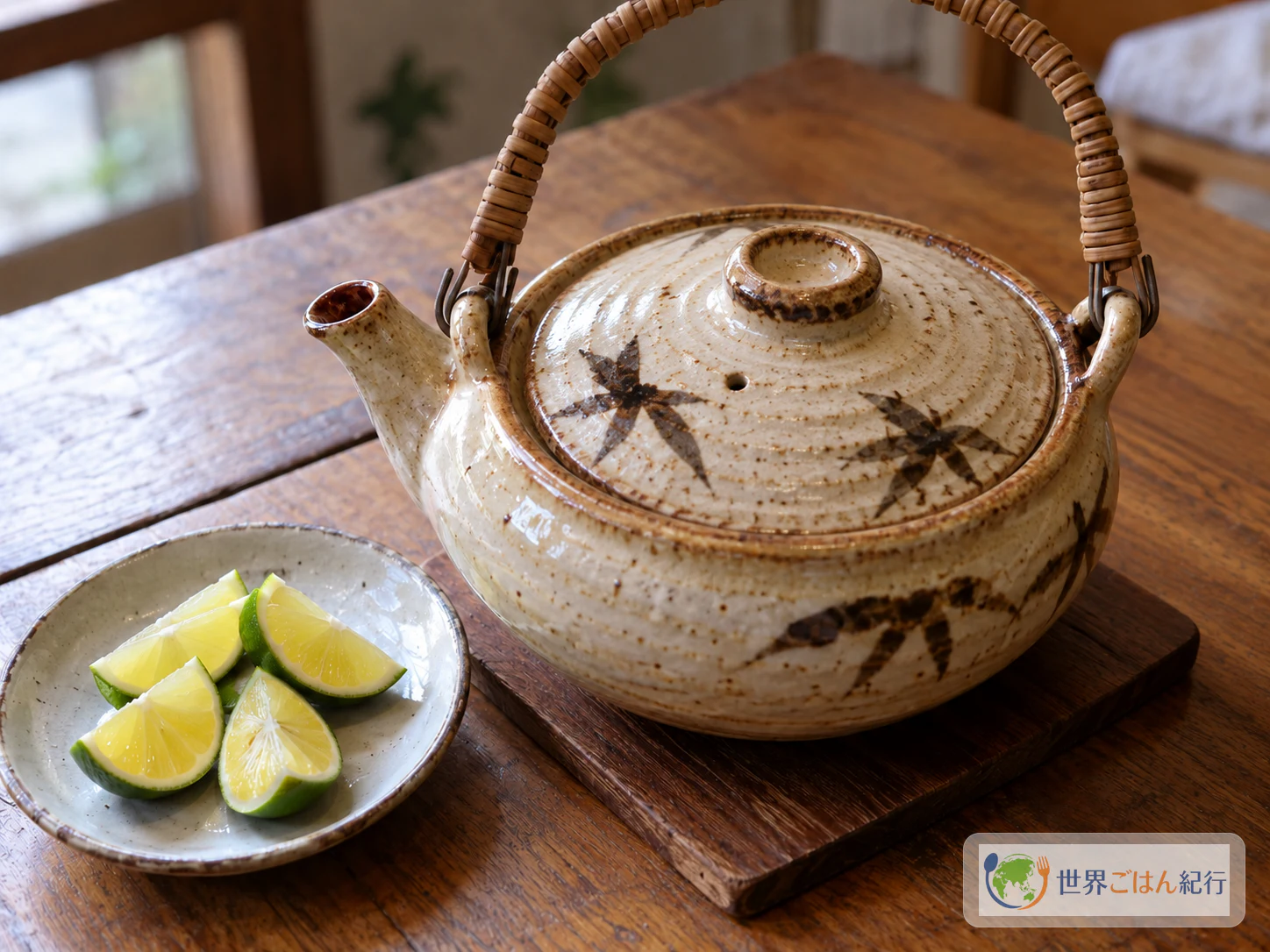
This article does not assume four pots for four servings; use whatever number and size of dobin holds the fillings and broth. The dobin goes directly over the heat, so check your own pot's product information for direct-heat use.
Method: From Mushroom Prep to One Boil in the Dobin
Steps 1 to 3 prepare the fillings, step 4 makes the broth, step 5 brings everything together in the dobin, and step 6 is the sudachi on the side.
Displayed Time and What the Recipe Leaves Open
The recipe guides several steps by what you see rather than by numbers: the shrimp and chicken are blanched "briefly," the ginkgo is boiled "to a good color," the broth is seasoned once it "starts to simmer," and the dobin comes off the heat at "one boil." No seconds, minutes or temperatures are attached to any of these, and this article does not add them.
| Point | What the recipe gives | What it does not give |
|---|---|---|
| Cooking time | 20 minutes shown on the recipe page | A measured total, or times for individual steps |
| Broth water | 3 cups | A conversion to ml or a cup definition |
| Blanching shrimp and chicken | A little salt, then a brief dip in boiling water | Water amount, time |
| Ginkgo | Salt-boil until cooked to a good color | Salt amount, water amount, time; no ice water |
| Dobin | Fill, set over heat, remove at one boil | Number of pots, capacity, material, heat level, time |
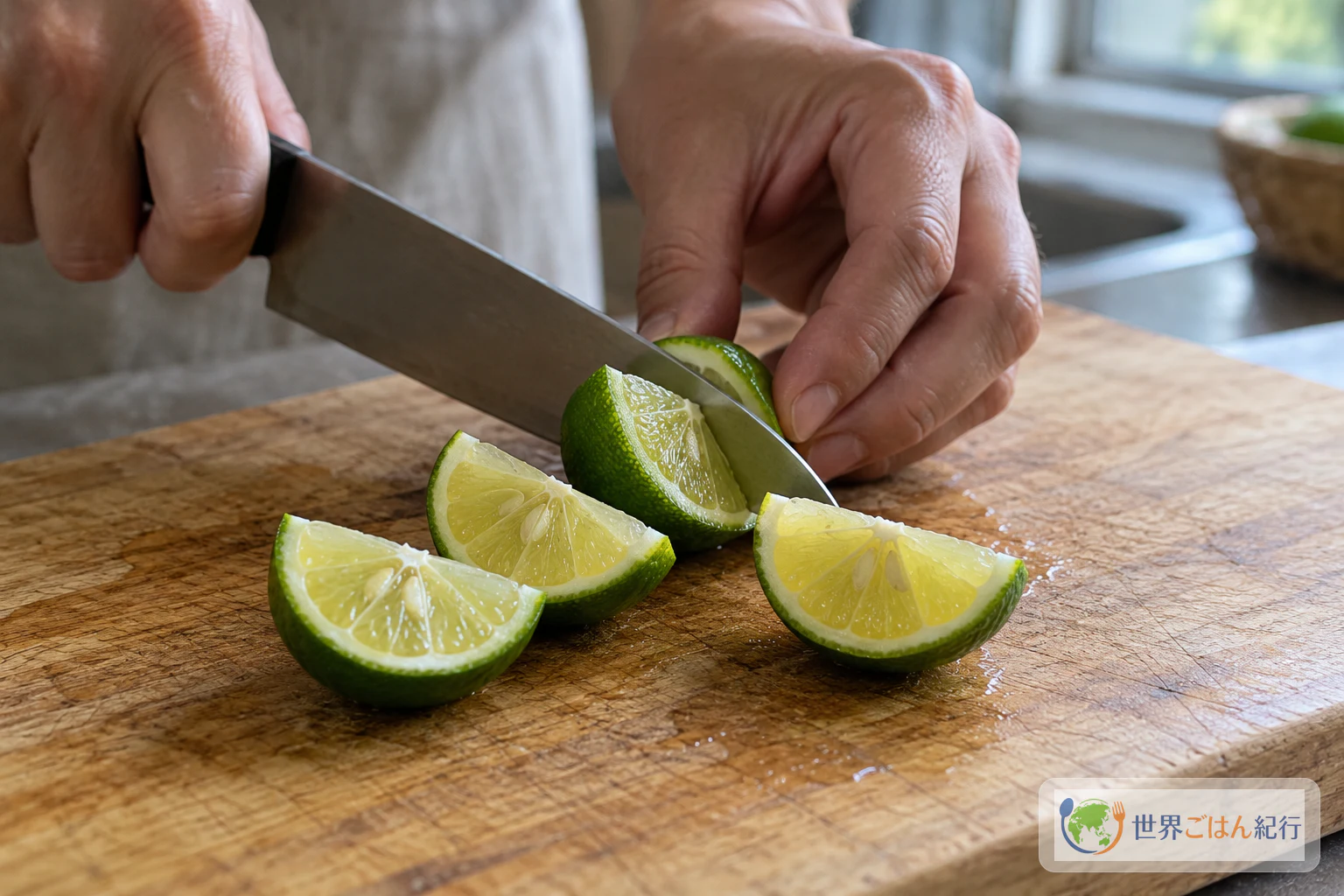
| Sudachi | Quartered and served alongside | Any instruction to squeeze it into the broth |
Other Published Versions Are Separate Recipes
Other recipe pages show that dobin mushi is not made one way only. They are noted here for comparison, not as swaps or add-ins for the recipe above.
| Version | Main differences |
|---|---|
| Kikkoman Home Cooking, "Matsutake no Dobin Mushi" (2 servings) | Uses chicken tenderloin, white fish, shell-on shrimp, ginkgo, cooking sake and katsuo dashi; the matsutake is only wiped with a cloth, and the dashi is poured into the vessel and simmered briefly. Its ingredient list calls the ginkgo shelled, while its method has you shell, salt-boil and peel them. |
| JA Kyoto City Women's Division, "Matsutake no Dobin Mushi" (Kyoto Prefecture, 4 servings) | Uses a kombu and katsuobushi dashi with sake and light soy sauce, bone-cut hamo (pike conger), kamaboko, ginkgo, mitsuba and sudachi, and steams the pots in a steamer for 10–13 minutes. The page's note about hamo describes this Kyoto version only. |
White fish, hamo, kamaboko, sake and a steamer belong to those versions and are not part of the Ajinomoto KK recipe followed here.
Frequently Asked Questions
How many ml is 3 cups of water?
The recipe lists the water as 3 cups and gives no ml conversion or cup definition, so it is kept as 3 cups here.
How many dobin do I need for four servings?
The recipe gives four servings but does not state how many dobin to use or their capacity. It does not say to use four pots.
How long do I blanch the shrimp and chicken, or boil the ginkgo?
No times are given. The shrimp and chicken are dipped briefly in boiling water, and the ginkgo is boiled in salted water until cooked to a good color.
Can I make it in a steamer?
The recipe here sets the dobin directly over the heat. Steaming belongs to the separate JA Kyoto City Women's Division version and is not treated as the same method.
Should I add white fish, hamo or sake?
They are not in this recipe's ingredient list. They come from the other published versions above, which are separate recipes.
Do I squeeze the sudachi into the soup?
The recipe only says to cut the sudachi into quarters and serve them alongside. It gives no instruction to squeeze them into the broth.
Is 20 minutes how long it really takes?
Twenty minutes is the cooking time displayed on the recipe page. It is not a measured time, and the recipe gives no times for the individual steps.
Sources
- Ajinomoto Park / Ajinomoto KK, "まつたけの土瓶蒸し" (Matsutake no Dobin Mushi). The recipe followed in full: four-serving ingredient list with all amounts and units, the 20-minute time shown on the page, steps 1–6, and the page's description of the dish as a taste particular to autumn. https://park.ajinomoto.co.jp/recipe/card/002005/
- Kikkoman Home Cooking, "まつたけの土びん蒸し" (Matsutake no Dobin Mushi). Used only for comparison: a separate two-serving version with chicken tenderloin, white fish, shrimp, ginkgo, cooking sake and katsuo dashi, simmered briefly after the dashi is poured into the vessel. https://www.kikkoman.co.jp/homecook/search/recipe/00001491/
- JA Group, "京都府『松茸の土瓶蒸し』JA京都市女性部" (Kyoto Prefecture "Matsutake no Dobin Mushi," JA Kyoto City Women's Division). Used only for comparison: a separate four-serving Kyoto version with kombu and katsuobushi dashi, sake, hamo and kamaboko, steamed in a steamer for 10–13 minutes, and the page's own note on hamo in that version. https://life.ja-group.jp/recipe/detail?id=8626