
Japan recipes
Recipes from Japan: home cooking with cultural background, ingredient substitutes and step-by-step instructions.
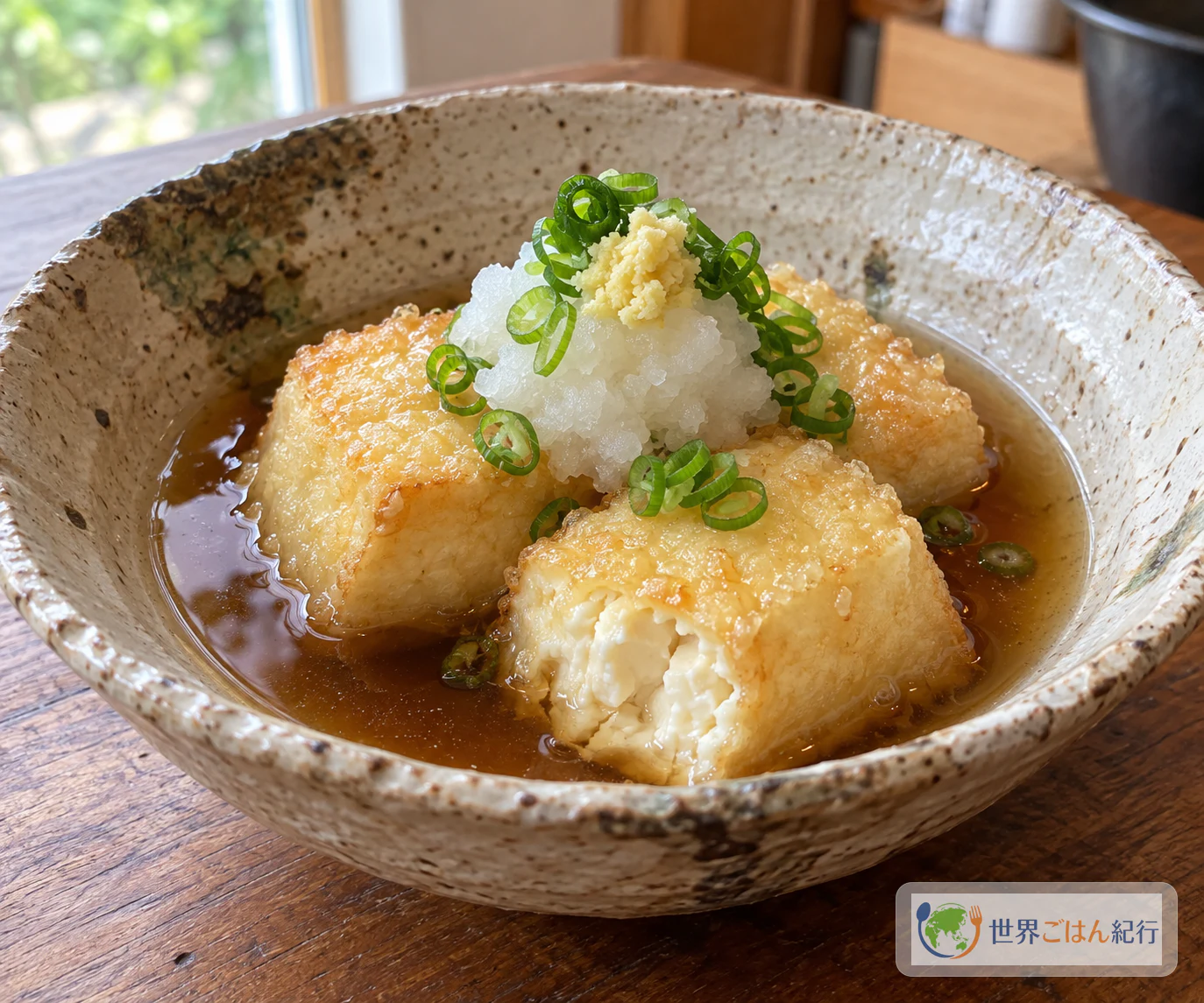
Agedashi Tofu: Lightly Coated Fried Tofu in Hot Dashi Sauce (Agedashi Dōfu)
How to make agedashi tofu (agedashi dōfu) at home: momen tofu cut into six, drained, dusted with potato starch, fried at 175°C and served in hot dashi sauce with grated daikon, ginger and scallion. Covers getting the sauce ready first, keeping the coating from peeling, allergens, variations and the limits of what is known about the dish's history.
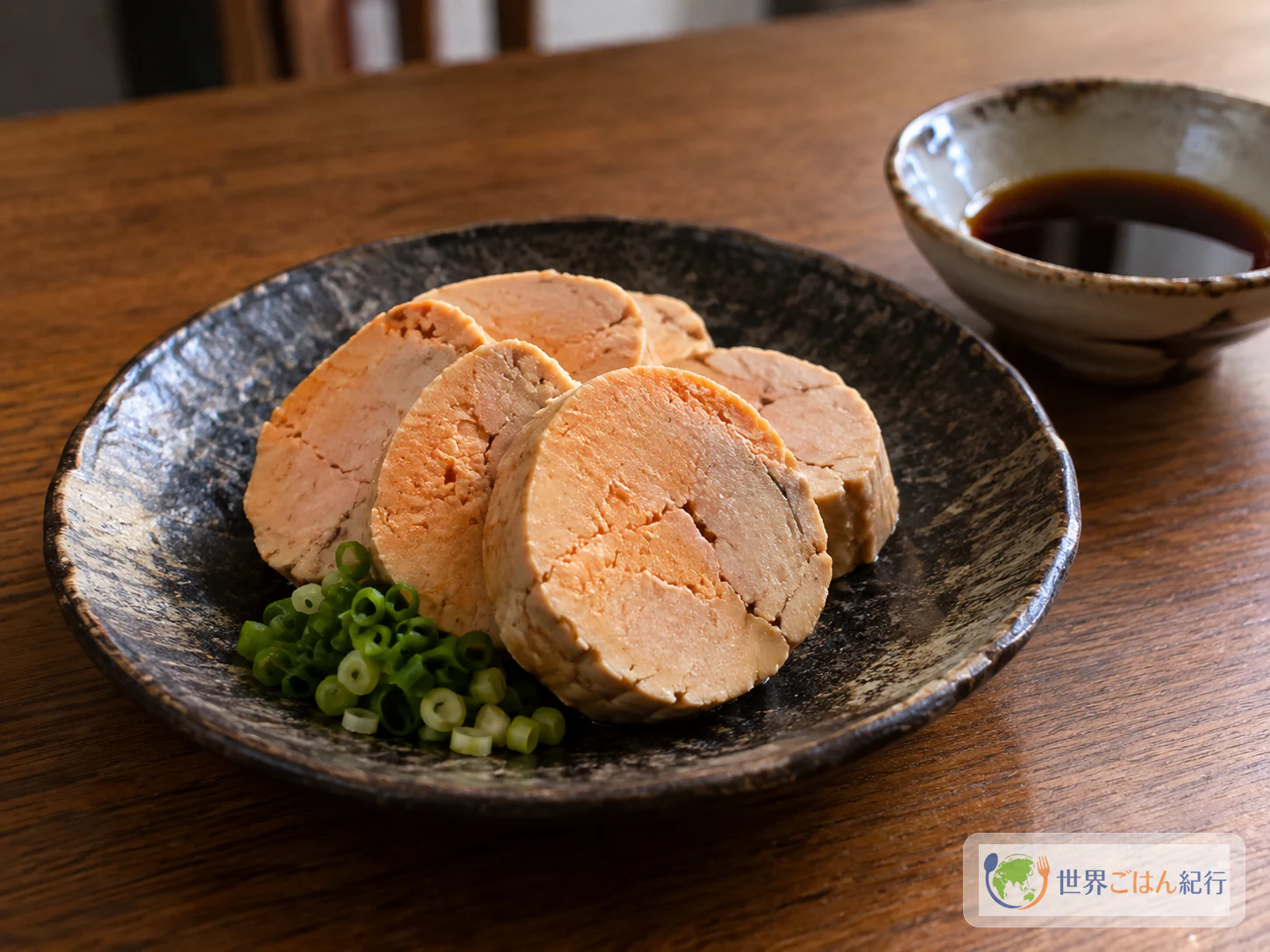
Ankimo: Sake-Steamed Monkfish Liver with Ponzu (あん肝)
How to make ankimo (あん肝), Japanese steamed monkfish liver, at home: trimming the blood vessels and membrane, a chilled soak in water, cooking sake and salt, rolling in foil, steaming over medium heat, and chilling before slicing 1 cm thick. Covers safe heating of monkfish liver, serving with ponzu and scallion, and how ankimo differs from Ibaraki's monkfish hotpot and dobu-jiru.
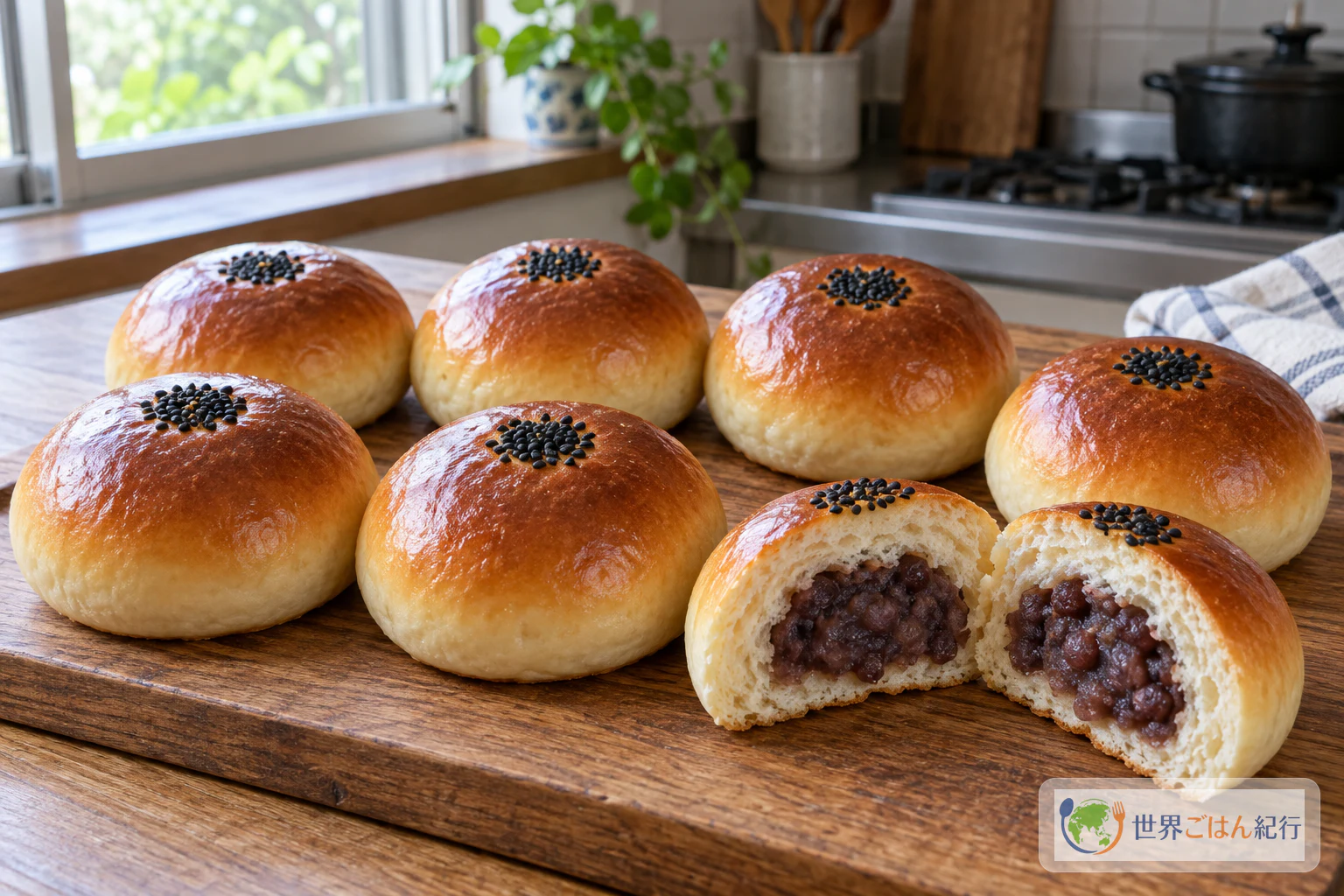
Anpan: Soft Japanese Sweet Red Bean Buns (あんぱん)
How to make anpan, the Japanese sweet bread filled with azuki bean paste, as 8 home-style buns with instant yeast. Covers mixing and kneading to the windowpane stage, judging the first and second rise by volume and a finger dent, wrapping 35 g of paste per bun, egg wash and black sesame, and baking at 200°C. Also explains how this home version differs from Kimuraya's traditional sakadane anpan, and how to choose between tsubuan and koshian.
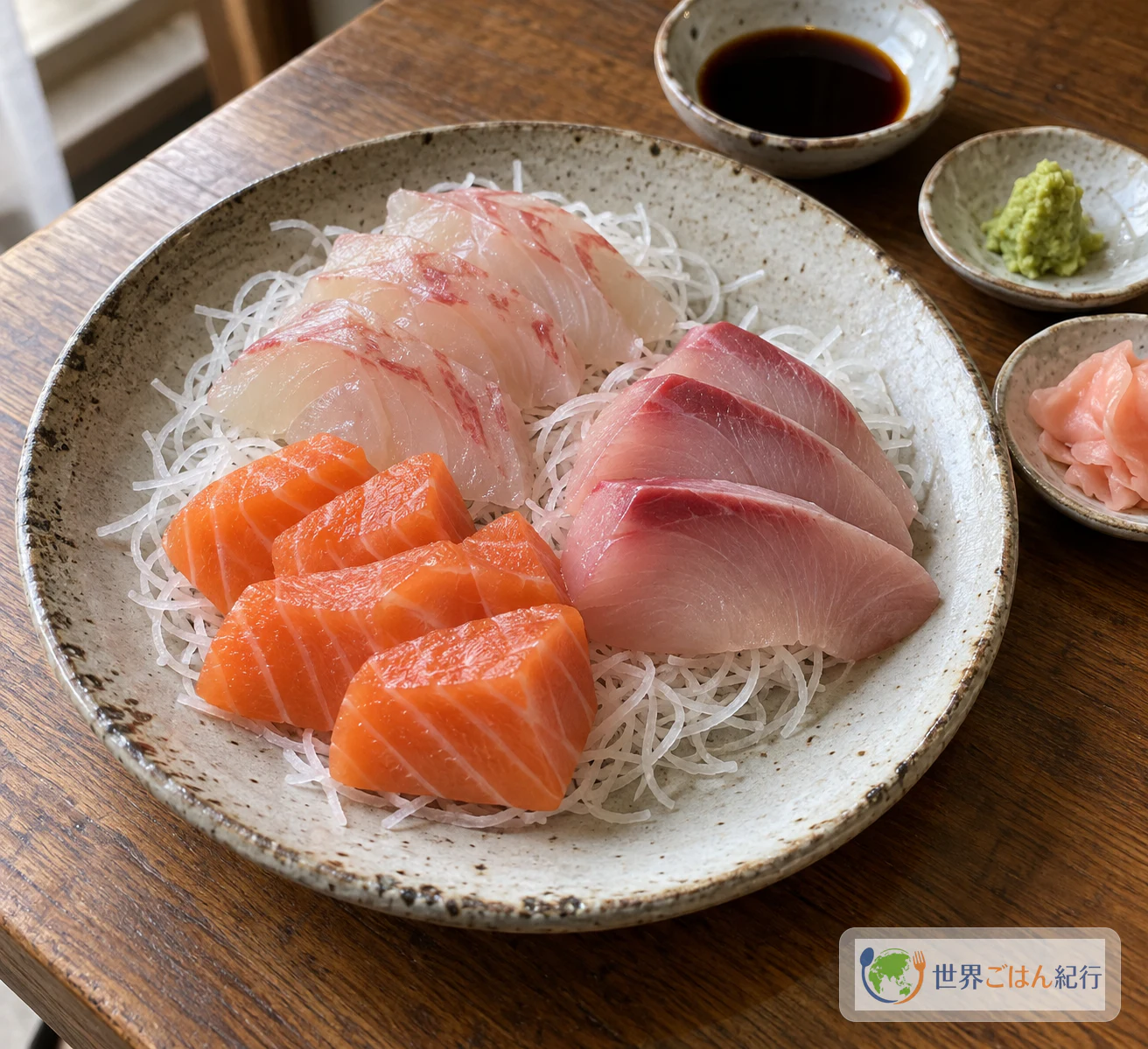
Sashimi: A Three-Fish Platter, Cut Fish by Fish (Sashimi / 刺身)
How to make a home sashimi platter for three with salmon, a white fish and a richer fish, 100g each, on shredded daikon with wasabi, sushi ginger and soy sauce. Covers how to read raw-eating labels, keeping fish cold, why salmon and white fish are cut at different blade angles, what wasabi and soy sauce cannot do against parasites, and how sashimi differs from sushi.
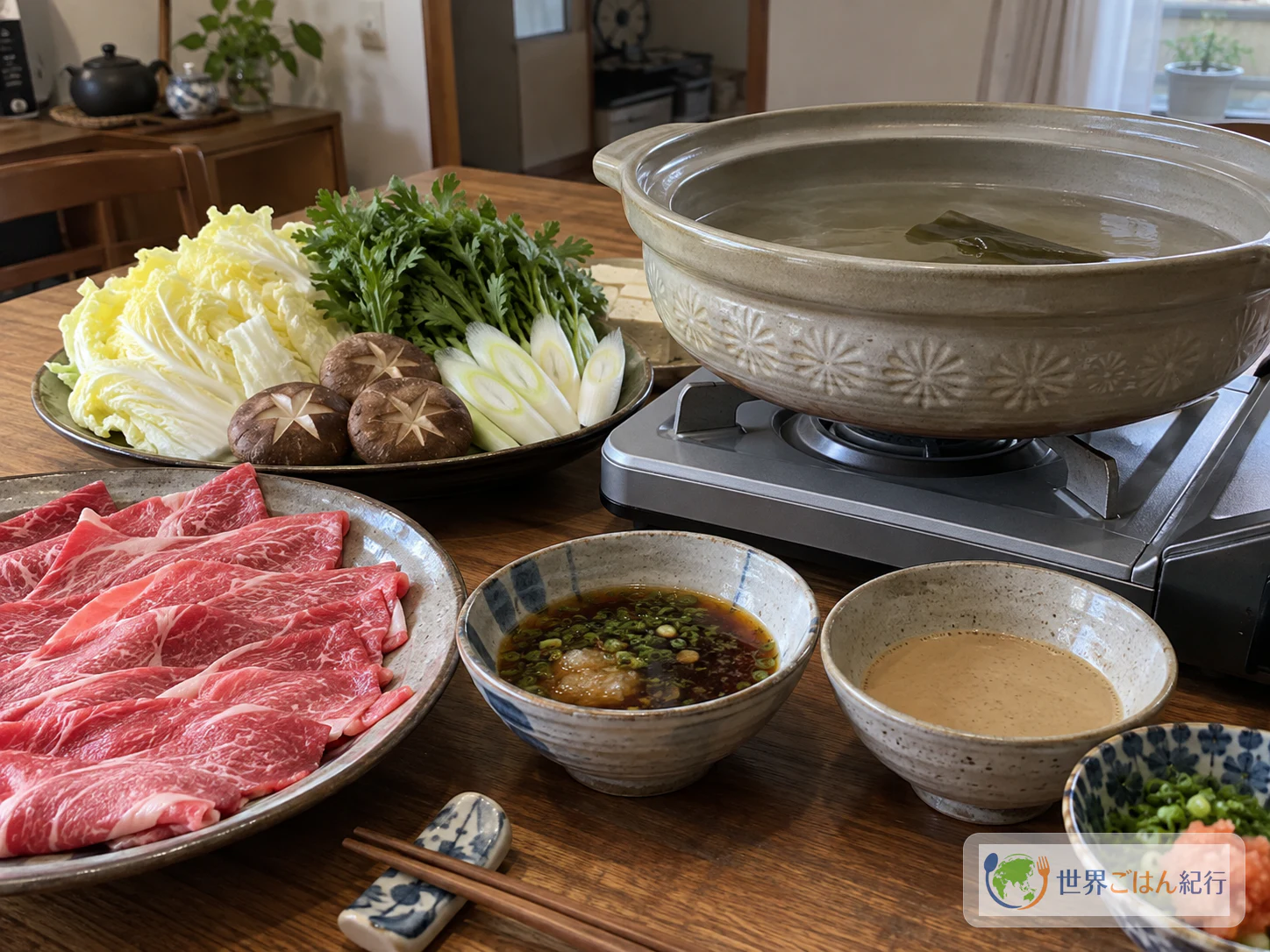
Shabu Shabu: Japanese Beef Hot Pot with Kombu Broth and Two Dipping Sauces
How to make shabu shabu at home for two: a clear broth from kombu soaked in water, thinly sliced beef, napa cabbage, shungiku, negi and shiitake, plus ponzu and a homemade sesame dipping sauce. Covers the order for adding meat and vegetables, how to keep the broth gentle at the table, and how to handle raw meat safely.
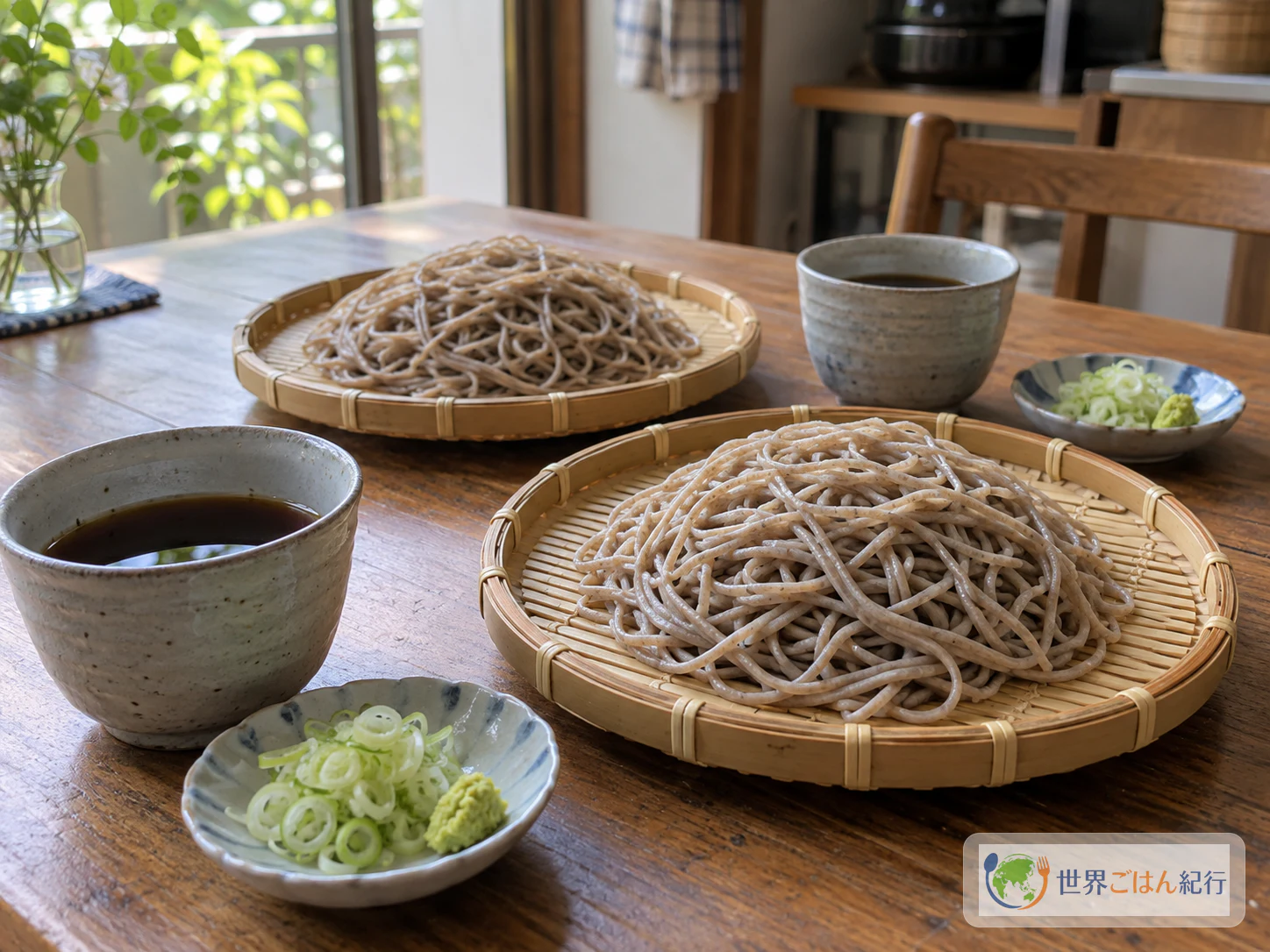
Zaru Soba: Chilled Buckwheat Noodles With Homemade Dipping Sauce (ざるそば)
How to make zaru soba at home with dried noodles: a bonito and soy dipping sauce made from scratch, cooking by the package time, and rinsing under cold running water to remove surface sliminess. Covers choosing dried soba by its buckwheat and wheat content, preparing green onion and wasabi, allergy checks, and how soba differs across regions such as Nagano and Niigata.
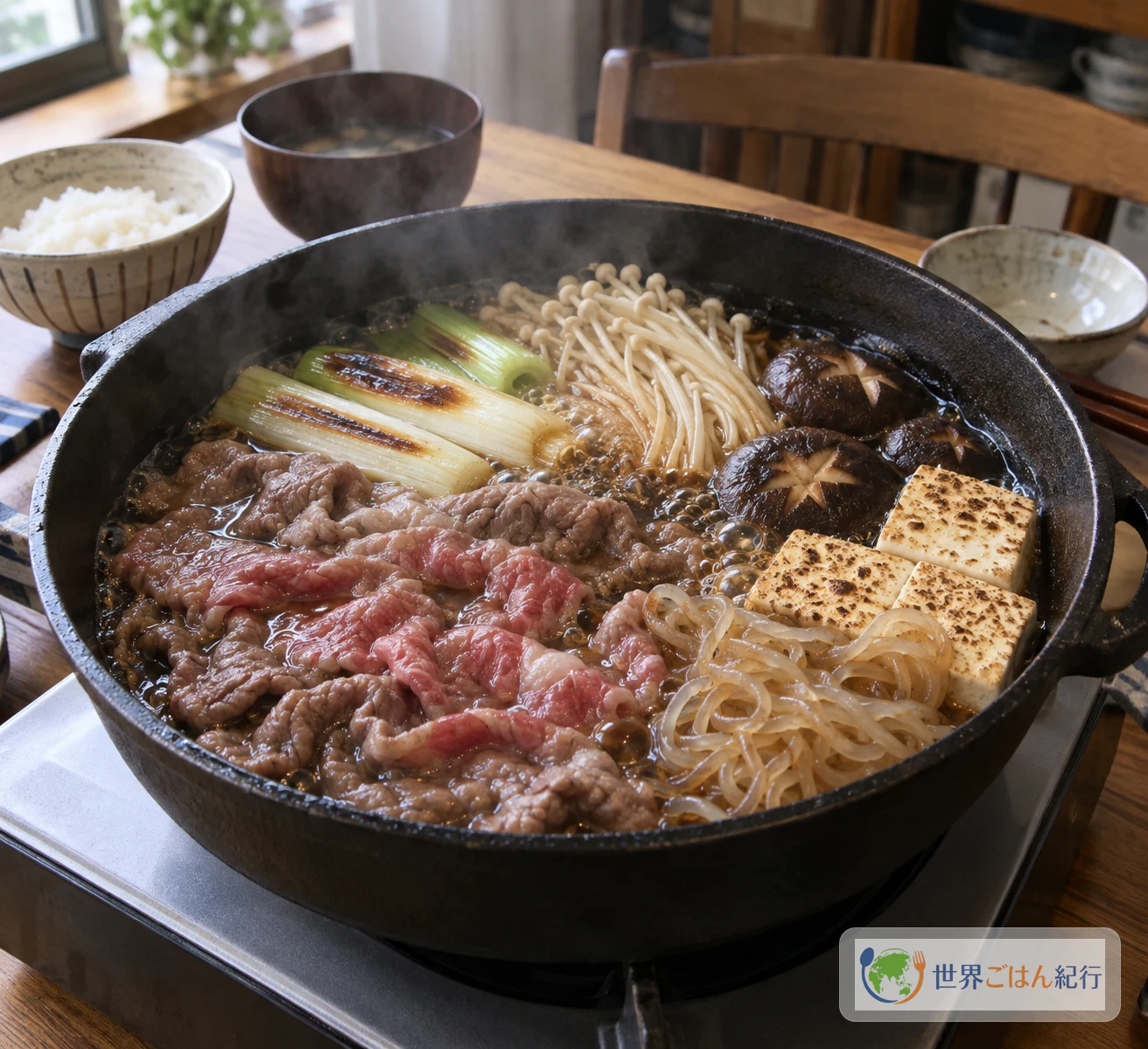
Sukiyaki: Japanese Beef Hot Pot with Warishita and the Order of Simmering
How to make sukiyaki, the Japanese hot pot of thin beef, negi, grilled tofu, shirataki and mushrooms simmered in a sweet-savory warishita of soy sauce, mirin and water at 100ml each, with 4 tbsp sugar. Covers preparing the ingredients, the order of searing and simmering, eating with beaten egg, the difference between Kanto and Kansai styles, and food-safety basics.
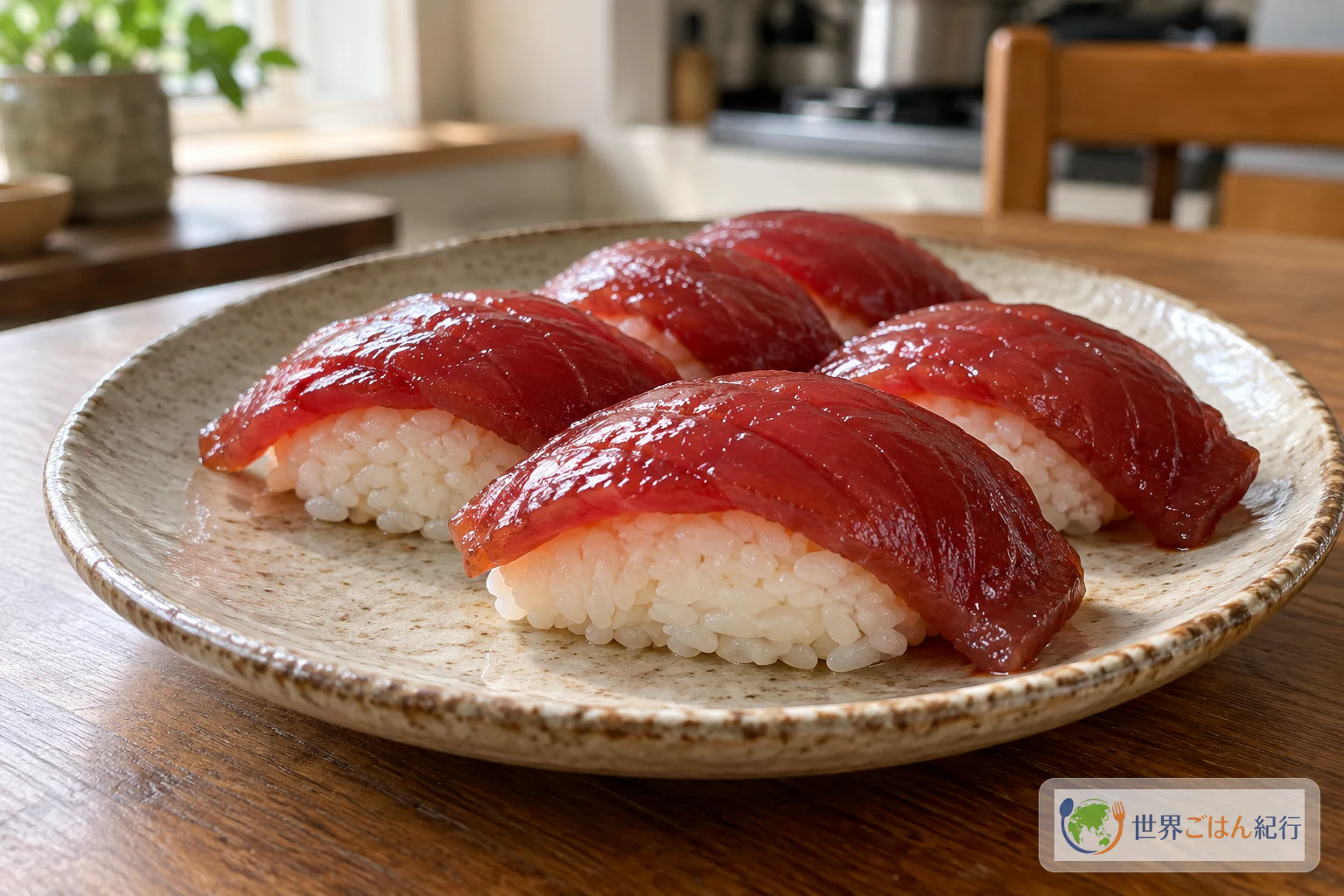
Sushi: Tokyo-Style Nigiri with Soy-Marinated Tuna (Zuke Maguro Nigiri)
How to make Tokyo-style nigiri at home: red-vinegar sushi rice from 2 gō of rice, topped with lean tuna marinated in a soy and mirin tare. Covers mixing the rice so it stays glossy, shaping gently, handling raw fish, and how nigiri fits into sushi's wider family, from fermented narezushi to the street stalls of old Edo.
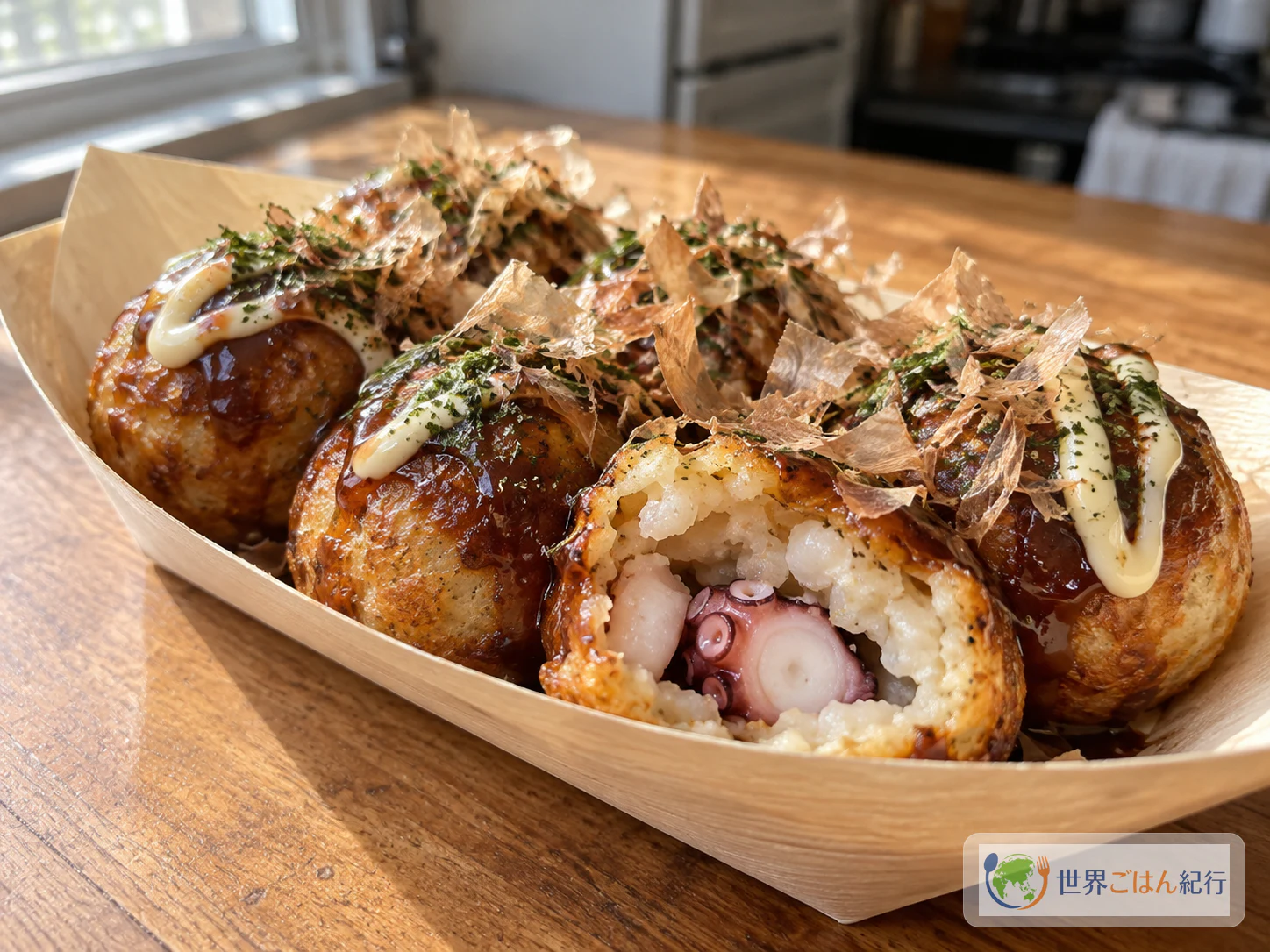
Takoyaki: Osaka-Style Octopus Balls with a Dashi Batter (たこ焼き)
How to make Osaka-style takoyaki at home with cake flour, dashi, eggs, boiled octopus and tenkasu, following the recipe the Japan Konamon Association provides to Japan's Ministry of Agriculture, Forestry and Fisheries. Covers why the batter rests, why you pour past the wells, how to make the first 90-degree turn, how to fix uneven browning, how Osaka takoyaki differs from Akashiyaki, and what equipment you need.
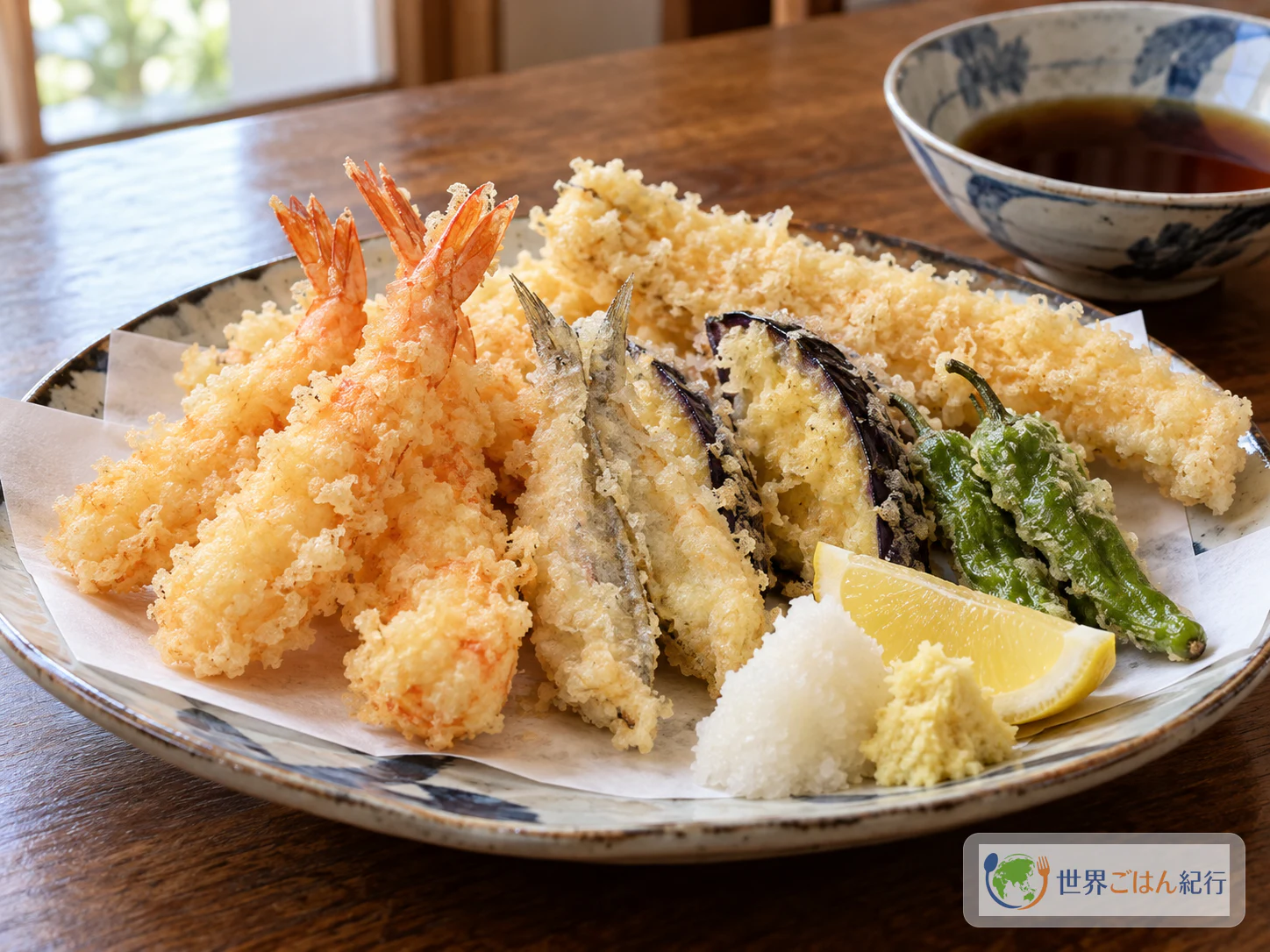
Tempura: Tokyo-Style Seafood and Vegetables, Fried and Eaten Hot (Tenpura)
How to make Tokyo-style tempura (tenpura) for four with small tiger shrimp, sillago, conger eel, eggplant and shishito peppers, following the regional recipe published by Japan's Ministry of Agriculture, Forestry and Fisheries. Covers a lightly mixed batter of egg yolk, cold water and cake flour, the 180°C oil cue, frying seafood before vegetables, tentsuyu dipping sauce with grated daikon, and the history from Edo food stalls to today's homes and restaurants.
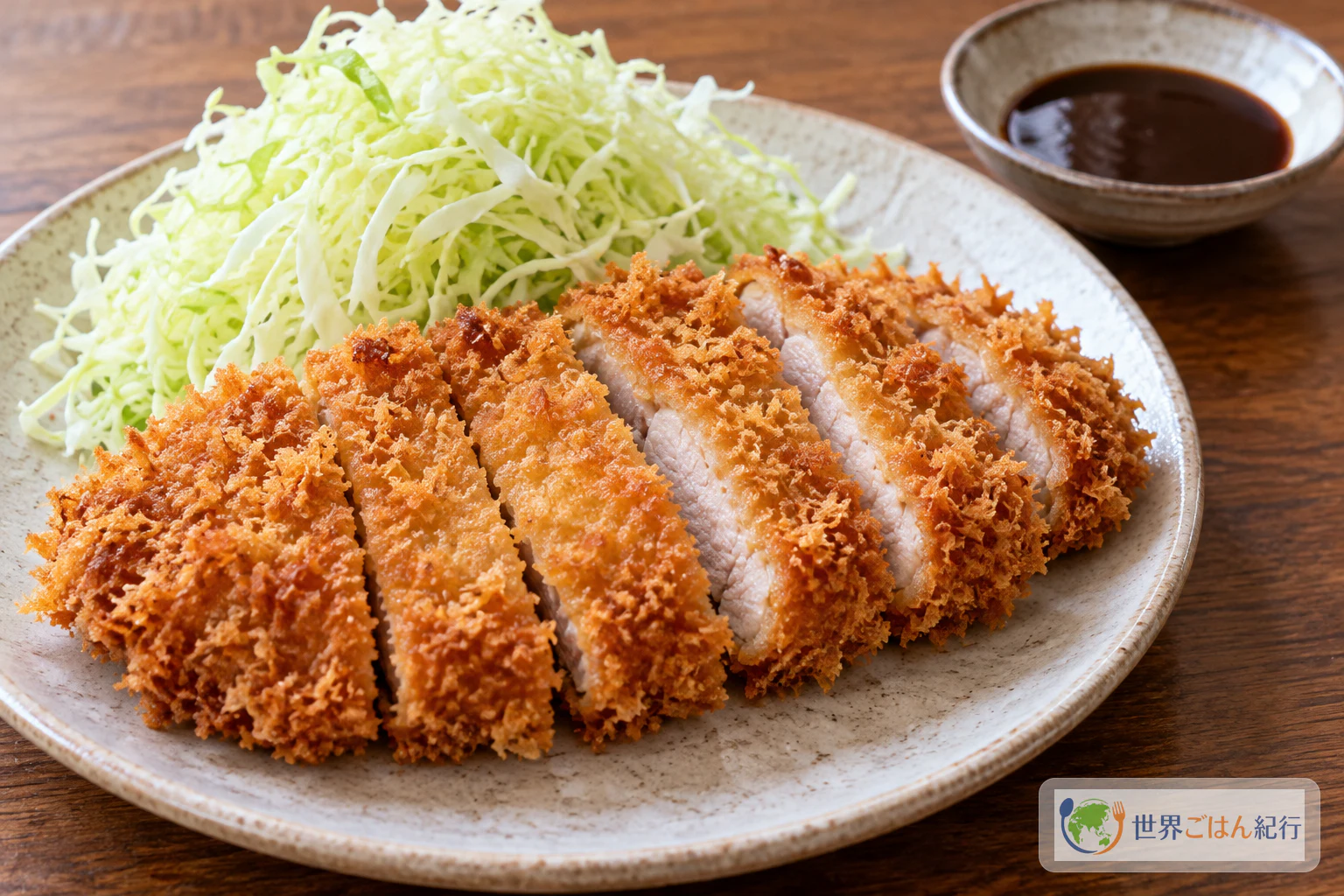
Tonkatsu: Japanese Pork Loin Cutlet (豚カツ) with Shredded Cabbage
How to make tonkatsu (豚カツ), the Japanese panko-crusted pork loin cutlet, for 2 servings. Covers scoring and pounding the pork, the egg-and-flour batter, coating with panko, starting the fry at 160°C, checking that the center of the pork reaches 75°C for 1 minute, slicing without losing the crust, and preparing crisp shredded cabbage, along with how tonkatsu settled into the rice-centered Japanese table.
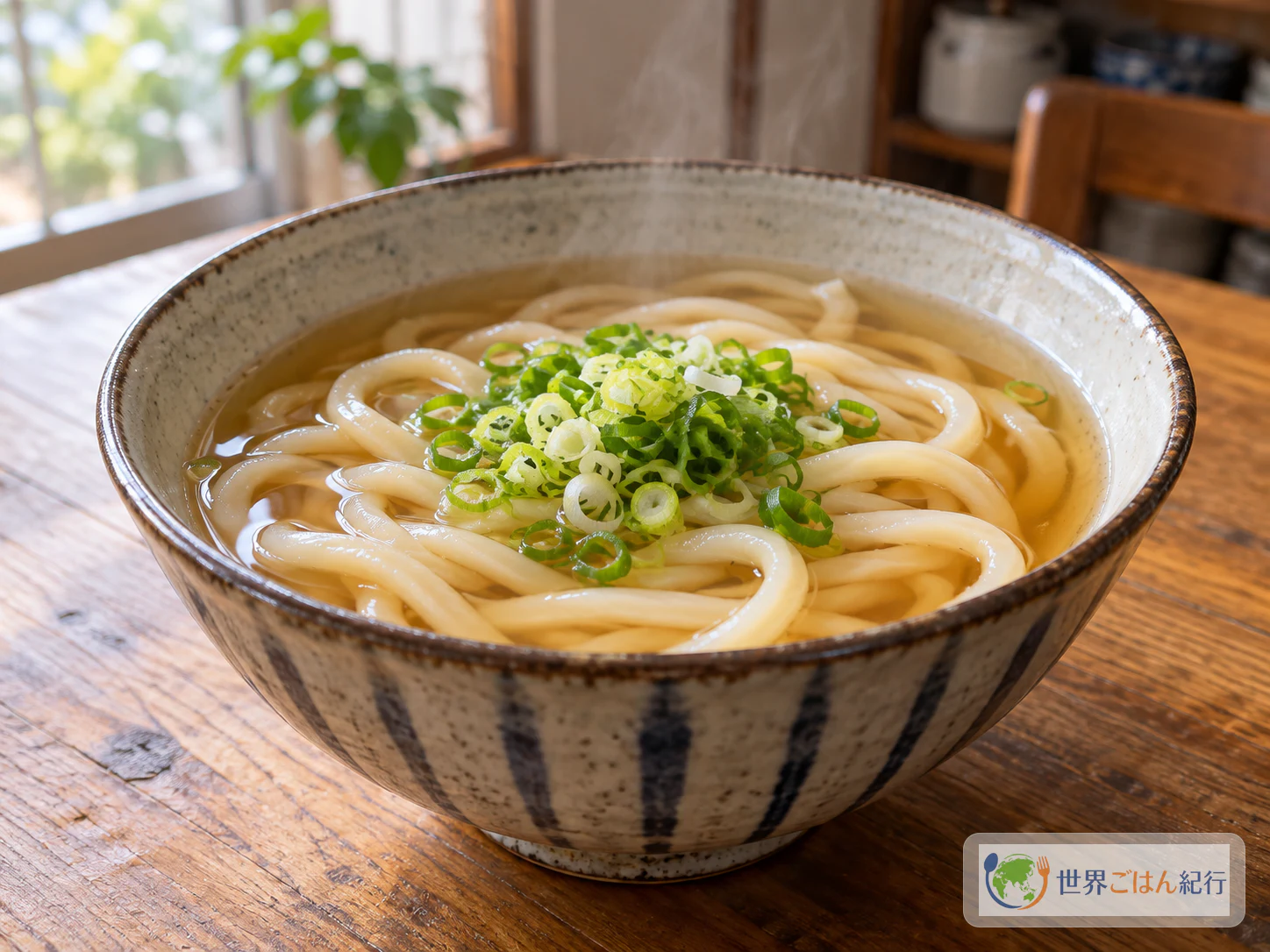
Kake Udon: A Basic Bowl of Udon in Niboshi, Kombu and Bonito Dashi (かけうどん)
How to make basic kake udon for 5 servings: a dashi of niboshi, kombu and katsuobushi, seasoned with mirin and Japanese koikuchi soy sauce. Covers keeping the dashi from boiling, the order for adding soy sauce, how to handle dried versus frozen noodles, and how udon broth and noodles differ in Sanuki, Kanto, Kansai and Hakata.
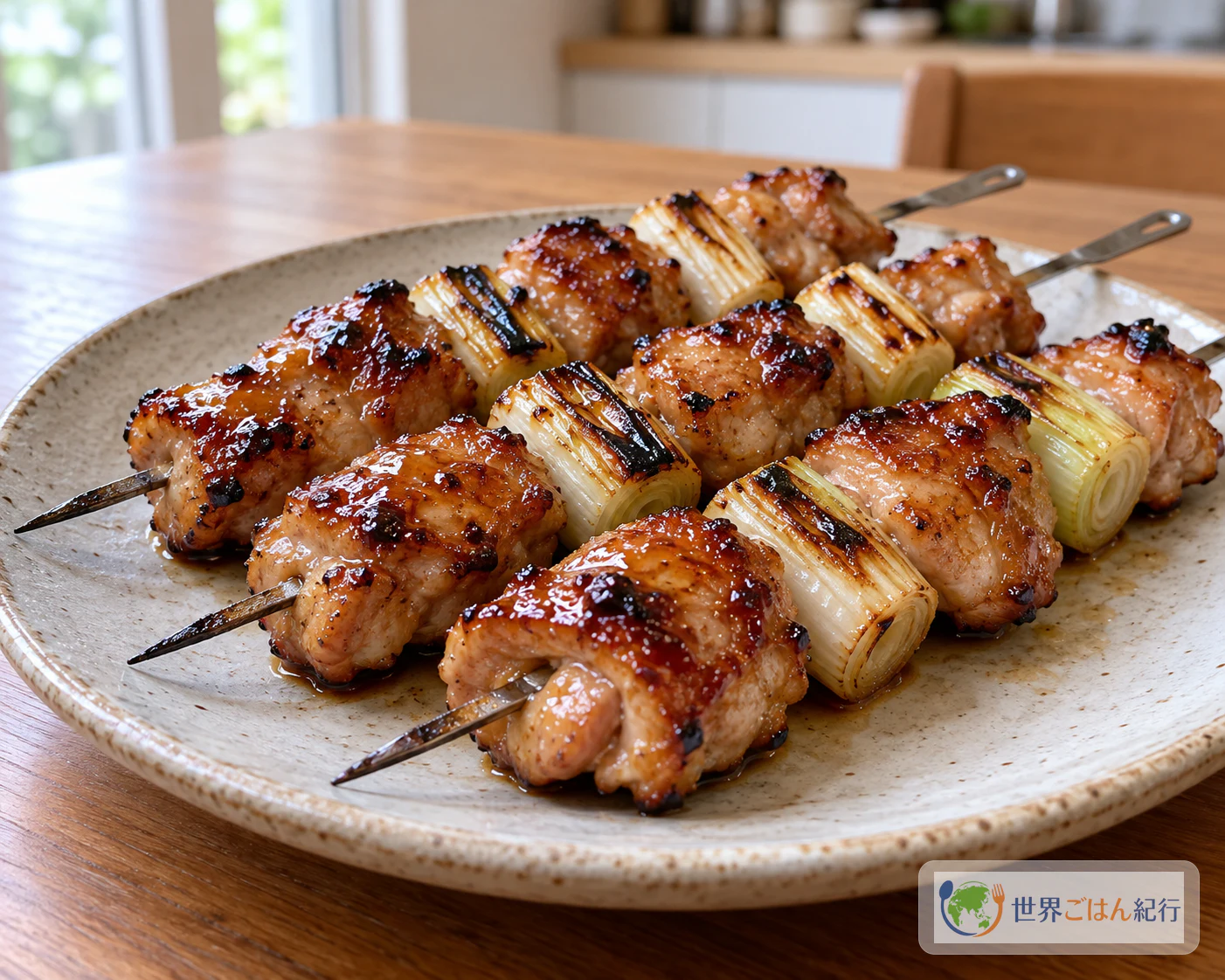
Yakitori Negima: Chicken Thigh and Long Onion Skewers in a Frying Pan
How to make negima yakitori at home: chicken thigh and Japanese long onion skewers cooked in a covered frying pan and glazed with a simple soy sauce, sugar and water tare. Covers safe doneness with a thermometer, when to add the tare, fixing common mistakes, and how negima differs from Muroran yakitori.
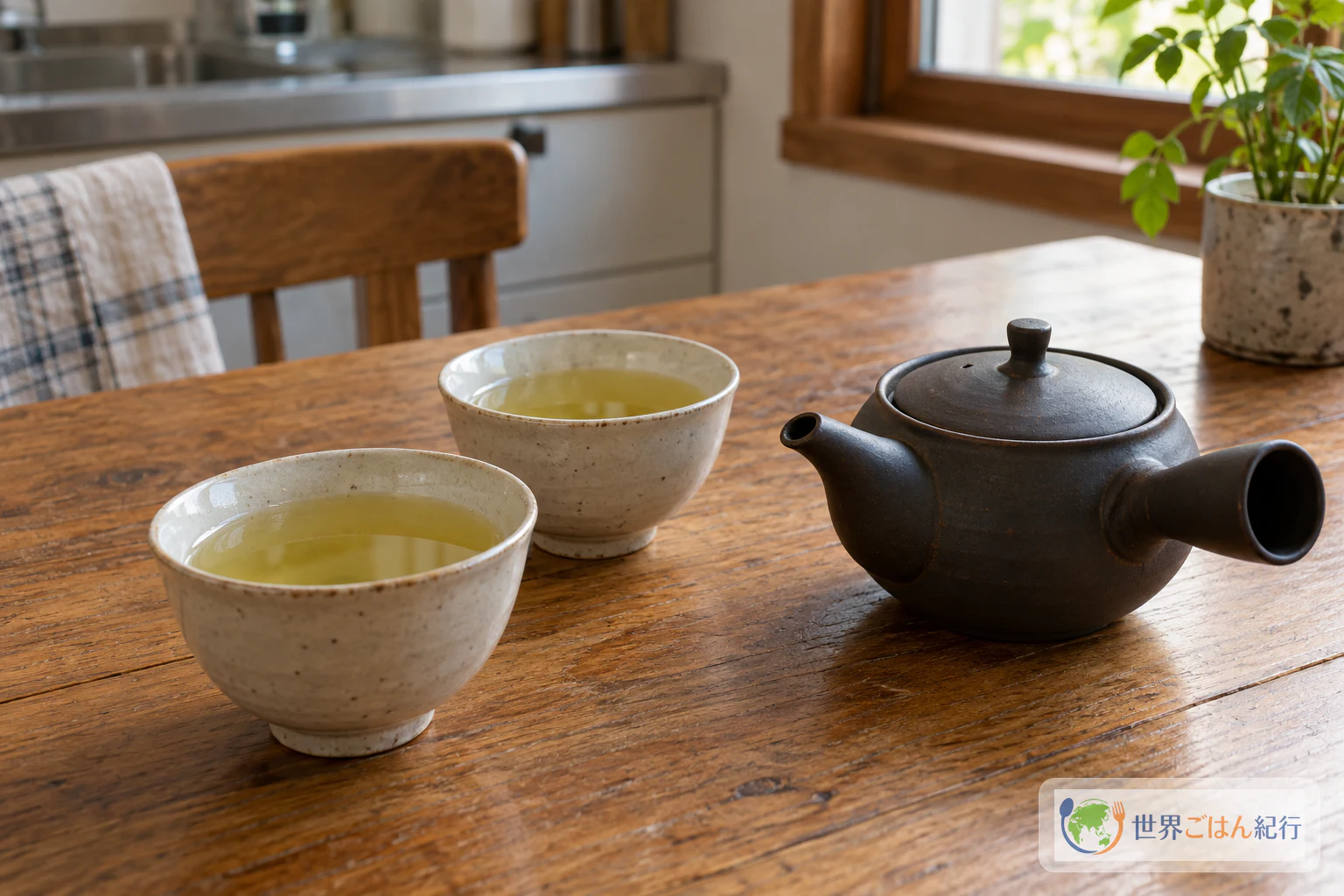
Genmaicha: How to Brew Japanese Roasted Rice Tea in a Kyusu for Two
How to brew genmaicha, the Japanese tea of green tea leaves blended with roasted rice, in a kyusu teapot. This version follows ITO EN's guide for two people: 4 g of leaf, 200 ml of 95°C water and a 30-second infusion, poured evenly into two cups down to the last drop. Includes how other Japanese tea makers describe the blend, how their brewing guides compare, and what the guide leaves unstated.
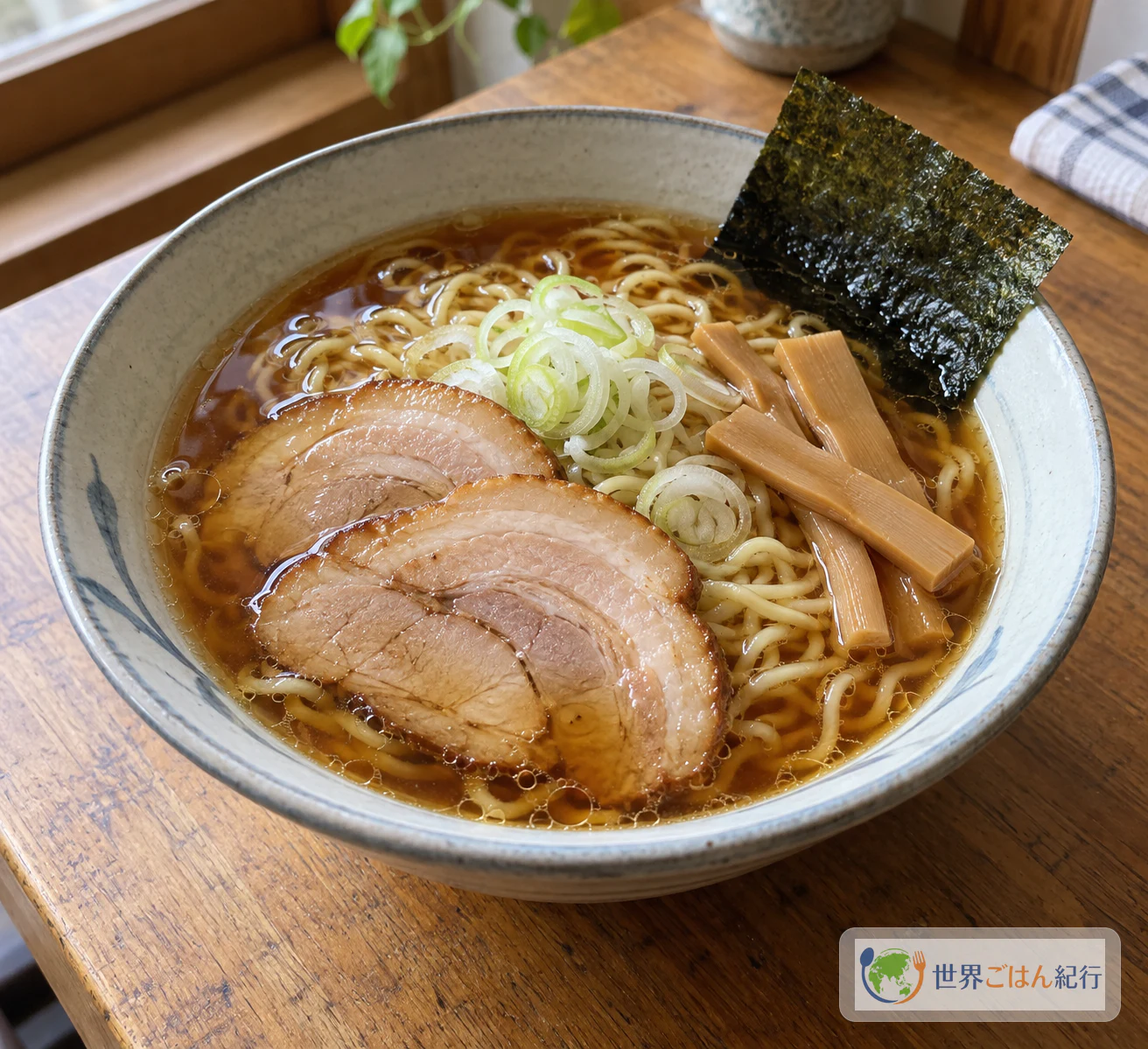
Tokyo-Style Shoyu Ramen: Clear Broth, Soy Tare and Chashu at Home
How to make Tokyo-style shoyu ramen at home from a recipe shared by the owner of Bizentei in Tokyo: a clear pork and aromatic broth simmered for six hours, a soy tare that braises the chashu, and bowls seasoned one at a time. Covers the full eight-bowl batch, heat changes, safe pork handling and cooling, noodles, fixes and how this bowl differs from tonkotsu.
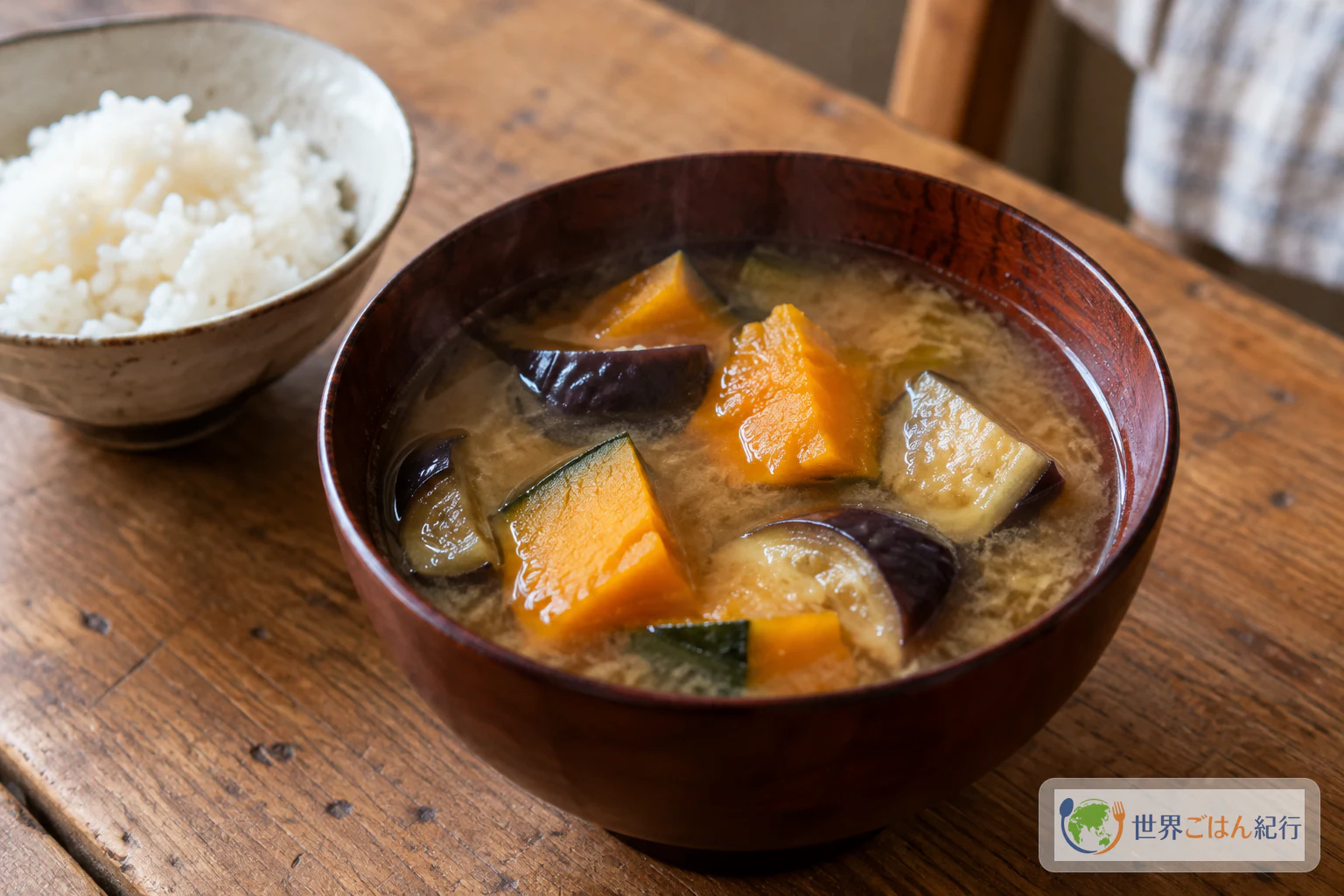
Miso Soup with Kabocha and Japanese Eggplant in Kombu Dashi
A two-serving miso soup of kabocha and Japanese eggplant in kombu dashi, based on one published Japanese home recipe. Learn how to soak and heat the kombu, cut the vegetables so they cook evenly, and add the miso at the end so its aroma stays.
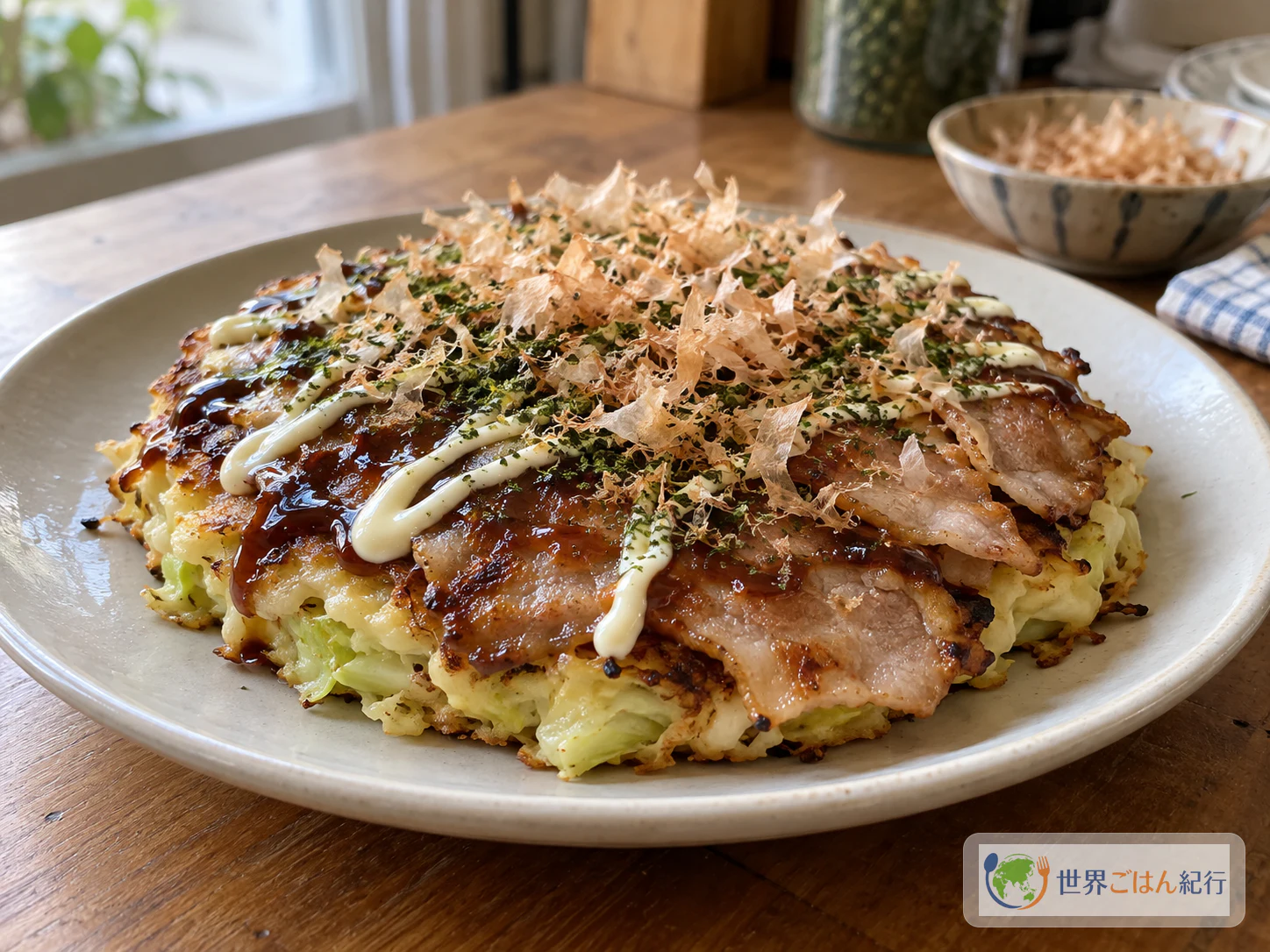
Okonomiyaki: Osaka-Style Savory Cabbage Pancakes (お好み焼き)
How to make Osaka-style okonomiyaki in a frying pan from a recipe published by Japan's Ministry of Agriculture, Forestry and Fisheries: a dashi batter with grated nagaimo, cabbage folded in briefly, pork belly laid on top, and a covered, low-heat cook. Covers when to flip, how to tell it's done, troubleshooting, toppings, and how it differs from Hiroshima style.
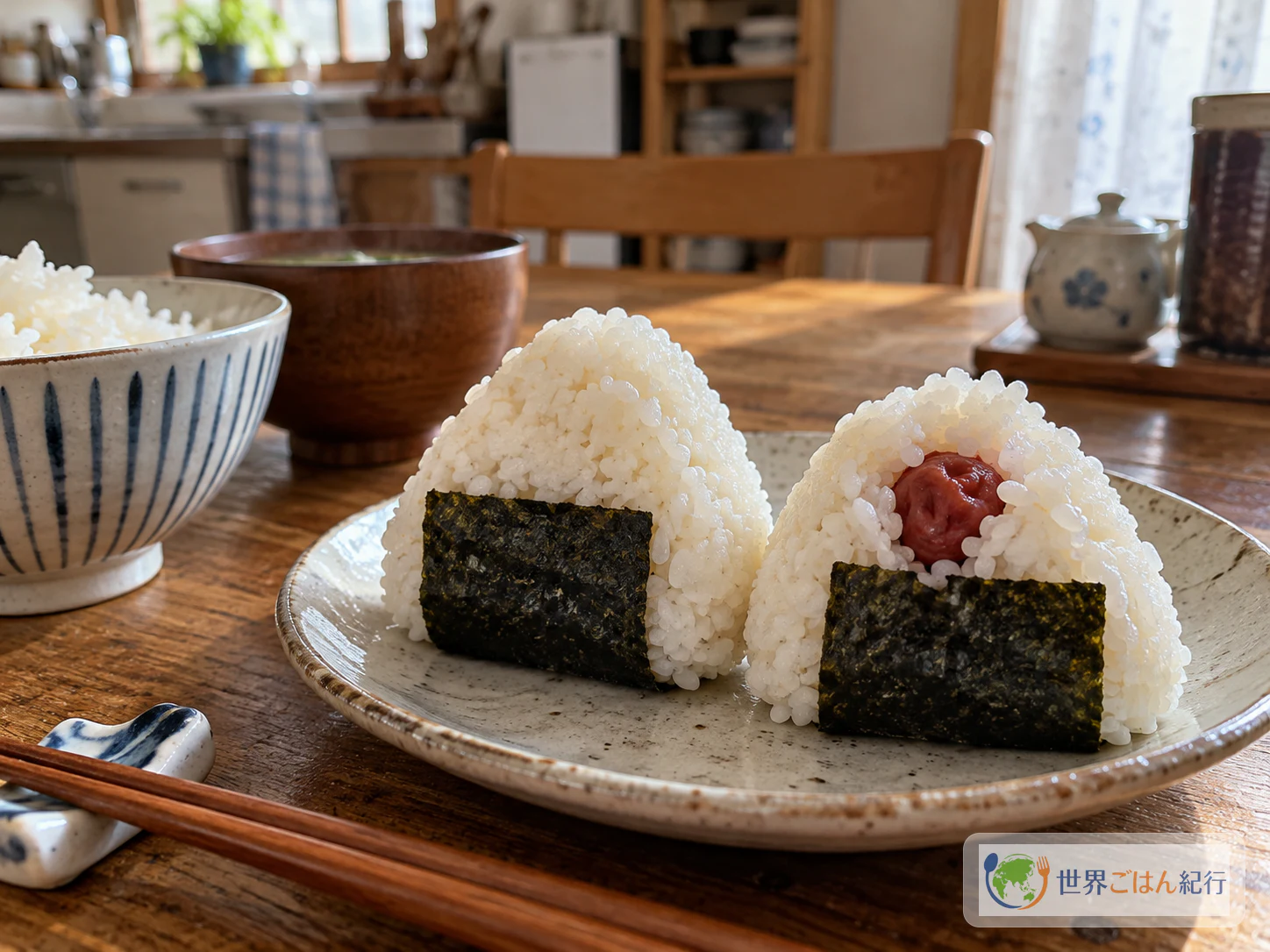
Umeboshi Onigiri: How to Shape a Soft Triangular Japanese Rice Ball
A basic recipe for Japanese onigiri filled with umeboshi (pickled plum): 200 g of cooked rice and two umeboshi make two triangular rice balls. Learn how to enclose the filling in the center, shape the rice gently so it holds without turning dense, when to wrap the nori, how to pack onigiri hygienically for a bento, and how the regional Hiroshima-na onigiri differs.
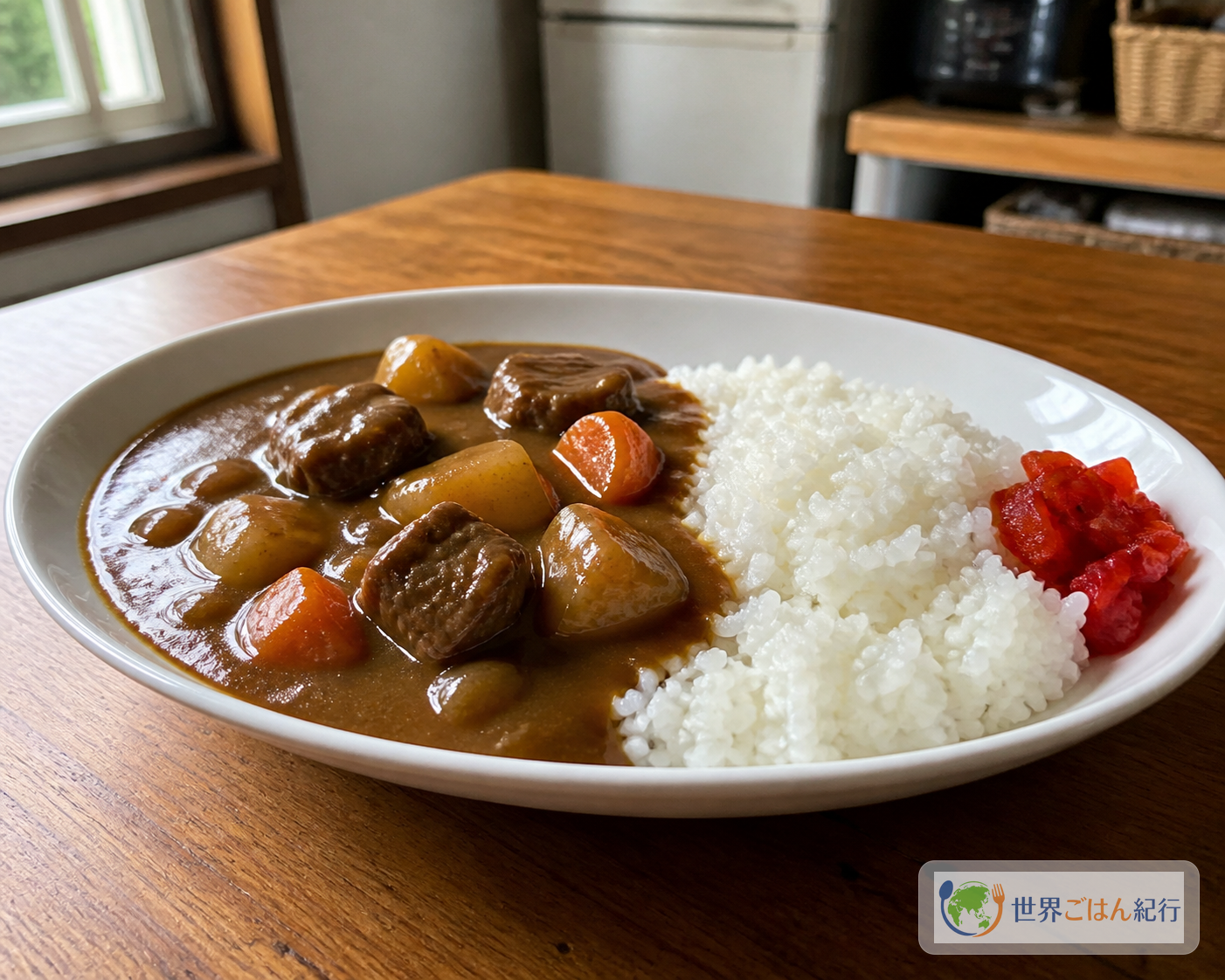
Japanese Curry Rice: A Home Roux Curry and Its Regional Styles
Japanese curry rice with a home roux made from curry powder and flour. How far to cook the onions, how to cut the fillings, the thickness after simmering, regional differences from Yokosuka, Kanazawa and Sapporo, substitutes, storage and how to fix a pot that goes wrong.

Tonkotsu Ramen: Kurume-Style Cloudy Pork Bone Broth at Home
Tonkotsu ramen with a home-sized mix of pork knuckle bones and trotters boiled hard. The cloudy broth born in Kurume, Hakata's thin noodles and kaedama refills, Kumamoto's garlic: bone prep, heat control, tare, substitutes, storage and safe reheating, and the yatai street-stall culture.