Gyūdon: Soft Onion, Thin Beef and a Savory-Sweet Broth Over Rice
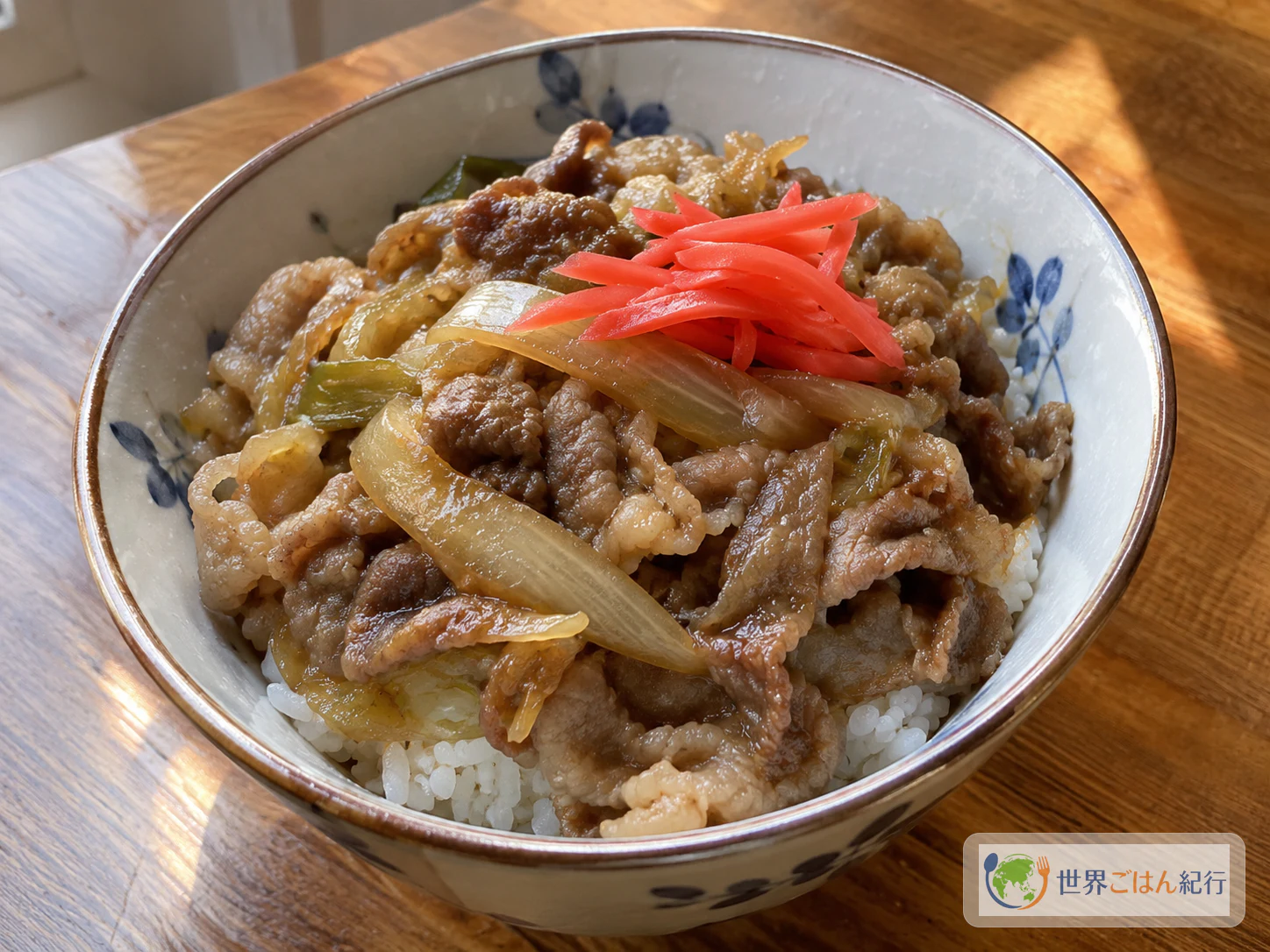
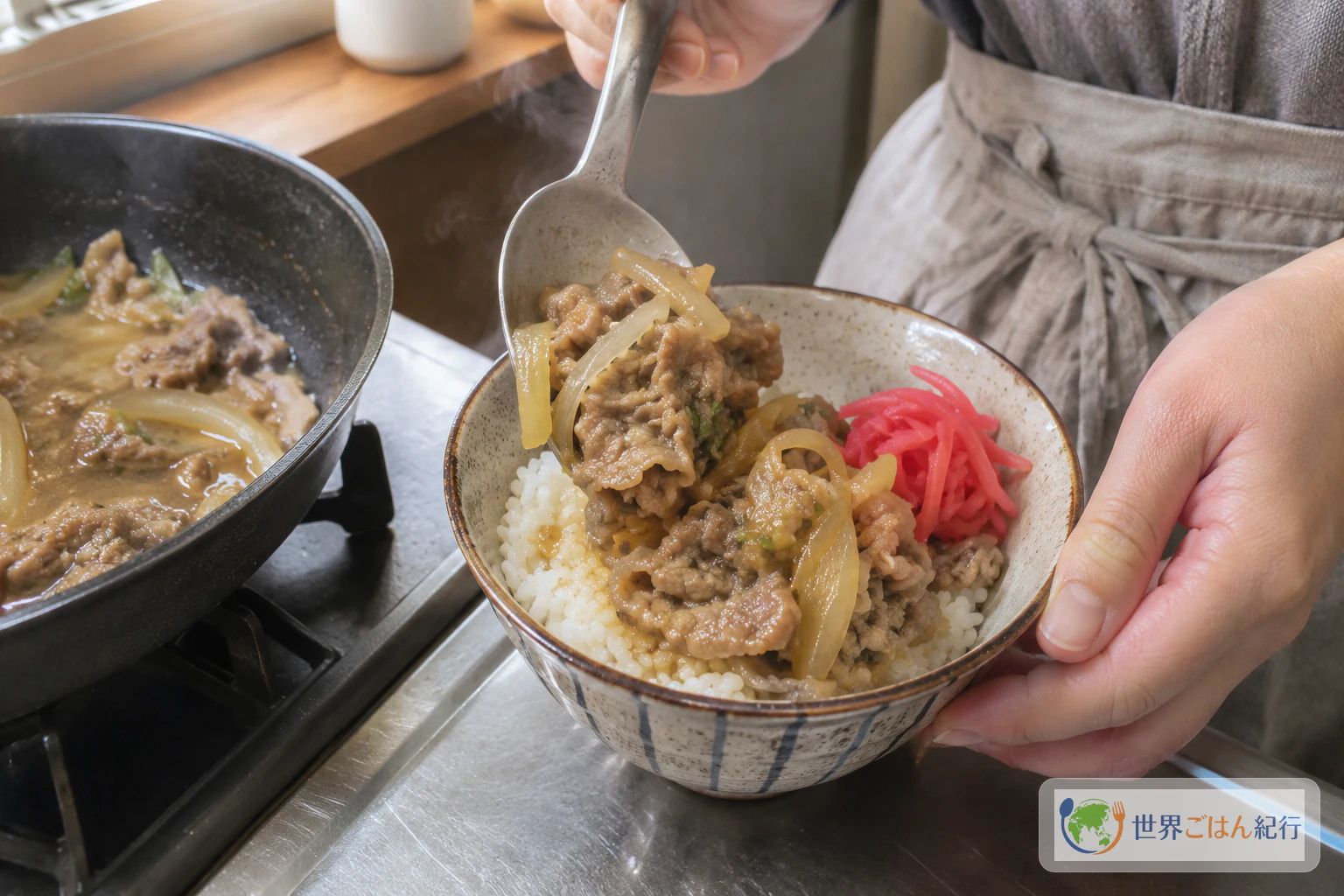
Paper-thin beef cooked through and tender, onion simmered soft, and just enough of the savory-sweet dashi broth soaking into the rice underneath.
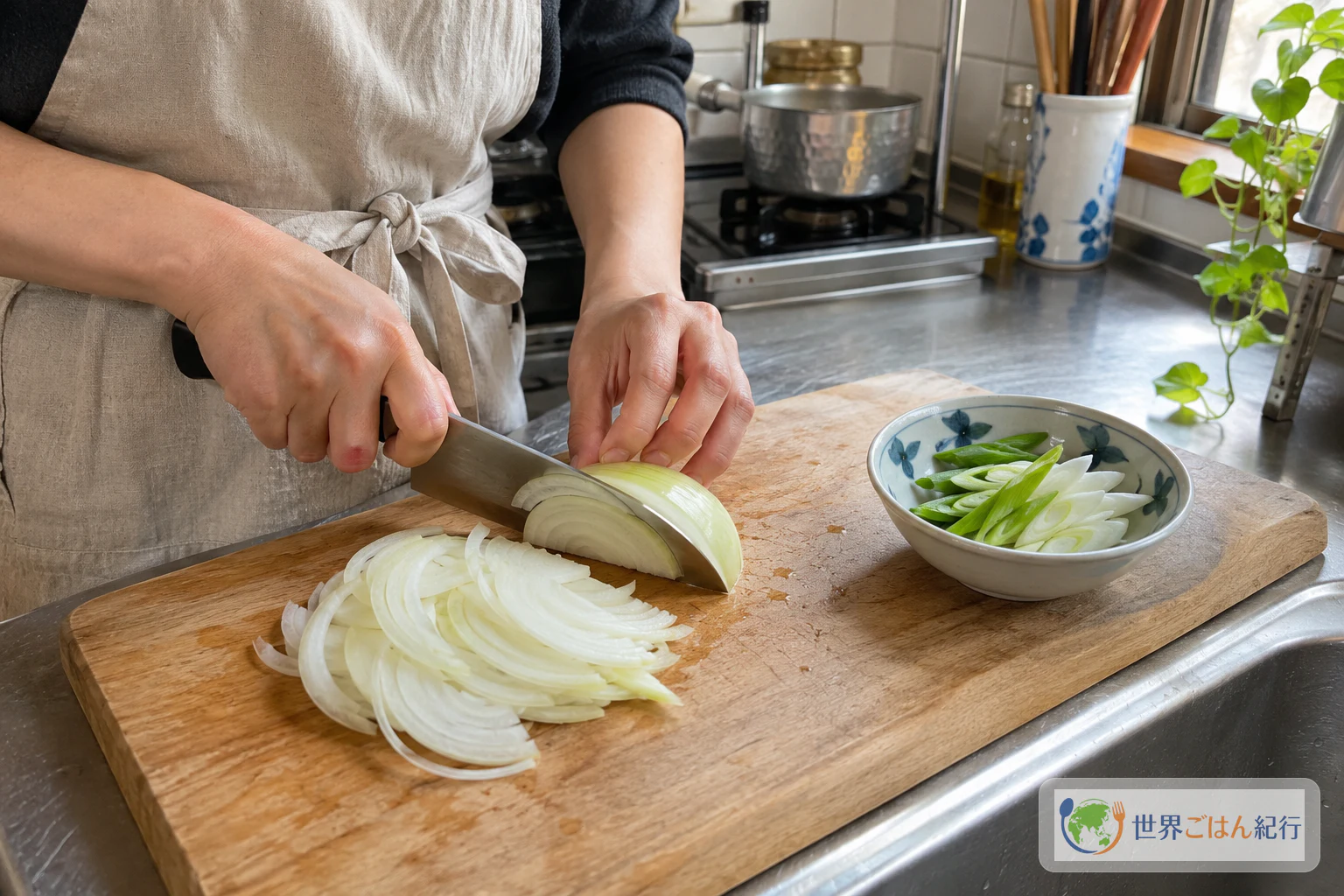
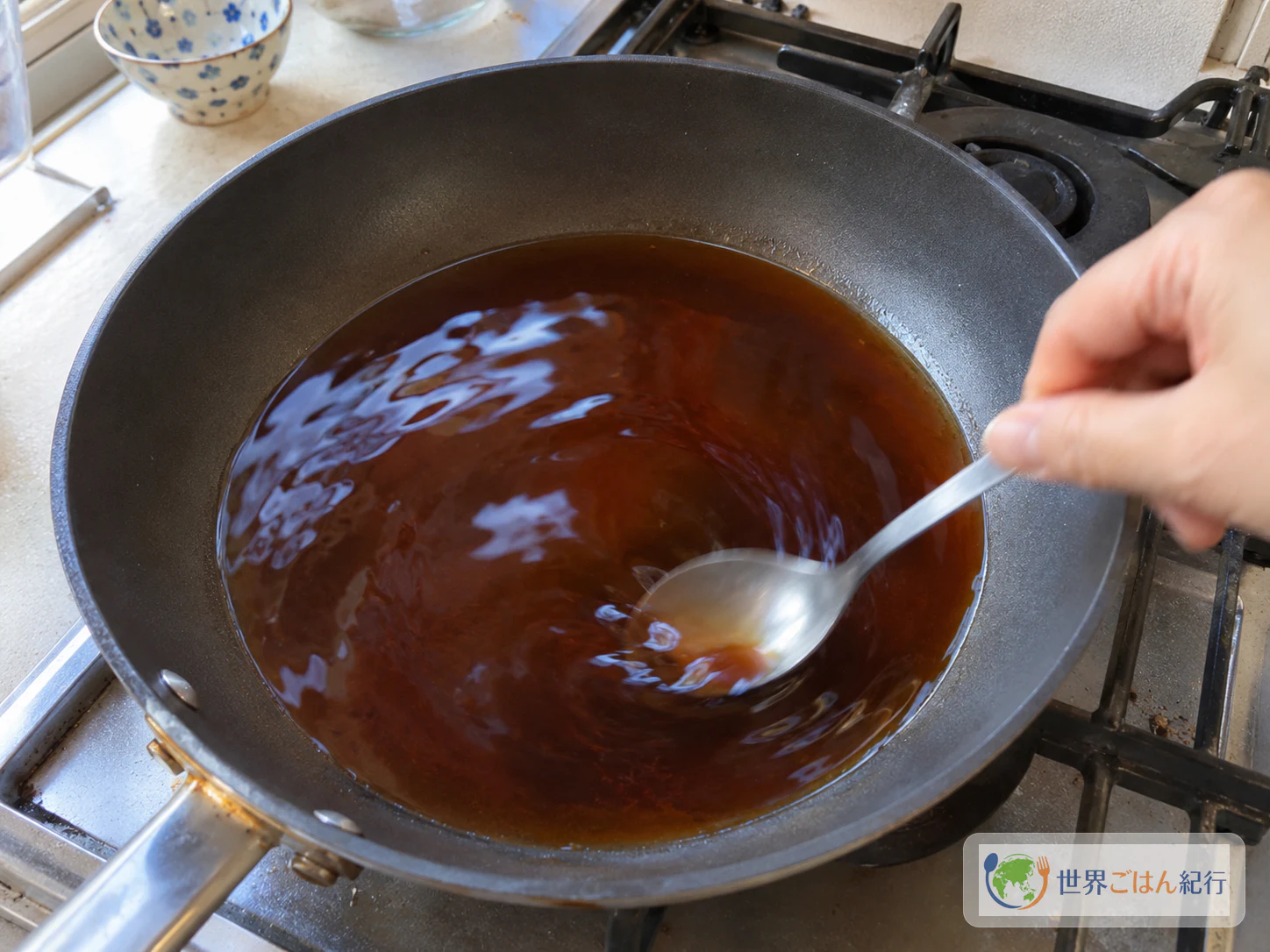
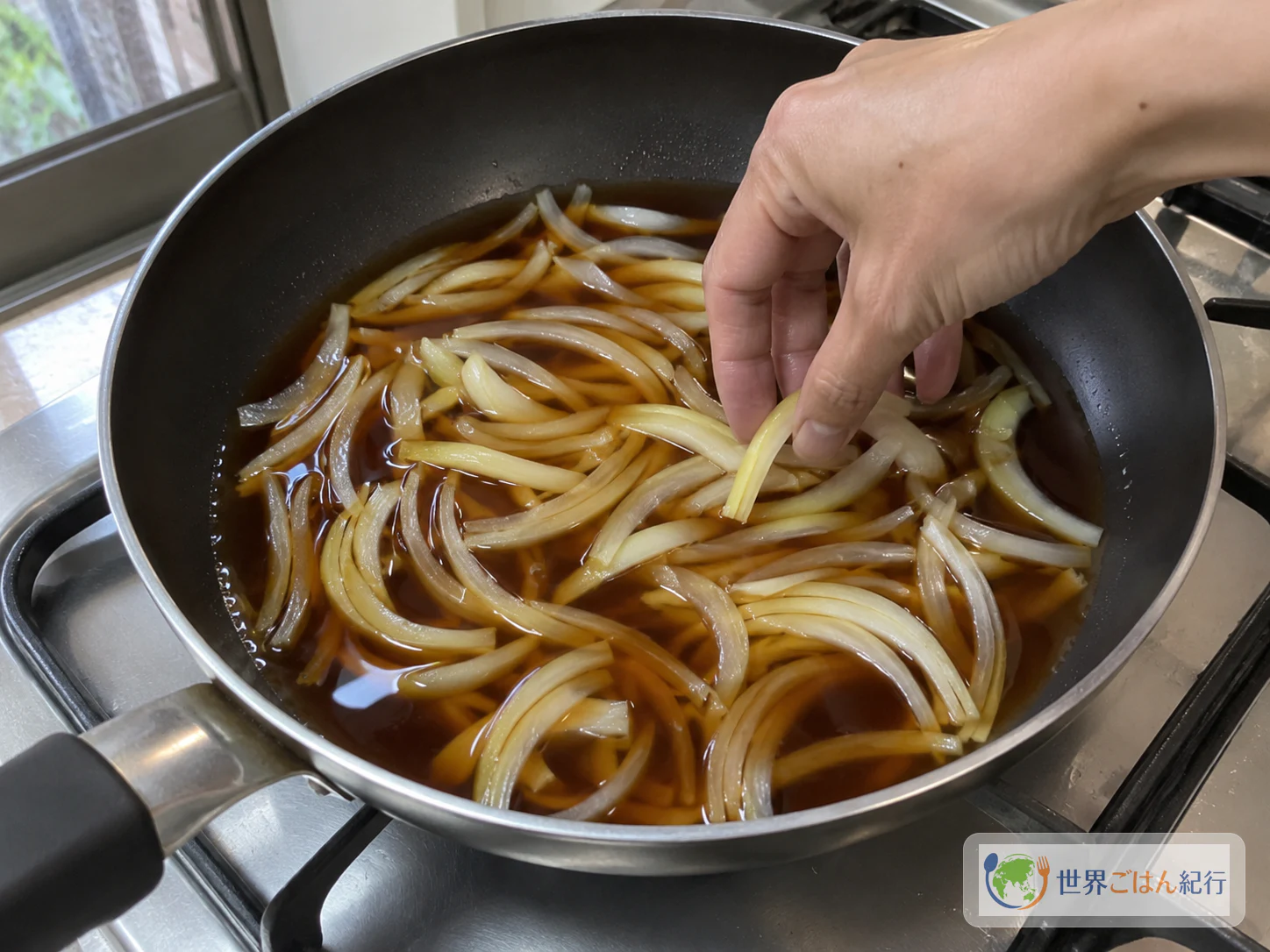
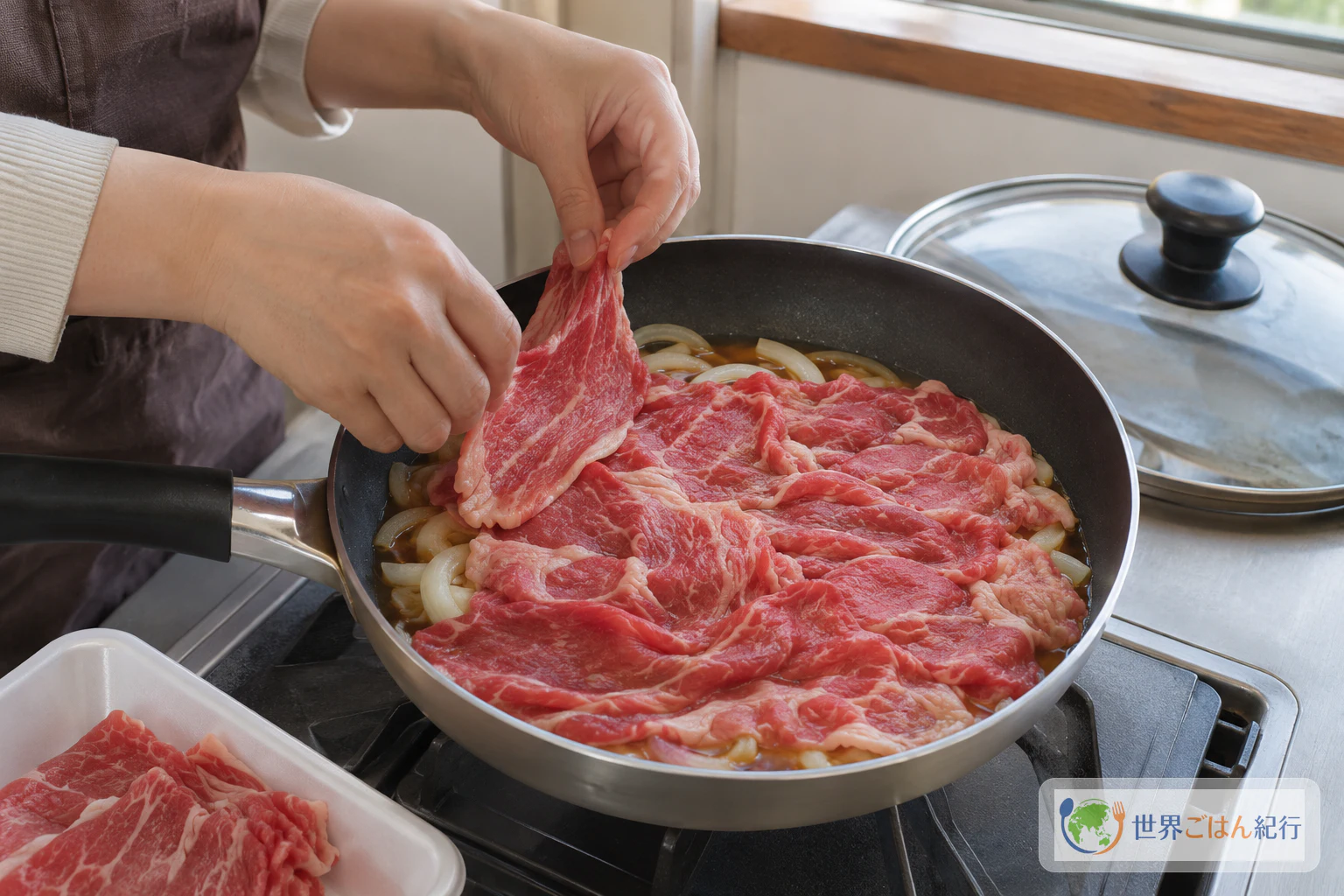
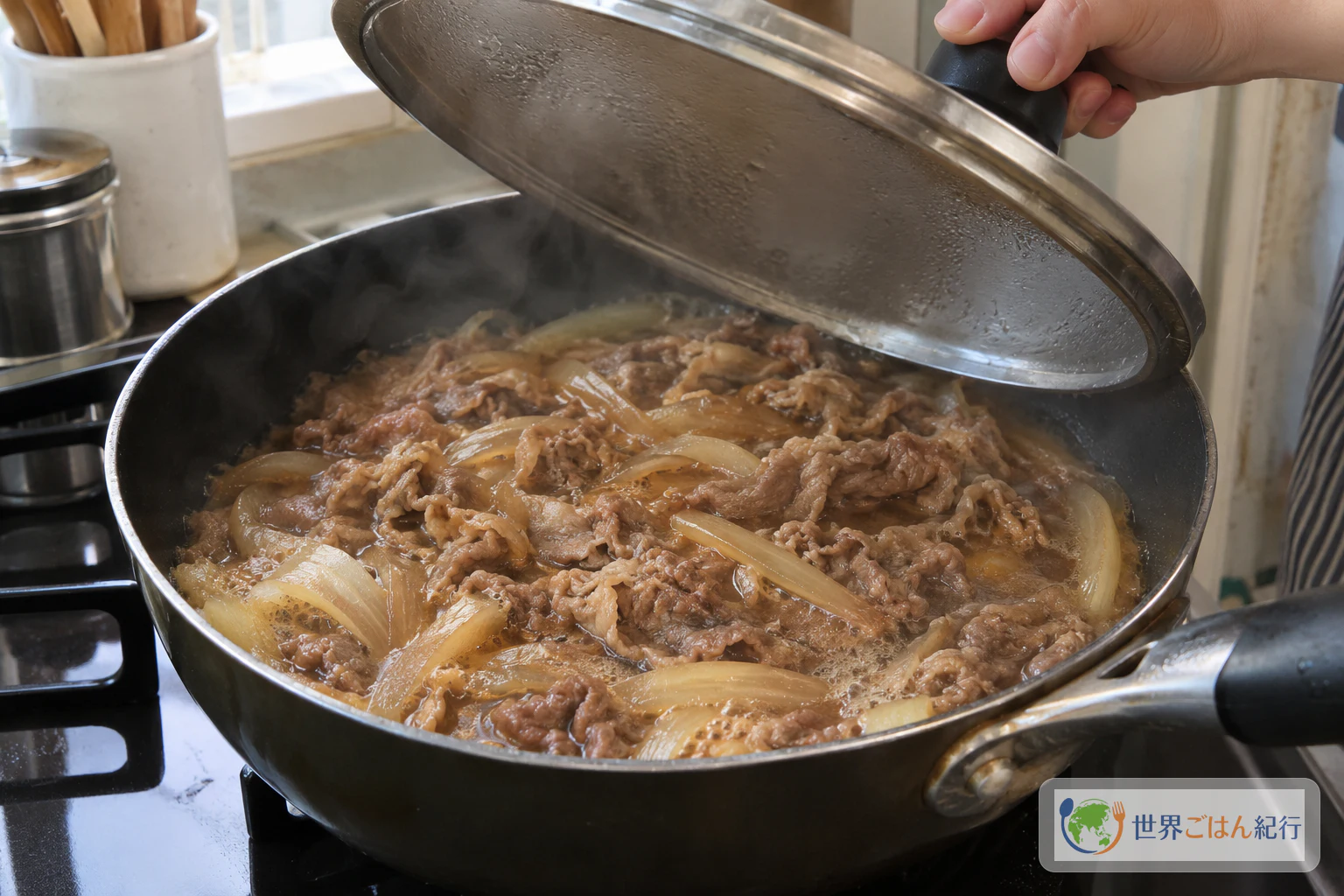
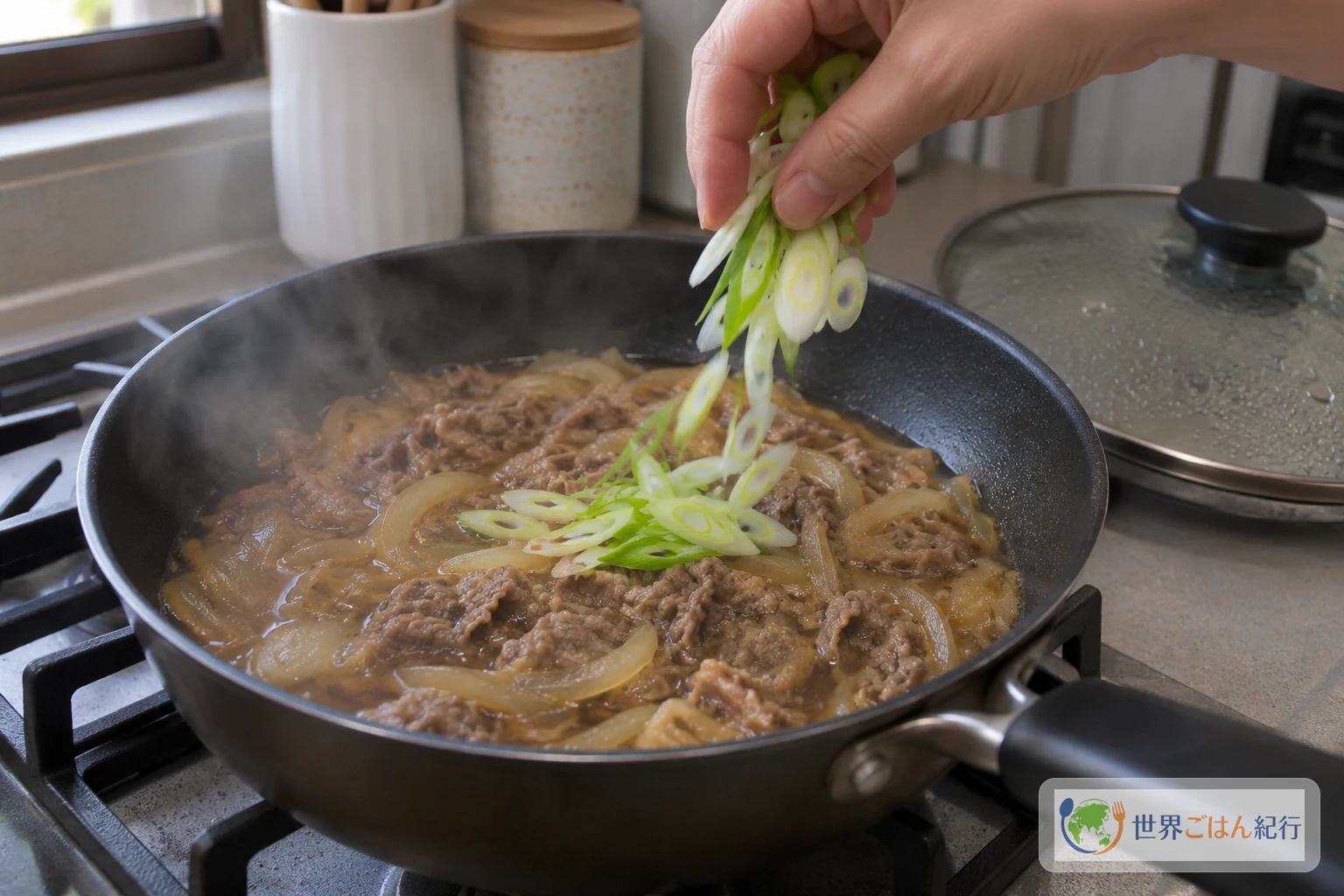
A cold frying pan holds a shallow pool of dashi, sake, mirin, soy sauce and sugar. Separated rings of onion go in first, the thin beef is laid over them like a blanket, and only then does the lid go on and the heat come up. A few minutes later the onion has turned soft and the beef has cooked in the steam and broth, ready to be spooned over a bowl of short-grain rice with a little red pickled ginger on the side.
Gyūdon (牛丼) is a Japanese beef rice bowl: thinly sliced beef and onion simmered in sauce and served over rice. This article follows one household recipe for two bowls, the dashi-based gyūdon card by Namiko (Nami) Hirasawa Chen on Just One Cookbook, in its current version (page updated February 9, 2025). It is not a copy of any restaurant chain's bowl and not a survey of every regional style. The recipe card lists 5 minutes of prep, 15 minutes of cooking and 20 minutes in total; those are the author's published estimates, and chilling the beef until semi-frozen for easier slicing can add time. We have not kitchen-tested this recipe ourselves; the amounts and steps below follow the published card.
What makes this version distinctive is its order. Nothing is fried in oil first. The sauce goes into a cold pan, the onion and beef are layered into it with the heat off, and the pan is covered before it is heated. The scallion is not a raw topping either: it goes into the pan at the end and cooks under the lid for one more minute. For more of the country's cooking, see our Japan page.
A Familiar Quick Meal in Japan
The Government of Japan's public-relations guide to Japanese fast food presents gyūdon as a common, quick beef bowl: basically thinly sliced beef and onions simmered until soft and served over rice. The same guide notes that the dish comes in many variations, and that pickled ginger is a common condiment alongside it. That is the frame for this recipe: an everyday bowl, made here at home in one pan, rather than a dish with a single fixed formula.
Sukiyaki is a shared shallow pot of beef with several vegetables, tofu and shirataki, cooked at the table. Tendon is tempura served over rice. Gyūdon is a single rice bowl topped with simmered beef and onion, and the three are not interchangeable recipes.
Ingredients for 2 Bowls: Thin Beef, Onion and a Cold-Start Sauce
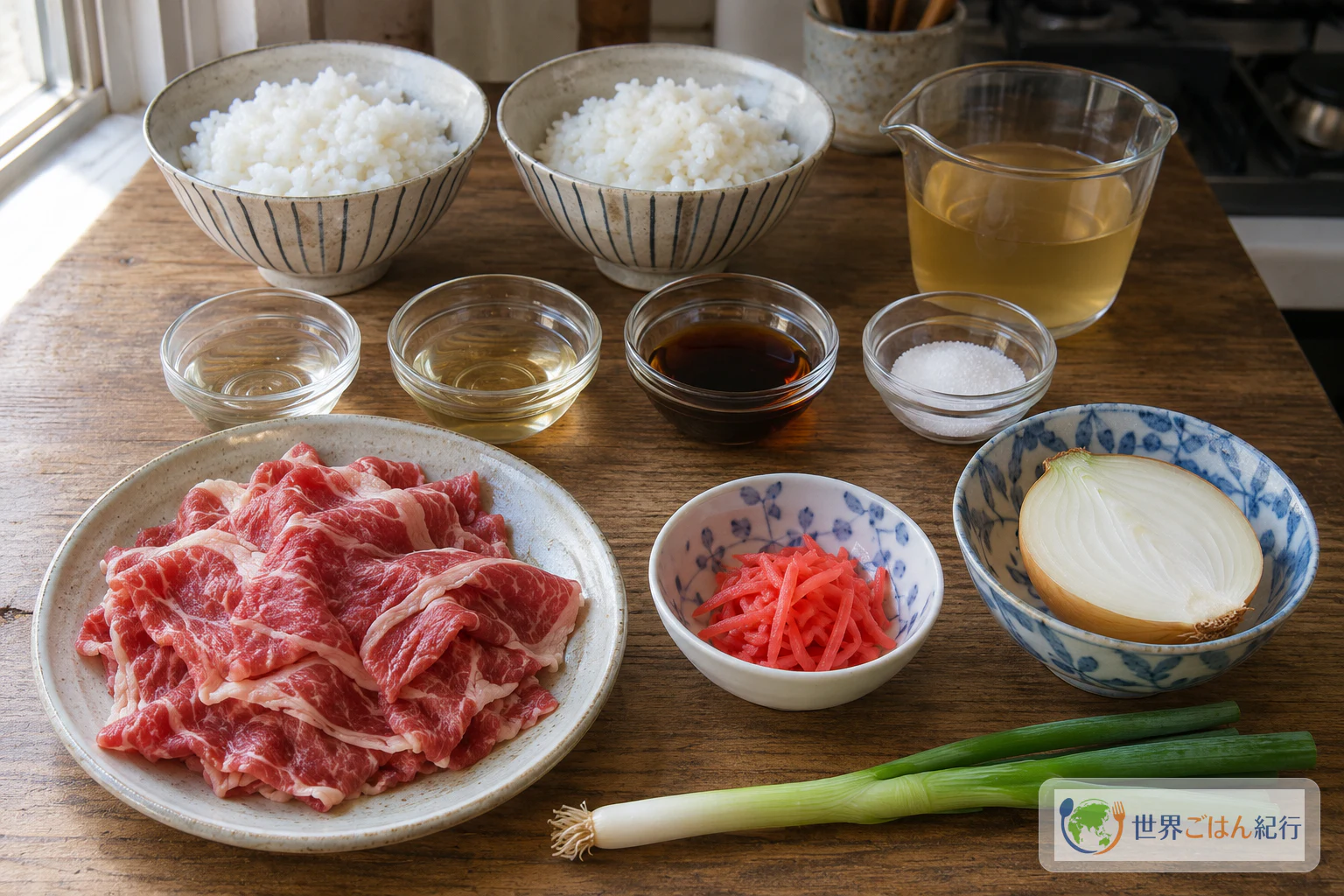
The rice amount is cooked rice. If you are cooking rice from scratch, 1½ cups (2 rice-cooker cups; 300 g) of uncooked short-grain rice yields 4⅓ cups (660 g) of cooked rice, enough for two bowls; 300 g is the uncooked amount and 500 g is what goes into the two bowls, so don't mix the two up.
This bowl contains no egg. Soy sauce, dashi, mirin and sake vary by product, so check each label for soy, wheat, fish, alcohol and other declared allergens. Don't treat the bowl as gluten-free or allergen-free unless every label supports it.
Equipment
- Large frying pan with a lid
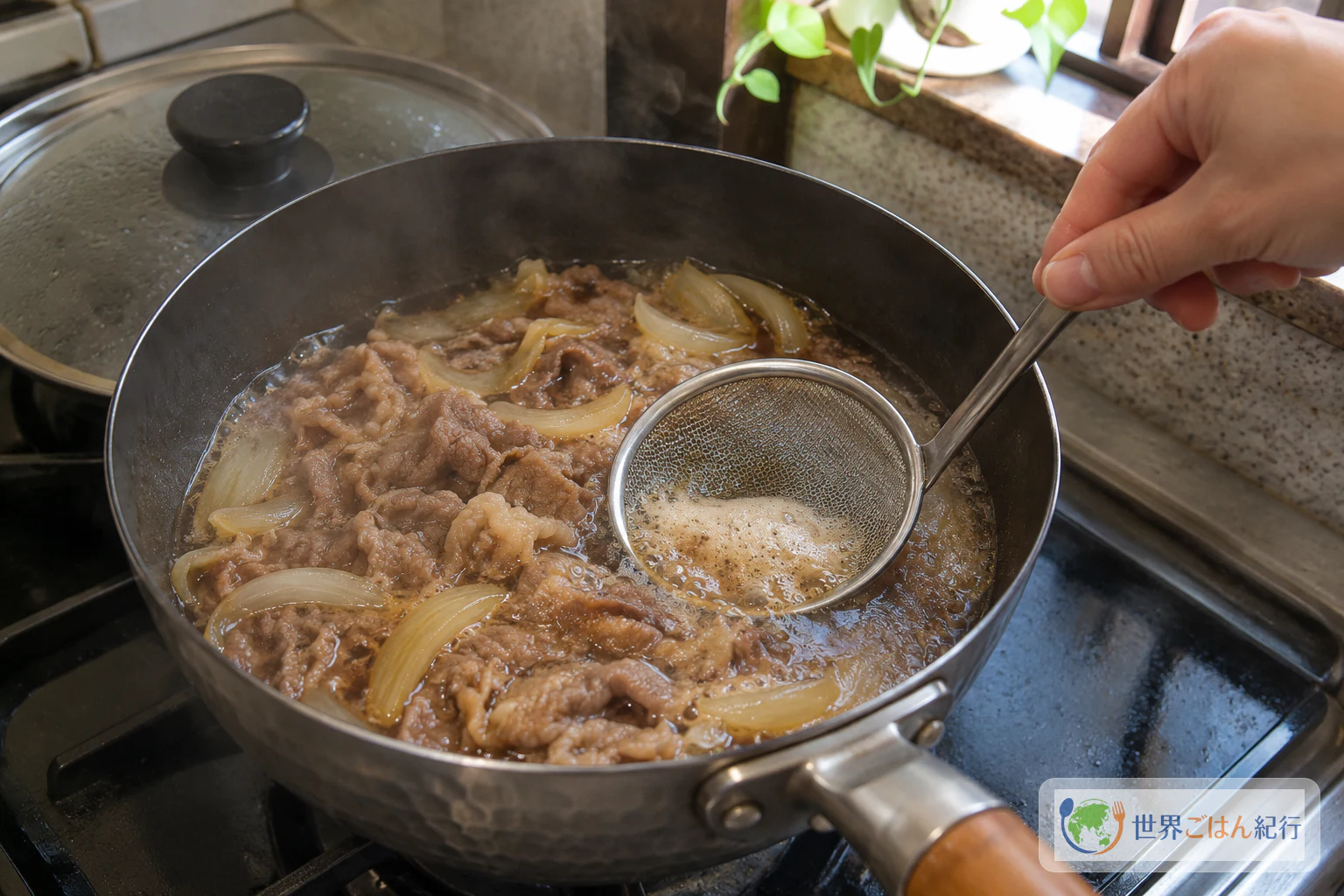
- Fine-mesh skimmer
- Knife and cutting board
- A separate board, plate and utensils for raw beef, kept apart from the ones you use for cooked rice and finished bowls
- Spoon for stirring the sauce, and a clean spoon for serving
- Two large donburi bowls
Choosing Beef, Dashi and Seasonings
These options are separate swaps, one at a time; the recipe above uses none of them.
| What | Base choice | Alternatives |
|---|---|---|
| Beef | Paper-thin ribeye | Paper-thin chuck. Thinness matters more than the exact cut; check the slices in the package rather than trusting the label alone |
| Dashi | Prepared awase dashi | Dashi made from a dashi pack, dashi powder, or vegan dashi. Follow the product's own instructions to make ½ cup |
| Sake | Sake | Dry sherry, Chinese rice wine, or water |
| Mirin | Mirin | For 2 Tbsp mirin, use 2 Tbsp sake or water plus 2 tsp sugar |
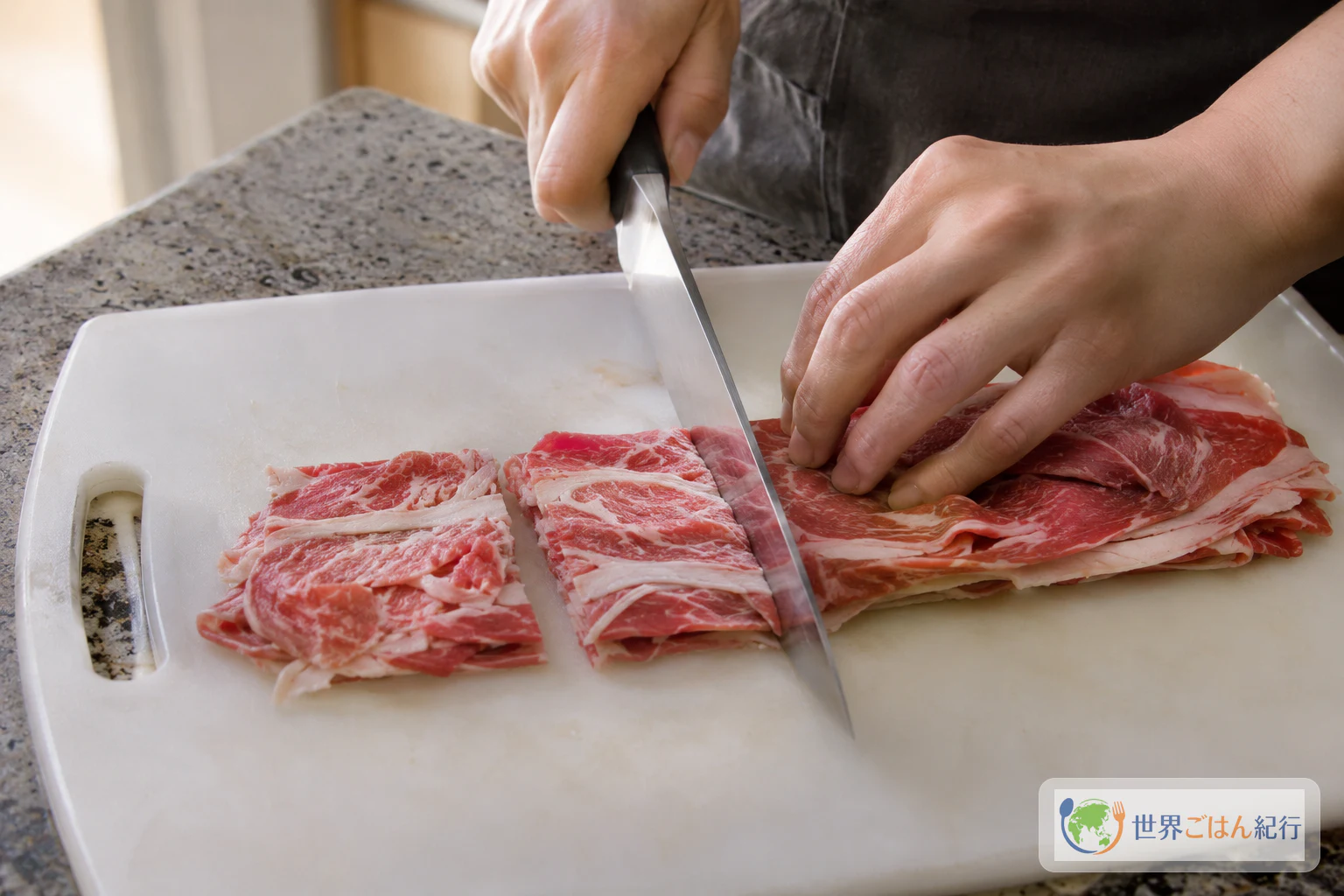
Thinly sliced beef is sold at Japanese and Asian grocers. Packages labeled for sukiyaki can work, but slicing thickness varies, so look at the meat itself.
Method: Sauce First, Then Onion, Then Beef, Then Heat
Starting in a cold pan lets you spread the onion and lay out every slice of beef calmly before anything begins to cook. The onion sits in the sauce under the beef, and the lid traps the steam so the thin slices cook in the broth instead of frying.
The simmering time is a guide, not a guarantee. How fast your pan heats and simmers varies. Cook until the beef is no longer pink and no red remains at the center, and don't judge raw meat as safe by its freshness, look or smell. Keep the board, plate and utensils that touched raw beef away from the cooked rice and the finished bowls.
Fixing Common Problems
| Problem | Likely cause | What to do |
|---|---|---|
| The beef is chewy | Beef too lean, or simmered too long | Next time choose paper-thin, well-marbled slices and stop once the beef is cooked through and no longer pink |
| The beef is still pink in places | The pan heated or simmered more slowly | Keep it covered over low heat until no red remains at the center. Don't go by the clock alone |
| The beef is hard to slice thin | The meat was fully thawed | Chill it in the freezer briefly until semi-frozen, then cut |
| The broth looks murky or greasy | Scum and fat left on the surface | Lift the lid and skim with a fine-mesh skimmer once or twice during the simmer |
| The scallion still looks bright green | Nothing is wrong | Scallion cooked under the lid for a minute can keep its color; green alone doesn't mean it is raw |
| The bowls look short on rice | Uncooked and cooked amounts confused | Each bowl takes about 250 g cooked rice; 300 g uncooked rice cooks up to 660 g |
Variations Around the Same Bowl
The author's page describes a separate Kansai Sukiyaki-Style Gyudon that skips dashi, starts by stir-frying the onion in oil and sprinkles sugar directly onto the beef. It is a different method with a different order, so it is not mixed into this recipe. The same page mentions adding a beaten egg as an option, and the Government of Japan guide notes raw egg among restaurant topping choices; the bowl here uses no egg.
Within this recipe, the meaningful choices are the form of dashi and the beef cut covered in the substitutions table. At the table, pickled red ginger is the one garnish this bowl calls for.
Frequently Asked Questions
Can I use beef sold for sukiyaki?
Often, yes. The recipe needs paper-thin slices, and its card names ribeye as an example; the author also discusses chuck. Sukiyaki packages are not all cut the same, so check the cut and thickness of the slices you buy.
Does gyūdon need an egg?
No. The recipe card used here lists no egg. The author mentions an optional egg elsewhere, and restaurants may offer raw egg as a topping, but this version doesn't include one.
How much rice do I need for two bowls?
About 250 g of cooked short-grain rice per bowl, 500 g cooked for two. That is cooked weight, not raw. If you cook rice for it, the author's note is that 300 g of uncooked rice yields 660 g cooked.
Why did my beef turn chewy?
The author points to beef that is too lean or overcooked. Use very thin, marbled slices and don't keep simmering once the beef is fully cooked.
Is the 3–4 minute simmer a safe cooking time?
It is the recipe author's covered simmering step, not a universal safety time. Japan's Ministry of Agriculture, Forestry and Fisheries advises cooking meat thoroughly, with no red remaining at the center as a visible cue, and notes that freshness, appearance and smell can't tell you meat is free of foodborne pathogens. It also advises keeping raw-meat utensils separate from those used with cooked food. Pan heat varies, so check the beef rather than relying on the clock or a photo.
Can I use dashi powder or a dashi pack?
Yes. The base is prepared awase dashi, and the author also allows dashi made from a pack, powder or vegan dashi. Prepare it following the product's instructions so you have ½ cup.
Has this recipe been tested in your kitchen?
No. This article follows Namiko Hirasawa Chen's published recipe card and has not been kitchen-tested by us.
Sources
- Namiko (Nami) Hirasawa Chen, "Gyudon (Japanese Beef Rice Bowl) (Video) 牛丼," Just One Cookbook. Page updated February 9, 2025 (originally published 2011; recipe revised April 17, 2022). The recipe followed here: two-serving ingredient amounts, the cooked-rice serving and separate uncooked-rice note, the cold-pan order, covered simmer, skimming, scallion finish, bowl assembly, published time estimates, beef and texture advice, and the author's substitutions and separate Kansai-style variation. https://www.justonecookbook.com/gyudon/
- Government of Japan, Public Relations Office, "Japanese Fast Food — Quick, Reasonable, and Delicious." General description of gyūdon as a common Japanese fast-food bowl of thinly sliced beef and onions simmered soft over rice, with many variations and pickled ginger as a common condiment. https://www.japan.go.jp/_src/200019/38-39.pdf
- Ministry of Agriculture, Forestry and Fisheries of Japan (MAFF), Food Safety Policy Division, "お肉はしっかり火を通してから食べましょう" (Cook meat thoroughly before eating). General meat-safety guidance: cook meat through with no red at the center as a visible cue, freshness and appearance cannot confirm safety, and keep raw-meat utensils separate from those for cooked food. https://www.maff.go.jp/j/syouan/seisaku/foodpoisoning/raw_meat.html