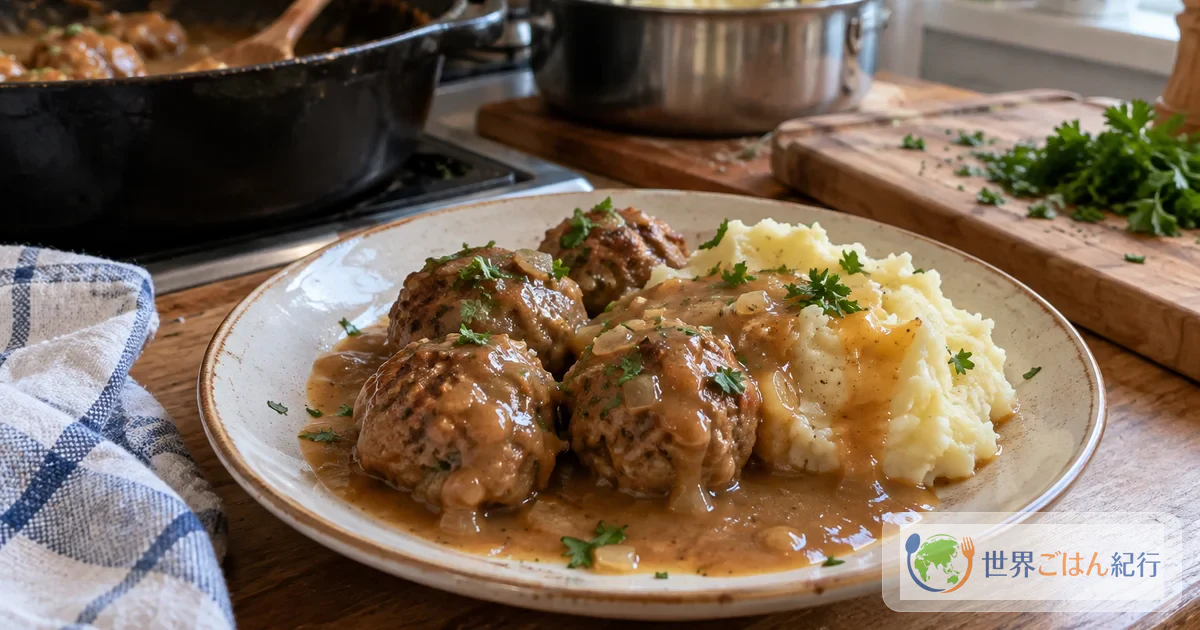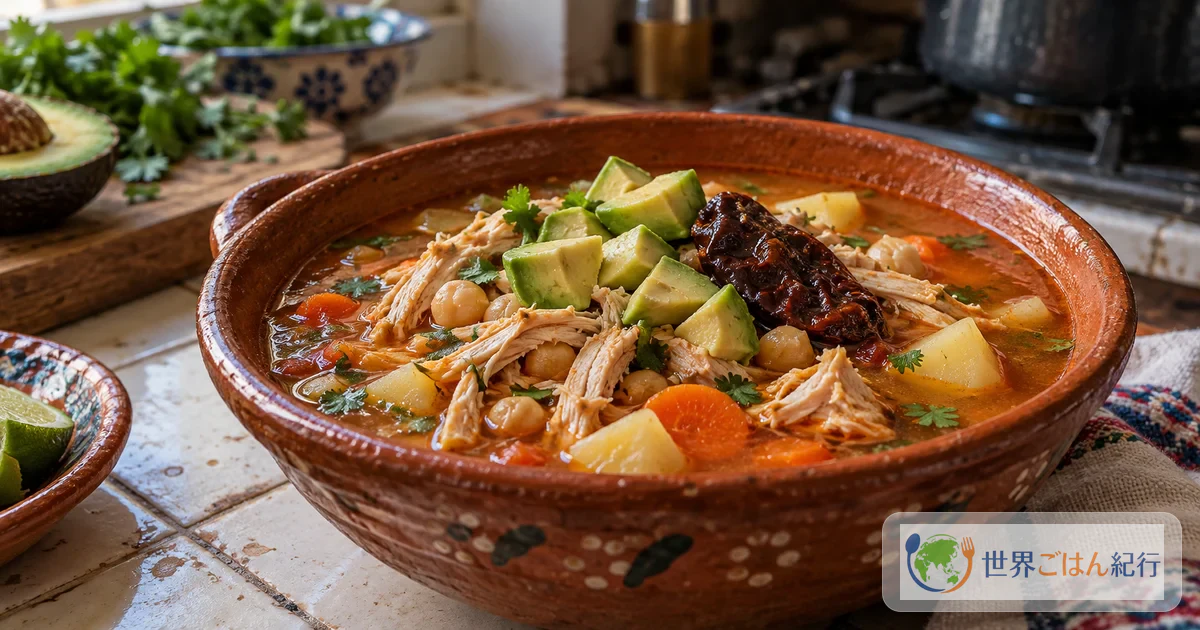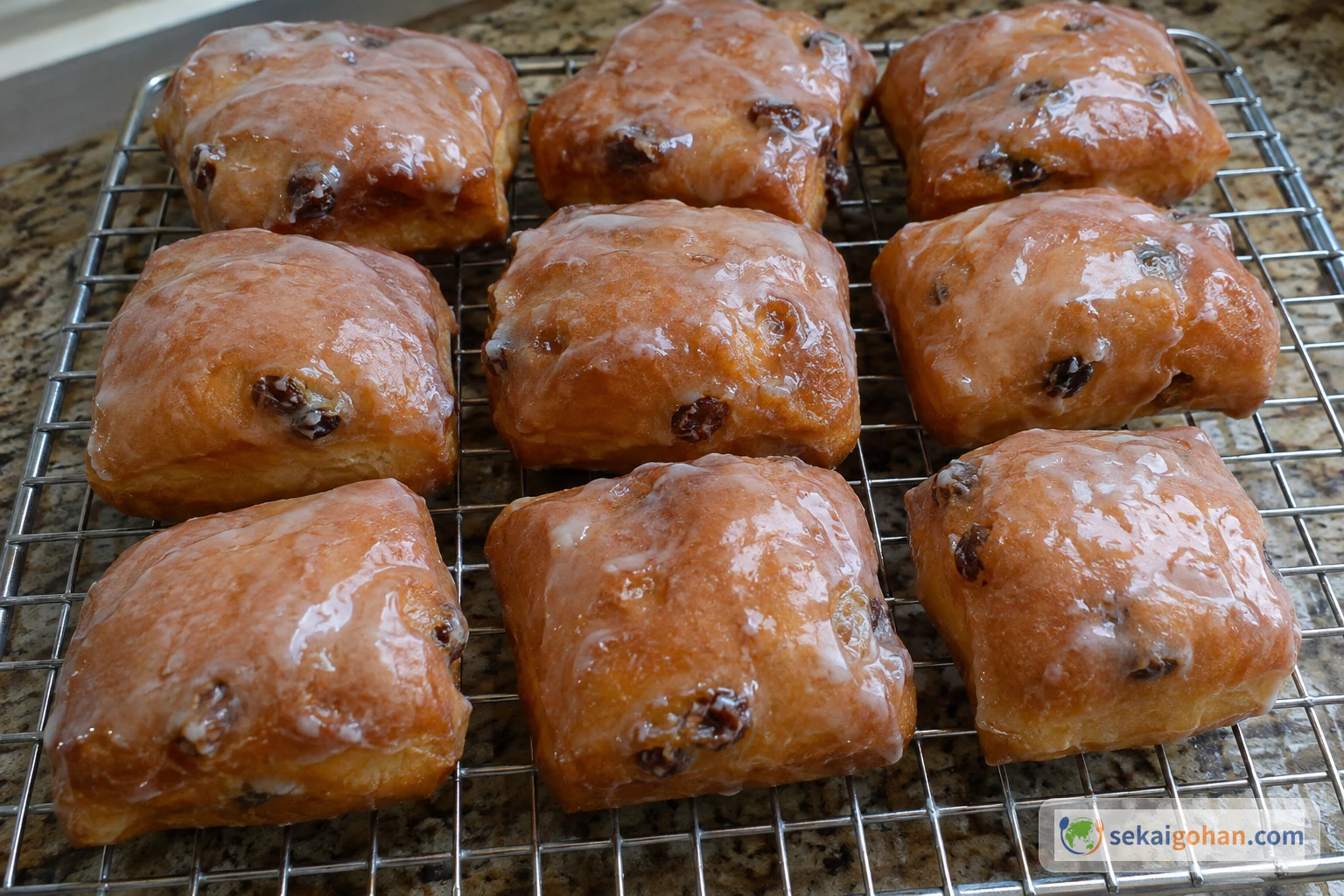
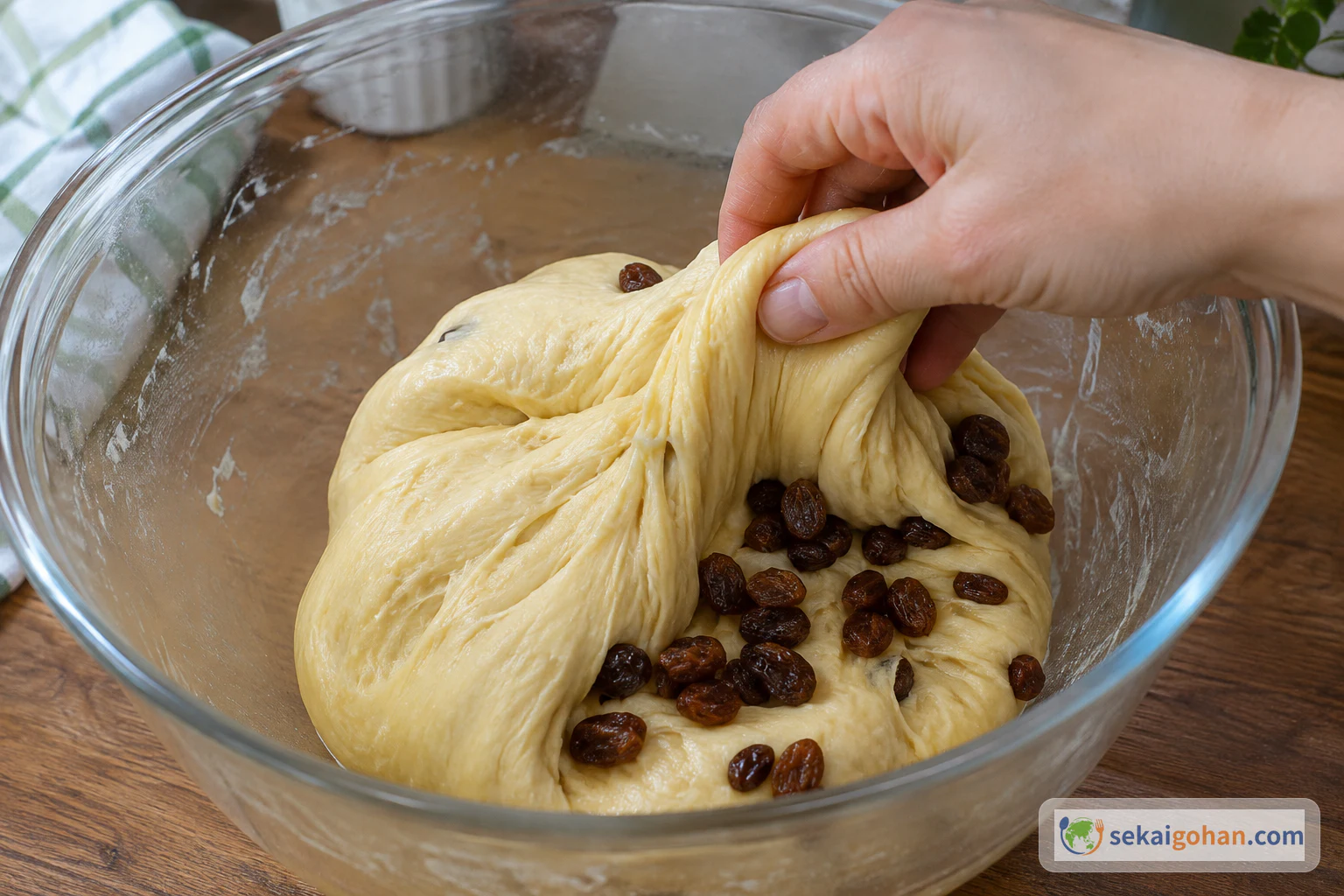
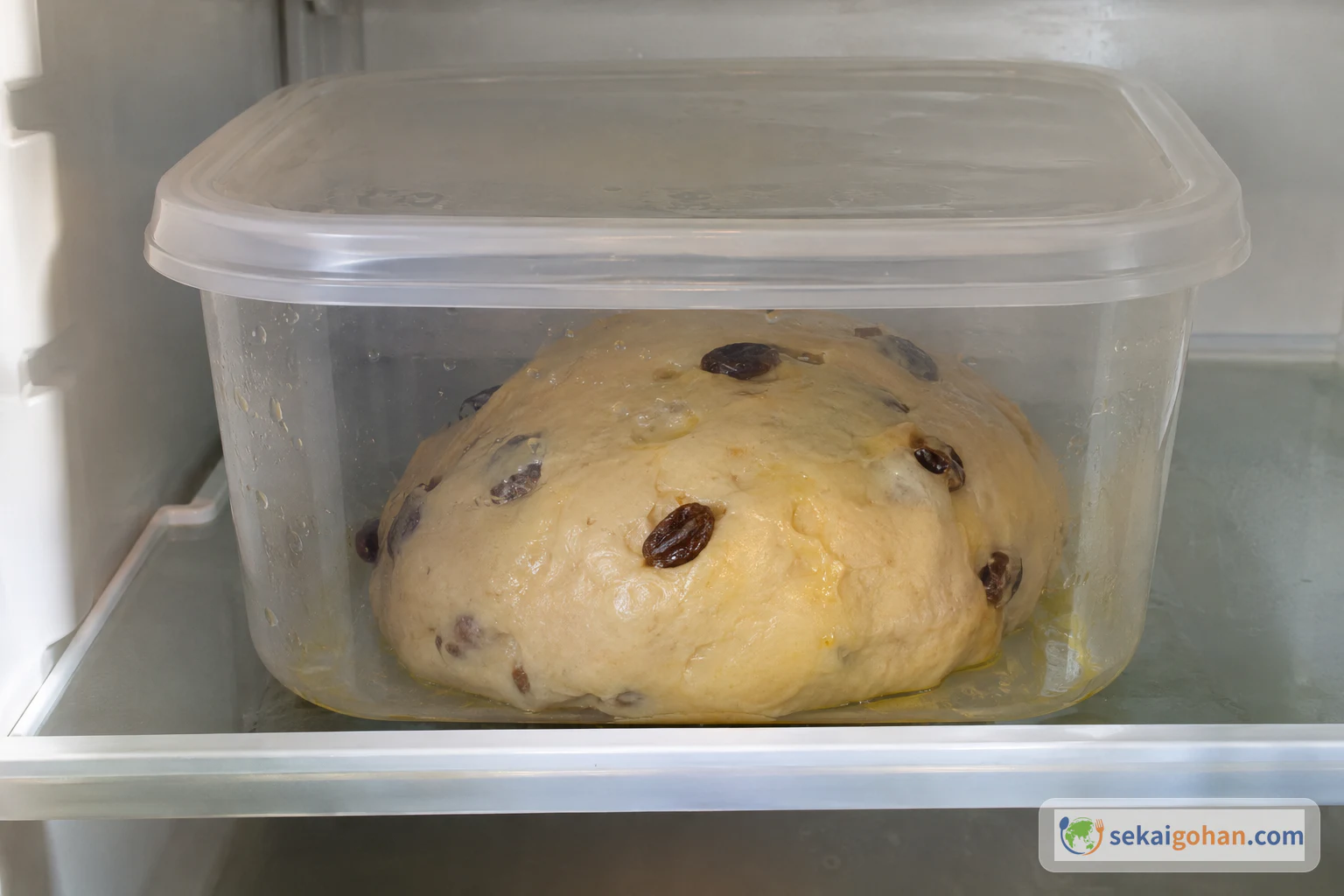
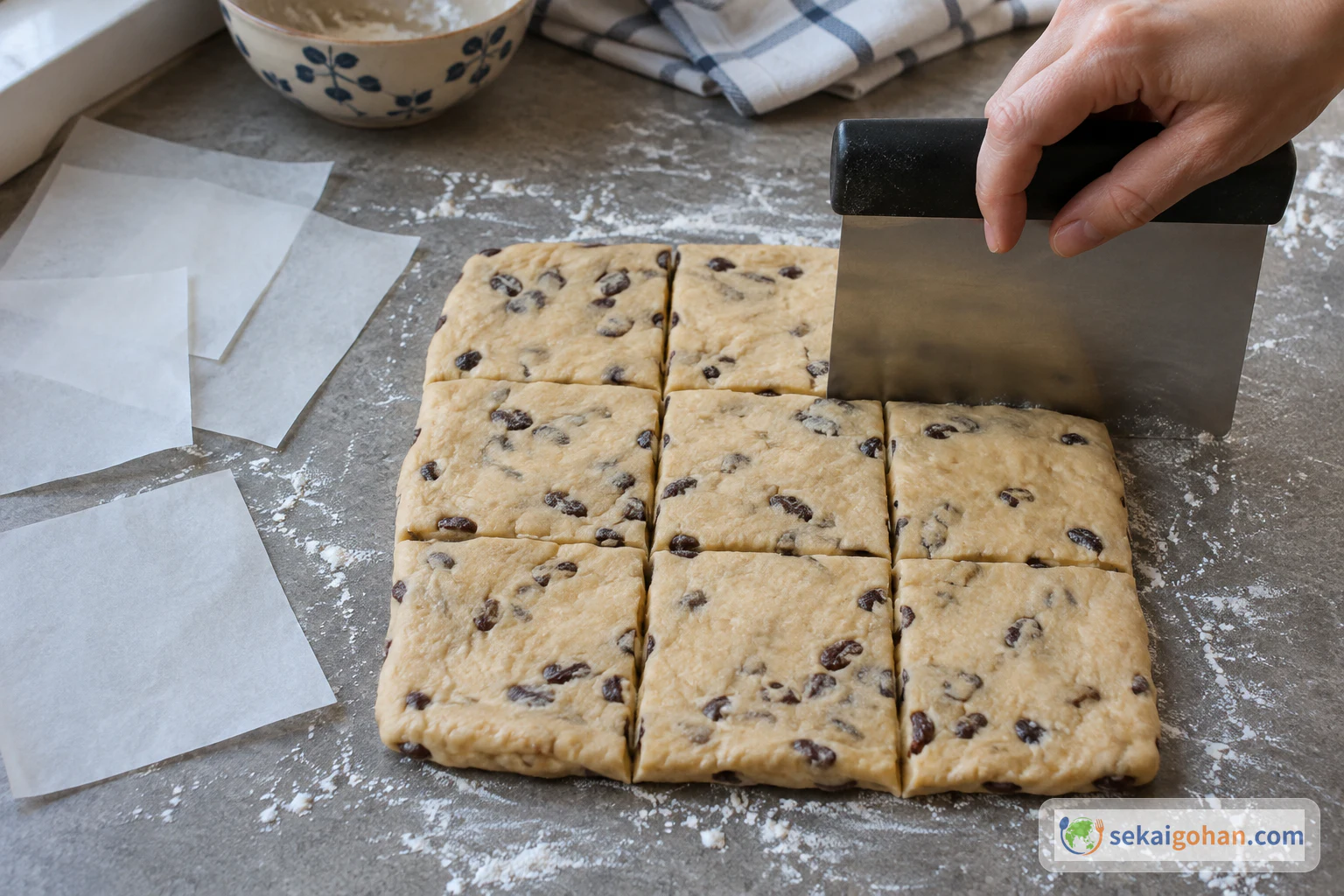
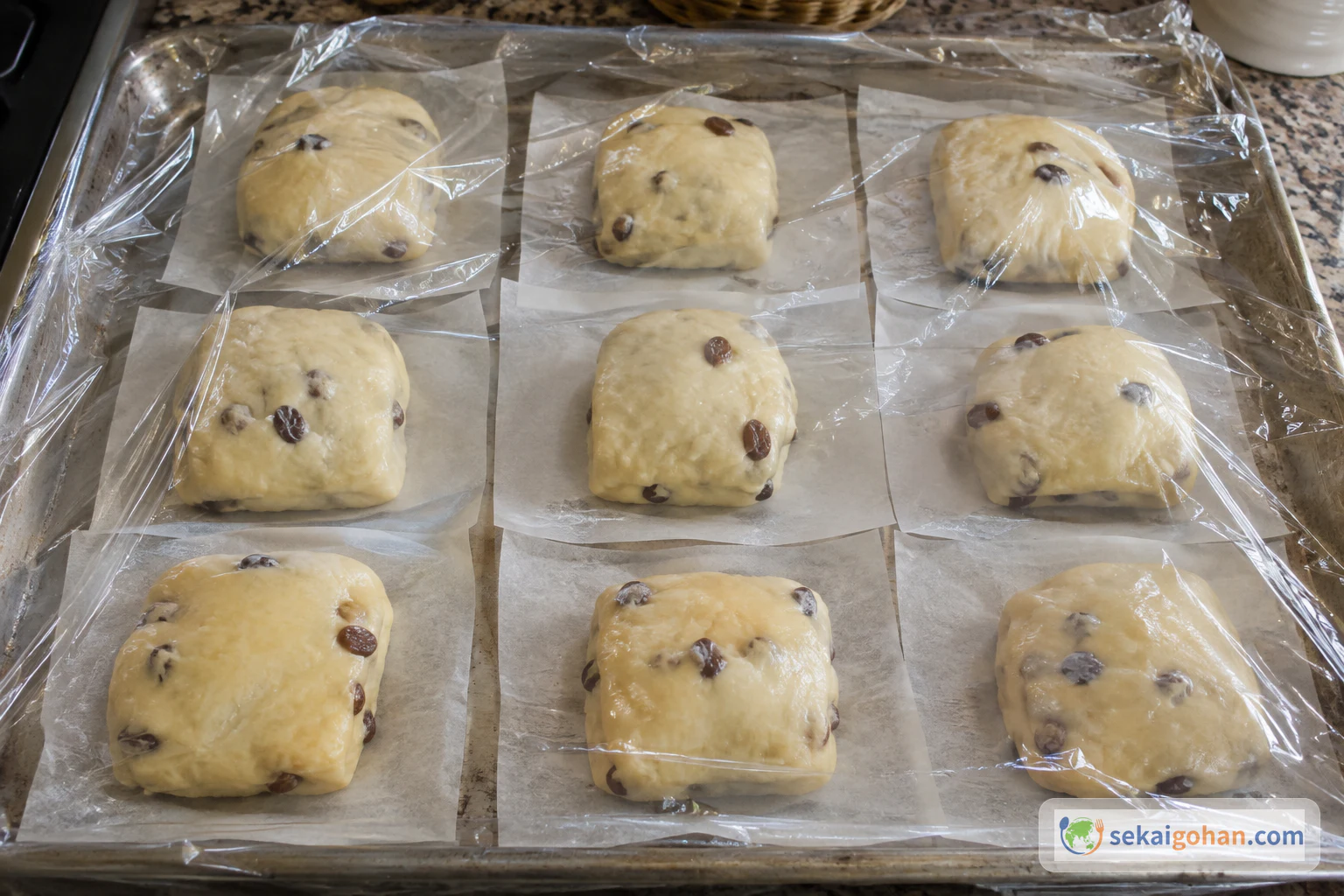
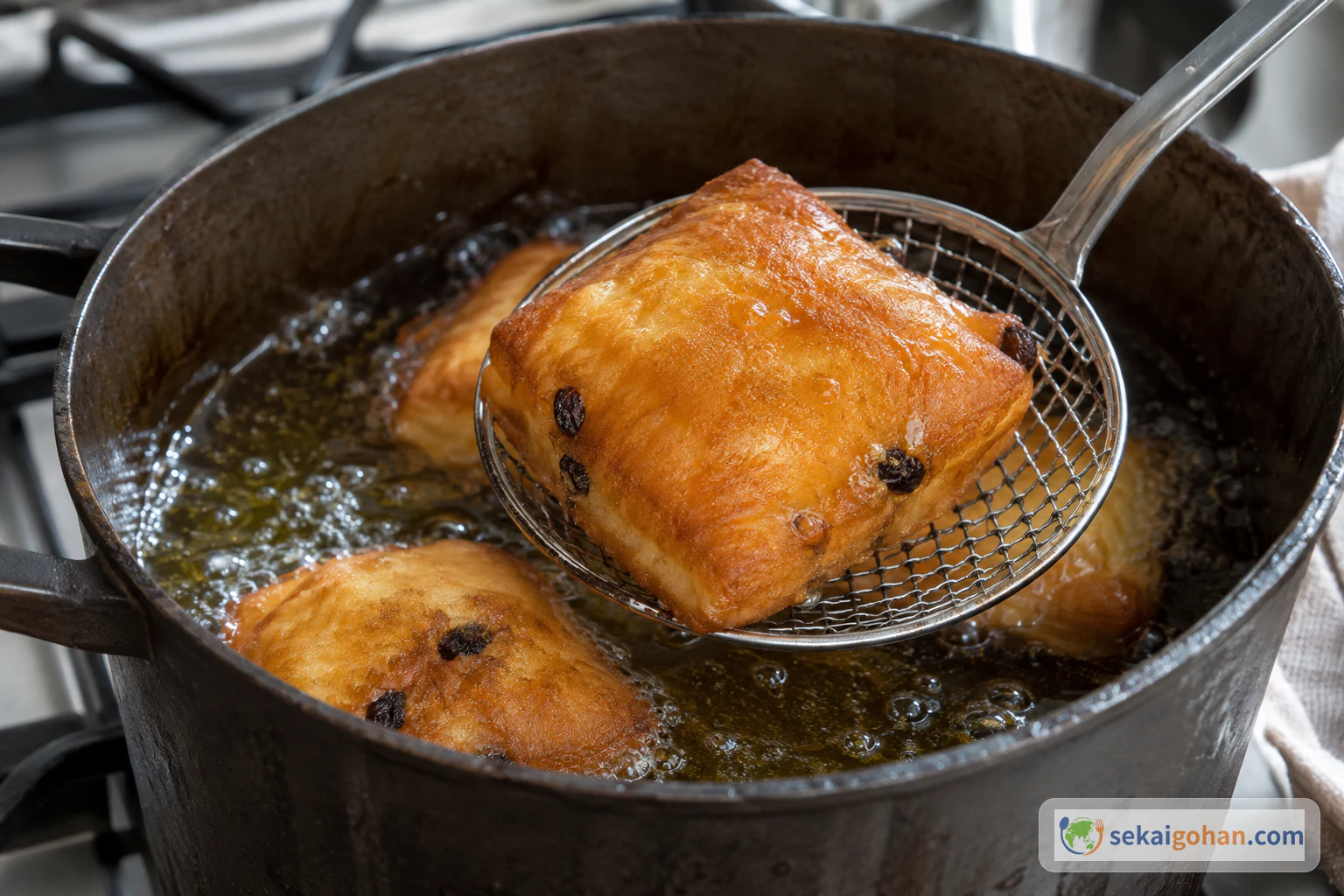
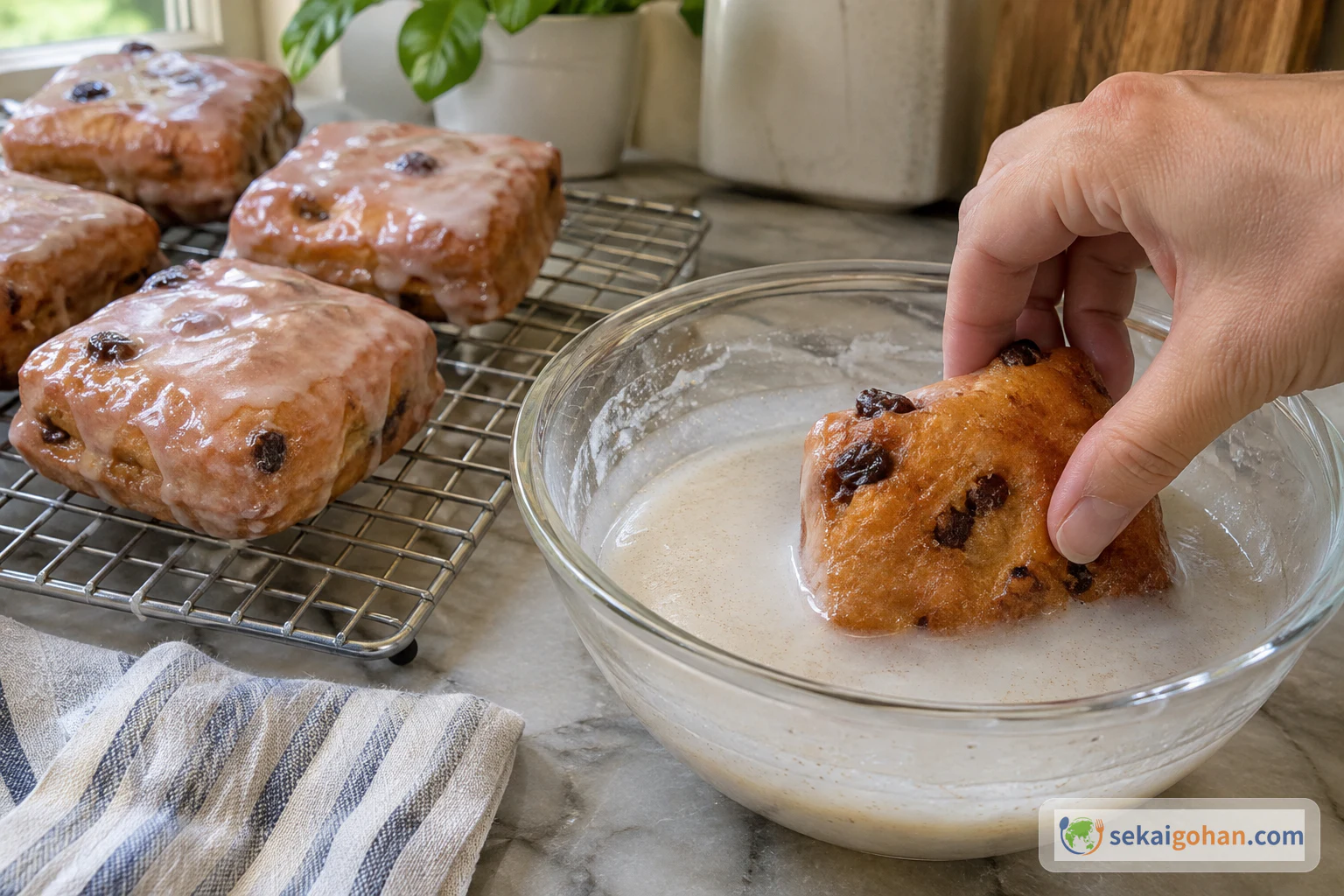
The square goes into the oil on its own sheet of paper. Soon the dough lets go, the paper floats free and the doughnut puffs up and turns gold, with dark raisins showing through the crust. Five minutes off the oil it goes into a thin cinnamon-vanilla glaze that dries to a sheer, crackly shine. A dutchie is a yeast-raised, raisin-studded square doughnut from Canada. It tastes soft and lightly tangy, with sweet bursts of fruit and a glaze that is barely there, and it is meant to be eaten the day it is fried, with a cup of coffee.
A Square Doughnut With a Long Canadian Memory
The dutchie is usually traced to Tim Hortons in the 1960s. When the first shop opened in 1964 it sold two pastries, the dutchie and the apple fritter. The shape set it apart from the start. A 1965 newspaper advertisement in the Lethbridge Herald, placed by Woolworth's Bakery, is the earliest known printed use of the name, and it sold the doughnut on its shape alone.
The 1965 advertisement reads "DUTCHIE DONUTS … The New Square Donut." In Canada the word means this square glazed doughnut. It has nothing to do with "dutchie" in Jamaican English, where it means a cooking pot.
Nobody has settled where the name, the square cut or the raisins came from. The author of the home recipe adapted here points to Dutch oliebollen, fried dough balls, as a possible link. It is only a guess.
Gone, missed and brought back
For decades the dutchie sat in the case beside rings and fritters. Then sales fell and it was dropped. Reports disagree on the date: some say 2014, others the early 2000s. It came back briefly in 2017 for Canada's 150th anniversary. In June 2023 the chain asked customers which old favourite should return, and the dutchie led the vote. On January 10, 2024 it went back into stores as part of the chain's 60th-anniversary menu.
The chain has not published its recipe. What follows is a home dutchie with the same features: a soft enriched yeast dough with a little sourdough starter for tang, three flours, plenty of raisins, the square cut and a thin sugar glaze. For more of the country's food, see Canadian recipes.
Ingredients (makes 9)
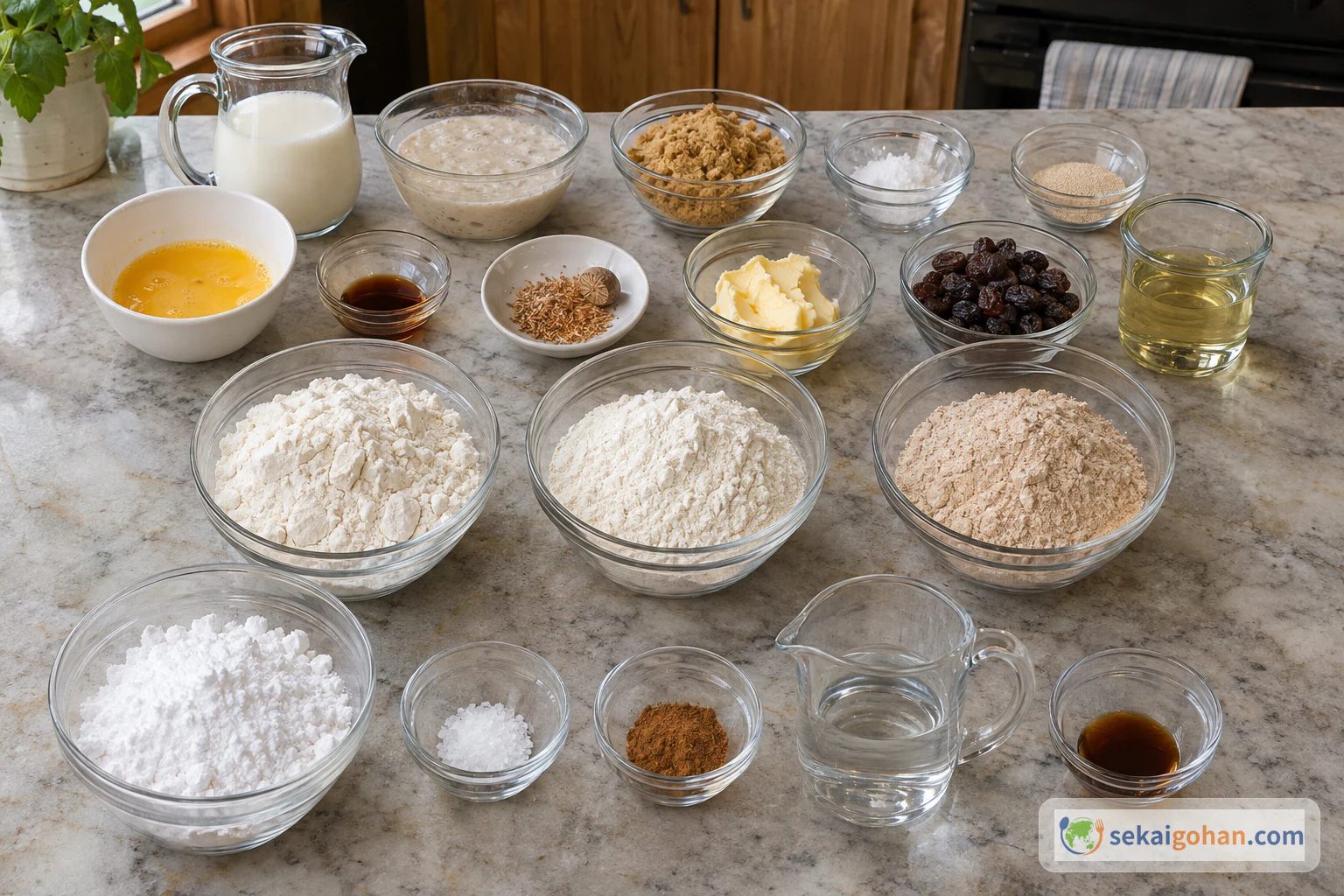
Use a digital scale for everything. Kosher salt crystals differ in size from brand to brand, so a spoonful of one weighs more than a spoonful of another. Grams keep the salt, yeast and starter where they should be.
This dough contains wheat (bread, all-purpose, whole wheat and spelt flour are all wheat), egg, and milk (buttermilk and butter). The glaze contains no allergens beyond those, but it goes onto the same doughnuts.
Equipment
- Digital kitchen scale
- Stand mixer with a dough hook
- Lightly oiled container with a lid
- Rolling pin
- Bench scraper
- Nine 3 × 3-inch (7.6 cm) squares of parchment paper
- Baking tray and plastic wrap
- Heavy, deep pot with a deep-fry thermometer, or an electric fryer
- Wire skimmer and tongs
- Wire rack set over a tray
- Shallow bowl and whisk for the glaze
Choosing and Substituting
Most of the list is ordinary supermarket shopping. The sourdough starter is the one item to plan for. It should be a 100% hydration starter, meaning equal weights of flour and water, and it should be at its peak, bubbly and risen. The starter adds the faint tang under the sweetness and helps the yeast. Leaving it out changes how much flour and liquid the dough holds, so this dough is built around it.
| Ingredient | What to buy | If you swap it |
|---|---|---|
| Buttermilk | Cultured buttermilk from the dairy case | A homemade soured-milk stand-in gives less tang and a thinner body |
| Light brown sugar | Light (not dark) brown sugar | Darker or less refined sugars push the flavor toward molasses and darken the crumb |
| Nutmeg | A whole nutmeg and a fine grater | Ground nutmeg tastes duller and dustier than freshly grated, so add it a little at a time |
| All-purpose flour | Plain all-purpose flour | Cake or pastry flour makes a weaker, more cakey dough |
| Whole wheat or spelt | Either works | Spelt is milder and sweeter, whole wheat earthier |
| Frying oil | Any neutral oil, such as canola | Strongly flavored oils show through the thin glaze |
Keep the raisins, the square cut and the thin glaze. Those three make it a dutchie. The exact brown sugar or wholegrain flour matters less.
Method
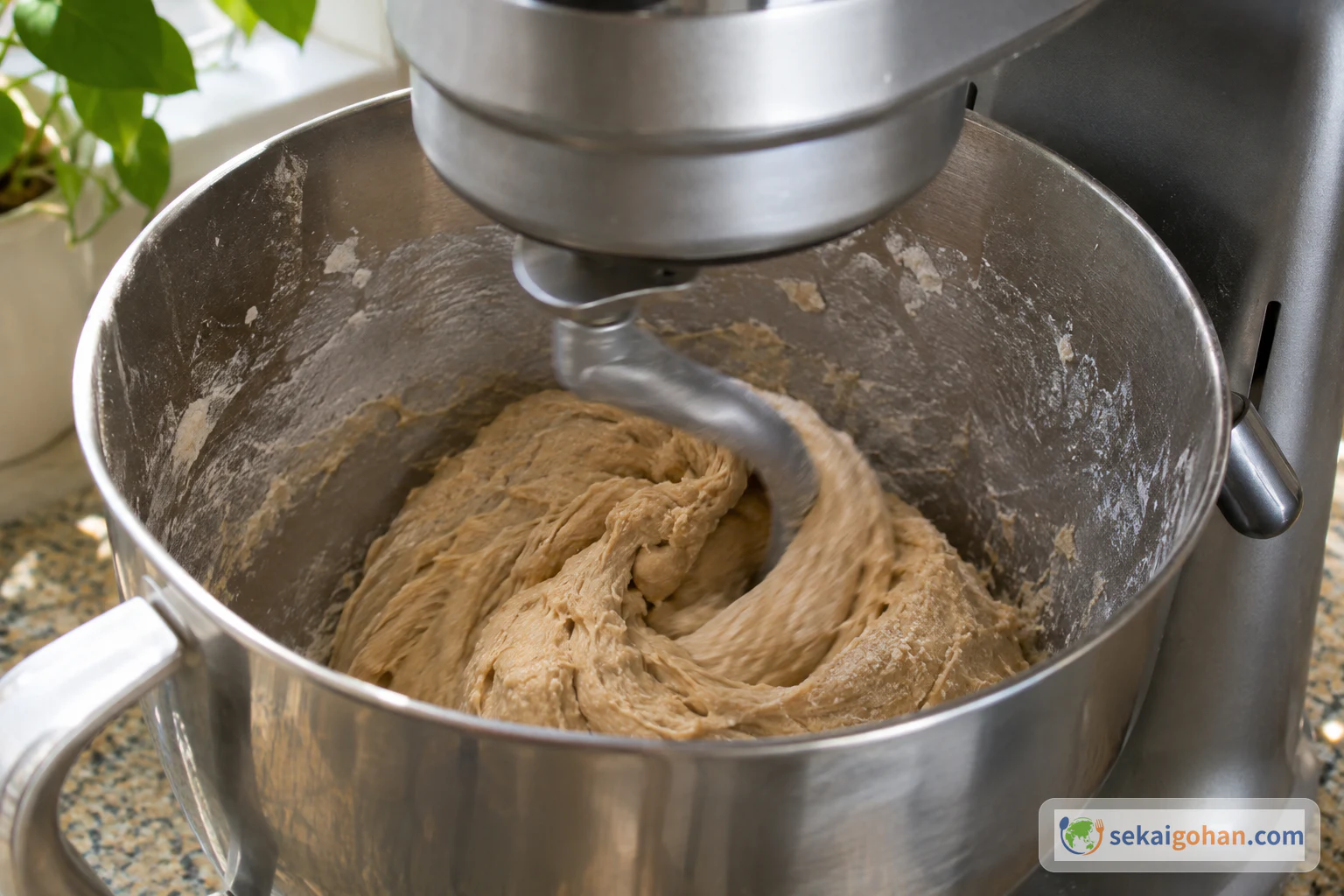
The dough takes two days, and most of that time is hands-off. On day one, soak the raisins in lukewarm water for at least 15 minutes while you mix, then knead and give the dough a short rise at room temperature. After that it goes into the refrigerator for 6 to 24 hours, so mixing in the evening and frying the next day works well. On frying day, roll, cut and proof the squares. Set up the pot while they rise, then fry and glaze in one go.
Never leave hot oil unattended, and keep children and pets away from the stove. Keep the oil no more than half the depth of the pot. If you use an electric fryer, follow its manual. Lower the dough in gently, away from you, and let the oil cool completely in the pot before you move or discard it.
When It Goes Wrong
| What you see | Why | What to do |
|---|---|---|
| The dough barely grows in the first rise | The starter was past its peak, or the room is cool | Use a starter that is bubbly and at its peak, and give the dough a warmer spot. Wait for the one-third rise rather than watching the clock |
| The dough tears in the windowpane test | The gluten isn't developed enough yet | Knead a few minutes longer on medium-low and test again before adding raisins |
| The dough turns wet and streaky after the raisins go in | The raisins were still wet | Drain them well and pat them dry before folding them in |
| The doughnuts come out greasy and pale | Too many in the pot dropped the oil temperature | Fry 2 or 3 at a time and let the oil climb back to temperature between batches |
| The paper stays stuck to the dough | It hasn't released yet | Leave it. Once the underside sets, the paper lets go on its own and you can lift it out |
Serving and Variations
Dutchies are at their best the day they are fried. Put them out on the rack or a plain plate with strong coffee, mid-morning or as an afternoon break. Expect people to pick at the raisins showing at the edges. The thin glaze softens the longer they sit, which is one more reason to fry on the day you plan to eat them.
Variations
- Spelt instead of whole wheat. The crumb tastes milder and a little sweeter.
- A thicker glaze. Whisk in less hot water and the glaze sets into a whiter, more opaque coat with more sweetness and crunch. It looks less like a classic dutchie.
- Freshly grated against ground nutmeg. Fresh nutmeg gives a bright, lifted spice. Ground nutmeg makes a flatter, quieter doughnut that leans more on the cinnamon in the glaze.
Frequently asked questions
Is this the same as the Tim Hortons dutchie?
It is a home version with the same features: square, yeast-raised, full of raisins and thinly glazed. The chain keeps its own recipe private. The starter and the wholegrain flour give this version a little more tang and depth than a plain yeast doughnut.
Can I make it without sourdough starter?
This dough is balanced around the starter, which adds both liquid and flour as well as flavor. Leaving it out means reworking the whole dough, and no starter-free version is given here.
Why does each square sit on its own paper?
A fully proofed square is soft and easy to dent. The paper lets you carry it to the oil and lower it in without touching the dough, so it keeps its puffed shape. Once the dough sets, the paper releases and you lift it out.
How do I fit the long chill into my week?
The cold rest can last anywhere from 6 to 24 hours, which leaves plenty of room. Mix and knead the evening before, chill overnight, and roll, proof and fry the next morning or afternoon. Plan the frying for the day you want to serve them.