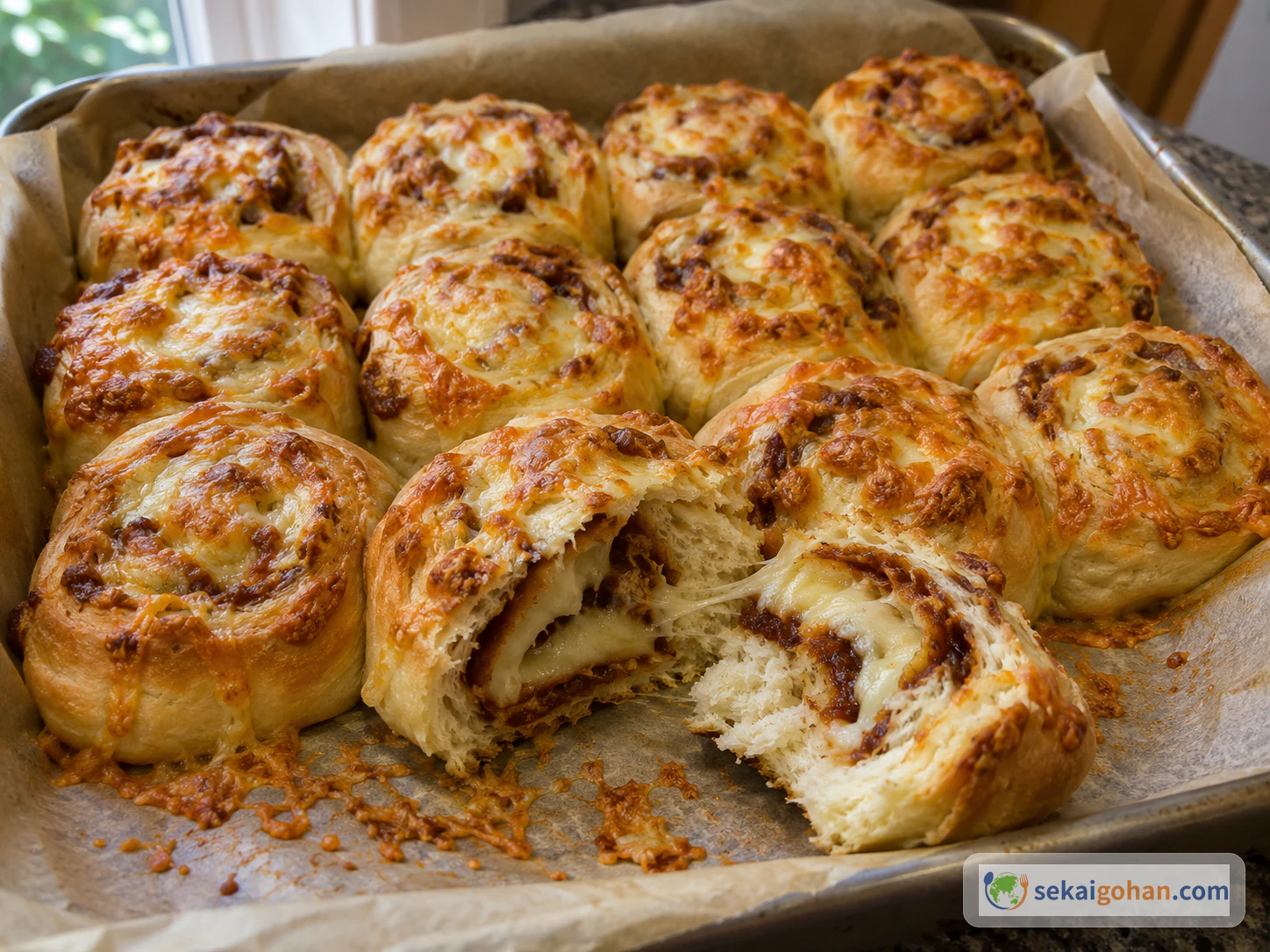
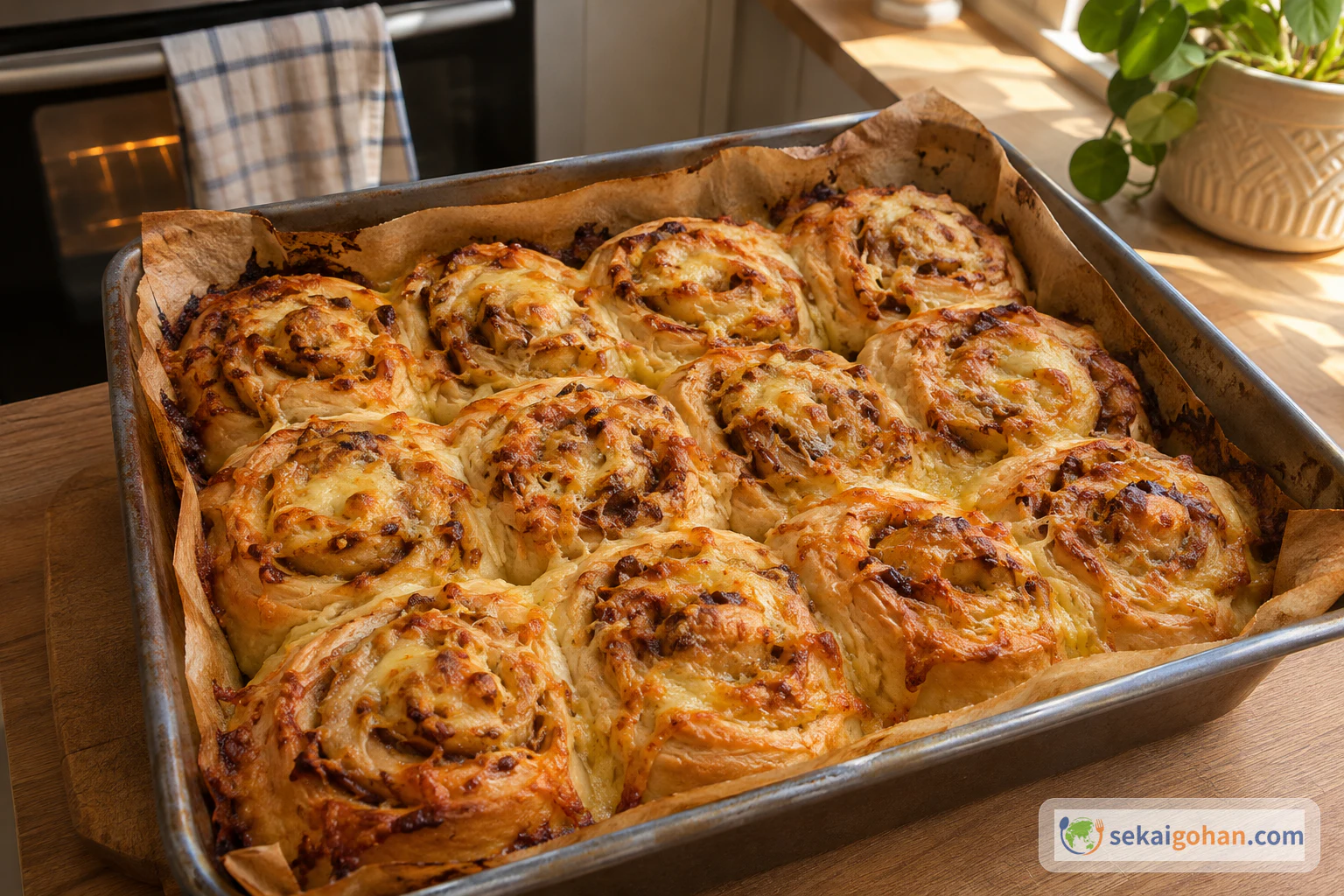
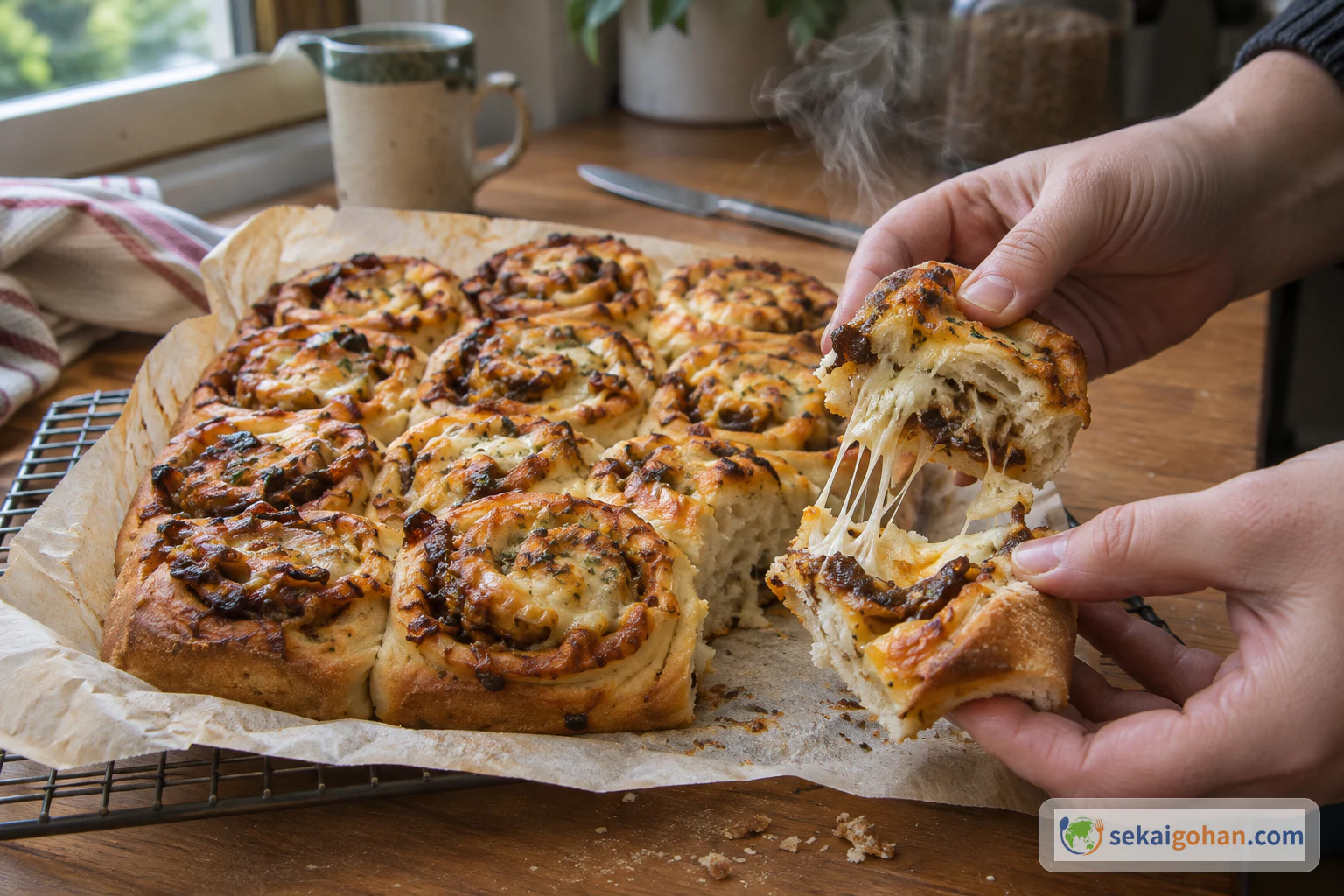
The last ten minutes decide everything. The oven goes up, the pan turns round, and the cheese on top moves from pale and bubbling to light gold, darkest where it touches the hot rim of the pan. Inside each spiral a thin black line of Vegemite has melted into butter and soft white bread. Pull one away from its neighbours while it is still warm and you get salt first, then a deep, slightly bitter savouriness, then the fat of the cheese and the give of a milk dough. In Australia this is bakery-counter food, packed into school lunchboxes, eaten on the way through the shops, warmed up for an afternoon snack.
A Bakery Scroll That Became an Everyday Australian Snack
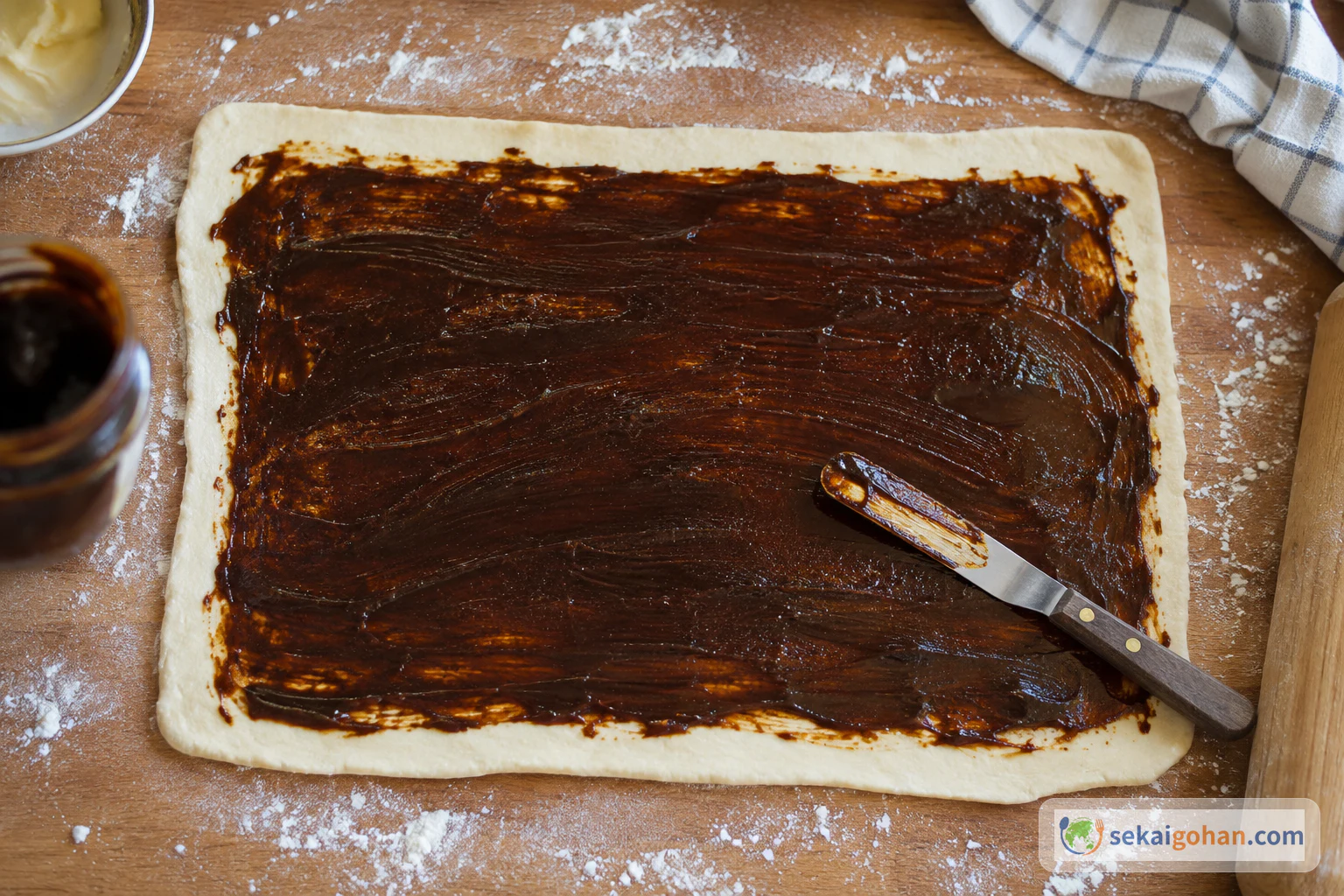
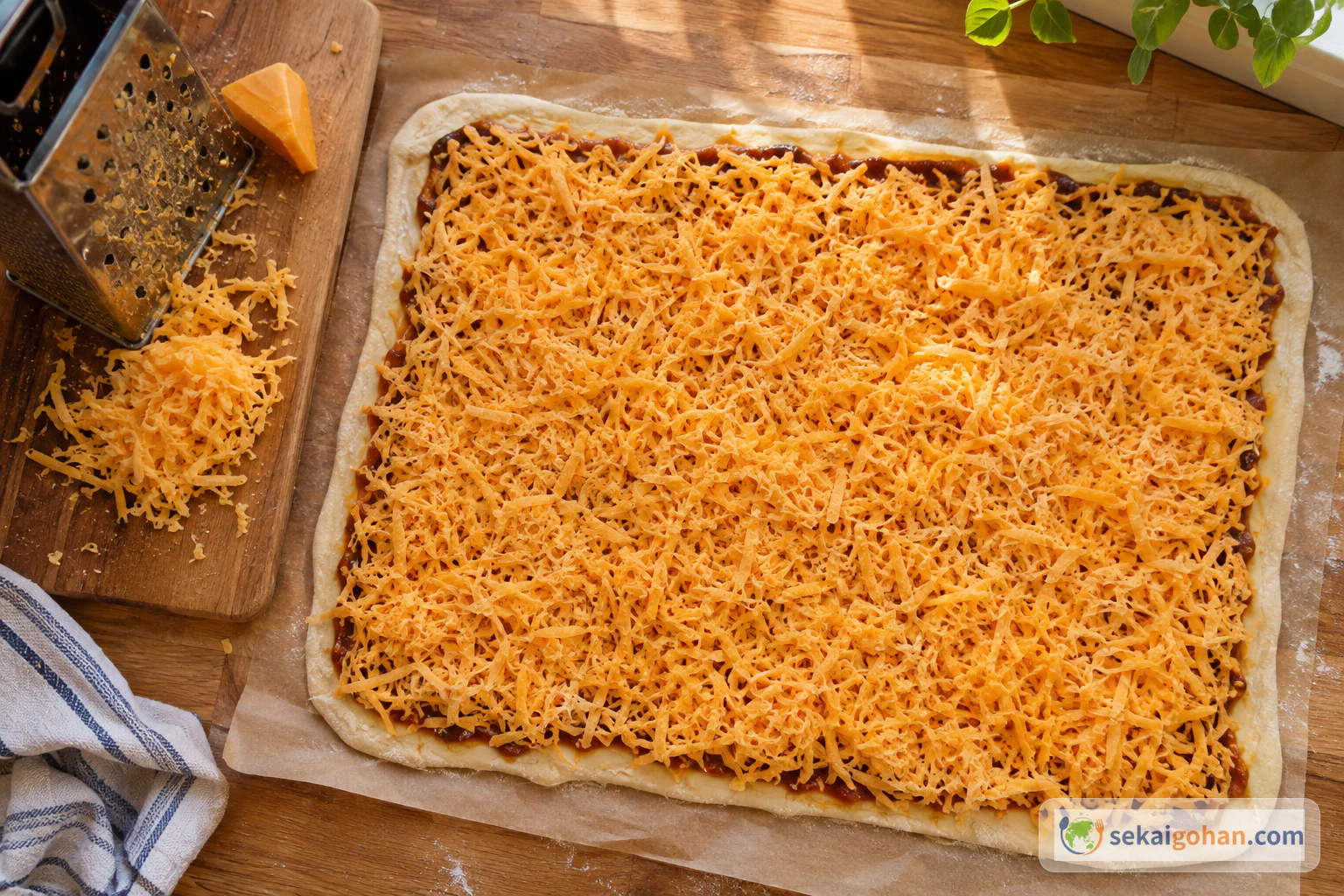
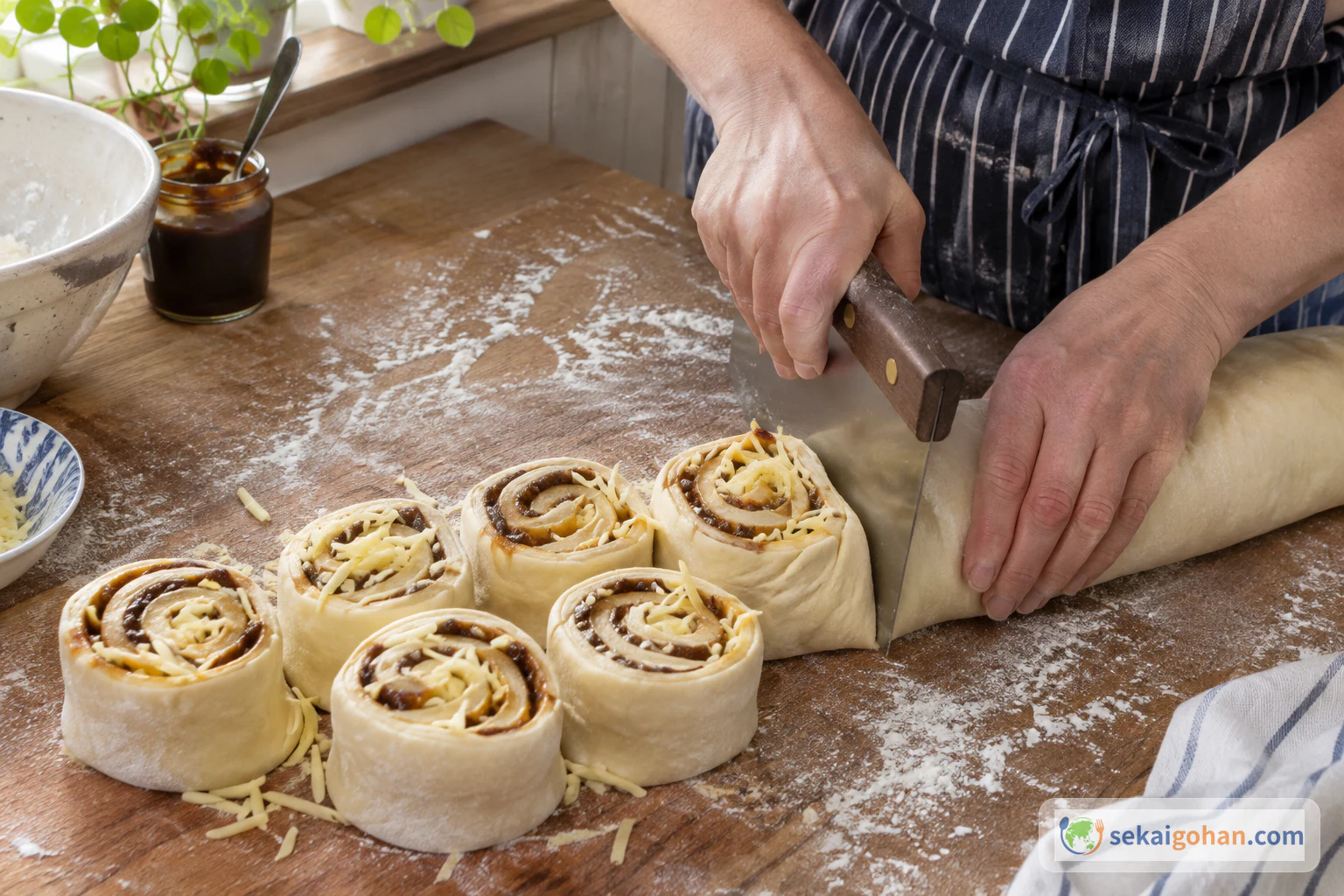
A Cheesymite scroll is built exactly like a cinnamon roll, with every sweet element swapped for a savoury one. Yeast dough is rolled thin, spread with butter and Vegemite, scattered with grated cheese, rolled into a log, cut into rounds and baked with more cheese melted over the top. The name runs cheese and Vegemite together, and it stuck as the product name at Bakers Delight, the large Australian bakery chain, where the scrolls are still rolled by hand each morning and sold in a mini four-pack as well as full size.
From a Melbourne bakery to the whole country
Bakers Delight began as a single shop on Glenferrie Road in Hawthorn, Melbourne, opened in 1980 by Roger and Lesley Gillespie. By 1990 franchising had taken it to 20 shops; Adelaide followed in 1991, New South Wales, Queensland and Western Australia by 1994, New Zealand in 1995 and Canada in 2003, where it trades as COBS Bread. Today it runs more than 700 bakeries. The Cheesymite scroll is usually dated to 1994, and it is often called a true blue Aussie invention. No earlier date has turned up, so the story starts there.
From that one bakery the scroll spread far beyond its counter. The rival chain Brumby's sells its own as the Cheddarmite Scroll, supermarket shelves carry packaged versions, and home cooks bake trays of them. The bakery version uses a flavourless oil in the dough; the home version here uses salted butter and a generous amount of cheese, which gives a richer scroll. For more of the country's everyday food, see Australian cooking.
Vegemite, the dark layer
Vegemite has been made since 1923 and is produced in Australia by Bega Cheese. It is a yeast-extract paste, black-brown, very salty, with a savoury depth close to soy sauce and a faint bitterness. It is normally spread thinly on toast and crackers. For anyone who did not grow up with it, the taste takes some getting used to; baked into butter and cheese, the salt softens into the bread and the bitterness reads as toastiness.
You will see the same bake sold or written as cheese and Vegemite scrolls, cheesy Aussie scrolls, or Cheddarmite scrolls. They are one family: yeast or quick dough, butter and Vegemite inside, cheese on top.
Ingredients (makes 12)
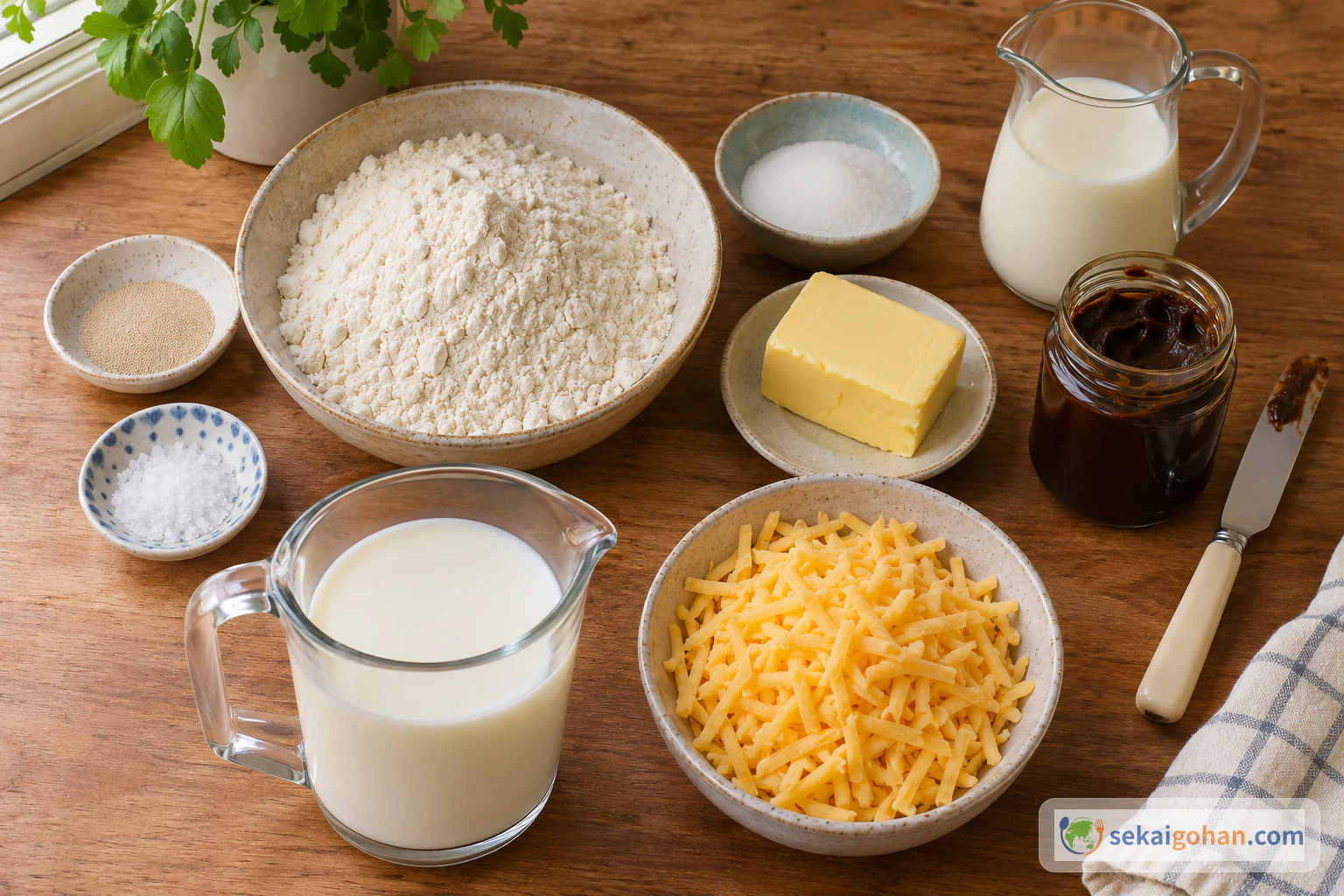
In Australia a cup holds 250 ml and a tablespoon 20 ml, and this dough is balanced on those measures. If you own metric cups, measure exactly 4 metric cups of flour and 1½ metric cups plus 2 metric tablespoons of milk. The Vegemite is where a US kitchen goes wrong most easily: the right amount is 4 US tablespoons (60 ml), because an Australian tablespoon is 20 ml and the dough takes three of them.
This recipe contains wheat (gluten) and milk (milk, butter and cheese). Regular Vegemite contains gluten; a gluten-free Vegemite is sold separately, but the dough itself is wheat bread dough.
Equipment
- Large mixing bowl, or a stand mixer or food processor
- Measuring cups and spoons (metric cups if you have them)
- Thermometer for the milk (optional)
- Plastic wrap
- Rolling pin
- Box grater
- Offset spatula or butter knife for spreading
- Sharp knife or bench scraper
- 9 × 13-inch (23 × 33 cm) baking pan
- Baking paper
- Wire cooling rack
Choosing and Substituting
Vegemite has no substitute. Marmite, Promite and Bovril are different spreads with different flavours, and a scroll made with them is a different bake. Jars turn up in import grocers and online; buy a small one first. Vegemite carries 3,300 mg of sodium per 100 g, and one finished scroll comes to about 742 mg of sodium, so this is a salty bread. If you want it gentler, look for the jar labelled 40% Less Salt, which has 1,980 mg per 100 g, or cut the Vegemite to about 2½ tbsp (40 ml).
The cheese changes the top more than anything else. Colby melts smoothly and browns to an even pale gold. Cheddar is the closest swap and gives a saltier, more savoury scroll; Monterey Jack stretches more; a supermarket shredded mix is the easy option. Australian tasty cheese melts unevenly and separates on top, and mozzarella is too mild. Grate from a block just before you use it, since a freshly grated block melts better than pre-shredded cheese.
| Ingredient | Best choice | Workable swap | What changes |
|---|---|---|---|
| Flour | Bread flour | All-purpose (plain) flour | Nearly the same result; bread flour pulls apart a little softer |
| Yeast | Instant (rapid-rise) | Active dry yeast, proofed first (see FAQ) | Same rise once proofed |
| Salt | Coarse cooking salt | Fine table salt, half the amount | Same amount of fine salt makes the dough too salty |
| Milk | Whole milk | Low-fat milk | Water instead gives a firmer, less tender crumb |
| Butter | Salted | Unsalted | Slightly less salty filling |
Method
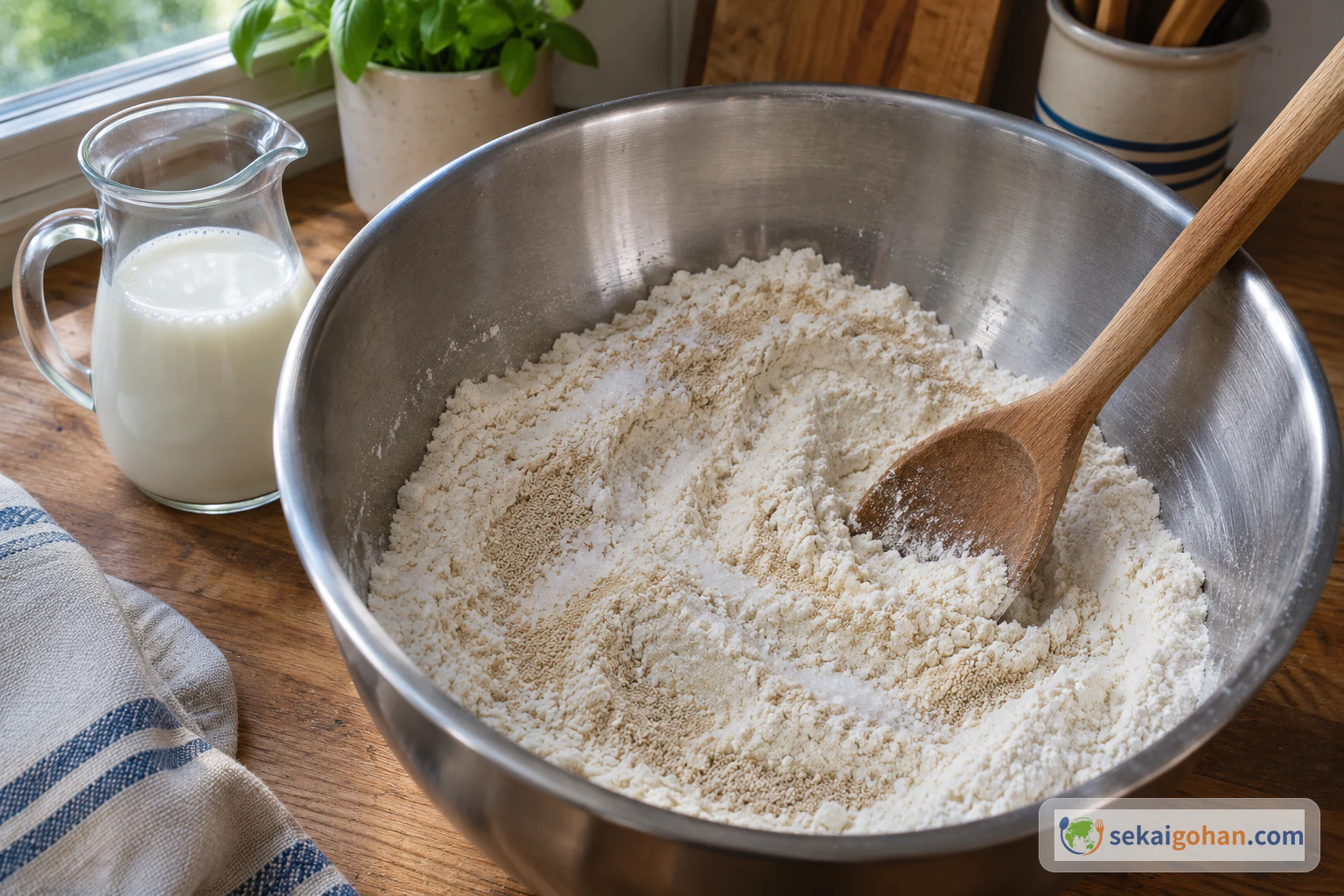
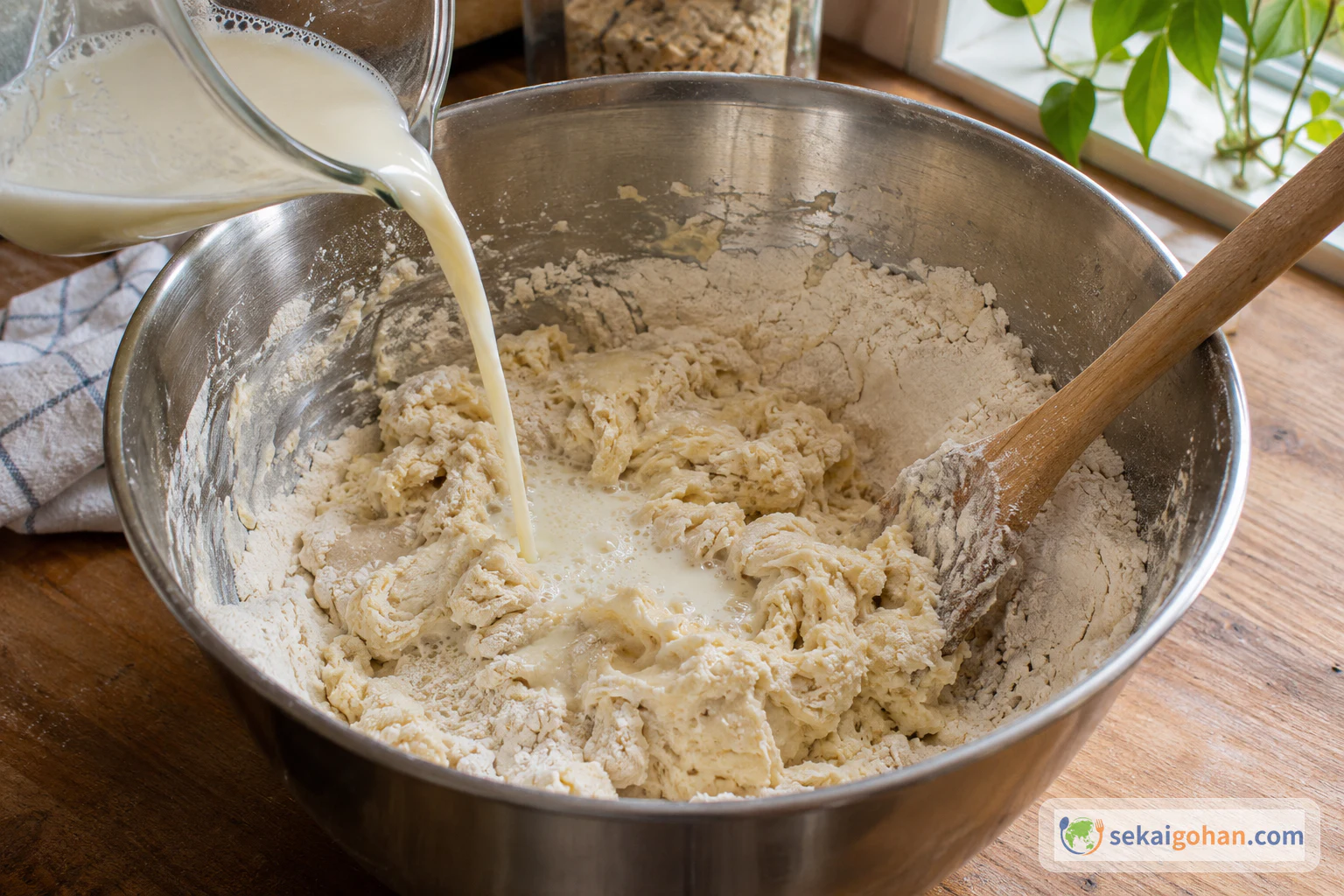
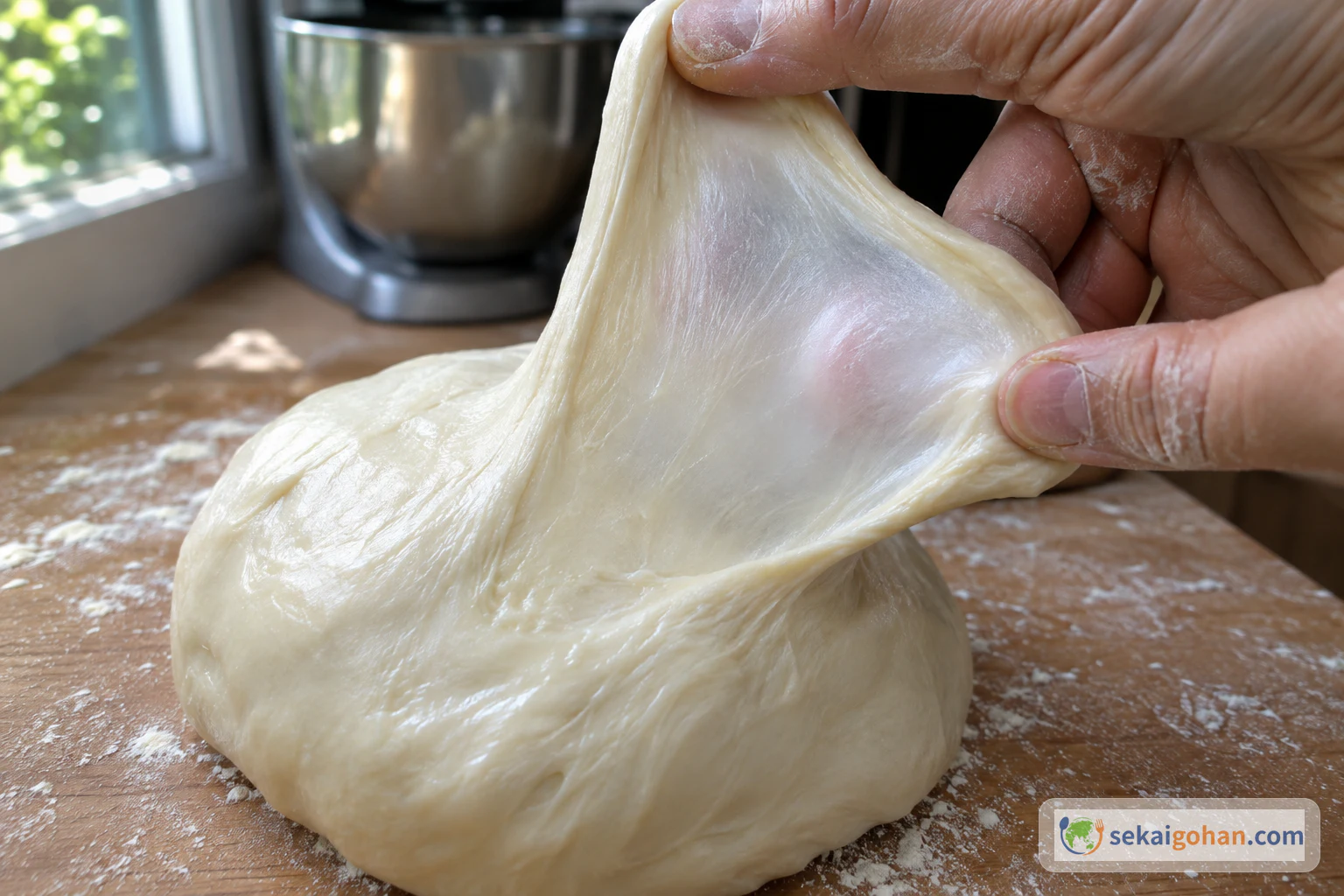
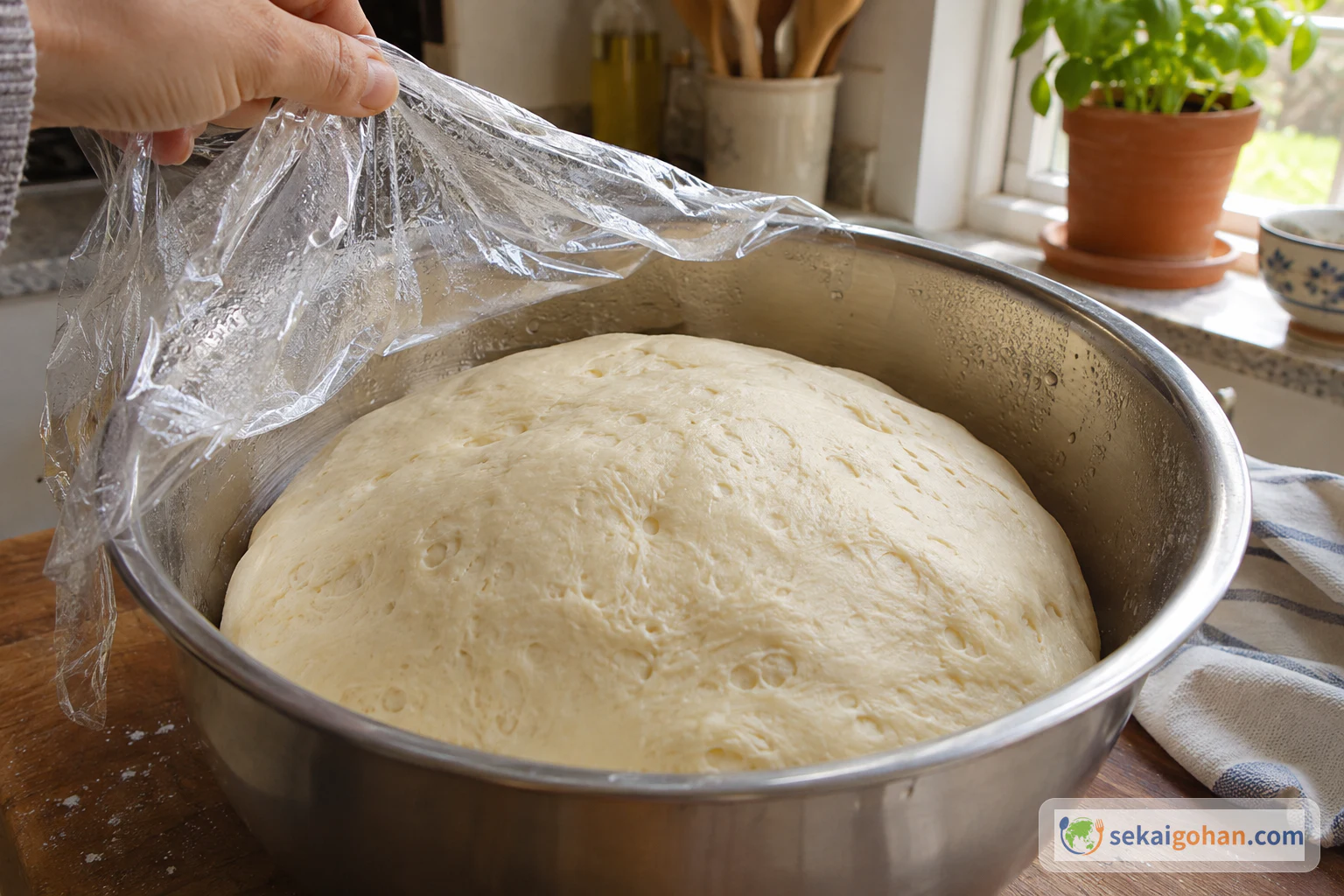
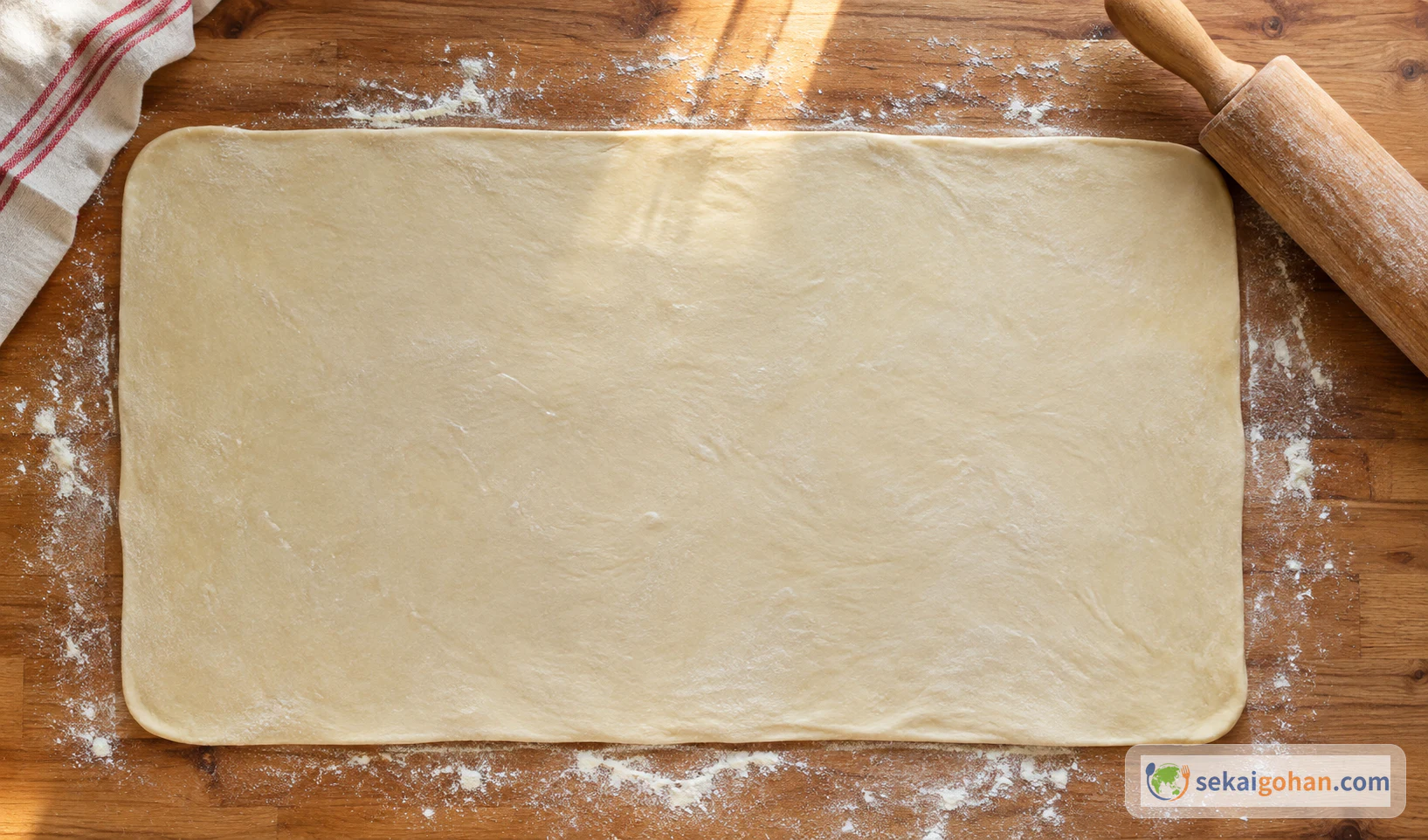
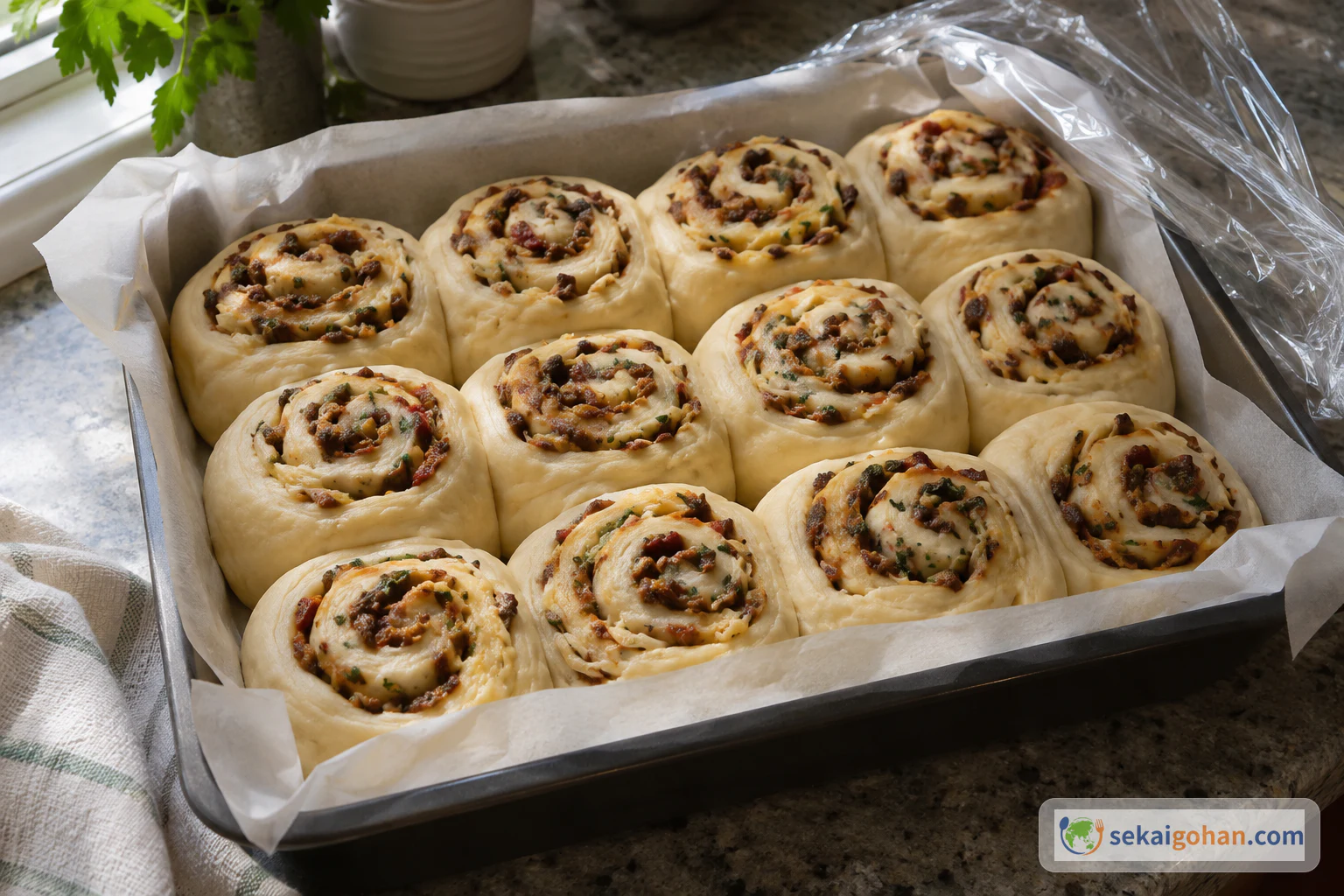
The dough comes first and then rests for an hour and a half, which is the time to grate the cheese, soften the butter, and grease and line the pan with baking paper, leaving an overhang on the long sides to lift the bake out later. After rolling, filling and cutting, the scrolls rise again for half an hour while the oven heats. The bake itself runs in two stages, and the final ten minutes need your eyes on the oven.
Milk that is too hot kills the yeast, and the melted cheese straight from the oven is very hot. Use the paper overhang and oven mitts when lifting the bake out, and let the scrolls rest before tearing them open.
Both rises follow volume, not minutes: doubled for the first and 30–50% bigger for the second. A warm kitchen gets there sooner, and a cold one later.
The hotter second stage is what crisps the cheese top. Different cheeses brown at very different speeds, so keep watching the oven through the whole last 10 minutes.
When It Goes Wrong
| What you see | Why | What to do |
|---|---|---|
| The dough barely rises and bakes dense | Old yeast, or milk hot enough to kill it | Keep the milk at 95–105°F (35–40°C). Test yeast with ½ tsp yeast, ¼ cup (60 ml) lukewarm water and ¼ tsp sugar: if it foams within 10 minutes, it is alive |
| The scrolls taste sour and spread flat | First rise ran to triple | Stop the first rise at double, even in a warm spot |
| The spirals collapse in the oven | Over-relaxed second rise, or a loose roll | Bake at 30–50% bigger, and roll the log firmly |
| The top cheese burns or turns greasy | Cheese type and oven differences | Watch the final 10 minutes; use Colby, cheddar or Monterey Jack, not tasty cheese, on top |
| The scrolls taste too salty | Vegemite and cheese both carry salt | Use 40% Less Salt Vegemite or cut it to about 2½ tbsp (40 ml); choose a milder cheese |
| The centre is doughy or the base is soggy | Crowded or deep pan, low heat, or sealed while warm | Keep to 12 with gaps, check colour and push in a skewer, and cool fully before sealing |
Serving, Variations and Storage
At the table
These are hand food, eaten warm from the rack, packed into lunchboxes, or carried out the door for the afternoon. Put the slab on a board and let everyone tear their own; warm is when they taste best, with the cheese still stretchy and the Vegemite soft.
A quick no-yeast version
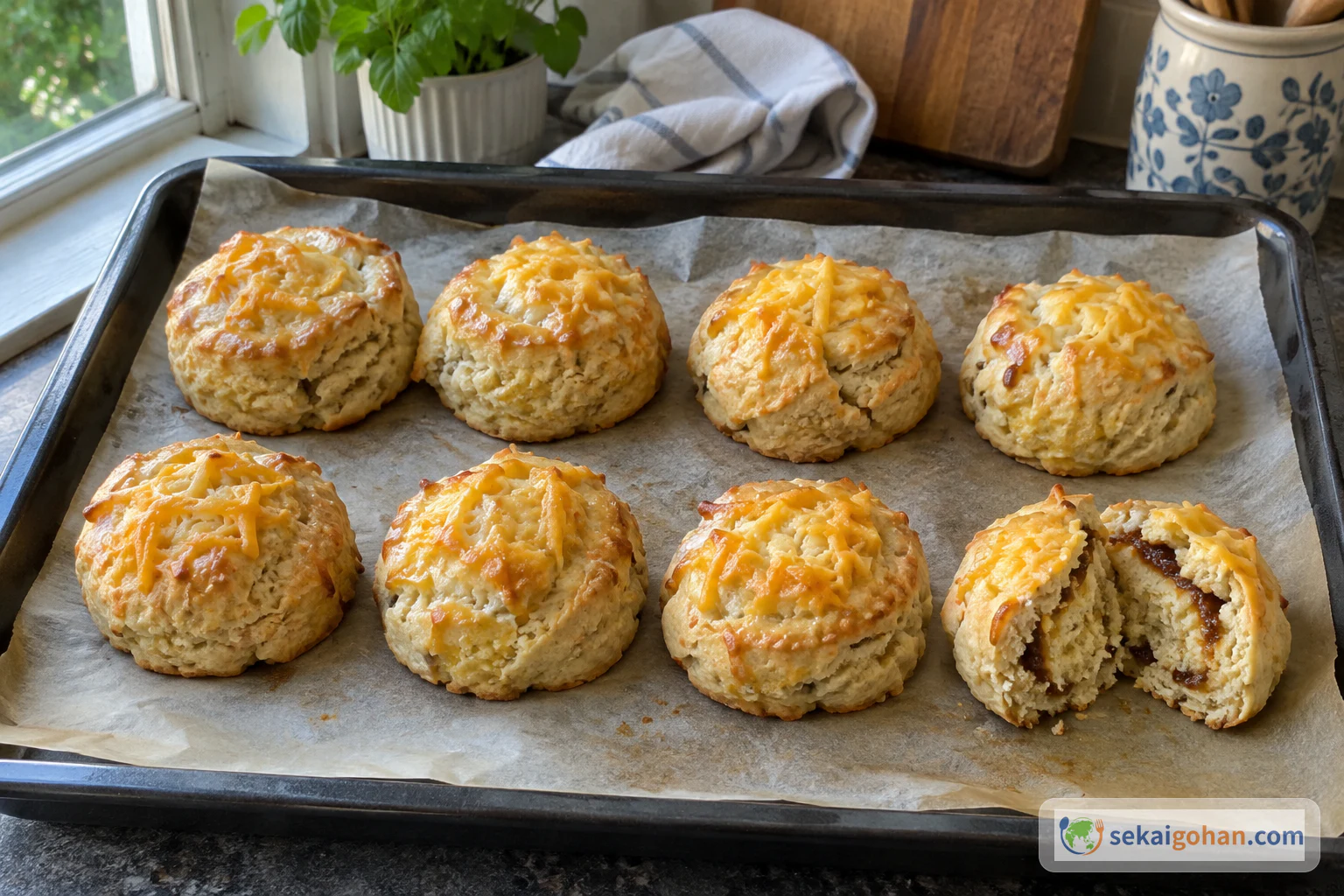
On a busy day, skip the yeast. Mix 10½ oz (300 g) self-raising flour and a pinch of salt with 1 cup (250 ml) milk and 2½ tbsp (40 ml) melted butter into a soft dough. Roll it to 12 × 8 inches (30 × 20 cm), spread with 2½ tbsp (40 ml) Vegemite, leaving a ¾-inch (2 cm) border, and scatter three-quarters of 7 oz (200 g) grated cheddar. Roll, cut into 8, and set them cut side down in a buttered tin. Brush the tops with a splash of milk (20 ml), scatter the rest of the cheese, and bake at 355°F (180°C) for 20 minutes. Cool for 10 minutes before serving. The crumb is denser and more scone-like than the yeast scroll. To make self-raising flour, add 2 tsp baking powder to every 5½ oz (150 g) plain flour and sift a few times until even.
A hot-oven version with ten scrolls
A second quick dough uses 3 cups plus 2 tbsp self-raising flour, a pinch of salt, 1¾ oz (50 g) butter and 1½ cups plus 1 tbsp (375 ml) milk. Roll it to 16 × 10 inches (40 × 25 cm), spread with 1½–2½ tbsp (20–40 ml) Vegemite, scatter three-quarters of 7 oz (200 g) grated cheese, roll from the long side and cut into 1½-inch (4 cm) slices to make 10. Set them cut side up and close together on a tray, top with the remaining cheese, and bake at 430°F (220°C) for 15–20 minutes until golden. The high heat gives a crisper cheese top in less time.
Storing and reheating
Cool the scrolls completely before sealing them, or steam will soften the bases. Keep them in an airtight container at room temperature for 3 days; in a hot, humid summer, refrigerate or freeze them instead. To freeze, wrap each scroll and freeze for up to 3 months. Before eating, microwave a scroll for 20 seconds, or warm it in the oven for a few minutes.
Frequently asked questions
Can I use active dry yeast instead of instant?
Yes, as long as you wake it up first. Stir it into ½ cup (125 ml) of the warm milk with the sugar and leave it for 10 minutes. If it foams, add it with the rest of the milk; if it stays flat, the yeast is dead and needs replacing.
Why do some scrolls go in cut side up and others cut side down?
The yeast scrolls go cut side up so the spiral faces the heat and the cheese browns over the swirl. The no-yeast version goes cut side down and is brushed with milk, giving a rounder, scone-like top. Follow whichever matches the dough you are making.
My oven will not fit a 9 × 13-inch pan. What then?
Bake 8 scrolls in an 8-inch (20 cm) square pan and the rest in a smaller pan or on a tray. Smaller batches bake faster, so go by colour: light golden cheese on top and a skewer that comes out clean.
Can I make mini scrolls for lunchboxes?
Yes. Cut the log into 16–18 pieces instead of 12 and keep a small gap between them. Smaller scrolls bake faster, so check them well before the full time and take them out as soon as the cheese is golden.