Singani: A Clear Spirit From High Vineyards, Lifted With Bubbles
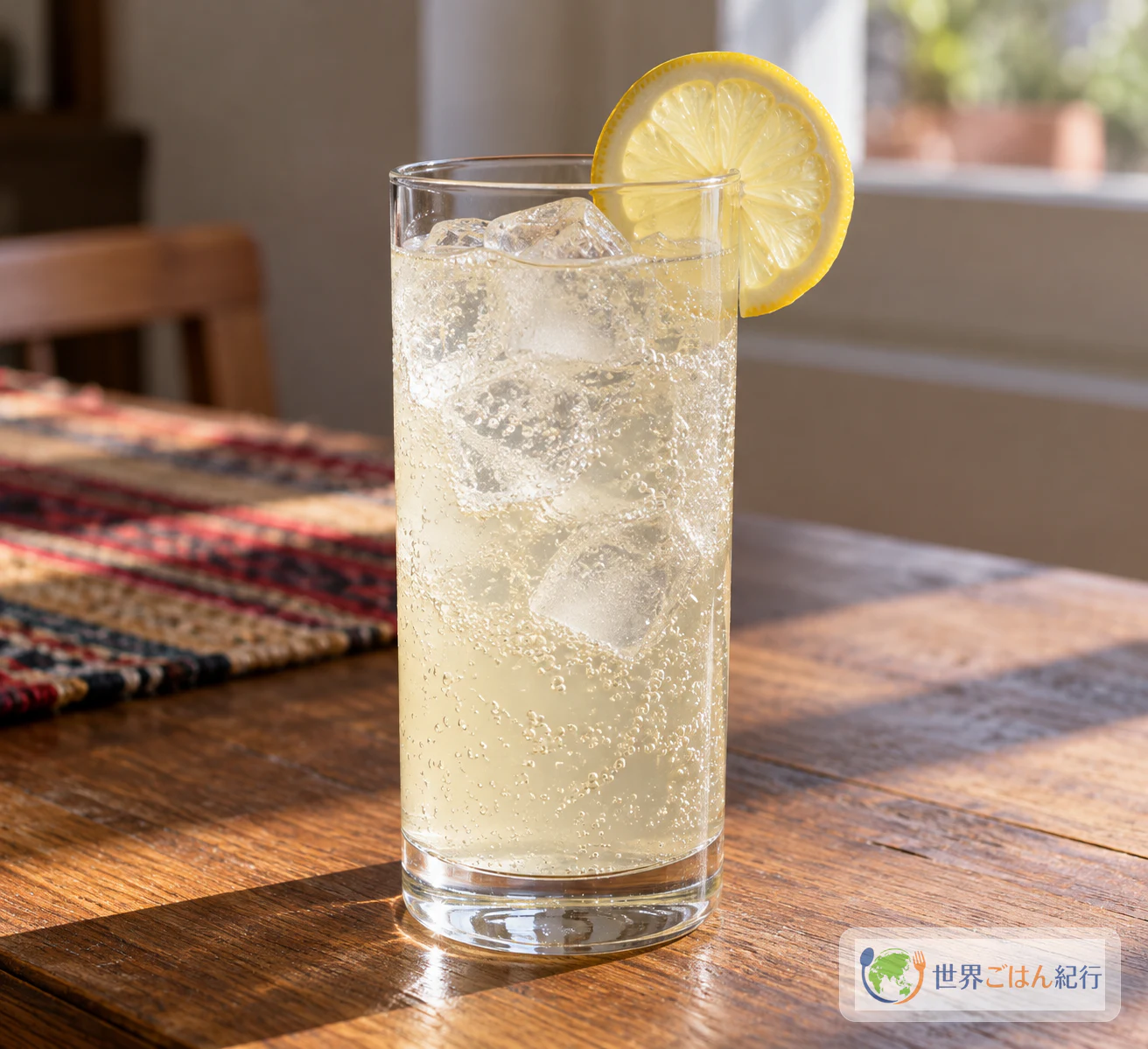
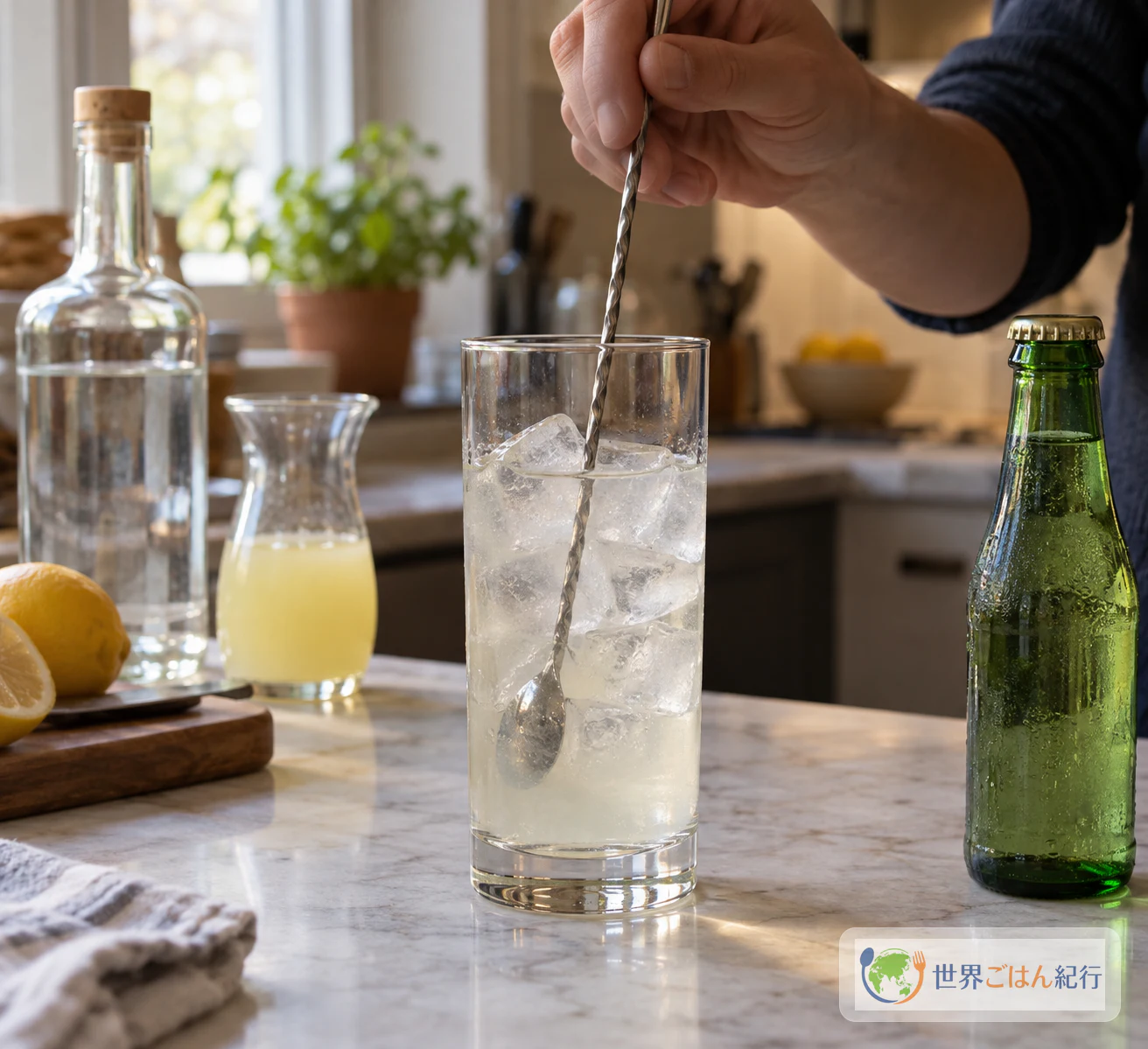
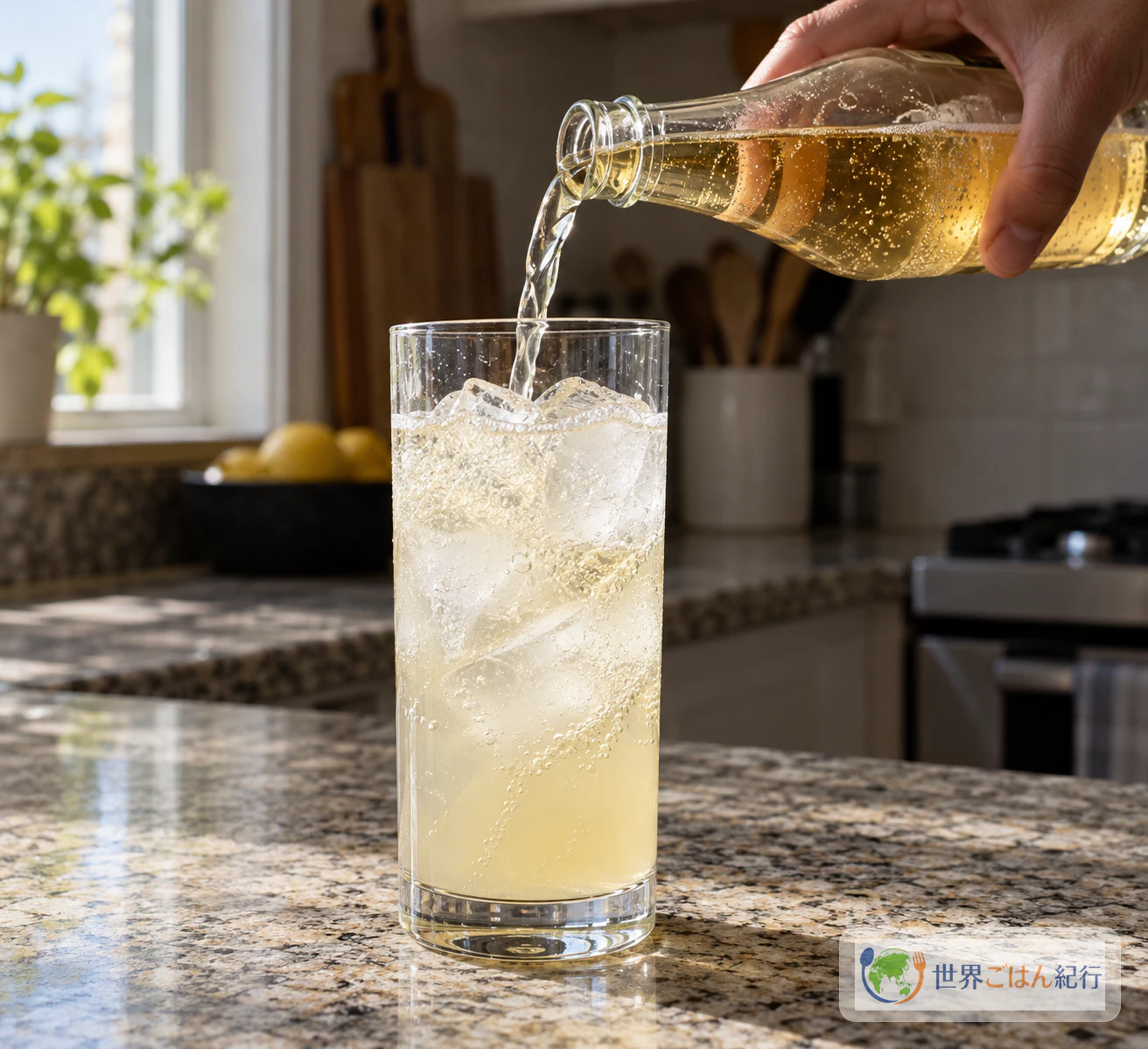
Let the Singani lead. Fresh lemon adds a little sourness, and chilled ginger ale brings bubbles and sweetness. Add the soda last and stir as little as you can, so the fizz stays in the glass.
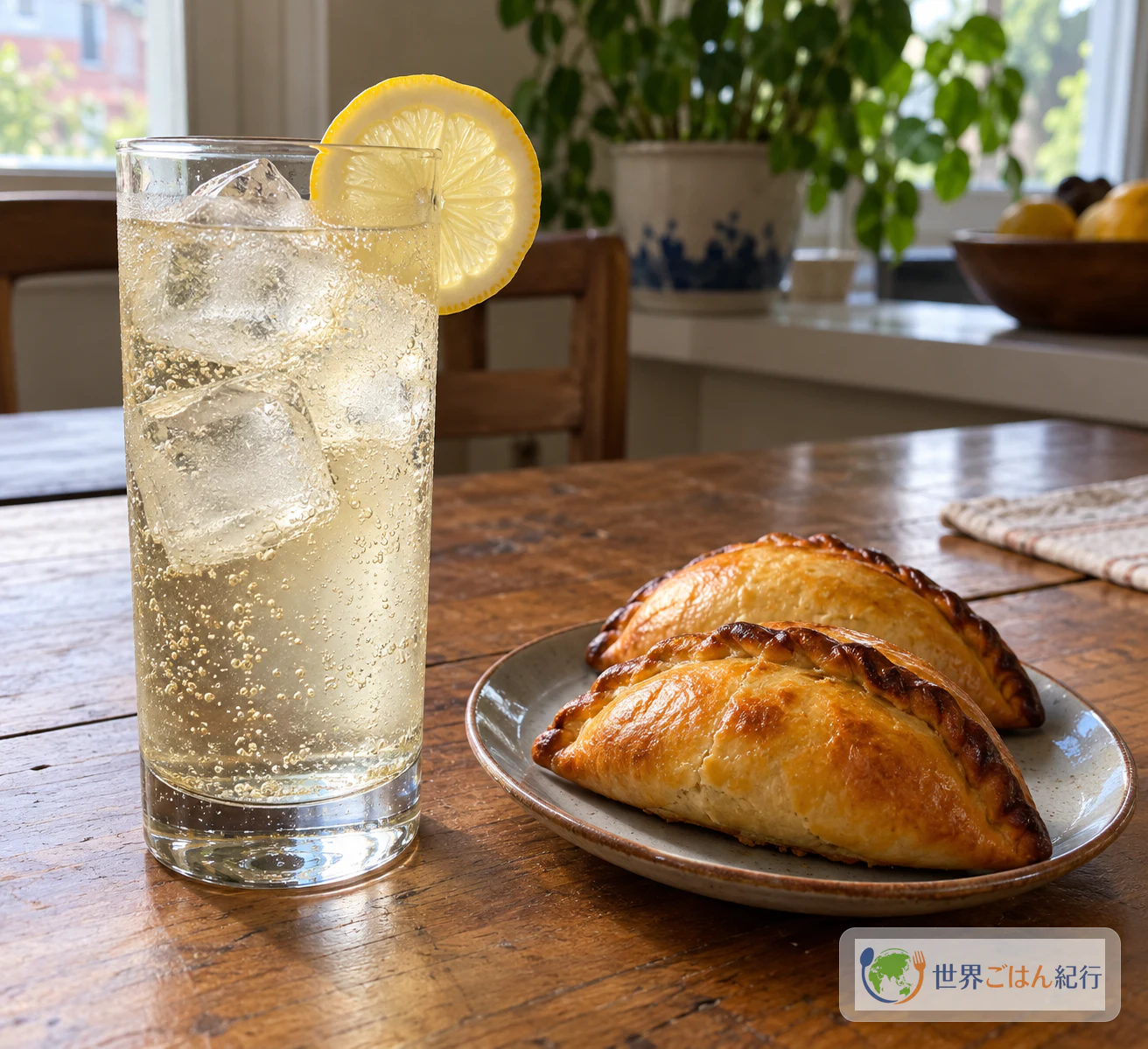
Picture grapes ripening on vineyard slopes high in the Andes. Their fruit becomes wine, and that wine is distilled into a clear spirit. Pour it over ice with a squeeze of lemon, top it with ginger ale, and the glass fills with rising bubbles. That spirit is Singani, Bolivia's grape spirit. The drink is Chuflay, which the producer Casa Real presents as one of Bolivia's emblematic drinks.
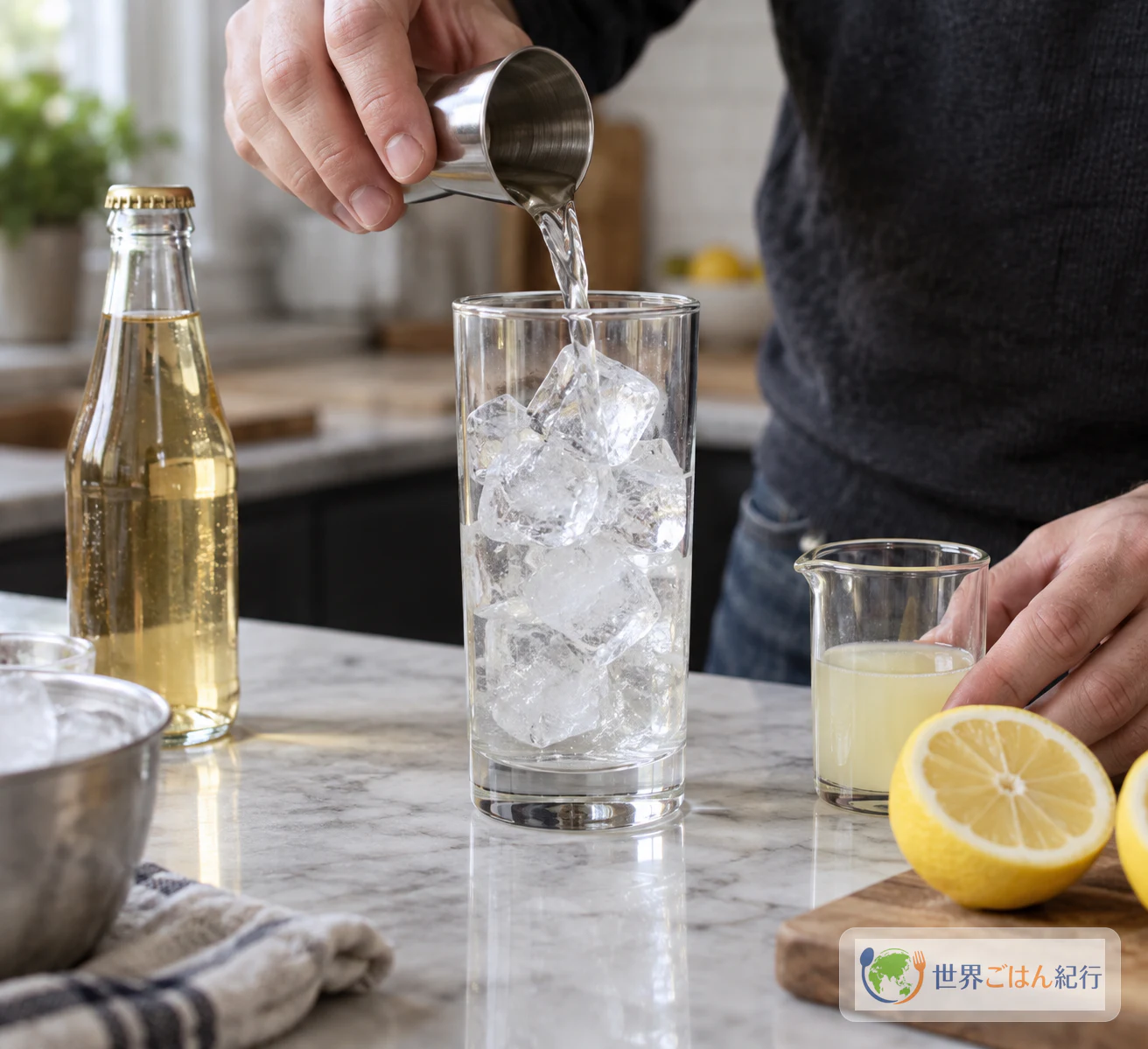
Keep the two names apart. Singani is the spirit. Chuflay is a cocktail made with it. This article explains where Singani comes from and how it is protected. It then gives one Chuflay you can mix at home: the version published by Casa Real, using 2 oz Singani, 1/4 oz fresh lemon juice and 5 oz ginger ale. Other published Chuflays use different proportions. They are described in the FAQ but are not blended into this recipe.
Sekai Gohan has not kitchen-tested this recipe as a whole.
This article does not explain how to make Singani itself. Distilling a spirit depends on proper equipment, legal rules and a producer's know-how, so the focus here is on enjoying a bottle that is actually labeled as Singani.
What Kind of Spirit Is Singani?
Bolivia's National Intellectual Property Service (SENAPI) lists Singani as a protected denomination of origin. It describes Singani as a spirit obtained by distilling natural wines made from fresh grapes. That definition separates it from wine: Singani starts as wine, but what reaches the glass has been distilled. It is also not simply "any grape brandy." The name is tied to a specific grape and a defined place of origin.
The Grapes and the Denomination of Origin
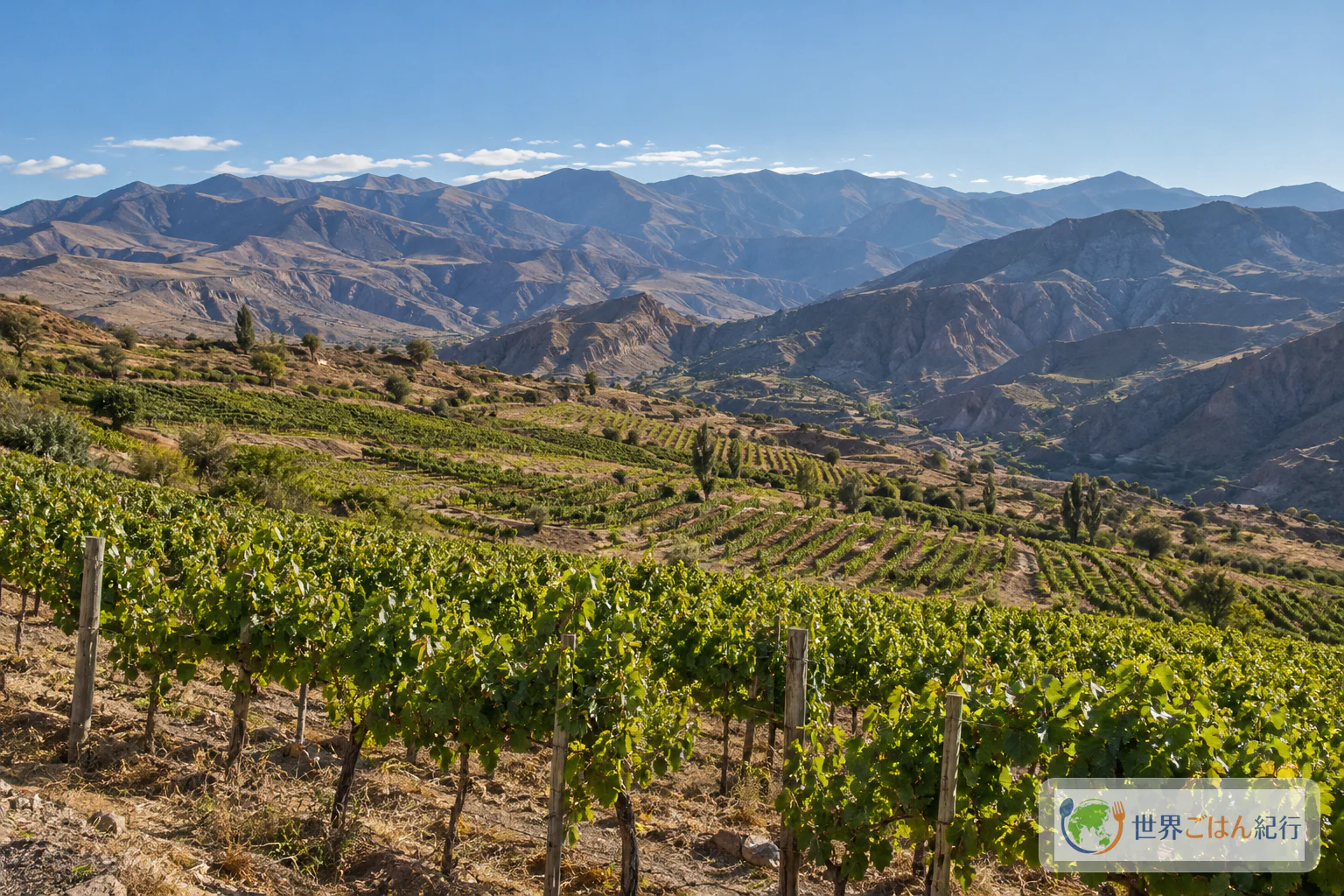
According to Bolivia's Ministry of Foreign Affairs, Singani is made from Moscatel de Alejandría (Muscat of Alexandria) grapes. The ministry describes the protected production area as covering parts of the departments of Tarija, Chuquisaca, La Paz and Potosí, with vineyards at 1,600–1,800 m above sea level. The area covers designated zones inside those departments, not each department as a whole. The detailed geographic rules have not been verified here.
SENAPI's page states that the denomination is protected under Law No. 1334 of 4 May 1992. In a 2020 article, the Ministry of Foreign Affairs reported that the United States had recognized Singani's denomination of origin. That recognition belongs to its moment. It does not tell you anything about where Singani stands in today's markets.
To read more about the country's food, visit our Bolivia page.
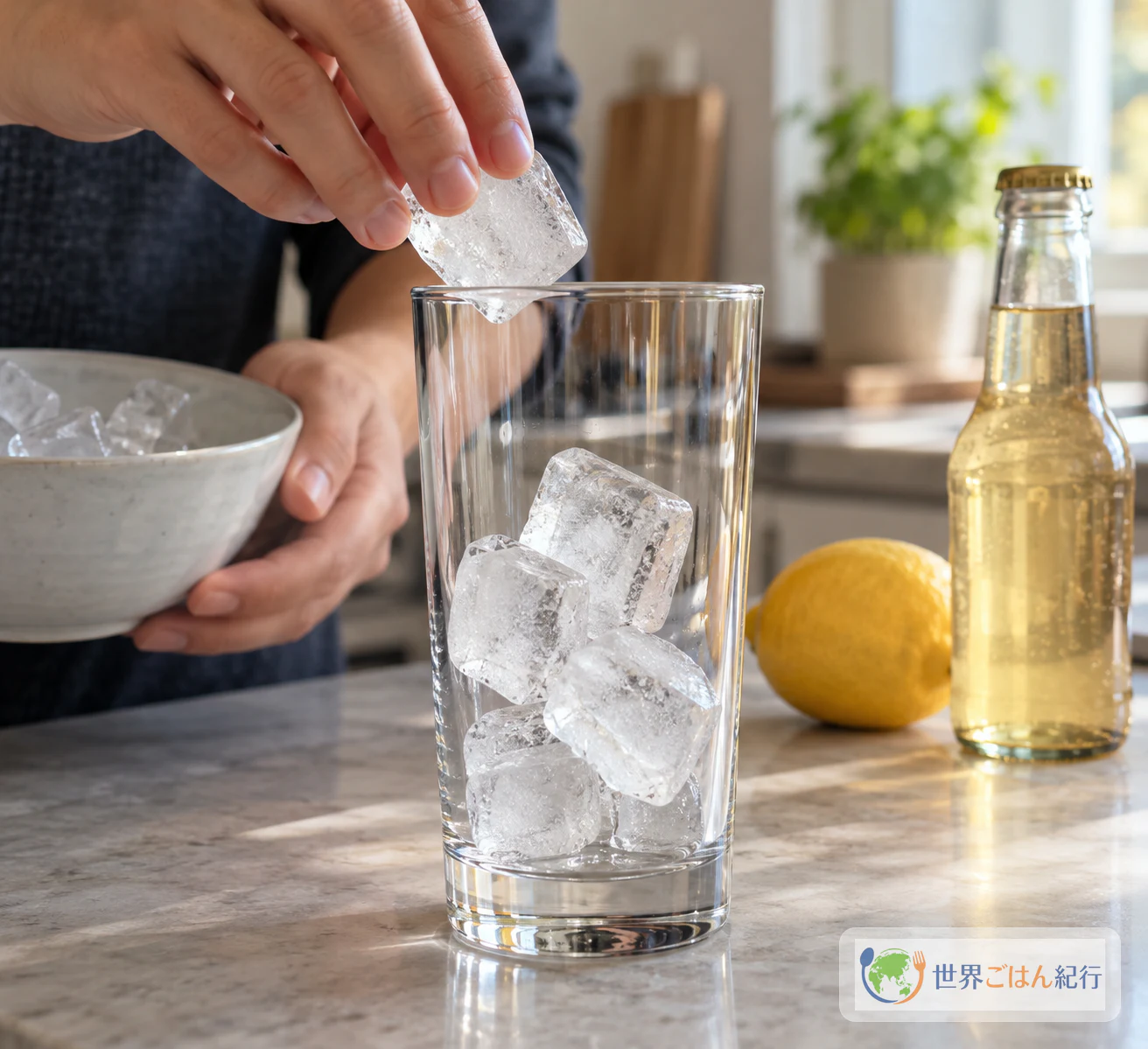
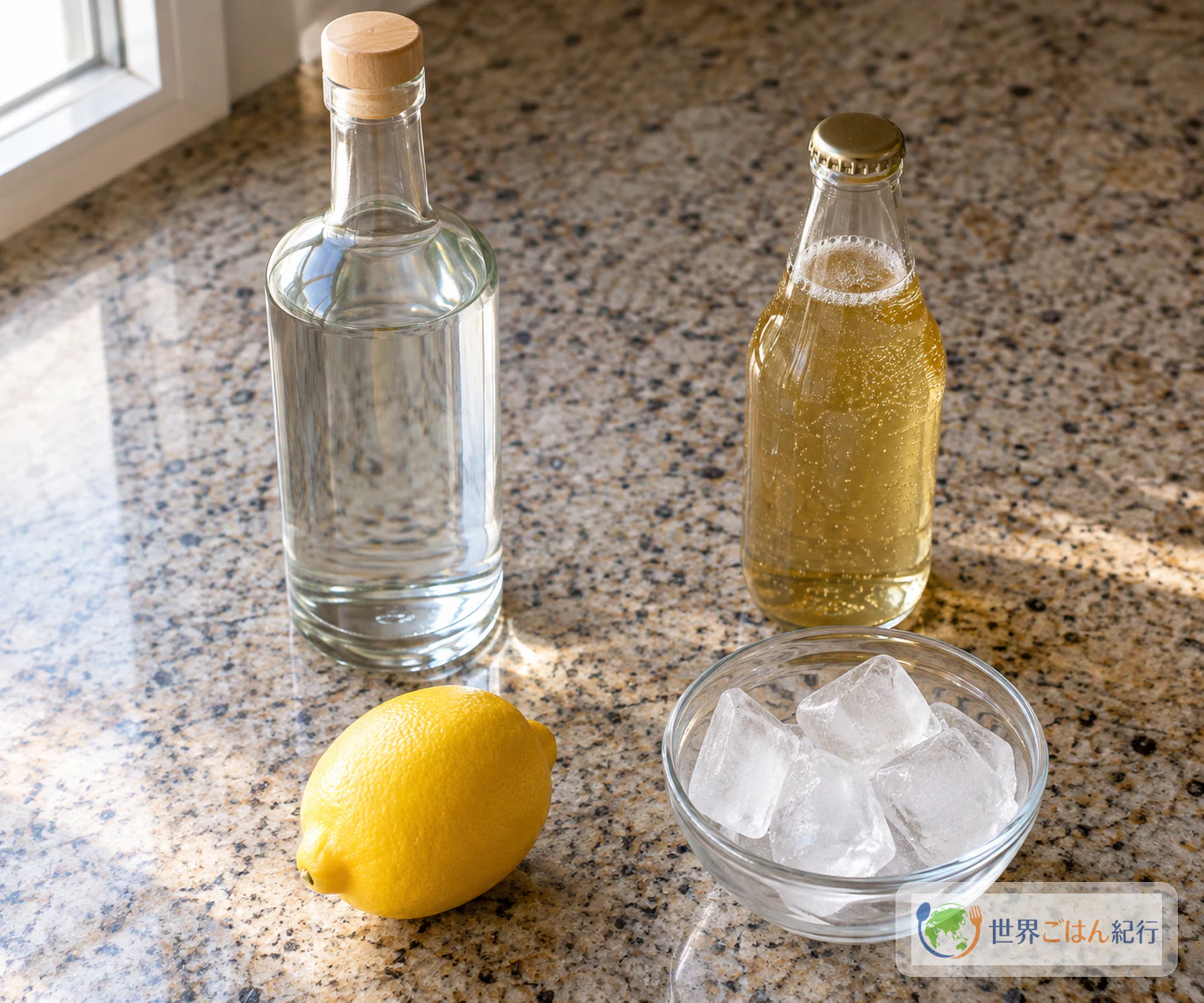
Ingredients for One Chuflay
Choosing Singani, Citrus and Ginger Ale
Singani: Look for a product that identifies itself as Singani from Bolivia's designated area of origin. If you can't find it, another grape spirit will give a different flavor under a different name. That drink would no longer be a Chuflay made with Singani, so don't treat another spirit as a "Singani substitute."
Lemon: Squeeze it fresh. The juice and the garnish are separate things. The juice is lemon, and the optional wheel on the rim can be lime or lemon.
Ginger ale: Ginger beer and lemon-lime soda taste different from ginger ale. Keep them out of the standard version. Brands of ginger ale also vary in sweetness and ginger bite, which changes the finished glass even when the amount stays the same.
Equipment
- Tall glass
- Jigger (measuring cup for spirits)
- Bar spoon
Chuflay contains alcohol. Don't serve it to minors, and skip it if you are pregnant or will be driving. No health benefits are suggested here. Not drinking is always a fine choice.
When the Glass Doesn't Taste Right
| What you notice | Likely reason | What to do |
|---|---|---|
| Too sweet | Ginger ale brands differ in sweetness | Try a different ginger ale brand next time, keeping the amount the same. Adjusting the lemon is a variation, described below |
| Flat, with few bubbles | Ginger ale was added too early or stirred too much | Stir only once, before the soda goes in. Add the chilled ginger ale last |
| Hard to taste the Singani | Ginger ale or citrus is covering it | Keep to the measured amounts. To get to know the spirit, try a small sip on its own first |
| Tastes like a different drink | Another spirit or soda was used | Ginger beer, lemon-lime soda or a different grape spirit each make a different drink |
Variations
These depart from the standard glass above. They are kitchen ideas, not fixed Bolivian rules.
- More or less lemon juice: More lemon juice makes the drink more sour, and less lets the ginger ale's sweetness come forward.
- Lime as the garnish only: A lime wheel on the rim changes the citrus aroma. Swapping lime for the lemon juice is a separate, bigger change.
- A different ginger ale brand: Keep the amount the same. Sweetness and ginger character will shift with the brand.
- Taste the Singani first: To get to know the spirit's aroma, try a small amount on its own before mixing. This is just a way to compare, not a description of how Singani is customarily served.
How to Read the Story Behind the Name
The Bolivian newspaper Opinión links Chuflay to the building of Bolivia's railways in the late nineteenth and early twentieth centuries. The story is widely repeated, but the article gives no primary documentation for it. Read it as a popular account, not as a settled fact about the name.
The two kinds of information carry different weight. Singani's origin and definition are set by law and recorded by SENAPI and Bolivia's Ministry of Foreign Affairs. The story of the cocktail's name is folk etymology.
Enjoying It With Bolivian Food
Chuflay can sit alongside a Bolivian meal: salteñas, silpancho or sopa de maní. Treat these as menu suggestions for your own table. They are not documented traditional pairings. If someone at the table isn't drinking alcohol, serve them a non-alcoholic drink instead.
Frequently Asked Questions
Is Singani a wine?
No. SENAPI describes Singani as a spirit made by distilling natural wines from fresh grapes. It starts from wine but is a distilled spirit.
What is Chuflay, and is there only one recipe?
Chuflay is a cocktail made with Singani. It is not another name for the spirit. There is more than one published version. This article uses Casa Real's: 2 oz Singani, 1/4 oz fresh lemon juice and 5 oz ginger ale over ice in a tall glass. Opinión describes a simpler version with 1 1/2 oz Singani, 3 oz ginger ale and a lemon wedge. The two sets of proportions are different recipes and are not combined here.
What can I use if I can't find Singani?
Another grape spirit will make a different drink with a different flavor. Don't call it Singani, and don't expect the same result.
Is the origin of the name Chuflay settled?
No. A Bolivian newspaper connects it to railway construction, but primary evidence for that story has not been confirmed. It is best read as a popular account.
Can I make Singani at home?
This article gives no distillation method. Making a spirit involves distilling equipment, legal rules and a producer's expertise. Enjoy Singani by choosing a product made under its denomination of origin.
Sources
- Ministerio de Relaciones Exteriores de Bolivia, "Reconocimiento de denominación de origen de singani boliviano abre las puertas al incremento de exportaciones de este producto," 2020. Supports: Moscatel de Alejandría grapes; production areas in parts of Tarija, Chuquisaca, La Paz and Potosí; vineyards at 1,600–1,800 m; U.S. recognition of the denomination of origin in 2020. https://cancilleria.gob.bo/mre/2020/03/03/6899/
- Servicio Nacional de Propiedad Intelectual de Bolivia (SENAPI), "Denominaciones de Origen." Supports: Singani as a protected denomination of origin under Law No. 1334 of 4 May 1992, and its definition as a spirit obtained by distilling natural wines from fresh grapes. https://www.senapi.gob.bo/denominaciones-de-origen
- Casa Real, "Chuflay Clásico." Supports: Chuflay as a Bolivian emblematic drink, and the recipe used here (2 oz Singani, 1/4 oz fresh lemon juice, 5 oz ginger ale, ice, tall glass; add Singani and lemon, mix gently, then add ginger ale). https://www.singanicasareal.com/chuflay-clasico/
- Opinión Bolivia, "Chuflay," 2015. Supports: a simpler Chuflay with different proportions, and the railway story of the drink's origin, presented here as an unverified account. https://www.opinion.com.bo/articulo/tendencias/chuflay/20150715193300670109.html