

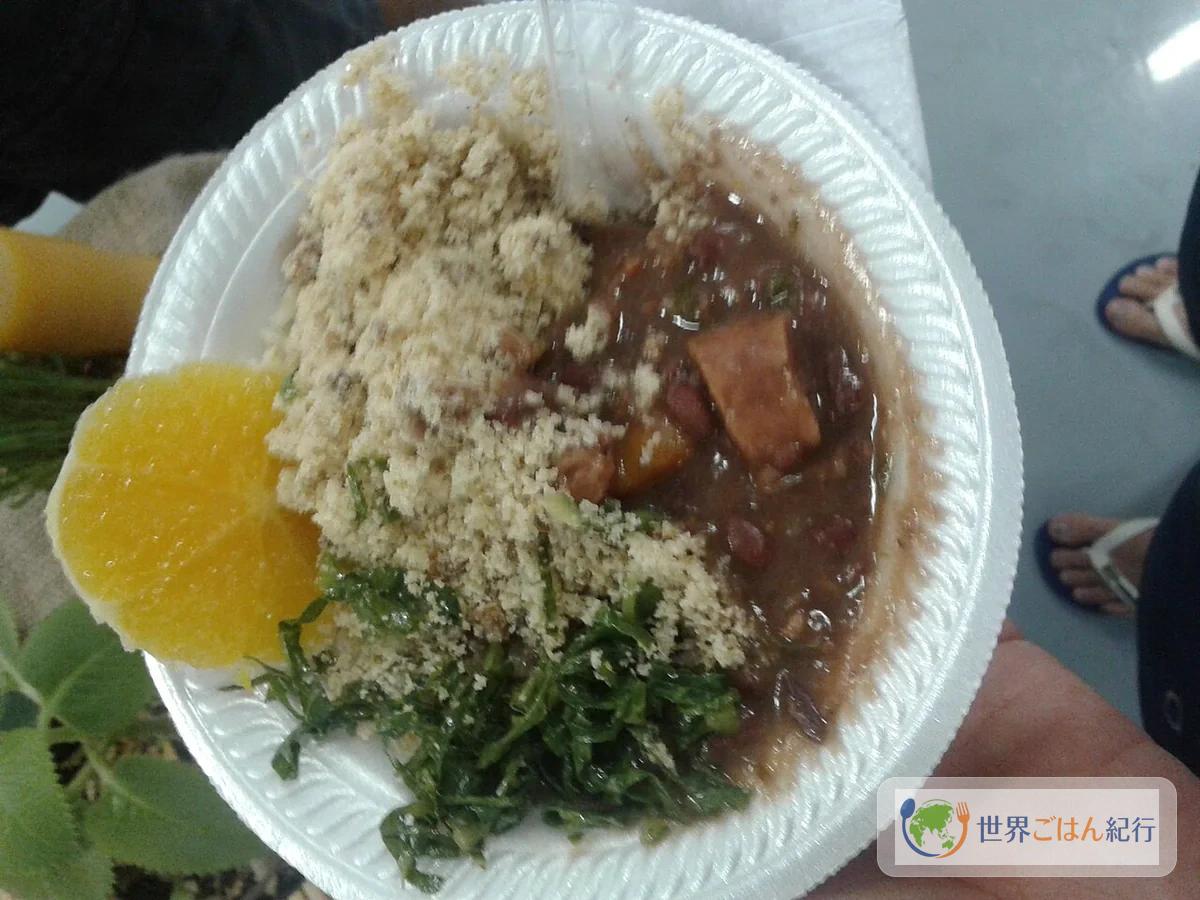
The story of farofa: a flour feast that catches the juices
After you put the grilled meat on a plate, you look at the juices left on the cutting board and think, "I'd like to catch this with something." You could pour it over rice. You could mop it up with bread. But at a Brazilian table, a yellow, toasted flour, farofa, is simply set down there.
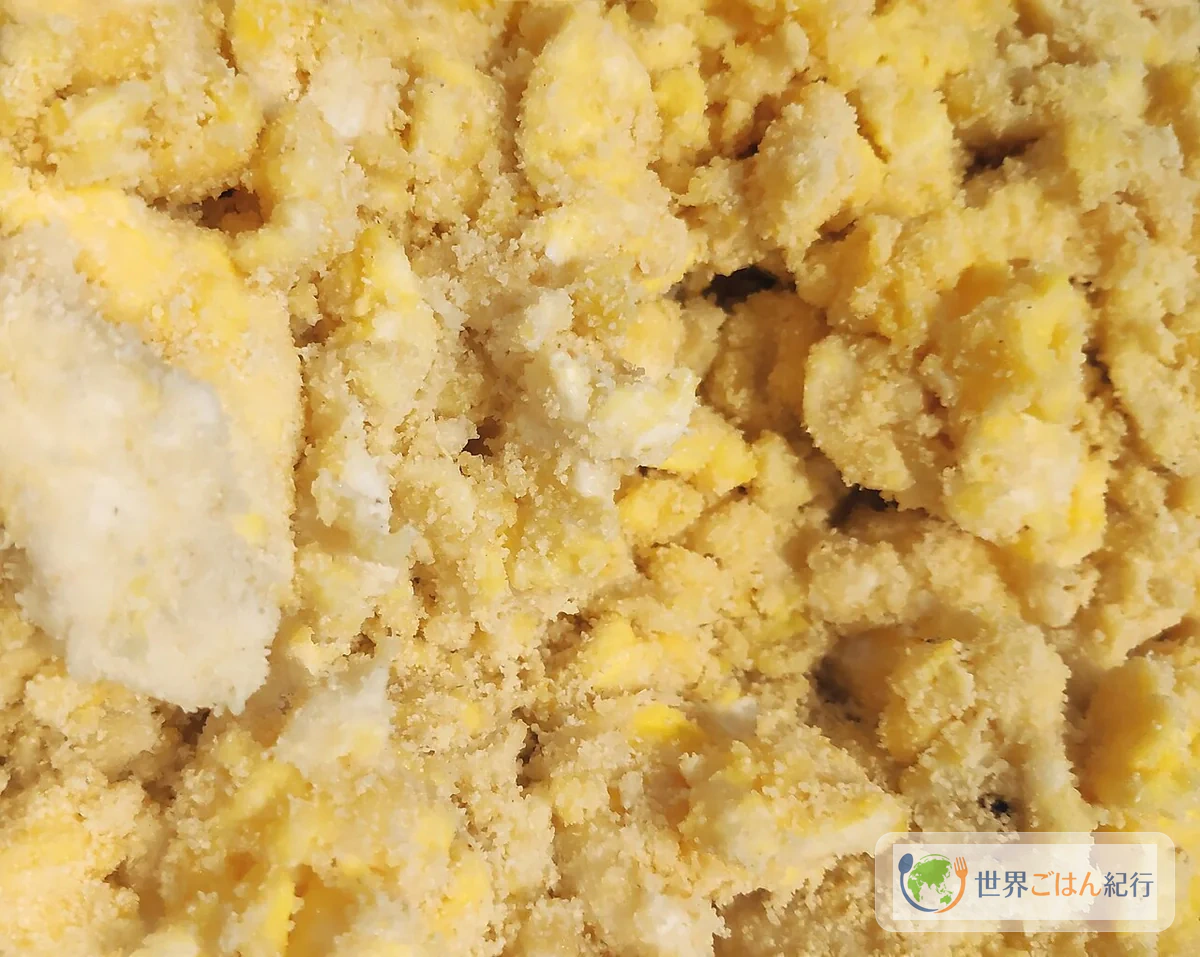
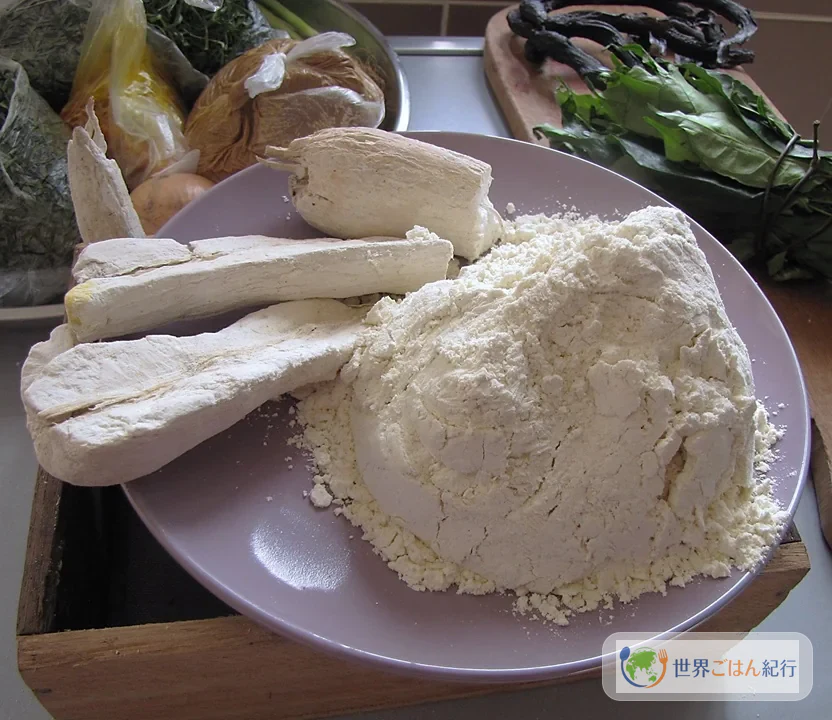
Farofa is a staple Brazilian side dish made by toasting farinha de mandioca, a coarse flour made from cassava, with fat, onion, garlic, bacon, and so on. In English it is described as "toasted cassava flour"; it looks like breadcrumbs but is lighter, with distinct grains, and suddenly shows its presence when it soaks up the juices of meat or beans.
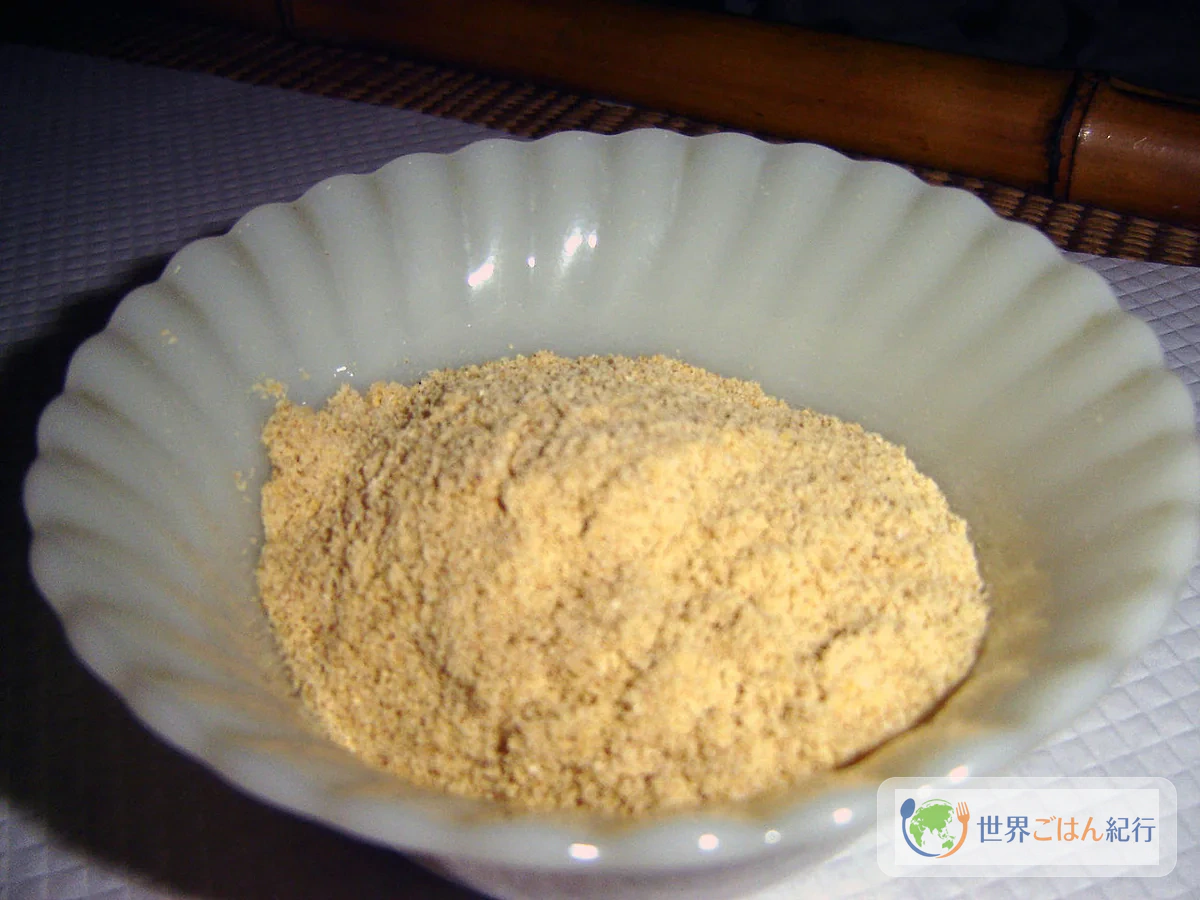
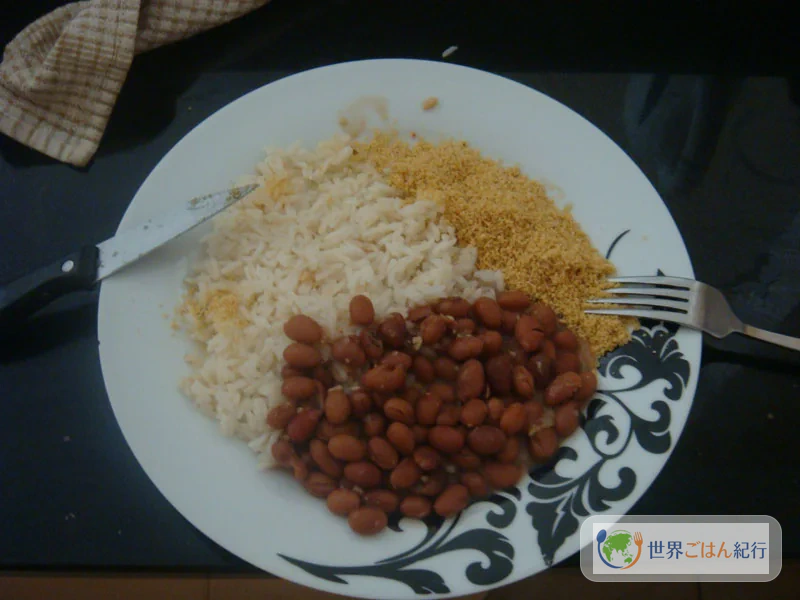
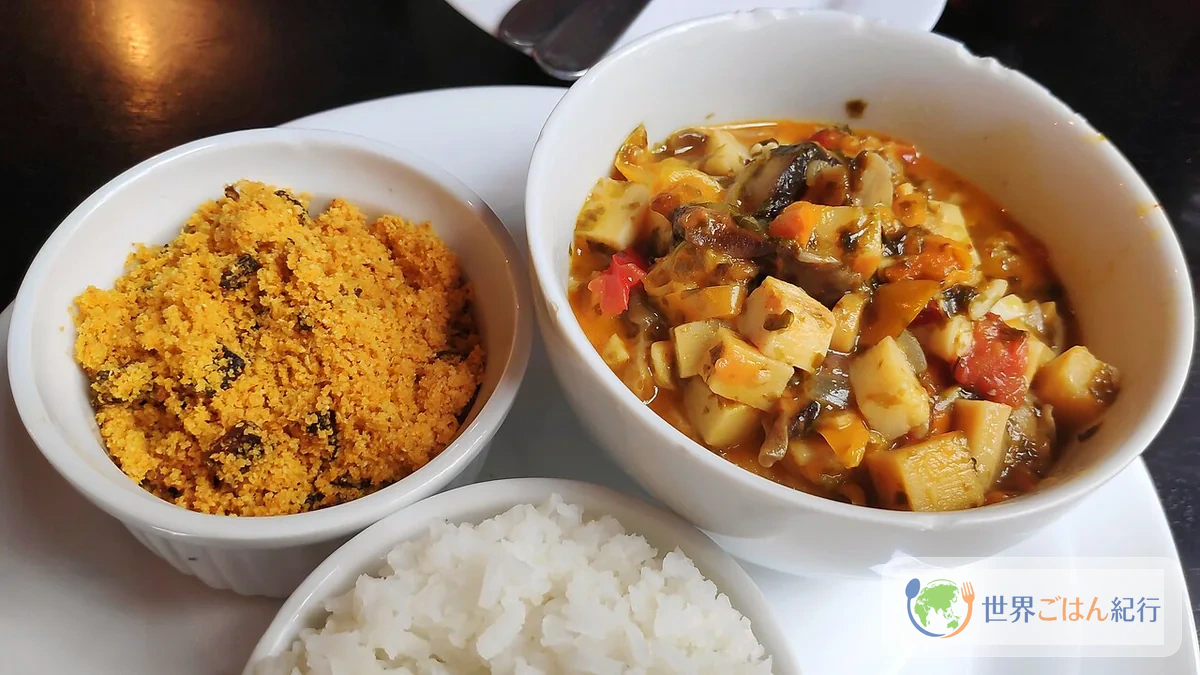
With churrasco, farofa comes out beside the freshly grilled beef, and with feijoada, beside the rich black bean stew. Think of it as halfway between a seasoned topping, toasted breadcrumbs, and a side that soaks up liquid. It is not the star, yet the plate feels unsettled without it. That is where farofa sits at a Brazilian table.
What is interesting is that farofa is not a dish with one right answer. With bacon, with egg, with banana, with dendê oil, or simple with just onion. It varies quite a lot by region and household. Food & Wine's feature on Brazilian cooking says that in Bahia there is a farofa toasted in dendê oil, which gives a deep, nutty aroma. I Heart Brazil and Easy and Delish also take bacon, onion, garlic, and butter as the basis while assuming a range among households.
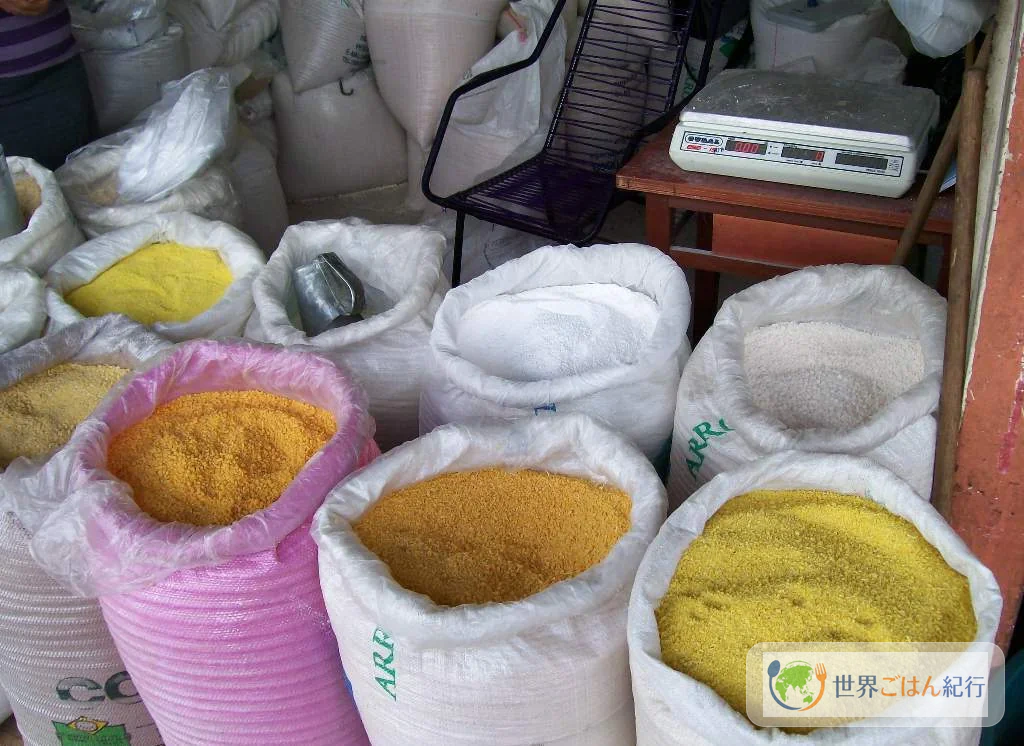
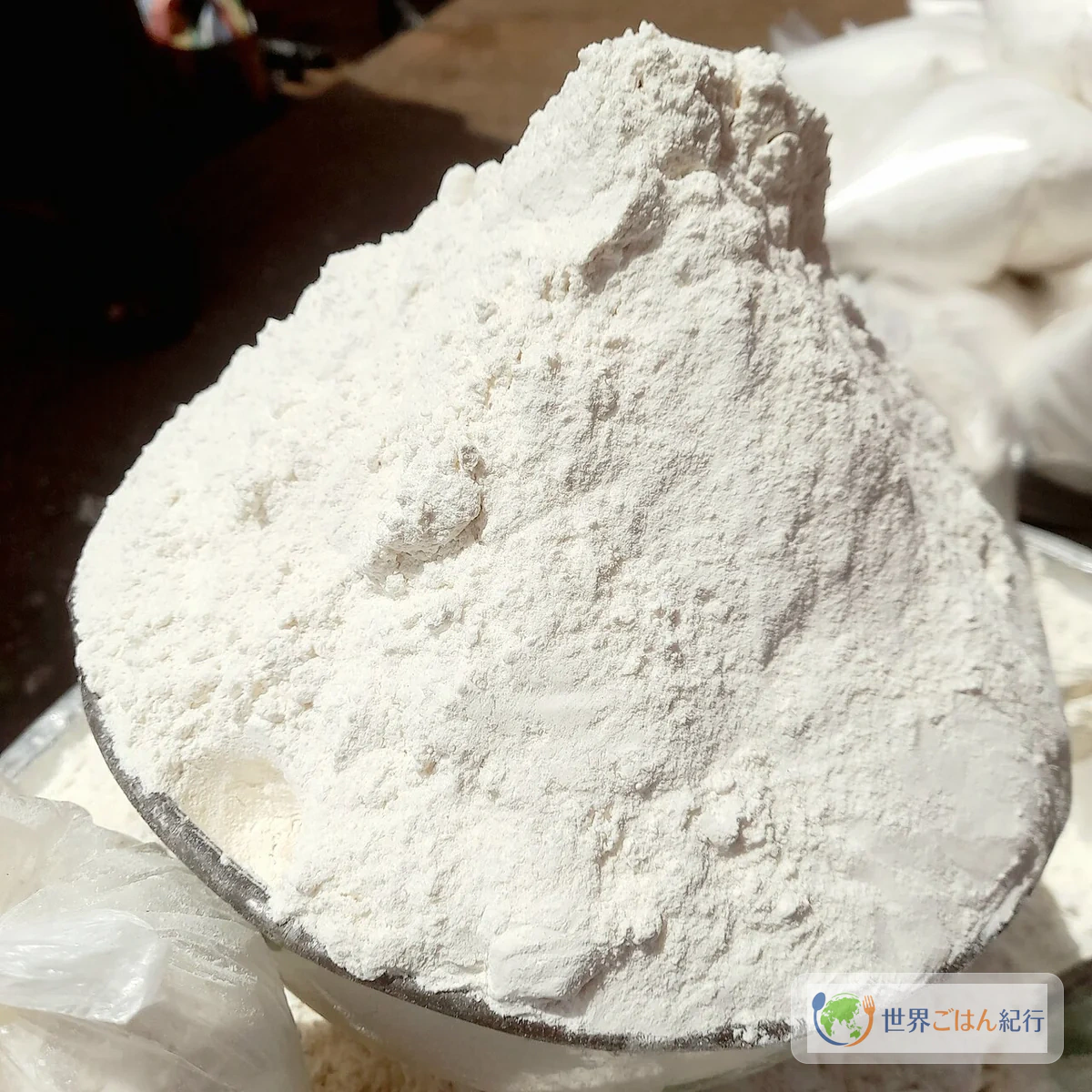
The wall you hit at home is the name of the ingredient. Cassava flour, manioc flour, mandioca flour, tapioca flour, potato starch. When similar words line up on the shelf, your confidence suddenly drops. This article first sorts out the "flour to buy" so you don't get it wrong, and also covers a breadcrumb substitute for days you can't find cassava flour. That is why farofa gets its own article. A side-dish line in the churrasco or feijoada article could not explain both choosing the flour and toasting without scorching.
The local version is made with coarse cassava flour. Look for "farinha," "cassava flour," or "manioc flour" at Brazilian grocers, Latin American markets, or online. Only if you can't get it at all, a home version with fine dried breadcrumbs is also given.
Ingredients (serves 4): start with a flour you can buy
The flavor of farofa is decided less by the flour itself than by which fat it soaks up. Bacon fat, butter, olive oil, dendê oil. The flour is a vessel that lifts the flavor. So if you toast the flour alone in a pan, it is toasty but a little lonely.
The basic recipe contains pork (bacon), dairy (butter), and egg. Made with cassava flour alone it contains no wheat, but the breadcrumb substitute adds wheat. If you are avoiding gluten, don't use the breadcrumb substitute; choose cassava flour or cornmeal.
Flours that are easy to mix up
| Name on the shelf | Good for farofa? | Reason |
|---|---|---|
| Farinha de mandioca | Yes | Brazilian-style coarse cassava flour. Keeps distinct grains |
| Cassava flour (coarse) | Yes | Grain size varies by product. Choose a coarse one |
| Tapioca flour / tapioca starch | No | A starch. It turns chewy and doesn't give the grain of farofa |
| Potato starch | No | Turns sticky when heated, unsuited to toasting flour |
| Dried breadcrumbs (fairly fine) | So-so | A substitute. But you lose the local lightness and the gluten-free quality |
| Cornmeal | So-so | The aroma is different, but it works as a grainy home substitute |
The Foreign Fork explains that choosing a coarse flour rather than a fine cassava flour gets you closer to a breadcrumb-like texture. This matters when shopping, too. "Fine-ground cassava flour for gluten-free baking" is for baked goods and tends to turn powdery in farofa.
For a flour you can't find nearby, searching online is quicker than going from shelf to shelf. It also works for pirão and feijão tropeiro, so if you keep cooking Brazilian food, one bag is handy.
A recipe with bacon and butter has a clear aroma and suits the first time. It works not only on days you grill meat but beside bean dishes or a rice-and-egg plate, so start with the basic fats.
How to make it: toast without scorching, keep the grains distinct
Farofa takes 10 minutes. But the quicker a dish is, the sooner it scorches if you are careless with the heat. After the flour goes in, it is less "stir-frying" than "drying it while coating it with fat." It is a success when the flour moves loosely in the pan and its color goes from white to a pale golden brown.
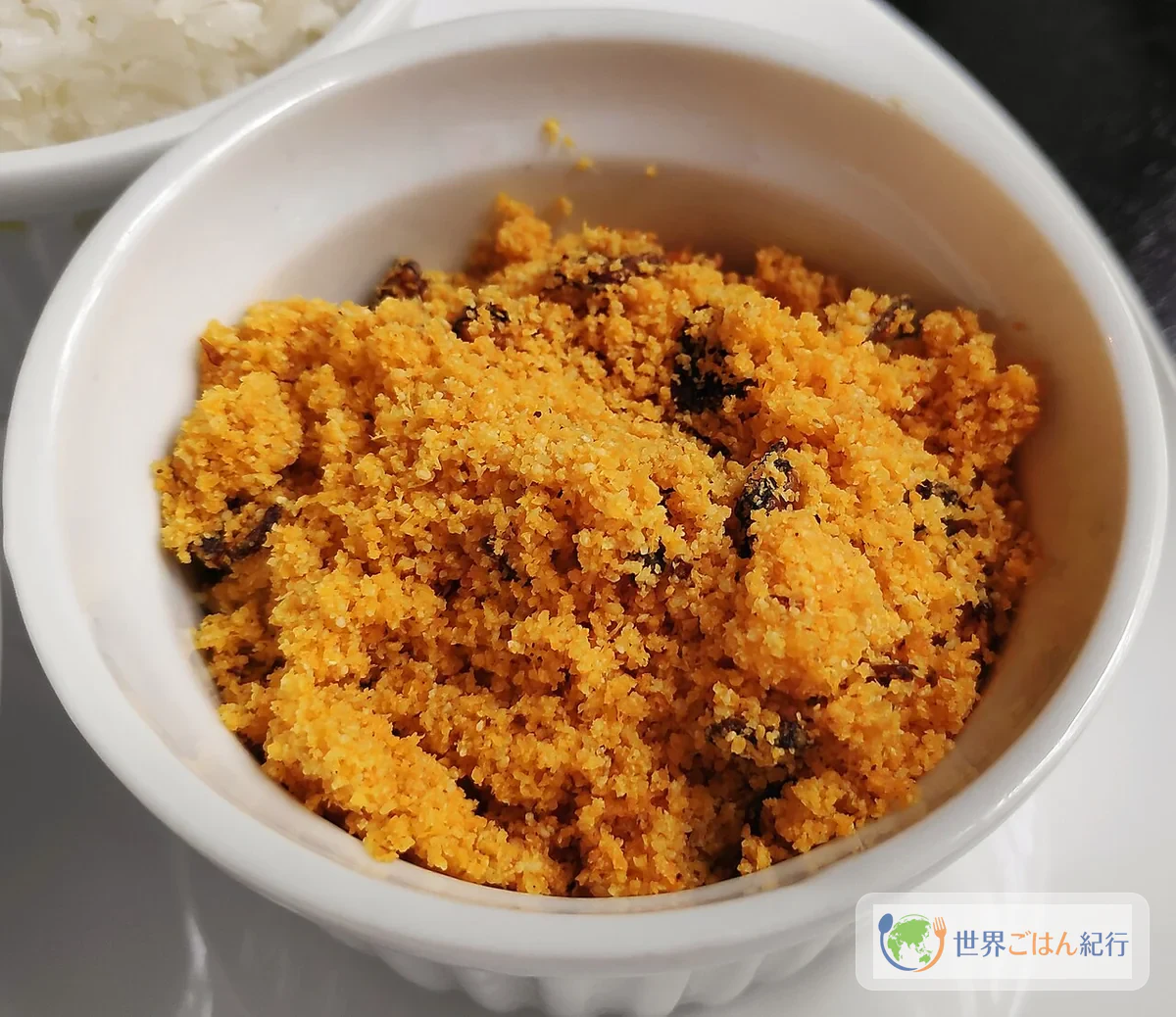
The most common failure with farofa is stopping after the flour goes in and scorching only the bottom. Because there is a temperature difference between the edge and the center of the pan, stir by scraping the bottom with a wooden spoon. Once it begins to color, it continues with residual heat, so stop the heat one step short of ideal.
Cooking tips: aim between moist and crisp
Farofa is a "dry flour," yet the ideal is that it feels moist when eaten. If the flour is dry and makes you cough, there isn't enough fat. If it is heavy and sticky, there is too much fat or the moisture of the onion has not cooked off. Aim for a state that loosens when scooped with a spoon and takes up meat juice right away on contact.
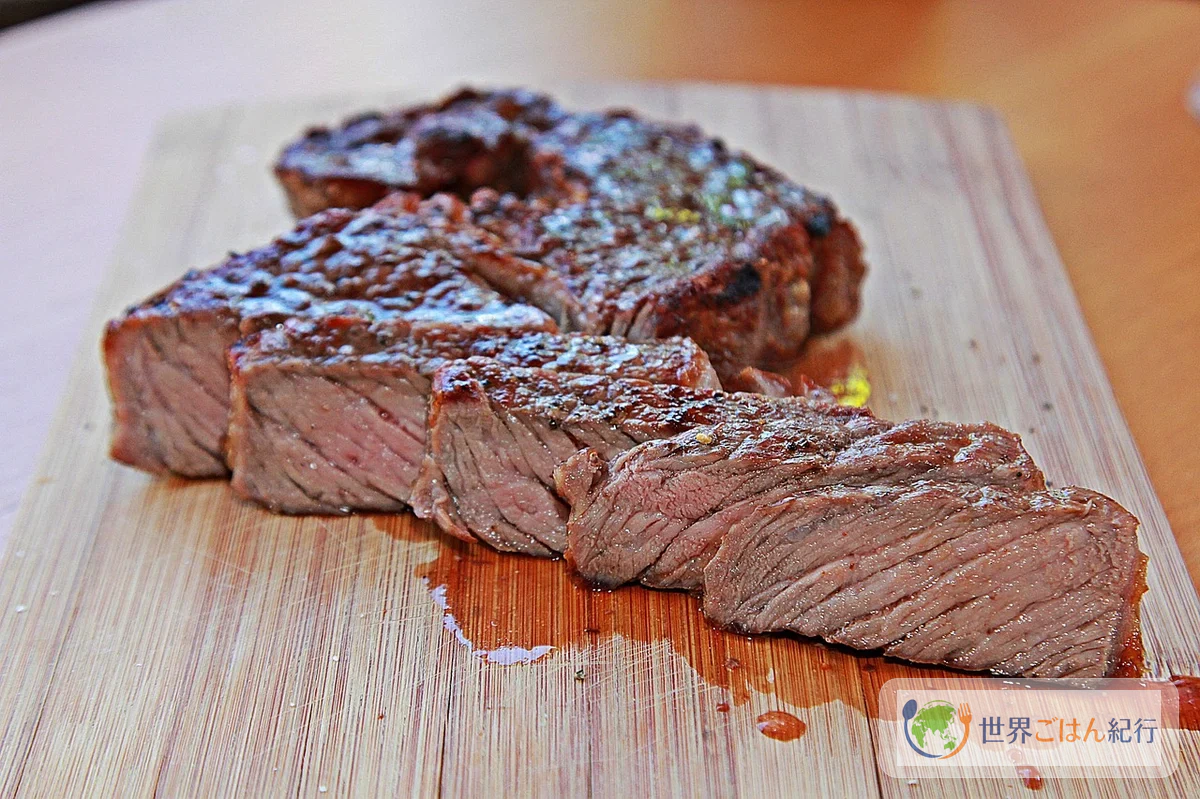
Coarse cassava flour takes about 4 to 6 minutes of toasting to develop its aroma. Fine flour tends to scorch and taste powdery, so use more fat and stop at 3 to 4 minutes. Watch not only the color but the moment the smell changes from "raw flour" to "nuts."
Breadcrumbs get heavy if they take up more oil than cassava flour does. If you make it with 120 g breadcrumbs, reduce the butter to 20 g and start with 1 tbsp olive oil. The texture is different from the local one, but it works well enough as a home version to go with churrasco-style meat or bean dishes.
In the vegetarian version, taking out the bacon and stopping there leaves the flavor thin. Slowly cook 2 tbsp olive oil, 20 g butter, 1 clove garlic, and 100 g onion to move their aroma into the oil, then add the flour. A 1/4 tsp of smoked paprika partly fills the gap of smoky aroma.
For the egg version, mixing the hard-boiled egg in at the end keeps it from breaking up too much. For the banana version, brown sliced banana in a separate pan and mix it in at the end. Cooking it with the rest from the start weighs the flour down with moisture.
How to eat it and what to pair with it: a little at a time, with churrasco, beans, and rice
Farofa shows its best not heaped up and eaten alone but combined a little at a time with dishes that have liquid or fat. Put a spoonful at the edge of the plate and start eating from the part that touches the meat juice or bean broth. Separating the part you eat crisp from the part you let soak changes the texture within the same plate.
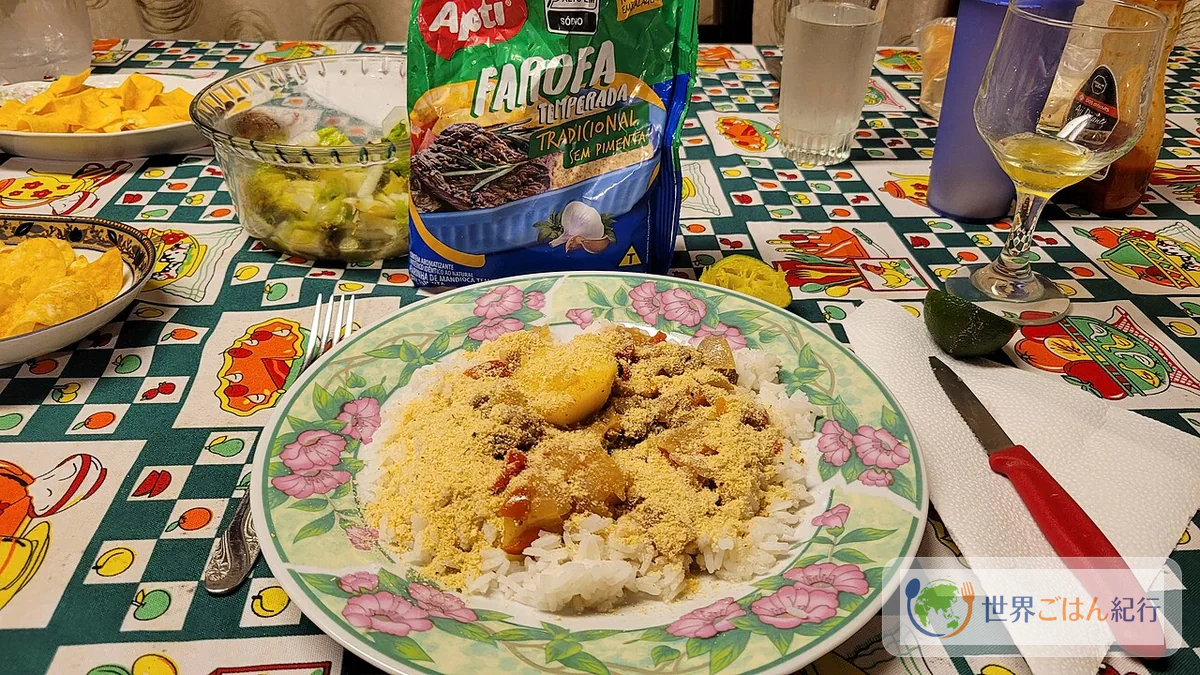
With churrasco
With the grilled beef from how to make churrasco, put farofa at the edge of the plate and let it take up a little of the juice that runs when you cut the meat. The saltiness of coarse salt, beef fat, and bacon-flavored flour pile up, so putting vinagrete with its acidity alongside keeps you from tiring of it.
On top of feijoada
In feijoada, the basic set is white rice, black bean stew, collard greens, orange, and farofa. The richer the black bean broth, the more the crunch of farofa comes alive. Rather than mixing it through from the start, letting it soak in the broth one bite at a time lets you enjoy the contrast of textures.
Also for weekday grilled meat and fried eggs
Farofa needn't be confined to Brazilian meal days. It also goes beside pork pan-fried with salt and pepper, chicken thigh, fried eggs, tomato stews, and curry. Especially on a day when sweet-salty sauce from leftover grilled meat remains on the plate, a little farofa on top soaks it up and makes a side that carries the rice.
For roaming through South American cooking
South American cooking has many dishes in which "flour, rice, or potatoes catch the juice and oil." In lomo saltado the meat juices are caught by potatoes and rice, and in ceviche the tart liquid is caught by corn and potatoes. Once you know farofa, a South American plate looks not as "the main alone" but as including the side that catches.
Variations
The same farofa becomes a different dish depending on what you mix in. After making the basic once, change it next time to suit the star of the table.
Egg farofa
Coarsely chop 2 hard-boiled eggs and mix them in at the end. The yolk clings a little to the flour for a gentle flavor. It suits grilled fish, chicken, and breakfast rice better than feijoada. Some households make scrambled egg first and mix it in, but for beginners, hard-boiled egg makes moisture easier to manage.
Banana farofa
Slice 1 banana 1 cm thick, brown both sides in a little butter, and then mix it in. The sweetness suits salty meat or sausage. Overripe bananas break up easily, so choose a slightly firm one. If you are not used to a sweet side, try it with half at first.
Dendê oil farofa
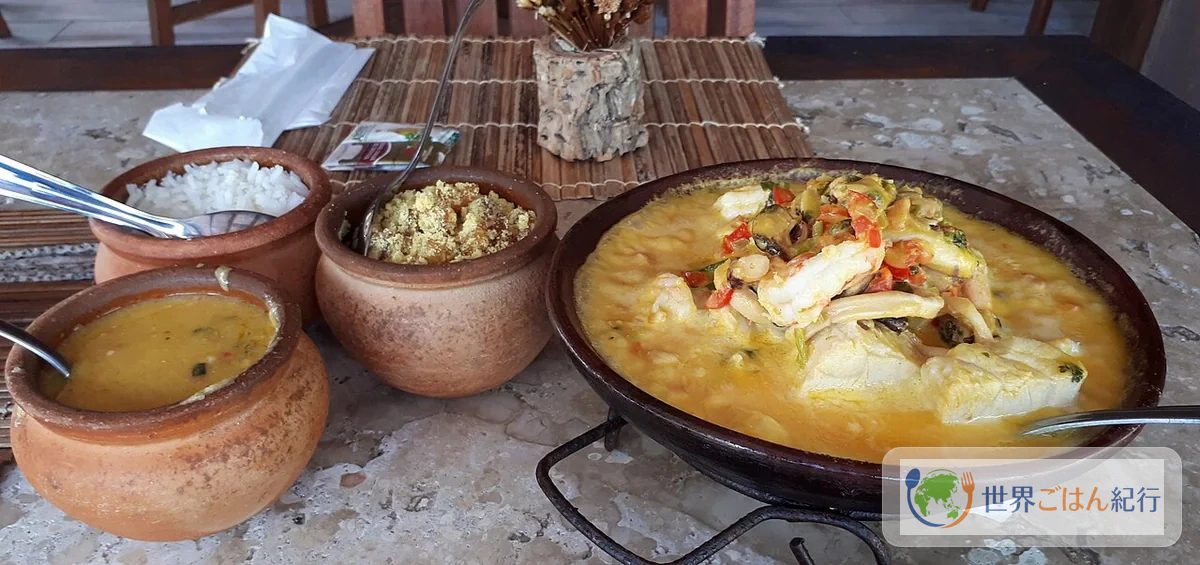
For a Bahia style, make part of the finishing fat dendê oil (palm oil). It has a strong aroma and gives a yellow color. It goes with moqueca seafood stew and coconut-milk dishes. Too much is heavy, so for 4 servings start with 2 tsp.
Vegetarian version
Leave out the bacon and make it with 2 tbsp olive oil, 20 g butter, 100 g onion, and 1 clove garlic. Mixing in 30 g crushed roasted nuts at the end brings toastiness even without bacon. For fully vegan, replace the butter with vegetable oil.
The breadcrumb version
On a day without cassava flour, make it with 120 g fine dried breadcrumbs. Use less fat and a shorter toasting time. The result is less farofa than "Brazilian-style seasoned breadcrumbs," but it works as an entry point to accompany churrasco-style grilled meat or bean stews. If you want to get closer to the local flavor, buy cassava flour next time and compare, and the difference will be clear.
Storage and making ahead
Farofa can be made ahead. But storage differs between ones with egg or herbs and ones that are nearly just flour. Egg farofa should be eaten sooner, while the basic bacon-and-flour form keeps a little longer.
| State | Storage guide | Notes |
|---|---|---|
| Basic form with just bacon and onion | 3 days refrigerated | In a sealed container. Warm 2 minutes in a frying pan before eating |
| With egg | Until the next day, refrigerated | Egg moisture and smell come out easily. Avoid for lunch boxes |
| With herbs | Until the next day, refrigerated | The color deteriorates. You can mix the herbs in just before eating |
| Frozen | About 2 weeks | Without egg or herbs is recommended. Dry-toast after thawing |
Easy and Delish gives 3 to 5 days refrigerated in a sealed container for homemade farofa, and says that without egg or herbs it can be frozen. At home, going by until the next day for egg versions and within 3 days for the simple one is safe and tasty.
For reheating, a frying pan suits better than a microwave. Over medium heat for 1 to 2 minutes, just loosening with a wooden spoon brings back the aroma. If it's too dry, add 5 g butter or 1 tsp olive oil. If it's damp, toast it again a little longer over low heat.
If you are making churrasco or feijoada on the weekend, it's easier to do everything up to just before toasting the flour the day before. Cut the bacon, onion, and garlic into a separate container and measure out the cassava flour. On the day, you can split the work among the person grilling the meat, the one warming the beans, and the one toasting the farofa. On a barbecue day when the area in front of the heat gets crowded, this small piece of planning pays off.
What you most want to avoid when making ahead is sealing it hot and letting it steam. When the flour absorbs steam, it turns heavy and dull the next day. To store it, spread it on a tray or plate to cool a little, and move it to a sealed container only after it has cooled completely. Restoring it in a frying pan just before eating brings back much of the aroma and grain.
The background of this dish: manioc and Brazil's everyday table
At the heart of farofa is cassava. In Brazil it is a root vegetable called mandioca, aipim, or macaxeira depending on the region, and an important staple running from indigenous food culture to home cooking today. The Fundação Joaquim Nabuco's explanation of the "Casa de Farinha" describes that by the time the Portuguese arrived in Brazil, indigenous people were already processing cassava for food, and that the "casa de farinha," the place where flour is made, has been deeply tied to the regional food culture.
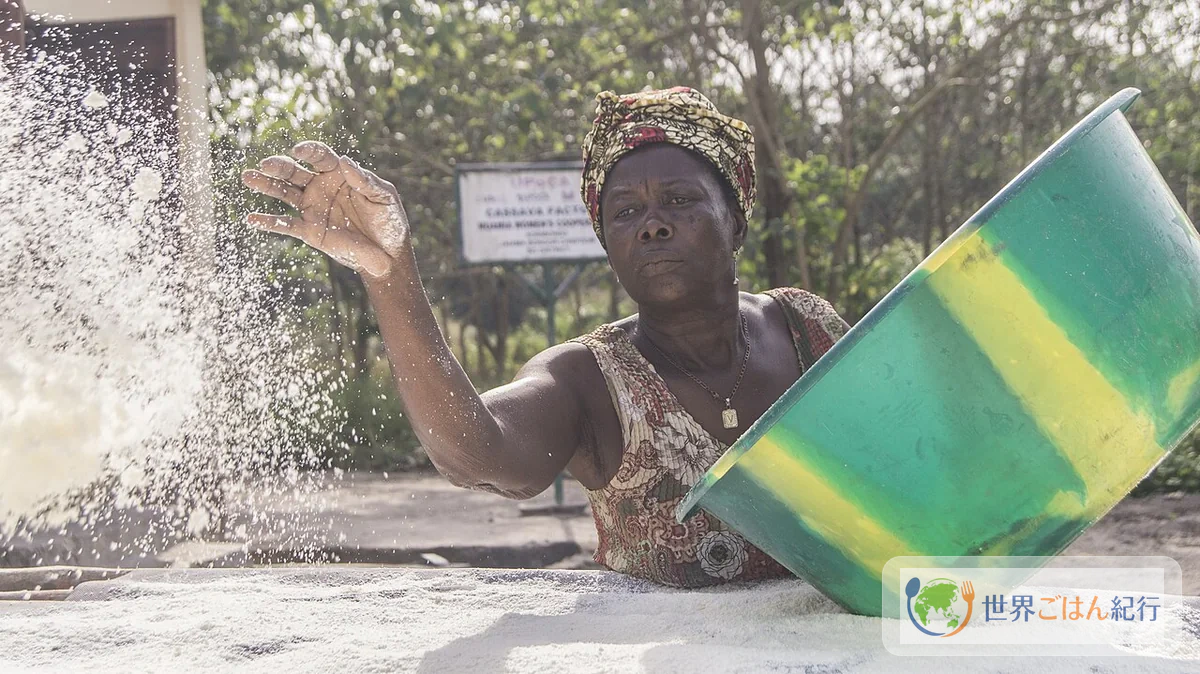
The English-language Brazilian Kitchen Abroad calls cassava flour "one of the most important yuca byproducts in Brazil," and says it was part of the diet of indigenous people, of the colonial-era Portuguese, and of enslaved Africans. Farofa is a dish that returns that flour to the everyday plate.
What matters here is the difference from tapioca flour. Even though both come from cassava, the farinha used for farofa is a coarse flour made by grating the root, pressing, drying, and toasting. Tapioca flour is an extracted starch, suited to pão de queijo and chewy doughs. Put tapioca flour in farofa and it is powdery rather than crisp, and sometimes turns sticky. It is easy to confuse in recipes, so keep the two clearly apart.
What is interesting about farofa is that it is neither merely a poor person's substitute nor merely a luxurious feast. It appears with everyday beans and rice, at weekend churrasco, and with the Christmas turkey. As Food & Wine writes that it is "widely on the tables of Brazilian kitchens and restaurants," farofa is less a dish than a component of the table.
It is often described briefly as "toasted cassava flour," but in the English- and Portuguese-speaking worlds, people talk about the grain size of the flour, how it differs from tapioca flour, the indigenous origins of cassava processing, and regional differences in fat. Once you know farofa, you see that the flour on a Brazilian plate is not decoration but plays the role of catching liquid, oil, and history.
Frequently asked questions
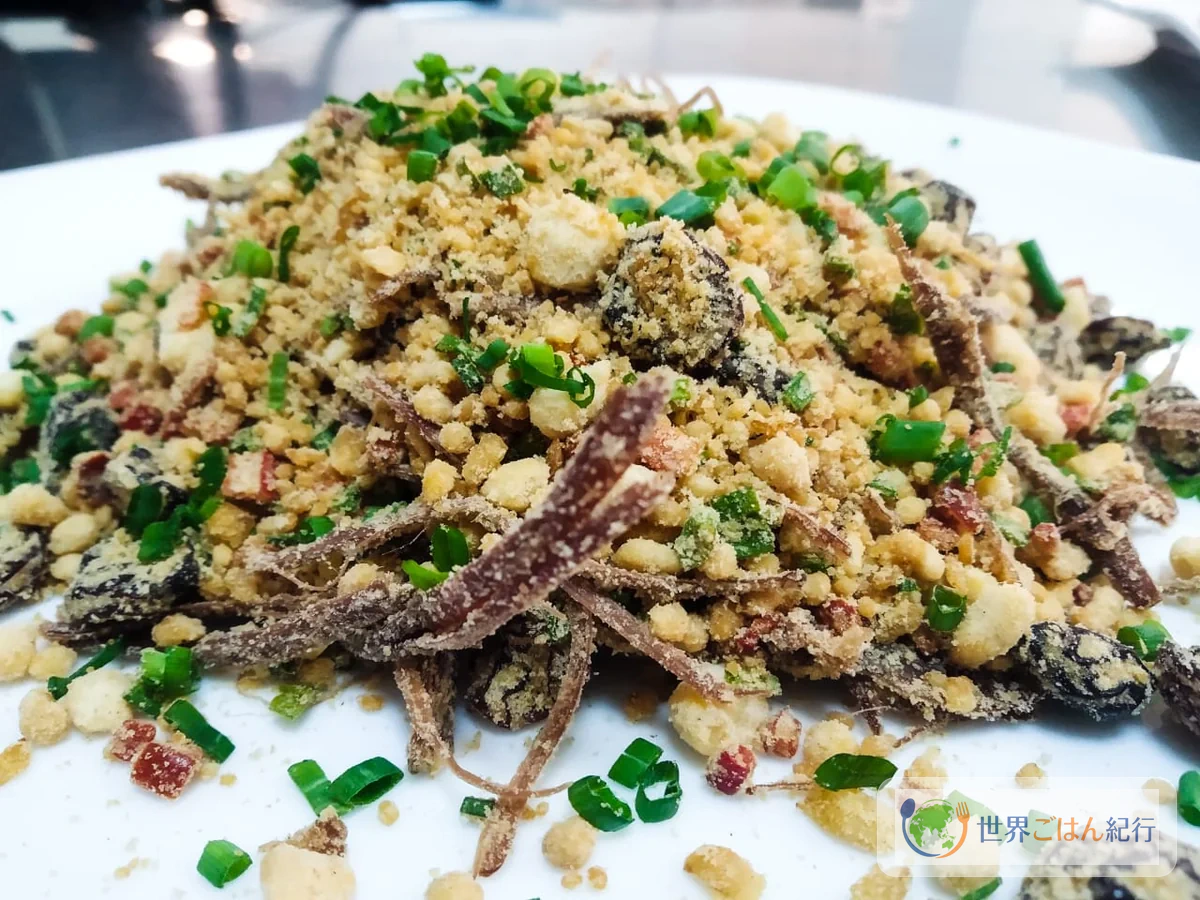
Q1. Is farofa the same as toasted breadcrumbs?
No. They look similar, but farofa uses a coarse cassava-based flour, with light grains, and it breaks down differently when it soaks up meat juice or bean broth. The breadcrumb version works as a home entry point, but if you want to know the local texture, it's recommended to make it once with cassava flour.
Q2. Can I substitute tapioca flour?
I don't recommend it. Tapioca flour is a cassava-derived starch with a fine grain, and it tends to turn powdery or sticky when heated. What farofa needs is "coarse cassava flour." If you're unsure about product names, choose one that says "farinha de mandioca" in Portuguese.
Q3. Is farofa a hot dish?
It is eaten freshly made and warm, or at room temperature. Beside churrasco or feijoada, where the main is hot, farofa at room temperature is fine. Refrigerated farofa feels hard, so warming it in a frying pan for 1 to 2 minutes brings back the aroma.
Q4. Can children eat it?
If you don't add heat, it is easy to eat. But the bacon and butter bring salt, so for children cut the salt, and use less black pepper and cumin. Flour alone in the mouth tends to cause coughing, so mixing it a little with rice, bean dishes, or meat juice makes it easier to eat.
Q5. What is the best dish to start with?
The first time, feijoada or churrasco makes it easiest to understand. Together with a rich bean broth, beef fat, and acidic vinagrete, the role of farofa is immediately clear. For everyday meals, it also goes with grilled meat, stir-fried pork, rice topped with a fried egg, and tomato stews.
Summary: one bag of flour connects Brazilian dishes
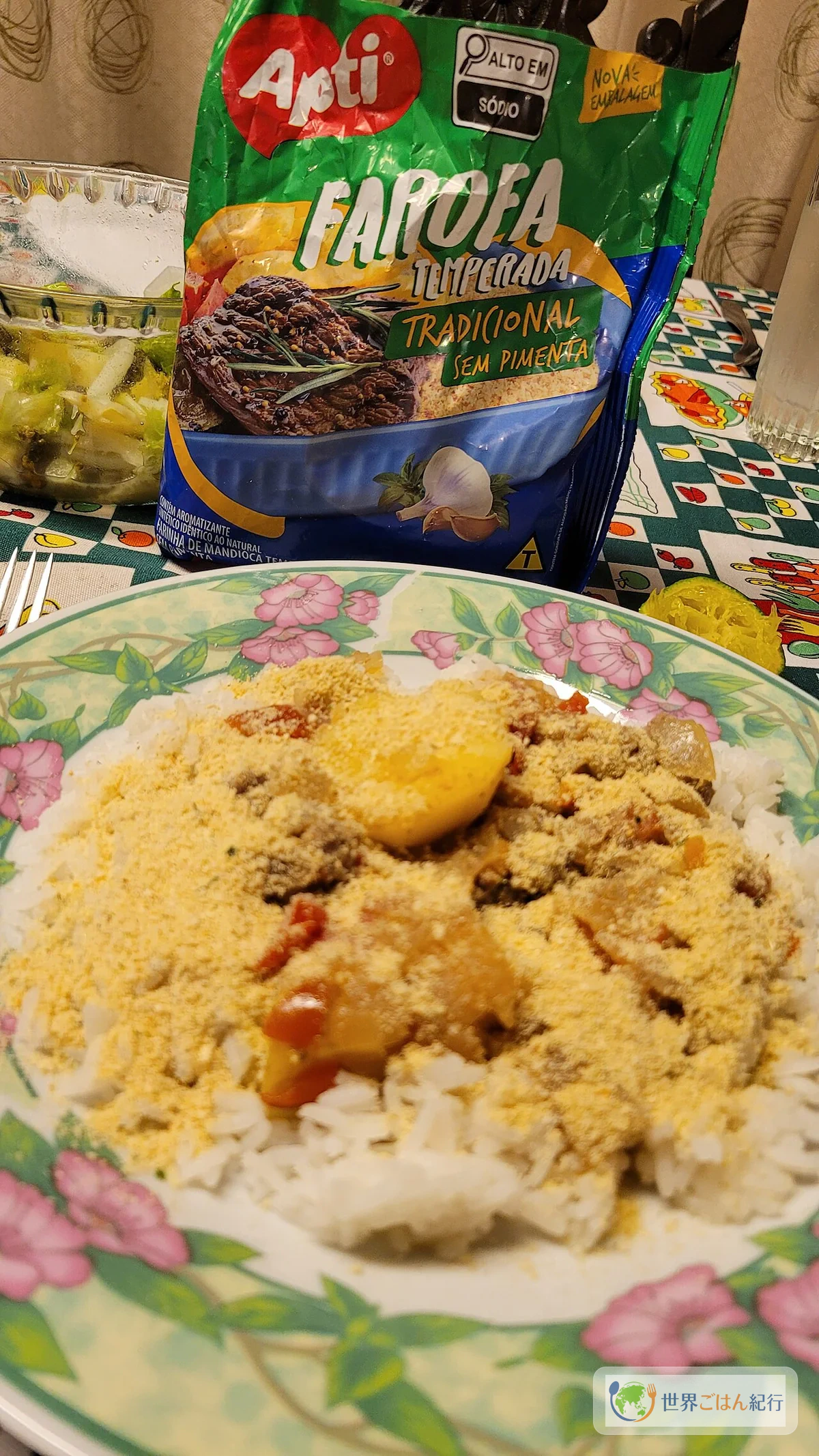
Farofa is not a flashy dish. You cook bacon in a frying pan, bring out the aroma of onion and garlic, add cassava flour, and toast it until it is loose. But with a little at the edge of the plate, the meat juices, bean broth, oil, and acidity come together as one.
When you cook Brazilian food at home, recreating only the star can feel a little lacking. The meat of churrasco, the black beans of feijoada, the acidity of vinagrete. Add farofa to them and the outline of the table suddenly becomes Brazilian.
At first the basic form with bacon and butter is enough. Next, widen it to egg, banana, dendê oil, and the vegetarian version. With just one bag of cassava flour in your kitchen, roaming through South American cooking gets much easier.
Sources
- Food & Wine. "A Brazilian Feast with Junior Borges." https://www.foodandwine.com/a-brazilian-feast-with-junior-borges-8644764 (accessed 2026)
- Easy and Delish. "Farofa Recipe (Toasty Gluten-Free Cassava Flour)." https://www.easyanddelish.com/farofa-cassava-flour/ (accessed 2026)
- I Heart Brazil. "Brazilian Farofa: Easy Toasted Cassava Flour Recipe." https://www.iheartbrazil.com/brazilian-farofa-recipe/ (accessed 2026)
- The Foreign Fork. "Farofa (Toasted Cassava Flour) from Brazil." https://foreignfork.com/farofa/ (accessed 2026)
- Brazilian Kitchen Abroad. "Farofa - Toasted Cassava Flour Recipe." https://braziliankitchenabroad.com/farofa/ (accessed 2026)
- Fundação Joaquim Nabuco Pesquisa Escolar. "Cassava Flour Mill (Casa de Farinha)." https://pesquisaescolar.fundaj.gov.br/en/artigo/cassava-flour-mill-casa-de-farinha/ (accessed 2026)
- Wikimedia Commons. "Category: Farofas." https://commons.wikimedia.org/wiki/Category:Farofas (accessed 2026)


