Muringayila Thoran: Small Leaves, Patient Hands, Coarse Coconut
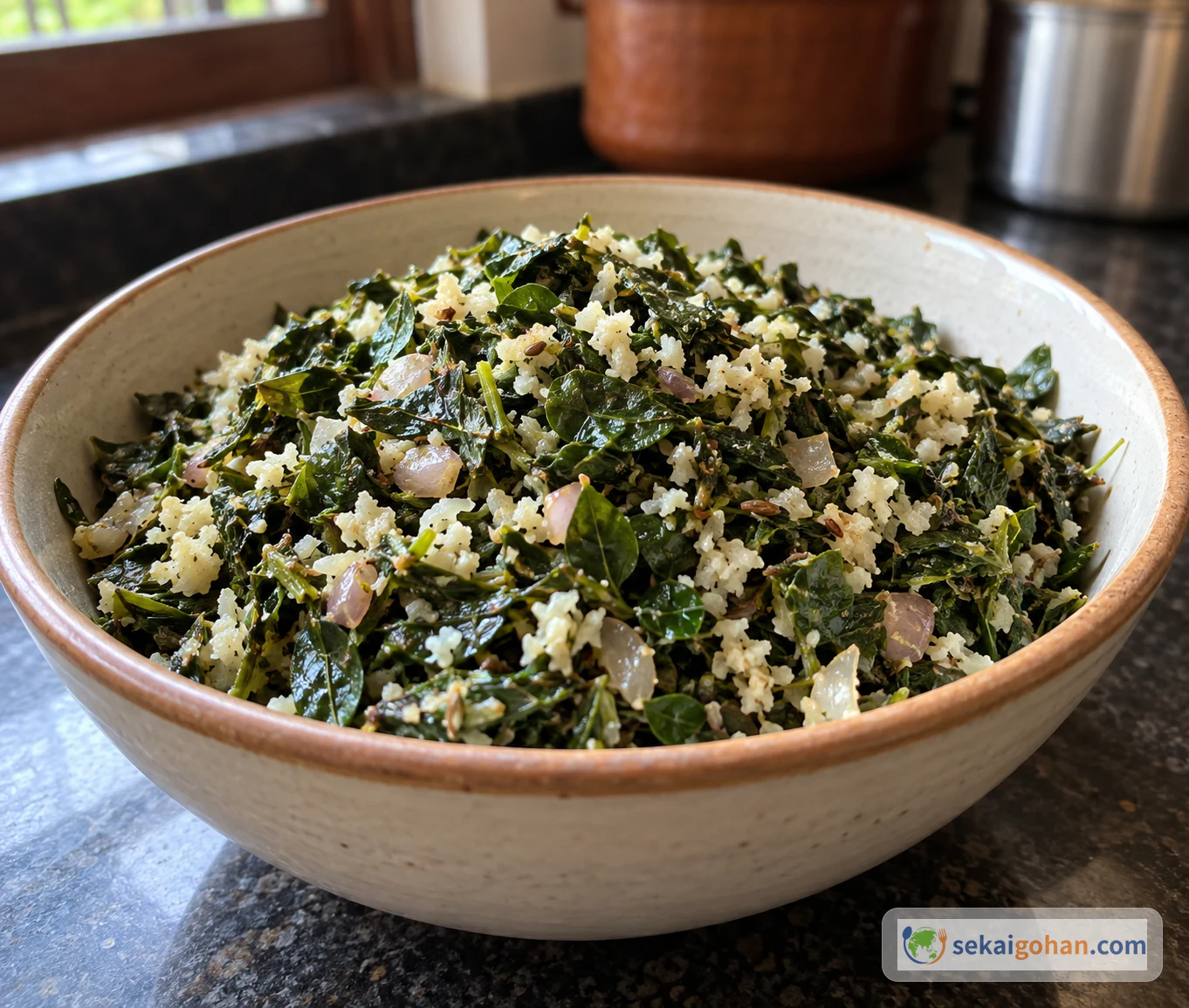
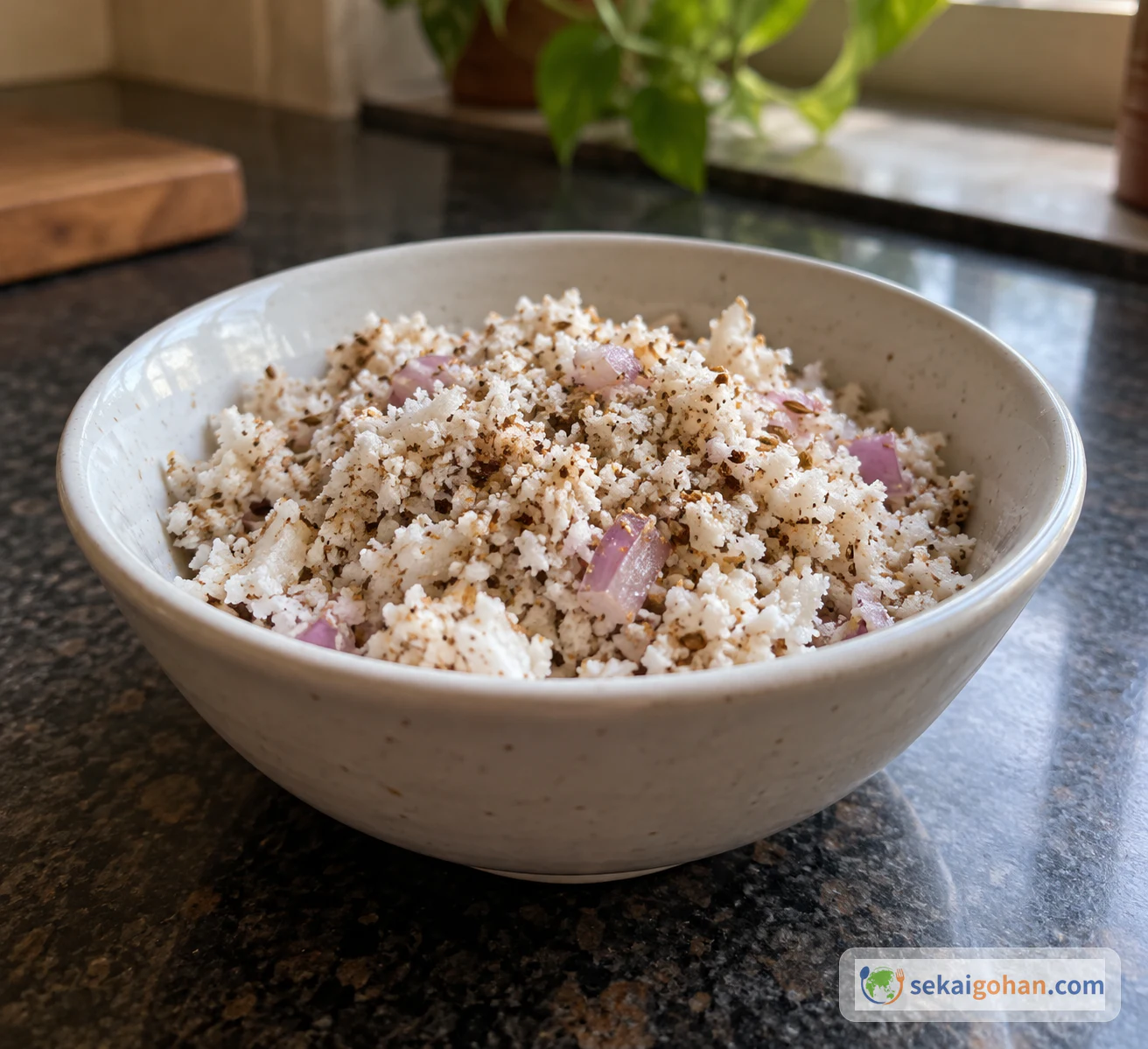
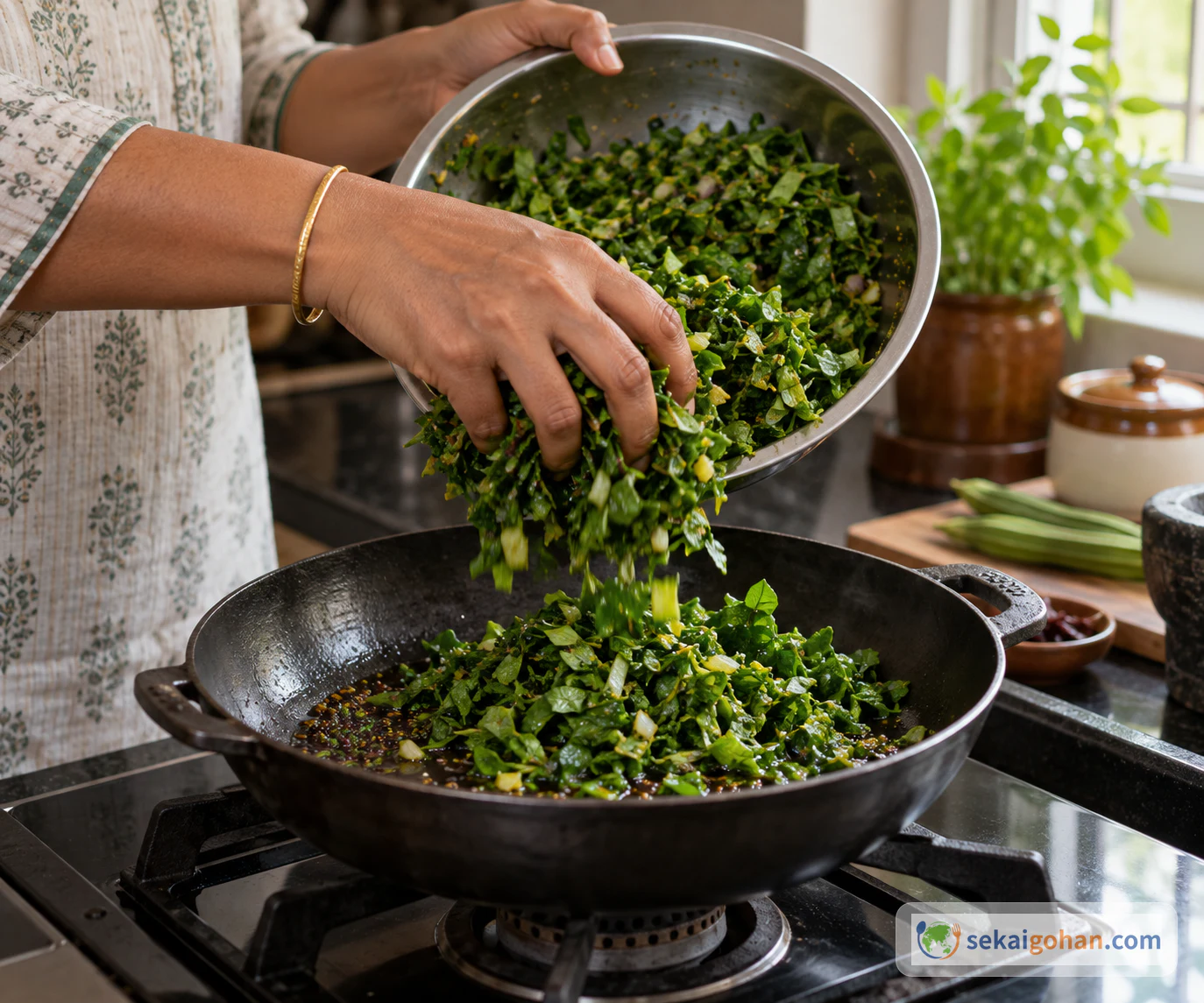
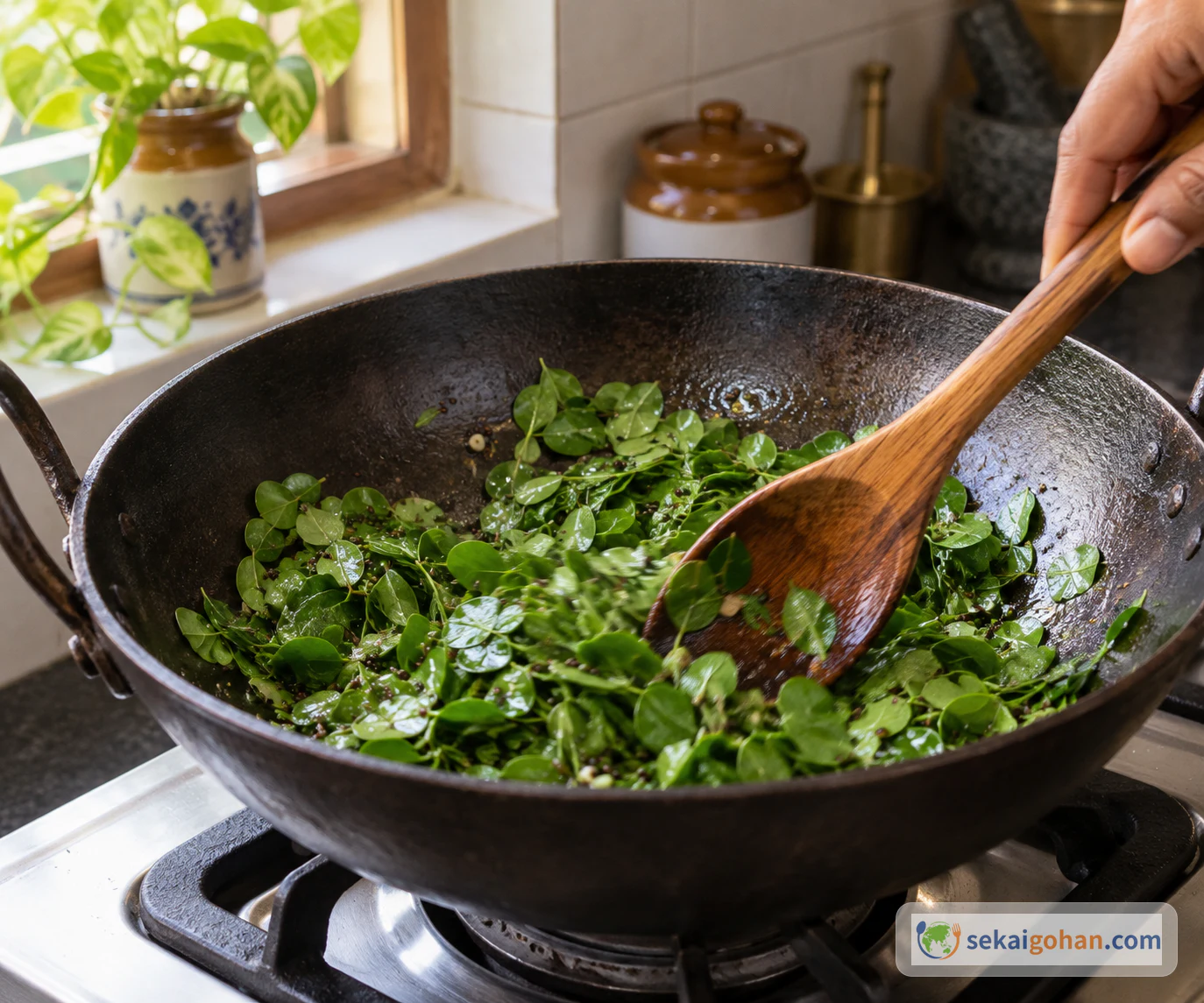
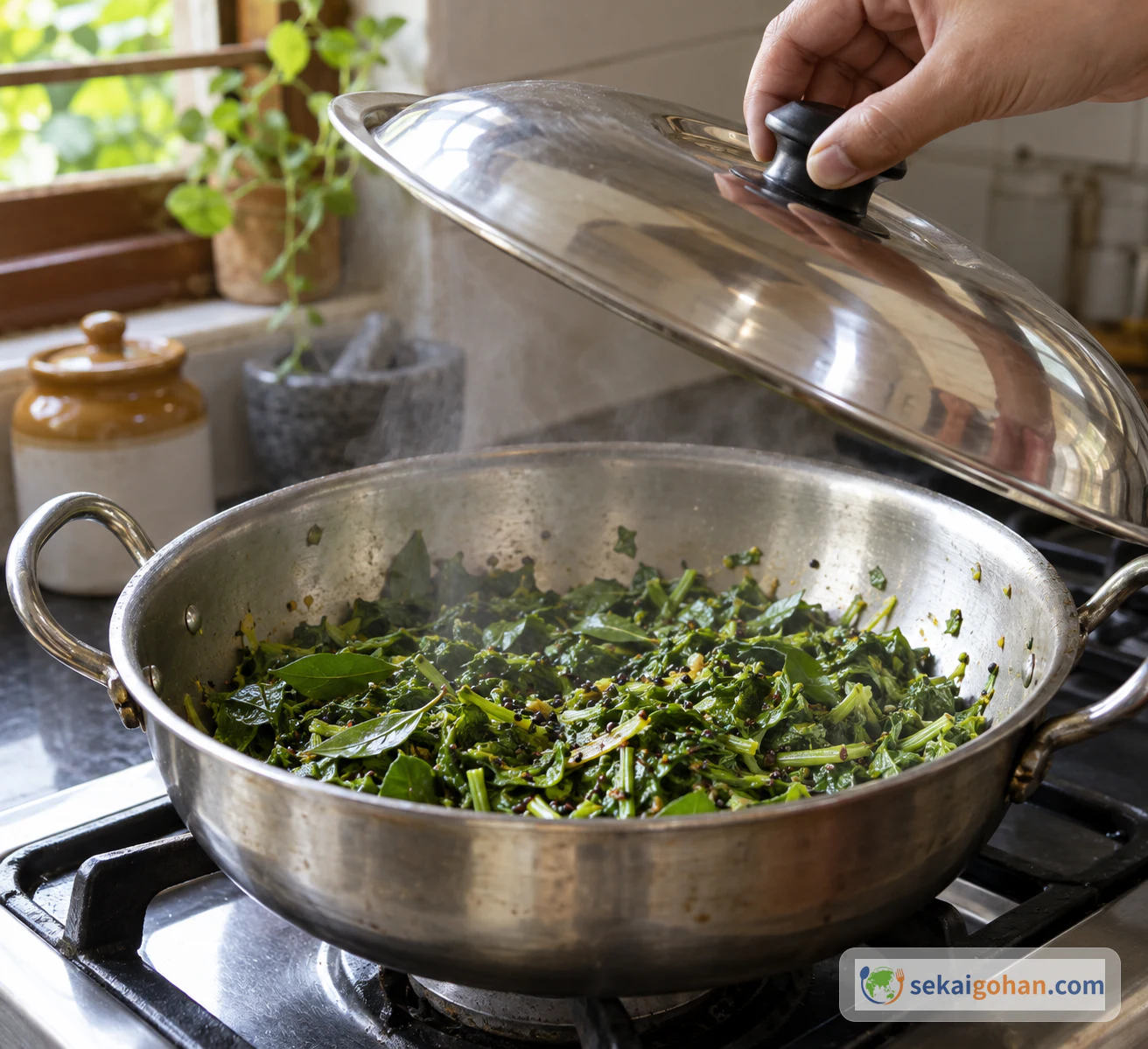
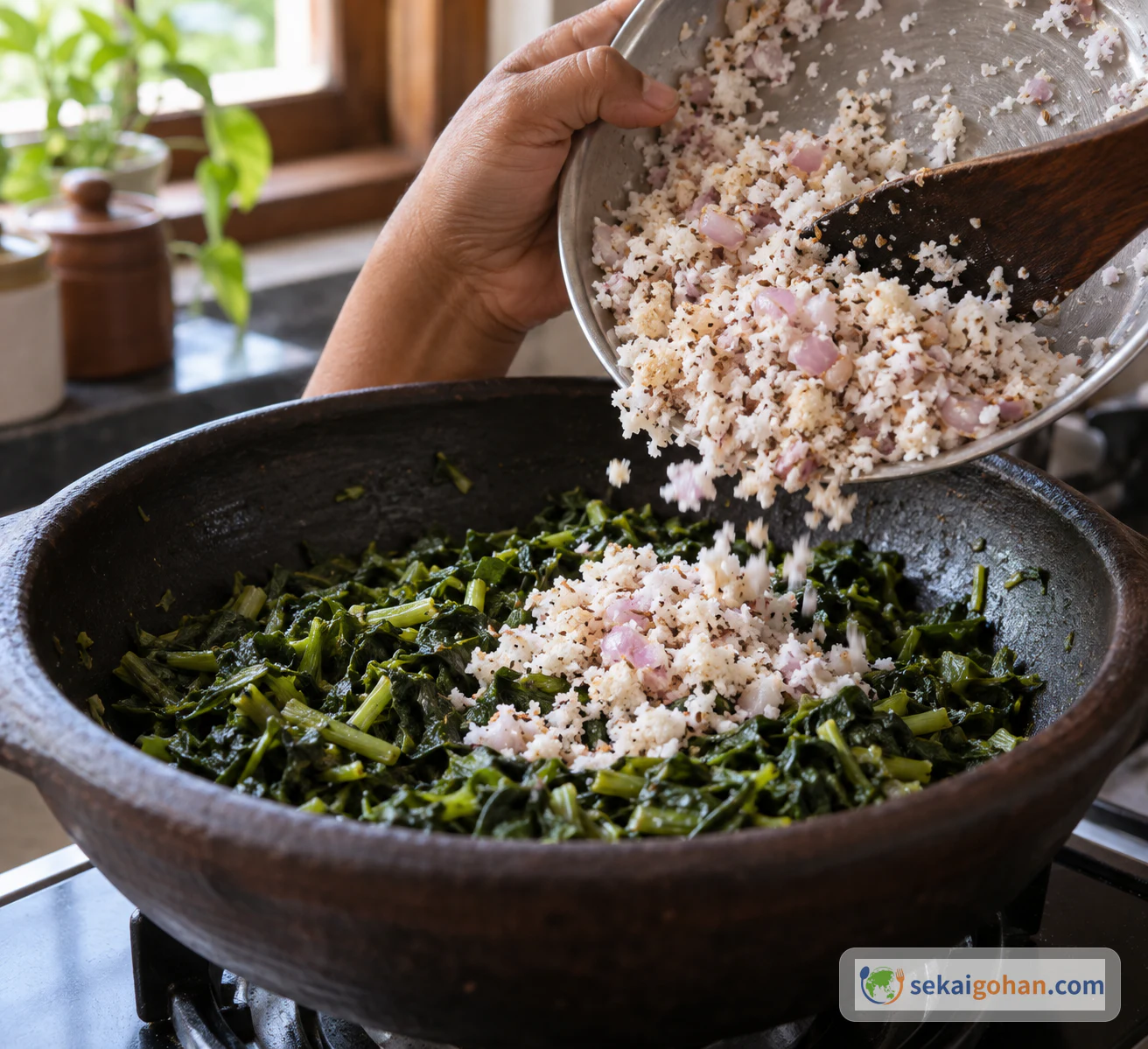
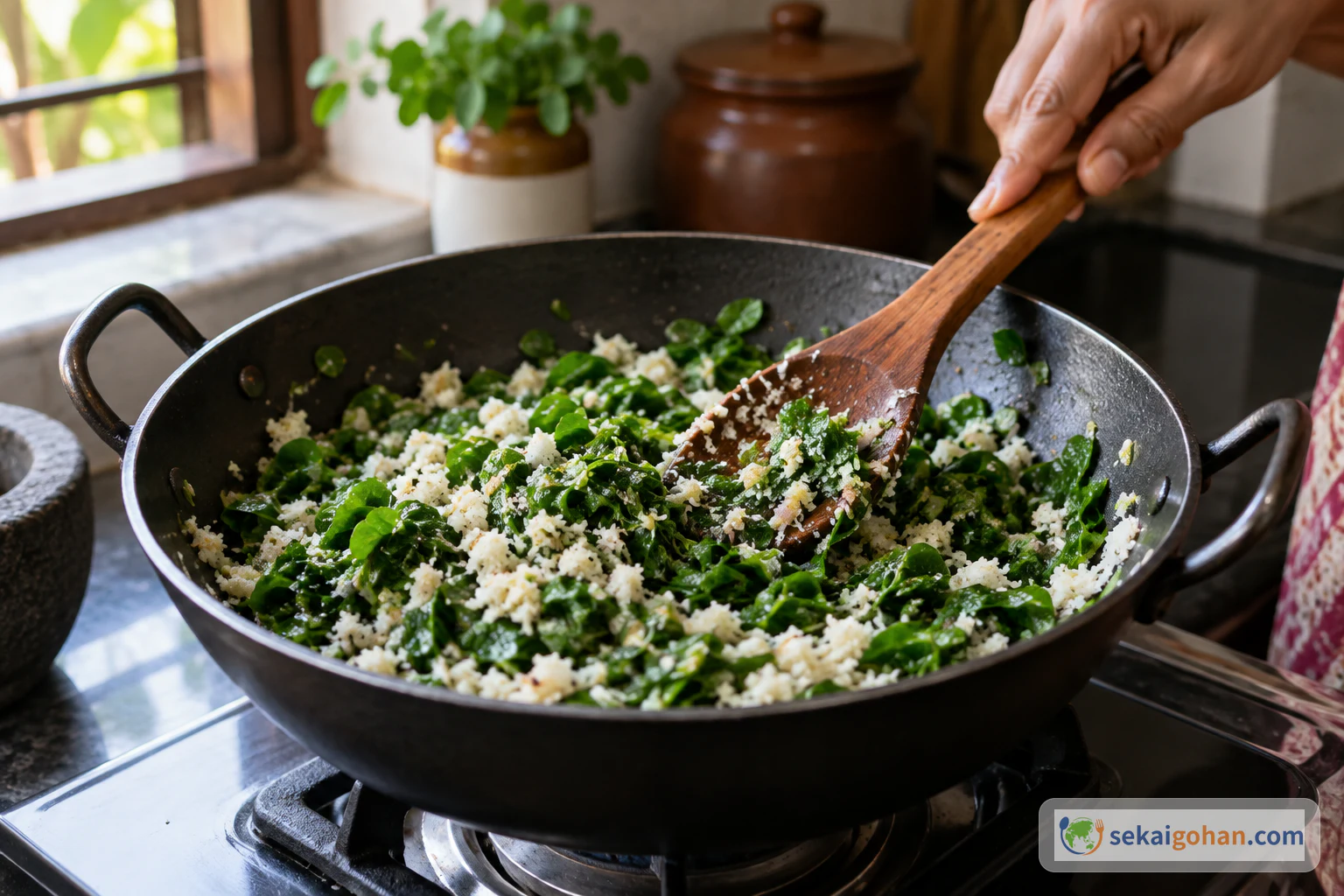
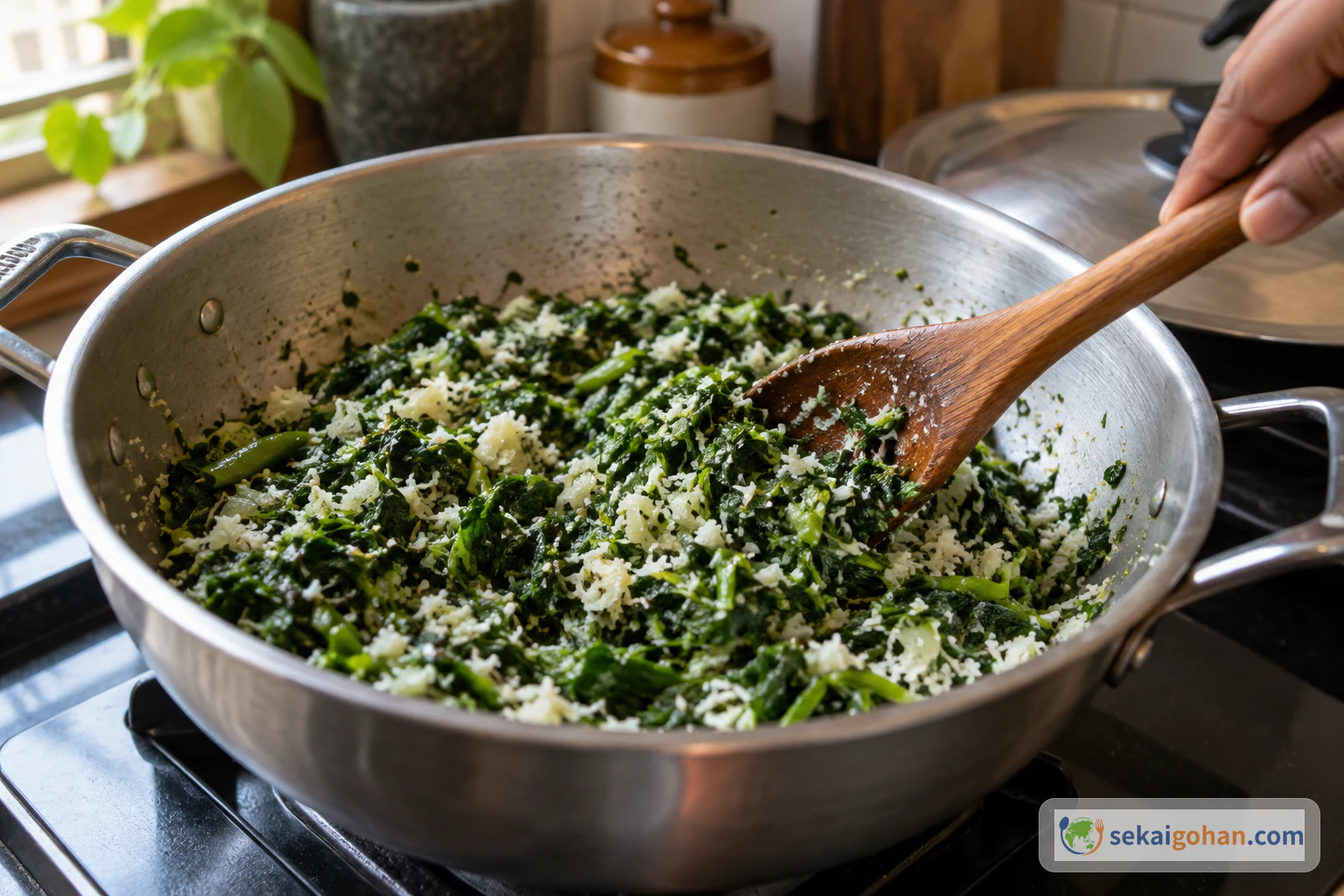
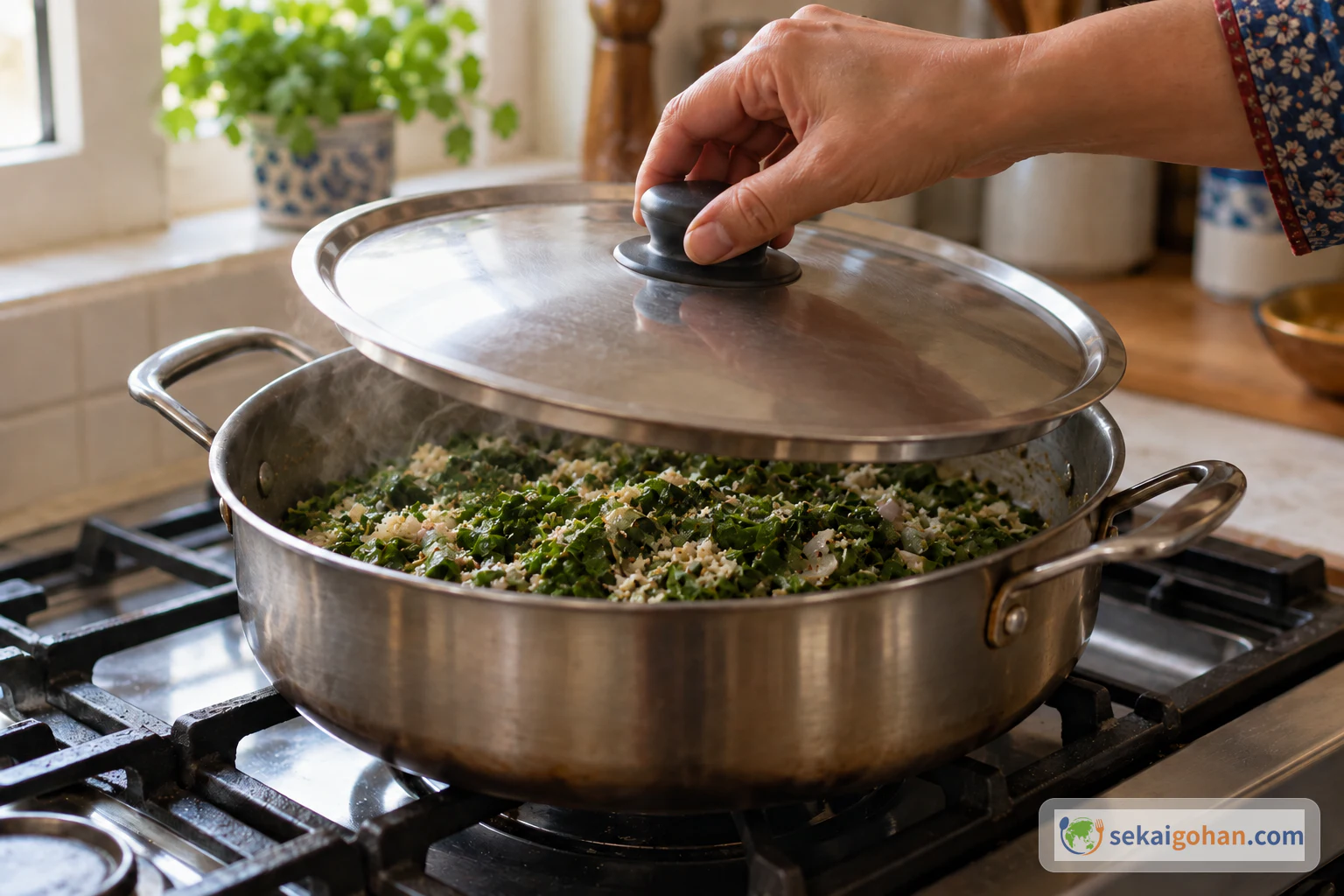
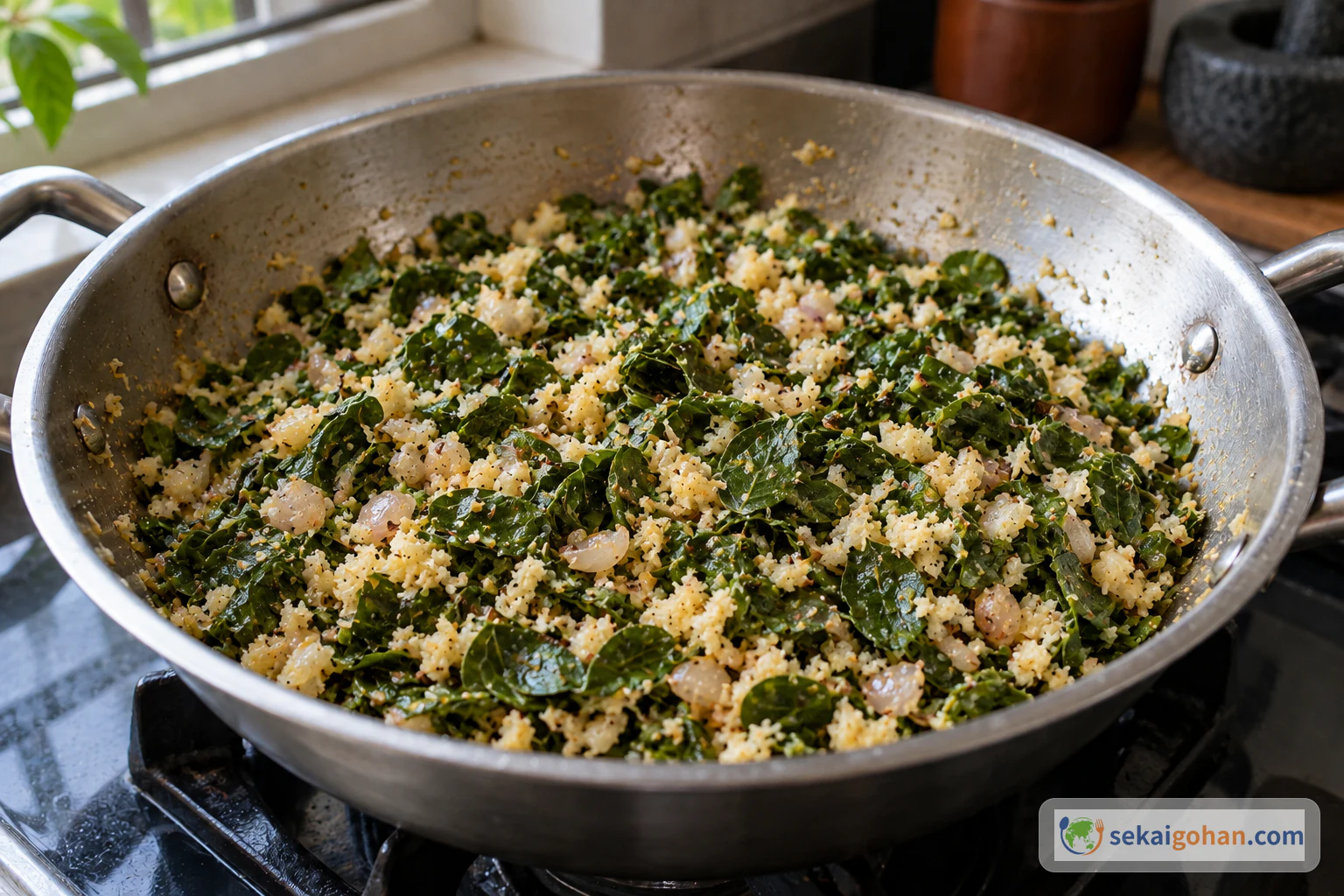
Season the leaves first and let them rest, cook them under a lid, then fold in a coarse, not smooth, mixture of coconut, shallots and cumin powder. Stop when the leaves are cooked through and soft.
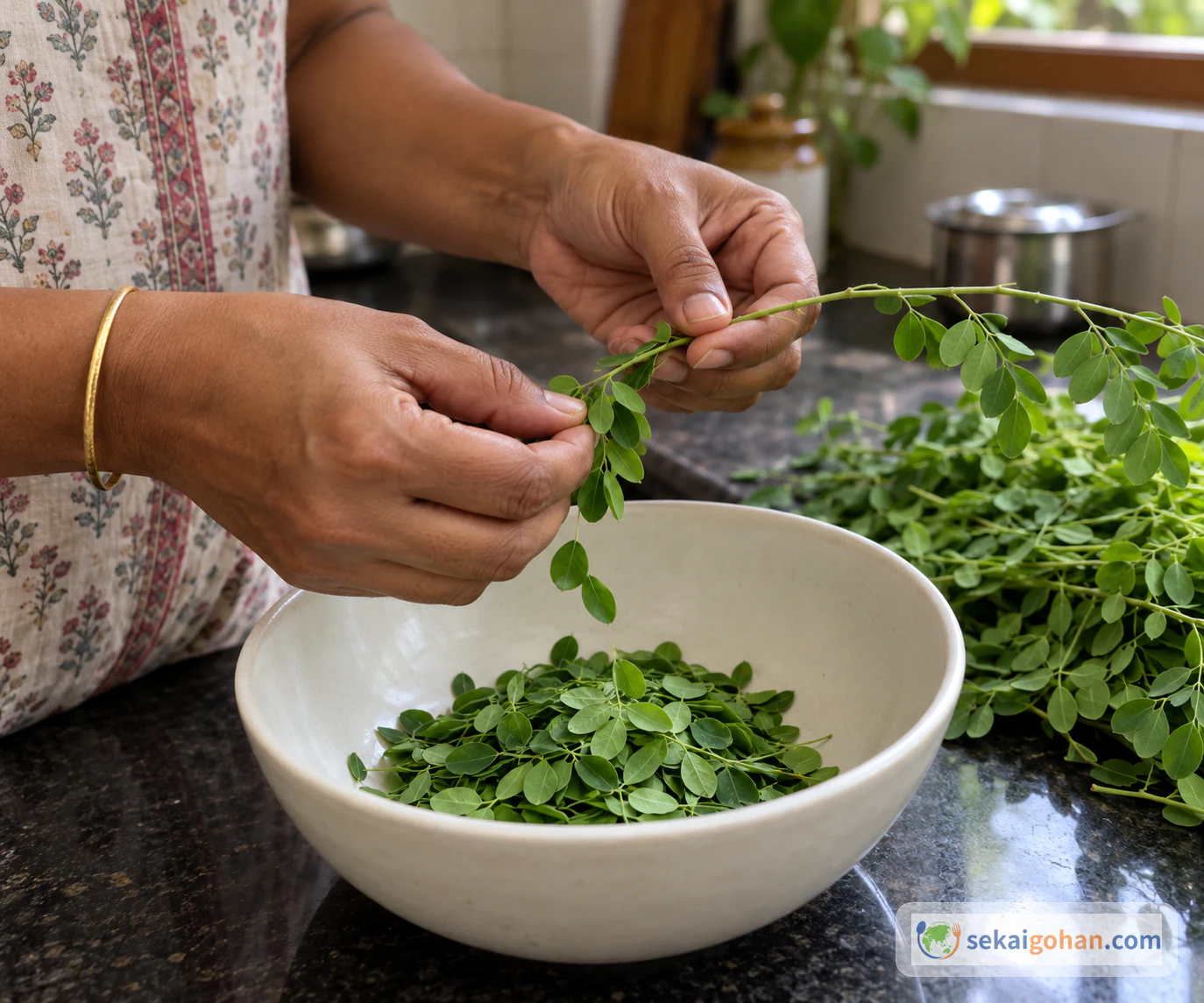
Before anything reaches the pan, someone has to strip the tiny drumstick leaves from their stems. Nags, who writes the food site Edible Garden, remembers a grandmother picking the leaves off one by one, and recalls getting help from family to get through the plucking. Divya of Happy's Cook writes a similar memory of cousins helping pluck the leaves for a family thoran. The work is slow, and it is shared.
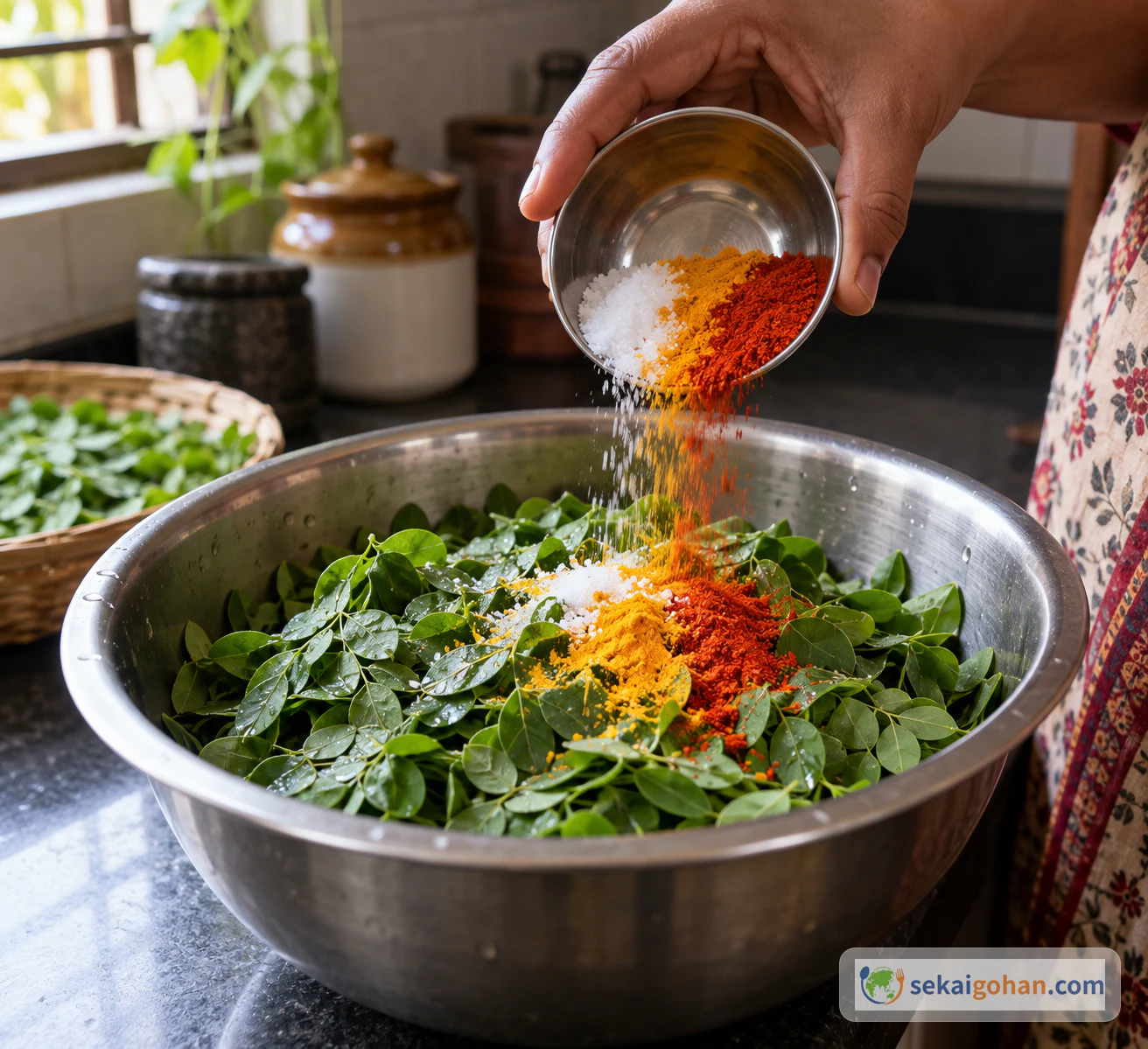
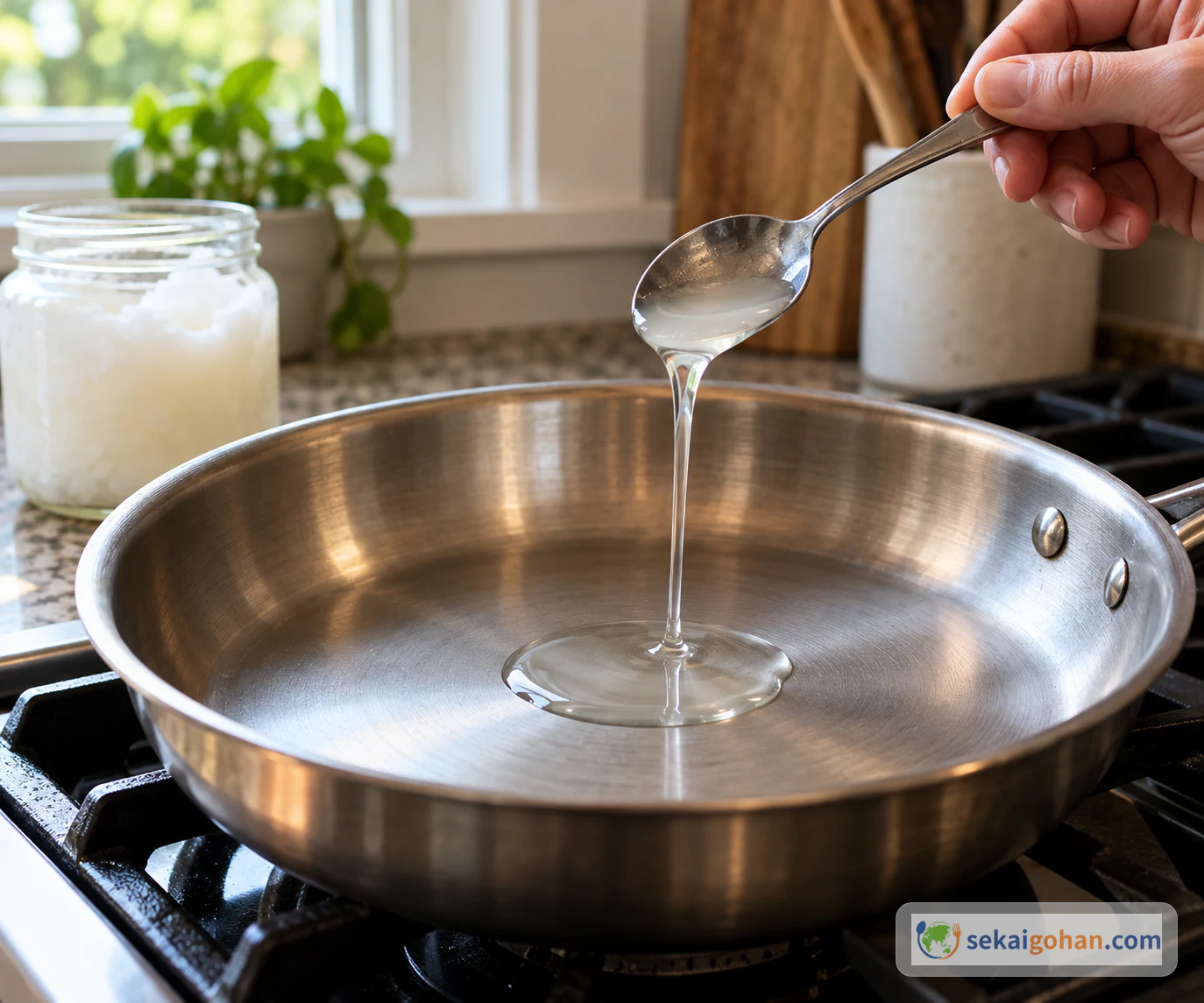
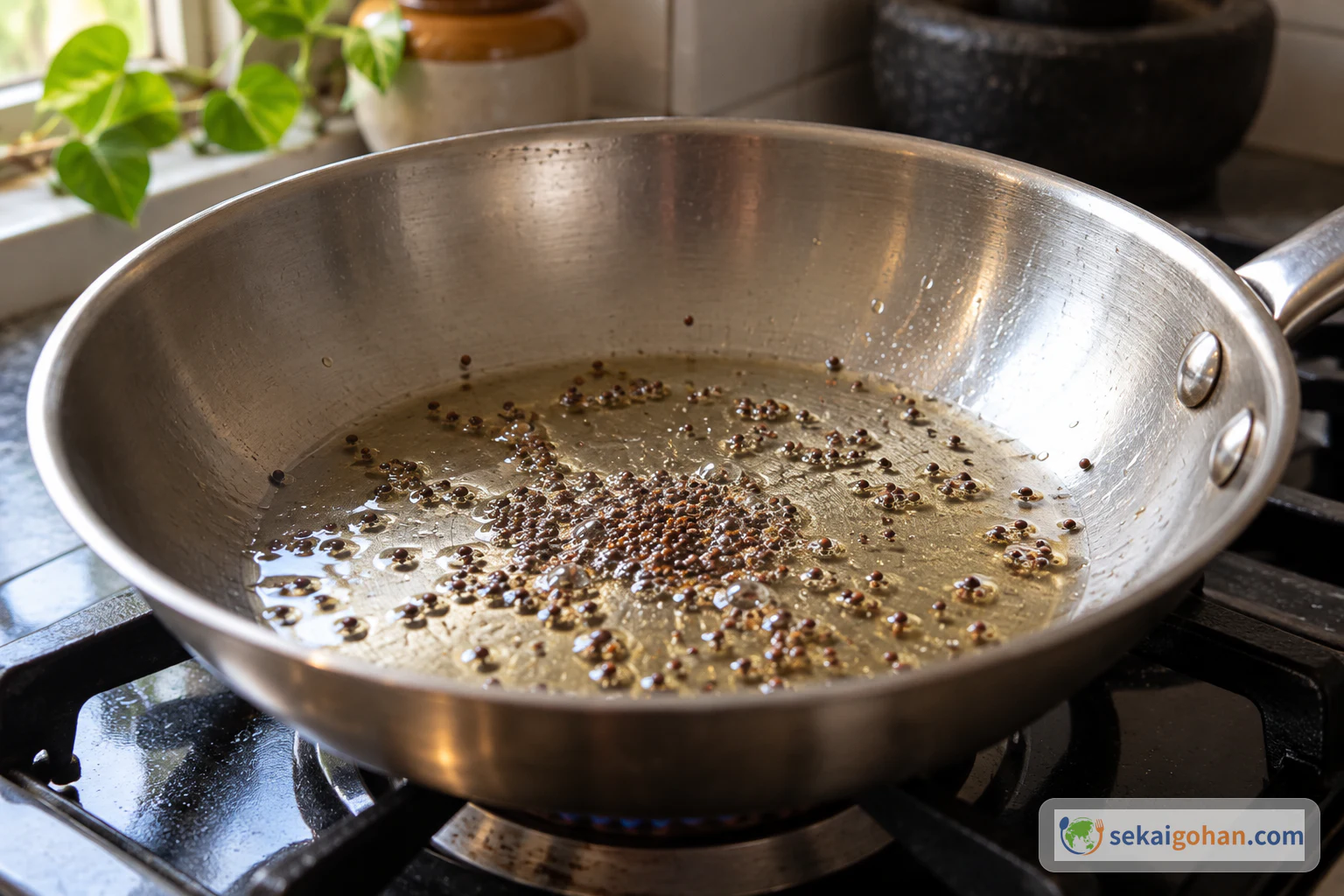
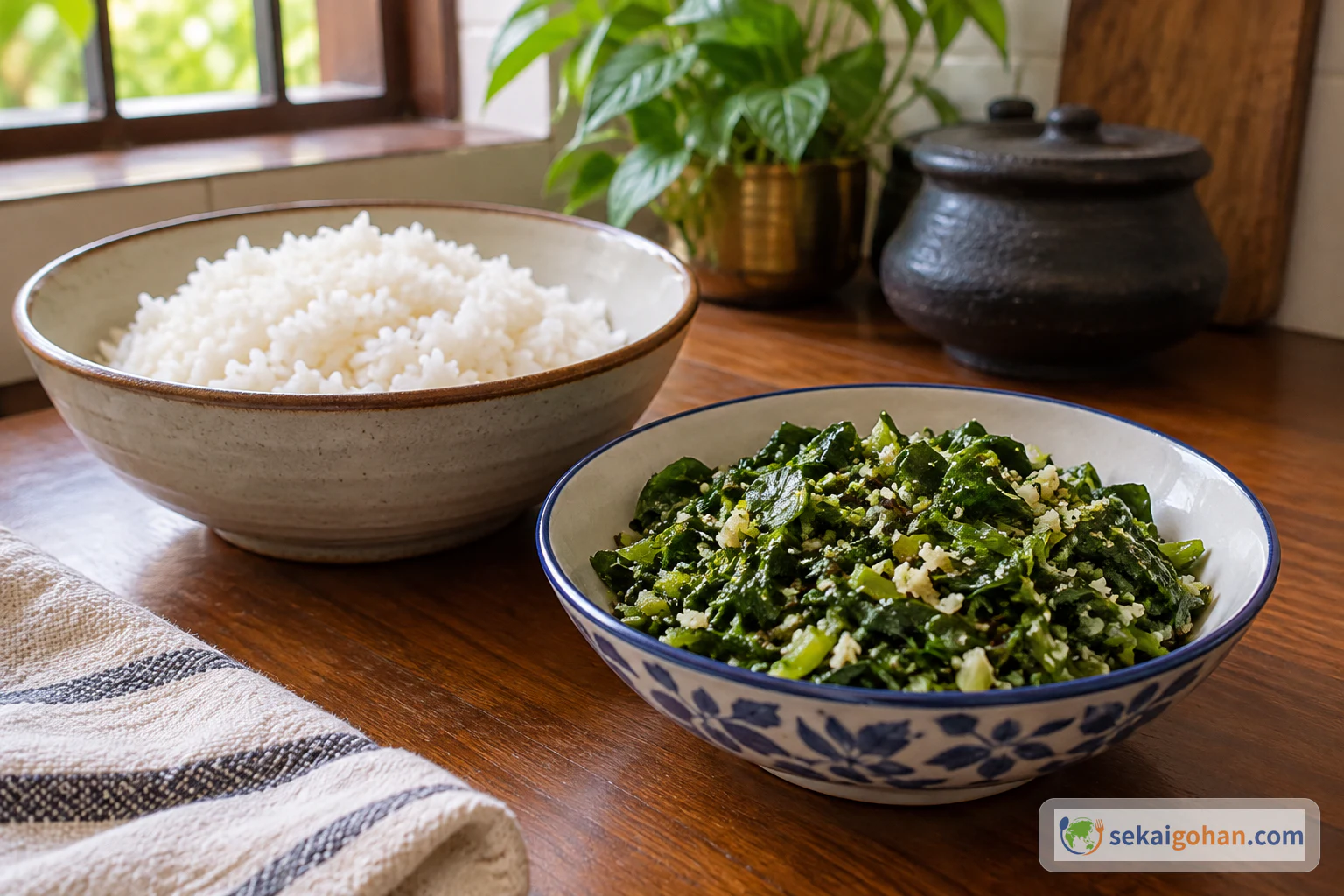
Muringayila Thoran (മുരിങ്ങയില തോരൻ in Malayalam) is a Kerala thoran made with drumstick leaves (muringayila) and coconut. This article follows one family's recipe for it: leaves rubbed with salt, turmeric and chilli powder and left to rest, then cooked in coconut oil with popped mustard seeds, and finished with coarsely ground coconut, shallots and cumin powder.
This is a dish of the leaves only. Drumstick pods, flowers and dried leaf powder are cooked in separate dishes, and versions with egg, clams or dal, or Tamil-style poriyal, are not what this recipe makes. For more from the same country, browse more dishes from India.
Thoran on a Kerala Table
Kerala Tourism, the state government's tourism site, describes Sadya as Kerala's traditional vegetarian feast, served on a plantain leaf with rice, side dishes, savouries, pickles and desserts. It names thoran as an important side dish at that meal, and lists common forms made from minced string beans, cabbage, radish or grams with grated coconut, red chilli and turmeric.
That is the wider frame thoran sits in: a vegetable cooked with coconut and a little spice. The Kerala Tourism page does not describe a drumstick-leaf thoran, so it does not show that this leafy version is served at every Sadya, that it belongs only to festive meals, or that it is the one Kerala form. The recipe below is a home dish, and its author serves it simply, with rice.
Which Family Version This Is
Nags titles the recipe "Muringayila Thoran" and calls it a Kerala thoran, crediting two family cooks as its source: Amma and Aatha. Nags explains that Aatha means maternal grandmother, a term from the family's Reddiar Telugu side. That is the author's own family background, not a claim about where the dish began, and it is a reminder that one home recipe can carry more than one language and region.
In the introduction, Nags reports Amma's advice for making thoran: rub the spices into the leaves and cook on low with water sprinkled over. Nags then says that for these drumstick leaves, the Aatha way was the one chosen. The numbered method says the seasoned leaves release water while they rest, but it does not say whether any extra water is added, where, or how much. The steps below therefore contain no added-water measure; that is not a statement that water must never be used.
We chose this version because every one of its nine ingredients has a clear place in the method, and it states a yield of 2. That serving count comes with the recipe; it is not a yield we have measured, and this recipe has not been kitchen-tested by Sekai Gohan. The recipe does not define the size of its cup or spoons, how firmly to pack the leaves, how much salt to use, how big a "large pinch" is, or how large the shallots are, so the amounts below keep its own units without conversion.
Ingredients (Serves 2)
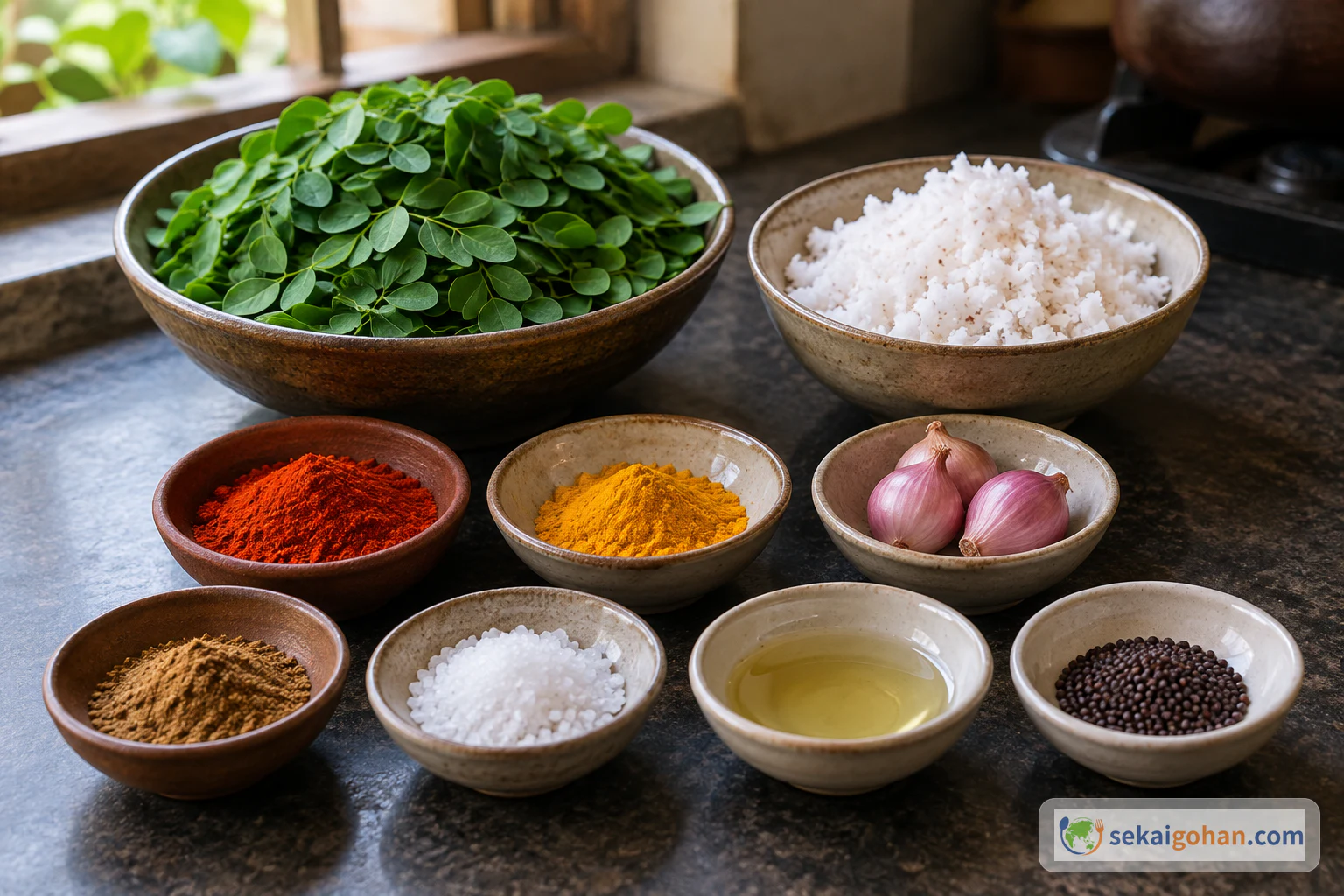
Serve with rice, and a pulusu or kozhambu of your choice if you like. These are accompaniments, not part of the thoran.
Equipment
- A bowl for seasoning and resting the leaves
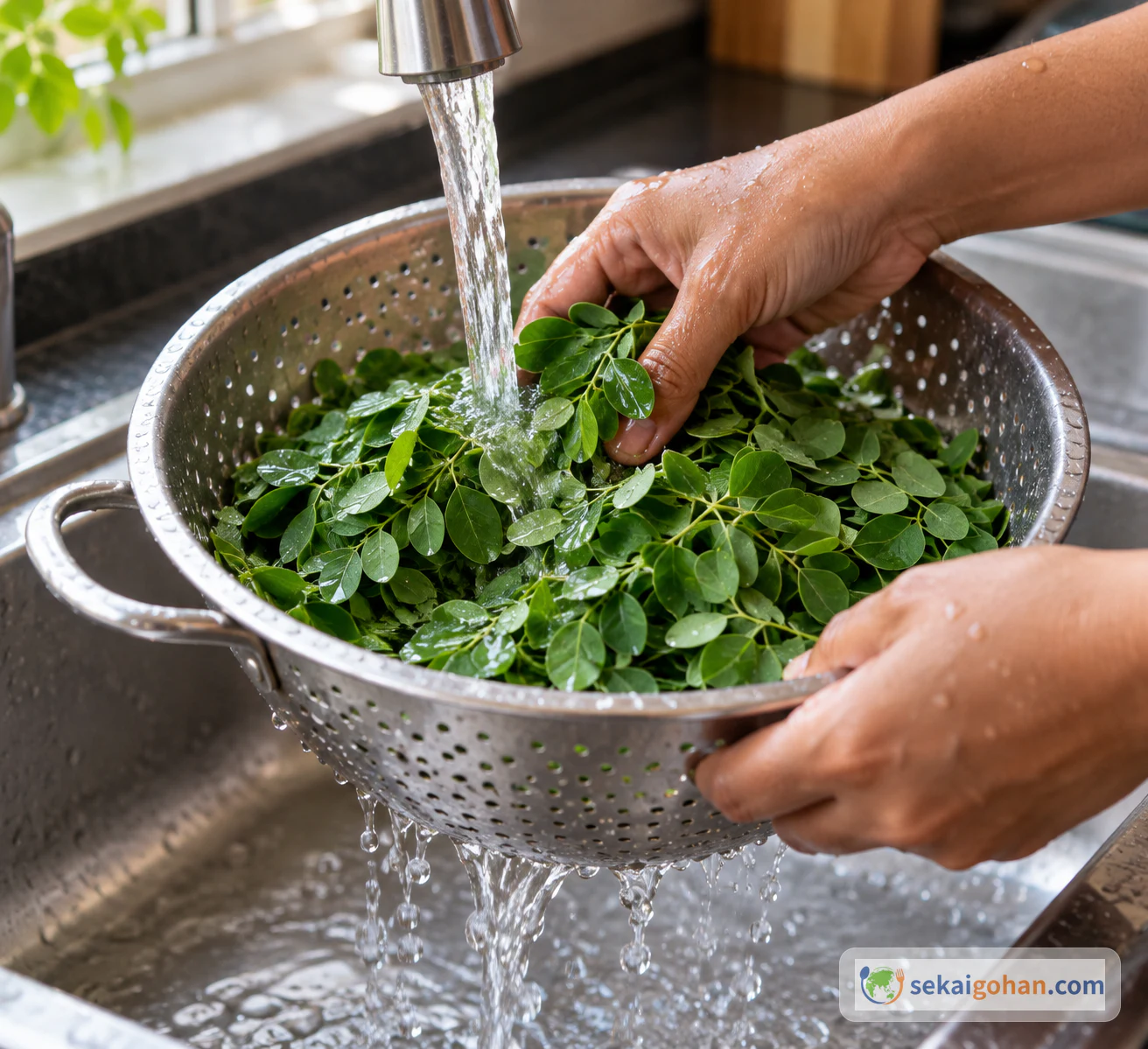
- A colander or sieve for washing the leaves
- A tool for grinding the coconut mixture coarsely (any type you have)
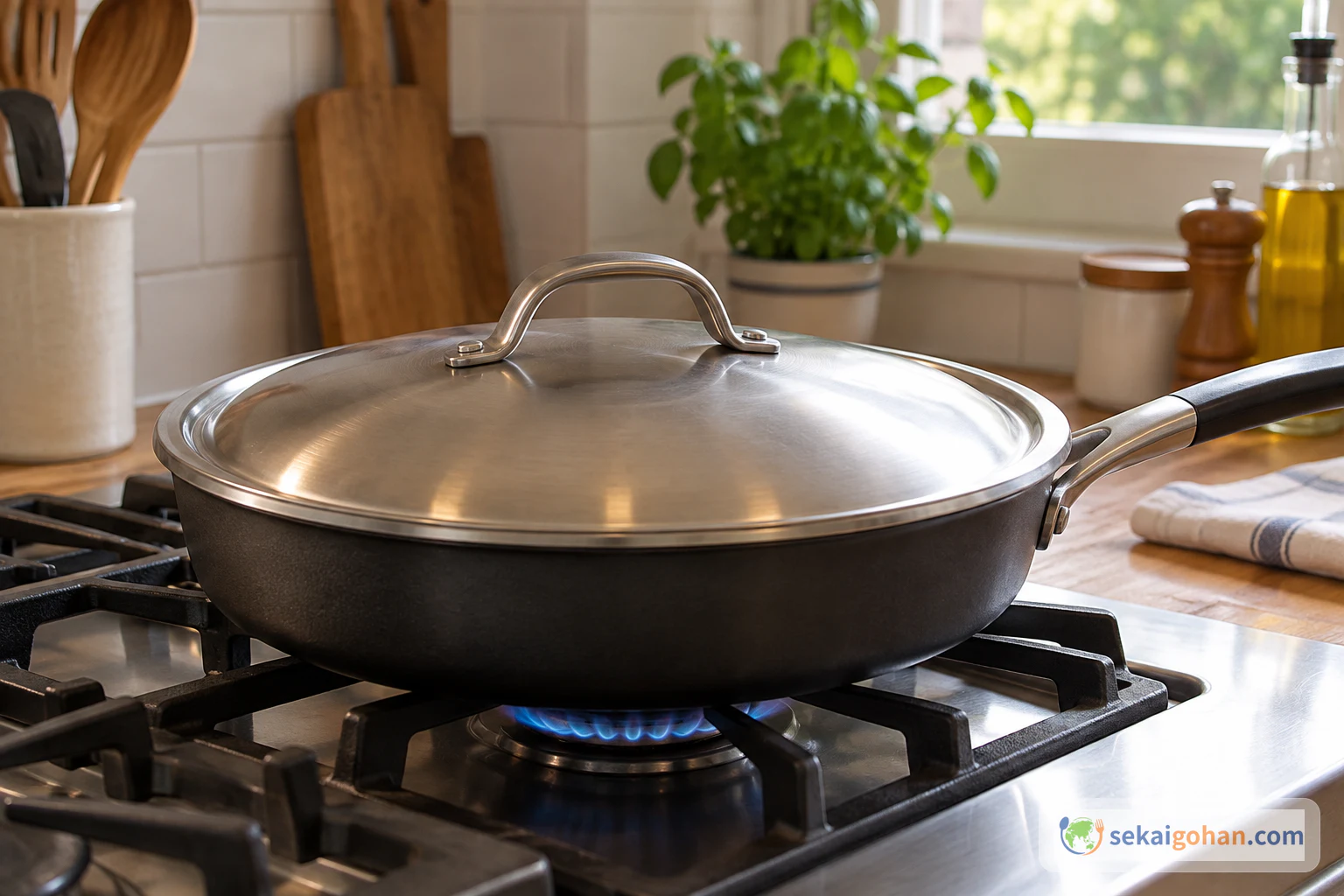
- A pan with a lid
- A spoon for stirring
Choosing the Ingredients
- Drumstick leaves: They may also be sold as moringa leaves. Buy the leaves themselves, not the pods, flowers or leaf powder. There is no stand-in here: spinach or other greens would make a different dish.
- Cumin powder, not seeds: This recipe uses ground cumin, ground together with the coconut. Whole cumin seeds belong to other versions.
- Shallots: Use shallots rather than swapping in red onion or spring onion.
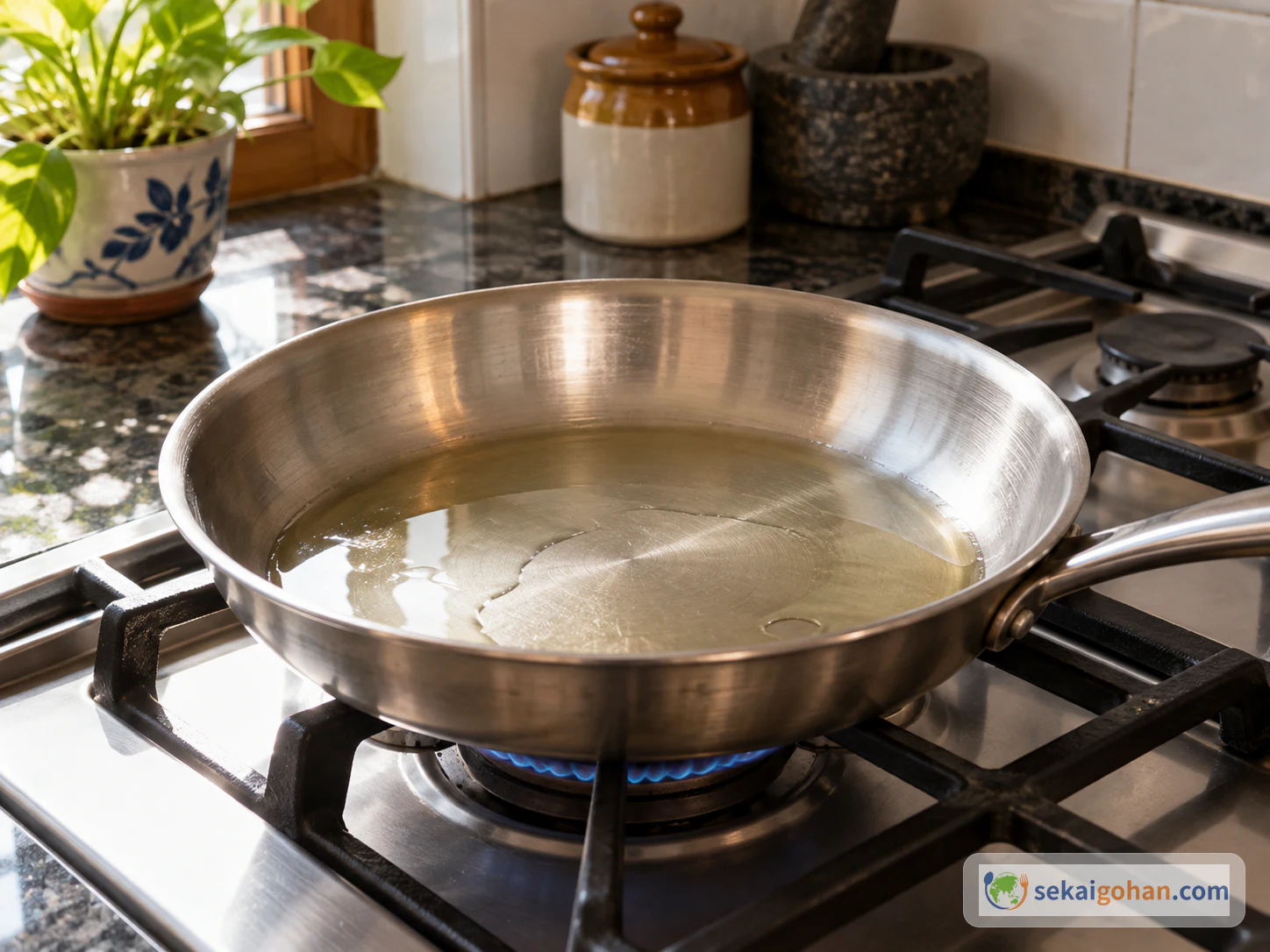
- Coconut oil: It is the cooking fat for the mustard seeds and leaves; keep it rather than switching to a neutral oil.
- Grated coconut: The base amount is 1 cup; you can adjust it to taste.
Method: Season, Rest, Cook Under a Lid, Then Add the Coconut
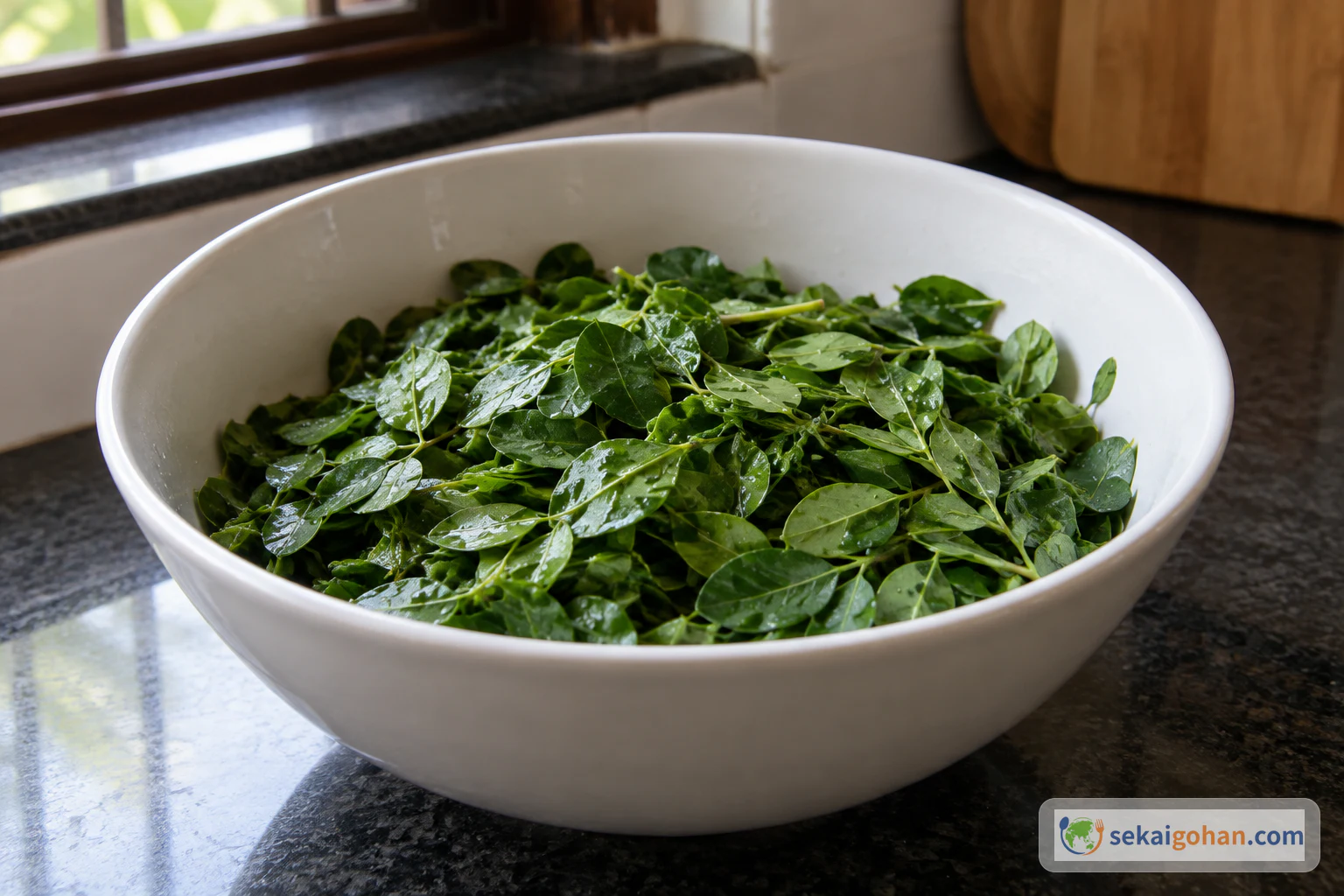
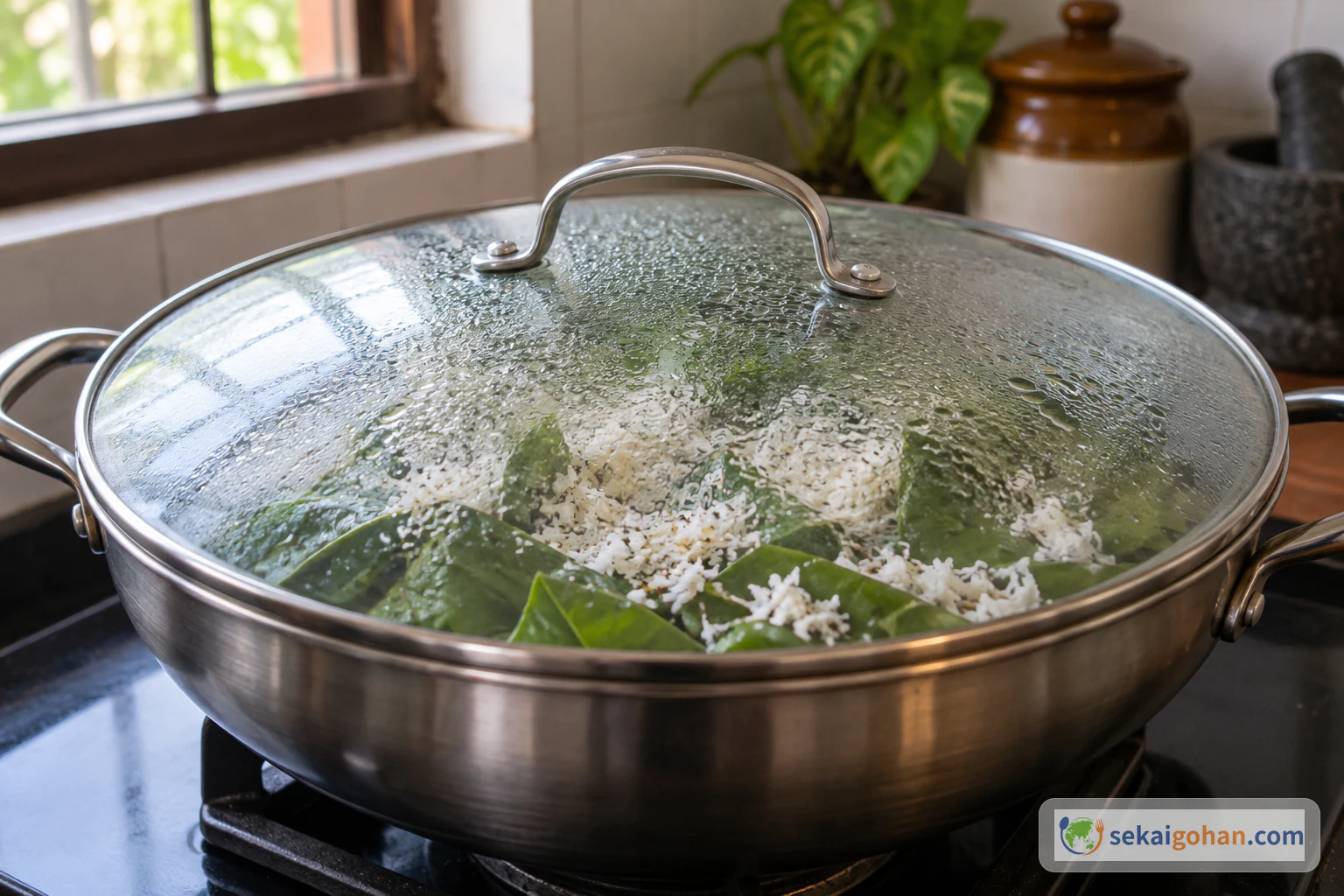
The leaves rest for 30 minutes. The first covered cook is on low heat for about 5 minutes. The second covered cook runs another 5–10 minutes until the leaves are soft. Judge the end by the leaves, not the clock.
Fixing Problems in the Pan
| What you see | Likely cause | What to do |
|---|---|---|
| The bottom is starting to brown | Not stirred during the second covered cook | Take off the lid and stir partway through, then cover again |
| The leaves are not soft yet | The second cook is not finished | Keep the lid on within the 5–10 minute window and check again |
| The coconut turned into a smooth paste | Ground past the coarse stage | Next time stop while the mixture is still coarse |
| The mustard seeds did not pop | The oil may not have been hot enough | Wait for the seeds to pop before adding the leaves |
How Home Versions Differ
Thoran is cooked in many households, and recipes for drumstick-leaf thoran do not agree on one formula. Divya's version on Happy's Cook, described as following a grandmother who cooked in the Kerala style, uses 3 cups of leaves, 1/4 cup coconut, whole cumin seeds, garlic, curry leaves, 5–6 shallots and a little water, with a 5–7 minute covered cook and ghee drizzled on top to serve. Its ingredient list includes salt, but its method never says when to add it. That recipe also suggests plucking the leaves the day before and washing and cooking them the next day.
Those are a different author's choices, not changes to the recipe above. Within this version, the one built-in adjustment is the coconut: 1 cup is the base, and you can use more or less to taste. Rice is the accompaniment, with pulusu or kozhambu as an optional extra.
Frequently Asked Questions
Is this made with drumstick pods?
No. This thoran uses only the leaves. Pods, flowers and leaf powder belong to other dishes.
Should I add water while cooking?
The recipe leaves this open. Nags reports Amma's advice to cook thoran on low with water sprinkled over, then says the Aatha way was chosen for these leaves; the numbered method notes that the rested leaves release water but does not say whether extra water is added, where, or how much. The steps here add no water measure, without claiming that water is forbidden.
Cumin powder or cumin seeds?
Cumin powder, 1/2 tsp, ground with the coconut and shallots. Recipes that use whole cumin seeds are different versions.
How long does it take?
The times given are a 30-minute rest, about 5 minutes covered on low heat, then another 5–10 minutes covered until the leaves are soft. Prep and total times are not given.
What size is the cup?
The recipe does not define its cup or spoon sizes, or how firmly to pack the leaves. The amounts are kept in the recipe's own units.
What do I serve it with?
Nags serves it with rice and a pulusu or kozhambu of choice. Divya mentions usually serving that household's thoran with fish curry, which is a personal pairing rather than a rule.
Sources
- Nags, Edible Garden, "Muringayila Thoran-Kerala Thoran Recipe-Drumstick Leaves cooked with Coconut." The recipe followed here: serves 2, all nine ingredients, the full method, the serving note, the family recollection of plucking leaves, the explanation of Aatha, and Amma's advice on sprinkling water. https://www.cookingandme.com/muringayila-thoran-drumstick-leaves/
- Divya, Happy's Cook, "Murungai keerai Thoran Recipe | Muringayila Thoran | Drumstick leaves cooked with coconut." A separate family version used for comparison only; none of its amounts or steps are used in the recipe above. https://www.happyscook.com/2015/09/murungai-keerai-thoran-recipe.html
- Kerala Tourism, Government of Kerala, "Sadya - the traditional vegetarian feast of Keralites." Background on Sadya and on thoran as a side dish with common vegetable and coconut forms; it does not describe a drumstick-leaf thoran. https://www.keralatourism.org/kerala-food/sadya/