Gujia: A Half-Moon Around Sweet Milk Solids
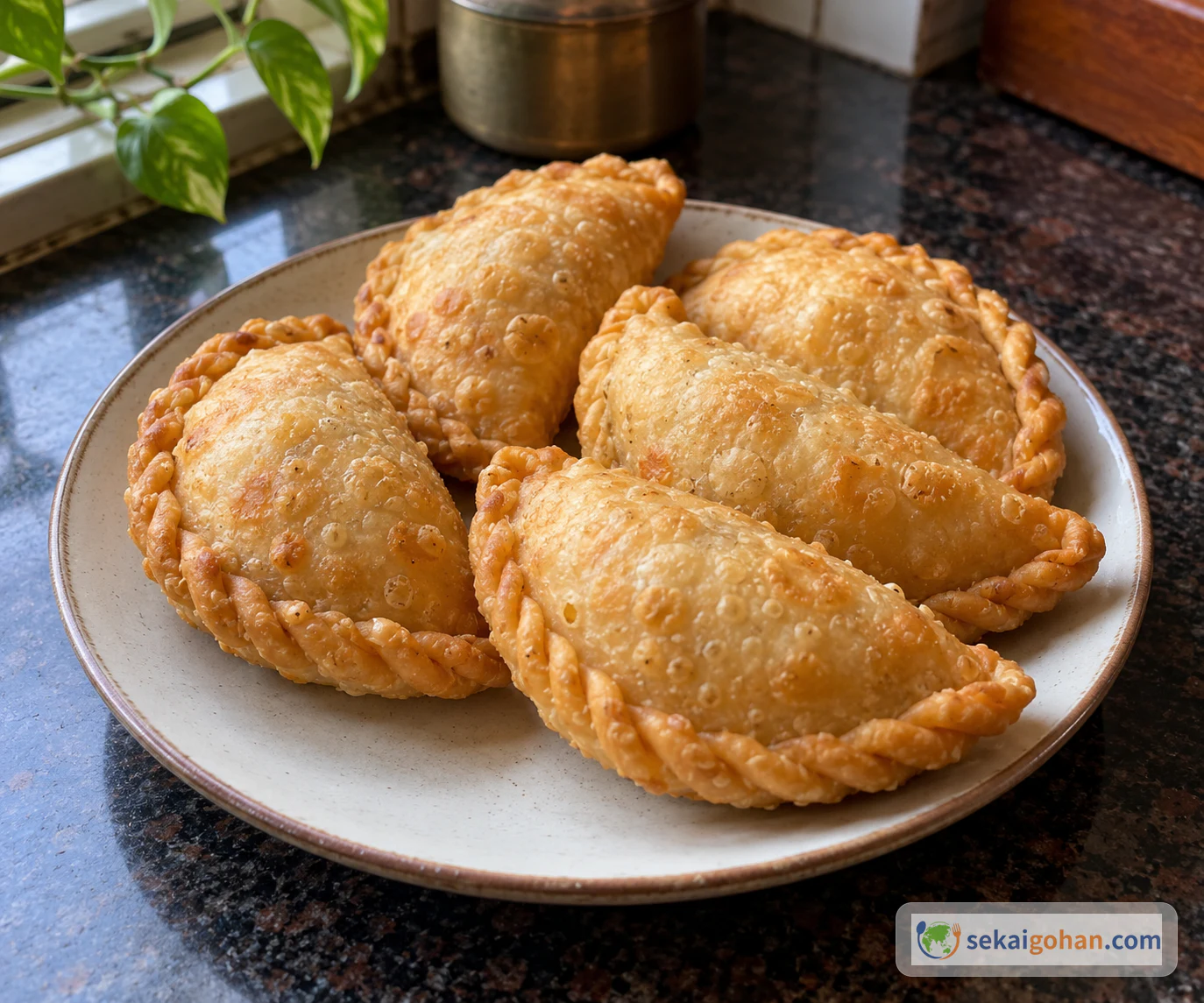
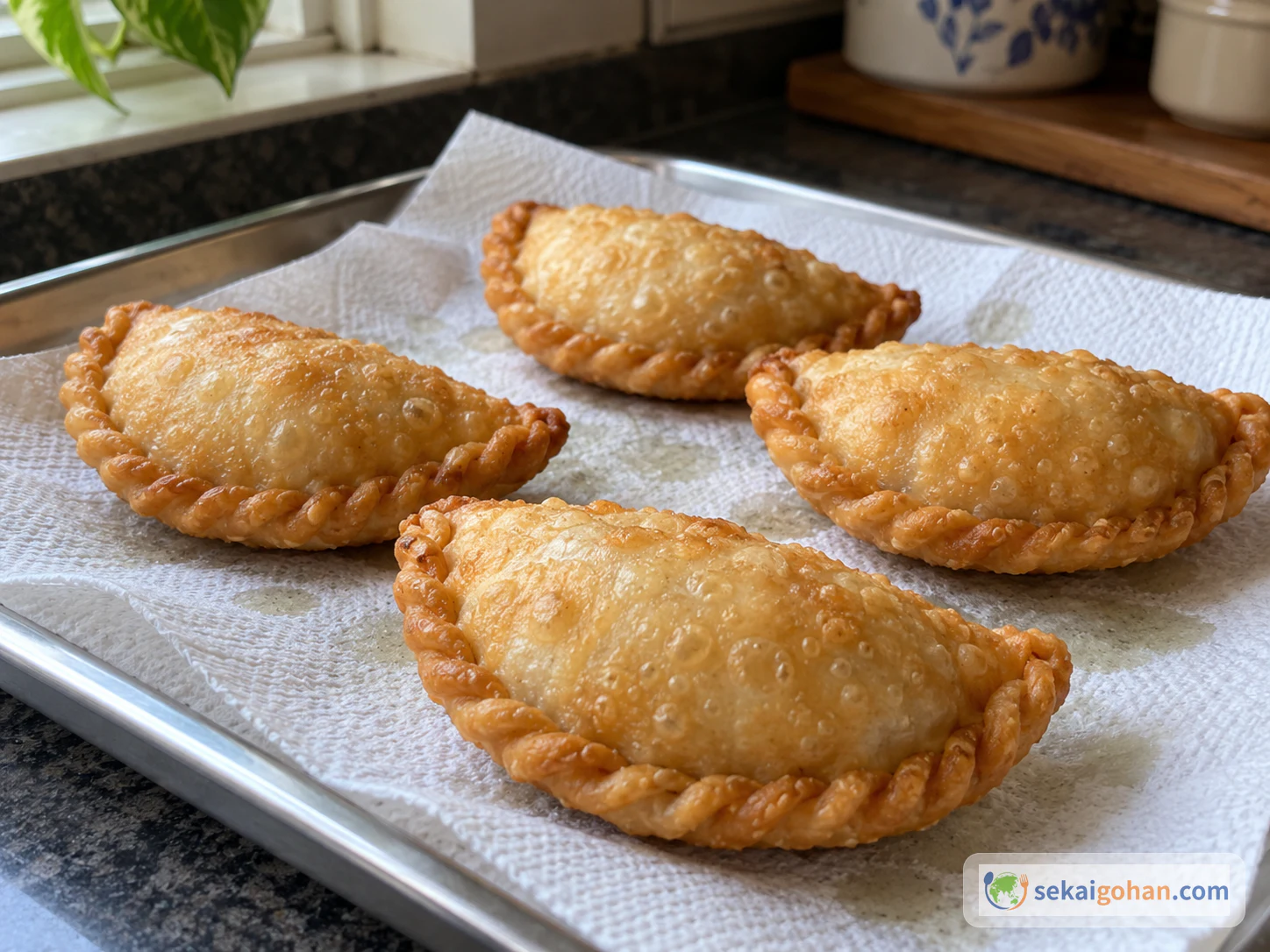
A firm, thin wheat pastry, sealed tightly and pleated by hand, around a filling of khoya, sugar, chopped nuts, raisins and cardamom. No syrup and no glaze. Golden and plain on the outside.
When Holi comes around in North India, gujiya are among the sweets made for the festival. The Indian Council for Cultural Relations describes Holi as a festival that brings people together and presents gujiya as one of its sweets. Recipe writer Dassana Amit labels gujiya a North Indian sweet, filled with khoya (also called mawa), nuts, raisins and cardamom, and links it to Holi as well.
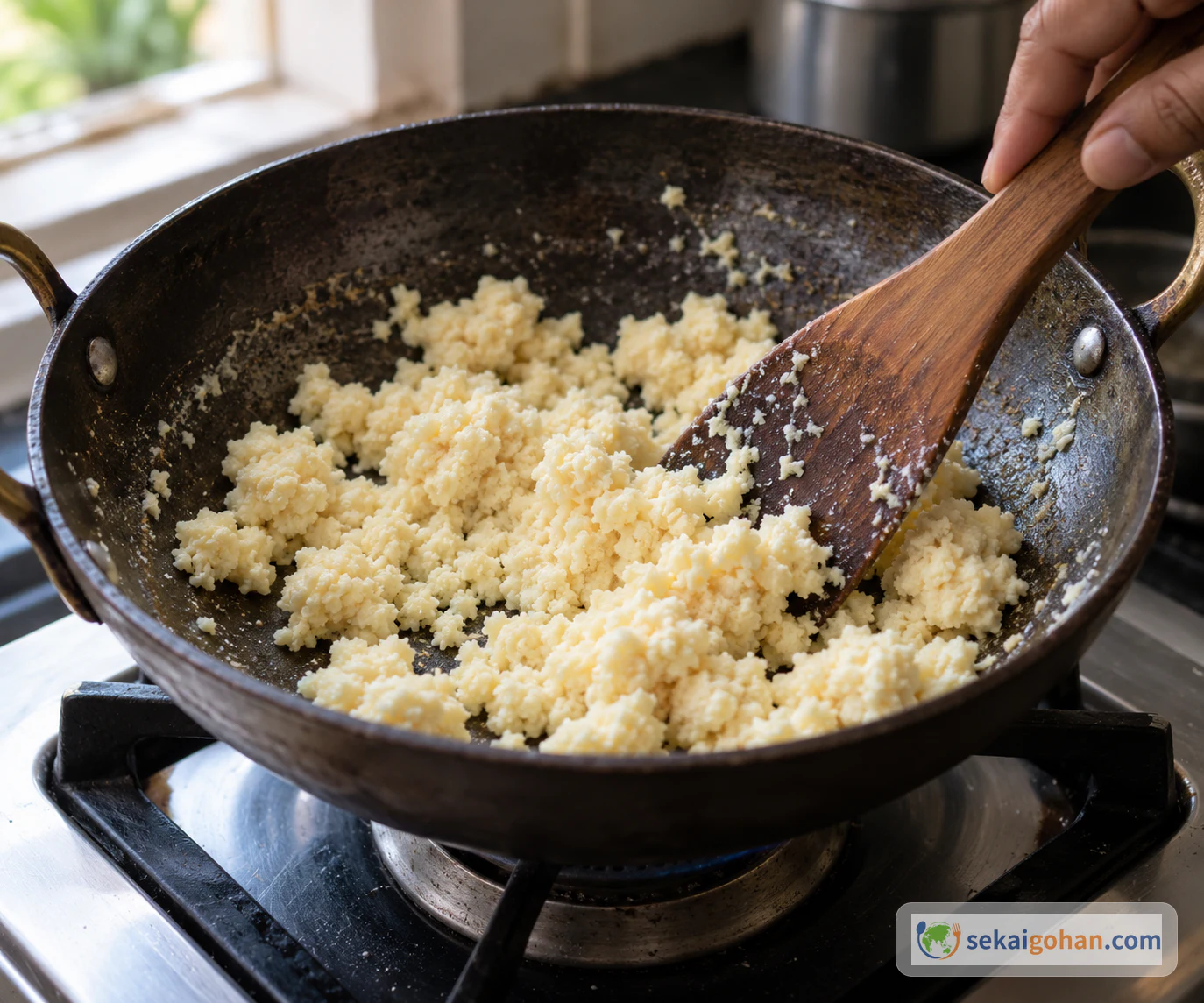
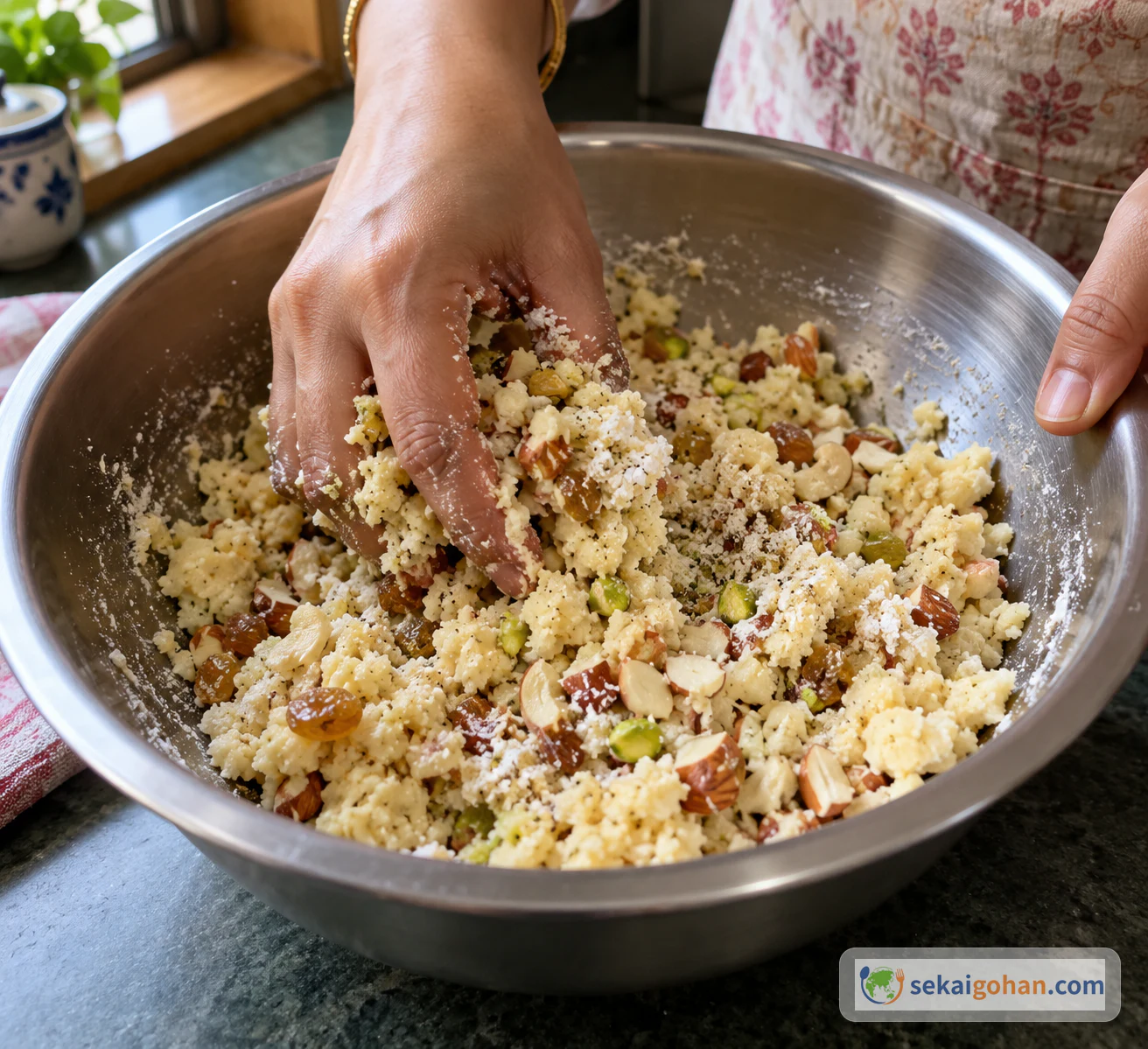
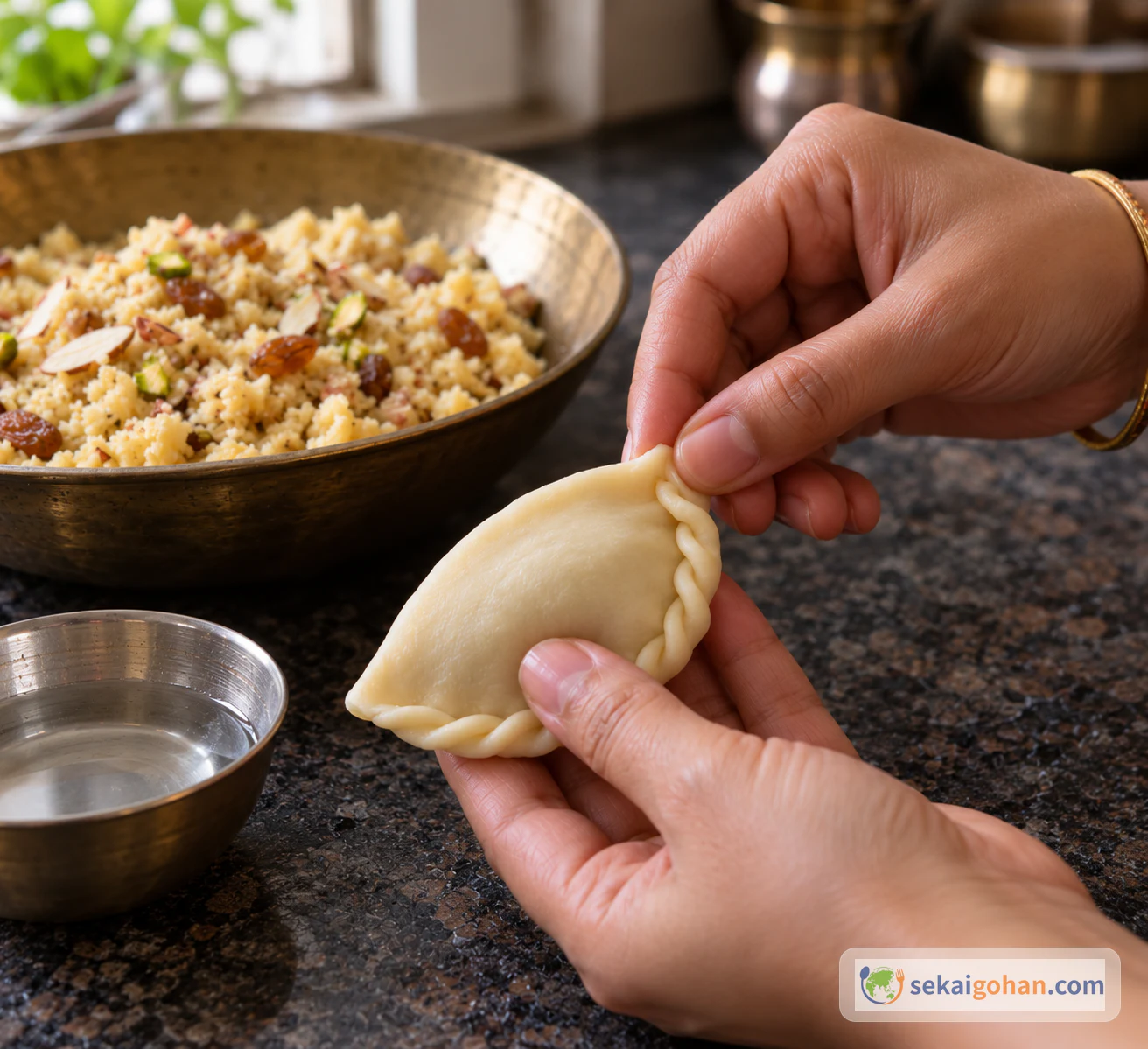
The half-moon holds a filling of cooked milk solids, sugar, nuts, raisins and cardamom. Sugar and the other filling ingredients go in only after the khoya has cooled. The pleated edge seals the filling inside the pastry during frying.
This article follows one version only: Dassana Amit's deep-fried gujiya with a half whole-wheat, half all-purpose flour dough and a khoya filling. The published recipe card labels its yield as 12 gujiya, which is a count of pieces, not a number of people. The card also gives estimates of 45 minutes preparation, 30 minutes cooking and 1 hour 15 minutes total; those are the published estimates, not times measured by Sekai Gohan.
Sekai Gohan has not kitchen-tested this recipe. Amounts and method follow the published deep-fried version described above, with no changes or additions of our own. Nutrition values have not been calculated.
You will see Gujia, Gujiya, Gujjia and Gujjiya. The spellings vary across written sources; this article uses them for the same North Indian khoya pastry described here.
Gujiya, Pedakiya, Nevri, Karanji: Similar Shapes, Different Sweets
Across India, folded and filled pastries go by different names and carry different fillings. A cultural profile published by the Indian Council for Cultural Relations sets North Indian gujiya beside Ghughra in Gujarat, Karanji in Maharashtra, Nevri in Goa and Kajjikayalu in Andhra Pradesh, each with its own name and stuffing. Goa's Nevri is a coconut and jaggery type, and Maharashtra's Karanji centers on coconut, milk and poppy seeds. These are not simply other names for this recipe.
In Bihar, a feature from India's National Council for Hotel Management and Catering Technology gives Gujjiya as the dish name and Pedakiya as the local name, and describes two kinds of filling there: one of khoya (mewa) and one of coconut and rava (semolina). So not every Pedakiya matches the recipe below either.
The version here stays with the North Indian khoya type. Stories about the pastry's ultimate origin circulate, but we have not found independent support for them, so they are left out. For more dishes from the same country, see Indian recipes on Sekai Gohan.
Ingredients: Dough and Khoya Filling (About 12 Gujiya)
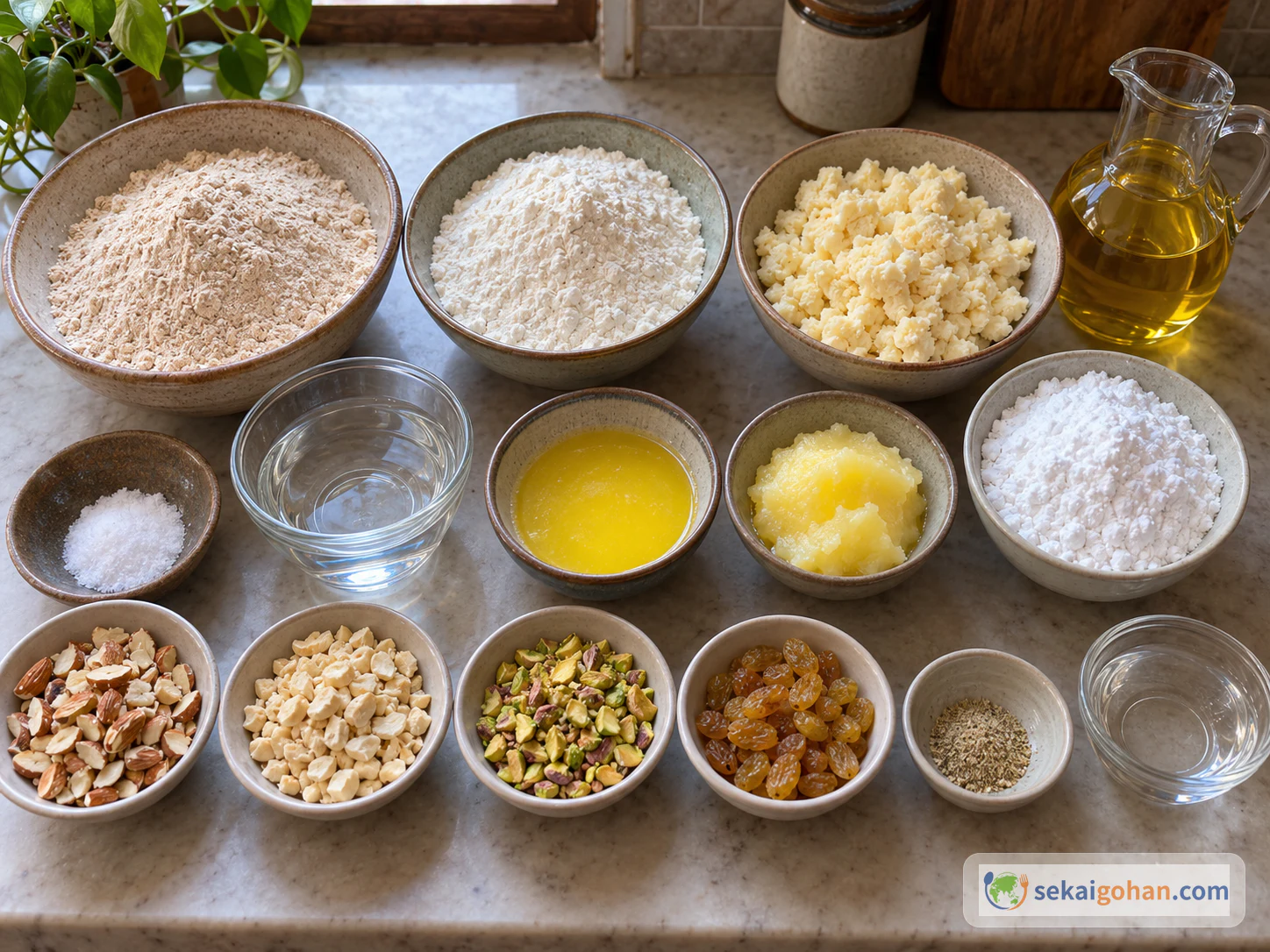
Keep the dough ghee and the filling ghee apart; they go in at different steps.
Equipment
- Mixing bowl and spoon
- Clean kitchen cloth, lightly dampened
- Small heavy pan for the khoya
- Rolling board and rolling pin
- Small bowl of water
- Deep heavy pot or kadai for deep frying
- Tray lined with kitchen paper
- Airtight container
Choosing and Substituting
Khoya / mawa. Use khoya or mawa as the filling base. Look for either name at Indian grocers. Milk powder or condensed milk are different ingredients and require a different filling method.
Cardamom. Use 1/2 tsp green cardamom powder.
Flour. The dough is half whole-wheat, half all-purpose. Making it with all whole-wheat or all all-purpose flour is a different formula; see Variations.
Frying fat. Plain oil is used for frying here, not ghee.
Allergens. The ingredients include wheat, milk (khoya and ghee) and tree nuts (almonds, cashews, pistachios). Check the labels of khoya and other packaged items yourself; nothing here guarantees freedom from cross-contact.
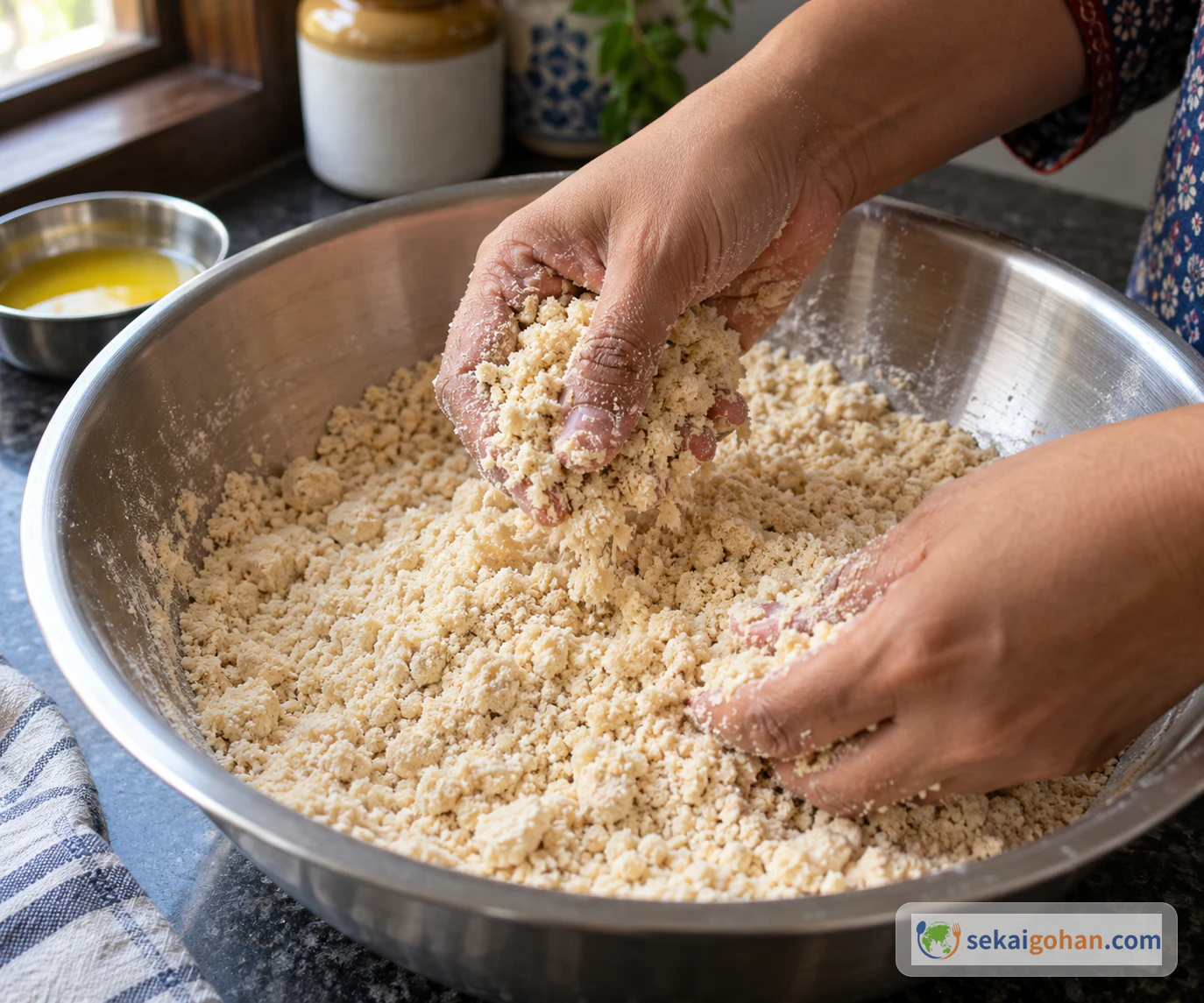
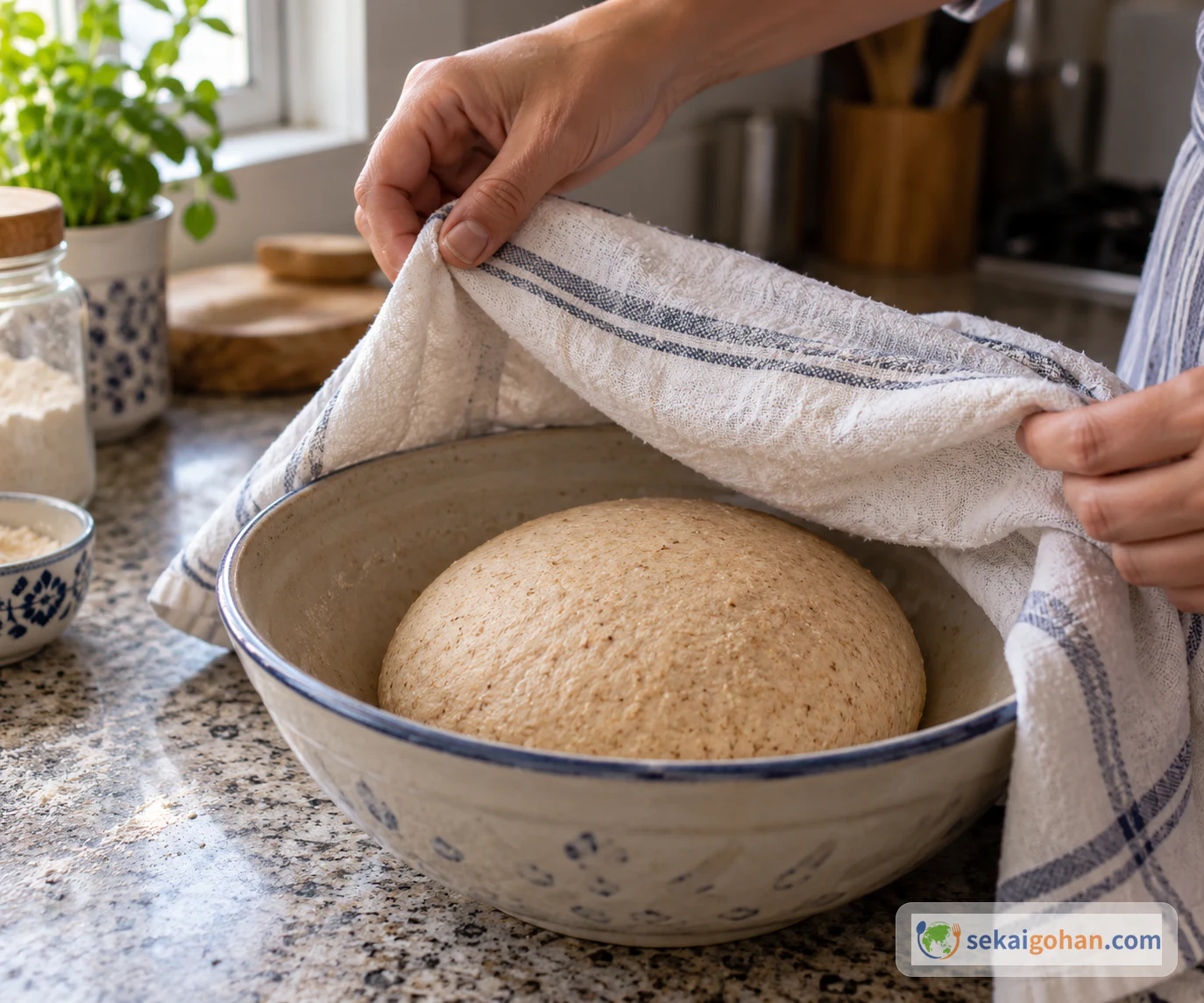
Method: Dough, Filling, Shaping, Frying
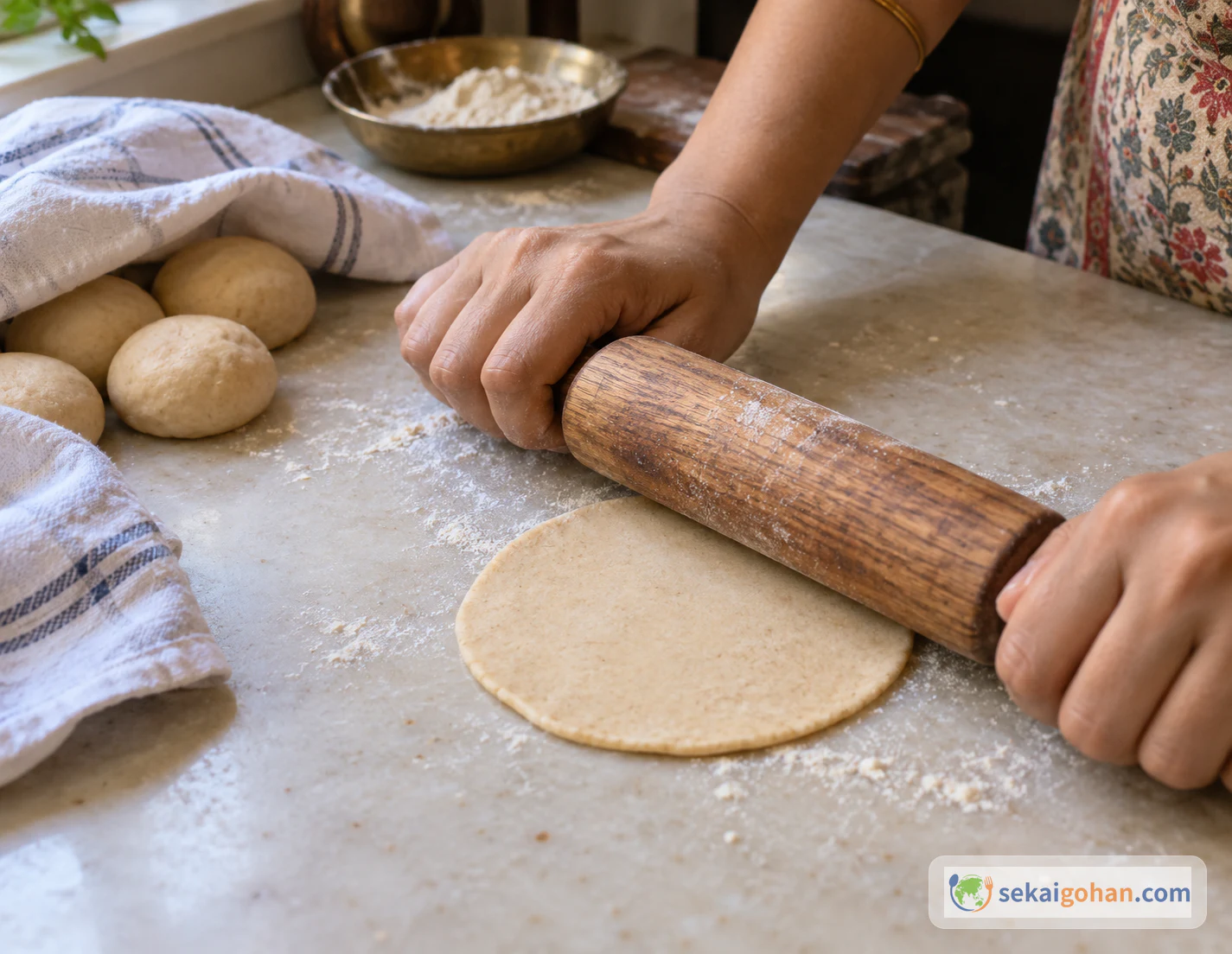
Make the dough first and let it rest; cook and cool the khoya during the rest. Shape only once the filling is completely cool.
When Things Go Wrong
| Problem | Likely cause | What to do |
|---|---|---|
| Gujiya burst open in the oil | Too much filling, or filling on the edge | Use 1–1.5 tbsp filling, keep the edge clean, press firmly and pleat all the way to the end |
| Dough is soft and hard to shape | Water added too fast | Add water a little at a time and aim for a firm, tight dough |
| Circles crack or edges won't stick | Dough or wrappers dried out | Keep dough balls, circles and shaped gujiya under a damp cloth |
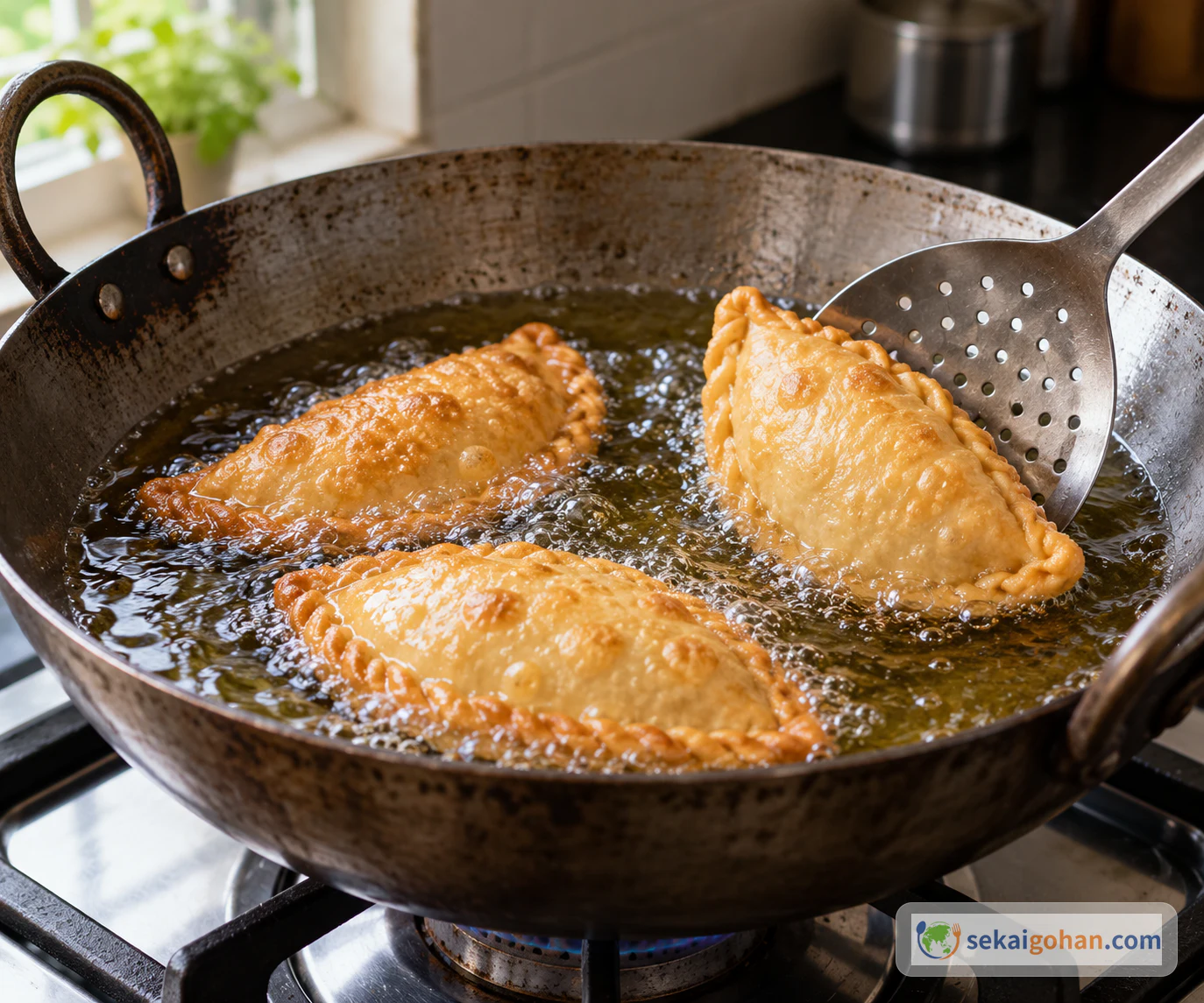
| Gujiya are oily or fall apart | Oil too cold | Test with a small piece of dough; wait until it rises gradually |
| Outside browns fast, pastry inside underdone | Oil too hot | Keep to medium heat and test again before the next batch |
| Filling turns runny or sugary | Sugar and nuts added while the khoya was hot | Cool the cooked khoya completely before mixing in the rest |
Serving
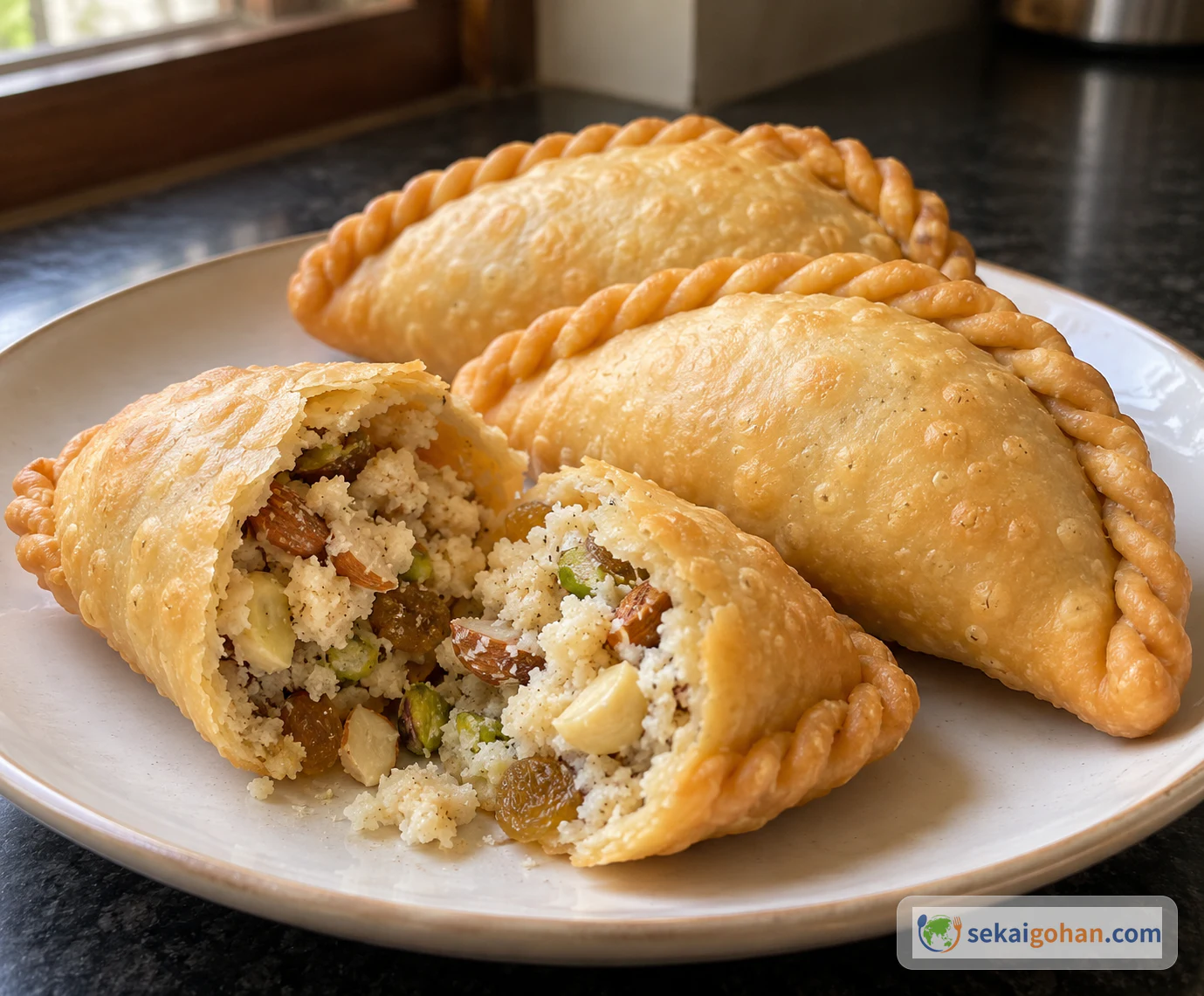
Serve the gujiya plain after they cool, without syrup or glaze.
Frequently Asked Questions
Are Gujia and Gujiya different dishes?
The difference is in spelling. The written sources used here spell it Gujia, Gujiya, Gujjia or Gujjiya, and this article treats them as the same North Indian khoya pastry. Related regional pastries such as Karanji, Nevri and Pedakiya are different, as explained above.
How many does this recipe make?
The published recipe card says 12 gujiya. That is a count of pieces, not a number of servings, so this article says "about 12 gujiya."
Can I replace khoya with milk powder?
Dassana Amit's recipe gives no substitute for khoya. A filling made from milk powder would be a different recipe with its own amounts and method, so it can't be promised as a like-for-like swap here.
What temperature should the oil be?
The recipe gives no temperature. Use medium heat and a small piece of dough as the test: it should rise gradually, not sit at the bottom or shoot straight up.
Is gujiya the same as Karanji or Goan Nevri?
No. According to the ICCR profile, they are similar in shape but have different regional names and fillings: Karanji centers on coconut, milk and poppy seeds, and Nevri on coconut and jaggery.
How many days do gujiya keep?
No gujiya-specific safe storage period has been confirmed. Dassana Amit's quality suggestion is to cool them completely, store them airtight, keep them at room temperature for a few hours, and refrigerate the rest for 1–2 days; it is not a food-safety test of this dish. The FDA advises refrigerating foods that need it within 2 hours, or within 1 hour above 90°F (about 32.2°C), and keeping the refrigerator at or below 40°F (4°C). For this khoya filling, cool and refrigerate promptly in a covered, airtight container. No safe number of days is given.
How do I reheat them?
The recipe doesn't describe reheating, so no method is given here.
How long does it take?
The published recipe card estimates 45 minutes preparation, 30 minutes cooking and 1 hour 15 minutes total, including the 30-minute dough rest. These are the author's estimates, not measured times.
What other gujiya versions are there?
Other versions include an oven-baked method with pastry-cutter-trimmed edges; dough made entirely with whole-wheat or all-purpose flour; and a deep-fried version with refined flour and sugar syrup. Bihar Pedakiya includes khoya-filled and coconut-rava-filled versions; Goan Nevri and Maharashtra Karanji are regional sweets with their own fillings. These are different formulas and sweets from the one above.
Sources
- Dassana Amit, "Gujiya Recipe (Fried & Baked)," Dassana's Veg Recipes. The recipe followed here (deep-fried version only): ingredients, amounts, method, oil test, the 12-gujiya yield label, published time estimates, the dish as a North Indian Holi sweet, and the author's storage suggestion. https://www.vegrecipesofindia.com/gujiya-recipe-fried-baked-gujiya/
- Indian Council for Cultural Relations (hosted by the Embassy of India in Angola), "Bharat Darshan: Cuisine of the Month — Gujiya," contribution by Mrs Pallavi Redkar. Gujiya as a North Indian Holi sweet, and regional forms with different names and fillings: Ghughra, Karanji, Nevri and Kajjikayalu. Its own syrup-finished recipe is a separate version. https://www.indembangola.gov.in/pdf/menu/Bharat-Darshan-March-2021-English.pdf
- National Council for Hotel Management and Catering Technology, "Flavors to Remember / Rare Gems — Gujjiya / Pedakiya," recipe by Simran Suruti. Gujjiya and the Bihar local name Pedakiya, with khoya and coconut-rava fillings. Used for regional context only. https://nchm.gov.in/sites/default/files/2025-11/ENGLISH%20%E0%A4%9C%E0%A5%82%E0%A4%A8%202024.pdf
- Chef Kunal Kapur, "Mawa Gujiya Recipe | Holi Recipe | Festive Dessert Recipe Gujia or Gujjia." Spelling variants Gujia/Gujjia and gujiya as a Holi sweet; a separate khoya recipe, not the one followed here. https://www.chefkunalkapur.com/recipe/gujjia/
- U.S. Food and Drug Administration, "Are You Storing Food Safely?" General guidance: refrigerate foods that need it within 2 hours (1 hour above 90°F), refrigerator at or below 40°F (4°C). Not a gujiya-specific shelf life. https://www.fda.gov/consumers/consumer-updates/are-you-storing-food-safely