Jagannath Ballabha: Roasted Wheat, Ghee and a Thread of Syrup
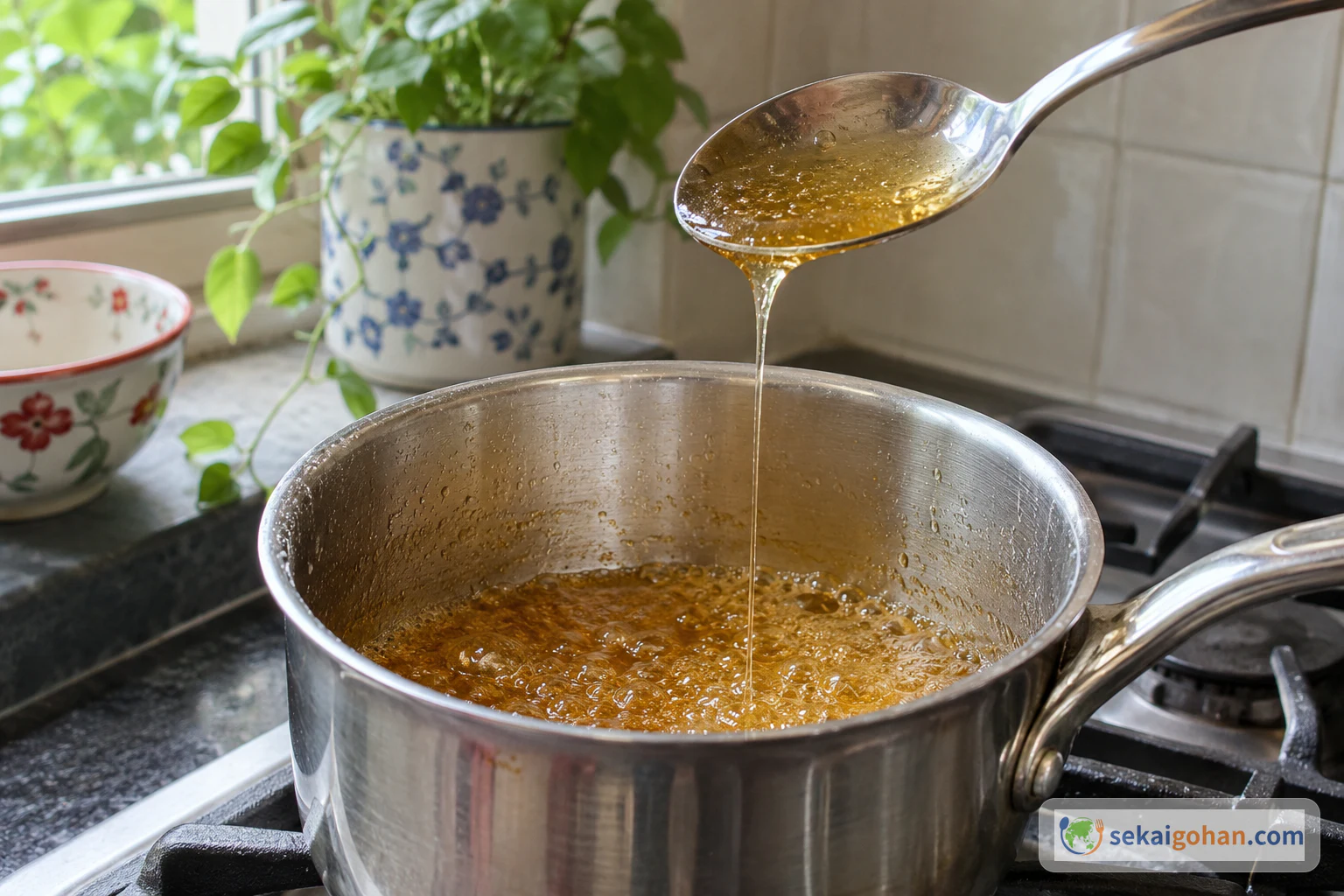
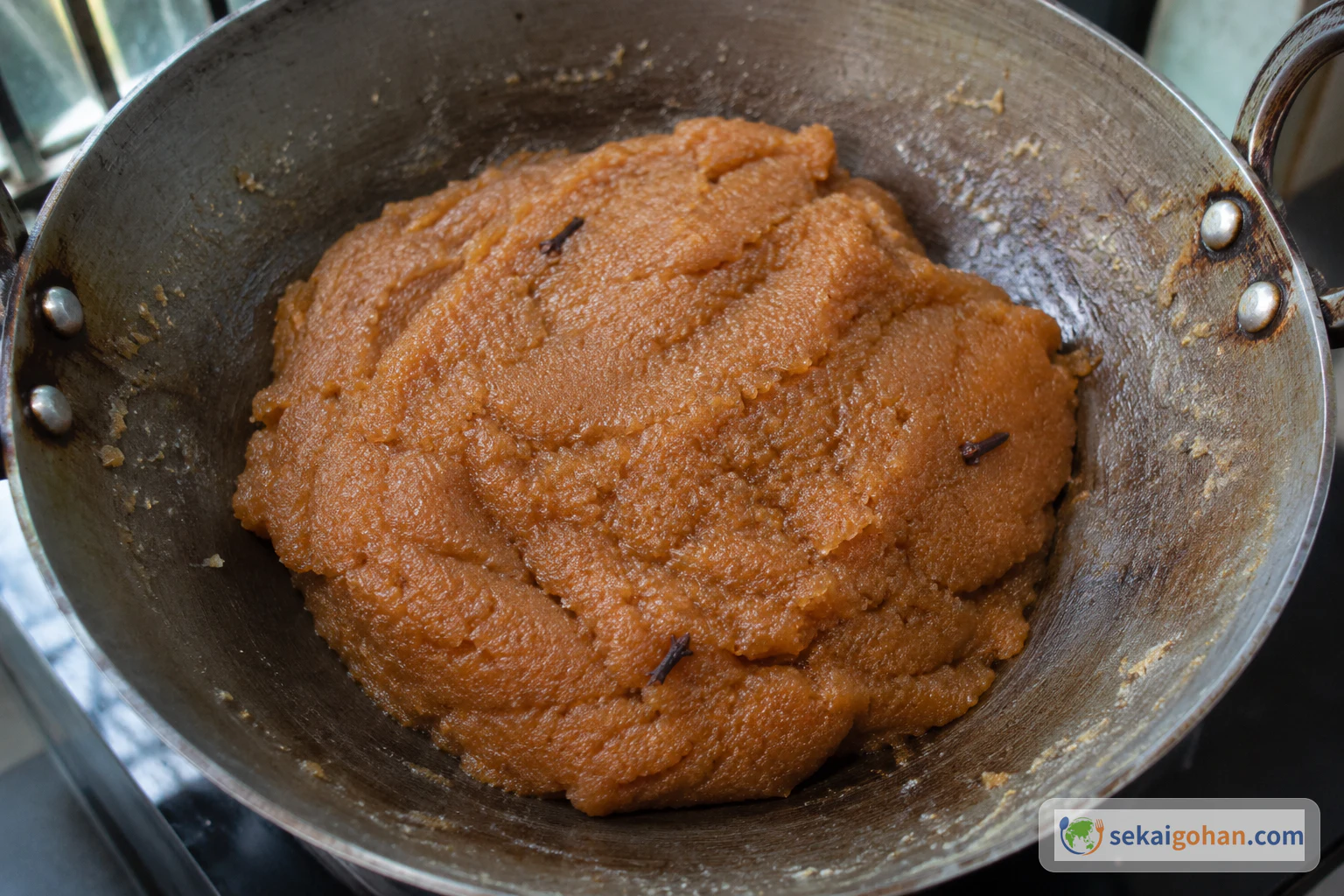
Roast the flour in ghee only to a light brown, cook the syrup to a single thin thread, and stop stirring once the mixture gathers into one mass in the middle of the pan.
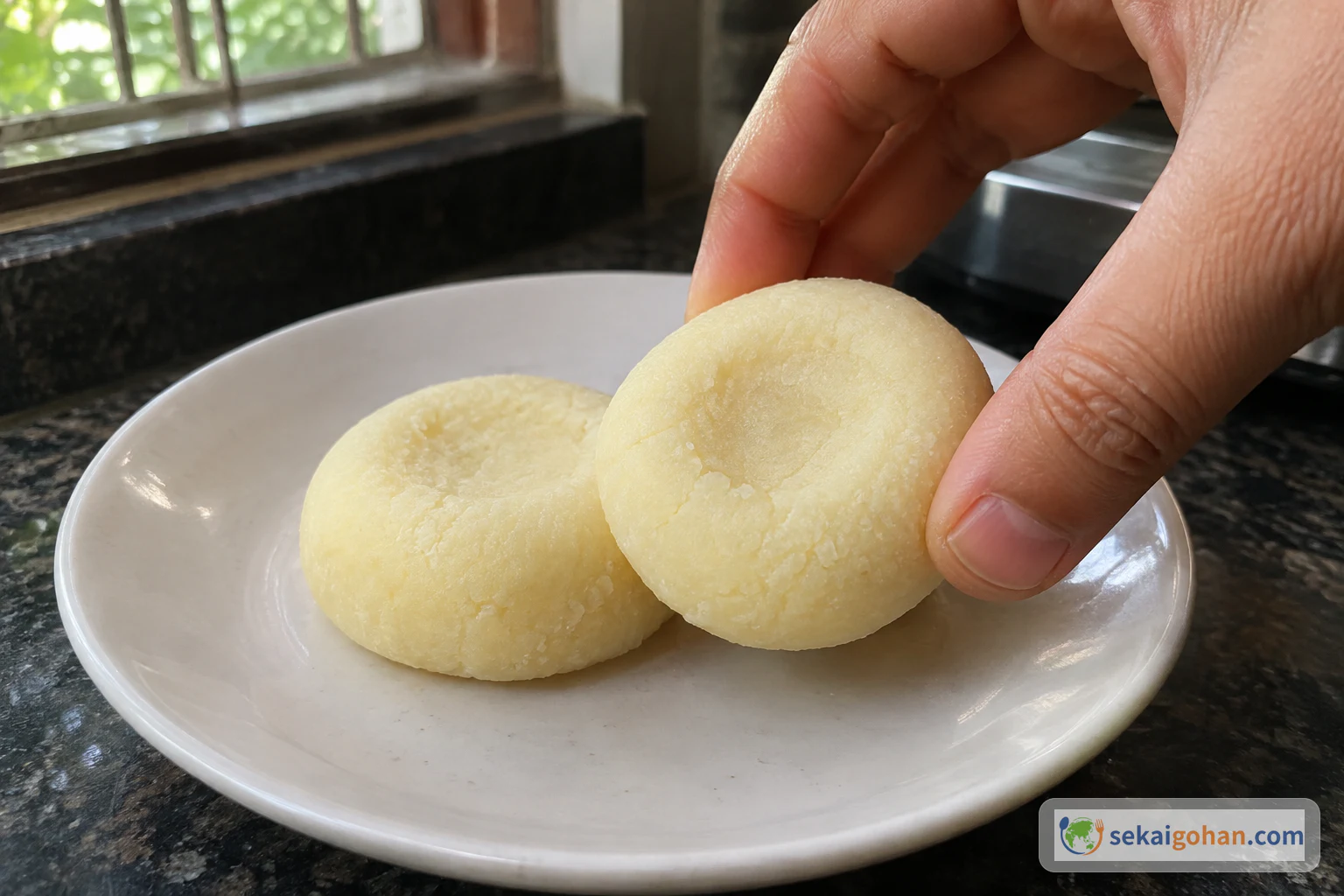
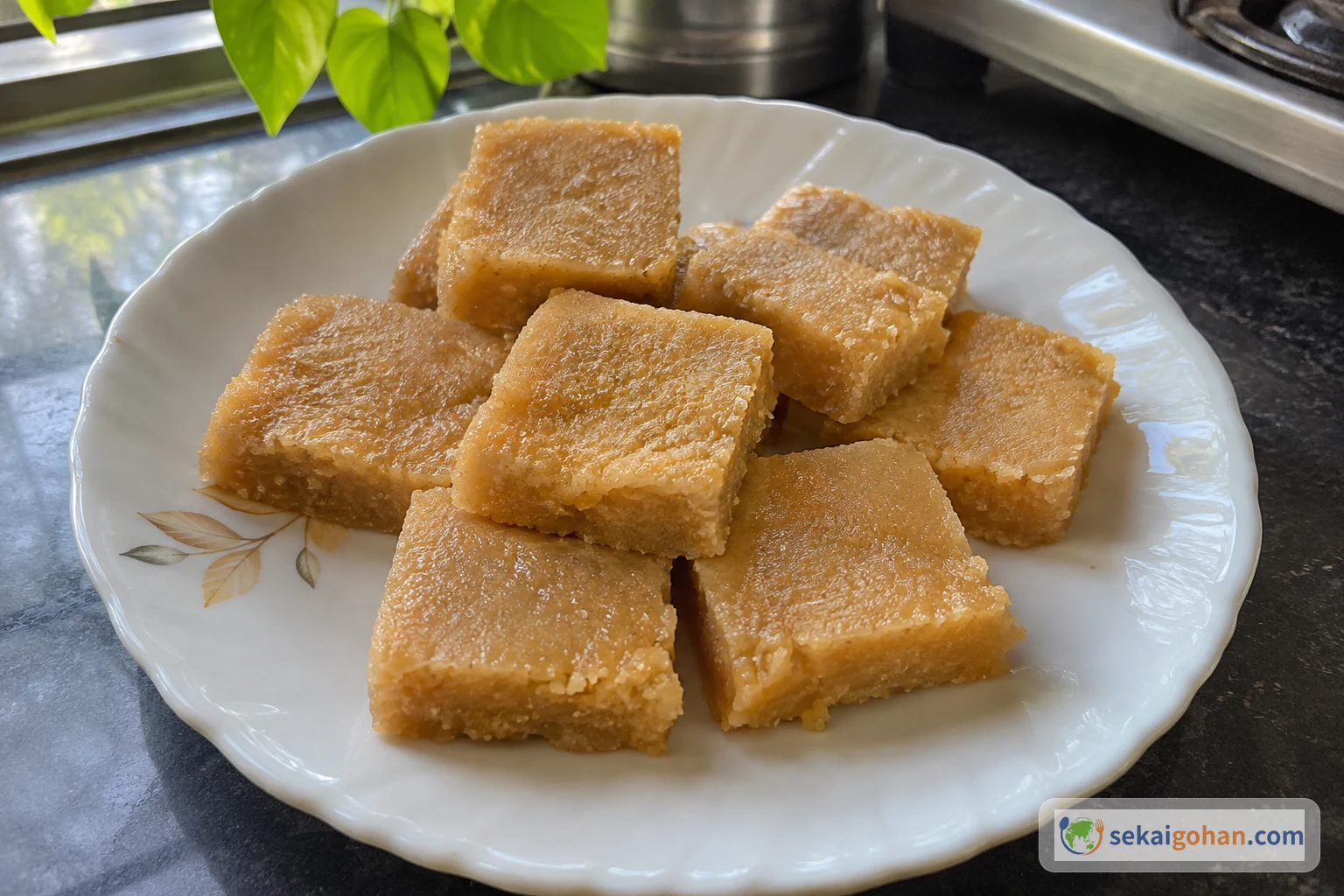
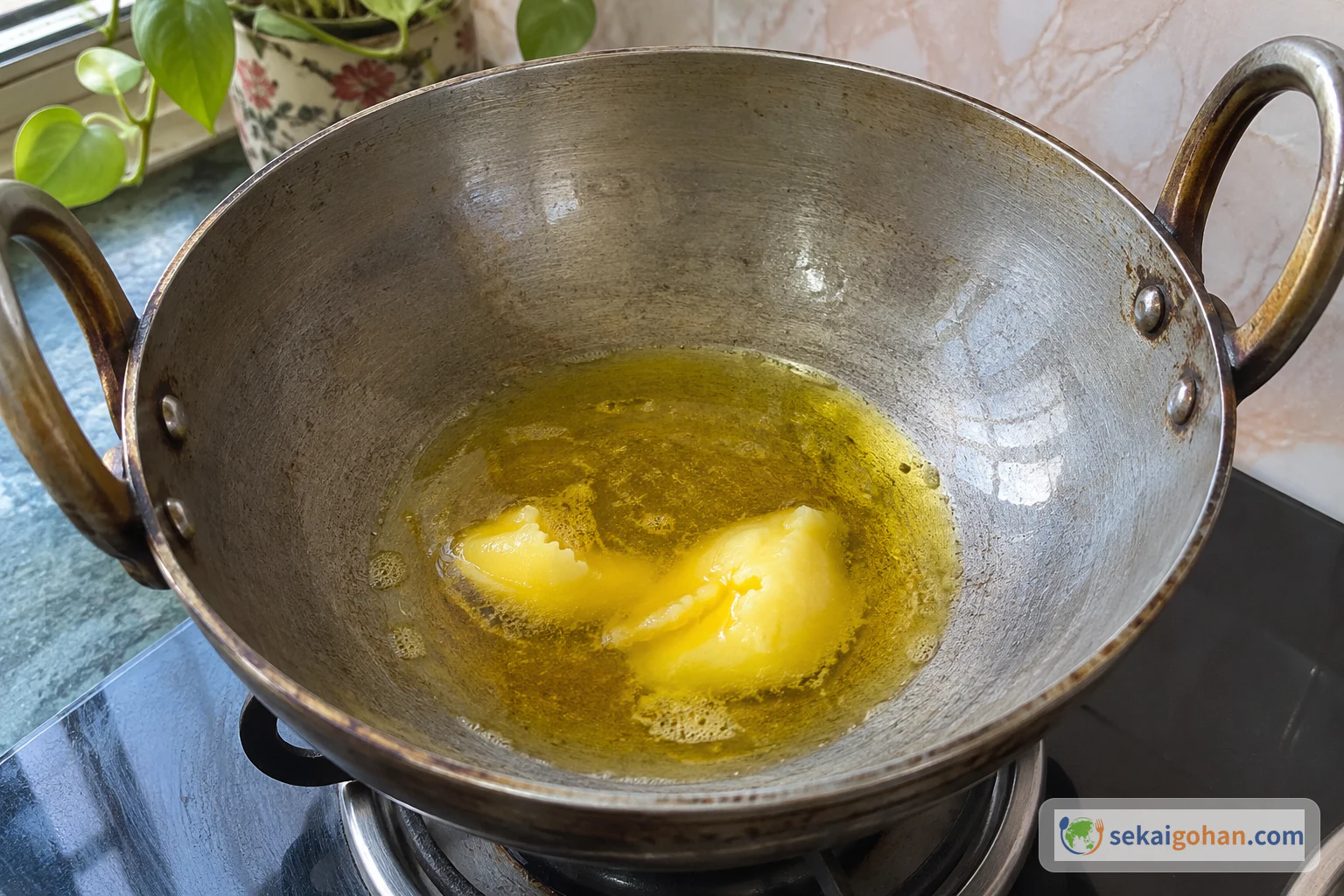
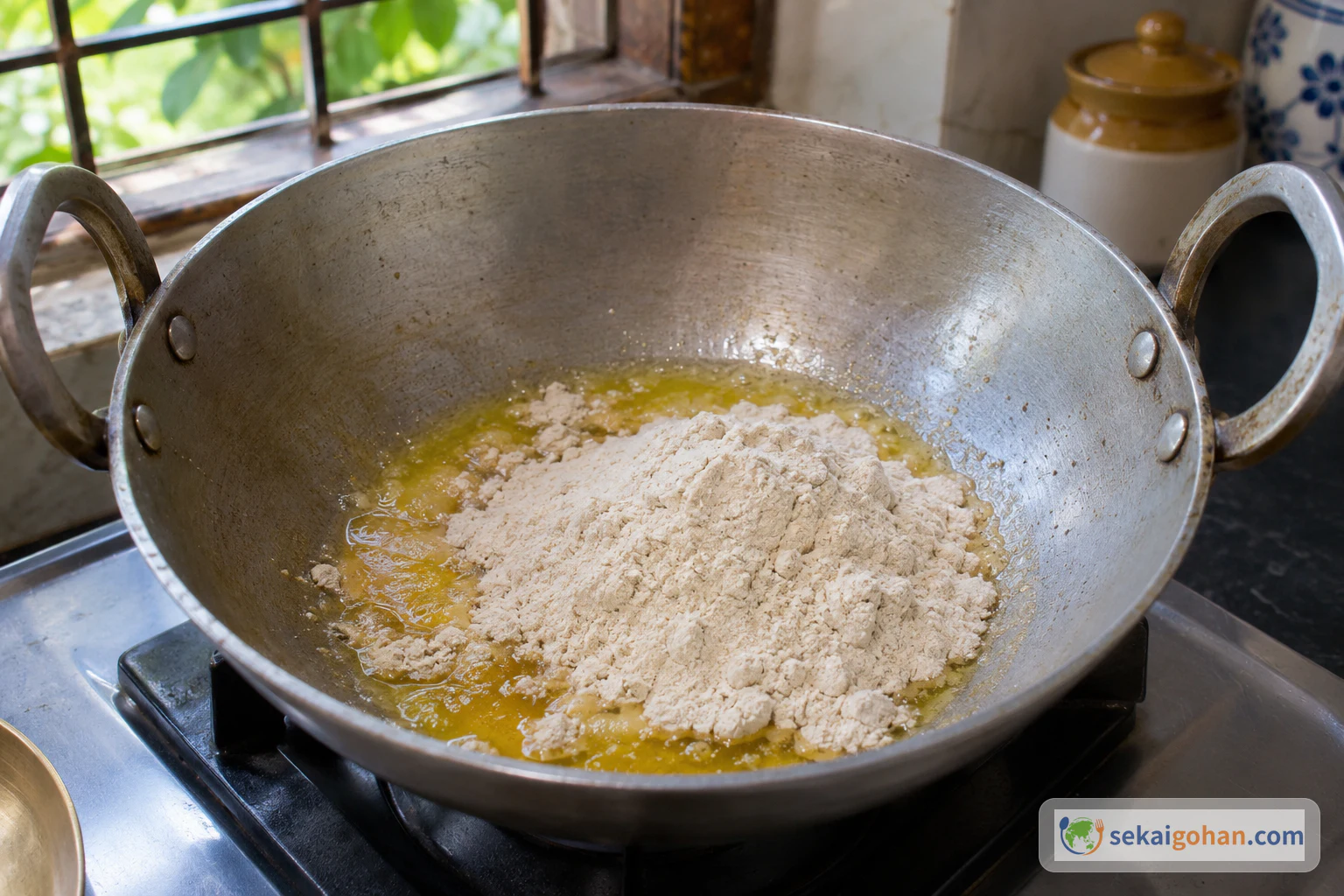
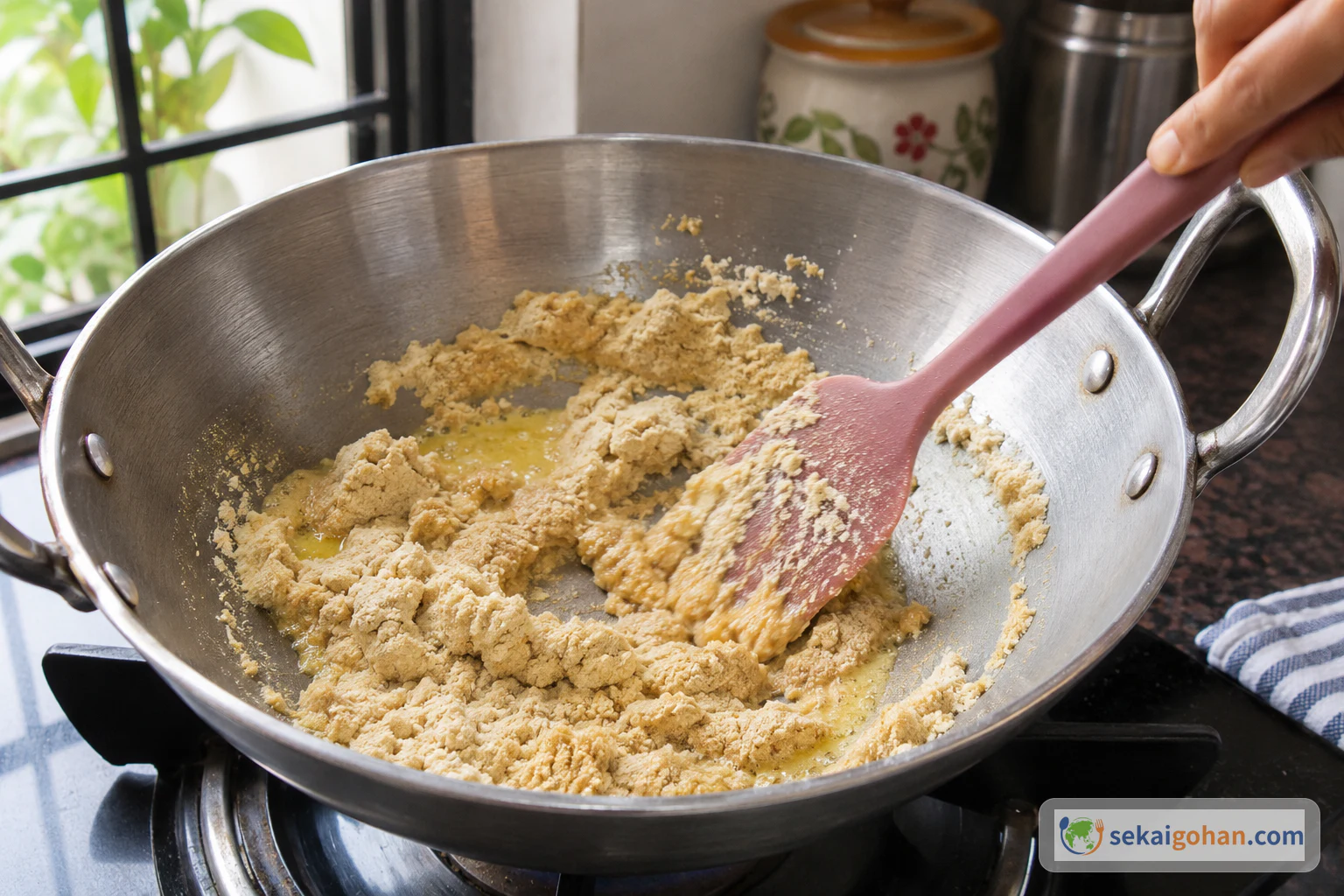
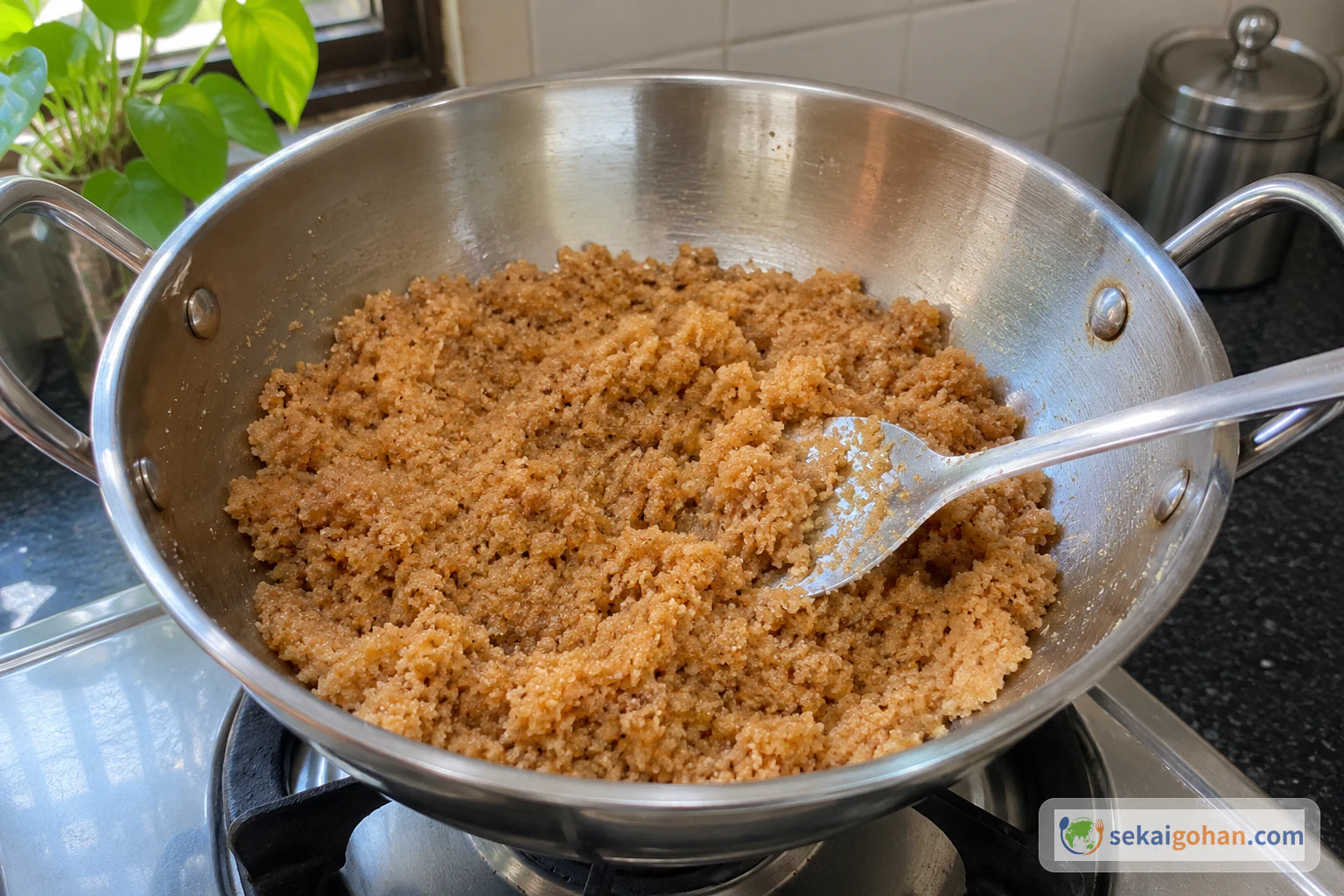
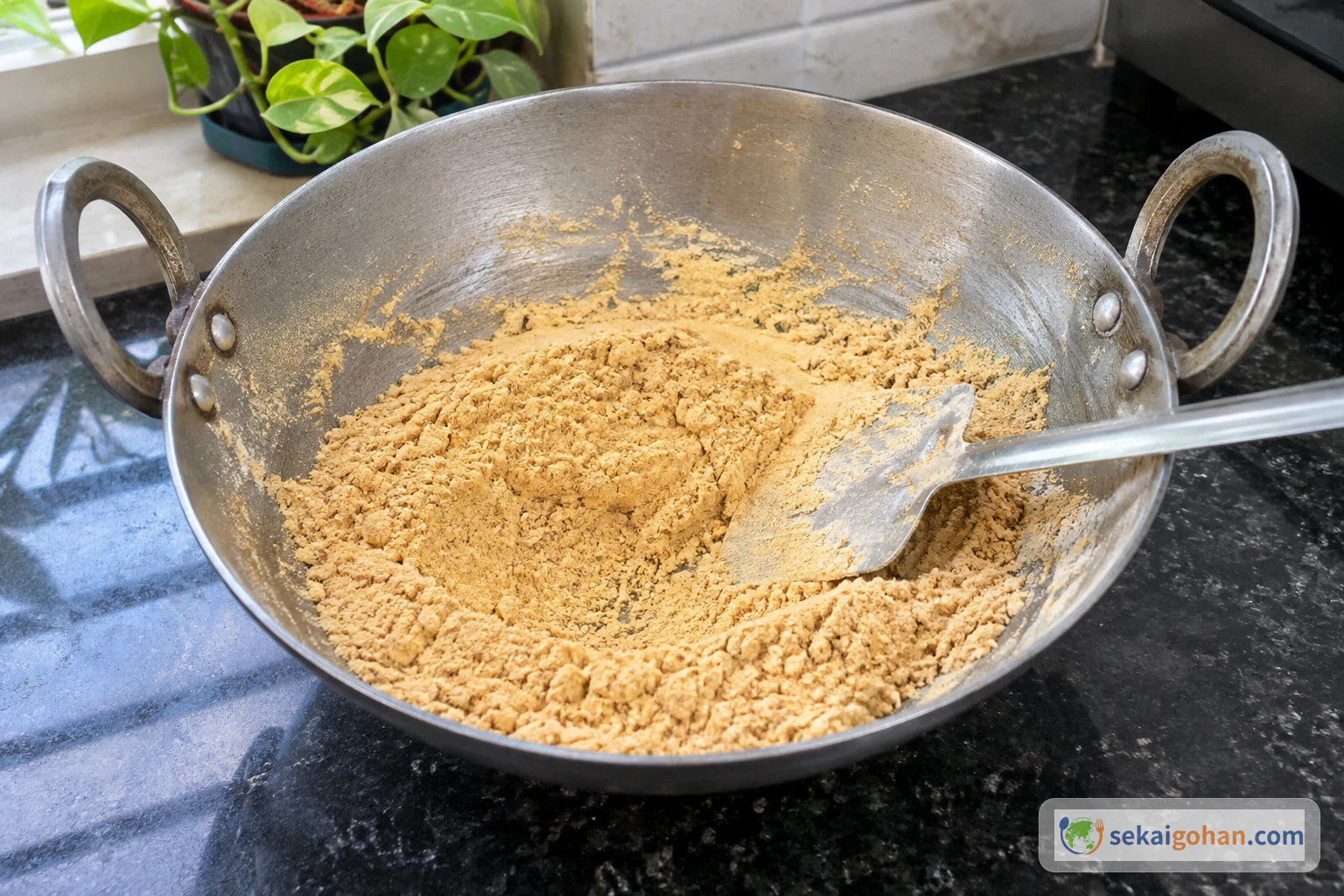
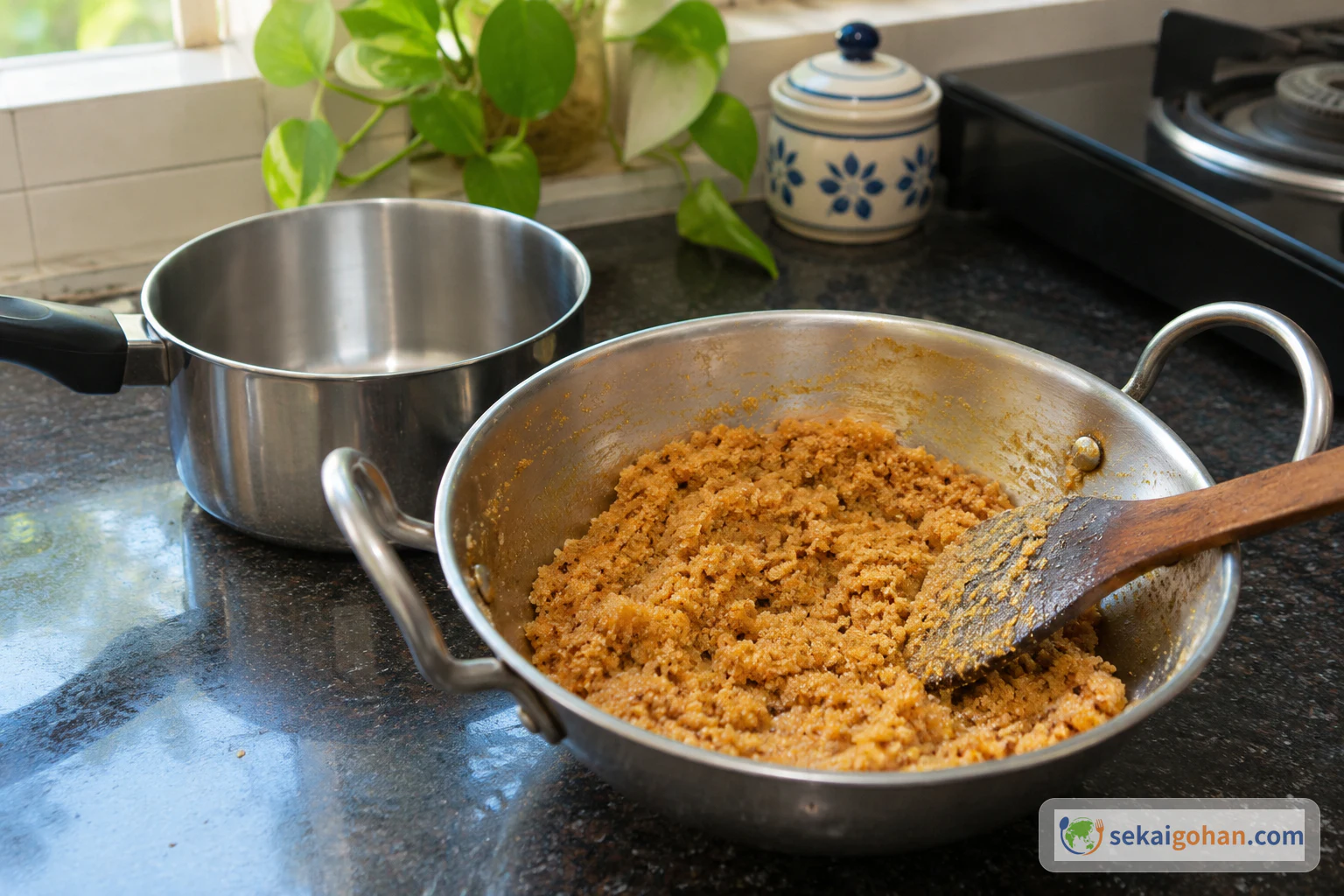
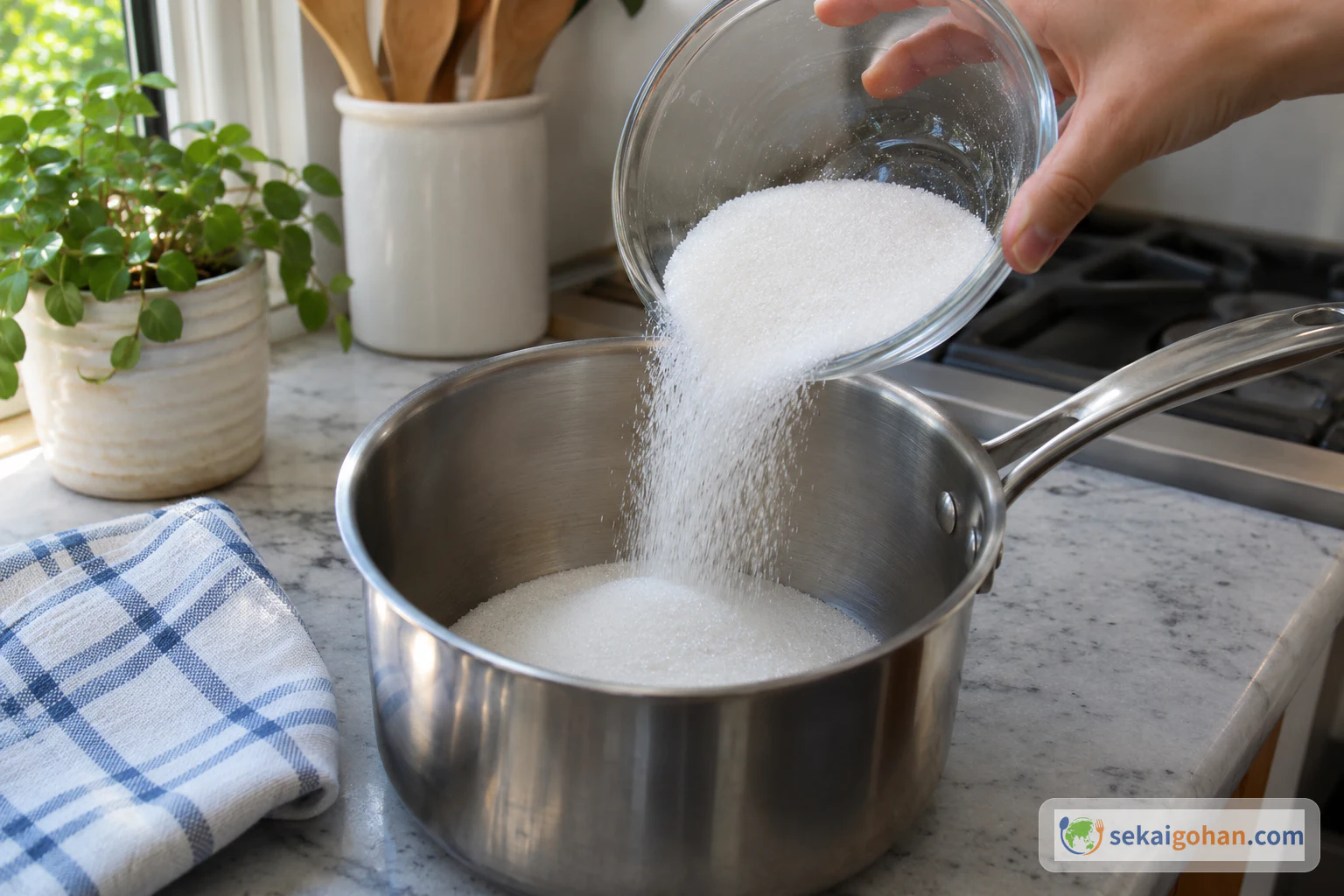
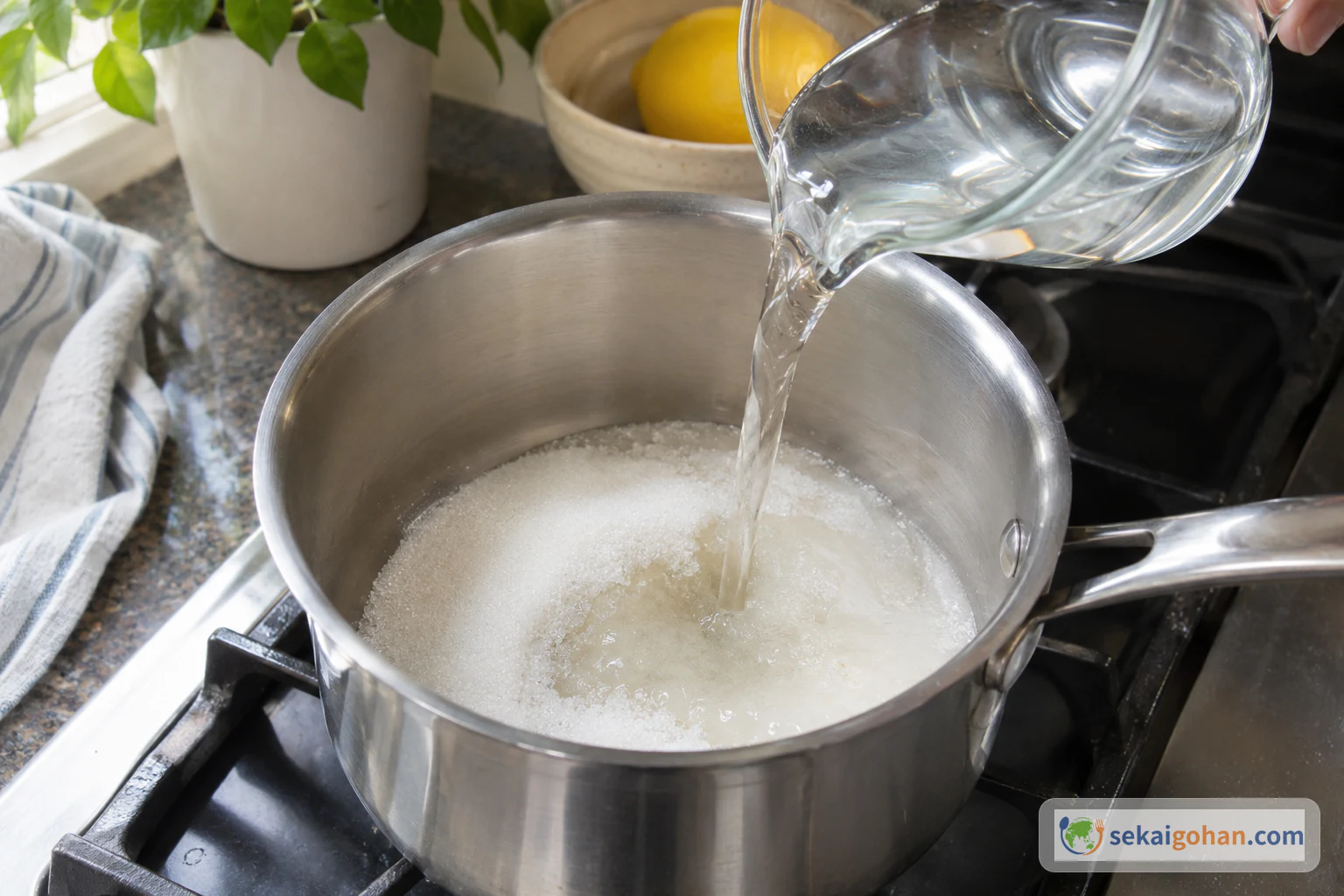
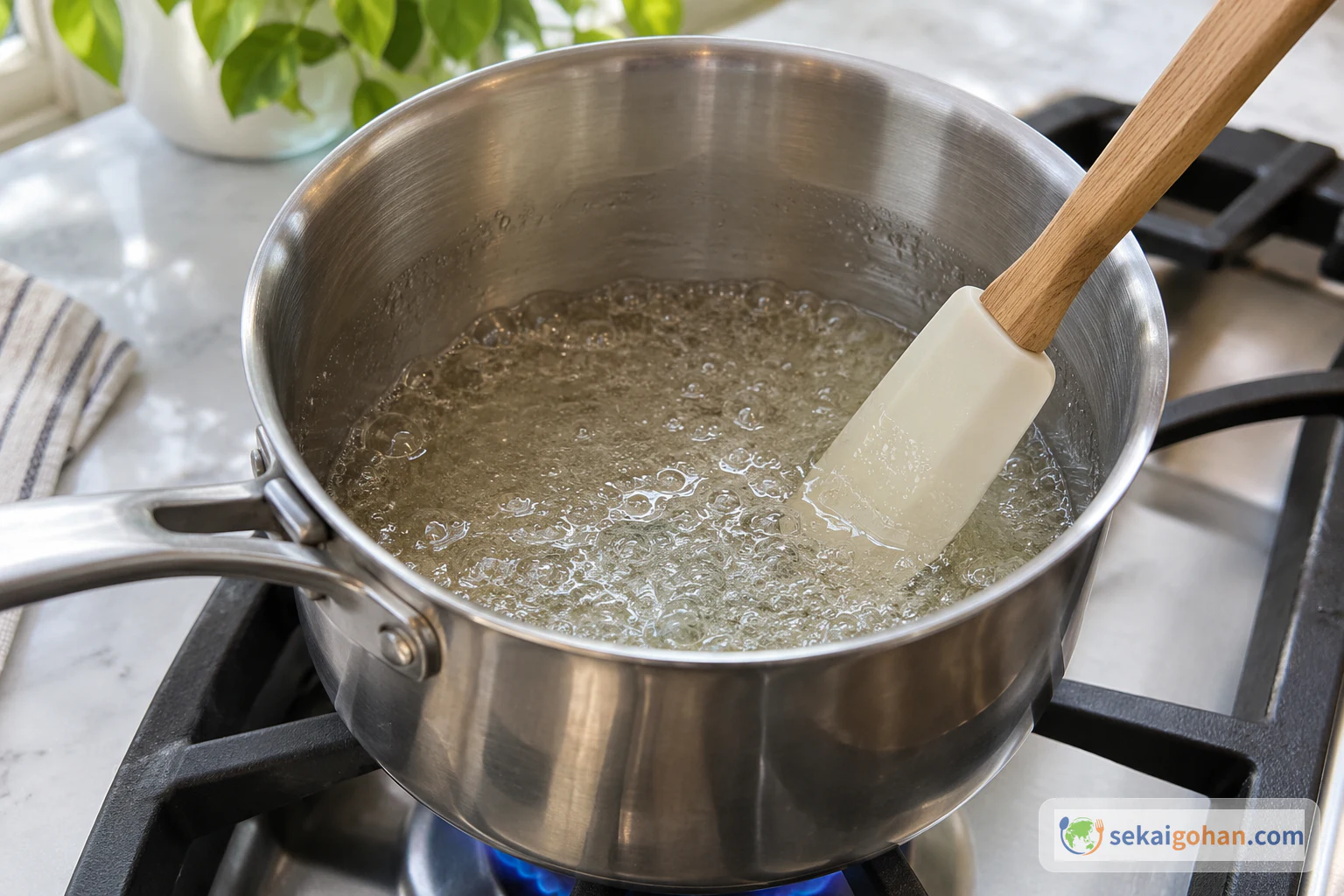
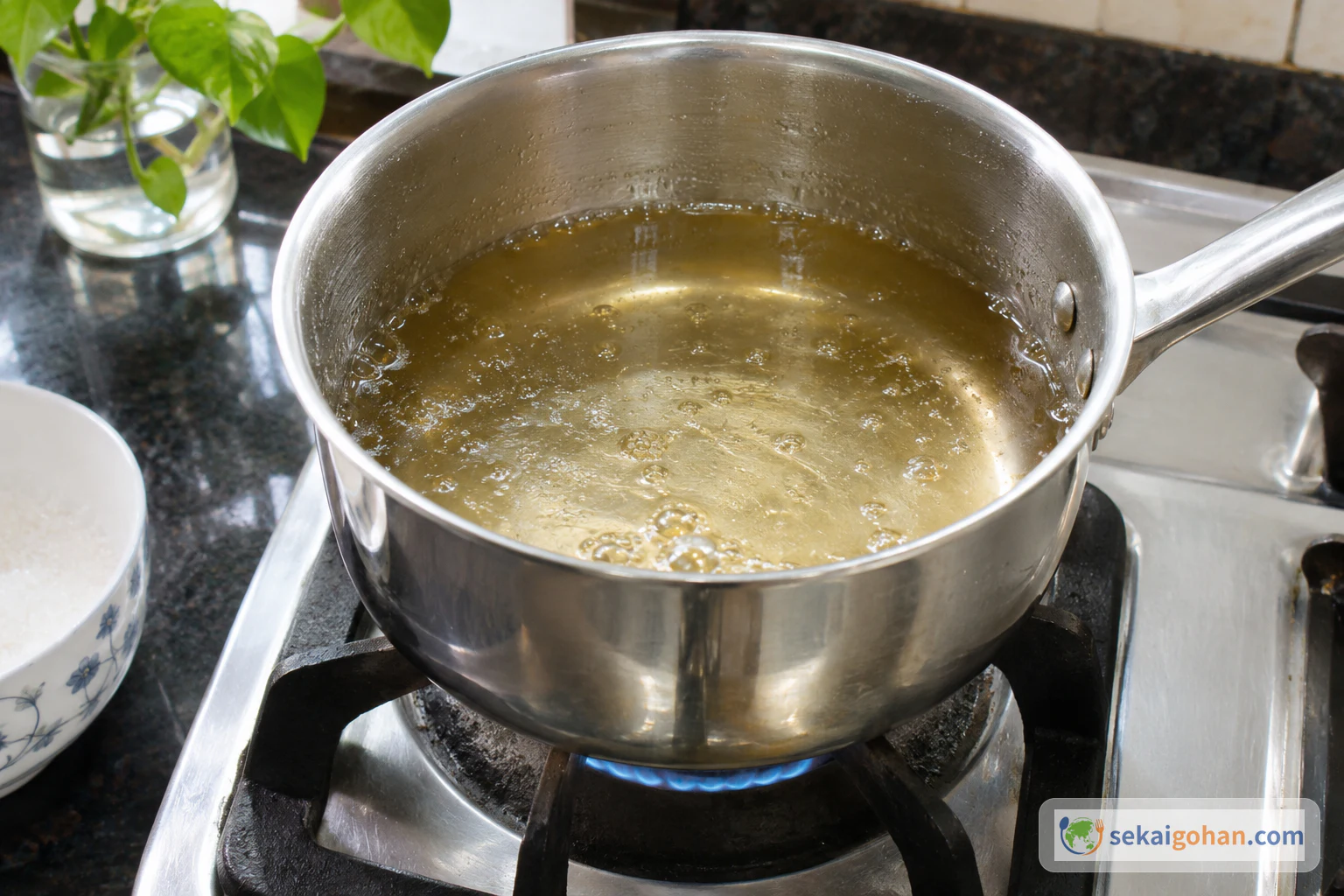
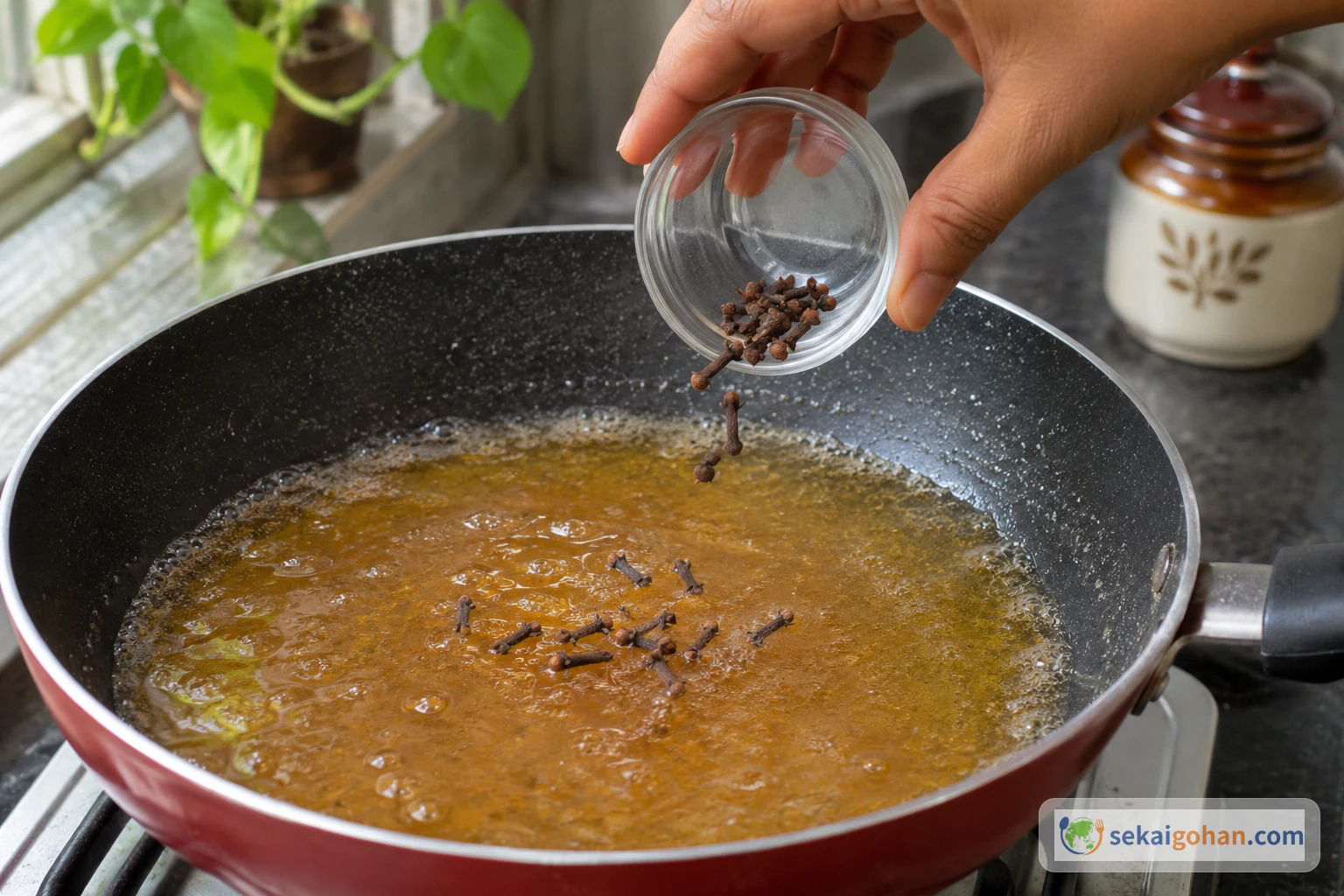
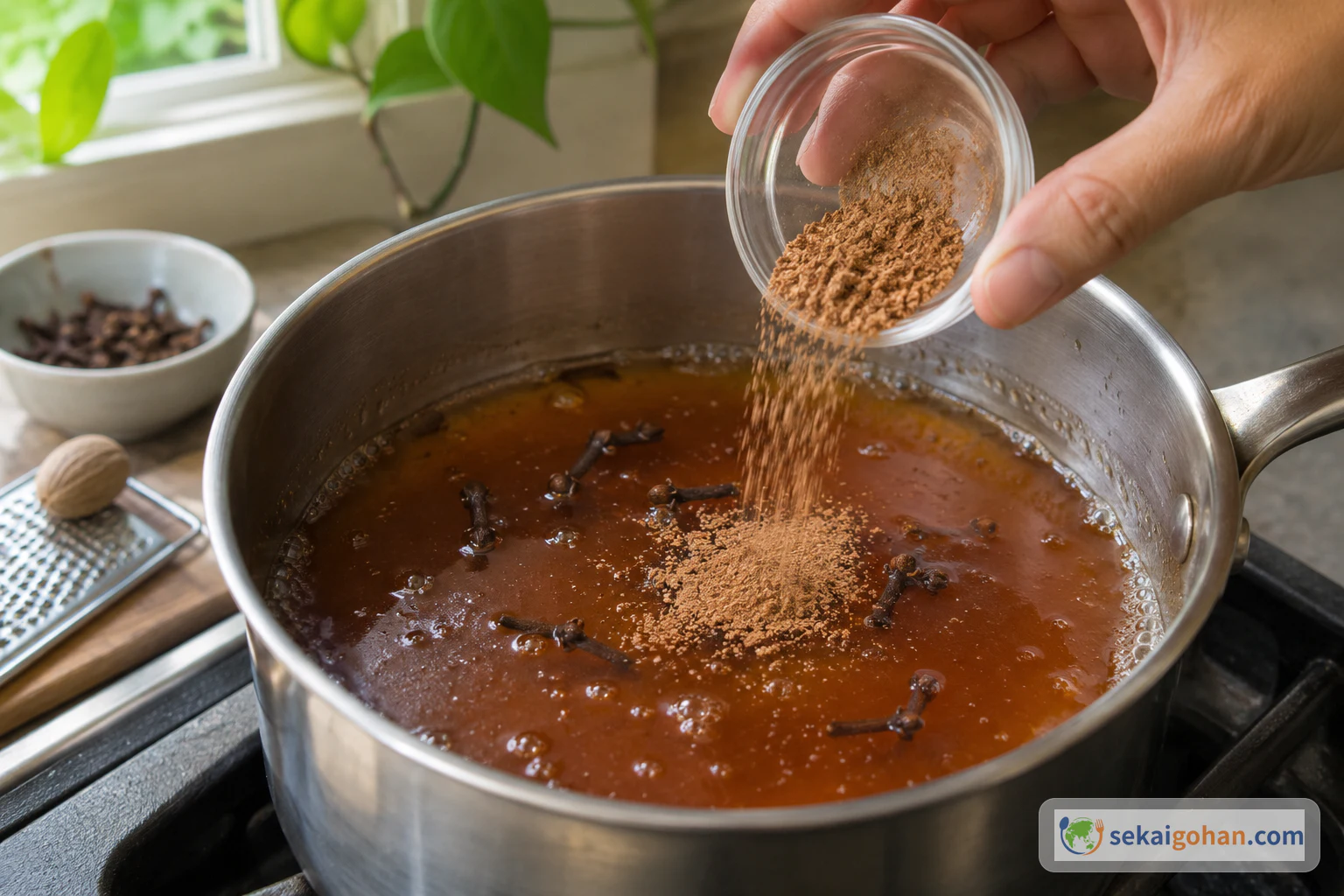
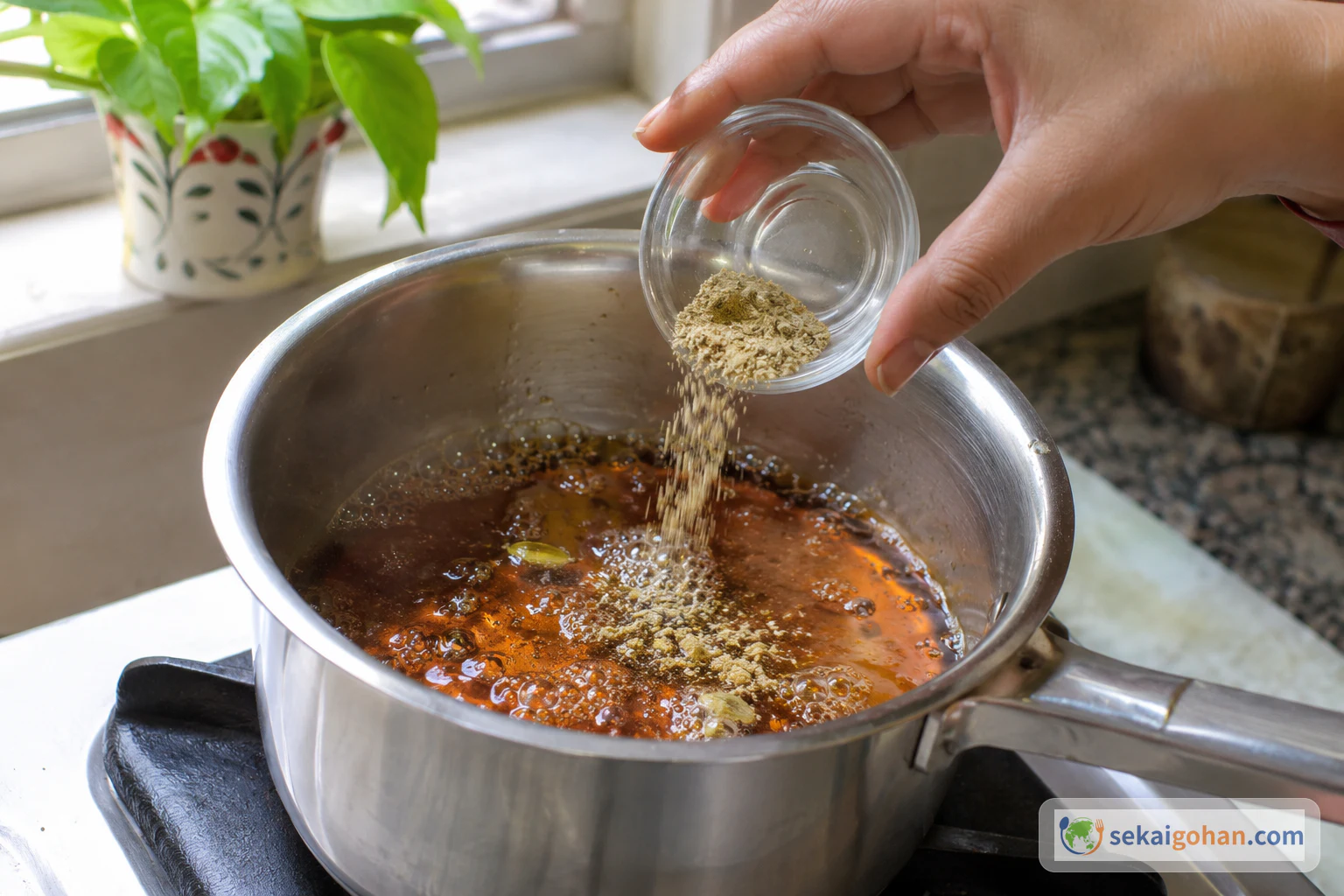
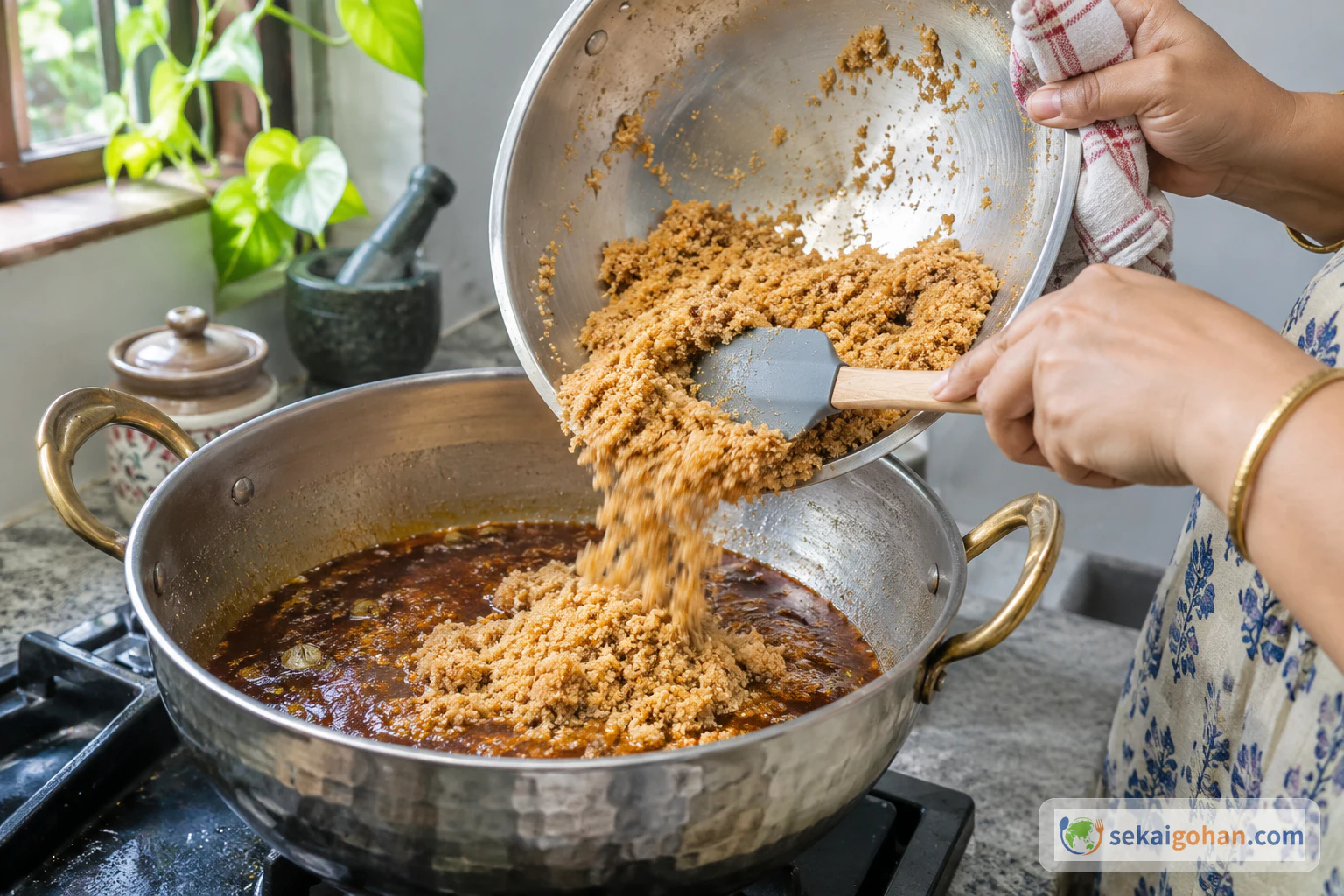
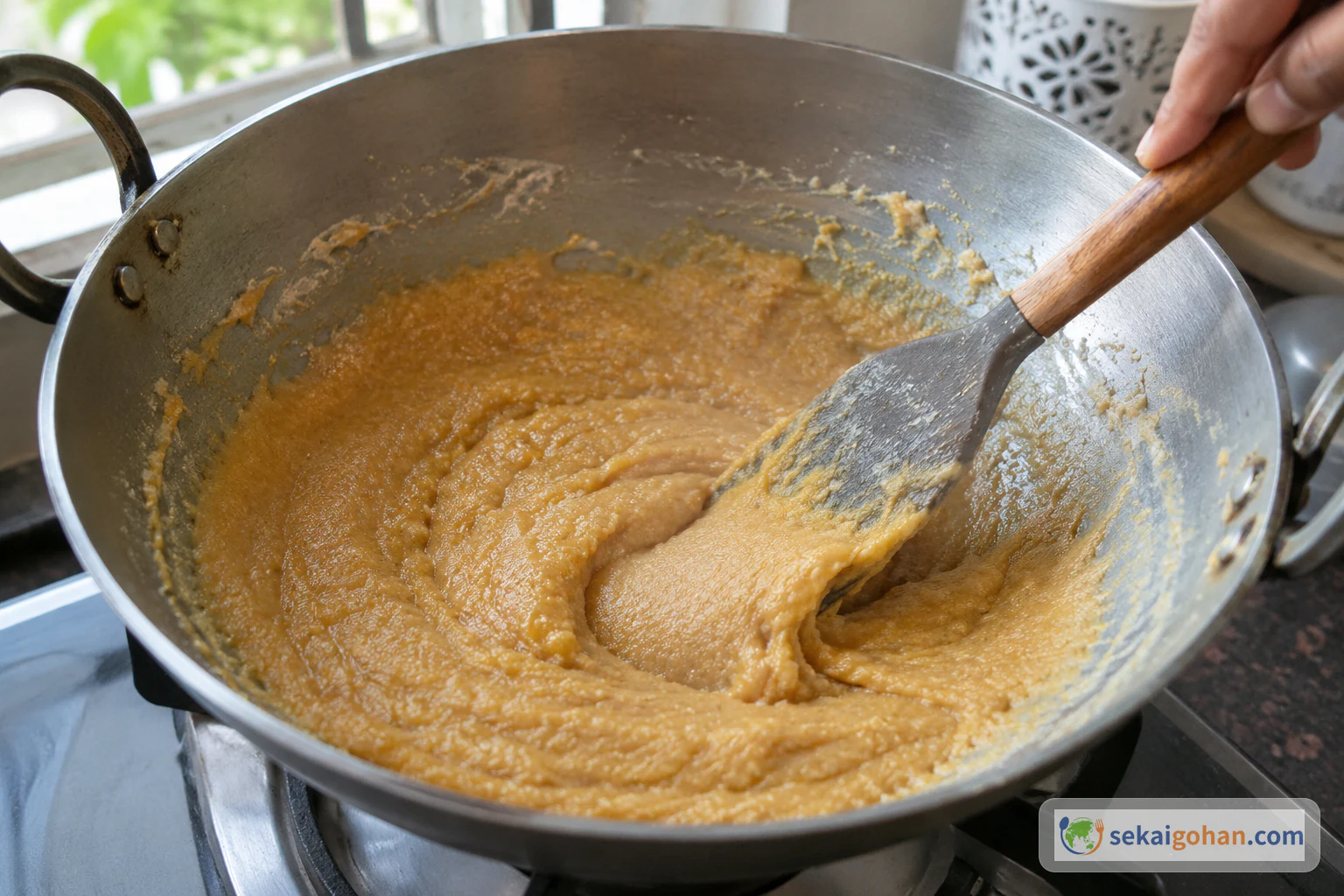
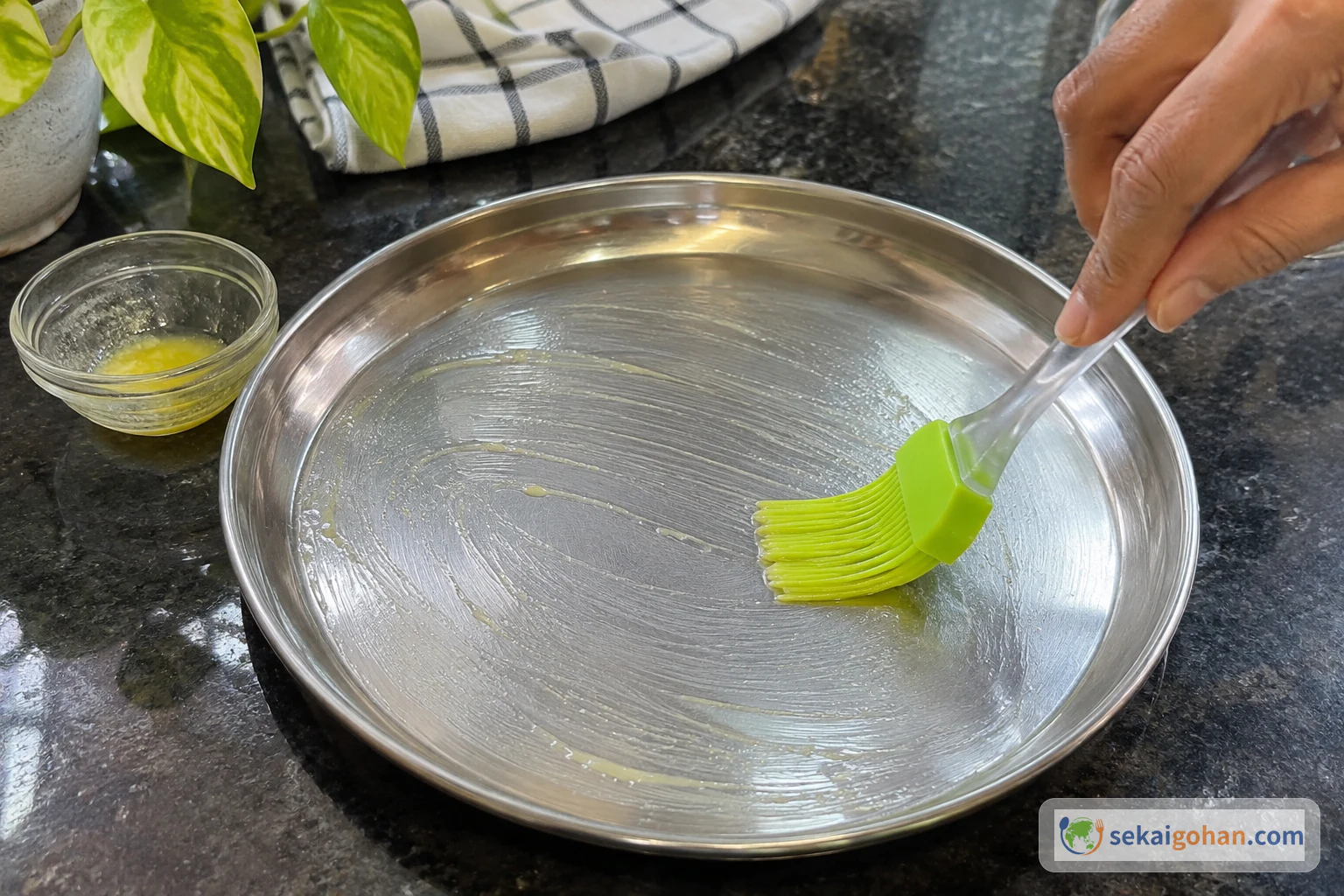
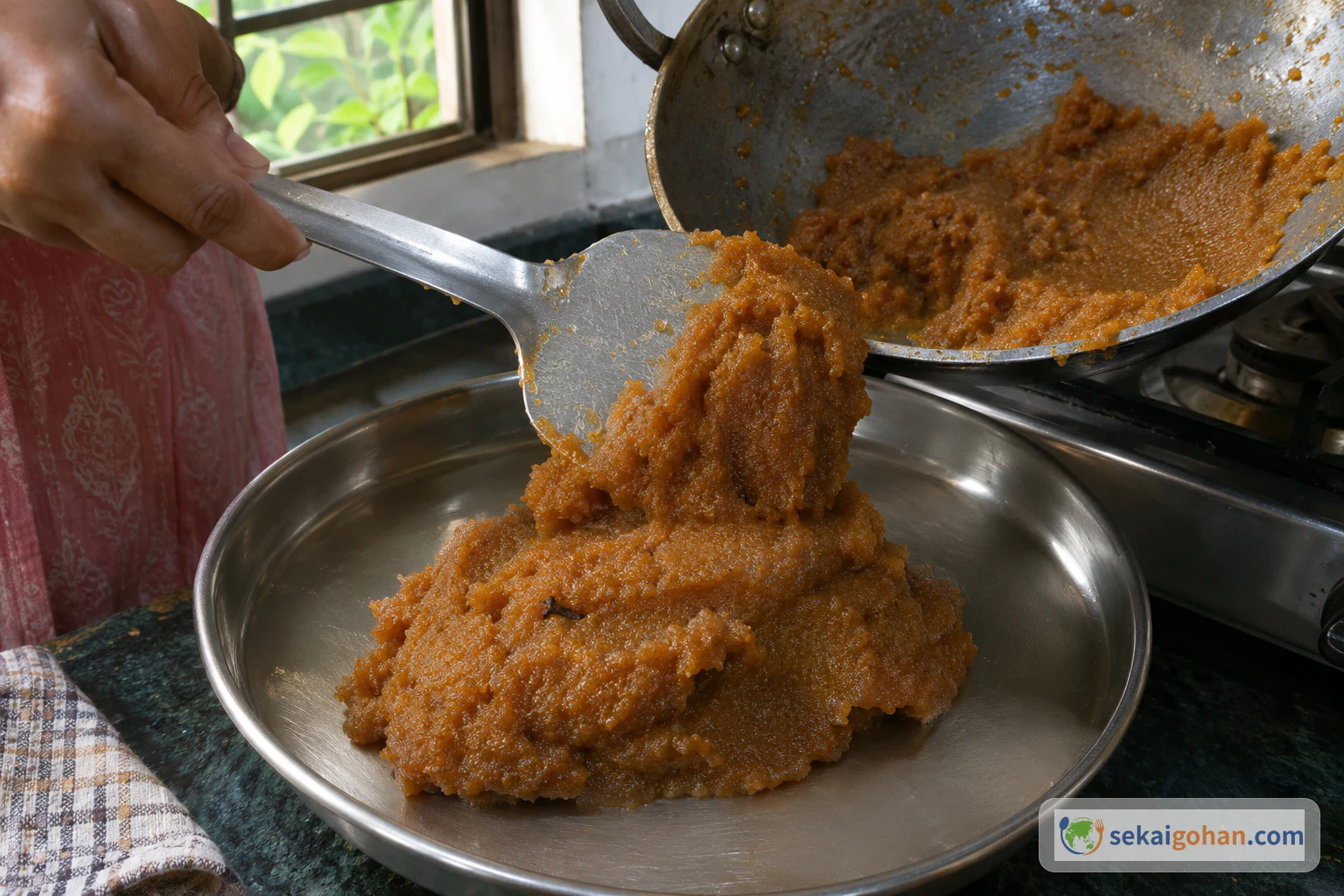
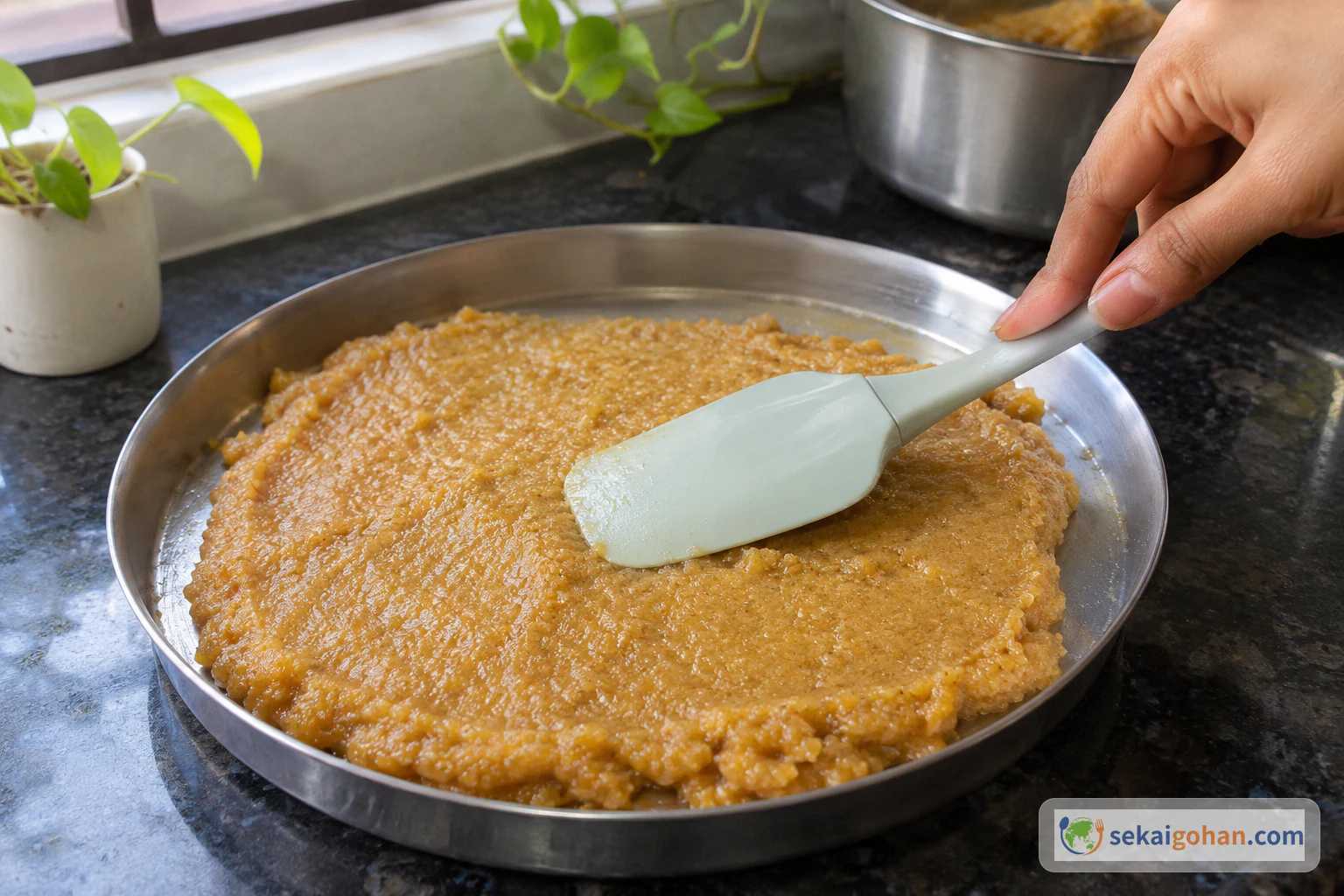
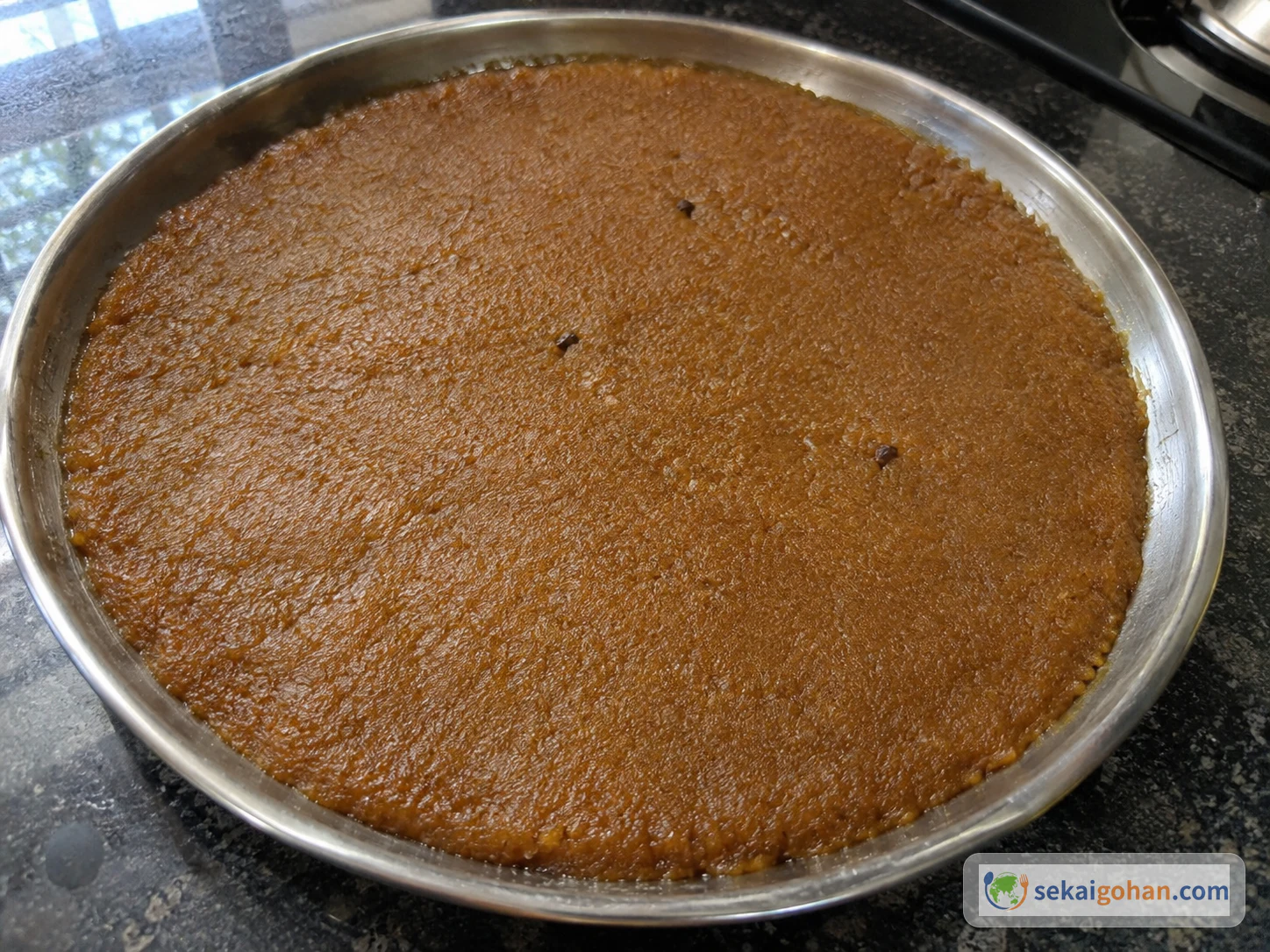
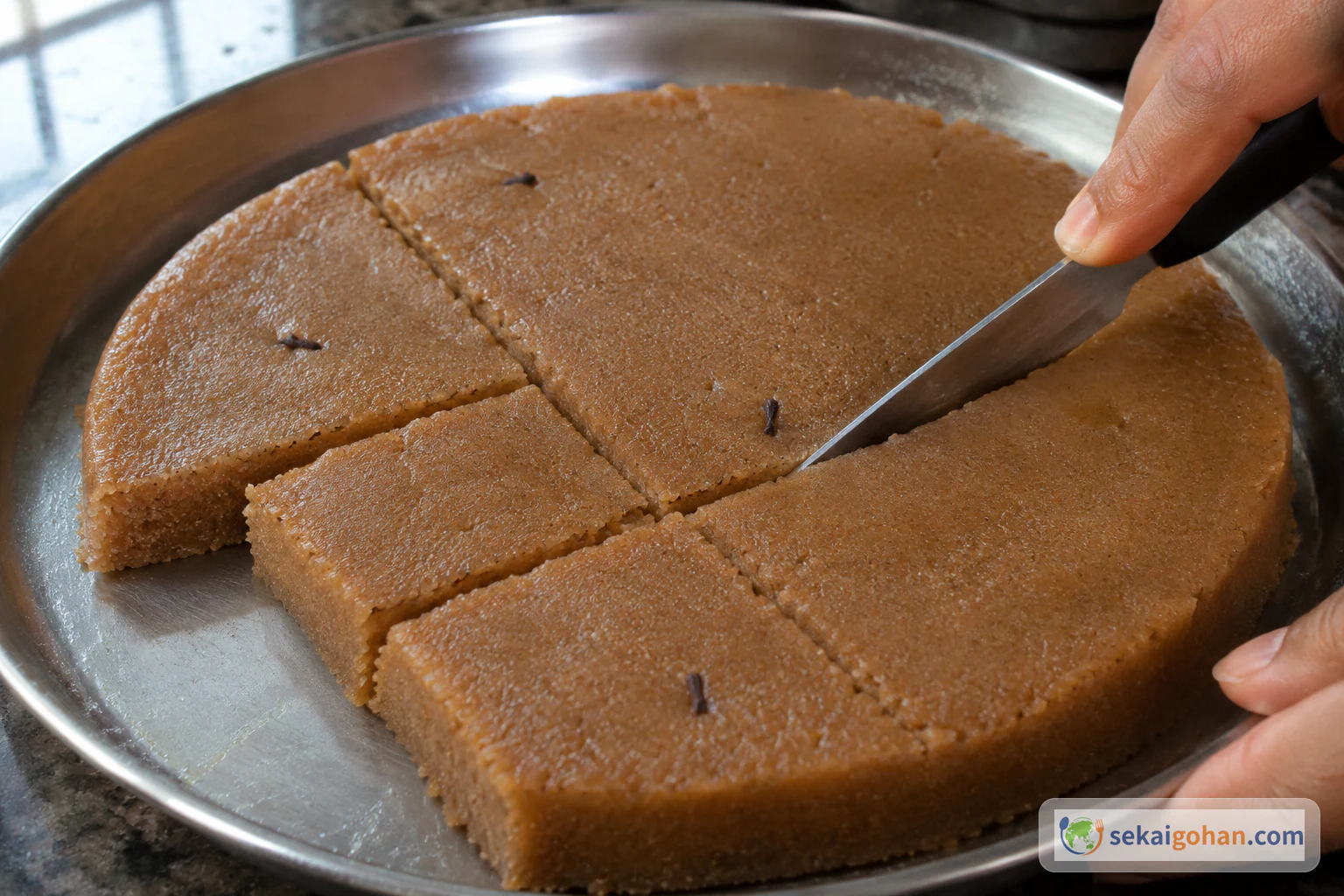
Ghee melts in a heavy pan, and whole-wheat flour goes in and slowly turns from pale to light brown as the kitchen fills with a toasted smell. In a second pan, sugar and water cook down until a spoonful of syrup falls in a single fine thread. Cloves, nutmeg and cardamom go into that syrup, the roasted flour follows, and within a few minutes the whole thing pulls away from the sides into one soft mound. Spread on a greased plate, cooled and cut into small squares, it becomes Jagannath Ballabha, also written Jagannath Ballav.
The name belongs to Puri in Odisha, where Jagannath Ballav appears in lists of the Mahaprasad offerings associated with the Jagannath Temple. This article does not reproduce a temple kitchen. It follows one published household recipe from Nirmalya, an individual recipe site devoted to Jagannath dishes, and makes a plain home version of a wheat, ghee and sugar sweet. It is not an official temple recipe, and we make no claim that it tastes the same as what is offered at Puri.
This recipe has not been kitchen-tested by Sekai Gohan. The amounts, times and visual cues come from the published recipe, with two editorial choices that we state openly:
- Flour. The recipe asks only for "wheat flour" without saying which kind. We use Indian whole-wheat flour (atta). Other wheat flours will not necessarily give the same result.
- Cardamom. The recipe lists 1 tsp cardamom powder among its ingredients but never says when to add it. We add it to the syrup over low heat, together with the cloves and nutmeg. This timing is our choice, not the author's instruction.
From the published recipe's other options, we chose ¾ cup ghee (it allows ¾–1 cup) and granulated sugar (it allows sugar or rock candy). We leave out the optional 1–2 tbsp of extra ghee it suggests for the finish. For more dishes from the same country, see our India page.
Jagannath Ballabha is easy to confuse with Hansakeli, another sweet from the same offering tradition. Hansakeli is made from urad dal paste and rice flour and fried in ghee. Ballabha uses no beans and is not fried. Wheat flour is roasted in ghee and bound with sugar syrup. The similar-sounding Gopala Ballabha is the name for a set of offerings at a particular time of day, not this single sweet.
Ingredients: Wheat, Ghee and a Spiced Sugar Syrup
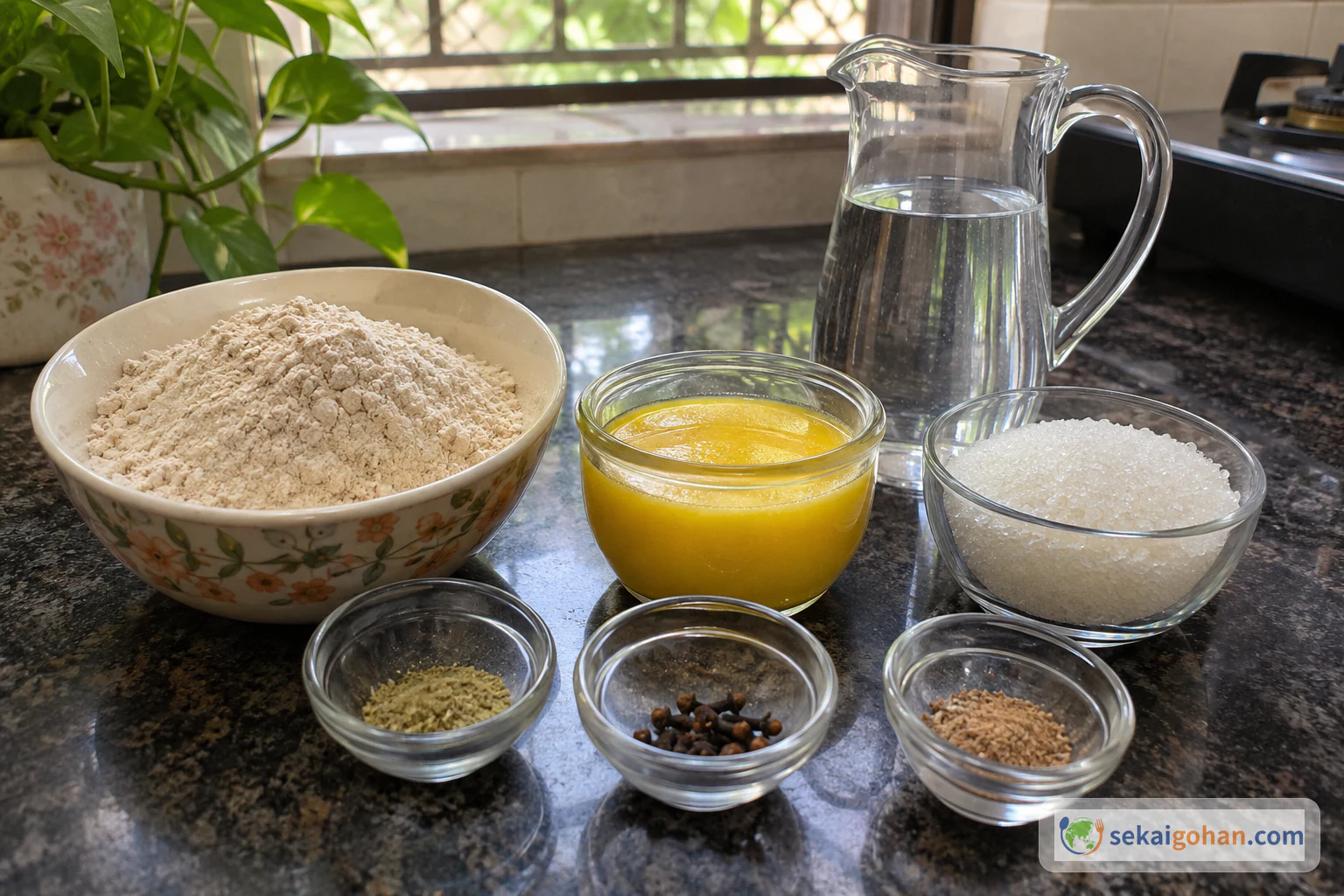
This sweet contains wheat (flour) and dairy (ghee). The sugar syrup and the hot ghee mixture can cause serious burns. Never touch the syrup with your fingers, and use heatproof tools and a heatproof plate throughout.
Equipment
- A heavy kadhai or heavy saucepan for roasting the flour in ghee
- A separate saucepan for the sugar syrup
- Heatproof spatula
- Heatproof spoon (metal) for checking the syrup
- A small brush or utensil for greasing the plate
- A heatproof shallow plate or metal tray
- Knife for cutting
Choosing and Swapping: Flour, Ghee and Sugar
Flour. Whole-wheat atta, sold in Indian and South Asian grocers, is the flour used here. Plain or all-purpose wheat flour is also wheat flour, but it behaves differently from atta. If you use it, expect a different color and texture rather than the same result.
Ghee. Ghee carries the aroma of this sweet, so it is worth buying. Unsalted clarified butter can stand in, but it smells different. Ordinary melted butter is not a like-for-like swap at the same amount, because it still contains water and milk solids. The ghee can range from ¾ cup up to 1 cup. This version uses ¾ cup.
Sugar. Granulated sugar is used here. Rock candy is the other option for the syrup, but it dissolves differently, so give it time to melt completely before you judge the syrup.
Spices. Keep the cloves whole. Cardamom and nutmeg are used as powders.
Syrup, not molasses. The binding liquid is a simple syrup of sugar and water. Do not replace it with molasses or other dark sugar products. That would make a different sweet.
Method: Roast, Make the Syrup, Combine, Set
Roast the flour in ghee first and set it aside. Only then start the syrup. Once the syrup reaches one-string consistency, the remaining steps move quickly, so have the spices, the greased plate and your tools ready before you begin.
The times below are guides. Burner strength and pan thickness change them, so watch the color, the thread of syrup and how the mixture leaves the pan.
Dark Flour, Loose Mixture, Crumbling Squares: What to Check
The exact syrup temperature isn't given, so the checks below rely on what you can see. They are cues to watch for, not guarantees.
| What you see | What to look at | What to do |
|---|---|---|
| The flour has dark or black spots, or smells scorched | Heat too high, or the flour sat still on the bottom | Roast over low–medium heat and keep the spatula moving. Use a heavy pan |
| The flour is still pale after about 5 minutes | Heat very low, or a thin pan | Keep roasting and judge by light-brown color and toasty smell rather than the clock |
| The syrup will not form a thread | Not cooked far enough yet | Keep cooking and test again with a little on a heatproof spoon |
| The syrup waits a long time after reaching one string | The roasted flour was not ready | Have the flour, spices and greased plate ready before the syrup reaches one string, and combine soon after |
| The mixture stays loose and will not gather | Not stirred long enough | Keep stirring over low heat until it leaves the sides and collects in the center |
| The squares break apart when cut | Cut before it cooled | Give the layer its cooling time before cutting |
Serving and Storage
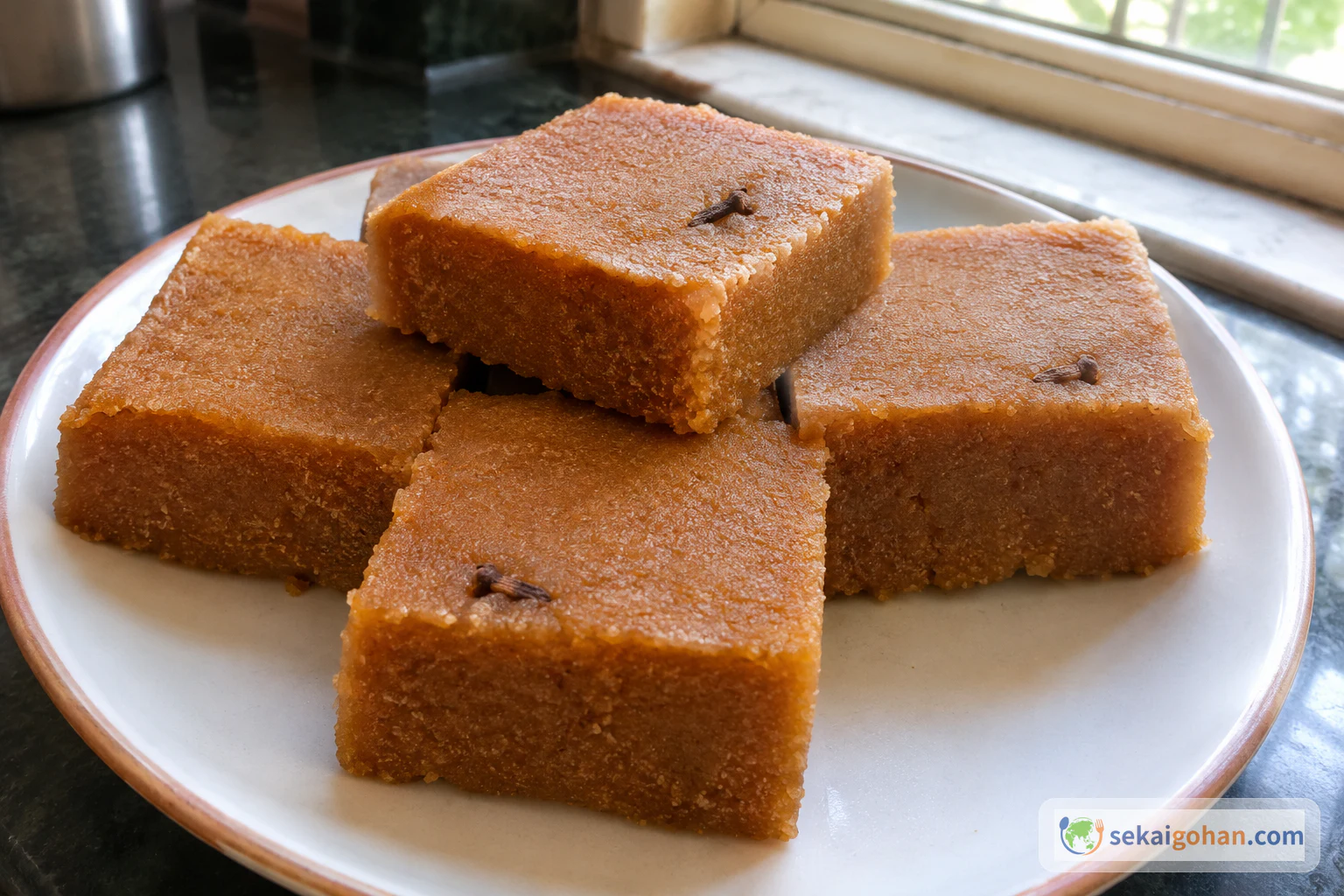
Serve the squares plain on a small plate. This version has no nuts, food coloring or garnish. The only dark specks are the whole cloves, so you may want to pick them out when you eat.
There is no specific storage guidance for this sweet. Let it cool, keep it in a covered, airtight container, and eat it soon. We do not give a number of days.
Jagannath Ballabha at Puri
Puri, on the coast of Odisha, is home to the Jagannath Temple. The food offered there is known as Mahaprasad. Puriwaves, a regional guide to Puri, lists Jagannath Ballav among the items of the Bhoga Mandapa offerings, the offerings that are also sold. Odiapedia's overview of Mahaprasad names Jagannath Ballabha as one of the sweets offered to Jagannath, and notes that the lists of offering names vary from source to source.
These lists show that the name is part of the Puri offering tradition. They do not give a recipe or a formula. The recipe followed here comes from Nirmalya, a site that collects Jagannath-related recipes for home cooks, and it should be read as one household example. We do not claim that it matches the temple kitchen's formula or its ritual status.
Within that household version, the structure is clear: wheat flour roasted in ghee, a sugar syrup scented with cloves and nutmeg, and a short final stir before the mixture is set and cut. The ingredient list also includes cardamom powder, though the method never says when to add it. Our choice to add it with the other spices in the low-heat syrup is an editorial clarification, not the author's step. The one-string cue is the recipe's own. Checking it with a heatproof spoon is our safe-handling suggestion, so no one needs to test hot syrup by hand.
Frequently Asked Questions
Is Jagannath Ballabha the same as Hansakeli?
No. Both belong to the Jagannath offering tradition, but Hansakeli is made from urad dal paste and rice flour fried in ghee. Jagannath Ballabha, as made here, is wheat flour roasted in ghee and set with sugar syrup.
Is this the temple's recipe?
No. It follows a household recipe published on Nirmalya, an individual recipe site, not the temple administration. Offering lists from Puri show the name, but they give no recipe, so we do not present this as the temple's formula or claim that it tastes the same.
How many pieces does this make?
The recipe doesn't say. It also gives no plate size or thickness, so we have not added a yield. Cut the set layer into small squares of whatever size suits you.
Which flour should I use?
The recipe says only "wheat flour." We chose Indian whole-wheat atta as an editorial interpretation. Other wheat flours may give a different color and texture.
Why is the cardamom added to the syrup?
The recipe lists 1 tsp cardamom powder but never says when to add it. We put it into the low-heat syrup together with the cloves and nutmeg. This is our own clarification, and we flag it as such.
Can I use more ghee, or add extra ghee at the end?
The published recipe allows ¾–1 cup ghee and suggests an optional 1–2 tbsp more once the mixture gathers in the pan. This version uses ¾ cup and leaves the extra out. The little ghee on the plate is a separate, small amount used only for greasing.
Can I use butter instead of ghee, or rock candy instead of sugar?
Unsalted clarified butter can stand in for ghee, though its aroma is different. There is no basis for swapping in plain melted butter at the same amount. The recipe allows rock candy instead of sugar, but it dissolves differently, so make sure it has fully melted before you check the syrup's thread.
How long does it keep?
The recipe gives no storage time, and we do not estimate one from the ghee or sugar content. Cool it, keep it covered in an airtight container, and eat it soon.
Sources
- Nirmalya – An offering to Lord Jagannath (Google Sites), "Jagannath Ballabha." A household recipe for a wheat, ghee and sugar sweet: 2 cups wheat flour, ¾–1 cup ghee, 1½ cups sugar or rock candy, 1 cup water, cardamom, cloves, nutmeg and optional finishing ghee, with the roasting, syrup, combining, setting and cutting steps. An individual recipe site, not an official temple source. https://sites.google.com/view/nirmalya108/recipe/jagannath-ballabha
- Puriwaves, "Bhoga Mandapa – Mahaprasad (Bhoga) of Lord Jagannath." Lists Jagannath Ballav among the Bhoga Mandapa offerings and items sold. Gives no recipe or formula. https://puriwaves.nirmalya.in/mahaprasad/bhoga-mandapa-mahaprasad-bhoga-of-lord-jagannath
- Odiapedia Editorial Team, "Mahaprasad of Jagannath Temple, Puri." Mentions Jagannath Ballabha as one of the sweets offered to Jagannath and notes that lists of offering names vary. An overview with no individual recipe. https://odiapedia.com/food/mahaprasad
- Mahaprasada (rashmisudheendra), "Hansa Keli – Lord Jagannath Sakala Dhupa Bhoga." Used only for comparison: Hansakeli is made with urad dal paste and rice flour and fried in ghee, a different sweet from Jagannath Ballabha. https://mahaprasada.home.blog/2023/05/22/hansa-keli-lord-jagannath-sakala-dhupa-bhoga/