Kulcha: A Soft, Golden-Spotted Bread from the Tawa
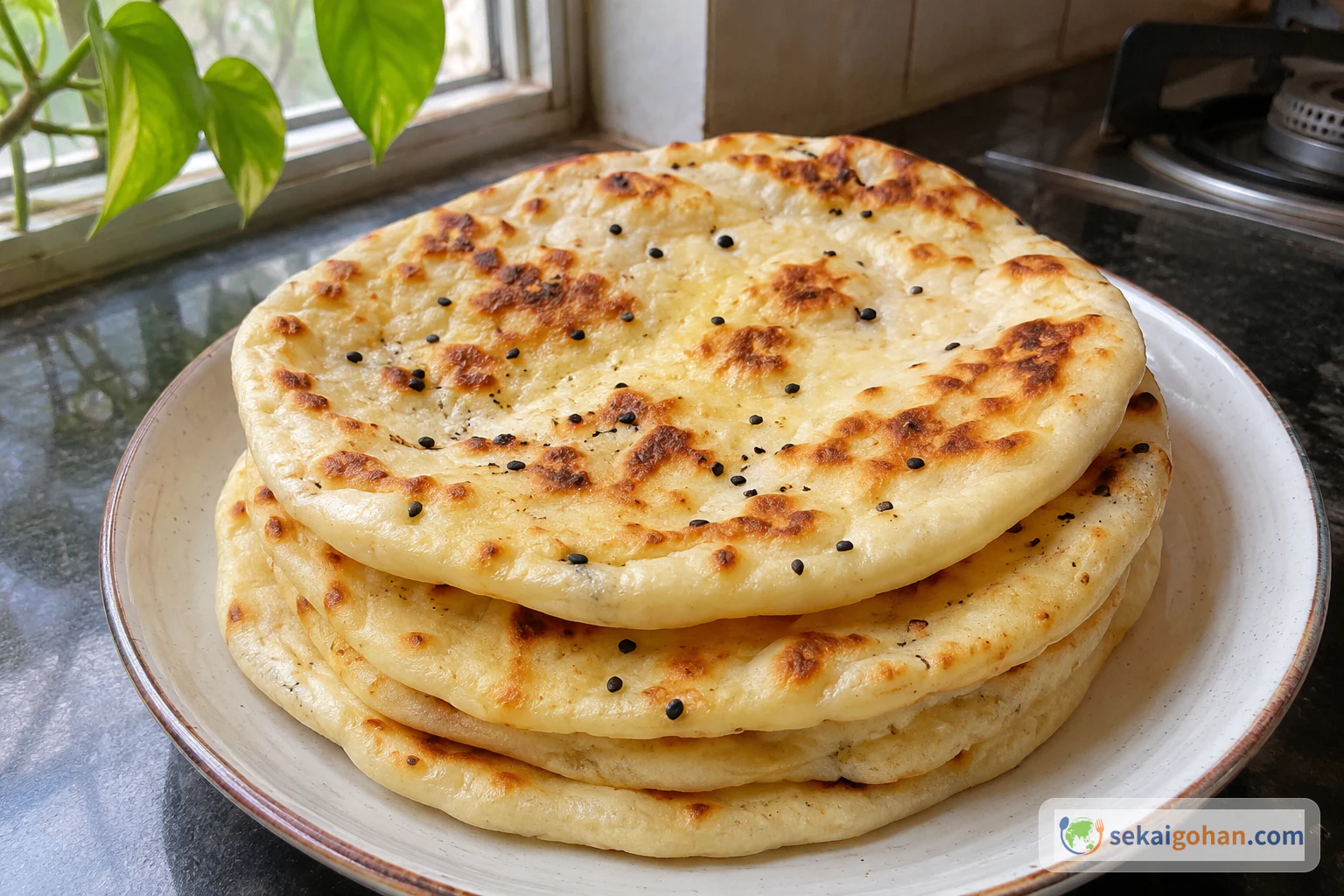
A soft, pliable dough, a light scattering of black nigella seeds, and golden spots from a hot tawa, with the bread cooked all the way through. No stuffing.
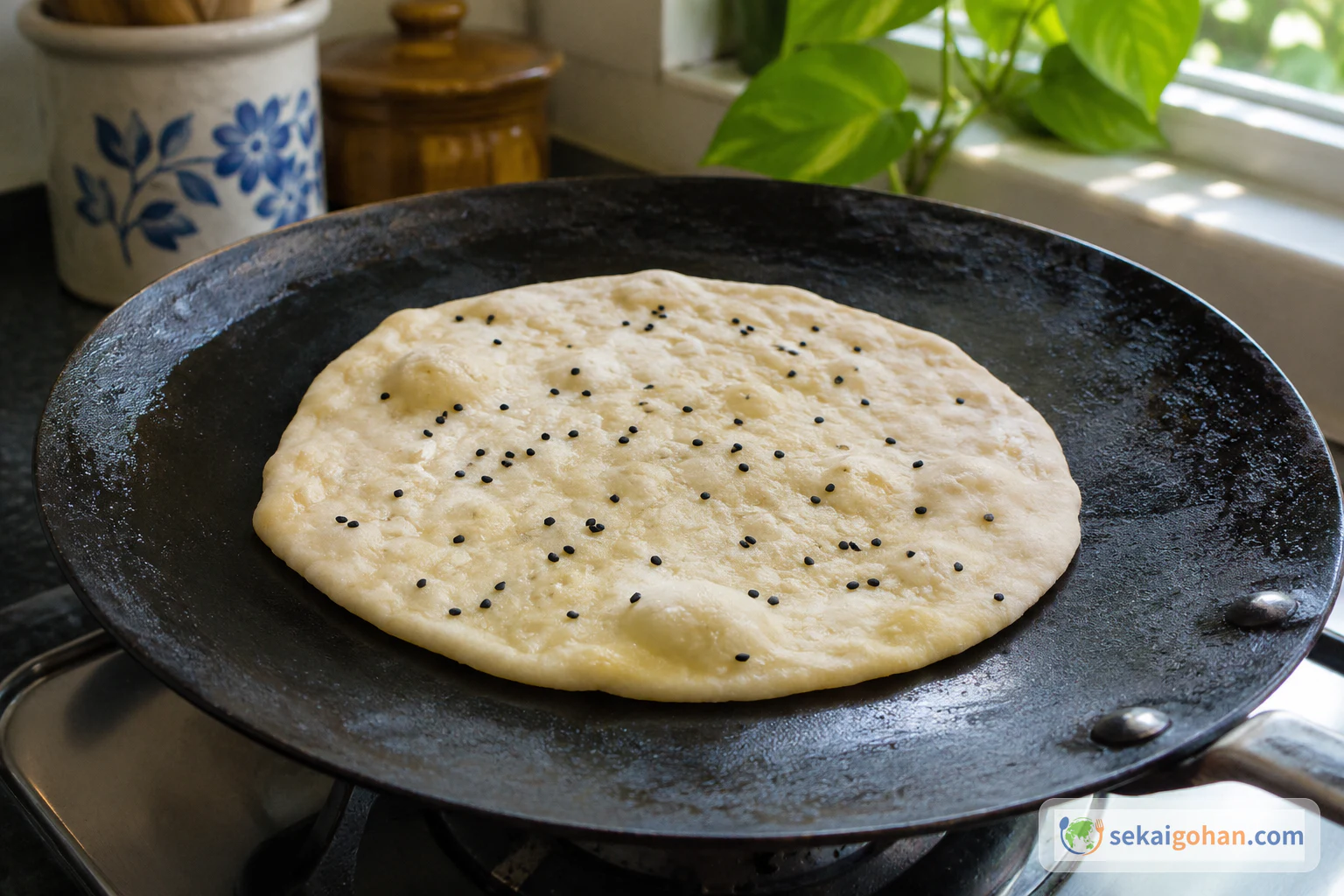
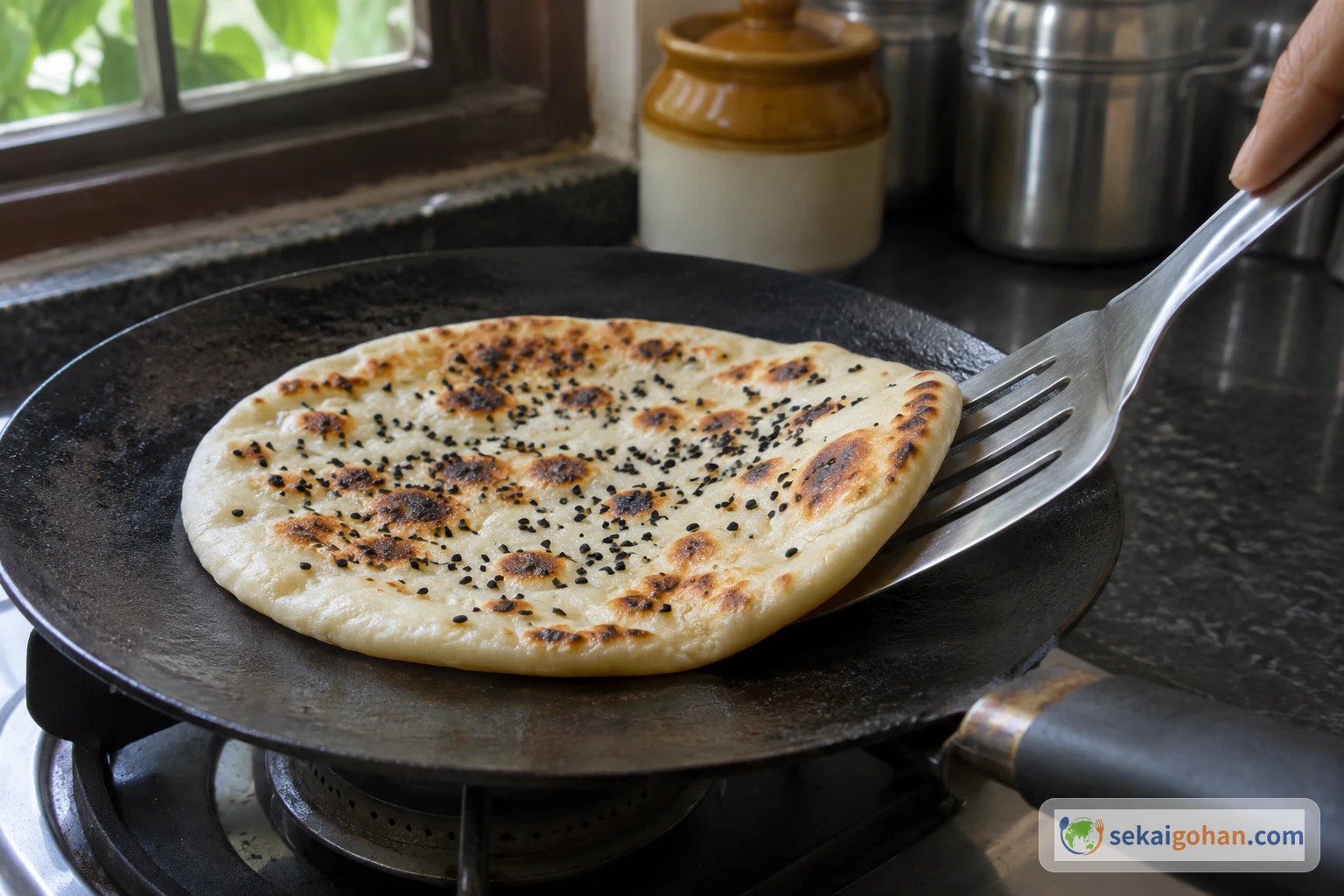
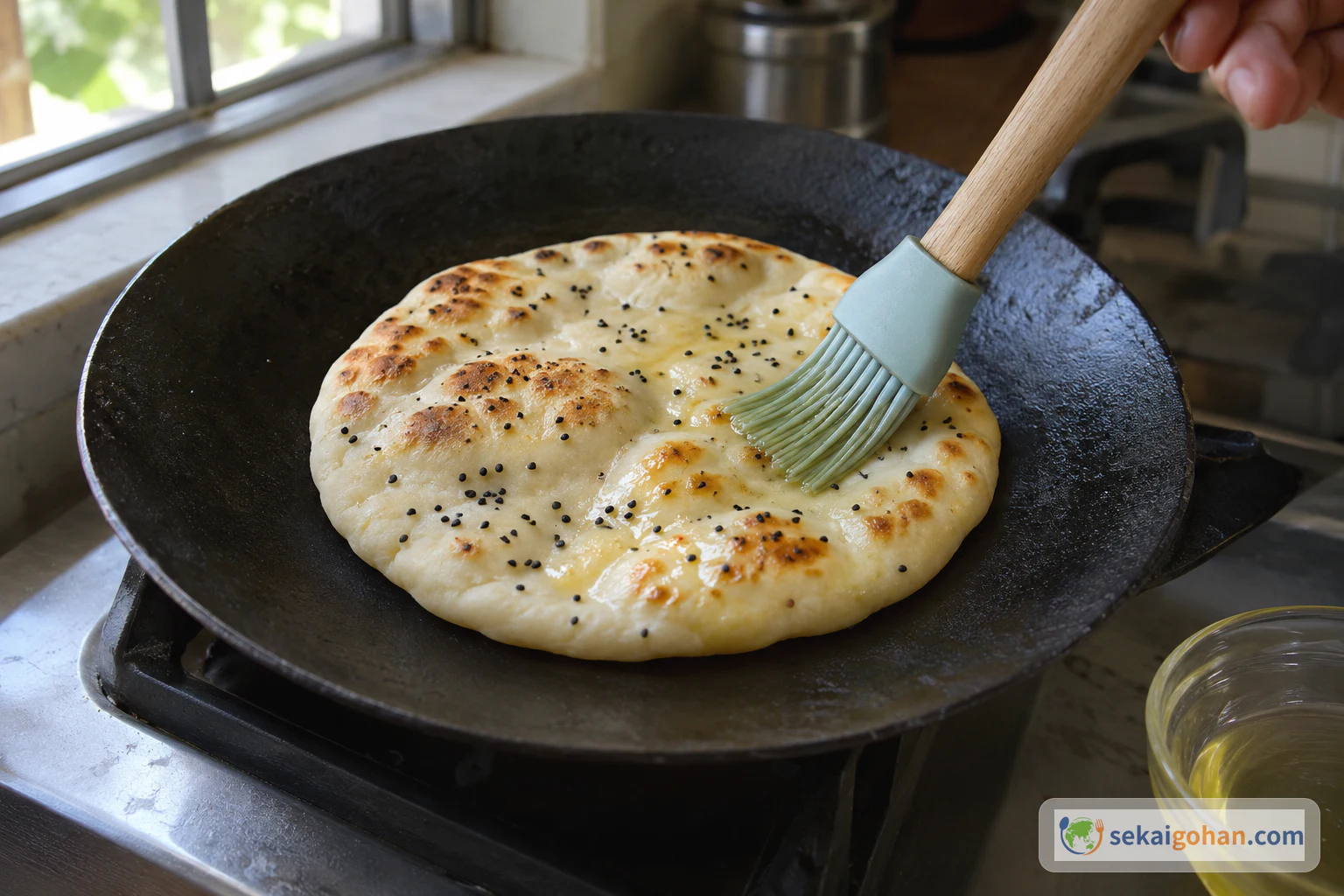
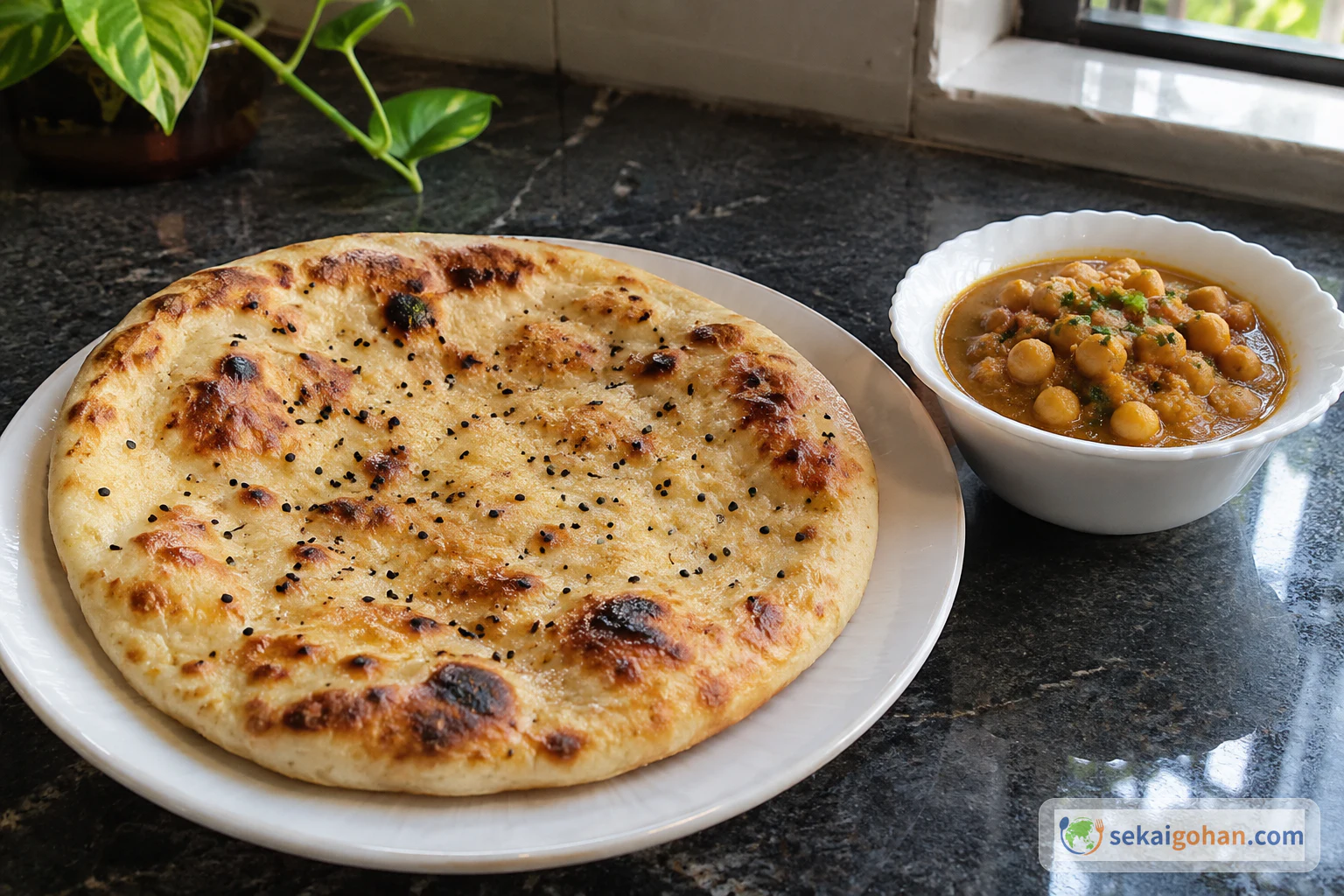
A flat round of dough goes onto a hot tawa, small bubbles begin to rise, and after a few turns with a brush of oil the surface is freckled with golden spots. This is kulcha as Dassana Amit presents it on Dassana's Veg Recipes: an unstuffed bread made from maida (refined wheat flour), softened and leavened with curd, baking powder and baking soda, and cooked on a tawa or skillet rather than in a tandoor. It is served warm, often alongside a chickpea curry such as chana masala.
"Kulcha" covers a wide family of breads in India. Some are stuffed with potato or paneer, some are made with whole wheat flour, and the well-known Amritsari kulcha is thicker, filled and baked in a tandoor. This article stays with one version: a plain, yogurt-based North Indian home-style kulcha, topped with nigella seeds and cooked on the stovetop. It is not presented as Amritsari kulcha.
The recipe follows Dassana's Veg Recipes, where the full recipe card offers 1–2 tablespoons of either nigella or sesame seeds. This version chooses 1 tablespoon of nigella (kalonji). The same source also says the seeds can be left out, so "plain" here means unstuffed, not seedless.
This recipe has not been kitchen-tested by Sekai Gohan. Amounts and steps follow the published recipe; there are no measured yields, dough-ball weights, cooking times or pan temperatures here.
Where This Kulcha Sits in the Kulcha Family
The name stretches across several quite different breads, so it helps to know which one you are making.
| Style | What sets it apart | In this article? |
|---|---|---|
| Plain tawa kulcha (Dassana's Veg Recipes) | Maida, curd, baking powder and baking soda; rested 2 hours; cooked on a tawa; optional nigella or sesame | Yes, with nigella |
| Stuffed tawa kulcha (Chef Kunal Kapur) | Maida with curd, melted butter and more leavening; filled with spiced mashed potato; rested at least 30 minutes | No |
| Whole wheat, oil-free kulcha (book hosted by FSSAI) | Atta and curd, topped with sesame and kasuri methi, no oil | No |
| Amritsari kulcha (The Indian Express) | Described as thicker, stuffed and tandoor-baked; contrasted with Delhi's kulche served with chhole | No |
These other versions use different flours, amounts and fillings, so they are not mixed into the recipe below. The Indian Express explainer on Amritsari kulcha sets out more than one account of where kulcha comes from; because these are competing accounts, this article does not name a single origin.
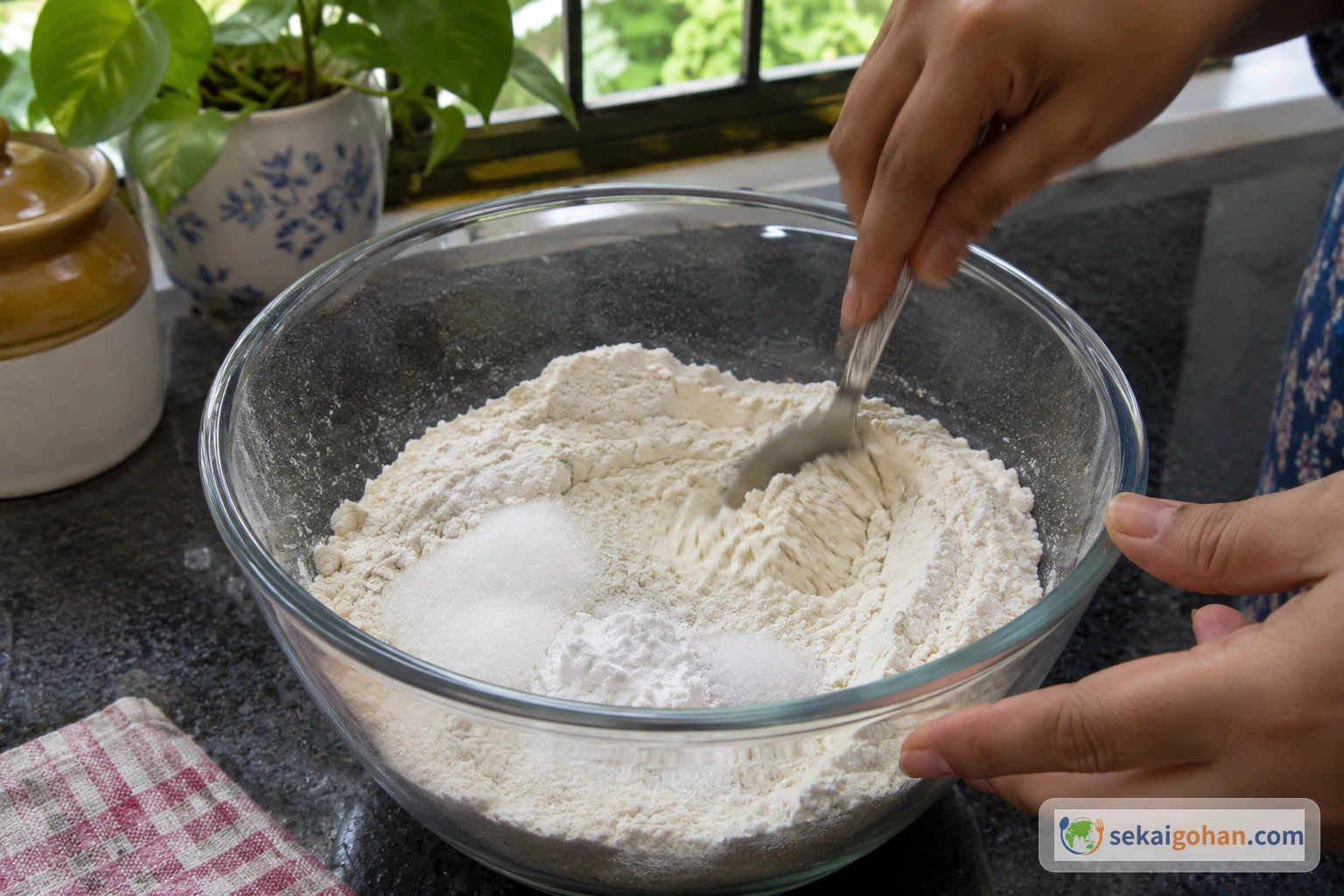
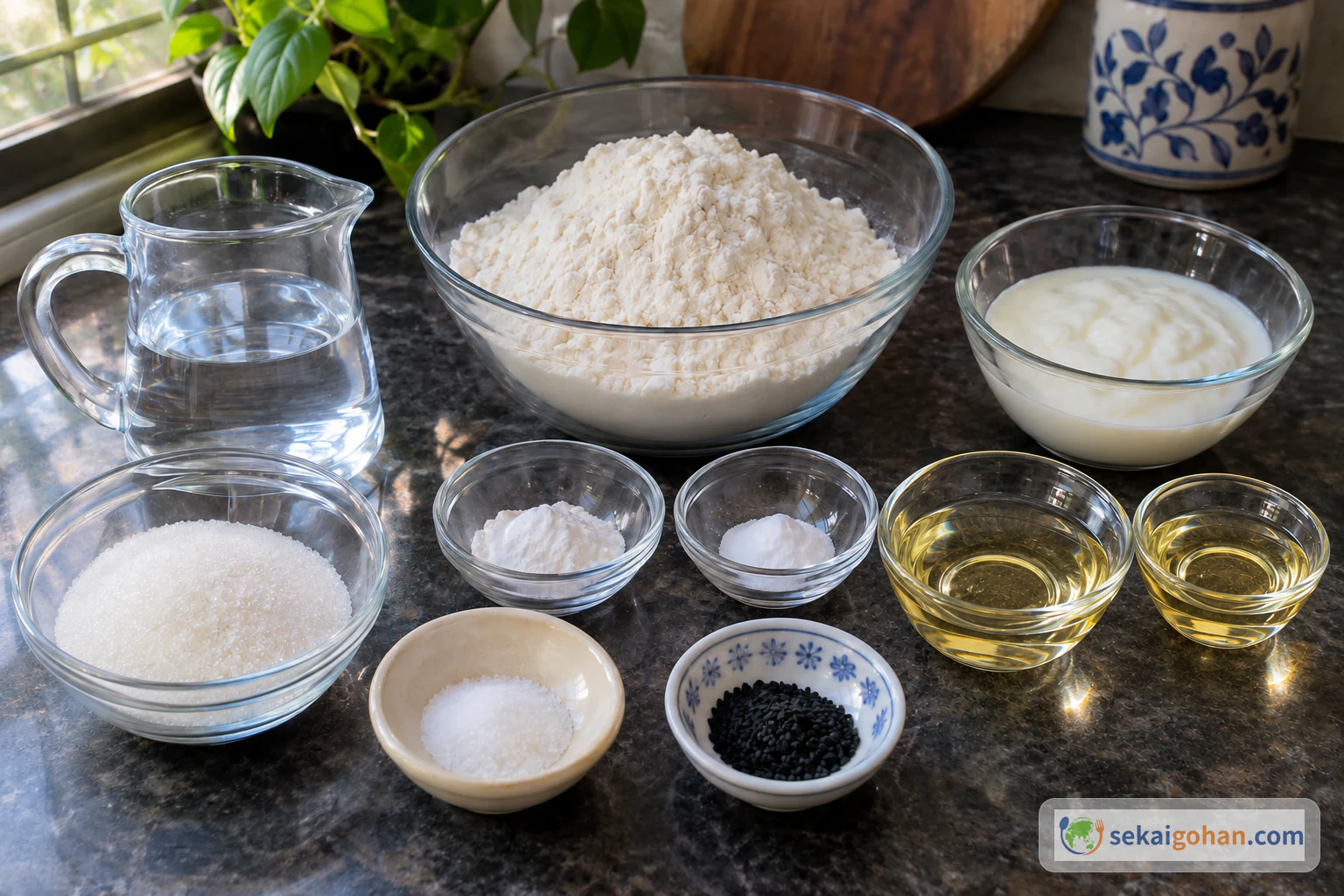
Ingredients for Plain Nigella Kulcha
Choosing Flour, Curd, Fat and Seeds
Flour. Maida is a refined wheat flour, sold in English as all-purpose flour. Stick with all-purpose flour; there are no tested swaps here for cake, bread or other flours.
Curd. Plain, unsweetened yogurt is the natural stand-in for curd. Yogurts differ in fat and water, and there is no correction amount for that, so judge the dough by feel and adjust the water. You can also replace the 4 tbsp curd with 3 tbsp yogurt plus 1 tbsp milk.
Fat. Ghee can replace the 2½ tbsp oil in the dough. For cooking, oil, ghee or butter all work.
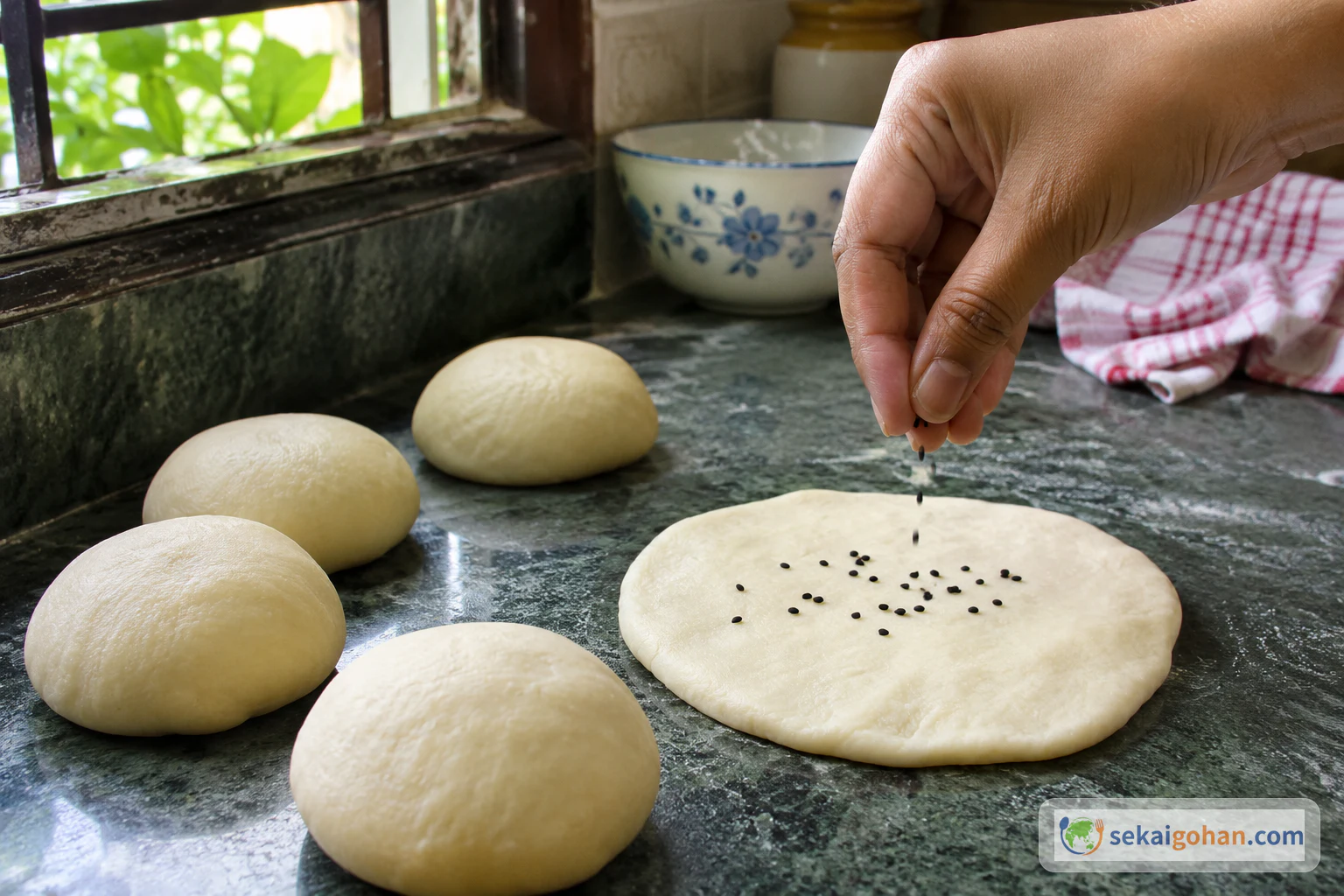
Seeds. Nigella (kalonji) is a small black seed and is not the same thing as black sesame. Sesame seeds are an alternative topping. You can use up to 2 tbsp seeds, or leave them out entirely for a seedless kulcha.
Equipment
- Large mixing bowl
- Spoon for mixing
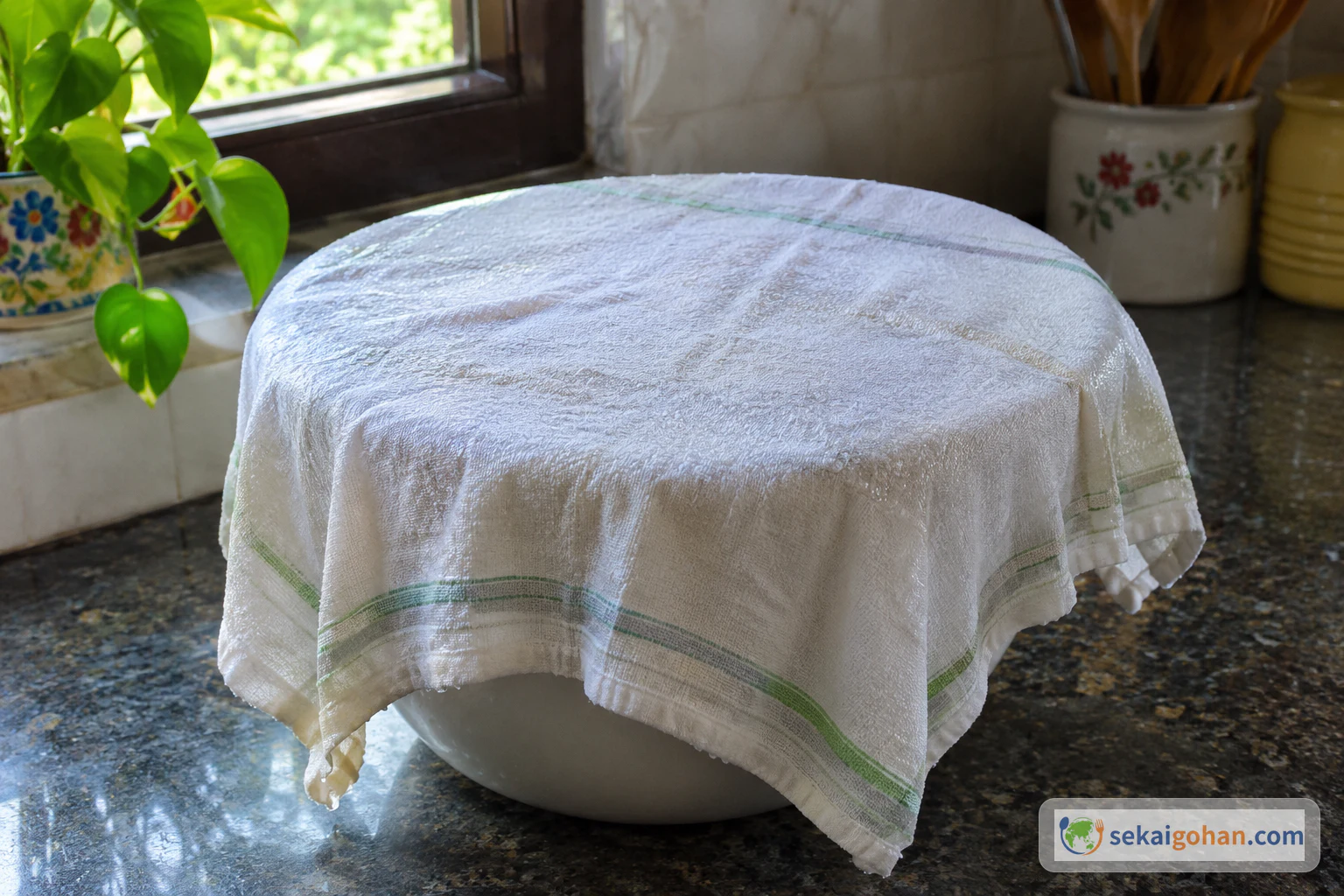
- Clean cloth, dampened, to cover the dough
- Rolling pin and a board or work surface
- Tawa or heavy flat skillet
- Flat spatula for turning
- Pastry brush for oil
- Basket for keeping the cooked kulcha warm
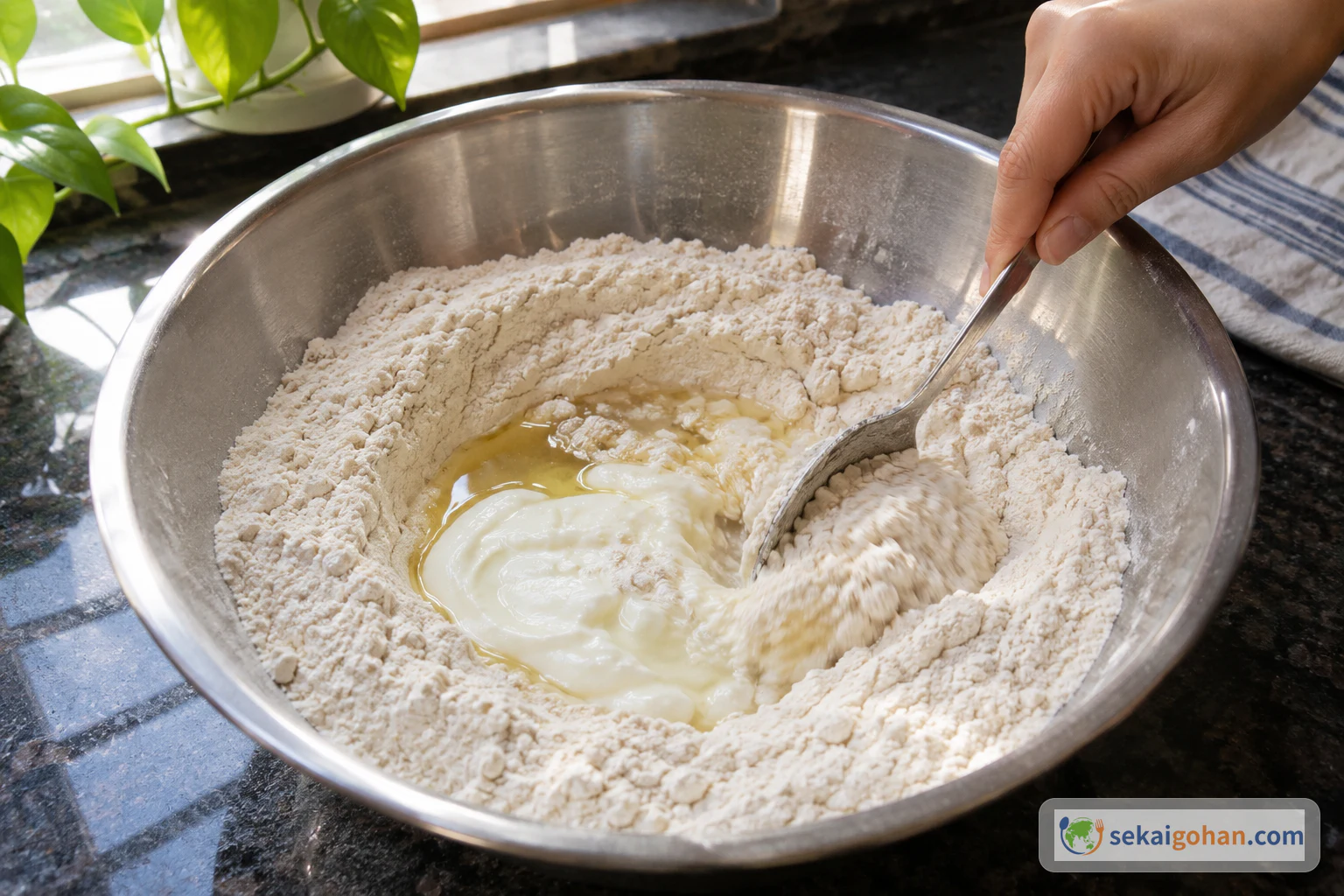
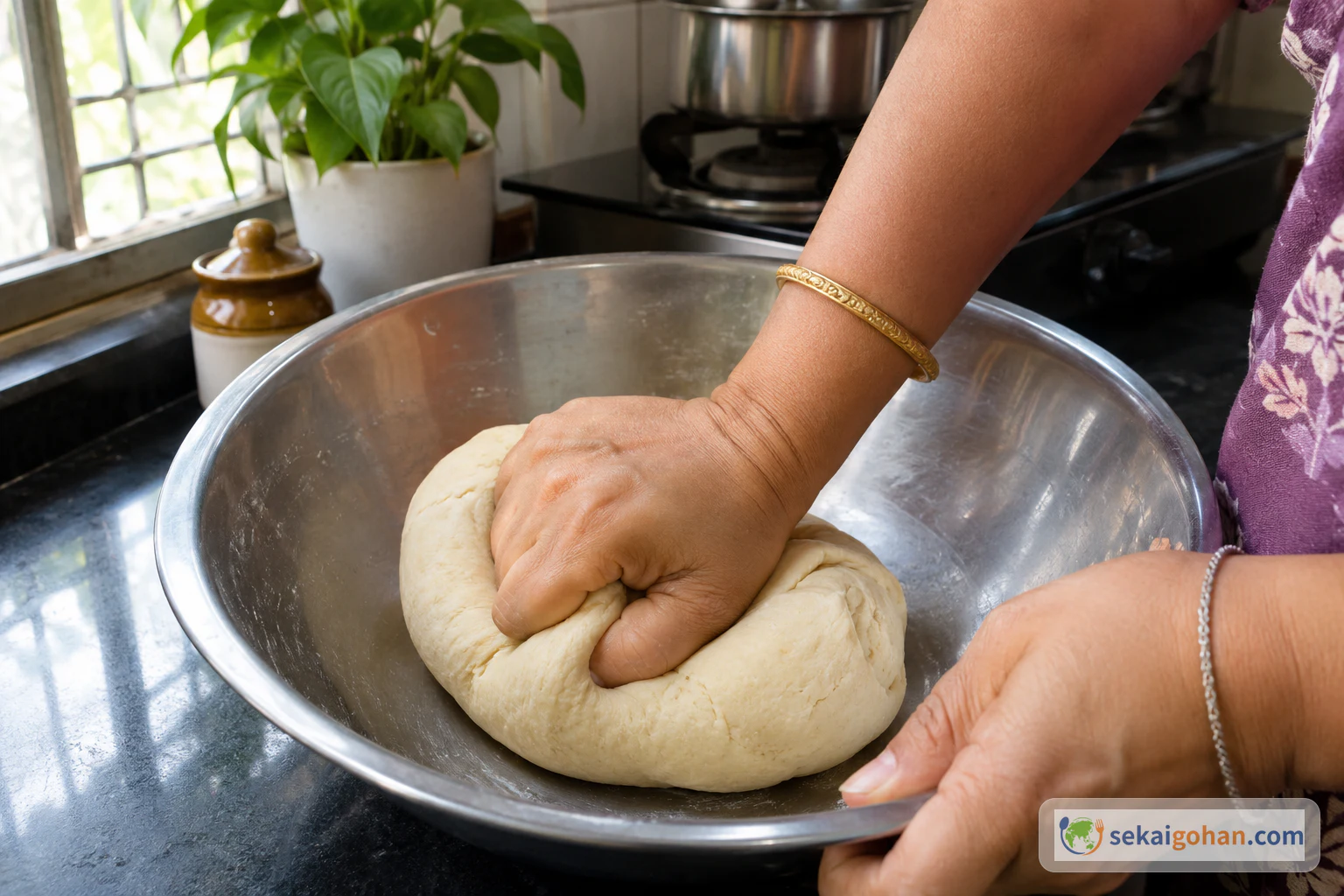
Method: From Bowl to Tawa
Raw flour and raw dough are not ready to eat. Do not taste the dough, and do not taste a kulcha that still has raw, floury dough inside. Keep raw flour and dough away from foods that are already ready to eat, and wash your hands, bowls, boards and utensils after handling them.
Signs to Watch For
| What you see | What to do |
|---|---|
| The dough feels dry or stiff while mixing | Add water a little at a time and keep kneading until it is soft and pliable |
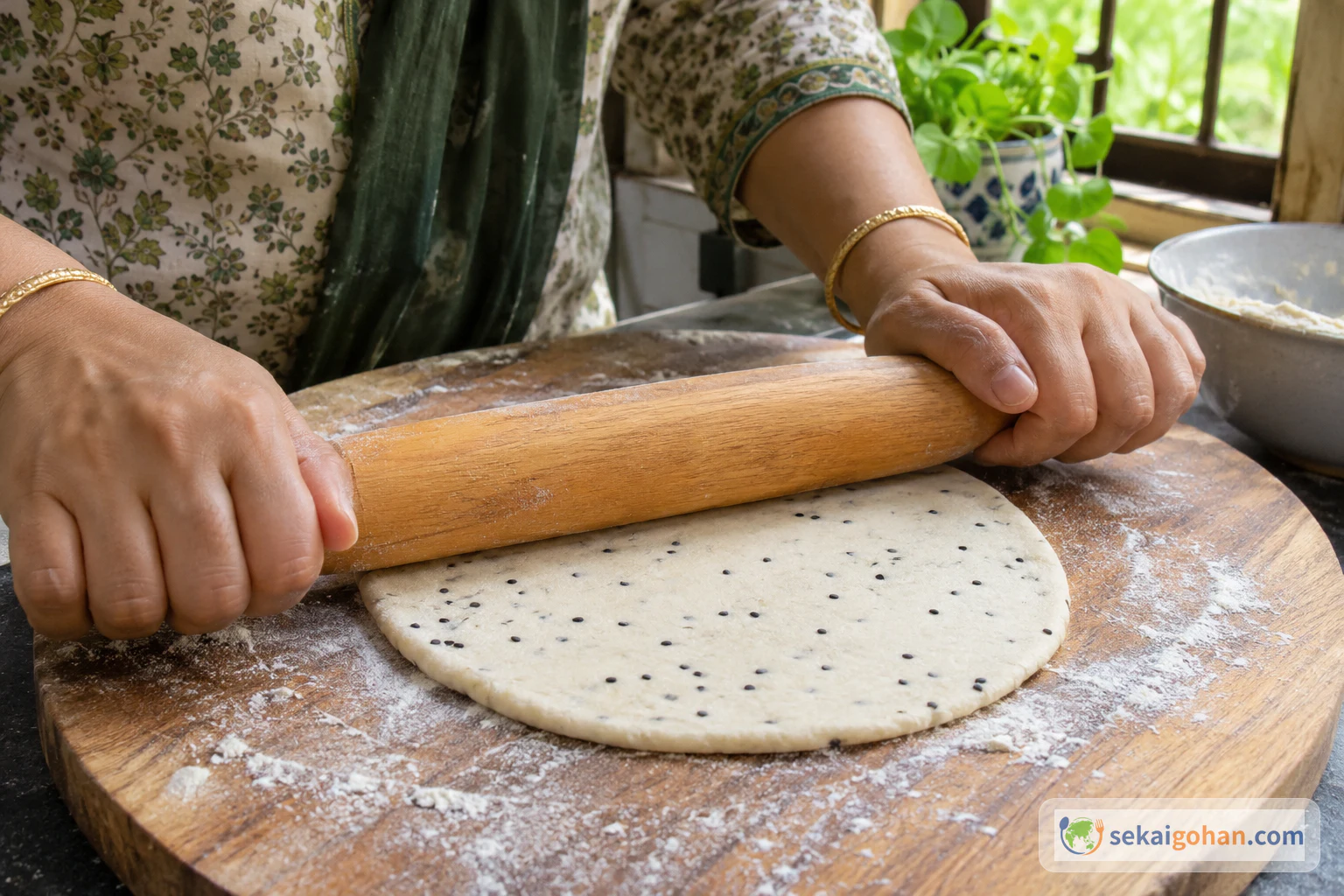
| The dough sticks while rolling | Dust the surface with a little more flour |
| The kulcha is pale after the first flip | Keep roasting, brushing with oil and flipping as needed, until golden spots appear on both sides |
| You are unsure whether the center is cooked | Keep it on the tawa and keep turning until it is cooked through. Don't taste it to check |
Frequently Asked Questions
Is this a yeasted or fermented dough?
No. The dough rises with curd, baking powder and baking soda. There is no yeast or starter, and this article does not offer a warm-proofed or overnight version. The only rest is the 2 hours under a damp cloth.
How long should I knead?
The FAQ on Dassana's Veg Recipes gives about 8–10 minutes as a guide. Treat that as the author's suggestion and stop when the dough is smooth, soft and pliable.
How many kulcha does it make?
The recipe card on Dassana's Veg Recipes lists 10 kulcha. That is the author's figure; Sekai Gohan has not made, counted or weighed a batch, so no ball weight or size is given here.
Are nigella seeds the same as black sesame?
No. Nigella (kalonji) and black sesame are different seeds. Dassana's Veg Recipes offers either nigella or sesame as a topping; this version uses nigella. You can also leave the seeds out.
Can I make this kulcha with stuffing or whole wheat flour?
Those are different recipes with their own amounts. Chef Kunal Kapur's tawa kulcha uses a potato filling, butter and more leavening. A whole wheat, oil-free kulcha in a book hosted by FSSAI uses atta, sesame and kasuri methi. Follow those recipes as written by their authors rather than adapting this dough.
Is this Amritsari kulcha?
No. The Indian Express describes Amritsari kulcha as thicker, stuffed and tandoor-baked. This is a plain, unstuffed version cooked on a tawa.
Can I make them ahead?
This article does not give storage times. It is written for kulcha eaten warm, kept in a basket as they come off the tawa.
Sources
- Dassana Amit, "Kulcha Recipe | Kulcha Bread," Dassana's Veg Recipes (first published June 2013, updated June 21, 2026). The main recipe: amounts, the nigella or sesame topping option, the 2-hour rest, the light re-knead, the tawa method with oil brushed on during cooking, the 10-kulcha listing, the kneading guide in the FAQ, and serving with chana masala. https://www.vegrecipesofindia.com/kulcha/
- Chef Kunal Kapur, "Tawa Kulcha Recipe By Chef Kunal Kapur." A comparison point: a potato-stuffed tawa kulcha made with curd and chemical leavening. Not used for this recipe's amounts. https://www.chefkunalkapur.com/recipe/tawa-kulcha/
- Nishtha Chhabra, "Healthy Oil-Free and Whole Wheat Kulcha," in a book hosted by the Food Safety and Standards Authority of India (FSSAI). A comparison point: a whole wheat, oil-free kulcha with sesame and kasuri methi. Not used for this recipe's amounts. https://www.fssai.gov.in/upload/knowledge_hub/9582262a819e8764cdBook_Tadke_bina_Zaika_14_06_2022.pdf
- The Indian Express, "The delicious story of the Amritsari Kulcha, for which Punjab wants a GI tag." The distinction between Amritsari kulcha and Delhi's kulche with chhole, and the existence of several accounts of the dish's history. https://indianexpress.com/article/explained/explained-culture/delicious-story-of-amritsari-kulcha-punjab-gi-tag-10245779/
- U.S. Food and Drug Administration, "Handling Flour Safely: What You Need to Know." General guidance: don't eat raw flour or dough, keep raw flour away from ready-to-eat foods, and clean hands and utensils. https://www.fda.gov/food/buy-store-serve-safe-food/handling-flour-safely-what-you-need-know