Manchow Soup: A Peppery Vegetable Soup with a Crunch on Top
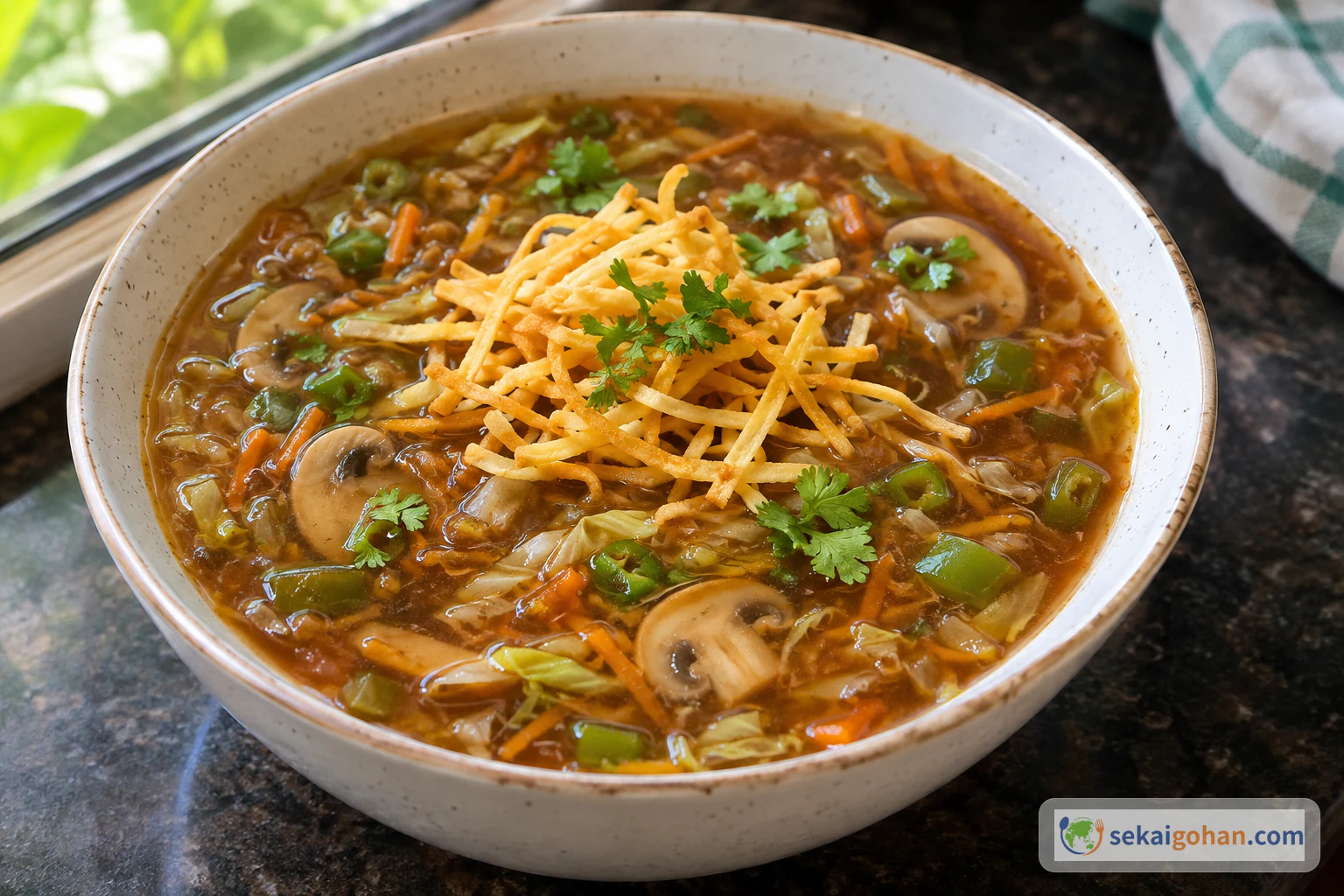
Keep the vegetables finely cut and quickly sautéed, the broth seasoned with soy sauce and pepper, and the body lightly thickened. The fried noodles are an optional topping, added at the table so they stay crisp.
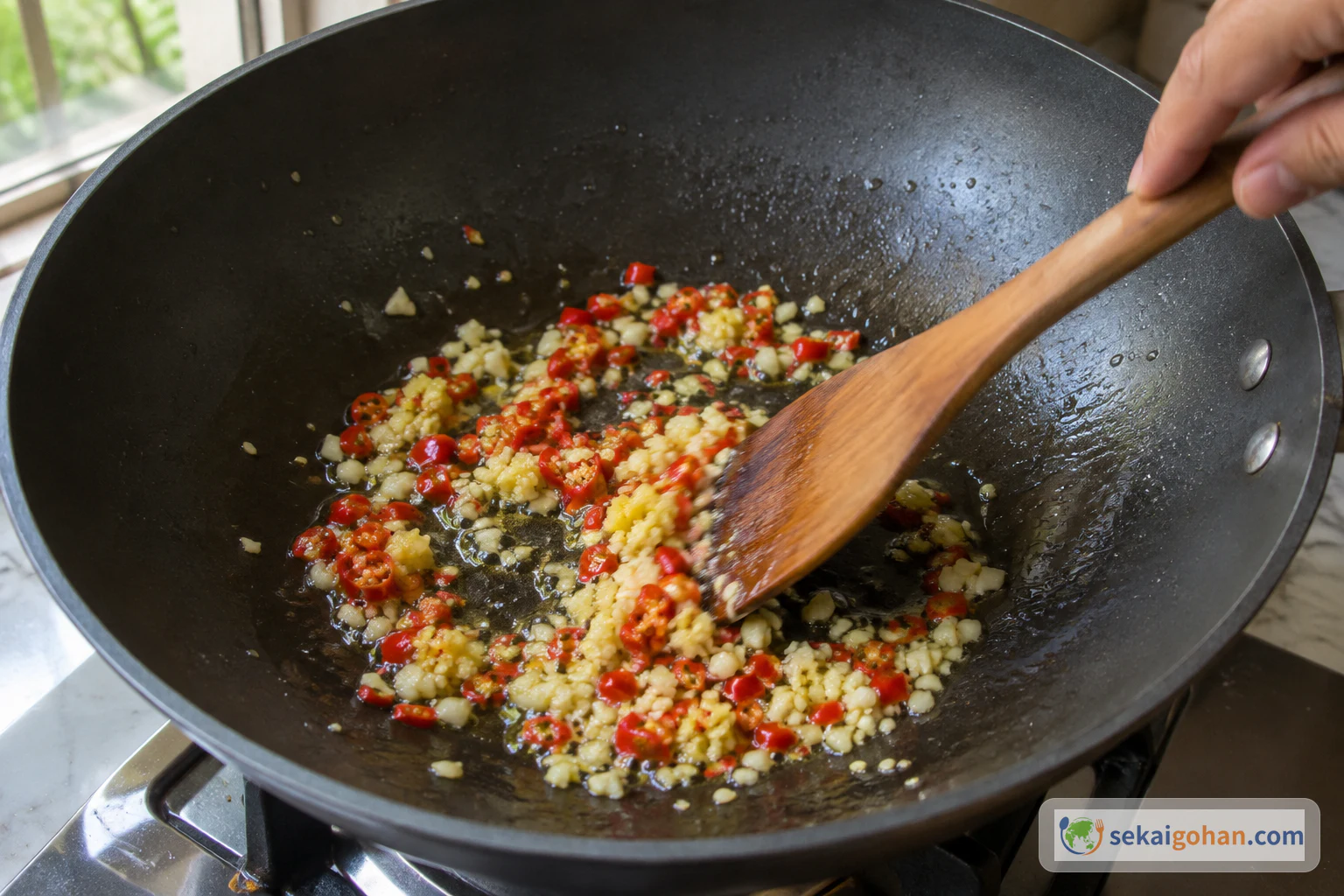
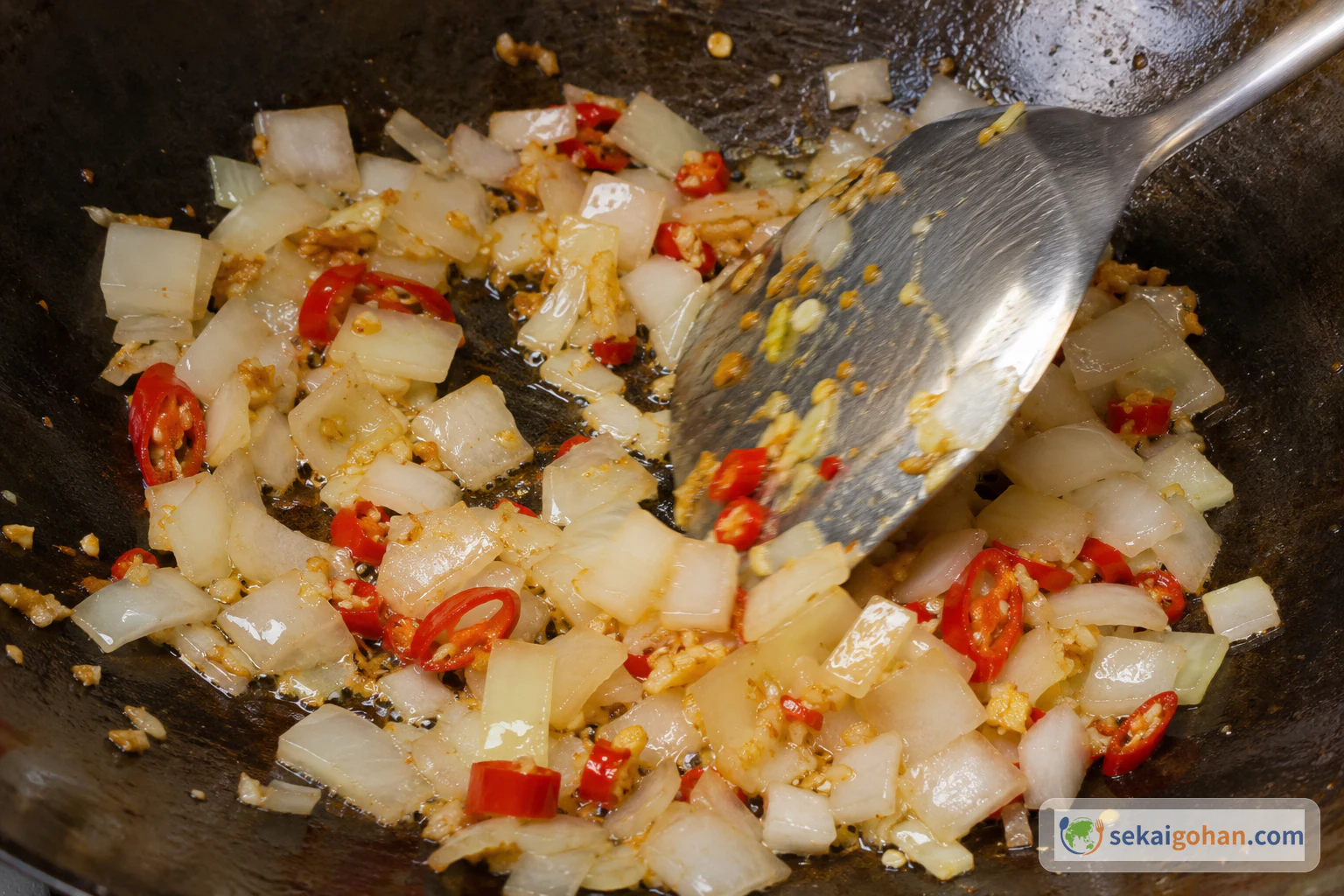
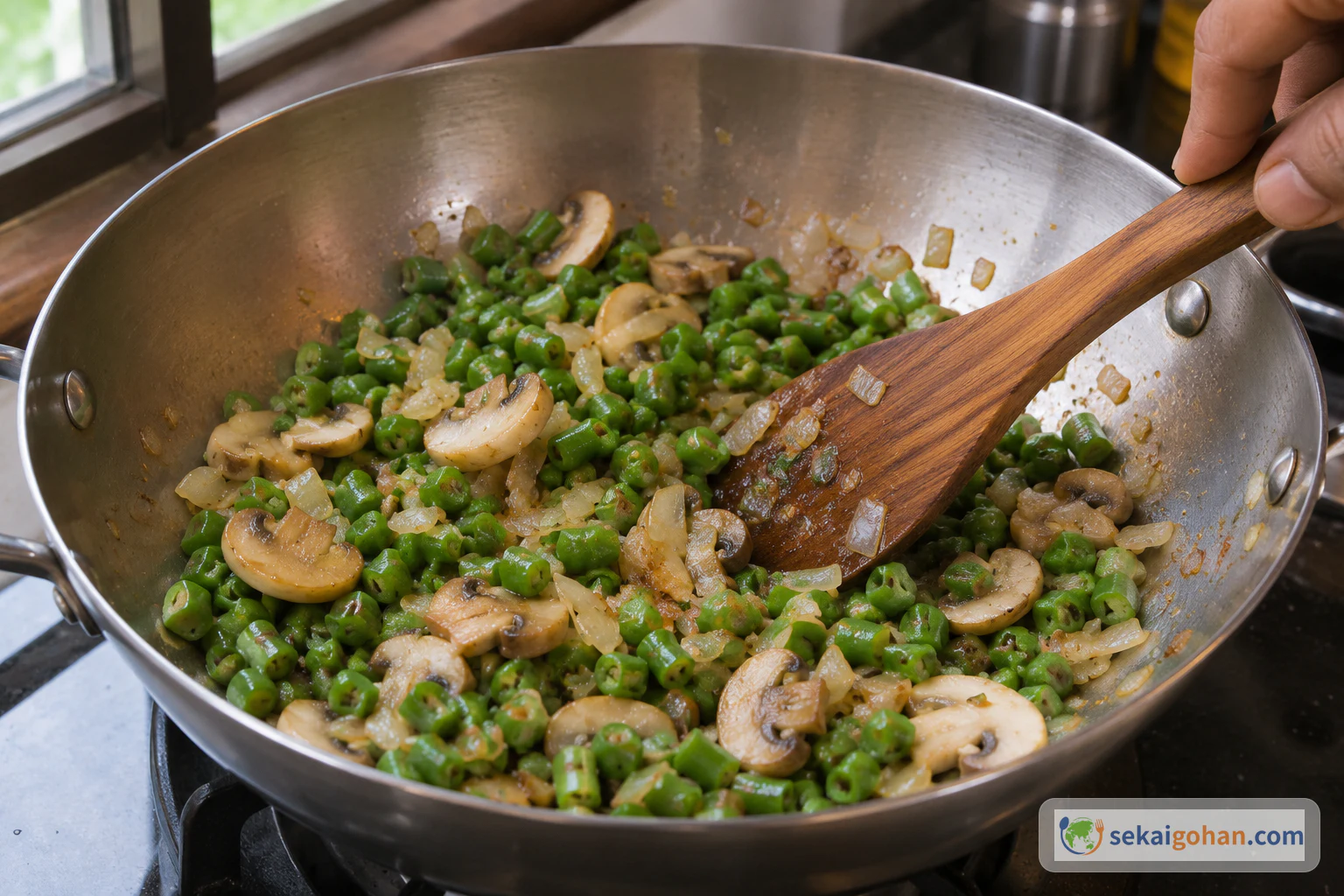
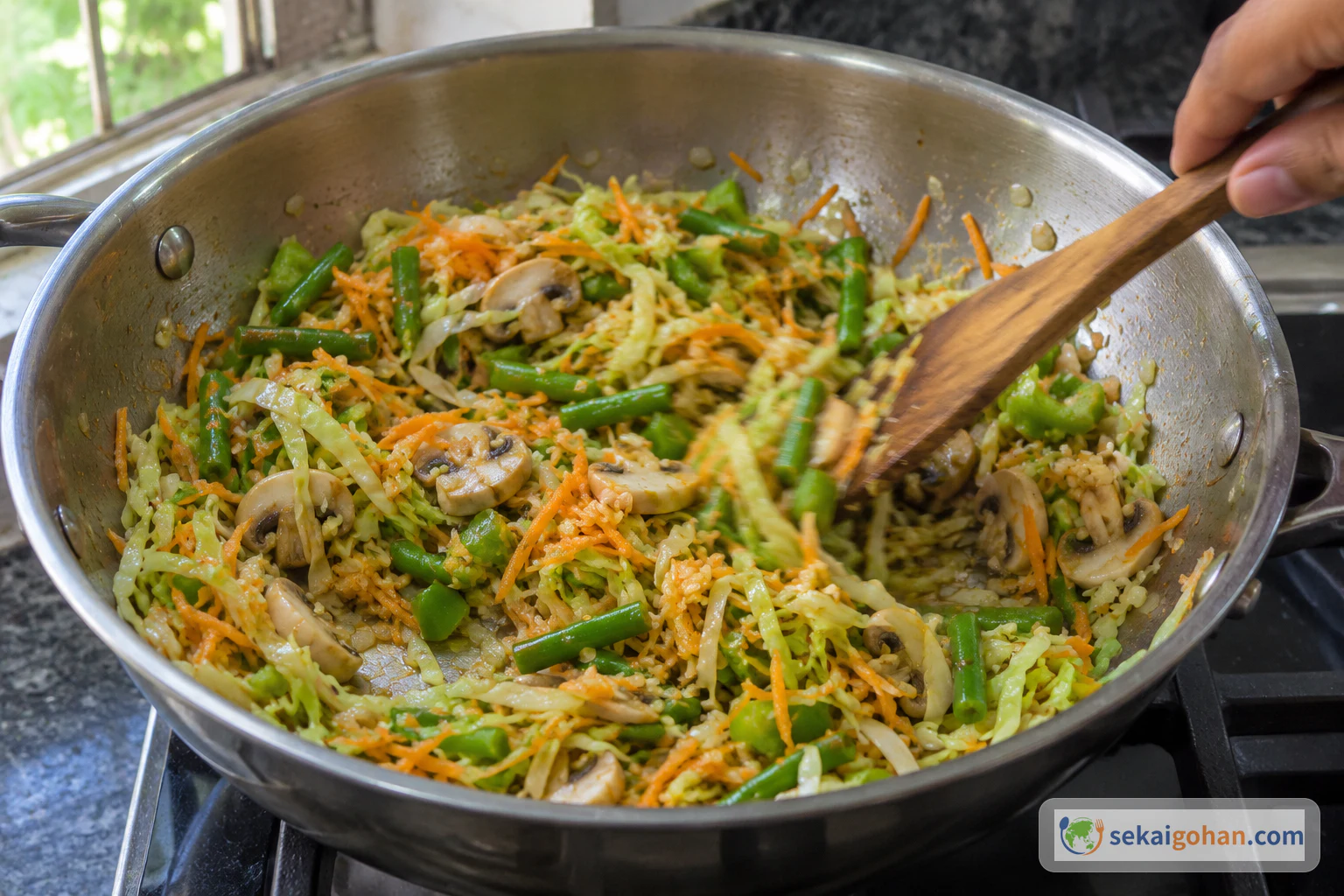
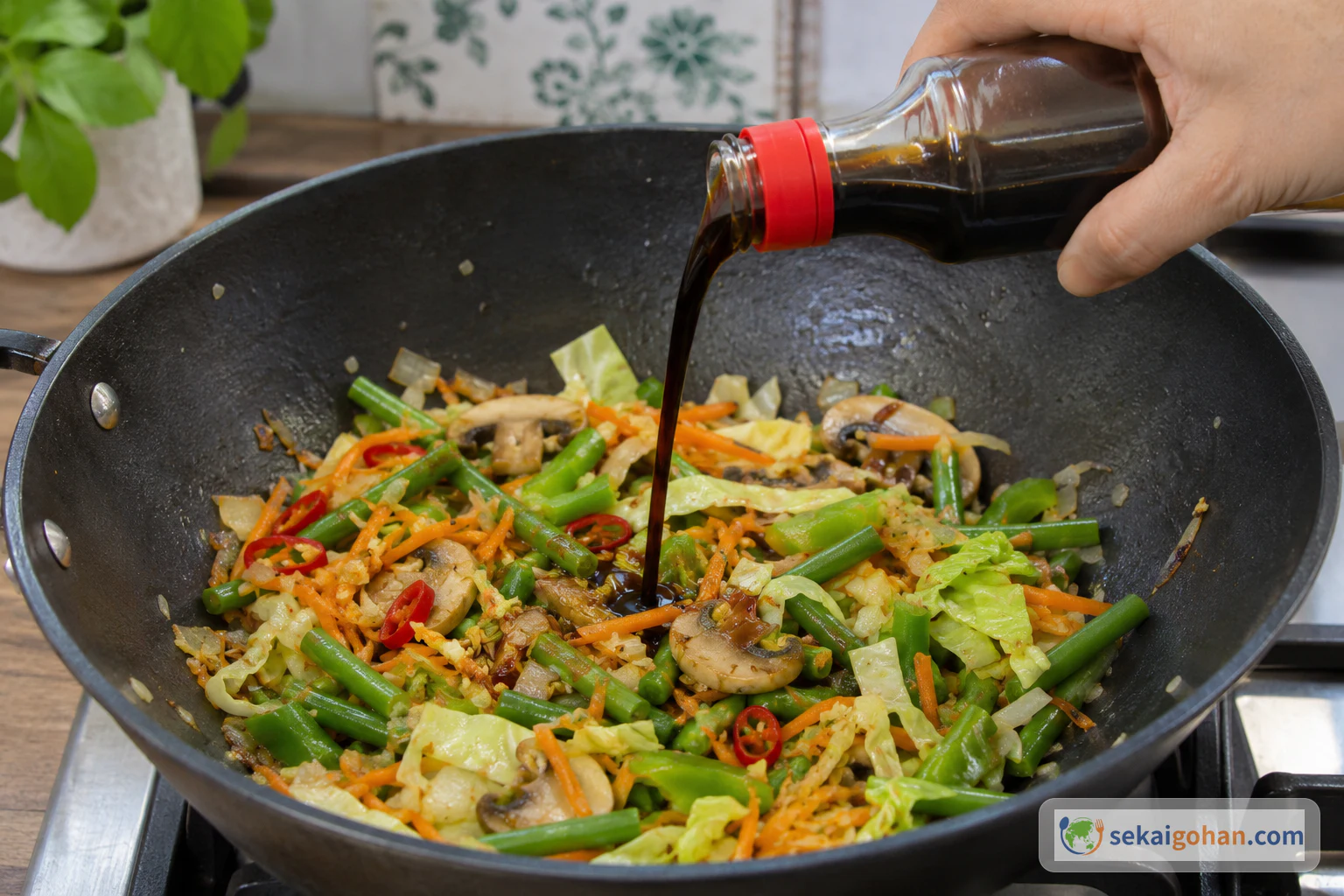
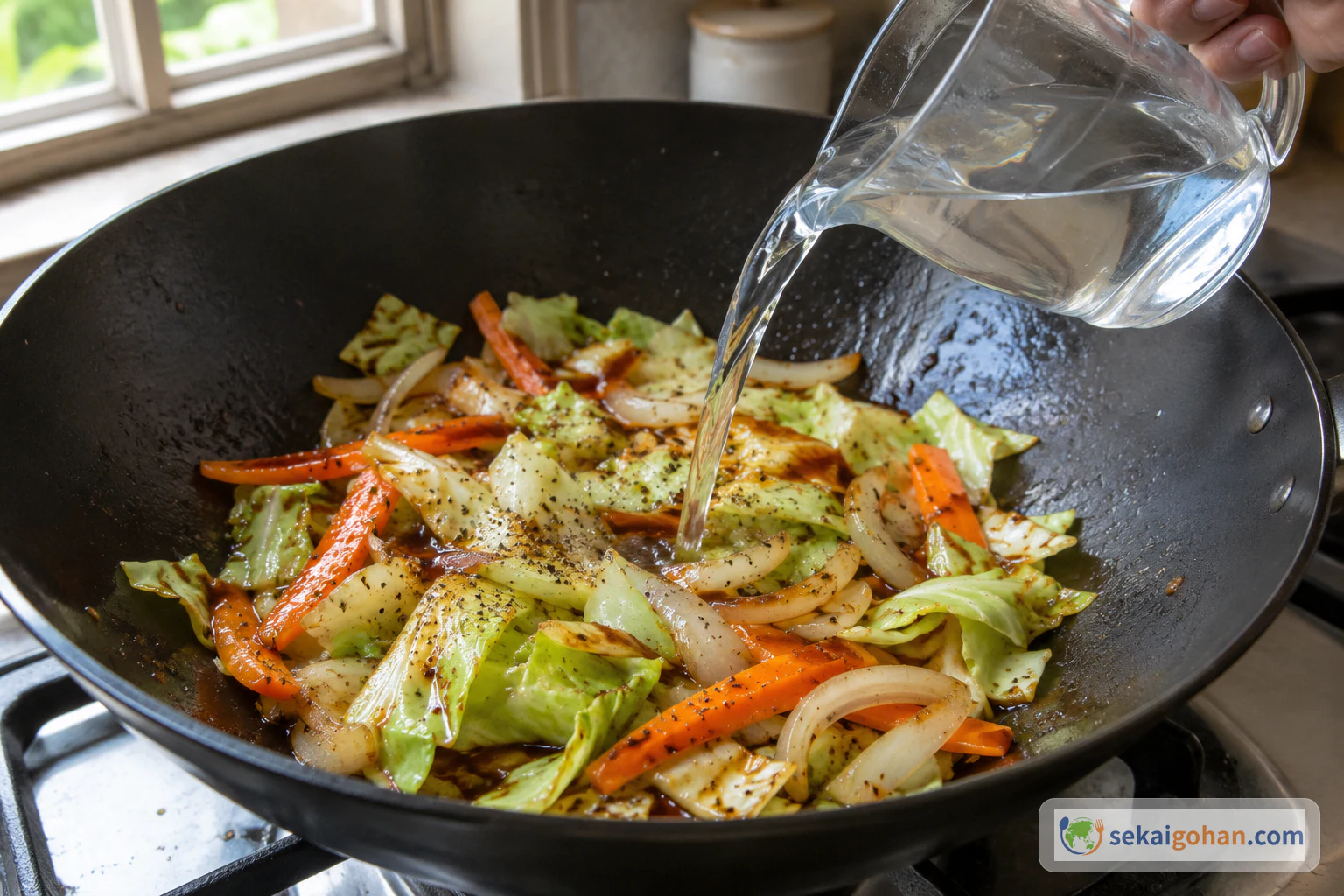
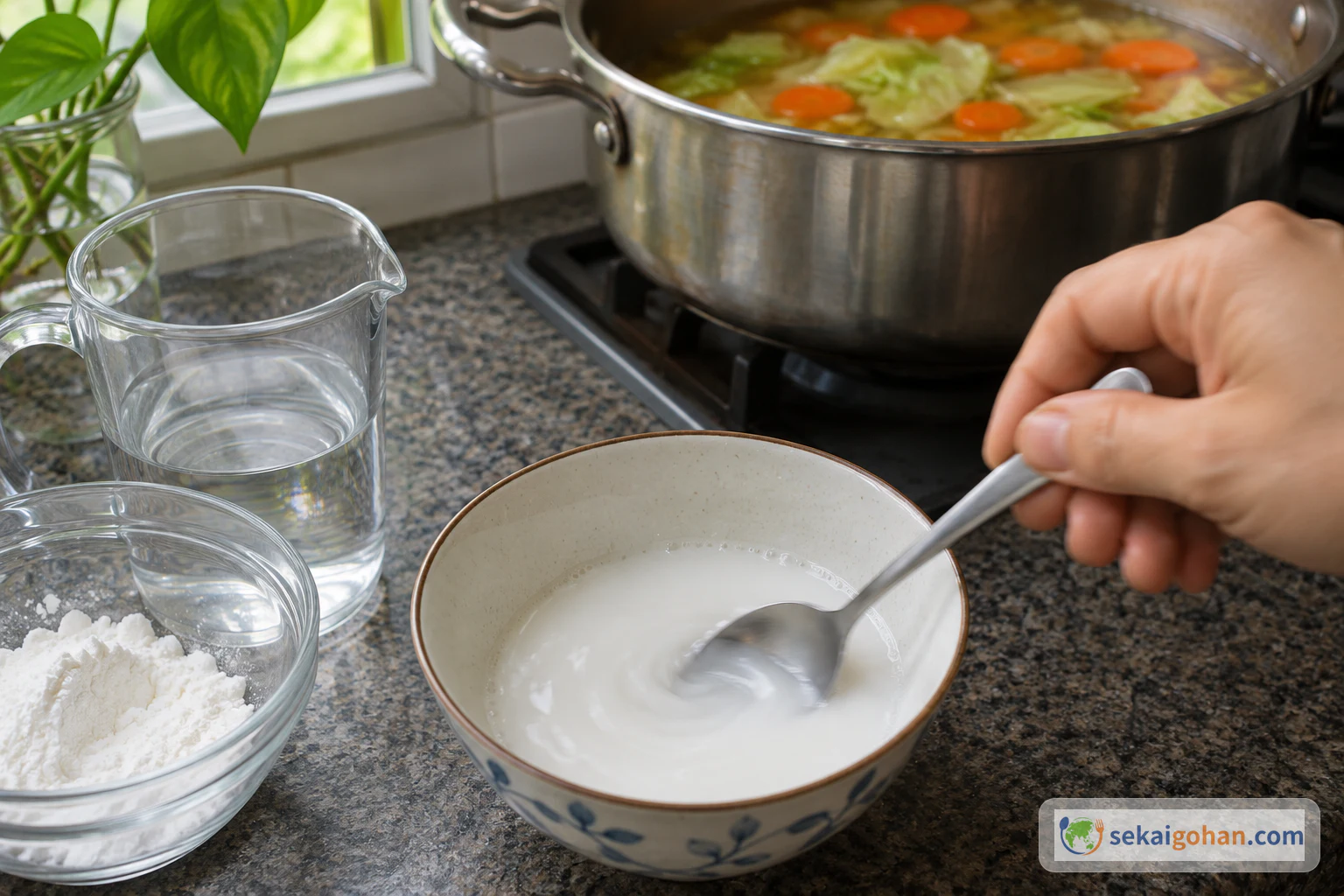
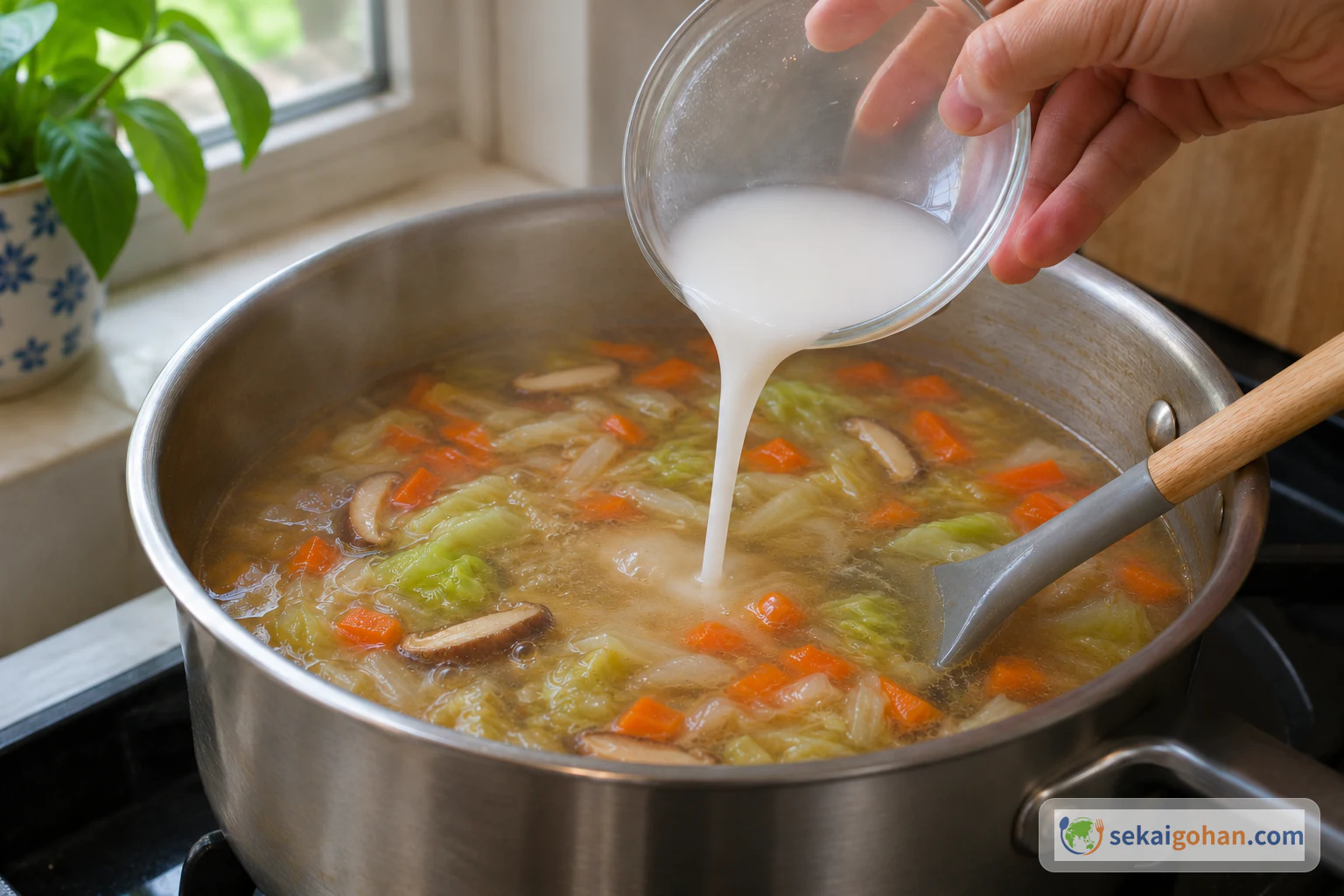
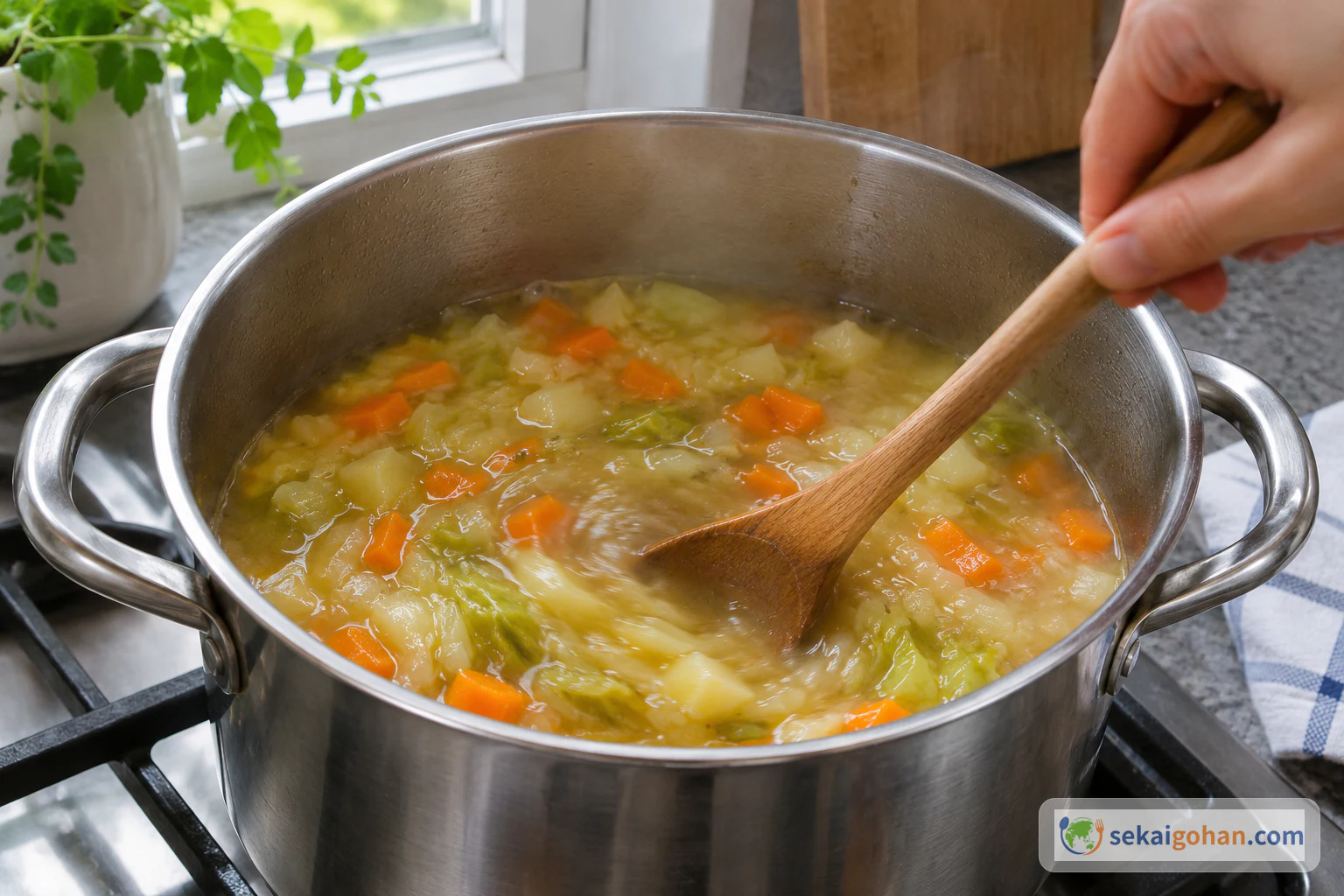
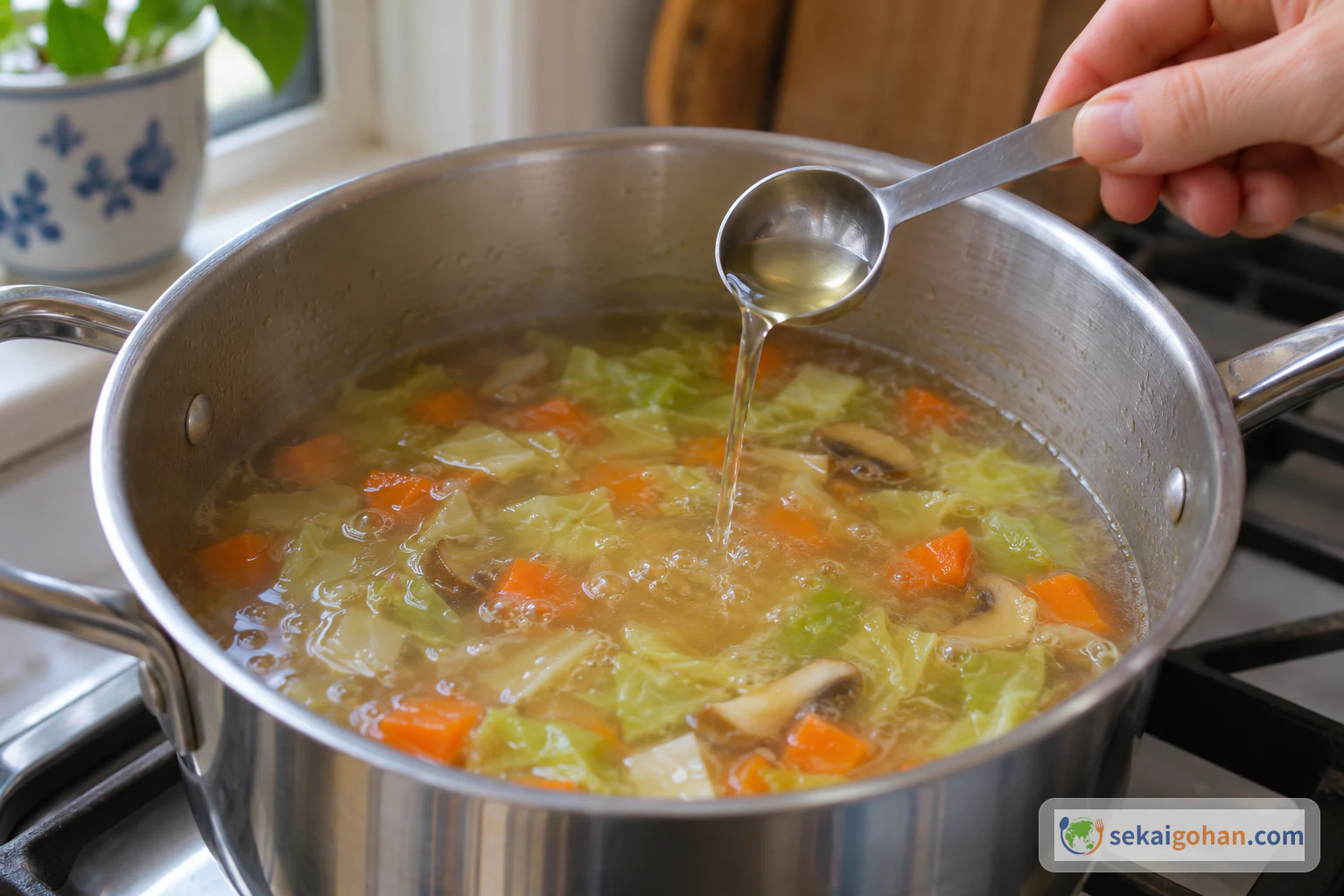
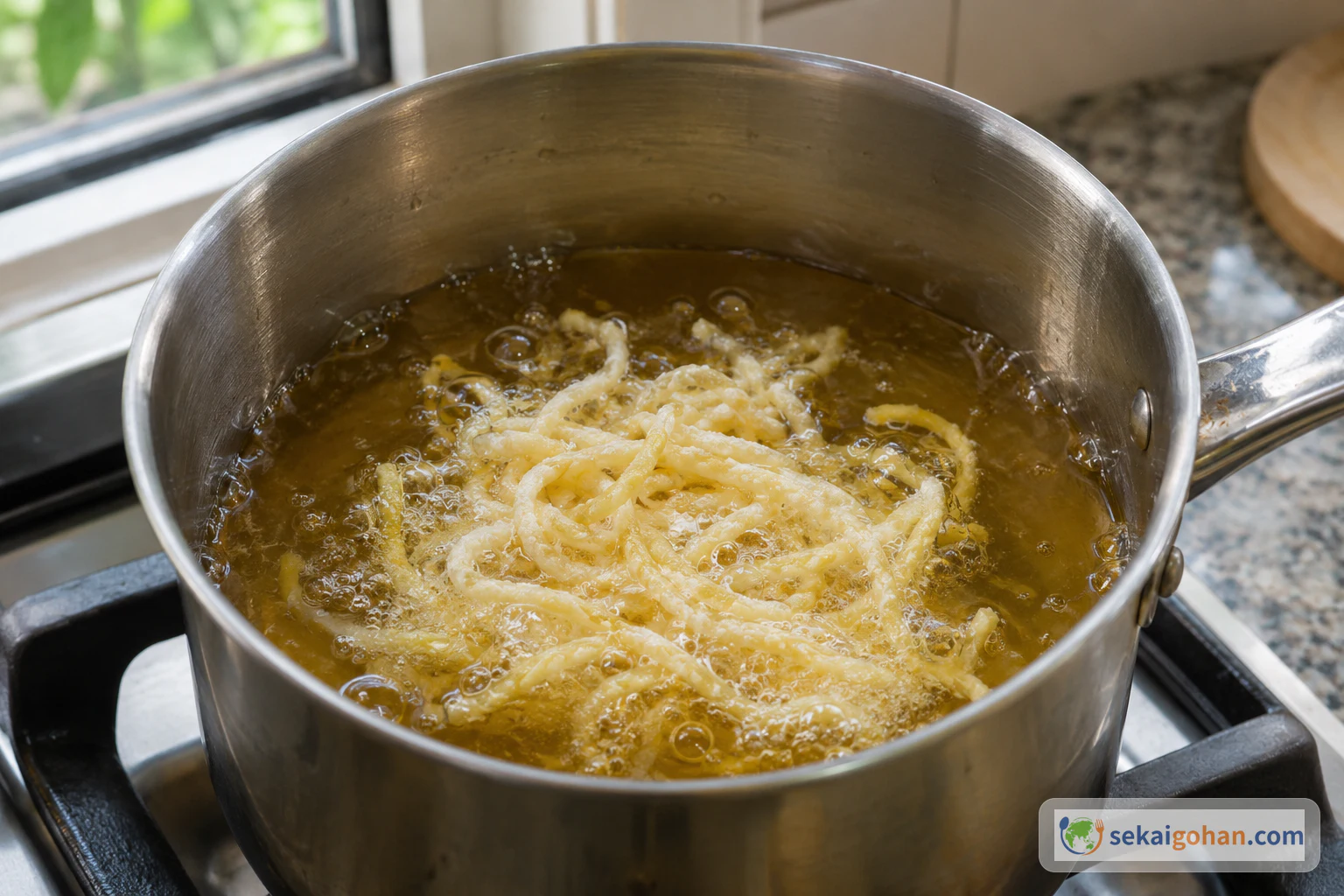
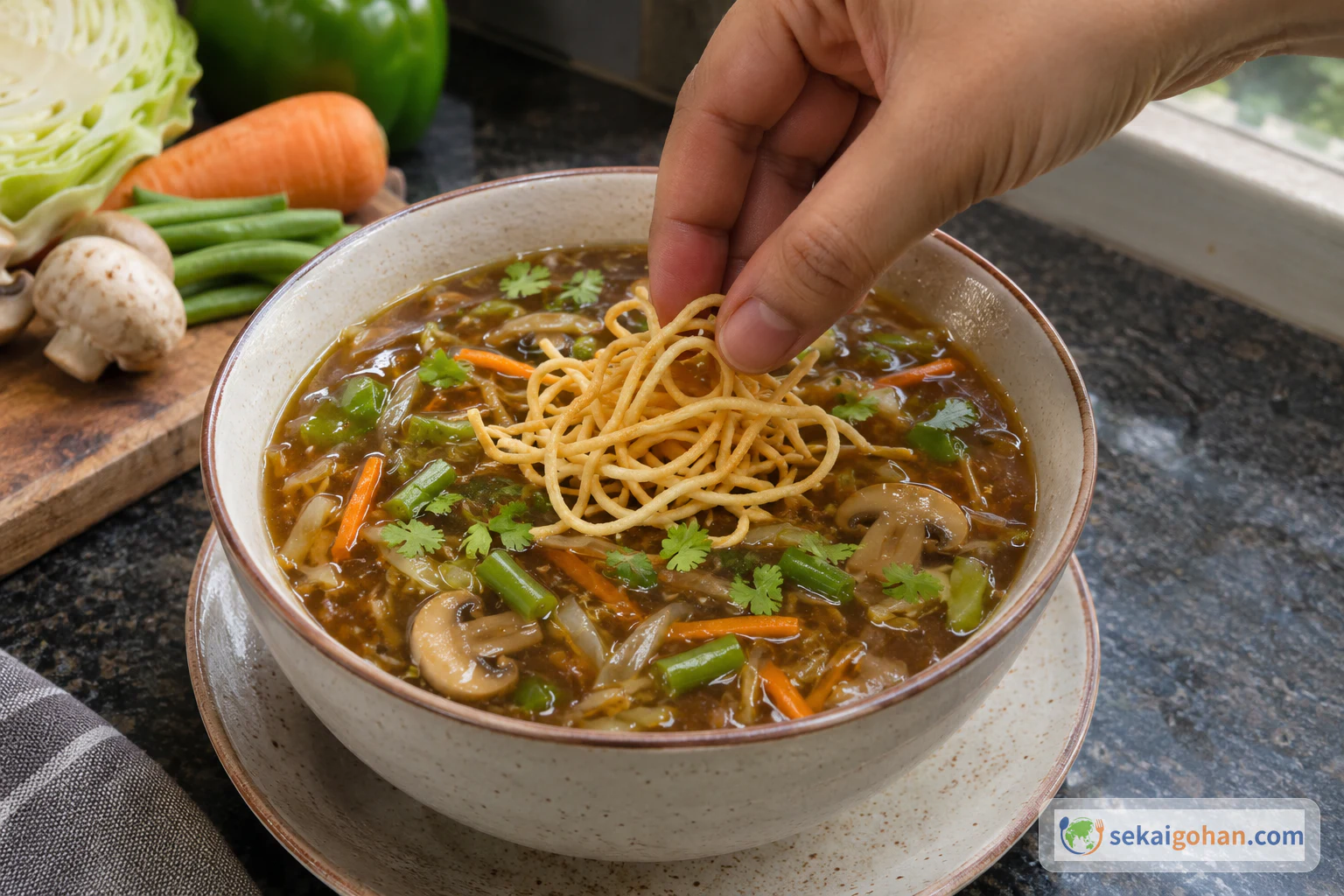
Chili, ginger and garlic hit warm oil for only a few seconds, then onion, French beans, mushrooms, cabbage, carrot and green capsicum follow in quick stages. Soy sauce and black pepper go in, then water, and a cornstarch slurry turns the broth glossy and lightly thick. A small splash of rice vinegar finishes it. On top, if you like, goes a little nest of crispy fried noodles.
Manchow soup is one of the dishes of Indo-Chinese cooking, the Chinese-influenced style that is popular across India. This article covers one specific version: a vegetarian, 2-serving Manchow soup built on Dassana Amit's recipe at Dassana's Veg Recipes, which describes it as a vegan Indo-Chinese vegetable soup. Versions with meat or egg, and Manchurian dumpling soups, are different dishes and are not mixed in here.
From the choices that recipe allows, this article settles on one consistent set: neutral cooking oil, fresh red chili, ordinary onion, button mushrooms, green cabbage, grated carrot, green capsicum, black pepper, plain water, rice vinegar and cilantro, with the optional fried noodles included and celery left out. Sekai Gohan has not kitchen-tested this recipe; the amounts and steps follow the published recipe as closely as possible.
The Shape of the Dish: One Vegetarian Indo-Chinese Version
Manchow soup is made in many ways, and published recipes differ in more than small details. For this article, it means finely chopped vegetables sautéed in aromatic oil, simmered into a soy-seasoned soup, thickened, and optionally topped with fried noodles.
The name is sometimes linked to China or to the Manchuria region, but the sources used here do not establish an origin, an inventor or a date, so this article does not assert any of them.
Other well-known recipes show how wide the range is:
| Version | How it differs from this recipe |
|---|---|
| Tarla Dalal (as reposted on Tarla Dalal's Kitchen) | Makes 4 servings; vegetables are first simmered in water and strained to make a separate stock, and the soup includes tomato, mint and coriander |
| Lee Kum Kee India | Makes 2 servings with 700 ml vegetable stock; dark soy sauce is simmered in, rice vinegar and pepper are added, light soy sauce adjusts the seasoning, and cornflour slurry goes in last |
| Sanjeev Kapoor Khazana (on ZengaTV) | A vegetable version using mushrooms, dark soy sauce, red chilli sauce, vegetable stock and cornstarch |
Each of these is its own recipe with its own balance. Their amounts and steps are not combined with the recipe below.
Ingredients for 2 Servings
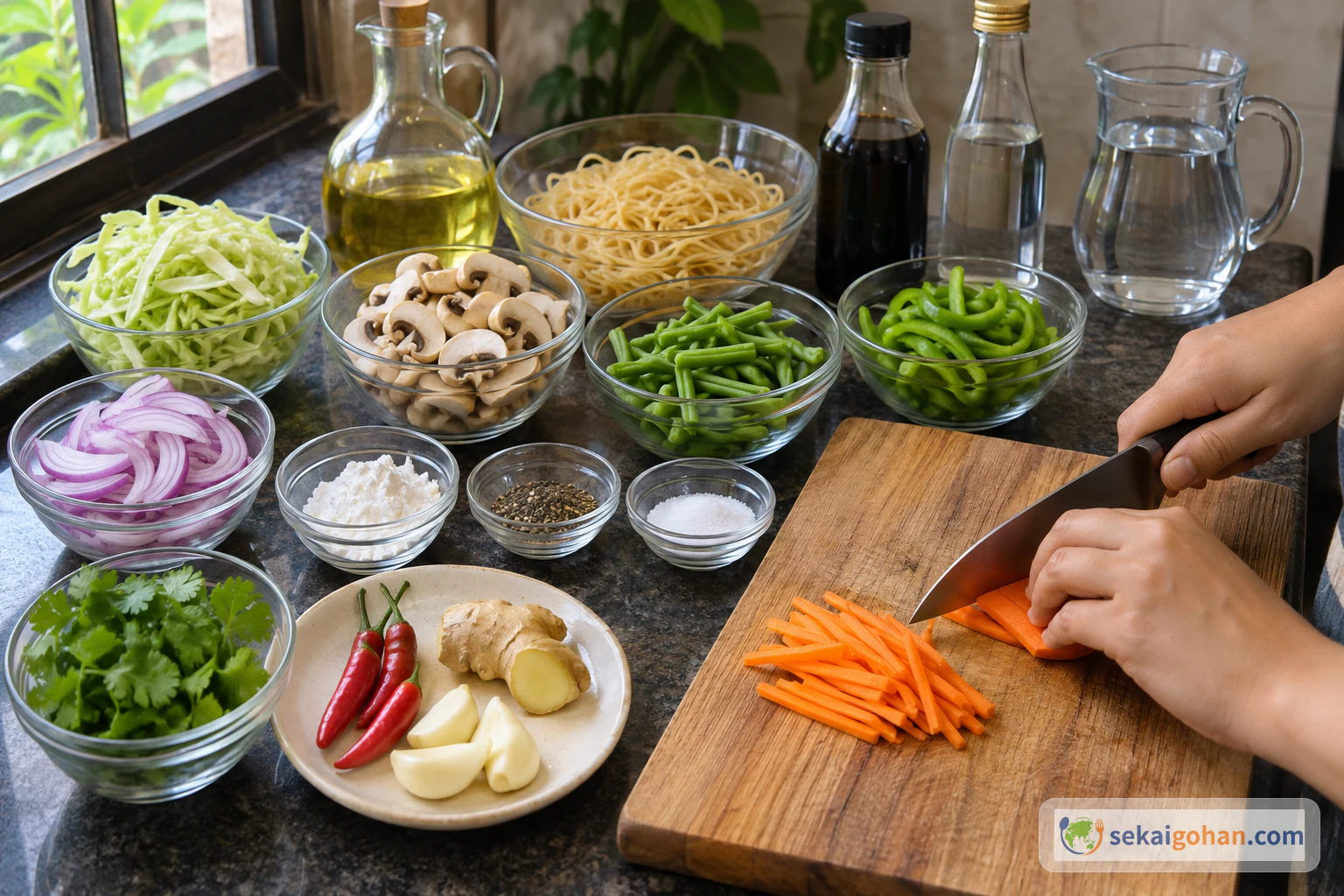
Cut all the vegetables finely before you start; the cooking moves quickly once the oil is hot. The cornstarch for the soup and the cornstarch for the noodles are listed separately because they are used at different times.
Equipment
- Wok or deep frying pan, for the soup
- Small bowl and spoon, for the cornstarch slurry
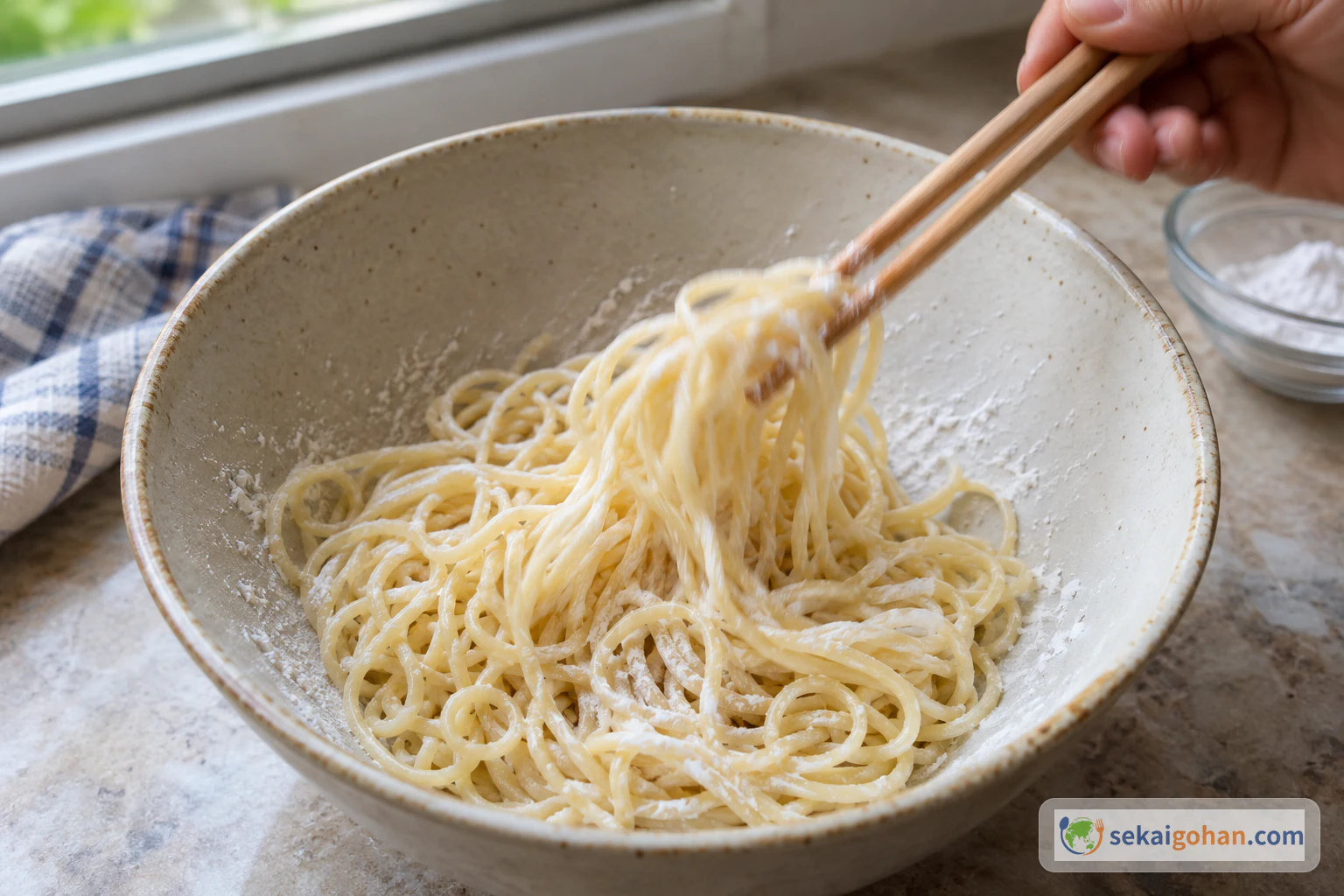
- Dry bowl and chopsticks or tongs, for coating the noodles
- Separate small pot, for frying the noodles
- Slotted spoon or spider
- Plate lined with paper towels
- Ladle and soup bowls
Choosing and Swapping: Options Within the Recipe
Choose one option from each row:
| In this article | Also allowed |
|---|---|
| Neutral cooking oil | Sesame oil |
| Fresh red chili, 1/2 to 1 teaspoon | Green chili, 1 to 2 |
| Onion | Spring onion whites, 1/4 cup |
| Black pepper powder | White pepper powder |
| Water, 3 cups | Vegetable stock, 3 cups |
| Rice vinegar | White vinegar |
| Cilantro, 2 teaspoons | Spring onion greens, 1 to 2 tablespoons |
| No celery | Celery, 1 teaspoon, optional |
| Crispy noodles on top | No noodles at all |
Use ordinary soy sauce and cornstarch.
Because soy sauce already brings salt, the amount of added salt depends on the soy sauce you use, which is why salt is left to taste.
Method: Quick Sautéing, Then Thicken and Finish
Steps 11 to 13 are for the optional crispy noodles. They are numbered after the soup for clarity, but you can prepare and fry the noodles while the soup simmers, so the soup does not have to sit and wait. If you are not making noodles, skip from step 10 to step 14.
Troubleshooting: Thickness, Lumps, Salt and Heat
| Problem | Likely reason | What to do |
|---|---|---|
| Lumps in the soup | The slurry settled, or went in all at once | Always restir the slurry just before adding it, lower the heat, and pour it in a little at a time while stirring |
| Thicker than you like | All the slurry went in at once | Next time, add the slurry gradually and stop once the soup reaches the thickness you want |
| Too salty | Salt added before tasting the soy sauce | Taste after the soy sauce and water go in, and add salt only as needed |
| Too spicy, or not spicy enough | Chili amount | Stay within 1/2 to 1 teaspoon fresh red chili; start at 1/2 teaspoon if you are unsure |
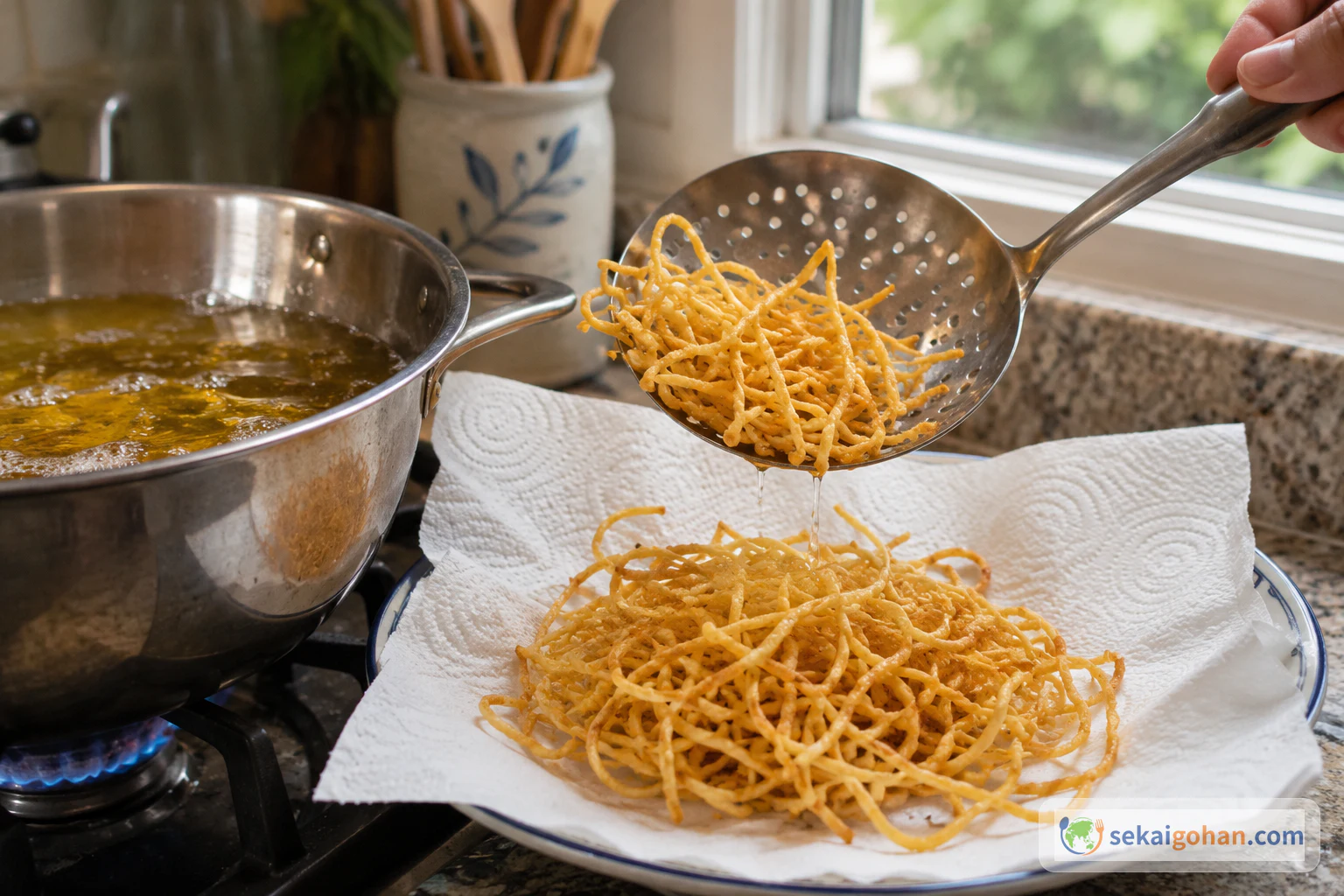
| Soggy noodles | Noodles sat in the soup too long, or were wet before frying | Drain and coat the noodles well before frying, fry them separately, and put them on the soup only when serving |
| Burnt-tasting aromatics | Heat too high in step 1 | Keep the heat low and sauté only 8 to 10 seconds before adding the onion |
Hot oil can spatter violently if wet food goes in. Drain the cooked noodles well before coating them, keep the frying pot well below full, and fry in small batches.
Variations Within the Recipe
The simplest variation is to skip the noodles entirely; the soup is complete without them, and the recipe allows serving it plain. Using vegetable stock instead of water gives a different base, and spring onion greens can replace cilantro. Sesame oil in place of neutral oil adds its own aroma from the very first step.
The other well-known versions described above, with a separate homemade stock, tomato and mint, or dark and light soy sauce, or chilli sauce, are best treated as their own recipes rather than as small adjustments to this one.
Frequently Asked Questions
Is Manchow soup vegan?
The version in this article is: Dassana's Veg Recipes presents it as a vegan Indo-Chinese vegetable soup. Other Manchow soups exist with meat or egg, but those are different versions.
Can I make it without the fried noodles?
Yes. The noodles are optional. Skip steps 11 to 13 and serve the soup with cilantro, or just as it is.
Why aren't the noodles cooked in the soup?
In this recipe, the noodles are a crisp topping, not part of the soup. They are coated, fried separately and placed on top when serving, so they keep their crunch.
Should I use dark or light soy sauce?
The recipe used here does not specify a type, so ordinary soy sauce is used. Lee Kum Kee India's version uses dark and light soy sauce for separate purposes, but that is a different recipe with its own amounts.
Where does Manchow soup come from?
The sources used for this article do not establish an origin or an inventor, so no origin story is given here. What can be said is that it is a dish of Indo-Chinese cooking and that many versions are published in India.
Sources
- Dassana Amit, "Manchow Soup Recipe," Dassana's Veg Recipes. The recipe followed in this article: a vegan Indo-Chinese vegetable Manchow soup for 2 servings, with its ingredients, order of cooking and the optional fried noodles made from cooked, room-temperature or cold noodles coated in cornstarch. https://www.vegrecipesofindia.com/veg-manchow-soup-recipe/
- Tarla Dalal's Kitchen, "Manchow Soup Video by Tarla Dalal." A reposted Tarla Dalal recipe for 4 servings with a separate vegetable stock; used only for comparison. https://www.tarladalalskitchen.wordpress.com/2012/11/23/manchow-soup-video-by-tarla-dalal/
- Lee Kum Kee India, "Manchow Soup." A manufacturer's 2-serving recipe with 700 ml vegetable stock, dark and light soy sauce, rice vinegar, pepper and cornflour slurry; used only for comparison. https://in.lkk.com/en/recipes/manchow-soup
- ZengaTV, "Vegetable Manchow Soup | Sanjeev Kapoor Khazana." A vegetable version using mushrooms, dark soy sauce, red chilli sauce, vegetable stock and cornstarch; used only for comparison. https://www3.zengatv.com/videos/ac7134ee-9f05-4081-874e-0c71f460bbb3.html