Masale Bhat: Rice, Vegetables and Goda Masala in a Single Pot
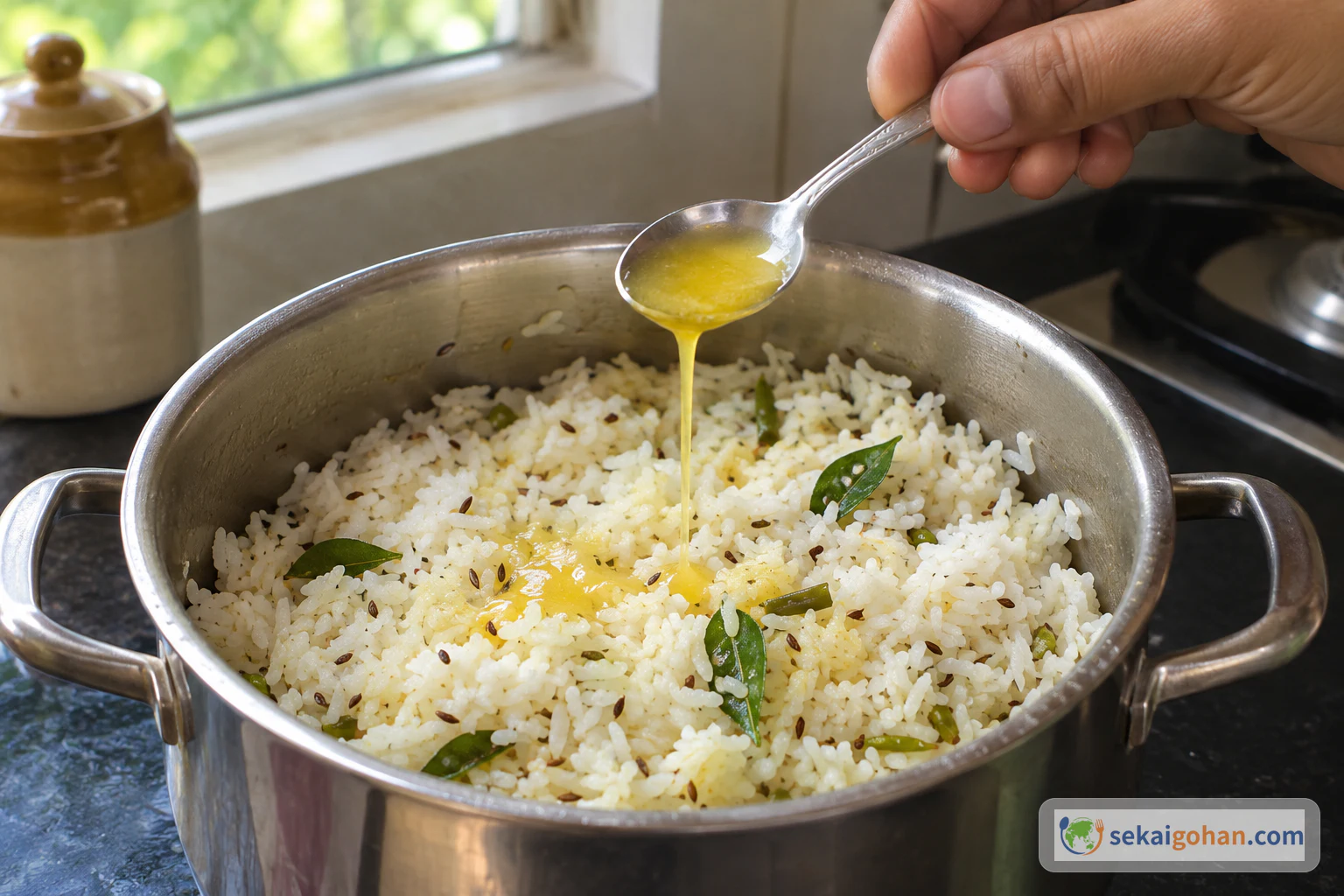
Let the goda masala carry the aroma, keep the vegetables in recognizable pieces, and judge the rice by its texture rather than by the clock. Ghee goes in only once, after the rice has rested.
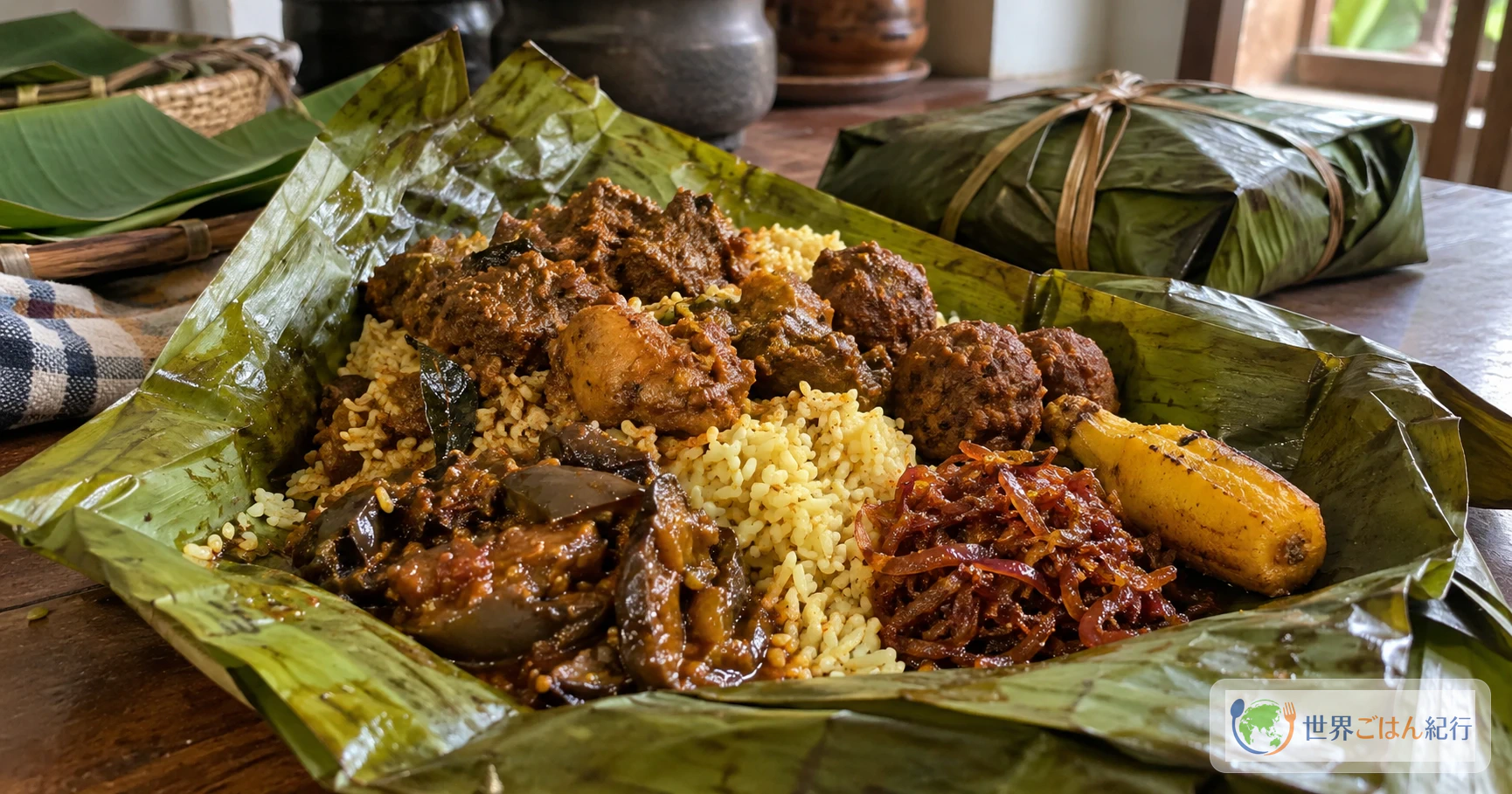
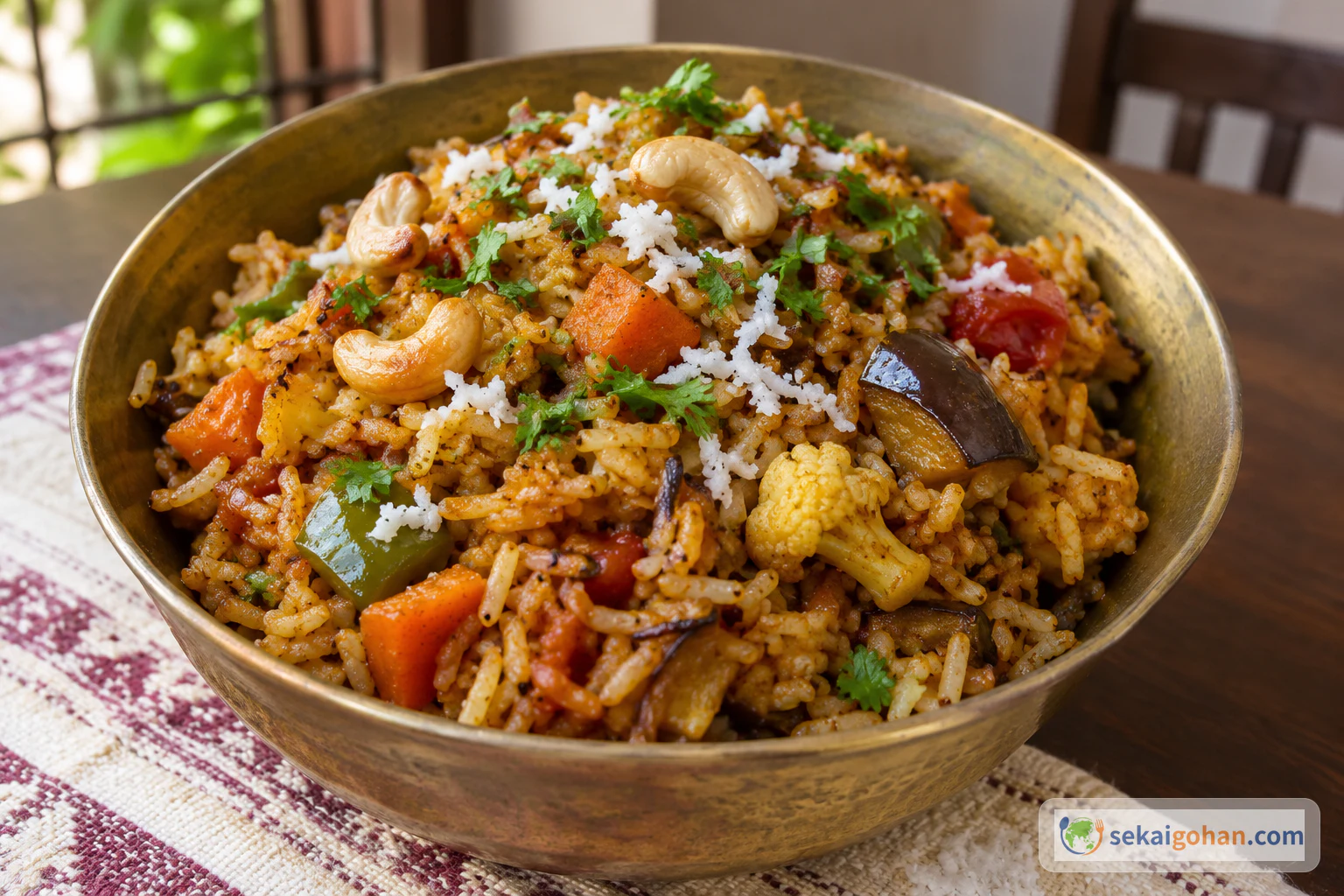
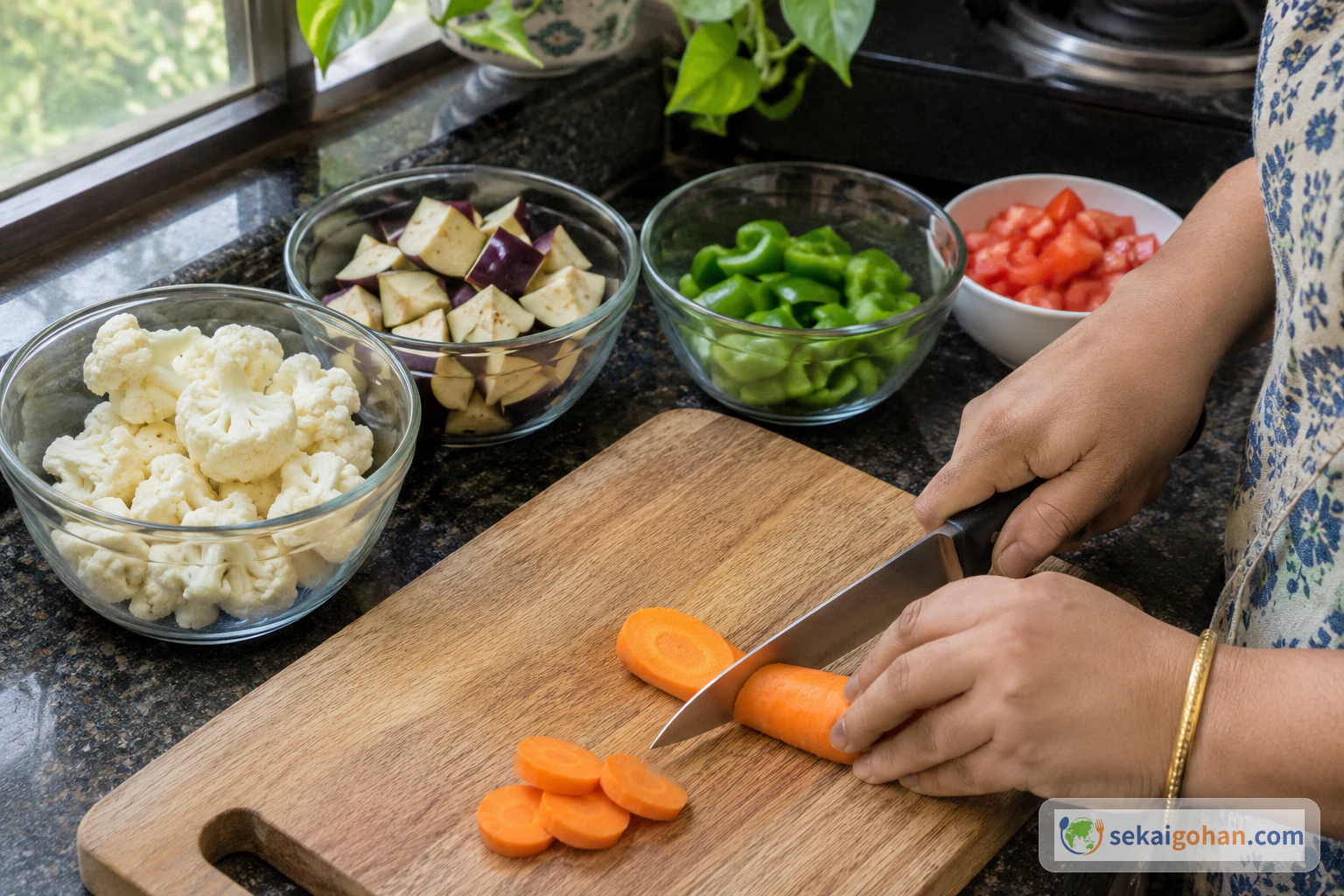
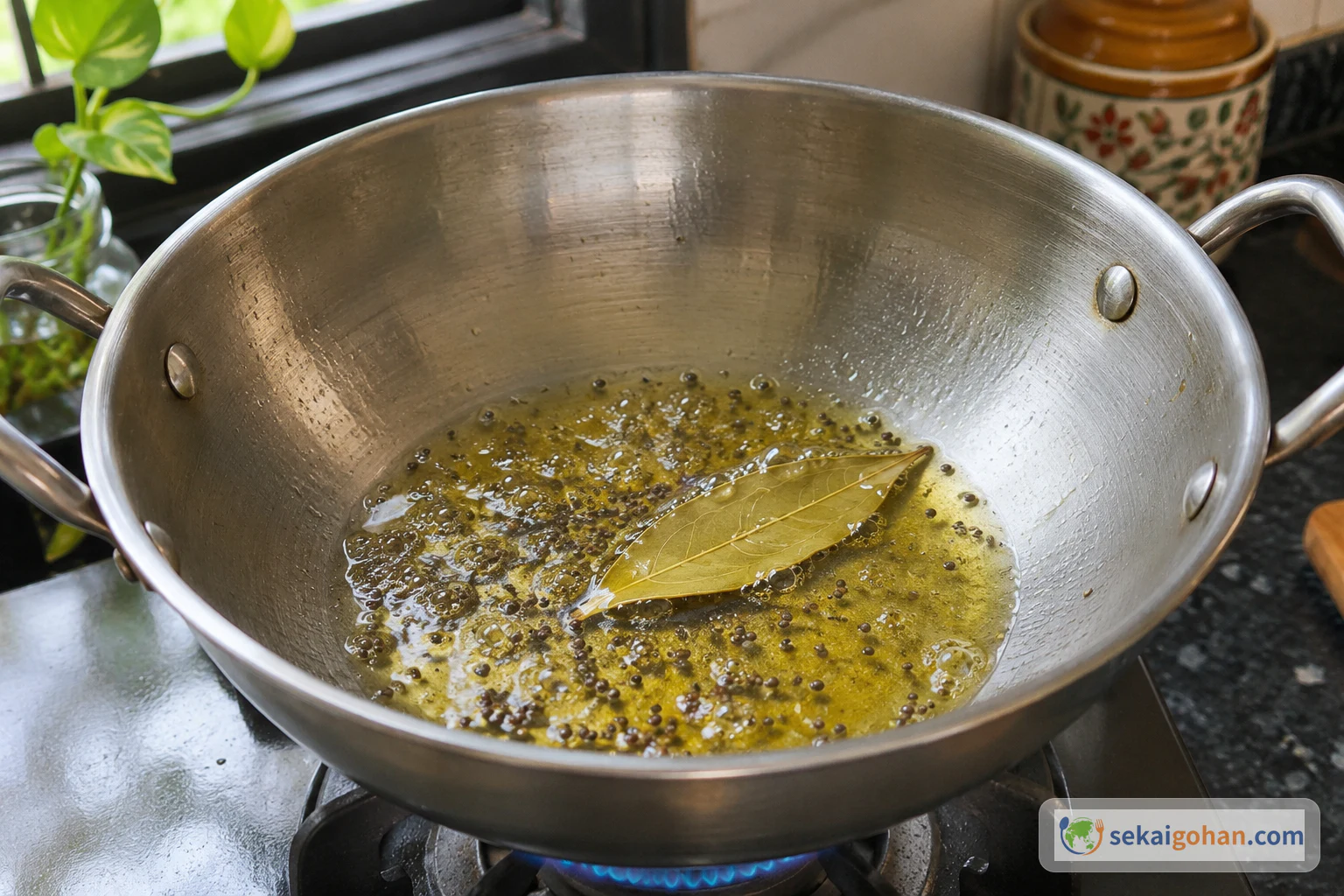
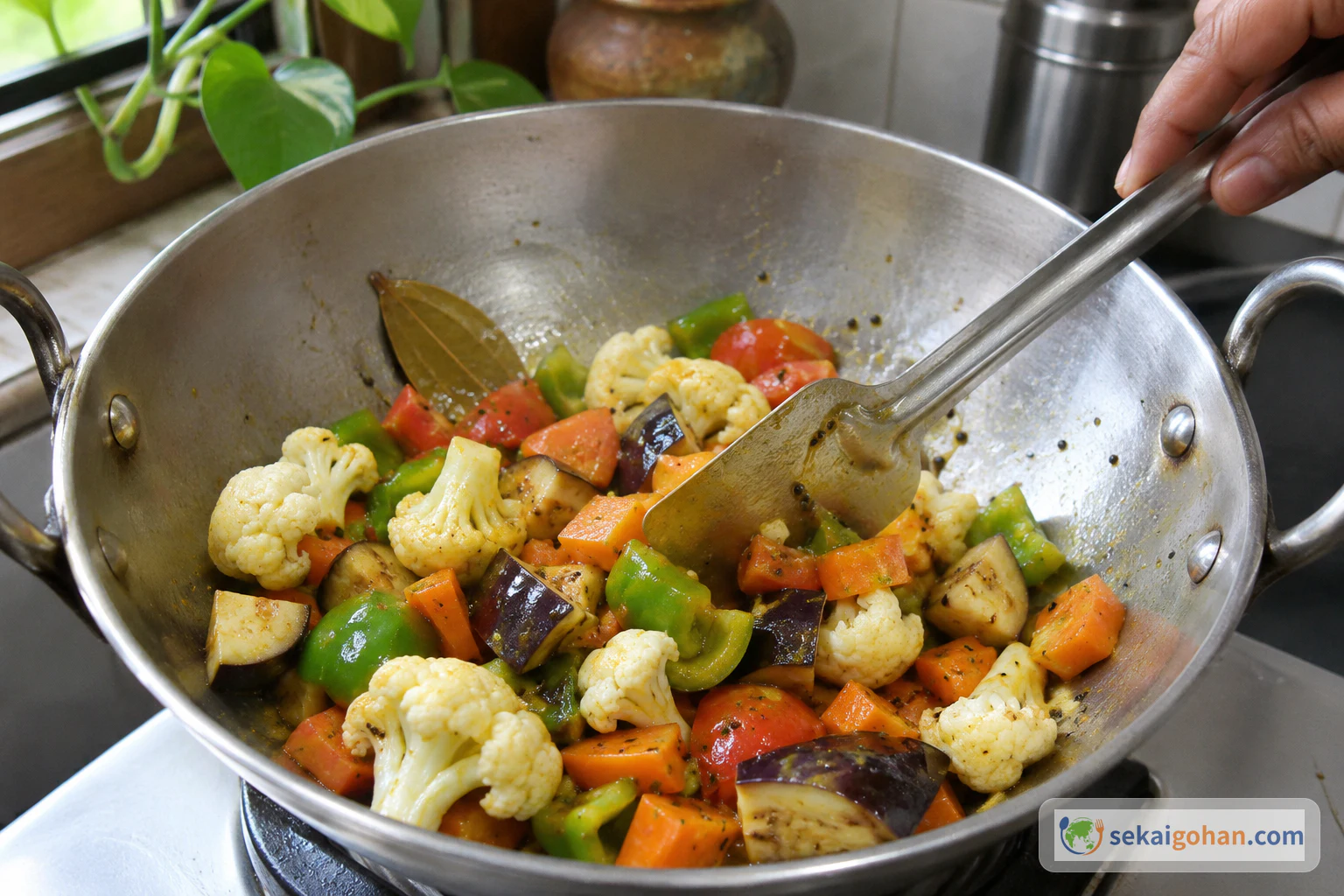
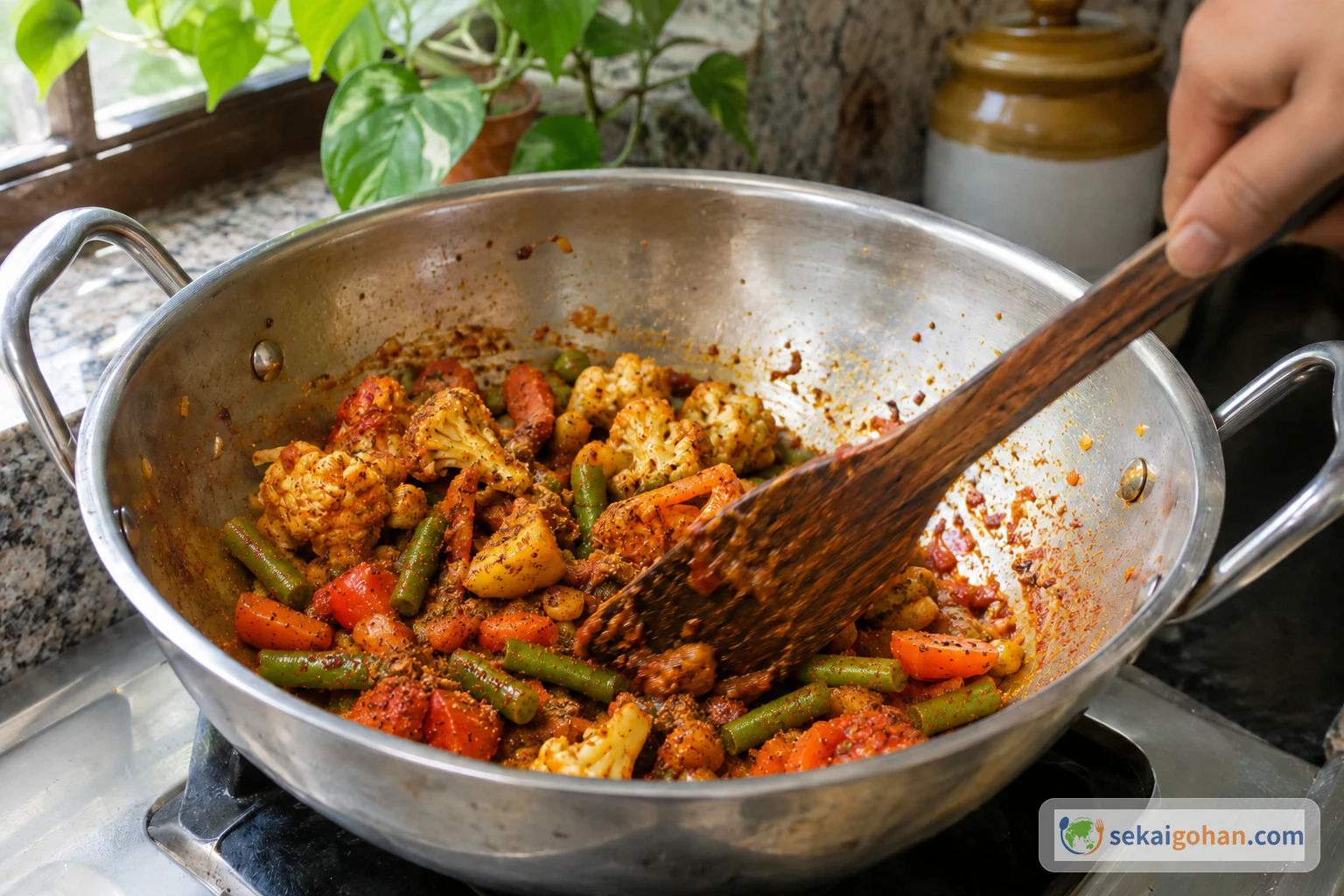
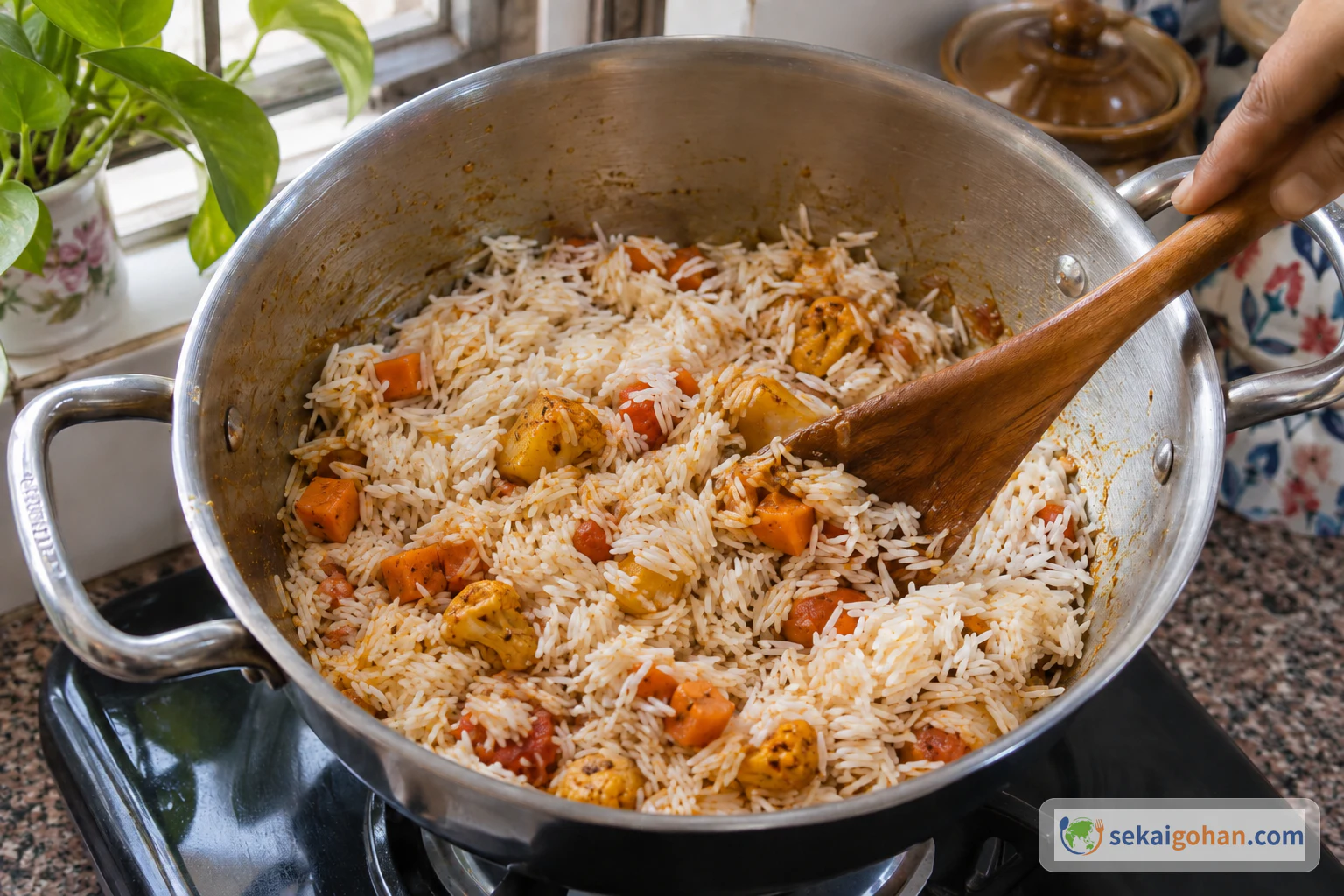
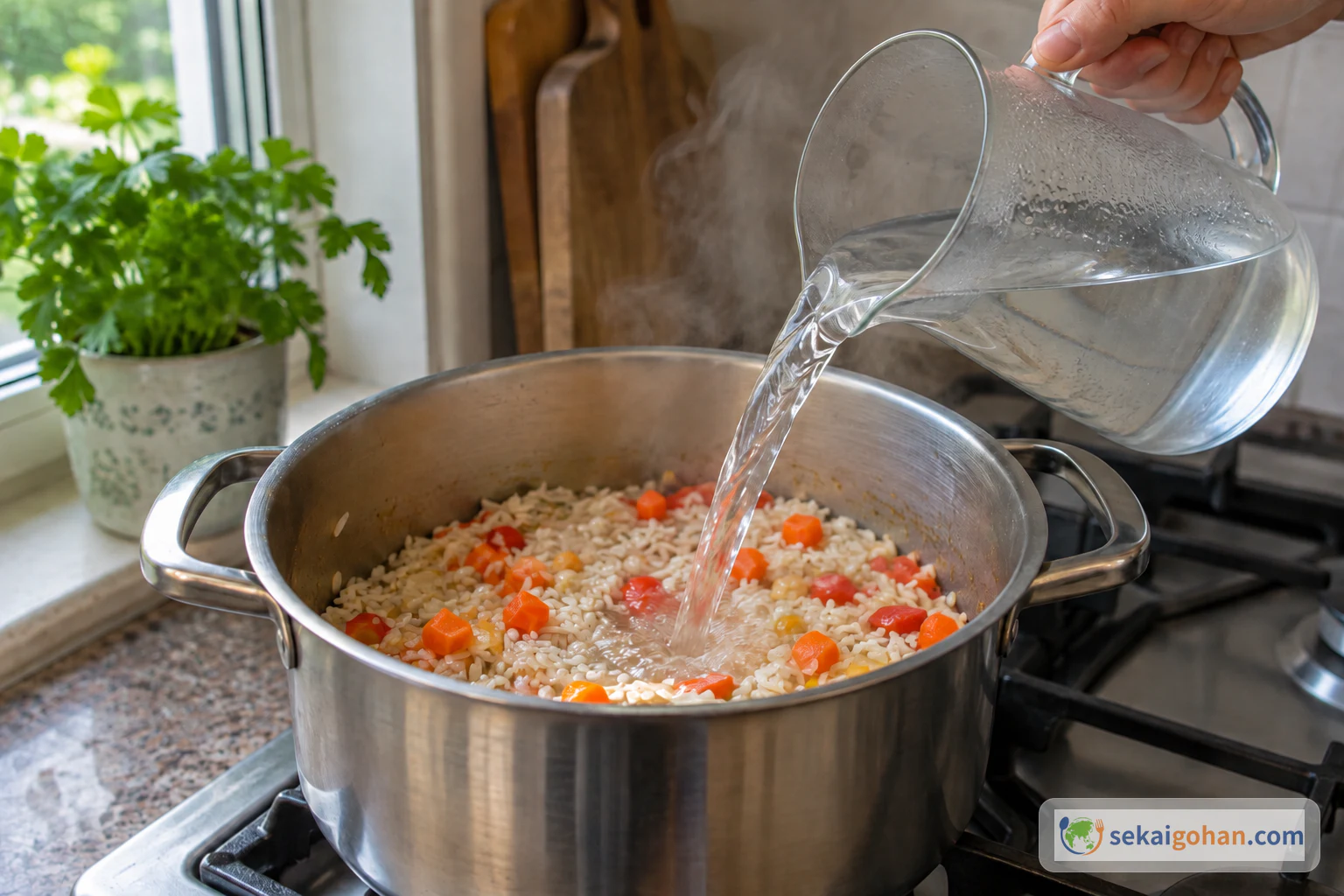
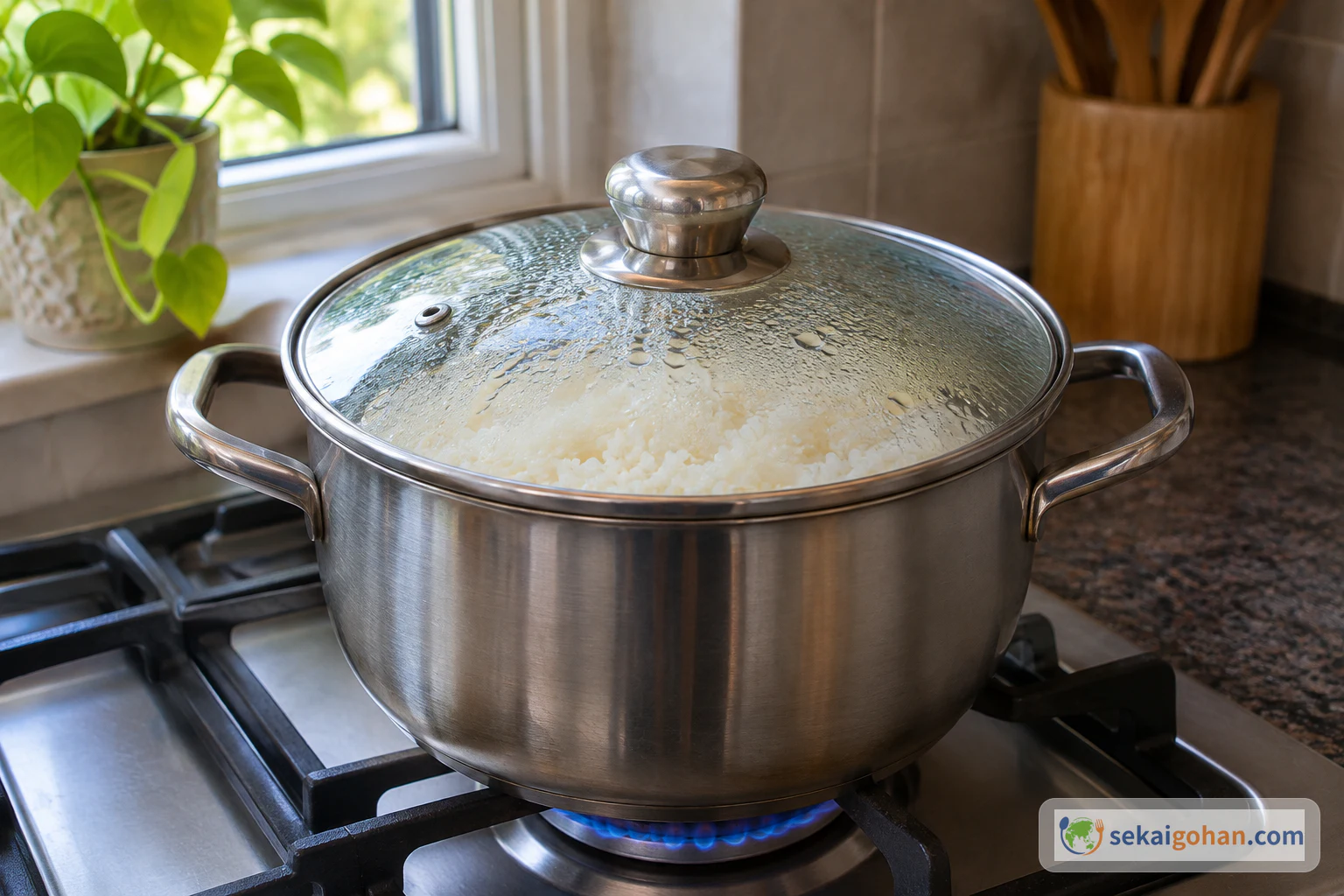
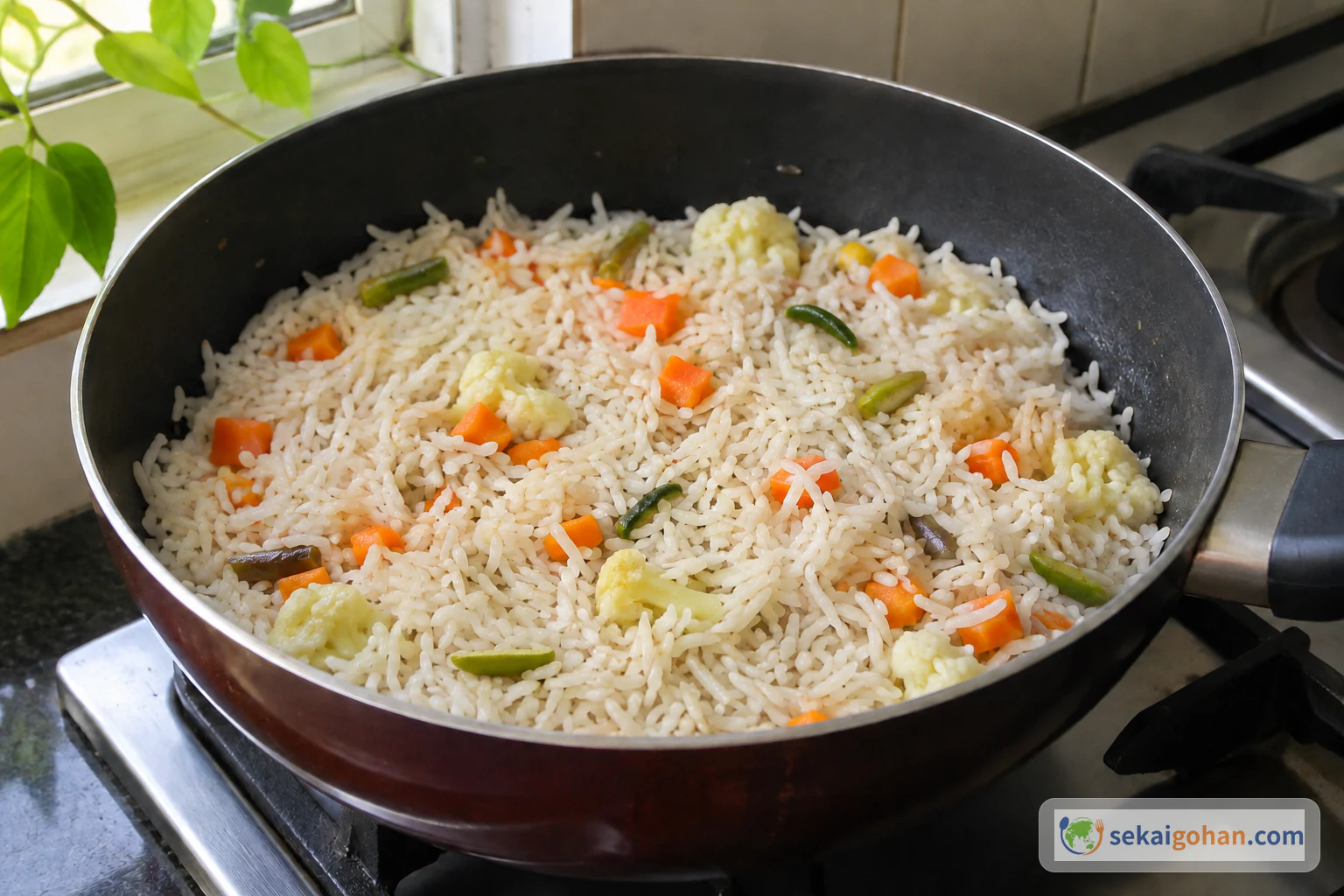
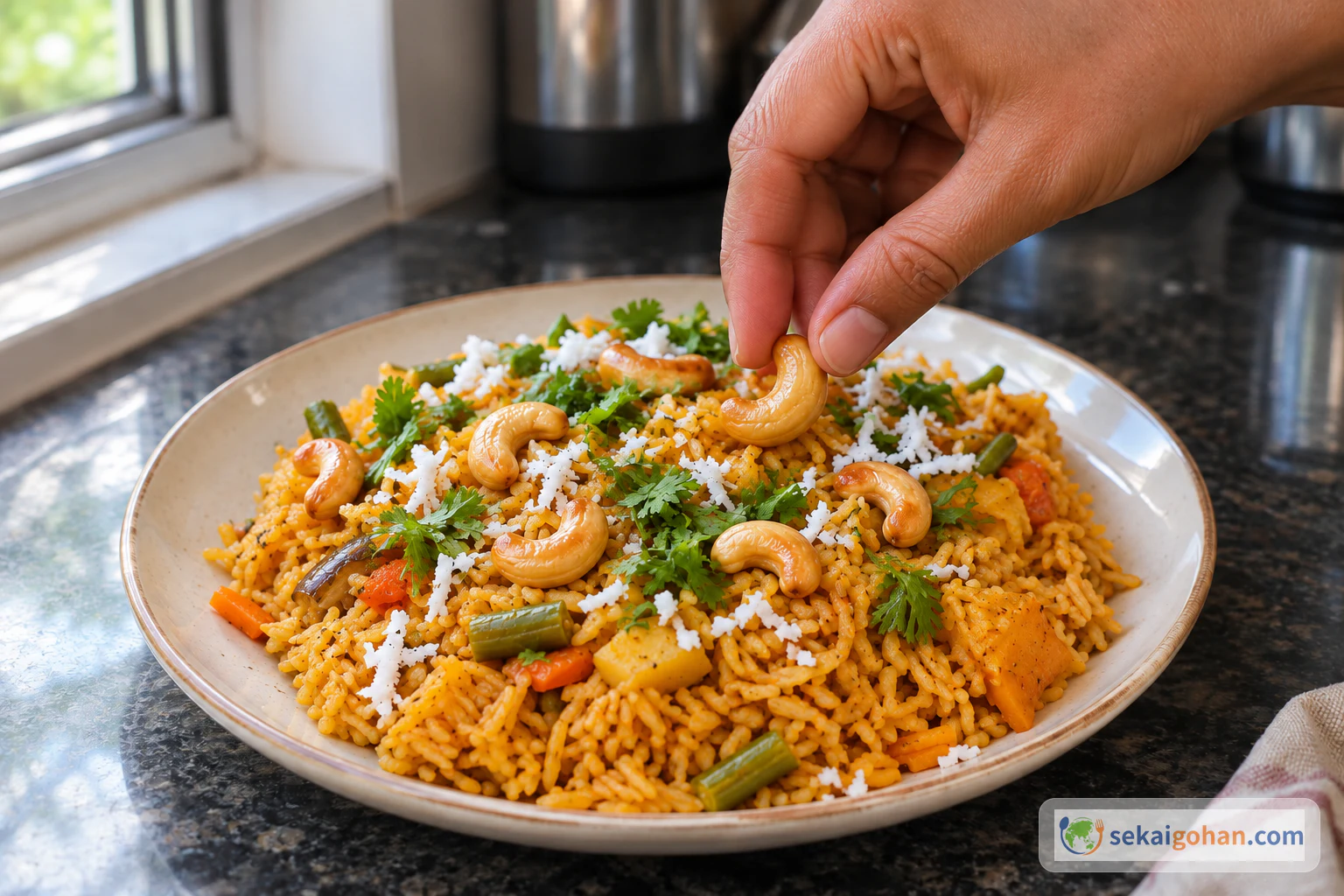
Mustard seeds crackle in hot oil beside a single Indian bay leaf. Cauliflower, carrot, brinjal, green capsicum and tomato follow, then goda masala, then soaked rice and hot water. The lid goes on, the heat goes down, and the rice cooks through with the vegetables until everything is ready to be finished with grated coconut, coriander leaves and golden cashews. This is masale bhat, also written masala bhat or masala bhaat: a spiced vegetable rice from Maharashtra in western India.
Several recipes are published under this name, and they do not agree on the ingredients. This article follows one of them closely: the Maharashtrian masale bhat published by Dassana Amit on Veg Recipes of India. Its amounts and order of steps are kept as they are, and ingredients from other versions are not mixed in, so you can cook one coherent pot. For more dishes from the same country, see India.
This recipe has not been kitchen-tested by Sekai Gohan. The amounts, the 3–4 servings and the order of steps follow the published recipe it is based on. Adjust the salt and any extra water as needed while cooking.
What Masale Bhat Is: A Maharashtrian One-Pot Vegetable Rice
Masale bhat is rice and vegetables cooked together in one pot, flavored with goda masala. Dassana Amit's recipe presents it as a dish of Maharashtrian cuisine and builds it around three things: rice, a mix of vegetables, and goda masala (also called kala masala), the spice blend that gives the dish its character. The author describes the texture as close to a pulao while noting that the taste and aroma are different; that is the author's reading of the dish, not a fixed definition.
The same page shares a personal memory: the author recalls eating masale bhat at wedding meals in Maharashtra. That is one cook's recollection. It is not evidence that the dish is a wedding food everywhere in the region, and nothing here should be read as a history or origin story, which the materials behind this article do not establish.
The recipe card lists 3 to 4 servings, 30 minutes of preparation and 35 minutes of cooking (1 hour 5 minutes in all). These are the figures printed with that recipe, not timings measured for this article; your rice, pot and stove will set the real pace.
Other published recipes for masale bhaat look quite different. A regional-cuisine course text from Uttarakhand Open University uses ghee, cumin, onion, green chilli, ginger-garlic paste, cashews and short-grain rice. An NDTV Food recipe for Maharashtrian masala bhaat uses ivy gourd (tendli) among its vegetables, along with peanuts and jaggery. These differences show that there is no single fixed formula behind the name, so this article stays with one version from start to finish.
Ingredients: Serves 3 to 4
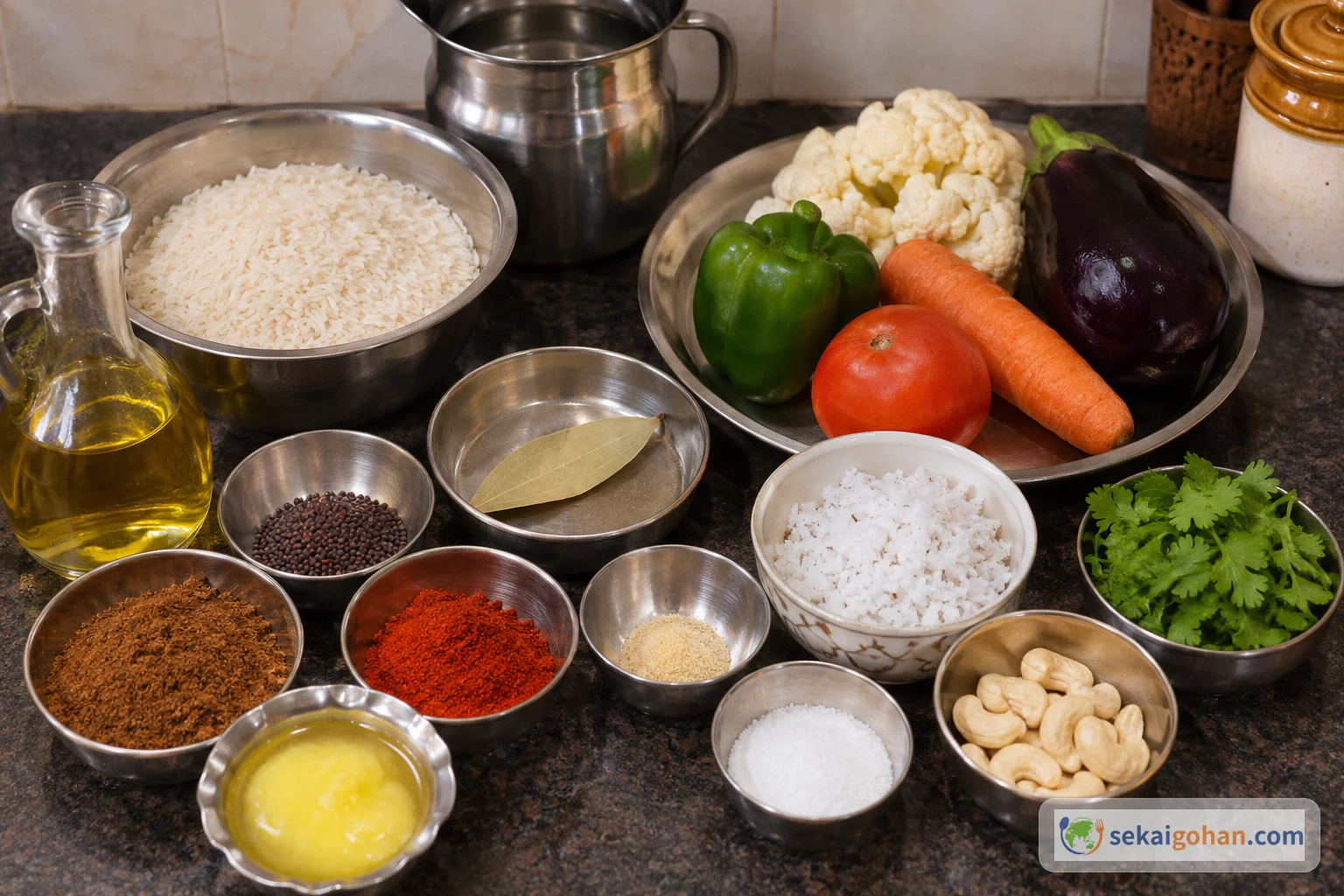
This version uses tomato and an Indian bay leaf, and leaves out potato. There is no onion or garlic. Use prepared goda masala as it is.
The 2 tablespoons of oil are for cooking; the 1 teaspoon of ghee is a separate finishing addition. Keep them apart. Use goda masala here, not garam masala or curry powder.
Cashews are tree nuts. Ghee is a dairy product, so this version is not vegan. Check the labels of packaged spices, ghee and nuts for allergen and shared-facility information.
Equipment
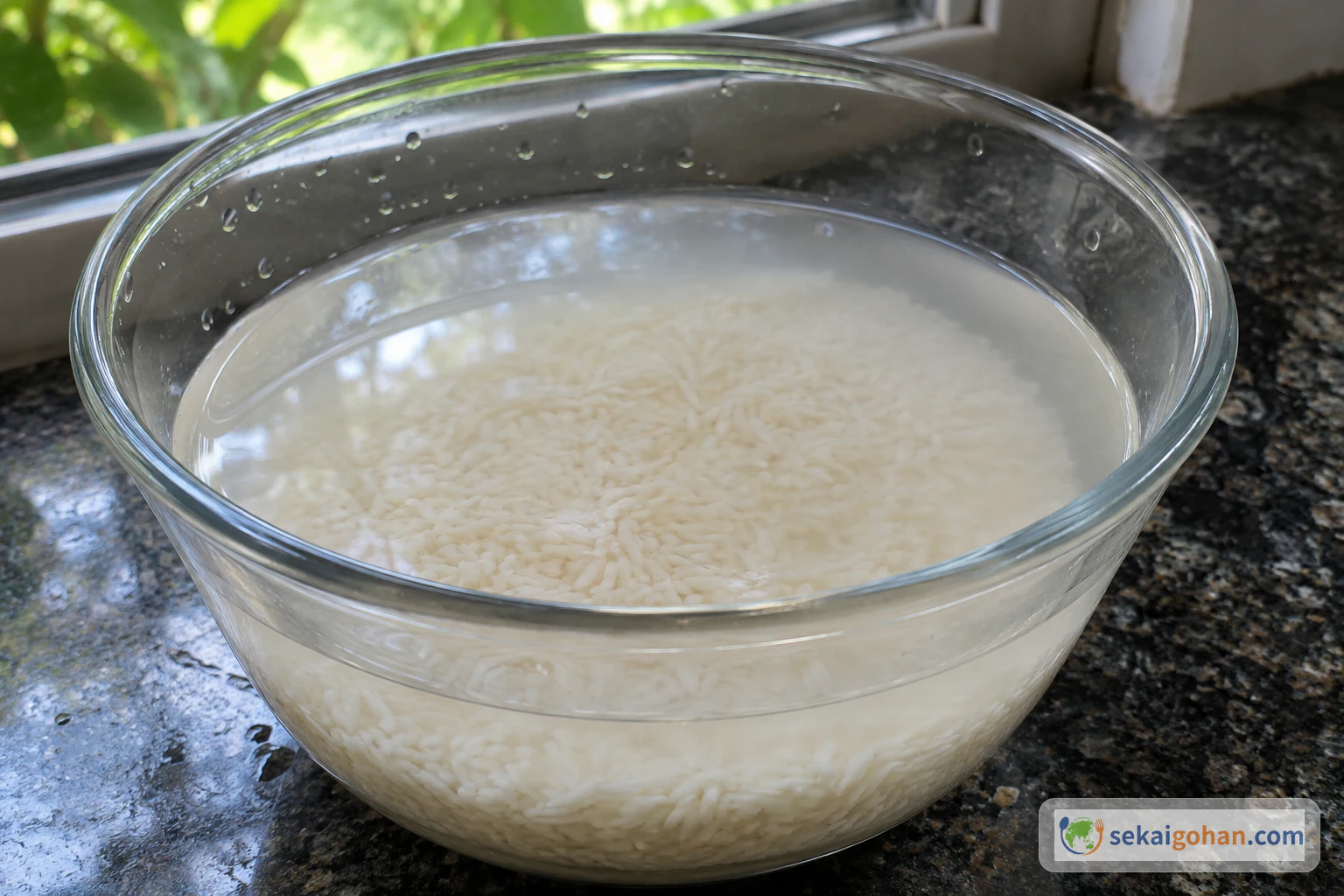
- A bowl for soaking the rice
- A sieve for draining the rice
- Knife and cutting board
- A heavy pot with a lid, for cooking the rice over low heat
- A separate saucepan or kettle for heating the water
- A small separate pan for dry-roasting the cashews
Choices in This Version: Tomato, Bay Leaf, No Potato
A few ingredients in masale bhat come as either-or choices. This article fixes one combination so that the pot stays consistent:
| Choice | Used here | Alternative | Note |
|---|---|---|---|
| Acidity | 1 small to medium tomato | 2 tablespoons yogurt | Use one or the other, not both |
| Leaf aroma | 1 Indian bay leaf | 7 to 8 curry leaves | Use one or the other, not both |
| Potato | Left out | 1 small potato, chopped | Optional; this version skips it |
Goda masala. This blend is what makes the dish taste like masale bhat, so it is worth looking for under the name "goda masala" or "kala masala" at an Indian grocer. Garam masala and curry powder are different blends; swapping them in makes a different rice, not this one.
Rice. Regular or long-grain rice works. Choose one kind for the pot rather than mixing several.
Method: From Crackling Mustard Seeds to a Rested Pot
The cooking time on low heat depends on your rice and your pot. Check once or twice, and if the water is gone while the rice is still hard, add hot water and keep cooking.
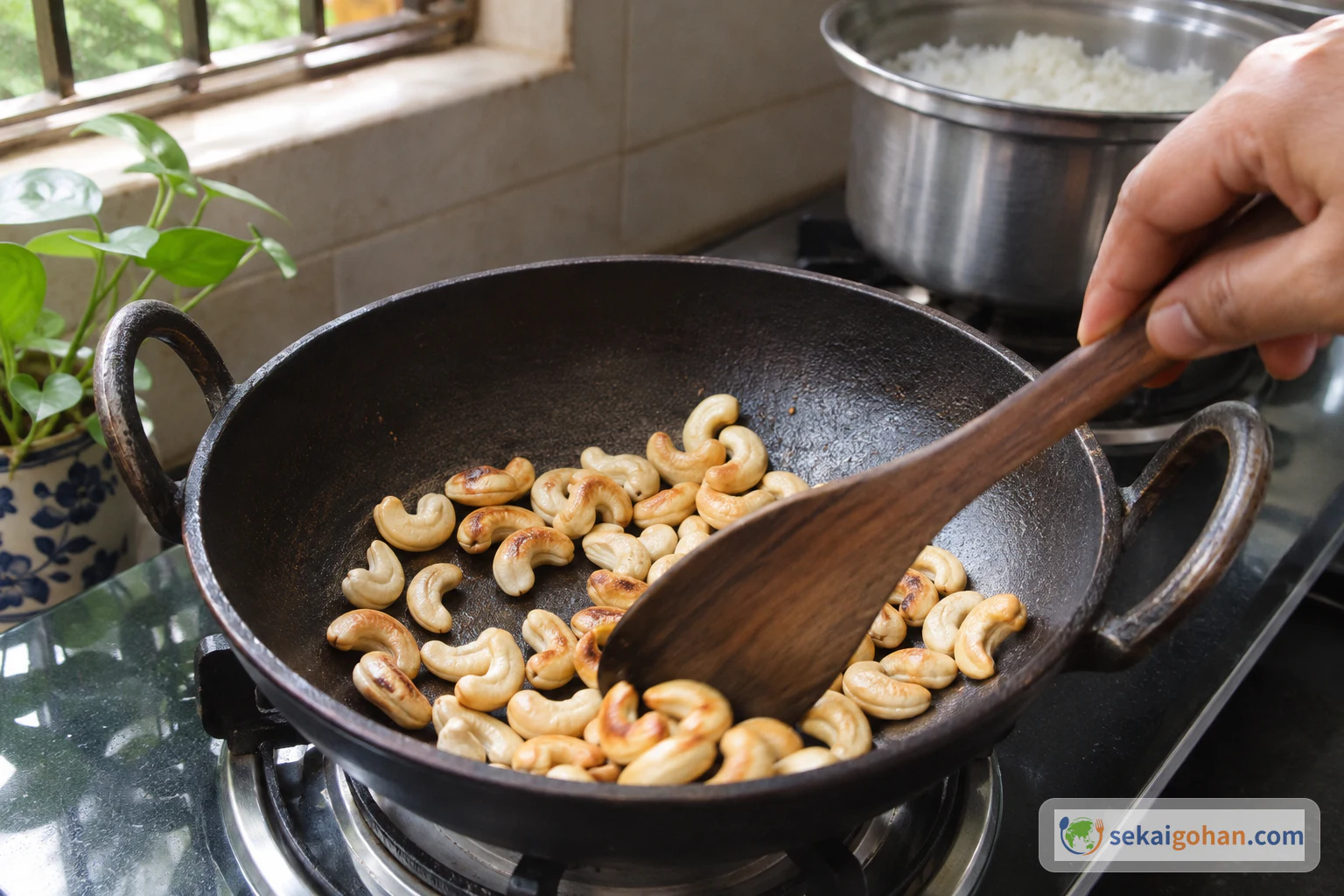
The cashews are roasted in a separate pan while the rice cooks, so have that pan ready before you put the lid on.
Getting the Aroma and the Rice Right
The vegetables go into the tempered oil first, and only then do the goda masala, chilli powder and hing go in for their 1 minute. The rice follows for its own minute before the hot water. Use only the spices listed for this version.
| Situation | What to check | What to do |
|---|---|---|
| The water is gone but the rice is still hard | Check whether the rice is soft and cooked through | Add a little hot water, cover, and keep cooking on low heat |
| The rice is soft but you are unsure it is finished | Whether grains are cooked through | Turn off the heat and let it rest for the full 5 minutes before the ghee |
| The cashews are browning fast | Color of the nuts | Keep stirring and take the pan off the heat as soon as they turn golden |
| The flavor is not what you expected | Which spice blend went in | Use goda masala; garam masala or curry powder gives a different dish |
| Seasoning is flat | Salt | Taste and adjust the salt |
Because the water is given as "2.5 cups, or as needed," the extra amount is a judgment call. If the rice is still hard and the water has been absorbed, add a little hot water and keep cooking.
Variations Within the Recipe and Other Published Versions
Within the recipe this article follows, the author allows some flexibility:
- Yogurt instead of tomato. 2 tablespoons of yogurt can replace the tomato.
- Curry leaves instead of bay leaf. 7 to 8 curry leaves can replace the Indian bay leaf.
- Potato. 1 small potato is listed as optional.
- Rice. The page mentions that rice varieties such as Ambemohar, Sona Masuri or Kolam can be used, while the recipe card itself calls for regular or long-grain rice.
- Vegetables. The author leaves room for your choice of vegetables. If you change them, treat it as your own variation of this pot rather than the version written here.
Other recipes under the same name go in different directions. The Uttarakhand Open University course text builds its masale bhaat on ghee, cumin, onion, green chilli and ginger-garlic paste with short-grain rice and cashews. The NDTV Food recipe adds peanuts and jaggery and uses vegetables such as ivy gourd. Each is a complete recipe of its own; combining their ingredients with this one would produce a pot that none of them describes.
Serving Masale Bhat
Masale bhat is finished with coconut, cashews and coriander leaves and eaten hot. As accompaniments, the recipe this article follows suggests yogurt, buttermilk or raita served alongside, which sit well next to a spiced rice.
Frequently Asked Questions
Can I use garam masala instead of goda masala?
Use goda masala for this version. Garam masala is a different blend, and substituting it would be a separate variation.
Is this masale bhat vegan?
No. This version is finished with ghee, which is a dairy product. Dassana Amit's recipe also offers yogurt as an alternative to tomato, which is dairy as well.
What if the rice is still hard when the water runs out?
Add a little hot water, cover the pot again and keep cooking on low heat. Check once or twice along the way, and add water in small amounts rather than all at once.
Can I add onion or garlic?
The recipe followed here has no onion or garlic. Some other published versions, such as the Uttarakhand Open University course text, do include onion and ginger-garlic paste, but those belong to a different formula.
Why rest the rice before adding the ghee?
The recipe card places a 5-minute rest in the pot after the rice is cooked and before the ghee goes in, so this article keeps that order. Add the ghee once, after the rest.
Can I swap the vegetables?
The author allows a choice of vegetables. The amounts and steps here are written for cauliflower, carrot, brinjal, capsicum and tomato; other vegetables make your own variation.
Sources
- Dassana Amit, "Masale Bhat | Maharashtrian Masala Bhat," Veg Recipes of India. The recipe this article follows: ingredients, amounts and units, the tomato/yogurt and bay leaf/curry leaf choices, optional potato, order of steps, the 5-minute rest before the ghee, dry-roasting the cashews while the rice cooks, 3–4 servings and listed times, notes on goda masala and rice varieties, suggested accompaniments, and the author's personal memory of the dish at wedding meals. https://www.vegrecipesofindia.com/masala-bhaat-recipe-masale-bhat/
- Uttarakhand Open University, "Regional Cuisines of India-I (BHM-502AT)," Masalas bhaat. A different published formula including ghee, cumin, onion, green chilli, ginger-garlic paste, cashews and short-grain rice; used only to compare versions. https://uou.ac.in/sites/default/files/slm/BHM-502AT.pdf
- Toshita Sahni, "How To Make Maharashtrian Masala Bhaat," NDTV Food. Another published version using vegetables such as ivy gourd, peanuts, jaggery and goda masala; used only to compare versions. https://food.ndtv.com/webstories/food/how-to-make-maharashtrian-masala-bhaat-25811